
Bremerhaven sits on the North Sea coast in northern Germany, and honestly, you can feel the city’s maritime roots everywhere you turn. This place has a reputation as a major seaport, and it wears that history proudly. From tales of emigrants setting sail to towering ships and cutting-edge climate research, Bremerhaven really mixes old-school adventure with modern discovery.
When I visited this bustling seaport, I got swept up in its rich past and surprising present. There’s something about standing on docks where millions once started new lives—it makes history feel personal and close.
The city’s relationship with the sea is everywhere. Museums, the busy harbor, even the tall ships along the waterfront all tell a story. Exploring here gave me a genuine sense of what makes Bremerhaven tick, and I left feeling like anyone curious about Germany’s maritime side should put this city on their list.
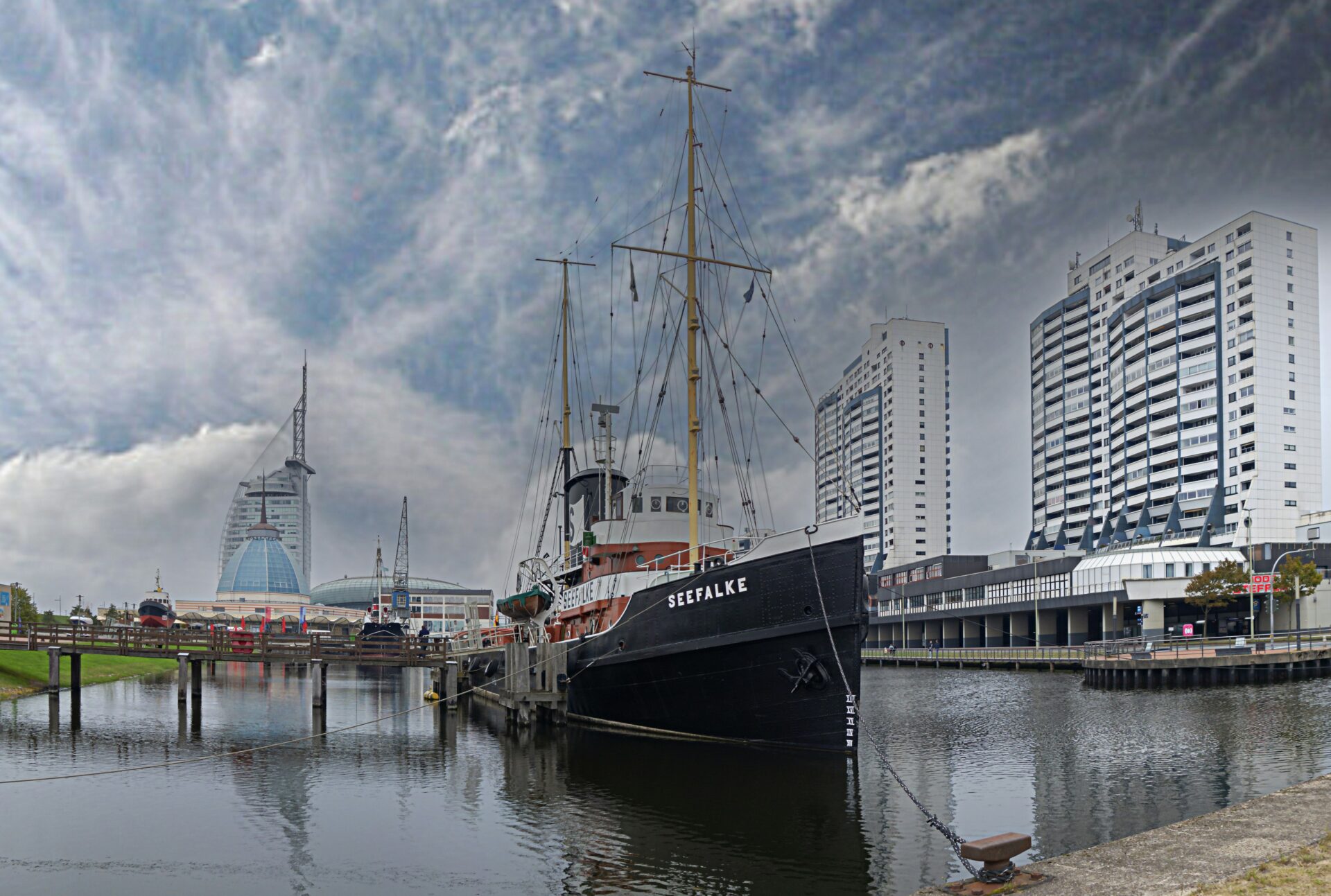
Maritime Heritage and the Port of Bremerhaven
Bremerhaven’s story is all about seafaring, shipbuilding, and global trade. You’ll hear about emigrants, vital port operations, and quirky maritime museums at every turn.
Seafaring Traditions and Maritime History
The city’s maritime tradition jumps out at you. Bremerhaven sits right at the mouth of the River Weser, and since 1827, it’s been a key port. Bremen built it to get easier access to the North Sea.
Back in the day, millions of European emigrants started their journeys here, heading for America. Local archives and museums keep those stories alive. The city’s maritime industries shaped its look and vibe, from the buildings to the culture.
You’ll still find the legacy of sailors, fishermen, and dockworkers in restored landmarks and on guided tours. These tours helped me see how global trade and industry turned Bremerhaven into one of Germany’s busiest ports.

German Maritime Museum and Iconic Exhibitions
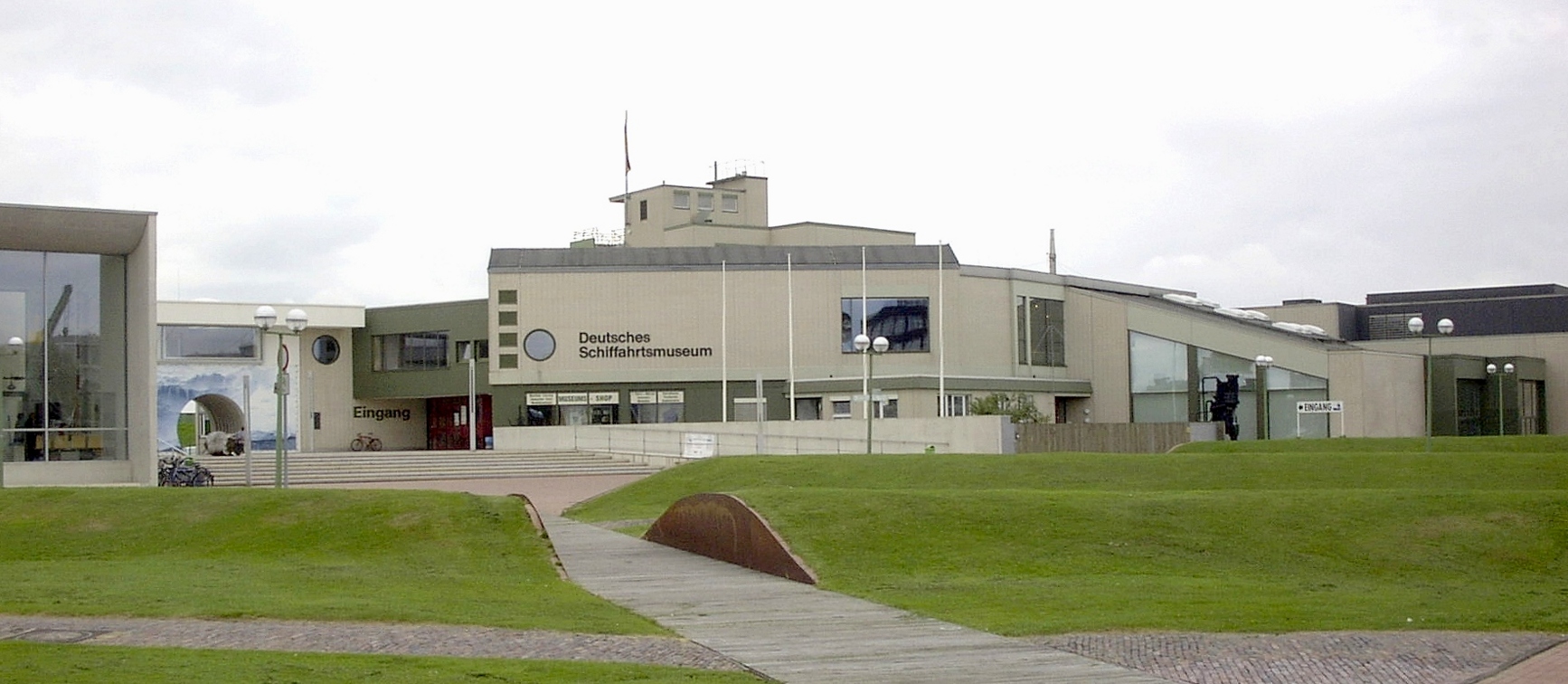
If you’re into maritime history, the German Maritime Museum (Deutsches Schifffahrtsmuseum) is a must. I wandered through interactive displays and explored historic ships for hours. You’ll see everything from ancient navigation tools to high-tech shipping gear.
The Seute Deern ship, a classic wooden sailing vessel, sits right outside the museum. Walking its decks, checking out cargo containers, and learning how shipping shaped world trade—it’s all hands-on.
Art, ship models, and special exhibitions about the River Weser’s role fill the museum. Touchscreens and detailed maps make the stories easy to follow, no matter your age. It’s a great way to get your head around Bremerhaven’s maritime past and how the port connected Germany to the world.
Shipbuilding, Container Shipping, and Trade Port
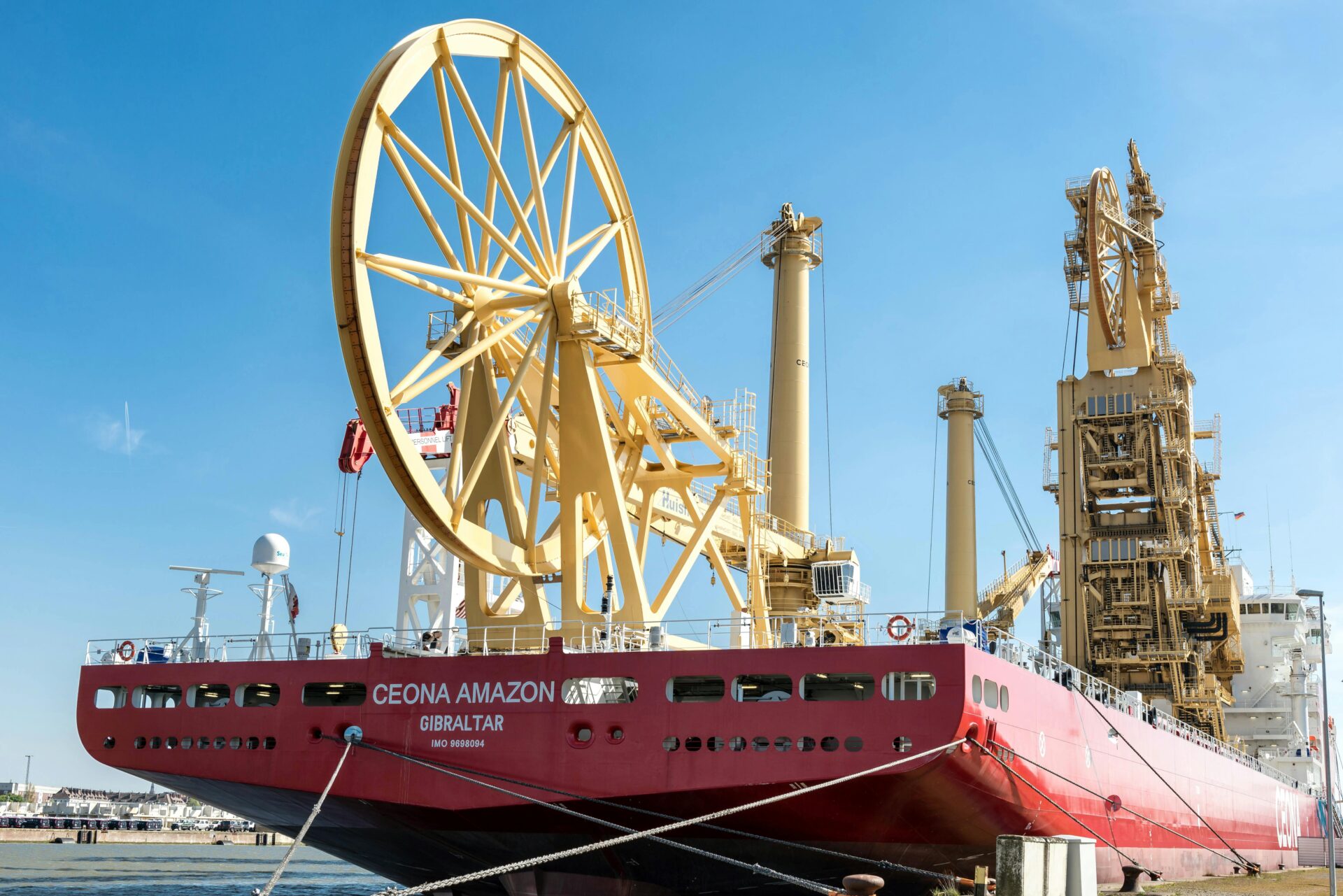
Bremerhaven’s port and maritime industries still run the show. Companies like Lloyd Werft handle shipbuilding and repairs that attract attention worldwide. I stood by the harbor, watching massive vessels getting overhauled in dry docks—something you just don’t see every day.
The container terminals here move millions of tons of cargo each year. They’re a big deal for Europe, especially for cars, food, and manufactured goods. Cranes, warehouses, and shipping lanes stretch across the port, always buzzing with activity.
Maritime trade keeps the city alive and well. Every day, Bremerhaven connects not just to Bremen, but to markets all over the world. If you’re curious, guided port tours show off this huge logistical network and put the scale of global shipping into perspective.
Journeys of Emigrants: From Bremerhaven to the World
Bremerhaven became a symbol of migration, sending millions off to new lives across the ocean. Its emigration history lingers in places and stories that really make you pause and reflect.

German Emigration Center and Emigration History
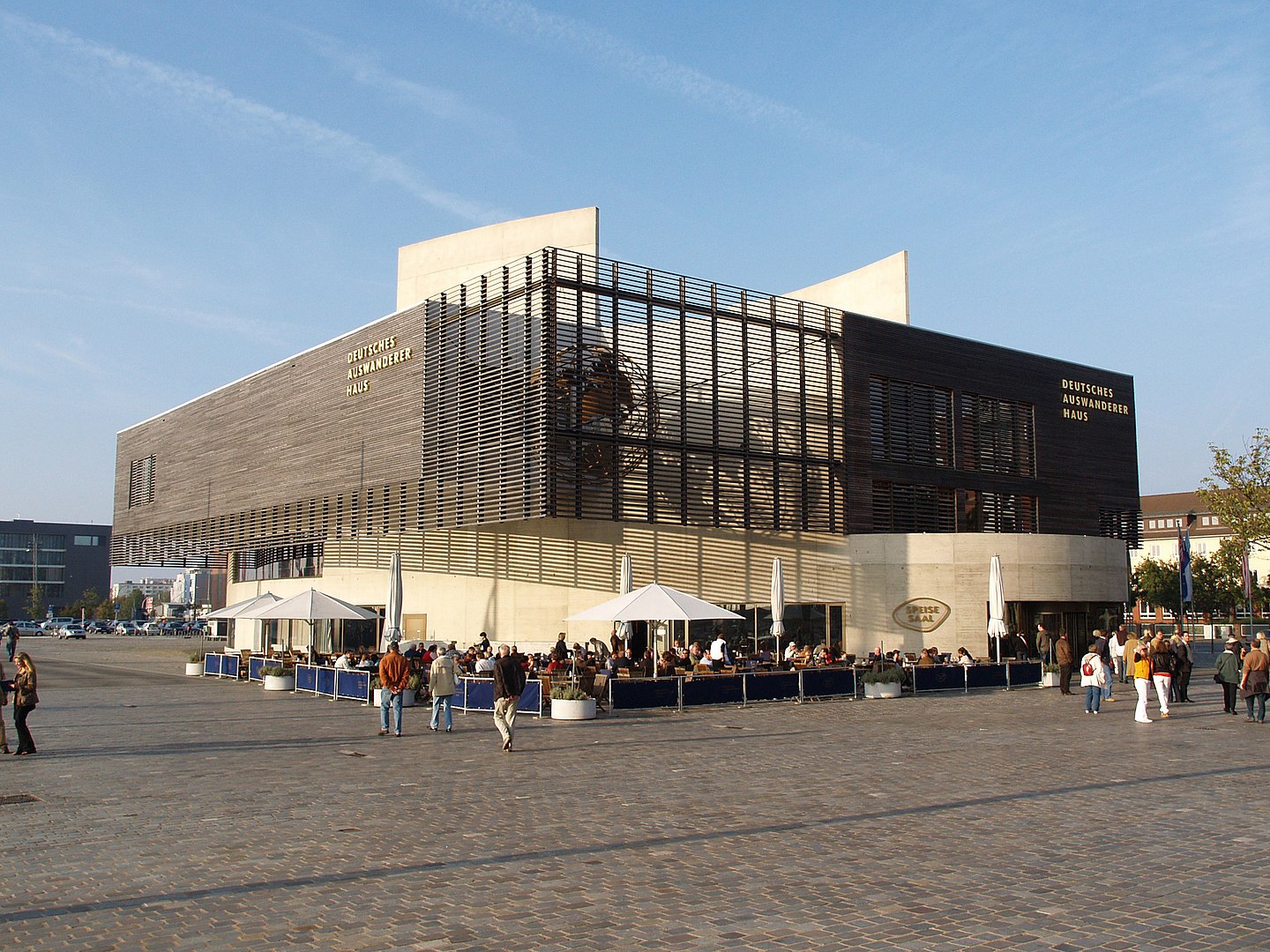
The German Emigration Center (Deutsches Auswandererhaus) lets you walk in the footsteps of over 7 million people who left from this port between the 19th and 20th centuries. The museum tells the story of emigration, focusing on personal experiences of German emigrants.
I wandered through exhibitions that followed real people and families, showing their travels, hopes, and reasons for leaving. Bremerhaven grew into the biggest emigration port in continental Europe, especially from the 1830s to the 1970s.
Interactive exhibits and historical letters made the mix of hardship, excitement, and promise feel real. The center also covers the ebb and flow of people arriving and leaving, giving a balanced look at migration in this harbor city.
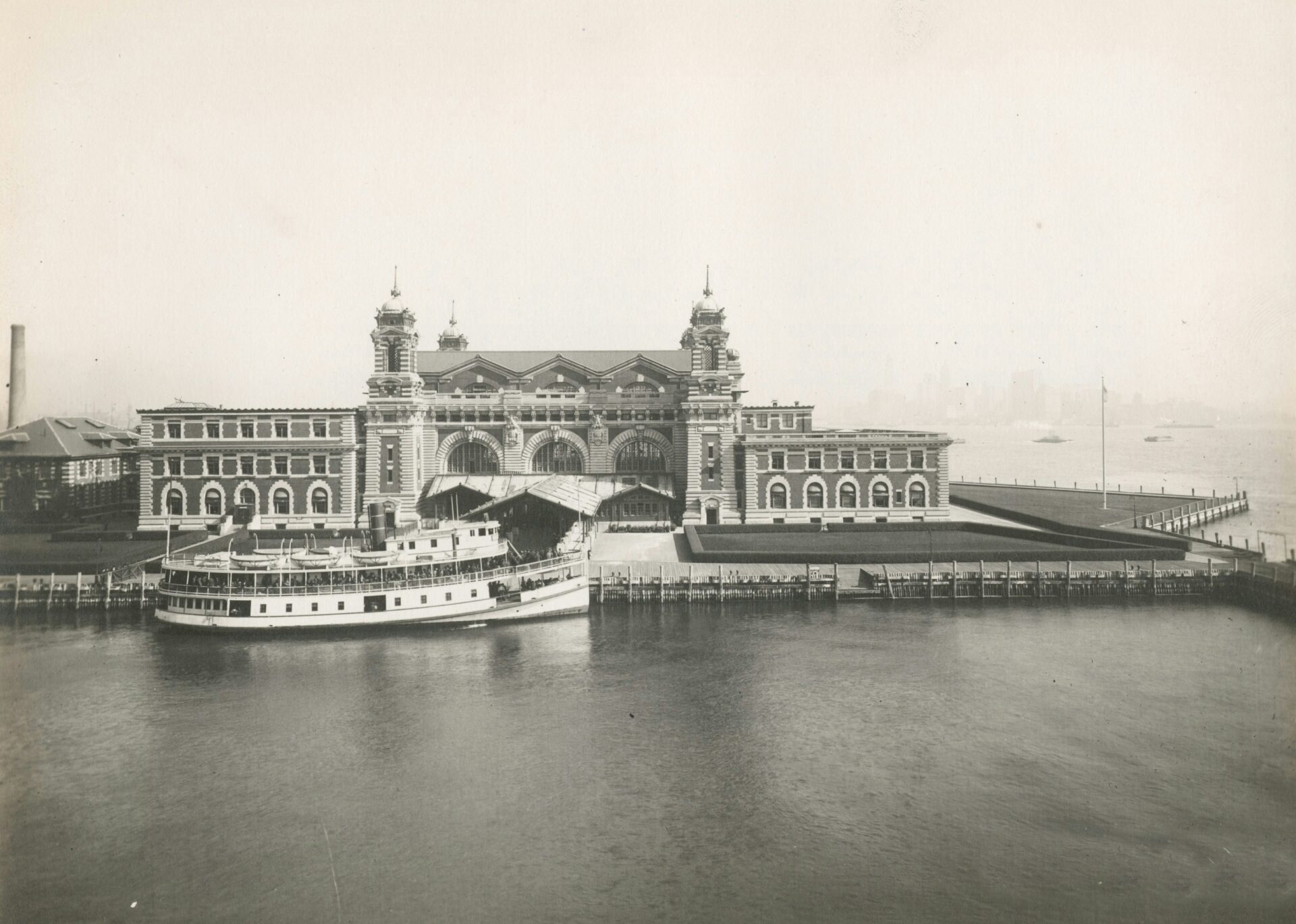
Emigrants’ Tales: From Ellis Island to North America
So many emigrants from Bremerhaven dreamed of North America. For countless Germans, the journey ended at Ellis Island in New York Harbor. I read stories about families who left everything behind, chasing new opportunities and freedom.
The main route from Bremerhaven to New York carried millions. Personal accounts reveal the tough realities—long voyages, crowded ships, and plenty of nerves. The Emigration Center puts faces and names to these journeys, connecting the dots between history and real people.
German immigrants who landed at Ellis Island and settled in the U.S. left their mark. You can still feel those influences today, in culture and communities across America.
The Last Bar Before New York and Historical Sites
One spot that really stuck with me was the “Last Bar Before New York,” a historic tavern right near the port. Emigrants came here for a final drink and goodbyes before setting off. Inside, I could almost hear the nervous laughter and heartfelt farewells.
Bremerhaven has other historical sites tied to its emigration story. Old dock warehouses, restored port buildings, and statues mark where ships left for the “New World.” These places help you picture the busy scene—ticket booths, luggage, and tearful hugs all around.
Even now, these landmarks keep the memory of those journeys alive, and you can sense the energy of the past just by walking through.
Climate Journeys: Discovering the Klimahaus and Beyond
Klimahaus Bremerhaven 8° Ost pulled me right into a hands-on climate adventure. I explored real-life stories and got a close look at climate change, renewable energy, and even polar exploration.
Klimahaus Bremerhaven 8° Ost Experience
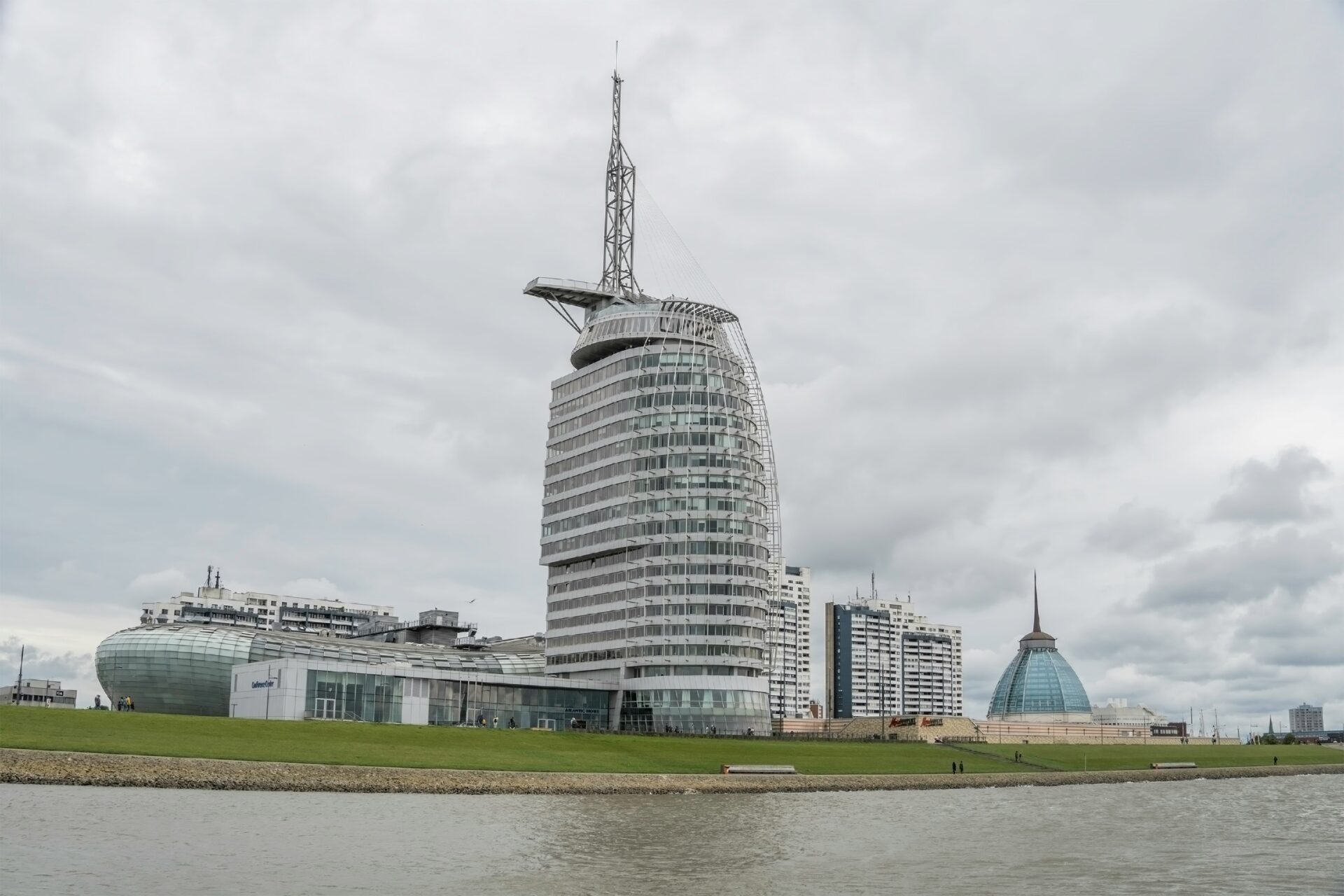
Stepping into Klimahaus Bremerhaven 8° Ost, I was instantly hooked by its unusual concept. The journey follows longitude 8° 34′ East, starting and ending right in Bremerhaven.
Inside, I wandered through zones recreating the weather and environments of places like Switzerland, Niger, Antarctica, and Samoa. Each area used lighting, sounds, and even temperature changes to set the scene. It’s wild—one minute you’re sweating, the next you’re shivering.
I found interactive exhibits, aquariums, and media stations that made learning a hands-on thing. The simulated polar region, with its chilly winds and icy floors, was a highlight.
The displays showed how people adapt to their environments. Each room felt real and kept me curious about the world’s different climates.
Climate Zones and Global Change Exhibitions
Klimahaus goes beyond just showing off climate zones. The exhibitions dive into global issues like climate change, and they don’t sugarcoat it. I explored displays on rising sea levels, droughts, and storms—hard to ignore when you see the facts and images.
Several stations focused on new energy sources, especially offshore wind energy, using touchscreens and moving models. I saw how renewable energy works and why it’s a big deal for the future.
This hands-on approach really connects everyday life to global changes. The explanations are straightforward, so even tricky science feels doable.
Educational Visits: Children, Families, and Lectures
Klimahaus is super family-friendly. Kids and adults can jump into activities and workshops. Children get to touch, play, and even crawl through some exhibits, turning learning into an adventure.
Families can follow special trails for different ages. Quiz stations, scavenger hunts, and guided tours keep everyone involved.
The place also hosts lectures and talks on climate change, renewable energy, and polar research. I caught a short lecture on offshore wind energy—it broke things down in a way that just made sense. These events add a lot to the visit, making big topics easier to grasp.
Thanks to its interactive style, Klimahaus makes it simple for everyone to stay interested in our changing world.
Iconic Attractions and Cultural Experiences
Bremerhaven serves up a cool mix of modern waterfront architecture, classic maritime landmarks, and lively cultural venues. I stumbled into unique museums, peaceful harbors, and even animal exhibits. There are also spots for performing arts and contemporary art that add to the city’s creative vibe.
Havenwelten Waterfront and Atlantic Hotel Sail City
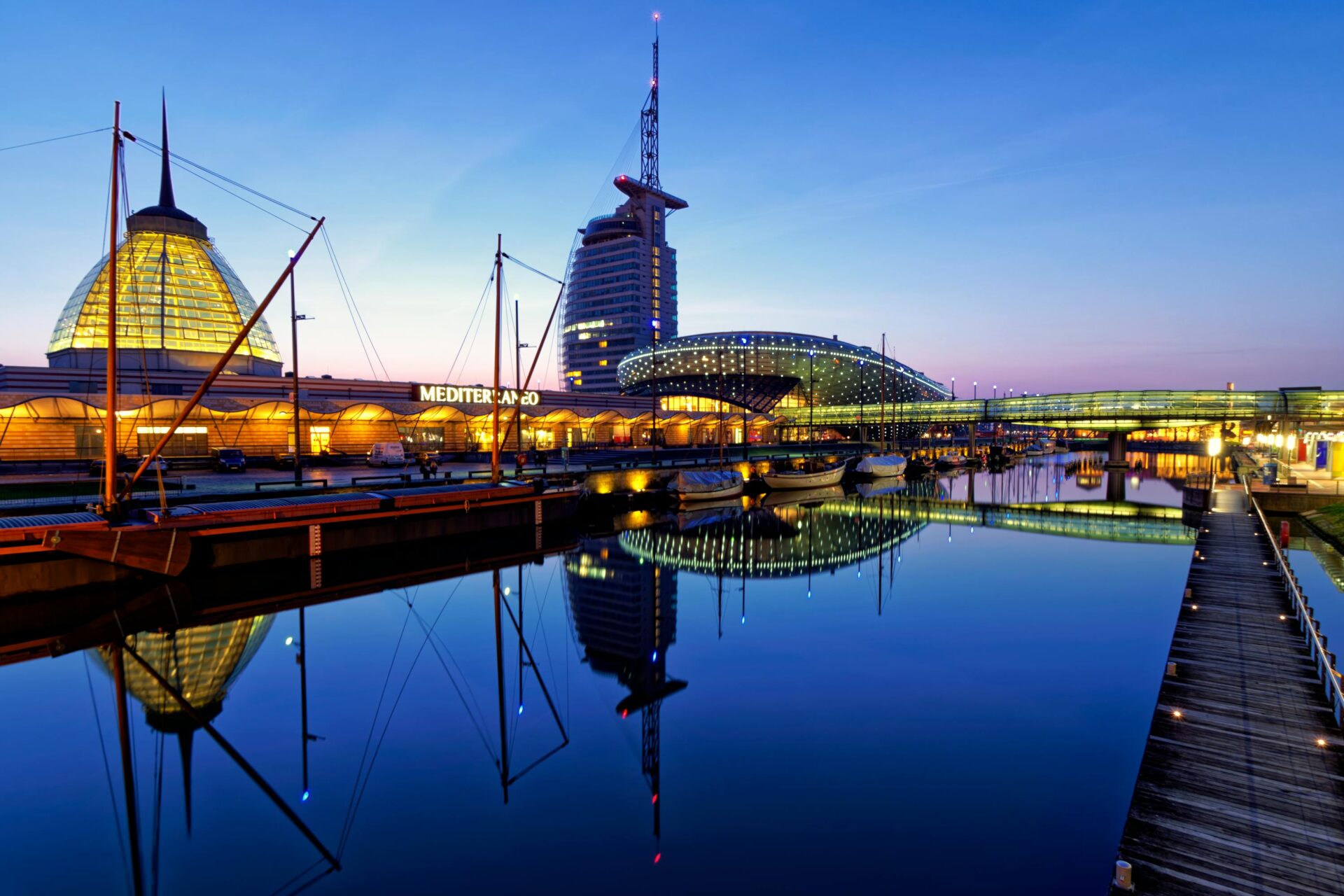
Havenwelten is the beating heart of Bremerhaven’s port district. When I walked through, glass buildings, historic ships, and lively promenades lined the Weser River.
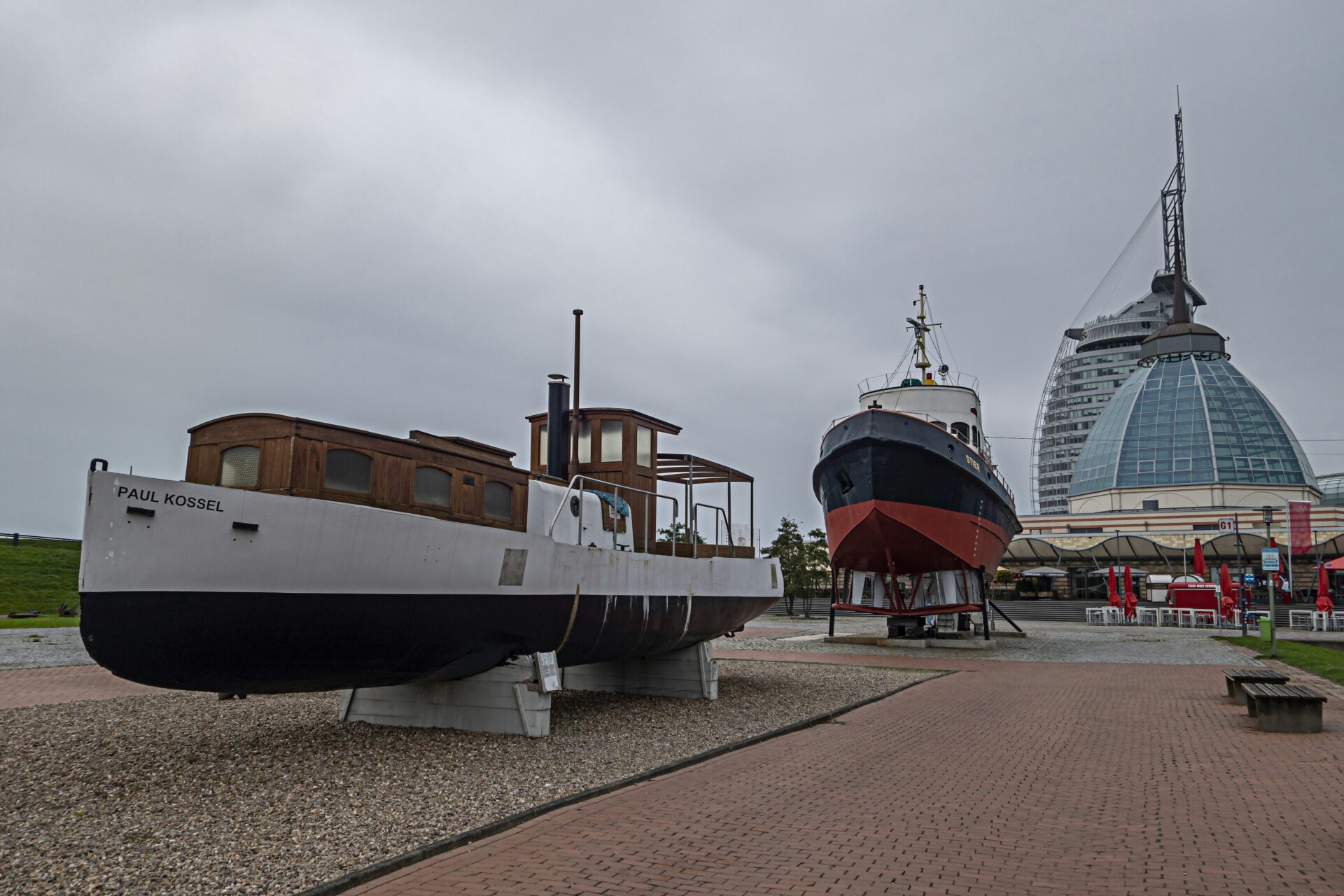
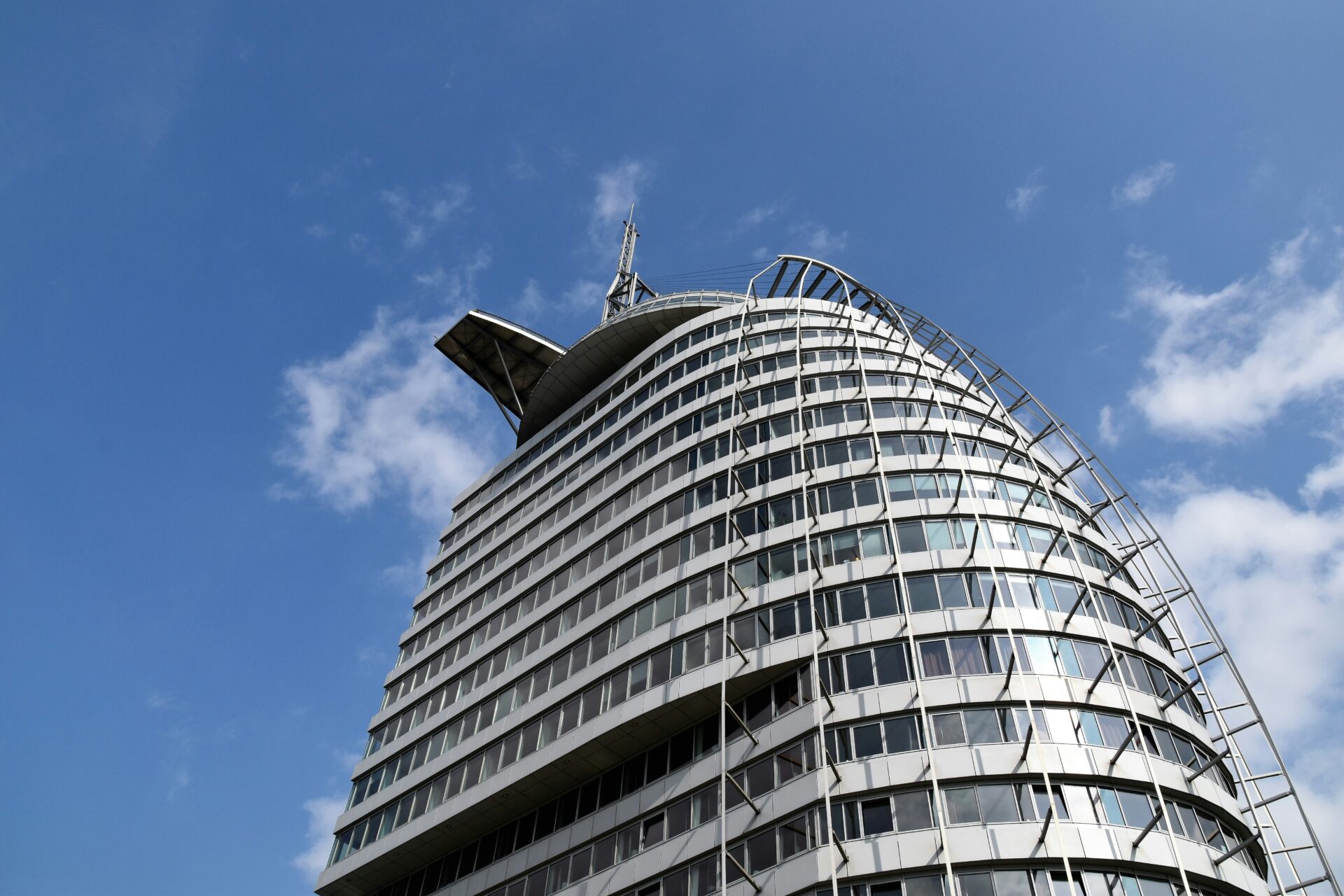
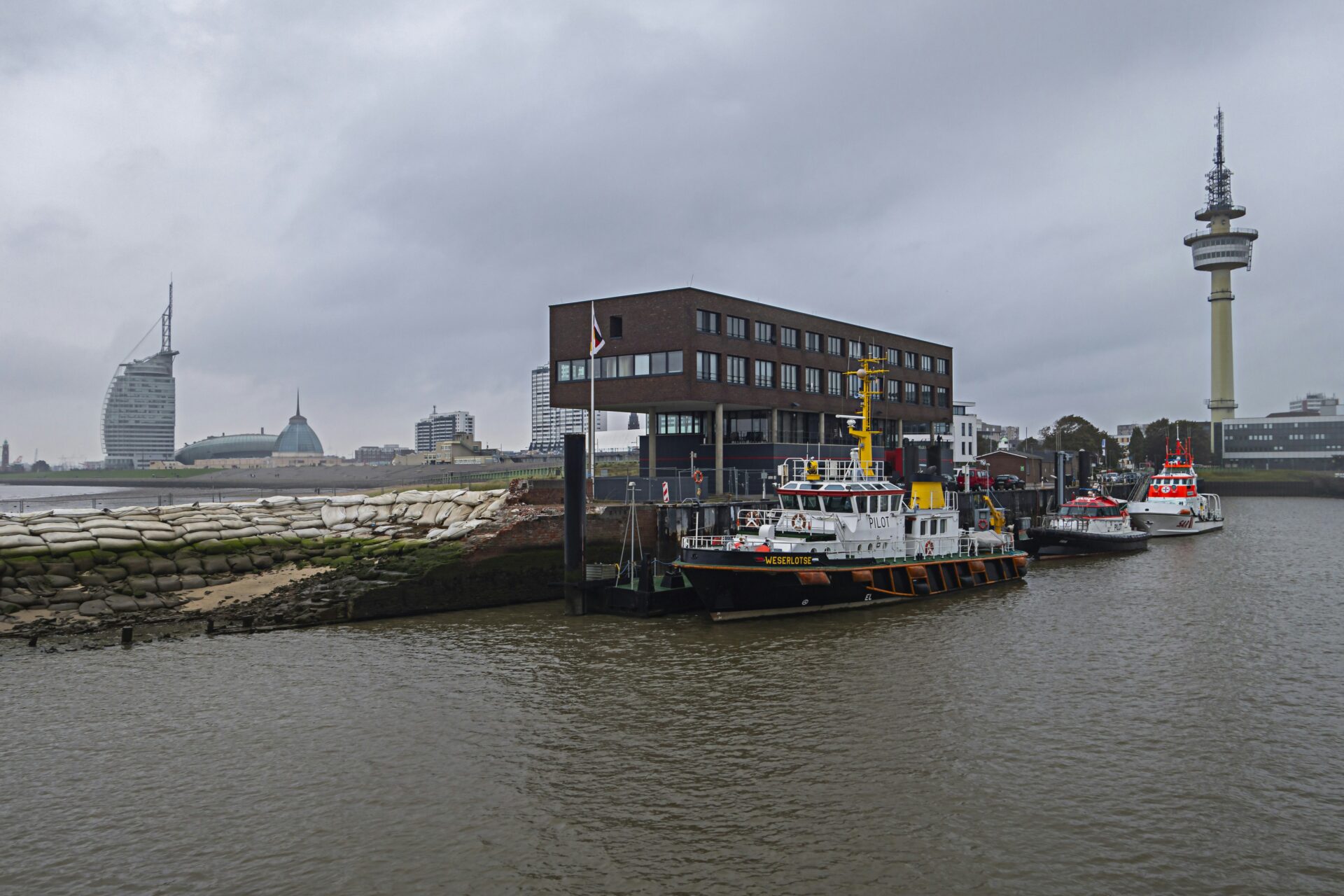
The Columbus Center shopping complex always buzzes with life, and you can grab a coffee with a view of the water. The Atlantic Hotel Sail City, with its sail-shaped profile, stands out on the skyline. It’s become a modern symbol for the city.
I took the elevator up to the public viewing platform. The panoramic view of the North Sea, harbor, and city is worth the trip.
Right nearby, the Kunsthalle Bremerhaven brings contemporary art to the waterfront. I spent an hour there, checking out local exhibits. Workshops and events pop up often, so there’s always something happening.
In summer, Havenwelten bursts to life with festivals and outdoor concerts. The whole area feels like a celebration of the city’s connection to the water.
Bremerhaven Lighthouse and Lloyd Marina
Just west of the city center, I found the red-and-white Bremerhaven Lighthouse. Built in 1855, it’s still working—one of the oldest lighthouses on Germany’s North Sea coast. I stood at its base, watching ships glide by and feeling the wind whip in from the sea.
Next to the lighthouse, Lloyd Marina is a calm spot to see private yachts and sailboats bobbing along the wooden piers. The marina invites gentle walks and offers benches for watching harbor life drift by.
Sometimes, I’d stumble onto a local sailing race or a small maritime festival. It’s lively, but never overwhelming.
Nearby, small seafood places serve up fresh fish sandwiches. Locals gather here at sunset, and it’s the perfect place to soak in Bremerhaven’s maritime spirit.
Zoo am Meer and City Theater
Zoo am Meer sits right on the waterfront, with a special focus on animals from northern climates. I wandered past seals, polar bears, and penguins living in open-air habitats—pretty mesmerizing, honestly.
Underwater viewing windows let me watch sea lions glide by, so close it felt like I could reach out and touch them. The zoo puts a lot of effort into educational displays about the fragile North Sea ecosystem and climate change.
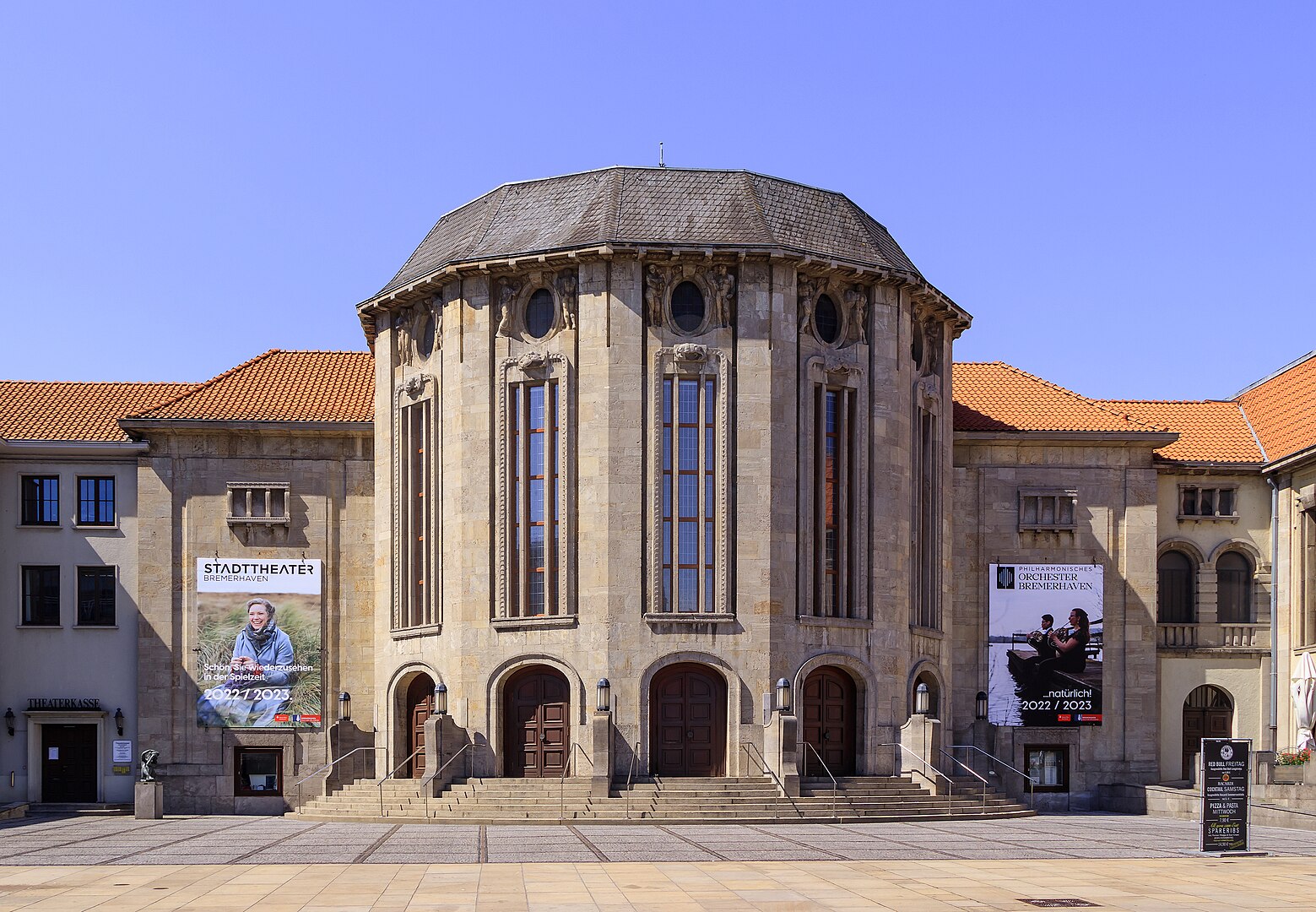
The City Theater (Stadttheater Bremerhaven) keeps a packed schedule of plays, musicals, and concerts all year. One evening, I managed to catch a local concert—the acoustics inside really surprised me.
Architecturally, the building stands out with a mix of modern and classic touches. They also bring in touring dance groups and host performances for kids, so there’s something going on for everyone.
If you’re into art, the Kunsthalle sits just a short walk away. It’s easy to pair a culture fix with a family trip to the zoo.
Tall Ships, Ports, and Festivals
Bremerhaven feels shaped by the sea. Maritime traditions run deep here, and the city comes alive during its world-famous tall ships events.
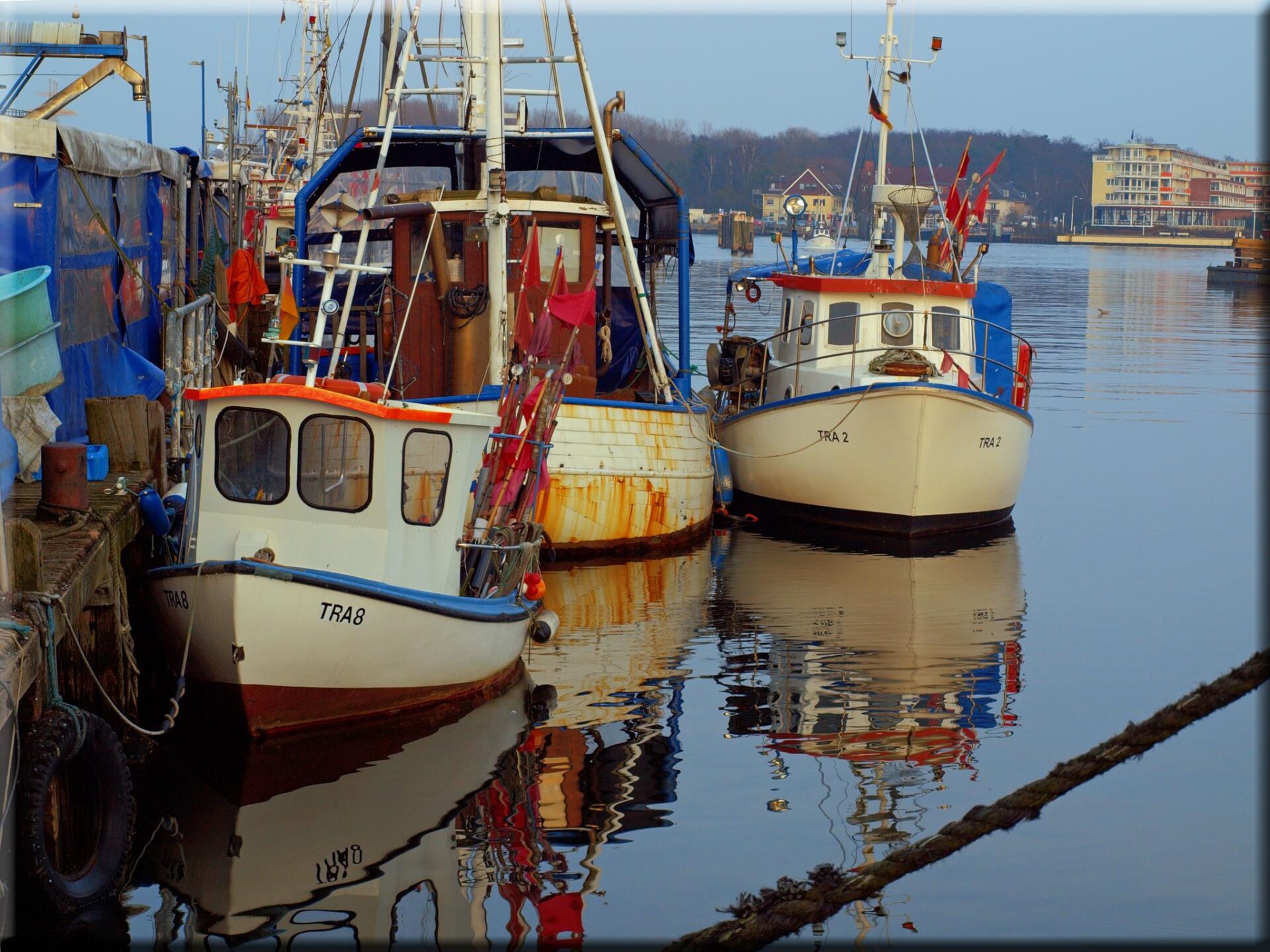
Sometimes I’d watch fishing boats unloading at the docks, and sometimes I’d stumble into a lively port festival. The history and modern life blend right along the waterfront—there’s always something happening.
Tall Ships Event and Hanseatic Heritage
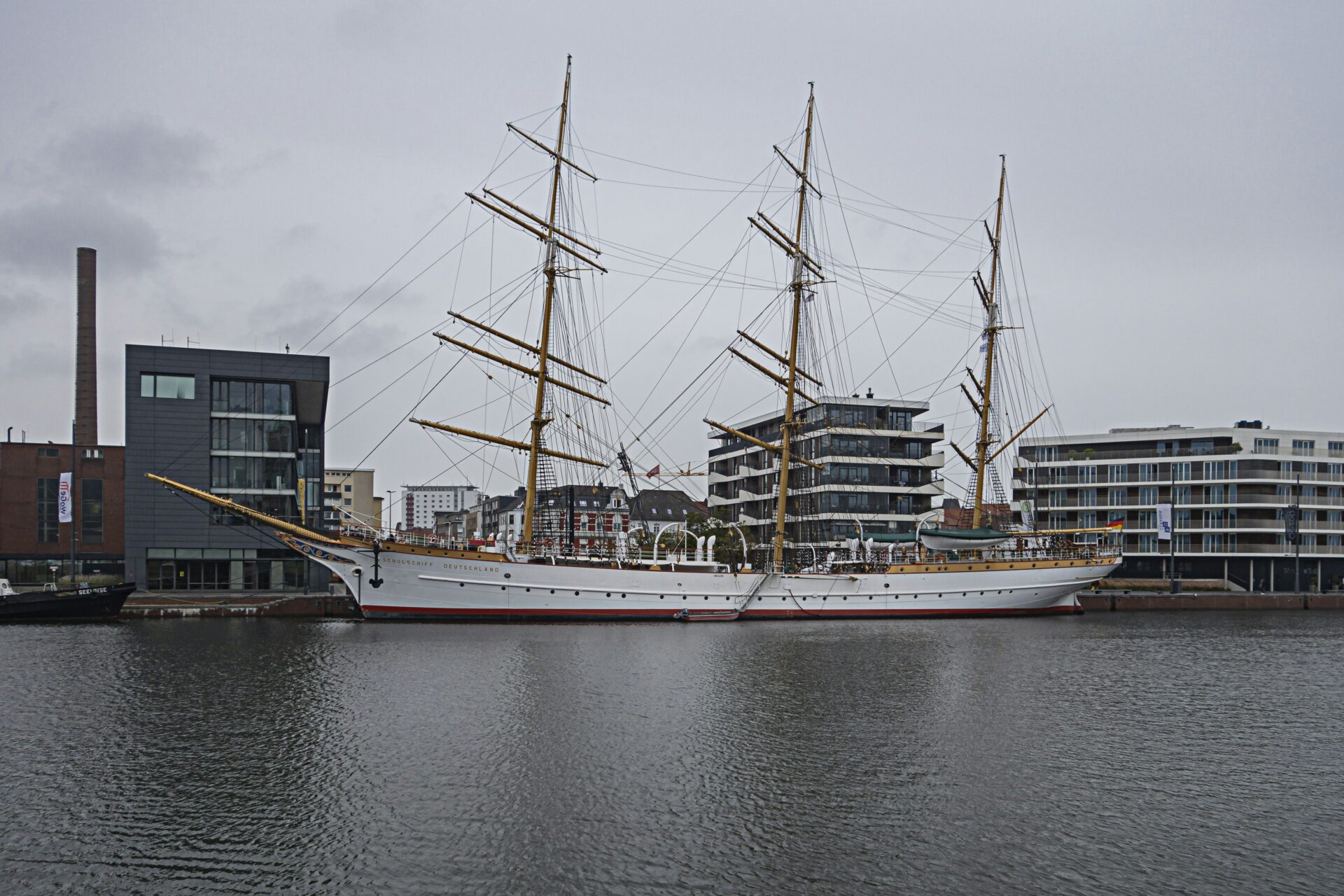
I visited during SAiL Bremerhaven, which happens every five years and draws tall ships from all over the world. In August 2025, more than 250 ships will parade through the Weser, filling the harbor with a forest of masts and sails.
Watching the entry parade, I saw crews from so many countries getting their ships ready. The whole scene echoed Bremerhaven’s long Hanseatic tradition.
Back in the 19th century, this city grew into a key Hanseatic port, connecting northern Europe through trade and migration. The festival still celebrates those roots—there’s music, food stalls, and ship tours everywhere.
Seeing classic barques and four-masters alongside smaller boats reminded me that Bremerhaven’s maritime legacy is still going strong.
Festival Highlights:
- International tall ship parade
- Harbor concerts and local seafood stands
- Opportunities to visit and tour historic vessels
Fischereihafen: Fishing, Seafood, and Maritime Life
The Fischereihafen—that’s the fishing port—remains the heart of Bremerhaven’s seafood industry. Early one morning, I wandered the busy docks to watch trawlers unload their fresh catch.
Fishmongers, processors, and shipyards keep the area buzzing. Rows of restaurants line the port, serving up North Sea specialties like smoked eel, herring, and plaice.
Some places even offer tasting sessions or guided tours if you want to dig a little deeper. The smell of smoked fish and the clatter of crates fill the air; it’s impossible to miss.
Fishing here isn’t just business—it’s woven into daily life.
Notable experiences in Fischereihafen:
- Guided tours of old icehouses or smokehouses
- Sampling North Sea shrimp and other local dishes
- Chatting with fishermen about how maritime work is changing
Historical Vessels: Bremer Kogge and German Navy
One of my favorite stops was the Bremer Kogge, a reconstructed 14th-century merchant ship. They found the original near the harbor, and now you can see it at the German Maritime Museum.
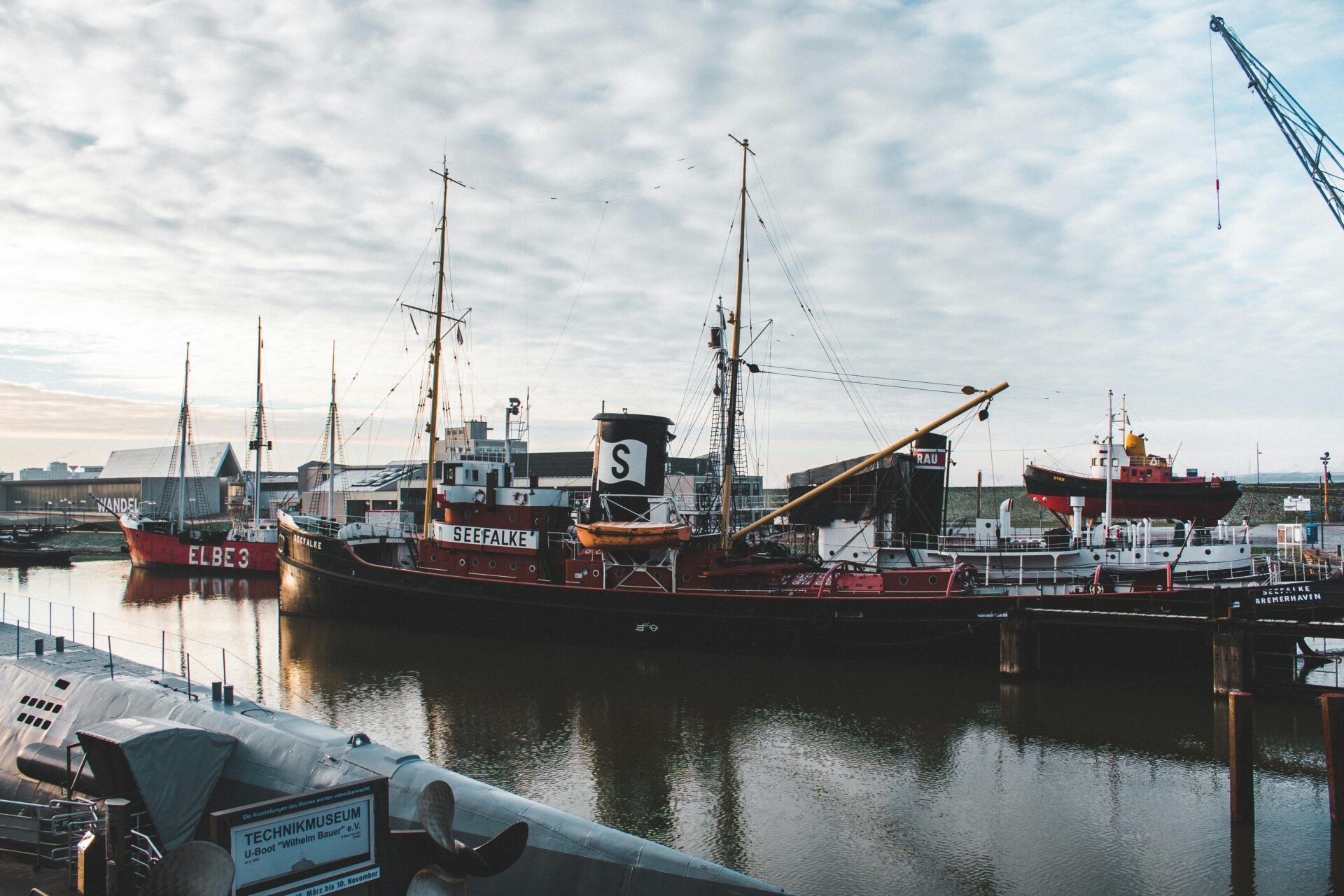
Walking the decks, I tried to imagine Hanseatic sailors moving goods across the wild North Sea. Along the quay, I also spotted restored German Navy vessels and old whaling ships. Some you can actually board and explore.
These ships really show how Bremerhaven evolved—from medieval trade to military and whaling days. Navigational tools, sailor stories, and all those details make the city’s history feel surprisingly close.
Ships to see:
| Name | Type | Where to Visit |
|---|---|---|
| Bremer Kogge | Merchant (14th c.) | German Maritime Museum |
| Museum submarine Wilhelm Bauer | Submarine | Historic Harbor Quay |
| Seute Deern | Tall Ship | Maritime Museum Quay (restoration site) |

Culinary Adventures and the Local Economy
Bremerhaven mixes a strong maritime food tradition with a modern industrial vibe. Daily life here revolves around the seafood trade, busy port activity, and a pretty lively local beer scene.
Seafood Cuisine and the Famous Fish Sandwich
Fresh seafood is at the heart of Bremerhaven’s food scene. Every morning, fishing boats unload herring, cod, and North Sea prawns, and the fish markets burst with energy.
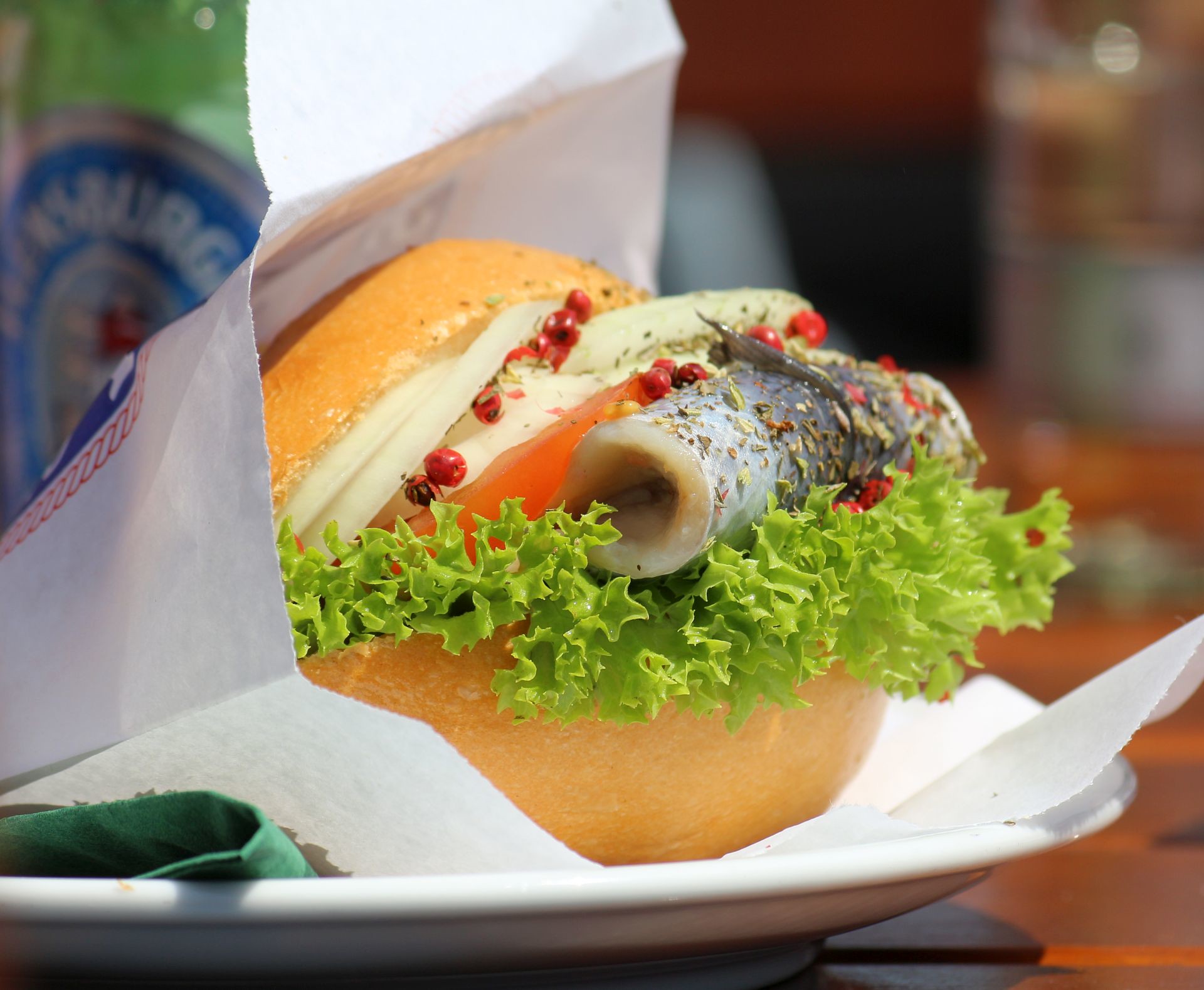
Local restaurants serve up plates of smoked eel, fried fish, and prawn salads. One thing I couldn’t skip was the “Fischbrötchen”—this famous fish sandwich is basically a fresh bread roll stuffed with fried or pickled fish, onions, and tartar sauce.
Locals swear by it for a quick lunch, especially around the Old Port or by the water. Along the harbor, you’ll find cafes and fish shacks serving seafood straight from the boats.
These spots really show how central fishing is to the city’s rhythm.
Maritime Industries, Logistics, and Automotive Sector
Bremerhaven isn’t just about food; it’s a powerhouse for shipping and trade. The port ranks among Europe’s largest, and massive ships come and go every day.
Logistics play a huge role in the city’s economy. Automotive shipping stands out too—huge lots full of new cars, ready to ship out, line the docks.
Companies like Mercedes-Benz rely on Bremerhaven to send their vehicles worldwide. Container logistics and cold storage facilities handle seafood exports and plenty of other goods.
This blend of old fishing traditions and high-tech industry shapes how the city lives and works.
German Beer, Local Culture, and Nightlife
Evenings in Bremerhaven really shift gears. After work, folks usually drift toward cozy pubs or bustling beer gardens.
German beer feels like the heartbeat of the local scene. Breweries and bars pour out everything from crisp pilsners to malty lagers, plus a few quirky regional brews you probably haven’t tried.
The vibe? Honestly, it’s friendly and never too showy. I’ve sat out on summer nights with live music humming in the background, and it just feels easygoing. Local festivals pop up, and outdoor seating always fills up fast.
Menus lean heavily into seafood and hearty sausages. There’s something about pairing smoked fish or a bratwurst with a cold drink that just works.
Sharing a table with locals, I got a sense of how much seafood, beer, and that ever-present maritime spirit shape daily life in Bremerhaven. It’s all woven together, and you can’t help but get swept up in it.



