
Lately, I can’t help but notice how extreme weather keeps hammering North America. It’s wild—more and more Americans seem to be eyeing Canada as their getaway plan when hurricane season rolls around. With the 2025 Atlantic hurricane season shaping up to be a rough one (they’re talking 17-25 named storms!), the trend just keeps growing: storms are getting nastier, and they’re showing up more often.
As climate change ramps up hurricane activity, Canada’s stable climate and northern location suddenly look a lot more appealing to those hoping to dodge these destructive storms. I’ve watched as hurricanes like Helene and Milton have sparked some pretty serious talks about moving for good, not just ducking out for a week or two. The truth? What used to be rare disasters are now just part of life for a lot of folks in the Southeast and along the Gulf.
Digging into this shift, I see both headaches and unexpected upsides. When whole communities start looking north for safety, it’s not just about packing up the car—this is a big-picture change in how we’ll all have to think about climate adaptation and cross-border moves in the years ahead.
The New Reality: Hurricanes Driving Northward Migration
Hurricanes are basically rewriting the map for Americans deciding where to settle down. Millions now weigh relocation as storms get stronger and more relentless.
This has created a new kind of climate refugee right here in the U.S.—whole neighborhoods forced to pick between rebuilding (again) or starting fresh somewhere else.
How Hurricanes Are Reshaping American Migration Patterns
Hurricane exposure is sending clear migration signals across the country. Researchers have found that hurricanes push people and money out of battered counties, with folks heading for safer, inland spots.
I see these moves following certain patterns. Gulf Coast residents often set their sights on Dallas or Atlanta. Floridians, meanwhile, drift toward Orlando or other inland cities.
People don’t just move anywhere—they usually choose the closest midsize city where jobs are decent and disasters less likely. These “migration corridors” stretch from the coast to the heartland.
Wealthier Americans tend to leave first. They’ve got the means to pick up and go after a big storm. Those with less money often stay behind, which only deepens the economic divide in damaged areas.
Recent numbers show that half of Americans thinking about moving now factor in natural disasters. That’s a big change in how people choose their next home.
Defining Climate Refugees in the Era of Extreme Weather
Climate refugees are folks forced out by environmental disasters and wild weather. In the U.S., hurricanes top the list for displacing people.
There are two main types: temporary evacuees and permanent relocators. Some leave during the storm and come back to rebuild. Others decide enough is enough and move away for good.
Usually, it starts slow. A family might leave for Hurricane Laura, come back, then get hit again by the next big one. After a while, the stress and cost pile up.
Economic pressure often tips the scales. When insurance can’t cover everything, families have to make tough calls. Sometimes, moving is the only real option.
Disaster declarations happen so often now that some towns are basically always in “recovery mode.” Researchers call this “chronic displacement.” Normal life just slips away.
Case Studies: Families Uprooted by Hurricanes
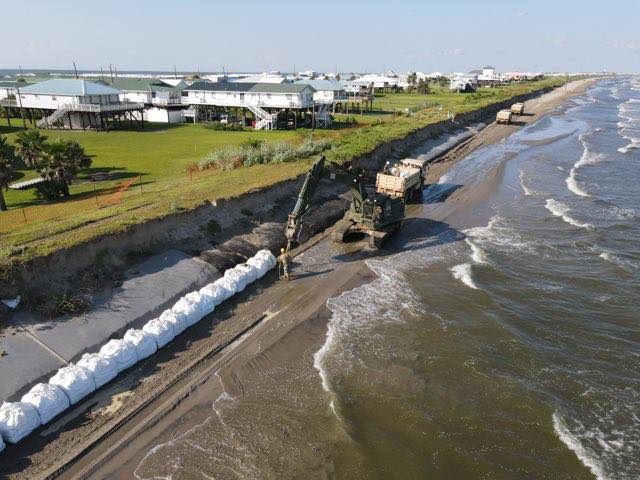
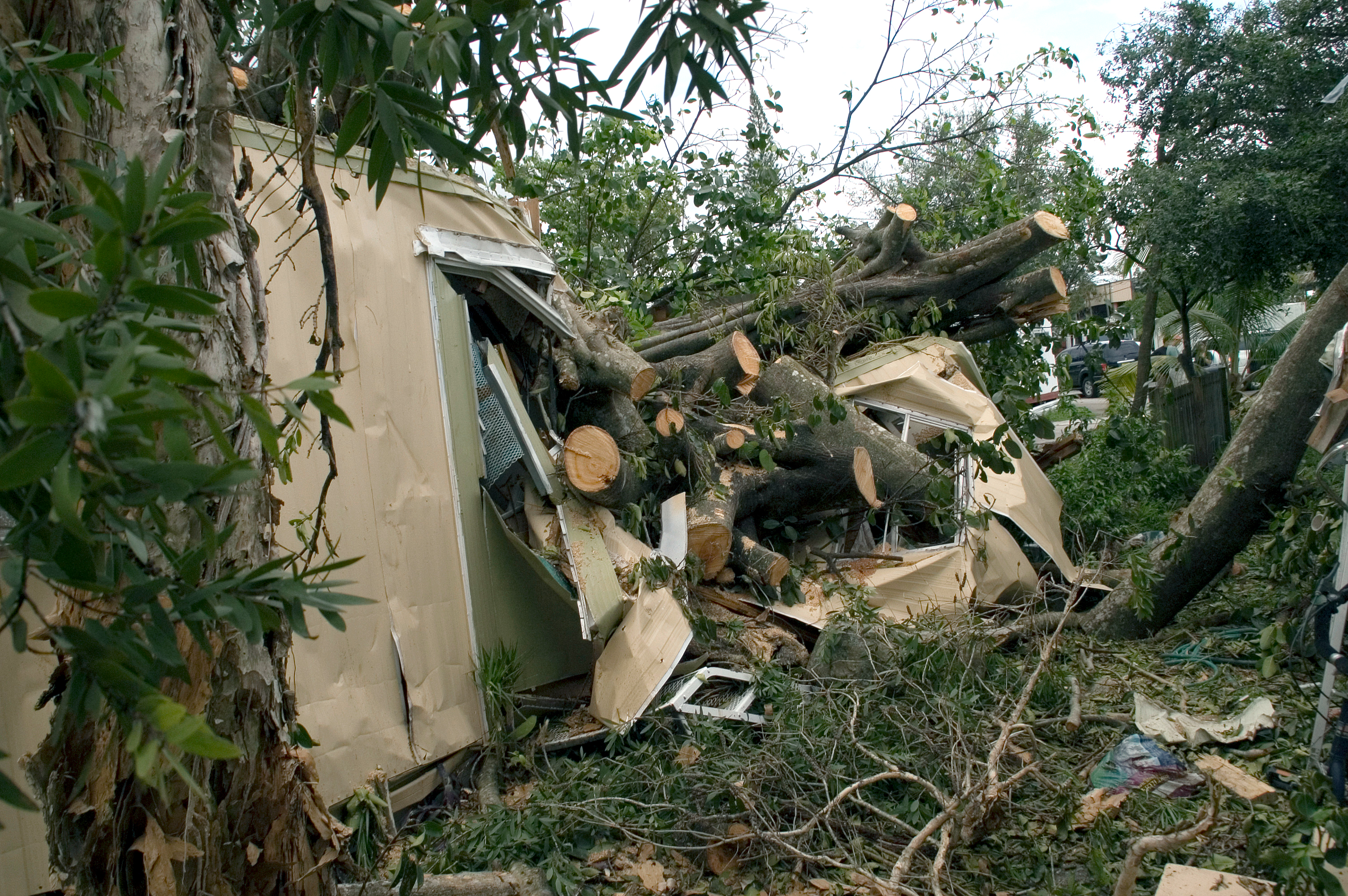
Hurricane Ida in 2021 wrecked thousands of homes in Louisiana’s Terrebonne Parish. At first, many planned to rebuild, but tens of thousands who evacuated never made it back.
Flynn Hoob’s story really sticks with me. His house in Bourg, Louisiana literally slid into a bayou during Ida. Still, he rebuilt instead of leaving, saying, “We love the bayou, man. We’re not going anywhere.”
But Milton Thibodeaux is in a tougher spot. At 72, he lost his roof in the same storm. He wants to stay but worries about the money. Moving to Houma would triple his costs.
Younger, wealthier folks usually leave first. That leaves older residents behind, often without the resources to start over. The result? Aging communities with shrinking tax bases and fewer services.
Hurricane Katrina in 2005 forced over one million people out of New Orleans and nearby areas. Many never returned, changing the region’s population and economy for good.
Why Canada Is Considered a Safe Haven
Canada’s northern location and robust infrastructure put a lot of distance between it and hurricane chaos. Geography and climate patterns redirect most storms before they can do much damage.
Canadian Geography: Out of the Storm Path
Canada sits north of the main hurricane corridor, which gives it a big edge. Most storms lose their punch as they move into colder waters and hit different atmospheric conditions.
Atlantic provinces sometimes get the leftovers, but by then, hurricanes have usually lost their teeth. The Canadian Hurricane Centre says Canada only sees about 3-4 tropical cyclones per season—nothing like what the U.S. deals with.
Why Canada dodges the worst:
- Colder oceans sap storms’ strength
- Far from where hurricanes usually form
- The jet stream acts as a natural barrier
- Most people live well inland
British Columbia almost never sees Pacific hurricane leftovers. Ontario and Quebec might get some weakened systems, but nothing like the Category 3-5 monsters that slam American coasts.
Comparing Canada’s Climate Risks to the U.S.
Both countries feel climate change, but Canada’s hurricane risk stays low compared to America’s long, exposed coastlines. The U.S. Gulf and Atlantic coasts take direct hits all the time.
Even as climate change makes hurricanes stronger, Canada’s location still works in its favor. The jet stream and local weather patterns usually steer storms away.
Here’s the reality:
- The U.S. faces 10-15 named storms a year in risky zones
- Canada mostly gets leftovers
- American cities can see storm surges over 20 feet
- Canadian towns rarely get more than 6-8 feet of surge
- In Canada, flooding usually comes from rain, not surge
For 2025, hurricane season forecasts 13-19 named Atlantic storms. Most will hit the U.S. long before they reach Canada.
Canada’s Infrastructure and Disaster Preparedness
Canada’s disaster-response systems match its low hurricane risk, but they’re still strong. The Canadian Hurricane Centre, set up in 1987, keeps an eye on things around the clock.
What helps Canada handle storms:
- Buildings made for tough winters can take hurricane-force winds
- Power grids built for ice storms and harsh weather
- Emergency management runs at both federal and provincial levels
- Less risky coastal development
Environment and Climate Change Canada has boosted its forecasting, so residents get more warning than folks in places where storms blow up fast.
Canadian building codes expect wild weather. Structures that can take on heavy snow and winter blasts usually stand strong against hurricane winds.
Government teams up with provinces to keep damage down when storms do hit. This teamwork really helps communities bounce back.
Climate Change and the Shifting Threats
Climate change is throwing curveballs—storms are getting stronger, and disaster zones are popping up in places nobody expected. Warmer oceans feed more intense hurricanes, and rising seas bring new flooding threats to both coasts and inland towns.
Warming Oceans and Hurricane Intensification
Hotter oceans are cranking up hurricane power. The 2024 Atlantic season smashed records with crazy-high water temperatures.
I’ve noticed hurricanes now ramp up much faster. Warm water gives storms extra fuel to grow.
What’s different about hurricanes now:
- They hit max strength quicker
- Winds are stronger
- Storms hold together longer, even over land
- More storms go through rapid intensification
In 2024, ten storms exploded in strength in just 24 hours. Experts think this trend will keep going.
With record Atlantic temperatures and La Niña in the mix, conditions were perfect for trouble. Hurricanes aren’t just a summer thing anymore—they’re starting to threaten year-round in some places.

From Hurricanes to Wildfires: Expanding Disaster Zones
Climate change is creating new danger zones outside the classic hurricane belt. Places that once felt safe now battle all sorts of extremes.
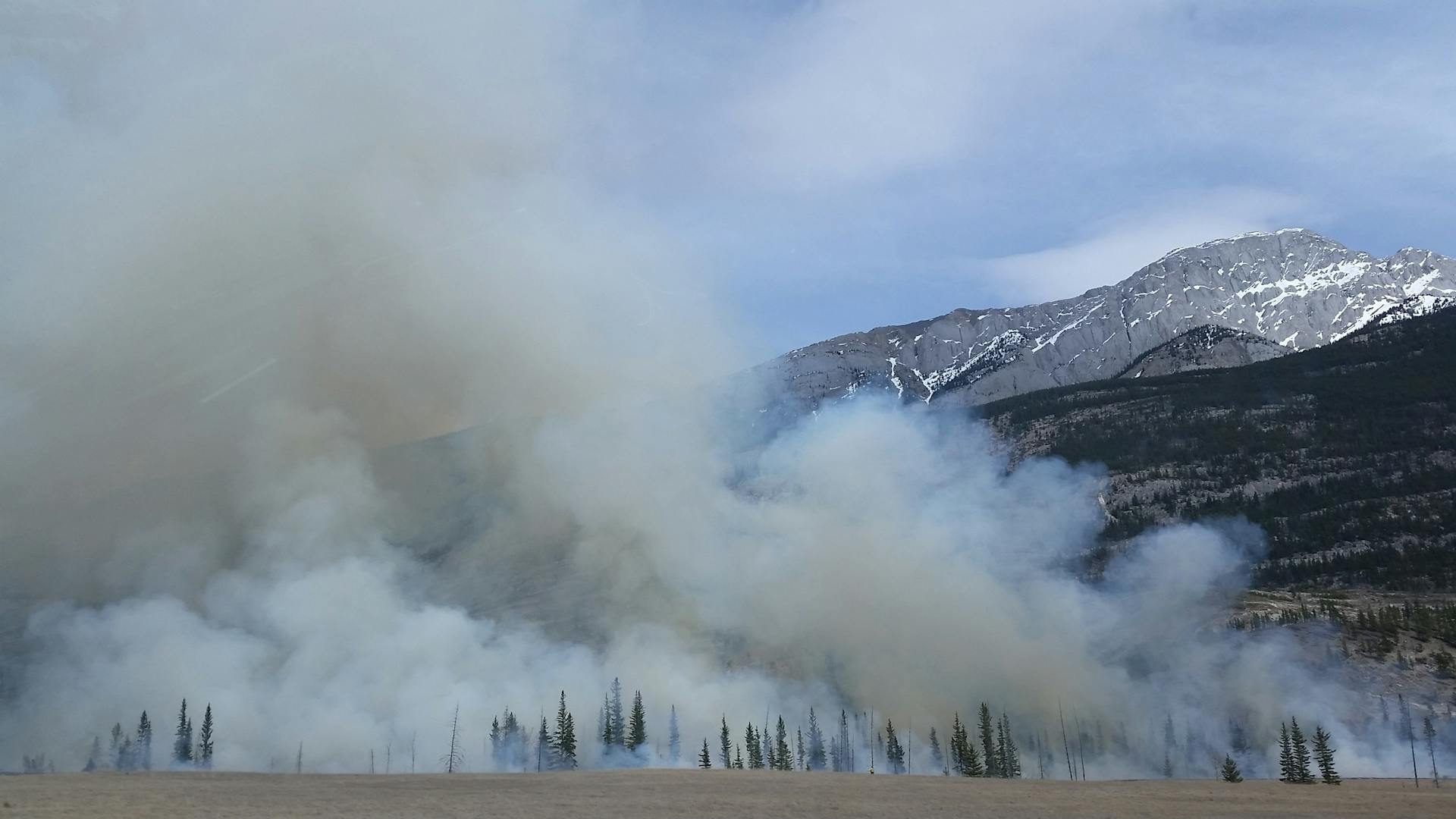
Wildfires now burn in regions that barely saw them before. Droughts drag on. Heat waves keep smashing records across North America.
Trouble spots are popping up everywhere:
- Northern states get hit by bigger storms
- Mountain regions face more wildfires
- Prairies see harsh droughts
- Stable climates suddenly act unpredictable
Wildfire season drags on for months longer than it used to. Fires burn hotter, spread faster, and dry conditions make everything worse.
Even far from the coast, hurricane rains cause flash floods. Storms dump record amounts of water, and towns with zero hurricane experience get blindsided.
Sea Level Rise, Flooding, and Other Emerging Risks
Sea level rise is making coastal flooding a constant headache. I see towns that never flooded before now dealing with water all the time.
Storm surges reach farther. With higher seas, even weaker storms can swamp entire neighborhoods. Some places now flood just from regular high tides.
Who’s at risk:
- Low-lying coastal cities
- River valleys and floodplains
- Towns with old drainage systems
- Communities built on former wetlands
Flooding doesn’t follow the old rules anymore. Heavy rain overwhelms city drains. Rivers spill over more often thanks to wild downpours.
A lot of infrastructure just isn’t built for this. Roads, bridges, and buildings can’t keep up.
Even inland, water is a new threat. Shifting weather brings drought and floods to the same places. Communities are prepping for disasters they never dreamed they’d see.
Challenges and Opportunities for American Climate Migrants in Canada
Americans hoping to escape climate chaos face some legal hurdles in Canada, but there are ways in—especially if you know where to look. Economic opportunities are there, though adapting to life up north takes some getting used to.
Legal Considerations and Immigration Pathways
Canada doesn’t officially recognize climate migrants under its current laws. That’s a real snag for Americans running from hurricanes, wildfires, or rising seas.
Still, a few existing programs give people hope. The Canadian Association of Refugee Lawyers points out six ways climate refugees might get in under current rules.
Possible routes:
- Humanitarian and compassionate cases
- Temporary admission “justified in the circumstances”
- Special ministerial directives (like after Haiti’s 2010 quake)
- Family sponsorship
- Economic immigration streams
The Immigration Minister can make changes without waiting for new laws. That means things could shift quickly if the government decides to act.
Canadian lawyers are starting to push for climate migrant recognition. They look to past disasters where Canada stepped up with special directives.
Americans with family or in-demand skills have the best shot. Those fleeing sudden disasters might get temporary protection while longer-term solutions get sorted out.
Economic and Social Integration
American climate migrants usually bring useful skills and education. Their credentials transfer more smoothly than those from other countries.
Why Americans fit in fast:
- Business and work cultures are similar
- Most speak English
- Education systems line up
- Professional networks often cross the border
Big Canadian cities want skilled workers. Climate migrants with assets or family up north settle in quicker.
Toronto and Vancouver can be pricey, but they’re stable. Rural areas offer cheaper options for those leaving storm-battered U.S. towns.
Social integration tends to go smoothly. Healthcare, schools, and government services all feel familiar.
Canadian employers are catching on to climate-driven moves. Some even recruit directly from U.S. regions hit hard by disasters.
Adapting to a Different Climate and Culture
When you head north, you run smack into colder winters and weather that can catch you off guard. Folks from the southern U.S. have to get used to a whole new climate.
Key Differences:
- Winters stretch out longer and hit harder, so you’ll need warmer clothes and, honestly, a bigger heating bill.
- The seasons set a different pace, and daily routines shift with them.
You’ll probably have to learn how to clear snow off your car and drive on icy roads. If you’re into gardening, you’ll notice the growing season shrinks, so those tomatoes might not stand a chance.
Healthcare works differently up here. Canada runs on universal coverage, so you’ll need to figure out provincial health insurance and get used to waiting a bit longer for non-urgent care.
There’s a bit of a learning curve when it comes to measurements. Everything’s metric. Banking feels different too, and you’ll see a new political setup. If you end up in Quebec or apply for some federal jobs, you might need to brush up on your French.
Most Canadian communities welcome Americans with surprising warmth. I’ve found that shared values around looking after the environment help people connect quickly.
Winter isn’t just something to survive—it’s something to do. Skiing, ice hockey, winter carnivals… before long, you might actually look forward to the change in seasons.
Taxes? Oh boy. You’ll have to file in both countries at first, so expect paperwork headaches until you get the hang of it.
Long-Term Outlook: The Future of North American Climate Havens
Canada’s geography and cooler climate make certain regions look pretty appealing as hurricane seasons get worse down south. Still, moving north isn’t a magic fix—new challenges pop up, from wildfire seasons to tricky policies.
Potential Canadian Regions for Relocation
If I had to pick, the Maritime provinces would top my list for anyone escaping hurricanes. Nova Scotia and New Brunswick just don’t see the same kind of severe weather the Gulf Coast does.
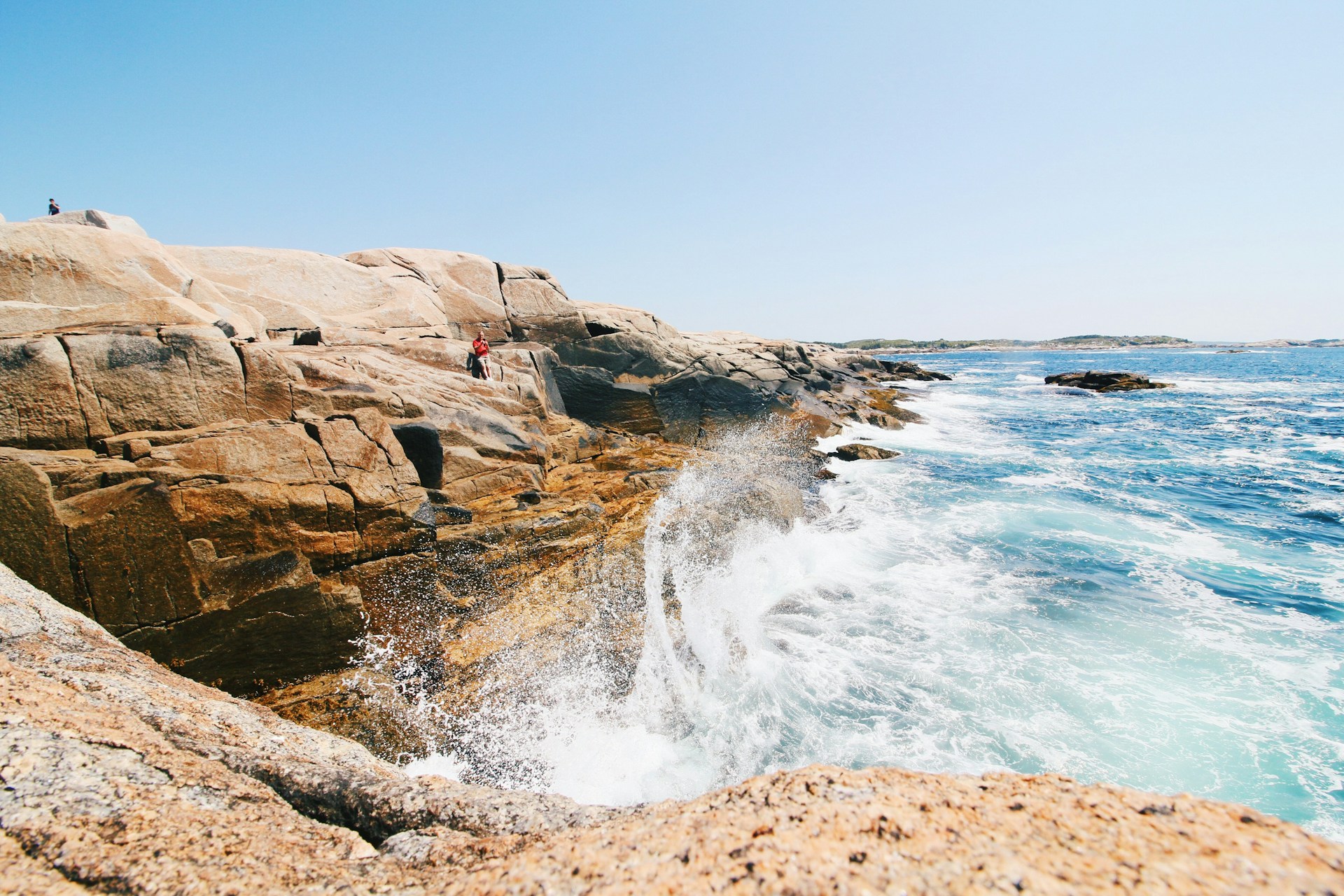
Prince Edward Island stands out for its gentle summers, and winters rarely dip below -10°C. The Atlantic Ocean acts like a buffer, calming storms before they arrive.
Looking for something inland? Ontario’s Great Lakes region might be your best bet. Cities like Toronto and Ottawa enjoy four distinct seasons and don’t worry about hurricanes.
Here’s what I like most about these Canadian spots:
- Summers stay 5-8°C cooler than what you’d get in the southeastern U.S.
- Hurricanes lose their punch before they cross the border.
- Healthcare and education run smoothly.
- English-speaking communities make settling in less stressful.
British Columbia’s coast tempts a lot of people, but you have to weigh the wildfire risk and the ever-present earthquake talk.
If you want urban life with a steady climate, Montreal and its corridor in Quebec deliver. Winters are tough, sure, but you dodge the weather chaos that’s hammering hurricane zones.
Preparing for Drought, Wildfires, and Other New Hazards
Heading north doesn’t mean you’re in the clear. Canada’s got its own set of climate curveballs.
Wildfire seasons have gotten longer out west. British Columbia, for example, has seen more than 2,800 fires in a single year, and smoke can drift for miles.
Drought is hitting the Prairie provinces harder these days. Saskatchewan and Alberta sometimes struggle with water shortages, which can mess with both farming and city life.
Here’s what I’d suggest to prepare:
- Get air filtration systems to handle wildfire smoke.
- Store water for dry spells.
- Make an evacuation plan if you’re near forests.
- Stock up for long, cold winters.
Flooding can surprise you in the Maritimes and around the Great Lakes. Spring snowmelt brings its own set of headaches, and it’s not quite like hurricane flooding.
Ice storms in the east can knock out power for days. Having backup heat and emergency supplies isn’t just smart—it’s necessary.
Canada faces the climate crisis differently than hurricane-prone regions. Knowing these risks up front helps you plan your move with open eyes.
The Role of Policy in Shaping Climate-Driven Relocation
Immigration policies play a huge role in whether Americans can actually put down roots in Canadian climate havens. Right now, the system mostly welcomes skilled workers and investors, not folks fleeing wild weather or rising seas.
Take Express Entry programs. They want you to tick off a bunch of boxes—education, language, work experience. Most hurricane evacuees just don’t have that paperwork ready to go.
Lately, I’ve noticed more chatter about climate visa categories. Wouldn’t it make sense to treat environmental displacement as a valid reason to cross borders?
Let’s not forget about Provincial Nominee Programs. Each province gets to set its own rules, usually based on what their economy needs and how many people they want.
A few policy details can make or break your move:
- Healthcare access during the awkward in-between stage
- Professional licensing—can you use your credentials up north?
- Property ownership—are you allowed to buy a home as a non-citizen?
- Tax implications—what happens if you split your life between two countries?
With temporary resident status, you can get your foot in the door. These permits usually last a couple of years, and you might be able to renew them while figuring out your next steps.
I can’t help but think these policies will shift as more people start moving for climate reasons. Maybe we’ll see a North American Climate Mobility Agreement someday, something like what the EU has.
Municipal policies really add another layer. Some towns offer plenty of housing and helpful integration programs, while others put up zoning barriers or just don’t have the resources.


