
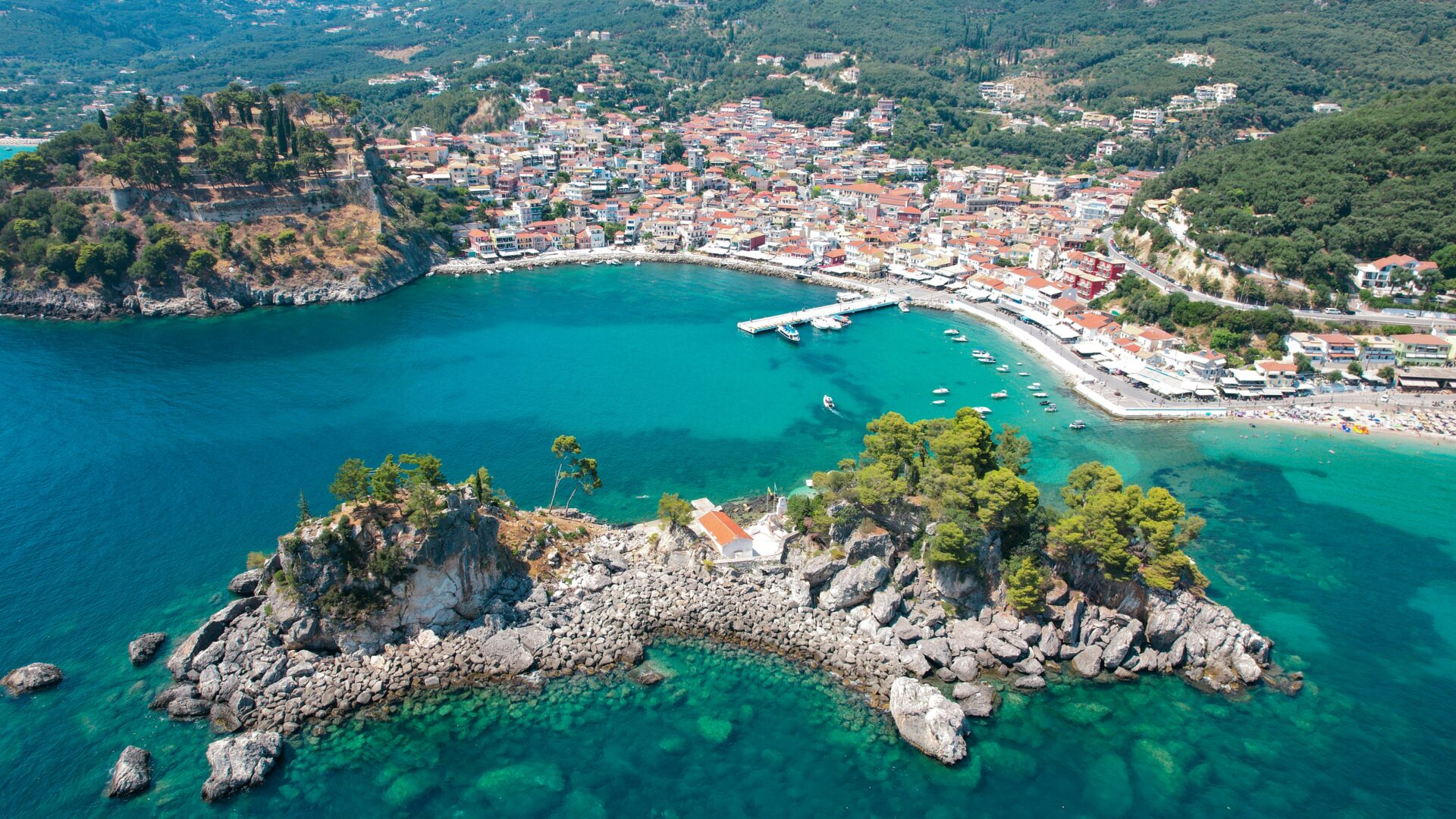
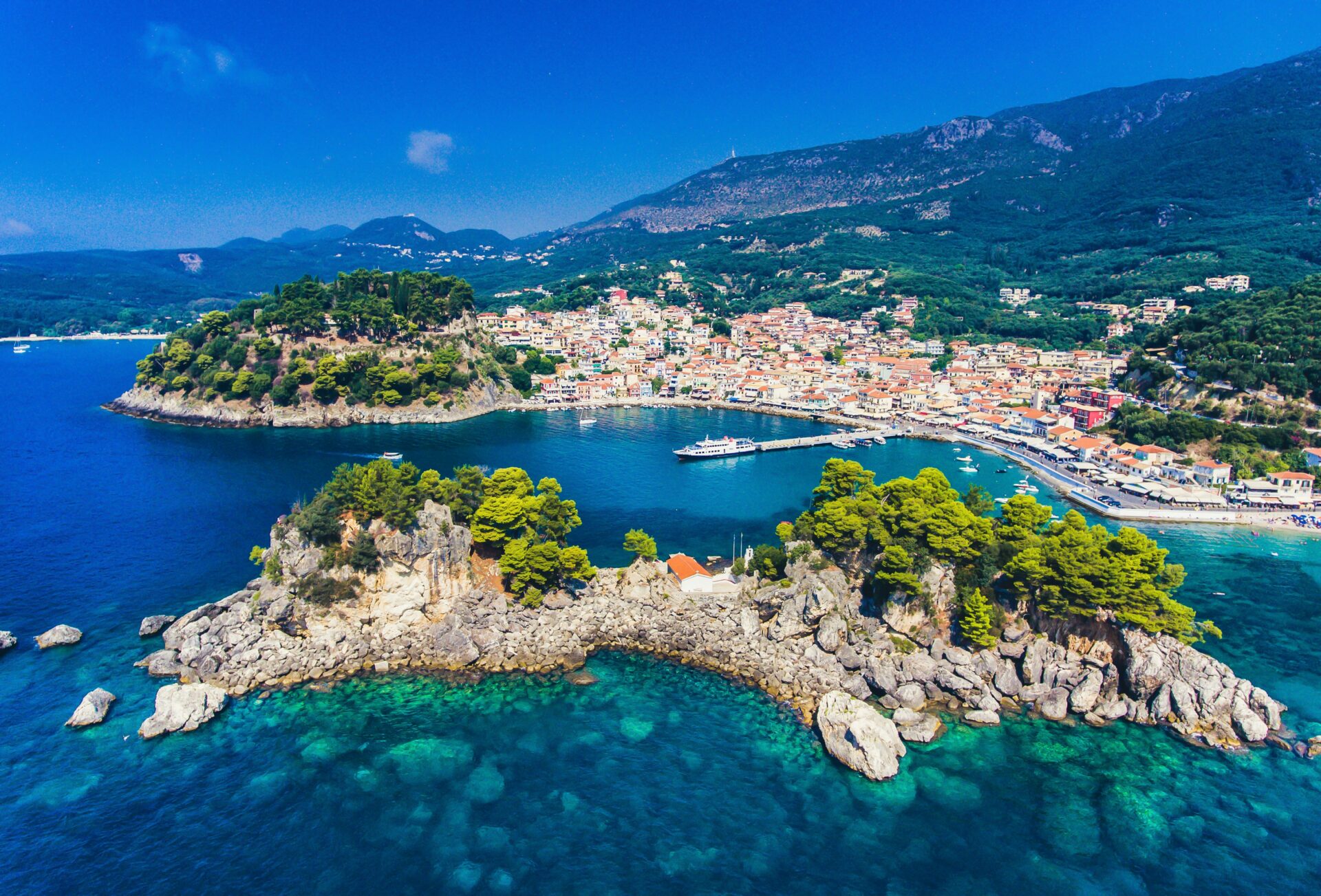
I stood on Parga’s lively harbor, staring at Panagia Islet just across the sparkling water. Its greenery and white chapel looked like something out of a postcard.
Visiting Panagia Islet gives you one of the easiest and most scenic ways to dip into Greek island hopping, even if you’re not planning to bounce around all the Greek islands.
With the islet so close, it barely feels like an adventure—you can grab a small boat from the port, hop on a pedal boat, or even swim if you’re feeling brave. Each way turns the short crossing into a mini pilgrimage.
It’s perfect for anyone craving a taste of island life without the price tag or hassle. If you’re wondering how a tiny, pretty escape can be both relaxing and rewarding, let me share the little things that made my day stand out.
Getting There: Planning Your Pilgrimage
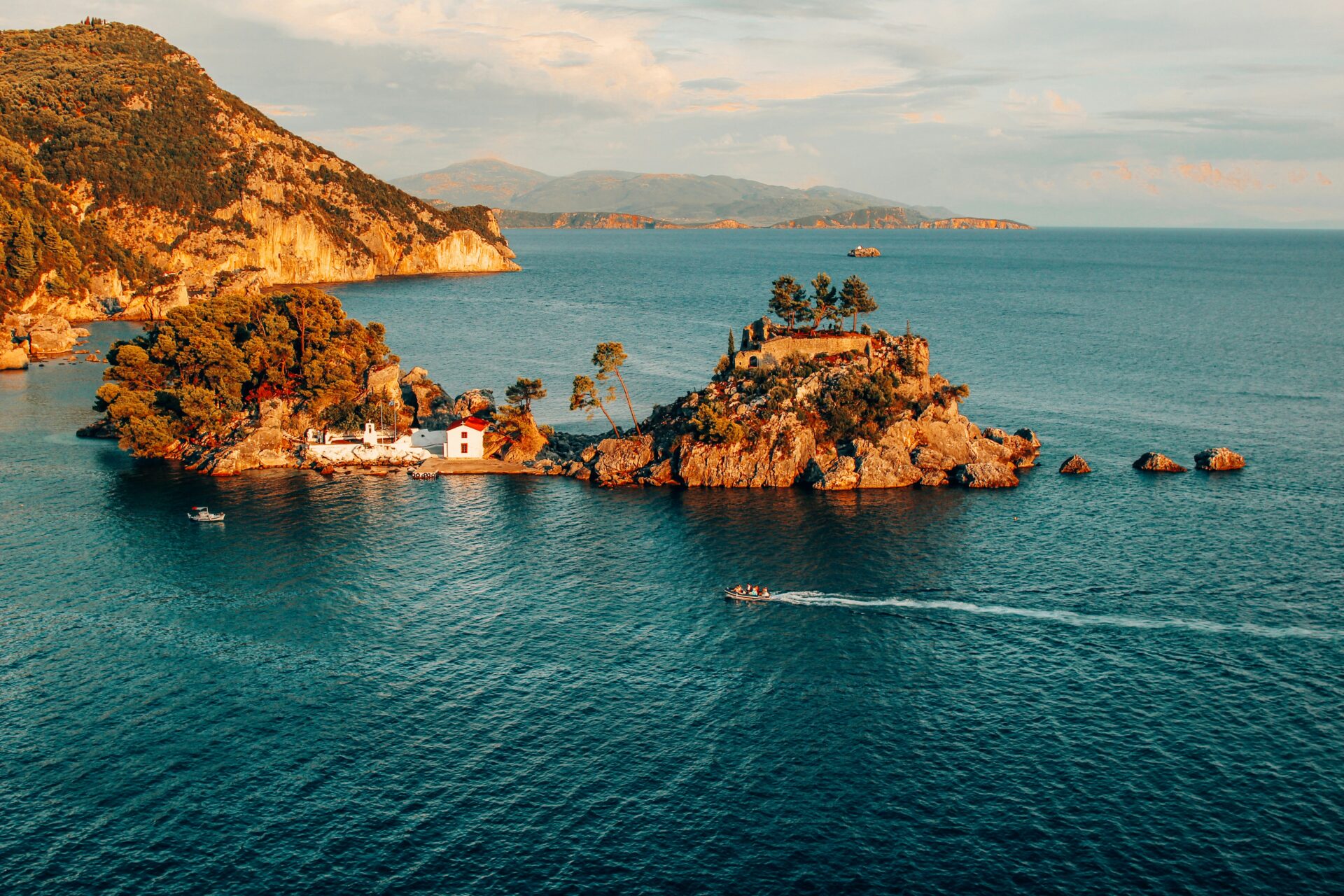
Visiting Panagia Islet from Parga doesn’t take much planning, but a little prep helps. Even if you’ve never tried Greek island routes before, you’ll find it easy.
Every step, from figuring out travel rules to hopping on the right boat, becomes part of the fun. I found that knowing a few details ahead of time made the trip smoother.
Entry Requirements and Travel Logistics
Panagia Islet sits just off Parga, so the entry process is refreshingly simple. Most travelers from Europe, the US, Canada, Australia, and plenty of other countries don’t need a special visa for short tourist visits to Greece.
You’ll just need a valid passport or national ID.
If you’re already in Greece, most island adventures start with a trip to Parga itself. Public spaces in Parga welcome tourists, with everything from ferry ticket booths to little shops for snacks and water.
I noticed English everywhere, so language worries faded fast.
For the latest travel rules, check the Greek tourism board or your embassy before you go. Local transport schedules change outside summer, so double-check before heading out.
Best Routes from Parga to Panagia Islet
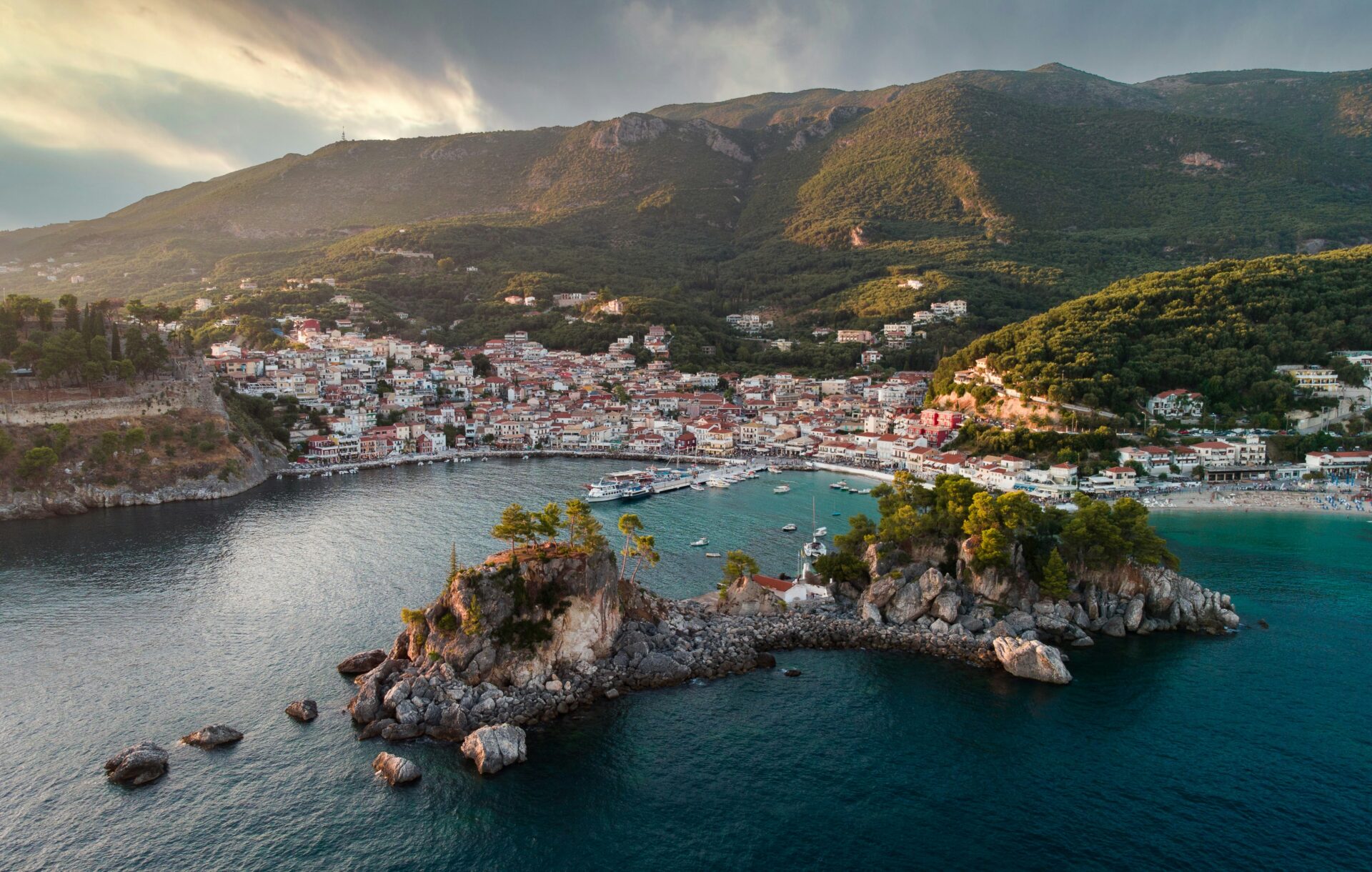
You can see Panagia Islet from Parga’s beaches. It’s not part of the big Greek island-hopping scene, but it’s a charming shore excursion that fits easily into any itinerary.
I walked down to the main port in Parga and found signs pointing to Panagia. The journey is direct—no multiple stops or long ferry rides.
The crossing takes just 5–10 minutes, depending on the boat.
You’ll find timetables posted by the shore or at travel kiosks. Boats run often in peak season, so there’s no need to stress about missing the last trip.
If you visit off-season, double-check for shorter schedules.

Transport Options: Boats, Excursions, and DIY Journeys
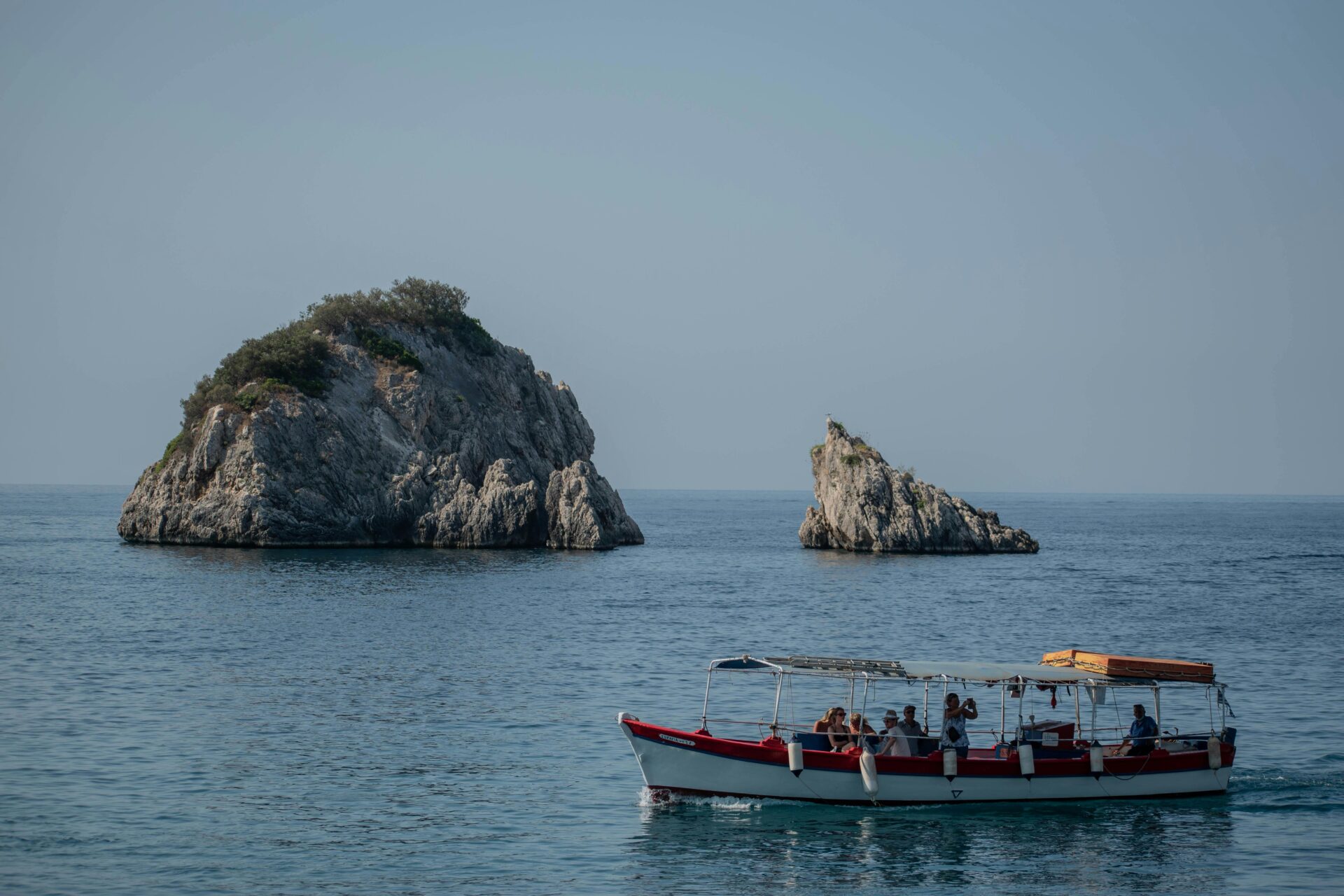
Most people, including me, take a local boat from Parga’s harbor to reach Panagia Islet. Small motorboats are the go-to and usually cost about €5 per person for a one-way ride.
Some folks rent pedal boats—a fun option if you want a bit of exercise and a closer look at the water.
If you’re after more adventure, try a stand-up paddleboard or kayak, especially when the sea is calm. Guided shore excursions sometimes pop up at hotels or travel stands near the beach, often with a bit of commentary or a quick stop at a nearby bay.
Here’s a quick comparison of your options:
| Option | Ease | Cost | Time |
|---|---|---|---|
| Motorboat (shared) | Easy | €5-€10 | 5–10 mins |
| Pedal boat rental | Easy | €10-€20 | 15–30 mins |
| SUP/Kayak rental | Active | €15-€30 | 20–40 mins |
| Guided shore excursion | Easy | Varies | 30+ mins |
Bring cash, since some operators still don’t take cards. I’d suggest arriving a bit early in summer—boats fill up quickly with day trippers.
First Impressions of Panagia Islet
Landing on Panagia Islet felt like stepping into a quieter, older world, just a heartbeat from busy Parga. The natural beauty and simple charm grabbed me right away.
A strong sense of history pulled me in as I wandered.
The Lay of the Land: Size and Atmosphere
Panagia Islet sits close to Parga’s coast. Some visitors swim or use pedal boats to get across.
Even from afar, the islet looks calm and small—promising a short but special escape.
I walked along narrow paths, passing pine trees and rocky outcrops. The calm water and quiet beaches made it easy to unwind.
Sometimes, little fishing boats drifted by, adding to the slow rhythm of island life.
Despite its size, Panagia Islet packs in a surprising amount of scenery. Two small beaches with clear water make lovely swimming spots.
The island feels tucked away from the mainland, yet it stays deeply connected to Greek culture and daily rhythms.
Historic Panagia Chapel and Byzantine Traces
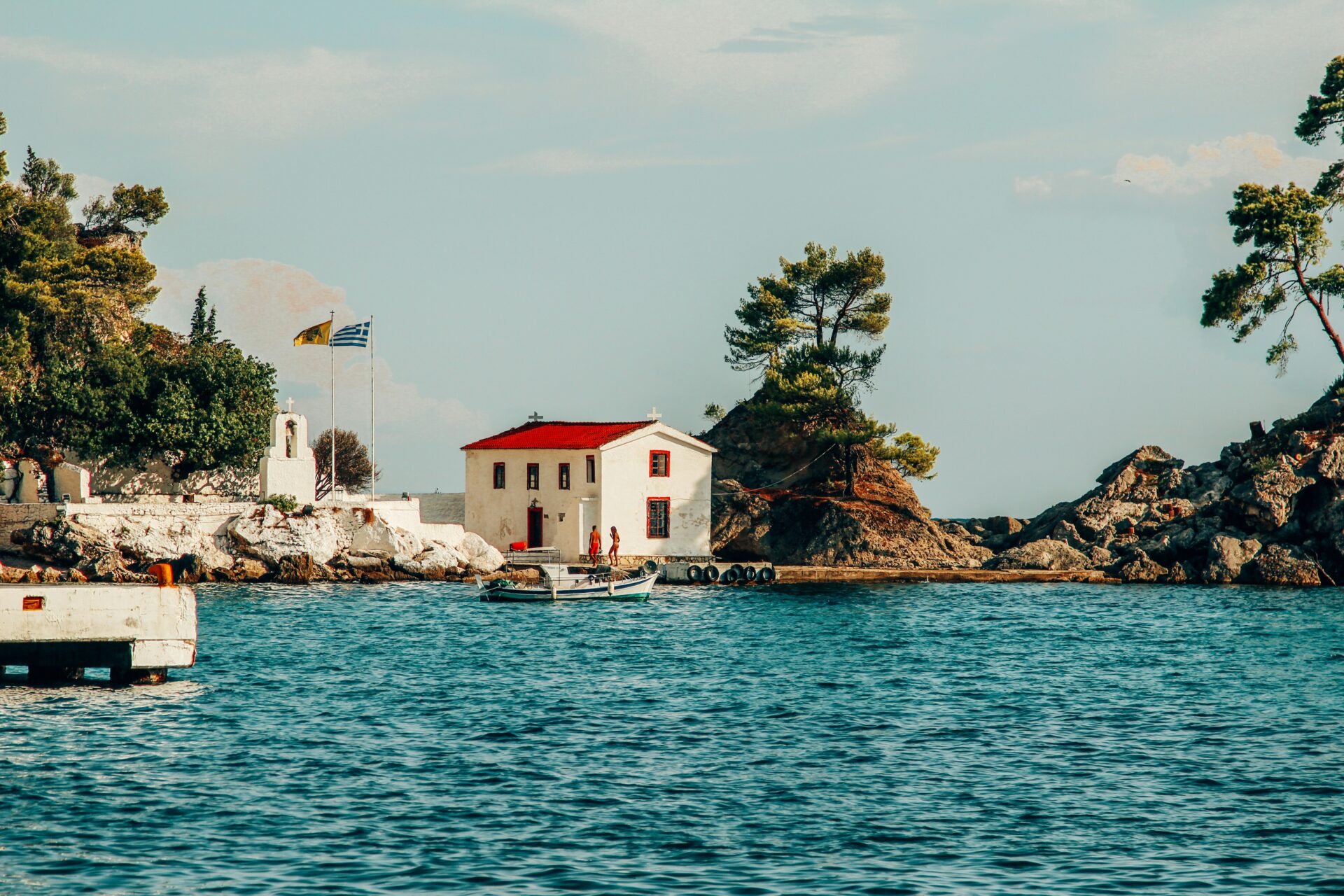
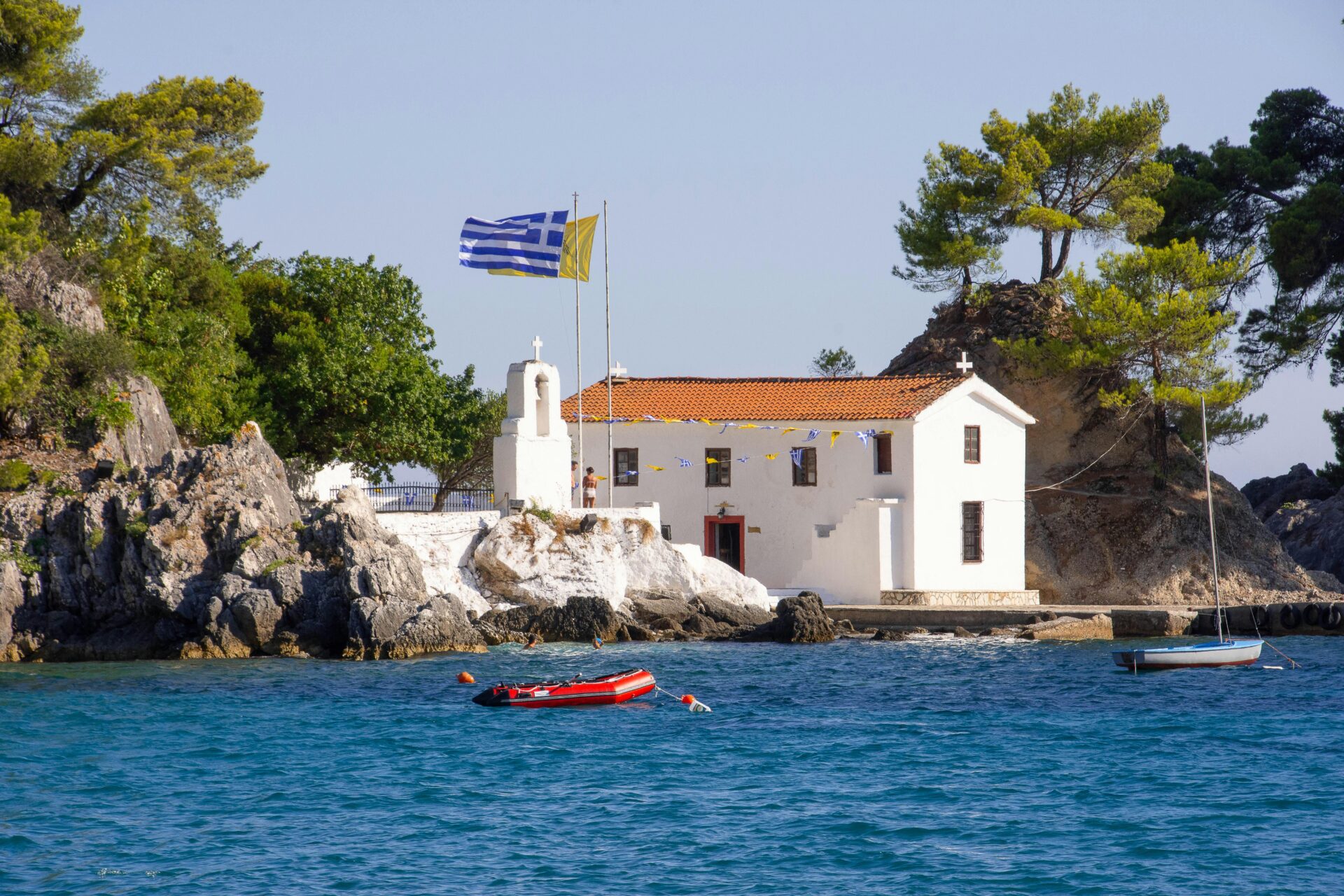
At the center of the islet stands the Panagia Chapel, a simple whitewashed building that looks frozen in time. Locals dedicate it to the Virgin Mary—Panagia in Greek—and it still draws people, especially during church festivals.
Inside, the chapel feels humble, with soft candlelight and old icons hinting at its long story. Its roots reach back to Byzantine times.
Some say even older shrines once stood here, since ancient Greeks often used little islets for worship.
Nearby, old stone walls and faint outlines of earlier buildings whisper about past centuries. Details like carved stones or faded paintings connect today’s visitors to generations who came here for peace or blessing.
Experiencing Island Hopping in the Ionian
Island hopping near Parga brings unique moments, gorgeous scenery, and the charm of both tiny islets and larger Greek islands. Even a quick hop to little Panagia Islet gives you a taste of the broader Ionian vibe.
The region’s bigger islands offer endless chances to explore, eat, and relax.
Parga as a Launchpad: Town Life and Vibes
Parga sits on Greece’s northwest coast and feels like the perfect place to start Ionian island hopping. The town’s colorful houses and cobbled lanes invite you to wander slowly.
Cafés spill onto busy squares. The seaside promenade buzzes with people sipping iced coffee and watching boats drift between the mainland and the islets.
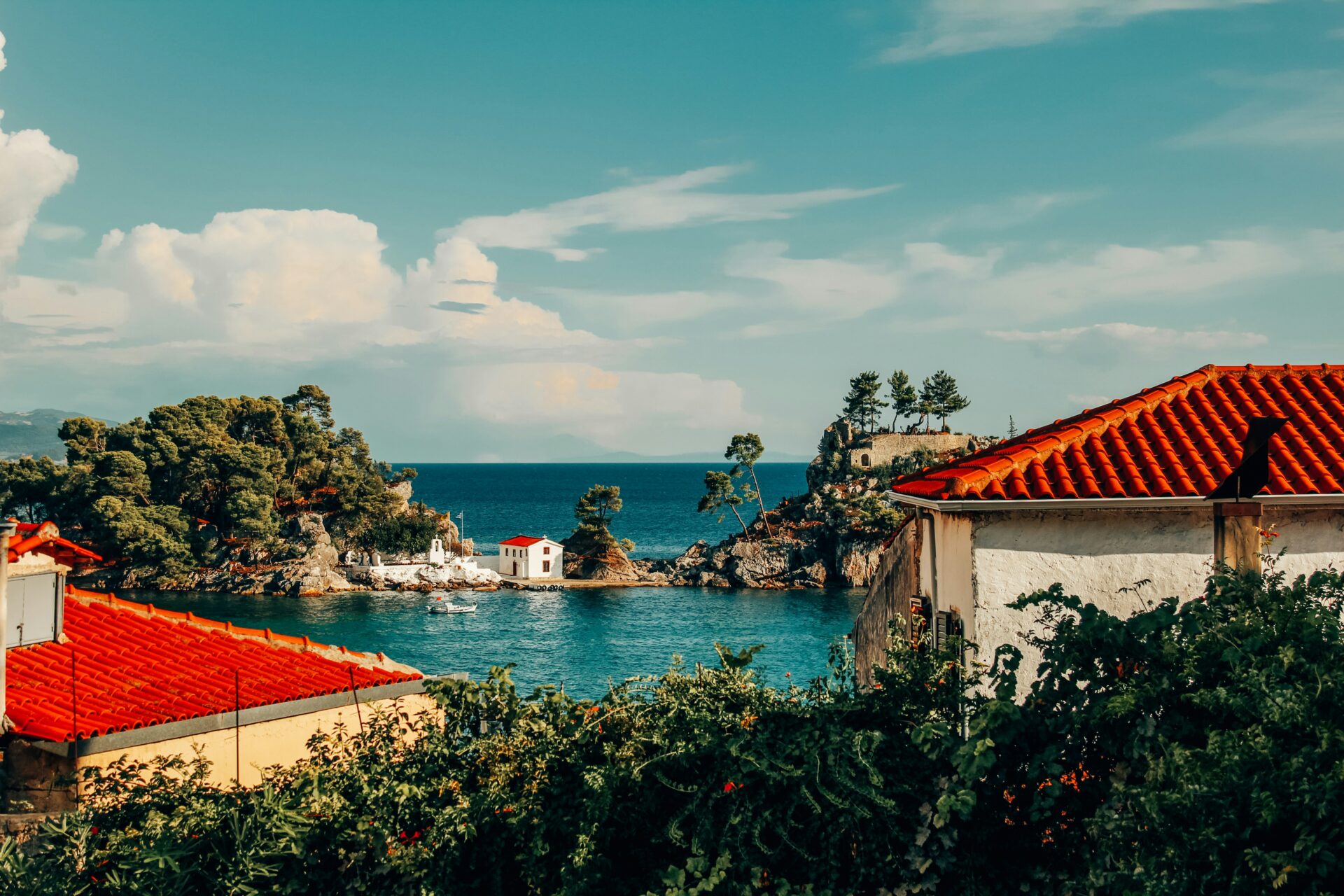
Greeks and travelers mix easily here. Parga’s castle, perched above town, offers incredible views of the turquoise Ionian Sea and the tiny Panagia islet—just a 5-minute boat ride away.
The mood changes after sunset. Restaurants fill with laughter, and the scent of baklava drifts through the air.
Parga has to be my favorite gateway for slipping from lively squares to hidden coves.
Comparing Panagia Islet to the Larger Ionian Islands
Panagia islet sits right off the coast, just a short swim or boat ride from Parga. Unlike big Ionian islands like Corfu, Lefkada, or Zakynthos, Panagia islet feels peaceful, small, and quiet.
It offers a tiny white chapel, calm waters for swimming, and rocky edges to explore, but no hotels or shops. I could walk around the whole islet in minutes.
Visiting feels like a private retreat, a world away from the busy towns and sandy beaches of Zakynthos or Kefalonia.
Those bigger islands have museums, nightlife, and a wider mix of beaches—from lively golden stretches to hidden pebbly coves. On Panagia, I swapped crowds for simple, honest beauty.

Cruising the Region: Best Greek Island Alternatives Nearby
If you want to expand your Ionian adventure, ferries and small boat cruises link Parga with other highlights. Corfu and Paxos are the easiest to reach, both offering lush scenery, old towns, and beaches with sparkling blue water.
Booking a boat tour is easy—just check the options at Parga’s harbor for half-day or full-day trips.
If you get the itch to island hop more, the Saronic Gulf islands or Cyclades (like Paros, Folegandros, or Sifnos) feel totally different. The Cyclades show off bright white villages and drier landscapes.
Choosing a cruise depends on your mood—quiet nature, family fun, or nightlife. I’d plan ahead for busy seasons, check ferry times, and pick a route that matches your favorite Greek island style—whether it’s sunbathing on the best beaches or wandering tiny, untouched islets.

Must-See Highlights and Things to Do
Walking to Panagia Islet from Parga let me soak in nature, admire local traditions, and find secret spots for photos and quiet moments. The beaches, chapel, and social rituals all came together for a small escape that felt real and special.
Exploring the Beaches and Clear Waters
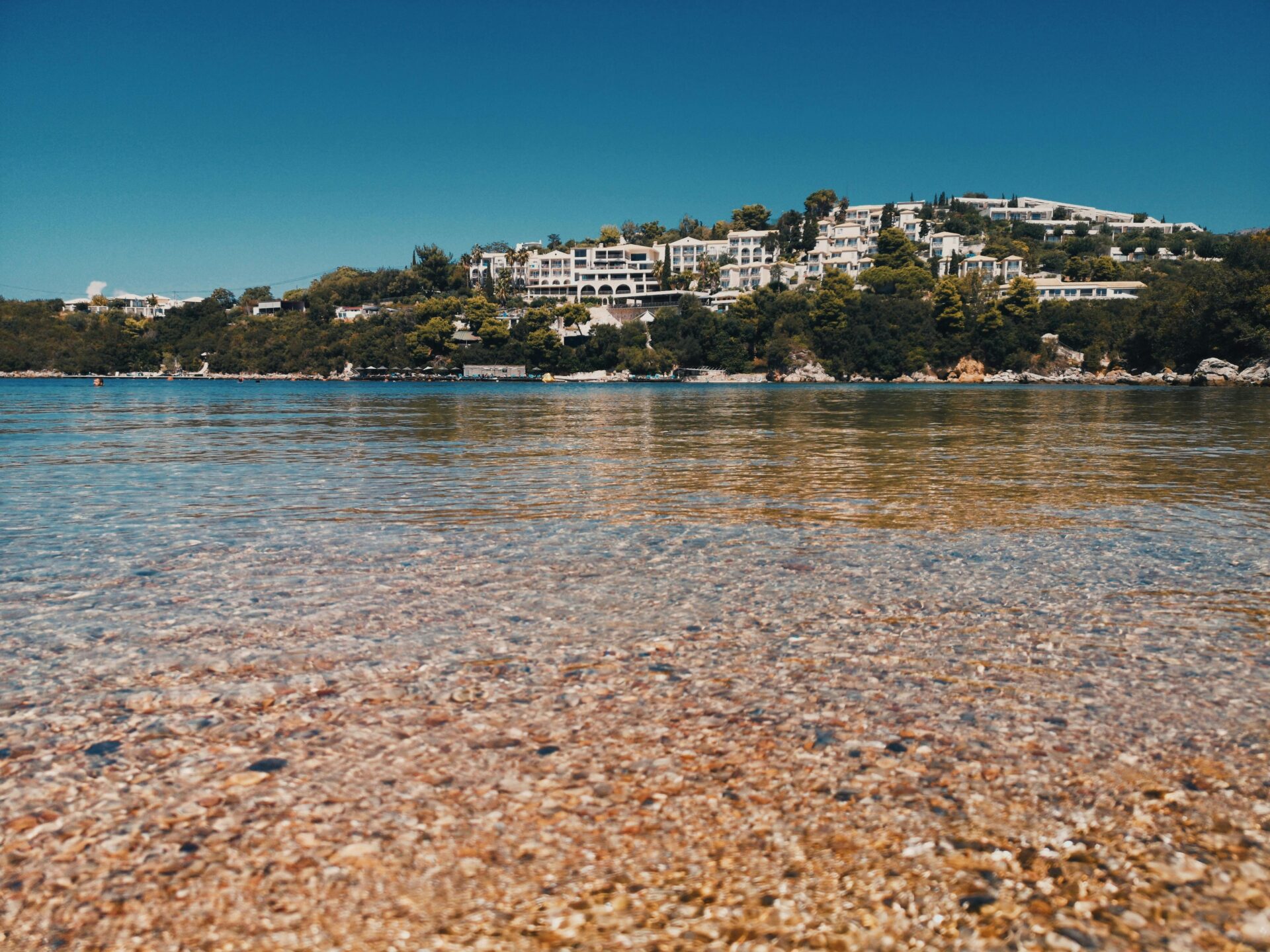
The water between Parga and Panagia Islet is a blue that almost doesn’t look real, especially when the sun’s out. Valtos Beach and Piso Krioneri Beach are the nearest sandy spots, each with its own vibe.
At Valtos Beach, I found plenty of space to stretch out, plus water sports and beach bars. The soft sand made barefoot walks easy, and sunbeds offered a comfy spot to relax.
Piso Krioneri, though smaller, felt cozier and more sheltered from the crowds.
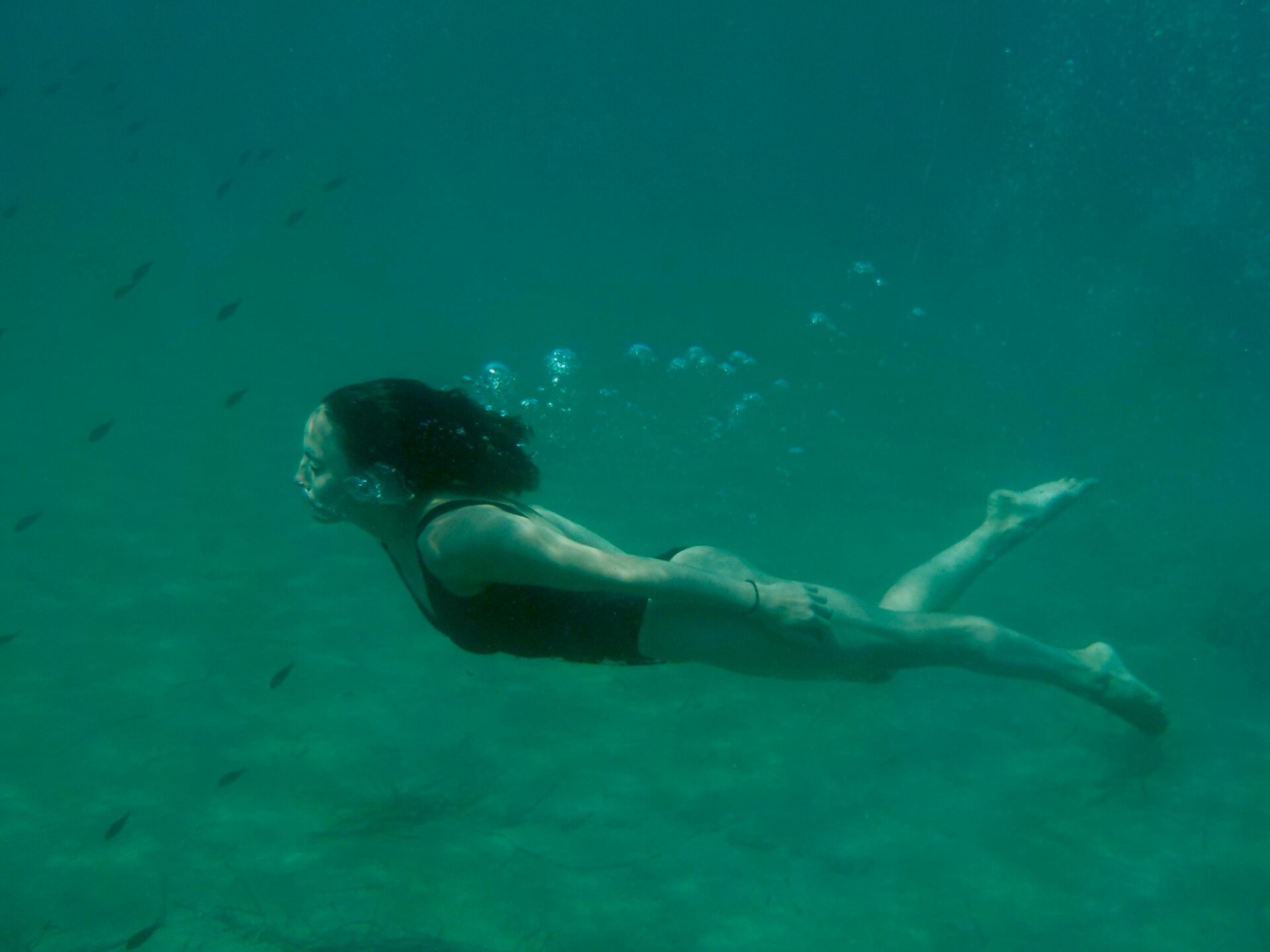
From Valtos, it’s an easy swim or paddleboard trip to the islet. The water is so clear I could see fish and pebbles from the shore.
If you plan to stay all day, the beachfront bars and small resorts make things simple with sunbed rentals and fresh snacks.
A Tiny Pilgrimage: Walking to Panagia Chapel
Getting to the islet by foot or paddle always felt like a mini adventure. Most locals time their walk for low tide, when the shallow causeway rises just enough to cross without getting soaked.
Panagia Chapel sits at the very center, with its white walls and simple cross. I watched people light candles or sit quietly for a few minutes, just resting or giving thanks.
Some leave small offerings on the steps—a subtle local tradition that invites visitors to pause and reflect.
The walk to the chapel only took a few minutes, but it made me slow down. I saw fishermen, kids skipping stones, and families chatting on the rocks—the whole island felt like a living postcard.
The path is mostly smooth, but water shoes help if you want extra comfort.

Photography and Relaxation Spots
Every corner of Panagia Islet begs for a photo. In the morning, sunlight sparkled across the bay; by evening, Parga’s old fortress and the town glowed gold.
My favorite shot? The chapel framed by olive trees against that turquoise sea.
If you just want to sit and relax, the north side of the islet has big, flat rocks—perfect for a picnic or sunbathing. I picked this shady spot after a swim, just to recharge and watch boats near the harbor.
Even in busy times, the islet stays quieter than the main beaches. It’s easy to find a peaceful patch, listen to the water, and breathe in the salty air—no rush, no noise.
Packing a snack from a local bakery or fruit shop in Parga made my break even sweeter.
Seasonal Customs and Local Festivals
When I visited Panagia Islet in August, I got lucky—I caught the annual festival for the Virgin Mary. Locals gather on the islet for a small religious service at the chapel.
Afterwards, everyone heads back to Parga for music and food. It’s a simple event, but honestly, the sense of togetherness really stands out.
Restaurants along Parga’s harbor—like Taverna Stefanos or Sakis—fill up fast after festivals. I grabbed a seat and enjoyed local seafood, with live music drifting in from nearby tavernas.
If you’re into nightlife, Parga’s main square offers cozy cocktail bars and small clubs. The evening stays fun but never feels too chaotic or wild.
Customs change with the season, but that friendly, welcoming vibe never seems to disappear. Shops and resorts line the Parga waterfront, but they don’t block the views or make things feel crowded.
Even when there’s no festival, you’ll find the chapel open, and the islet’s calm atmosphere just lingers.

Practical Tips for Visitors
Visiting Panagia Islet from Parga feels both exciting and peaceful. With a bit of planning, you can make your island-hopping trip comfortable and fun.
Health, Safety, and Essential Packing
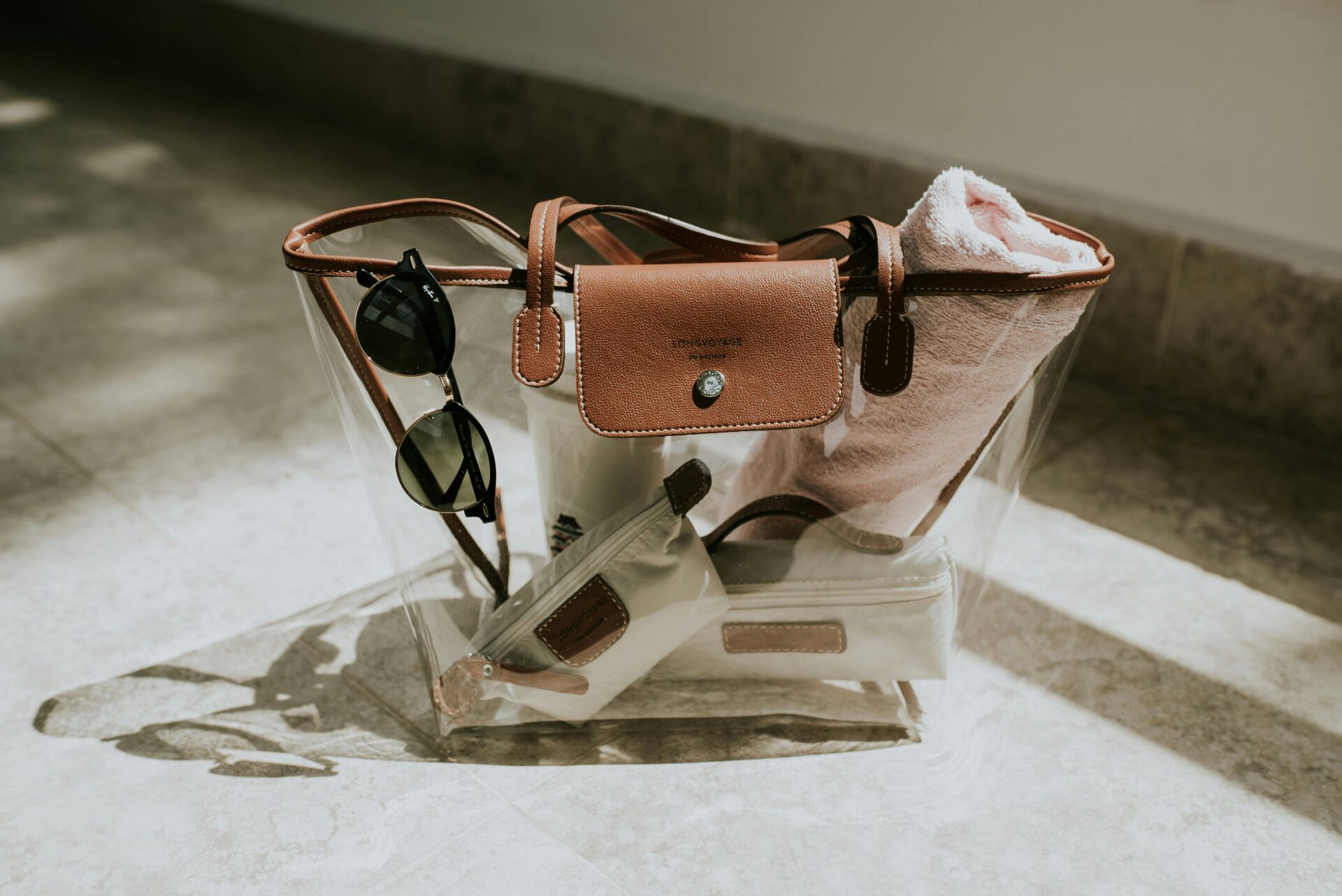
I always check the weather before heading out, since you never know if it’ll be sunny, windy, or suddenly rainy. Good sunscreen is honestly essential—the sun can get intense, even in the mornings.
Light layers, a hat, and sunglasses make a big difference. I found that sturdy sandals or water shoes really helped when getting on and off boats.
Since smaller islets usually don’t have drinking water, I brought my own reusable bottle. I also tossed a basic first aid kit with plasters and antihistamines into my bag, just in case.
Greece feels pretty safe for travelers, but I stay aware of my surroundings and pay attention to ferry safety instructions. If you want to swim or get close to the islet, waterproof bags for electronics are a good idea.
Money Matters and Economic Conditions
In Parga and on the way to Panagia Islet, I noticed most places accept credit cards, but some small cafes or boat operators still prefer cash. Carrying a mix of euros and cards saved me from any awkward moments.
ATMs are around in Parga, though I saw them run out of cash during busy tourist days. I try to take out what I need early in my trip.
Prices in Greece seem fair, but they can spike in peak season, especially for food or souvenirs near touristy spots. I looked for local markets and bakeries where prices felt more reasonable.
Tipping isn’t a big deal here—rounding up or leaving a euro or two is fine. Greece’s economy feels stable, but I like to keep some small bills and coins handy, just in case the card machines go down.

Where to Stay: Accommodations in Parga
I found it easy to pick a place in Parga, since there’s a range—from boutique hotels with sea views to simple guesthouses in the old town. For something special, I loved the views and pool at Hotel Parga Princess.
The beachfront rooms at Lichnos Beach Hotel put me right by the shore. Lots of small family-run pensions are both affordable and super welcoming.
I always book ahead, especially for summer weekends, since rooms fill up quickly. If you’re on a budget, local hostels or short-term rentals offer good value and often come with kitchenettes.
When I asked owners for local tips, they pointed me to less crowded spots and the friendliest tavernas. Those little discoveries really made my trip.
Dining and Nightlife Recommendations
Greek food in Parga? It’s honestly so fresh and full of flavor.
In the evenings, I wandered out to try seafood at places like Taverna Stefanos. They serve up grilled fish and calamari that’s hard to beat.
Don’t miss local favorites—moussaka and saganaki cheese are both worth a try. I usually just ask the staff what the daily special is, since most tavernas have something new every night.
Parga’s nightlife feels lively, but never too wild or overwhelming.
After dinner, I liked strolling along the waterfront. Sometimes I’d stop by a beach bar for a cocktail—other times, I’d slip into a cozy wine bar and try a few Greek bottles.
Almost every spot felt welcoming and relaxed. It’s just the right vibe to wind down after a day of exploring the islands.
