
Just an hour from Athens, I found myself in Lavrio—a coastal town where Greece’s industrial past collides with seaside charm. As I wandered its streets, the juxtaposition of old mining facilities and endless blue Mediterranean views toward Cape Sounion caught me off guard. You can even spot Poseidon’s temple in the distance if you squint.
What really sets Lavrio apart is how it delivers an authentic slice of Greek coastal life—without the crowds that overrun the usual Athenian Riviera hotspots.
The town’s mining history goes way back, all the way to ancient times. Silver from these hills once bankrolled Athens’ mighty navy. Now, those industrial relics make for a surprisingly photogenic backdrop. My morning started at the Mining Museum, then I drifted down to the harbor. There, fishermen patched up their nets right next to shiny yachts, and tavernas dished up seafood just a few steps from the water.
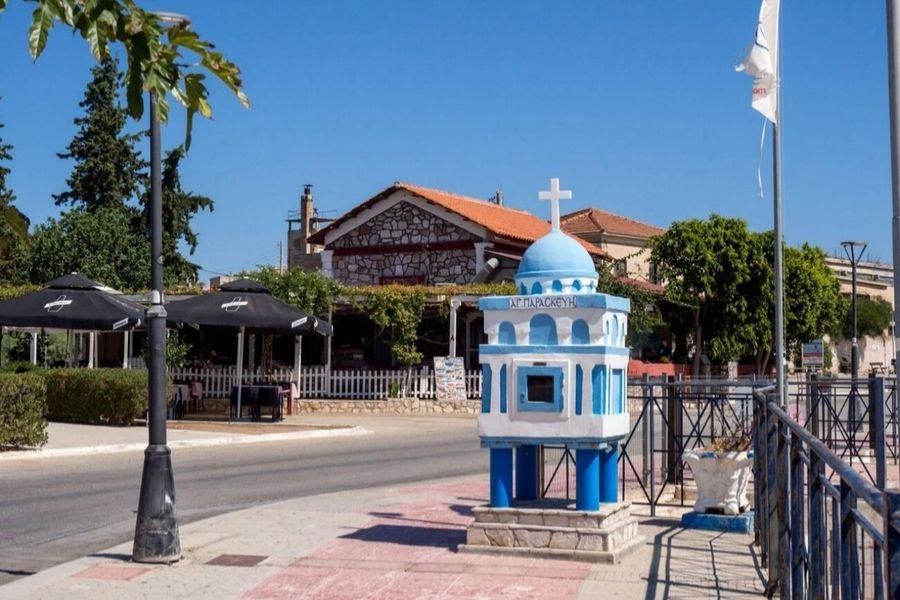
Lavrio doesn’t pretend to be one of those glossy resorts you see in magazines. It feels honest. You’ll probably end up chatting with locals, stumbling on hidden swimming spots, and soaking up a working Greek town that just happens to have killer views.
First Impressions of Lavrio: Where Industrial Heritage Meets the Sea
When I first rolled into Lavrio, I couldn’t help but notice the odd mix of rugged industry and peaceful sea views. This port town tells its story through gritty remnants of Greece’s industrial era, all while the Mediterranean sparkles just beyond.
The Port City’s Unexpected Allure
Strolling through Lavrio, I realized it’s nothing like those postcard-perfect, whitewashed islands. Lavrio leans into its authentic working-port vibe, and honestly, it’s refreshing.
It’s only about an hour from Athens, so it’s a super easy escape from city chaos. What really surprised me? Hardly any foreign tourists, even though it’s so close and so interesting.
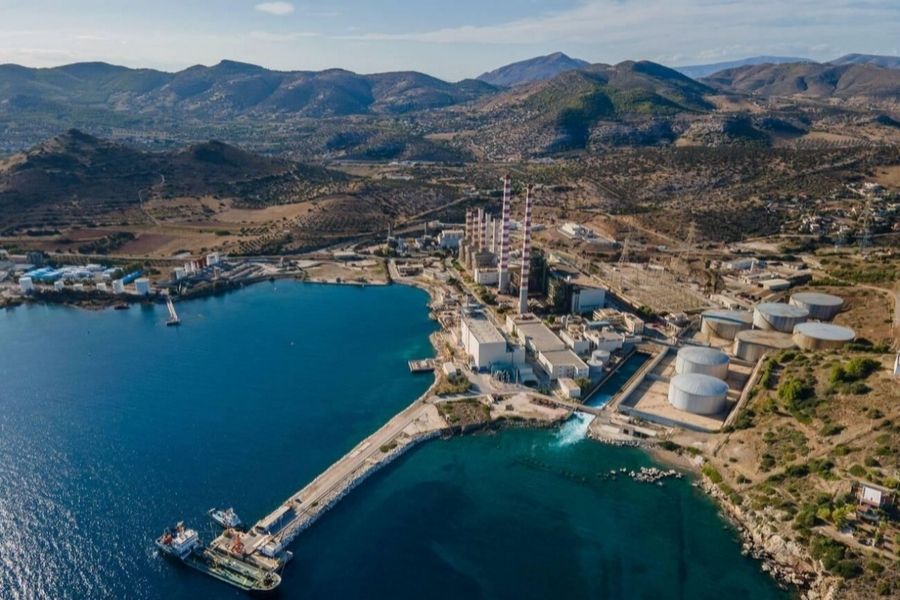
Lavrio wins you over with its realness. Fishermen fix their nets beside cafés where Athenians sip their coffee on weekends. The port still keeps the town buzzing, so you get a taste of everyday Greece—no tourist gloss.
Urban Landscape: Industrial Architecture by the Mediterranean
Lavrio’s industrial buildings stand out against the blue sea. This place used to be a major mining hub, with silver mines that helped build ancient Athens.
You’ll see old factories everywhere. Some have been restored and turned into restaurants, museums, or event spaces. Others are just weathered and kind of beautiful in their own way.
The Technology and Cultural Park really caught my eye. It sits inside old mining facilities, with red-brick walls and metal beams that look striking against the sky.
Wide streets hint at Lavrio’s practical past. They once moved ore and goods, but now they give visitors plenty of room to wander between neoclassical houses and industrial relics.
Seaside Promenade and Saronic Gulf Views
The waterfront promenade became my go-to spot. I’d walk along the harbor and watch fishing boats and yachts bob in the clear Saronic Gulf.
Tavernas line the walkway, serving up the freshest seafood with unbeatable water views. I snagged a table for grilled octopus and watched the sun turn the harbor gold.
The promenade runs along most of the town’s edge, so you get different angles of the Eastern Med. On clear days, you can spot Saronic islands like Makronisos out on the horizon.

Local families love strolling here in the evenings. The air buzzes with conversation from nearby tavernas, and you can hear the soft clank of boat rigging in the background. It’s pretty much the perfect Mediterranean evening.
Walking Through Time: Lavrio’s Historical and Archaeological Highlights
Lavrio surprised me with its deep, layered history. The area’s archaeological sites tell the story of ancient mining, clever technology, and the cultural roots that shaped Greece.
Lavrion Mines and Ancient Silver Legacy
I couldn’t believe Lavrio’s silver mines go back to prehistoric times. They really hit their stride in the 5th century BCE, funding Athens’ rise as a naval powerhouse. Wandering among the ancient shafts, I felt a strange connection to the thousands who once worked here.
The mining technology blew my mind—it was so advanced for its day. I noticed old drainage channels, ore-processing setups, even basic living quarters for miners. Silver from here paid for the Parthenon and other Athenian monuments.
It’s wild to think how this old industrial site shaped Greek history. The mines’ wealth helped Athens defeat the Persians and build its empire. Archaeologists keep finding new clues about metallurgical techniques used more than 2,500 years ago.
Archaeological Museum of Lavrio
The Archaeological Museum of Lavrio turned out to be a total surprise. It’s tucked inside a neoclassical building and displays artifacts from the Neolithic era through the classical period.
I lost track of time staring at mining tools, pottery, and everyday stuff from ancient Lavrio. The metallurgical exhibits were especially cool—they show how people extracted and processed silver using methods that were way ahead of their time.
Detailed models of mine shafts helped me picture the tough conditions miners faced. Small personal items—oil lamps, drinking cups, little offerings—brought their stories to life.
I loved how the museum ties Lavrio’s history into the bigger Greek picture. Interactive displays break down how this place shaped Athens’ economy, politics, and even its military.
Nearby Temple of Poseidon at Cape Sounion
A short drive from Lavrio, the Temple of Poseidon at Cape Sounion sits high on a cliff above the Aegean. This 5th-century BCE marble temple is just stunning.
They didn’t pick the spot by chance. Ancient sailors would spot the columns from far out at sea, knowing they were almost home. I timed my visit for sunset, and the marble columns glowed gold against the blue water.
Sixteen Doric columns still stand, making a dramatic silhouette. I even spotted Lord Byron’s name scratched into one—he left his mark in 1810! The site also includes bits of fortress walls and old barracks that once guarded this key point.
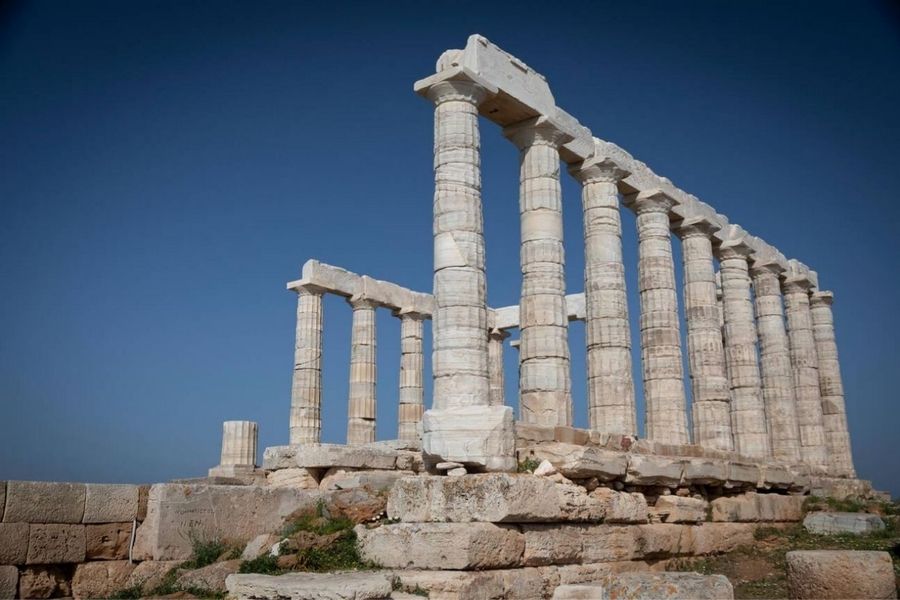
The views from Cape Sounion are unreal. Standing where ancient Greeks worshipped Poseidon, I felt how myth, geography, and history all come together in this corner of Greece.
A Taste of Local Life: Food, Drink, and Community Hotspots
Lavrio’s food scene caught me off guard. Here, fresh seafood and local hospitality mix in ways you don’t always find elsewhere. The town’s culinary style reflects its roots, but it never feels stuck in the past.
Seafront Tavernas and Best Restaurants
The harbor is where I found my favorite seafood spots. Fishing boats unload their catch right at the kitchen doors. To Limani tou Lavriou stands out for grilled octopus and sea bass, which I devoured while watching the boats.
Psaropoula deserves a shout-out for its seafood platter. Locals insisted I try it—sardines, whitebait, calamari, the works. Prices were much better than Athens, which was a pleasant surprise.
If you want something a bit fancier, Akroyiali Restaurant puts a modern spin on Greek classics. Their seafood risotto is top-notch, and the sunset view from the terrace is worth the splurge.
Cafés and Cozy Bars
Morning coffee is a ritual at Kafeneio Lavrio. It’s a classic Greek café, where older locals play backgammon over thick coffee. I spent an hour just soaking up the atmosphere with a freddo espresso in hand.
Miner’s Bar grabbed my attention in the evening. Its industrial decor nods to Lavrio’s mining days, and the cocktail menu gets creative with drinks named after local minerals. The “Silver Mine Mojito” became my go-to.
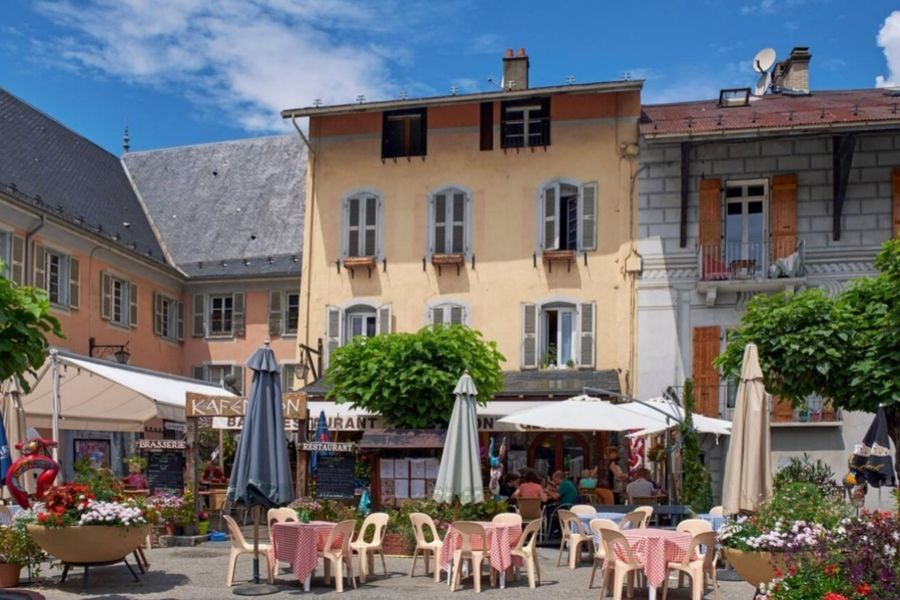
Portofino Café offers a more modern vibe, serving great pastries and specialty coffee. Their outdoor tables on the square are perfect for people-watching or jotting down travel notes.
Where Locals Gather: Markets and Festive Events
On Sunday, the farmers’ market takes over the main square. Local producers sell everything from olive oil to honey. I picked up some cheese that the vendor swore was “the best in Attica.”
I lucked into the Maritime Festival while I was there—a three-day celebration of Lavrio’s seafaring roots. There were boat races, live music, and endless seafood stalls. The whole town seemed to turn out.
Most evenings, the waterfront promenade becomes everyone’s hangout. Families stroll, teens gather near the playground, and neighbors catch up. It’s a slice of real Greek community life—something you rarely see in places packed with tourists.
Exploring Arts, Culture, and Everyday Life in Lavrio
Lavrio packs in more culture than you’d expect for a town this size. Its creative side fits right in with the industrial and seaside energy.
Museums and Support for the Arts
The Mining Museum is Lavrio’s pride and joy. I spent nearly two hours there, digging into exhibits that trace 3,000 years of mining history. Ancient tools, minerals, and hands-on displays make it easy to picture how silver mining shaped the region.
The locals really care about preserving their story. Artists often showcase works inspired by Lavrio’s industrial past in small galleries around town.
The Cultural Center hosts rotating art shows. I caught a photography exhibit that chronicled the town’s shift from industry to tourism.
Contemporary Culture and Street Art
If you keep your eyes open, you’ll spot plenty of street art. Murals of Greek myths and mining scenes pop up on walls downtown.
I wandered into a small music venue one night, where locals played rebetiko—Greek urban folk music. They told me these jam sessions happen every Friday and even draw visitors from nearby towns.
Summer brings the Lavrio Festival, which transforms the town with traditional dance, art installations, and live performances. Shopkeepers seemed genuinely excited about it.
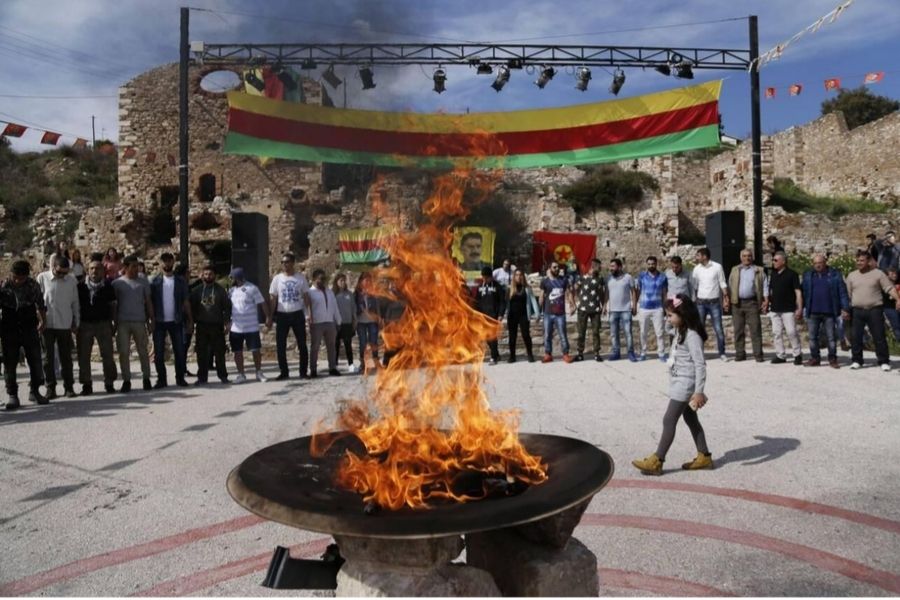
Craft shops carry modern takes on old Greek designs. I couldn’t resist buying a handmade ceramic bowl inspired by ancient mining motifs.
Living History: Stories from Locals
Dimitri, a former miner who now runs a café, shared stories from Lavrio’s mining heyday over strong coffee. He showed off old family photos that offered a window into the past.
“We don’t just keep history in museums,” one woman told me at the market. “We live it every day.” I saw that in the fishing traditions that haven’t changed much in generations.
The local school has a program where elders teach kids traditional crafts and share stories. I watched students learn to make fishing nets using age-old methods.
Community get-togethers often happen in the main square. One night, I joined a group for music and storytelling, where tales of Lavrio’s transformation unfolded naturally.
Practical Travel Tips for Discovering Lavrio
If you’re thinking about visiting Lavrio, a little planning goes a long way. Here’s what I wish I’d known before arriving in this historic town.
Getting Around and Hotel Picks
Getting to Lavrio from Athens is easy. I hopped on the KTEL bus from Pedion Areos for about €7, and the trip took around 90 minutes. Once in town, you can walk to most places, but renting a bike is a fun way to see the coastline.
For places to stay, here are my picks:
- Hotel Saron – Mid-range, great harbor views
- Cabo Verde – Budget apartments near the marina
- Aegeon Beach Hotel – If you want to splurge, this beachfront spot is worth it

Many hotels arrange airport pickup from Athens for about €40, which is way simpler than figuring out public transport. Book at least two weeks ahead if you’re coming in summer—rooms fill up fast.
Lavrio’s center has ATMs, pharmacies, and small markets for basics. I found prices lower than in Athens, which was a nice bonus.
Safety and Sustainable Tourism
Lavrio feels incredibly safe, and you probably won’t have to worry about crime as a tourist. I wandered alone along the marina at night and honestly didn’t feel uneasy at all.
The only real safety concerns come up around the old mines. Just stick to the marked paths or join a guided tour, and you’ll be fine.
People here really care about saving water. The region sometimes deals with shortages, so it helps if you:
- Take quick showers
- Reuse your hotel towels
- Bring a refillable water bottle
If you want to support sustainable tourism, try eating at family-run tavernas instead of big chains. I have to say, To Limani tou Passa served some of the freshest fish I’ve ever had—caught by local fishermen, no less.
Hotels in Lavrio are starting to use solar power and offer plastic-free options. When you book, it doesn’t hurt to ask what they’re doing for the environment.
Excursions: Piraeus Port, Nearby Islands, and Beyond
Lavrio’s port opens up a bunch of gorgeous destinations. The ferry routes I liked best are:
| Destination | Travel Time | Approx. Cost |
|---|---|---|
| Kea (Tzia) | 1 hour | €12 |
| Kythnos | 2 hours | €18 |
| Andros | 3 hours | €22 |
I noticed Lavrio’s port feels way less crowded than Piraeus. That made hopping between islands actually enjoyable, not stressful.
Ferry schedules jump around depending on the season. You’ll want to check online—Blue Star Ferries, for instance, usually has up-to-date info.

If you’re sticking to the mainland, Cape Sounion and the Temple of Poseidon sit only 15 minutes away by car. You can reach the Peloponnese region with a two-hour drive, which is just right for a quick trip to ancient Corinth.
I’d say Lavrio works well as a starting point for longer Greek island adventures. You’ll need to transfer if you’re aiming for Crete, but you can get to the smaller Cyclades islands directly.
