
The pandemic flipped the script on how Americans see travel. For years, adventure meant passport stamps and far-off flights, but suddenly, millions realized that the most meaningful journeys could unfold right in their own backyards—or even just down the street.
What started as a forced break from international trips soon turned into a conscious choice to dig into the richness of home. I watched this shift happen in real time, as folks I knew traded bucket list bragging rights for genuine curiosity about local treasures.
The pressure to post exotic selfies faded. People started hiking trails they’d never noticed before, shopping at neighborhood businesses they’d always ignored, and building deeper connections with the communities around them.
This wasn’t just about making lemonade out of lemons. Americans found that staying close to home brought things international travel rarely could: time to really savor experiences, financial freedom to focus on quality over quantity, and the good feeling that comes from supporting your own community.
Now, a travel renaissance is in full swing, and it’s changing how we chase fulfillment and adventure in modern America.

Defining the American Travel Renaissance
The American Travel Renaissance feels like a total reset in how we approach vacations and exploration. Domestic destinations aren’t just backup plans anymore—they’re the main event.
Technology has made it easier than ever to discover cool spots close to home, and honestly, it’s kind of wild how much we were missing before.
The Shift from International to Domestic Exploration
I’ve seen a dramatic change in what people want from their travels. Where a domestic trip used to feel like “settling,” now it’s a badge of honor to dive into America’s wild mix of landscapes and cultures.
What’s fueling this change?
- Rising costs for international trips
- Easier logistics when you stay stateside
- A new love for local discoveries
- More awareness of hidden gems in the U.S.
People realized adventure doesn’t have to mean crossing borders. National parks got packed. Suddenly, cities like Nashville, Austin, and Portland were on everyone’s must-see list.
The pandemic really sped things up. With borders closed, travelers had no choice but to poke around their own neighborhoods—and many found those experiences just as thrilling as any trip abroad.

How Travel in the U.S. Changed for Good
Domestic travel isn’t just about tourist traps anymore. I’ve noticed travelers chasing authentic, immersive experiences instead of just ticking boxes.
Here’s how American travel habits shifted:
| Before | After |
|---|---|
| Theme parks and beaches | Food tours and local culture |
| Hotel chains | Unique accommodations |
| Major cities only | Small towns and rural areas |
| Quick weekend trips | Extended domestic adventures |
Road trips made a big comeback. Americans started loving scenic drives and random detours again. “Staycation” morphed into something more adventurous—short road trips, day trips, whatever felt new.
Food became a huge draw. Craft breweries, farm-to-table restaurants, and quirky regional eats pulled people into places they’d never thought to visit.
The Influence of Technology and Media on Travel Choices
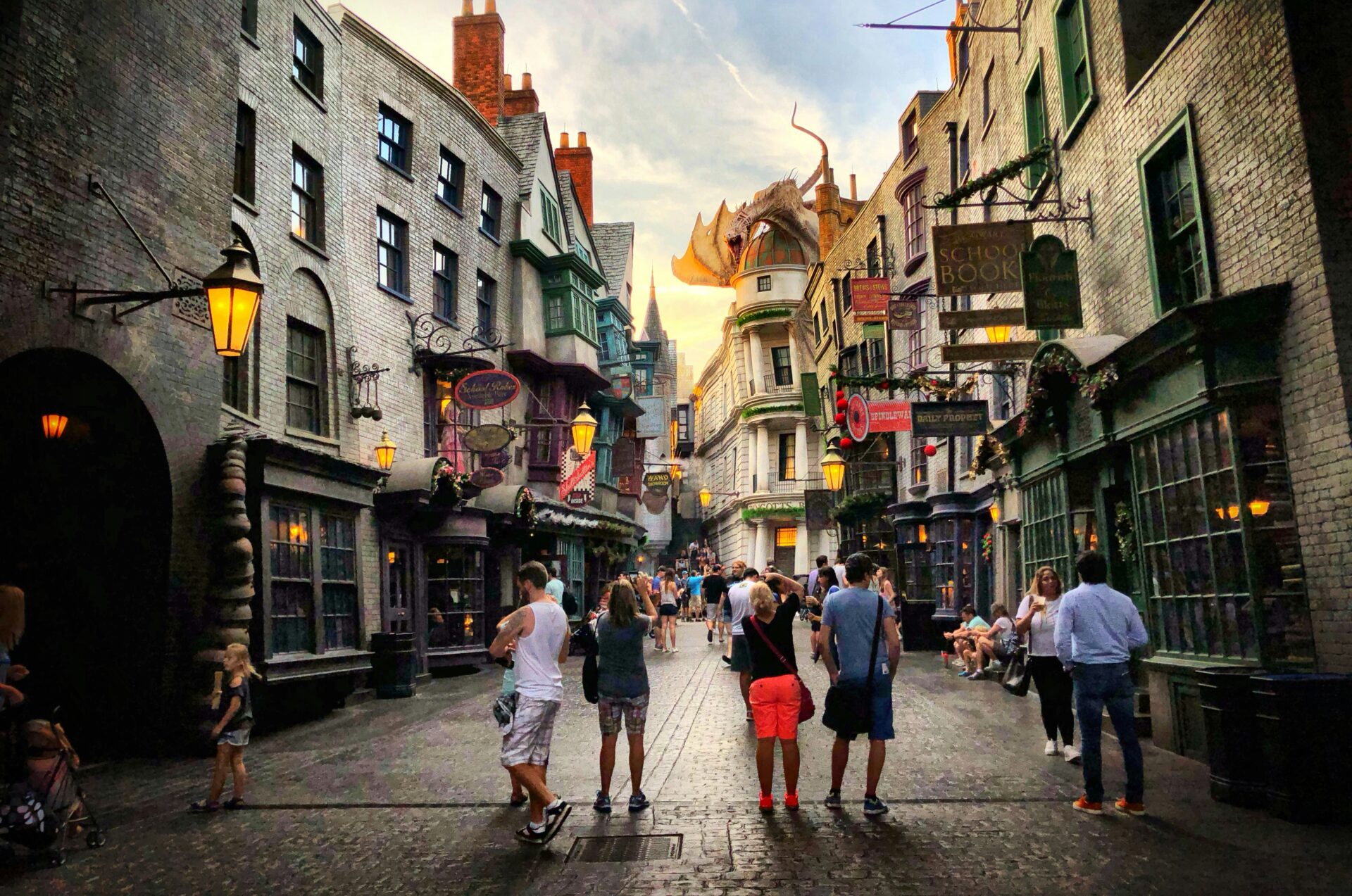
Social media totally changed how we find domestic destinations. Instagram and TikTok are full of hidden waterfalls, adorable small towns, and quirky roadside stops.
Travel apps make spontaneous trips a breeze. I can check trail conditions, restaurant hours, or local events in seconds.
Tech’s impact on domestic travel:
- GPS navigation opens up remote areas
- Booking apps make last-minute trips simple
- Social media stirs up wanderlust for places nearby
- Review platforms help you trust local spots
Streaming services and documentaries have shined a spotlight on America’s natural wonders and food scenes. I’ve definitely added places to my list after seeing them on a show.
Remote work changed the game, too. Digital nomads now stretch weekend getaways into weeks or months, blending work and exploration all over the country.

Why Staying Home Became the Ultimate Adventure
This new wave of domestic travel proves you don’t need to cross an ocean to have a real adventure. Americans are finding that their own backyards are packed with surprises and stories.
Discovering Hidden Gems Close to Home
Local travel has opened my eyes to places I never would’ve found otherwise. Within a short drive of almost any city, you’ll stumble on historic sites, natural wonders, and cultural oddities.
I’ve tasted wine in Idaho that could go toe-to-toe with Napa’s best. I’ve wandered through tiny museums full of stories you won’t find in any guidebook. State parks have hiking trails that feel a world away from daily life.
Even my own neighborhood has surprised me. I found a historic home turned museum just a few blocks from where I’d lived for years. At the farmer’s market, I met vendors with fascinating backstories.
Why stay local?
- No passport needed
- Lower costs
- You support local businesses
- Flexible timing
- No language or cultural barriers
These adventures let me come home the same day or squeeze in a weekend getaway. No jet lag, no culture shock—just freedom to explore at my own pace.

Bringing a New Perspective to Familiar Places
Treating my hometown like a tourist destination changed everything. I finally visited that museum I always drove past and signed up for a walking tour downtown.
Solo trips to nearby cities have been eye-opening. Without friends or family tagging along, I pay more attention. I notice the architecture, overhear local conversations, and pop into places on a whim.
Trying new restaurants, shopping at unfamiliar stores, and chatting with locals all taught me something about the place I thought I knew.
Asking questions is key. Shop owners love to share their neighborhood’s history. Park rangers talk about the geology of local trails. Even a gas station attendant can point you to a great lunch spot.
This approach works anywhere. Cities offer street art, ethnic neighborhoods, and quirky districts. Rural areas have farms, scenic drives, and small-town festivals.

Personal Growth Through Local Exploration
Sticking close to home gave me space for real self-reflection. Without the pressure to hit every famous sight, I focused on what actually interested me.
I picked up new skills, too. Photography started as a way to capture local scenes. Cooking got better after visits to local farms and markets. Hiking became a habit thanks to nearby trails.
Solo trips in familiar regions felt safe but still gave me a sense of adventure. I tried new things, met new people, and never felt too far from home.
What I gained:
- Less travel stress
- More time for hobbies
- Stronger connection to my region
- Better understanding of local culture
- Improved budgeting
I realized that adventure is really about your mindset, not your mileage. Curiosity turns the ordinary into something special.

The Allure of the Great American Road Trip
Nothing captures the spirit of American freedom and discovery quite like a road trip. Classic routes like Route 66 still draw dreamers, while modern travelers are carving out new adventures behind the wheel.
Top Road Trip Routes Across the United States
Route 66 might be the most legendary road trip in the country. Stretching from Chicago to Santa Monica, it’s earned the nickname “Mother Road”—thanks, Steinbeck!
You’ll drive through eight states, soaking up everything from Illinois prairies to Arizona deserts. Towns like Tucumcari, New Mexico and McLean, Texas keep that vintage Route 66 vibe alive.
Other favorites:
- Pacific Coast Highway: California’s breathtaking coastal drive
- Blue Ridge Parkway: Gorgeous mountain views in Virginia and North Carolina
- Great River Road: Following the Mississippi from Minnesota to Louisiana
Planning a road trip? Don’t over-schedule. The EZ66 Guide by Jerry McClanahan is a lifesaver for Route 66, with maps and local tips.
Modern apps give you turn-by-turn directions and up-to-date business info. They help you find authentic stops and steer clear of tourist traps.

Roadside Attractions and Americana Culture
Roadside attractions are the quirky heart of any American road trip. They show off the creativity—and sometimes the weirdness—of small-town America.
Think giant statues, oddball museums, and neon-lit diners. The American Giants Museum celebrates those oversized sculptures that dot the highways.
Classics include:
- World’s largest things (balls of twine, rocking chairs, you name it)
- Vintage neon signs and motels
- Old-school trading posts
- Classic car displays
Some of these places are fighting to survive as highways change, but communities are working hard to keep these roadside icons alive.
Vintage motels like the Wagon Wheel Motel in Cuba, Missouri still welcome travelers with mid-century charm. Staying in one feels like stepping back in time.

The Rise in Popularity of Long-Distance Drives
Long-distance drives are having a moment. More people are skipping flights for the freedom of the open road.
Road trips give you total control. Want to stop for pie at a roadside diner or detour to a local festival? Go for it.
Why road trips are booming:
- Flexible plans
- Cheaper than flying, usually
- Real cultural experiences
- Easy to share discoveries on social media
The 2026 Route 66 Centennial is already shaping up to be a massive celebration. Festivals in Tulsa and Springfield will bring together road trip fans from all over.
Modern travelers blend nostalgia with comfort—think RV parks with WiFi and motels restored to their retro glory.

Redefining Travel Goals and Experiences
Americans are ditching the old “bucket list” mentality. Instead, they’re chasing trips that offer personal growth and real connections. National parks are busier than ever, and both cities and rural escapes are fighting for attention from travelers who want something genuine.
The Surging Appeal of National Parks and Nature
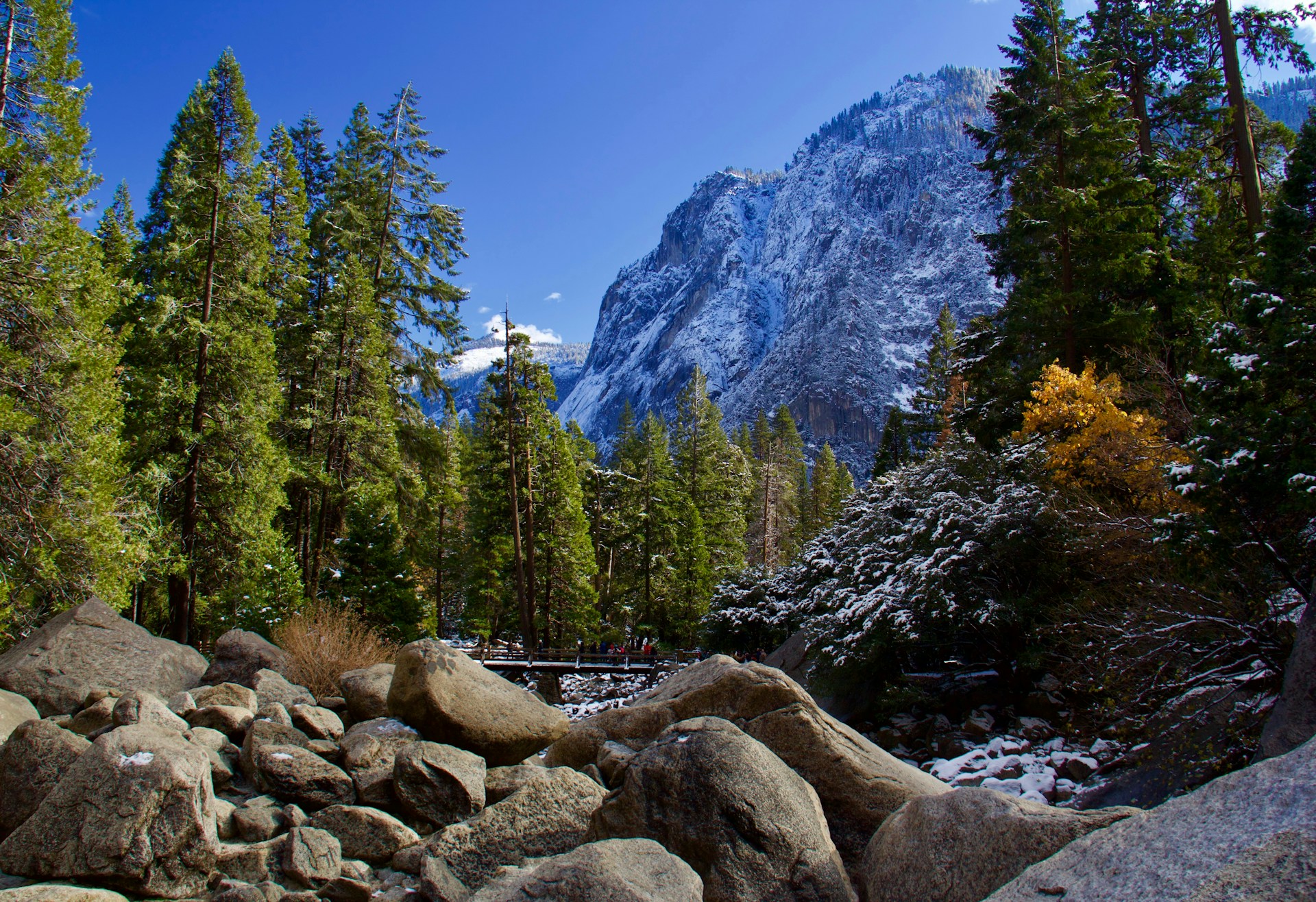
National parks are now the ultimate splurge for American travelers. Yellowstone, Yosemite, and the Grand Canyon attract folks who might’ve chosen Paris or Rome in the past.
It’s not just about the views. Parks offer a digital detox. With spotty cell service, you’re practically forced to relax and have real conversations.
Top park activities:
- Hiking and backpacking for adventure
- Wildlife photography for creativity
- Camping for affordable family time
- Stargazing in pitch-black skies
You have to plan ahead—some parks book up months in advance. Honestly, a week in Zion often costs less than a long weekend in a big European city.
Urban Escapes Versus Rural Retreats
Cities and the countryside both have their own pull these days. Urban getaways are all about walkable neighborhoods, killer food scenes, and local music.
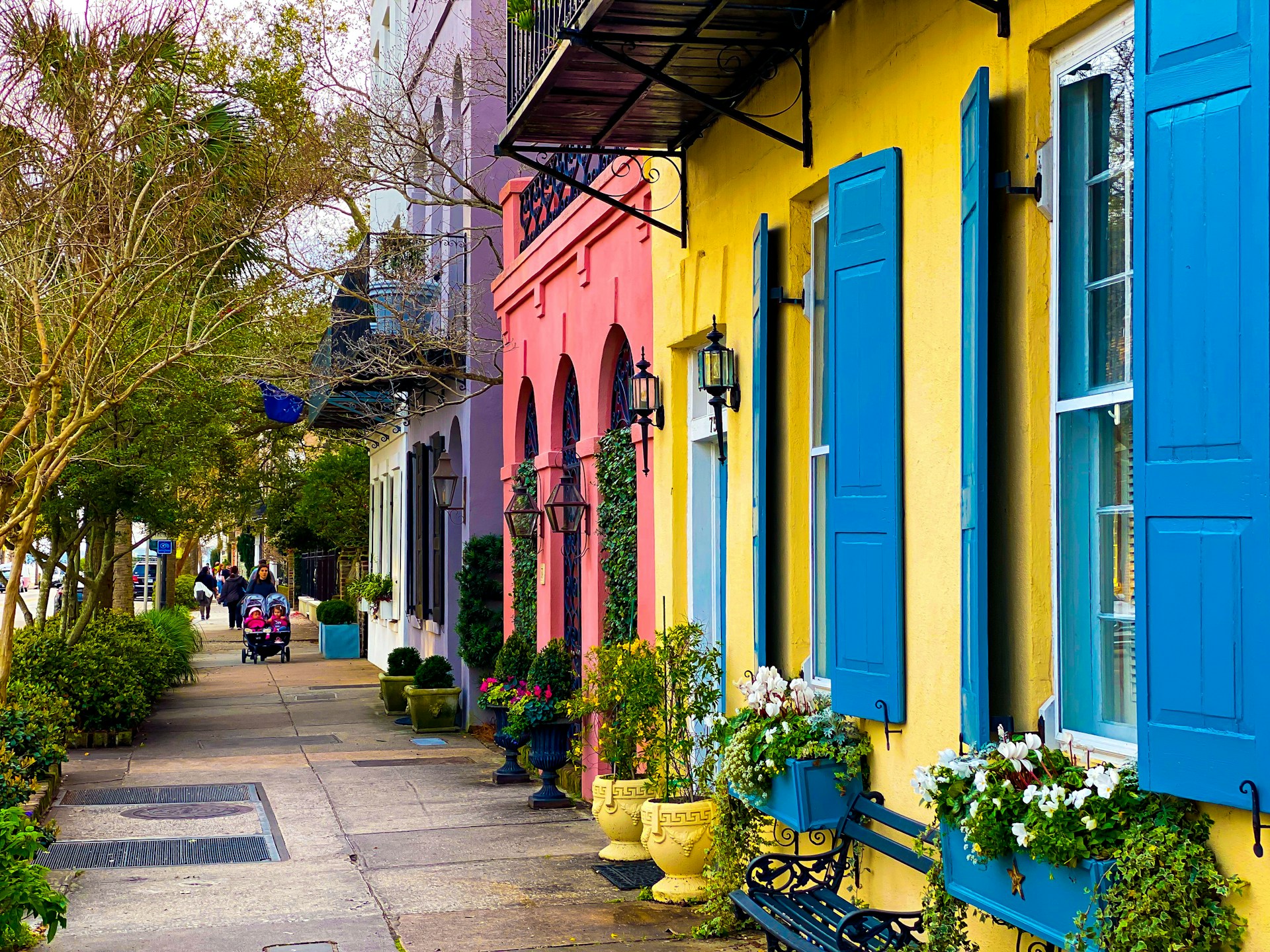
Places like Charleston, Austin, and Portland market themselves as cultural hotspots. You’ll find craft breweries, farmers markets, and live shows everywhere.
Rural retreats counter with peace and charm. Think Vermont inns, Montana ranches, and Oregon’s wine country—perfect for slowing down and soaking it all in.
Urban vs Rural:
- Urban: Museums, restaurants, nightlife, shopping
- Rural: Hiking, farm-to-table meals, quiet mornings, starry skies
It really comes down to what you need. Overworked? Go rural. Craving inspiration? Try a city. Both are usually just a short drive away.

Solo Travel as Self-Discovery
Solo travel is on the rise—up 30% since 2022. More Americans, especially women, are taking trips alone for self-care and adventure.
Women are leading the way, exploring national parks, spa retreats, and creative workshops. With better planning tools and traveler networks, safety worries are shrinking.
Why go solo?
- Make your own choices
- Meet people more easily
- Discover new interests
- Build confidence
Domestic solo trips feel less intimidating. You know the language and customs, but everything still feels fresh.
A lot of folks pick structured activities—cooking classes, guided hikes, you name it. Hotels and tour companies are finally catching on, offering single-room rates and group dining options.
Solo travel isn’t just for the brave anymore. It’s a way to invest in yourself, not just escape.
How Americans Plan Their Adventures Today
Travel looks different now. Americans spend an average of $5,138 a year on trips and take about 4.2 vacations annually.
People are using AI tools to plan smarter, prioritizing value over luxury. Loyalty rewards matter, but so does flexibility—no one wants to get locked into a bad deal.
Travel planning has become a mix of inspiration, technology, and a healthy dose of curiosity. Isn’t that what adventure’s all about?
Budgeting and Managing Travel Expenses
Travelers are definitely getting more creative with their budgets these days. It’s honestly impressive to see how many people have figured out that off-season travel can slice costs by 30-40%—and hey, who doesn’t love skipping the crowds?
Popular Money-Saving Strategies:
- I usually book flights about 6-8 weeks ahead—seems to be the sweet spot.
- Price comparison apps? Total lifesavers.
- Shoulder seasons are underrated; the vibe is just better and prices drop.
- If you’re traveling with friends, splitting costs through group bookings just makes sense.
AI planning tools have really shaken things up. Around 34% of travelers (myself included sometimes) lean on AI to hunt for deals. These tools scan a bunch of sites in seconds and ping you when prices drop—honestly, it feels like having a travel-savvy friend in your pocket.
Short-term rentals are everywhere now. For longer trips, I find they’re usually cheaper than hotels, especially when you factor in having a kitchen. Cooking a few meals saves a surprising amount, especially if you’re traveling with family.
Credit card rewards? Don’t sleep on them. I use cards that rack up points on my regular spending, then cash those in for flights or hotel stays. It’s a pretty satisfying way to stretch your travel budget.

Choosing Between Hotels, Rentals, and Unique Stays
Picking where to stay has gotten way more interesting. Hotels aren’t the only option anymore—think vacation rentals, boutique spots, or even quirky places like treehouses or converted barns.
Key Decision Factors:
- Got a big group or kids? Rentals with kitchens and extra space are a game changer.
- Heading to a city for just a couple nights? Hotels usually win for convenience.
- Chasing an adventure or something memorable? I’d say go for a unique property.
- Staying more than three or four nights? Rentals usually end up being the best deal.
For business trips or quick city breaks, hotels still have my vote. You get daily housekeeping, steady Wi-Fi, and you’re close to everything. Lately, I’ve noticed hotels stepping up their amenities game to keep up with the competition.
Vacation rentals shine for longer stays and bigger groups. You get privacy, space to spread out, and a taste of local life. Just watch out for those cleaning fees and security deposits—they can sneak up on you.
Unique stays are having a moment, especially with younger travelers. There’s something about waking up in a treehouse or a funky converted barn that just sticks with you. Sure, you might not get room service, but for a special occasion or an adventure, it’s totally worth it.

Travel Loyalty Programs and Their Rewards
Loyalty programs aren’t just about racking up points anymore. These days, you’ll find perks like mobile check-in, personalized rewards, and all sorts of partner benefits that stretch across a bunch of different brands.
Most Valuable Program Benefits:
- Free nights and room upgrades
- Priority boarding and seat selection
- Airport lounge access
- Late checkout and early check-in
Honestly, hotel loyalty programs tend to deliver the best bang for your buck, especially if you travel often. I’ve found that you can rack up points pretty quickly with frequent stays, and those elite status perks—like upgrades or late checkouts—really do make a difference.
A lot of these hotel programs team up with airlines and credit cards, so you can earn points faster. It’s pretty handy when you want to maximize your rewards without too much effort.
Airline programs can be great if you’re always flying, but lately they’ve gotten stingier. Award seats seem harder to snag, and the fees? Yeah, they keep creeping up. Still, if you hit elite status, you’ll unlock some solid perks that can make airport days a little less stressful.
Credit card partnerships have shaken things up. Now, you can work toward hotel or airline status just by using the right card, not just by traveling nonstop. Some co-branded cards even throw in annual free nights or those coveted companion passes. Not bad, right?
Here’s what’s worked for me: Pick one or two programs that really fit your travel style. Trying to juggle points across a bunch of accounts? That usually just waters down your rewards and makes things more complicated than they need to be.
