
Miami’s famous for its buzzing streets and sun-soaked beaches. But honestly, some of the city’s best escapes are tucked away in plain sight—secret gardens that feel like a breath of fresh air when the crowds get overwhelming.
These hidden gems create a tropical paradise where you can actually relax, surrounded by lush greenery, waterfalls, and little natural oases right in the heart of the city.
I’ve wandered through these gardens, often slipping behind plain gates or into quiet neighborhoods where you’d never expect to find such beauty. Each spot has its own personality—a mix of peaceful water, towering palms, and bursts of color from tropical flowers.
You get to see a side of Miami most people miss.
If you’re craving a different way to experience the city or just need a break from the constant buzz, these secret gardens are calling your name. Let’s dive in. I’ll show you where to find that slice of tropical magic hiding right under everyone’s nose.

Defining Miami’s Secret Gardens
Secret gardens in Miami serve as peaceful retreats that blend right into the city’s landscape. They’re full of rare tropical and exotic plants, vivid palms, and the kind of lushness that only Miami can pull off.
What Makes a Garden Secret in Miami
For me, a secret garden in Miami is all about that sense of seclusion and surprise. These places don’t shout for attention from the street. Some hide behind private homes, others lurk behind tall hedges or heavy gates.
You’ll find tiny city parks and sprawling properties like The Kampong in Coconut Grove or Secret Gardens Miami out in the Redlands. What ties them together? It’s the intimacy.
Most secret gardens wind you along narrow paths, lead you into shaded nooks, or tuck you into quiet corners where city noise just fades away.
I always notice they keep things exclusive—limited access, tranquil vibes, and those little surprises like ponds or fountains hidden deep among the greenery. Many locals have no idea these places even exist.
Common features of Miami’s secret gardens:
| Feature | Description |
|---|---|
| Secluded Location | Hidden behind buildings, fences |
| Lush Plant Life | Tropical and exotic species |
| Water Elements | Ponds, streams, or fountains |
| Quiet Ambiance | Low noise, private atmosphere |

The Role of Tropical and Exotic Plants
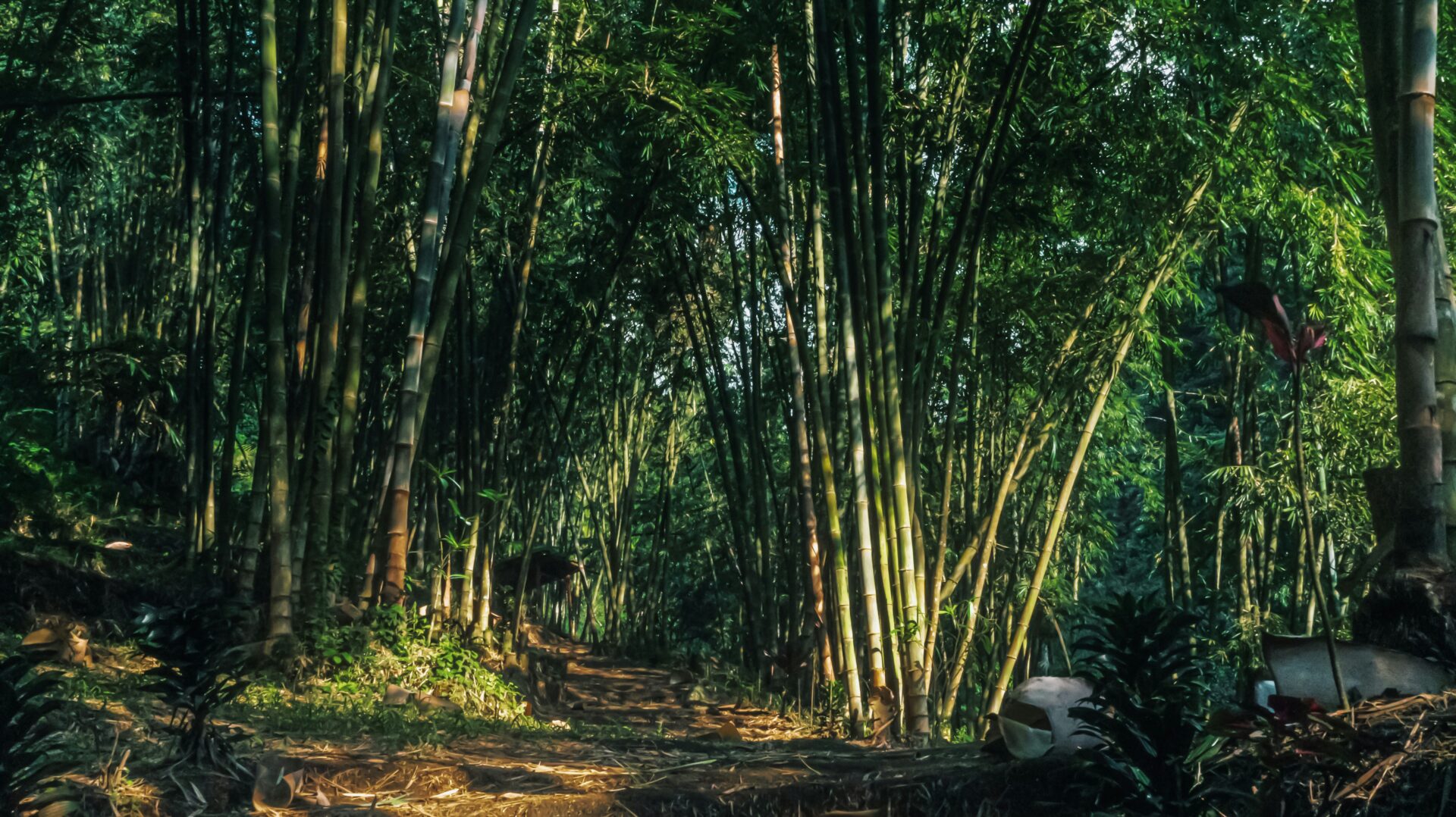
Tropical and exotic plants really make these gardens stand out. I spot palms, ferns, and bamboo stretching high above vibrant beds of flowers. Orchids, bromeliads, and rare tropical fruits add splashes of color and a sweet scent in the air.
A lot of Miami’s secret gardens were designed to showcase unique or rare plants. That’s what gives each spot its own special character. Some gardens fill up with coconut palms, others with dwarf date palms or banana trees.
Miami’s climate lets plants from Asia, South America, and Africa thrive here. I’ve found banana, mango, guava, and starfruit trees growing right alongside massive philodendrons and towering palms. It’s wild—these gardens really do feel like a world away from the city.
Why Miami Offers Unique Hidden Paradises
Miami pulls off these secret paradises thanks to its climate, culture, and geography. The subtropical weather means tropical and exotic plants can flourish all year. That’s not something you see in most of the U.S.
Neighborhoods like Coconut Grove and the Redlands give these gardens the space they need. Historic homes often come with old, established gardens, while new spots use coral rock and native plantings to create something fresh.
Miami’s mix of cultures brings in gardening styles from all over the world. This blend creates gardens filled with palms, tropical fruits, and exotic blooms—a combination you just don’t find outside South Florida.
Iconic Hidden Gardens and Their Stories
Some of Miami’s most fascinating gardens have layers of history, impressive architecture, and rare plant collections. Exploring these places always leaves me with a deeper appreciation for the city’s green side.
Vizcaya Museum and Gardens: European Grandeur Meets Miami
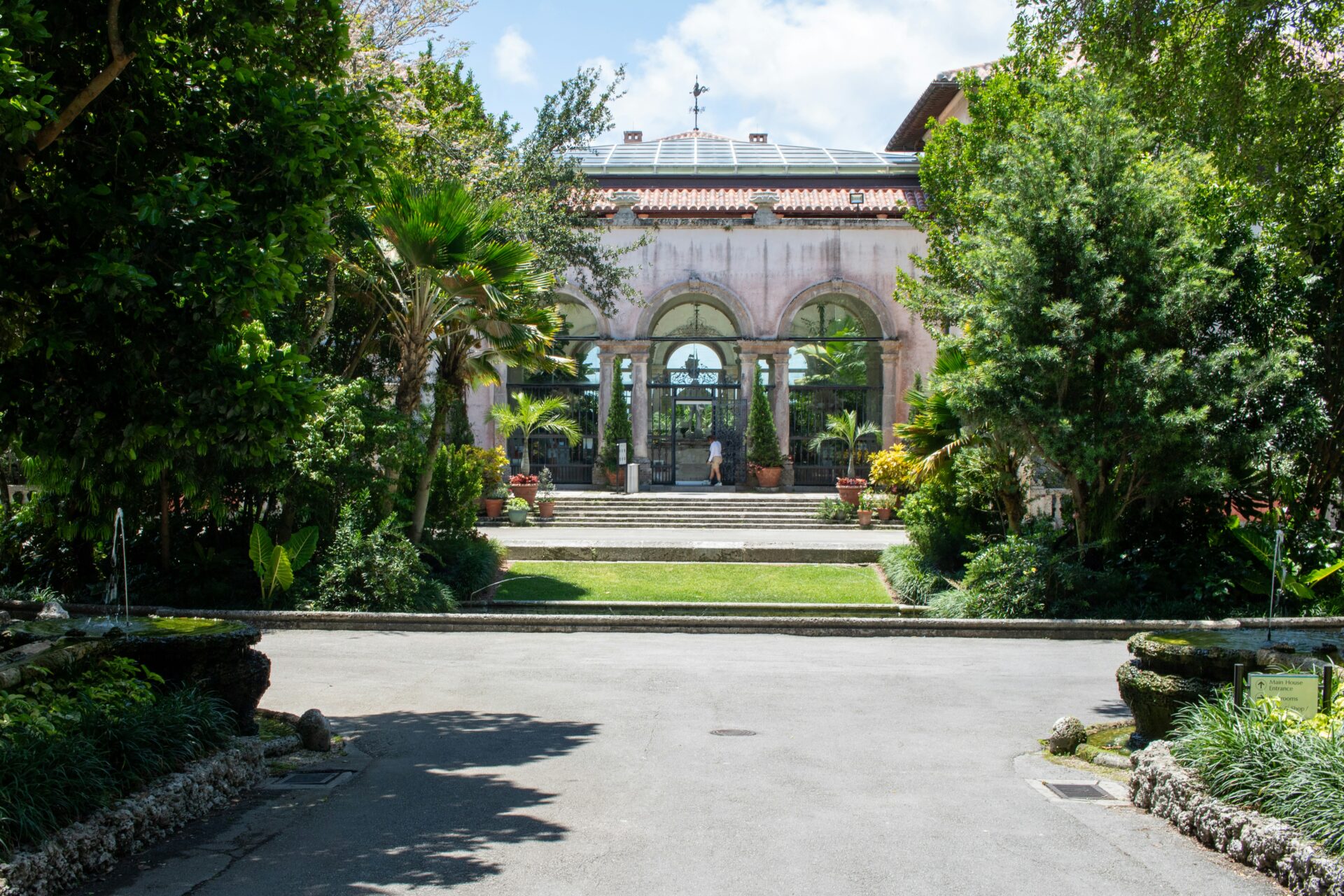
Every time I visit Vizcaya Museum and Gardens, I’m struck by how it blends European elegance with Miami’s wild, tropical vibe. James Deering built this estate in the early 1900s, inspired by Italian Renaissance architecture. The mansion is stunning, but the gardens steal the show.
Formal terraces spill down toward Biscayne Bay, with carved stone fountains and massive oaks and palms everywhere you look. Rare tropical plants fill the ten acres, and I love seeing native species mixed with imports. It’s both relaxing and a little educational if you’re into plants.
Key Highlights:
- Italian-style terraces and fountains
- Sweeping bay views
- Rare tropical and native plant species
Sculpture-lined walkways and thick hedges give you a peaceful escape right in the middle of the city.
The Kampong: David Fairchild’s Tropical Legacy
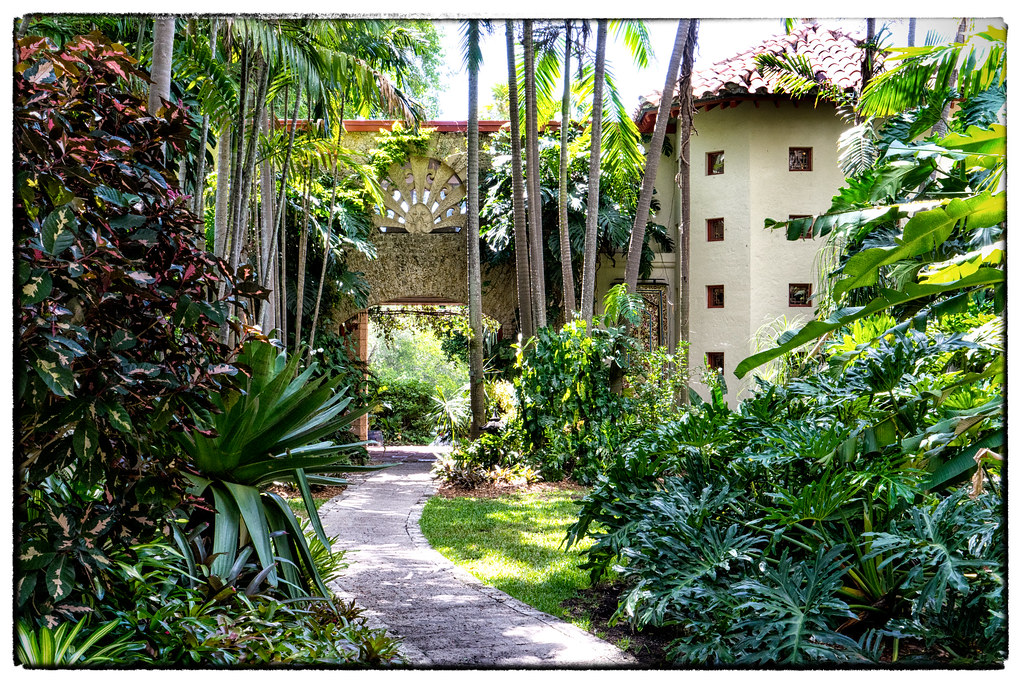
The Kampong, once home to plant explorer Dr. David Fairchild, is hands-down one of the most important tropical gardens in the country. Fairchild traveled the world collecting exotic plants, and today you can see the fruits of his adventures thriving here. The garden is part of the National Tropical Botanical Garden network.
I love wandering the winding paths under massive bamboo and fruit trees, with flowers from Asia, the Caribbean, and South America all around. The waterfront setting along Biscayne Bay adds an extra layer of calm.
Plant highlights at The Kampong:
| Plant Type | Origin |
|---|---|
| Mango Trees | South Asia |
| Baobab | Madagascar, Africa |
| Breadfruit | Pacific Islands |
Every visit brings something new—there’s always a plant or a view I haven’t noticed before.
Pinecrest Gardens: From Parrot Jungle to Lush Haven
Pinecrest Gardens started life as the original Parrot Jungle back in 1936. When I stroll through today, I still spot traces of its past—quirky rock formations and winding trails. The garden now covers almost twenty acres and overflows with both exotic and native tropical plants.
You’ll see ponds, waterfalls, and a massive stand of banyan and cypress trees. There’s a butterfly garden, spots for kids to play, and educational programs if you’re curious. Community events and seasonal festivals keep things lively and make the place feel like a neighborhood hub.
Notable Features:
- Butterfly garden and learning programs
- Serpentine rock formations
- Historic gazebo and concert area
It’s amazing to see how Pinecrest Gardens transformed from an animal attraction into a botanical haven—now it’s one of my go-to spots for relaxing or bringing family along.

Secret Green Spaces by Neighborhood
Across Miami’s neighborhoods, you’ll find hidden gardens that act as sanctuaries—each with its own collection of plants, quiet paths, and a different take on tropical paradise.
Coconut Grove’s Botanical Retreats
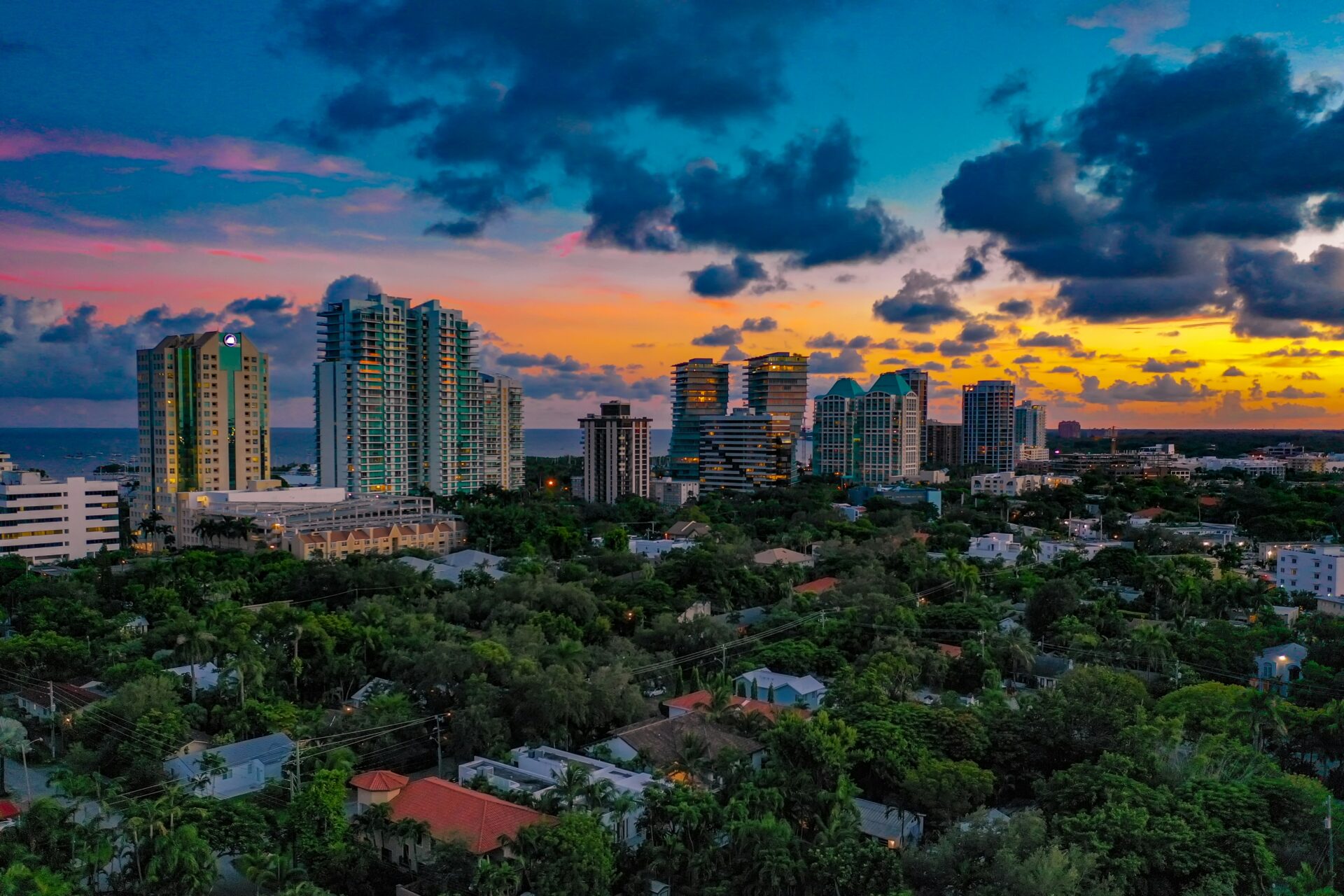
Coconut Grove is home to some of the city’s oldest and most peaceful gardens. The Kampong is a real standout—a nine-acre living museum packed with rare tropical trees and fruit plants from Asia, Central America, and the Caribbean.
Walking through, I spot breadfruit, jackfruit, and flowering shrubs you just won’t see anywhere else in Miami.
The garden once belonged to David Fairchild, and now it’s managed as part of the National Tropical Botanical Garden. You can book guided or self-guided tours, and the staff always has stories about the plants’ wild origins.
The location near Biscayne Bay means breezes and water views, and the winding paths make every visit feel like your own little adventure.
Urban Oases in Coral Gables
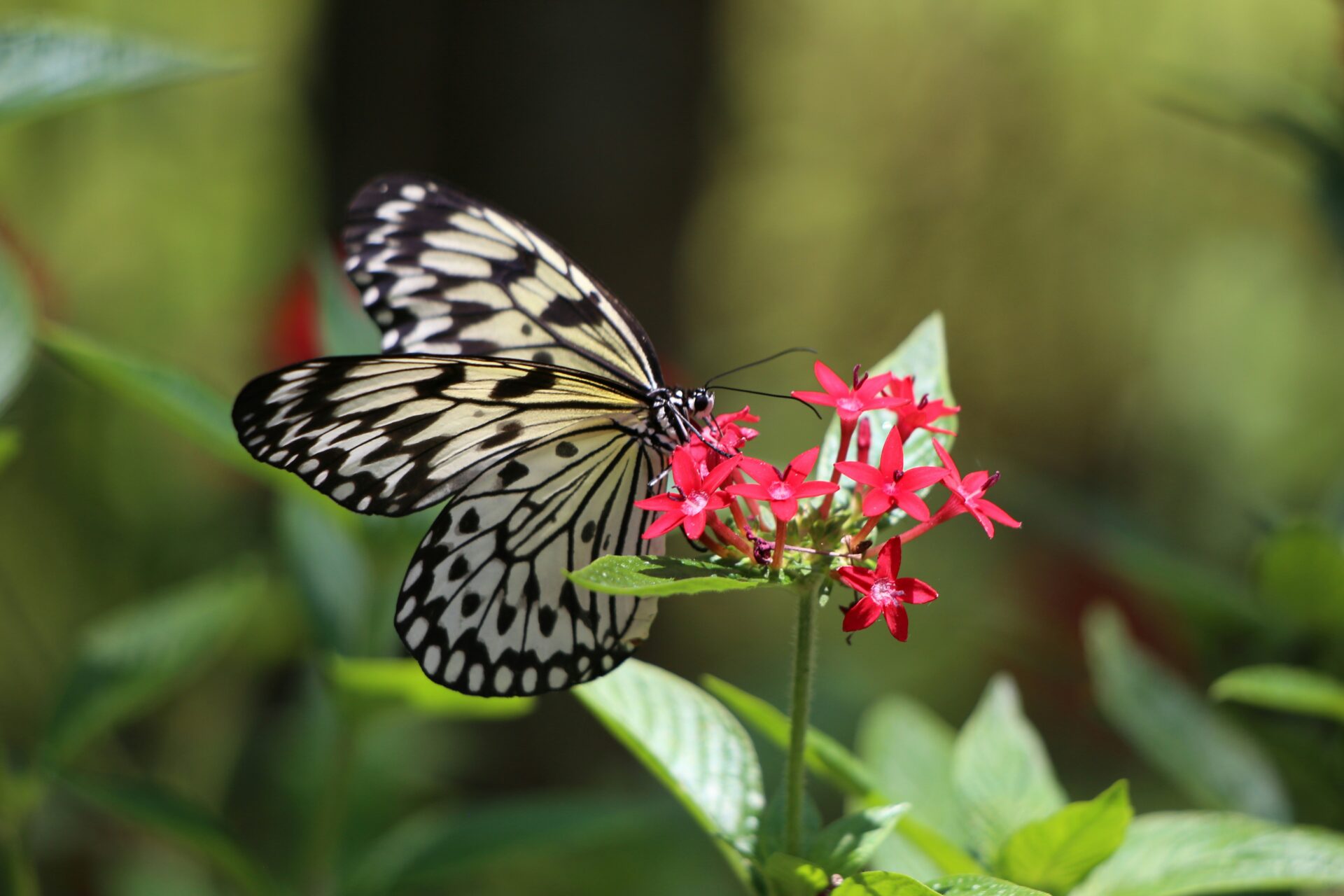
Coral Gables really shines when it comes to green spaces. Fairchild Tropical Botanic Garden sprawls over 83 acres and boasts rare palms, orchids, and a butterfly conservatory that’s hard to beat. Every time I visit, I’m blown away by the plant variety and the calm ponds and bridges.
Fairchild puts on seasonal art installations and plant shows that draw garden lovers from all over. Not far away, the Montgomery Botanical Center hides research gardens dedicated to palm and cycad conservation. It’s not usually open to the public, but they do offer special guided tours if you’re lucky. Coral Gables’ gardens combine history, science, and an impressive collection of plants.
Miami Beach Botanical Garden’s Urban Escape
When I need a breather from the crowds, I slip into the Miami Beach Botanical Garden. It’s just 2.6 acres, but with winding walkways, shady trees, and a koi pond, it feels much bigger.
Native palms, a Japanese garden, and tons of flowering plants attract butterflies and keep things lively.
Admission is free, so it’s easy to pop in. The garden hosts community events, yoga, art shows, and plant sales—great ways to connect with nature without leaving the city.
Even though it sits steps from the Convention Center and Biscayne Bay, I almost always find a quiet corner here.

Signature Features of Miami’s Hidden Gardens
Miami’s secret gardens mix lush tropical landscapes, rare plants, and artistic touches that make every visit memorable. You’ll stumble onto natural and architectural surprises you just don’t find anywhere else.
Waterfalls, Ponds, and Tropical Landscaping
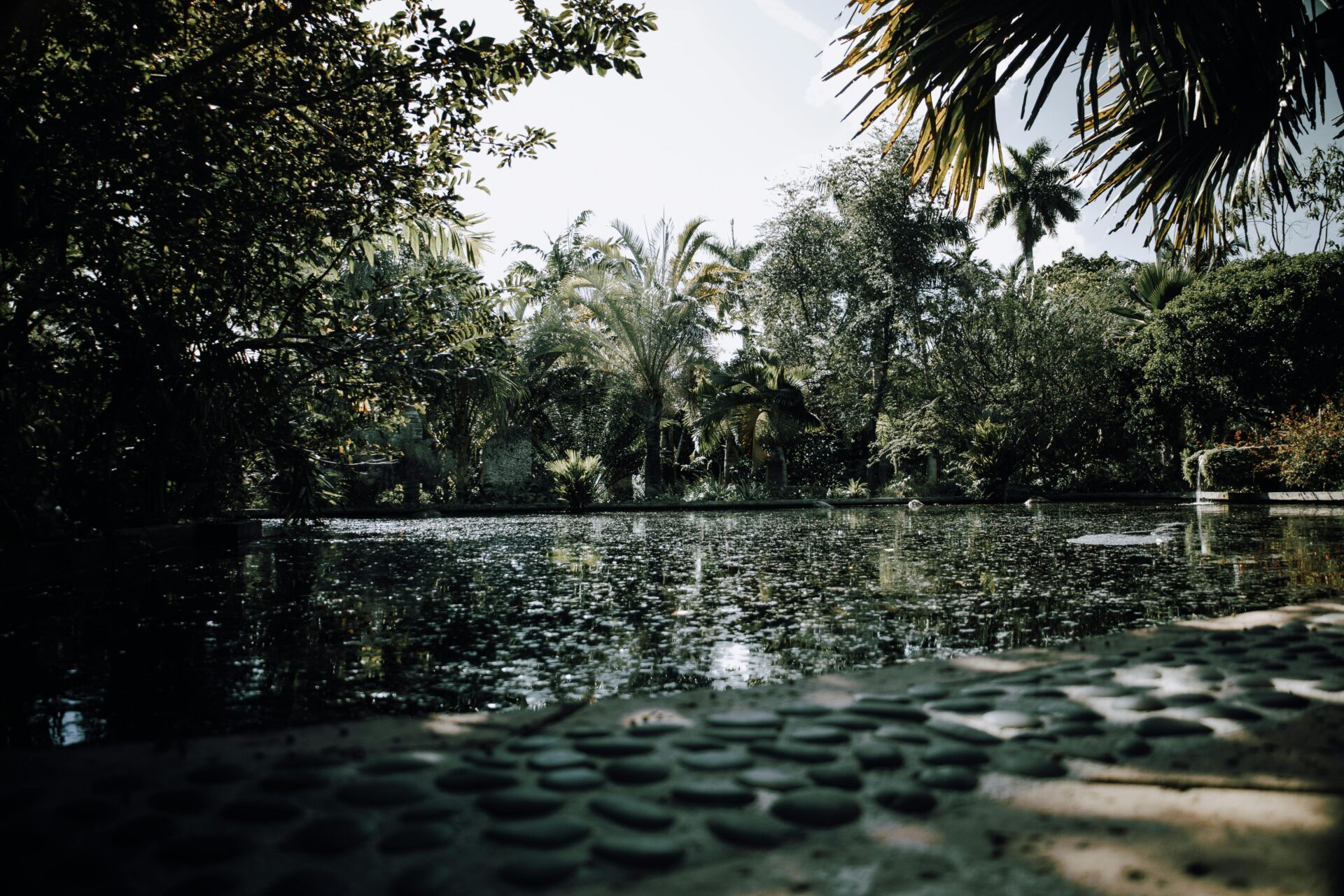
Whenever I step into one of these hidden gardens, the sound of running water usually greets me first. Small waterfalls and clear ponds hide among thick foliage, instantly setting a peaceful mood.
Some gardens have koi ponds or fountain-filled lagoons, which attract birds and butterflies and reflect the Miami sky.
Tropical landscaping is everywhere—towering palms line the winding paths, and ferns and orchids fill every corner. Stone walkways, little bridges, and shaded benches invite you to explore or just sit and soak it all in.
The mix of water features and dense greenery creates a cool, moist microclimate, even during Miami’s steamy afternoons. That’s how rare tropical plants manage to thrive year-round.
Waterfalls, ponds, and clever landscaping turn these spots into true tropical retreats, smack in the middle of the city.
Rare Palm Species and Historic Trees
You’ll find rare palms and massive, historic trees in almost every garden. Places like Fairchild and The Kampong show off palms with feathered fronds alongside native Florida royal palms. Some gardens even devote whole sections to palms and cycads—perfect for plant nerds like me.
Historic trees stand out by their size and sprawling branches. Plaques tell their stories—how botanists or explorers brought them to Miami decades ago. Walking through these gardens feels a bit like time travel, with exotic mahogany, sausage trees, and baobabs standing tall as living history.
Palm trees do more than just look pretty—they give shade, shelter, and that unbeatable tropical vibe every Miami hidden garden needs.

Tropical Fruits and Edible Plant Collections
Edible plant gardens are another thing I love about Miami’s secret green spaces. At Fruit & Spice Park, for example, you’ll find over 500 types of tropical fruits, herbs, and spices growing side by side. Mango, jackfruit, lychee, starfruit, bananas—the list goes on and on. Guided tours let you get up close and personal with the bounty.
What amazes me isn’t just the sheer variety, but how they arrange everything. Trees and vines grow in ways that show off how tropical foods develop, so the gardens are beautiful and educational at the same time.
Signs help you figure out what’s what, where it came from, and how people use it.
In smaller gardens, I sometimes stumble upon taro, sugarcane, or even coffee bushes tucked among the flowers. These tropical fruit collections highlight Miami’s plant diversity and make every visit a little adventure.

Architectural and Artistic Elements
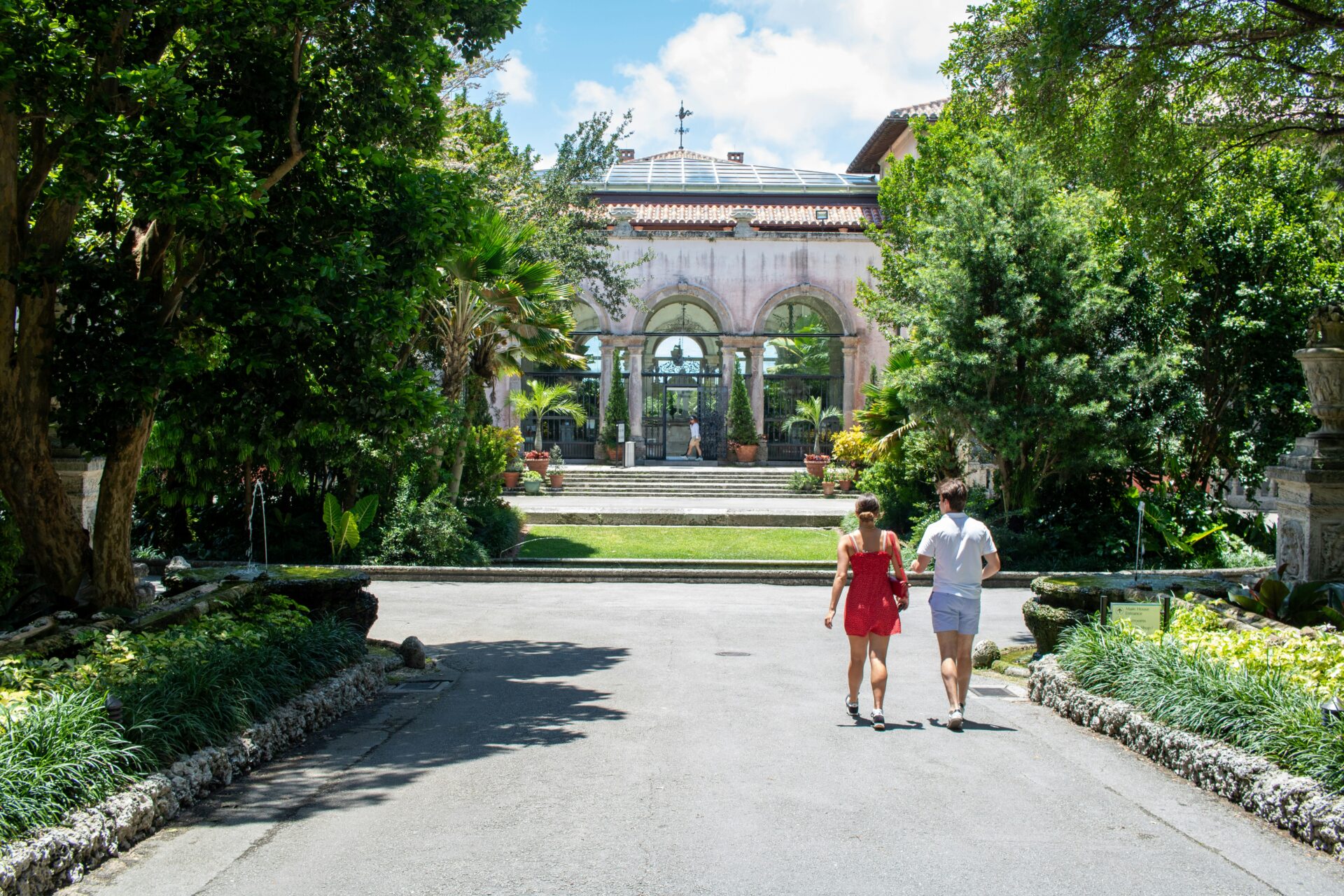
Art and architecture shape the character of Miami’s hidden gardens in ways that always surprise me. I spot Italian-style fountains, arched stone bridges, and shady pergolas at places like Vizcaya Museum and Gardens.
These features add a sense of history and a bit of drama, but they never steal the spotlight from the plants themselves.
Many gardens show off sculptures made from stone, metal, or wood. I’ve wandered past them tucked between palm groves or perched beside ponds.
At Patch of Heaven Sanctuary, winding paths lead me past hammocks, quiet meditation corners, and art installations that seem to grow right out of the landscape.
Benches, gazebos, and pavilions invite me to pause and soak it all in. These structures blend into the tropical surroundings and make the gardens more welcoming for gatherings or events.
Artistic details and thoughtful design really set Miami’s gardens apart. There’s something special about how natural beauty and human creativity come together here.
Lesser-Known Paradises and Community Gardens
Miami hides secret gardens that most visitors never stumble upon. Some belong to private estates tucked behind gates, while others are community spaces where neighbors grow food and reconnect with nature.
These lush escapes reveal a quieter side of the city and offer rare glimpses of exotic plants you won’t see just anywhere.
Private Sanctuaries and Event Spaces
Some of Miami’s most beautiful gardens don’t open their gates every day. Instead, you might catch a glimpse during a special tour or a private event.
The Kampong in Coconut Grove comes to mind—a former private estate now used for botanical research and the occasional guided visit. Inside, you’ll find rare tropical plants and fruit trees from all over the world.
Certain private gardens double as elegant venues for small gatherings, weddings, or art shows. Landscapers fill these spaces with palms, orchids, and cycads, so they feel like secret paradises right in the middle of the city.
When I wander through these gardens, I notice the careful design and how peaceful everything feels, far from the city’s chaos.
Sometimes, private homeowners let visitors in during garden tours. It’s a rare chance to see creative landscaping and unique plant collections that usually stay hidden.

Community Projects and Urban Farms
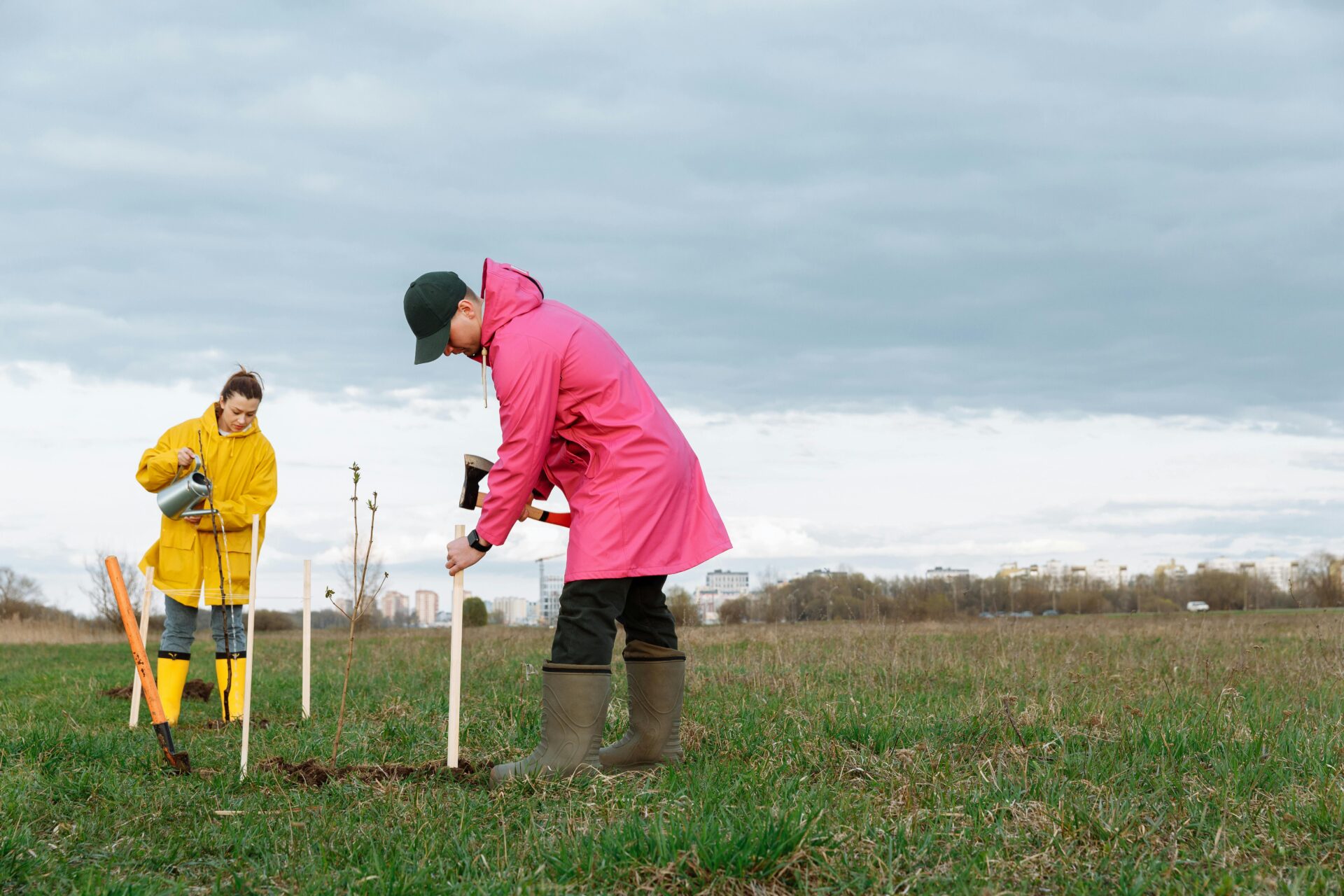
Miami’s community gardens buzz with activity. Neighbors come together to grow food, learn about sustainable gardening, and share local traditions.
The Culmer Urban Garden stands out, with raised beds full of vegetables, herbs, and flowers. Volunteers and families tend the plots, bringing the place to life.
These gardens offer hands-on lessons and introduce kids to composting and healthy eating in a fun, real-world way.
Community projects often run workshops on growing tropical and exotic plants. People pick up tips for caring for crops in Miami’s tricky climate.
Urban farms in the city give back more than just fresh produce. They build community, support biodiversity, and keep traditional gardening alive.
Whenever I visit, I feel inspired by the energy and the variety of plants thriving in spots I never expected.
Hidden Corners Beyond Tourist Paths
Secret gardens hide in city neighborhoods or behind cultural venues, just out of sight from the usual tourist crowds. I’ve stumbled into places like the garden at the Miami Children’s Museum or wandered the trails at Matheson Hammock Park, and even on weekends, they stay surprisingly peaceful.
I’ll often find myself drifting among thick clusters of native and exotic plants, or just sitting quietly by a fountain that most people never notice. It’s a kind of calm you can’t buy.
Local organizations sometimes manage these lesser-known green spots, or they’re just tucked into smaller public parks. Shady walking paths wind through them, and you might spot a bird-watching lookout or a bench surrounded by tropical flowers in full bloom.
Honestly, most of these gems don’t show up on any official list. That’s probably for the best—it keeps them feeling special for those of us willing to go looking.
When I explore these hidden corners, I end up spotting rare orchids or fruiting trees I’ve never seen before. More than anything, it’s the quiet that gets me—it’s the kind of peace you only find when you slip away from the crowds.
