
The United States has some of the most breathtaking natural landscapes on Earth. National parks keep these wild places safe, and honestly, they let us have some pretty unforgettable outdoor adventures. Whether you’re into towering peaks or deep canyons, there’s a park for every kind of traveler.
Planning your 2026 national park trips? You’ll want to pick spots that match your vibe—maybe you love hiking, crave wildlife encounters, or just want a beautiful drive. Here are ten incredible parks across the country that you’ll want on your list.
I’ve included practical tips for planning, plus advice on how to protect these amazing places for the next generation. Each park has its own magic, and knowing a few things before you go can make your adventure smoother.
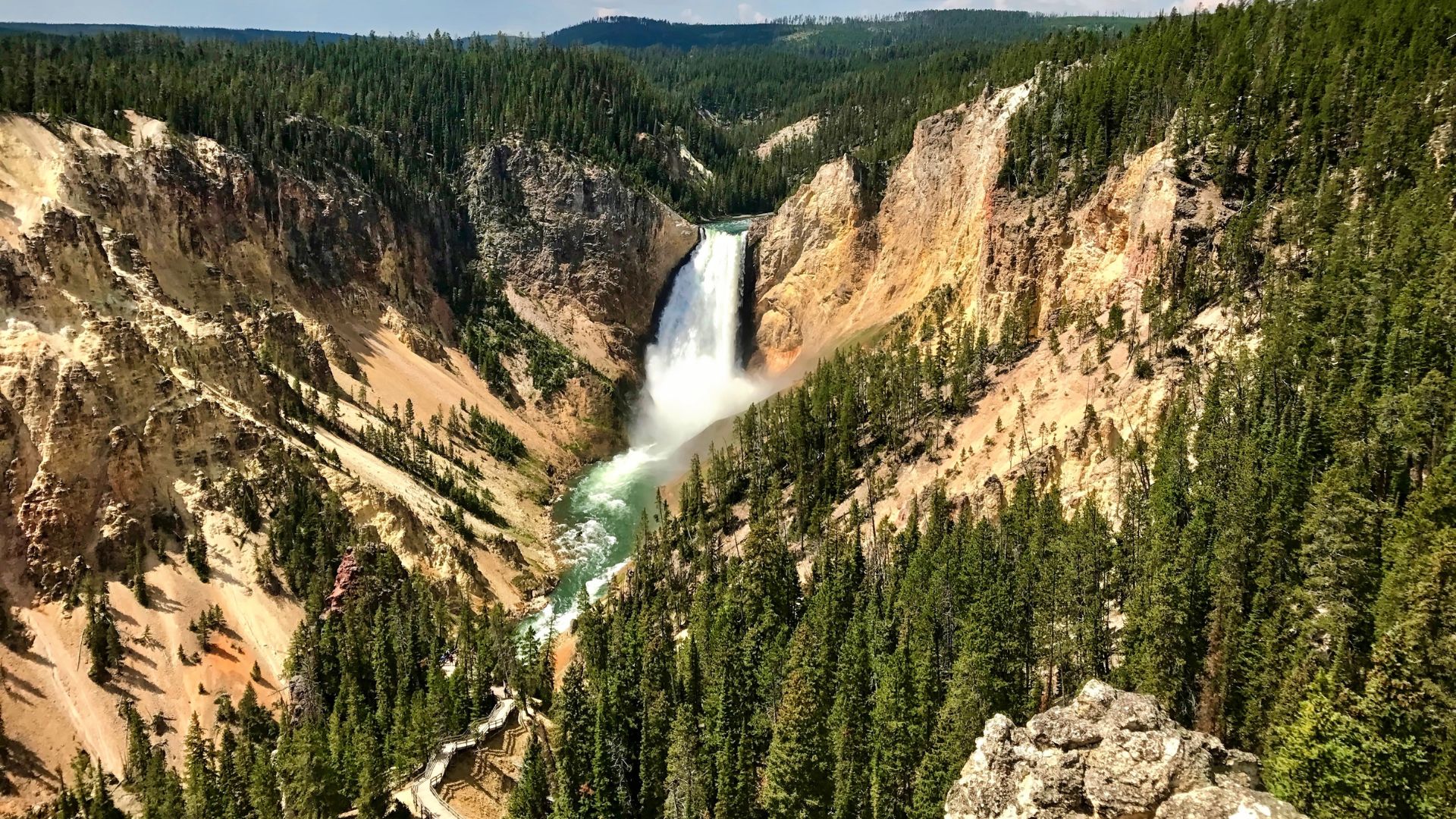
1) Yellowstone National Park, Wyoming
Yellowstone opened as the world’s first national park back in 1872. It sprawls across 2.2 million acres in Wyoming, Montana, and Idaho. The park actually sits on a massive super-volcano, which explains all those wild geothermal features you’ll only find here.
About half of the planet’s active geysers bubble up in Yellowstone. Old Faithful? Still doing its thing every 90 minutes or so. The Grand Prismatic Spring, with its wild colors, looks almost too unreal to believe.
Wildlife lovers, this is your spot. I’ve watched bison, elk, and even grizzly bears roam Hayden Valley. Gray wolves sometimes make an appearance too.
The Grand Canyon of the Yellowstone stuns with steep cliffs and thunderous waterfalls. If you’re into hiking, there are hundreds of miles of trails, from easy strolls to tough backcountry treks.
Honestly, Yellowstone feels like stepping into the past—wilderness, just as it’s always been. The combo of geysers, wildlife, and jaw-dropping scenery makes it a must for 2026.
2) Yosemite National Park, California
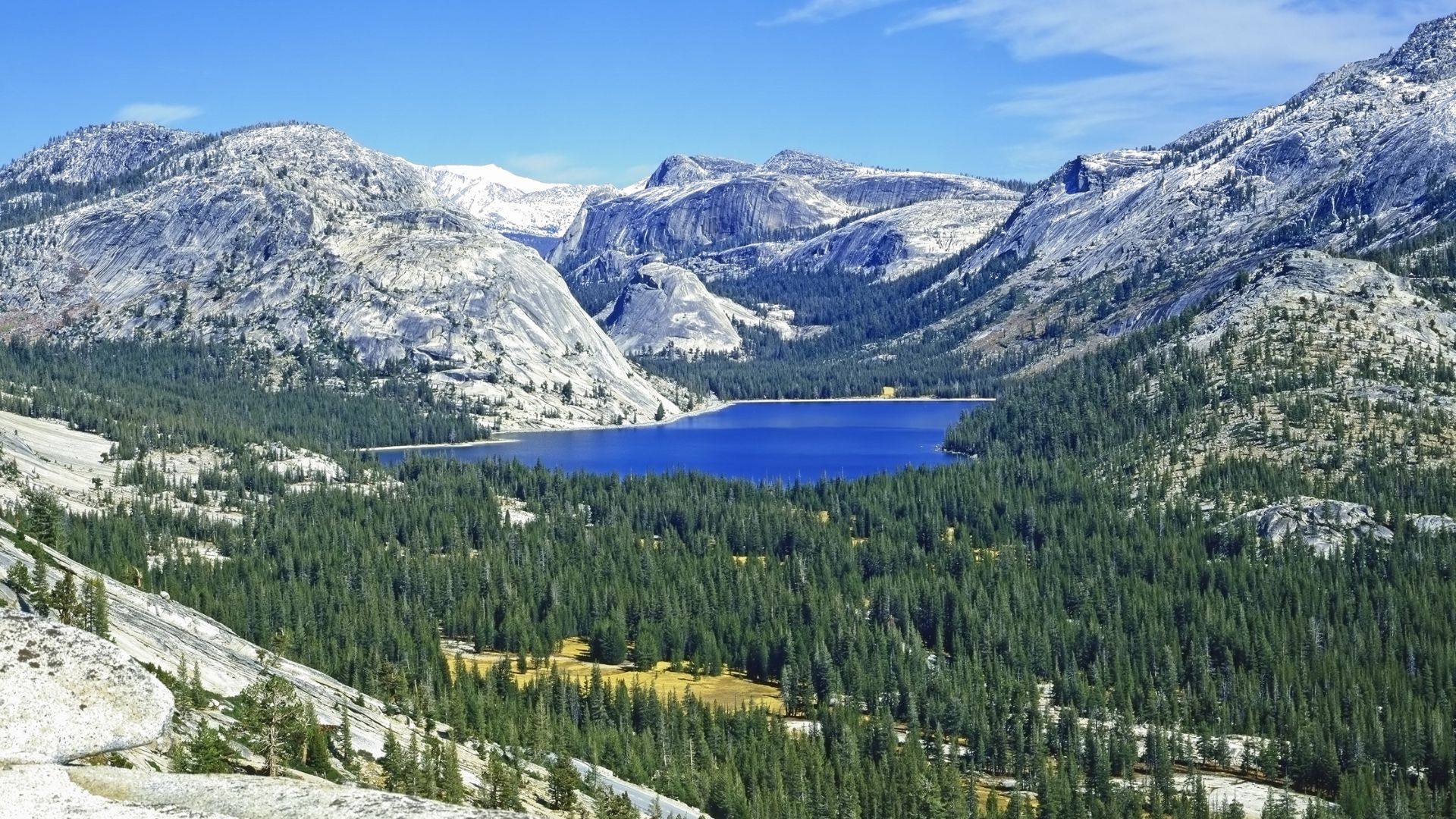
Yosemite covers nearly 1,200 square miles in California’s Sierra Nevada. Granite cliffs tower above, waterfalls thunder, and ancient sequoias stretch skyward.
You don’t have to be a pro hiker to enjoy Yosemite. Free shuttles get you to big viewpoints, or you can hit the trails for a real adventure. Tunnel View gives you that classic first look at El Capitan and Half Dome.
If you’re into history, check out the Pioneer Yosemite History Center in Wawona. The Wawona Hotel dates back to 1876 and has stories to tell.
Crowds thin out in winter and spring, and honestly, the park feels totally different. Roads and facilities stay open year-round, so you can visit whenever.
Wildlife watching, chasing waterfalls with your camera, and rock climbing draw people here. You could spend weeks and still not see it all.
3) Grand Canyon National Park, Arizona
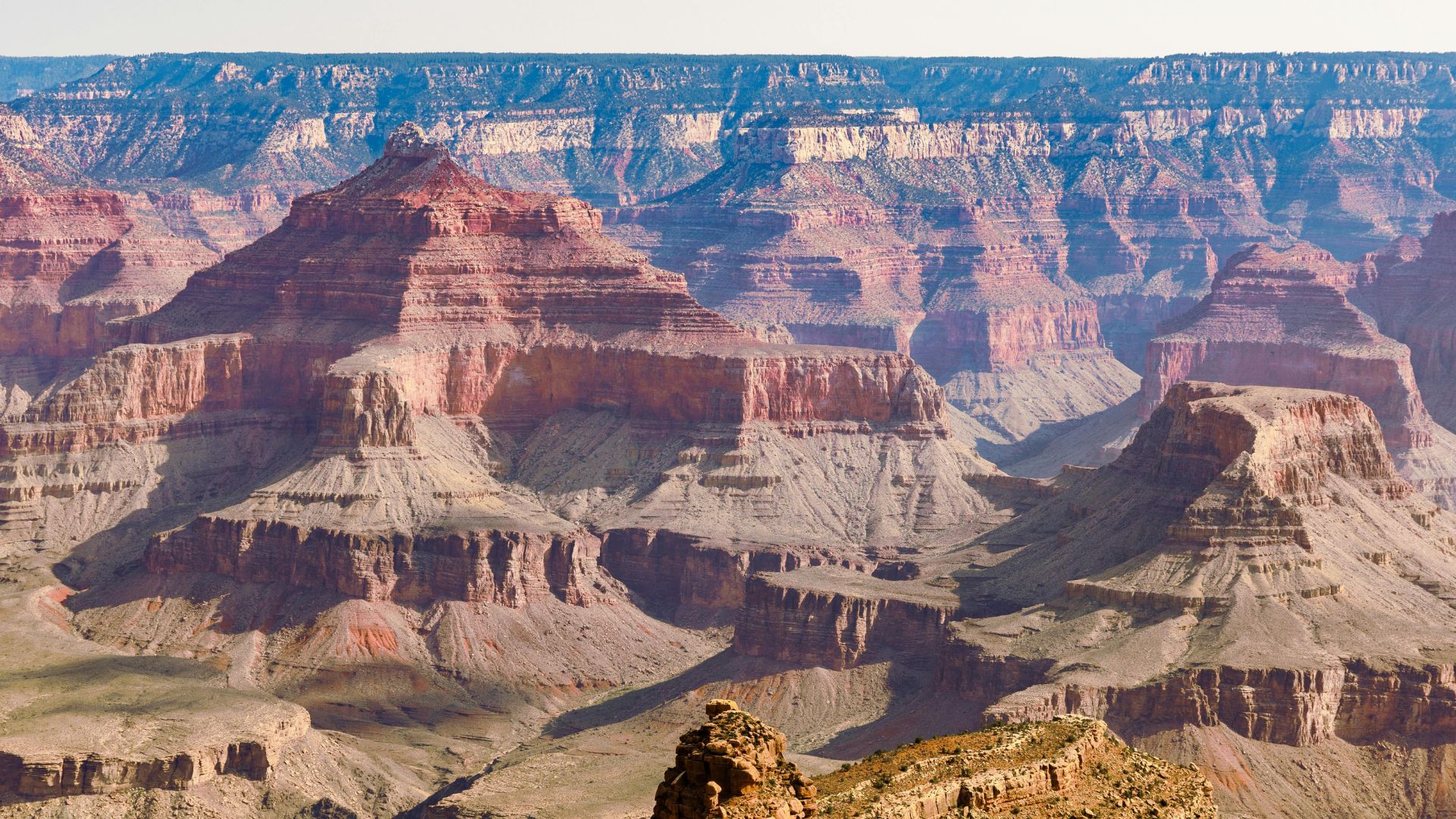
Grand Canyon National Park pulls in around 4 to 5 million visitors every year. It’s easy to see why—this place is one of the world’s most jaw-dropping geological wonders, carved by the Colorado River over eons.
Both the South Rim and North Rim offer amazing views. The South Rim stays open all year and is easier to reach, while the North Rim feels quieter but shuts down in winter.
You can hike along the rim, ride a mule into the canyon, or even raft the Colorado River. There are historic spots and unreal viewpoints everywhere. If you’re into sunrise or sunset photos, this is your place.
The park makes a great base for exploring other Arizona wonders. March to May or September to November usually mean fewer crowds and nicer weather. Summer gets seriously hot, especially in the inner canyon.
4) Great Smoky Mountains National Park, Tennessee/North Carolina
Great Smoky Mountains National Park straddles the line between Tennessee and North Carolina. It’s actually the most visited national park in the country, drawing over 11 million people a year.
The park protects more than 520,000 acres of rolling, forested ridges. That famous blue haze rising from the trees? It’s where the Smokies get their name.
You’ll find hundreds of miles of hiking trails, all weaving through forests and wildflower meadows. The biodiversity here is off the charts, and you’ll stumble on remnants of pioneer communities if you look closely.
The Smokies are part of the Blue Ridge and the wider Appalachian chain. Folks came together in the 1930s to save this land from logging, which is pretty inspiring.
Any time of year works for a visit. Hiking, wildlife spotting, and poking around old buildings are just a few of the things to do. Rivers snake through valleys and those rounded peaks make for some epic views.

5) Zion National Park, Utah
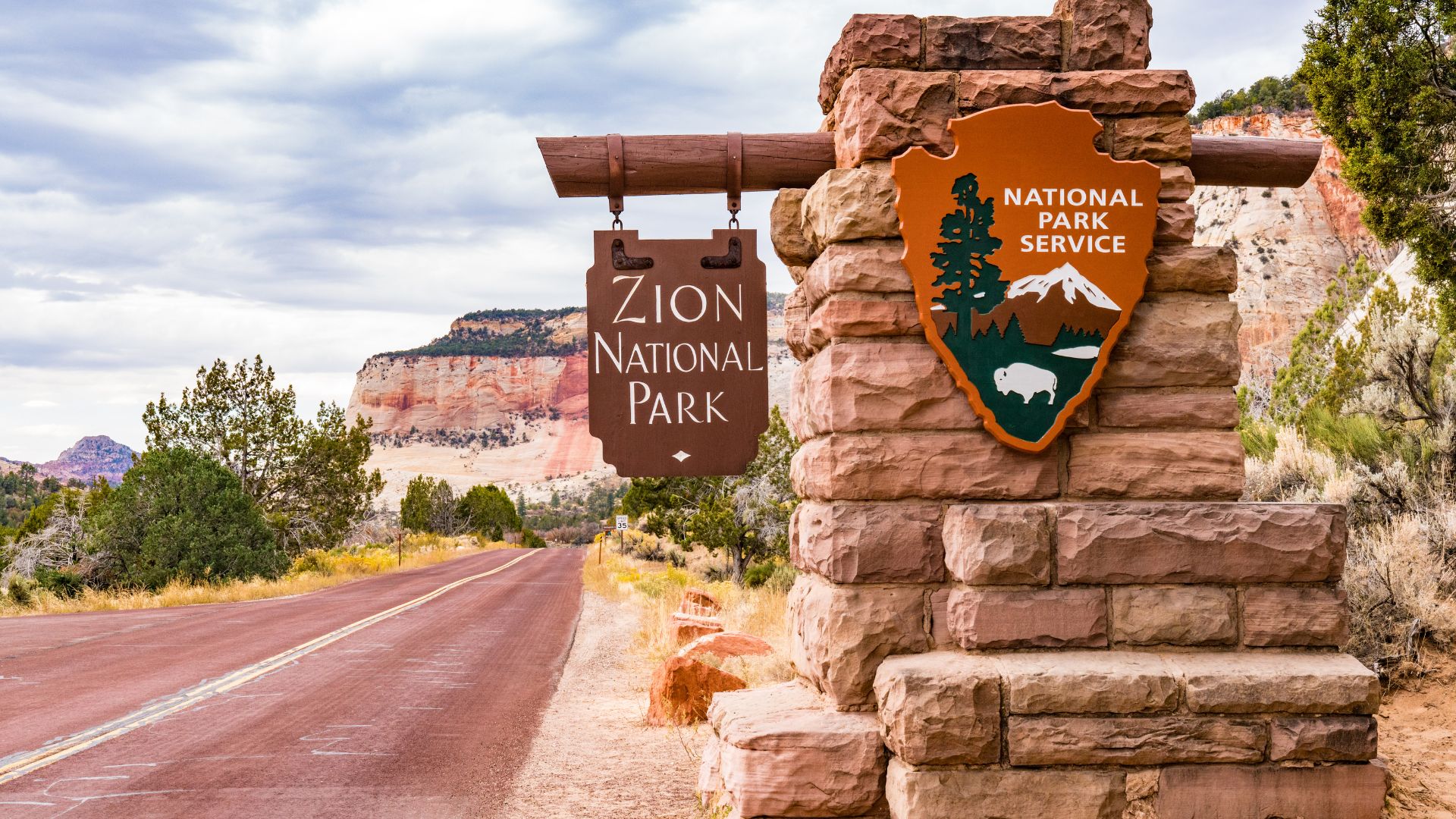
Zion National Park tops Utah’s visitor charts, and honestly, it’s easy to see why. Towering sandstone cliffs in cream, pink, and red rise up against the bluest skies you’ve ever seen.
Some of the country’s most iconic hikes are here. Angels Landing is a heart-pounding climb with narrow ridges, while The Narrows lets you wade through a slot canyon between sheer walls.
Zion sits in southwestern Utah, drawing nature lovers from all over. You can drive the Zion Canyon Scenic Drive or hop on the park’s shuttle to hit different trailheads.
Parking gets tough during busy months, so plan ahead. Trails range from easy strolls to epic all-day adventures.
The landscape here took thousands of years to shape. As you wander, keep an eye out for unique plants and animals—Zion’s full of surprises.
6) Acadia National Park, Maine
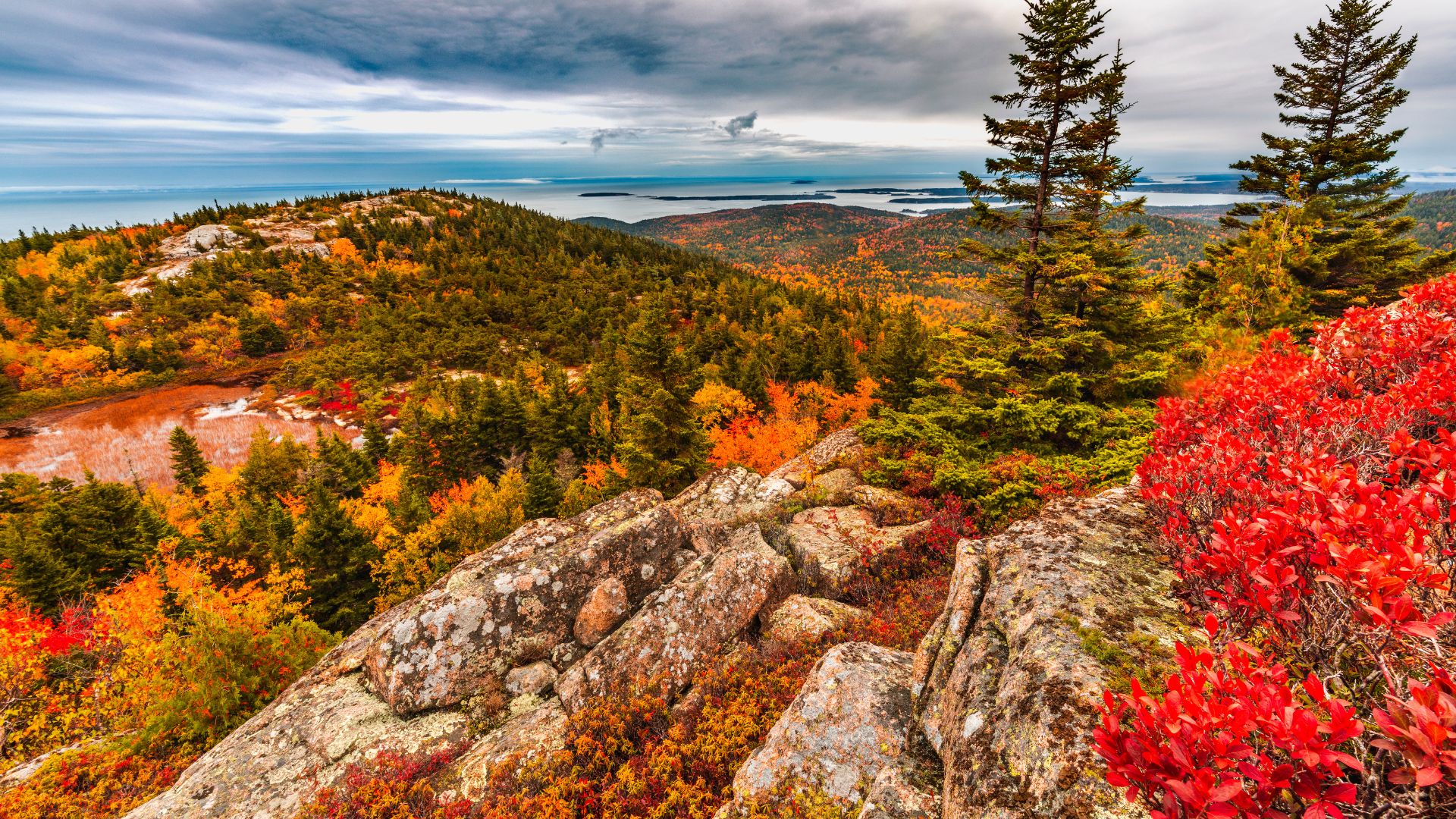
Acadia National Park hugs Maine’s rugged coast and greets over 4 million visitors a year. It covers 47,000 acres on Mount Desert Island and nearby spots.
You’ll discover granite peaks and wide ocean views, all mixed with forests and wetlands. Cadillac Mountain gives you a sweeping panorama, while Thunder Hole lets you feel the power of crashing waves.
Hop on a bike and explore the historic carriage roads, or take to the hiking trails—there’s something for every pace. The Park Loop Road is perfect for a scenic drive that hits all the highlights.
Fall is when Acadia truly shines. It ranks third nationwide for autumn color, and the foliage against the rocky coast is just unreal.
Whether you’re hiking, snapping photos, or just soaking in the views, Acadia packs a lot into a small space. Mountains, forests, and the sea—all in one trip.
7) Rocky Mountain National Park, Colorado
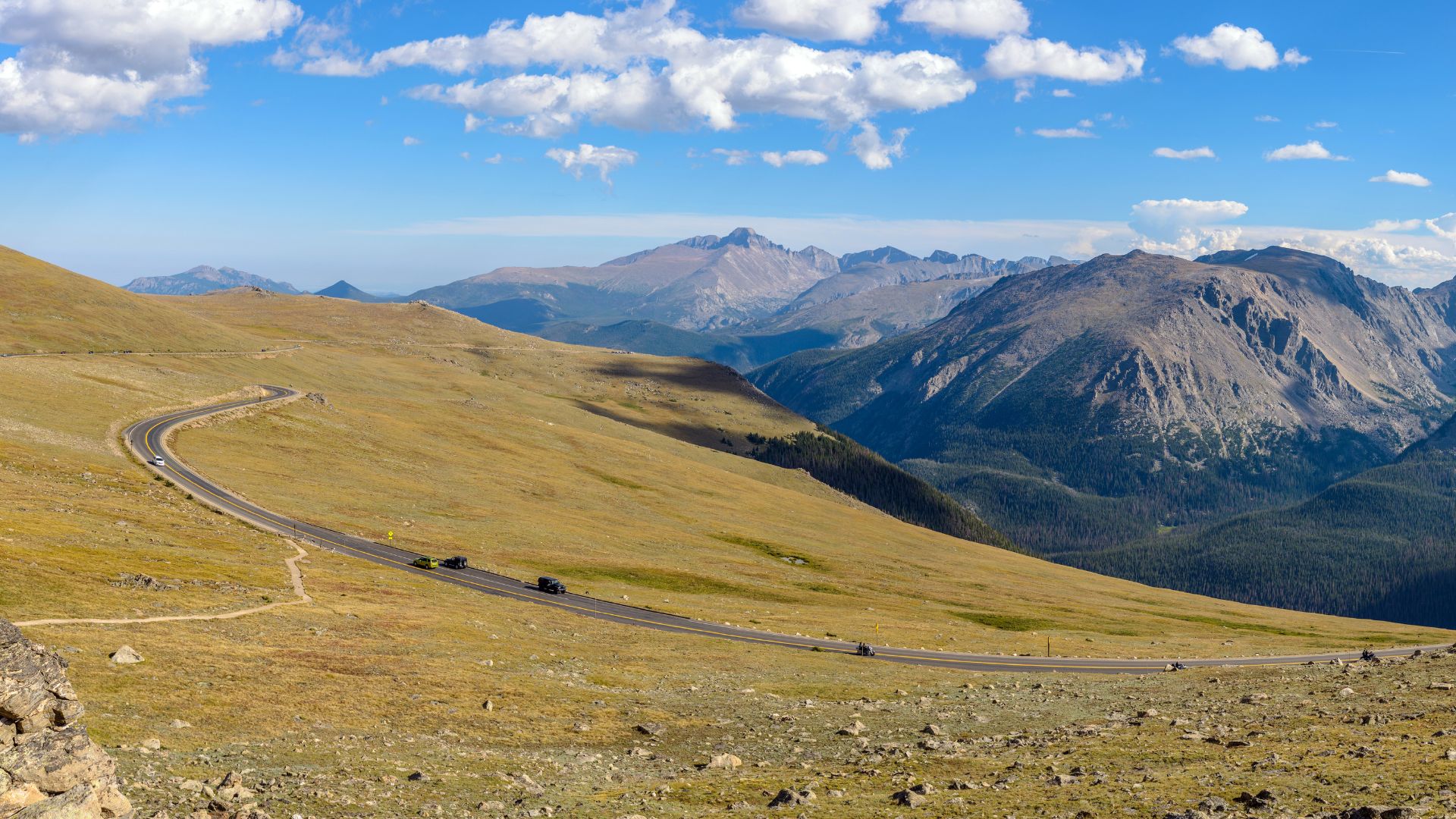
Rocky Mountain National Park sits smack in the heart of Colorado’s high country. Picture jagged peaks and sparkling alpine lakes, all above 12,000 feet.
Trail Ridge Road is the big scenic drive here. It winds you through some of the highest places you can reach by car in the U.S. The overlooks? They’ll stop you in your tracks.
There are over 300 miles of hiking trails. You’ll pass crystal-clear lakes, waterfalls, and wildflower-strewn meadows. Elk, bighorn sheep, and occasionally moose or black bears might cross your path.
Peak season runs from late May to October, and you’ll need a timed entry permit then. The park stays open all year, but Trail Ridge Road closes in winter when the snow piles up.
Estes Park on the east and Grand Lake on the west serve as perfect base camps. Both towns offer places to stay and stock up on supplies.
8) Olympic National Park, Washington
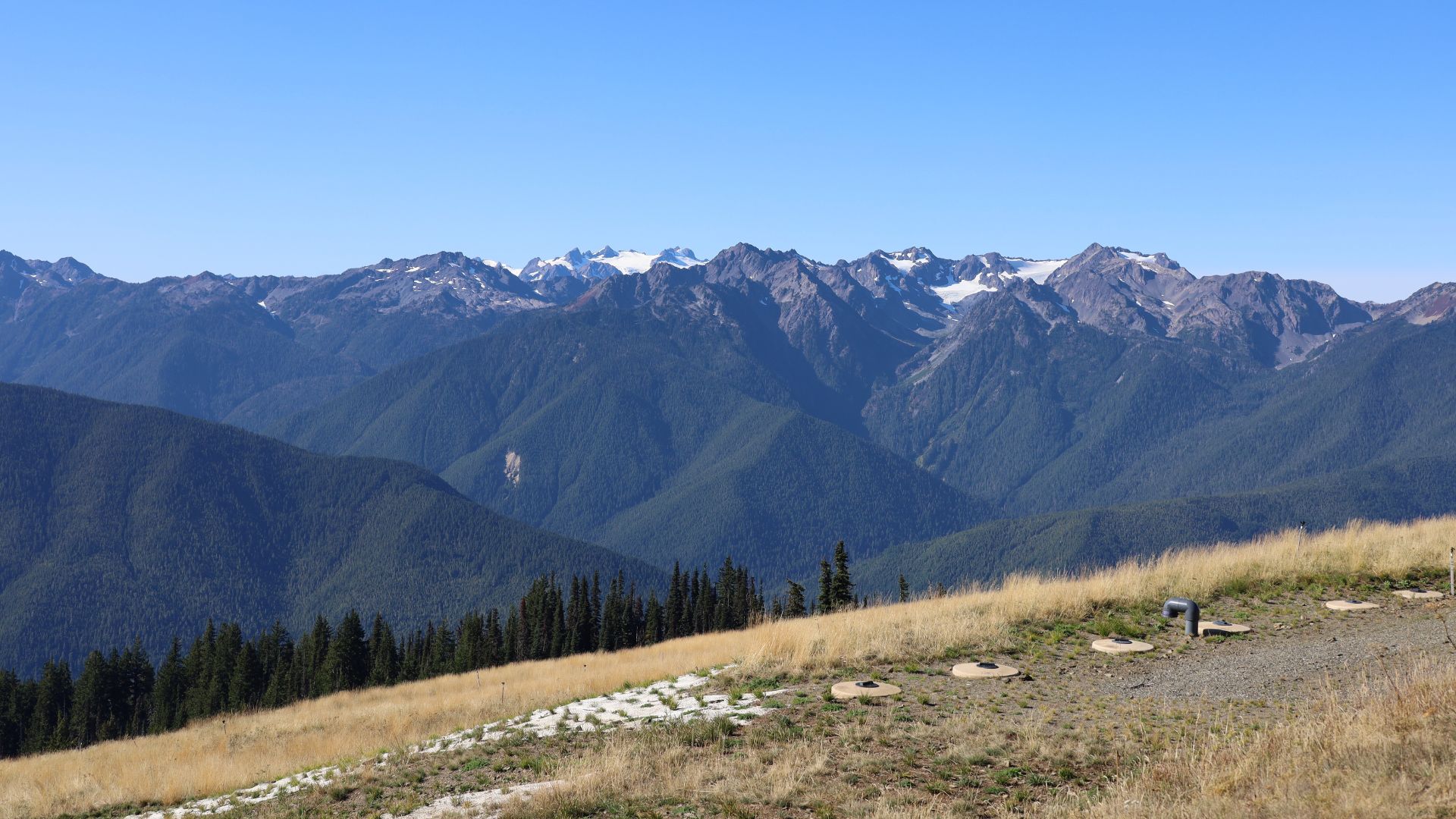
Olympic National Park stretches across more than a million acres on Washington’s Olympic Peninsula. This place is wild—mountains, rainforests, and rugged coastline, all packed into one park.
The variety here is unreal. You might wander through the Hoh Rain Forest in the morning, then drive up to Hurricane Ridge for mountain views by afternoon. The Pacific beaches? Completely different vibe.
Hurricane Ridge draws crowds for its sweeping mountain panoramas. Hiking Hurricane Hill between July and October is a personal favorite. The Hoh Rain Forest, with its moss-draped trees, feels like another world.
Olympic works for quick road trips or longer, deeper adventures. Summer brings the best weather and open trails, but every season has its charm.
You’ll want to pack for anything, honestly. Layers are your friend, and rain gear is a must if you’re heading for the rainforest.
9) Bryce Canyon National Park, Utah
Bryce Canyon might be Utah’s smallest national park, but wow, does it deliver. It’s famous for its hoodoos—those spindly, otherworldly rock towers formed by erosion.
The Rim Trail lets you soak in the amphitheater’s sweeping views. It’s easy to walk and connects several great viewpoints. Inspiration Point is a must-see.
If you want to get up close to the hoodoos, head below the rim. Trails wind right through the rock spires, making you feel tiny in the best way. There’s something for every fitness level.
Bryce is part of Utah’s Mighty Five, so it fits perfectly into a southwest road trip. Scenic drives, overlooks, and endless photo ops make it a photographer’s dream.

10) Grand Teton National Park, Wyoming
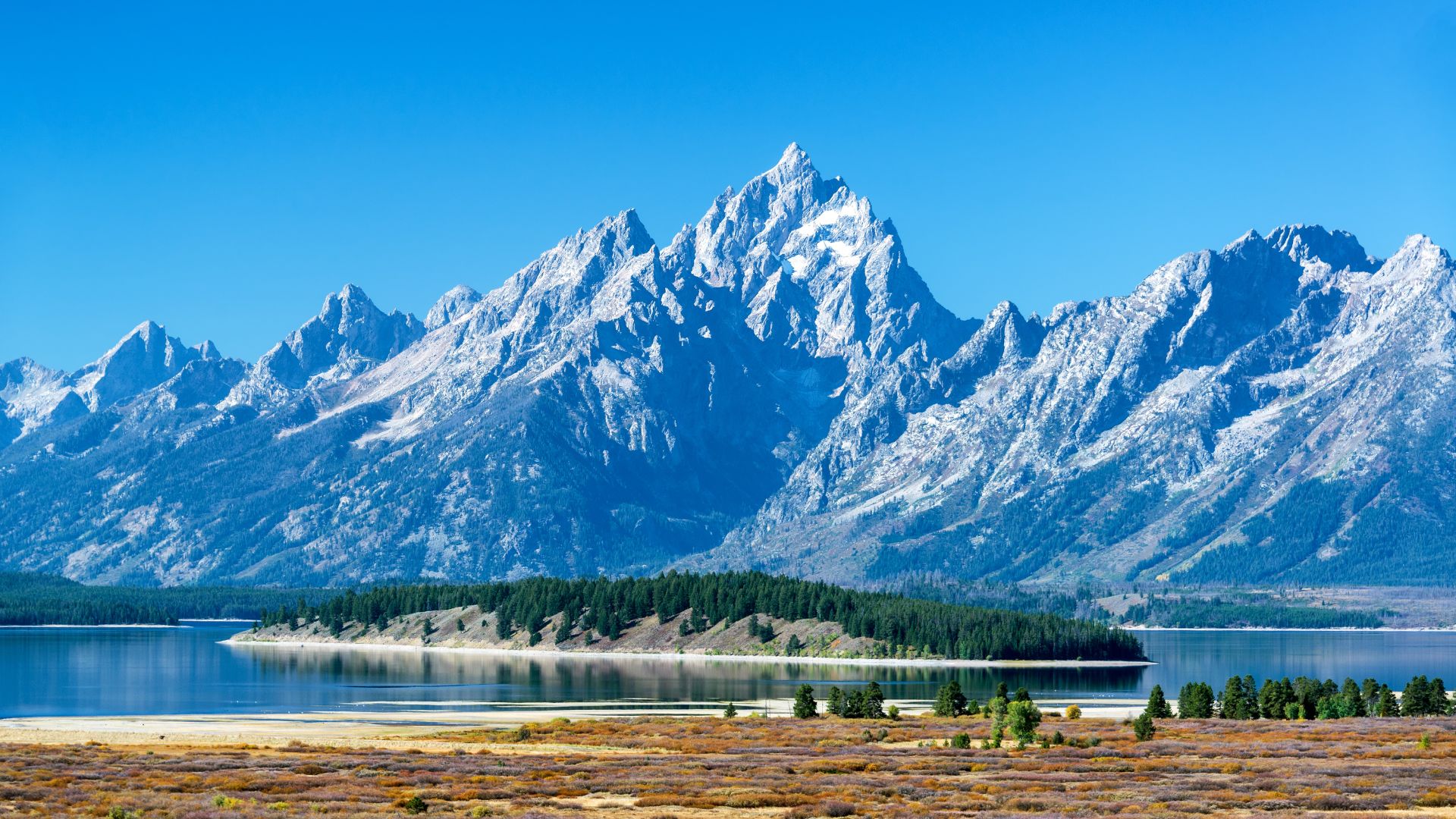
Grand Teton National Park sits in northwestern Wyoming, and honestly, the mountain views here are next-level. The Tetons shoot straight up from the valley, creating a backdrop you’ll never forget.
There’s plenty to do, no matter the season. Alpine lakes like Jenny Lake are perfect for hiking, paddling, or just relaxing. Wildlife watching is top-notch—elk, moose, bears, and bison all roam these parts.
Hundreds of miles of trails crisscross the park, from short strolls to epic backcountry adventures. The Snake River winds through the valley, offering scenic drives and great fishing.
Historic spots like the Chapel of the Transfiguration and Menors Ferry add a dash of culture to your trip. Plus, Grand Teton connects seamlessly to Yellowstone, so you can hit both parks in one go.
People have lived in Jackson Hole for over 11,000 years, which gives these mountains a rich history that goes way beyond the scenery.
Travel Planning Tips for Visiting National Parks
National parks take a bit of planning. Cell service? Pretty spotty. Permits and reservations? They go fast. Weather can change in a blink, depending on where you’re headed.
Book your essentials early and pack for whatever the climate might throw at you. A little prep goes a long way toward turning your trip into something unforgettable.
Best Times to Visit in 2026
If you ask me, spring (April-May) and fall (September-October) hit the sweet spot for most parks. You get pleasant weather and, thankfully, fewer crowds.
Summer? Well, it’s crowded and hot, but let’s be honest: some high-elevation spots only open up during those months. Sometimes you just have to brave the crowds for the views.
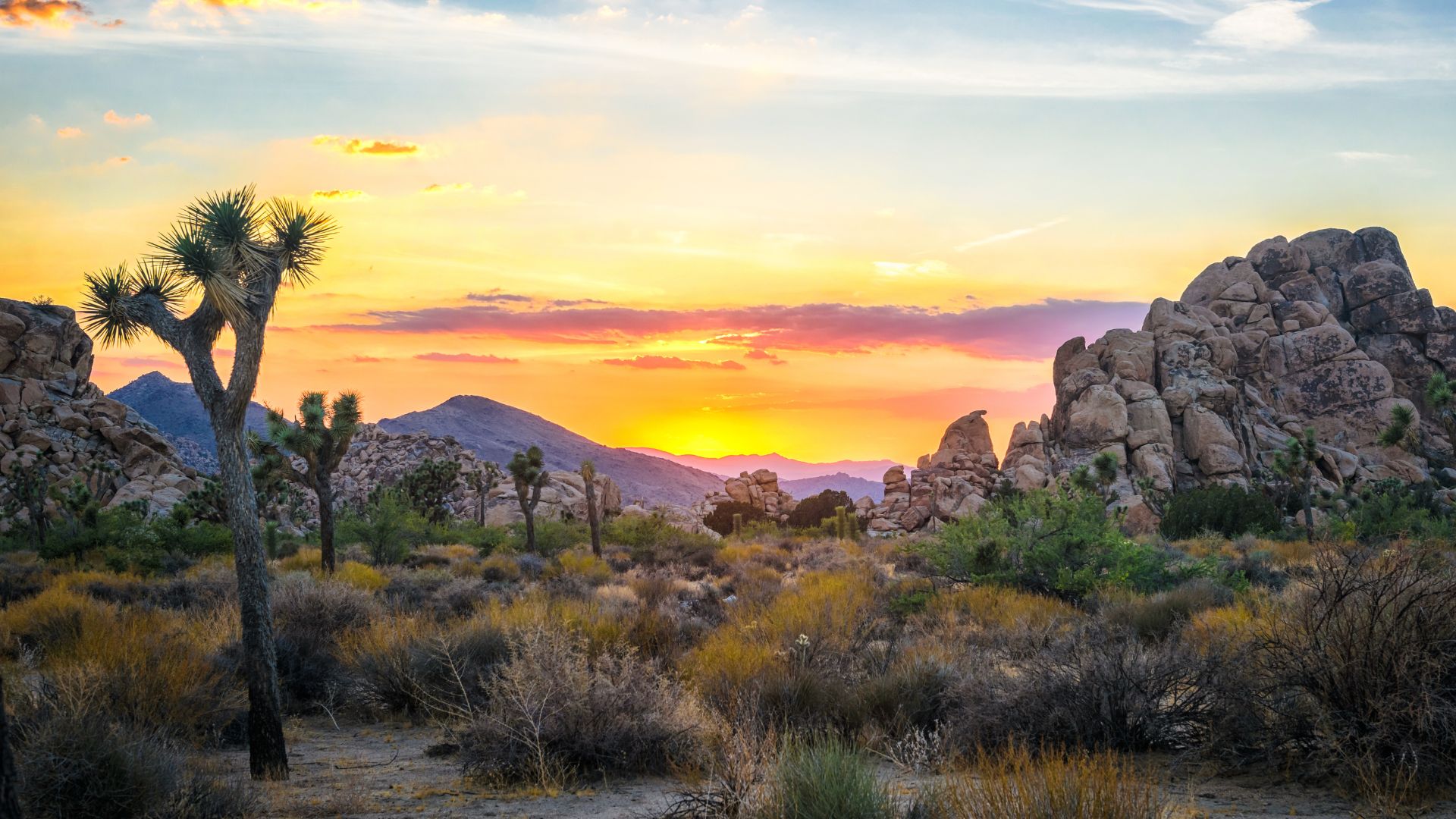
Winter’s a different story. Desert parks like Joshua Tree and Death Valley shine then—summer’s just too brutal with those 100°F days. On the flip side, parks like Yellowstone and Glacier shut down a lot of roads and facilities from November through April.
Always check each park’s website in early 2026. Weather can be unpredictable, and it affects when roads open. Some parks, like Yosemite and Zion, run timed entry systems during peak season (usually May through September).
If you can swing it, go on a weekday. Saturdays feel like everyone’s there at once. Tuesdays through Thursdays? Much quieter.
Essential Permits and Reservations
These days, you’ve got to plan ahead. Many parks now require advance reservations for entry during busy months. I usually book permits on Recreation.gov about 1-3 months before I go.
Backcountry camping takes even more planning. Those permits open 4-6 months out, and some trails—like Half Dome or The Wave—use lotteries because so many people want in.
Key reservation types:
- Timed entry passes
- Campground sites (lock those in 6 months ahead)
- Backcountry permits
- Lodging inside parks (believe it or not, book 12 months out)
- Tours and activities
Download your maps and trail guides before you arrive. Cell service drops to zero in most parks, and you don’t want to be stuck without directions.
Packing Recommendations for Different Climates
What you pack totally depends on the park and season. Mountain parks? Bring layers, even in July. It gets colder the higher you go—about 3-5°F for every 1,000 feet.
Desert parks essentials:
- Sun protection (hat, sunscreen SPF 30+)
- At least a gallon of water per person per day
- Light, breathable clothes
- Sunglasses and lip balm
Mountain parks essentials:
- Waterproof jacket
- Warm layers (think fleece or down)
- Sturdy hiking boots
- Bear spray if you’re anywhere near grizzlies
Universal must-haves:
- First aid kit
- Headlamp or flashlight
- Paper maps (trust me, you’ll need them)
- Reusable water bottles
- Snacks and meals (food options are slim inside parks)
I always throw in a physical guidebook or printed trail guides. Phones are mostly useless for navigation inside national parks.

Responsible Exploration and Conservation
National parks depend on us to keep them wild and beautiful. It’s not just about rules—it’s about making sure these places stay amazing for everyone.
Leave No Trace Principles
Whatever you bring in, take it back out. That means every scrap—trash, food, even tiny things like orange peels. Wildlife can get sick from human food, and some stuff takes ages to break down.
Stick to marked trails. When people cut new paths, it wrecks fragile ecosystems. Plants and soil don’t bounce back quickly.
Waste disposal tips:
- Use restrooms when you find them
- If you’re far from facilities, pack out your toilet paper in a plastic bag
- Dump wastewater at least 200 feet from any water source
Don’t pick up rocks, flowers, or plants as souvenirs. Leave everything as you found it. Photos and stories make the best keepsakes anyway.
Wildlife Safety and Etiquette
Give wildlife space—25 yards for most animals, 100 yards for bears and wolves. Binoculars and zoom lenses let you watch without bothering them.
Never feed animals, not even squirrels or birds. Human food messes up their health and teaches them to approach people, which usually ends badly.
Food storage basics:
- Use bear-proof containers or lockers
- Lock up anything scented, including toiletries and trash
- Don’t leave food out at your campsite, even for a minute
If you’re hiking in bear country, make some noise. Chat, sing, or clap every so often. Keep bear spray handy and know how to use it before you need it.
Frequently Asked Questions
Planning a national park trip can feel overwhelming. Here’s what I’ve learned from my own adventures.
Yellowstone National Park is a classic. All the roads and facilities open up, and you get to see geysers and wildlife everywhere. The weather’s just right for hiking and camping.
Yosemite National Park is another favorite for summer. High-elevation areas like Tuolumne Meadows finally open, and waterfalls still flow strong in early summer. You can tackle Half Dome or just wander the valley.
Grand Canyon National Park’s South Rim stays open all year, but summer gives you the longest days to explore. Start your hikes early to beat the heat. The North Rim only opens in summer, so that’s your window to see both sides.
Great Smoky Mountains National Park is my winter go-to. Lower elevation means milder temps, and there’s no entrance fee. Crowds thin out, and the views through bare trees are surprisingly beautiful.
Grand Canyon’s South Rim feels almost magical in winter. Snow dusts the rim, and the red rocks look even more dramatic. Winter air is crisp—great for photos.
Zion National Park cools off in winter, which is a relief compared to summer’s heat. You can hike the main trails without the crowds. Some higher trails might close if it’s icy, but the big sights stay open.
Zion National Park really shines in spring. Temperatures are perfect for hiking, waterfalls run high, and wildflowers start popping up. Book early, though—spring break gets busy.
Grand Canyon National Park offers lovely weather before summer heat kicks in. The South Rim warms up, but the North Rim might not open until mid-May. Spring is ideal for rim-to-rim hikes.
Great Smoky Mountains National Park bursts into life in spring. Wildflowers cover the lower trails, and the weather is gentle for hiking or camping. Spring break usually lines up with wildflower season in March and April.
Great Smoky Mountains National Park is the king of fall color. Peak foliage hits from mid-October to early November, and the mix of tree species is just stunning.
You’ll see the best colors at 3,000 to 5,000 feet first, with lower elevations changing a bit later. The park even shares a fall color map each year.
Yellowstone National Park glows gold in September and early October. Aspen groves light up against the dark evergreens, and wildlife gets busy prepping for winter.
Start with weather and accessibility. Some parks—like Yellowstone—close certain roads in winter. Always double-check what’s open before you go.
Match your plans to the season. Summer is best for backpacking and camping. Winter’s great for snowshoeing or if you want to dodge crowds.
Check crowd levels for each month. Yosemite, for example, gets slammed from May through September. I prefer April or October—nice weather and fewer people.
And don’t forget the highlights: wildflowers, wildlife, fall colors. Each park has its own magic moments. Planning around those makes for a way better trip.
Honestly, no national park is flat-out overrated. But, let’s be real—sometimes a park just doesn’t hit the mark for everyone. It all depends on what you’re hoping to find. What bores one person could absolutely wow someone else.
Crowds can seriously change the vibe. I’ve seen Yosemite Valley and the Grand Canyon’s South Rim packed to the brim. When you’re stuck in traffic or dodging selfie sticks, it’s tough to focus on the jaw-dropping views.
Preparation makes or breaks the trip. If you show up during peak season without a plan or a reservation, you’re probably in for a headache. I’ve learned the hard way that timing matters—visit at the wrong time, and you might find trails closed or waterfalls dried up.
Some folks complain that certain parks feel too built-up, almost like a theme park with all the paved paths and snack bars. Then again, not everyone wants to bushwhack through the wilderness. If you need accessibility, those paved trails can be a lifesaver.
In the end, your favorite park probably depends on whether you crave wild, rugged scenery or prefer easy access and amenities. There’s no one-size-fits-all answer, and that’s part of the adventure.
