
Europe in 2026? Oh, it’s shaping up to be wild. There’s a fresh wave of new attractions, cultural festivals, and—finally—easier ways to get around. Summer’s still the best time to soak up those coastal views, get lost in old cities, or hop between sun-drenched islands.
If you want the best hotels and don’t love the thrill of sold-out flights, you really do need to start booking your European summer trip now.
Planning ahead opens up better prices and way more choices for where you’ll stay. The most popular spots—especially those dreamy islands and seaside towns—get snapped up fast. I’ve pulled together ten European destinations that blend natural beauty, culture, and those “wow, I never want to leave” moments for your 2026 summer adventure.
1) Dubrovnik, Croatia
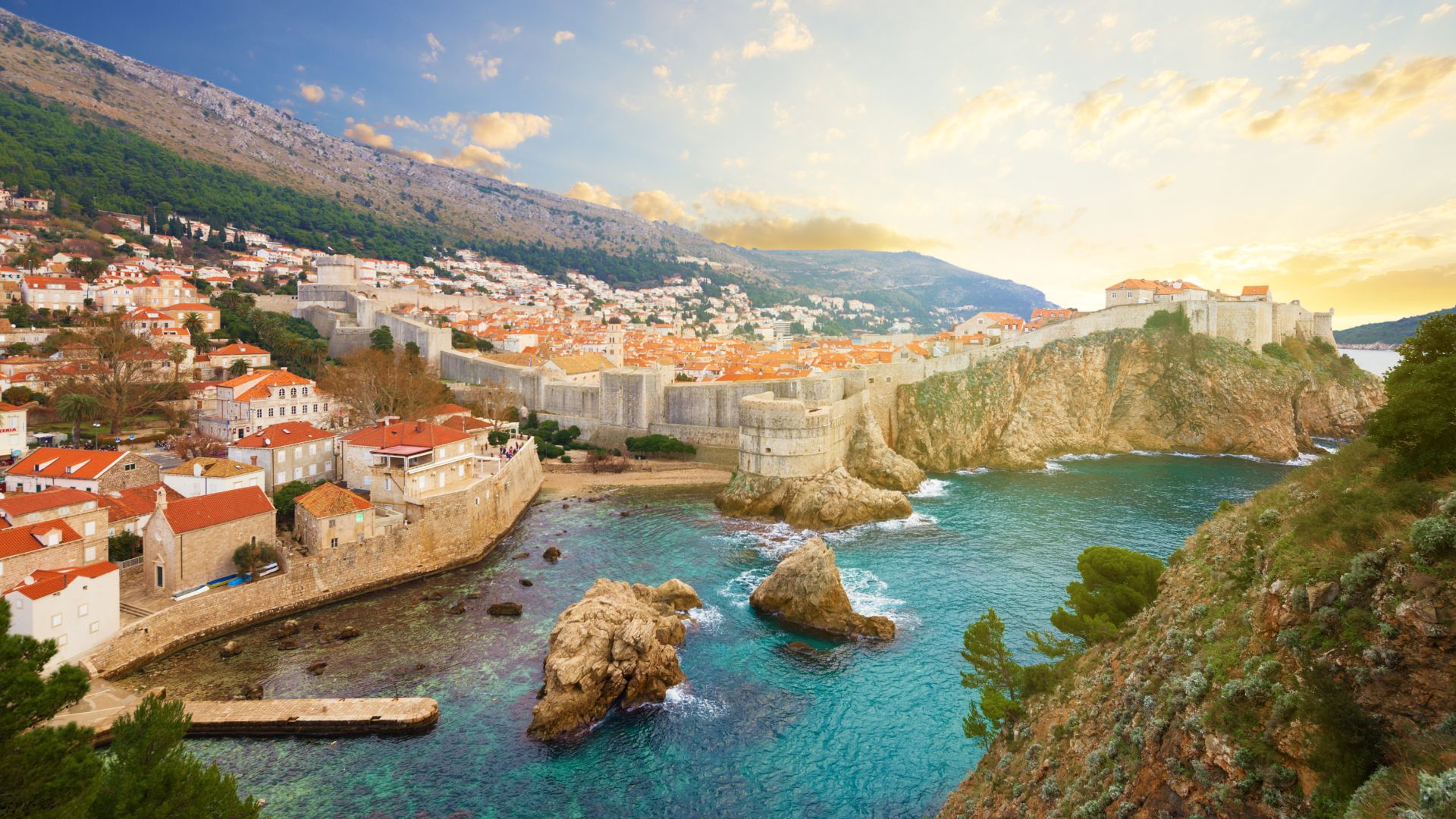
Dubrovnik hugs Croatia’s Adriatic coast and honestly, it’s a stunner. You get this killer mix of medieval history and blue-green sea views.
The Old Town is all limestone streets and stone walls. Walking those city walls early, before the heat and crowds, feels a little magical. The views? Orange rooftops, endless sea, and the kind of light that makes you want to take a thousand photos.
Outside the walls, you’ll find beaches and islands like Lokrum, just a quick boat ride away. Mount Srđ stands tall above the city, serving up panoramic views that are totally worth the short hike or cable car ride.
Dubrovnik also makes a great base for exploring the Dalmatian coast. Day trips to nearby towns or lazy afternoons at harbor-side restaurants are easy to arrange.
If you want a shot at the best summer spots, book early—this place gets busy fast.
2) Santorini, Greece
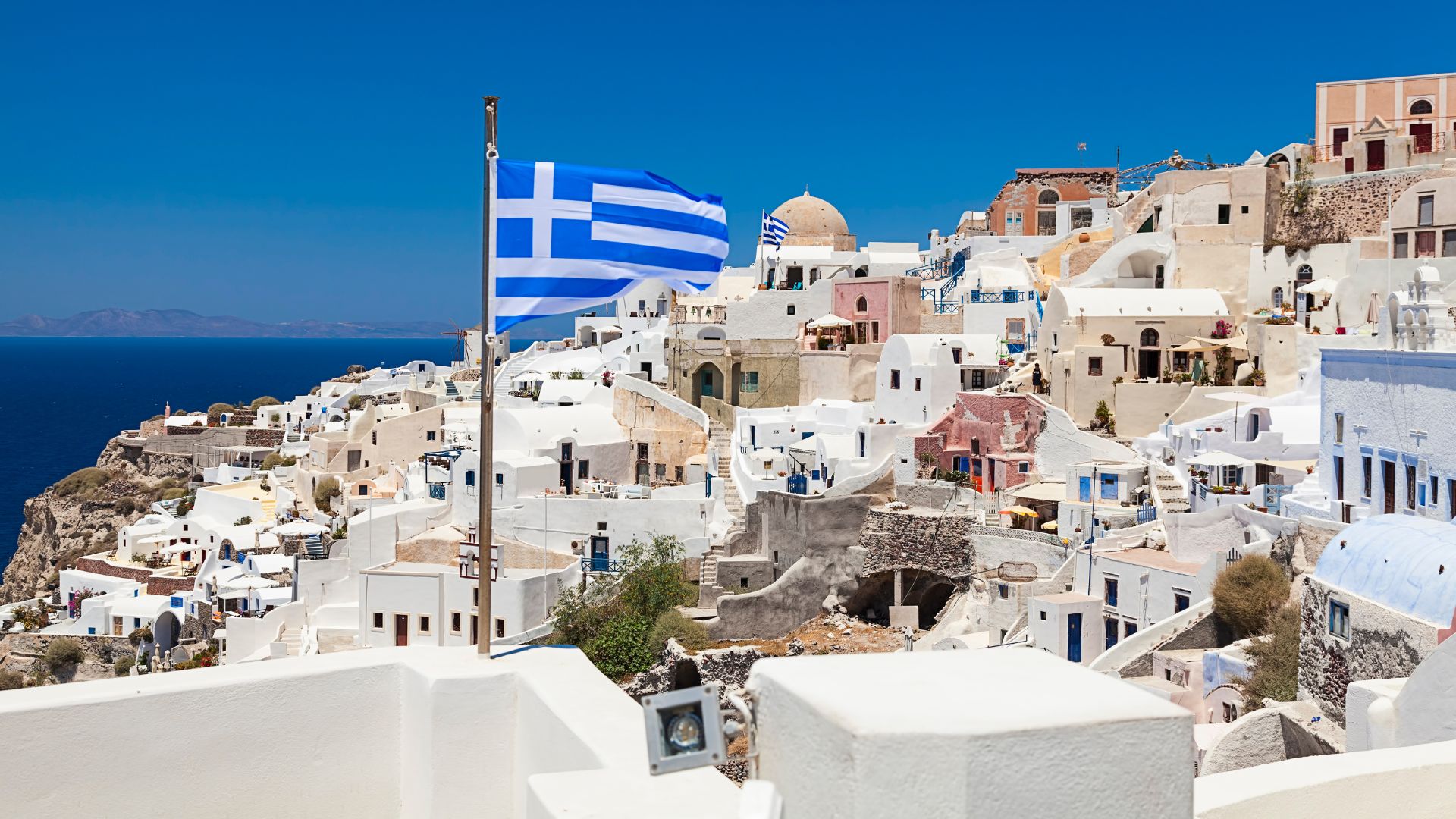
Santorini pulls in millions every year, and honestly, I get it. Those clifftop villages and volcanic beaches are out of this world.
The island’s wild landscape comes from a volcanic eruption way back in 1600 BCE. You’ll spot those famous white buildings and blue domes mostly in Firá, Santorini’s lively capital. The views are unreal, but fair warning: the steep stairs and paths will test your legs.
Booking for summer 2026 gives you a head start before the crowds hit. The island’s tiny population gets overwhelmed in peak season, so early planning is your friend for better prices and places to stay.
Beyond the classic views, Santorini dishes up volcanic wine tours, boat trips around the caldera, and black sand beaches. The local wine, grown in volcanic soil, tastes like nothing else.
It’s worth wandering off the main path—hiking the caldera rim or exploring quiet villages is just as rewarding as those famous sunsets.
3) Amalfi Coast, Italy
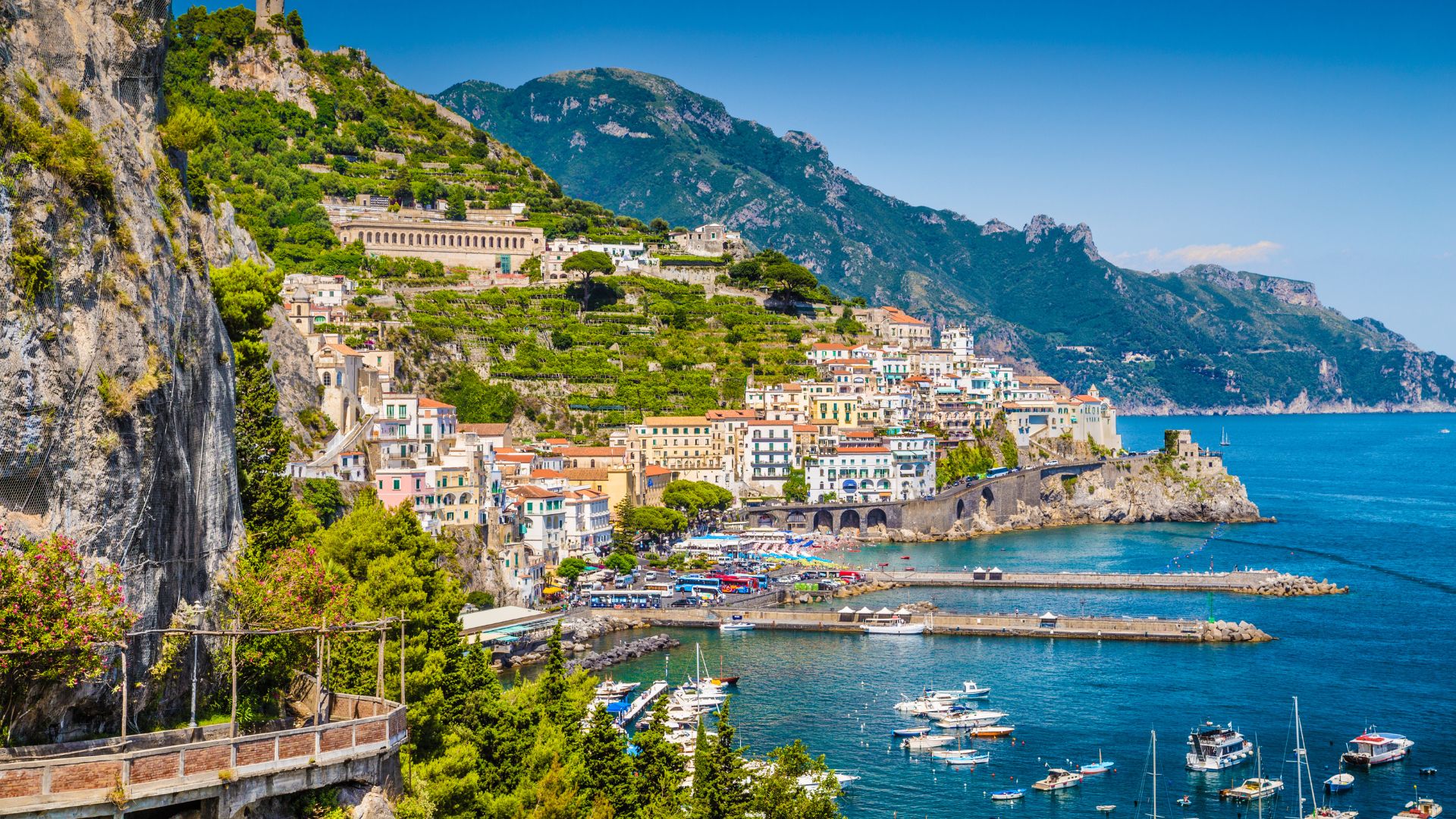
The Amalfi Coast is every bit as dreamy as the photos suggest. Colorful villages cling to cliffs, pebbly beaches hide below, and those twisty coastal roads keep you guessing what’s around the next bend.
Positano is a favorite base, all stacked pastel houses and steep, winding lanes. Cafes and boutiques spill into the streets. If you want a little peace, Ravello’s mountain gardens are a quiet escape.
The food here? Fresh seafood, lemons in everything, and family-run trattorias that feel like home. You’ll want to try the local cuisine at least once—or, let’s be honest, every meal.
Summer 2026 promises perfect weather for beach days and boat rides. The roads get busy, but the views make up for it.
Give yourself at least three or four days to hop between towns. Each village has its own vibe and secret corners, from historic ruins to hidden beaches.
Lock in your hotel or rental early—places fill up months ahead. You can get around by bus, ferry, or car, but I’d recommend the ferry for the views alone.
4) Lisbon, Portugal
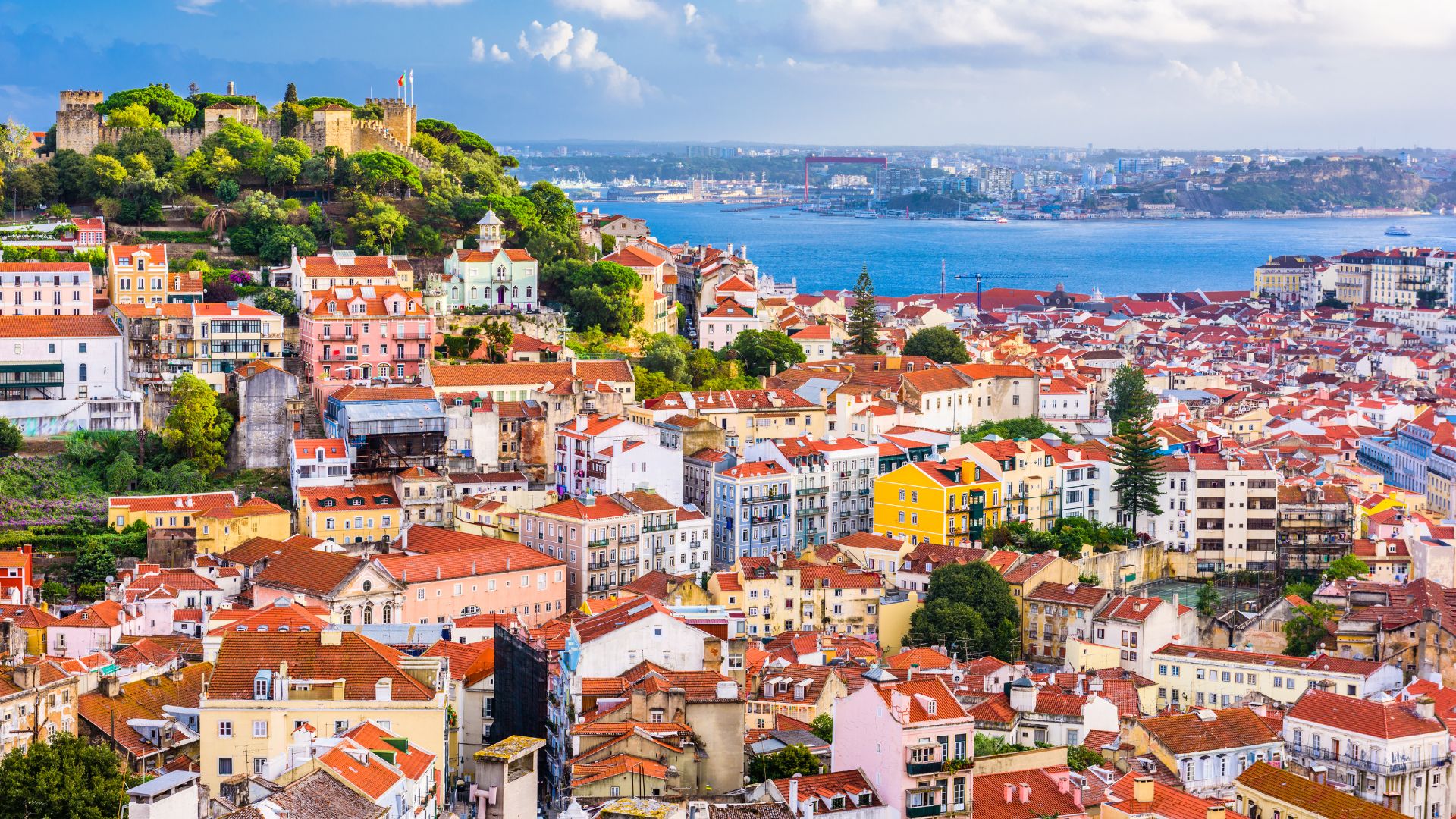
Lisbon just oozes charm. It’s one of Europe’s oldest capitals, but it feels young and creative at the same time.
You’ll spot those iconic yellow trams rattling past pink buildings and tiled facades. Ancient castles like São Jorge and old churches pop up when you least expect them.
The city’s coastal setting adds a breezy vibe you don’t get everywhere. Summer 2026 will see even more new hotels and restaurants opening up, so you’ll have fresh options to try.
Lisbon works for families, friends, or solo travelers. There’s enough to do, but it never feels overwhelming.
Portugal’s capital keeps getting more popular with travelers looking for something a little different. If you want the best rates and options, book before everyone else gets the same idea.
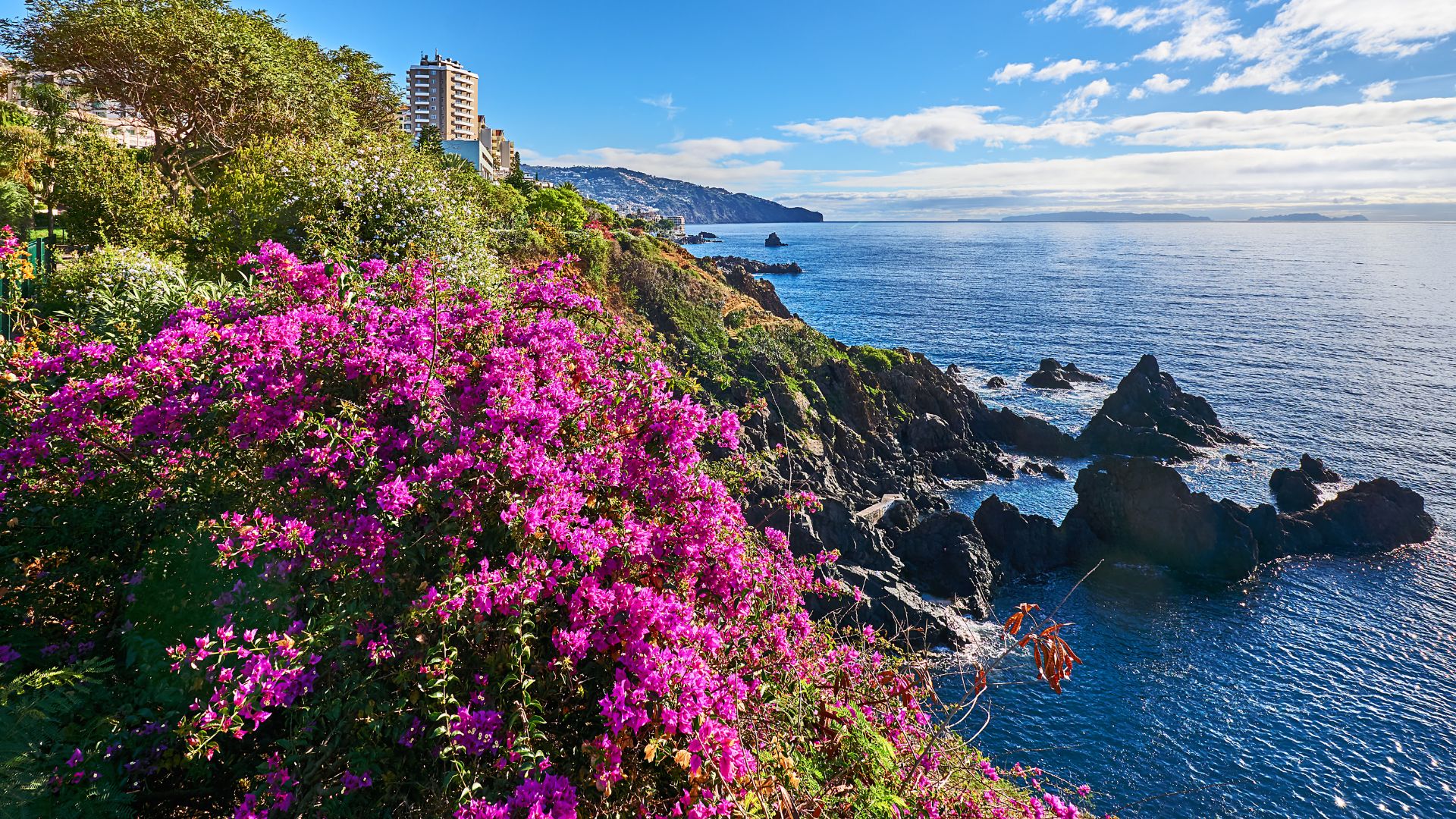
5) Madeira, Portugal
Madeira sits closer to Africa than Europe, and it brings its own flavor to the travel scene. This isn’t your typical Mediterranean island.
If you love adventure, you’ll find waterfall hikes, cliffside drives, and black-sand beaches. The levada walks—trails along old water channels—take you through forests and valleys with jaw-dropping views.
Funchal, the capital, is a great spot to base yourself. There are markets, cozy restaurants, and plenty of culture to soak up. Don’t skip tasting the local Madeira wine—it’s legendary for a reason.
Madeira works for just about every type of traveler. Some come for the hiking, others for epic viewpoints like Cabo Girão, or to chase waterfalls tucked into the hills.
The island is getting more popular every year, so booking early for summer 2026 is smart. Madeira’s not just for retirees anymore—it’s buzzing with energy and adventure.
6) Barcelona, Spain
Barcelona is one of those cities that just delivers. You get mind-blowing architecture, beaches, and a culture that’s both relaxed and electric.
You really need to book early—this place fills up fast in summer. Gaudí’s masterpieces steal the show. The Sagrada Família, Park Güell, and Casa Batlló are all must-sees. Each one is a little weird, a little wonderful, and totally unique.
Wander through the Gothic Quarter’s narrow lanes to get a sense of old Barcelona. It feels like a maze, but in the best way.
When you need a break, Barceloneta Beach is right there. Nothing beats a quick dip after a morning of sightseeing.
The food scene? Next level. Local markets like Mercat de la Boqueria serve up fresh tapas and seafood. I could spend hours just eating my way through the city.
Barcelona stays warm but not unbearable in summer, so exploring on foot is easy. Hotels and rentals book up months ahead, so don’t wait.

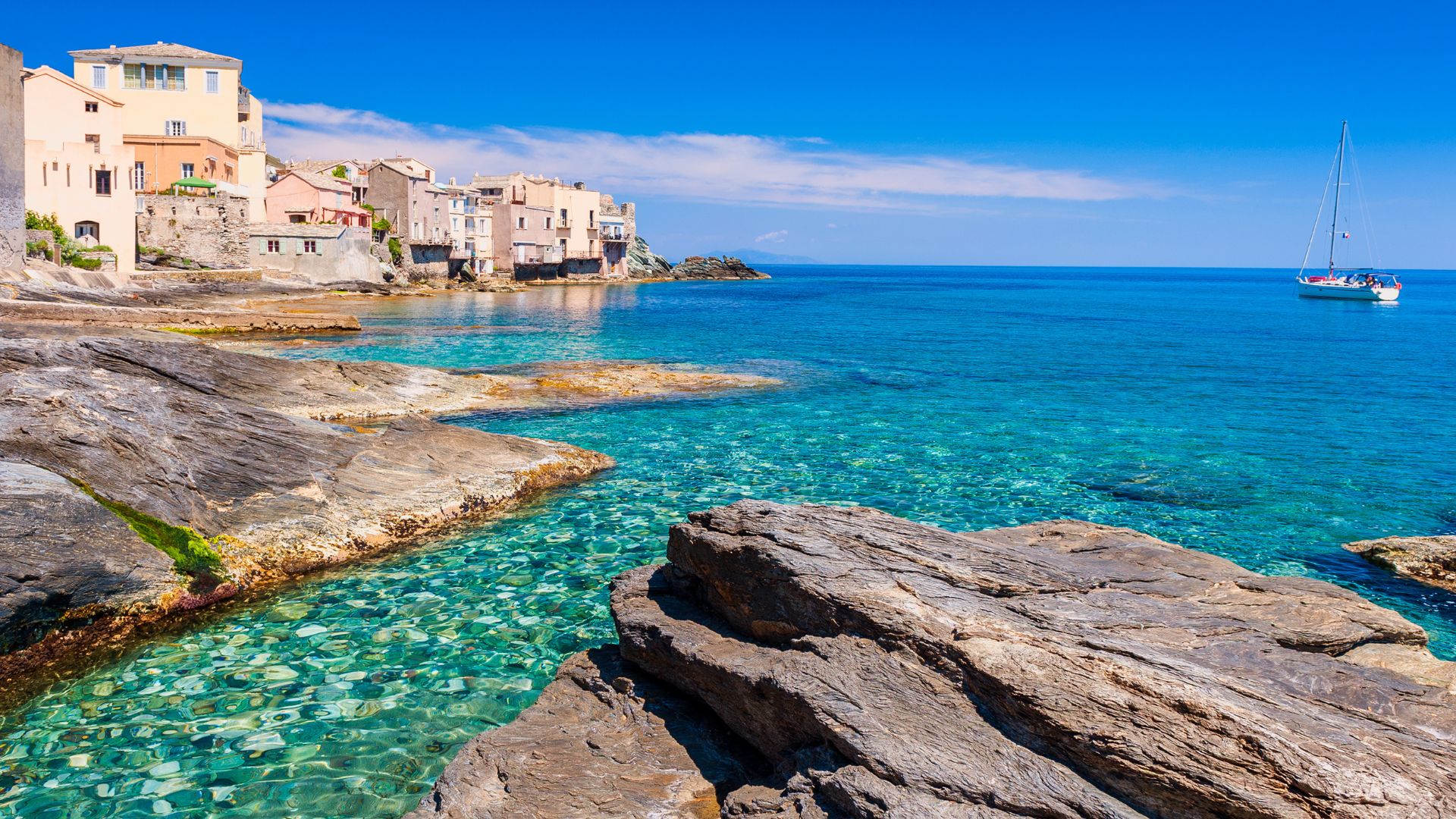
7) Corsica, France
Corsica is kind of a secret. It mixes French and Italian vibes, but with wild Mediterranean landscapes thrown in.
Mountains tumble straight into the sea, and the coastline flips between sandy beaches and rocky cliffs. For summer 2026, you’ll want to book early—boat trips and the best hotels go fast.
Ajaccio, the capital, charms with pastel buildings and lively squares. You can wander ancient towns or tackle mountain hikes for sweeping views.
The island’s culture feels distinct, not quite like mainland France or Italy. It’s less developed than most European beach spots, so you get a mix of adventure and downtime.
If you’re craving something different, Corsica’s the move. Book ahead for the best deals and to make sure you don’t miss out.
8) Lake Bled, Slovenia
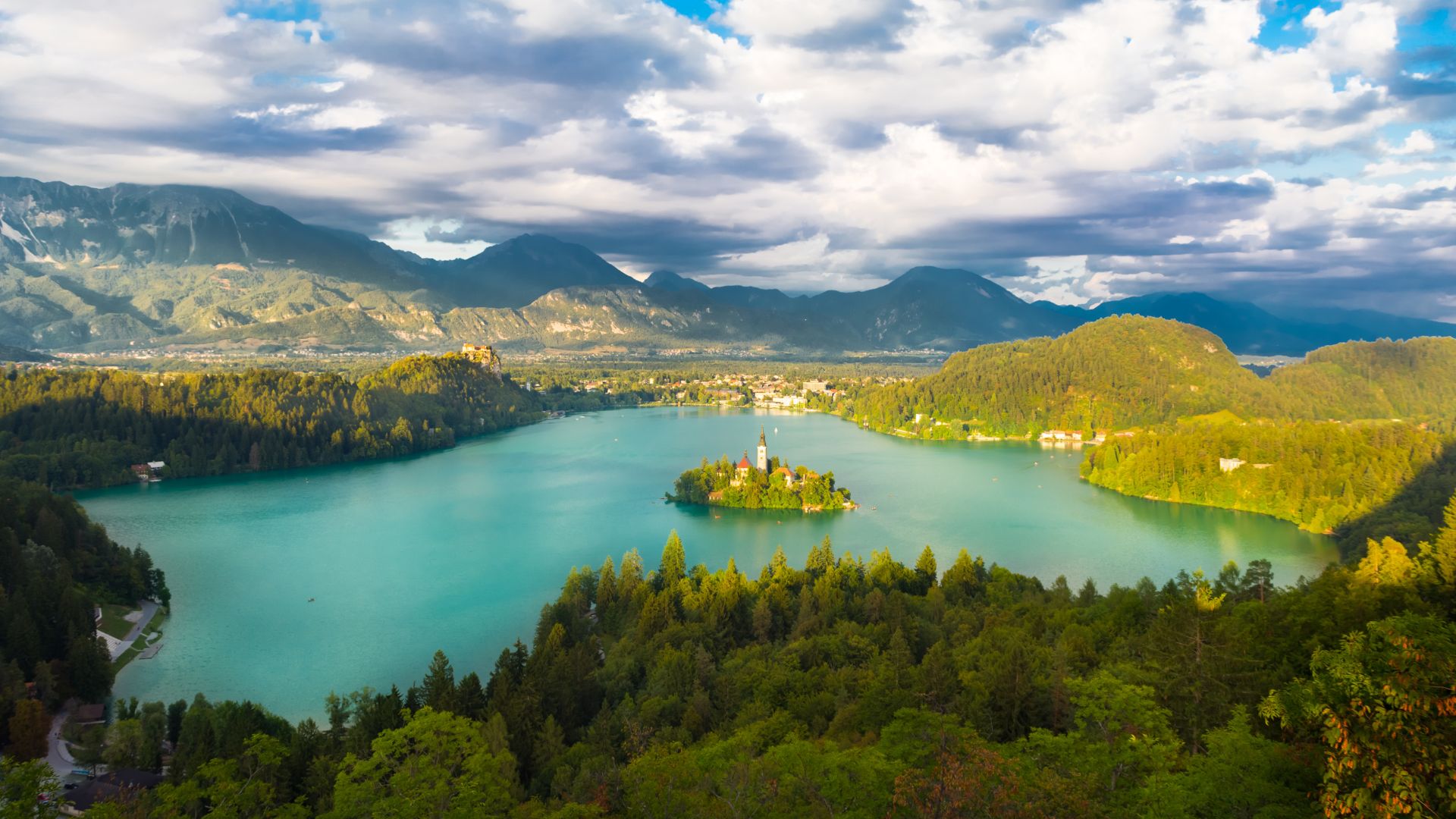
Lake Bled is a fairytale spot tucked into the Julian Alps. The water is so clear you’ll want to swim, especially when the summer heat kicks in.
A tiny island sits in the middle—row out in a boat or hop on a traditional pletna for a classic experience. Up on the cliff, the medieval castle gives you epic mountain and lake views.
Paths circle the lake, perfect for a leisurely walk or bike ride. It only takes about an hour, but you’ll want to stop for photos.
Summer’s the time for outdoor adventures. Hike in Triglav National Park or explore Vintgar Gorge nearby. The area is accessible year-round, but summer is peak for swimming and hiking.
Lake Bled is only 90 minutes from Ljubljana, so it’s easy to reach. The town’s got plenty of places to stay and restaurants serving Slovenian favorites.
If you want a peaceful escape, book early—Europeans love it here, and spots go fast.
9) Hvar Island, Croatia
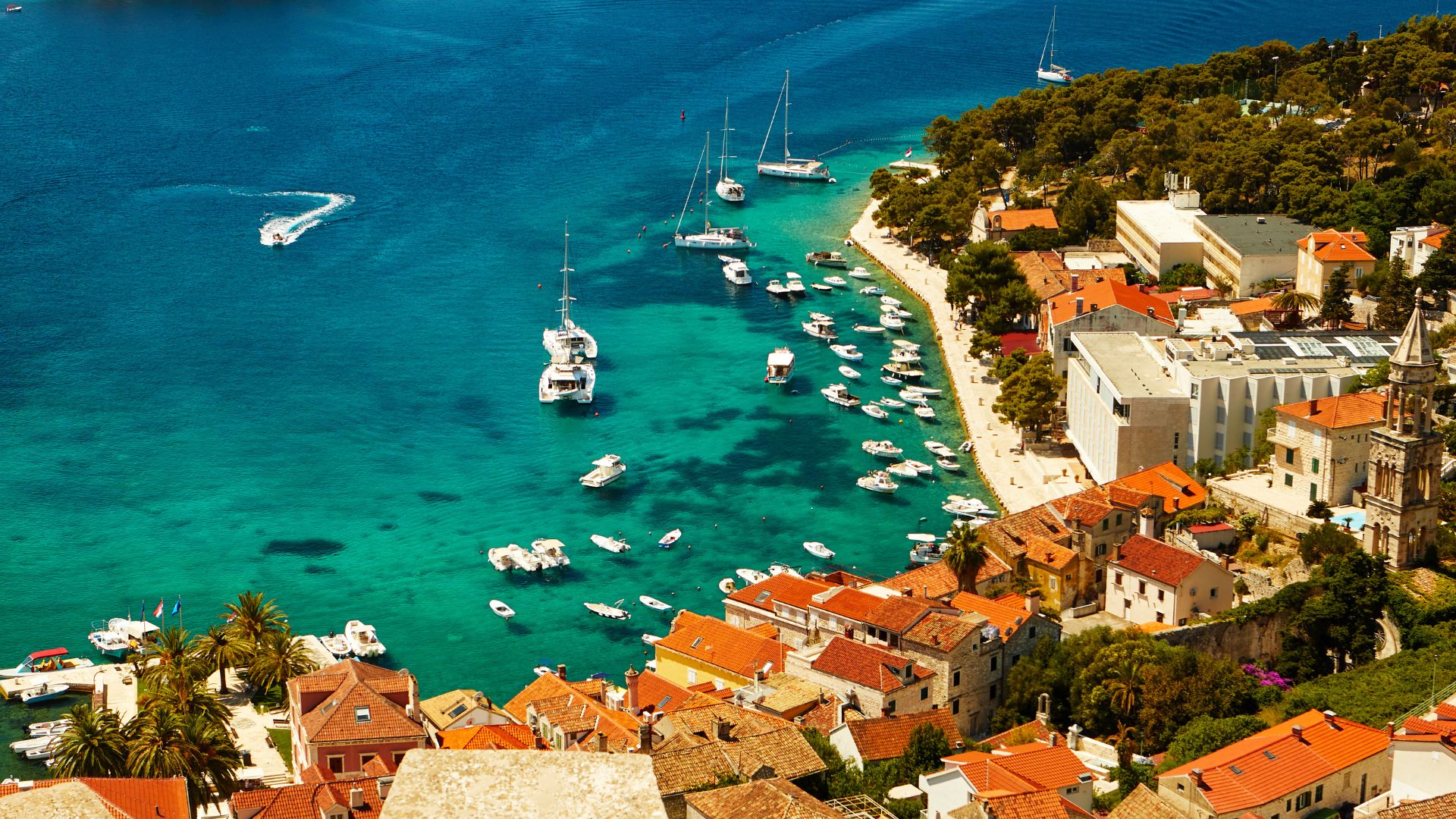
Hvar is Croatia’s sunniest island—and wow, does it get busy in summer. Up to 20,000 people show up daily at the peak, drawn by medieval towns, sparkling Adriatic water, and a buzzing waterfront.
Several towns are worth checking out. Hvar Town is the main hub, with its old fort and lively harbor. Stari Grad offers a quieter pace but still has easy access to beaches and sights.
If you want guaranteed sunshine, this is the place—Hvar gets more sun than anywhere else in Europe. July and August are crazy busy, so June or September are good bets for warm weather and fewer crowds.
You’ll get here by ferry from Split, which usually takes one to two hours. Book your ferry in advance during summer, trust me.
Hvar works for both luxury seekers and budget travelers. Choose a fancy hotel or a simple guesthouse—there’s something for everyone.
10) Cinque Terre, Italy
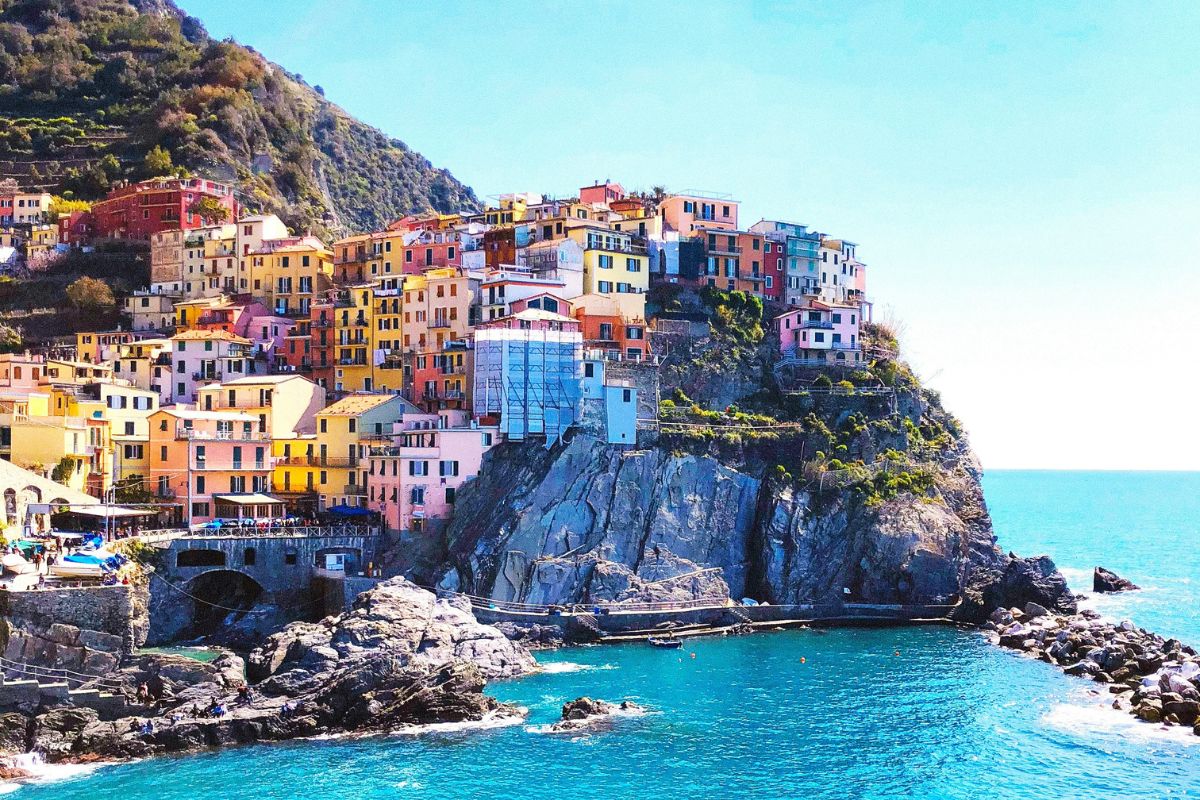
Cinque Terre just might be Italy’s most jaw-dropping coastal spot. It’s not hype—the five villages really do glow with color, each one perched along the Mediterranean in its own quirky way.
You’ll wander through Monterosso al Mare, Vernazza, Corniglia, Manarola, and Riomaggiore. These little towns, once just fishing villages, now welcome travelers with beaches, fresh-caught seafood, and wine that tastes like sunshine.
The location makes getting around surprisingly simple. High-speed trains zip you in from Milan, Rome, or wherever your journey starts. You can even branch out to other European cities from nearby rail stations.
If you’re eyeing summer 2026, you’re not alone. People are already snapping up tours and rooms, so if you want your pick, you’ll need to plan ahead—those narrow lanes get packed in July and August.
Hiking between the villages? It’s a must. The trails wind above the sea, but if you’re not feeling it, the train makes it easy to hop from town to town. Each place has its own vibe, and the food—think anchovies, pesto, and local wine—never disappoints.
Honestly, the blend of those cliffside views, that Italian charm, and the ease of travel just makes Cinque Terre a no-brainer for your 2026 summer list.
Essential Travel Planning Tips for Summer 2026
If you’re dreaming of Europe in summer 2026, you’re not the only one. Flights are getting pricier, and places like Milan and Brussels are already seeing hotels fill up fast. It pays to jump on bookings early, sort your paperwork, and grab travel insurance before things get hectic.
Best Times to Book Flights and Accommodation
Want the best deal on flights? Book about 4-6 months before you want to leave. For July or August trips, that’s January to March 2026.
Airlines tend to drop their lowest fares during this window. Wait too long, and prices usually shoot up.
Hotels and rentals in the hotspots? You’ll want to lock those in even earlier—6-8 months out is smart, especially if there’s a big event like the Olympics in Milan. Some places get snapped up before you can blink.
Here’s what works for me:
- Set up price alerts on flight comparison sites.
- Go for refundable rates if you want wiggle room.
- Shop around on different accommodation sites.
- Book popular attractions and restaurants as soon as reservations open.
Midweek flights—think Tuesday or Wednesday—usually cost less than weekends. If your schedule’s flexible, early June or late August can save you a bundle compared to peak July.

Visa and Entry Requirements for European Countries
If you’re a U.S. citizen, you can hang out in most European countries for up to 90 days, no visa needed. But starting in 2026, you’ll need to register with ETIAS (European Travel Information and Authorization System) before heading to the Schengen Area.
The ETIAS application sets you back €7 and takes about 10 minutes online. Most people get approved in minutes, but you should apply at least 72 hours before you fly.
Check your passport—it needs to be valid for at least six months after you plan to leave Europe. And make sure you’ve got a couple of blank pages left.
If you’re not a U.S. citizen, double-check the rules for your country. Some travelers still need a traditional visa, even with ETIAS in place.
Travel Insurance Recommendations
Travel insurance isn’t just a nice-to-have for Europe in the summer—it’s essential. Medical bills abroad can get wild, and canceled trips happen more often than you’d think.
Look for policies that cover:
- Medical emergencies and evacuation
- Trip cancellations or interruptions
- Lost or delayed bags
- Travel delays and missed connections
Buy insurance within two weeks of booking your trip for the best coverage. Plans usually run about 4-8% of your total trip cost.
I like to compare options from Allianz, World Nomads, and Travel Guard. Read the details carefully—especially about pre-existing conditions and coverage limits. Some credit cards offer basic protection, but a standalone policy usually covers a lot more.

Maximizing Your Experience in Europe’s Must-See Destinations
Europe in the summer? It’s magical, but you’ve got to plan smart to dodge crowds and travel responsibly. Here’s what’s worked for me and might help you too.
How to Navigate Crowds During Peak Season
If you want to see the big sights without the shoulder-to-shoulder crowds, go early. I mean, really early. Most people show up between 10 AM and 4 PM, so I try to hit places like the Eiffel Tower or Colosseum right when they open.
Book tickets online ahead of time. You’ll save hours not standing in ticket lines, and many places now offer timed entry so you can skip the worst waits.
Weekdays—especially Tuesday through Thursday—are noticeably quieter than weekends. I always pack a refillable water bottle and snacks, since food lines near attractions can get out of control or just cost too much.
Some cities keep their museums and landmarks open late in summer. Evening visits are a game-changer—you’ll find smaller crowds and a different vibe after 6 PM.
Sustainable Travel Practices for European Cities
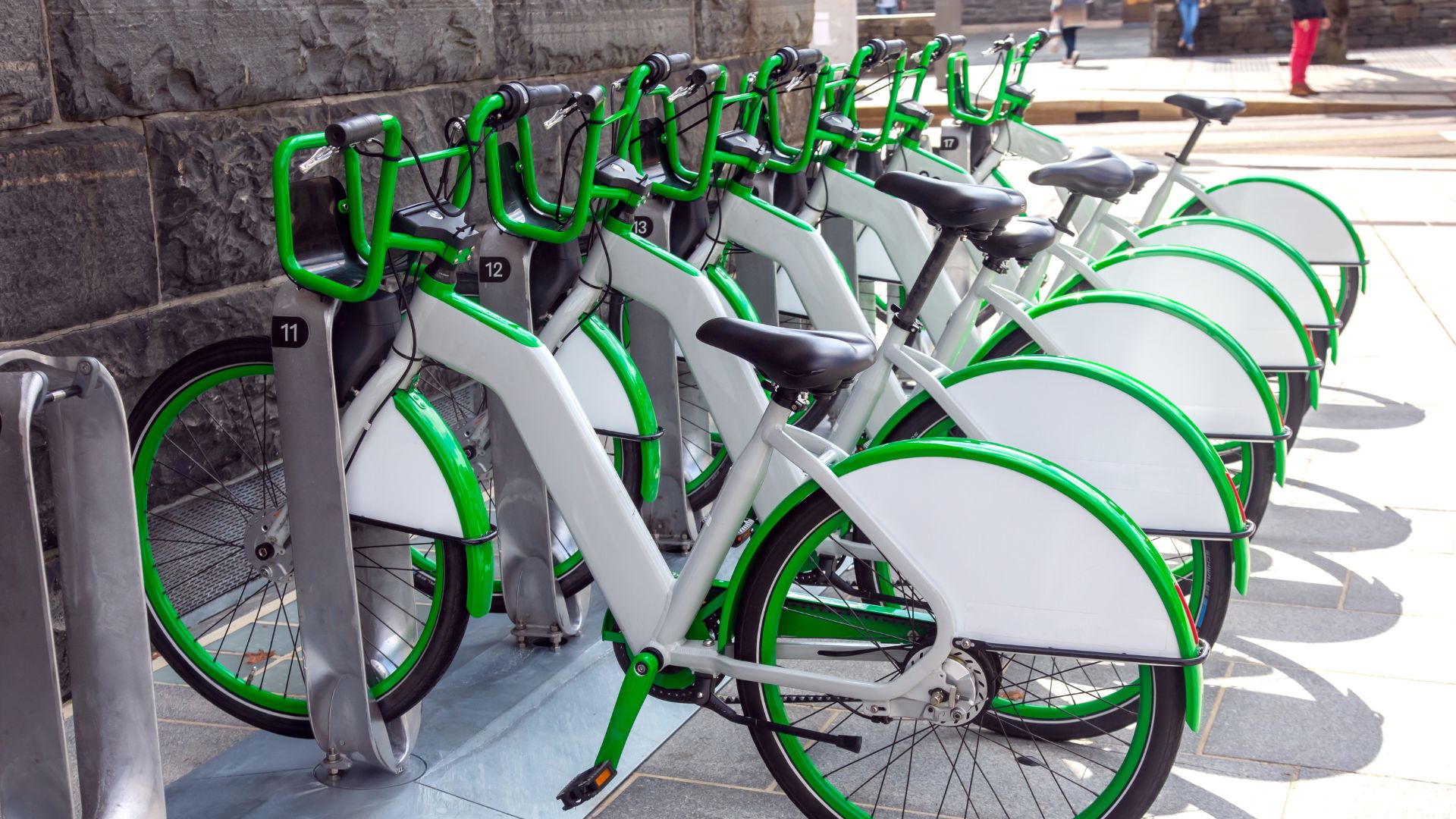
Ditch the taxis and rent cars—public transit is where it’s at in Europe. Cities like Paris, Barcelona, and Rome have metros and trams that make getting around easy and eco-friendly.
I look for locally-owned places to stay instead of big hotel chains. Small hotels and family-run spots put money back into the community. Eating at neighborhood restaurants away from tourist traps does the same.
Cut down on plastic by carrying a reusable bag and saying no to single-use stuff. Most cities have great tap water, so I just refill my bottle at public fountains.
Walking or renting a bike is perfect for short distances. Amsterdam, Copenhagen, and Berlin? They’ve got cycling figured out, and you’ll see more than you would from a cab anyway.
Frequently Asked Questions
Thinking about summer 2026 in Europe? You’re not the only one with questions. June and September usually mean nice weather and fewer crowds in the Mediterranean, while July and August are peak months up north.
Dubrovnik in Croatia is having a moment—those city walls and Adriatic views are unreal. Santorini in Greece keeps drawing crowds with its white-washed houses and volcanic beaches.
The Amalfi Coast in Italy is still a top pick for its dramatic cliffs and village charm. Portugal is on the rise too, with Lisbon’s neighborhoods and Madeira’s wild scenery catching more attention every year.
Italy has it all: history, food, and those legendary coastlines. Greece is perfect for island-hopping and ancient ruins.
Portugal offers great value, whether you’re into city life or volcanic islands. Croatia brings Mediterranean beauty and, honestly, fewer crowds than you’ll find in the usual hotspots. Spain rounds out the list with beaches, culture, and endless sunshine.
The Amalfi Coast gives you Positano and Ravello, both perched above the sea. Santorini’s caldera and Oia sunsets are unforgettable.
Dubrovnik’s old town walls overlook blue water and red roofs. Madeira’s Levada walks take you through lush forests and up into the mountains. Lisbon’s hills offer panoramic views over the city and river.
The French Riviera wows with blue seas and grand old buildings. The Scottish Highlands are all rugged peaks and mysterious lakes. Iceland glows under the midnight sun, with waterfalls and black sand beaches.
Norway’s fjords cut deep into the mountains. The Swiss Alps shine with lakes and snowy peaks. Croatia’s Plitvice Lakes dazzle with turquoise pools and waterfalls.
Slovenia’s Lake Bled sits below the Julian Alps, church and all. Cinque Terre links five colorful villages along the cliffs. The Dolomites offer jagged peaks and wildflower meadows.
The Algarve in Portugal has golden cliffs and hidden coves. Montenegro’s Bay of Kotor blends fjord-like waters with medieval towns. The Azores scatter volcanic islands across the Atlantic.
Lisbon is still affordable compared to other capitals. Hop on a tram, grab a pastel de nata, and soak up the Fado music.
Madeira feels like spring all year—perfect for hiking and gardens. Dubrovnik brings Game of Thrones vibes and Baroque architecture. Santorini is all about those sunsets and volcanic wines.
The Amalfi Coast is lemon groves, ceramics, and cliffside dinners. If you want beauty without the crowds or cost, Slovenia and Albania are worth a look.
Venice gets seriously crowded and hot in July and August. The narrow streets and bridges can feel almost impossible to navigate.
Barcelona struggles with overtourism, and local patience is running thin. Amsterdam’s canals get packed, making it tough to enjoy the city’s charm. In August, Paris sees many local businesses closed while tourists crowd the main sights.
Mykonos and Santorini in Greece reach peak capacity in mid-summer. If you’re set on visiting, try for June or September instead.
Let’s be honest, everyone seems to have their eye on the Mediterranean these days. Italy, Greece, and Croatia keep popping up in conversations, and it’s no wonder—those coastlines just don’t quit.
Portugal? It’s quietly stealing the spotlight. If you’re tired of sticker shock in other countries, you’ll probably find yourself browsing flights to Lisbon or Porto before you know it.
The Balkans have this scrappy charm that’s hard to resist, especially if you’re watching your wallet. I met travelers in Albania and Montenegro who raved about the food, the beaches, and, honestly, the prices.
Northern Europe feels like a breath of fresh air—literally. If you can’t handle the scorching summer heat, Iceland and Norway call out with their long days and wild landscapes. There’s something magical about wandering under a midnight sun.
Eastern Europe’s got its own low-key magic. Cities like Ljubljana and Tallinn deliver just enough culture and history without the shoulder-to-shoulder crowds.
And hey, Spain isn’t just about Barcelona. Families and sun-seekers are starting to branch out to quieter coastal spots, where you can actually hear the waves.
