
Let’s be honest—most people keep returning to the same big-name cities every year. But 2026? It’s shaping up differently. Travelers are itching for something real, something that doesn’t feel like everyone else’s Instagram feed.
Smaller cities across the United States are finally getting their moment, and they’ve got personality to spare. These places let you tap into local vibes, discover culture, and maybe even claim you “found it first.” Whether you’re into mountain air or coastal breezes, these hidden gems break the travel mold.
Here are ten cities that are quietly blowing up for 2026. I’ll share what makes each one stand out—and why you might want to beat the crowds there.
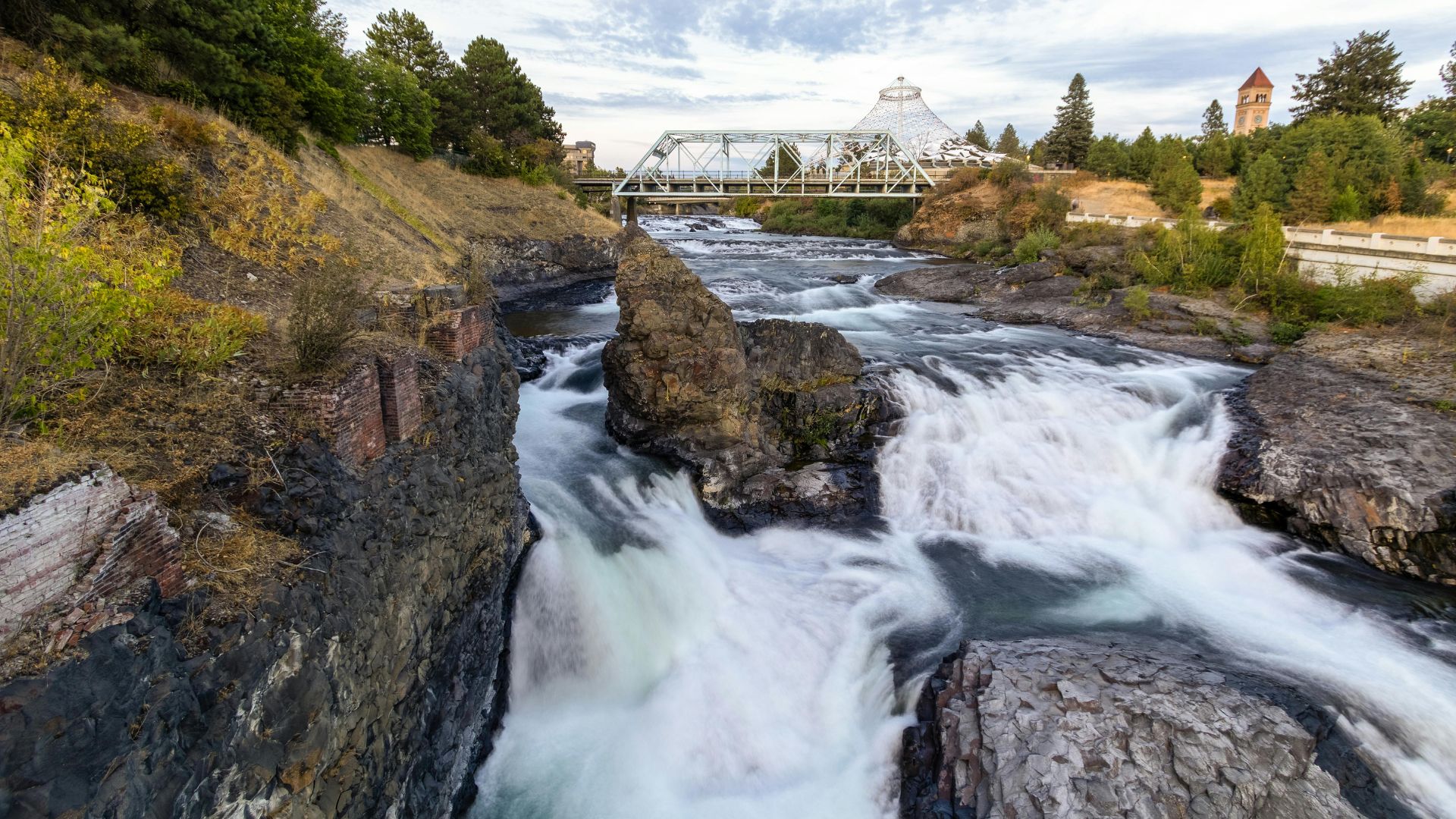
1) Spokane, Washington
Spokane lives in eastern Washington, far from the bustle of Seattle. It’s a slice of the Pacific Northwest that’s still a little under the radar.
Right downtown, Spokane Falls crashes through the heart of the city. You can stroll beside the river and snap photos without elbowing your way through crowds.
Manito Park sprawls across 90 acres, dotted with themed gardens like the peaceful Japanese Garden or the colorful Rose Garden. Admission? Free.
You can hit the highway and reach wild spaces in no time—US-2 takes you to the woods, while US-195 heads south to quieter corners of Washington.
Downtown, you’ll spot quirky art installations and a handful of offbeat museums. New restaurants and indie shops have popped up alongside old brick buildings, giving the city a fresh feel.
Spokane makes a smart base for exploring the region. You get better prices than on the coast, plus easy access to good food, parks, and a surprisingly lively arts scene.
2) Asheville, North Carolina
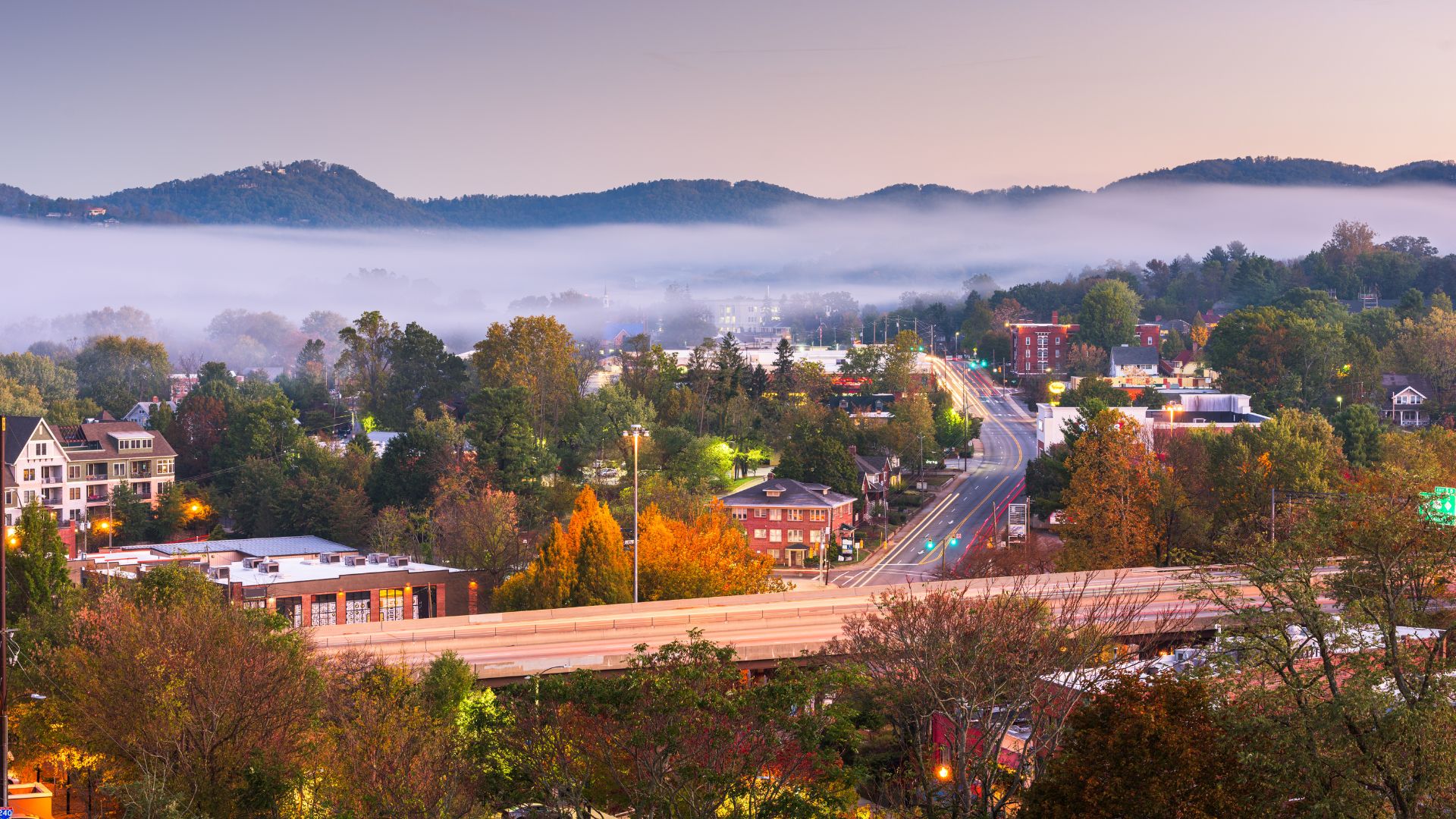
Asheville perches in the Blue Ridge Mountains, mixing artsy charm with mountain beauty. Honestly, it’s one of the most underrated places to visit in 2026.
Cobblestone streets wind past local breweries and cozy cafés. Sure, the Biltmore Estate draws a crowd, but Asheville’s magic goes way beyond that.
Galleries and artisan shops fill the city with creativity. Outdoor lovers can hit the trails in the surrounding mountains, or just hop between the city’s many craft breweries.
Spring and fall bring the best weather—and those jaw-dropping mountain views. The Blue Ridge Parkway is right there, perfect for a scenic drive or a hike.
Asheville’s café culture and architecture might fool you into thinking you’ve landed in Europe. You’ll stumble across both famous sights and hidden gems that only locals seem to know.
The city keeps things affordable for a mountain town, and the food scene keeps getting better. No wonder more travelers are catching on.
3) Bend, Oregon
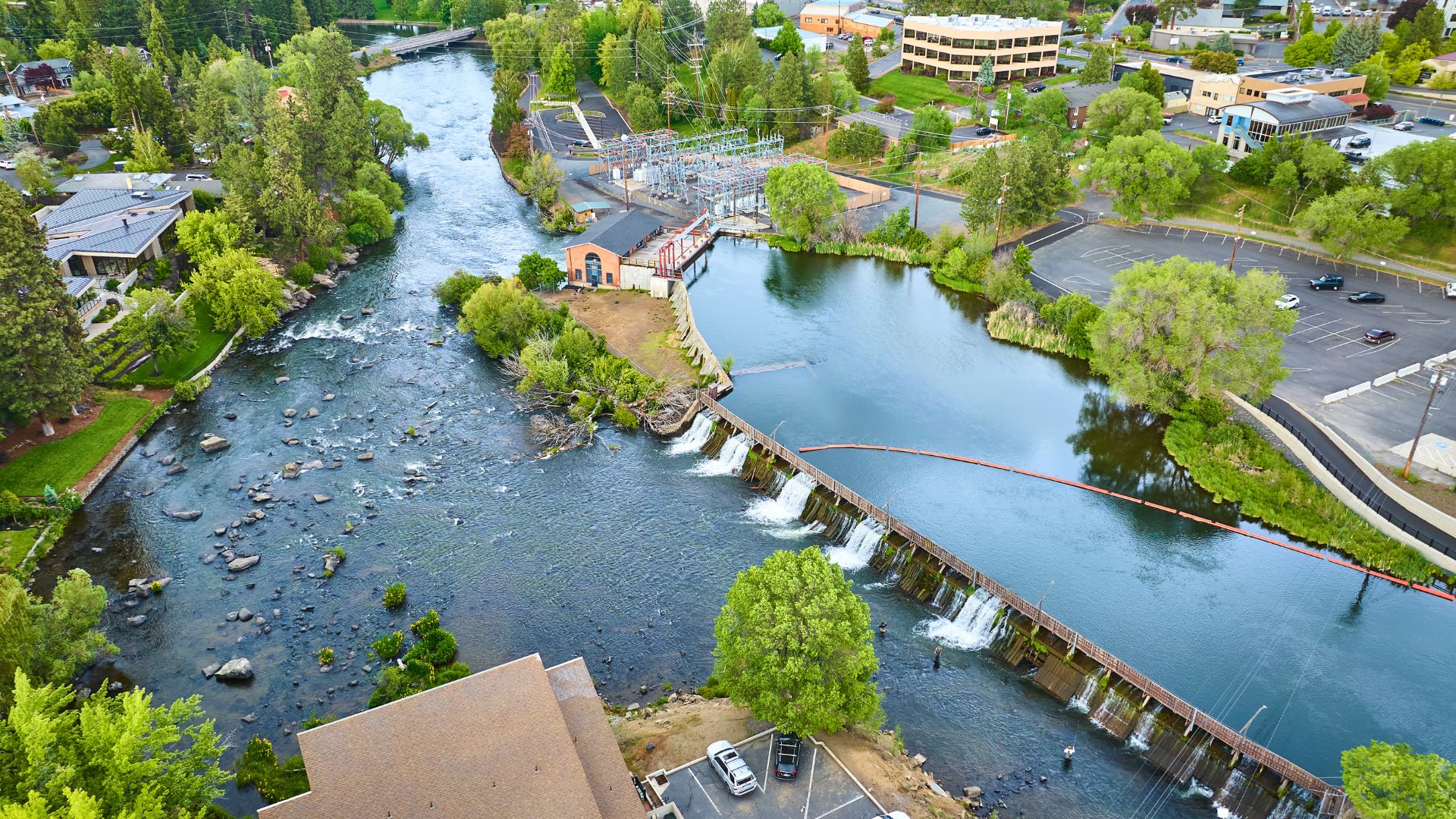
Bend’s been quietly making waves as a must-visit spot for 2026. It sits on the Deschutes River, where adventure and culture meet.
Downtown, you’ll find craft breweries, funky art galleries, and restaurants that actually care about local flavor. The landscape outside the city is wild—think volcanic rocks, pine forests, and snow-capped peaks.
Everyone knows Smith Rock State Park, but there’s more. The High Desert Museum tells the story of the region, and the Lava River Cave offers a cool underground escape. Tumalo Dam is another spot where you can dodge the crowds.
Bend works for all types—hikers, bikers, skiers, or just folks who want to wander downtown and eat well. The weather? Over 300 sunny days a year. Not bad.
It’s the blend of outdoor fun and small-city perks that makes Bend stand out for 2026. I’d say it’s worth the hype.
4) Traverse City, Michigan
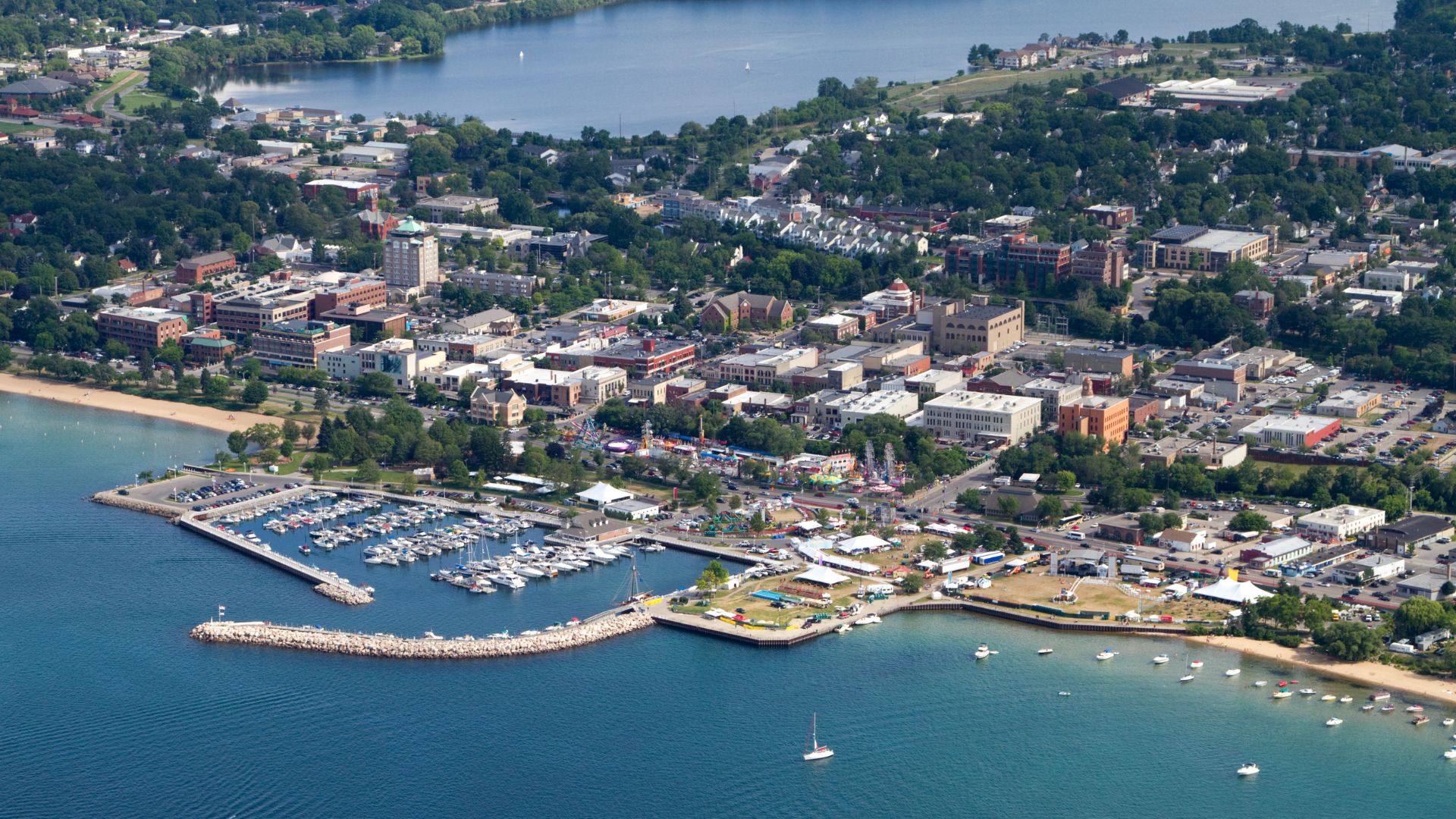
Traverse City hugs the shore of Grand Traverse Bay, up in northern Michigan. Somehow, it balances outdoor adventure with laid-back lakeside living.
You can roam the Sleeping Bear Dunes National Lakeshore, where sandy beaches and towering dunes meet Lake Michigan. The Old Mission Peninsula tempts with wineries and sweeping bay views.
Downtown, you’ll find cherry everything—Traverse City is famous for it. Local shops, restaurants, and breweries give the city a friendly, small-town feel.
Summer brings hiking, biking, and water sports. Winter turns the area into a snowy playground for skiing and snowshoeing.
If you’re up for exploring, secret beaches and tiny historic towns dot the region. Traverse City is easy to reach and works for both active trips and peaceful escapes.
5) Flagstaff, Arizona
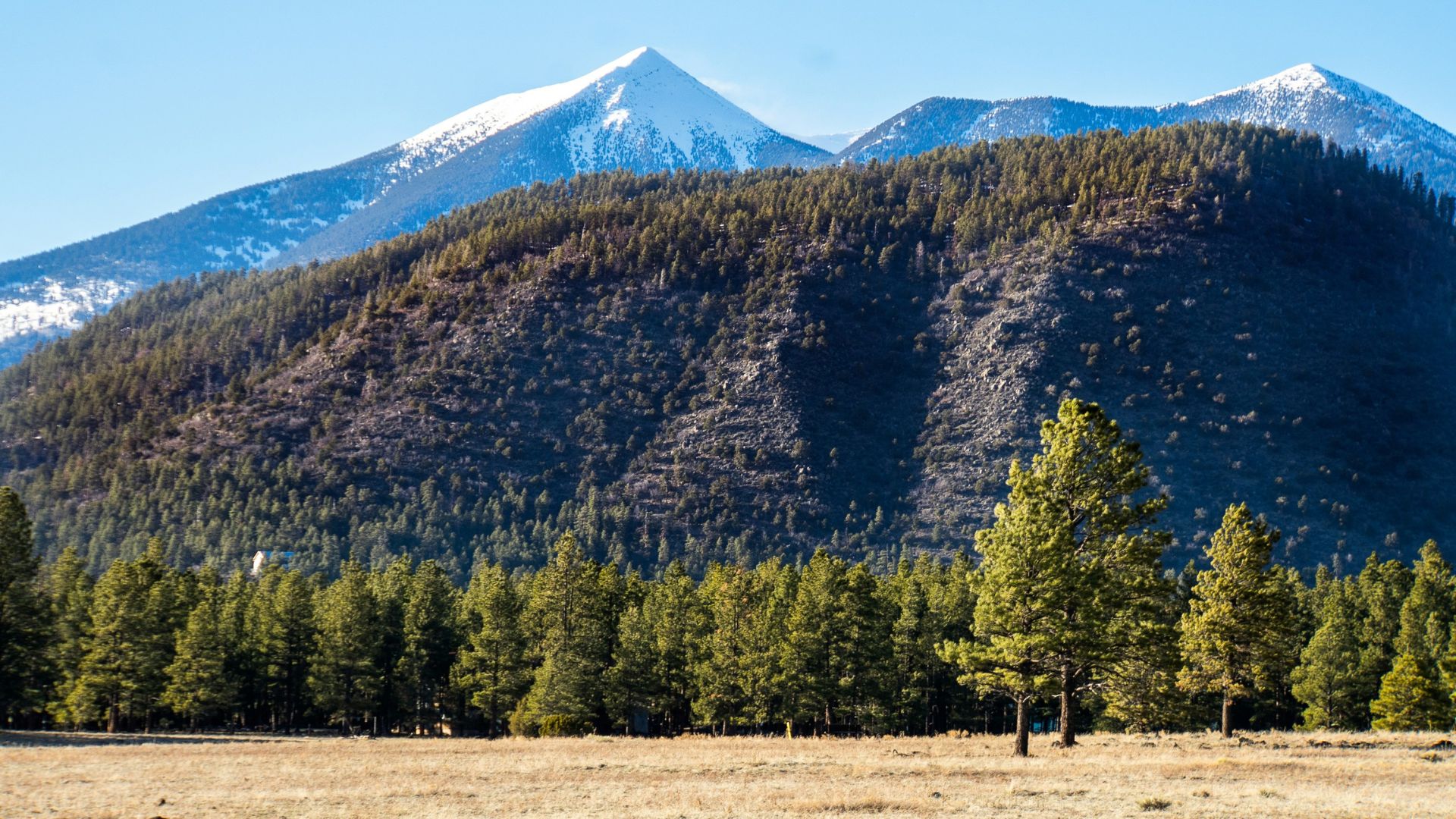
Flagstaff shakes up the Arizona travel scene. Sitting at 7,000 feet, it’s a mountain town with easy access to some of the Southwest’s best-kept secrets.
You can hit hidden hiking trails that offer big views without big crowds. The town puts you close to national parks and year-round outdoor adventures.
Flagstaff’s got a lively local scene—think craft breweries, indie cafés, and a surprising arts vibe. Lava caves and red rock formations add a twist to the usual Arizona scenery.
It’s the perfect base for exploring Northern Arizona. You get pine forests, mountain air, and the Grand Canyon nearby, but without the touristy chaos of Sedona.
Flagstaff keeps things mellow while still serving up epic natural beauty. Honestly, it’s a breath of fresh air.
6) Burlington, Vermont
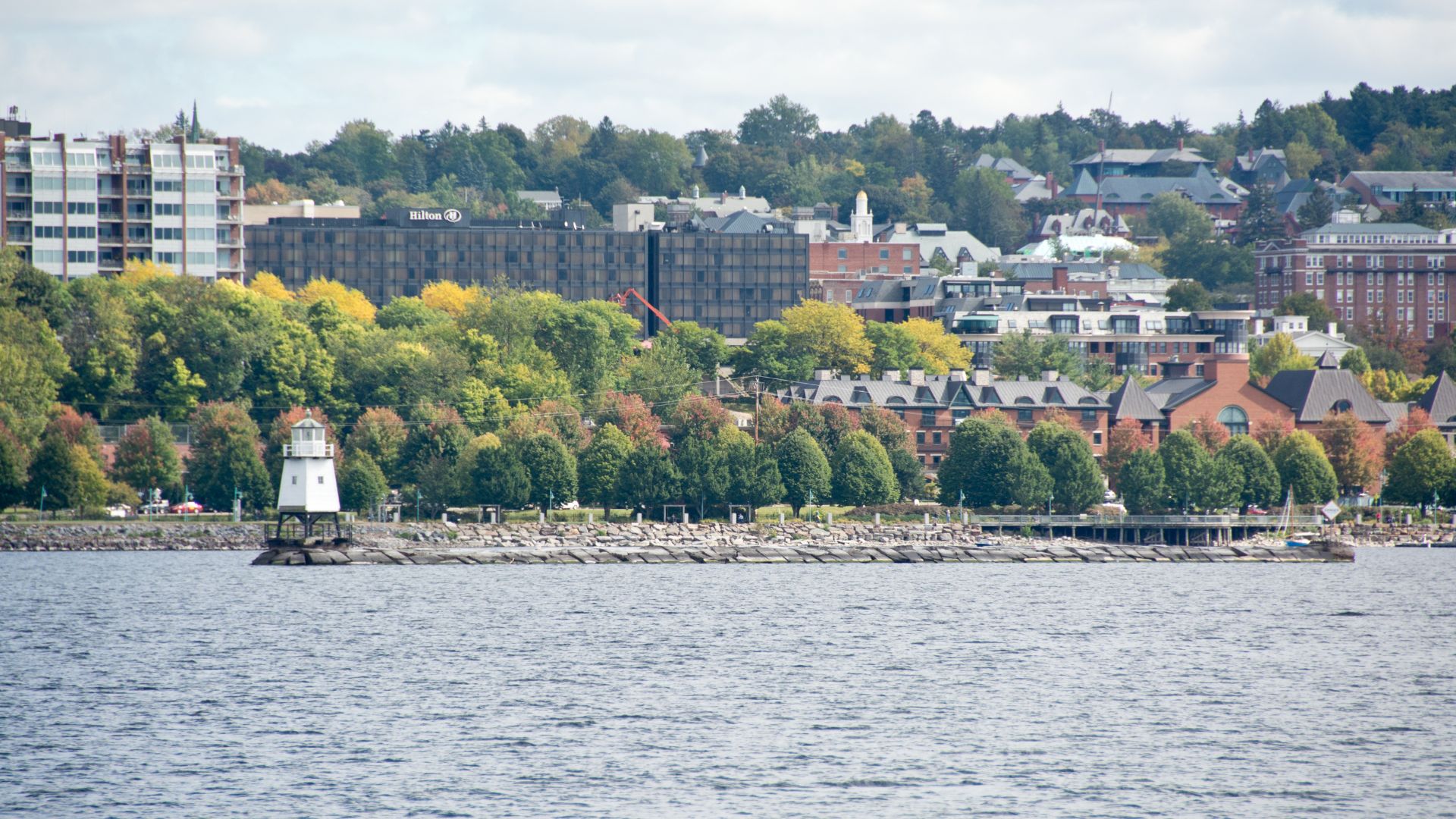
Burlington sits by Lake Champlain, where city life and nature blend together. The food scene here is all about farm-to-table goodness and local brews.
You can wander the waterfront or check out Church Street Marketplace for indie shops and cozy cafés. Art galleries and outdoor adventures are always close by.
Winter means skiing nearby, while summer is for hiking and lake days. The University of Vermont gives the city a youthful, creative energy.
Festivals and outdoor markets fill the calendar, so there’s always something going on. The downtown is super walkable, and bike trails make exploring easy.
Local flavors shine—think Vermont cheese, maple syrup, and craft beer. Burlington makes a great base for Green Mountain adventures, with city perks and nature just steps away.
7) Beaufort, South Carolina
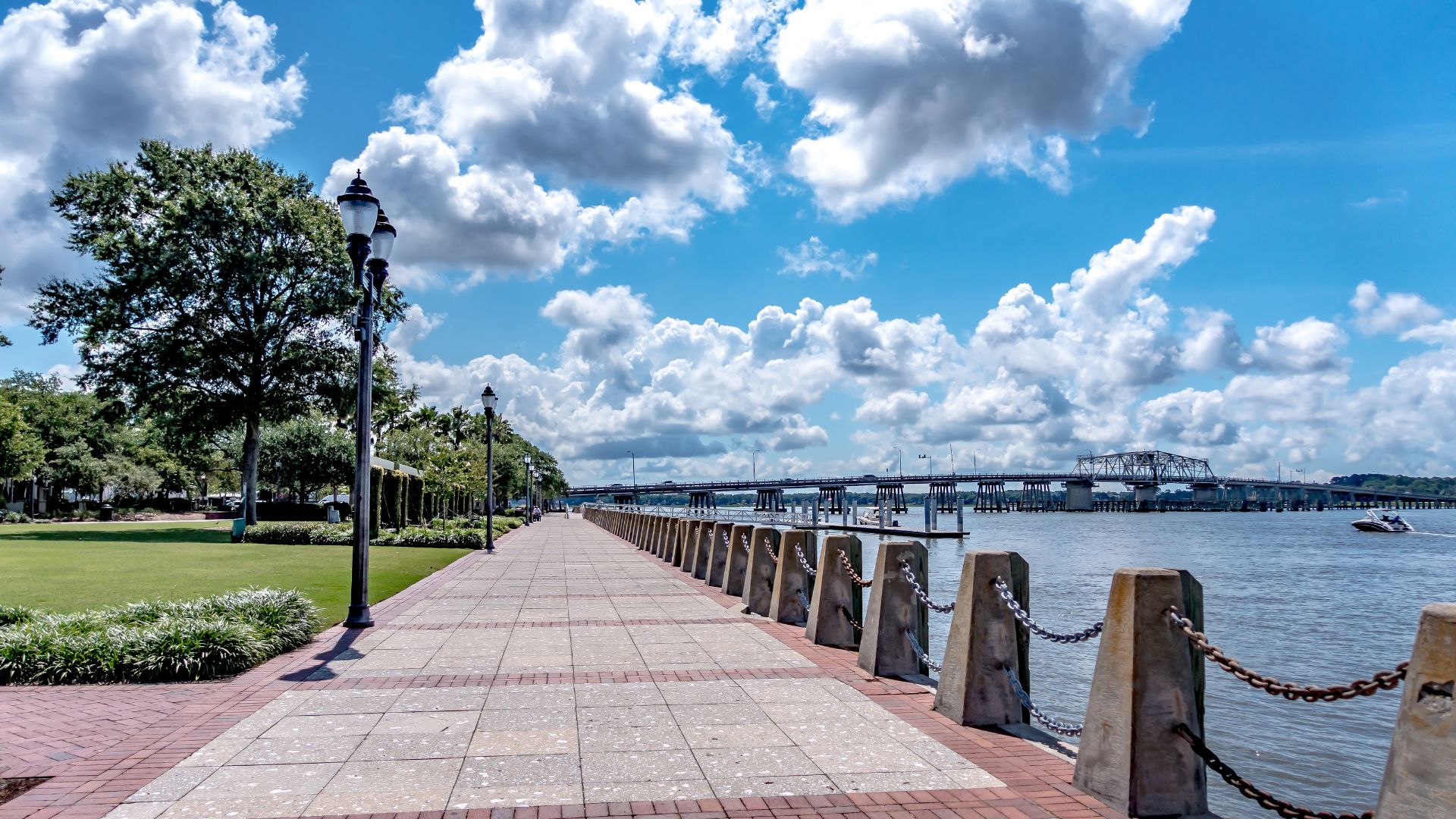
Beaufort feels like Charleston’s charming, quieter cousin. It sits in the Lowcountry, where oak trees drip with Spanish moss and the water views go on forever.
Locals genuinely love this place. USA Today readers even called it one of America’s ten best small coastal towns. Downtown, you’ll find antebellum homes and walkable streets lined with unique shops and restaurants.
The slow pace lets you actually relax. Historic sites, Lowcountry eats, and harbor views fill your days. By mid-morning, the cafés buzz with regulars who know all the best spots.
Beaufort’s hospitality feels real, not forced. You’ll get a warm welcome without the crowds that swamp bigger Southern cities.
History, scenery, and local flavor all come together here. If you need a reason to visit in 2026, this is it.
8) Coeur d’Alene, Idaho
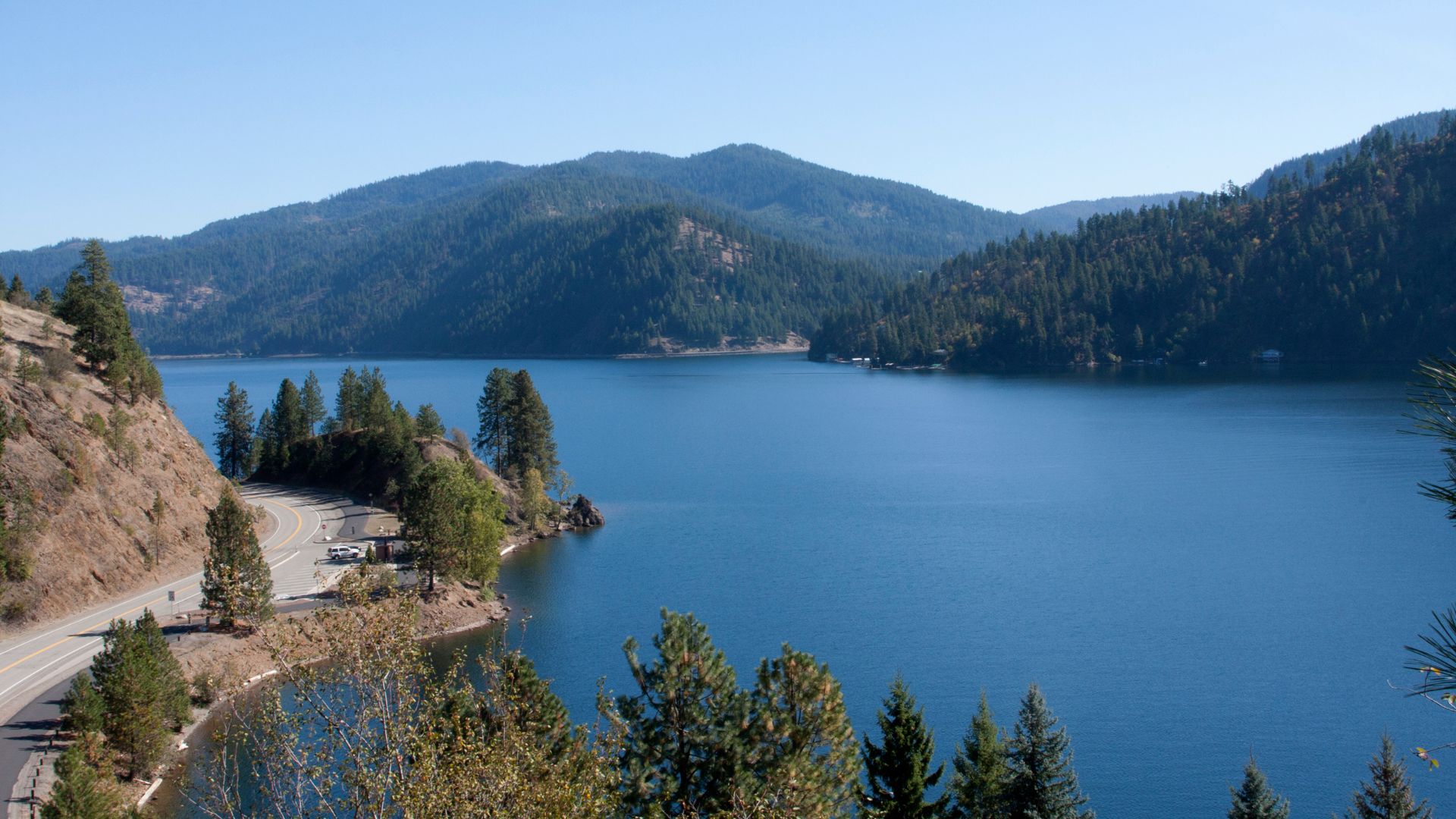
Coeur d’Alene sits in Idaho’s panhandle, wrapping itself around a clear blue lake and backed by pine-covered hills.
There’s plenty to do beyond the lake. Underground mine tours, mountain trails, and downtown shops keep things interesting. When winter hits, nearby mountains open up for skiing; in summer, it’s all about hiking and scenic drives.
Coeur d’Alene works as a jumping-off point for exploring North Idaho. You can check out tiny towns or lose yourself in the wild. Prices stay lower than most Western hotspots, so your budget stretches further.
Outdoor lovers find their groove here, but downtown’s got its own appeal with local eats and shops. The city strikes a nice balance between nature and convenience.
Being close to the Washington border puts Spokane within reach, yet Coeur d’Alene keeps its small-city soul. That’s probably why more folks are putting it on their travel radar.
9) Galena, Illinois
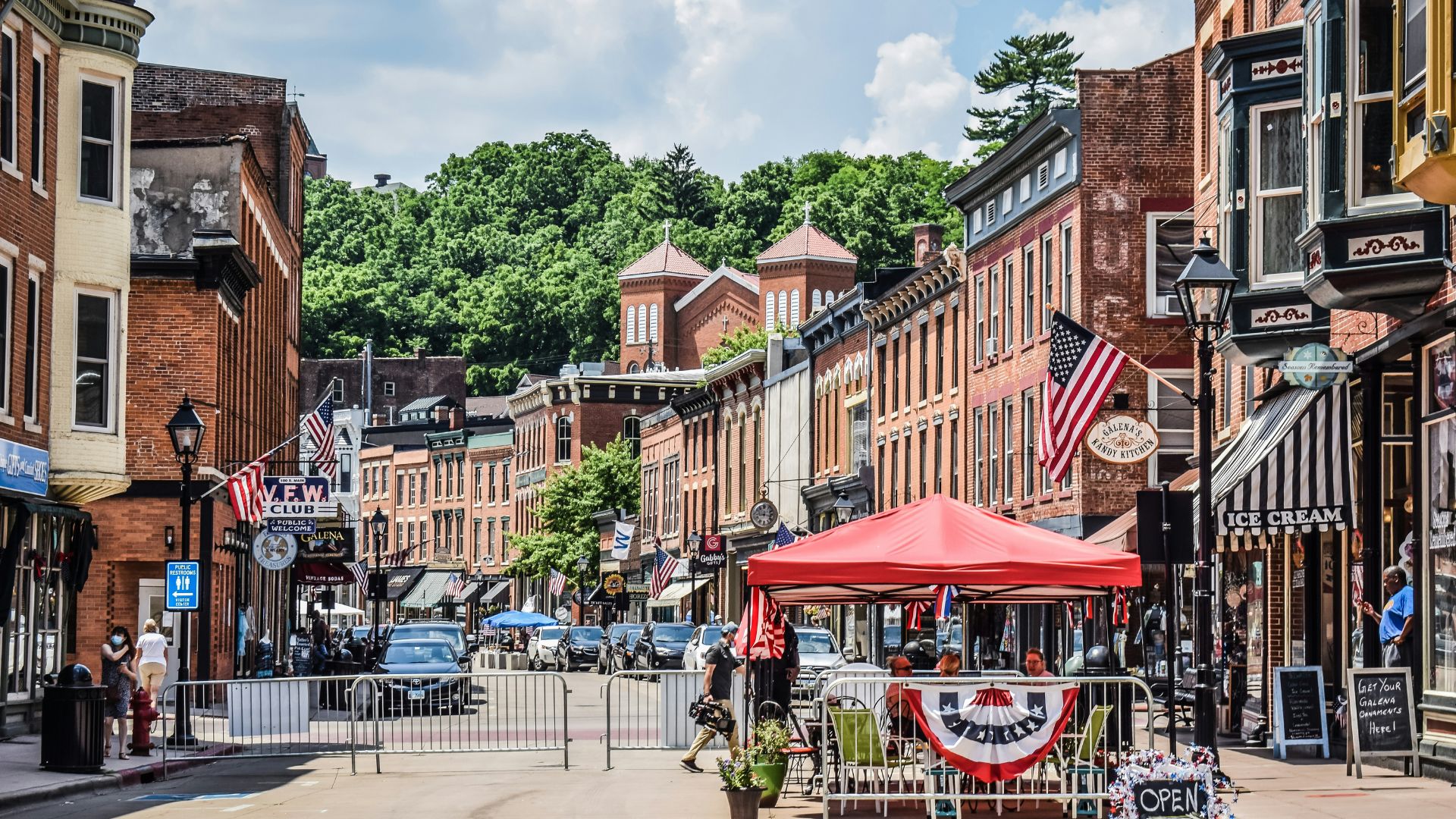
Galena sits in northwest Illinois, tucked among rolling hills about three hours from Chicago. The town’s 1800s architecture feels like a step back in time.
Main Street is a postcard—brick buildings, quirky shops, and a slow pace that begs you to linger. Galena built its fortune on lead mining, and you can still see the history in every corner.
Scenic trails wind around the area, perfect for hiking or just soaking up the views. Local wineries, orchards, and even sculpture parks offer more reasons to wander beyond downtown.
The drive from Chicago passes through classic Midwest farmland and sleepy towns. Once you arrive, everything’s close—you can explore most of Galena on foot.
Nature preserves and bird sanctuaries offer quiet escapes. For a weekend trip or a quick history fix, Galena delivers small-town charm in spades.
10) Marfa, Texas
Marfa perches in the high desert of West Texas, a tiny town with a big reputation. It’s about three hours from El Paso, but the journey is part of the adventure.
Modern art installations and creative spaces pop up everywhere, making Marfa feel like an art lover’s fever dream. The scene is unexpected in such a remote spot, but that’s the appeal.
The mysterious Marfa Lights flicker on the horizon at night—no one really knows what causes them, and that just adds to the town’s mystique.
You can explore the surrounding desert, with the Davis Mountains and Big Bend National Park both close by. Hiking and stargazing are practically mandatory.
Marfa keeps things simple: local restaurants, quirky places to stay, and some of the clearest night skies you’ll ever see. If you’re road-tripping West Texas in 2026, this is one stop you shouldn’t skip.

Why Hidden Gem Cities Are Captivating Travelers in 2026
Travelers are ditching the usual tourist traps for smaller cities with real character. Thanks to social media, it’s easier than ever to stumble onto these lesser-known spots—suddenly, “quiet” destinations are the next big thing.
Rising Interest in Unique Travel Experiences
Nobody wants to pay too much for a generic hotel or fight crowds for a photo. Hidden gem cities let you eat at mom-and-pop restaurants, chat with locals, and explore neighborhoods at your own pace.
Remote work has changed the game. Now you can spend weeks in a smaller city, soaking up the vibe instead of racing through a weekend checklist.
Why hidden gem cities rock:
- You’ll spend less on food and hotels
- Attractions rarely have long lines
- Locals actually have time to chat
- You’ll find culture you won’t see in guidebooks
If you care about your travel footprint, smaller cities often feel the love more—and your dollars go further. Sustainable tourism isn’t just a buzzword here; it’s a way to make a real difference for local businesses.
So, which hidden gem will you discover in 2026?
The Influence of Social Media on Discovery
Scrolling through TikTok or Instagram, I’ve stumbled across cities I’d never even heard of. Real travelers share their honest takes, which feels so much more genuine than those glossy marketing ads.
These days, travel influencers aren’t just posting about the same twenty “must-see” places. They highlight quirky small towns—maybe a spot with wild architecture or a food scene you wouldn’t expect. Sometimes their posts blow up just because they’re so refreshingly different.
I love how easy it’s become to dig up info on hidden gem cities. Actual visitors post reviews, photos, and videos, and it’s way easier to get a real sense of a place before you commit. That kind of transparency makes it less nerve-wracking to try somewhere new.
I’ve noticed hashtags for tiny cities growing fast. Whole online communities pop up around these places, which is kind of cool if you ask me.
Planning a Trip to Lesser-Known U.S. Cities
Heading to an up-and-coming destination? It’s a different game than planning for a big tourist city.
You’ll want to look into transportation ahead of time, and I recommend reaching out to local businesses. Supporting small communities makes a bigger impact than you might think.
Travel Tips for Exploring Emerging Destinations
Book your hotel or Airbnb early—smaller cities don’t have endless options. A lot of these places don’t have big airports, so you might need a rental car or to catch a connecting flight.
I always download offline maps before I arrive. Cell service can get sketchy in remote spots.
Check restaurant hours and local customs ahead of time. Businesses in small towns often keep odd hours, so don’t just assume they’ll be open late like in the city.
Essential items to pack:
- A physical map or printed directions
- Cash (some places don’t take cards)
- Layers (weather can be unpredictable)
- Chargers and power banks
Some attractions require advance reservations. Local favorites might have limited space and don’t always show up on the big booking sites.
I like calling the visitor center directly for the scoop on seasonal closures and events.
Supporting Local Communities Respectfully
Stay at locally owned hotels, B&Bs, or vacation rentals. Your money actually helps the community and keeps the city’s vibe intact.
Eat at independent restaurants and browse local shops. Chat with residents for recommendations—it’s usually worth it, and you might discover something that’s not even online yet.
Be respectful. Small towns aren’t built for crowds, so pay attention to quiet hours, parking rules, and private property.
Take your trash with you if you’re out in nature. It’s just the right thing to do.
If you can, visit during the shoulder season. The town won’t be overwhelmed, and you’ll probably have a more relaxed trip.
Frequently Asked Questions
Curious about emerging destinations? I get a lot of questions from travelers itching to get off the beaten path. Here are some cities that deliver the real deal without the crowds.
Spokane, Washington is catching on for its outdoor adventures and an up-and-coming food scene. You get mountain and lake access but skip the high prices of bigger Pacific Northwest cities.
Asheville, North Carolina keeps trending, thanks to its craft breweries and those dreamy Blue Ridge views. Then there’s Bend, Oregon, which draws people for its wild volcanic landscapes and year-round outdoor fun.
Flagstaff, Arizona makes a great base for exploring northern Arizona’s natural wonders. Plus, you get that cool mountain air. Each of these cities offers a vibe that’s different from the usual tourist stops.
Traverse City, Michigan is a gem on the lake, with sandy beaches, wineries, and cherry orchards. In summer, you can paddleboard or hit the beach, then switch to snow sports in winter.
Bend is all about the outdoors—Cascade Mountain trails, lava caves, and the Deschutes River. Spokane’s got Riverfront Park, nearby wineries, and several ski resorts within an hour.
You’ll find small-town charm, but still plenty of great food, local brews, and even some culture.
Asheville has endless hiking trails, waterfalls, and the famous Biltmore Estate. Downtown, you’ll find indie shops and more breweries than you could possibly visit in a weekend.
Flagstaff sits high up near the San Francisco Peaks and gives you easy access to Walnut Canyon and other cool national monuments. It’s got that college-town energy, too.
In Spokane, neighborhoods like South Perry District and Kendall Yards are packed with local businesses. The Palouse region nearby has rolling wheat fields and tiny farming towns—so picturesque.
Traverse City throws the National Cherry Festival every July. You’ll find over a dozen wineries on the Old Mission and Leelanau peninsulas. And don’t miss Sleeping Bear Dunes National Lakeshore—just a short drive from downtown.
Bend’s Old Mill District is a fun mix of shops and riverside trails. If you love craft beer, there are more than 30 breweries to check out. Plus, it’s a four-season playground.
Spokane has the Centennial Trail—37 miles of paved path along the river. The historic Davenport Hotel and Riverfront Park anchor the downtown area.
Asheville’s River Arts District is full of working artist studios in old factory buildings by the French Broad River. The city is close to the Blue Ridge Parkway and Great Smoky Mountains National Park.
Flagstaff is a dark sky city, so stargazing is fantastic. Route 66 cuts right through downtown, which still has that retro vibe.
Traverse City offers ferry rides to the Manitou Islands and is the starting point for the Sleeping Bear Heritage Trail. In winter, you’ll find ice fishing, cross-country skiing, and even an Ice Wine harvest season.
Bend? This place just keeps surprising me. Outdoor lovers flock to Smith Rock State Park for some seriously epic rock climbing.
Mount Bachelor, on the other hand, turns into a snowy playground during ski season. If you need a break from all that action, the High Desert Museum dives into the region’s natural and cultural stories—honestly, it’s more fascinating than you’d expect.
Now, let’s talk about Spokane. Riverfront Park’s Pavilion is a local favorite, and the Looff Carrousel from 1909 still spins after its recent facelift.
Craving a quieter wine experience? The Spokane Valley wine region pours some fantastic vintages without the crowds you’ll find in bigger wine destinations.
Flagstaff sits just a stone’s throw from the Grand Canyon’s South Rim, making it a smart home base for your Arizona adventures. I’m a sucker for Flagstaff’s historic downtown, and if you’re into stargazing, Lowell Observatory is a must—sometimes it’s nice to swap hiking boots for a telescope.
If you’re itching for somewhere new, these cities are buzzing for 2026.
