
Berlin always manages to surprise me. On my latest trip, I decided to skip some of the usual museum circuits and big-name landmarks. I wanted to dig a little deeper, to find out what makes Berlin tick for the people who call it home.
These 10 unforgettable experiences pulled me into the real Berlin, well beyond the typical tourist trail. From quirky hangouts to wild art spaces, each stop revealed a side of the city I just hadn’t seen before.
If you’re after Berlin’s true heartbeat and want to know what sets it apart from everywhere else, you’re in the right place.
Immersing in Berlin’s Living History
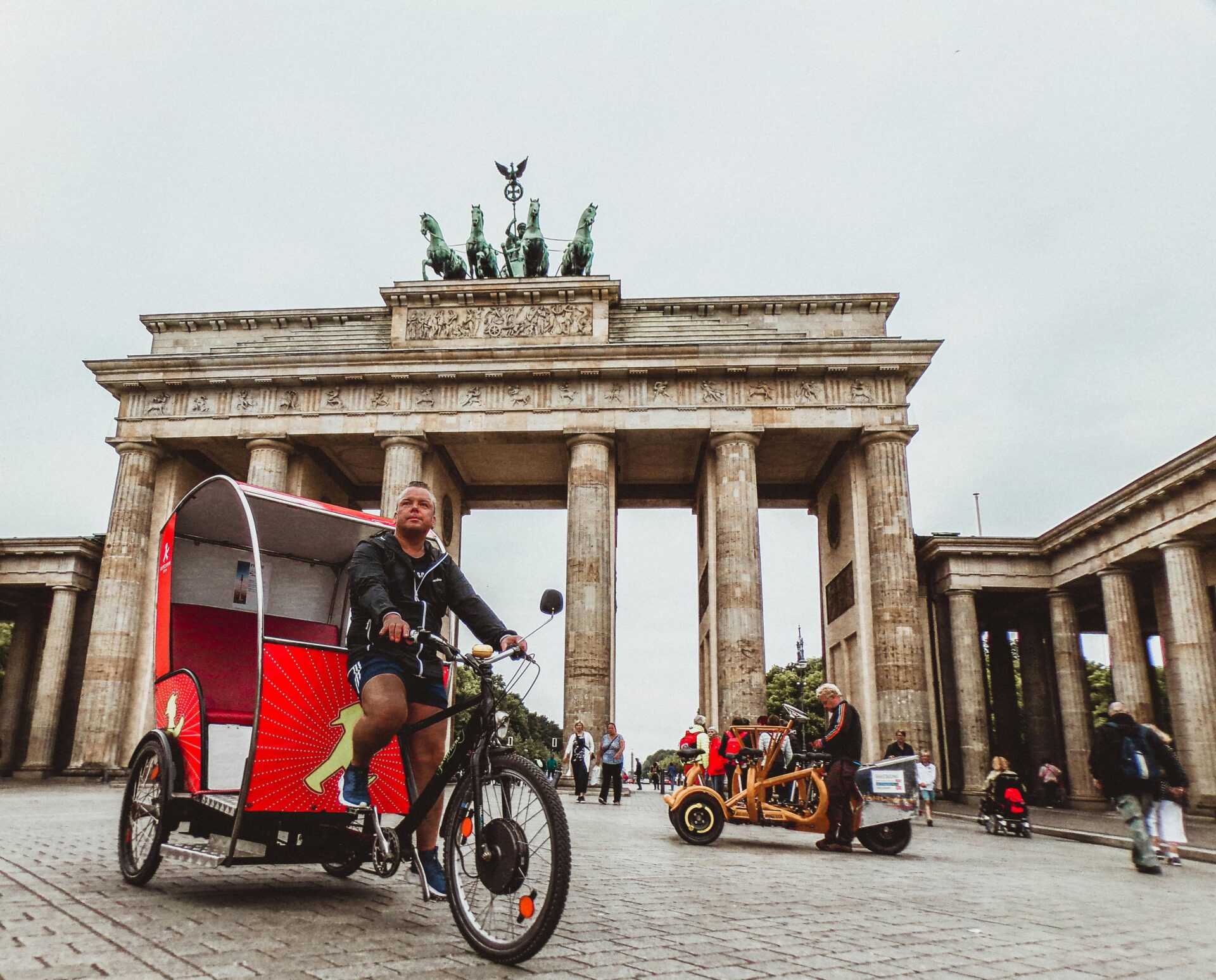
As I wandered through Berlin, I bumped into buildings, streets, and monuments that seemed to whisper stories from the city’s dramatic past. With every step, I saw how history still shapes Berlin and its people today.
Walking Along the Berlin Wall
The Berlin Wall hits hard in a way that’s tough to explain. Bits of it still stand, splashed with art and graffiti at places like the East Side Gallery. When I walked along those stretches, I didn’t just see a wall—I saw hope and defiance painted on concrete.
Plaques and signs pop up along the old border between East and West Berlin. They helped me picture how divided this city was for so long. Sometimes, I even spotted cobblestone lines running right down the middle of a street, marking where the Wall used to slice through neighborhoods.
I chatted with locals and read stories on the way. I started to grasp how families were split apart here. The relief and excitement people felt when the Wall finally fell? You can still sense it. Visiting these places gave me a clearer picture of life in both the GDR and West Berlin.

Exploring the Reichstag Building and Government District
The Reichstag isn’t just Germany’s parliament. It stands as a symbol of the country’s tangled history and its transformation. I joined a tour and learned about the Nazi era, the burning of the Reichstag in 1933, and how the building somehow survived WWII.
That glass dome up top, designed by Norman Foster, gives you sweeping views of Berlin. As I made my way up the ramp inside, I realized it’s all about transparency—literally and politically. You can actually look down into the parliament chamber, a reminder that this democracy belongs to the people.
Around the Reichstag, the government district feels fresh and open, with new buildings and green spaces hugging the River Spree. I wandered along the paths and saw how Berlin blends a tough past with a hopeful, modern vibe.

Checkpoint Charlie and Third Reich and Cold War Tours
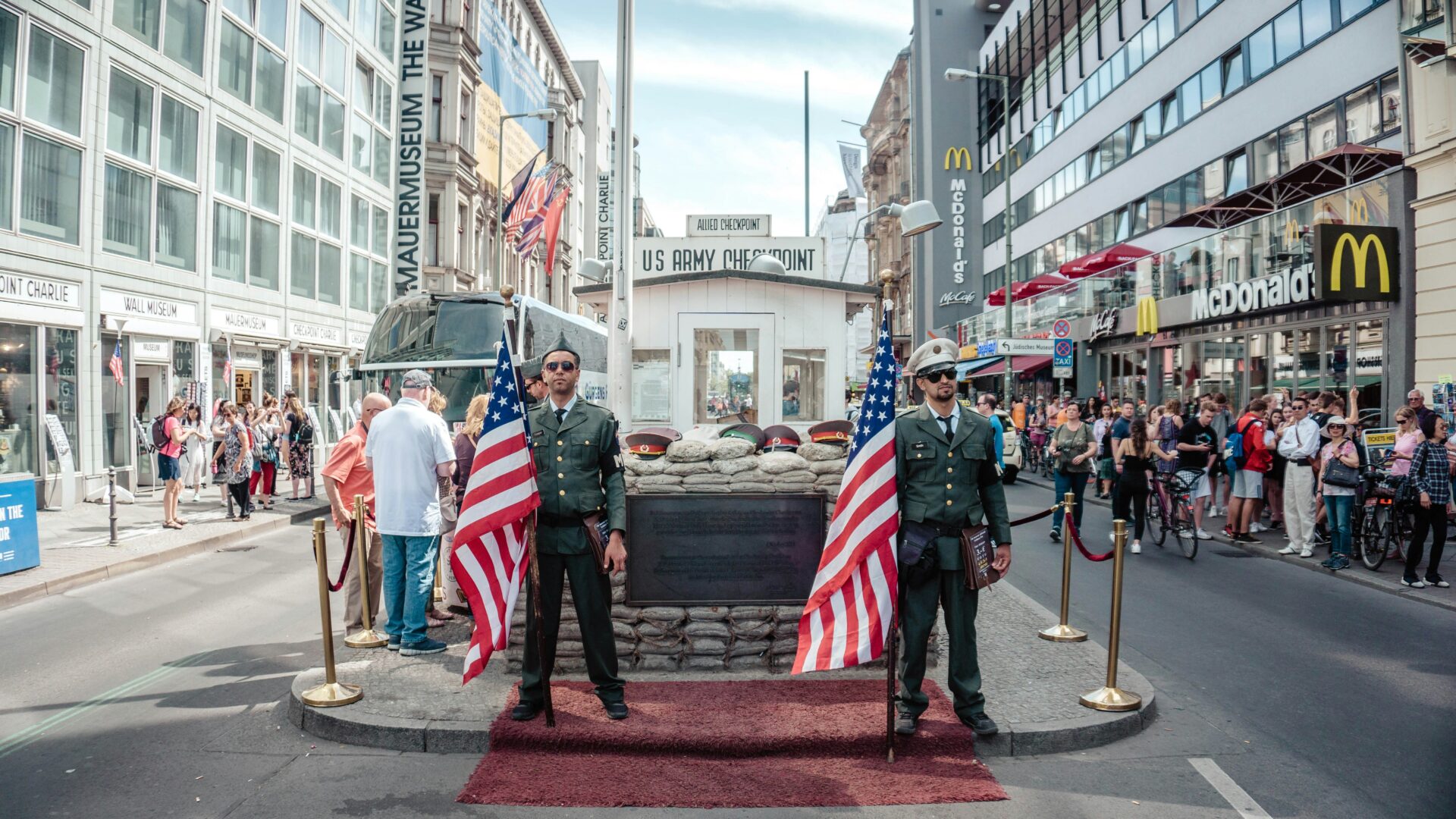
Checkpoint Charlie once split the American and Soviet sectors during the Cold War. Now, it’s buzzing with museums and info boards. I walked through and saw the old guardhouses, signs, and photos, all showing how tense things got at this border.
I joined a Third Reich and Cold War walking tour that led me into hidden bunkers and buildings once used by the Nazis and the GDR secret police. Our guide shared facts and wild stories—like escape attempts over the Wall and moments when the world held its breath, wondering if Berlin would start another war.
These tours helped me see how Germany faced its darkest moments and started over. Suddenly, Berlin’s history felt vivid and real, not just something in a textbook.
Reflecting at the Memorial to the Murdered Jews
The Memorial to the Murdered Jews of Europe left a mark on me. Over 2,700 concrete slabs cover a city block near the Brandenburg Gate, arranged in rows.
As I wandered among the uneven, gray blocks, I felt a strange mix of loss and confusion. The memorial doesn’t list names, but it asks you to pause and think about the scale of what happened. Down below, I visited the information center, which uses stories and documents to show the lives of Jewish families during the Holocaust.
It’s powerful because it’s so simple. Right in the center of Berlin, the memorial reminds everyone—locals and visitors alike—why we need to remember and learn from the past.
Discovering Vibrant Neighborhoods Beyond the Tourist Path
Berlin’s true spirit shines brightest in its neighborhoods. Exploring these areas gave me a deeper sense of the city’s history, local culture, and daily rhythms. Whether it’s graffiti-filled streets or a bustling market, I kept finding something unexpected.
Street Life and Art in Kreuzberg
Kreuzberg bursts with color and noise. Street art covers nearly every building, with murals by local legends like Blu and ROA. There’s a punk and alternative vibe here, and it spills out in the way people dress and the music echoing through the streets.
Markets like Markthalle Neun overflow with local food and handmade treasures. On weekends, the area buzzes with outdoor cafés and food trucks, especially by the Landwehr Canal. I watched skateboarders and artists at Görlitzer Park, browsed vintage shops, and couldn’t resist trying Turkish street food.
At night, Kreuzberg shifts gears. Bars, clubs, and live music fill converted warehouses and underground spaces. All together, it’s a crash course in Berlin’s creative energy—far from the usual sightseeing circuit.

Cultural Diversity in Schöneberg
Schöneberg feels like a patchwork of cultures. When I wandered through, I picked up on Turkish, Jewish, and LGBTQ+ influences everywhere—in the shops, in the faces, and even in the food. Rainbow flags wave outside Middle Eastern bakeries, and you’ll find Turkish sweets right next to German breads.
Winterfeldtplatz, especially on market days, is a treat. I sampled everything from fresh cheeses to vegan pastries. The air hummed with different languages and live music, and somehow, the whole place just felt welcoming.
Schöneberg’s history runs deep. I passed the former home of Marlene Dietrich and spotted plaques marking traces of Jewish life before WWII. Festivals and Pride events keep the neighborhood lively, and I really got a sense of Berlin’s open, inclusive side here.
Hidden Corners of Alexanderplatz
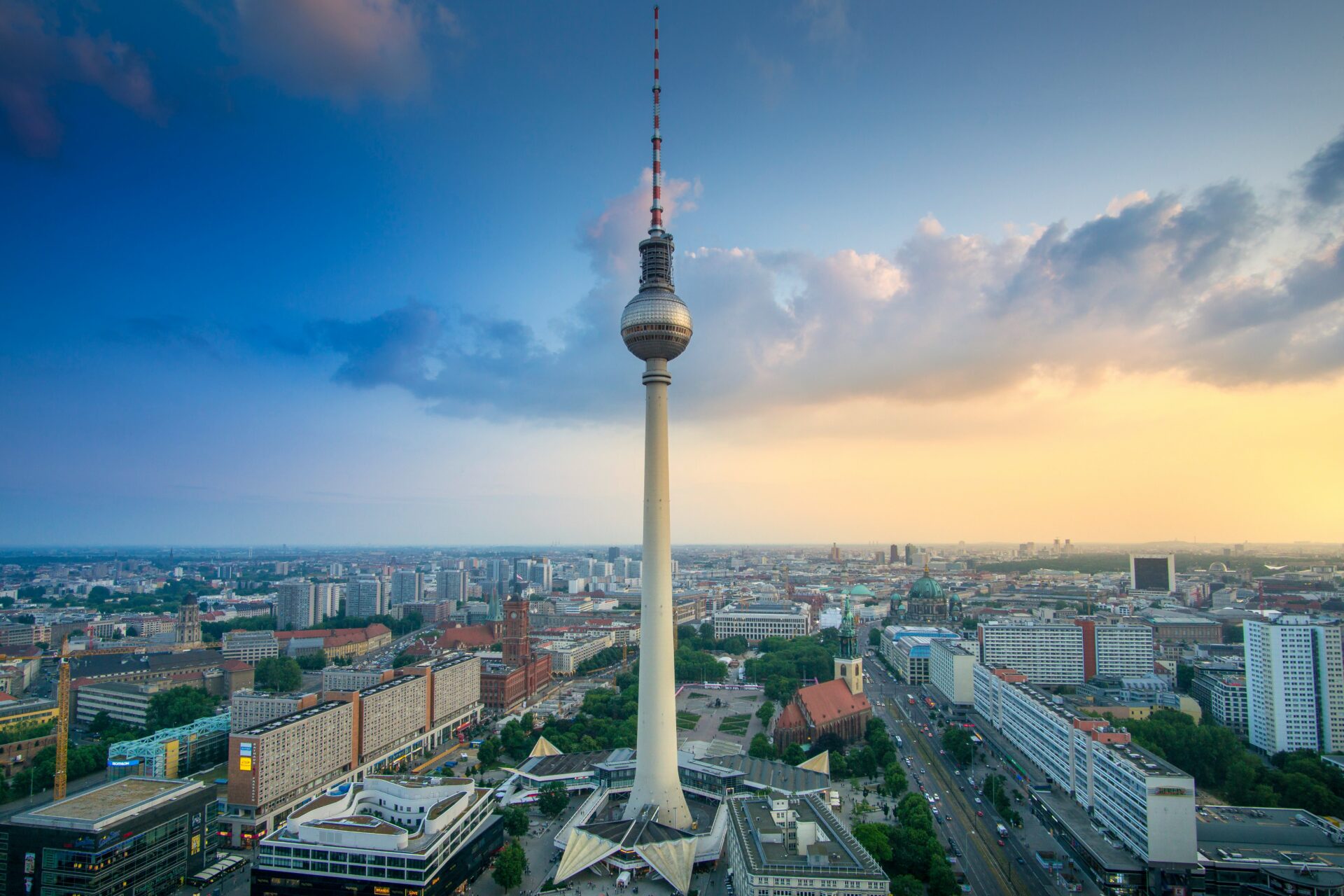
Alexanderplatz gets all the attention, but I found a quieter side when I ducked away from the main square. The TV Tower and World Clock draw crowds, but just a street or two away, I discovered cozy cafés and indie bookshops. These hidden spots felt miles away from the chaos.
Some side streets show off old socialist-era buildings, now home to art studios and small galleries. I spent an afternoon checking out student exhibitions and sipping coffee with locals. Shops here sell handmade Berlin souvenirs, not just the usual tourist stuff.
As evening falls, the Fernsehturm’s lights bounce off the buildings, giving everything a different glow. The mix of old and new, busy and calm, made my time around Alexanderplatz feel surprisingly personal.
Alternative Arts, Markets, and Urban Culture
Berlin’s wild creative energy pulses through its markets, painted walls, and even its abandoned amusement parks. I found artists, performers, and whole communities thriving in the most unexpected corners.
Mauerpark Flea Market and Bearpit Karaoke
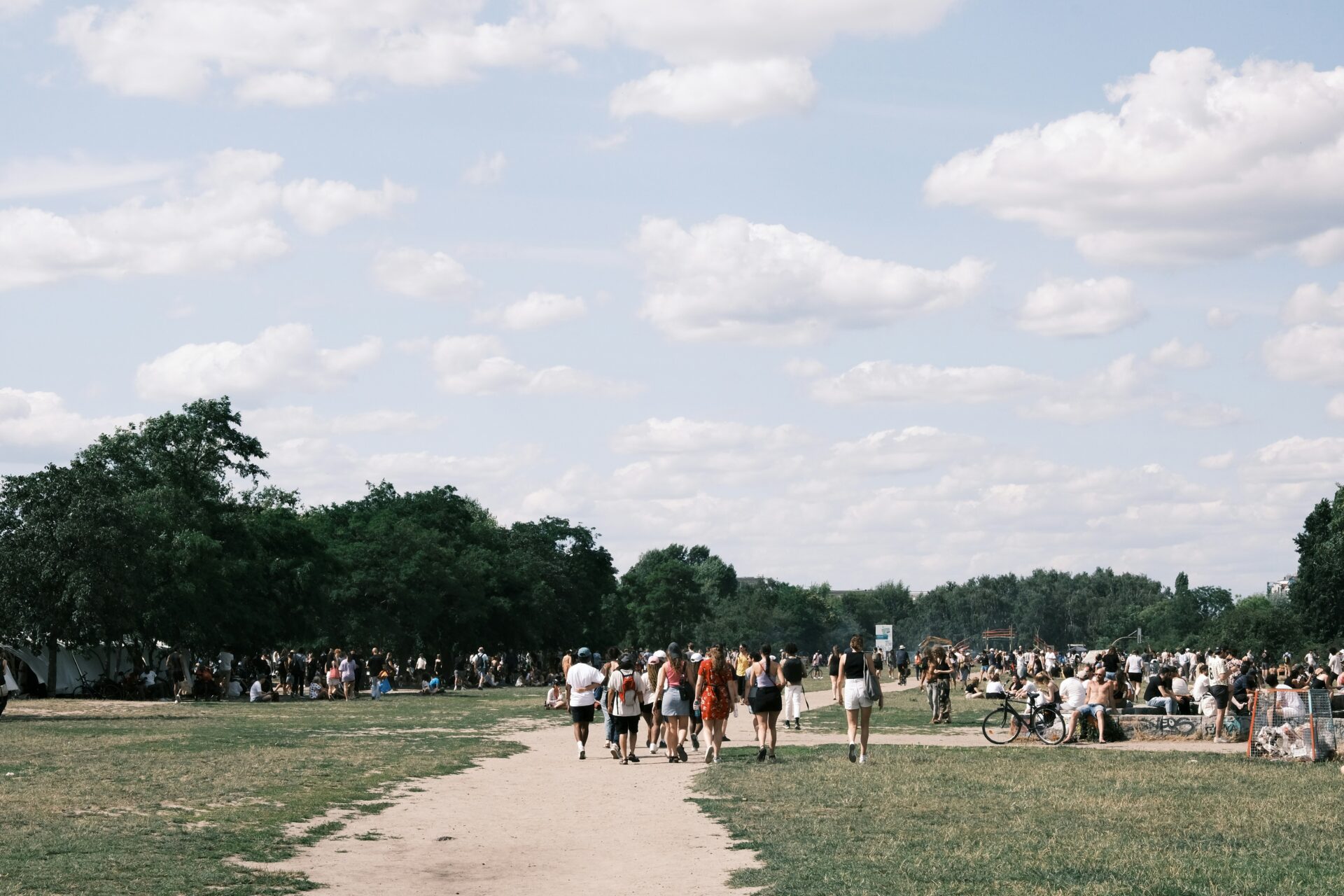
Every Sunday, Mauerpark morphs into a giant hangout. I wandered through stalls packed with vintage clothes, crafts, vinyl, and antiques. The vibe is friendly, and you’re bound to find a bargain or a quirky keepsake.
Bearpit Karaoke is the real showstopper, held in the stone amphitheater. I cheered as locals and tourists alike stepped up and belted out their favorite songs. The crowd’s supportive, and it’s impossible not to get swept up in the fun.
It’s more than just a market—it’s a social event and a celebration of Berlin’s laid-back spirit. Street food stalls tempt you with snacks from all over the globe, so you’ll never go hungry between shopping and singing. Mauerpark is Berlin’s creative heart on Sundays.
Quick facts about Mauerpark:
- Location: Prenzlauer Berg district
- Main day: Sundays
- Bearpit Karaoke: usually in the afternoon, weather permitting
Street Art at East Side Gallery
The East Side Gallery stretches for 1.3 kilometers along the old Berlin Wall, now covered in murals. I counted over 100 paintings, each with its own message and vibe. The art is bold, sometimes political, and always grabs your attention. It’s part open-air gallery, part living history.
As I strolled along, I lingered over famous pieces like Dmitri Vrubel’s Fraternal Kiss. Some people rushed to snap photos, but I took my time, reading the messages and soaking up the creativity.
Artists from around the globe have left their mark here. It’s a wild mashup of public art and history. It’s free, outdoors, and super easy to reach by public transport.
Don’t miss:
- Fraternal Kiss mural
- Bright border artwork
- Artist signatures and dates

Exploring Spreepark’s Abandoned Amusement Park
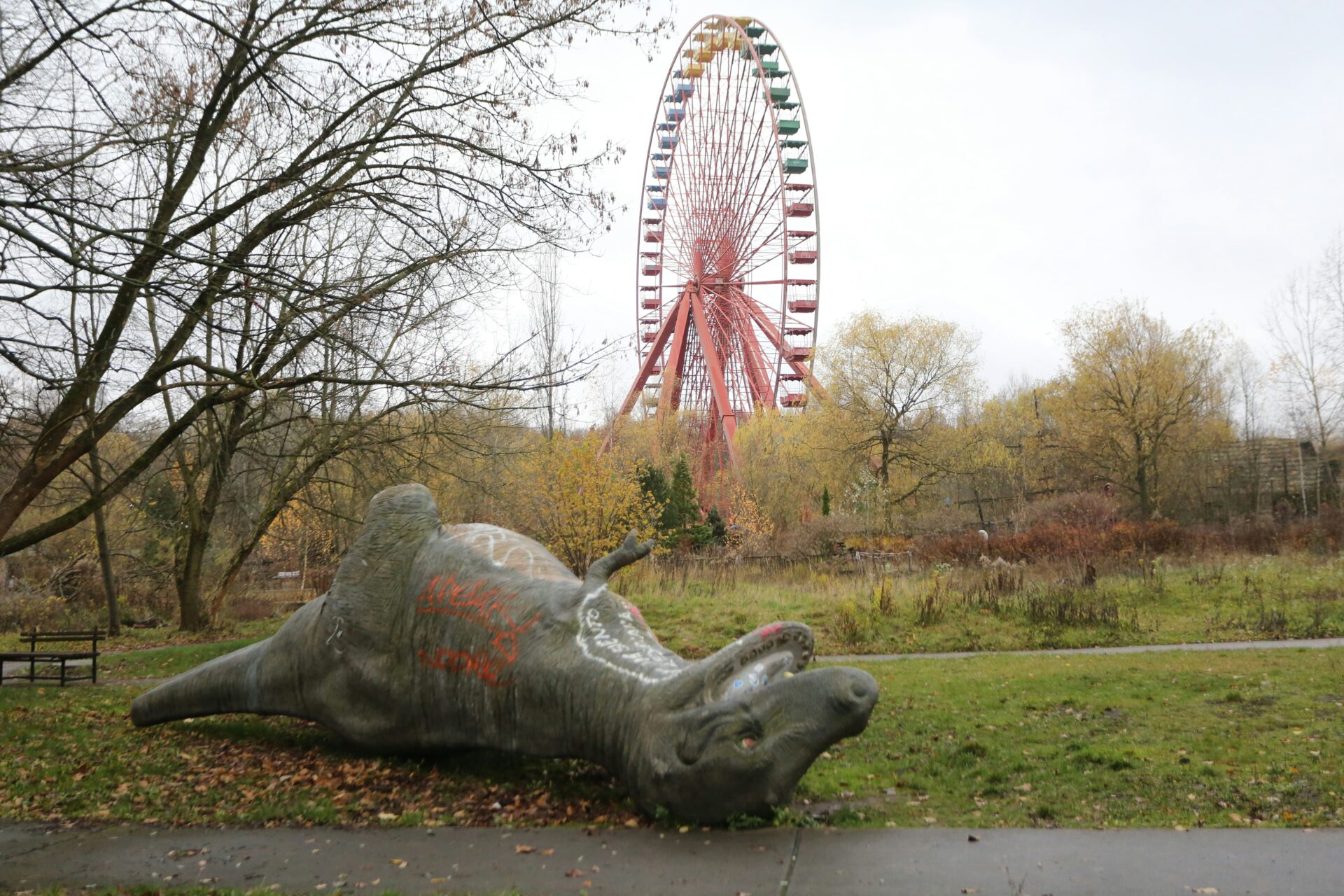
Spreepark sits abandoned in Plänterwald, and it’s just as eerie as you’d expect. I joined a guided tour (since you can’t just wander in) and picked my way past broken rides and tangled paths. The old Ferris wheel creaked in the wind, and swan boats sat quietly by the water.
As I walked, I tried to imagine the laughter and excitement that once filled the place. Now, it’s mysterious and packed with stories. Photographers and urban explorers love it, and honestly, I get why.
They’re working on reviving the site, but for now, its abandoned charm is still there. Spreepark gives you a look at Berlin’s hidden side—a mix of decay, history, and a bit of hope.
On a Spreepark tour, you’ll see:
- Rusty roller coaster tracks
- The Ferris wheel
- Empty ticket booths
- Graffiti and street art on old rides
Unique Culinary Journeys Through Berlin
Berlin’s food scene is a wild mix of tradition and bold new flavors. Local favorites give you a real taste of the city, from quick street snacks to lively market nights where new trends pop up.
Sampling Currywurst and Döner
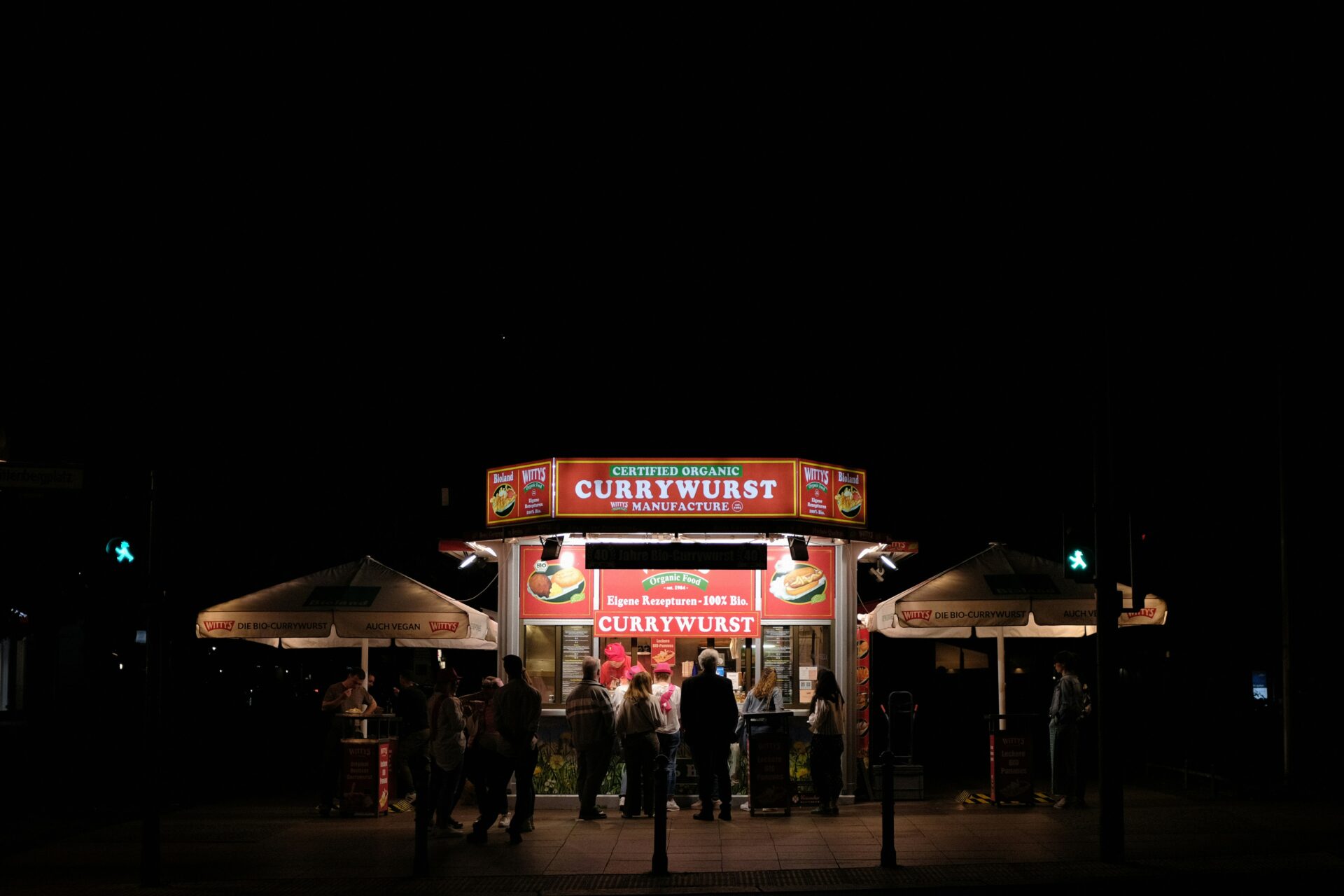
Trying currywurst and döner changed the way I saw Berlin. Both are simple, but they’re loaded with history and meaning here. Currywurst is a pork sausage, steamed and fried, then sliced and smothered in spiced ketchup, usually with fries. I found stands all over, but the best flavors were always near big train stations or busy corners.
Döner kebab, brought to Berlin by Turkish immigrants, is another classic. Roasted meat (or veggie options) gets tucked into fluffy bread, topped with lettuce, tomatoes, onions, and your pick of sauce. Some spots even serve vegan versions. It’s filling, cheap, and full of flavor—a favorite for just about everyone.
Here’s a quick look:
| Food | Main Ingredients | Typical Location |
|---|---|---|
| Currywurst | Pork sausage, curry ketchup, fries | Street stands, stations |
| Döner Kebab | Meat/veg, salad, bread, sauces | Turkish eateries, stalls |
Tasting these dishes, I felt like I finally got a glimpse of the real Berlin—fast, direct, and always hungry for something good.
Street Food Thursday at Markthalle Neun
Street Food Thursday at Markthalle Neun was a blast. This historic market hall in Kreuzberg turns into a global food fest every Thursday night. Stalls serve up everything from handmade pierogi and ramen to vegan burgers and fresh seafood.
The place was loud and lively, with people crowding around high tables, sharing bites, and chatting with the folks behind the stalls. I loved how open everyone was, and I picked up tips about Berlin’s food scene just by talking to local chefs. Markthalle Neun’s focus on quality and creativity meant I got to try dishes I’d never even heard of.
Most stands offer small plates, so you can sample a bunch of things in one go. It’s the perfect way to taste Berlin’s blend of old and new. Street Food Thursday made me feel like I belonged, not just like a tourist passing through.

Hidden Gems: Iconic Sights With a Twist
Berlin’s true character pops up in places where local life and famous views mix. At these spots, I found experiences that felt genuinely fresh—even when they’re right next to the city’s biggest landmarks.
Badeschiff: Floating Pool on the River Spree
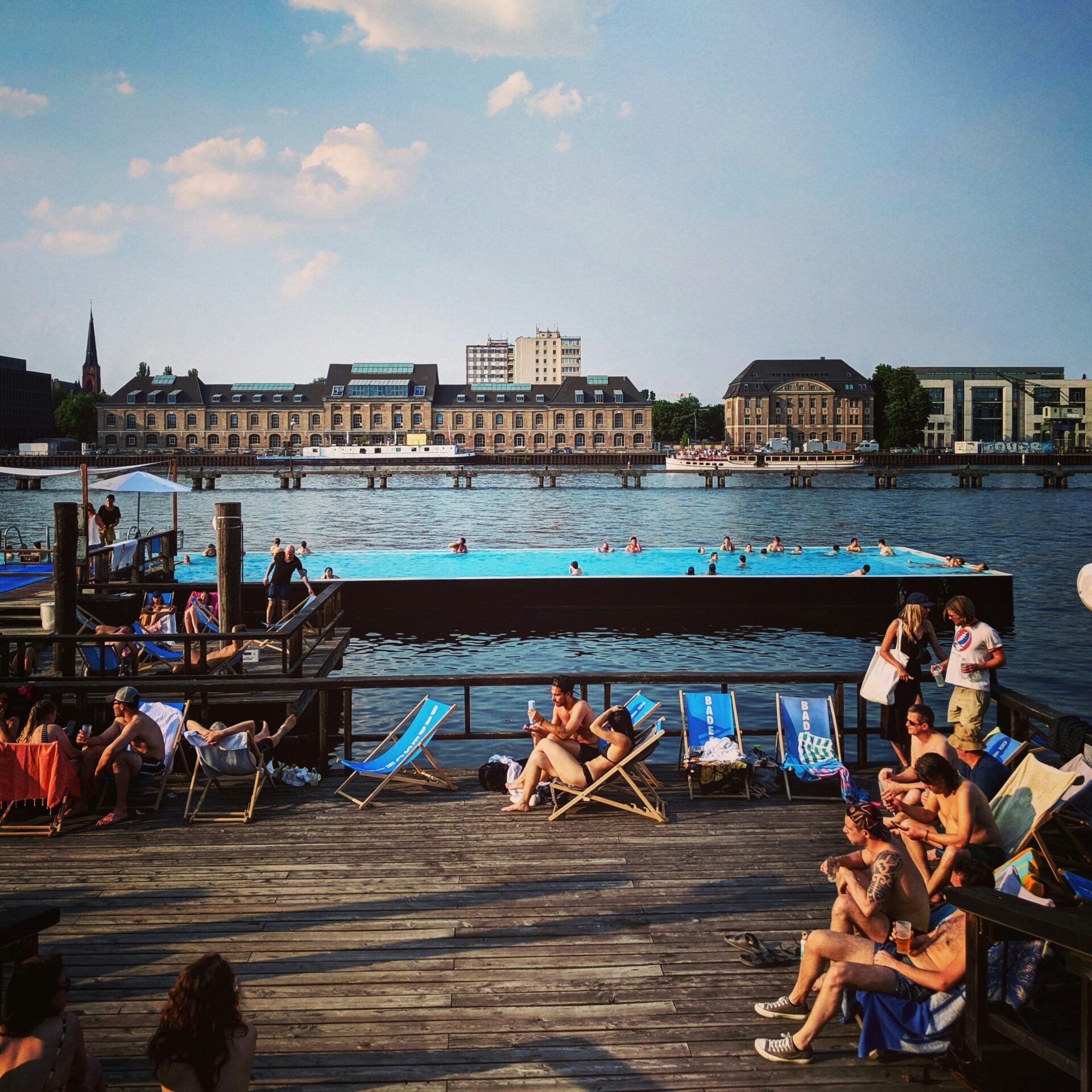
Visiting Badeschiff felt nothing like an ordinary pool day. This floating swimming pool sits right on the River Spree, bobbing gently with the current.
The water was cool and refreshing. I grabbed a lounge chair and sipped a drink from the beach-style bar, soaking in the atmosphere.
While I swam, the city skyline stretched out in front of me. Boats drifted by, and the buzz of Berlin mixed with soft music in the background.
Locals and travelers formed little groups, chatting and laughing. Sometimes, Badeschiff stays open late, and they’ll bring in DJs or show movies outdoors—though you’ll pay a bit extra for those nights.
There’s something special about floating so close to the Spree, yet relaxing in clear, safe water. Showers and changing rooms are on site, and you can stash your stuff in a locker for a small fee.
Entry only costs a few euros. If you want a sunbed, show up early—especially when it’s hot out.
Checklist for Badeschiff:
- Bring a towel and swimsuit
- Arrive early for a sunbed
- Check event schedules online
Viktoriapark’s Urban Waterfall
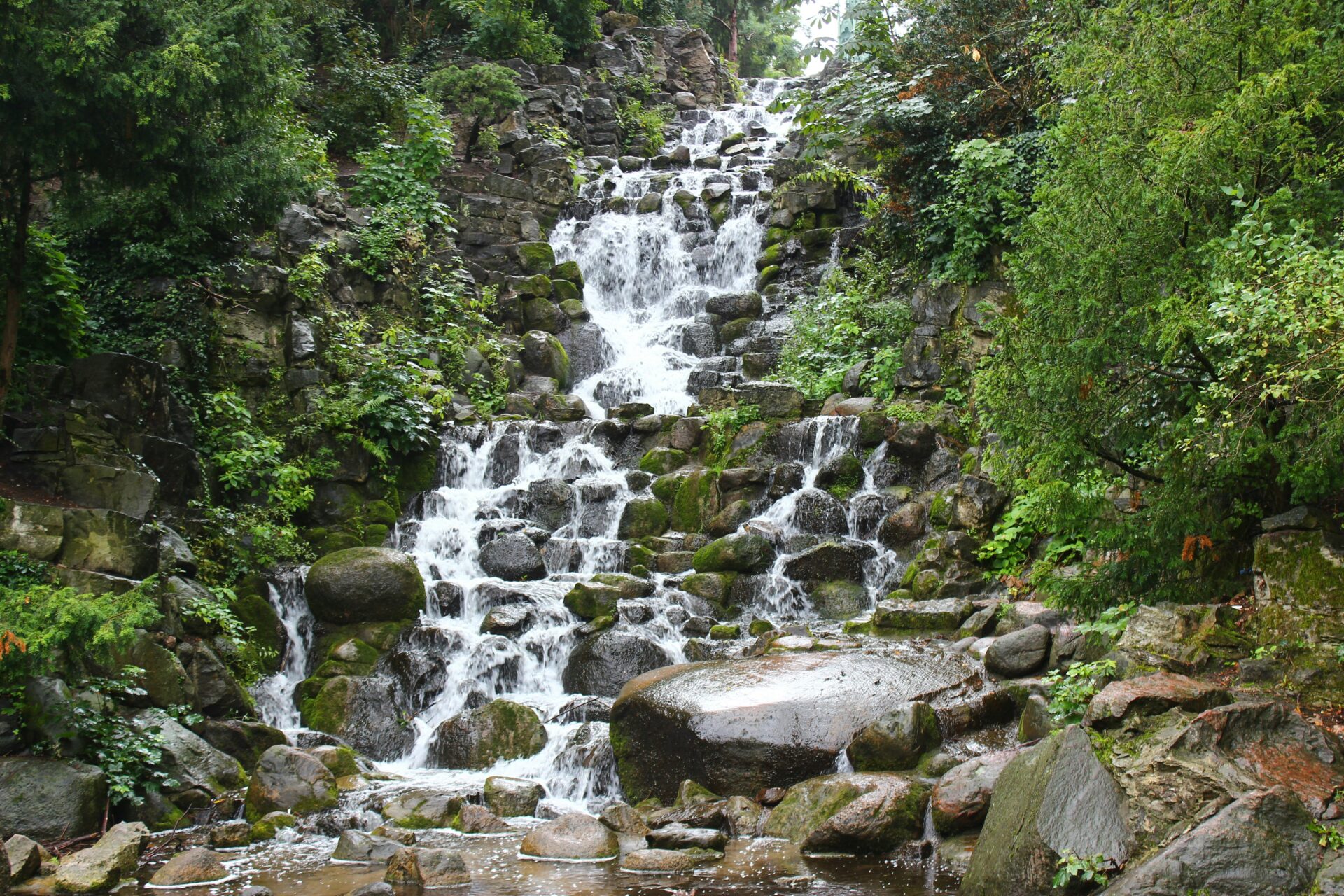
In Kreuzberg, I stumbled onto Viktoriapark, and honestly, it’s a little oasis. The main draw is this man-made waterfall that tumbles over rocks down a small hill.
Even though you’re smack in the city, it feels surprisingly peaceful and green. I wandered up the winding paths beside the water, pausing as the sound of the falls drowned out the city noise.
At the top, there’s a monument and a patch of grass where you can catch your breath. The view of Berlin from up there? Pretty great, with treetops framing the cityscape.
The waterfall stands around 24 meters tall and usually runs from spring through fall. It’s a refreshing sight, especially on warm days.
Viktoriapark attracts picnickers and sun-seekers. There’s a small beer garden tucked nearby.
In the afternoon, families and couples spread out on the lawns. Street musicians sometimes play in the shade, adding to the laid-back vibe.
Dogs are welcome, and I always try to find a quiet corner away from the crowds.
Panoramic Views from the Berlin TV Tower
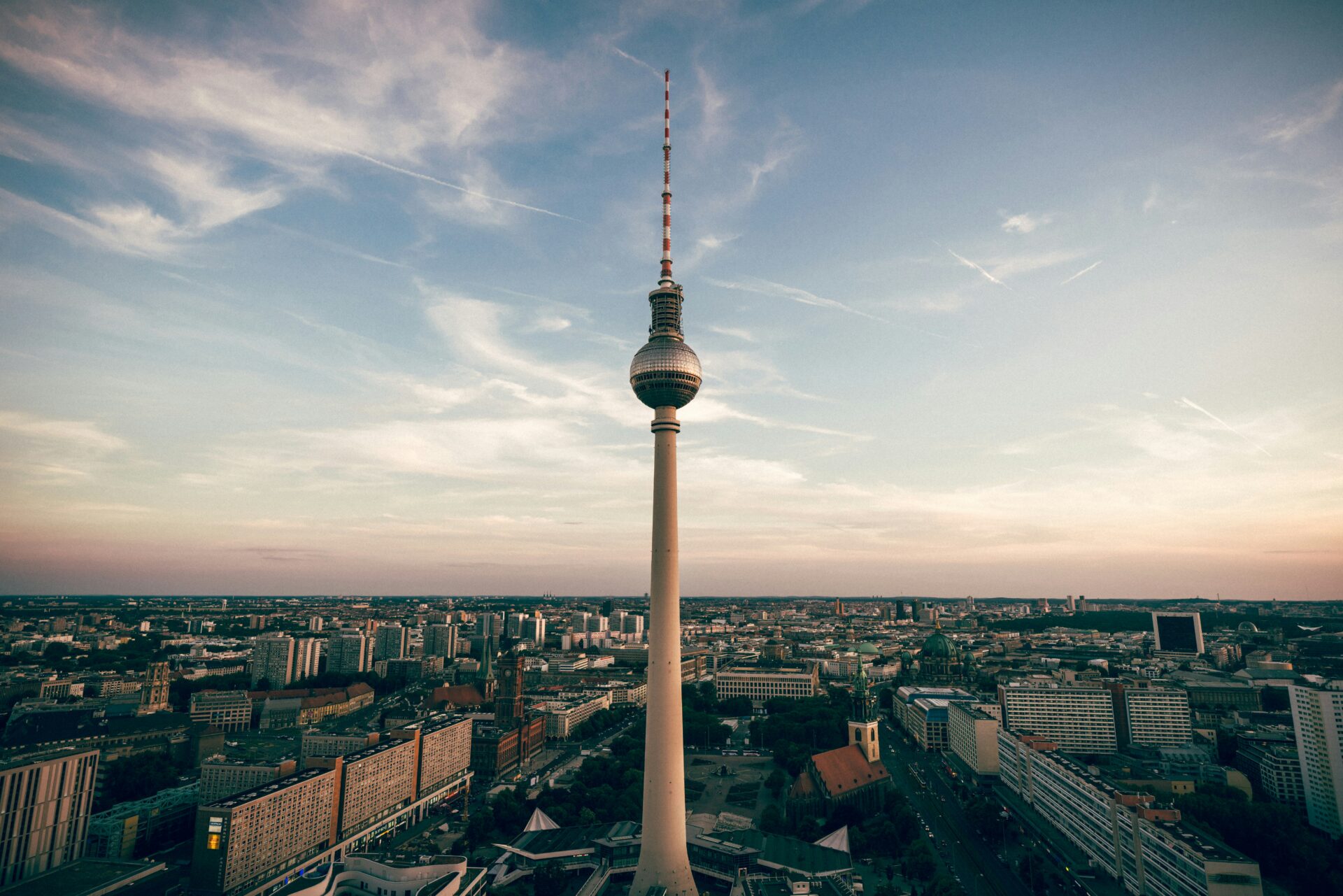
Climbing Berlin’s TV Tower (Fernsehturm) gave me a whole new perspective on the city. You’ll find the tower in Alexanderplatz, soaring over 368 meters.
I took the speedy elevator up to the observation deck at 203 meters. The ride itself was a little thrill.
From the top, I spotted the Reichstag, Museum Island, and the River Spree winding through Berlin. Glass walls let you snap photos in every direction.
There’s even a revolving restaurant just one floor up if you want to linger over a meal. Not a bad place for lunch with a view.
I’d suggest buying tickets online to dodge the long lines, especially in summer. Most people spend about an hour up there, just soaking it all in.
Seeing Berlin from above helped me make sense of the city’s layout. The way old and new buildings blend together really stands out from up high.
Tip:
Even if it’s cloudy, you can see for miles. Don’t skip it just because the weather isn’t perfect.
Nightlife and Musical Expressions in Berlin
Berlin’s nightlife is legendary—there’s something for everyone, from gritty techno clubs to elegant concert halls. One night, I tried to sample a bit of it all, and wow, the city’s energy just doesn’t quit.
Legendary Nights at Berghain
I kicked things off at Berghain, which people call the beating heart of Berlin’s techno scene. The building itself, an old power plant, looms over you, and the line outside is always buzzing with anticipation.
Let’s be honest, the door policy is famously strict. But once you’re inside, it’s a different world.
Industrial walls, pounding techno, and a crowd that really cares about music and freedom. The dance floor is dark, the sound system shakes your bones, and nobody cares what you’re wearing.
Berghain isn’t just a club—it’s a cultural experience. People from all over blend together, and there’s a real sense of openness.
No photos allowed, which means everyone just lets loose and dances without worrying about being seen. Every night feels a little different, and sometimes the party lasts until the sun is well up.

Classical Evenings at the Philharmonie
After all that dancing, I needed a change of pace, so I headed to the Berlin Philharmonie. The building’s gold, angular exterior stands out near Potsdamer Platz.
Inside, locals and visitors gather, all excited to hear the Berlin Philharmonic Orchestra. The main concert hall has amazing acoustics.
Even from the upper seats, every note rings out clear and bright. The orchestra plays a mix of old favorites and modern pieces, led by conductors who really know how to bring out the best in the musicians.
Tickets come in all price ranges, and students or young folks can often snag last-minute seats. The Philharmonie reminds me that Berlin is a city where tradition and innovation mix, especially in the arts.

Unusual Experiences in Potsdamer Platz
Potsdamer Platz used to split East and West Berlin. Now, it’s a spot that keeps surprising me.
Walking through the area, I noticed the glow from cinemas and theatres. There’s always something buzzing, especially once the sun goes down.
One evening, I stumbled into a tiny jazz club tucked away near Leipziger Platz. It felt cozy, and I could actually watch the local musicians up close.
Later, I grabbed a cocktail at a rooftop bar and just soaked in the city skyline. Watching the sunset from up there? Honestly, it’s hard to beat.
Potsdamer Platz isn’t only about big-name sights or flashy events. It draws people in, mixing Berlin’s fresh trends with its layered history.
Every time I go, I end up discovering something I didn’t expect—maybe a new sound, a hidden view, or just a different side of the city.