
Croatia’s been quietly making waves as one of Europe’s most underrated spots for affordable luxury. You can get five-star experiences—private stays, exclusive coastal adventures—without emptying your savings. Compared to the French Riviera or the Greek islands, the prices here are almost a relief. The trick? You need to know where to look and when to book.
After years hopping along Croatia’s coast and islands, I realized luxury here isn’t just about splurging on fancy resorts or superyachts. Travelers who know the ropes tap into premium experiences through local connections, off-season visits, and clever alternatives that deliver those jaw-dropping views and high-end amenities—minus the sticker shock.
Croatia’s got everything: boutique hotels with private beach access, gulet charters that feel just as glam as superyachts, and timeless towns that make you feel like royalty. If you crave medieval charm, world-class food, or just a sunny, sparkling sea to float in, you’re in the right place. Let’s dive into my favorite ways to unlock Croatian luxury—without blowing your budget.
Affordable Luxury Accommodations in Croatia
Croatia’s accommodations are a sweet spot for travelers who want the luxe life without the price tag. Along the coast, family-run boutique hotels offer elegant rooms and sea views. Apartment rentals? They feel like mini-villas at half the price of big-name resorts.
Best Boutique Hotels by the Adriatic
I’m always surprised by how much value you get at Croatia’s small boutique hotels. Most have just 10-20 rooms and the staff treat you like an old friend, not a number.
Look for sea-view rooms with private balconies, and don’t skip complimentary breakfasts loaded with local flavors. Some properties toss in a small pool or direct beach access. The best ones are family-owned and full of local charm.
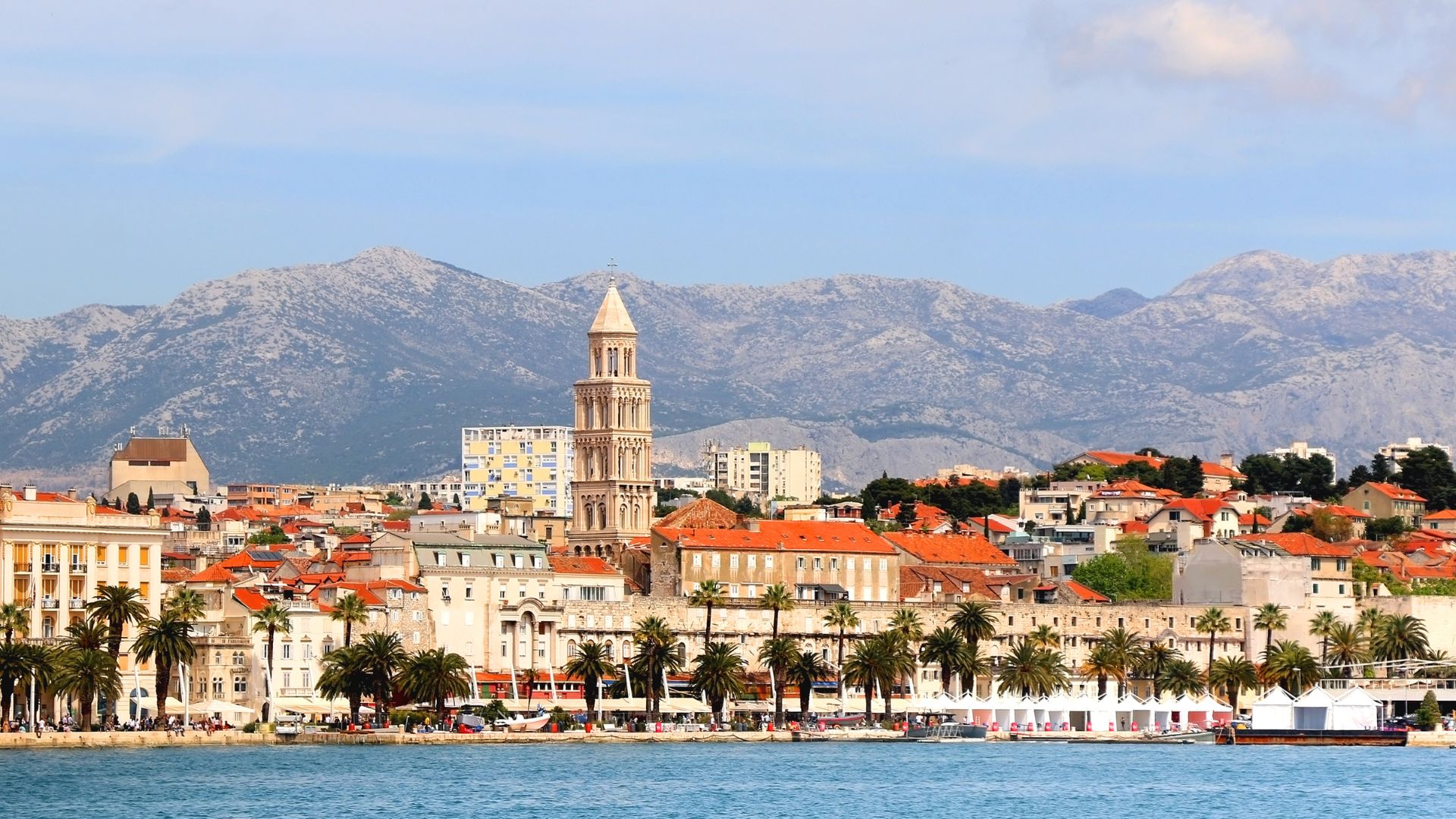
In Zadar and Split, I’ve found boutique hotels for as little as €95 a night during shoulder season. If you stay 15-20 minutes outside the city center, the deals get even better.
Lots of these hotels throw in extras like bike rentals or barbecue areas. The beds? Genuinely comfortable, with linens that feel properly luxurious.
Budget-Friendly All-Inclusive Resorts
All-inclusive resorts in Croatia can actually be affordable, especially if you avoid the summer rush. I usually book in May or September and save about 40% compared to July rates.
Most resorts include three tasty meals a day, pool access, and evening entertainment. Breakfast spreads brim with fresh pastries, local cheeses, and plenty of Adriatic seafood.
If you want to save the most, aim for:
- April-May: 30-40% off
- September-October: 25-35% off
- November-March: Up to 50% off
Infinity pools overlooking the sea are common, and many rooms feature private terraces with ocean views. I always look for resorts that include water sports and spa access in their rates—it’s worth it.
Charming Villas and Private Rentals
Private villas are where you get the most bang for your buck. Gather a few friends and suddenly you’re living large for hostel prices.
Self-catering apartments run about €95 per night for two. Many have pools, outdoor kitchens, and several bedrooms with high-quality linens.
Perks of villa rentals? Private pools, big terraces, and full kitchens for home-cooked meals. Many even come with breakfast supplies or a welcome basket with local wine.
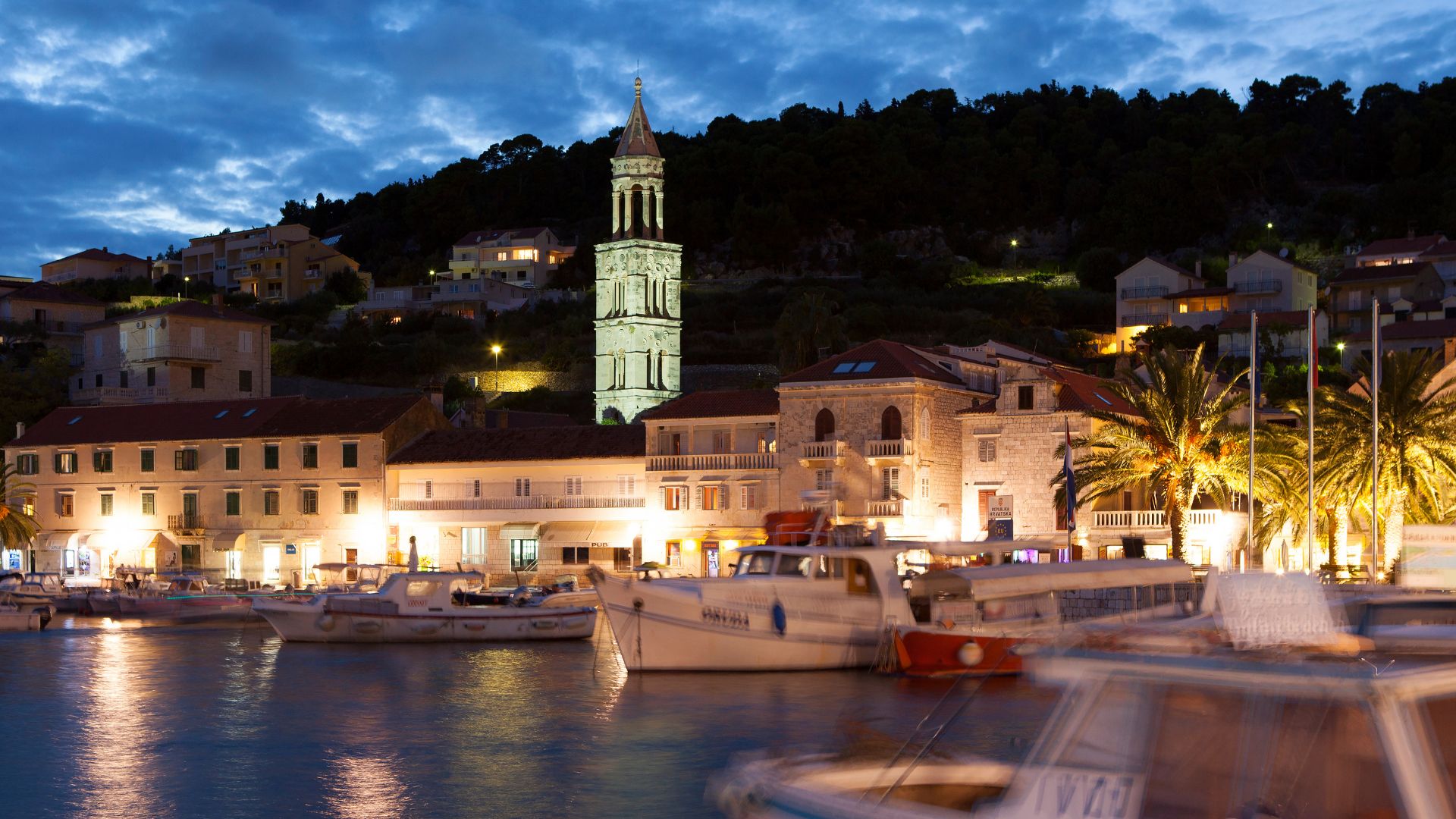
On Brač and Hvar, island villas offer sea views that are tough to beat. Mainland villas near national parks put you in the middle of mountain and forest scenery.
I usually book directly with owners to dodge extra fees. Most are happy to throw in a few local goodies to welcome you.
Exclusive Experiences Without the Splurge
Croatia’s best maritime adventures don’t have to cost a fortune. With the right timing and a bit of local know-how, you can island-hop, rent boats, and dive into water sports without the luxury markup.
Island Hopping Adventures
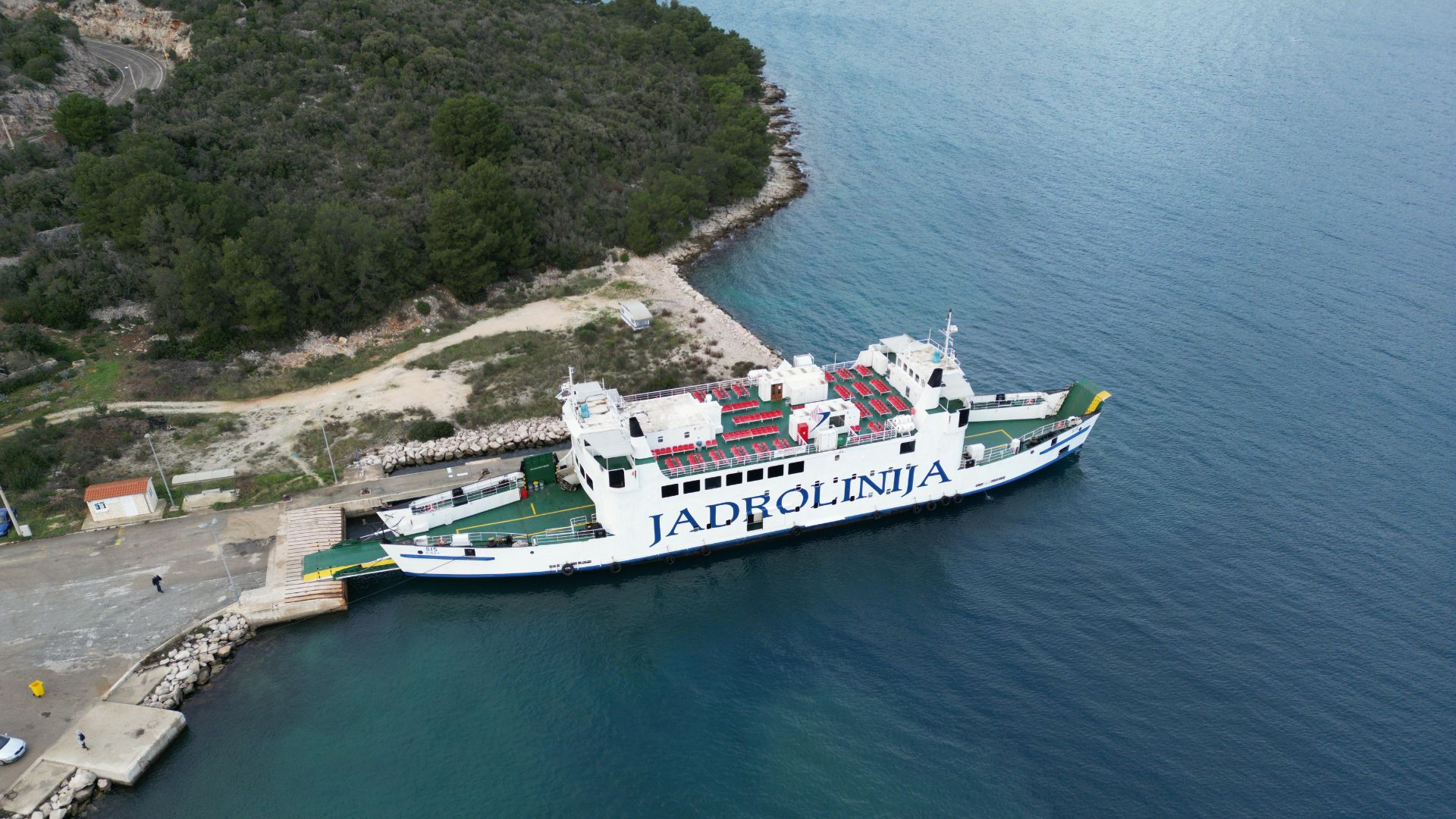
Public ferries and local boats give you those iconic sea views for a fraction of the price of private tours. The ferry from Split to the islands? Less than $20 per person.
Local fishermen often offer informal island hopping trips. These usually cost 50-70% less than big tour companies.
Some affordable island routes I’ve tried:
- Split to Brač and back: $15-25
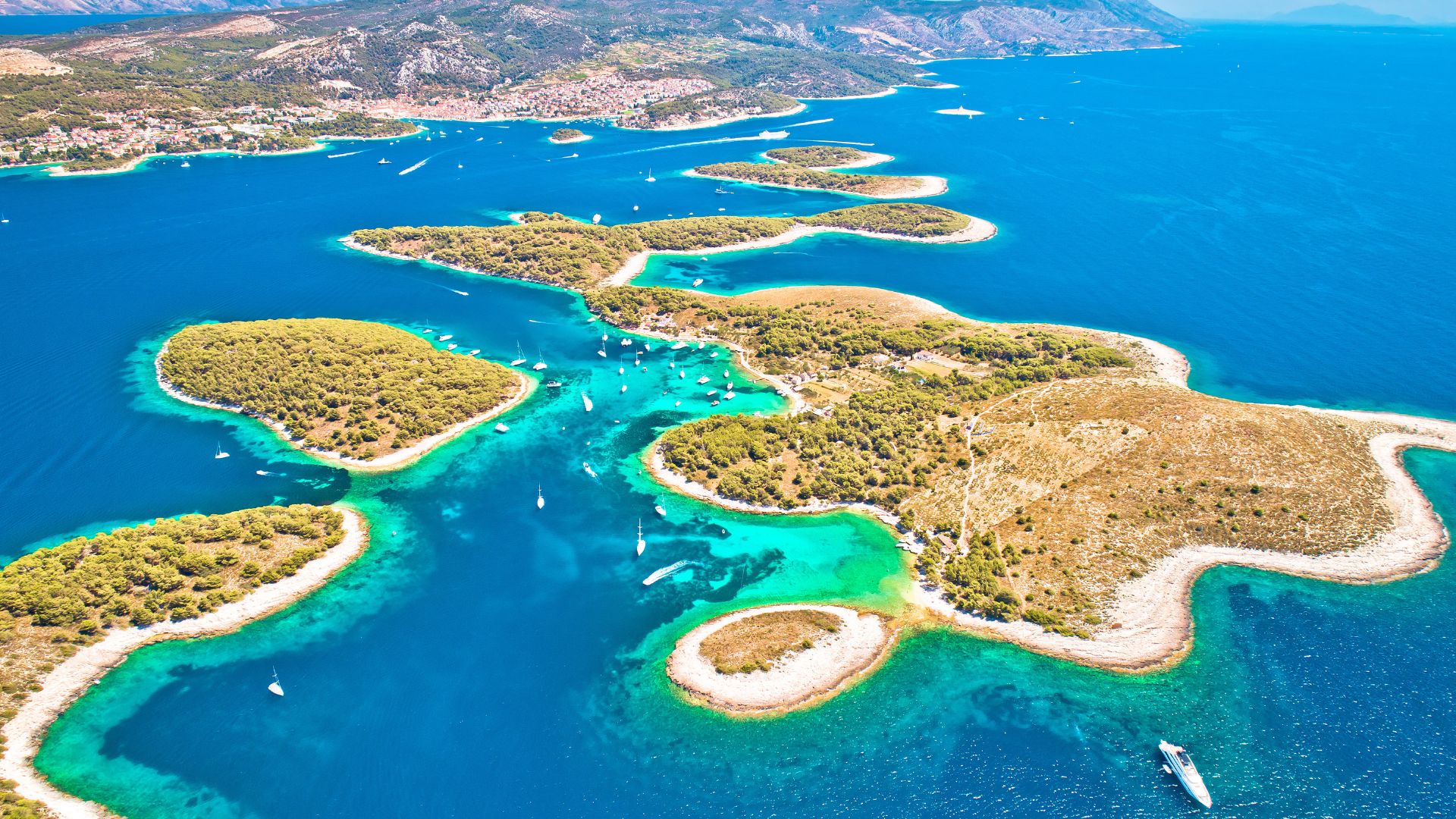
- Hvar to Pakleni Islands: $10-15
- Korčula day trips: $20-30
Go in May or September for better prices and fewer crowds. Pack your own snacks and drinks—most boats allow it, and you’ll save a small fortune on island restaurant prices.
If you chat with local captains, they’ll often take you to hidden coves the expensive tours brag about. Always ask about secret beach stops.
Private Gulet Charters for Less
Splitting the cost of a gulet charter with friends can be surprisingly affordable. A group of 6-8 can hire a traditional wooden boat for $100-150 per person per day.
Book directly with owners, not agencies. You’ll usually save 30-40% and get friendlier service.
Some tips I’ve picked up:
- Go for half-day charters
- Book mid-week, not weekends
- Skip July and August if you can
- Ask for multi-day discounts
Sometimes gulet owners offer “empty leg” deals when moving boats between marinas. These can be up to 60% off.
Check out marinas in Split, Dubrovnik, and Zadar. Smaller, family-run operators often have the best prices and the most authentic vibe.
Water Sports and Snorkeling Escapes
Renting snorkeling gear from local shops costs just $10-15 a day. That beats the $60-80 per person charged by tour packages.
The best snorkeling spots? They’re often right off the beach. Around Vis and Lastovo, you can find Blue Cave alternatives—no expensive boat tour required.
Affordable water activities I’ve loved:
- Kayak rentals: $25-35/day
- Paddleboards: $20-30/day
- Snorkeling gear: $10-15/day
- Windsurfing lessons: $40-60
Plenty of beaches offer free snorkeling in crystal-clear water. Zlatni Rat and the Pakleni Islands are favorites for visibility.
Water sports schools often have group discounts. I once took a two-hour sailing lesson for $45—way cheaper than private sessions.
Local dive shops rent gear and hand out maps to shore diving sites for $25-35. Guided tours can cost triple that.
Insider Tips for Exploring Croatian Old Towns
Croatia’s old towns are packed with authentic experiences that don’t cost a fortune. You can walk ancient walls for free during certain hours, browse local shops for quality finds, and stumble onto famous filming locations—no ticket required.
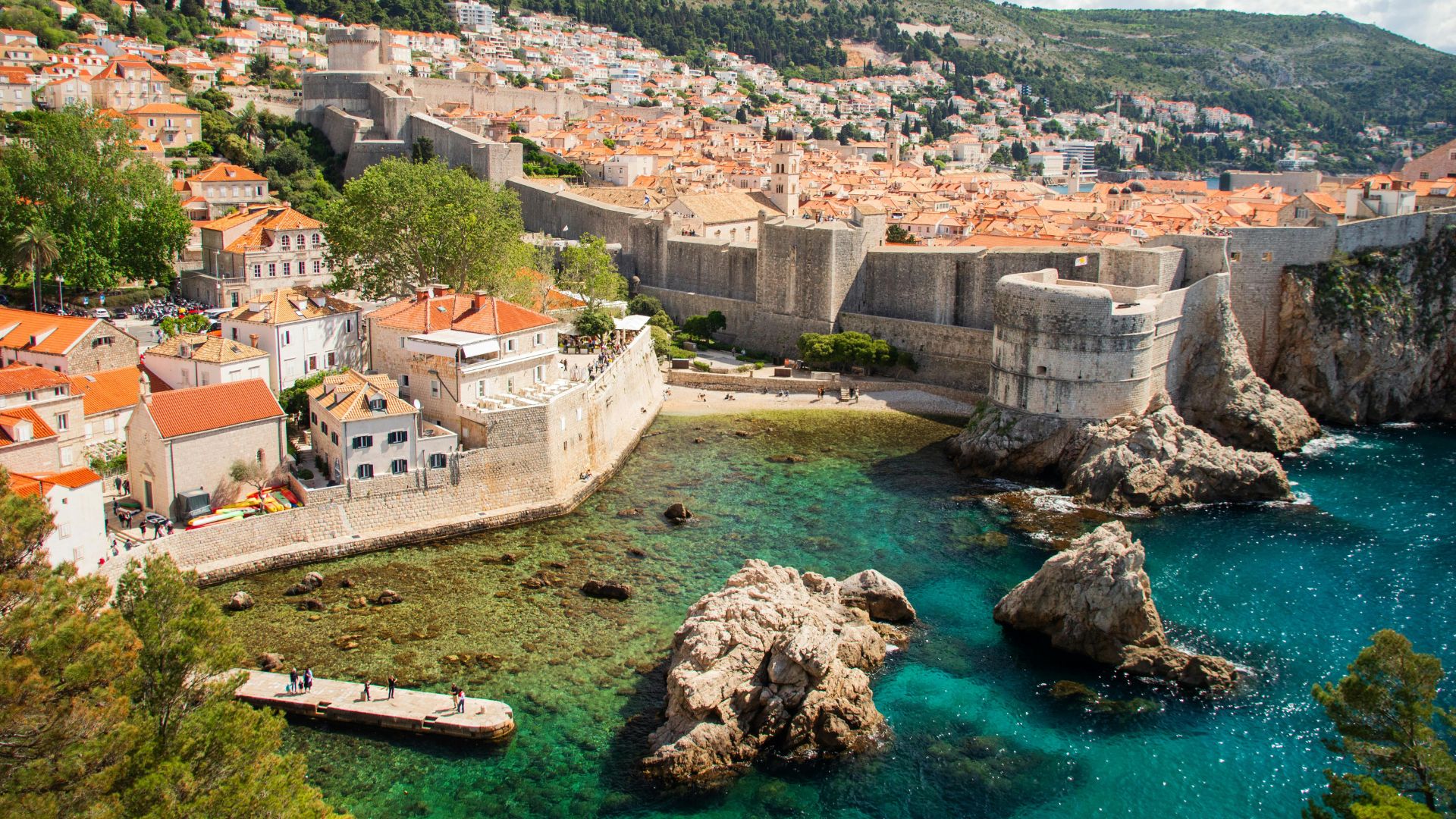
Must-See Highlights in Dubrovnik
I always tell folks: walk Dubrovnik’s city walls early or late. Yes, the entrance fee stings, but the views are unforgettable and the crowds are thin.
For free alternatives, stroll around the base of the walls or hang out near Pile Gate. Stradun, the main street, is perfect for people-watching and costs nothing.
Fort Lovrijenac, just outside the walls, is a bit overlooked. I think it offers some of the best city views for a much lower fee.
Venture off Stradun into side streets for better deals on Croatian products like lavender oil and local wines. The main tourist shops tend to charge more.
Admire the Rector’s Palace and Sponza Palace from outside—both are architectural gems. You only need a ticket if you want to go inside.
Game of Thrones Filming Locations
Dubrovnik played King’s Landing in Game of Thrones, and you can see the famous spots for free if you know where to look.
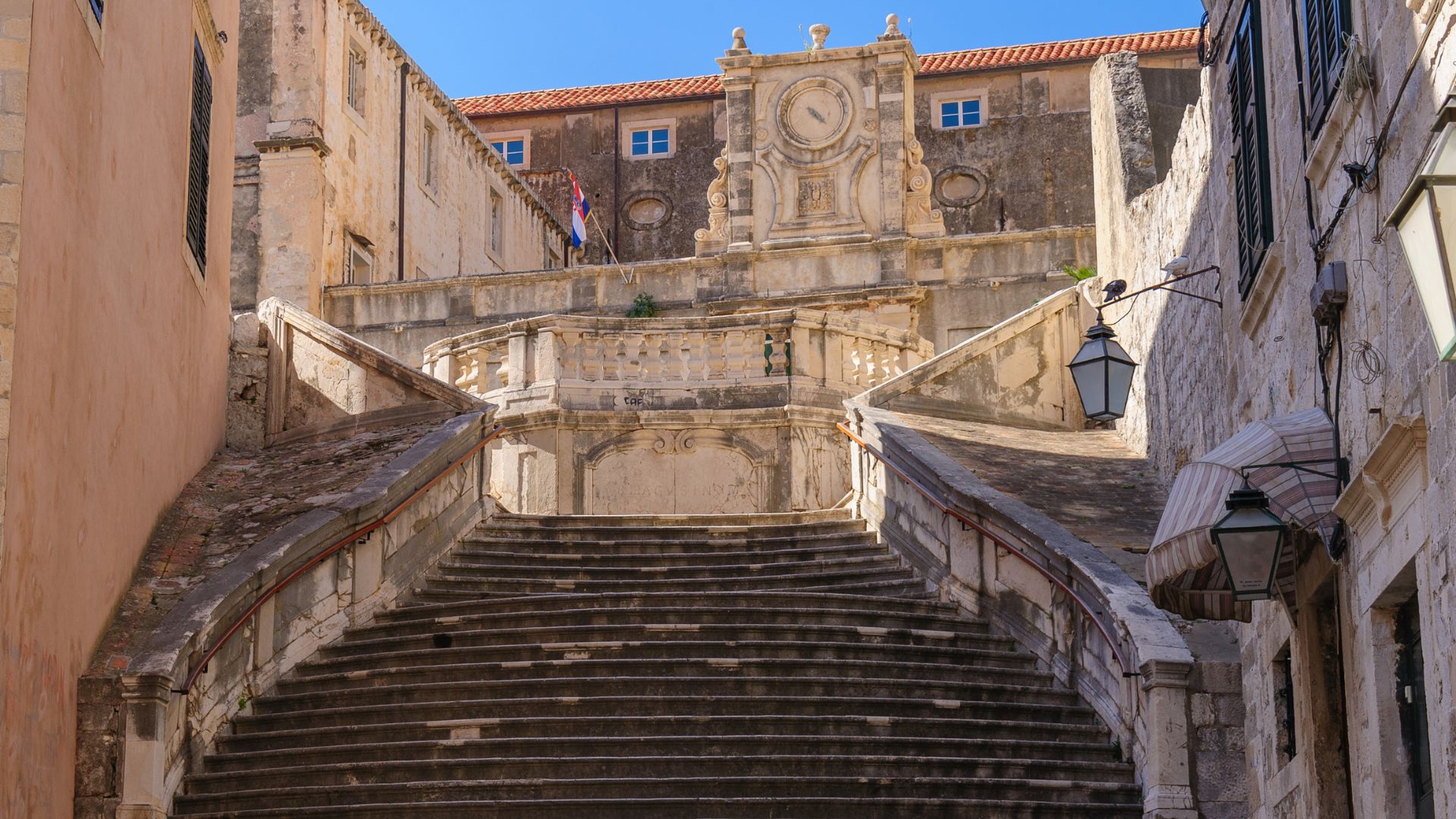
The Jesuit Staircase (Cersei’s walk of shame) is right by St. Ignatius Church and totally free to visit. It’s surreal to stand where the actors did.
Fort Lovrijenac served as the Red Keep. The entry fee is lower than most attractions and the photos are worth it.
Pile Gate pops up in several episodes—you’ll walk through it anyway, so no need to pay extra.
The old town harbor starred in many waterfront scenes. I love walking along the rocks below the walls for the best perspective. It’s free and feels cinematic.
Nearby cafes often display Game of Thrones photos. Grab a coffee and soak up the atmosphere without splurging.
Hidden Gems in Split and Zagreb
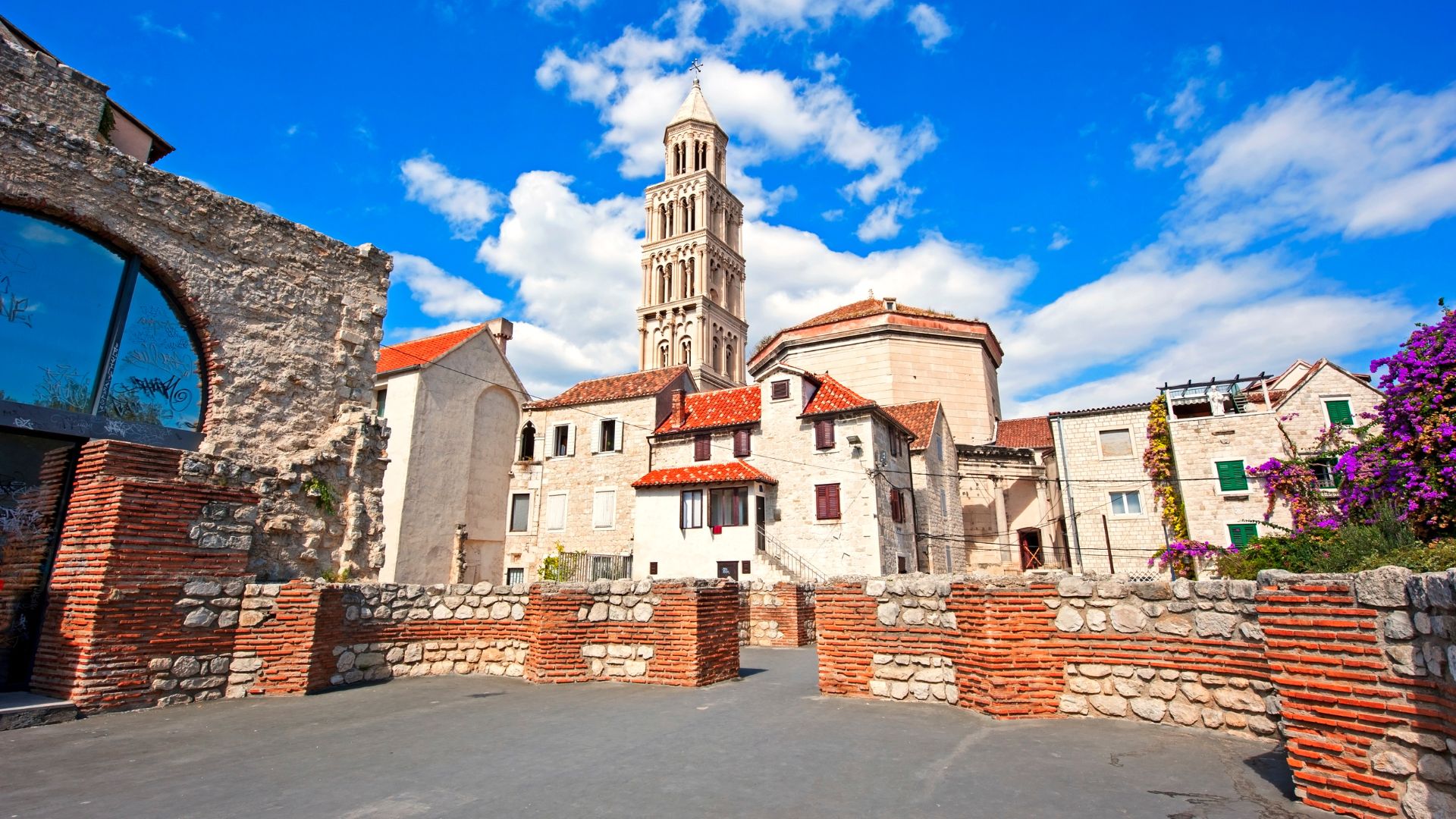
Split’s Diocletian’s Palace is still alive—locals live and work inside the Roman walls. You can wander through ancient ruins and see laundry fluttering above your head.
The palace basements are my favorite part. The entrance fee is reasonable and the acoustics are magical—street musicians often play here.
Markets inside the palace sell fresh produce and homemade goods. I’ve picked up great olive oil and local cheese for less than in tourist shops.
In Zagreb, the Upper Town connects to Lower Town via a historic funicular. It’s cheap and gives you a great city view.
Tkalčićeva Street buzzes with locals. The cafes and shops here are more authentic, and prices are fair. I love grabbing a coffee and watching the city go by.
St. Mark’s Church, with its colorful roof, is Zagreb’s most iconic building. You can admire it for free and wander the government quarter nearby.
Both cities have fantastic local shops selling Croatian design. I’ve found unique ties and ceramics in small boutiques—just skip the main squares for better deals.
Dining and Shopping: Savoring Luxury on a Budget
Croatia’s food scene is full of surprises. You get fine dining and premium shopping without the jaw-dropping prices you’d find elsewhere in Europe. With a bit of timing and local tips, you can eat well and shop smart.
Affordable Gourmet Meals & Breakfast Spots
I always hunt for upscale restaurants at lunchtime, when prices drop by 30-40%. Many top spots offer prix fixe menus with all the same quality as dinner.
If you want the best deals, try:
- Lunch: 12pm-3pm
- Early dinner: 5pm-7pm for happy hour specials
- Weekdays: Less crowded and cheaper
Croatian breakfast spots serve amazing coffee and pastries for pocket change. Local konoba restaurants are great for fresh seafood and regional specialties.
I like ordering a few appetizers instead of full mains. It’s a fun way to sample more dishes without spending too much.
Restaurant Week in Zagreb and Split is a steal—three courses at high-end restaurants for €25-35. Book early, these events fill up fast.
Local Markets and Boutique Shops
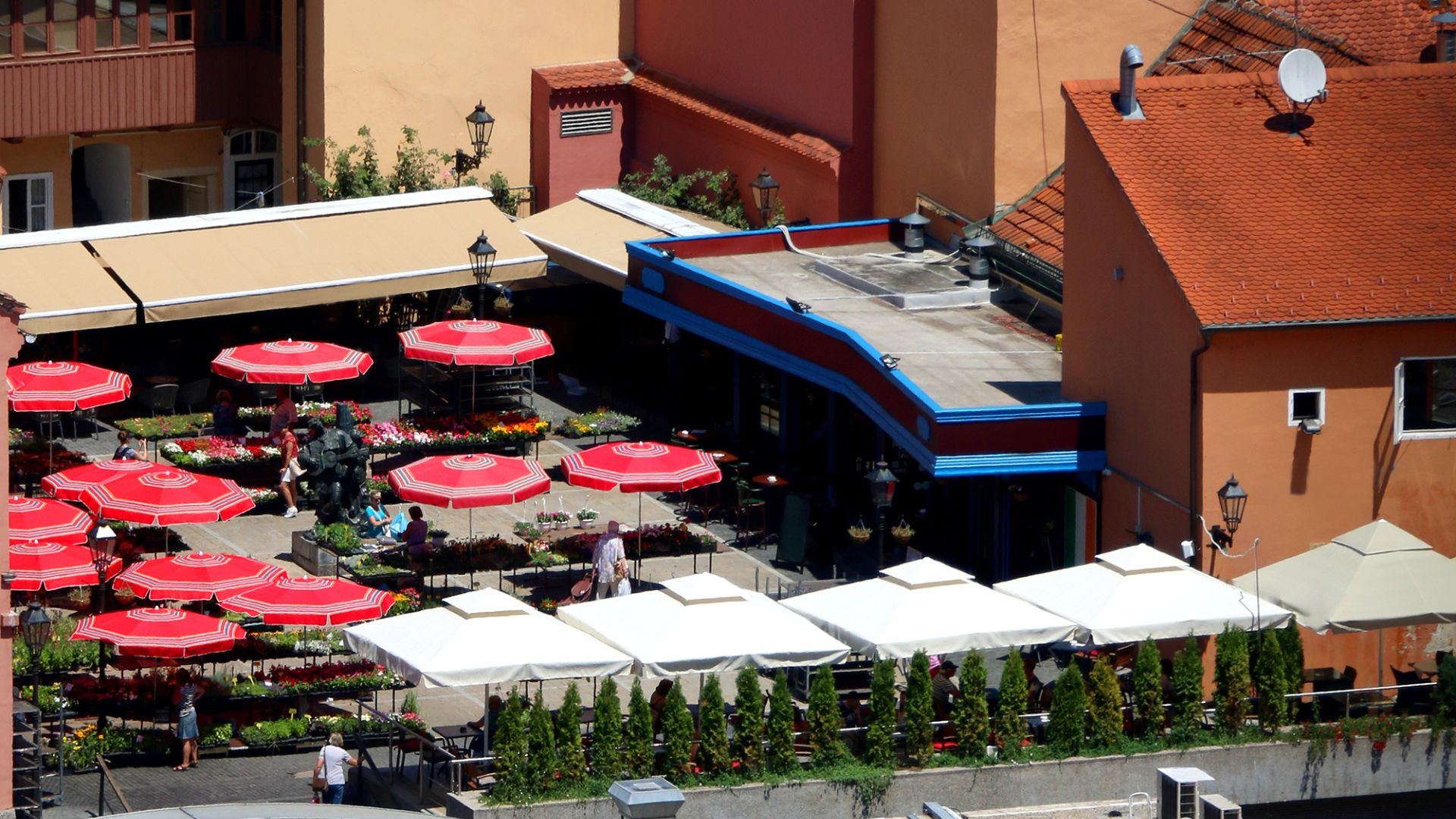
Markets in Croatia are treasure troves for luxury goods at local prices. Dolac Market in Zagreb and Green Market in Split are full of artisan food, crafts, and premium goodies.
Some of my favorite finds:
- Handmade jewelry
- Local olive oil and truffles
- Traditional textiles
- Artisan soaps and natural cosmetics
Independent shops in old towns sell unique Croatian designer clothes and leather goods—often for less than international brands.
Off-season shopping brings even more deals. Many boutiques offer 20-50% off from November through March.
Local perfumeries whip up custom scents with lavender and rosemary. They’re way more affordable than big-name perfumes and make for a special souvenir.
Wine Tasting and Culinary Treats
Croatia makes some truly world-class wines, and honestly, you won’t pay anything close to French or Italian prices. Over in Istria, wineries usually offer tastings for around €10-15, and that often includes several varieties and some delicious food pairings.
If you want a more personal touch, check out the family-owned spots. You’ll usually get better attention and pay less, too. I love how many of them offer tours, tastings, and even sell bottles right there—no silly markup.
Premium Wine Regions:
- Istria: Malvasia and Teran
- Dalmatia: Plavac Mali and Crljenak
- Slavonia: Graševina and Frankovka
Now, if you’re chasing something a bit more adventurous, try truffle hunting in Istria. For €40-60 per person, you can join a hunt and then sit down to a meal loaded with fresh truffles. It feels luxurious but doesn’t break the bank.
I always swing by local honey, olive oil, and cheese producers when I’m in the area. Tasting and buying straight from the source not only saves money, but it also supports small businesses. Plus, you get to chat with the folks who actually make the stuff.
Curious about Croatian cooking? Cooking classes with local chefs usually run €50-80, ingredients and a meal included. I’ve picked up traditional tricks and eaten better than I do at most restaurants.
Maximizing Sea Views and Relaxation
Croatia’s coastline truly stuns with its sea views—and you don’t need to empty your wallet to enjoy them. With a bit of planning, you can snag luxury-level experiences at budget-friendly rates.
Accessing Stunning Sea View Accommodations
Here’s a little secret: partial sea view rooms usually cost 30-40% less than full sea view suites, but you’ll still wake up to those gorgeous glimpses of the Adriatic. I’ve found some great guesthouses and apartments on Dubrovnik’s Lapad Peninsula with killer views, all for half the price of Old Town hotels.
Timing is everything. I always try to book in May or September, when prices drop and the crowds thin out. You get the same dreamy views of places like Hvar and Korčula, just without the summer chaos.
If you can, look for apartments with balconies. Some of my favorite stays had beds set up so you could open your eyes to the sea through huge windows. These places often cost less than a basic hotel room in the city.
Another tip? Ask for upper floors in towns like Rovinj or Split. You’d be amazed how much the view improves with just a little elevation. I always request a higher floor—the panoramic views are worth it.
And honestly, is there anything better than sipping local wine on your own balcony as the sun sets over the Adriatic?
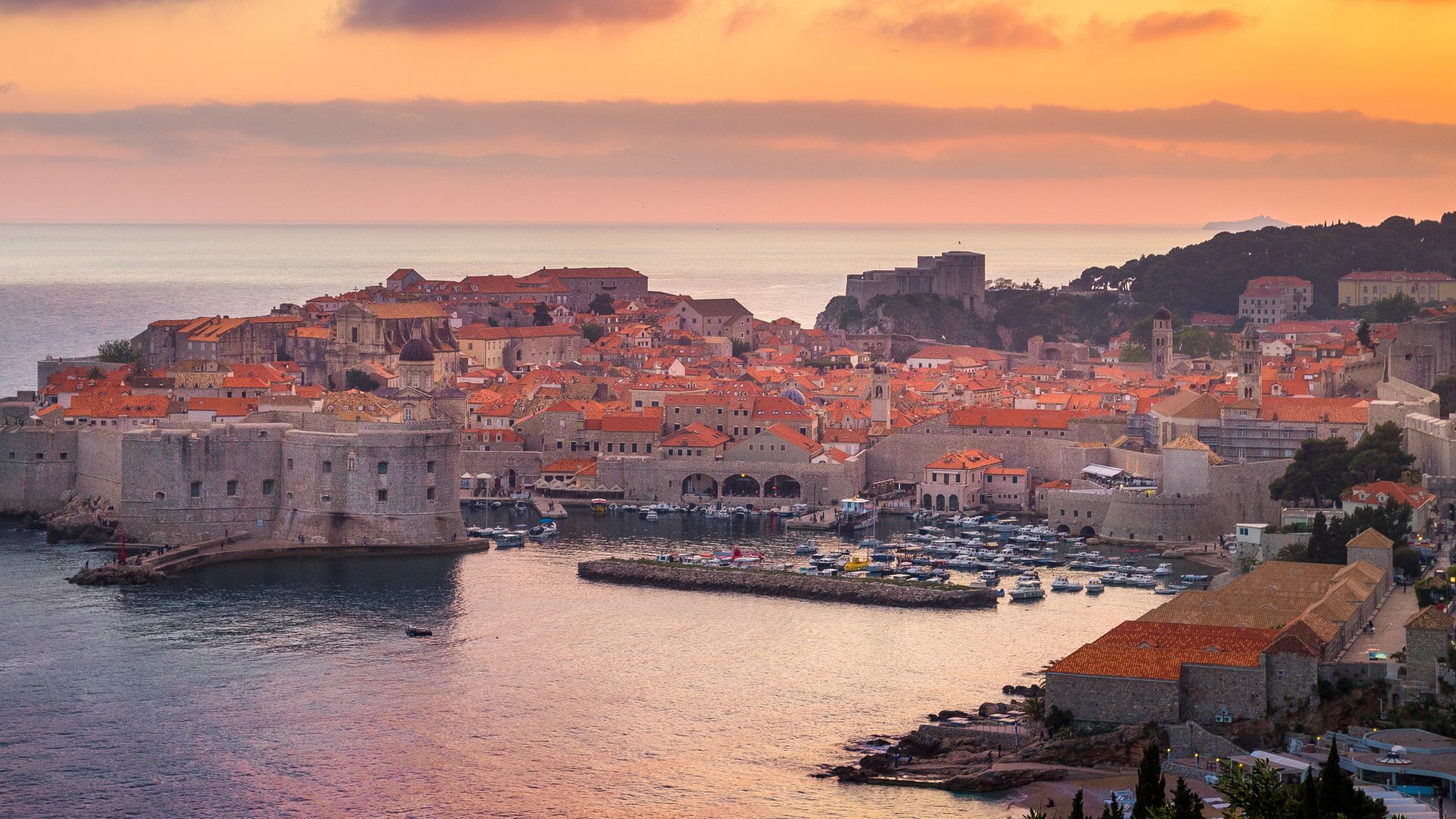
Budget-Friendly Pools and Sun Lounges
Public beaches with pool-like calm waters? They offer luxury relaxation—minus those annoying resort fees.
I’ve always loved Zlatni Rat Beach on Brač island. The shallow, crystal-clear water just forms these perfect little swimming pools.
Lots of budget hotels actually let you use the same facilities as their fancier neighbors. I’ve slipped into high-end pool areas and nabbed sun lounges by booking day passes for €15-25, or by staying at their “sister” properties.
Beach clubs? They’re a game changer. Instead of splurging on a pricey resort, I’ll pay €20-30 for a full day of access to gorgeous lounges and pools—stuff that usually costs a fortune per night.
And don’t overlook the rocky coastlines. Around Pula and Rovinj, I’ve found hidden limestone spots that are surprisingly comfy for sunbathing. Sometimes, these quiet nooks even feel more exclusive than the resorts themselves.
