
Canada’s packed with jaw-dropping spots, from the snow-capped Rockies to the wild, salt-tinged Maritimes. But let’s be honest—lots of us feel a little queasy at the thought of coming home from that dream trip only to face a mountain of credit card bills. Good news: you don’t have to get buried in debt to make it happen.
You can actually fund your Canadian adventure by leaning into smart budgeting, cash-first travel, flexible payment plans, creative financing options, and rewards programs that keep you debt-free. These tricks let you soak up every moment without high-interest charges hanging over your head for months.
Let’s break down some practical ways to stash cash for your trip, use cash and debit without stress, grab payment plans that work for real people, tap into better loan options, and squeeze every bit of value from those rewards programs.
1. Set Your Travel Budget and Savings Plan
Honestly, smart travel planning starts with knowing what you’re in for. Before I even think about booking, I figure out the real cost and build a savings plan that keeps me out of debt.
2. Build a Realistic Travel Budget
I always start with the big four: transportation, accommodation, food, and activities. They usually eat up about 80% of my travel money.
Flights, trains, car rentals, and buses all go in the transportation bucket. I like to check flight prices 8-12 weeks out—it gives me a ballpark figure.
Accommodation? That’s all about what you value. I’ll compare hotels, Airbnbs, and hostels to see what fits my vibe and wallet.
For daily expenses, here’s my rough breakdown:
- Meals: $40-80 per day, depending on whether I’m splurging or hitting up diners
- Activities: $30-100 per day, tours can add up fast
- Shopping: Usually about 10% of my total budget
I always tack on a 15-20% buffer. You never know when you’ll want to grab an extra poutine or hop on a spur-of-the-moment whale-watching tour.
3. Open a Dedicated Travel Savings Account
I keep my travel fund separate in a high-interest savings account. Out of sight, out of mind—plus, it grows a bit faster.
Setting up automatic transfers works wonders. I’ll move $50-100 a week, depending on my trip goals and how soon I want to go.
The $5 bill trick is surprisingly effective. Any time I get a $5 bill, I stash it in a jar. It adds up without feeling like a sacrifice.
Whenever I get a windfall—tax refund, birthday cash, whatever—I throw it straight into the travel fund. It’s a nice boost.
Breaking down the total into daily savings makes it less scary. For a $3,000 trip in a year, I just need to save $8.20 a day. Totally doable.

4. Track Your Progress and Spending
I check my savings progress every month. It’s motivating to watch the number creep up.
Budget apps make it easy to see where my money’s actually going. If I’m spending too much on takeout, I’ll cut back and put the difference into my trip.
On the road, I log expenses right after I pay. It’s easy to forget otherwise, and those little things add up.
I set a daily spending cap before I leave. If I go over one day, I try to spend less the next.
Snapping photos of receipts helps me keep tabs on everything. At the end of each day, I take a quick look to see where my money went.

5. Pay-As-You-Go: Use Cash and Debit
Paying with cash and debit keeps you honest. You can’t spend what you don’t have, so you avoid debt while exploring Canada.
6. Why Cash and Debit Make Sense
I love the built-in spending limit when I use cash or debit. Once it’s gone, that’s it.
Cash is king in a lot of small Canadian towns, markets, and with local vendors. Sometimes card readers go down or there’s no wifi, so cash just works.
Debit cards are great because:
- They pull straight from your checking account
- No interest charges
- Most places in Canada take them
- Easy to see what you’ve spent in your banking app
Many Canadian banks skip the debit purchase fees if you’re local. If you’re visiting, you dodge those annoying foreign transaction fees that credit cards love to sneak in.
Cash is also perfect for tipping—restaurants, hotels, tour guides. No need to fuss with percentages or do math on the spot.

7. Keep Spending in Check
I set a daily cash limit and don’t let myself go over. I’ll take out what I need for the day and leave the rest behind.
Here’s my cash management routine:
- Withdraw what I need for the week
- Carry small bills for tips and transit
- Hide backup cash in a different spot (just in case)
- Jot down what I spend in a notebook
Checking my bank app before a big purchase has saved me from overdraft fees more than once.
Sometimes I freeze my debit card between uses. It’s a good way to force myself to think before I swipe.
I always leave backup cash at my hotel or Airbnb. Carrying only what I need makes it less tempting to splurge.
The envelope method works, too. I’ll split my cash into envelopes for food, activities, and shopping. Once it’s gone, it’s gone.
8. Flexible Financing: Payment Plans & Buy Now, Pay Later
Payment plans and buy now, pay later services let you split travel costs over a few months—no credit card required. These can be a lifesaver if you pay on time.
9. How Payment Plans Work
Most buy now, pay later services are pretty straightforward. You apply online, get approved fast, and they pay the travel company right away.
You usually put down 25% up front, then pay the rest in equal chunks every two weeks.
Typical setup:
- First payment: right away
- Three more payments: every two weeks
- All paid off in 6-8 weeks
Some services offer longer payment plans for bigger trips—up to 36 months for big-ticket vacations.
I find these work for flights, hotels, tours, and packages. More and more travel websites offer them at checkout.

10. Using Affirm and Similar Services in Canada
Affirm’s available in Canada and partners with a bunch of travel companies. You can use it for purchases over $50, with payment plans from 3 to 24 months.
Other services in Canada:
- Affirm
- PayPal Pay in 4
- Klarna
- Sezzle
Each one has its own set of partner companies. Affirm, for example, works with Expedia. PayPal Pay in 4 is everywhere PayPal is accepted.
Before you book, check which service your airline or hotel uses. Some only work with certain payment plans.
Approvals are quick—just basic info like your name and income. They do a soft credit check, so your score stays safe.
Watch Out for Fees and Fine Print
If you pay on time, most buy now, pay later services skip the interest. But miss a payment? Fees can hit $7 to $25 per late payment.
Things to watch for:
- Late fees
- Rare processing fees
- Interest on longer payment plans (10% to 30% a year)
Longer plans almost always add interest, so read the terms. If you pay on time, you can actually boost your credit score, but missing payments will hurt it.
Only use these if you know you can make the payments. Short payment schedules mean you need steady cash flow.

11. Explore Loan and Credit Alternatives
Old-school loans from banks, credit unions, and online lenders can give you structured financing for your Canadian getaway. Home equity products work if you need a bigger budget and want lower rates.
Personal Loans for Travel
Personal loans give you cash up front, and you pay it back over a set time. Most Canadian lenders offer 1-7 year terms, with rates from 6% to 36%.
Why consider it?
- Fixed payments make budgeting easy
- No collateral needed
- Fast approval—sometimes in days
- Borrow $1,000 to $50,000, depending on your income
You can go through a bank, credit union, or online lender. Credit unions are often cheaper for members, but online lenders are fast.
Your credit score really matters here. Above 700? You’ll probably get the best rates. Lower scores mean higher rates, but you still might get approved.
Always check the total cost, including interest. For example, $5,000 at 12% over 3 years costs about $166 a month and nearly $1,000 in interest.
Personal Line of Credit
A personal line of credit feels like a credit card, but usually carries lower rates. You borrow what you need, when you need it, and only pay interest on what you use.
Rates in Canada range from 8% to 20%. It’s flexible—great if you’re planning a couple of trips or want to space out expenses.
How it works:
- Apply once for a set limit (often $5,000 to $25,000)
- Pull funds as needed for travel
- Make minimum monthly payments
- Pay it back to free up funds again
Banks and credit unions offer the best deals if you’ve got good credit and steady income.
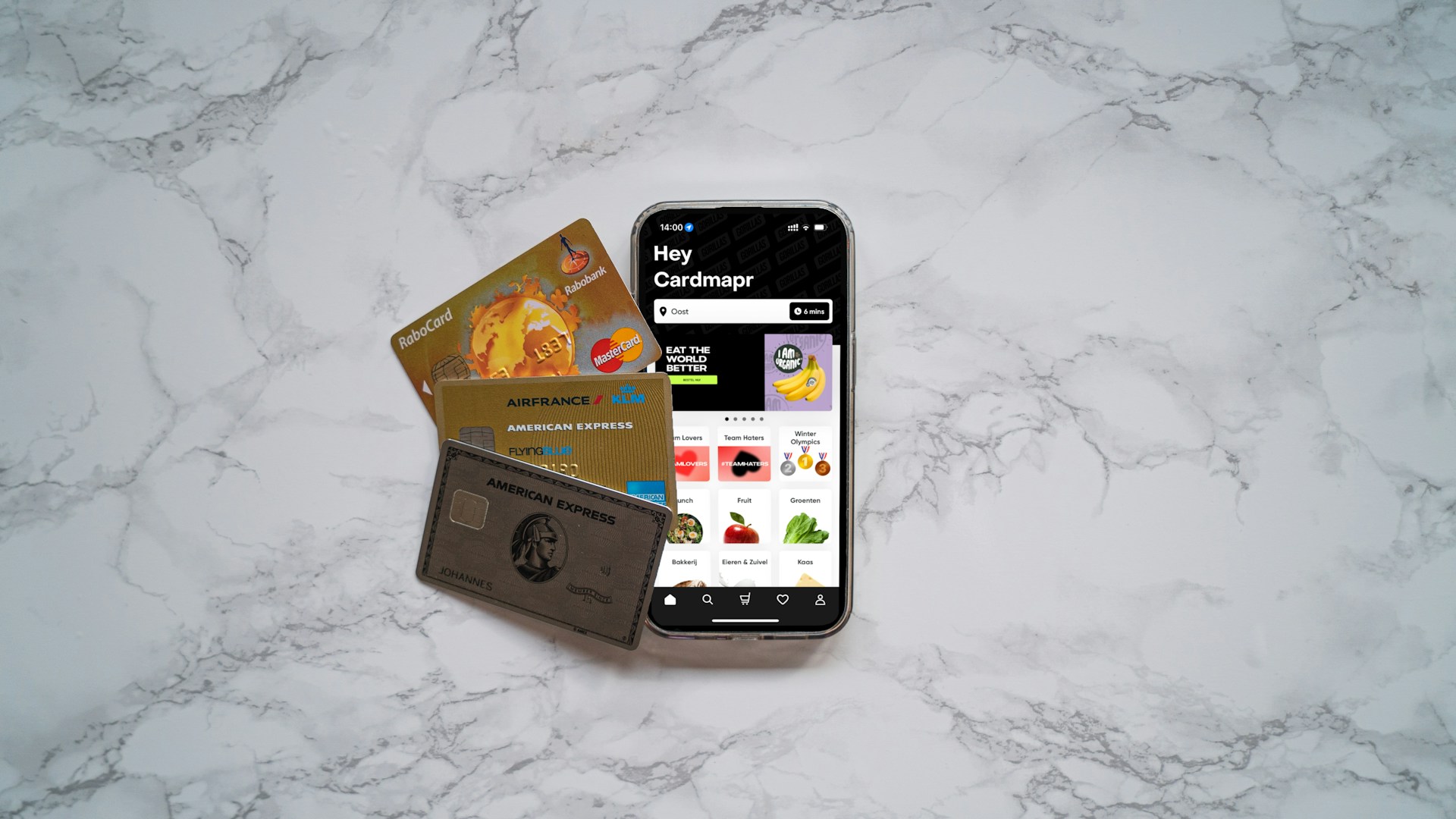
Home Equity Line of Credit (HELOC)
A HELOC lets you borrow against your home’s value. In Canada, you can usually tap up to 65% of your home’s value (minus your mortgage).
HELOCs have the lowest rates—often prime rate plus 0.5% to 2%. With the current prime rate, this is a solid way to finance a big trip.
Requirements:
- You need home equity
- Good credit (650+)
- Proof of income
- Home appraisal (sometimes)
Getting a HELOC takes a while—think 2-6 weeks. You’ll need paperwork and a home valuation.
Heads up:
- Your home is on the line
- Rates can change
- Minimum draw amounts may exist
- Some annual fees
It’s best for big or repeated trips, since you can access larger sums at low rates.

12. Get Smart With Rewards and Points
Let’s talk about reward programs and points. These can fund a huge chunk of your Canadian trip—if you play your cards right (pun intended). The trick? Use rewards from your regular spending, not extra spending.
Leverage Reward Programs for Flights and Hotels
Start with Canada’s best travel rewards. Aeroplan is my go-to for domestic flights—points are worth 1-2 cents each.
American Express Membership Rewards are super flexible. I can transfer to different programs or cash out at $10 per 1,000 points.
For hotels, Marriott Bonvoy is tough to beat. Over 7,000 properties, free nights, perks like late checkout—it’s a sweet deal.
Scene+ by Scotiabank works with Expedia. I use 100 points for $1 off travel, whether it’s flights, hotels, or rentals.
| Program | Best For | Point Value |
|---|---|---|
| Aeroplan | Air Canada flights | 1-2 cents |
| Amex Rewards | Flexibility | 1 cent |
| Marriott Bonvoy | Hotels | Varies |
| Scene+ | Mixed travel | 1 cent |
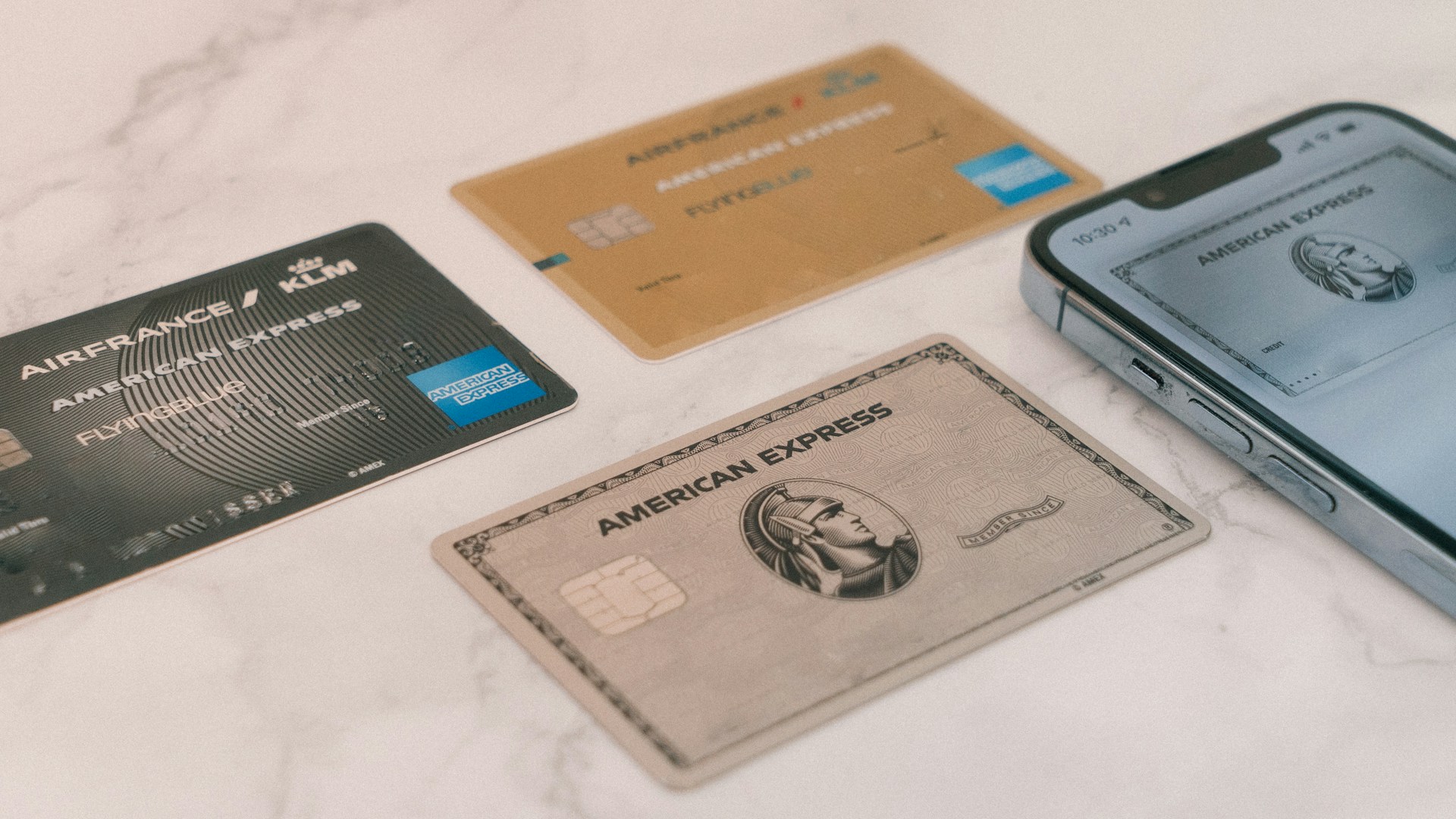
Strategies to Maximize Points Without Credit Card Debt
I stick to earning points through my everyday spending—no wild splurges or unnecessary buys here.
When I hit the grocery store, fill up the car, or pay my bills, I swipe with my credit card. That way, every dollar actually counts for something.
Always pay off the balance in full. Trust me, paying interest wipes out any rewards you might earn, so it’s just not worth it.
I go for cards with bonus categories that fit my habits. If a card gives me 3x points on groceries, you bet I’ll use it for food runs.
Timing matters. I usually apply for a new card right before a big purchase, like booking a vacation. That way, I can snag those welcome bonuses without spending extra.
Mixing up reward programs keeps things interesting—and flexible. I don’t put all my eggs in one basket, so points don’t just sit there, waiting to expire.
Keep an eye on expiration dates. In Canada, most programs let your points sit for 18-24 months of inactivity before they vanish, so I make sure to use or earn something now and then.
