
Croatia’s dessert scene feels like a living museum, with recipes that survived wars, shifting borders, and the unstoppable march of modernity. Every region in this beautiful country clings to its unique sweet specialties, each one shaped by local ingredients, cultural influences, and those family secrets that never make it into cookbooks.
You’ll find fig tarts along the Dalmatian coast, hearty apple strudels inland, and all sorts of rich culinary heritage tucked into every corner. These aren’t just desserts—they’re cultural treasures that keep communities connected to their roots. I love how many of these recipes barely changed over centuries; that kind of staying power says a lot.
If you’re a fan of light custards, dense layer cakes, or crispy fried pastries, you’ll find your match here. Croatia’s spot at the crossroads of Central Europe, the Mediterranean, and the Balkans means its desserts borrow the best from everywhere, yet somehow still taste unmistakably Croatian.

Showcasing Croatia’s Most Beloved Traditional Desserts
Croatian desserts often come with stories—family memories, regional pride, and centuries of tradition. From creamy custards to festive pastries, each one means something special.
Classic Sweets with Centuries of Heritage
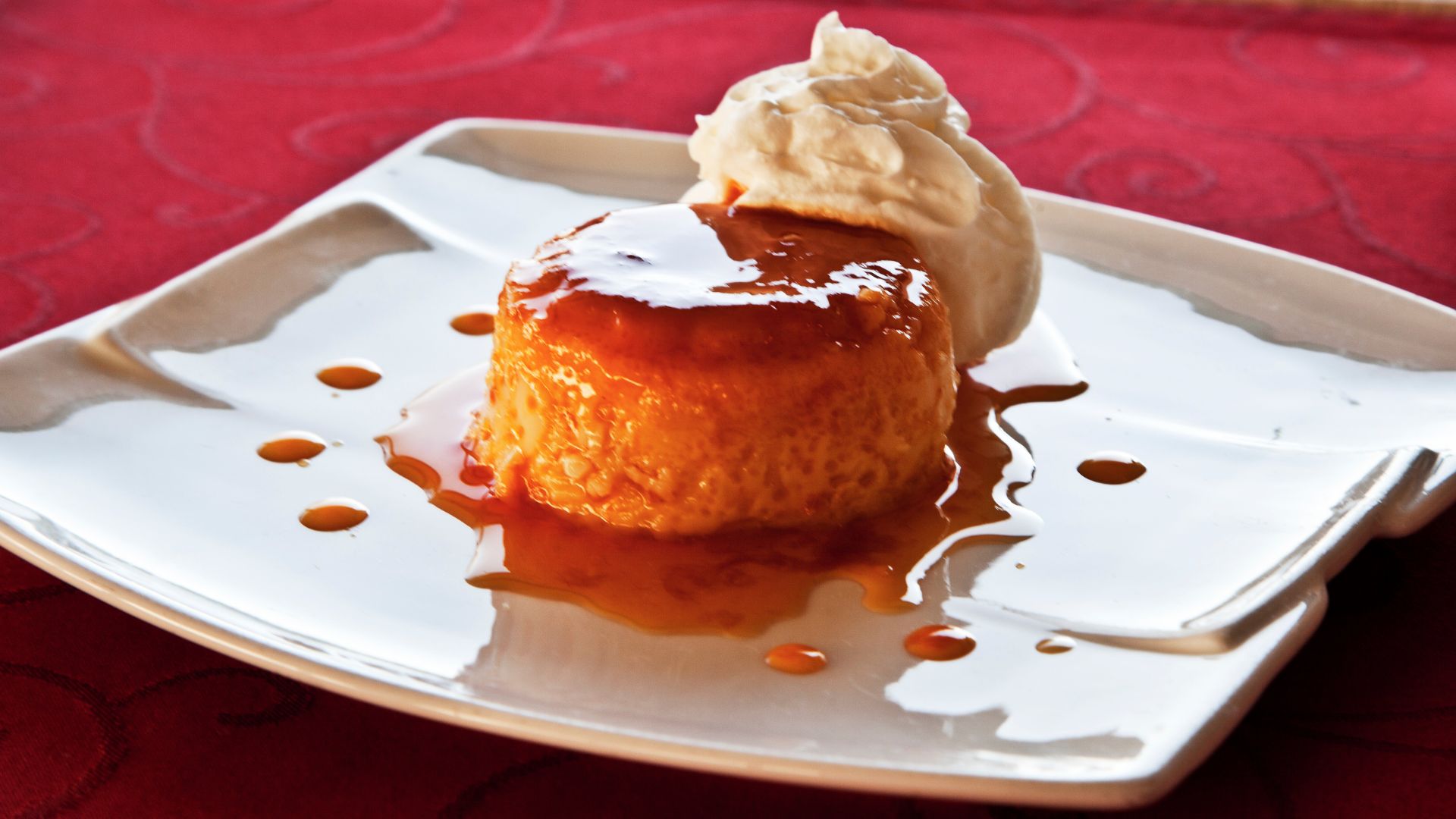
Rozata is pure elegance. Dubrovnik locals have been making this crème caramel cousin for ages, but they add rose liqueur for a twist you won’t find anywhere else.
You just need eggs, milk, and sugar for the custard base. That rose liqueur? It’s the secret that makes it sing.
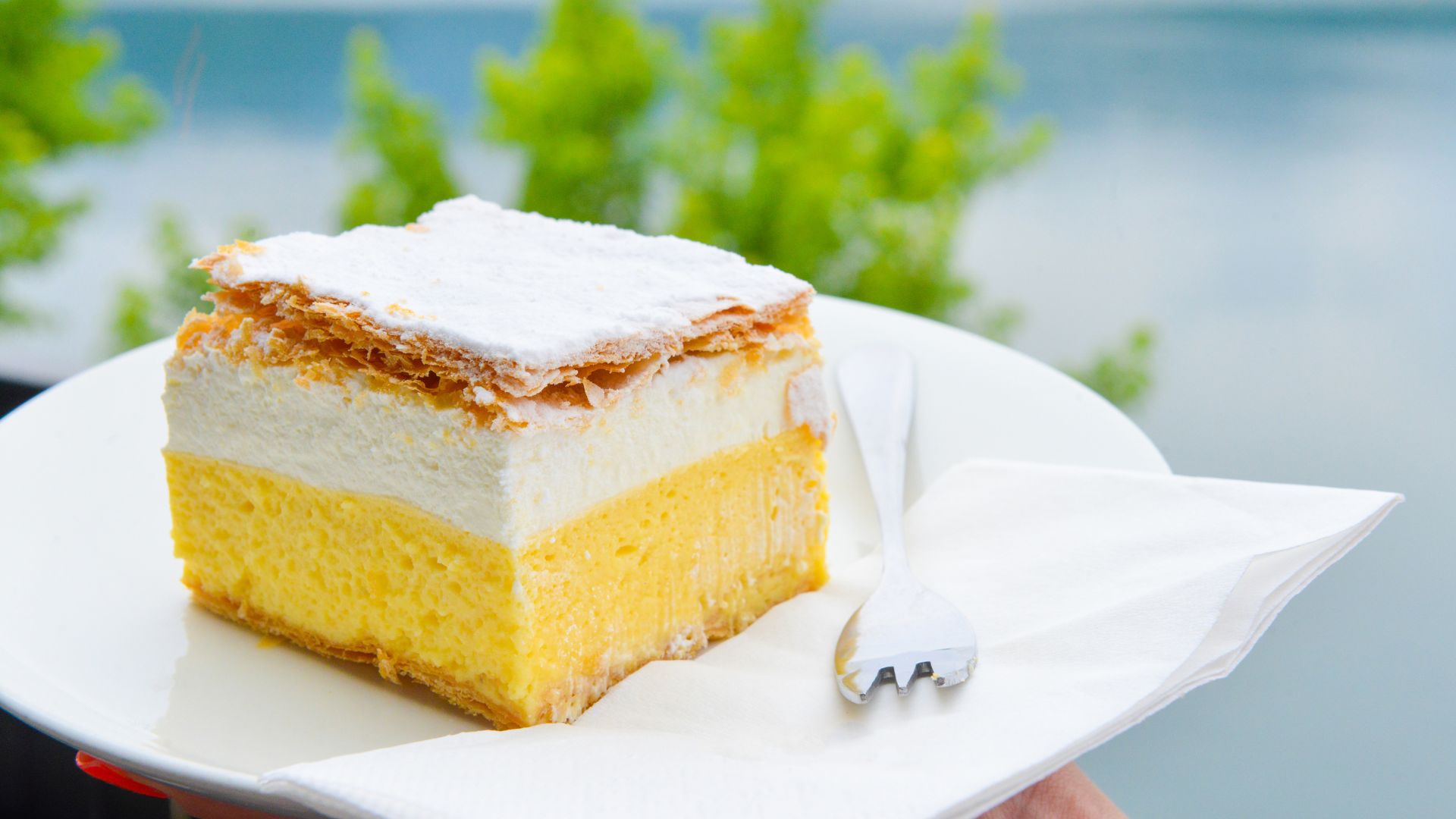
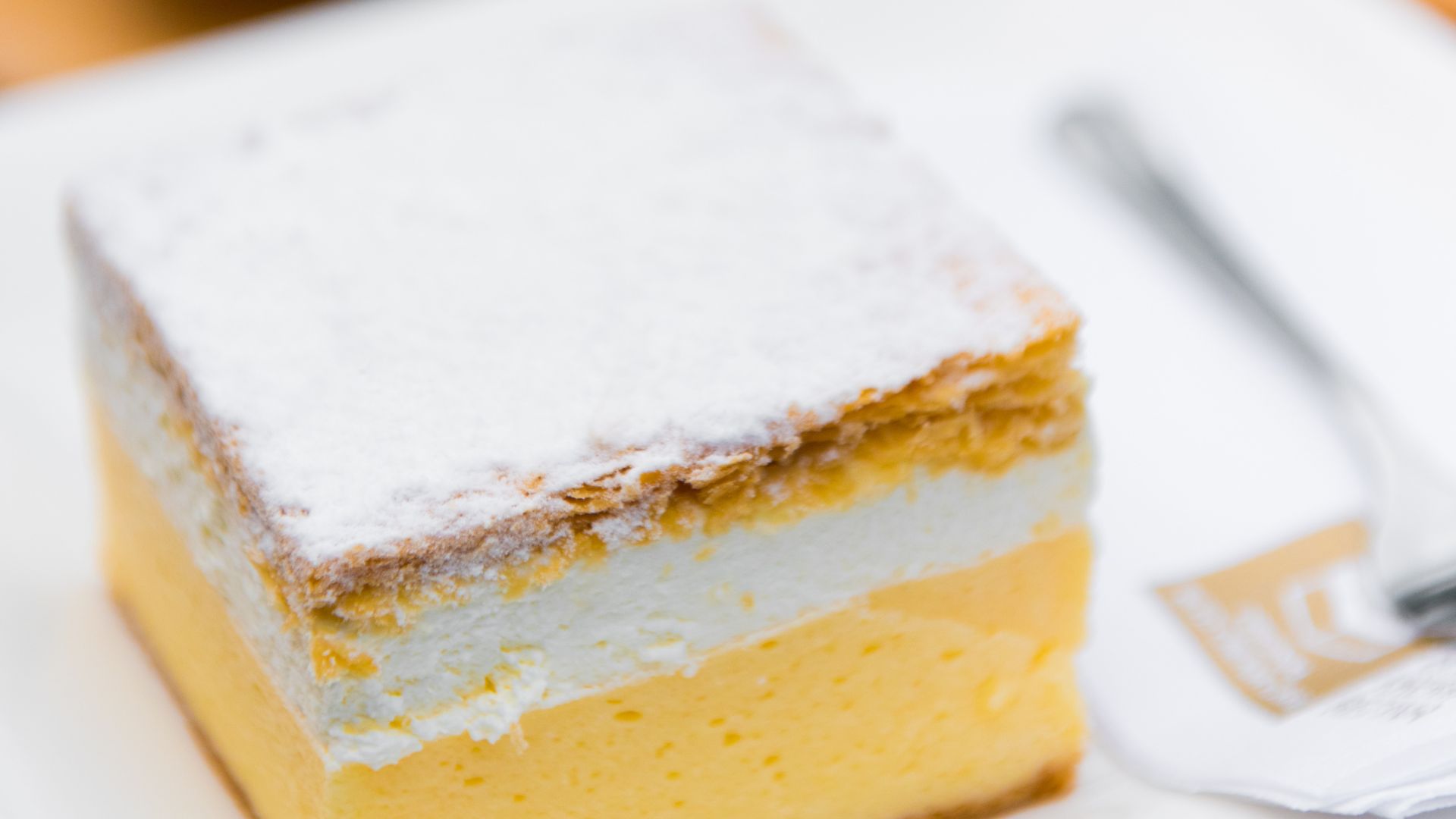
Kremšnita is the cream cake Croatians can’t get enough of. Imagine two crisp layers of puff pastry hugging a thick vanilla custard and whipped cream.
European bakers may have started the trend, but Croatians really made kremšnita their own.
Ruske kape (“Russian hats”) stand out with their dome shape. You’ll get a bite of sponge cake, creamy vanilla or chocolate custard, a chocolate shell, and coconut flakes clinging to the sides.
It’s a textural adventure, and honestly, I’ve never met anyone who didn’t love them.
Iconic Holiday Confections
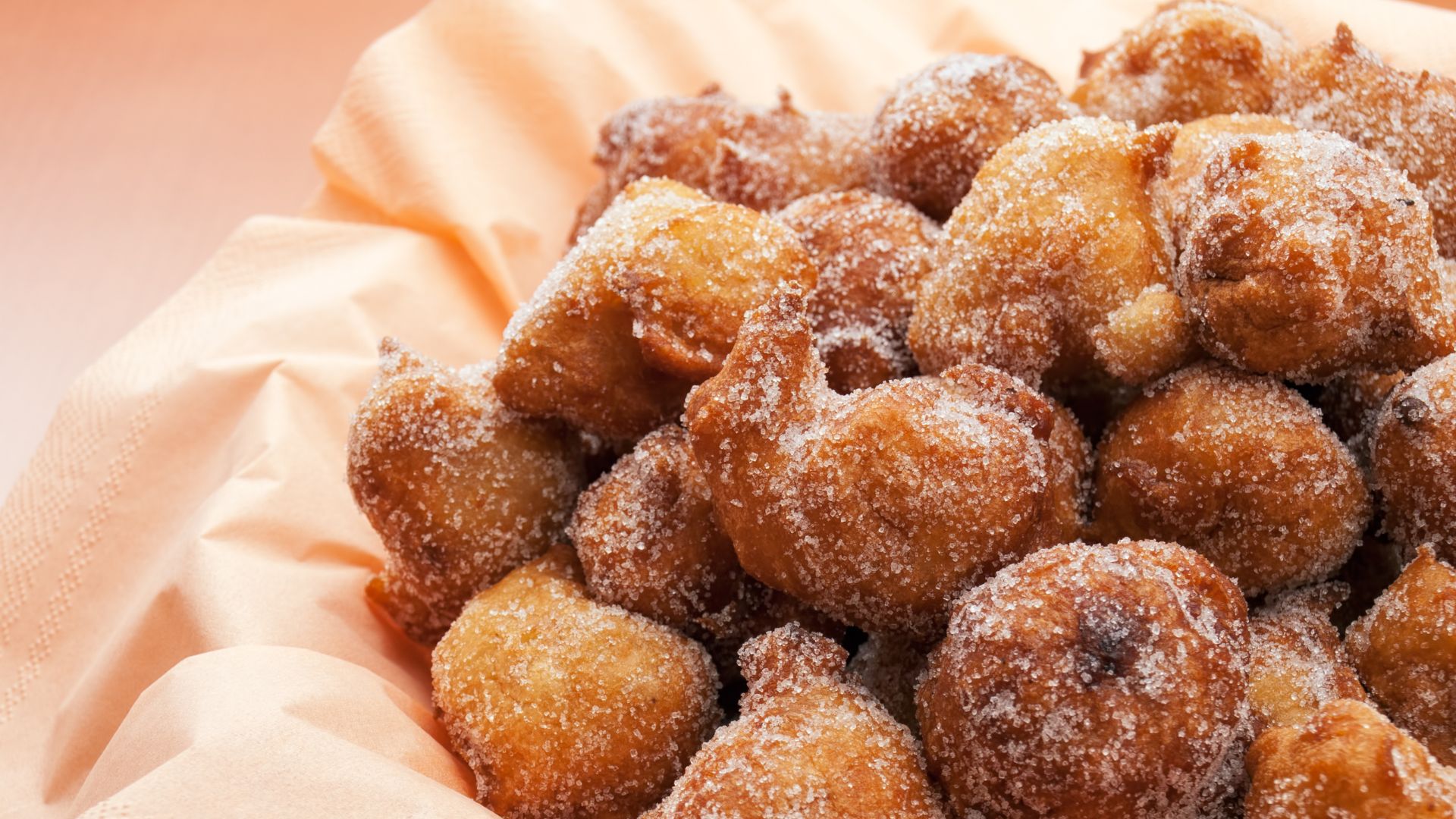
Fritule show up at every Croatian Christmas. These tiny donuts burst with raisins and citrus zest.
Families fry them up fresh, and the smell alone makes it feel like the holidays.
Kroštule are those delicate, bow-tied pastries you see at weddings and carnivals. Dalmatian families twist and fry them, and it takes real skill to get them just right.
Orehnjača is the famous walnut roll. Sweet dough wraps around a walnut filling, and every family swears their recipe is the best.
You’ll spot this one at Easter and pretty much any big celebration.
Regional Specialties with Local Flair
Rab Cake only comes from Rab Island. It’s an almond-based dessert that’s been around for centuries.
Bakers on Rab guard the recipe like gold. It’s all almond paste and sugar, layered just so.
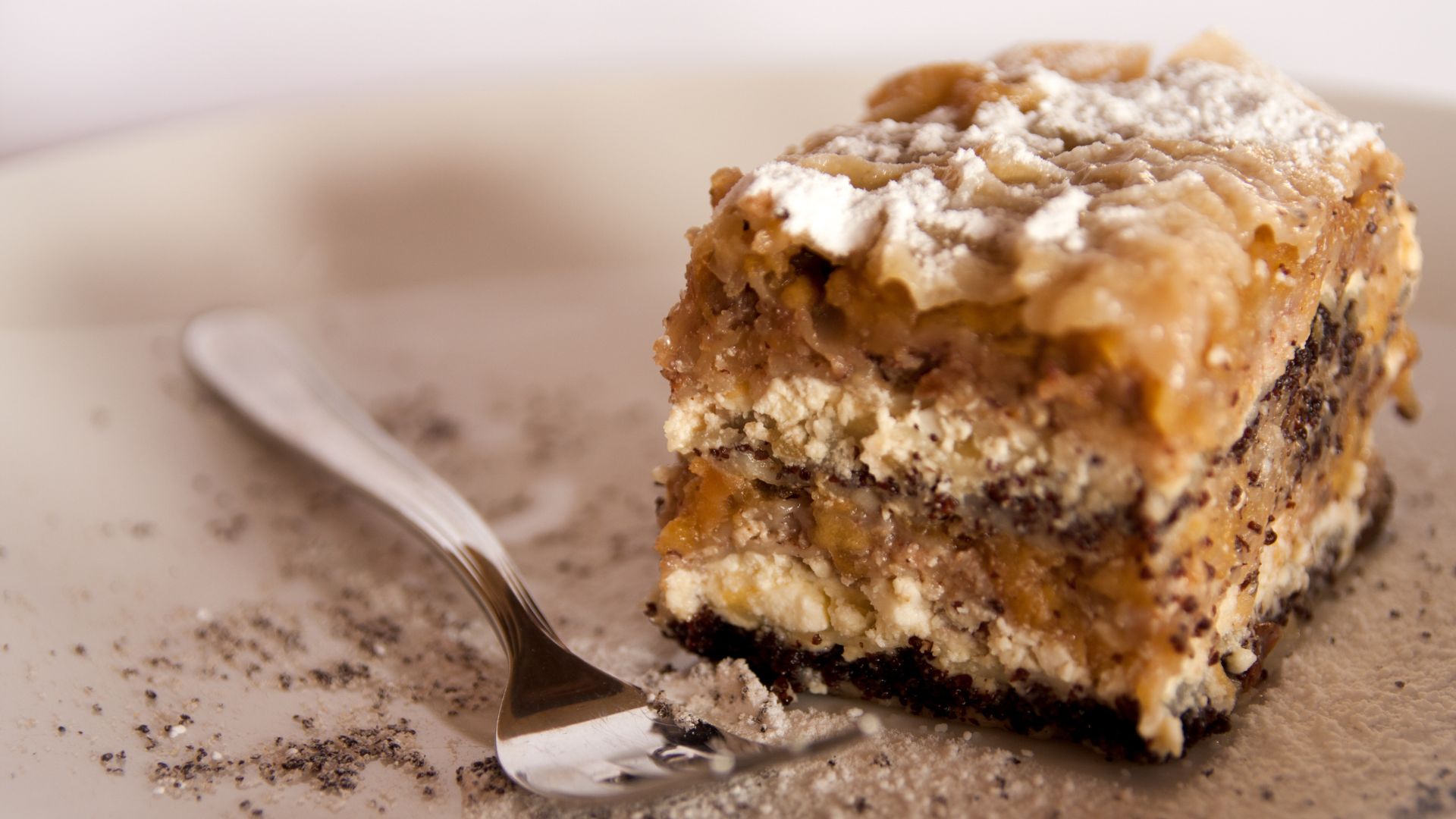
Međimurska Gibanica hails from northern Croatia and loves to show off. This layered dessert stacks pastry with cottage cheese, poppy seeds, walnuts, and apples.
Each layer brings its own flavor and texture. It’s a labor of love and takes patience to get right.
Pašticada cake is a wild card. Inspired by the famous meat dish, it uses the same spices—only in a sweet way.
Bakers in Split dreamed this up. It’s proof that Croatian cooks aren’t afraid to experiment.
Highlights of the 11 Must-Try Croatian Desserts
Croatian desserts run the gamut—from creamy kremšnita in Samobor to citrusy fritule, nutty povitica, and the caramel-kissed rožata of Dubrovnik.
Kremšnita: The Creamy Custard Slice
Kremšnita might just be the most beloved dessert in Croatia. Layers of fluffy custard and crisp puff pastry make every slice a treat.
The town of Samobor claims the original, thanks to pastry chef Đuro Lukačić in the 1920s.
Traditional kremšnita includes:
- A light custard cream filling
- Puff pastry on top and bottom
No chocolate glaze, no whipped cream—just pure, wobbly custard. The best ones look like they might collapse but never do.
You’ll find all sorts of versions across Croatia. Some add whipped cream, some go for chocolate, but Samobor insists their custard-only cube is the real deal.
Fritule: Sweet Dalmatian Fritters
Fritule are tiny, boozy doughnuts with roots in Venice. They landed on the Croatian coast and now pop up everywhere, especially at Christmas.
You’ll usually find:
- Citrus zest for aroma
- Rum, grappa, or rose liqueur
- Raisins or grated apples (sometimes)
- Either a yeasted dough or a thick batter
When fritule hit the oil, the whole neighborhood knows. I’ve had people knock on my door, hoping for a taste.
Every family does fritule their way. Some use batter, others swear by yeast. The final flourish is always a splash of booze for that signature kick.
Povitica: Rolled Walnut Bread
Povitica goes by plenty of names—orehnjača, potica, povitica—but it always means family to me. This walnut roll shows up at every holiday table.
Recipes get handed down like heirlooms. Some families like their dough bready, others rich and buttery.
There are two main styles:
- Bready—lighter, more like bread
- Buttery—dense, with extra fat
When you slice it, you’ll see beautiful walnut swirls. Some families go for thin layers, others want thick stripes.
Povitica often sits next to its sibling, makovnjača (poppy seed roll). People tend to pick sides: team walnut or team poppy.

Rožata: Dubrovnik’s Silk-Smooth Custard
Rožata is Dubrovnik’s pride and joy. Think crème caramel, but with a Croatian heart.
It’s all about that silky custard, topped with golden caramel. Rose liqueur or a bit of rum adds depth.
What makes rožata special:
- Velvety custard
- Caramelized sugar on top
- Rose liqueur for flavor
- Served in individual portions
Families in Dubrovnik keep their recipes close. Getting the texture just right takes practice.
Most old town restaurants serve rožata, and honestly, that’s where you’ll taste the real thing.
Uncovering Croatia’s Seasonal and Festive Sweet Treats
Certain Croatian desserts only come out for special occasions. Christmas, Easter, harvest—each one has its own sweet star, and these recipes link families to the past.
Paprenjaci: Spiced Honey Cookies
Paprenjaci are a Christmas classic. These dark, spicy cookies blend honey with a dash of black pepper.
Medieval bakers came up with the recipe to make treats that lasted through long winters.
What goes in:
- Local honey
- Black pepper
- Cinnamon and cloves
- Dark flour
That pepper brings a gentle heat that balances the sweetness. The cookies are dense and chewy, not your average Christmas treat.
Families bake huge batches in December. I’ve noticed they taste even better after a week or two.
Makovnjača: Poppy Seed Roll
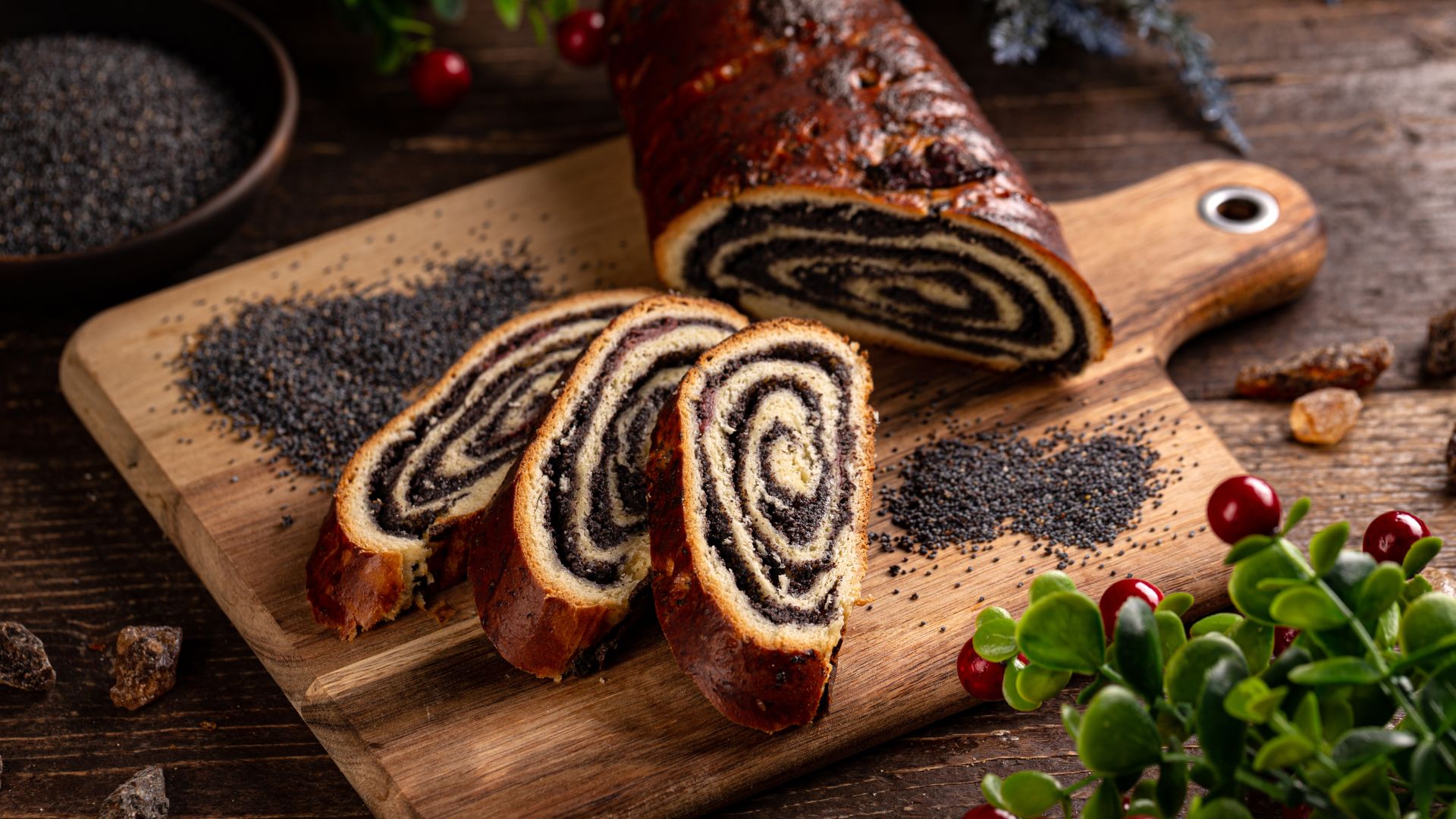
Makovnjača is a must at Easter and Christmas. It’s a rolled cake filled with sweet poppy seed paste, all wrapped in soft yeast dough.
Making it takes time and patience. Rolling the dough thin without tearing is a real skill.
The filling is ground poppy seeds, sugar, milk, and sometimes a splash of rum or lemon zest.
How it’s made:
- Make a rich yeast dough
- Roll it paper-thin
- Spread the poppy seed mix
- Roll up and bake
Once sliced, you get those dramatic dark swirls. Croatian bakers often make several at once for big gatherings.
Salenjaci: Pastries with a Rustic Past
Salenjaci come from Croatia’s farming heartland. These twisted pastries started as a way to turn simple ingredients into something special.
You’ll spot sweet versions with sugar and eggs, or savory ones with cheese or herbs, depending on the region.
The dough is basic—flour, water, oil, salt. Bakers twist it into pretzel-like shapes before baking.
Farmers used to pack salenjaci for harvest days. They’re perfect for eating on the go.
Even today, bakeries make them the old-fashioned way. Every bite feels like a nod to Croatia’s rural roots.
Influence of Croatia’s Diverse Regions and Heritage on Dessert Traditions
Croatia’s desserts reflect its wild mix of cultures and landscapes. Coastal areas lean into citrus and almonds, while inland spots prefer heartier, creamy sweets.
Inland vs. Coastal Dessert Favorites
The geography here splits dessert traditions in two. Dalmatia, by the sea, loves Mediterranean flavors—think rozata, a caramel flan with rose liqueur that just screams “coast.”
Mandulat is the almond candy you’ll find everywhere along the shore. Almonds, sugar, lemon zest—it’s pure, bite-sized bliss.
Head inland to Slavonia or Baranja and you’ll see desserts get heavier. Kuglof is a dense bundt cake, often with rum-soaked raisins, and speaks to the region’s agricultural roots.
Up north in Zagorje, dairy is king. Štrukli—pastry rolls stuffed with cottage cheese—are the ultimate comfort food.
So, coastal desserts go bright and nutty, while inland treats stick with nuts, dairy, and warming spices to get through those cold winters.
Ottoman, Austro-Hungarian, and Mediterranean Influences
Three big culinary influences shaped Croatian desserts. The Mediterranean brought almonds, honey, and citrus—especially along the coast.
Austro-Hungarian heritage left its mark in the north, with refined pastry techniques. Kremšnita owes a lot to Viennese bakers.
Ottoman influence shows up in spices and layered desserts. It’s subtle, but you’ll spot it in filled pastries and the occasional exotic flavor.
Each empire brought something different. Austrians gave us cream work and precision. Mediterranean traders shared citrus tricks. Ottomans introduced complex spices—like the pepper in Slavonia’s paprenjaci.
Exploring Lesser-Known Croatian Desserts Worth Seeking Out
Beyond the famous fritule and orahnjača, Croatia hides some real gems. These lesser-known sweets highlight local ingredients and time-honored skills, revealing just how deep the country’s dessert traditions really go.
Stonska Torta: Ston’s Surprising Almond Cake
Ever stumbled on a dessert that made you do a double-take? That was me in Ston, when I first heard about Stonska torta. This cake isn’t just dense and layered—it hides a quirky secret: penne pasta.
Locals actually mix penne right in with ground almonds, walnuts, a hit of vanilla, chocolate, eggs, and sugar. It sounds wild, but somehow it works. The pasta soaks up all the sweet flavors and gives the cake a hearty texture.
Honestly, it’s not the kind of dessert you’d want after a heavy dinner. I’d say grab a slice in the afternoon, maybe with coffee, and let it surprise you.
Ston’s bakers have kept this tradition alive for generations. I love that about small towns—their best recipes always come with stories. Ston itself is known for its epic medieval walls and salt pans, but this cake might just be its best-kept secret.
Key ingredients:
- Penne pasta
- Ground almonds and walnuts
- Vanilla and chocolate
- Eggs and sugar
If you’re in Ston, don’t just walk past the bakeries. Most people hesitate at first, but one bite usually changes their minds.
Rab Cake: A Delicacy from the Island of Rab
Let’s talk about Rab cake—a true gem from Croatia that’s been around since the 12th century. Locals on the island of Rab first whipped up this almond-based dessert, and honestly, it takes some serious know-how to get it right.
Bakers use ground almonds, sugar, eggs, and a generous splash of maraschino liqueur. There’s no flour at all, which gives the cake its unique texture and flavor.
You’ll usually spot Rab cake shaped in spirals or other artsy designs, finished with a dusting of powdered sugar. It looks almost too good to eat, but trust me, you’ll want to dig in.
There’s a legend floating around that a pastry chef invented this treat for Pope Alexander III when he visited in 1177. Whether that’s true or just a good story, the cake quickly became a local treasure.
Bakers on Rab island treat their recipes like family secrets, passing them down through generations. It’s not something you’ll find just anywhere.
Traditional characteristics:
- No flour—just almonds, sugar, eggs, and liqueur
- Spiked with maraschino liqueur for a little kick
- Always shaped into beautiful spirals
- Finished with powdered sugar
If you want the real deal, you’ll need to visit Rab itself. Local bakeries still use age-old techniques, and you can taste the history in every bite.