
Canada’s healthcare system gives American travelers a sense of security that’s honestly tough to find back home. Sure, U.S. visitors don’t get access to the country’s universal healthcare program, but with private travel insurance, you’ll discover high-quality care, reasonable prices (especially compared to U.S. rates), and easy access to everything from walk-in clinics to ERs.
I’ve noticed that lots of Americans stress about healthcare access before coming to Canada. But, in my experience, Canada’s organized medical system, affordable private insurance, and transparent pricing make things feel way more predictable—and honestly, less nerve-wracking—than what I deal with at home.
Knowing how Canada’s healthcare works for visitors, what kind of insurance you’ll need, and how to get care if you need it can turn your trip from stressful to smooth. So, let’s dive into the ways Canadian healthcare helps American travelers relax and focus on the fun stuff, not medical emergencies.
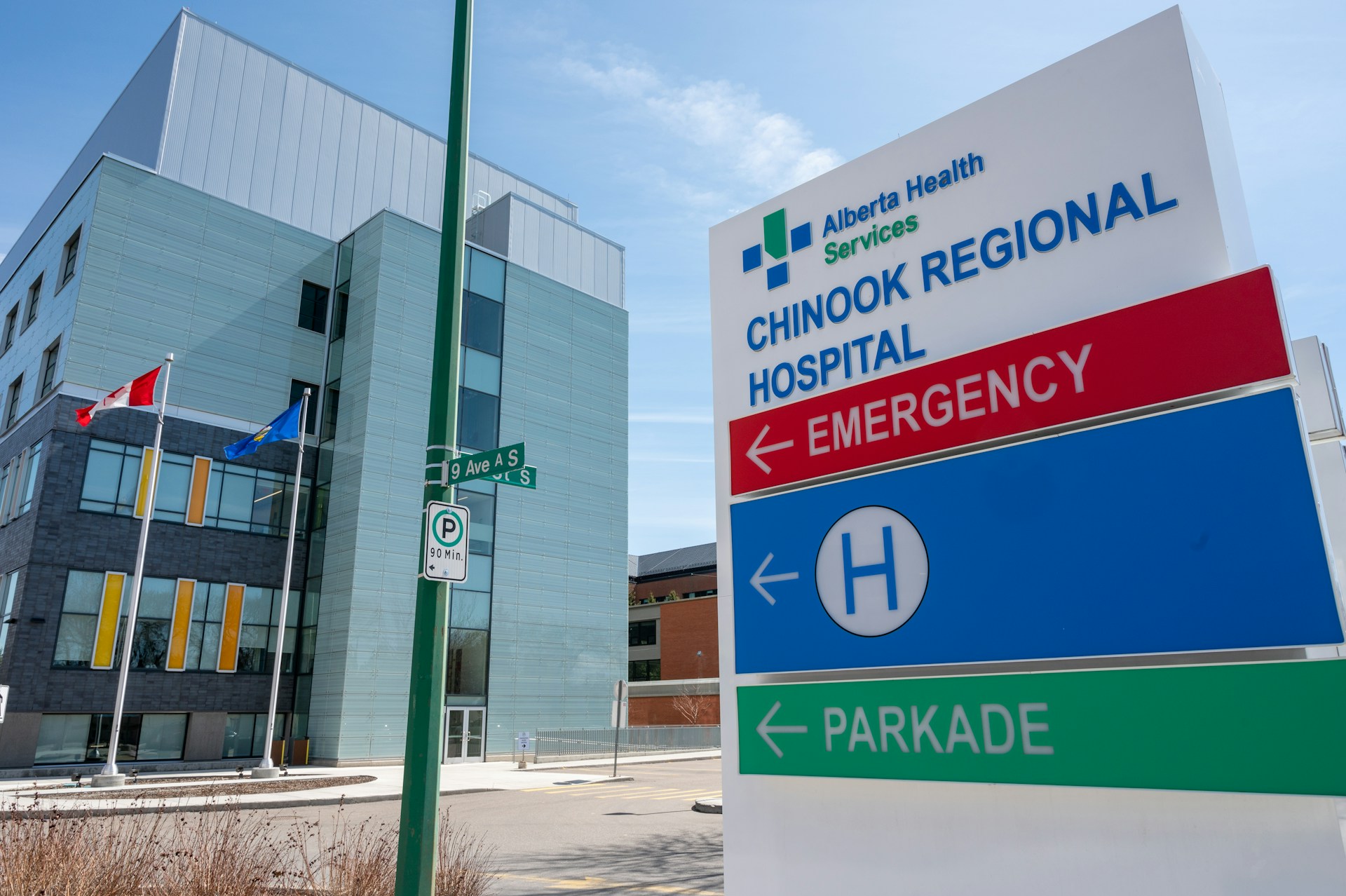
Canadian Healthcare System Fundamentals
Canada runs a universal healthcare system funded by taxes. All eligible residents get coverage through their province or territory’s insurance plan.
The system sticks to five key principles and splits responsibilities between the federal and provincial governments.
Principles of the Canada Health Act
The Canada Health Act sets out five must-follow rules for provincial health plans to get full federal funding.
Public Administration means each province puts a public authority in charge of health services, keeping things non-profit. So, government agencies—not private companies—call the shots.
Universality promises coverage for every resident in a province or territory. No one gets denied based on income, job, or health status.
Portability lets your coverage travel with you inside Canada or when you move to a new province. If you move, your new province covers you for up to three months while you register.
Accessibility ensures everyone can reasonably access medically necessary services, no matter their ability to pay. Wait times and distances should be fair for all.
Comprehensiveness requires full coverage for medically necessary hospital services, doctor visits, and surgeries done in hospitals.
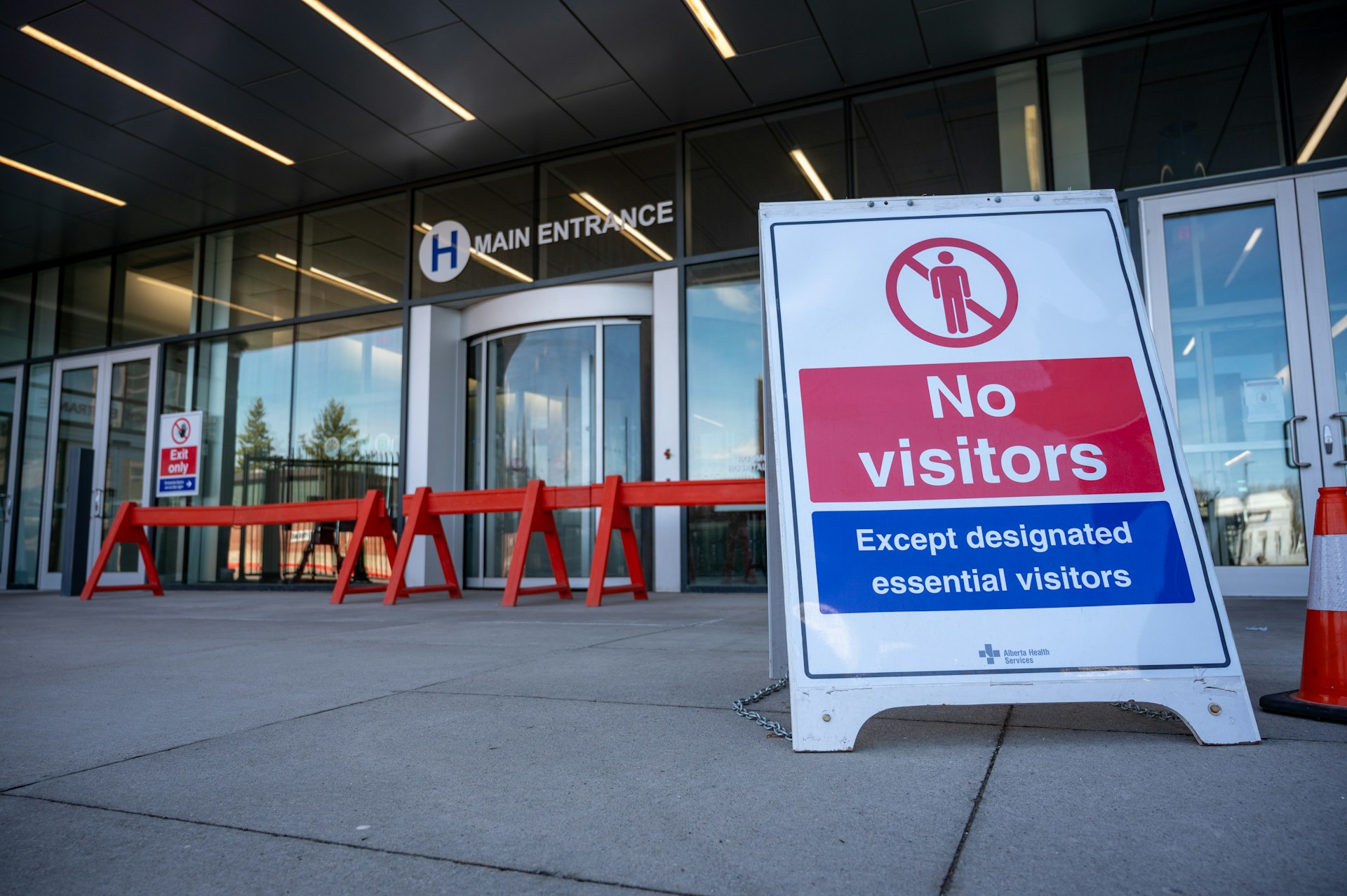
Structure of Public Health Insurance Coverage
Each province runs its own health insurance plan but has to meet federal standards. Basic coverage includes hospital stays, doctor visits, and surgeries you actually need.
You can see doctors and nurse practitioners for primary care. ER visits and diagnostic tests fall under this basic coverage too.
Extra services depend on where you are, your age, or your income:
- Prescription drugs
- Dental care
- Vision care
- Home care
- Ambulance rides
But you’ll pay out of pocket for things like cosmetic procedures, private hospital rooms, medical certificates, and private nurses. Private insurance can help with these extras.

Role of the Provinces and Territories
Provinces and territories handle the actual delivery of healthcare. The federal government sets standards and provides funding, but provinces decide what counts as medically necessary and hire healthcare workers.
Your province regulates doctors, nurses, and other providers. If you have a complaint, you reach out to your provincial ministry of health or the College of Physicians and Surgeons.
The federal government directly covers certain groups—like veterans, federal inmates, Canadian Forces, and First Nations people on reserves. Federal funding reaches provinces through the Canada Health Transfer.
Because of this, healthcare can look a bit different from province to province, but everyone gets the same basic coverage.
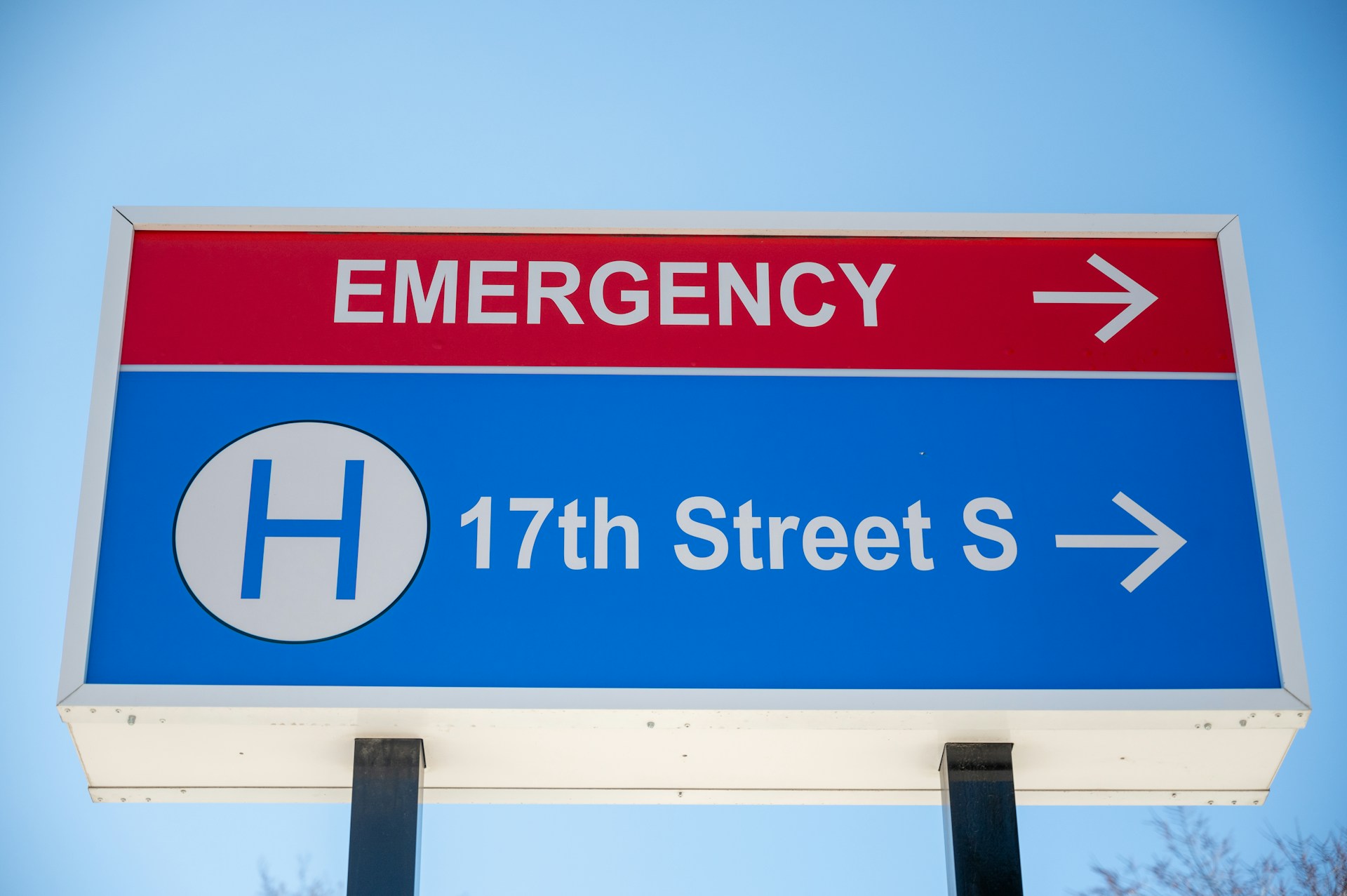
Access for American Travelers: What’s Available and What’s Not
American travelers can get emergency medical care at Canadian hospitals. For routine care, though, you’ll need to pay upfront or have private insurance.
Knowing the eligibility rules and what’s not covered helps you prepare for any medical surprises during your trip.
Healthcare Services for Visitors
Canada’s public system covers emergency treatment for visitors in hospital ERs. No one’s going to turn you away if you need urgent care.
But for anything non-emergency—walk-in clinics, specialists, tests, prescriptions—you’ll pay out of pocket.
You can access:
- ER treatment
- Urgent hospital care
- Ambulance services (but there’s a fee)
- Emergency surgery
You’ll pay for:
- Walk-in clinic visits ($150-$300)
- Family doctor appointments
- Specialist visits ($300-$600)
- MRIs, CT scans, lab tests
- Prescription meds
Even emergency care sometimes comes with a bill. Ambulance rides usually cost $400-$500 for visitors, even if it’s a real emergency.

Eligibility and Limitations for Tourists
Tourists don’t get Canada’s universal healthcare coverage. Each province runs its own system, but none offer free comprehensive care to visitors.
You’ll need to show ID and payment info before getting non-emergency care. Some clinics want payment before they treat you.
Not eligible for:
- Free routine care
- Provincial health plans
- Subsidized meds
- Free preventive services
You can access:
- Emergency treatment (but you’ll be billed)
- Private-pay services
- Hospital ERs
- Private clinics and specialists
The system always puts emergency care first, no matter your ability to pay right away. But you’ll get a bill for everything you use.
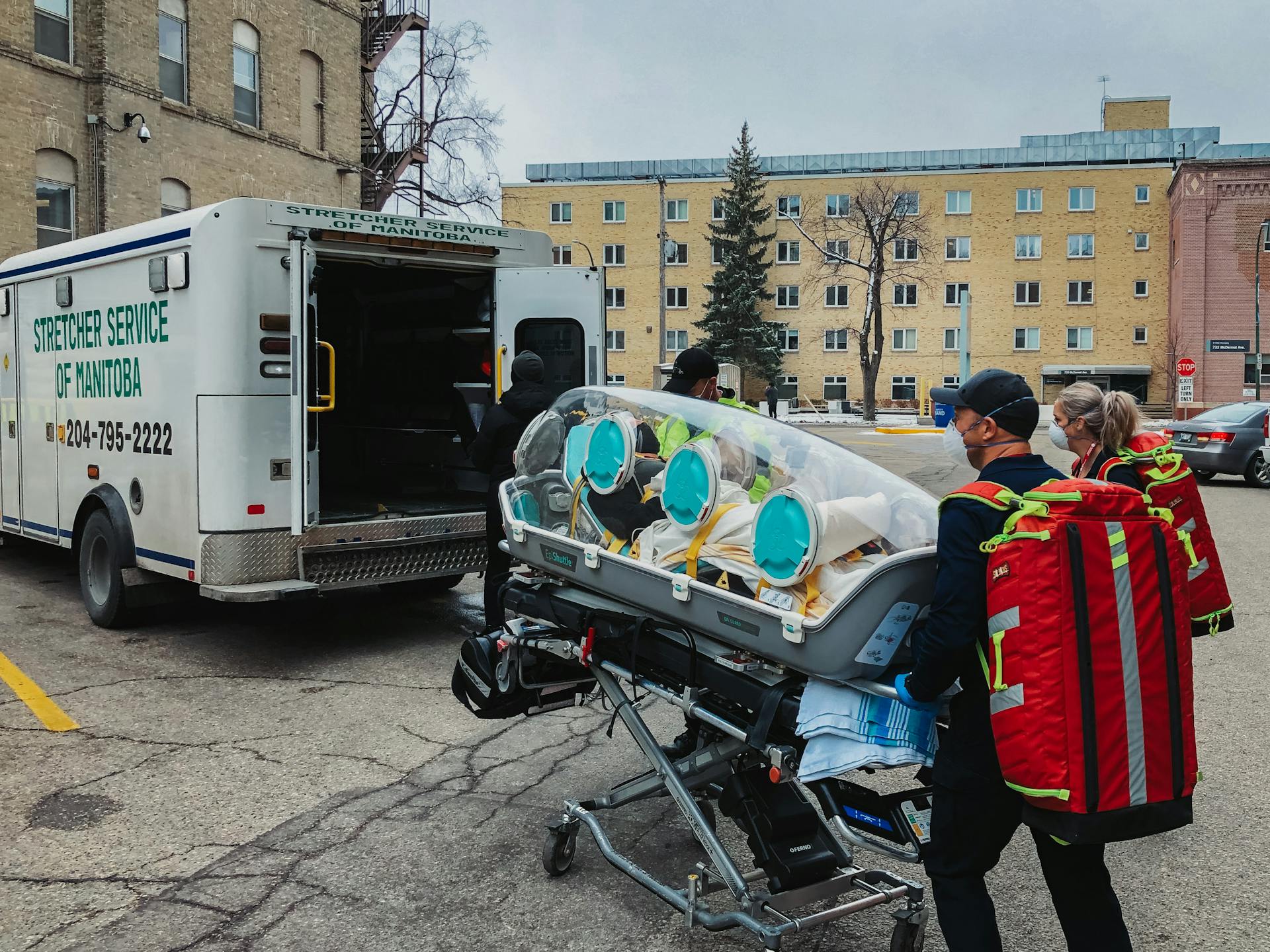
Importance of Private Health Insurance
Private health insurance is a must when you visit Canada. Without it, medical bills can add up fast.
A basic ER visit runs $500-$1,200 before treatment or tests. Surgeries can hit $10,000-$50,000, depending on what’s needed.
What to look for:
- Medical expense coverage: $1-2 million minimum
- Emergency evacuation
- Prescription drug benefits
- Hospital room upgrades
Sample costs without insurance:
- ER visit: $800-$1,200
- Overnight hospital stay: $2,000-$4,000 per day
- Specialist: $400-$800
- Basic surgery: $5,000-$25,000
I always buy solid travel insurance before heading to Canada. The peace of mind is worth every penny.

Emergency Medical Care
Canadian ERs use a triage system—serious cases go first. Your nationality doesn’t affect your place in line or the care you get.
The quality of emergency care usually matches or tops what you’d find in the U.S. Staff are skilled and the facilities are modern.
How it works:
- Show ID at registration
- Give insurance info if you have it
- Get triaged
- Get treated based on urgency
- Handle billing after
Covered emergencies:
- Life-threatening situations
- Major injuries
- Emergency surgeries
- Heart attacks
- Strokes
Most hospitals work with international insurance companies, so you can often sort out payment after treatment.

Health Insurance Coverage Options for U.S. Visitors
U.S. visitors need private health insurance in Canada. American plans rarely cover care abroad, so you’ll want a travel plan or a more comprehensive international policy.
Travel Health Insurance Plans
Travel health insurance is the go-to for most Americans visiting Canada. These plans usually cover emergency care, hospital stays, and prescriptions.
Safe Travels USA Comprehensive and Patriot America Plus get great reviews. Both plans include emergency evacuation and some coverage for sudden flare-ups of pre-existing conditions.
You can buy most travel plans after you’ve left the U.S.—handy if you forgot before your trip.
Coverage limits stretch from $50,000 up to $1 million per incident. Higher limits cost more but offer better protection.
Key features:
- ER visits
- Urgent care
- Prescription meds
- Medical evacuation to the U.S.
- 24/7 help hotlines

International Health Insurance Options
International health insurance offers more coverage than basic travel plans. It’s great for Americans staying in Canada longer or making lots of trips.
WorldMed and Diplomat Long Term stand out for international coverage. These plans can include routine care, preventive visits, and specialists—stuff travel insurance skips.
International plans cost more. Premiums run $200-$800 a month, depending on your age and coverage.
These policies usually cover you worldwide, so the same plan works in Canada, the U.S., and beyond.
Benefits may include:
- Primary doctor visits
- Specialists
- Diagnostic tests
- Mental health
- Maternity care

Coverage Gaps and Supplemental Insurance
Even the best private plans have gaps. Most won’t cover non-emergency dental, vision, or routine check-ups.
Pre-existing conditions are tricky. Many plans don’t cover them at all, or only handle sudden, acute issues.
You can add supplemental insurance for things like dental or vision, usually for an extra monthly fee.
Some travelers double up on policies—a basic travel plan for emergencies and another for regular meds or ongoing treatments.
Age matters, too. If you’re over 70, expect higher premiums and fewer choices.

Managing Healthcare Costs and Out-of-Pocket Expenses
While Canadian healthcare covers most things, I still run into out-of-pocket costs when I travel. Still, these costs are way lower than what I’d pay in the States, and I can use my HSA to help manage them.
Typical Out-of-Pocket Expenses in Canada
When I visit, I pay for services the provincial plans don’t cover. Prescription meds are the biggest expense for most travelers.
Dental care always requires upfront payment. A basic cleaning runs $150-$250 CAD. Emergency dental work can be $200-$800 CAD.
Vision care is also out-of-pocket. Eye exams are $100-$150 CAD. Glasses start around $200 CAD for the basics.
Ambulance rides aren’t free in most provinces. Ground ambulance is $45-$385 CAD, while air ambulance can top $1,000 CAD.
Some provinces charge small fees for certain services. Alberta charges $25 CAD for non-emergency visits, and Quebec might add fees for specialized care.

Cost Comparison to the U.S.
The price difference between Canadian and American healthcare is huge. I save a lot, even paying out of pocket in Canada.
ER visits in Canada cost nothing for basic care. In the U.S., it’s $1,389 USD on average without insurance.
Prescription drugs are 40-60% cheaper in Canada. Insulin, for example, is $40-$75 CAD for a month’s supply, compared to $300+ USD in the U.S.
| Service | Canada (CAD) | U.S. (USD) |
|---|---|---|
| Doctor Visit | $0 | $250-$400 |
| MRI Scan | $0-$200 | $1,000-$3,000 |
| Blood Work | $0-$50 | $200-$500 |
| X-Ray | $0 | $260-$460 |
Specialist visits are free in Canada, but $350-$500 USD in the U.S. The same pattern shows up for most diagnostic tests, too.

Using HSAs Abroad
My Health Savings Account works for qualified medical expenses in Canada. HSA funds cover treatments, prescriptions, and medical supplies bought abroad.
I save all my receipts—Canadian providers usually give receipts that meet IRS rules for HSA reimbursement.
Prescriptions bought in Canada count for HSA coverage. I get the lower Canadian price and the tax break.
Travel medical expenses like ER visits, ambulance rides, and urgent care also qualify for HSA reimbursement.
Sometimes I use my HSA debit card at Canadian pharmacies or clinics. If not, I pay upfront and reimburse myself later.

Ease of Access to Medical Care
Canadian healthcare makes it easy to find care when you need it. There are walk-in clinics, ERs, and clear steps for getting different levels of care.
Finding Doctors, Clinics, and Hospitals
I can find healthcare providers all over Canada using a few tried-and-true methods. Each province keeps online directories listing doctors, specialists, and facilities by location and services.
Most provinces have phone lines to help you find doctors accepting new patients. Ontario’s Health Care Connect and BC’s HealthLink BC are free and easy to use.
Hospitals are marked with big blue-and-white “H” signs on highways and in cities. Larger hospitals are in urban centers, while smaller community hospitals cover rural areas.
Key resources:
- Provincial health ministry sites
- 811 health info lines (in most provinces)
- Local health authority directories
- Tourist info centers
In touristy spots, you’ll find healthcare facility info at hotels and visitor centers. This makes it easy to know where to go before you actually need help.
Walk-In Clinics for Minor Issues
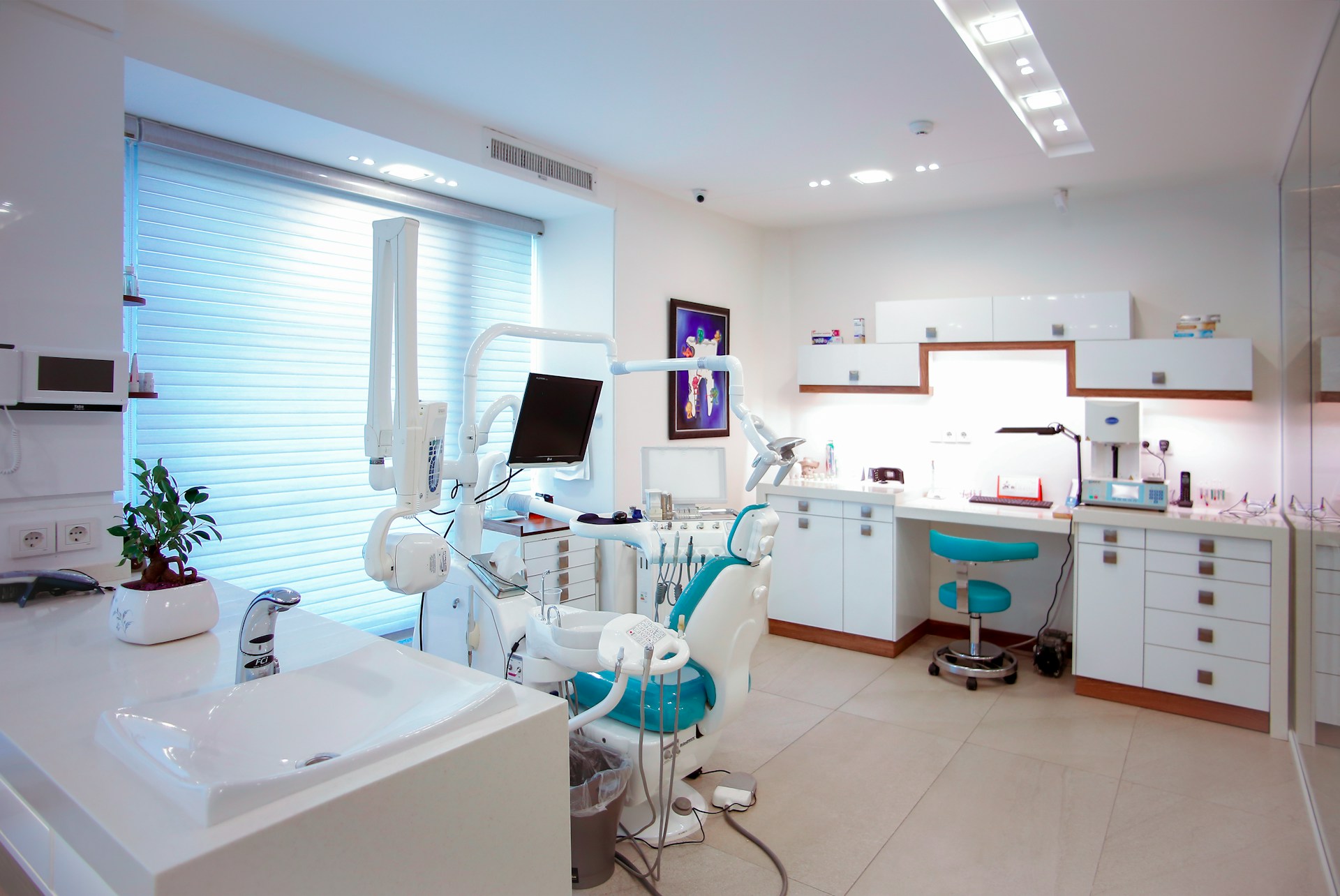
Walk-in clinics make life so much easier when you just need quick care for something minor. No appointment? No problem. You’ll spot these clinics tucked inside shopping centers, right next to pharmacies, or sometimes standing alone in medical buildings all over Canada.
Most of them keep pretty generous hours, even on evenings and weekends. Usually, you can pop in anytime from 8 AM to 8 PM during the week, though weekends might run on a shorter schedule.
So, what can they actually help with? Here’s what I’ve seen:
- Cold or flu symptoms
- Minor cuts or sprains
- Prescription renewals
- Basic health screenings
Honestly, you might have to wait a bit—anywhere from half an hour to a couple hours, depending on how busy things get. Mornings tend to be less hectic, so if you’re not a fan of waiting, that’s your best bet.
Some pharmacy chains, like Shoppers Drug Mart, even run their own clinics right inside the store. Super handy if you need to see someone and pick up your meds all in one trip.

Understanding Wait Times
Let’s talk about wait times, because, well, nobody likes surprises. In Canada, how long you wait really depends on the kind of care you need. If it’s an emergency, you’ll get help right away—nobody checks your insurance or wallet first.
Typical Wait Times:
- Emergency rooms: Right away up to 4 hours (depends how serious it is)
- Walk-in clinics: 30 minutes to 2 hours
- Specialist appointments: 2-8 weeks
- Non-urgent surgeries: 4-26 weeks
Emergency rooms use a triage system, so they see people based on how urgent things are, not who showed up first. If it’s life-threatening, you’ll go straight in. Otherwise, you might need a bit of patience.
Honestly, I’ve found it useful to check online for current wait times—many provinces post these updates for hospitals and clinics. Picking a spot with a shorter wait has saved me a lot of sitting around.
Want to see a specialist? The wait really depends on where you are and what kind of doctor you need. Cities usually have more options, so you’ll get in faster than you would out in the countryside.

Emergency Services Across Canada
Hospitals all over Canada keep their emergency services running 24/7. You’ll find that they follow similar protocols and use up-to-date equipment, whether you’re in a big city or tucked away in a small town.
Need help fast? Just dial 911 anywhere in Canada. The operator will quickly connect you to ambulances, police, or fire services, depending on what’s happening.
Emergency rooms always treat people with serious medical conditions, no matter their insurance status or nationality. If you need stabilizing care, they’ll provide it—even if you can’t pay right away.
In rural parts of Canada, ambulances sometimes take a bit longer to arrive. Distances can be huge out there. But you’ll usually find a nursing station or a small hospital ready to handle emergencies until you can get to a bigger facility.
Some places are so remote that regular ambulances just can’t make it. That’s where air ambulance services swoop in—literally. Helicopters and fixed-wing planes can whisk patients to major trauma centers when every minute counts.
If you’re worried about language barriers, most emergency departments have your back. They usually offer multilingual services or can get a translator to help you explain what’s wrong.