
The first time I experienced Mexican hospitality, I couldn’t believe how quickly strangers welcomed me as if I belonged. Mexican hospitality forges genuine connections with warm greetings, shared meals, and traditions that make every American visitor feel truly at home. This goes way beyond just being polite.
The Mexican way of welcoming guests runs deep, much deeper than what you’d typically see in the States. I’ve realized that Mexican families treat their homes as extensions of their hearts. When they say “mi casa es tu casa,” they mean it.
From the second you step into a Mexican home, to the late-night conversations that stretch on for hours, you’ll notice specific ways this culture turns strangers into family. Let’s dive into the traditions and little rituals that make Mexican hospitality unforgettable.
Foundations of Mexican Hospitality
Mexican hospitality grows from cultural roots that see every guest as family and every home as a sacred space to connect. These values set the stage for the warmth and generosity you’ll feel as soon as you arrive.
Core Values That Define Hospitality
Mexican hospitality stands on three main pillars: respect, generosity, and family unity. These values shape how people treat guests.
Respect comes first. Mexican families believe in greeting visitors warmly and listening to their stories. It’s just what you do.
Generosity shows up everywhere. People share their food, their time, even their favorite seat, and never expect anything in return. Even if money’s tight, hosts will offer you their best.
Family connection extends to everyone. When you enter a Mexican home, you’re part of the family for as long as you’re there. Blood relation or not, you belong.
Key hospitality values:
- Putting guests first
- Sharing whatever’s available
- Building real emotional connections
- Showing genuine interest in your well-being
Role of Family in Welcoming Guests
Family members pitch in to make guests feel special. Everyone has a role in creating that signature warmth.
Parents lead by example, showing their kids how to greet visitors and treat them with kindness. It’s not just talk; it’s in their actions.
Kids learn early that guests matter. They help serve food, offer drinks, and jump into conversations. It’s how they pick up hospitality as second nature.
Extended family joins in, too. Grandparents tell stories, aunts and uncles join meals, and cousins play with visiting kids. Everyone gets involved.
For the whole family, hosting is an honor. That shared effort sticks with visitors long after they leave.
Influence of Mexican Culture on Home Life
Mexican culture shapes homes and daily life around hospitality. Houses often have open spaces that naturally bring people together.
The kitchen is always the heart of the home. Families gather there to cook, eat, and talk. Visitors usually end up in the kitchen, sharing food and stories.
Living rooms stay open and inviting. Large tables fit everyone, and seating encourages conversation.
Families expect drop-ins. They keep extra food on hand and always make room at the table.
Phrases like “mi casa es tu casa” aren’t empty words. They reflect a real commitment to welcoming others into the family fold.
Warm Welcomes: Creating Instant Connections
Mexican hospitality builds instant bonds with physical gestures and deep-rooted beliefs. These traditions quickly turn strangers into family.
The Importance of the Abrazo
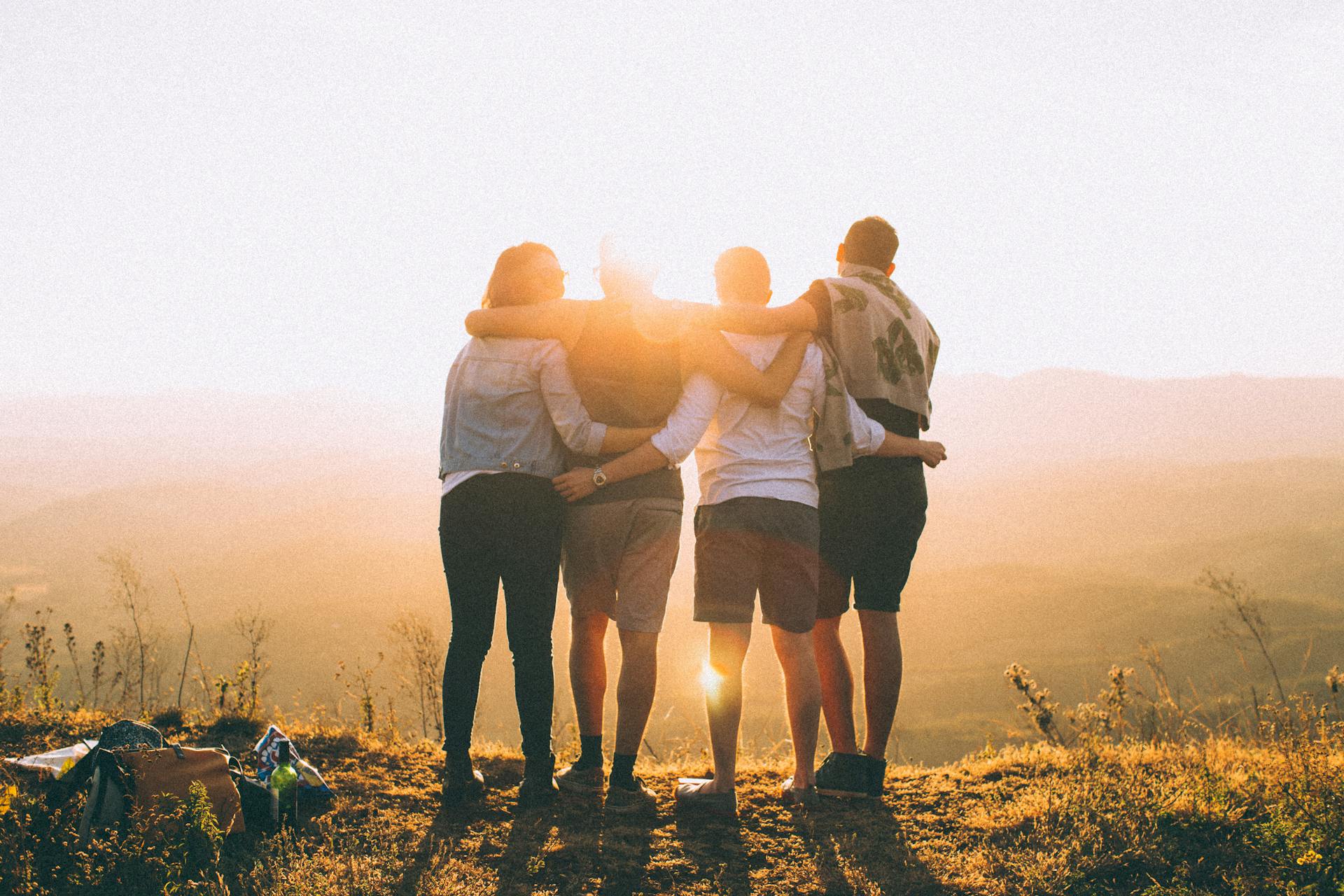
The abrazo is more than just a hug. It’s a promise that you belong.
I’ve seen Americans light up when they get their first Mexican abrazo. There’s eye contact, a real smile, and usually a gentle pat on the back.
What makes a proper abrazo:
- A full embrace, not just a quick shoulder tap
- Eye contact during the greeting
- A heartfelt “¡Bienvenido!”
- The hug lasts a few seconds, not rushed
Hosts greet each guest this way, one by one. No one gets left out.
The abrazo knocks down formal barriers right away. Suddenly, you’re not just a guest—you’re part of the group.
Mi Casa Es Su Casa Philosophy
“Mi casa es su casa” means “my house is your house,” but Mexicans actually live by it. I’ve watched hosts hand over keys to people they just met.
Families open their fridges to guests without a second thought. They offer spare rooms to friends of friends. Kids call family friends “tía” and “tío.”
How this looks in real life:
- Guests help themselves in the kitchen
- Immediate invites to family gatherings
- Sharing belongings without hesitation
- Offering help with personal issues
This mindset comes from deep cultural values about community. It’s not about individual ownership, but about collective comfort.
I’ve seen families change their whole schedule for a surprise visitor. They’ll drop plans just to spend time together.
Breaking Down Social Barriers
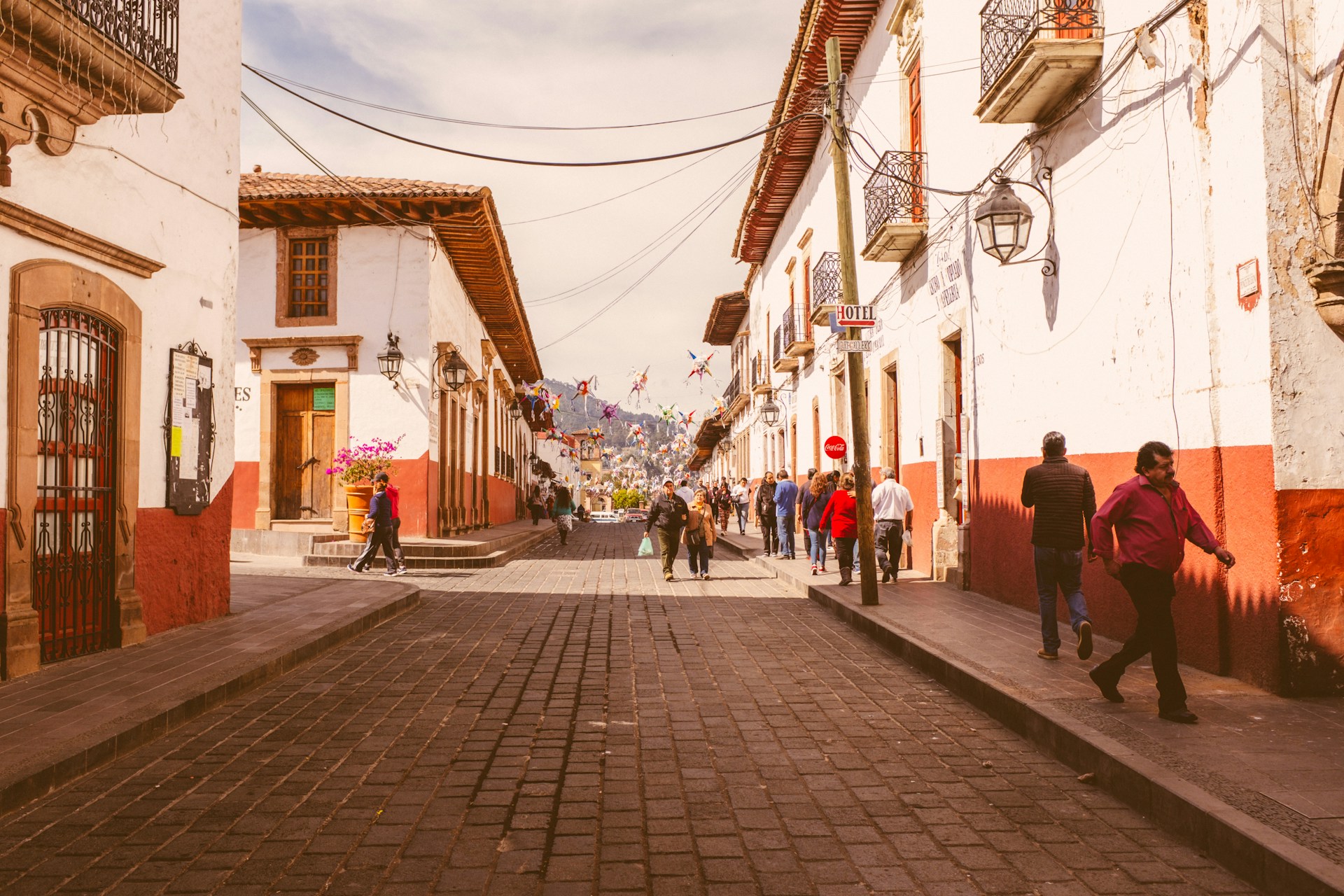
Mexican hospitality tears down social walls in no time. Age, status, background—none of it matters for long.
Kids play with adults. Grandmas tell stories to young guests. Job titles disappear once dinner starts.
Hosts ask personal questions right away. They genuinely want to know about your family, dreams, and even your struggles. It can catch Americans off guard.
Some typical questions:
- “Tell me about your children.”
- “What makes you happy?”
- “How’s your mother doing?”
- “What worries you most?”
These questions build intimacy fast. Mexicans skip small talk and get right to the heart of things.
Physical space changes, too. People stand closer, touch arms during conversation, and personal bubbles shrink.
It works because it’s real. Mexican families truly want to know and care about their guests. The warmth isn’t an act—it’s just who they are.
Mexican Gatherings and Shared Traditions
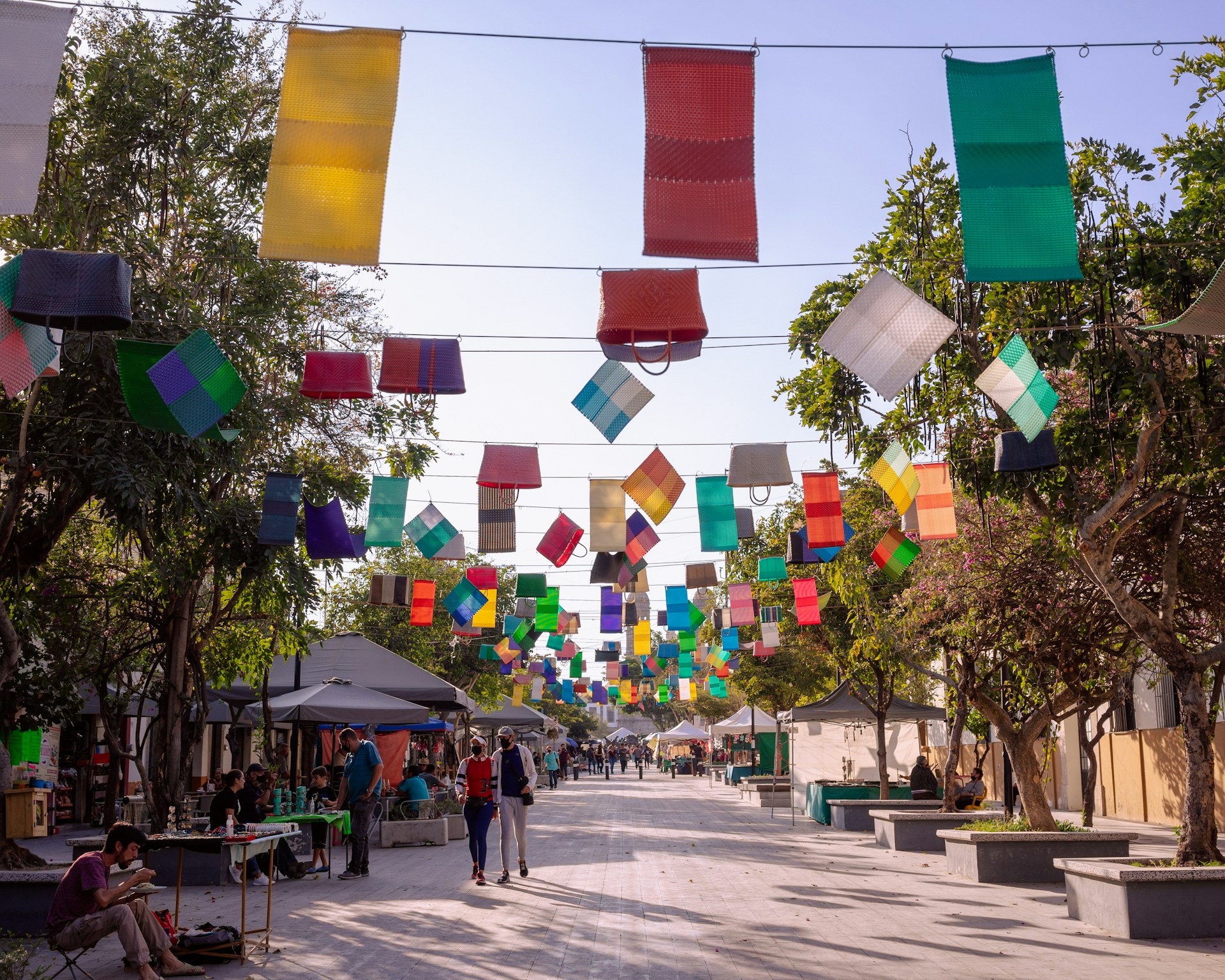
Mexican gatherings revolve around time-honored customs that make everyone feel like family. These celebrations build bonds through activities like breaking piñatas and community festivals.
The Joy of Celebrating With Others
Mexican celebrations are never solo affairs. Every birthday, holiday, or special day turns into a community event.
Family comes from near and far. Neighbors show up without invites. Friends bring more friends.
The cooking often starts days ahead. Women team up to make tamales, mole, and tortillas. Men set up the grill and tables outside.
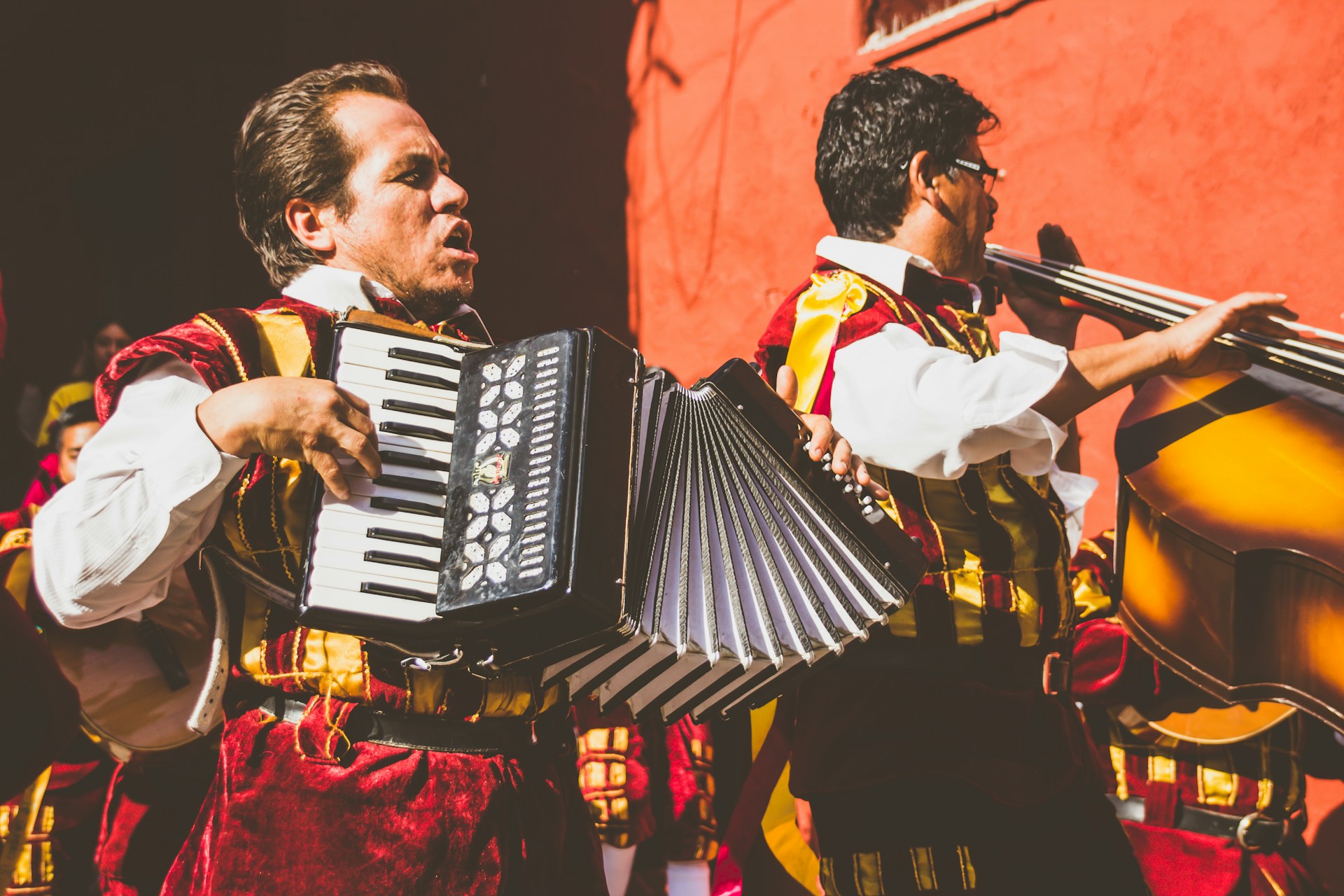
Music is always present. Someone grabs a guitar. Others sing along. Dancing just happens as the night goes on.
Kids run between adults. There aren’t separate tables for children—they’re right in the mix.
These gatherings strengthen relationships. People share stories, catch up, and support each other.
Even after the food’s gone, the party isn’t over. Families linger at the table, practicing “la sobremesa,” chatting for hours and deepening their connections.
Las Posadas: Embracing Community
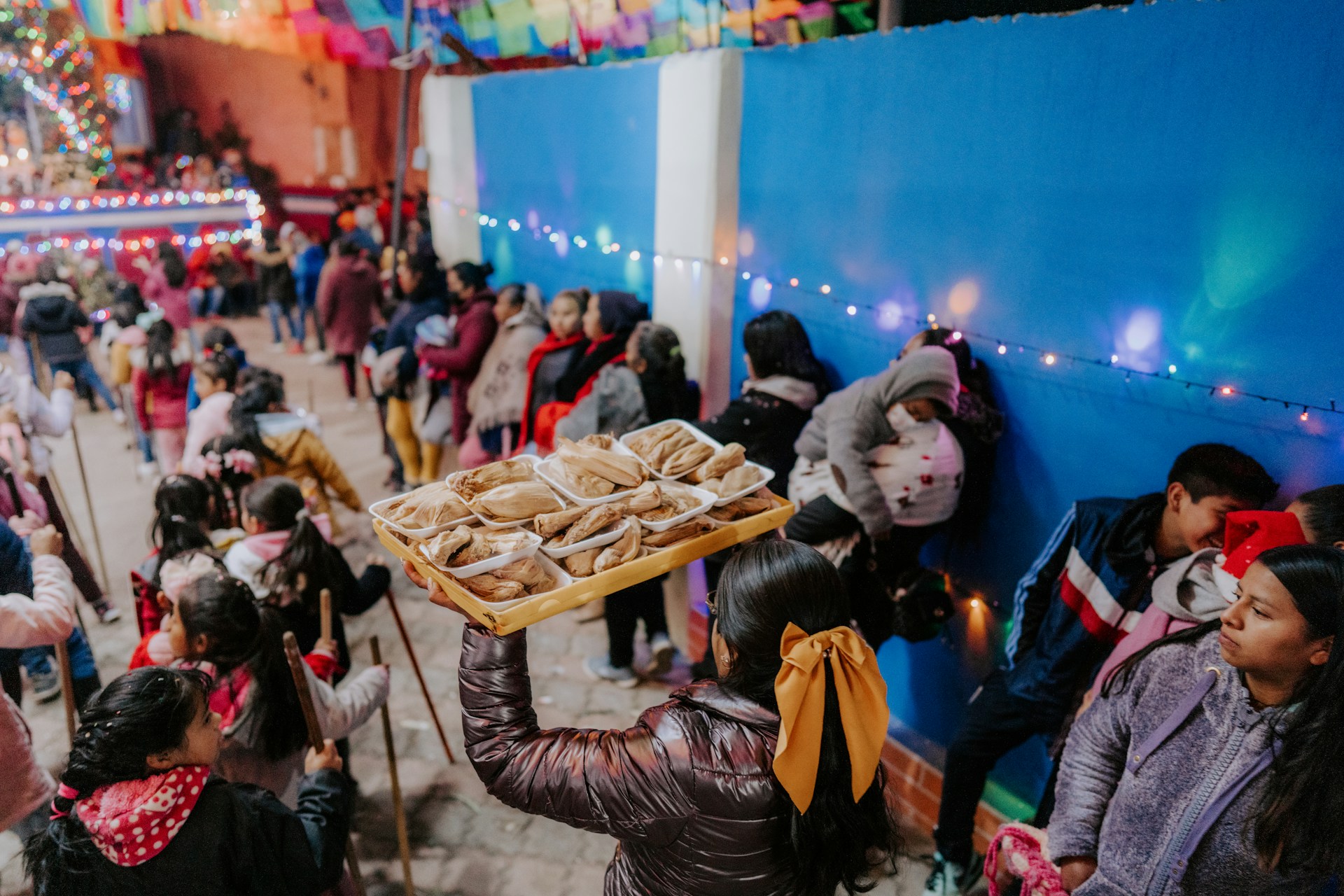
Las Posadas brings neighborhoods together for nine nights before Christmas. It reenacts Mary and Joseph’s search for shelter.
Each night, the celebration moves to a different house. One family hosts, while others walk, carrying candles and singing “villancicos.”
I’ve joined posadas where strangers become friends almost instantly. The host family opens their doors to everyone. No one’s left out.
Each night includes:
- Procession with candles and music
- Call and response songs at the door
- Opening up to welcome everyone in
- Sharing food and hot ponche
Kids love dressing up as angels or shepherds. Adults help them learn the songs and traditions.
The ninth night, “Nochebuena,” ends with a big meal and gift exchange.
This tradition really shows how Mexican culture values community over individual celebration.
The Piñata: Fun for All Ages
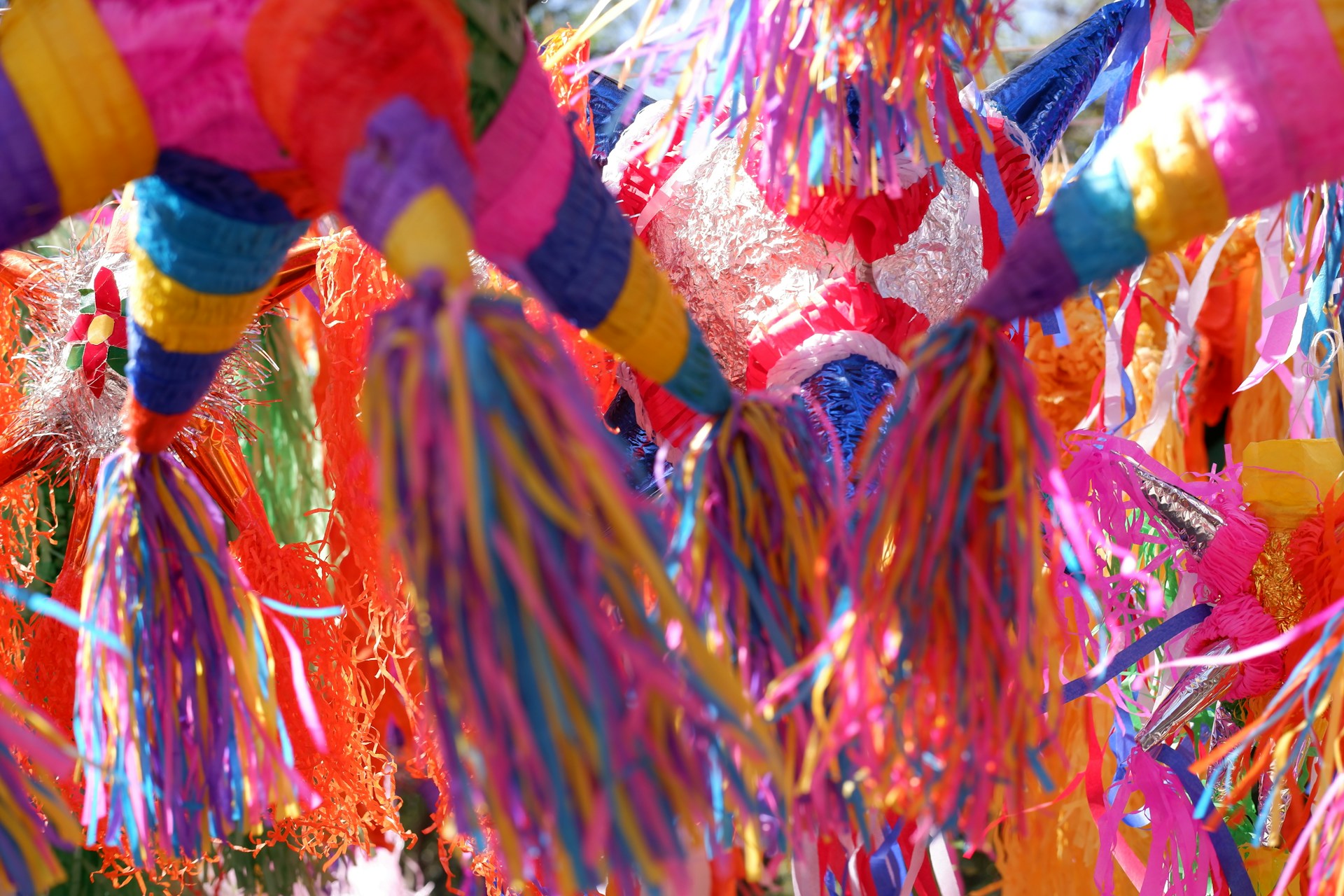
The piñata brings out excitement in everyone. I’ve seen both grandparents and toddlers take a swing, laughing together.
Traditional piñatas have seven points for the seven deadly sins. Smashing them means overcoming temptation through faith and teamwork.
Here’s how the piñata ritual goes:
- Kids line up, youngest first
- Adults help with blindfolds and cheering
- Everyone chants “Dale, dale, dale!”
- When the candy spills, it’s shared by all
This simple game creates memories. The blindfolded person relies on others for guidance, and everyone cheers them on.
Modern piñatas come in all shapes and colors. Some families make their own; others buy fancy ones from artisans.
The best part comes after the piñata breaks. Kids help each other gather treats, and adults make sure everyone—especially the littlest—gets their share.
It’s about community, not competition. Working together is what matters most.
Food as a Symbol of Belonging
In Mexican homes, certain dishes carry deep meaning. Tamales mean shared effort and celebration, while tacos and quesadillas create instant connection at the table.
Homemade Tamales and Their Meaning
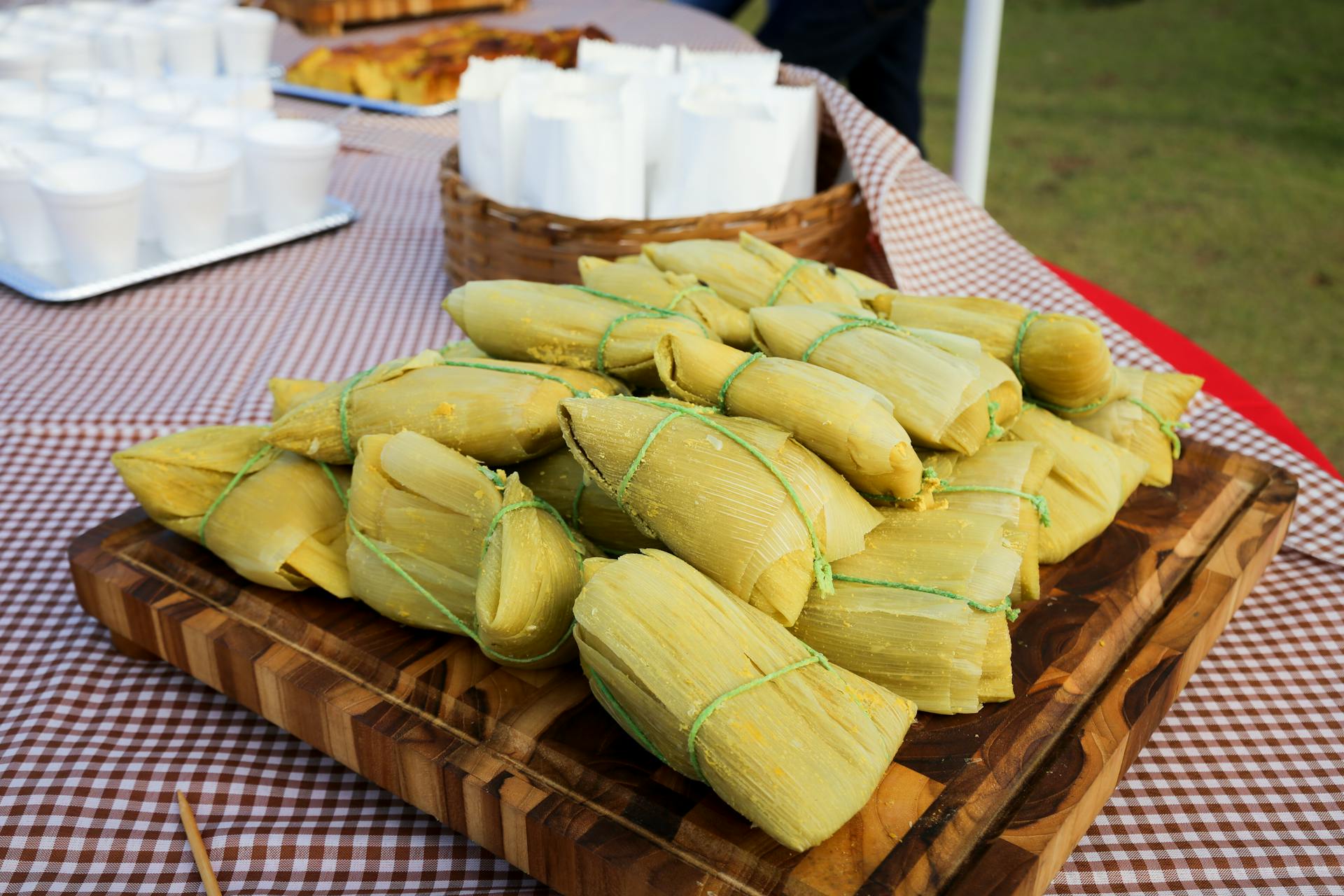
Tamales are a powerful symbol of acceptance. The “tamalada” (tamale-making party) brings families together for hours of teamwork.
When Mexican families invite Americans to a tamale session, they’re offering something special. Everyone gets a job—spreading masa, adding filling, or wrapping husks.
A tamalada usually involves:
- Making masa together
- Swapping family filling recipes
- Learning to wrap tamales just right
- Sharing stories during the hours of work
These sessions happen before holidays or big celebrations. Americans who join often say they feel instantly part of the family.
Making tamales together forges bonds that last. Sometimes, years later, those invitations keep coming.
Tacos, Quesadillas, and Togetherness
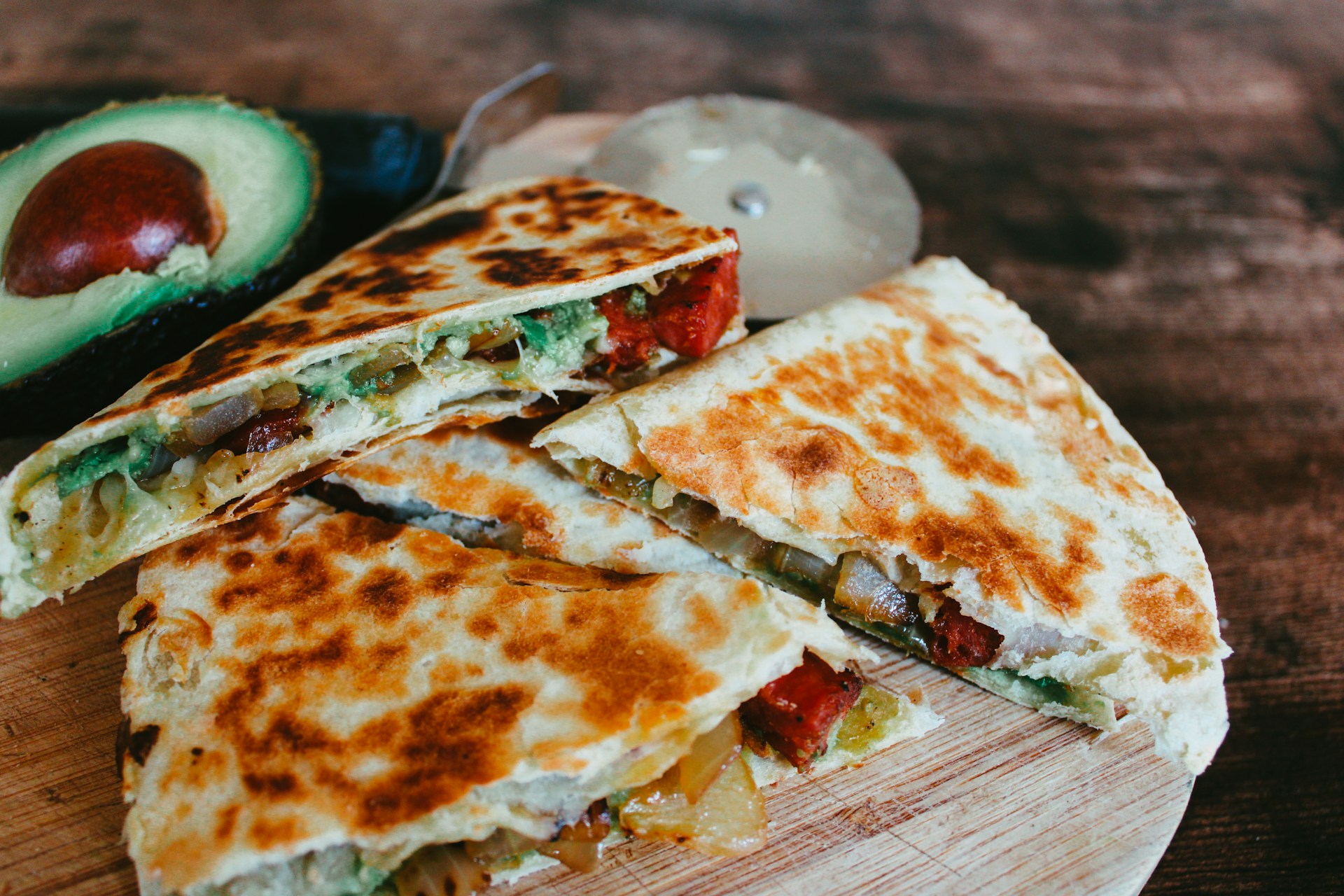
Tacos and quesadillas are the go-to for instant hospitality. I’ve watched Mexican hosts whip up a meal the moment guests walk in, no fuss.
The beauty is in their simplicity. Fresh tortillas get filled with whatever’s on hand—beans, cheese, leftovers, eggs.
A typical taco bar might have:
- Warm corn or flour tortillas
- A few salsas
- Grilled meats or veggie options
- Pickled veggies and onions
During gatherings, families set up taco bars and everyone builds their own plate. It’s casual, interactive, and always sparks conversation.
Quesadillas add melty cheese for extra comfort. Sharing these foods breaks down barriers fast.
Americans often say these informal meals feel warmer than formal dinners. The hands-on style gets everyone talking.
The Role of Tortilla and Salsa at the Table
Tortillas and salsa show up at every meal, symbolizing hospitality. Fresh tortillas mean someone took the time to do it right.
Each family has their own salsa recipes, often handed down through generations. The variety tells stories about regions and tastes.
Common salsas include:
- Salsa verde (tomatillo-based)
- Pico de gallo (fresh tomato and onion)
- Salsa roja (red chili and tomato)
- Salsa de chile (different peppers)
Mexican hosts always make sure guests know which salsa is spicy. They’ll walk you through the options so you don’t get caught off guard.
Tortillas double as utensils, encouraging everyone to eat with their hands. It makes meals feel more relaxed and intimate.
When families share homemade tortillas and salsas, they’re sharing their cultural identity. Americans who embrace these foods show real respect for Mexican traditions.

Lasting Bonds Through Conversation and Shared Experiences
Mexican hospitality builds deep connections with lingering conversations after meals and storytelling that bridges generations. Guests often become lifelong friends, treated with the same loyalty as family. These moments turn casual visits into relationships that stick with you for years.
La Sobremesa: Lingering After Meals
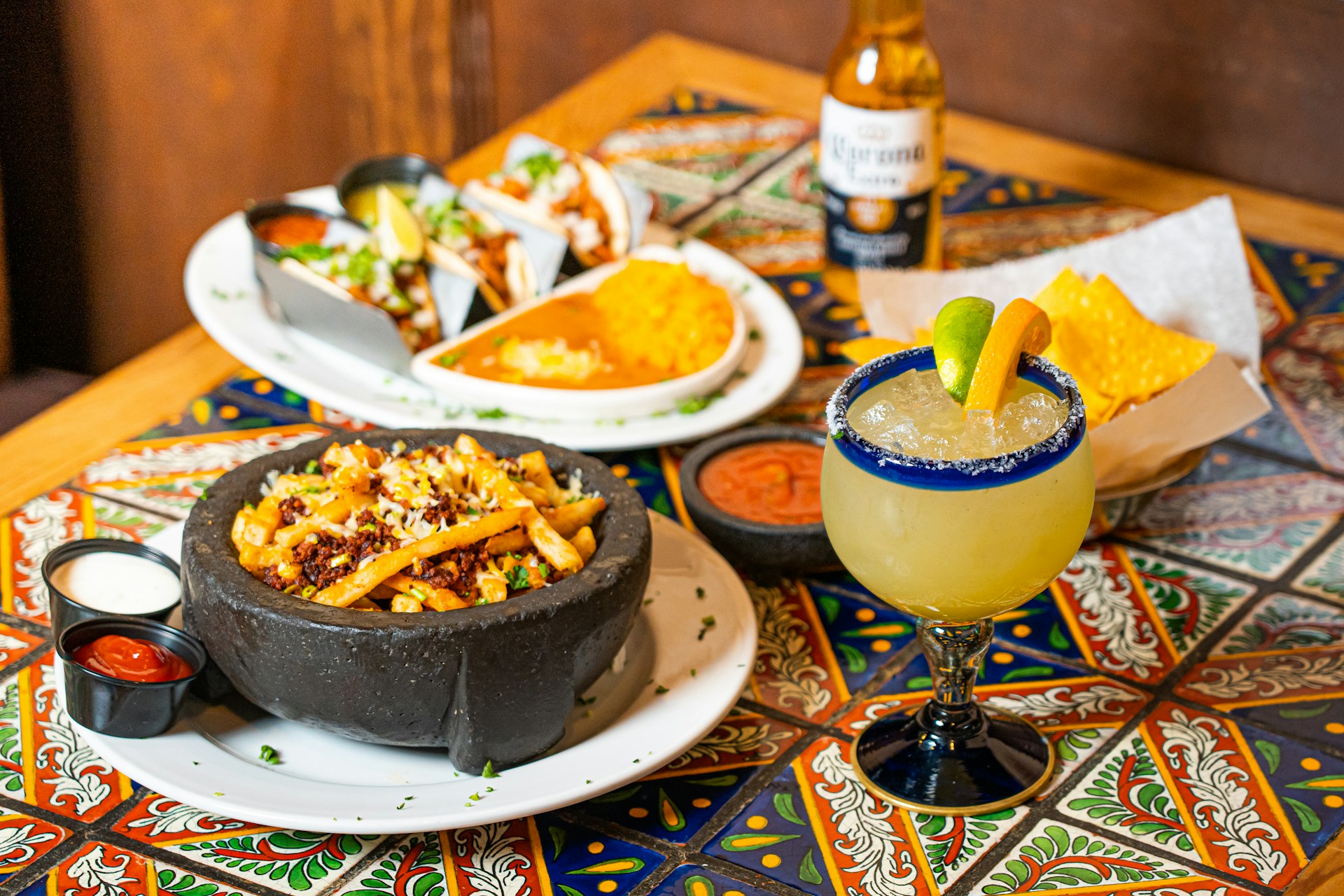
I’ve noticed that Mexican families transform every meal into a chance for real connection through la sobremesa. This isn’t just about eating—it’s about sticking around the table, swapping stories, and letting laughter fill the room.
Sometimes these conversations stretch on for hours. People drift from chatting about the day’s little dramas to reminiscing about childhood antics.
Coffee and dessert might show up, but honestly, the real treat is the conversation itself. There’s something special about how adults open up while kids quietly soak in the wisdom.
During la sobremesa, trust and understanding just seem to grow naturally. Guests, even those who barely know the family, get swept into these discussions and start to feel at home.
I’ve never felt rushed at a Mexican table. Hosts seem to believe that lingering is part of what makes you feel welcome.
Sometimes, I’ve watched American friends look a little startled at how long we sit there, but by the end, they don’t want to leave either. It’s hard to walk away from that warmth.
Generational Ties and Storytelling
Mexican hospitality really shines when families start telling stories across generations. Grandparents might share wild tales from their youth, while parents talk about the present and kids chime in with their own takes.
These stories do a lot more than fill the silence:
- Preserving family history – Memories and traditions stay alive
- Teaching values – Life lessons sneak in through personal anecdotes
- Building identity – Kids start to piece together where they fit in
- Creating belonging – Even guests feel folded into the family’s story
I love how families invite visitors into these storytelling moments. They’ll ask about your background and then share something similar from their own lives.
Food, parties, and stories about tough times—these come up a lot. It’s funny how those themes hit home no matter where you’re from.
I’ve watched American guests nod along, recognizing bits of their own family in these stories. Turns out, everyone craves a sense of belonging around the table.
Family Loyalty Beyond Blood
In Mexico, family loyalty doesn’t just stick to blood relatives. Close friends and even regular guests often become part of the familia, especially when you’ve shared real moments together.
I’ve watched Mexican families welcome American visitors as if they were cousins who’d always belonged. They’ll offer a hand with whatever you need—sometimes before you even ask. Invitations to birthdays, weddings, or even just Sunday lunch? Absolutely. And don’t be surprised if they keep in touch long after you’ve gone home.
Here’s what this loyalty looks like in real life:
- Emotional support when things get rough
- Practical help for the everyday stuff
- Social inclusion at family gatherings
- Long-term commitment that doesn’t fade, even years later
It’s not a one-way street, either. Families expect guests to care back and keep the relationship alive. When Americans lean into this, they often walk away with friends for life.
Sometimes, a business meeting turns into a genuine friendship. A quick tourist stop becomes a yearly reunion. There’s just something about Mexican hospitality—it sees the possibility of family in every single guest. Isn’t that what makes travel unforgettable?
