Dubrovnik’s medieval walls and that iconic Stradun street? Sure, they’re stunning, but honestly, the city’s true charm hides in places most visitors never even hear about. After wandering around this Croatian gem for a while, I realized the most unforgettable moments come when you slip away from the crowds and stumble onto something unexpected.
Locals have quietly kept some of Dubrovnik’s prettiest corners to themselves—think secret beaches wedged between cliffs, or little bars carved right into the rock. These spots let you soak up authentic Dubrovnik life, and you won’t have to elbow your way through cruise ship crowds either.
So, here’s a list of twelve hidden treasures that show off the city’s quieter side. You’ll find everything from peaceful coastal retreats and forgotten Old Town nooks to lively neighborhood hangouts and wild natural viewpoints. Explore these, and you’ll see a whole new side of Croatia’s most famous destination.

Secret Beaches and Coastal Retreats
Dubrovnik’s coastline hides a handful of beautiful beaches that most visitors never even notice. These places have clear water and a peaceful vibe—nothing like the packed main beaches.
Pasjača Beach: The Cliffside Paradise
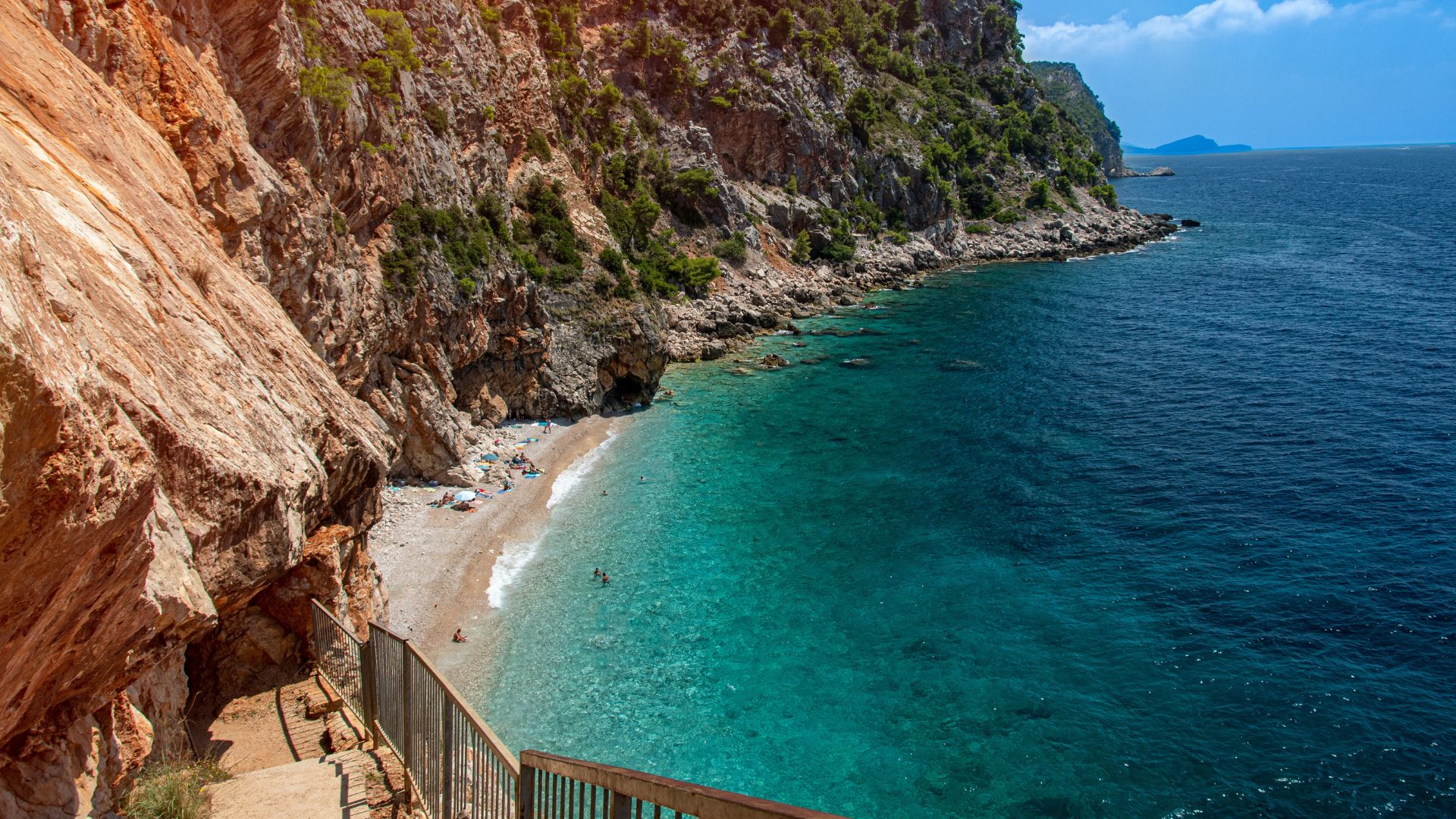
Pasjača Beach is hands-down one of Dubrovnik’s best-kept secrets, at least in my book. You’ll find it in the Konavle region, about half an hour south of Old Town.
Turquoise water shimmers below steep limestone cliffs, and the beach itself is small and pebbly. Reaching it means hiking through a pine forest and scrambling down some rocky trails.
What makes it special:
- Crystal-clear Adriatic water
- Jaw-dropping cliff views
- Tiny pebble beach
- Almost no crowds, even in peak summer
The walk from the parking area takes about 15–20 minutes. Water shoes help a lot, since the beach is all stones and pebbles.
Best times to visit: Early morning or late afternoon. The light’s better for photos, and you’ll dodge the midday heat.
No facilities here, so bring everything—water, snacks, sunblock, the works.
Dance Beach: A Rocky Local Favorite
Dance Beach sits just outside the Old Town walls, but you’d be surprised how many people walk right by without realizing it’s there.
Flat rock platforms make it perfect for sunbathing, and the water’s deep and sparkling clear.
Locals love:
- A small beach bar with cold drinks
- An underwater cave for snorkeling
- Rock jumping spots
- Super easy access from Old Town
Weekends can get lively with local families. The rocks are surprisingly comfy for laying out a towel and catching some sun.
How to find it: Look for little signs near Pile Gate, then follow the narrow path down to the sea.
The vibe is laid-back—just locals escaping the tourist rush. Swimming here feels like you’ve got your own private slice of the Adriatic.
Sveti Jakov Beach: Quiet Escape Near Old Town
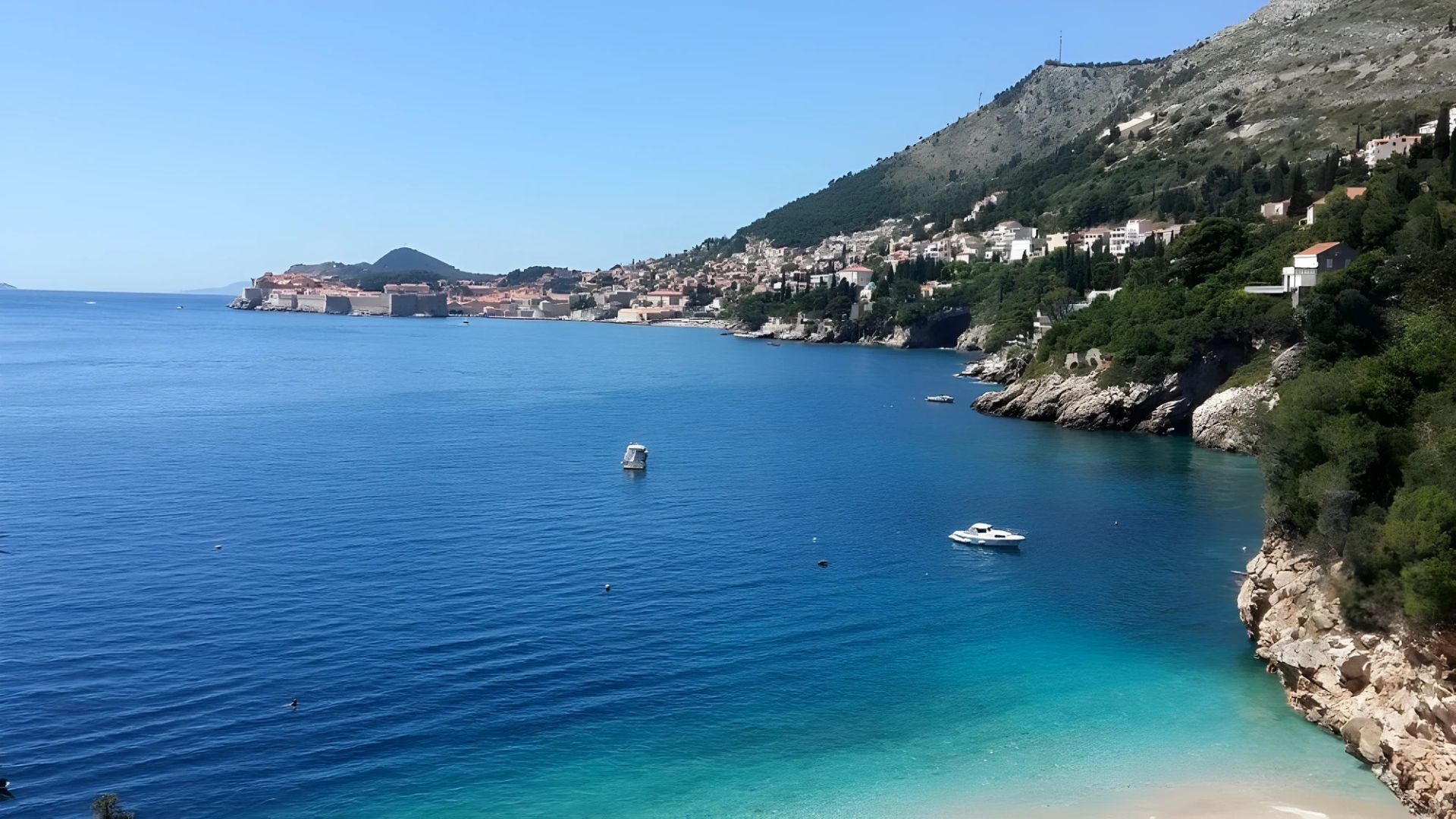
Sveti Jakov Beach gives you that picture-perfect view of Old Town from across the bay. It’s a pebble beach, about a 20-minute walk from the city walls.
From here, you get sweeping views of Dubrovnik’s famous skyline. I love coming by for sunset photos—the light is unreal.
Quick facts:
- Small pebble beach
- Beach bar and restaurant
- Parking close by
- Way less crowded than Banje Beach
You’ll have to tackle some steep steps to get down, but it’s worth it for the scenery. The beach faces west, so you get sun all afternoon and killer sunset views.
Facilities: The beach bar serves drinks and snacks all day.
Water here stays clean and calm. The pebbles mean no sandy mess, and swimming feels fantastic.
Hidden Corners of Old Town Dubrovnik
Old Town hides a bunch of surprises just off the main drag. The Maskeron has a quirky love legend, and Rupe Cave quietly reveals the city’s history right under your feet.
Dubrovnik Maskeron: The Wall’s Playful Legend
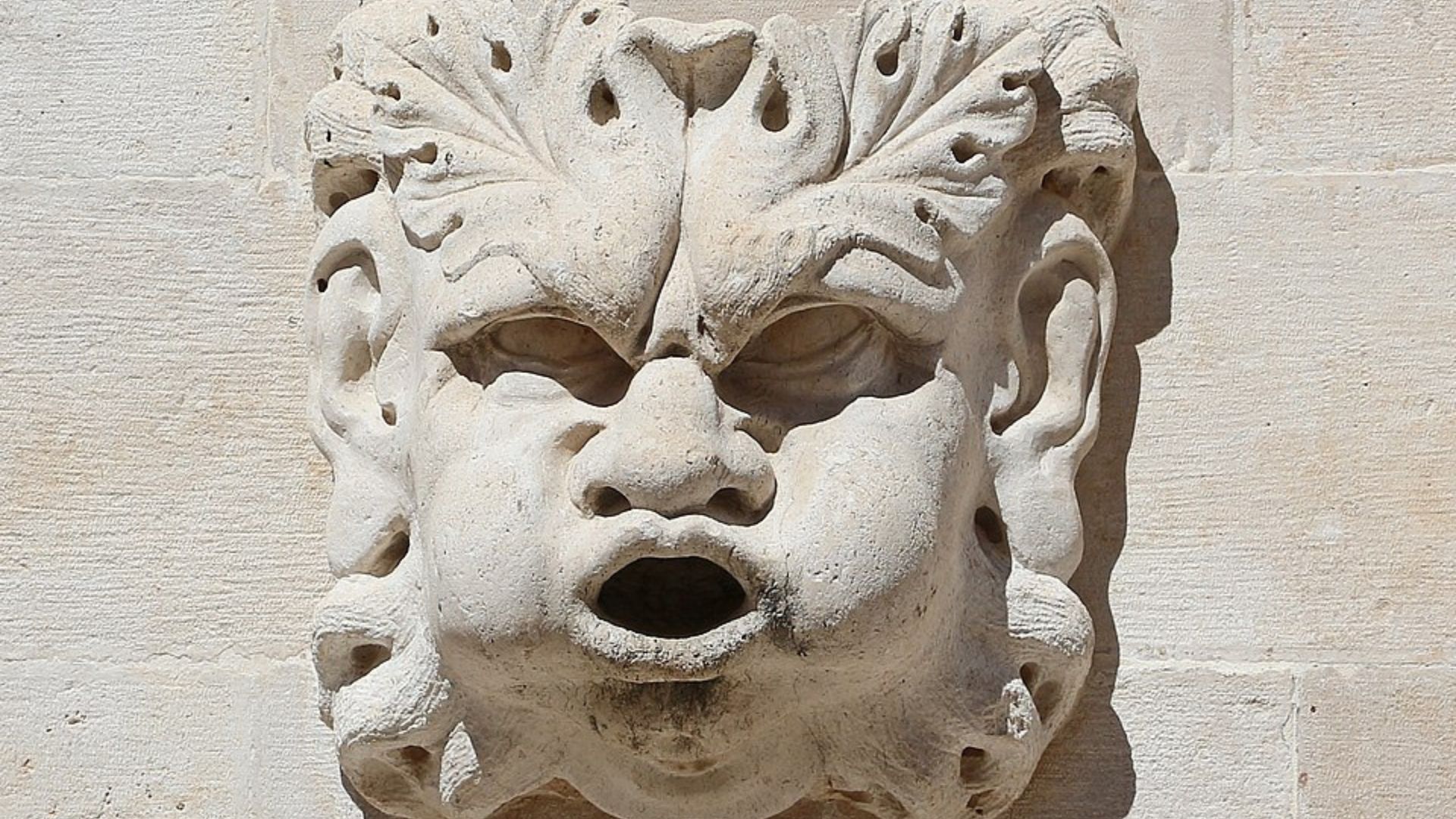
I stumbled onto this odd little carved head sticking out of a stone wall near the Church of St. Blaise. Most people hurry past without even seeing it.
The Legend: You’re supposed to balance on one leg on the ledge below the mask and kiss it. If you pull it off, your love life supposedly takes off.
Finding the Maskeron takes a little patience. Ask a local, or just watch for other folks giving the balancing act a try.
Location tips:
- Poke around quiet side streets off the main square
- Scan the walls near St. Blaise Church
- Try early morning for fewer onlookers
Some people swear by the tradition, others just laugh. I watched a few brave souls attempt it, with mixed results.
Rupe Cave: Beneath the City
Tucked into the eastern part of Old Town, this cave is carved right into the rock under the city. I couldn’t believe how cool it was—literally and figuratively.
Back in the day, the cave stored grain for Dubrovnik. The temperature inside kept food fresh during sieges and long winters.
What’s inside:
- Stone chambers dug out of bedrock
- Original grain storage rooms
- A chill, underground vibe
- Displays on old city life
The chambers are still in great shape. It’s always cool inside, so it’s a great spot to escape the summer heat.
Most visitors walk right by without a clue it’s there. The entrance isn’t marked, so you’ll need to know what to look for.
Trumbićeva Poljana: The Forgotten Square
I found this little square while wandering backstreets. It’s tucked away from the main tourist flow, and local families gather here in the evenings.
Old stone benches line the square, and you’ll see residents chatting or watching their kids play. Parents sip coffee at nearby cafés while the kids run around.
Why it stands out:
- Real local atmosphere
- No tourist crowds at all
- Classic stone architecture
- Peaceful place to rest
The pace here is totally different from the buzz of Stradun. Elderly folks feed stray cats and chat in Croatian while the world rushes by elsewhere.
Narrow alleys lead back to the main sights, but this square is a perfect pit stop when you need a breather.

Charming Bars, Cafés, and Social Spots
Dubrovnik’s bar scene goes way beyond the busy tourist terraces. You’ll find waterfront lounges in nearby villages, cave bars tucked into cliffs, and riverside cafés where locals hang out far from Old Town’s chaos.
Pirate’s Social Club: Waterfront Getaway in Mlini
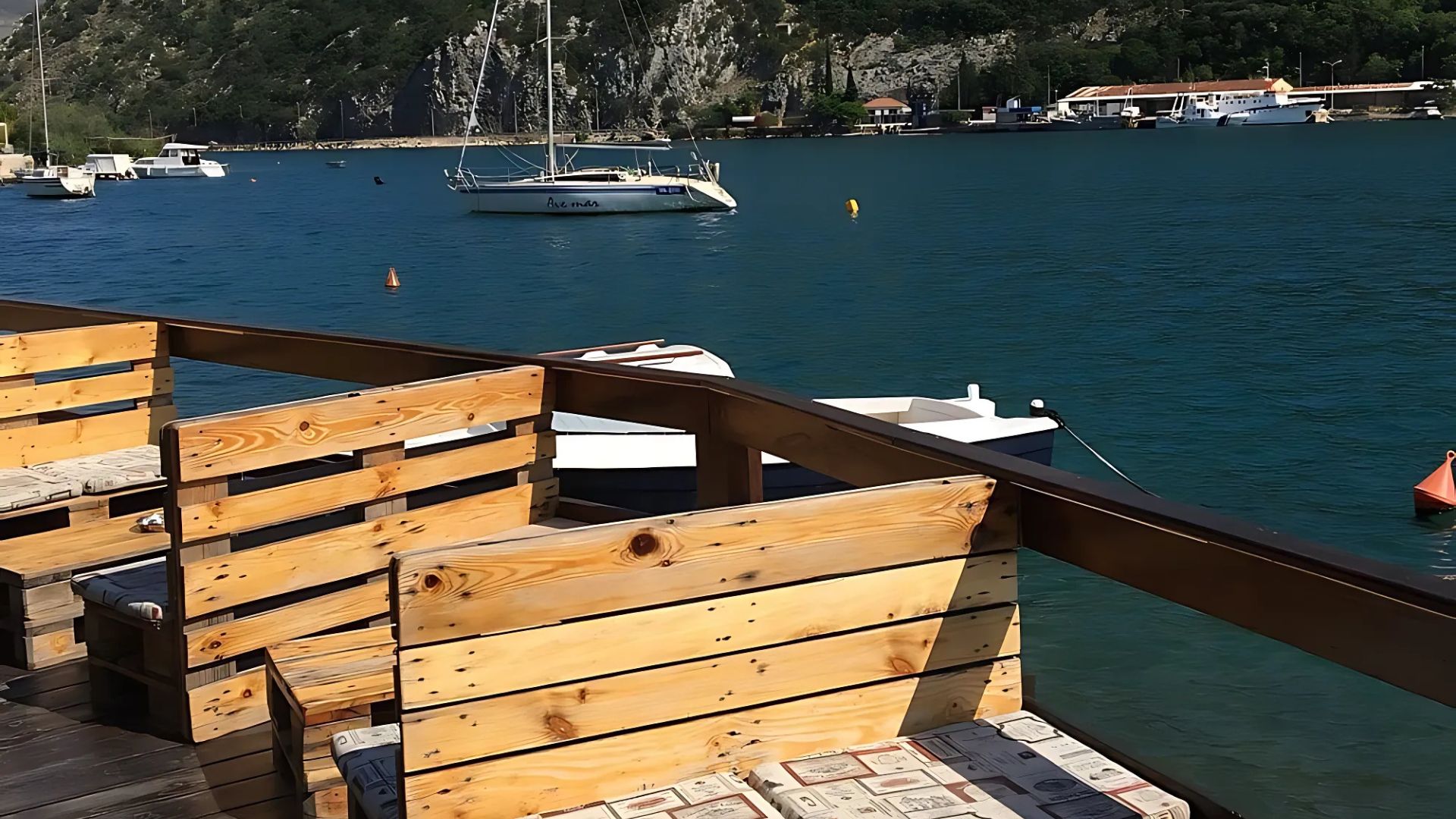
This nautical-themed bar in Mlini, just outside town, sits right on the water. Mojitos in hand, you can watch the sun glint off the Adriatic.
During the day, the vibe is all about chilling out. Nautical decorations give it a laid-back, island feel.
Best bits:
- Sea views from the terrace
- Live DJs at night
- Locals’ favorite all year long
- Water polo matches next door
At night, things get lively. DJs spin tunes, and the crowd picks up. Even in winter, locals keep the place buzzing.
Watching water polo games from the terrace is a bonus. I’ve caught a few matches while enjoying a drink.
Cave Bar More: Cocktails in a Grotto
Cave Bar More hides inside the More Hotel in Lapad. The space is literally carved into a cave, and it’s one of the coolest bars I’ve seen.
The cave setting and creative lighting make it a must for Instagram. Every corner feels unique.
What’s special:
- Real cave interior
- Boutique hotel location
- Inventive cocktail menu
- Gaining popularity with locals
You’ll need to seek it out—it’s not somewhere you’ll just stumble across. Lapad isn’t right in the center, but it’s worth the trip.
The cocktails are as creative as the setting. Each one feels tailored to the cave’s vibe.
Cafe Bar Vapor: Riverside Local Hangout
Cafe Bar Vapor overlooks the Franjo Tudman Bridge in Rijeka Dubrovacka. Locals come here to unwind and escape the Old Town crowds.
You get a sweeping view of the bridge and waterway, plus a salty sea breeze that’s perfect for lazy afternoons.
Why locals flock here:
- Beautiful bridge and water views
- Laid-back, friendly vibe
- Far from tourist hotspots
- Wallet-friendly prices
When I need a break from the Old Town rush, I head here. The crowd is mostly locals, and the café feels genuinely Croatian.
It’s the best of both worlds—great views, chill atmosphere, and none of the touristy chaos.
Untouched Nature and Panoramic Views
If you want to lose the crowds, Dubrovnik has some wild places left. Park Orsula gives you sweeping views of Old Town and the islands, and the Setnica Walking Trail winds through untouched coast with insane scenery.
Park Orsula: Overlooks Lokrum Island
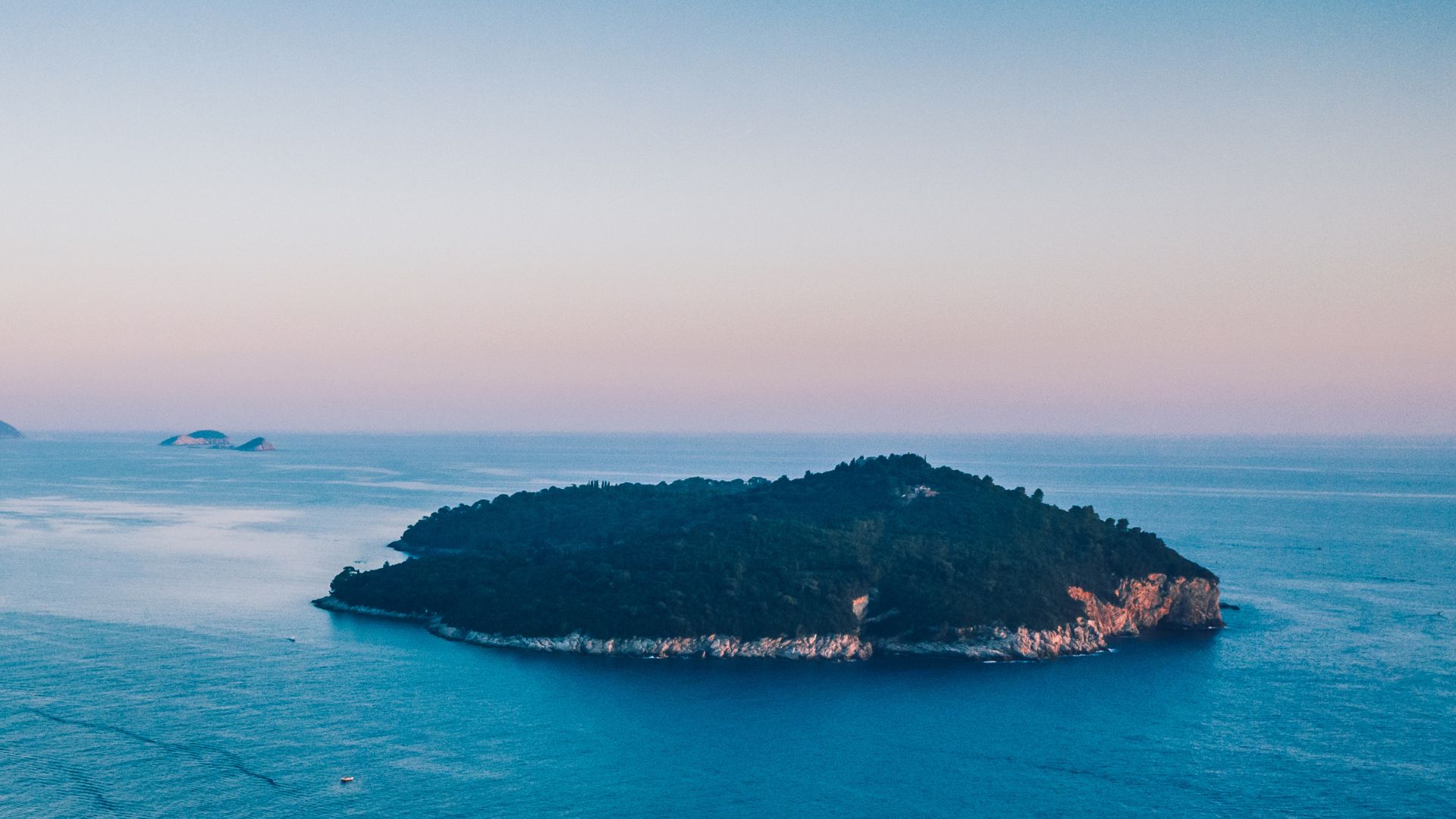
Park Orsula sits on a hill near Old Town, offering up epic views of Dubrovnik’s red roofs and Lokrum Island. Most people hike Mount Srd for photos, but honestly, I think this spot is just as good—and way less crowded.
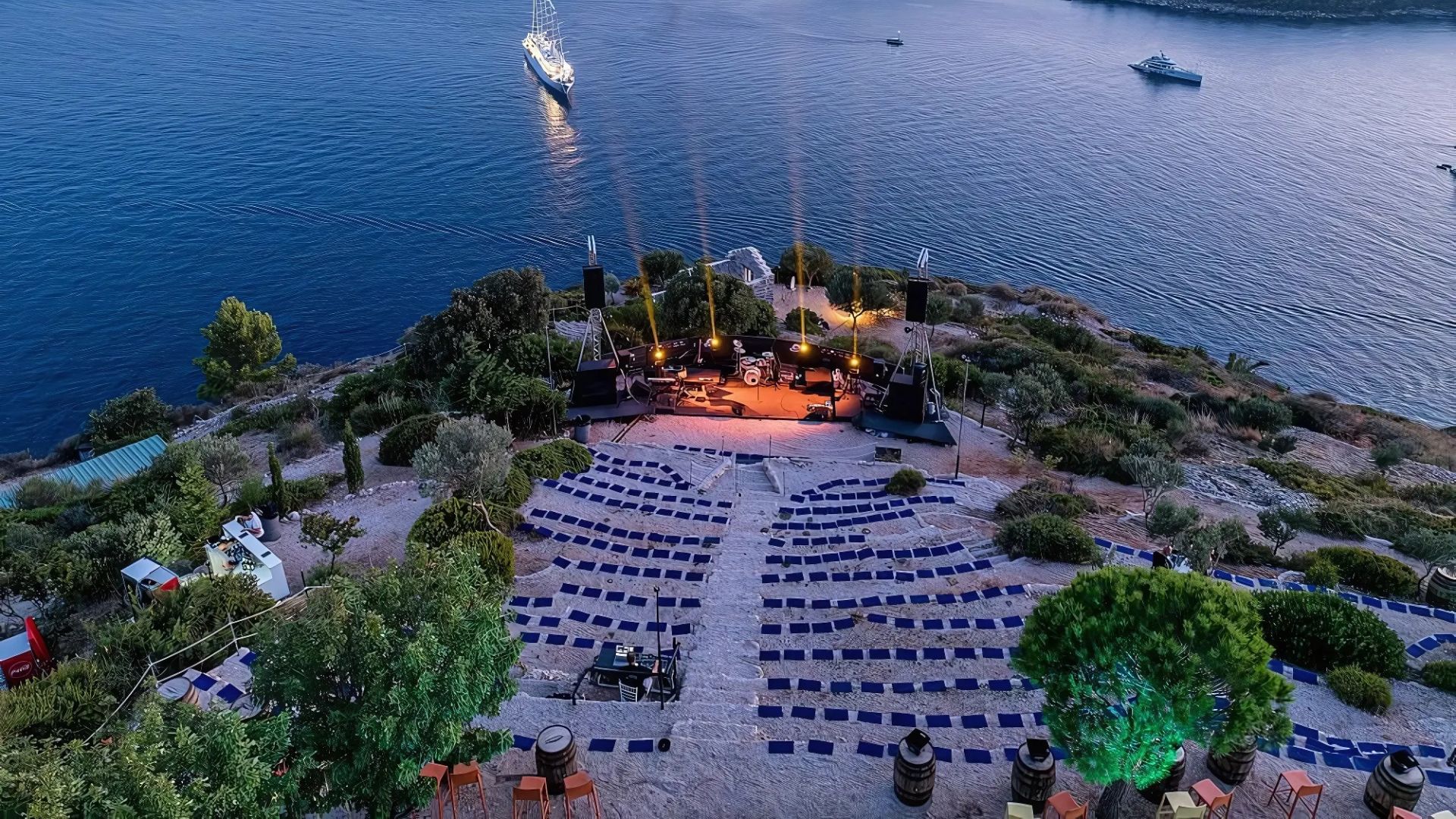
Locals used to host concerts here. Now, it’s a peaceful place to watch the sunset from old stone seats. The view stretches across Old Town, the harbor, and Lokrum Island floating in the blue.
How to get there:
- About a 15-minute walk from Old Town
- Follow signs uphill from Ploce Gate
- Free entry, open anytime
The walk up is a bit of a workout, but the sunset makes it all worth it. Bring water and go late in the day for the best photos.
Setnica Walking Trail: Scenic Hidden Route
The Setnica trail hugs Dubrovnik’s coast, weaving through pine woods and rocky cliffs. It links up several secret beaches and gives you wild sea views that most visitors never see.
I’ve wandered this trail more times than I can count, and there’s always something new. The path cuts through thick vegetation and along cliff edges, with glimpses of turquoise water far below.
Trail highlights:
- Length: 3 km one way
- Difficulty: Moderate, with a few steep bits
- Best time: Early morning or just before sunset
The trail starts near Pile Gate and heads east along the coast. You’ll pass tiny coves where locals swim and fish. Good shoes are a must—some stretches are rocky and steep.
Elusive Arts, History, and Culture
Dubrovnik’s creative side isn’t just about big museums and galleries tourists flock to. Two lesser-known spots stand out for their fresh take on Croatian art and the city’s recent, sometimes turbulent, history.
Sebastian Art Gallery: Contemporary Croatian Art
I found this tiny gallery tucked down a narrow street near the eastern Old Town walls. Sebastian Art Gallery only shows contemporary Croatian artists, and the vibe is super personal.
Exhibits change every six weeks or so. You’ll see paintings, sculptures, and mixed media from both new and established Croatian artists.
Why it’s worth a stop:
- Intimate setting—just a few rooms
- Owner speaks English and knows all the artists
- Prices range from €50 prints to €2,000 originals
- Open Tuesday–Saturday, 10am–6pm
About 20 Croatian artists are represented, with lots of work inspired by Adriatic life and modern identity.
Most people miss the little sign out front. Drop by on a weekday morning if you want to chat with the owner about what’s on display.
The Red History Museum: Insights from the Recent Past
This museum digs into Croatia’s experience during the 1991–1995 war and the Yugoslav era. You’ll find it in a former residential building on a quieter street parallel to Stradun.
The museum opened in 2019, with local historians and survivors helping to create the exhibits. You’ll see personal artifacts, photos, and video stories.
Highlights:
- Timeline of the Dubrovnik siege with original footage
- Everyday objects from the blockade years
- Before-and-after photos of bombed buildings
- Personal stories from 15 locals
Entry is €8 for adults, and audio guides come in English, German, and Croatian.
It takes about 90 minutes to see everything. The personal stories hit hardest—they give you context you just don’t get from textbooks.
Island Escapes and Off-the-Map Adventures
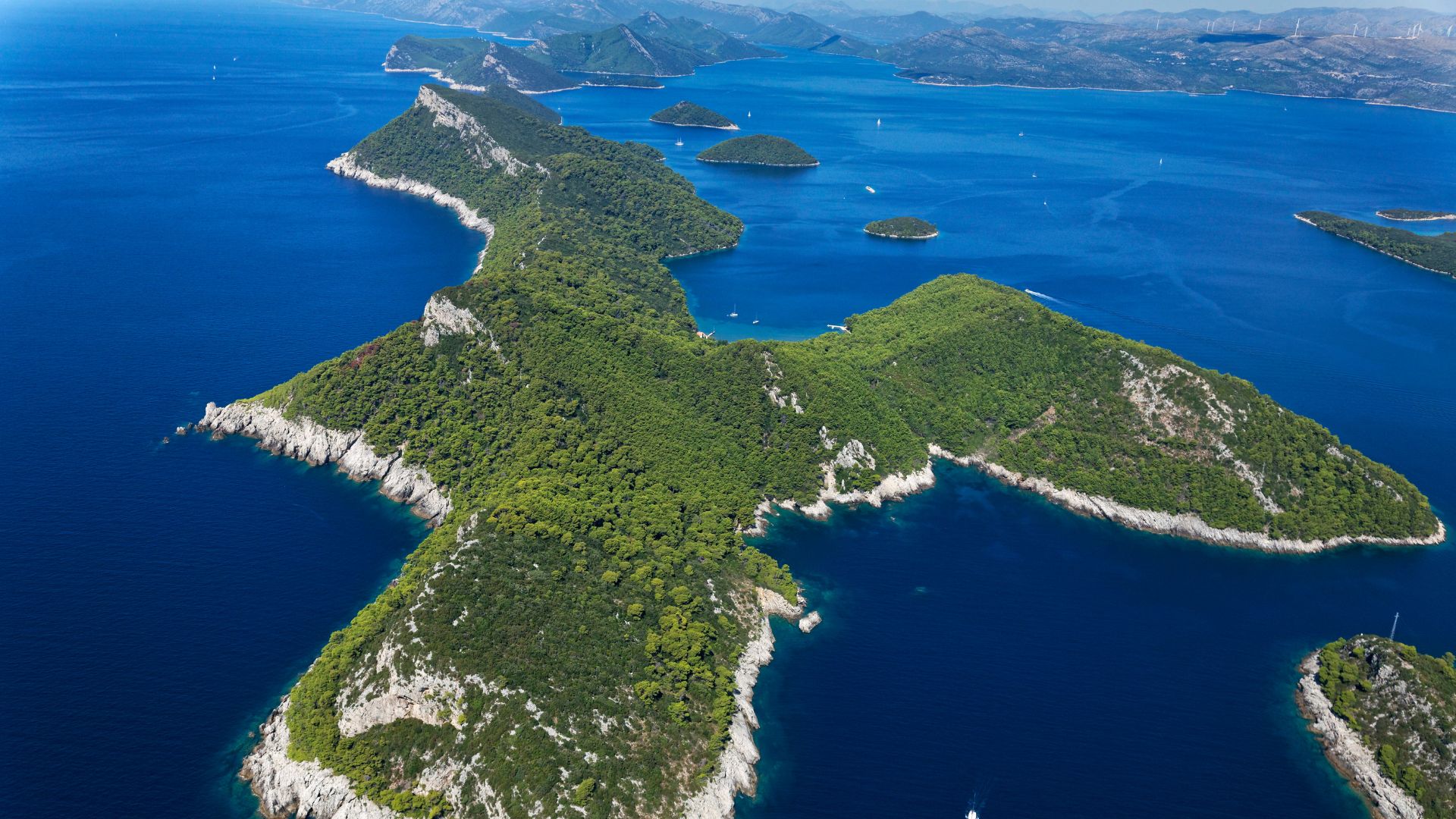
Just outside Dubrovnik’s ancient walls, peaceful islands wait for anyone willing to venture a little farther. Locals head here to dodge the summer crowds, and you’ll find hidden beaches and quiet trails that most tourists never even hear about.
Lokrum Island: Secret Shores and Quiet Gardens
Just a quick 10-minute ferry ride from Dubrovnik’s Old Port, Lokrum Island feels like a secret escape. Cars don’t buzz here, and honestly, that peace is half the charm.
Most folks wander the main trails, but I always veer off. The eastern shore hides quiet coves where you can actually hear the breeze.
Right at the center, the Dead Sea Lake waits—a saltwater lagoon, tucked away and fed by hidden underground channels. When the main beaches start to fill up, I slip into these calm, warm waters. Even when the wind whips across the island, this spot stays tranquil.
Behind the old monastery ruins, I lose myself wandering narrow forest trails. They lead to rocky swimming spots where the water’s so clear you can spot tiny fish darting between the stones.
If you’re feeling bold, the FKK beach on the southeast tip is the place for clothing-optional sunbathing. It’s tucked away from the family crowds, so you can relax without a care.
The Botanical Garden feels like a different world, especially early in the morning or just before sunset. Peacocks strut around as if they own the place, sometimes fanning out their feathers right beside ancient olive trees.
Elaphiti Islands: Day Trips Beyond the City
Craving a break from Dubrovnik? The three main Elaphiti Islands—Koločep, Lopud, and Šipan—make it ridiculously easy. They’re car-free, which is honestly such a relief after the city’s bustle.
I usually hop on the regular ferries leaving from Dubrovnik’s Gruž port. They run year-round, so there’s no need to stress about timing.
Koločep Island is my go-to for a quick escape. The ferry gets me there in just 25 minutes. Once I’m off, I love hiking the coastal path; it winds all the way to the Blue Cave.
Swimming in that cave’s bright turquoise water feels like diving into a postcard. With just 163 residents, Koločep stays pretty peaceful—even in the thick of summer.
Lopud Island is a different vibe. After arriving, I stroll about 20 minutes from the port and land at Šunj Beach. It’s this wide, sandy bay facing south, so you rarely get those chilly northern winds.
On weekdays, I see mostly local families here. It’s got this laid-back, almost secret feel—hard to believe it’s so close to Dubrovnik.
Šipan Island is where I go when I want to stretch my legs. The hiking trails are honestly the best in the archipelago. I usually climb up to the old fortress ruins; the views back toward Dubrovnik’s coastline are unreal.
Šipan quietly produces some fantastic local wine. I like to stop at tiny family-run vineyards along the way—most of them aren’t even in the guidebooks. It’s the kind of place where you feel like you’ve stumbled onto a secret.