
Every year, most travelers flock to the same handful of famous destinations. It’s easy to see why—big cities get all the buzz. But, honestly, some of the best memories come from exploring places that haven’t hit the mainstream yet.
The U.S. is full of cities bursting with flavor, culture, and adventure, and somehow, they’ve dodged the tourist mobs. You get to dive into real neighborhoods, meet locals, and skip the overpriced everything. Plus, your wallet will thank you.
In 2026, these hidden gems are starting to get noticed. If you go now, you’ll catch them before they’re swamped by crowds. From mountain escapes to riverfront cool, each city on this list brings its own magic.
1) Spokane, Washington
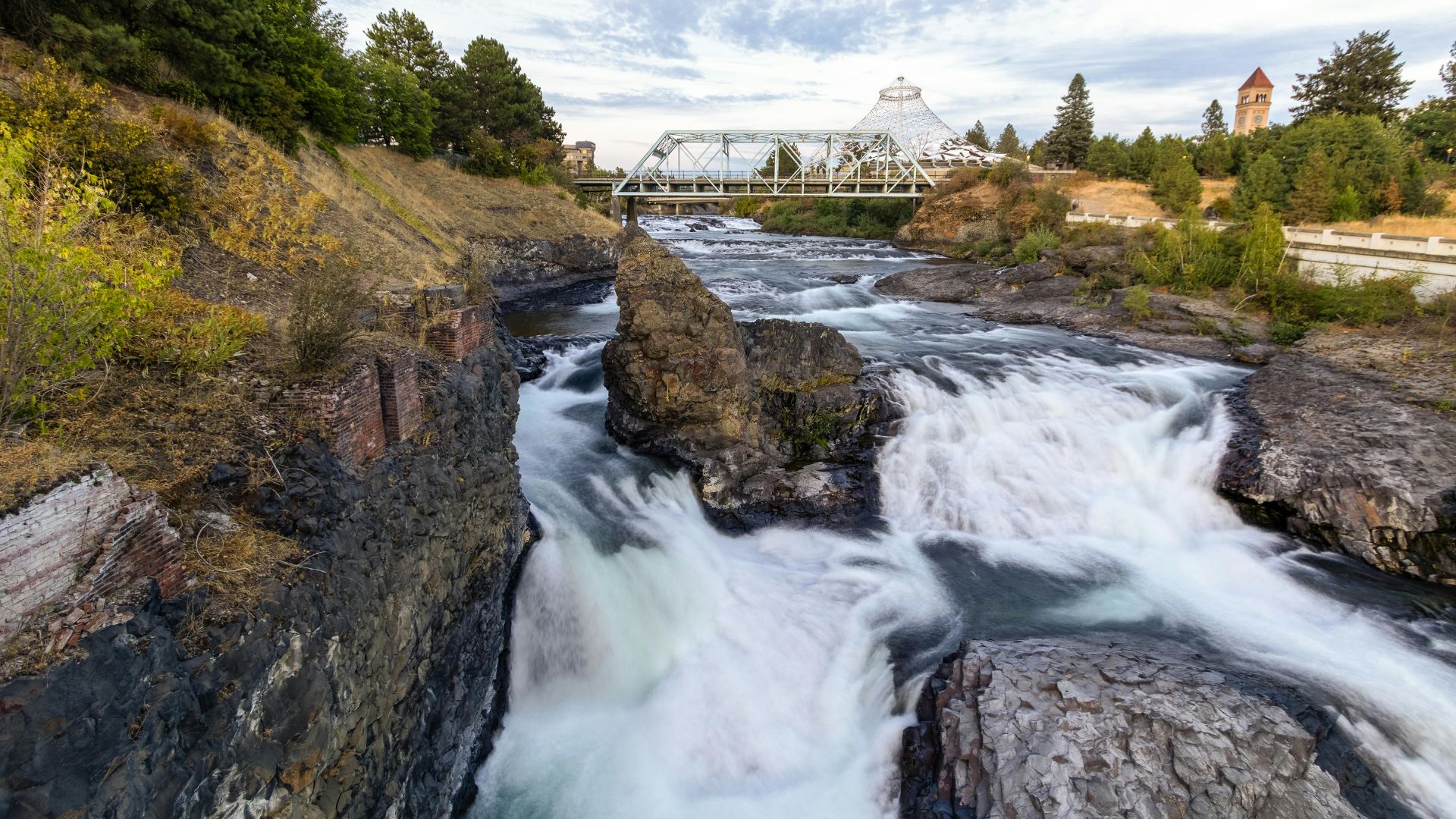
Spokane sits over in eastern Washington, offering a chill alternative to Seattle’s hustle. You get a historic downtown vibe and easy access to nature—pretty much the best of both worlds.
Riverfront Park runs right through downtown. I’ve strolled along the Spokane Falls and checked out local attractions, and it’s a solid way to spend an afternoon. Sculptures, walking trails, and seasonal fun pop up all year.
The historic Davenport Hotel stands out, and local shops and restaurants keep things interesting. I always find something new to try.
If you love the outdoors, Spokane delivers. Mount Spokane State Park is just a quick drive—think hiking in the summer, skiing in the winter. The city’s surrounded by lakes and trails, so you’ll never run out of options.
The food and arts scene? It’s on the rise. Craft breweries, farm-to-table spots, and quirky galleries dot the city. Visiting Spokane costs less than most West Coast hotspots, so you can splurge a bit more.
2) Pioneer Valley, Massachusetts
Pioneer Valley hides between the Berkshires and Boston in western Massachusetts. It’s got natural beauty, history, and a college town buzz—minus the usual New England crowds.
Five colleges spread across three towns keep things lively. You’ll stumble across art galleries, indie bookstores, and cozy cafes. Northampton and Amherst mix small-town charm with plenty of culture.
The landscape shifts with the seasons. Rolling hills, hiking trails, and the Connecticut River offer a ton of outdoor fun. Historic sites and museums tell stories from way back.
CNN Travel recently called Pioneer Valley one of America’s most underrated destinations. It’s under two hours from Boston, making it an easy weekend escape. You get all the perks without the price tag or crowds.

3) Philadelphia, Pennsylvania
Philadelphia landed on the BBC’s must-visit list for 2026, and honestly, it deserves the hype. This city packs in American history without the tourist overload you’ll find elsewhere.
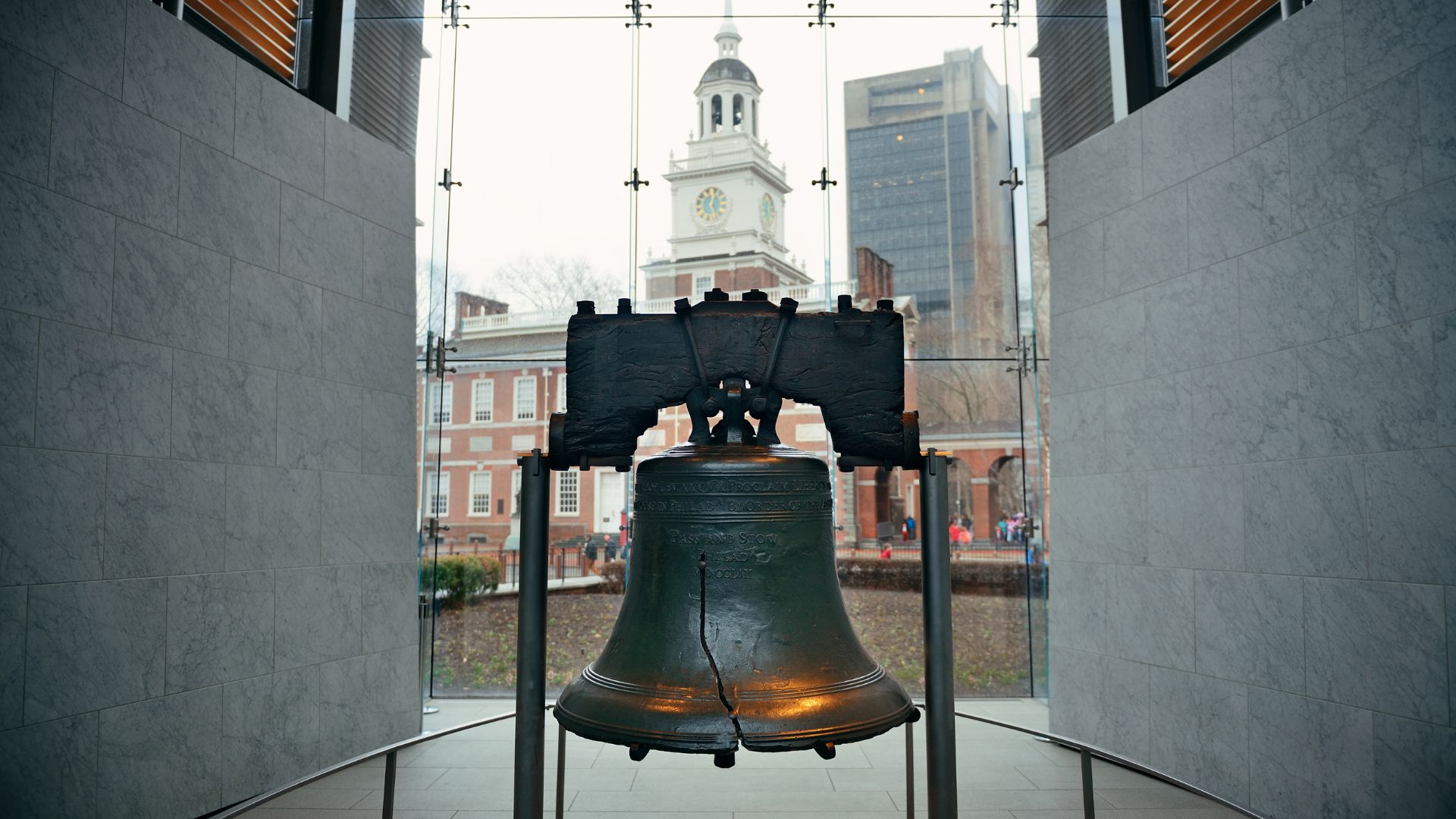
You can walk the same streets where the Founding Fathers argued about independence. The Liberty Bell and Independence Hall are must-sees, but there’s way more beneath the surface. Philly’s neighborhoods feel real, with museums and a food scene that’s so much more than cheesesteaks.
The arts scene here keeps growing. Street murals, local galleries, and live music venues pop up everywhere. Reading Terminal Market lets you taste the city’s diversity in one spot.
Philly balances old-school history with modern city energy. Museums and landmarks fill your days, and local restaurants and breweries keep the nights lively. It feels lived-in, not staged for tourists.
Check it out before everyone else catches on.
4) Asheville, North Carolina
Asheville hangs out in the Blue Ridge Mountains, blending artsy vibes, history, and jaw-dropping scenery. Even as more people catch on, it’s still way less crowded than the big-name spots.
Downtown, you’ll find indie galleries, craft breweries, and local shops. Historic buildings line the streets, and hiking trails wind through the nearby mountains.
Asheville keeps popping up on underrated destination lists. The city manages to stay laid-back, even as more visitors discover its charm.
The food scene shines with farm-to-table restaurants and all kinds of dining. Year-round festivals and cultural events showcase local talent, and there’s always something happening.
Getting outside is easy—hiking, mountain biking, and scenic drives are minutes away. Winter brings fewer visitors, so it’s perfect if you like things a bit quieter.
Asheville makes a great base for western North Carolina adventures. You get mountain-town coziness with enough city perks to keep it interesting.

5) Burlington, Vermont
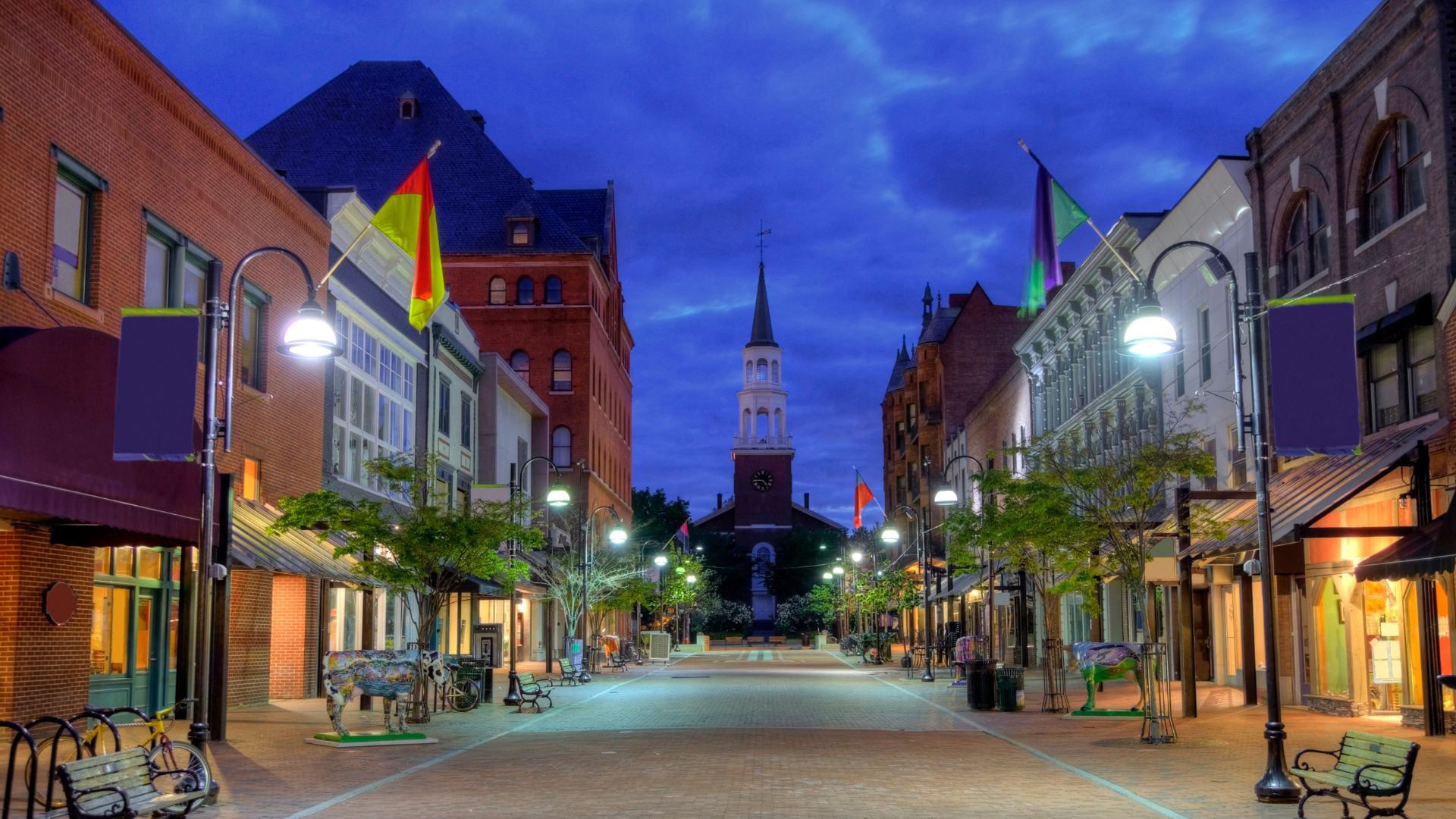
Burlington perches on Lake Champlain’s edge, serving up natural beauty and small-city charm. The downtown is super walkable, with Church Street packed with shops, cafes, and restaurants.
A waterfront bike path runs for miles along the lake. The view of the Adirondacks across the water? Stunning.
Burlington’s food scene is strong—farm-to-table spots and local breweries everywhere. Vermont’s farms keep menus fresh and local.
Time Out recently called Burlington one of the most underrated travel picks. It’s a great home base for exploring the Green Mountains or Lake Champlain’s islands.
Winter brings nearby skiing, while summer means water sports and outdoor festivals. The vibe is relaxed, never frantic.
Burlington doesn’t get the crowds you’ll find in bigger East Coast cities. You can actually enjoy the sights without elbowing your way through.
6) Providence, Rhode Island
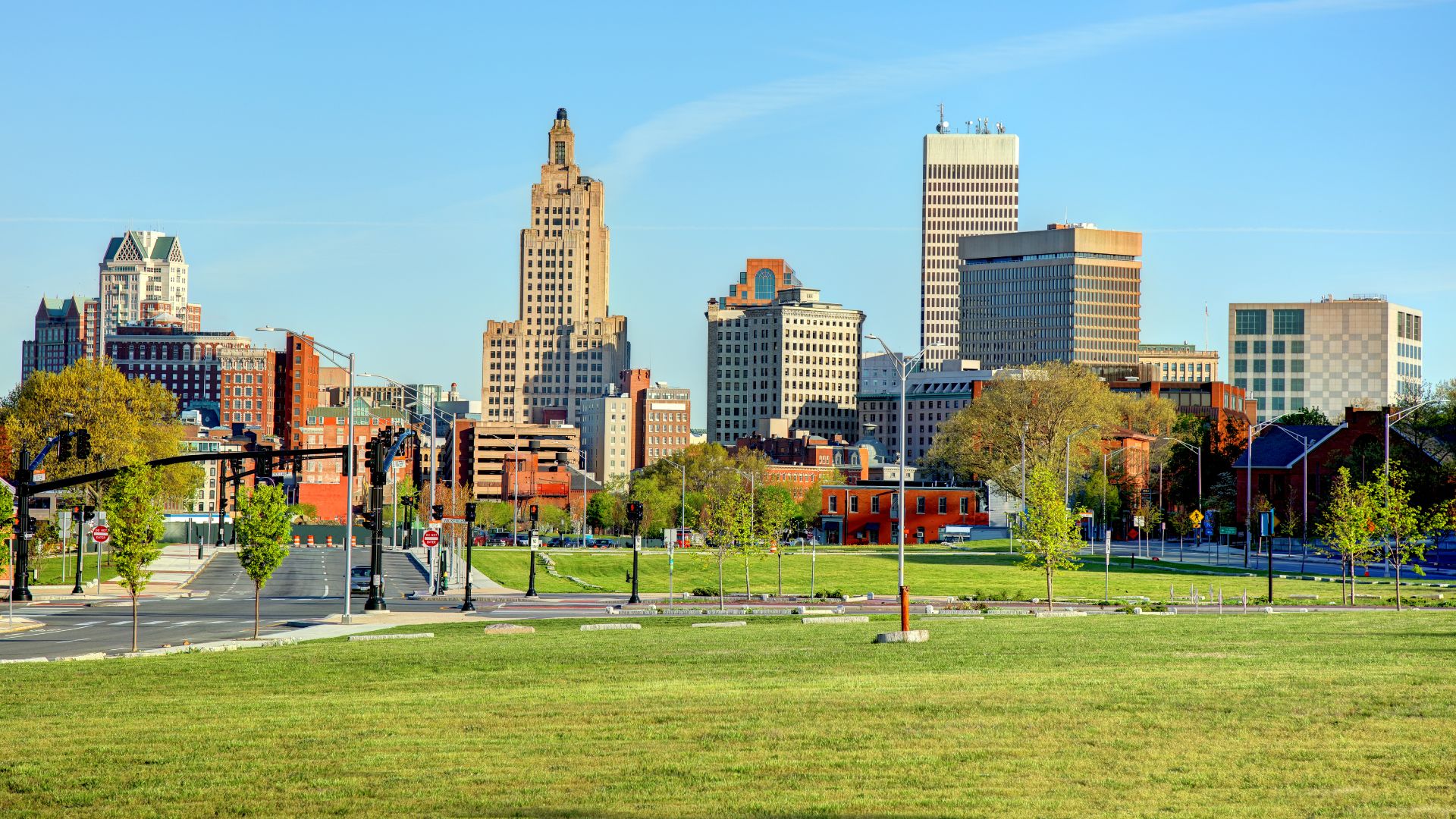
Providence sits smack in the middle of New England, but people usually breeze past on their way to Boston or New York. They’re missing out. Here, you’ll wander cobblestone streets lined with historic buildings, and the food scene seriously punches above its weight.
Brown University brings energy and creativity to downtown. Local restaurants serve up flavors from all over, and you dodge the crowds that clog bigger cities.
If you take time to look around, Providence really rewards you. The art scene thrives in small galleries and studios. WaterFire, an art installation along the rivers, lights up select nights and creates a vibe you won’t find anywhere else.
Walking downtown is easy. Federal Hill’s Italian eats are legendary, and the RISD Museum’s collections impress even seasoned art lovers. Prices stay reasonable compared to nearby cities.
Go now, before everyone else realizes how cool Providence is. It’s authentic, unpolished, and refreshingly real.
7) Chattanooga, Tennessee
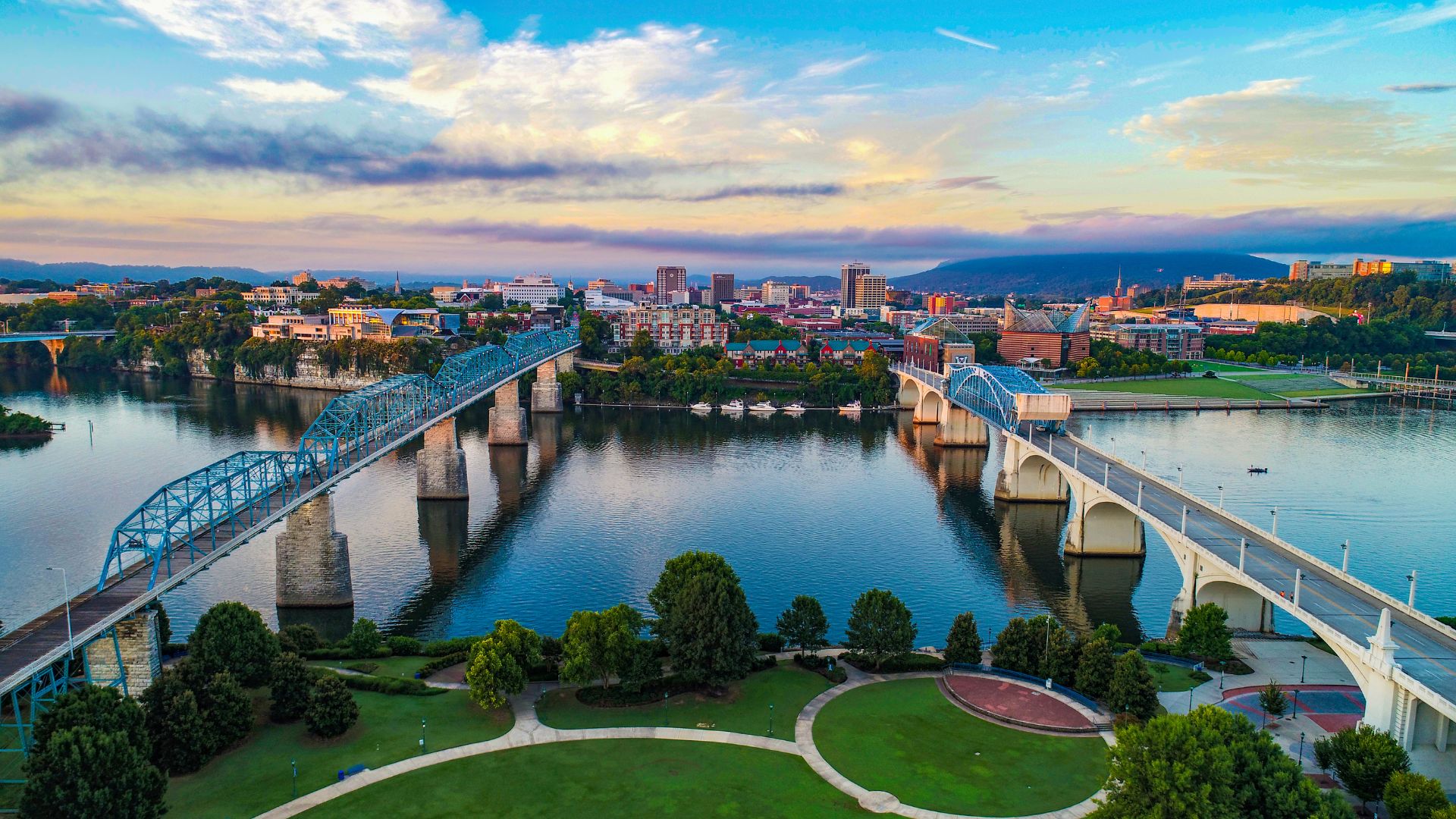
Chattanooga sits at the base of the Appalachian Mountains in southeastern Tennessee. It’s got a blend of outdoor fun and city attractions that most travelers skip.
The Tennessee River cuts through downtown, and you can explore it by boat or on foot along the riverfront. Lookout Mountain offers hiking trails and sweeping views. Rock City and Ruby Falls bring caves and waterfalls into the mix.
The city poured energy into its downtown, building a walkable arts district with galleries and restaurants. Chattanooga also launched one of the fastest municipal internet networks in the country—locals call it “Gig City.”
Outdoor lovers can hit the trails at Audubon Acres or head into the Appalachians for day hikes. The area’s packed with options.
Chattanooga stays quieter than Nashville or Memphis, so you get the Tennessee experience without the chaos. It’s got scenery, city comforts, and a laid-back vibe that makes you want to linger.
8) Grand Rapids, Michigan
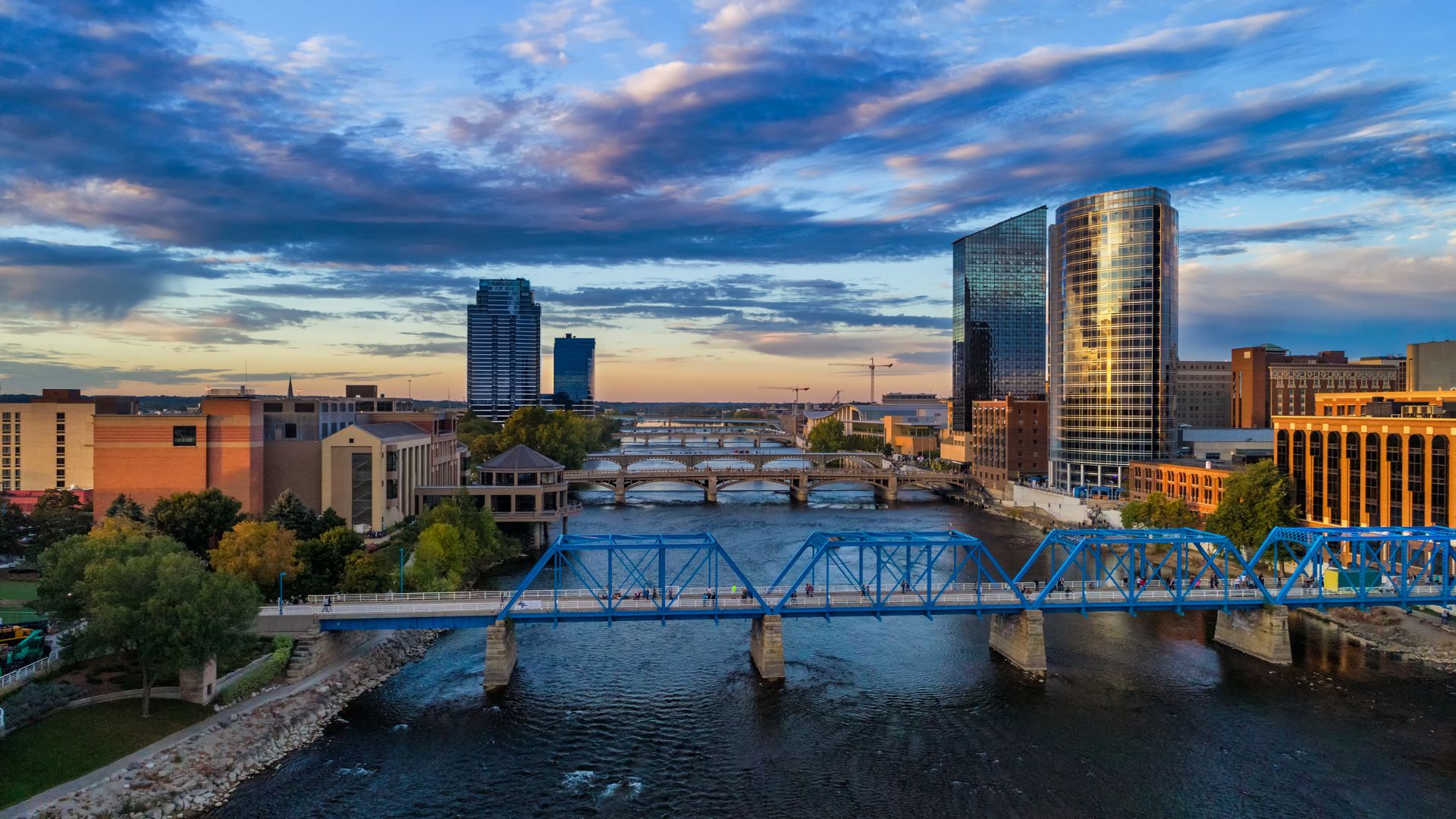
Grand Rapids earned the title “Beer City, USA”—and it’s not just hype. Dozens of craft breweries serve up unique flavors, and brewery hopping here is a must.
But there’s more. Grand Rapids features a growing food scene and artsy attractions that rival bigger cities. Art galleries, museums, and a downtown that feels just the right size—inviting, not overwhelming.
You’re close to Lake Michigan, so beaches and outdoor fun are an easy drive away. In warmer months, you can hit the trails or wander along the waterfront.
What really sets Grand Rapids apart? It mixes city perks with Midwest friendliness. Costs stay lower than the big metros, and locals always seem happy to help.
Grand Rapids works for a weekend trip or a longer stay. Spend your days checking out breweries, sampling local eats, and exploring neighborhoods. It’s gaining popularity, but somehow still feels like a secret.
9) Fayetteville, Arkansas
Fayetteville sits up in northwest Arkansas, bringing together outdoor adventure and small-city culture. The University of Arkansas campus keeps downtown lively, with plenty of restaurants, breweries, and shops.
The Razorback Greenway links Fayetteville to nearby towns with 40 miles of paved trails. You can walk or bike without worrying about traffic, and the scenery’s not bad either.
Downtown’s public square hosts farmers markets and events all year. The Walmart Arkansas Museum of American Art is free and features artwork from all over the country.
If you’re into hiking, Devil’s Den State Park is about half an hour away—caves, trails, and camping galore. Lake Fayetteville’s trail around the water is another favorite.
Fayetteville costs less than most touristy spots. You get nature, great food, and culture without the hassle of big crowds.

10) Greenville, South Carolina
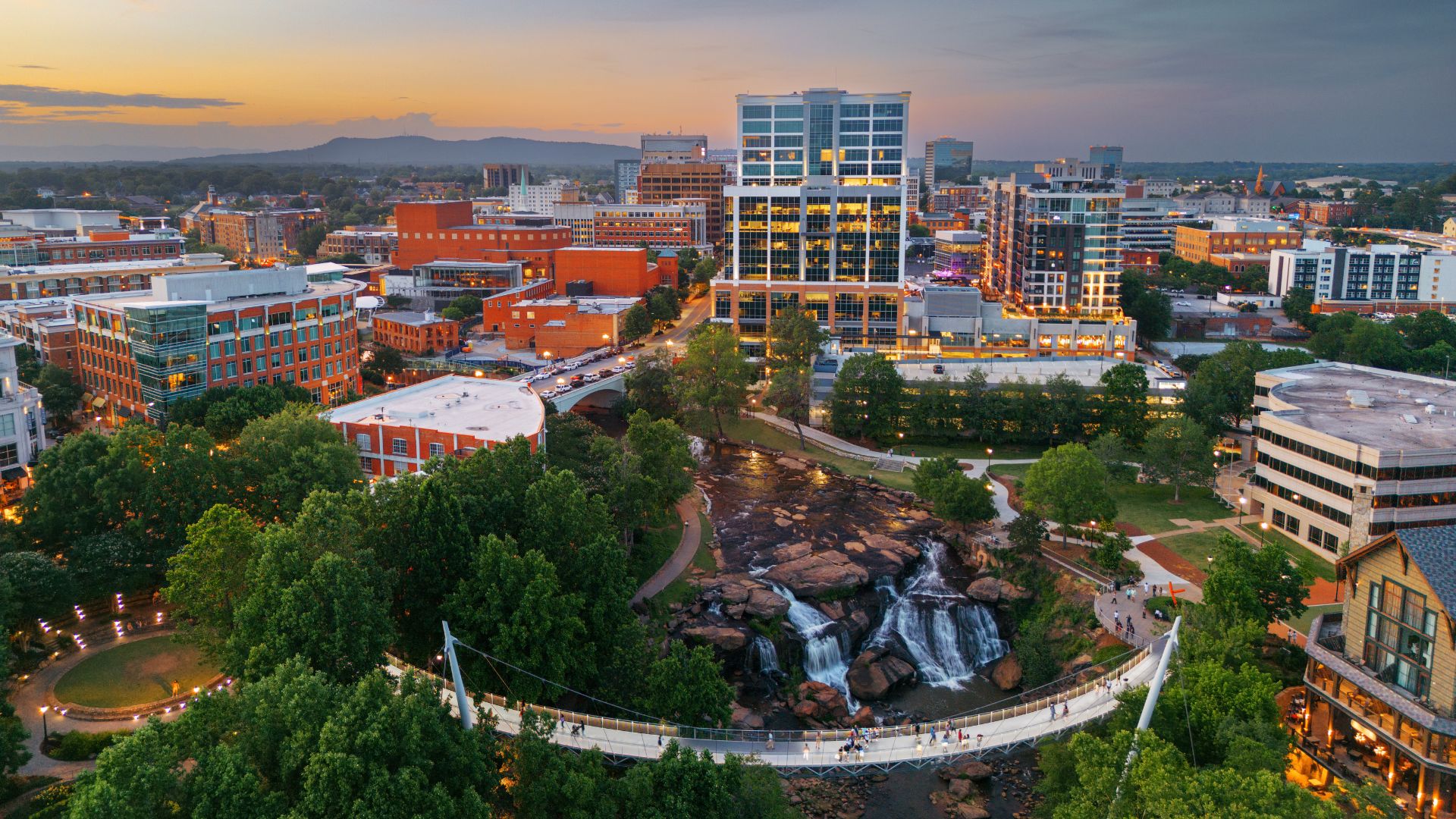
Greenville has one of the most walkable downtowns in the South. Falls Park on the Reedy sits right in the center, with a waterfall cascading through downtown.
Main Street runs through the city, lined with boutiques and restaurants. It takes just minutes to go from park to shops to dinner.
The food scene’s exploded lately. You’ll find everything from classic Southern comfort to trendy farm-to-table spots.
Greenville’s close to the Blue Ridge Mountains, so outdoor adventures are never far. The city has parks and greenways for walking or biking, too.
Living here costs less than in most booming southern cities. Housing prices are still reasonable compared to the big metros.
Young families are moving in, drawn by the small-town charm and urban perks. If you want to visit before Greenville’s on every travel list, now’s the time.
11) Boise, Idaho
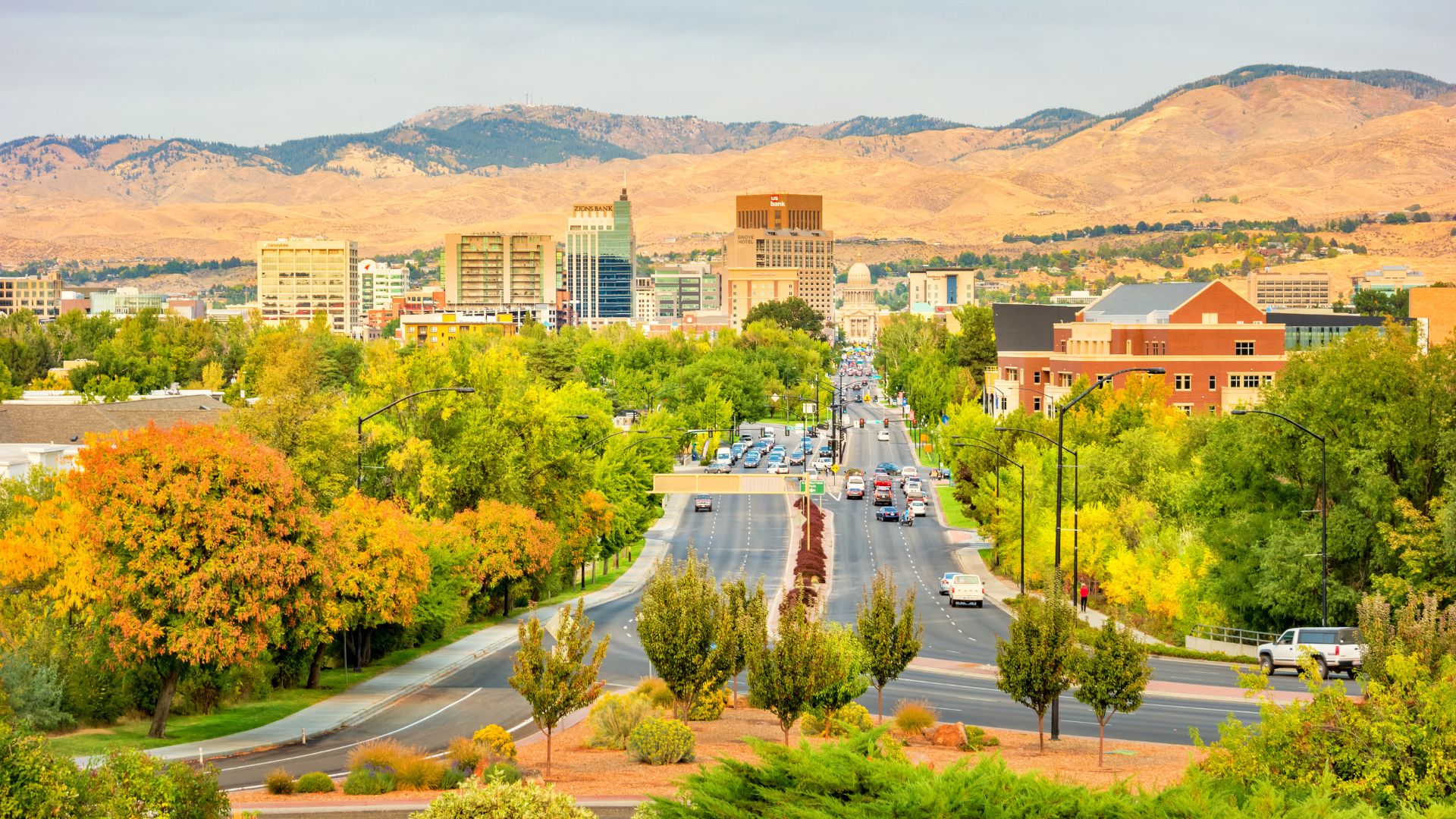
Boise sits tucked against the foothills of the Rockies, blending city buzz with a surprising amount of outdoor adventure. Over the last few years, Boise has grown—quietly, almost sneakily—yet it still manages to stay under most travelers’ radar.
You’ll find the Boise River Greenbelt stretching 25 miles right through town. I love biking or just wandering along the river, catching glimpses of wildlife and feeling far from city life. The path links parks, museums, and neighborhoods, so you’re never far from something interesting.
Downtown? It’s a mix of indie restaurants, breweries, and shops, all set in old brick buildings. The Basque Block stands out—a little pocket of Basque culture, with food and festivals you won’t stumble upon anywhere else in the U.S.
Getting out into nature from Boise couldn’t be easier. The foothills are practically in your backyard; you can hike or mountain bike just minutes from downtown. When winter hits, Bogus Basin’s ski slopes are a quick drive away. That’s a game-changer if you’re into snow sports.
Boise still feels affordable, especially compared to hipper western cities. You get great food, real local culture, and easy access to the outdoors—without the crowds or sticker shock you find elsewhere.
12) Roanoke, Virginia
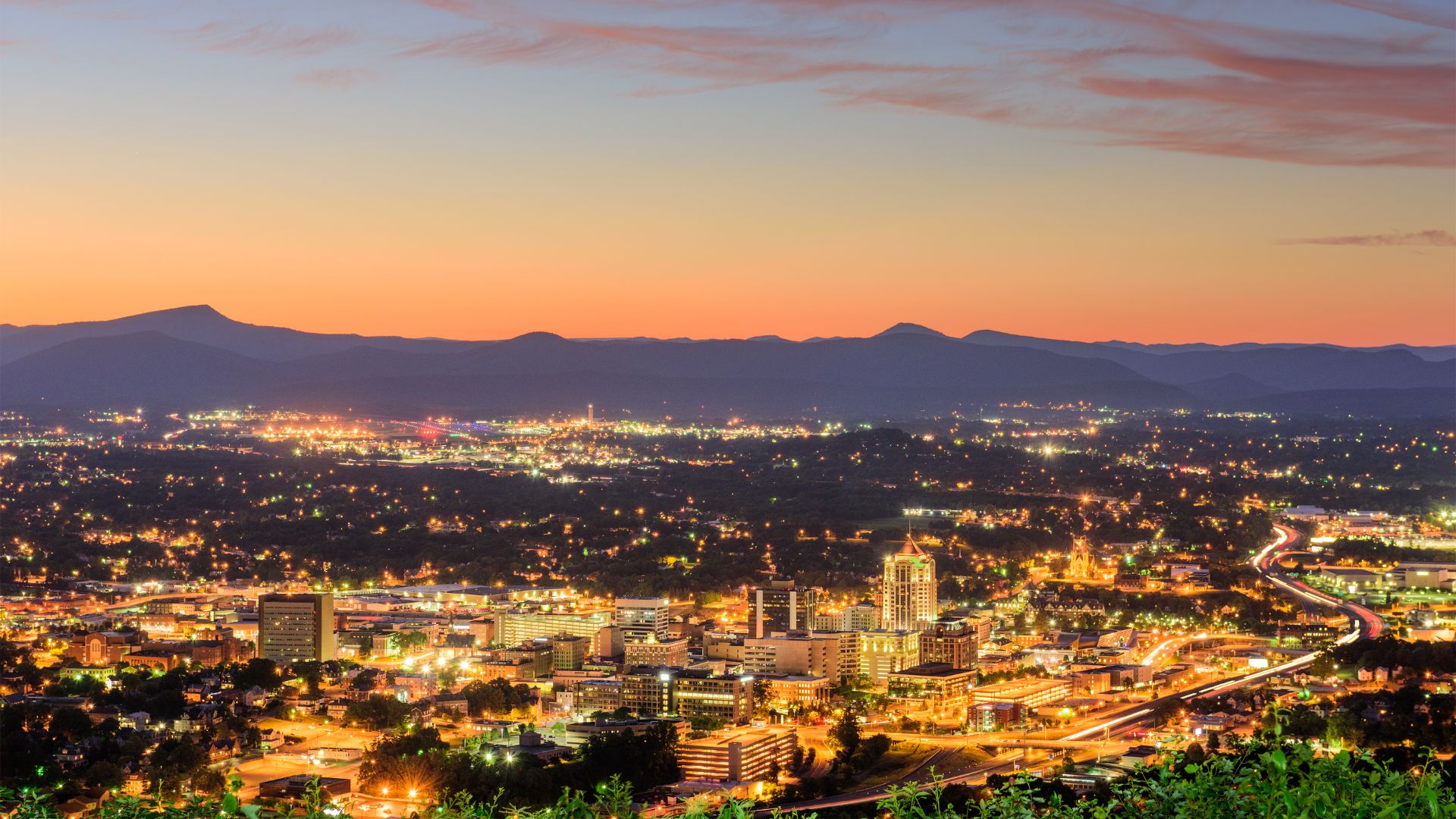
Roanoke sits right in the Blue Ridge Mountains, which means mountain views are pretty much a given. The city surprises with over 14,000 acres of parkland, so there’s always room to hike, bike, or just sit and soak in the scenery.
Downtown Roanoke has gotten a facelift in recent years. I love wandering through its museums, catching a show, or grabbing dinner at one of the local spots—no big-city chaos here. The historic City Market is open year-round and feels like a heartbeat for the community.
Mill Mountain Park is where you’ll spot the Roanoke Star, a giant neon landmark that glows over the city every night. And if you’re itching for a drive, the Blue Ridge Parkway starts just minutes away, offering some of the best vistas in Virginia.
Roanoke won’t empty your wallet like Richmond or Virginia Beach might. Hotels and restaurants offer solid value, and the local airport makes getting in and out a breeze.
If you want mountain access without the crowds, Roanoke is a solid bet. You get the outdoors, local flavor, and a slower pace that’s honestly refreshing.
What Makes a City Underrated?
So, what actually makes a city underrated? I think it comes down to a few things. These places offer real, authentic experiences minus the crowds. Their attractions haven’t made every “top 10” list, and your money stretches further here.
Hidden Local Culture
In underrated cities, you’ll find culture that still feels real—locals gather at favorite coffee shops, shop at family-run stores, and keep traditions alive without putting on a show for outsiders.
The arts scenes here? They’re for the people who live there first. When you catch a gallery opening or a concert, you might be the only visitor in the room. Festivals happen because the community wants them, not because they’re chasing tourist dollars.
The food is the real deal, too. Local spots serve what people actually eat, not some watered-down version for tourists. I’ve had some of my best conversations with locals over a diner breakfast or at a tiny counter-service joint. Their tips always beat anything I find online.
Unique Attractions Often Overlooked
Underrated cities hide museums, parks, and landmarks that could go toe-to-toe with big-name spots—just with no lines or crowds. I’ve wandered into historic districts or quirky museums that barely get a mention in guidebooks and left wondering why more people don’t check them out.
Sometimes, these cities have a claim to fame you’d never expect. Maybe it’s the best-preserved main street in the state, or a one-of-a-kind architectural style.
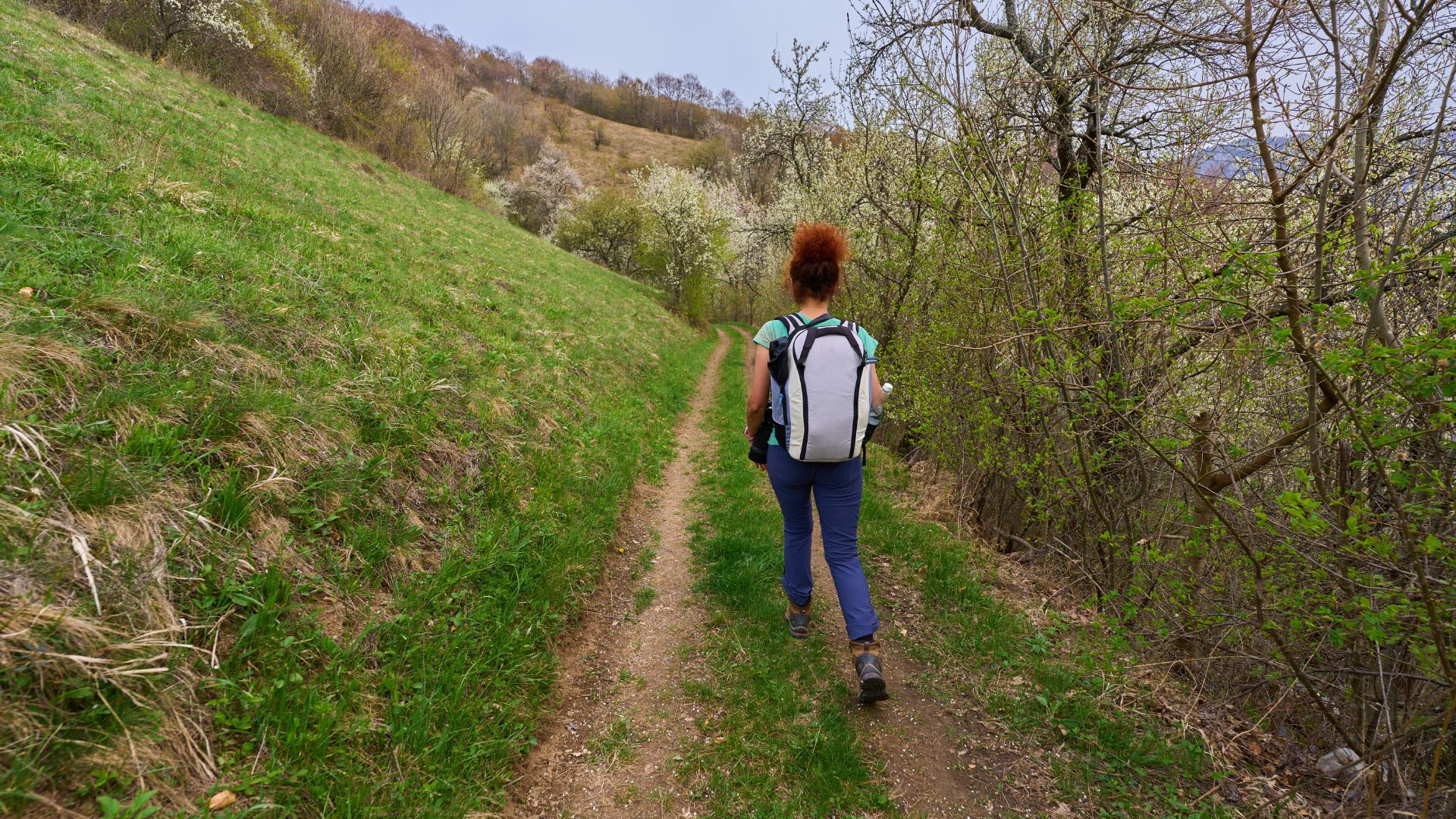
Nature stays under the radar, too. You can hit hiking trails, lakes, or scenic overlooks without fighting for a parking spot or elbowing for a photo.
Less-Crowded Destinations
If you ask me, the best thing about underrated cities is the breathing room. You can stroll down the street, grab a table at a great spot with zero wait, and explore at your own pace.
Hotels and rentals cost less, so you can either splurge on a nicer room or stay a bit longer. Staff have time to chat and give you real recommendations—no rushed service here.
Getting around just works. Traffic is lighter, parking exists, and public transit isn’t a sardine can. You spend more time exploring and less time stressing over logistics.
Travel Tips for Discovering Emerging U.S. Destinations
Heading to lesser-known cities takes a little extra planning, but honestly, it’s worth it. You’ll save cash by traveling during off-peak times and your money does more good at small, local businesses.
How to Get Around Lesser-Known Cities
Most up-and-coming cities don’t have big public transit systems. I usually rent a car for the flexibility—it’s just easier to get around and check out nearby spots.
Transportation Options to Try:
- Car rentals – Book early for the best deals and selection.
- Rideshare apps – They’re usually available, but you might wait a bit longer.
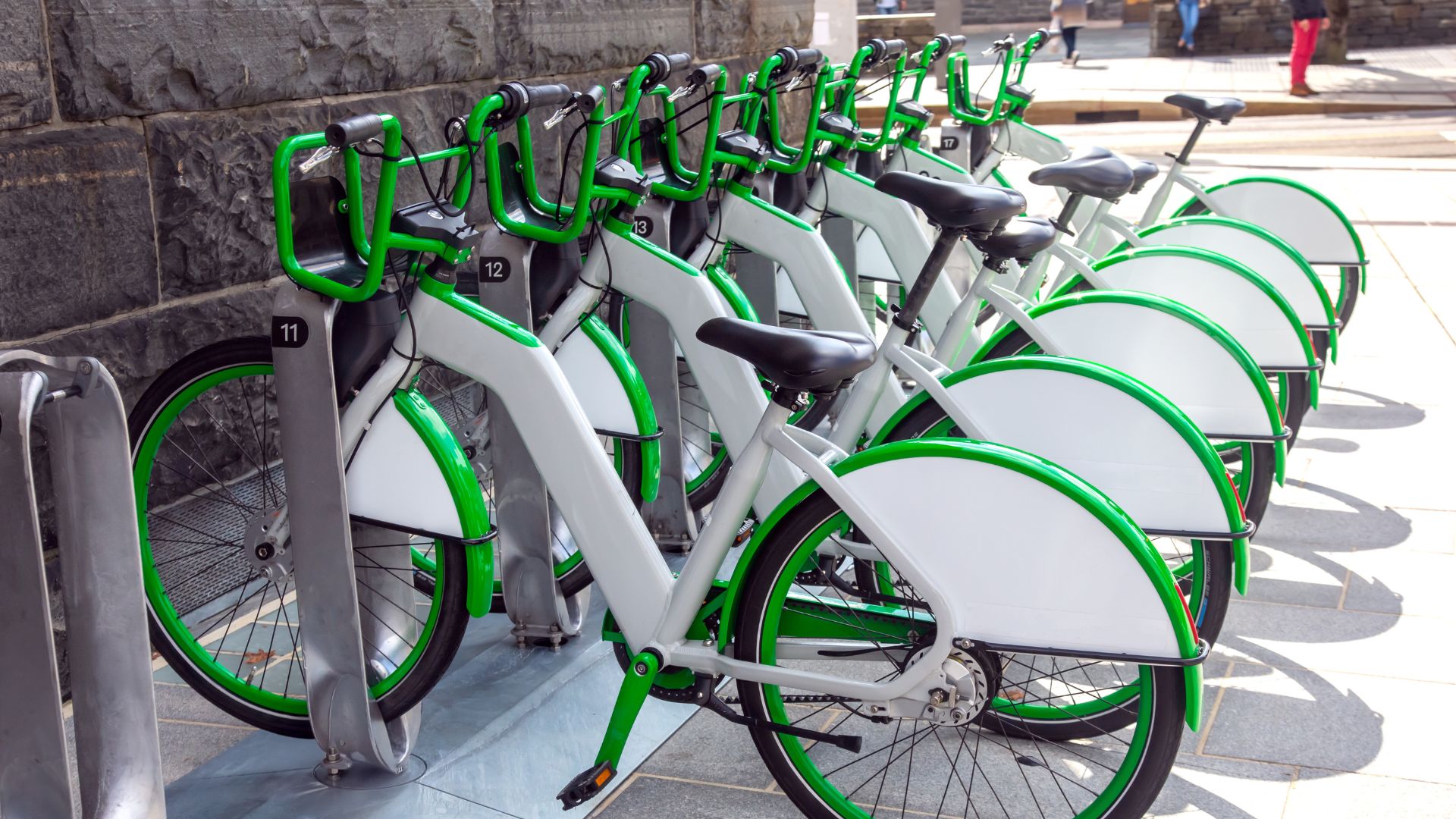
- Bike rentals – Many cities have bike-share programs, especially downtown.
- Walking – Smaller downtowns are often great for exploring on foot.
Download offline maps before you go—cell service can get patchy outside the city center. Local tourism sites often have free guides with parking info or shuttle details, so check those out.
Supporting Local Businesses
Your dollars stretch further in these destinations and make a real difference. Skip the chains. Eat at family-run restaurants for a taste of what locals actually love.
Stay at locally-owned hotels, B&Bs, or vacation rentals—these hosts always have the best tips. Shop farmers markets or indie stores for souvenirs that actually mean something.
If you’re not sure where to go, just ask someone. Bartenders, baristas, and shop owners usually love sharing their favorite spots. Look for craft breweries, indie bookstores, or local galleries—they depend on visitors like you.
Best Times of Year to Visit
I swear by shoulder seasons—spring and fall give you mild weather, fewer crowds, and lower prices. It’s the sweet spot.
Always check the local event calendar. Small cities sometimes host big festivals that can fill hotels fast and bump up prices. Some places shine in certain seasons, so plan around what you want to do.
Seasonal Tips:
- Spring (March-May): Mild temps, flowers, good deals.
- Fall (September-November): Crisp air, fall colors, and harvest events.
- Winter: Cheapest, but some things may be closed.
- Summer: Busy and pricier, but everything’s open.
Book your stay 6-8 weeks in advance for the best rates during spring and fall. You’ll avoid the summer rush but still have plenty of options.
Frequently Asked Questions
Curious about fresh destinations for 2026? Here are some questions folks ask about finding authentic cities and skipping the usual tourist circus.
Burlington, Vermont is a standout. It’s got a walkable downtown, a lively food scene, and sits right on Lake Champlain. Outdoor adventures are always close, and you won’t be fighting crowds.
Spokane, Washington is another favorite. You get Pacific Northwest beauty without Seattle prices. Riverfront Park, local breweries, and year-round recreation keep things interesting.
Pioneer Valley, Massachusetts is packed with college towns and a creative arts vibe. Independent bookstores, farm-to-table spots, and historic sites make it easy to find something new.
Asheville, North Carolina is growing, but it hasn’t hit “tourist overload” yet. The craft beer scene, mountain views, and artsy neighborhoods keep pulling people in.
Philadelphia, Pennsylvania offers big-city perks for less cash than New York or Boston. You get history, diverse communities, and an ever-evolving food scene.
These cities are building up their tourism game, but they’re still authentic. Now’s the time to go.
Pioneer Valley feels like a creative hub, thanks to all the colleges around. Performances, galleries, and a buzz of ideas give it a big-city arts feel in a smaller package.
Philadelphia’s mural arts program is huge—literally. Add world-class museums and a growing music scene, and you’ll never get bored.
Asheville’s got a bohemian streak. Artists and musicians flock here, so you’ll find galleries, live music, and craft studios all over downtown.
Burlington is small but mighty. You can hit the mountains, hang out by the lake, tour breweries, and shop local—all in one day.
Spokane surprises with urban parks and even a downtown waterfall. It’s a great base for exploring mountains, lakes, and even wine country nearby.
Pioneer Valley blends colonial history with the energy of college towns. Visit Emily Dickinson’s home, tour working farms, or catch a campus event.
Philadelphia lets you walk in the footsteps of America’s founders, but it’s also a living, breathing city. Neighborhoods stay true to themselves, and local traditions haven’t been polished for tourists.
Asheville brings Southern charm with a mountain twist. The city keeps its historic buildings but welcomes newcomers who add creative energy.
Burlington feels like classic New England but with a modern vibe. Community markets, local cafes, and lively public spaces make it easy to connect with locals.
Spokane hangs out in Eastern Washington, way past where most tourists stop. You get that Pacific Northwest vibe here—think coffee shops, indie bookstores, and riverfront parks—but without the sticker shock or the crowds you’d find in Seattle or Portland.
Pioneer Valley? It’s easy to miss on the map. Instead of one big city, you’ll find a patchwork of quirky small towns, each with its own charm. The area buzzes with college-town energy, rolling hills, and unexpected cultural finds. I wandered into an art gallery there last spring and ended up staying for hours, chatting with locals who actually seemed happy to see a new face.
Philadelphia sits right in the spotlight, but somehow it still feels like a secret. Sure, everyone’s heard of the Liberty Bell, but have you ever just wandered South Philly’s markets or stumbled into a tucked-away jazz bar? The neighborhoods here hum with real life, and the food scene—cheesesteaks aside—honestly surprised me with its variety and authenticity.
