
Croatia’s coastline, those ancient cities, the islands—yeah, they’re gorgeous, but wow, prices have really shot up lately. Accommodation and food? I’ve seen them jump 30-50% in just a few years. Some travelers have started skipping Croatia, thinking it’s out of reach. But honestly, with a few smart moves, you can still soak up all that beauty without torching your wallet.
Affordable travel here is all about timing, knowing where to stay, and picking up a few local habits. I dug into advice from locals and budget travelers, and let me tell you, simple tweaks—like when you book, how you get around, and where you sleep—can save you a small fortune. You don’t need insider connections or complicated tricks.
You really don’t have to miss out on the good stuff to save money in Croatia. Swap taxis for buses, skip hotels for local apartments, and suddenly your euros stretch way further. I’ll walk you through eating well for less, finding legit places to stay, and getting around like someone who actually lives here—not just another tourist.
Mastering Your Budget and Spending Habits
Money management starts with figuring out where your cash goes and setting some boundaries. Tracking expenses and having clear goals? That’s where the magic happens.
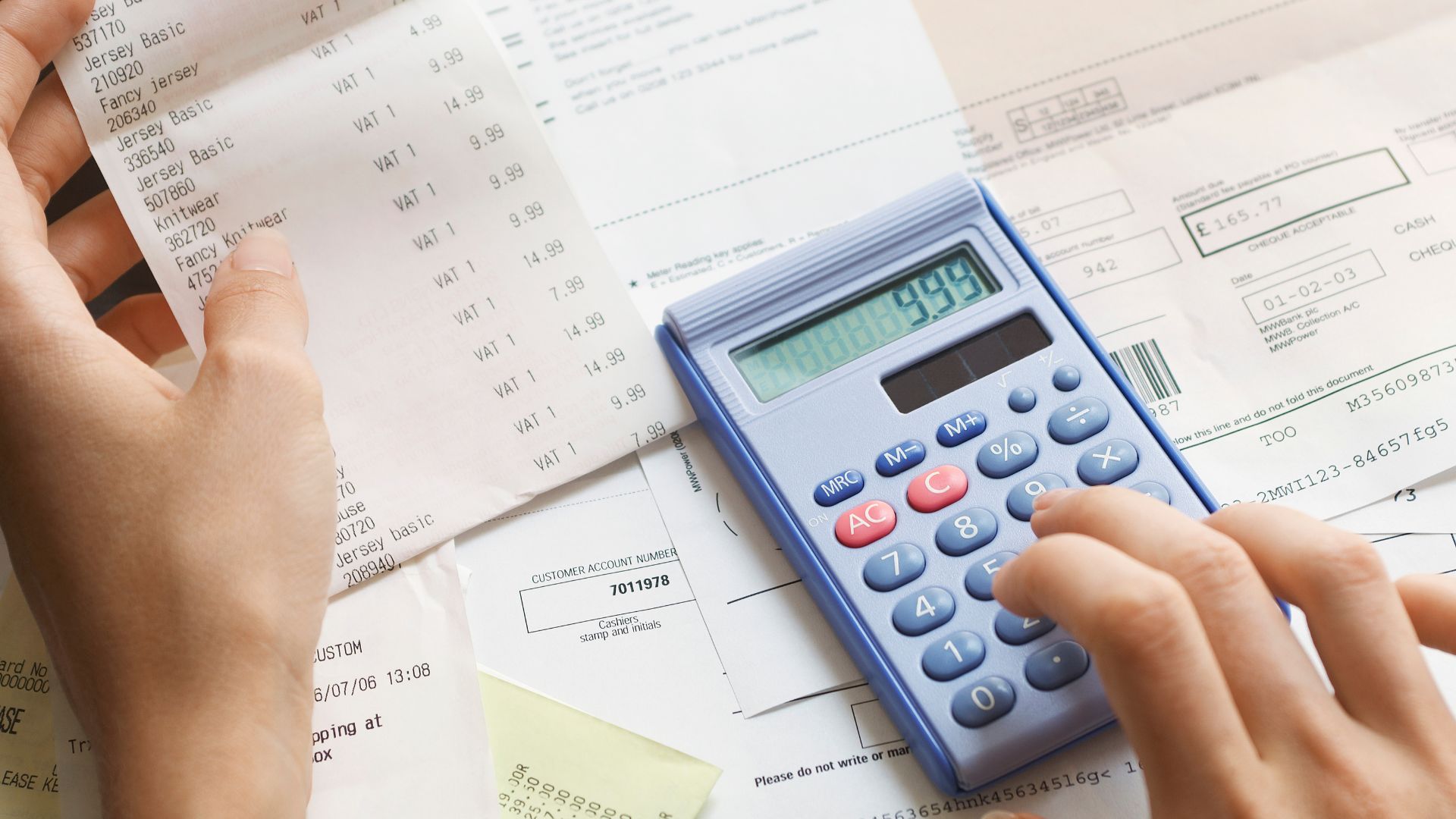
Track Daily Expenses for Instant Clarity
Try jotting down every purchase for a month. Coffee, bus tickets, groceries—write it all down.
Grab a notebook or use an app on your phone. Apps like Mint or YNAB will even sort your spending for you.
Key things to track:
- Housing and utilities
- Food and groceries
- Transportation
- Insurance
- Debt payments
Don’t forget cash purchases—they disappear fast if you’re not paying attention.
Take a peek at your bank statements each week. Sometimes you’ll spot sneaky subscriptions or fees you didn’t even notice.
This habit makes spending patterns jump out at you. I was shocked how much I spent on dining out before I started tracking.
Create a Sustainable Monthly Budget
The 50/30/20 rule is a good place to start. Half your income for needs, 30% for wants, 20% for savings.
Start with your fixed bills—rent, insurance, debt payments.
Next, add in groceries and entertainment. Use your expense tracking to get real numbers.
Cash envelope system helps with tricky categories:
- Put cash in envelopes labeled for eating out, shopping, etc.
- When it’s gone, that’s it for the month.
- This keeps you from overspending on cards.
Leave a little room for treats. Too strict, and you’ll probably ditch your budget.
Adjust your budget every month. No one nails it on the first try.

Set Realistic Financial Goals
Get specific about what you want to save and by when. “Save money” is just too fuzzy.
Start small—like 1,000 kuna for emergencies. Small wins build momentum.
Break big goals down:
- Emergency fund: 500 kuna a month for 10 months = 5,000 kuna
- Vacation: 300 kuna a month for 8 months = 2,400 kuna
- Car down payment: 800 kuna a month for 15 months = 12,000 kuna
Write your goals somewhere you’ll see them. It’s a good nudge when you’re tempted to splurge.
Mix up short-term (3-6 months) and long-term (1-3 years) goals. The little wins keep you going.
Check in monthly. Celebrate progress—even the small stuff.

Thrifty Food and Grocery Strategies
You can eat well and save a ton by changing how you shop and cook. These tips work anywhere, but they’re especially handy in Croatia.
Cook and Meal Prep at Home
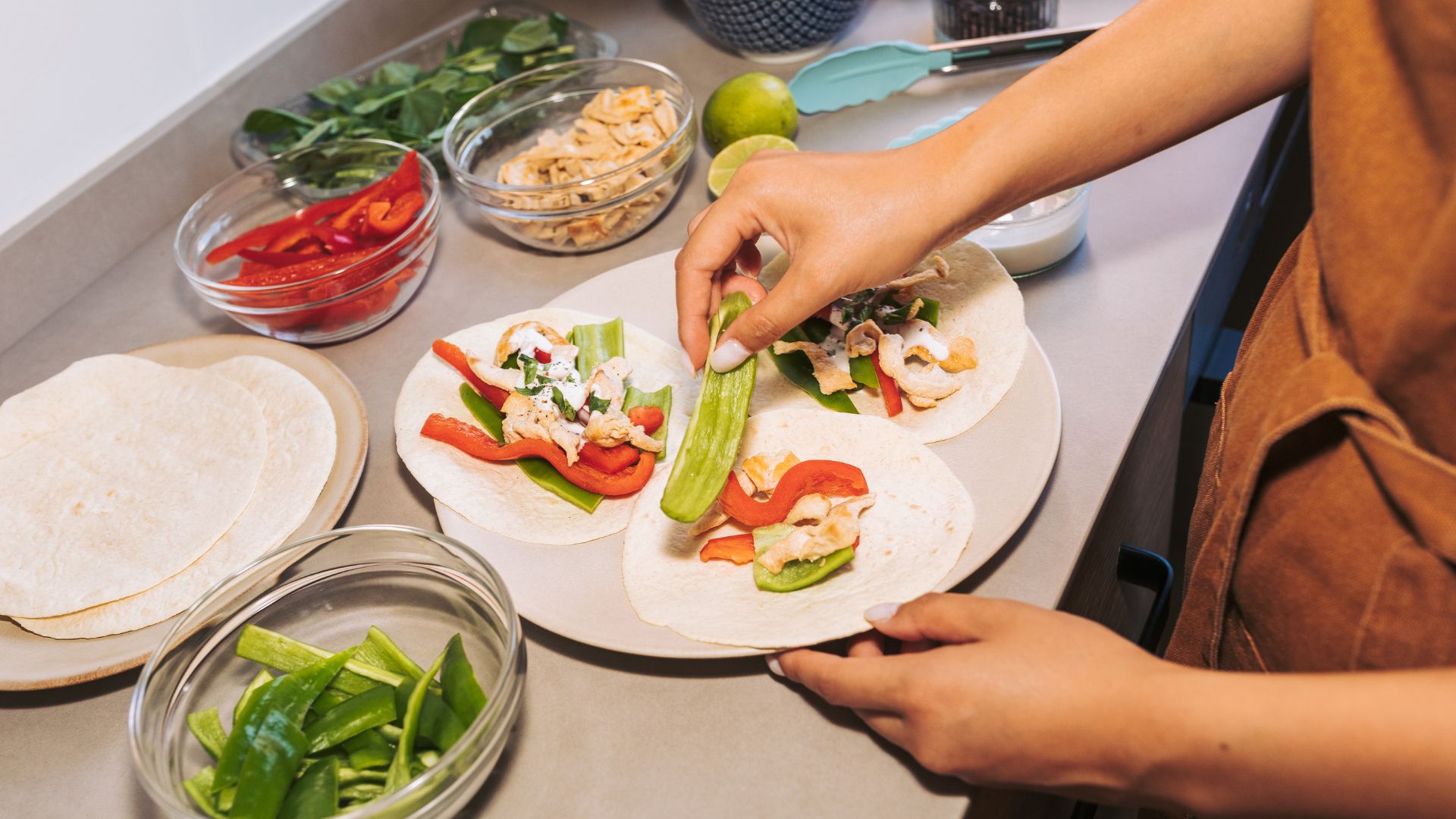
I’ve saved over $300 a month just by cooking at home instead of ordering out. Restaurant meals cost three or four times more than what you make yourself.
Meal prep totally changed my week. I spend a couple hours on Sunday making proteins, grains, and veggies for the week. It stops me from grabbing overpriced takeout during the work rush.
I batch-cook things like chili or stew—one pot feeds me for days at just a couple bucks a meal.
Freezing leftovers is a game-changer. I freeze extra portions right away to avoid waste. Homemade meals in the freezer last months and cost way less than store-bought frozen dinners.
Invest in good containers. Glass with tight lids keeps food fresh and saves you from tossing expensive ingredients.
Buy Generic and In-Season Products
Generic brands are just as good as the big names, but way cheaper. Most of the time, the ingredients are identical.
In-season produce is cheaper and tastes better. I’ll grab strawberries in summer for $2 a pound instead of paying $6 in winter. Shopping seasonally slashes my produce costs.
Frozen veggies are my backup when fresh gets pricey. They don’t spoil and keep all the nutrients.
Farmers’ markets have great deals, especially near closing time. Vendors often drop prices to clear out inventory. Bulk buys can get you extra discounts.
I jot down the prices of my staples in a notebook. It helps me spot real sales and stock up when prices dip.
Reduce Dining Out and Pack Lunches
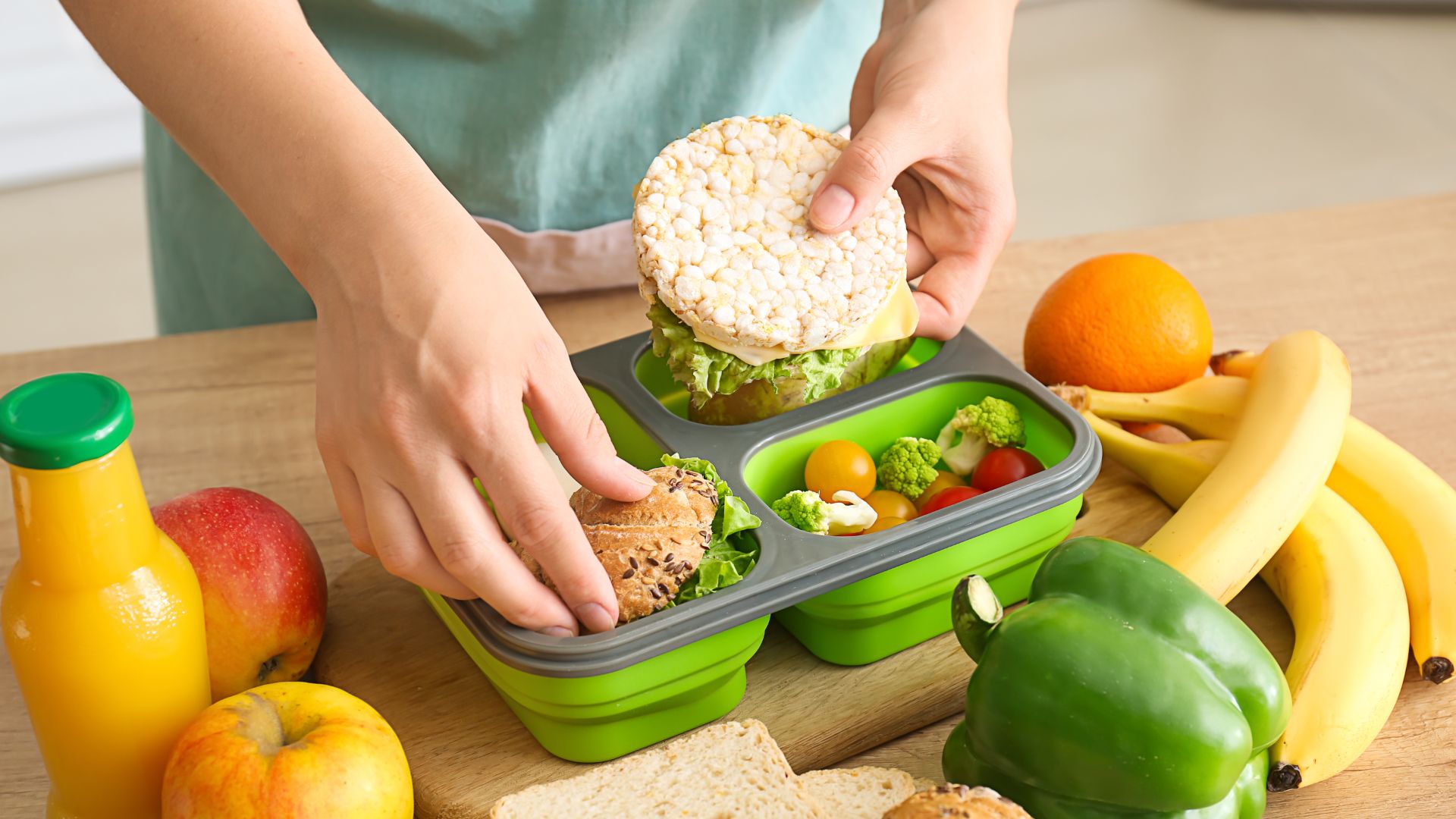
Packing lunch saves me about $150 a month. A homemade sandwich is $3, but at a restaurant? Try $12.
Every Sunday, I prep five lunches. Leftovers, fresh veggies, and reusable containers—done in half an hour. It keeps me from dropping cash at work.
I save dining out for special occasions. If I do go, I look for lunch specials or happy hour deals.
Mix up your packed lunches. Rotate sandwiches, salads, and grain bowls so you don’t get bored. I keep snacks like fruit or nuts handy for when hunger hits.
Don’t forget the hidden costs of eating out—tips and drinks add up fast. That $15 lunch can easily hit $20.
Shop with Digital Coupons and During Sales
Apps like Rakuten and Honey usually save me $50-75 a month. I check them before every trip and stack coupons with store deals.
Store loyalty programs are gold. Download your grocery store’s app and activate coupons before shopping. It adds up, trust me.
I shop during big sales and stock up on non-perishables when they’re half off.
Plan meals around what’s on sale. It’s flexible and cuts my bill by about 25%.
Discount grocers like Aldi are my go-to for basics—bread, milk, canned goods. Always cheaper.
Smart Shopping and Everyday Essentials
Stretching your Croatian budget means knowing where to shop and how to snag deals. Discount stores, secondhand finds, and cashback rewards can make a huge difference.
Take Advantage of Discount and Thrift Stores
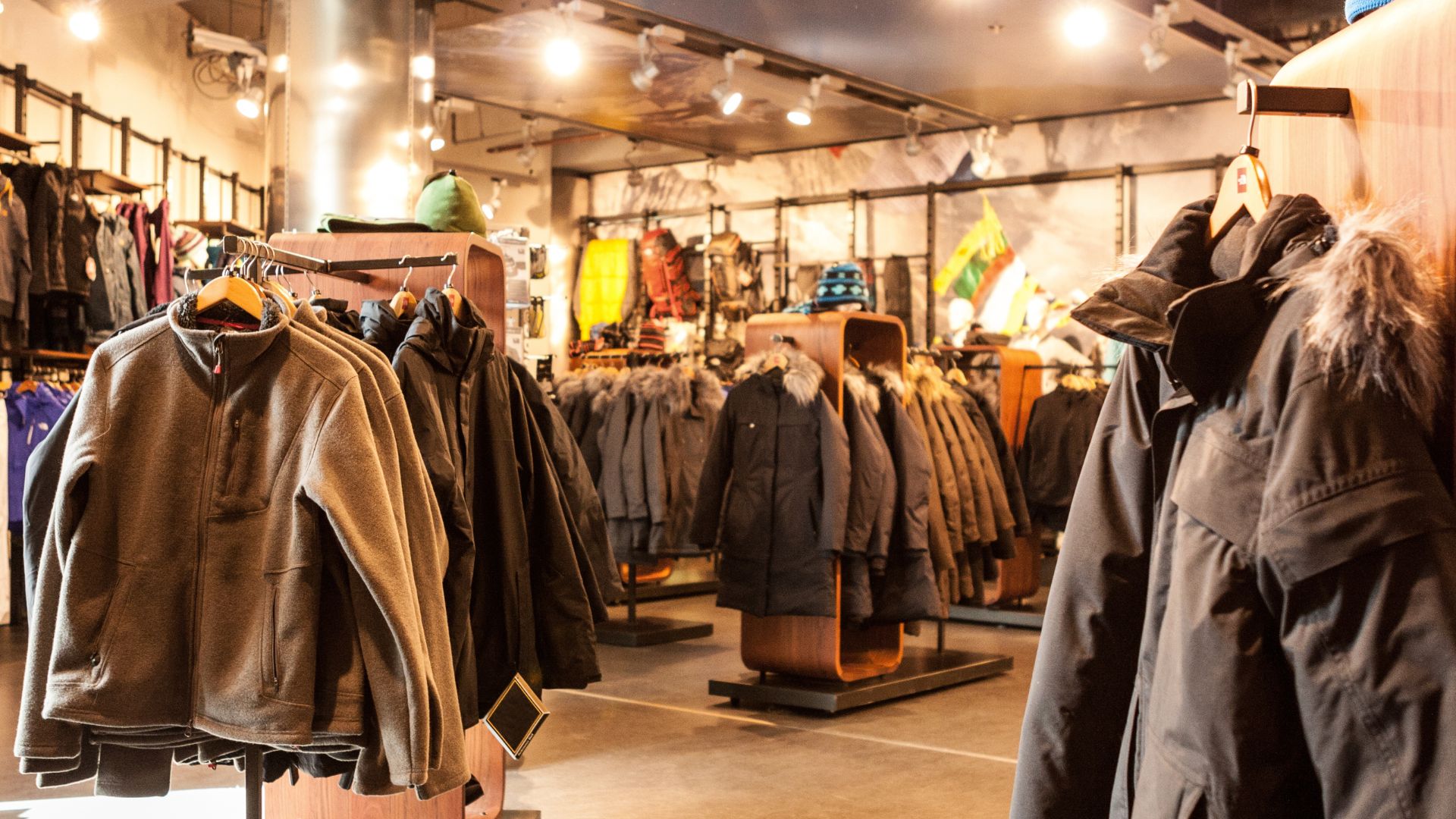
Discount stores in Croatia are a lifesaver. Pepco, TEDi, and KiK sell everything from clothes to electronics at up to 60% off regular prices.
Thrift stores are even better sometimes. Humana shops across the country have secondhand clothing starting at just 10-15 kuna. I’ve found designer stuff for pennies.
Try these Croatian discount spots:
- Pepco (household, clothes)
- TEDi (home decor, small gadgets)
- KiK (clothes, accessories)
- Konzum Diskont (groceries, cleaning stuff)
Warehouse clubs like Metro need a membership (about 150 kuna a year), but you’ll make that back fast with bulk deals.
Buy Secondhand and Refurbished Items
Most Croatian cities have weekly secondhand furniture markets. I hit Hrelić flea market in Zagreb on Saturdays for furniture at 70-80% off.
Online, Njuškalo and Facebook Marketplace are packed with used deals. I set alerts for brands I like and wait for the right price.
Best spots for secondhand shopping:
- Njuškalo.hr (biggest classifieds)
- Facebook Marketplace
- Local flea markets
- University bulletin boards (students sell cheap stuff)
Authorized dealers sell refurbished electronics with warranties for 30-50% less than new. Links and Sancta Domenica have certified phones, laptops, and tablets—plus a year guarantee.
Utilize Cashback Rewards and Coupon Apps
You can actually earn cash back in Croatia with a few apps. Cashrewards Croatia partners with 200+ retailers and sends 1-15% back to your account within a month.
The Konzum Plus loyalty card gives instant discounts at the biggest supermarket chain. I rack up points and get personalized coupons in their app.
Top cashback and savings apps:
- Konzum Plus (grocery points)
- Plodine loyalty card (supermarket deals)
- Cashrewards Croatia (online rebates)
- Groupon Croatia (restaurant/activity deals)
I stack cashback with online sales and clearance events. Combining store deals with app rebates gets me 40-60% off on clothes and gadgets.
Some Croatian banks offer cashback credit cards—PBZ Visa Cashback and Erste Cashback give you 1-3% back on everything, paid out monthly.
Cutting Household and Utility Costs
A few tweaks at home can save you hundreds every year. Energy-smart appliances, unplugging electronics, and simple DIY fixes go a long way.
Use Energy-Efficient Appliances and Programmable Thermostats
Switching to energy-efficient appliances cut my bills by 30% in six months. They just use less power and water.
LED bulbs use 75% less energy and last way longer. I replaced every bulb and now save about €15 a month.
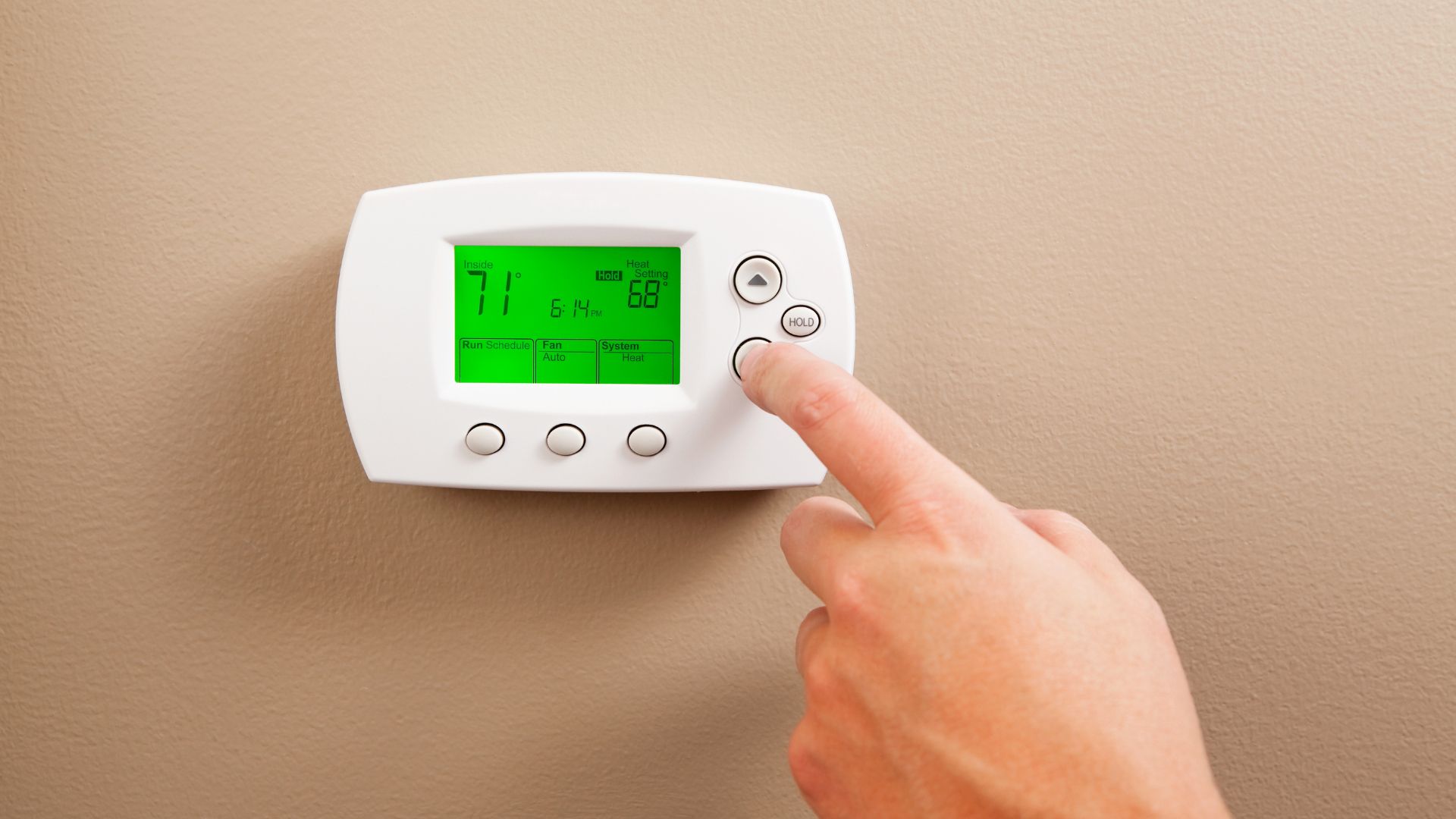
A programmable thermostat manages heating for me. I set it to drop the temp when I’m out or asleep, and my heating bill dropped 10-15%.
Energy-efficient washers use less water and power. I wash in cold water too. My new dishwasher uses 40% less water than my old one.
Look for high energy ratings. The upfront cost pays you back fast. Many stores in Croatia offer installment plans for these appliances.
Unplug Electronics and Save on Utility Bills
I unplug electronics when I’m not using them and save €8-12 each month. A lot of stuff sucks power even when it’s off—phantom load, they call it.
TVs, computers, chargers—they all draw power if plugged in. I use power strips with switches to make it easier.
Automatic bill payments help me keep an eye on my usage. If my bill spikes, I adjust my habits. Plus, I never miss a payment.
Negotiate your utility bills at least once a year. I called my internet provider and got a 20% discount just by asking. Sometimes loyalty pays off.
Cable and phone companies often offer better deals if you ask. The worst that happens? They say no.
DIY Repairs and Home Maintenance
I take care of basic home repairs myself and save a ton. Small fixes now stop bigger problems later. Most just need a few tools and a YouTube video.
Basic car maintenance like oil changes and air filters? I do them myself now—saves about €200 a year.
DIY pest control with vinegar or essential oils keeps bugs away for less. Sealing up cracks stops bigger infestations.
Fix electronics before replacing them. I repaired my laptop fan for €15 instead of buying a new one. There are guides for almost everything online.
DIY home decor is fun and cheap. I paint furniture and make wall art from scraps. Costs almost nothing compared to buying new.
Keep a basic toolkit—screwdrivers, pliers, a drill. It’ll cover most household fixes. Start simple and you’ll pick up new skills as you go.

Transportation Hacks for Affordability
Traveling around Croatia doesn’t have to break the bank. With a bit of planning and a few clever tricks, you can save a surprising amount on getting from place to place.
Leverage Public Transit, Carpool, and Rideshare
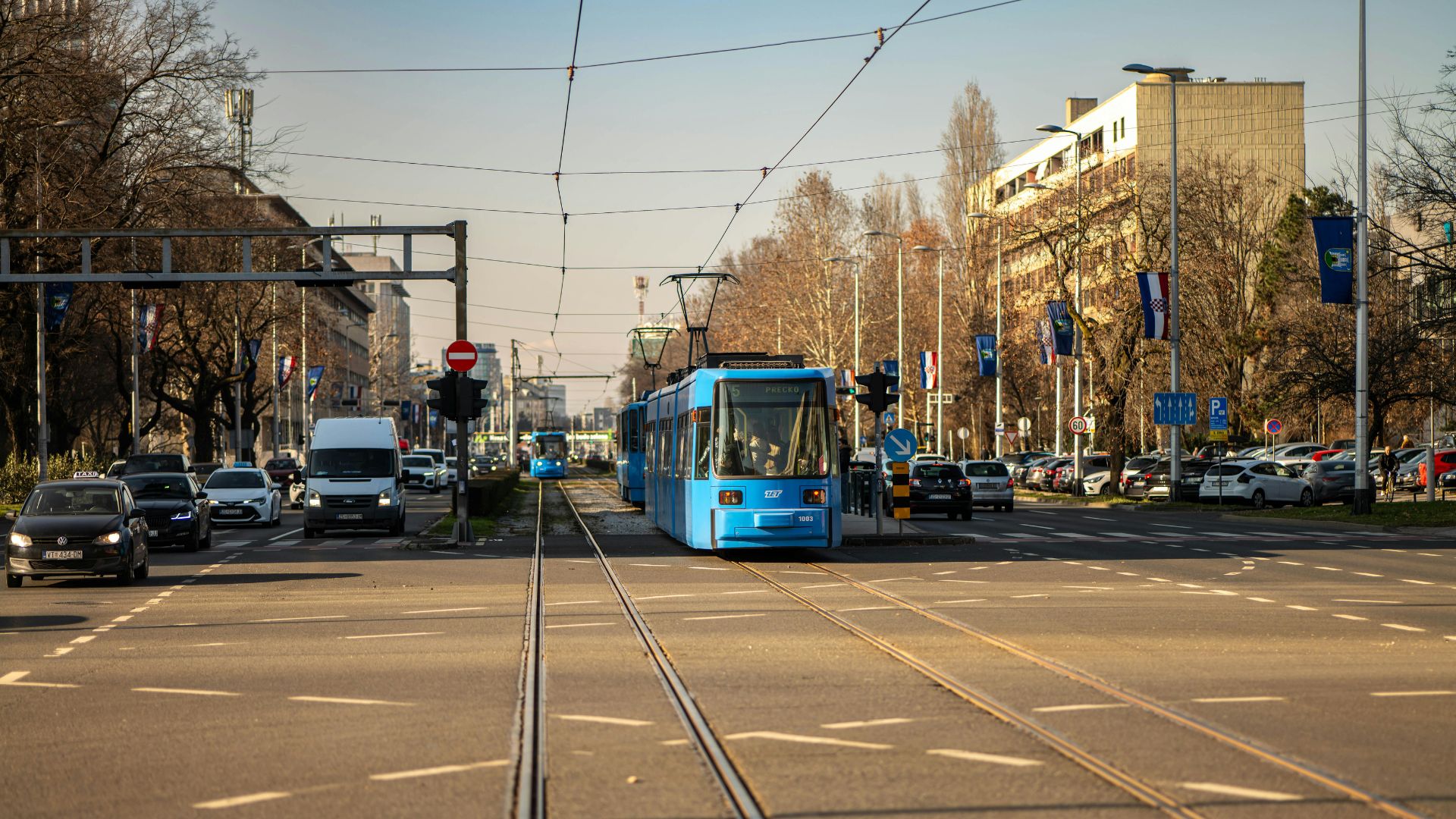
Public transportation in Croatia? It’s honestly one of the best deals out there, especially compared to taxis or renting a car. I usually grab a bus pass when I’m hopping between cities—it’s way cheaper than buying single tickets every time.
Buses connect all the main cities, and they actually run on time. A ticket from Zagreb to Split? Expect to pay about 150-200 kuna, while renting a car and paying for gas can easily top 400 kuna a day.
Inside cities, local buses charge about 10-15 kuna per ride. If you plan to take more than a couple of trips, a daily pass for 25-30 kuna pays off fast.
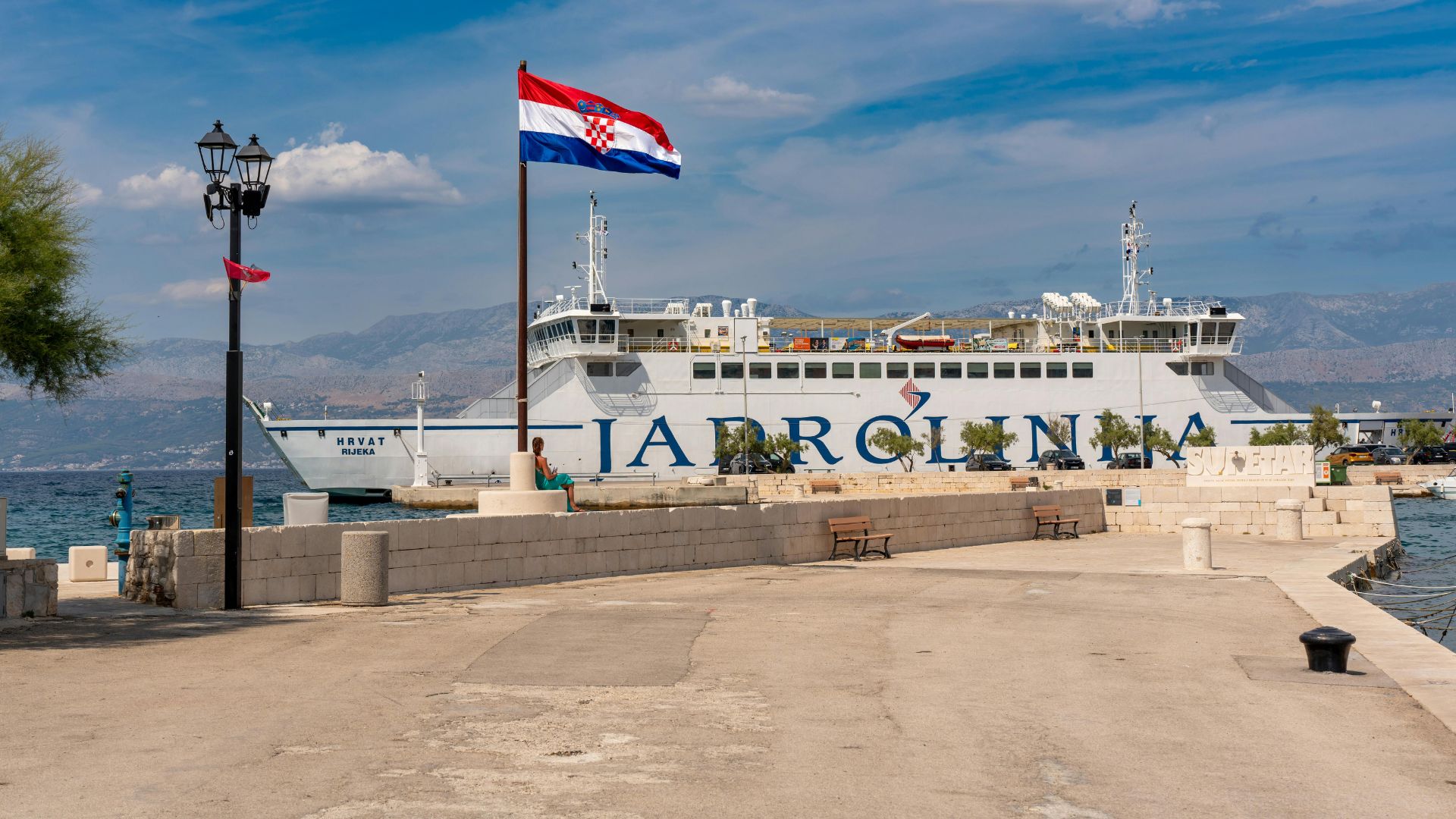
Ferries are another budget-friendly option. Jadrolinija ferries between islands cost a fraction of what you’d pay for a private boat. For example, a ferry ticket to Hvar is just 35 kuna, while tourist boats start at 300 kuna. That’s a no-brainer.
Uber and other rideshare apps operate in Zagreb, Split, and Dubrovnik. I’ve found rideshares to be 20-30% cheaper than regular taxis, and the experience is usually smoother.
For longer journeys, I join carpool groups on Facebook. Splitting gas with a few people makes road trips affordable, and you get to meet locals along the way.
Walk or Bike for Everyday Errands
Walking is underrated. Not only does it save money, but you also get to wander through neighborhoods most tourists never see. If my destination is within two kilometers, I just walk. It’s free exercise, and honestly, you notice so much more.
Cities like Dubrovnik, Split, and Zagreb have old towns that are made for walking. You can stroll along Dubrovnik’s walls, explore Split’s palace, or wander through Zagreb’s Upper Town without ever needing a ride.
Renting a bike is another great option. Daily rentals usually cost 50-80 kuna, which beats any taxi fare for medium distances. I see a lot of bike shops near harbors and beaches, especially in coastal towns.
Zagreb and Split both have bike share programs. For 40 kuna, you get a day pass with unlimited 30-minute rides. That’s perfect for running errands or just exploring.
If I’m staying somewhere for a while, I rent a bike trailer from a local hardware store—usually about 30 kuna a day. It’s handy for groceries and means I don’t have to pay for food delivery.
One of my favorite rides is the coastal route from Split to Trogir. It takes about an hour by bike, and after the initial rental, it’s basically free.
Cut Conventional Vehicle Expenses
Learning a few basics about car maintenance pays off big time. I check my own tire pressure, oil, and fluids. Croatian gas stations charge extra for these checks—sometimes 20-30 kuna more—but a simple tire gauge costs just 50 kuna and lasts for years.
When I need a rental car, I stick with local companies. They’re often 30-40% cheaper than the big international brands.
Booking a rental at least two or three weeks ahead can save a lot. If you wait until the last minute, especially in summer, prices can double.
I also skip the pricey insurance upgrades because my travel credit card already covers rental cars. That alone saves me 100-150 kuna a day.
Parking can get expensive in touristy areas. I use the EasyPark app to find cheaper spots a bit farther out. Street parking usually runs 8-12 kuna an hour, compared to 25 kuna or more near the main attractions.
Maximizing Savings in Daily Life
Tweaking your daily habits can really add up. Small changes, like cutting out unused services or finding ways to make money from stuff you already own, help you save more each month.
Cancel Unused Subscriptions
It’s easy to lose track of monthly charges. I go through my bank statements every so often and spot subscriptions I forgot about. Streaming services, magazine subscriptions, random apps—they sneak up on you.
Here are a few subscriptions worth reviewing:
- Streaming platforms (Netflix, Hulu, Disney+)
- Magazines you never read anymore
- Gym memberships collecting dust
- Software you rarely use
- Gaming apps or platforms
I make a list of all my monthly subscriptions and cancel anything I haven’t touched in a month. For the ones I want to keep, I’ll sometimes share accounts with family or friends to split the cost.
Rotating subscriptions is another trick. When I finish a show on Netflix, I’ll cancel it and pick up another platform. That way, I’m only paying for what I’m actually using, and I end up saving 50-70% on entertainment.
Sell Unused Items and Swap Services
Most of us have things lying around that we never use. I like to turn those into extra cash or trade for something I actually need.
Here’s what tends to sell well:
- Electronics and gadgets
- Clothes in good shape
- Books and textbooks
- Kitchen appliances
- Furniture and decor
I use Facebook Marketplace, OLX, or Njuškalo to sell things locally. Good photos and honest descriptions really help.
Sometimes, instead of selling, I’ll swap services. Maybe I’ll trade childcare with another parent, swap home repairs with a neighbor, or exchange language lessons for cooking classes. It saves money and builds connections in the community.
Utilize Libraries, Parks, and Free Community Resources
Have you ever really explored your local library? In Croatia, libraries have become little hubs of activity—way beyond just lending out books.
I love that most libraries here offer free internet, computers you can actually use, and even some unexpected entertainment. Sometimes, I find myself ditching paid streaming services just because the library has DVDs and digital media I actually want to watch.
Free library resources:
- DVDs and digital media streaming
- Public Wi-Fi for remote work
- Study spaces and meeting rooms
- Children’s programs and activities
- Language learning materials
Parks are another lifesaver, especially if you’re looking for free family fun. I’ve spent entire weekends just hanging out at local parks instead of splurging on expensive entertainment.
You’ll usually find playgrounds, walking trails, and plenty of spots for a picnic. Honestly, sometimes the simplest days outdoors end up being the most memorable.
If you need to cut back on home internet costs, try using public Wi-Fi at libraries, cafes, or parks. It’s surprisingly easy, especially if you work remotely or just want a change of scenery.
