
Ever feel like epic travel is only for the rich or the retired? I used to think so too. It’s easy to imagine that amazing adventures require endless time, sky-high budgets, and months of planning.
But honestly, some of the world’s most memorable trips are a lot more doable than you’d expect. You can chase glaciers, spot rare wildlife, and get lost in ancient cities—without draining your savings or quitting your job.
With the right destination and a bit of clever planning, unforgettable memories are within reach. I’ve managed to visit remote islands, wander through ancient ruins, and marvel at natural wonders, all while sticking to my real-life schedule and budget.
Dream trips and real-world travel can actually meet somewhere in the middle. Here’s how.
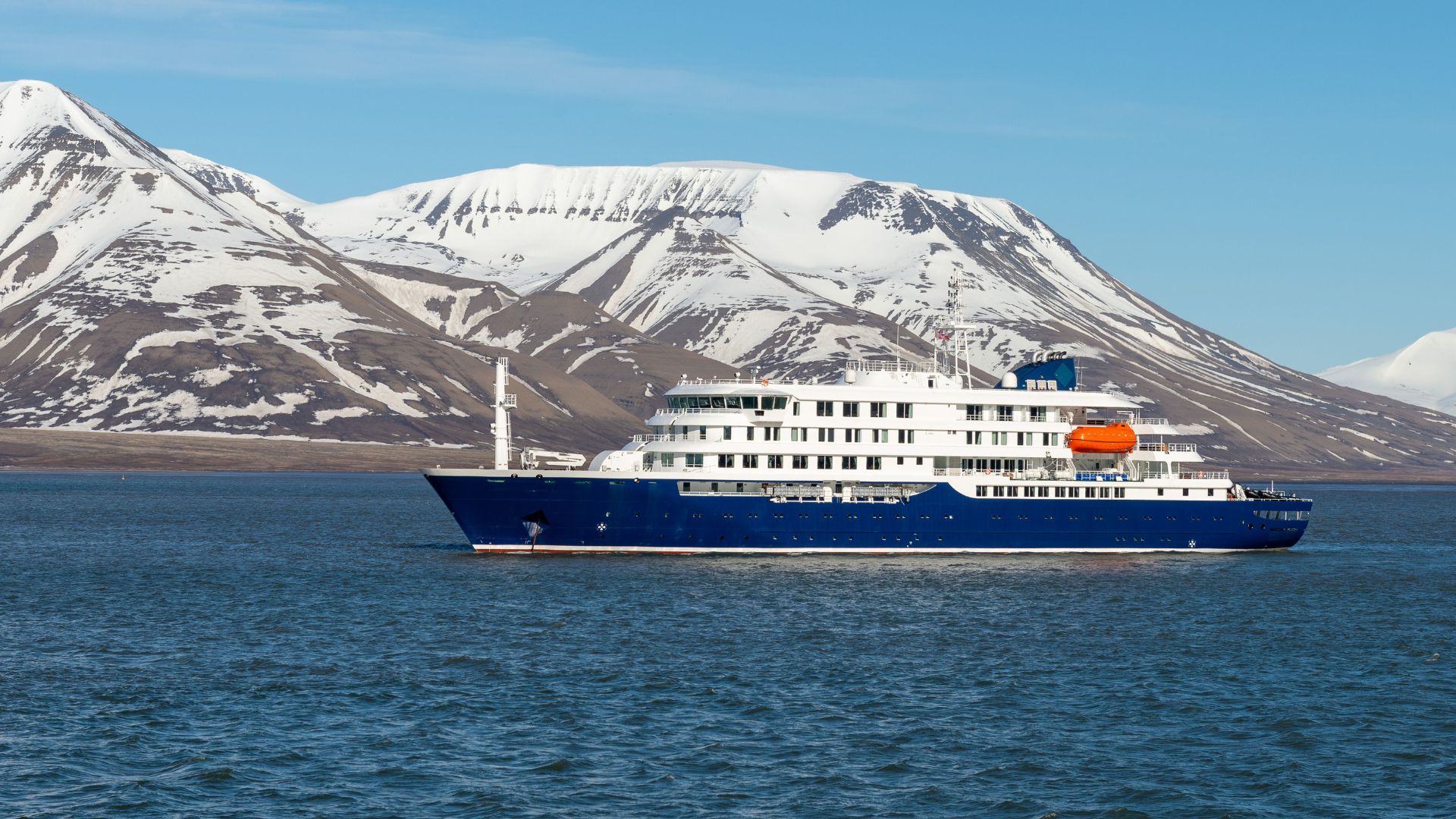
1) Antarctica cruise to explore pristine icy landscapes
Antarctica sounds like a wild fantasy, right? Actually, cruise expeditions make it way more accessible than you’d think.
Most trips last 10-14 days and set sail from Ushuaia, Argentina. Crossing the Drake Passage feels like an adventure in itself.
Once you arrive at the Antarctic Peninsula, Zodiac boats take you right up to the ice. I’ll never forget seeing penguins waddling by and seals lounging on the floes.
Massive icebergs and glaciers stretch out in every direction. It’s surreal.
Most cruises run from November to March, when the sun barely sets and wildlife is everywhere.
Guides lead shore landings and share stories about the environment. You don’t need to be an athlete or a scientist—just curious.
Ships offer plenty of comfort between excursions, so you can warm up and recharge. Prices vary, but there are options for different budgets if you book early.
2) Safari in Botswana’s Okavango Delta
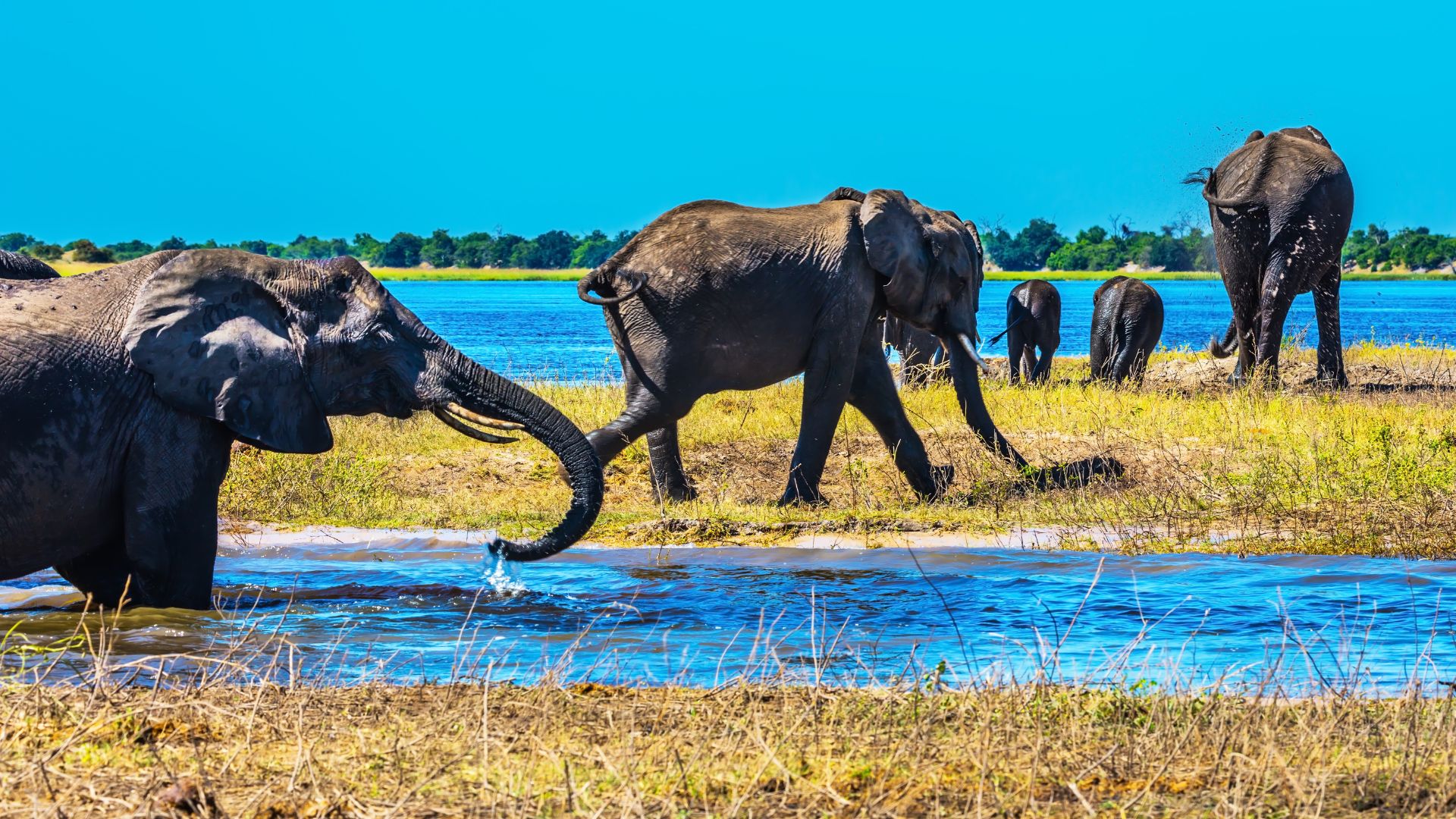
The Okavango Delta is a wildlife lover’s dream. Rivers spill into the heart of Botswana, turning the land into a lush, animal-packed oasis.
You can glide through narrow channels in a mokoro canoe and spot hippos or crocodiles just feet away.
Game drives get you close to elephants, lions, and leopards. Walking safaris add a bit of thrill as you track animals on foot with expert guides.
Most folks recommend staying at least three nights to really soak it in. Four to six-day safaris usually run between $540 and $760 per person per day.
Don’t let the remote location scare you off—there’s a range of camps and lodges, from basic to pure luxury. The trick is to pick a reputable safari operator who knows the land.
3) Northern Lights tour in Iceland
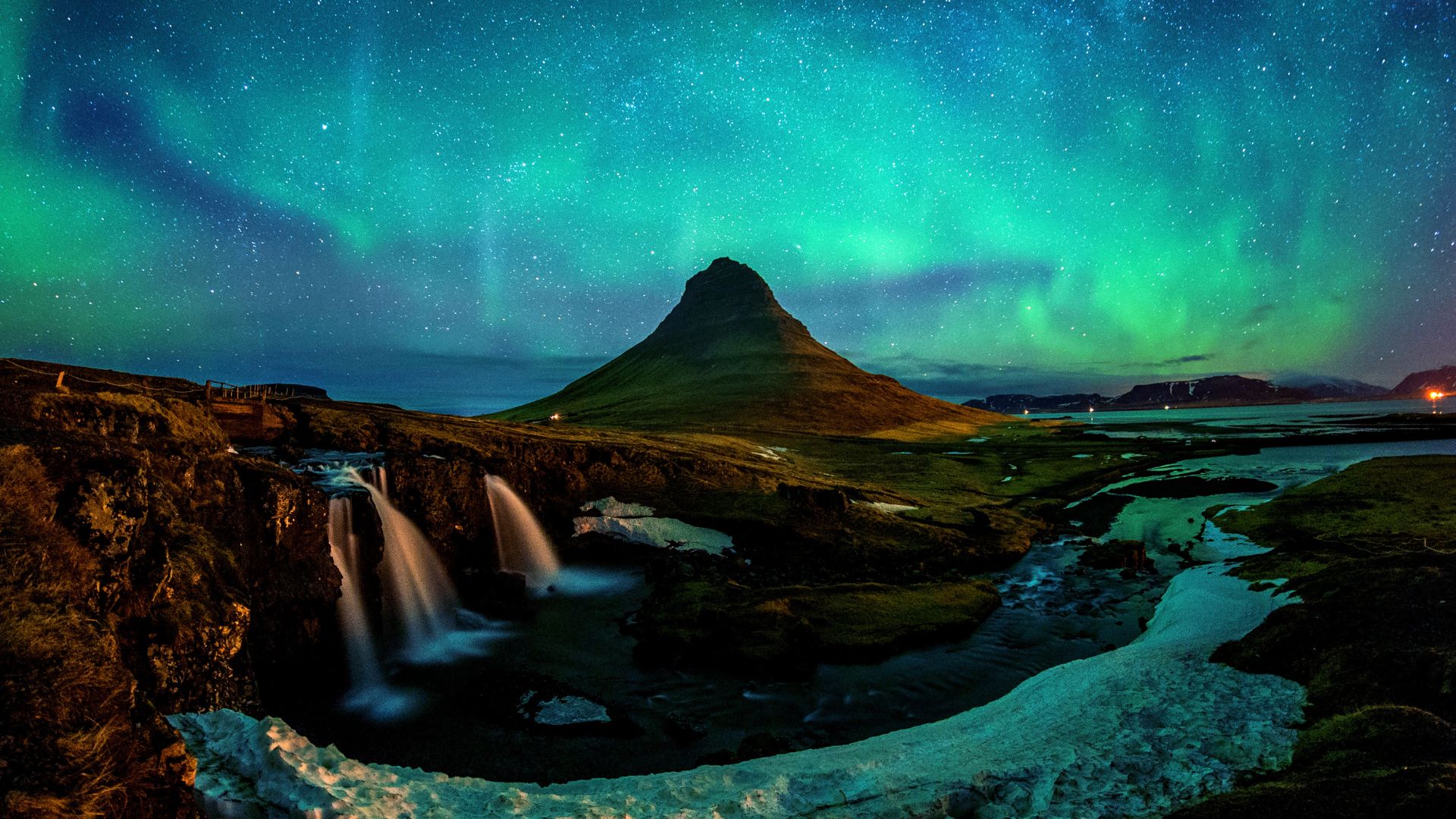
You don’t have to spend a fortune or years planning to see the aurora borealis. Iceland makes it surprisingly easy.
Tours run from September to April, with most leaving from Reykjavik. Guides chase the latest aurora forecasts and whisk you out of the city lights.
You can join a small group or splurge on a private tour. Some even offer boat trips, which sound magical.
Tours usually last 3-5 hours and include hotel pickup. If the lights don’t show, many companies let you try again for free.
Just bundle up and bring a camera. The guides handle the rest. No need for fancy gear or special skills.
4) Hiking the Inca Trail to Machu Picchu
The Inca Trail has a reputation for being tough, but it’s actually pretty manageable with some prep. The 26-mile trek takes four days, winding through cloud forests and past ancient ruins.
You don’t need to be an athlete—basic fitness and a little training will do. The real challenge is the altitude, not the trail itself.
Plan to spend a couple of days in Cusco to adjust before you start. Licensed tour companies handle permits, guides, meals, and camping gear.
Permits can sell out months ahead, especially from May to September. The sunrise view of Machu Picchu from the Sun Gate? Worth every step.
Most tours cost $500–$800, covering almost everything except your flight.

5) Hot air balloon ride over Cappadocia, Turkey
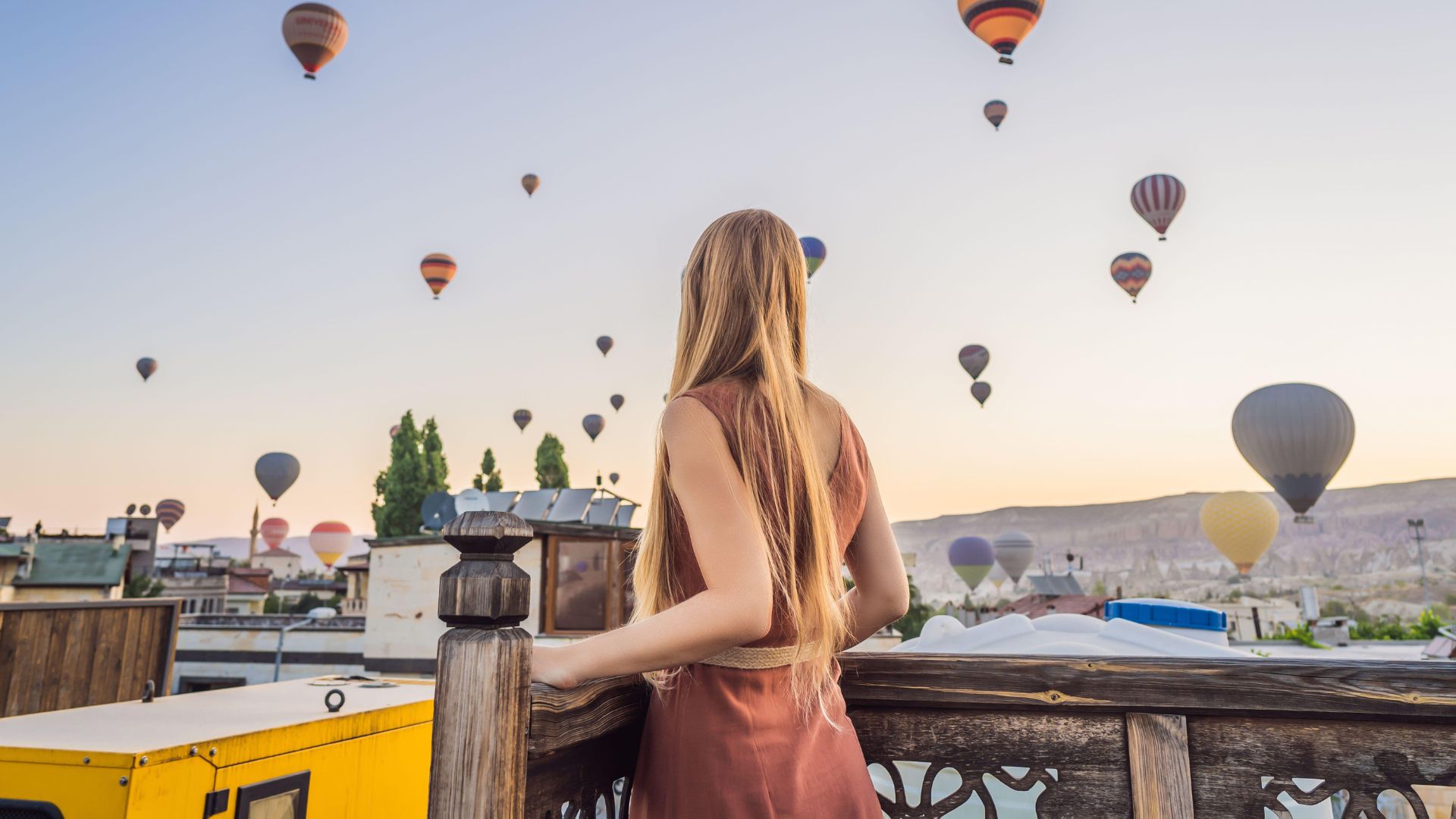
Drifting above Cappadocia’s fairy chimneys at sunrise is pure magic—and easier to arrange than you’d think.
This region in Turkey is famous for its balloon-friendly weather. Every morning, dozens of balloons rise together, painting the sky with color.
Flights usually start before dawn and last about an hour, soaring up to 1,000 feet. The views of ancient cave homes and winding valleys are unreal.
Licensed pilots run the show, and you can pick from standard or deluxe flights. After landing, there’s usually a champagne toast and a little celebration.
Most tours include hotel transfers, so you barely have to think about logistics. Cappadocia’s wild rock formations date back to the 6th century BC. Nowhere else looks quite like it.
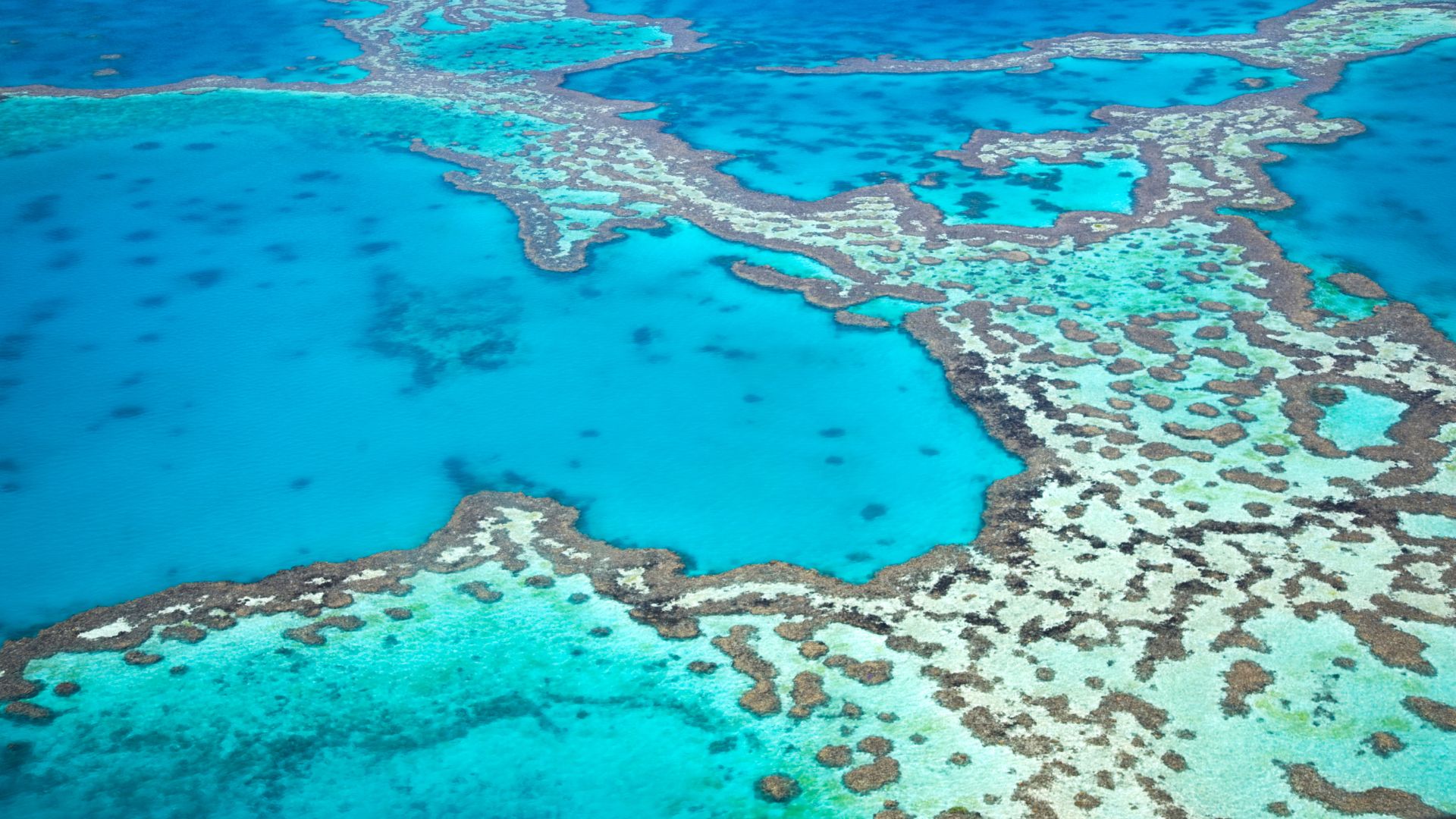
6) Scuba diving in the Great Barrier Reef, Australia
You don’t have to be a pro diver or a millionaire to see the Great Barrier Reef. Day trips from Cairns or Port Douglas make it super accessible.
Snorkeling and introductory dives let beginners jump right in, while certified divers can explore deeper sites. The reef bursts with color—corals, sea turtles, reef sharks, and endless fish.
Tour operators know where to find the best conditions, and most trips include all your gear and lunch. It’s easy to book online before you go.
The dry season, May to October, brings the best weather. The water stays warm year-round, so you won’t freeze.
7) Overland expedition through Patagonia
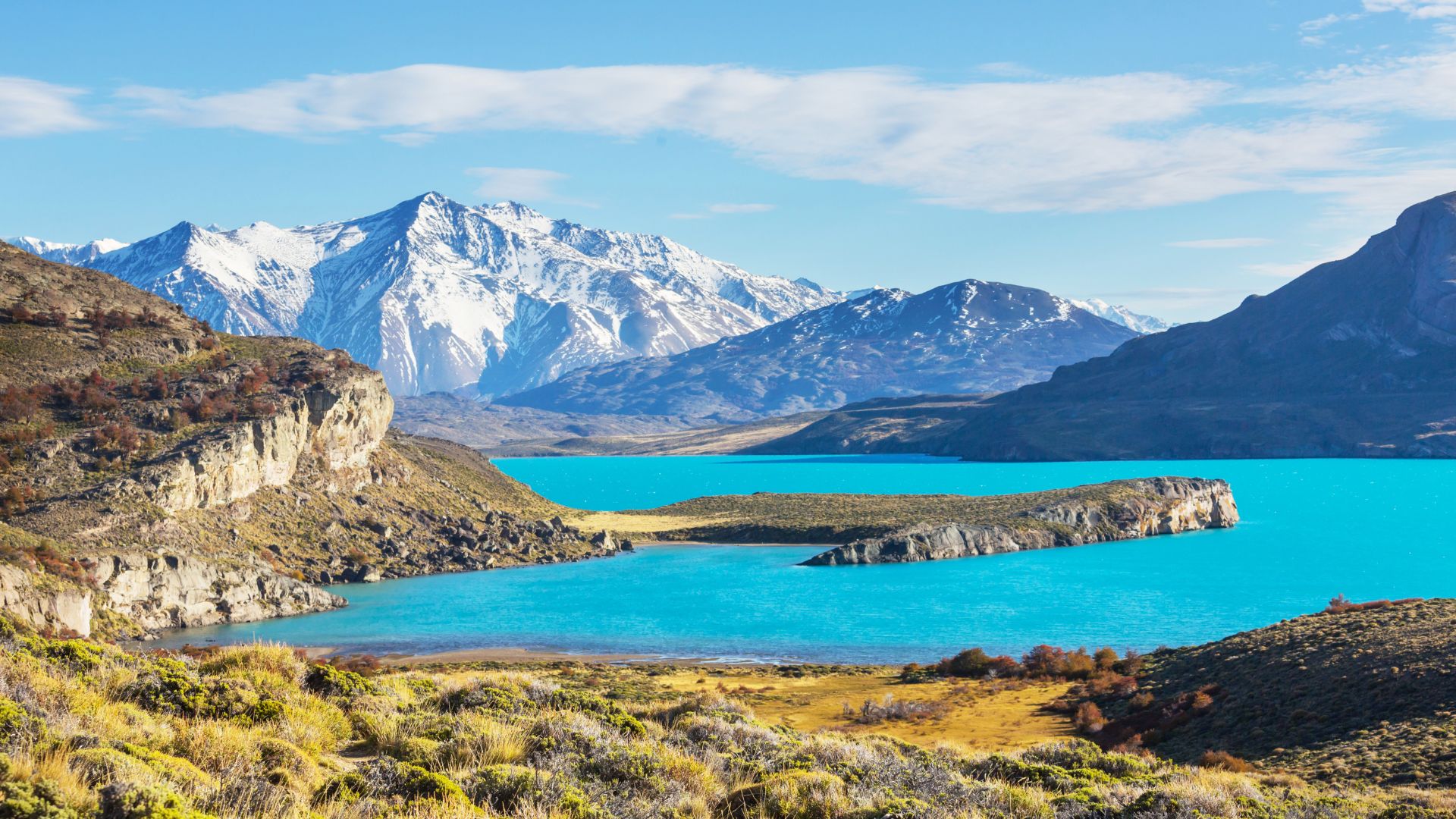
Patagonia sprawls across southern Argentina and Chile, and you can actually explore it by car or tour without needing survival skills.
Most overland trips last 10 to 14 days. You’ll drive through the wind-swept steppe, visit Torres del Paine National Park, and maybe even reach Ushuaia—the world’s southernmost city.
You can rent a vehicle for a self-drive adventure or join a guided tour. Many companies handle the details, from vehicles to lodge bookings.
October to April brings the best weather and open roads. The scenery changes constantly—glaciers, jagged peaks, and wild rivers.
You can camp, stay in lodges, or mix both, depending on your style and budget. Overland travel lets you cover big distances and see Patagonia’s wild side up close.
8) Visit the ancient temples of Angkor Wat, Cambodia
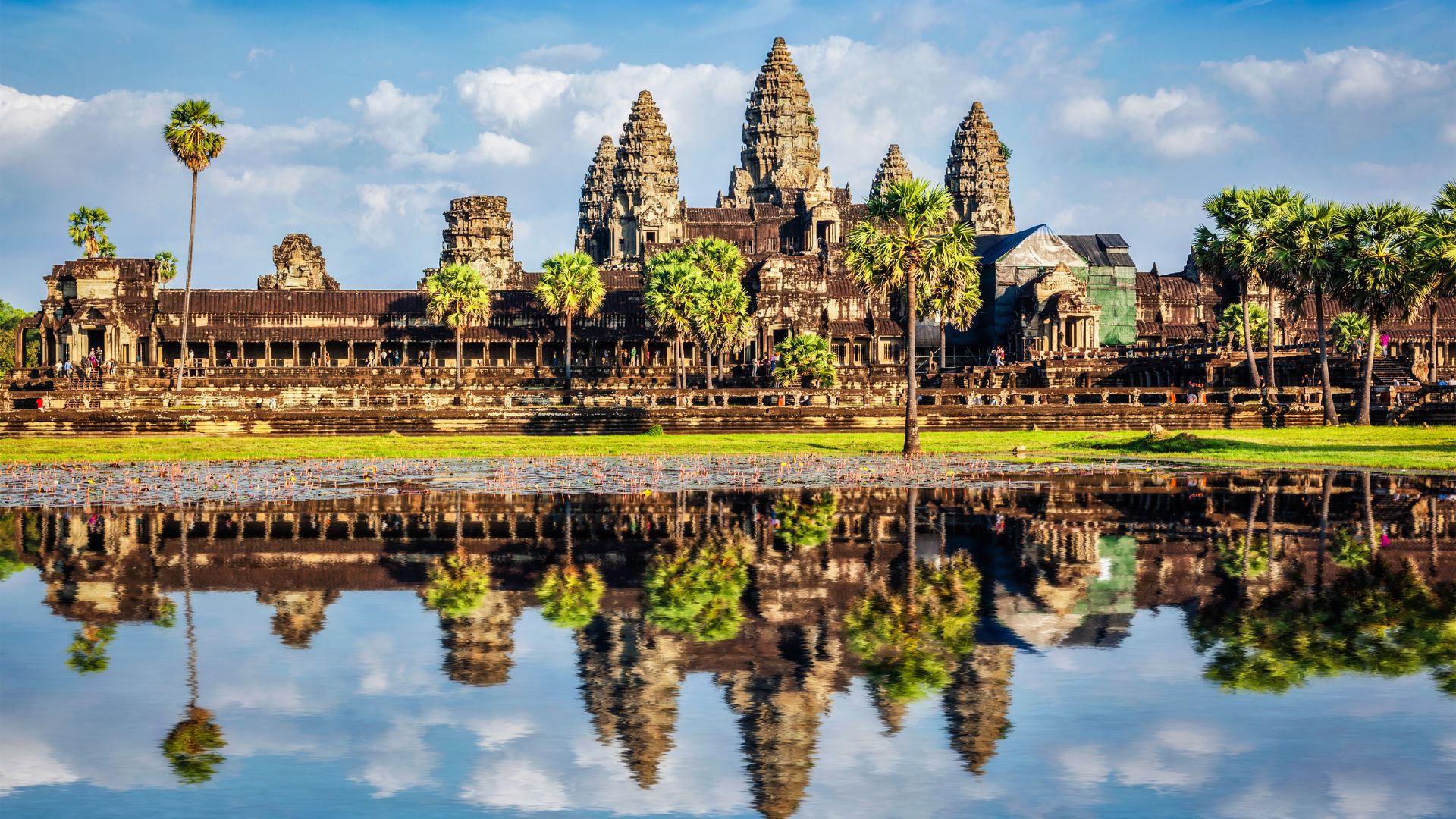
Angkor is a maze of ancient temples just outside Siem Reap, Cambodia. Exploring these ruins feels like stepping back in time.
Angkor Wat is the star, but dozens of other temples hide in the jungle. Stone towers and intricate carvings tell stories from a lost empire.
You’ll need a temple pass, and most people spend two or three days wandering the site. Tuk-tuks and bicycles make getting around easy.
The dry season, November to March, brings cooler weather and less rain. Start early to beat the heat and crowds.
Siem Reap has plenty of hotels, from budget hostels to boutique stays. Direct flights from major Asian cities make getting there a breeze.
9) Train journey on the Trans-Siberian Railway
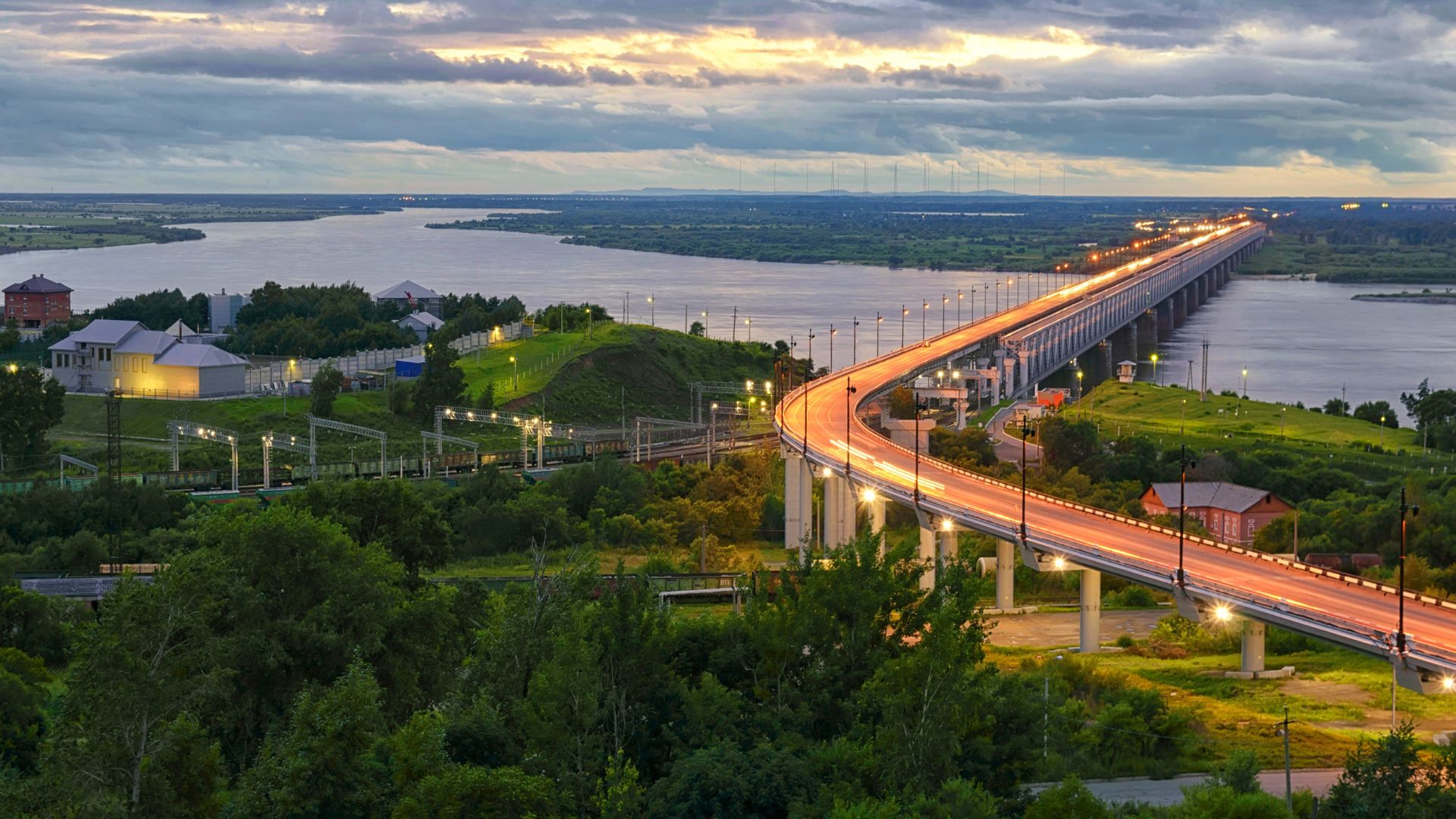
The Trans-Siberian Railway stretches over 5,700 miles from Moscow to Vladivostok. It’s the longest railway on the planet.
You can ride the whole thing in about seven days, but most travelers hop off to explore cities along the way.
The train rolls through forests, mountains, and endless plains, crossing multiple time zones. You can book tickets yourself or go with a tour package that includes stops and guides.
There’s a range of service classes, from basic seats to private cabins.
Some routes connect to Mongolia or China, letting you visit more than one country. No need for extreme fitness—just a sense of adventure and a bit of patience for long train rides.
10) Explore the Galápagos Islands’ unique wildlife
The Galápagos Islands sit out in the Pacific, and the wildlife here is just wild. Giant tortoises wander across volcanic landscapes, and marine iguanas sprawl on black rocks.
Blue-footed boobies dance, sea lions nap on beaches, and most animals barely notice you’re there. It’s like stepping into a nature documentary.
You can visit by cruise or stay on land and do day tours. Naturalist guides lead trips to different islands, each with its own creatures and scenery.
Planning ahead is key, but the trip isn’t as out-of-reach as you might think. Options range from budget to luxury, and your visit helps support local conservation.
The islands protect their unique environment fiercely. By following the rules, you get to witness evolution in action—and help keep the Galápagos wild for the future.

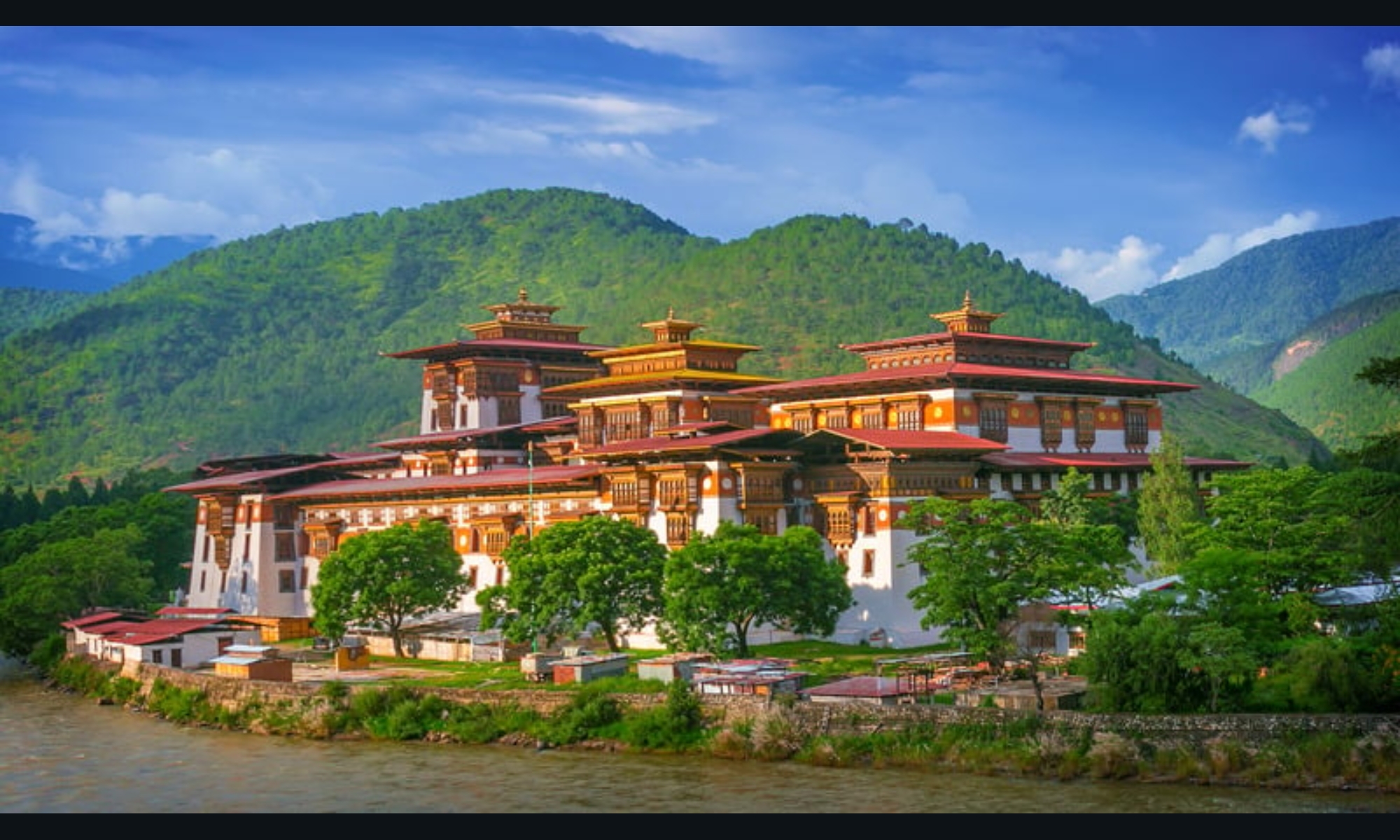
11) Cultural immersion homestay in Bhutan
Ever wondered what it’s like to wake up surrounded by Himalayan mountains and the sounds of a small Bhutanese village? Staying with a local family drops you right into the heart of daily life here.
You’ll share meals, maybe help with chores, and get a firsthand look at traditions that haven’t really changed in centuries. It’s not just a place to sleep—it’s a chance to cook local dishes with your hosts, learn about their Buddhist rituals, and maybe even tag along for prayer at a nearby monastery.
Most homestays sit in villages tucked among rice fields and mountains. The experience feels authentic, and honestly, it’s a lot more affordable than hotels. You’ll usually get three homemade meals and a simple, clean room in a traditional farmhouse.
Beds are basic, and yeah, facilities might be rustic, but that’s all part of the real experience. No special skills needed—just curiosity and respect for local customs.
Most hosts speak enough English for you to get by, and, funny enough, the language barrier often leads to stronger connections. Bhutan actually encourages this kind of travel. The government supports homestay programs, so rural families benefit and their way of life sticks around.
12) Volcano trekking in Hawaii’s Big Island
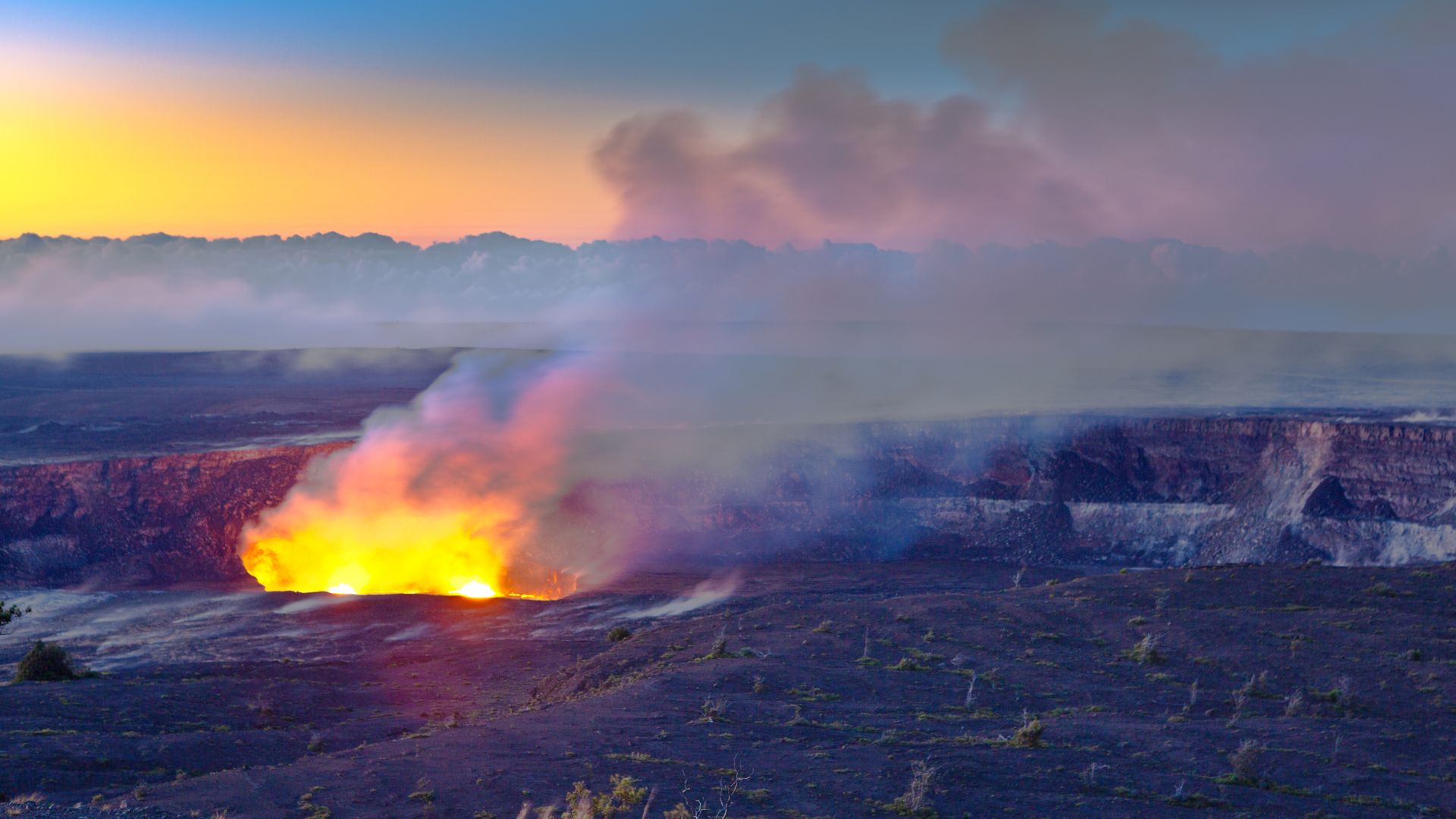
If you’re itching for adventure, the Big Island in Hawaii lets you get up close to some of the planet’s most active volcanoes. You can walk across old lava fields and peer into craters—no mountaineering badge required.
Hawaii Volcanoes National Park is where you want to start. The park’s got hiking trails for every skill level, from easy strolls to tougher treks. Explore lava tubes, wander through rainforests, and find viewpoints that’ll make you stop in your tracks.
Kilauea, one of the island’s two active volcanoes, offers guided hikes that bring you close to volcanic action while keeping things safe. The terrain changes constantly—think black sand, twisted lava, and surreal landscapes.
Twilight hikes are next-level, especially if you catch the red glow of active lava. Some tours even tack on stops at waterfalls and black sand beaches, so you get a full day of exploring.
You don’t need fancy gear or marathon-runner stamina. Basic hiking shoes and a bit of enthusiasm do the trick. Local guides know the land and share cool geology facts as you go.
13) Northern Japan winter festival experience
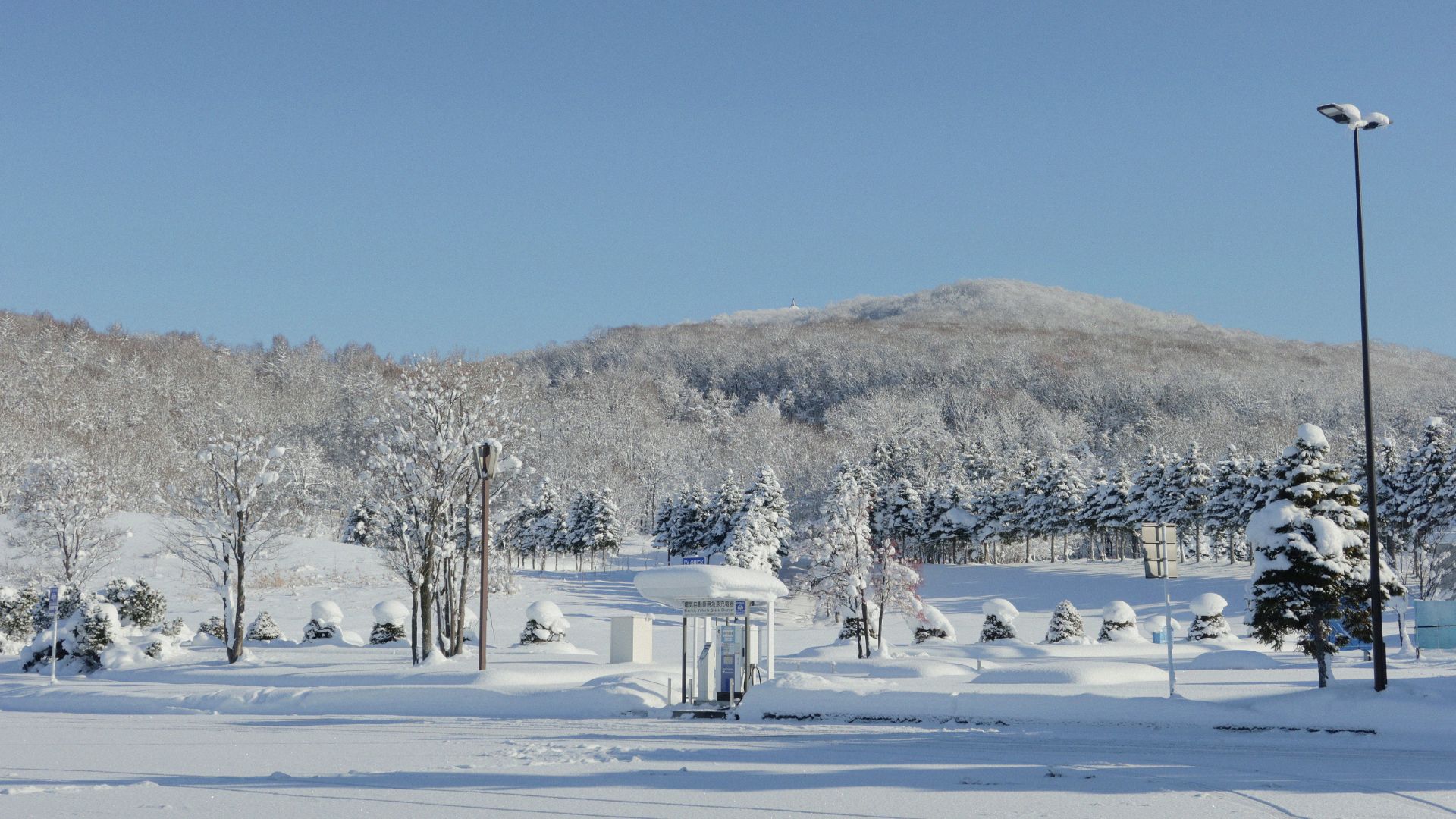
Northern Japan in winter? It’s like stepping into a magical snow globe. From December to February, the region bursts with festivals that show off jaw-dropping ice sculptures and quirky local traditions.
You can wander Sapporo’s streets lined with massive ice creations or catch the Nebuta Festival in Aomori, which lights up winter nights with colorful displays. Hokkaido and Tohoku become pure winter wonderlands, with thick snow and a festive vibe.
Fewer international tourists brave the cold, so crowds thin out and flights tend to be cheaper. But the experience is so much more than just looking at frozen art.
After a day at the festivals, soaking in a volcanic hot spring feels like heaven. Try steaming bowls of local comfort food, and if you’re lucky, you might witness ancient fire rituals that light up the snowy night.
These festivals let you see how locals truly celebrate winter—mixing tradition, creativity, and a bit of magic. It’s surprisingly easy to plan, and you don’t need a huge budget to make it happen.
How to Plan a Once-in-a-Lifetime Trip
Turning daydreams into real adventures? It usually comes down to three things: setting a doable budget, picking the right time, and locking in the essentials early.
Budgeting for Extraordinary Adventures
Start by digging into costs for your dream spot at least half a year out. Check flights, places to stay, food, activities, and how you’ll get around. Don’t forget those sneaky extras like visas, insurance, or gear rentals.
Open a dedicated savings account and set up automatic transfers. If your goal is $4,000 in 10 months, that’s $400 a month. Picking up side gigs or selling stuff you don’t use can speed things up.
Hunt for ways to trim expenses without missing out. Flights are often cheaper on Tuesdays or Wednesdays. Skip chain hotels—local guesthouses are usually friendlier and more affordable. Eat where locals eat; it’s tastier and lighter on your wallet.
Budget breakdown for a 10-day trip:
- Flights: 30-40%
- Accommodation: 25-30%
- Food & drinks: 15-20%
- Activities & tours: 15-20%
- Transportation & extras: 10-15%
Timing and Seasonality Tips
Look up shoulder seasons—those sweet spots between busy and dead quiet. You’ll get decent weather, fewer crowds, and better prices. Iceland in May or September? Pretty ideal.
Check the local festival calendar before you book. Some events add magic, but others mean everything’s full and pricey. Weather matters, especially for outdoor plans.
Book flights 2-3 months ahead for domestic trips, or 3-6 months for international. Fares usually go up the closer you get. Set up price alerts and pounce when rates drop.
Think about your own schedule and energy. Traveling during your work’s slow time makes everything less stressful. Give yourself a day or two to recover after you get home—trust me, you’ll thank yourself.
Securing Essential Permits and Reservations
Some epic adventures need permits you have to snag months ahead—think Mount Whitney or the Wave in Arizona. Apply 3-6 months early, just to be safe.
Once you have permits, book your stays in remote spots or national parks right away. Places like Patagonia or the Galápagos fill up lightning fast. Reserve must-do activities (like gorilla trekking or balloon rides) at least 2-3 months out.
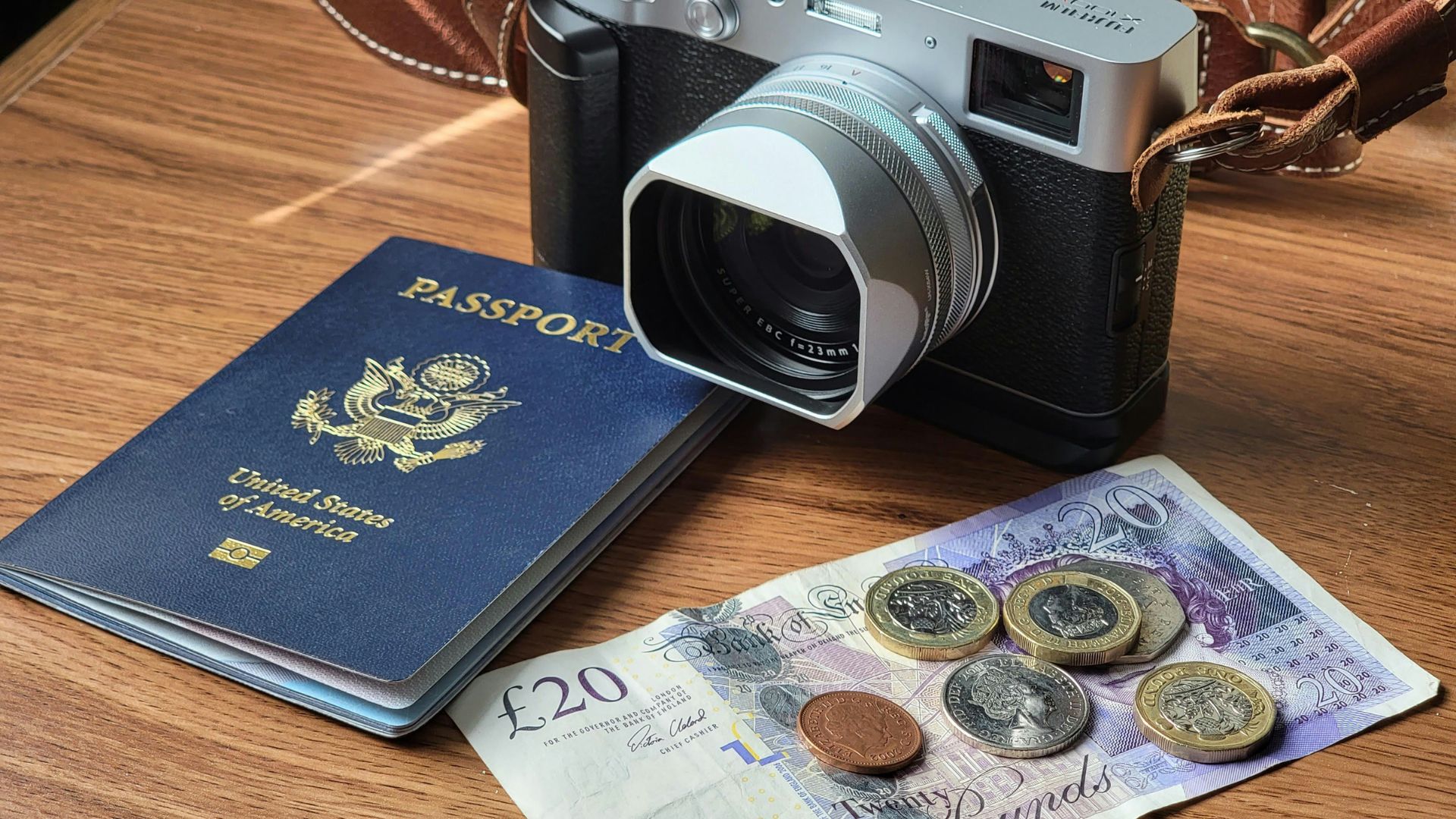
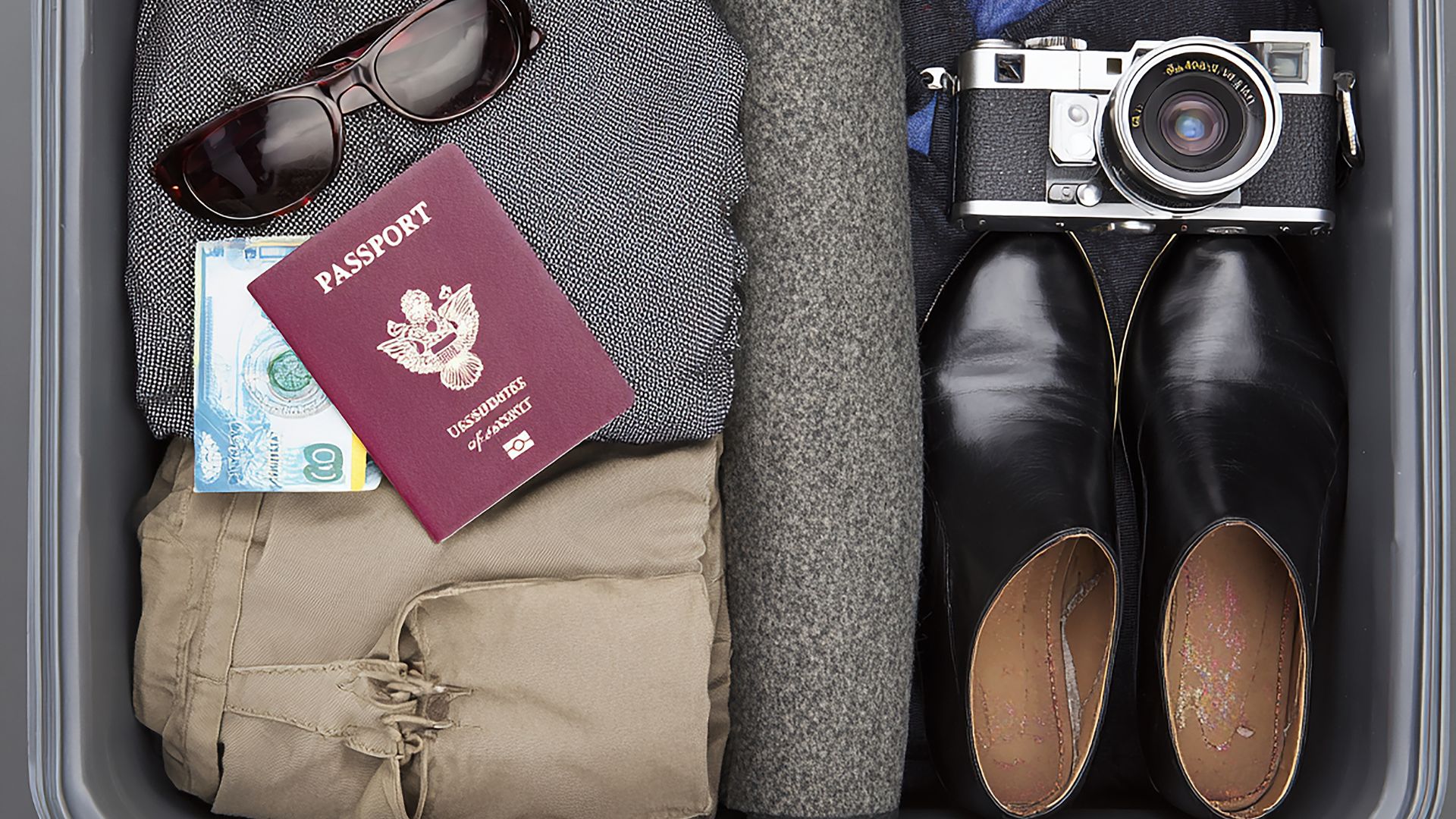
Double-check your paperwork: passport (usually needs 6 months left), visas, vaccine records, and insurance. Some visas take weeks to process. Keep digital and paper copies in different bags, just in case.
Making the Most of Your Travel Experience
To really get the most out of your trip, dive into local life, capture stories and photos, and find that balance between adventure and safety.
Embracing Local Culture and Customs
Learn a few words in the local language—it’s amazing how far “hello” and “thank you” go. Eat where locals eat. Ask your host or guide for their favorite spots. You’ll eat better and spend less.
Dress to fit in, especially at religious sites. Some places expect covered shoulders or long pants. When locals invite you to events or homes, say yes when it feels right—those moments often become the highlights.
If you’re unsure how to behave, just watch what locals do and follow their lead. People appreciate the effort, even if you mess up a little.
Travel Photography and Storytelling
Snap photos of people and daily moments, not just the big sights. Always ask before photographing someone—a smile or friendly gesture usually does the trick.
Write down details each day: smells, sounds, funny conversations. Those little things fade fast but bring stories to life when you’re home.
What to capture:
- Local food and meals
- Conversations and new friends
- Surprises or unexpected moments
- How a place made you feel
Don’t spend the whole time behind your phone. Take a few good shots, then just soak it all in. You’ll remember more that way.
Back up your photos every day. Losing pictures from a dream trip is the worst, and it’s totally avoidable.
Staying Safe Without Sacrificing Adventure
If you’re heading somewhere remote, register with your embassy and share your plans with someone at home. Check in now and then so people know you’re okay.
Buy travel insurance that covers what you’ll actually do. Read the fine print—some policies skip adventure sports or certain countries.
Trust your gut. If something feels off, just walk away. Real opportunities don’t rush you to decide.
Keep copies of your important documents in different places. Store digital versions and leave extras with someone you trust.
Read up on common scams before you arrive. Knowing what to watch for—like taxi tricks or fake guides—makes you much harder to fool.

Frequently Asked Questions
Dreaming about a bucket list trip? It’s more doable than you might think. Travelers always want to know which experiences are worth it, how to make them affordable, and where to find the hidden gems.
Cruising to Antarctica puts you face-to-face with penguins, seals, and icebergs in a place few ever see. Watching the Northern Lights in Iceland? Pure magic.
A hot air balloon ride over Cappadocia at sunrise lets you float above surreal rock formations. Hiking the Inca Trail to Machu Picchu winds you through mountain passes and misty forests. Going on safari in Botswana’s Okavango Delta brings you up close with elephants, lions, and rare birds.
Iceland’s mix of volcanoes, glaciers, and hot springs is tough to beat—plus, you get the Northern Lights. Cappadocia in Turkey has underground cities and rock-cut churches, not to mention those famous balloons.
Botswana’s water safaris offer something totally different from the usual game drives. Peru blends ancient ruins, mountain treks, and living indigenous culture. Antarctica? There’s just nothing else like it.
Watching the Aurora Borealis connects you with a natural wonder that feels otherworldly. Going on safari in Africa lets you experience wildlife and landscapes that haven’t changed in millennia.
Exploring ancient sites like Machu Picchu shows you what humans built with simple tools and big dreams. Setting foot in Antarctica feels like visiting another planet. Hot air ballooning offers a view you can’t get any other way.
Travel during shoulder seasons for lower prices but the same great experiences—Iceland in late fall or early spring, for example. Group tours help cut costs; sharing cabins or vehicles on Antarctica cruises or safaris makes a big difference.
Look for tours that include meals and activities in one upfront price. Camping on treks like the Inca Trail saves money compared to lodges. Set flight alerts early to snag airfare deals. Some places, like Turkey, offer amazing value for your dollar.
Exploring the Okavango Delta by mokoro canoe is not only cheaper than a motorboat, but it’s also a quieter, more intimate way to see wildlife. You can fly to Iceland from the US East Coast in under six hours—closer than you’d expect.
Cappadocia’s balloon rides are often more affordable than similar experiences elsewhere. Booking Inca Trail permits directly with local companies can save you cash. Even Antarctica cruises have last-minute deals or shorter itineraries that bring the price down.
Standing at the edge of the Grand Canyon, I watched sunlight pour over rock layers that have seen millions of years go by. Take the hike down to the river if you can—it’s a whole different world down there.
Alaska? Oh, wow. Picture yourself spotting humpback whales breaching in the wild, or strapping on crampons to hike across a glacier. Denali National Park isn’t just about the mountain; you might catch a glimpse of a grizzly bear wandering through the tundra.
Hawaii feels like another planet. I once joined a night dive with manta rays, and let me tell you, seeing those gentle giants glide overhead is something you don’t forget. If you’re up for adventure, hike to the edge of an active volcano and watch the earth literally change before your eyes.
Yellowstone always surprises me. Geysers shoot steam into the sky, hot springs bubble with wild colors, and herds of bison roam free. America’s first national park has a way of making you feel small, but in a good way.
Monument Valley, out on Navajo Nation lands, will take your breath away. Those red rock formations look even more dramatic in person, especially at sunrise. Plus, learning about Native American culture from locals adds a whole new layer to the experience.
