
American national parks? Honestly, they’ve become victims of their own popularity. Places like Yellowstone and Yosemite draw millions every year, but sometimes it feels like you’re walking a city sidewalk—packed parking lots, endless lines, and not much peace.
Canada’s wilderness, on the other hand, gives you room to breathe. You can hike for days and never spot another soul. American parks struggle with traffic jams and overbooked campgrounds, while Canada’s protected areas offer real solitude—something that’s getting rare down south.
Even Banff, with over four million visitors a year, still feels spacious. Imagine what you’ll find in Canada’s lesser-known wild places.
I’ve wandered through both countries’ parks, and let me tell you, the difference jumps out once you leave the big-name spots. Canadian wilderness just feels different—more wild, more remote, more… possible.
Let’s dive into what really sets Canada’s wild spaces apart.
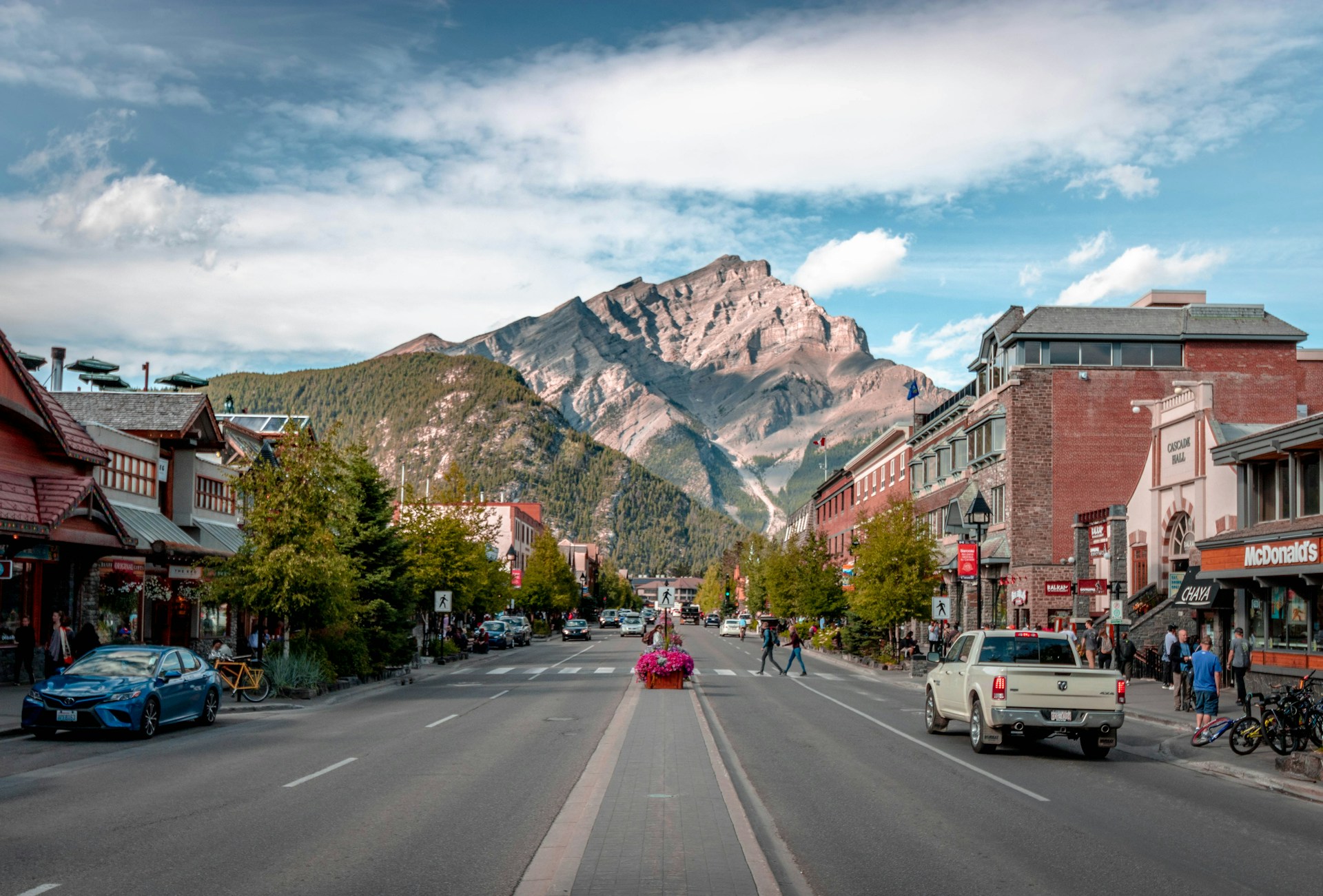
Unmatched Scale and Remoteness of Canada’s Wilderness
Canada’s wilderness stretches across distances that honestly make most American parks look tiny. Protected areas cover millions of acres, and sometimes there’s not even a road in sight.
Some of these parks welcome fewer visitors in a year than Yellowstone does in a single day.
Vast Protected Areas Beyond Human Reach
Wood Buffalo National Park sprawls over 17,300 square miles in Alberta and the Northwest Territories. That’s bigger than Switzerland—and easily larger than any single American national park.
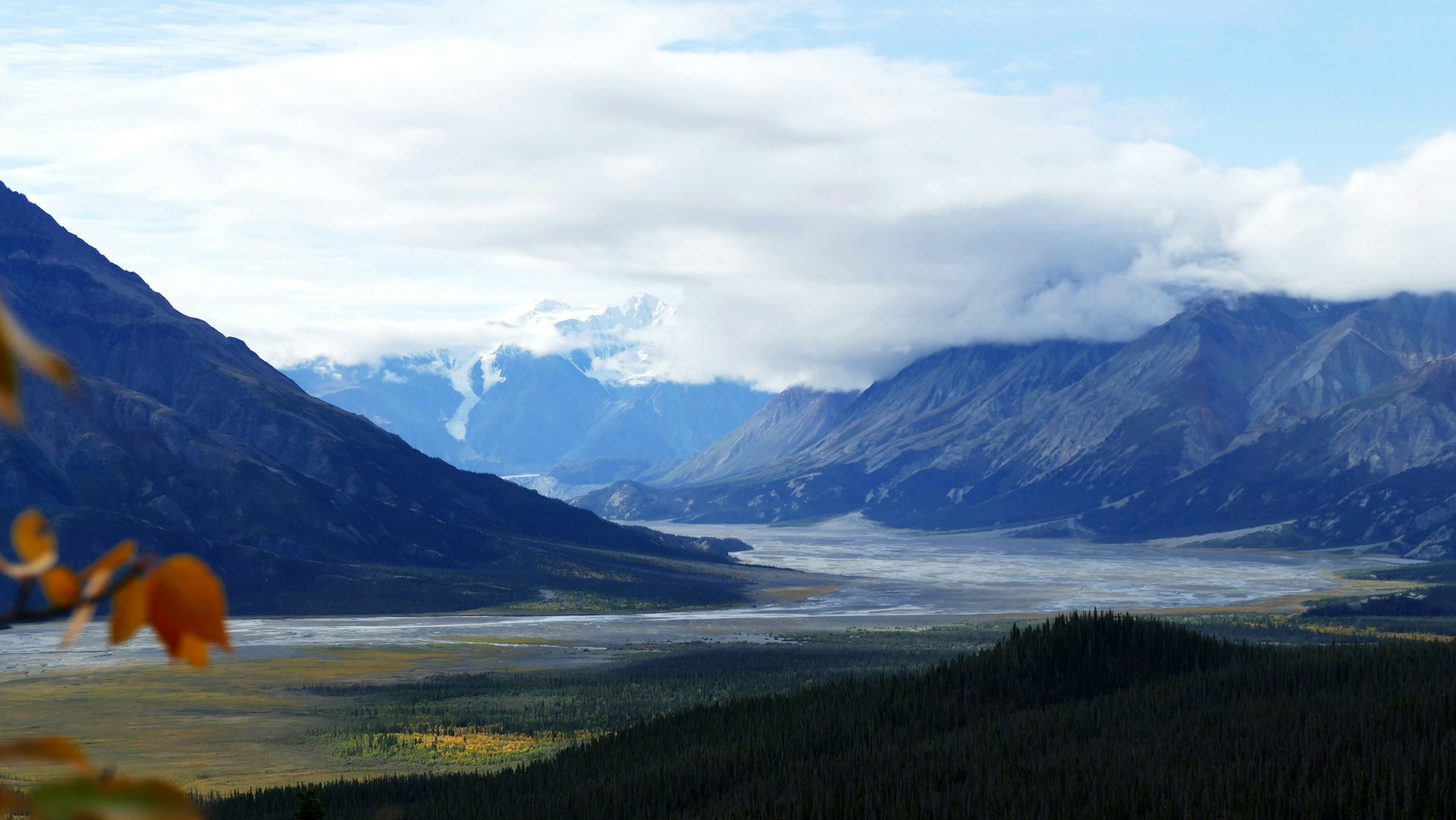
Many Canadian parks require a floatplane or a multi-day hike just to reach the edge. Kluane National Park in the Yukon? It’s 8,500 square miles of glaciers and peaks.
Mount Logan, Canada’s highest peak at 19,551 feet, sits deep inside Kluane’s roadless wilderness. Most visitors never even catch a glimpse.
Key Protected Area Sizes:
- Wood Buffalo: 17,300 square miles
- Kluane: 8,500 square miles
- Quttinirpaaq: 14,585 square miles
- Nahanni: 1,840 square miles
Honestly, these numbers speak for themselves. Even Yellowstone, which feels huge, covers just 3,500 square miles.
Remote National Parks With Minimal Visitors
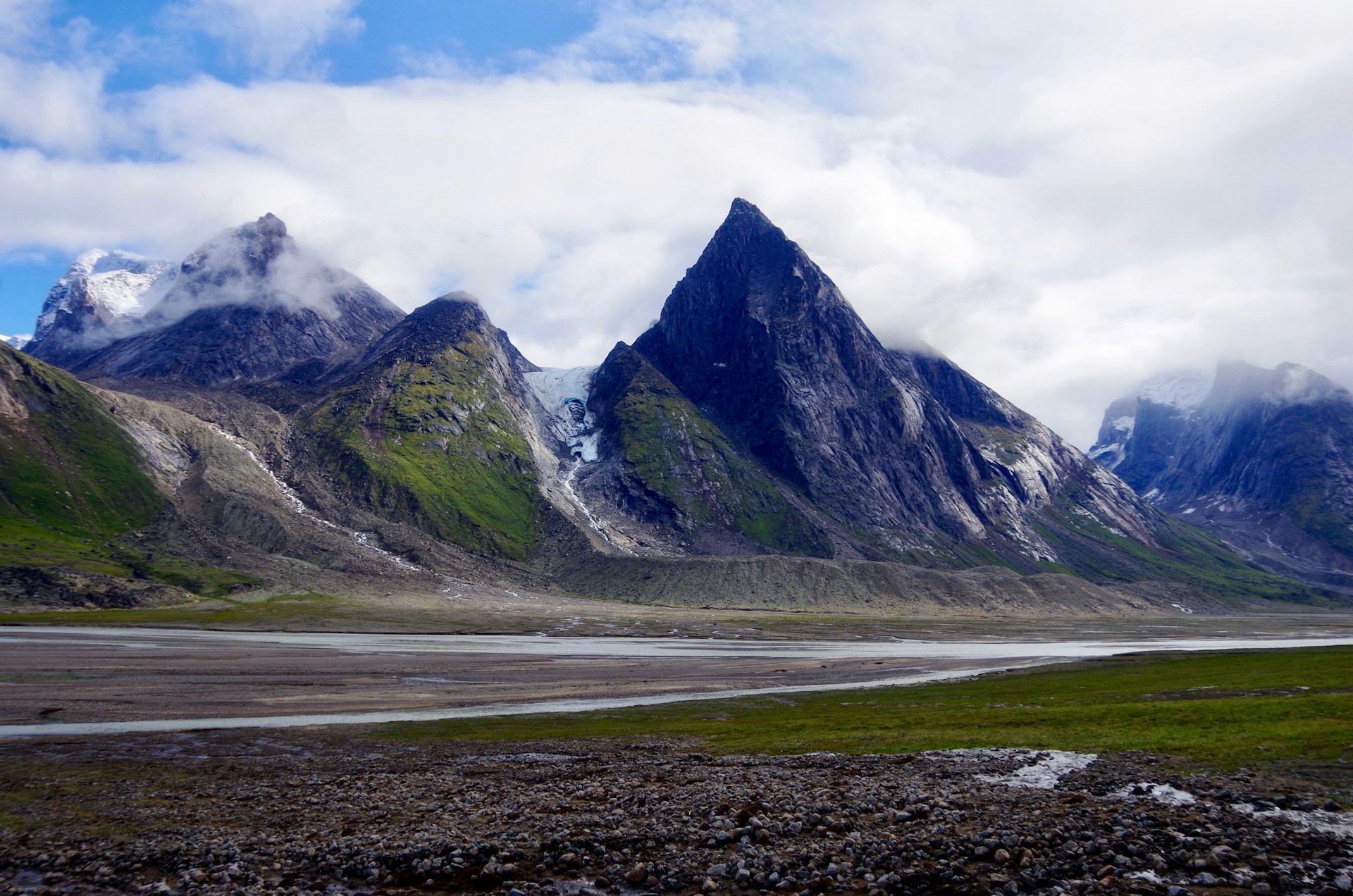
Quttinirpaaq National Park, way up on Ellesmere Island, barely sees 50 visitors a year. Compare that to Great Smoky Mountains’ 12 million annual guests.
Getting to Quttinirpaaq? You’ll need to charter a flight to a remote airstrip. The park stretches all the way to the polar ice cap, and there are no facilities or marked trails.
Torngat Mountains National Park in Labrador is just as remote. You have to arrive by boat, and it’s not cheap.
Auyuittuq National Park on Baffin Island attracts only the most determined trekkers. “The land that never melts” is its Inuktitut name, and you need to be completely self-sufficient to even attempt a trip.
You might spend weeks in these parks without seeing another person. That’s real isolation.
Backcountry Experiences Far From the Masses
Canadian backcountry goes on for hundreds of miles—no roads, no cell service, just wild land. Wabakimi Wilderness has canoe routes through untouched lakes, and there’s zero development.
Planning a trip here isn’t a casual affair. You’ll need satellite communicators, a serious food stash, and solid survival skills.
In Nahanni, backcountry river trips can last weeks. You’ll travel through canyons and past waterfalls, and you won’t see a single building.
Weather can be brutal, especially in the Arctic parks. For most of the year, they’re simply inaccessible.
Backcountry Must-Haves:
- Multi-week food supply
- Emergency communication device
- Wilderness first aid know-how
- Cold weather gear
- Solid route planning
This kind of commitment keeps the crowds away. American parks feel busy by comparison, where most people stick to day hikes.
Unique Wildlife Encounters in Canadian Parks
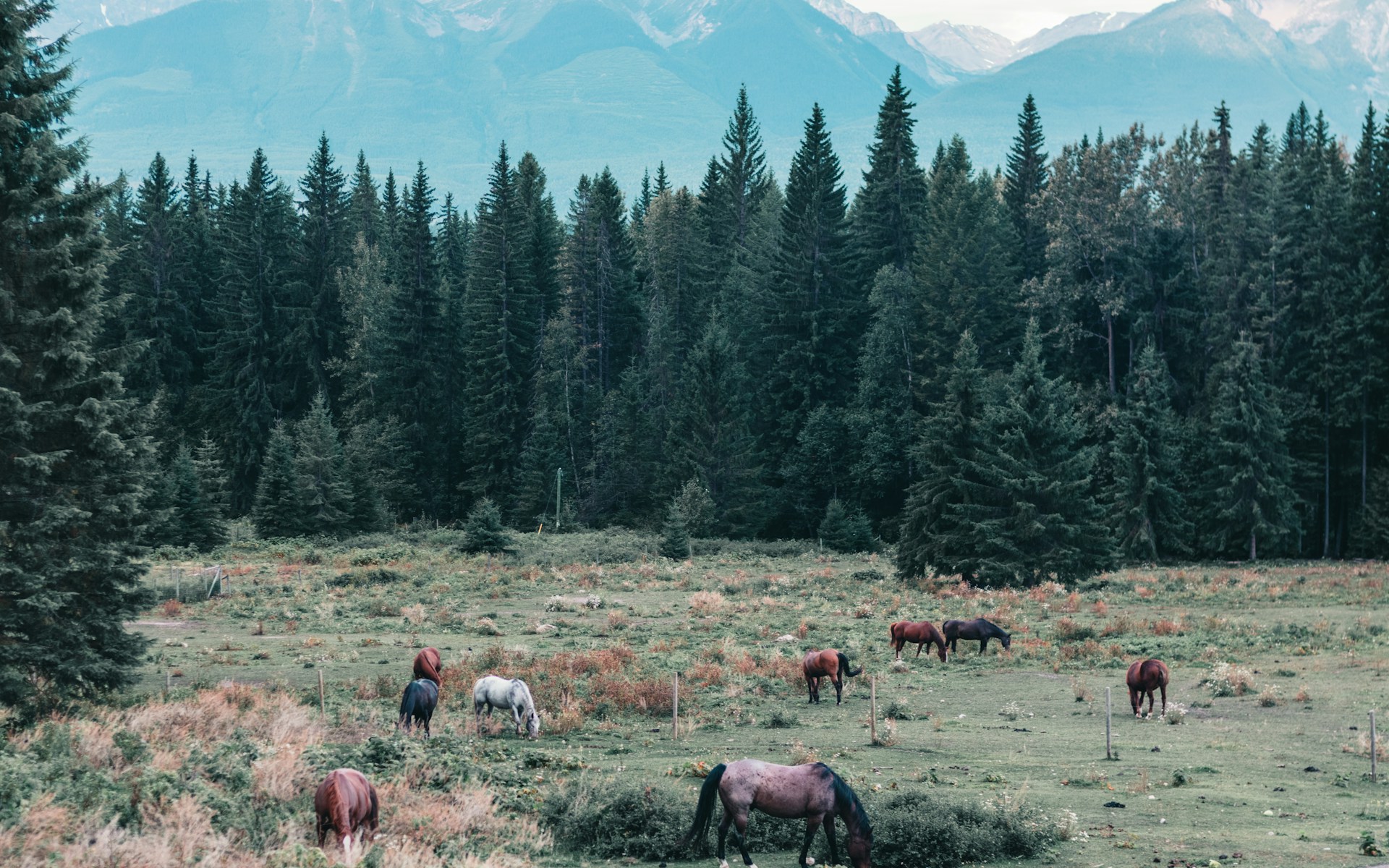
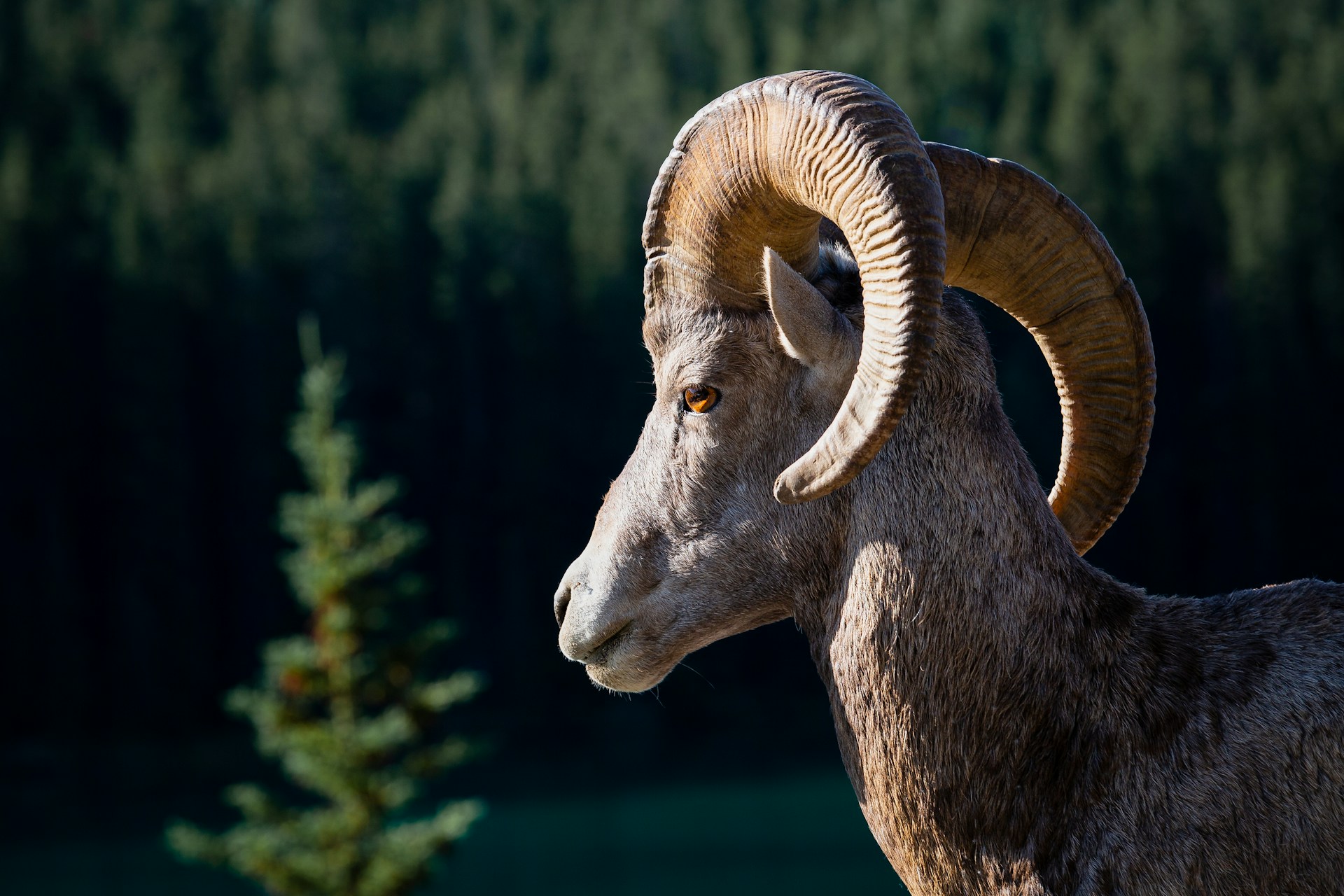
Canadian parks give wildlife room to roam. The sheer size means big mammals like grizzlies, polar bears, and elk can thrive without dodging tourists at every turn.
Grizzly Bear Territory Uninterrupted by Crowds
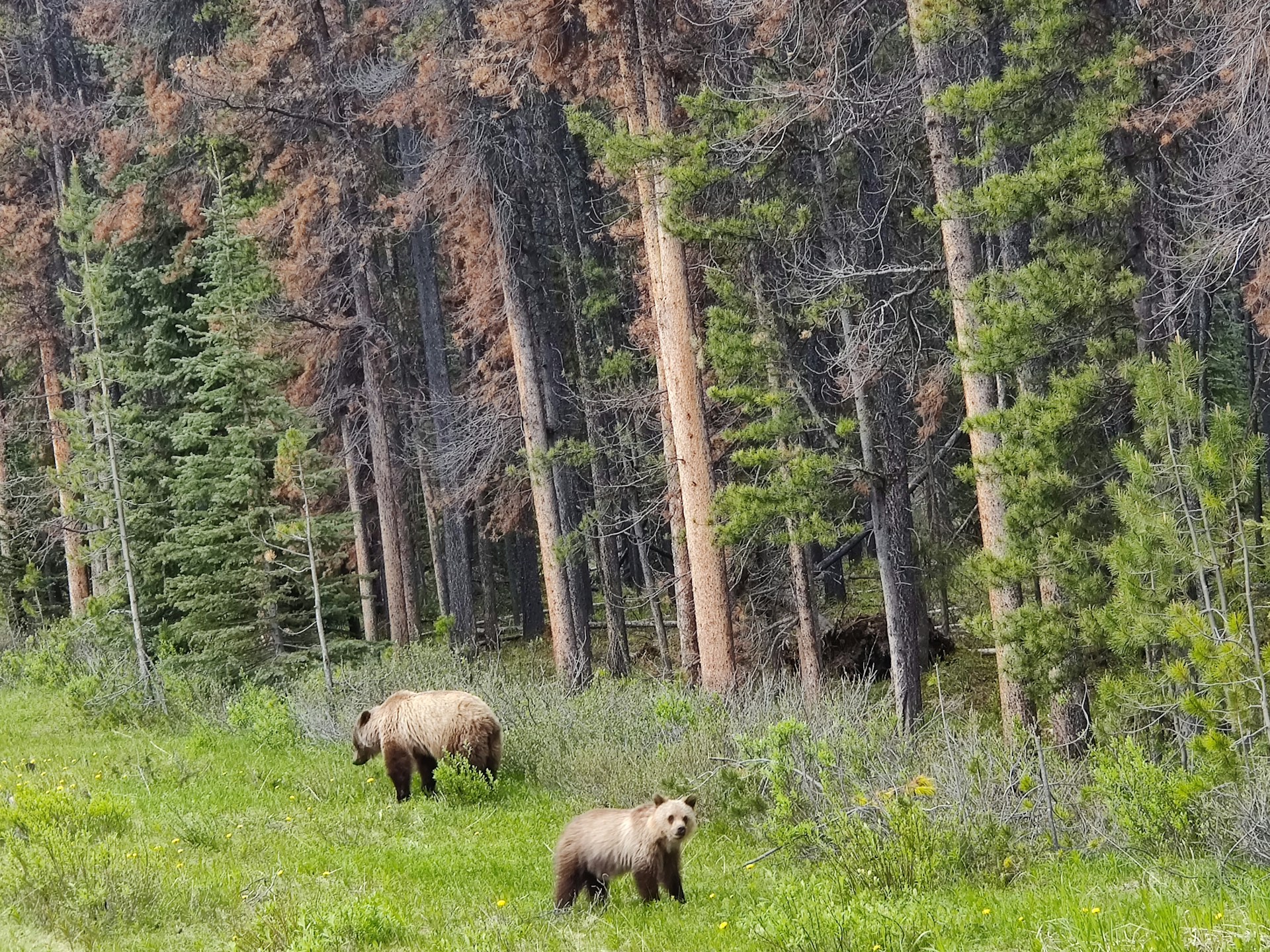
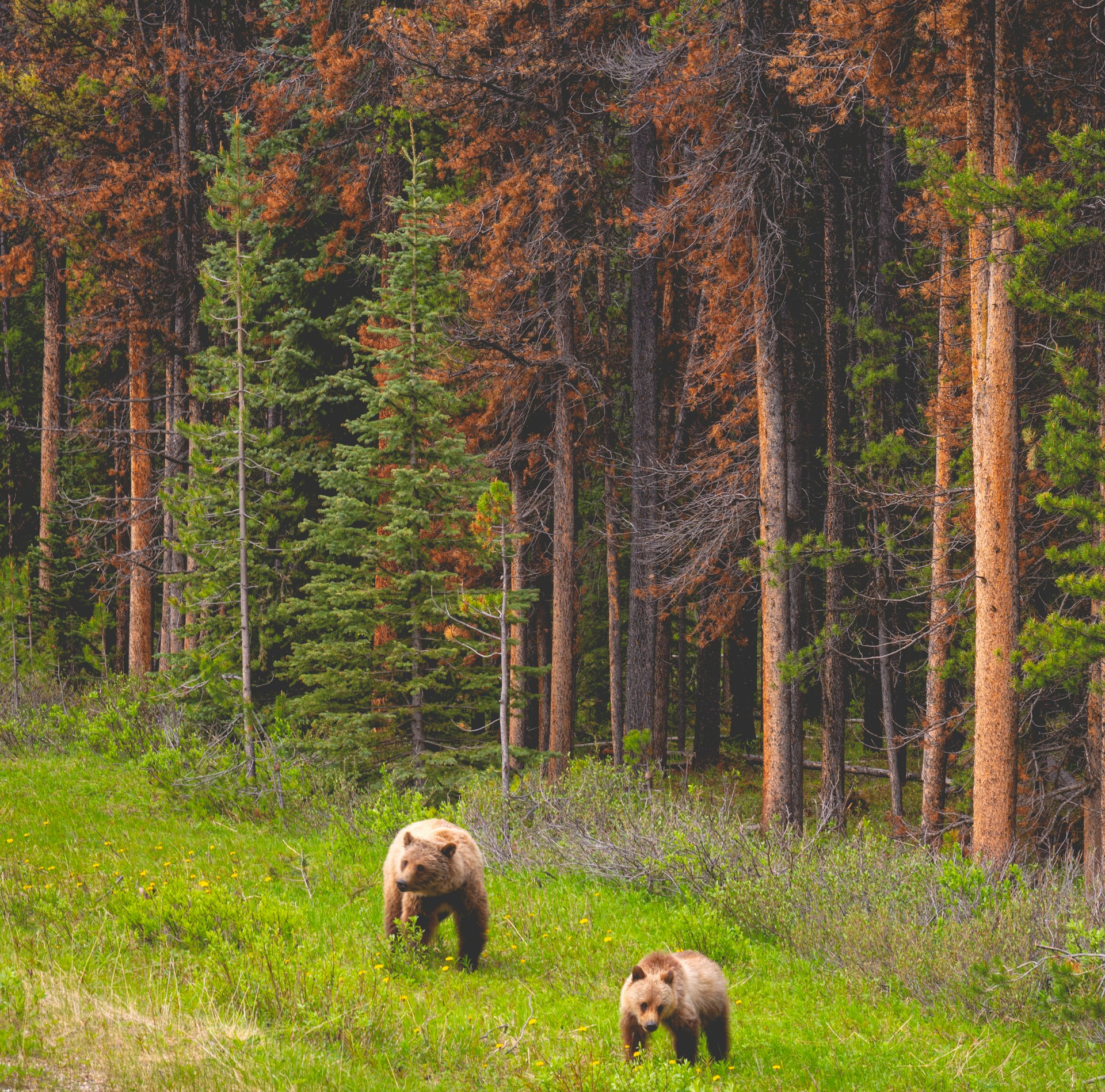
I’ve watched grizzlies fishing for salmon in British Columbia’s wild parks. You’ll see them moving through their territory, totally unfazed by people.
In Banff and Jasper, the backcountry gives grizzlies thousands of square kilometers to themselves. Unlike in crowded American parks, Canadian bears don’t get used to humans—they keep their wild habits.
Why Grizzly Viewing Here Rocks:
- Bears feed without people interrupting
- Natural hunting patterns stay intact
- No constant noise in their habitat
With fewer people around, bears spend more time foraging and less time worrying about us. That’s healthier for them—and more special for anyone lucky enough to see them.
Rare Polar Bear Sightings in the North
Churchill, Manitoba is the world’s go-to spot for polar bears. I visited during migration season, and hundreds of bears gathered along Hudson Bay.
The remote location keeps visitor numbers low. You get a front-row seat to bears behaving naturally.
Prime Viewing Tips:
- Go in October or November for migration
- Book a tundra vehicle for safe, close-up views
- Small group tours only—nature sets the limit
Here, polar bears hunt, play, and teach their cubs, with no crowds stressing them out.
Elk and Diverse Mammal Populations
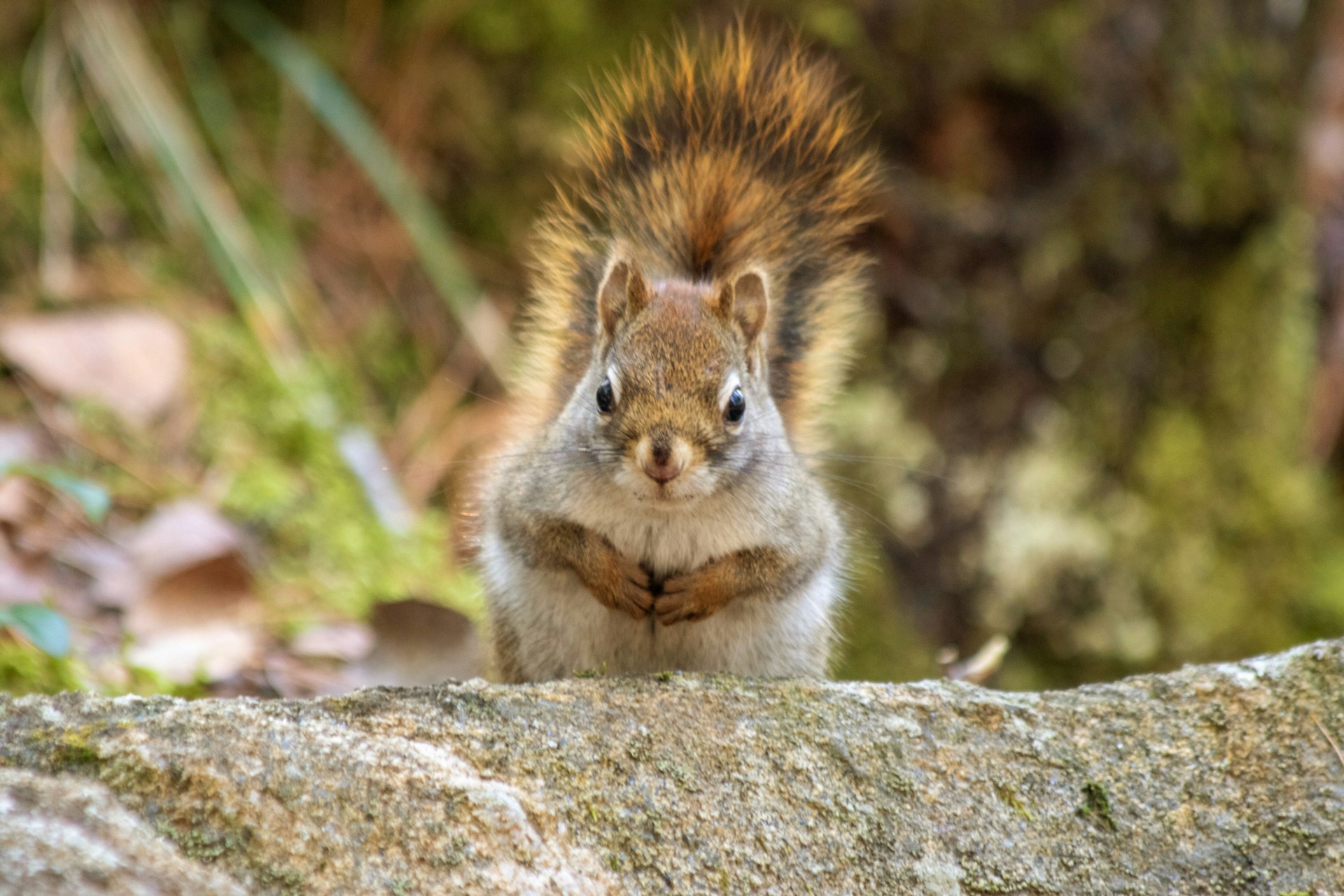
Canadian parks support elk herds so big, you might do a double-take. Algonquin Provincial Park alone is home to moose, wolves, black bears, and over 270 bird species.
The wilderness is vast, so predator-prey relationships play out naturally. I’ve watched herds of elk—hundreds strong—during rutting season in Alberta’s backcountry.
Other Wildlife Highlights:
- Woodland caribou up north
- Bison herds in Elk Island National Park
- Wolves roaming their own territories
- Beavers engineering entire ecosystems
These animals thrive because they have space. They move and behave as they always have, undisturbed by crowds.
Iconic Natural Landmarks Without the Lines
Canada’s jaw-dropping landmarks rival anything in the U.S.—but with way fewer people around. I’ve found alpine lakes and mountain vistas where the only sound is the wind.
Exploring Moraine Lake and Its Tranquility
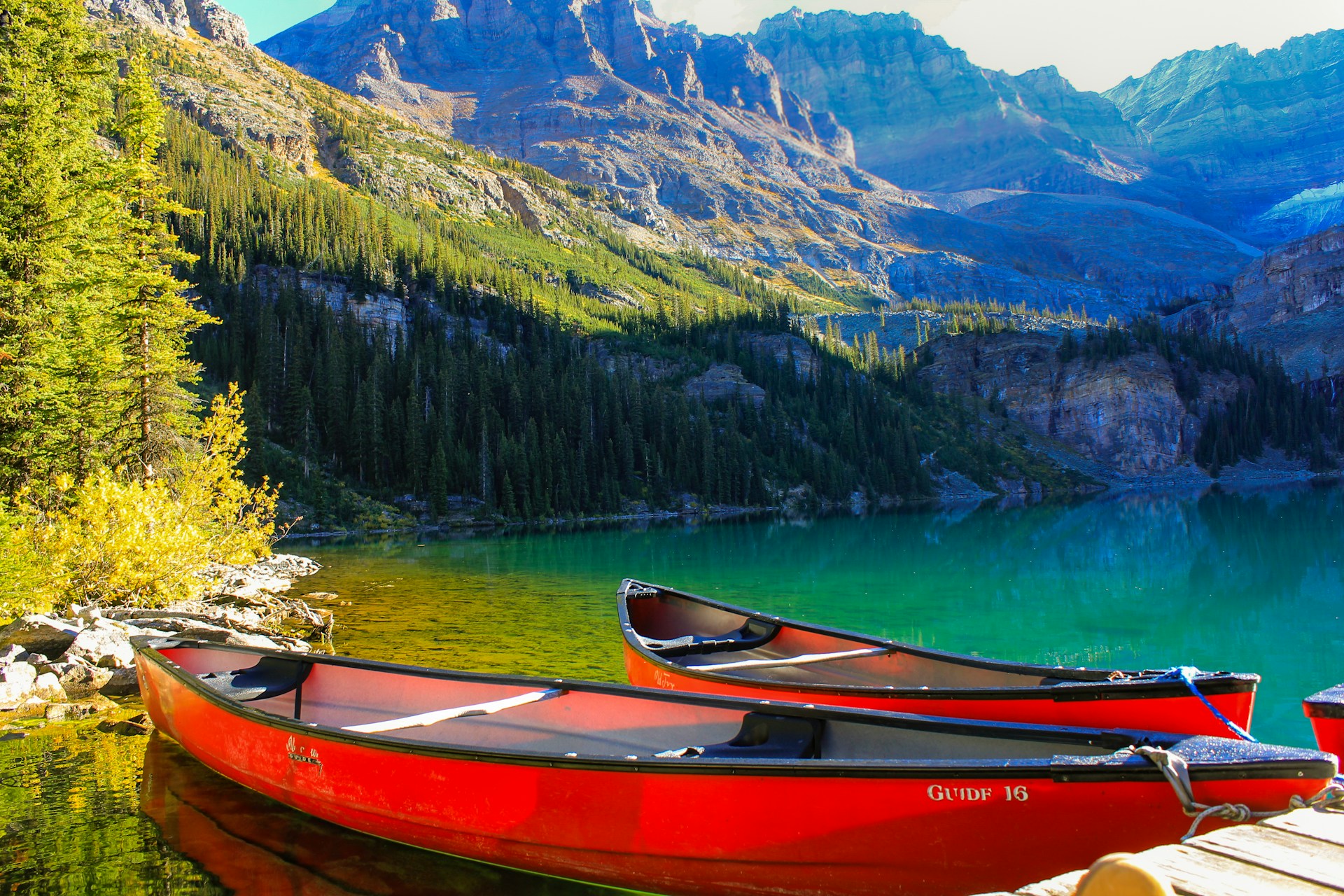
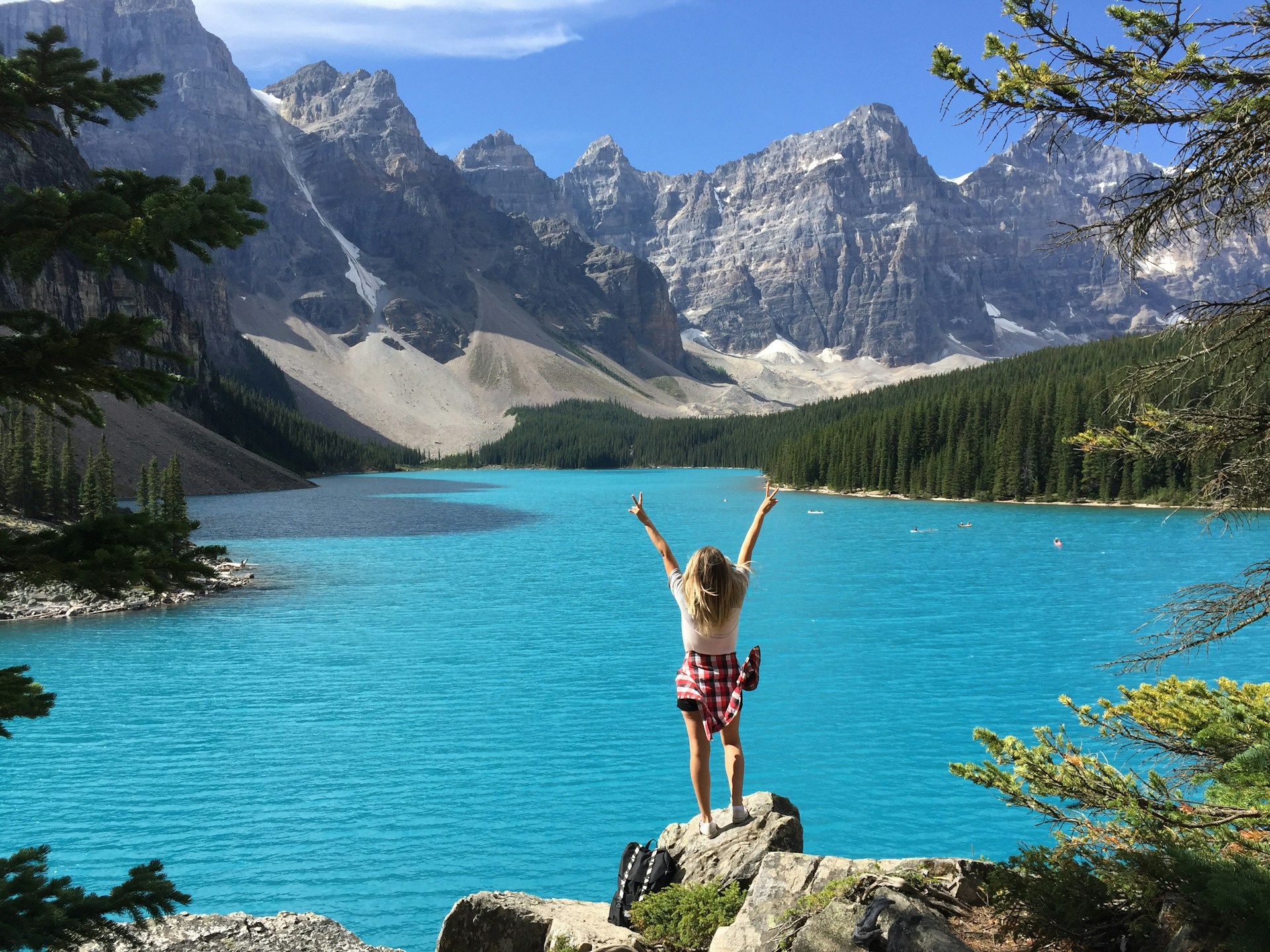
Moraine Lake in Banff? I’ve been more than once, and it never disappoints. The turquoise water, the Valley of the Ten Peaks—it’s unreal.
Even during peak season, Moraine Lake feels peaceful. I can stroll the shoreline without elbowing for a photo.
Best Times to Visit:
- Early mornings (6–8 AM)
- Late afternoons (after 4 PM)
- Weekdays in September
The lake sits high up, carved by glaciers. Sure, the water’s freezing, but the scenery makes up for it.
The rockpile trail is a quick 15-minute climb. At the top, you get that classic postcard view—no waiting, no crowds. Canoe rentals run June to September, weather permitting.

Lake O’Hara: A Pristine Alpine Escape
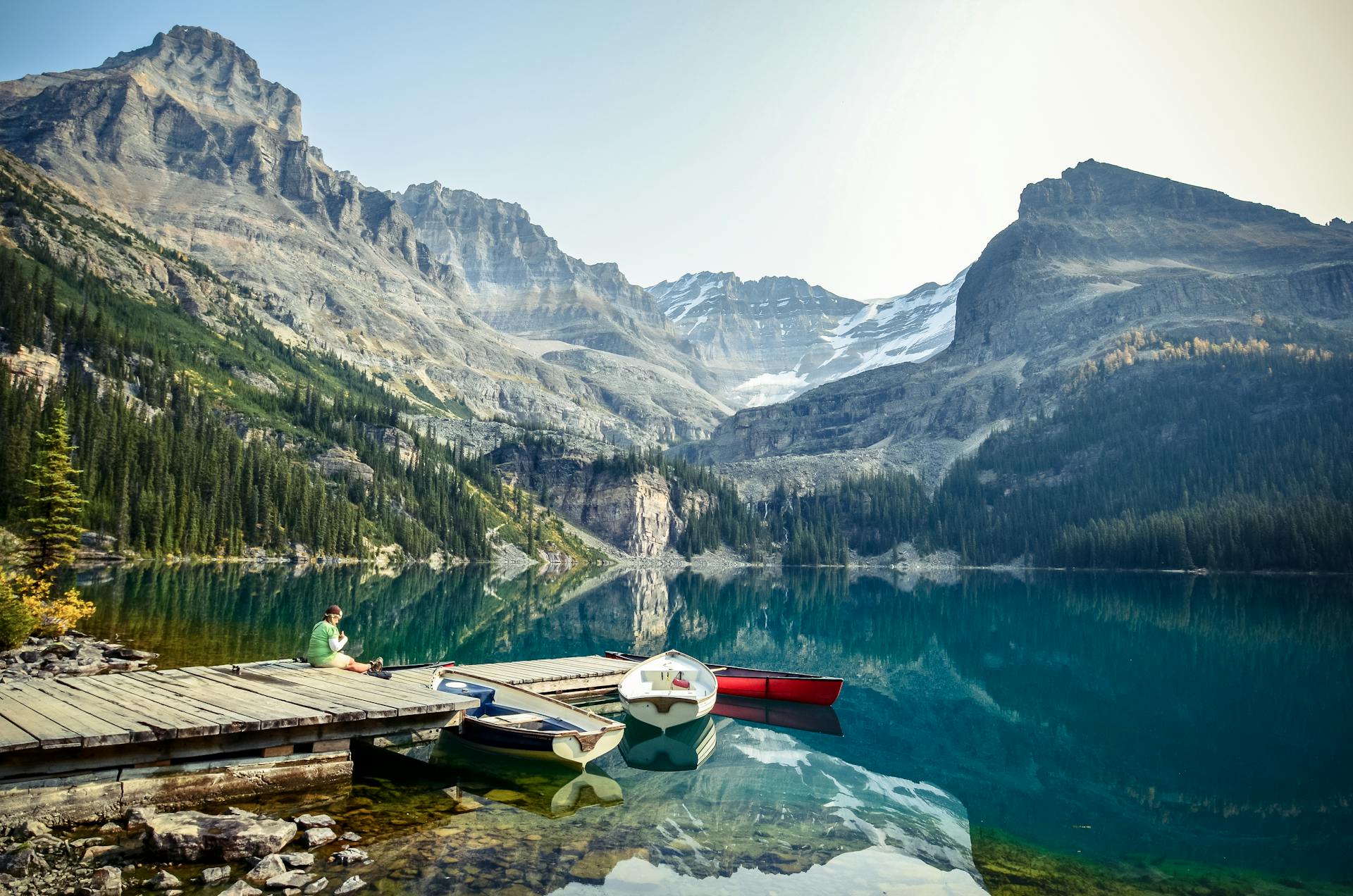
Lake O’Hara runs on an advance reservation system, so crowds stay small. I always book my shuttle months ahead through Parks Canada.
Only 42 campers and 25 day-trippers get in each day. That means you’re almost guaranteed a quiet, wild experience.
Why It’s Special:
- Crystal-clear water reflecting peaks
- Wildflower-filled meadows in July
- Trails to hidden alpine lakes
I’ve hiked the Lake Oesa trail a few times. It’s just two miles round trip, with waterfalls and alpine views. The elevation gain is a manageable 800 feet.
The lodge runs from June to October. I usually camp, just to soak in the mountain silence.
Spectacular Views in Yoho National Park
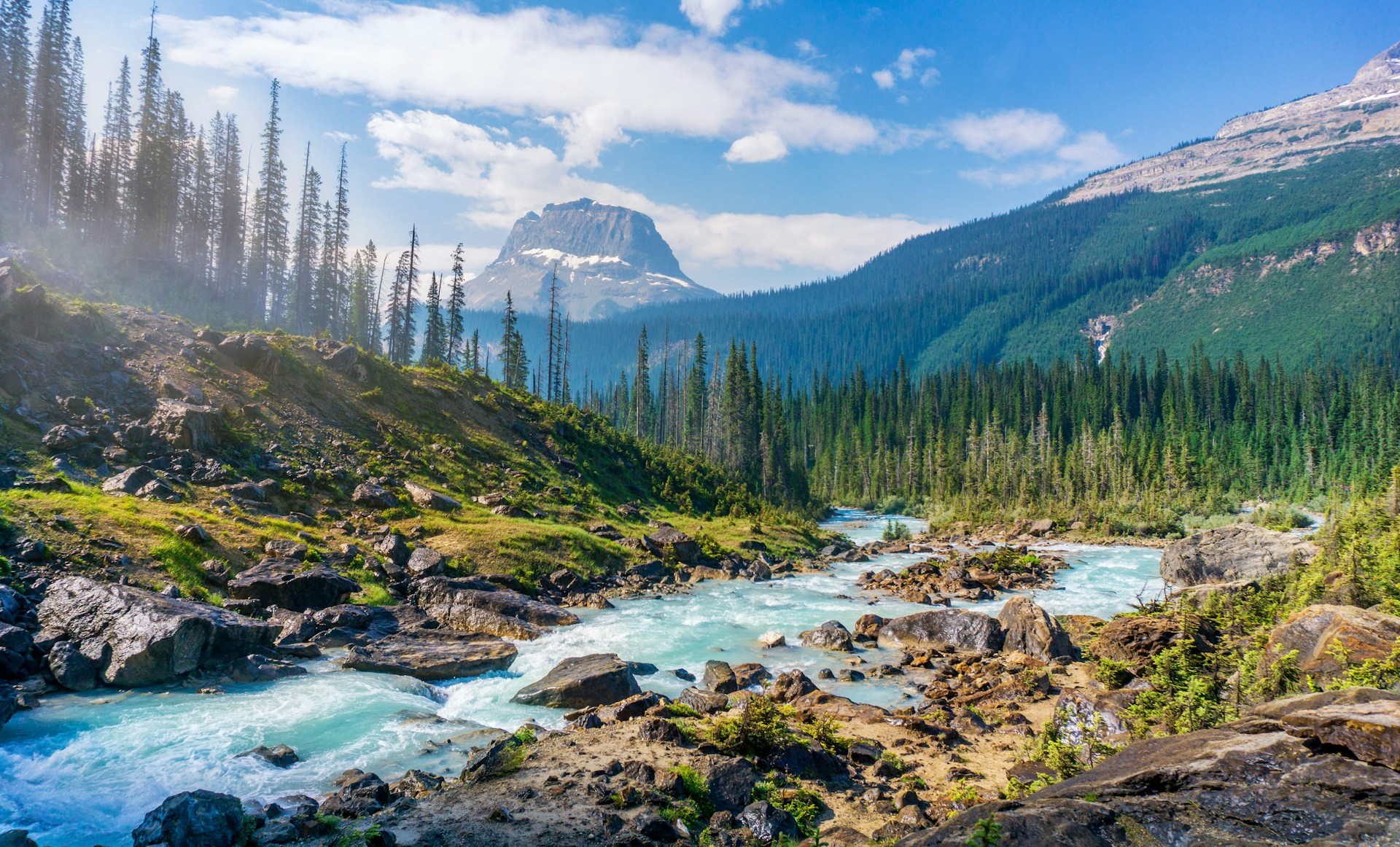
Yoho National Park is stunning and somehow still under the radar. I’ve explored waterfalls, fossil beds, and mountain passes—often in near solitude.
Takakkaw Falls plunges 1,260 feet. The walk from the parking lot takes 10 minutes, and I’ve never seen the crowds you’d expect at a place this beautiful.
The Burgess Shale fossil beds are a window into ancient Earth. Guided hikes run July to September, with groups capped at 15.
Yoho Highlights:
- Emerald Lake (canoe rentals available)
- Natural Bridge over Kicking Horse River
- Cathedral Mountain’s dramatic cliffs
For serious hikers, the Iceline Trail is a must. It’s a 13-mile loop with glacier views, open July through early October depending on the snow.
Managing Overcrowding and Preserving Wilderness
Parks Canada gets creative to control visitor numbers and protect fragile ecosystems. The Canadian Parks and Wilderness Society pushes for conservation to stay front and center.
Conservation Strategies by Parks Canada
Parks Canada uses reservation systems at hotspots like Lake O’Hara and the West Coast Trail. It works—crowds stay manageable, and the wilderness feels wild.
Park managers divide areas into five zones based on wildlife needs. Only two percent of Banff allows hotels, roads, or trails. The other 98 percent? Off-limits, just for wildlife.
Sometimes, they put in targeted restrictions. For example, at Lake Minnewanka, mountain biking is banned during berry season to avoid grizzly encounters. Hikers can still go year-round.
Group size rules help too. In prime grizzly country, you have to travel in groups of six or more—bears steer clear of bigger groups, so everyone stays safer.
Tech comes into play as well. Live webcams and trail counters let you check crowd levels in real time. Apps even suggest quieter alternatives if your first pick is packed.
Balancing Tourism With Ecological Integrity
Parks Canada has a tough job—protect wilderness, but also welcome visitors and make money from fees.
By law, ecological integrity comes first. Wildlife habitat gets top priority. For example, the Trans-Canada Highway through Banff has wildlife overpasses and fencing to keep animals safe.
The 1994 Banff-Bow Valley Study found the park was at risk from overuse. It sparked big changes:
- Closed the Banff airport
- Stopped townsite expansion
- Limited ski resort growth
- Created wildlife corridors
Still, revenue pressures complicate things. Banff brings in extra money that helps fund quieter parks. That can tempt managers to boost visitor numbers, even if it’s risky for wildlife.
Recently, marketing has shifted. Instead of drawing more people, it tries to shape visitor behavior. Banff & Lake Louise Tourism quit promoting the peak summer season back in 2016.
Role of the Canadian Parks and Wilderness Society
The Canadian Parks and Wilderness Society (CPAWS) started in the 1970s, fighting development in Banff. They still champion conservation-focused park management today.
CPAWS keeps an eye on Parks Canada to make sure ecological protection stays the top priority. Sometimes, they’ve noticed a worrying shift toward more tourism promotion.
The group educates the public, lobbies government, and fights to keep parks “unimpaired for future generations.”
They’ve led campaigns that stopped Olympic bids and resort expansions in wild valleys. These wins set important precedents for limiting development.
CPAWS offers independent oversight. Their pressure helps balance out the temptation to chase more revenue.
They also push for better funding, so parks don’t have to rely so much on visitor fees. That would ease the pressure to over-promote tourism.

World Heritage Status and International Recognition
Canada boasts 22 UNESCO World Heritage Sites. Several sit in wild, untouched areas, showing off the country’s commitment to preserving epic landscapes. Southern Alberta alone features multiple sites that highlight just how much Canada values its wilderness.
UNESCO Sites in Southern Alberta
Southern Alberta really surprised me with its collection of Canada’s most prestigious World Heritage sites. Waterton-Glacier International Peace Park stands out as the world’s very first international peace park, dating all the way back to 1932.
This unique park straddles the border between Canada and the United States. You’ll find rugged, snowcapped peaks and those iconic high-altitude lakes threading along the spine of the Rockies.
Another heavyweight? The Canadian Rocky Mountain Parks. This World Heritage site bundles together four national parks: Banff, Jasper, Kootenay, and Yoho.
Altogether, these parks sprawl across a staggering 23,000 square kilometers of wilderness. They’re not alone—Mount Robson, Mount Assiniboine, and Hamber provincial parks also join the lineup.
This massive area protects a wild mix of mountain peaks, glaciers, mysterious limestone caves, and thunderous waterfalls. UNESCO picked these sites for their jaw-dropping scenery and their geological wonders.
Banff and Jasper’s Global Prestige
Banff National Park and Jasper National Park really anchor Canada’s World Heritage scene. Banff, which opened back in 1885, actually became Canada’s first-ever national park.
Jasper and Banff together form the heart of the Canadian Rocky Mountain Parks World Heritage Site. I mean, we’re talking about some of the continent’s most dramatic mountain landscapes.
Banff National Park covers 6,641 square kilometers of rugged Rockies. Jasper National Park’s even bigger, stretching across 10,878 square kilometers.
Both parks keep their wild spirit, with much less development than you’ll find south of the border. Their World Heritage status means they have to stick to strict protection standards, so you won’t see sprawling visitor centers everywhere.
This level of international recognition helps keep crowds in check. UNESCO’s focus on conservation over tourism means these parks get to hold onto that untamed feeling that makes them legendary.
Sustaining Wildlife Corridors Amid Modern Challenges
Canada’s wild spaces face some serious challenges, especially when it comes to keeping wildlife movement corridors open. Highways and new developments often cut through vital habitats, so finding creative ways to keep these areas connected is more important than ever.
Wildlife Corridors and the Trans-Canada Highway
The Trans-Canada Highway slices right through some of the most important wildlife habitat in the country. For animals trying to move between feeding and breeding grounds, this highway used to be a deadly obstacle.
Banff National Park saw way too many animals getting killed by vehicles before anyone stepped in. In response, Parks Canada came up with some pretty clever solutions.
They built wildlife overpasses—broad, green bridges that grizzlies and deer actually prefer for crossing above the noisy traffic.
Then there are the underpasses, which offer quieter, more sheltered routes that smaller mammals and other critters use all the time.
These crossings have made a huge difference, slashing animal deaths and helping wildlife stick to their natural movement patterns.
It’s honestly inspiring to see animals figure out these passages. Some crossings now record thousands of wildlife crossings every single year.
Innovative Approaches to Habitat Connectivity
Canada’s National Program for Ecological Corridors has been shaking things up with a collaborative twist on habitat connectivity. Instead of working in a vacuum, the program brings together Indigenous partners, landowners, and conservation groups to build voluntary corridor networks.
People keep farming, logging, and doing their thing in these corridors. The idea isn’t to shut down local life—it’s to weave conservation right into the mix.
I’ve noticed that local communities actually steer the management and stewardship here. It’s not some distant federal agency calling the shots; it’s the folks who know the land best.
The program has zeroed in on 23 priority areas across Canada. They believe that improving connectivity in these spots could really slow down biodiversity loss.
They’re putting funding directly into conservation work, restoration efforts, and corridor management. That kind of support can make a real difference on the ground.
Mapping technology comes into play, too. It pinpoints the most vital links between protected areas.
This scientific approach means they’re not just guessing—they’re making sure corridors go where wildlife needs them most. I have to admit, it’s pretty inspiring to see tech and tradition working hand in hand for the planet.
