
Traveling as an American really opens your eyes. You start to notice things about your own country that probably never crossed your mind before.
Once I began exploring new places and cultures, I spotted patterns in how we travel, what we prioritize, and how the rest of the world sees us.
Americans have unique travel habits that genuinely surprise people from other countries. We’re famous for our short vacations, our love of comfort, and—let’s be honest—our tendency to stick with familiar experiences. I’ve seen Americans eat at chain restaurants even when they’re halfway across the globe. Many of us stay glued to work emails, even during vacations. It’s all pretty revealing about American culture and what we value.
Once you notice these travel truths, you can’t unsee them. Recognizing the privilege of being able to travel, thinking about our cultural impact on destinations, and learning to respect local customs—these things can really change how you see America and the world.

The Privilege and Accessibility of American Travel
American travel is shaped by money, geography, and some pretty big structural barriers. Not everyone gets an equal shot at traveling, whether it’s within the U.S. or abroad.
Did you know only 4% of people worldwide travel outside their home country each year? Travel is still a privilege, not a given.
Limited Vacation Time and Domestic Focus
Americans usually get a lot less paid vacation than folks in other developed countries. The standard is about 10-14 days a year, while Europeans are off for 25-30 days.
Because of this, most Americans pick shorter domestic trips over international adventures. We squeeze in quick weekend getaways instead of long, immersive trips.
Domestic travel patterns look like this:
- 74% of American vacations stay within the U.S.
- The average vacation length is just 4-5 days
- A lot of folks don’t even use up all their vacation days
The sheer size of the U.S. keeps people exploring at home. I can drive for days and still be in a totally different climate or culture, all without leaving the country.
Work culture doesn’t help. Many Americans feel guilty about taking long breaks or worry they’ll fall behind. So, international travel ends up being out of reach, even for those who could afford it.

Passport Power and Travel Restrictions
An American passport opens doors to 186 destinations without advance visas. That’s one of the world’s most powerful passports, and it makes travel easier for U.S. citizens.
But here’s the twist: only 42% of Americans actually own passports. In many European countries, that number is over 70%.
Some passport facts:
- Rural Americans are less likely to have passports
- College grads are more likely to own one
- Coastal states have higher passport rates than those in the middle
Geography plays a big part. Americans can’t just drive into another country the way Europeans do. Oceans make international travel pricier and more complicated.
Getting a passport isn’t always simple, either. There are costs, paperwork, and wait times that can make it tough, especially for lower-income families.

Economic Disparities in Who Gets to Travel
Travel is mostly for higher-income Americans. Survey after survey shows that 29% of frequent international travelers have graduate degrees, while only 7% of non-travelers do.
Income-based travel patterns:
- Households making over $75,000 travel internationally three times as often
- Parents travel less, thanks to family expenses
- Suburbanites travel more than city or rural folks
Age plays a funny role. Older Americans (65+) make up 20% of frequent travelers, thanks to retirement and savings.
Men travel internationally more than women—56% of frequent travelers are male. That’s tied to broader economic gaps and cultural norms.
Travel costs pile up fast. Flights are just the beginning. Health insurance, visas, and currency exchange fees all add up, shutting out a lot of would-be travelers.
So, economic gaps really shape who gets to experience new cultures and see the world.
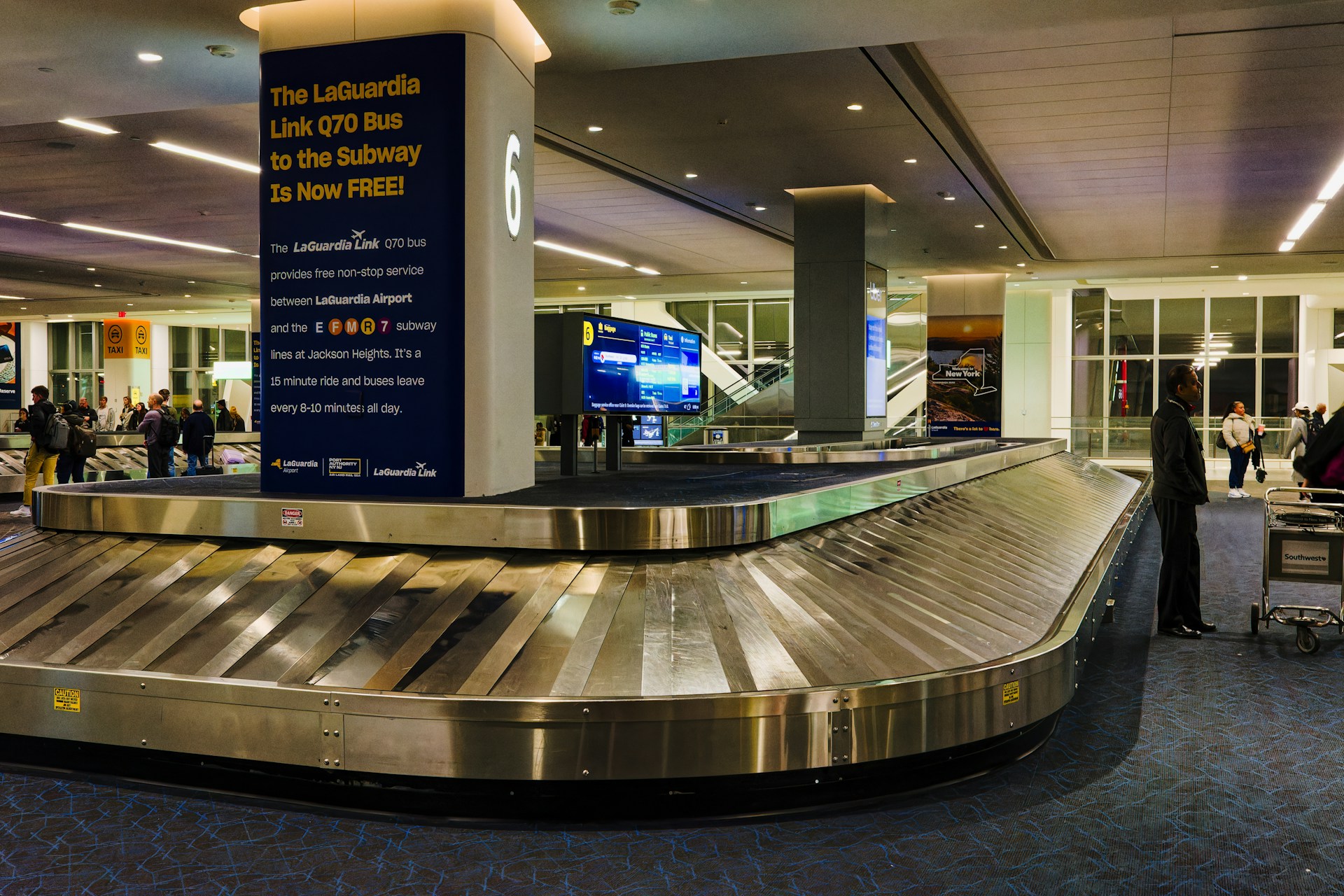
Distinctive American Travel Habits
Americans travel in ways that look pretty different from the rest of the world. Geography, culture, and our love of driving all play a part.
The Culture of Road Trips
Road trips are the heart of American travel. The interstate highway system connects almost everywhere. For most Americans, driving long distances feels totally normal.
Favorite Road Trip Routes:
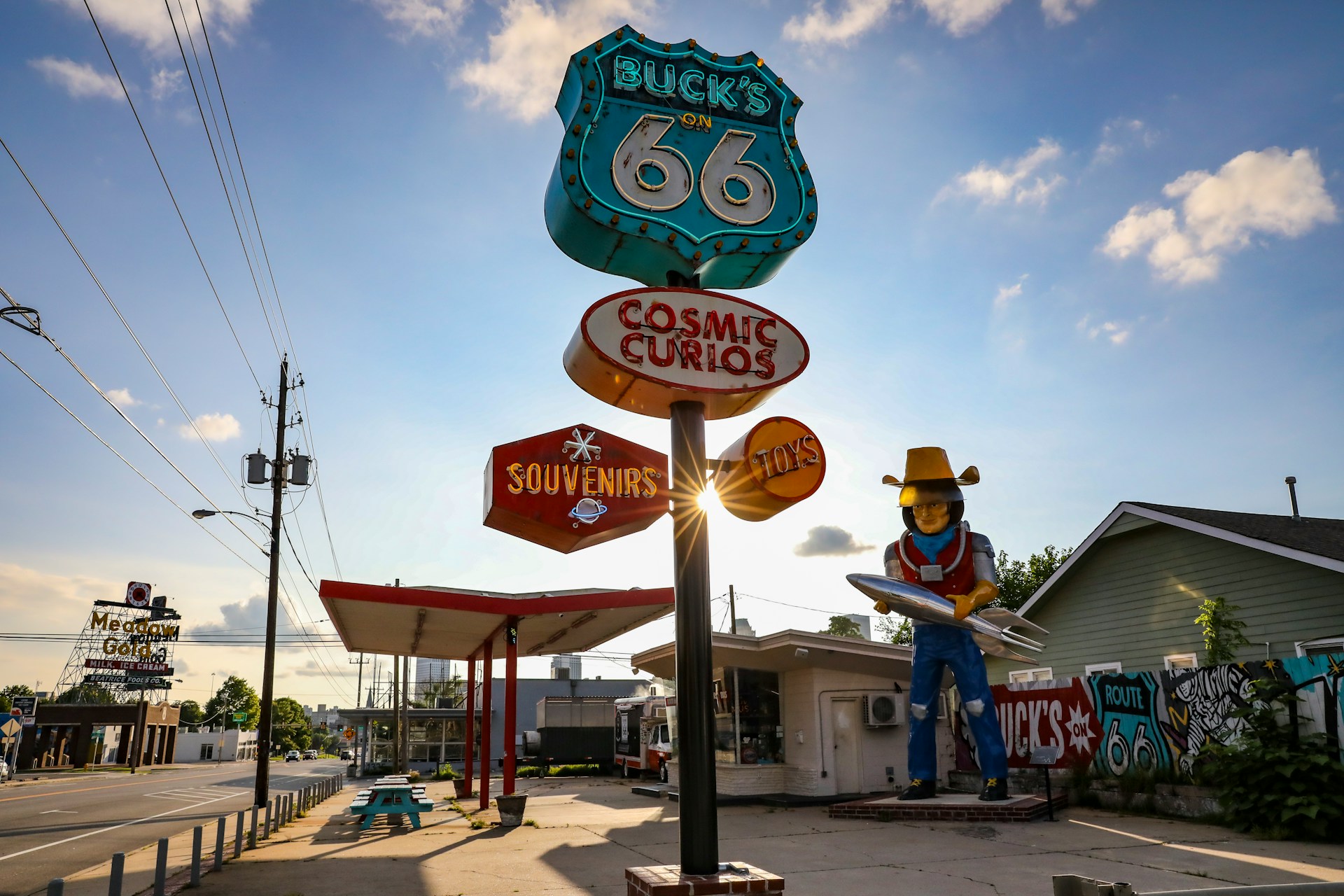
- Route 66 from Chicago to LA
- Pacific Coast Highway along the California coast
- Blue Ridge Parkway through the Appalachians
It’s not weird for Americans to drive 8-12 hours in a day. We stop at roadside attractions, diners, and motels. Gas stations become little social hubs along the way.
Motels exist because of this driving culture. Travelers pull off the highway and grab a room, no reservation needed. That flexibility really fits our love of independence.
Road trips become family bonding time. Parents pack snacks, games, and movies. Sometimes, the journey matters just as much as the destination.
Short Domestic Flights and Vast Distances
Americans fly domestically way more than people in most other countries. A flight from New York to LA covers 2,400 miles—enough to cross several European countries.
Business travelers hop on 2-3 hour flights for meetings. They’ll fly from Dallas to Denver like it’s nothing. Our sense of distance just works differently.
Popular Short Flight Routes:
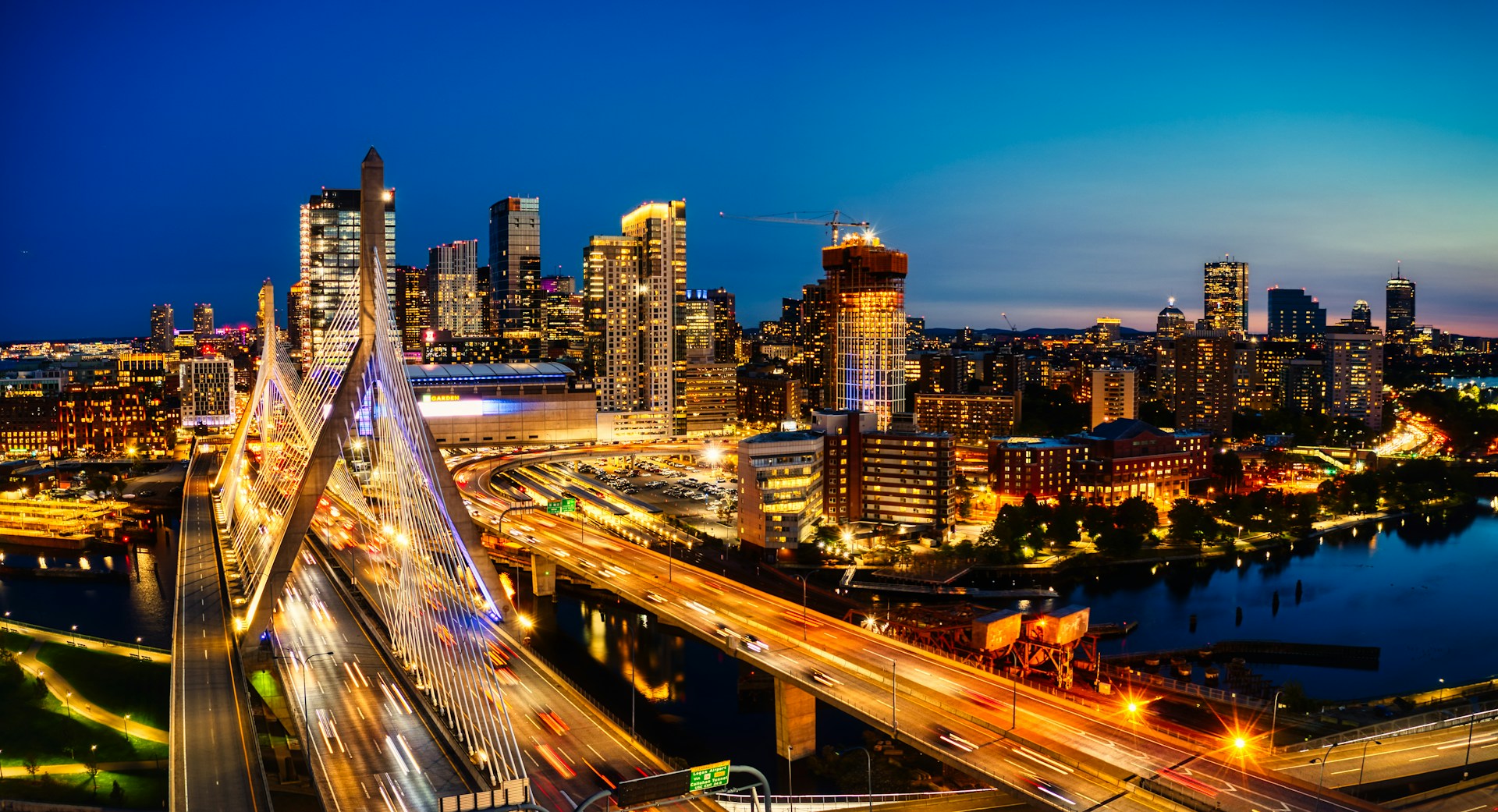
- Boston to DC (about 1.5 hours)
- Chicago to Nashville (1.5 hours)
- San Francisco to LA (1.5 hours)
Major airlines offer tons of daily flights between big cities. Sometimes, you can catch a flight every hour during busy times. Flying feels routine, not special.
To reach smaller cities, Americans connect through big hubs like Atlanta or Denver. This is pretty different from the point-to-point flights you see in smaller countries.
Staycations and Weekend Getaways
A lot of Americans pick domestic trips over international ones. We explore national parks, beach towns, or mountain resorts that are just a drive away.
Weekend getaways usually last two or three days. People drive to nearby spots on Friday and come back Sunday night or Monday morning. It fits with our packed schedules.
Top Weekend Destinations:
- Lake houses or cabins
- Beaches within a four-hour drive
- National or state parks
- Nearby cities with cool museums or restaurants
Staycations are a thing, too. People check out local museums, parks, or restaurants right in their own city. It’s a way to play tourist without leaving home.
Many Americans own or rent vacation homes they return to every year. These traditions make planning easier and give families something to look forward to.

Popular Destinations and Unique Attractions
American travel patterns show a real love for national parks, big theme parks, and familiar hotel chains. These choices say a lot about what we value—family time, the outdoors, and comfort you can count on.
National Parks and State Parks Traditions
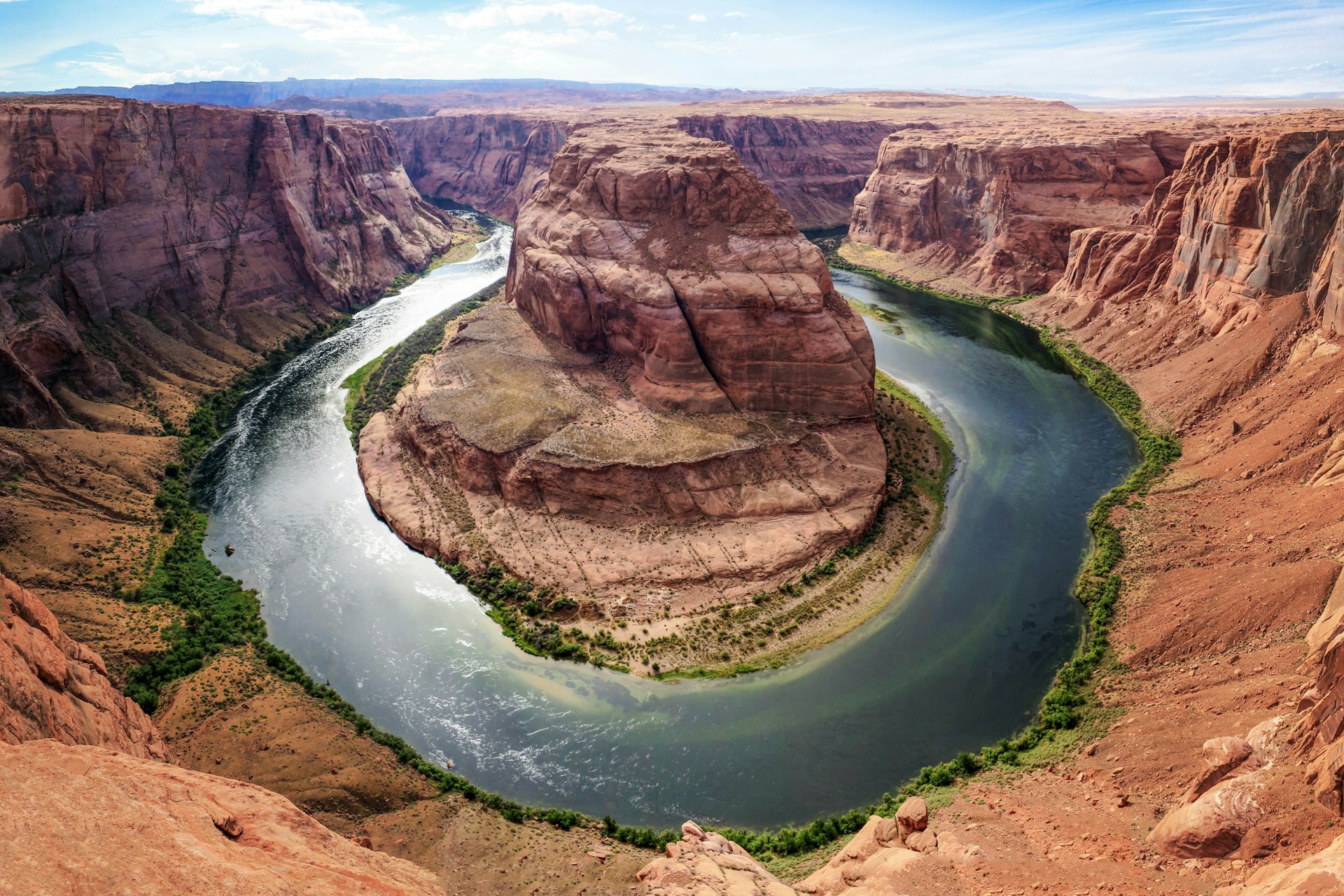
National parks are classic family vacation spots. Yellowstone, Grand Canyon, and Yosemite always top the most visited lists.
The park system welcomes over 300 million visitors a year. Families pass down camping traditions from one generation to the next. Summer plans often revolve around park reservations and weather.
Favorite Activities:
- Hiking and spotting wildlife
- Camping in official sites
- Attending ranger talks
- Snapping photos at scenic overlooks
State parks offer similar fun closer to home. They’re more affordable and less crowded. Americans discover these gems on weekends or day trips.
A National Park Pass costs $80 a year and covers entry fees. For families visiting several parks, it’s a solid deal.
Theme Park Vacations: Disney World and Universal Studios
Disney World is the big one. The Orlando resort brings in over 50 million visitors every year.
Families save up for years to make a Disney trip happen. The average cost for a family of four is around $6,000, including hotels and meals. For many, it’s a childhood milestone.
Disney World Highlights:
- Four theme parks
- Two water parks
- Disney Springs shopping and dining
- More than 25 resort hotels
Universal Studios is Disney’s main rival. The Harry Potter attractions pull in huge crowds. Both parks sell express passes so you can skip the lines.
Florida tourism thrives thanks to these parks. Local hotels, restaurants, and attractions all benefit from the steady stream of visitors.

All-Inclusive Resorts and Motel Chains
Americans love their hotel brands. Marriott, Hilton, and Holiday Inn line highways and fill city centers.
Brand loyalty runs deep. Reward programs sway a lot of booking choices. Points and perks keep travelers coming back.
Why Travelers Stick to Chains:
- You know what to expect
- Reliable WiFi and amenities
- Loyalty points and rewards
- Easy online reservations
All-inclusive resorts are rare in the U.S. Most travelers prefer picking their own restaurants and activities.
Budget travelers often choose motel chains like Best Western. These places cluster near highways and tourist spots. They offer no-frills comfort at a reasonable price.
Road trips fuel a lot of this demand. Americans want clean, safe places to crash after a long drive.

Responsible Travel and Social Impact
Every travel choice Americans make sends ripples through the places they visit. Where we go, what we spend, and how we act all matter.
Environmental Impact of Mass Tourism
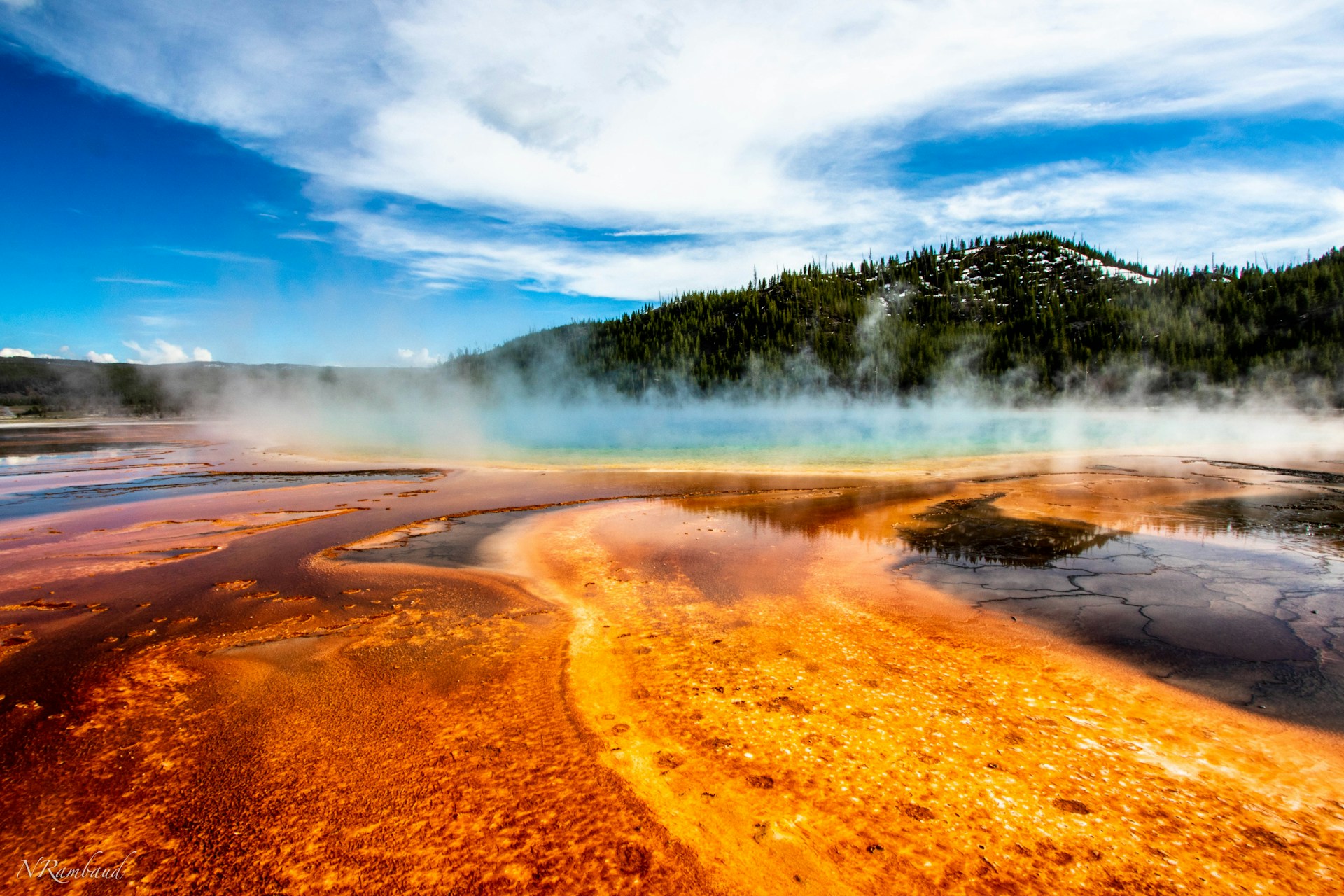
Mass tourism takes a toll on America’s wild places. Parks like Yellowstone and the Grand Canyon get so crowded that trails erode and wildlife gets spooked.
I’ve seen the mess firsthand. Trash piles up faster than crews can clean it. Parking lots eat into natural spaces. Water systems strain under the pressure.
Big Environmental Concerns:
- Trails wear down under heavy use
- Lakes and rivers get polluted
- Air travel pumps out carbon emissions
- Wildlife habitats shrink or disappear
Flying cross-country is especially rough on the environment. A round-trip flight from New York to LA leaves about 2,000 pounds of CO2 per passenger.
To cut down on damage, some parks have introduced shuttles or daily visitor limits. Zion uses shuttles to reduce car pollution, and Glacier caps the number of daily guests.
Supporting Local Economies
Where you spend your money makes a real difference. Local businesses keep more tourism dollars in the community and help preserve authentic culture.
I always notice the vibe when I pick a local diner over a chain. Family-run spots serve up regional food and hire local folks. Local guides share stories you just won’t hear from big tour companies.
How Tourism Dollars Flow:
- Chain hotels: 85% of money leaves the community
- Local B&Bs: 95% stays local
- Chain restaurants: 75% goes to headquarters
- Local eateries: 90% supports local jobs
Small towns depend on tourism. In Montana, tourism supports one in 19 jobs. Visitor spending funds roads, parks, and community events.
Indigenous communities benefit when travelers choose Native-owned businesses. Tribal tourism in Arizona and New Mexico creates jobs and shares traditions with visitors.

Choosing Eco-Friendly Accommodations
Green hotels and lodges help reduce the environmental impact of travel. Often, they don’t cost more than regular hotels.
I look for eco-certifications when I book. LEED buildings use less energy, and Green Key properties save water.
Eco-Friendly Perks to Look For:
- Solar panels or renewable power
- Water-saving showers and toilets
- Local food on the menu
- Recycling and composting bins
- Electric car charging stations
Some eco-lodges help fund conservation projects. Near national parks, these places often support wildlife or donate to environmental groups.
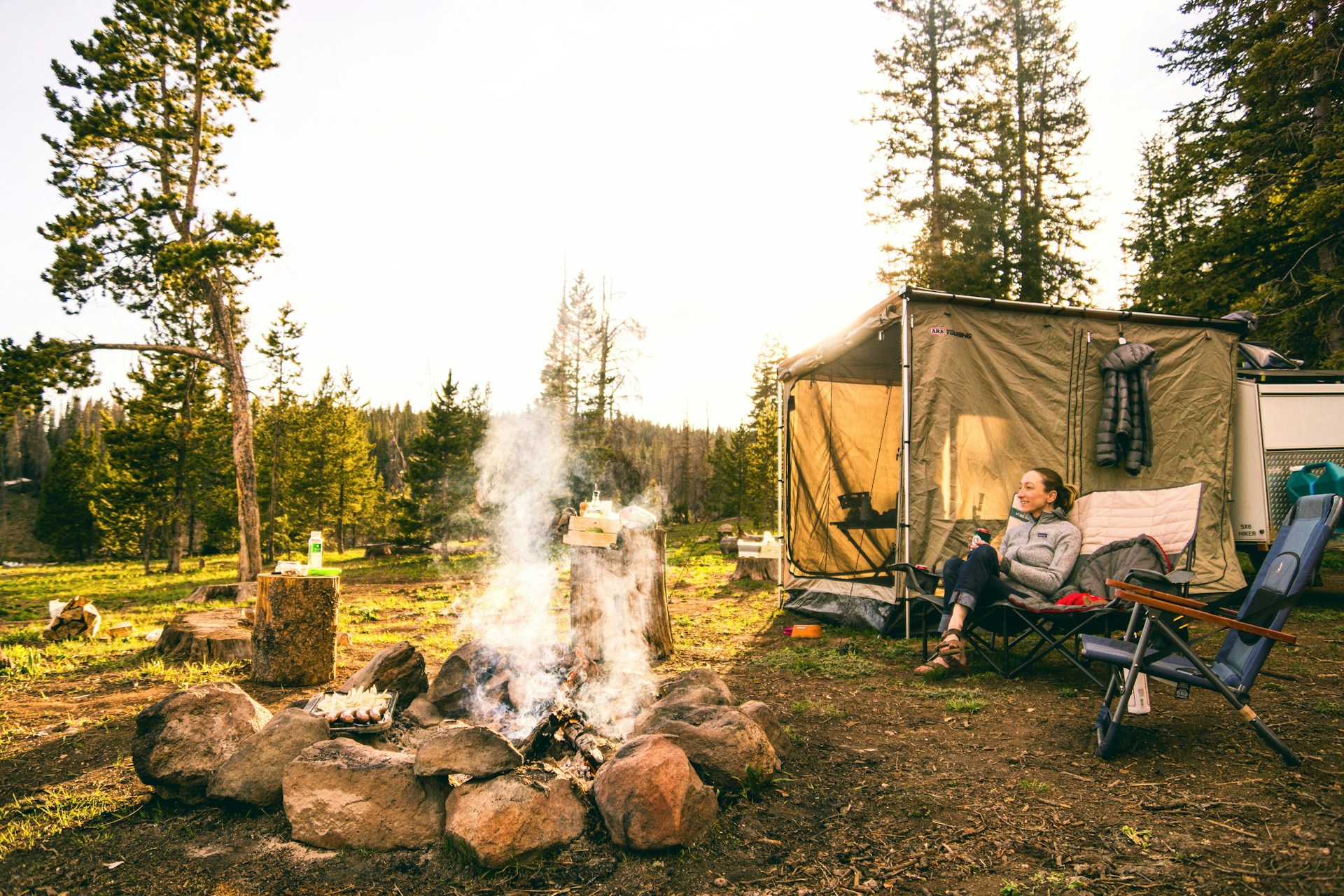
Camping and glamping have smaller footprints than hotels. They get you closer to nature and usually use fewer resources. State parks offer budget-friendly options for eco-minded travelers.
Cultural Sensitivity and Travel Conduct
American travelers sometimes face challenges abroad that call for extra care. Navigating local customs and staying safe requires a bit of homework and humility.
Cultural Appropriation and Respectful Engagement
I’ve seen Americans cross the line from appreciation to appropriation without realizing it. Cultural appropriation happens when you use sacred symbols or traditions without understanding their meaning.
Wearing traditional clothes as a costume isn’t the same as joining in cultural activities with respect. I always try to learn before buying local crafts or joining ceremonies.
Some things to keep in mind:
- Religious symbols—don’t wear them as fashion
- Sacred items—ask locals how (or if) you should use them
- Traditional clothing—learn when and how it’s appropriate
Instead of guessing, I just ask. Locals usually appreciate the effort, and you’ll have better conversations.
I’ve learned that snapping photos at religious sites can be a big no-no. Many temples and shrines have strict rules about photography.
The bottom line? Approach every culture with humility, not as entertainment for your trip.

Safety and Representation Differences
Traveling as an American, I can’t help but feel like I’m carrying a flag on my back. People watch, sometimes judge, and whether I like it or not, my actions might shape how locals see the next American who visits.
In some places, folks eye Americans warily—maybe because of politics, maybe past history. I’ve learned the hard way that talking less about government stuff and more about everyday life makes for smoother conversations.
Safety considerations really depend on where you’re headed.
- American women might run into unique challenges, especially in conservative countries.
- If you’re LGBTQ+, you’ll want to double-check local laws before you go.
- And in some spots, political tensions can crank up the risk for Americans.
I make it a habit to scan State Department warnings before I book anything. It’s surprising how things like alcohol rules, dress codes, or even just how you act in public can land you in trouble—or at least raise eyebrows.
Respecting local customs doesn’t mean pretending I’m someone else. For me, it’s about being aware of how I show up in a new place, and making small adjustments so I’m a good guest. Isn’t that what travel’s all about?

The Importance of Travel Insurance
Travel insurance really comes into play when cultural misunderstandings spiral into bigger problems. I’ve watched fellow travelers—especially Americans—get hit with massive medical bills or tangle with local laws, all because they didn’t have the right coverage.
Most standard health insurance plans don’t touch anything that happens internationally. If you ever need an emergency evacuation from some far-flung spot, prepare for a bill that can soar past $100,000 if you’re uninsured.
Let’s break down the essentials you should look for:
- Medical emergencies in places where healthcare costs a fortune.
- Legal assistance if a cultural faux pas lands you in hot water.
- Trip interruption from political chaos or sudden instability.
- Personal liability if you accidentally damage a historical site or artifact.
I never skip travel insurance before heading overseas. Honestly, knowing I’ve got backup means I can focus on soaking up new cultures instead of stressing about what could go wrong.
A lot of plans also throw in 24/7 help lines in the local language. That’s saved me more than once, especially when I needed quick advice in a sticky situation abroad.
