
Let’s be honest: popular travel spots get packed, prices skyrocket, and you’ll probably spend half your trip waiting in line or hunting for a decent hotel. It’s wild how everyone seems to flock to the same cities year after year.
Dupe destinations? They’re a breath of fresh air. You get the vibe of those famous places—romantic alleyways, jaw-dropping architecture, and unforgettable food—without elbowing through crowds or emptying your wallet. I’ve spent years hunting for these hidden gems, and trust me, they exist.
Here are 15 dupe destinations for 2026 that deliver the magic of places like Paris but with a twist. You’ll get that authentic travel buzz and save some cash along the way. Locals love these spots, and most tourists haven’t caught on yet.
Key Takeaways
- Dupe destinations serve up similar experiences to iconic cities, but cost less and aren’t crawling with tourists.
- You can find alternatives that match the culture, scenery, and activities of the big-name spots.
- Picking lesser-known places helps you connect with local life and stretch your travel budget.
What Are Destination Dupes and Why Are They Trending?
Travelers want adventure, not headaches. Destination dupes let you soak up the atmosphere of famous places—just with fewer crowds and a much smaller bill. This trend really took off as travelers got tired of high prices and packed streets.
Defining a Destination Dupe
A destination dupe is basically an affordable alternative to a famous spot. You get similar sights, culture, or landscapes, but without the sticker shock. For example, the Azores feel like Hawaii with volcanic drama and ocean views. Liverpool? It’s got the museums and music scene you’d expect in London, but your wallet won’t hate you.
The main thing? Value. Most folks expect to save at least 20-30% on their trip. That’s not just hotels—food, activities, and getting around usually cost way less, too.
A good dupe doesn’t mean missing out. You get a comparable experience in a place that isn’t stuffed with tourists. Croatia, for example, gives you Mediterranean coastlines and historic towns like Italy, but you’ll have room to breathe and more affordable stays.
Why Destination Dupes Are Gaining Popularity
Money talks. Around 73% of travelers pick dupes to save cash. The average person saves over $2,200 by swapping out the big-name destination.
But it’s not just about the money. Over half of travelers (53%) want to dodge crowds. More than a quarter say these alternatives feel more real and way more interesting than the usual luxury spots.
People are rethinking their vacations. Instead of blowing their budget on one epic trip, 60% now prefer a few smaller, affordable getaways. That means more adventures, more often.
Social media? It’s a game changer. TikTok and Instagram push out new dupe ideas every day. About 17% of Gen Z travelers find their next destination dupe thanks to TikTok.
The Impact of Overtourism on Travel Choices
Overtourism drives people to search for quieter corners of the world. Cities like Paris, Venice, and Barcelona get so crowded that prices shoot up and the local charm fades.
I’ve noticed travelers walk away happier from these dupe destinations. About 61% said they actually preferred the experience to what they imagined the famous spot would offer. Nearly half had zero regrets.
Budget concerns now top the list for 41% of travelers, while 29% put flexibility and affordability first.
It’s a win-win. Smaller destinations get a boost, tourists find better value, and the big-name cities get a break from the crowds.
How to Choose the Best Dupe Destination
Finding your perfect dupe means matching what you love about the original with somewhere less obvious (and less expensive). I always weigh practical stuff like budget, how easy it is to get there, and whether it actually delivers on the promises.
Key Factors to Consider
Start by figuring out what draws you to the original. Is it Paris’s art and café culture? Then look for cities with killer museums and great coffee. Dreaming of Santorini’s sunsets and white buildings? Search for islands with the same dreamy architecture and sea views.
Distance matters—a dupe closer to home saves on flights and time. Visa rules can be easier, too.
Timing is everything. Many dupes have different peak seasons, so you can score deals by visiting during their shoulder season. Always check recent reviews to make sure the destination lives up to the hype.
Language and infrastructure play a part. I lean towards places where getting around is easy and English is at least somewhat understood.

Budget and Accessibility
Don’t just look at airfare. Sometimes a cheap flight leads to expensive hotels or food. I compare total trip costs, including where I’ll sleep and what I’ll eat.
For hotels, I check a few booking sites and focus on mid-range places downtown. That’s usually where most travelers end up. I also peek at average restaurant prices and local grocery options.
Getting around can add up fast. I figure out if I’ll need a rental car, train pass, or just use public transit. Some dupes have better, cheaper options than their famous counterparts.
How often can I fly there? Daily flights give way more flexibility than once-a-week service. I use flight comparison tools to find the best routes and prices.
Travel Insurance Considerations
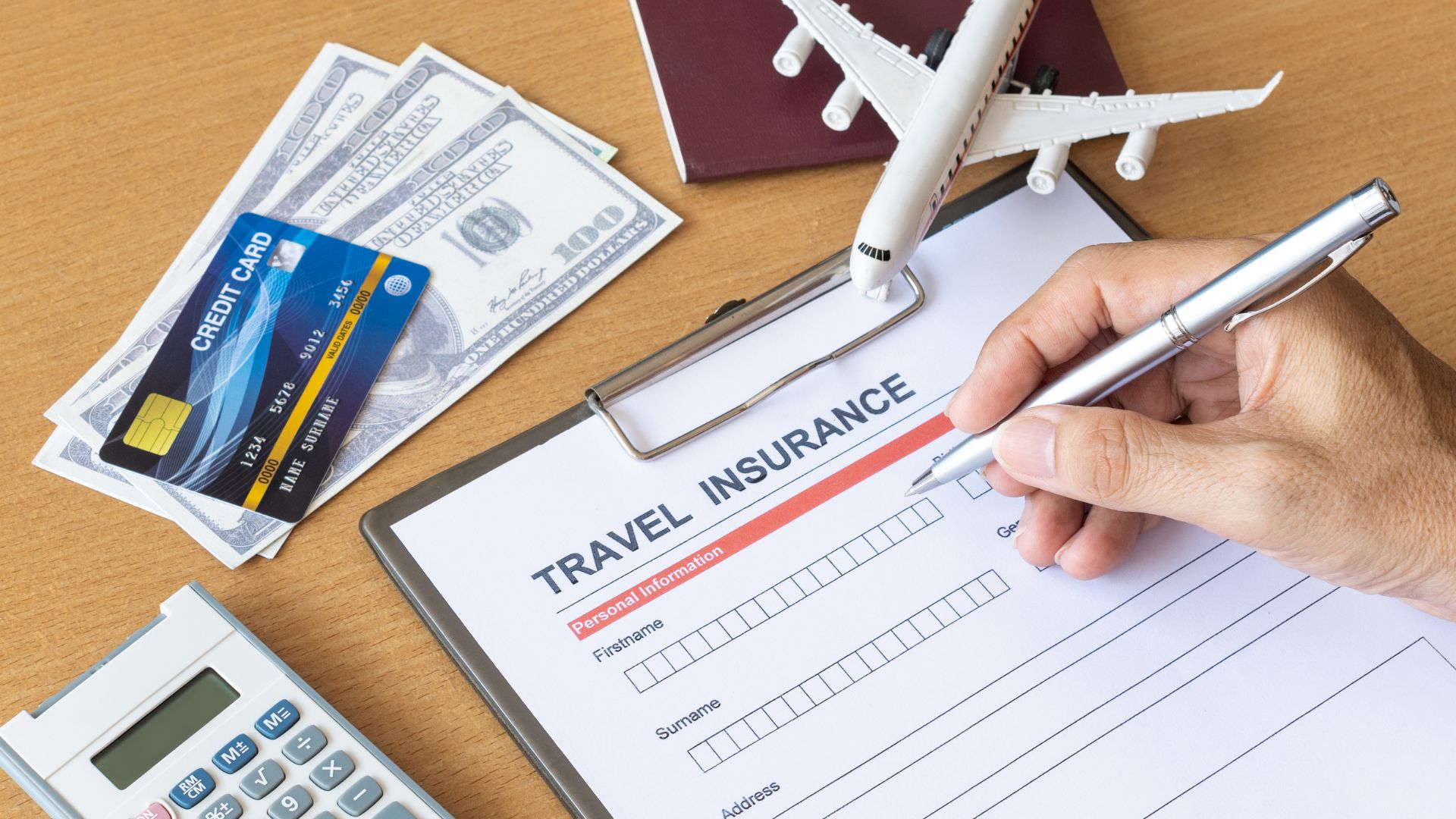
I never skip travel insurance, especially for off-the-beaten-path spots. It’s peace of mind if I need to cancel or something goes sideways.
Medical coverage tops my list. I double-check that my policy covers emergencies and evacuation—some of these places have hospitals far from tourist areas. $100,000 in coverage is my minimum.
Trip cancellation and interruption coverage protects what I’ve already paid for. I always read the fine print to see what’s actually included.
If I’m planning any adventure activities—diving, hiking, you name it—I make sure my insurance covers those, too. Some dupes are all about the outdoors, and you don’t want to get caught without coverage.
15 Dupe Destinations for 2026: Iconic Swaps
Ready for some real inspiration? Here are four swaps I can’t stop recommending. You’ll get the architecture, beaches, culture, and adventure you crave—minus the mayhem.
Skip Paris, Visit Buenos Aires
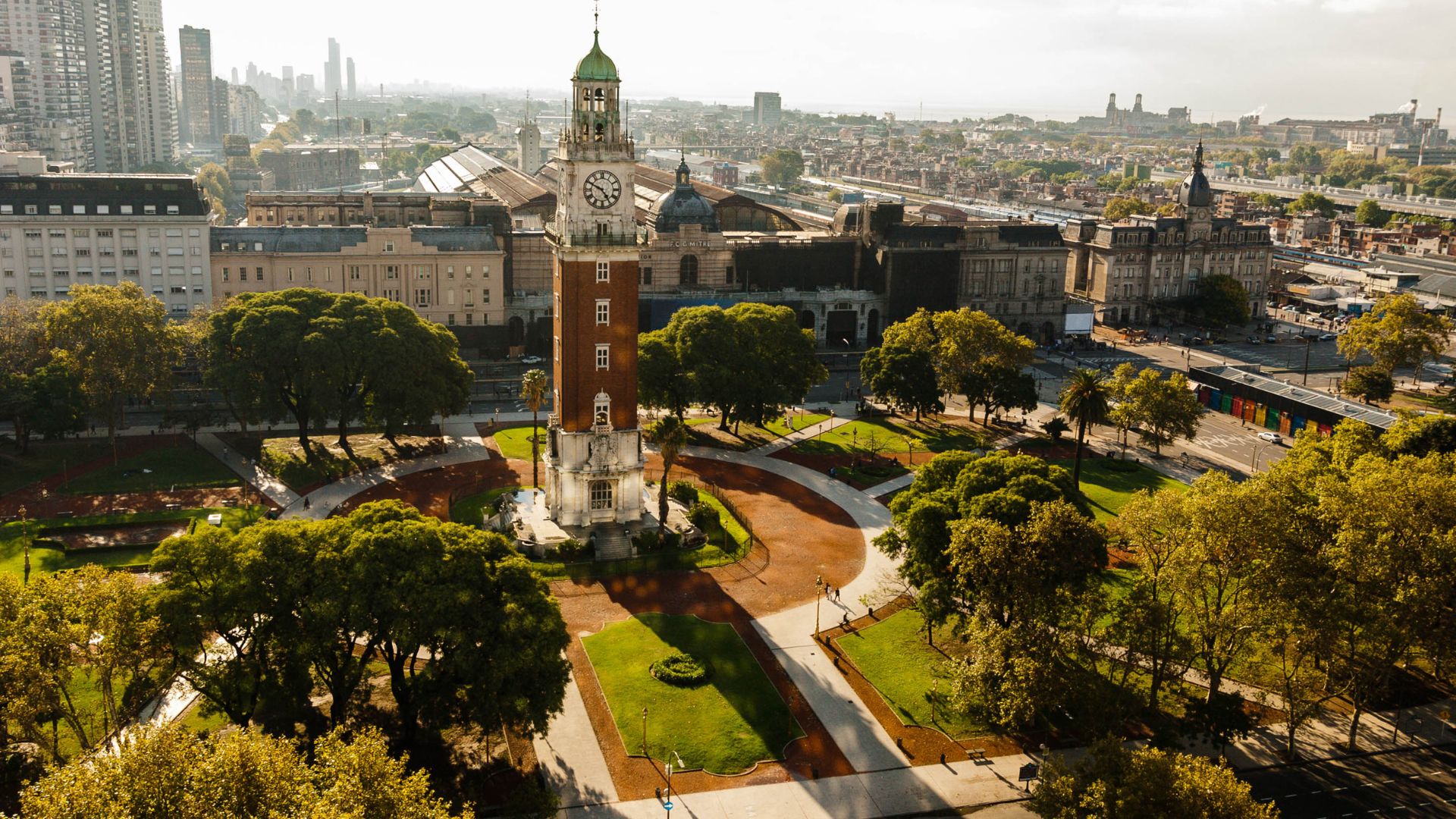
Buenos Aires brings European flair without the European price tag. They call it the “Paris of South America,” and I see why.
Stroll through Recoleta and you’ll find grand boulevards, Belle Époque buildings, and tree-lined sidewalks filled with outdoor cafés. The architecture rivals Paris, but the vibe feels warmer and more relaxed.
Key similarities to Paris:
- Historic buildings and leafy avenues
- Art museums and cultural hotspots
- Café culture everywhere you look
- Romantic streets and live performers
Eating out costs about 40% less than in Paris, and hotels are way more affordable.
Instead of cabaret, catch a tango show. The Ateneo Grand Splendid bookstore (it’s in a converted theater!) is a book lover’s dream—think Shakespeare and Company, but roomier. I always wander San Telmo on Sundays for the antique market and cobblestone charm.
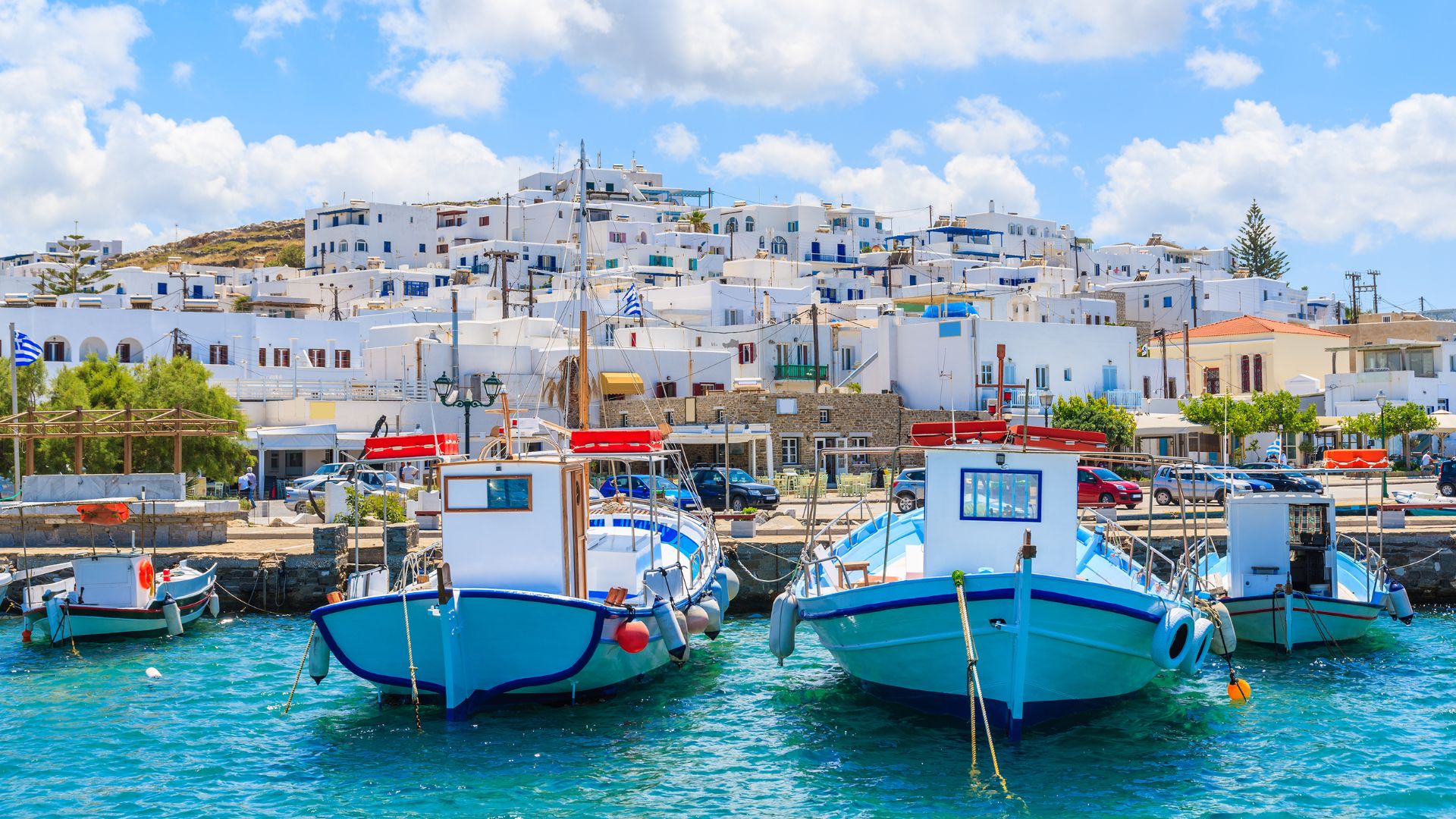
Skip Santorini, Visit Paros
Paros nails that Greek island look—think whitewashed houses and blue domes—but skips the Santorini crowds and prices.
It sits in the Aegean, offering the same gorgeous views. The beaches? Way easier to reach and way less busy.
Naoussa is a fishing village with winding streets and waterfront tavernas. The harbor at sunset could give Oia a run for its money. In Parikia, the Panagia Ekatontapiliani church is a Byzantine marvel.
What Paros offers:
- Classic Cycladic architecture
- Clear, golden-sand beaches
- Laid-back Greek village energy
- Cheaper places to stay
Lefkes, tucked inland, has mountain views and old stone paths. Golden Beach draws windsurfers but never feels overcrowded.
I’ve seen hotel rates at half of what you’d pay in Santorini, especially in high season. The seafood is just as fresh, the prices are better, and the island feels real—like Greece before Instagram fame.
Skip Venice, Visit Annecy
Annecy sits in the French Alps, where canals snake through its medieval old town. Pastel buildings reflect in the water, and every corner feels like a postcard.
I call Annecy the “Venice of the Alps.” Canals from Lake Annecy wind through the city center, and the Palais de l’Isle—a stone castle on a tiny island—anchors the scene. Instead of gondolas, swans glide under arched bridges.
The backdrop? Snowy mountains and a swimmable lake. Venice can’t compete with that. I’ve jumped into Lake Annecy on a summer day, and it’s magical.
Advantages over Venice:
- Clean water and a lake you can actually swim in
- Mountain views and hiking trails galore
- Fewer tourists, more locals
- Skiing nearby in winter
The old town is walkable and easy to navigate. Savoyard food—raclette, tartiflette—hits the spot after a day out. On market days, the streets fill with local cheese, produce, and crafts.

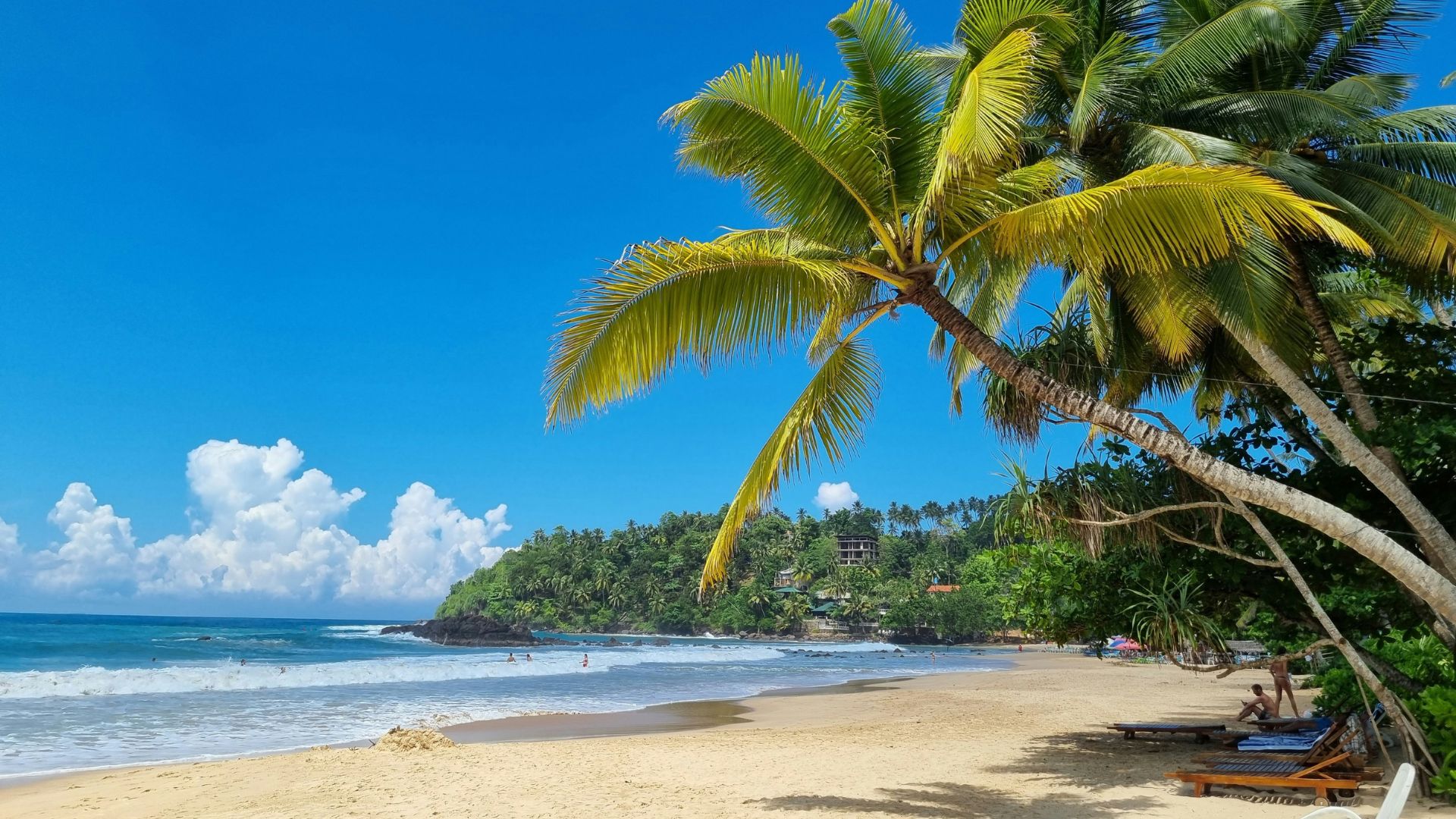
Skip Bali, Visit Sri Lanka
Sri Lanka packs in tropical beaches, ancient temples, and wild landscapes—usually for less than half what you’d spend in Bali.
The beaches feel untouched and way less crowded. Down south, Mirissa and Tangalle have golden sand and palm trees, but you’ll actually find space to lay your towel.
Temples like Sigiriya Rock Fortress rise from the jungle, and the Temple of the Tooth in Kandy carries deep history. I love riding the train from Kandy to Ella—tea plantations, misty mountains, and endless views.
What Sri Lanka provides:
- Cheap places to stay and eat
- Safaris with elephants and leopards
- Scenic train rides through the hills
- Multiple UNESCO World Heritage Sites
Sri Lankan food delivers spicy curries and fresh seafood. Yala National Park offers safaris you just can’t get in Bali.
A beachfront hotel that’s $200 in Bali? In Sri Lanka, it’s closer to $80. The value is unbeatable.
Dupe Destinations Beyond the Obvious
Sometimes, the best swaps aren’t the ones you’d expect. I’ve stumbled on a few that blew me away—delivering the same wow factor as their famous counterparts, but with their own unique perks. Maybe it’s time to start thinking outside the box for your 2026 adventures.
Albania Riviera as an Amalfi Coast Alternative
If you’re dreaming of the Amalfi Coast but not the crowds or wallet-busting prices, the Albania Riviera might just surprise you. I’ve stood on those pebbly beaches, gazed at the turquoise water, and honestly? The dramatic coastline and mountain backdrop feel every bit as striking as Italy’s famous stretch.
In Dhërmi and Himara, white stone villages climb up the hillsides. You can grab fresh seafood at a waterfront spot, and your bill will be a fraction of what you’d pay in Positano.
Why the Albania Riviera wins:
- Beach clubs and resorts cost about 60-70% less than Amalfi’s
- You’ll find way fewer tourists, so beaches and restaurants stay relaxed
- The coastal road from Vlora to Saranda? It’s easily one of Europe’s most scenic drives
The region keeps its genuine Mediterranean vibe. Local families run most businesses, and you won’t spot the same over-the-top commercialization that’s crept into the Amalfi Coast.

Kauai and the Azores for a Maui Experience
If you crave Maui’s lush, volcanic beauty but want something different, Kauai and the Azores both deliver. I’ve wandered Kauai’s rainforests and hiked the Na Pali Coast—honestly, it feels wilder and less polished than Maui.
Kauai’s strict building codes keep things low-key. Waimea Canyon stuns with its red rock cliffs and sweeping views.
Meanwhile, the Azores in Portugal bring a European twist to volcanic islands. São Miguel offers hot springs, crater lakes, and rolling green hills. The weather stays mild, and you can spot whales just as easily as in Hawaii.
What sets them apart:
- Kauai: More rain means greener landscapes, fewer mega-resorts, and better deals on places to stay
- Azores: Portuguese food, European culture, and direct flights from the East Coast
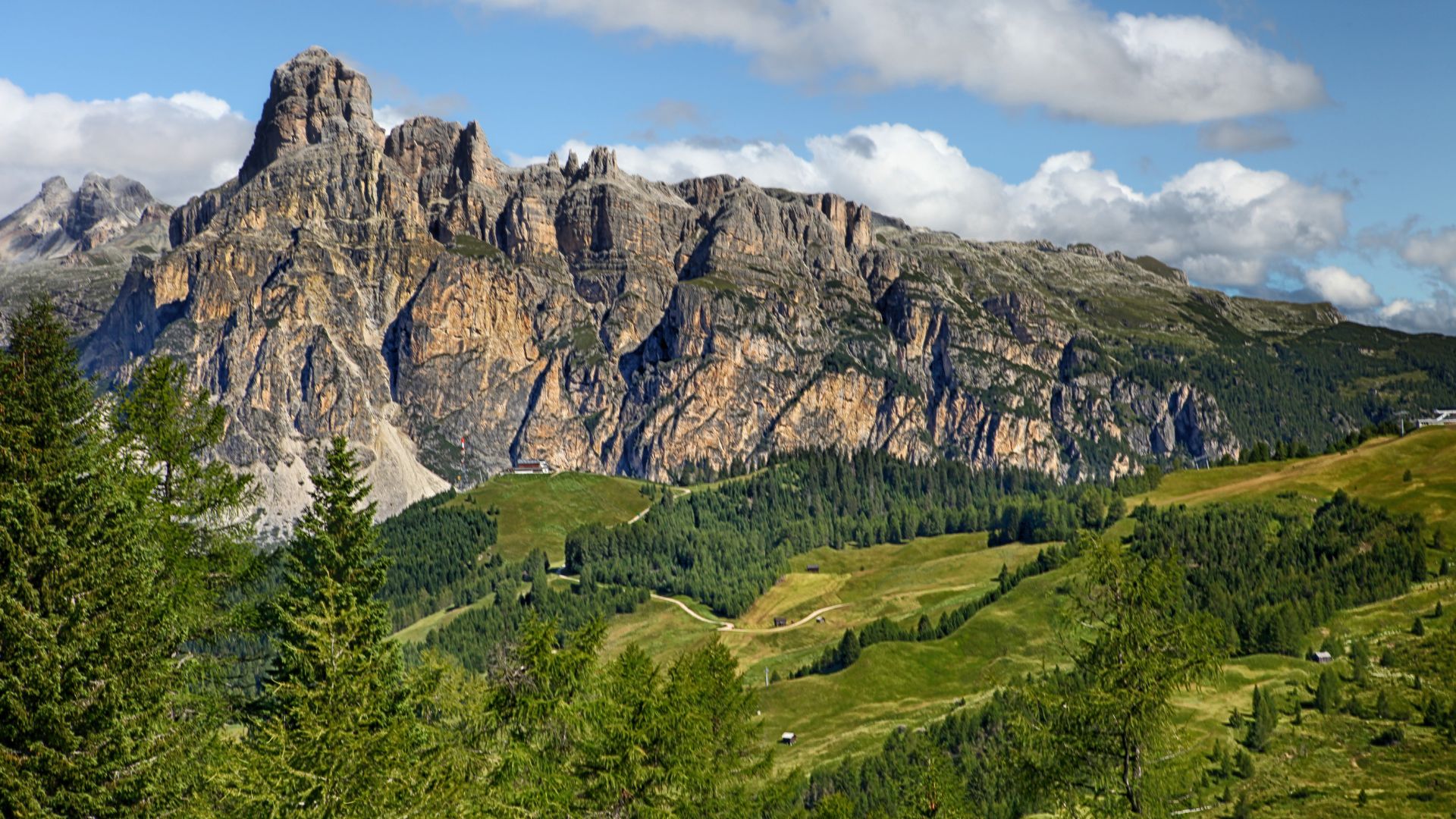
The Dolomites Instead of the Swiss Alps
If you’re after jaw-dropping mountains but not Swiss prices, the Dolomites in northern Italy are a dream. I’m always floored by those jagged limestone peaks—they rival anything in Switzerland.
Val Gardena and Cortina d’Ampezzo offer world-class skiing in the winter, then flip to hiking paradise in summer. There are over 600 miles of trails and plenty of mountain huts serving hearty, traditional dishes.
Hotels and restaurants here usually run 30-40% less than in Swiss resorts. You still get spotless infrastructure, well-marked trails, and breathtaking views. Plus, the food—think fresh pasta and local wines—easily outshines the usual alpine fare.
Hidden Gems: Unique and Under-the-Radar Dupe Destinations
Looking for alternatives to Europe’s busiest spots? Slovenia and Portugal have wowed me with their scenery, history, and authentic vibes—all at a fraction of the price.
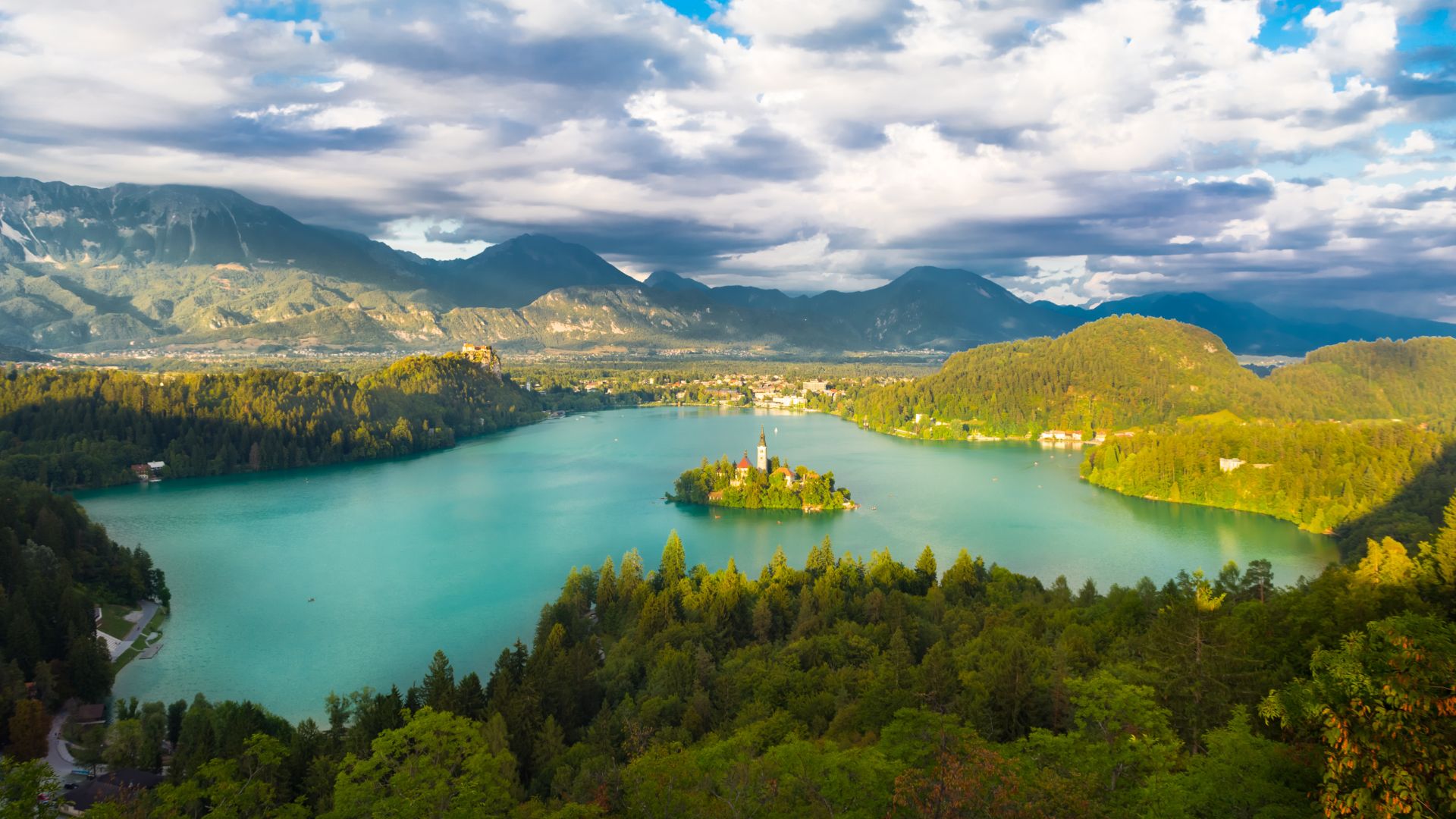
Lake Bled Instead of Lake Como
Lake Bled sits tucked in Slovenia’s Julian Alps, and yes, there’s a fairytale church on an island in the middle. The water glows emerald green, stretching about 1.4 miles—perfect for swimming or a stroll along the shore.
The medieval castle perched above the lake offers panoramic views, minus the tourist gridlock you’ll hit at Lake Como. Riding a traditional pletna boat out to the island costs around $15. And don’t skip the famous Bled cream cake—local cafes serve it for about $5.
How Bled compares to Como:
- Hotels run 40-50% cheaper
- No cruise ship crowds
- Triglav National Park is an easy day trip
- Restaurants serve real Slovenian food, not just tourist fare
Bled keeps its charm without luxury shops or thick crowds that now crowd Lake Como.
Ljubljana versus Venice
Ljubljana feels like Venice’s relaxed cousin. Here, canal-side cafes, historic bridges, and traffic-free streets make exploring easy. With a population of about 290,000, the city feels friendly and walkable.
The old town sits below a medieval castle, and bridges like Dragon Bridge and Triple Bridge bring their own flair. I’ve grabbed riverside meals for $15-20, which sure beats Venice’s prices.
What you’ll notice:
- Streets and historic buildings stay clean and well-kept
- The cafe scene is lively, with local roasters everywhere
- Free walking tours actually feel personal
- Biking around is a breeze
Cars can’t enter the city center, so you get a peaceful vibe Venice hasn’t had in ages. You can see the whole historic district in a single afternoon.
Portugal’s Alentejo as a French Riviera Swap
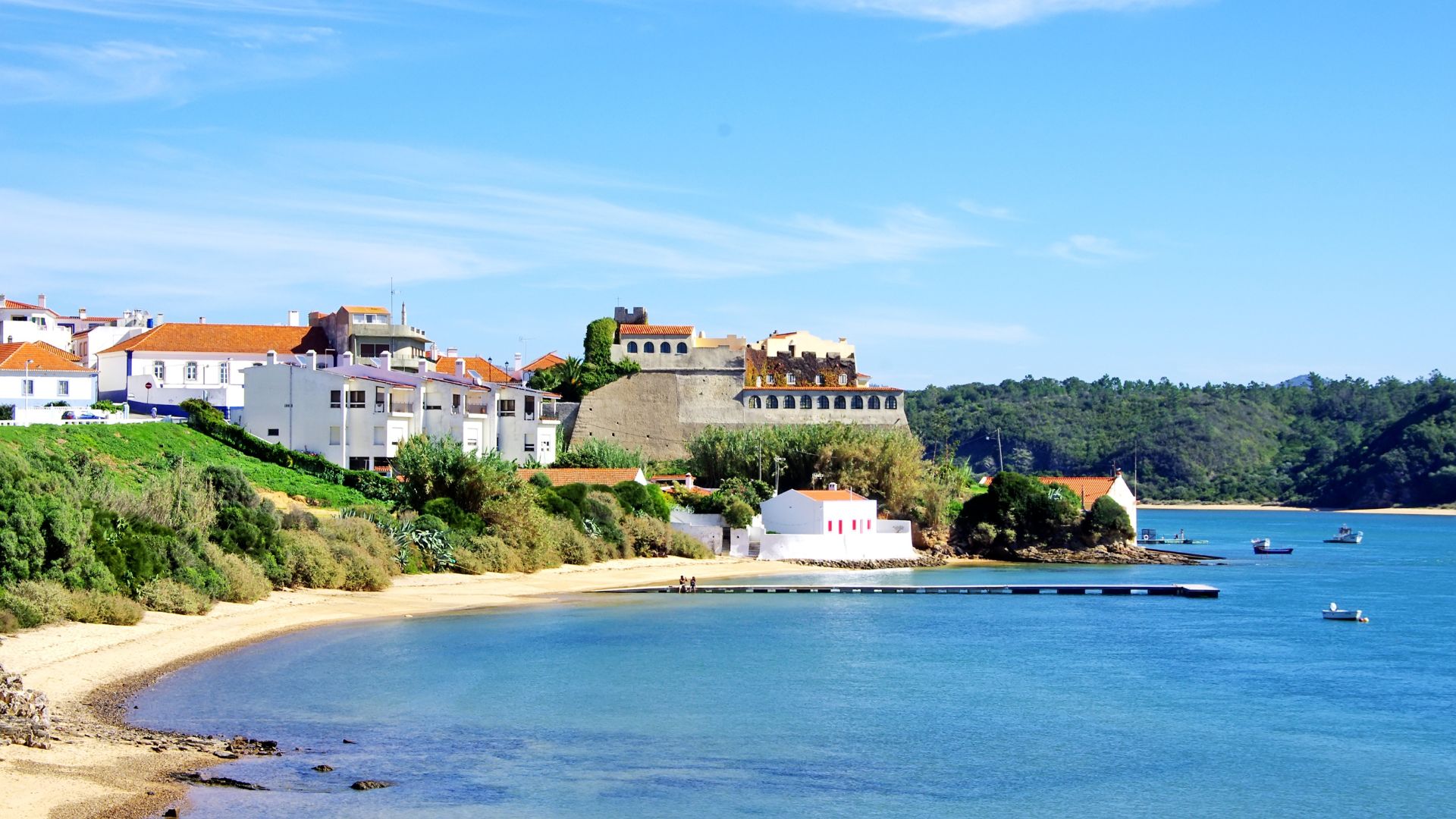
If you want a coastline as gorgeous as the French Riviera but without the crowds, Alentejo in southern Portugal is a gem. Pristine beaches, whitewashed villages, and cork oak forests dominate the landscape.
Comporta and Vila Nova de Milfontes have long, empty beaches where you might not see another soul. Seafood is the star of most menus, and prices run about 60% less than what you’d pay in France. Many wineries offer tastings for just $10-15.
The pace here is slow, perfect if you’re over packed beach clubs. Villages still feel local, and summer days stay warm but not scorching. Atlantic waters are refreshing, never icy.
Frequently Asked Questions
People often ask me where to find cities with Paris’s romance and culture—just without the crowds or sky-high costs. Here are some of my favorite alternatives for 2026.
Lyon, France tops my list. You get French culture, amazing food, and beautiful old neighborhoods, but it’s way more affordable than Paris.
Prague, Czech Republic charms with fairy-tale streets and a lively arts scene. It’s a great value and stays less crowded than Paris.
Vienna, Austria impresses with grand palaces, music halls, and a rich cultural vibe. I find it just as inspiring as Paris, and you can walk almost everywhere.
Brussels, Belgium gives you French-speaking culture, Art Nouveau buildings, and some of the best chocolate shops around. It’s only 90 minutes from Paris by train, but you’ll see far fewer tourists.
The Grand Place is as stunning as any Parisian square. Museums and cafes rarely have long lines, which I always appreciate.
Bucharest, Romania, nicknamed “Little Paris,” shows off Belle Époque architecture and leafy boulevards. Visiting costs a fraction of what you’d spend in Paris.
Quebec City, Canada, delivers French language, cobblestone streets, and striking architecture—all in North America. The Old Town feels straight out of France, but it’s much easier to reach for US travelers.
Porto, Portugal woos visitors with riverside cafes, colorful tiles, and port wine cellars. The views along the Douro River? They genuinely rival the Seine.
Buenos Aires, Argentina, blends European elegance with vibrant Latin flair. Wide boulevards, classic cafes, and tango performances add a unique twist on Parisian style.
Ljubljana, Slovenia, offers a compact capital with a castle, riverside cafes, and easygoing, car-free streets. It’s still affordable and welcoming, even as word gets out.
Krakow, Poland, boasts medieval squares, deep Jewish history, and buzzing art galleries. If you want culture without Western Europe’s price tag, this is a solid pick.
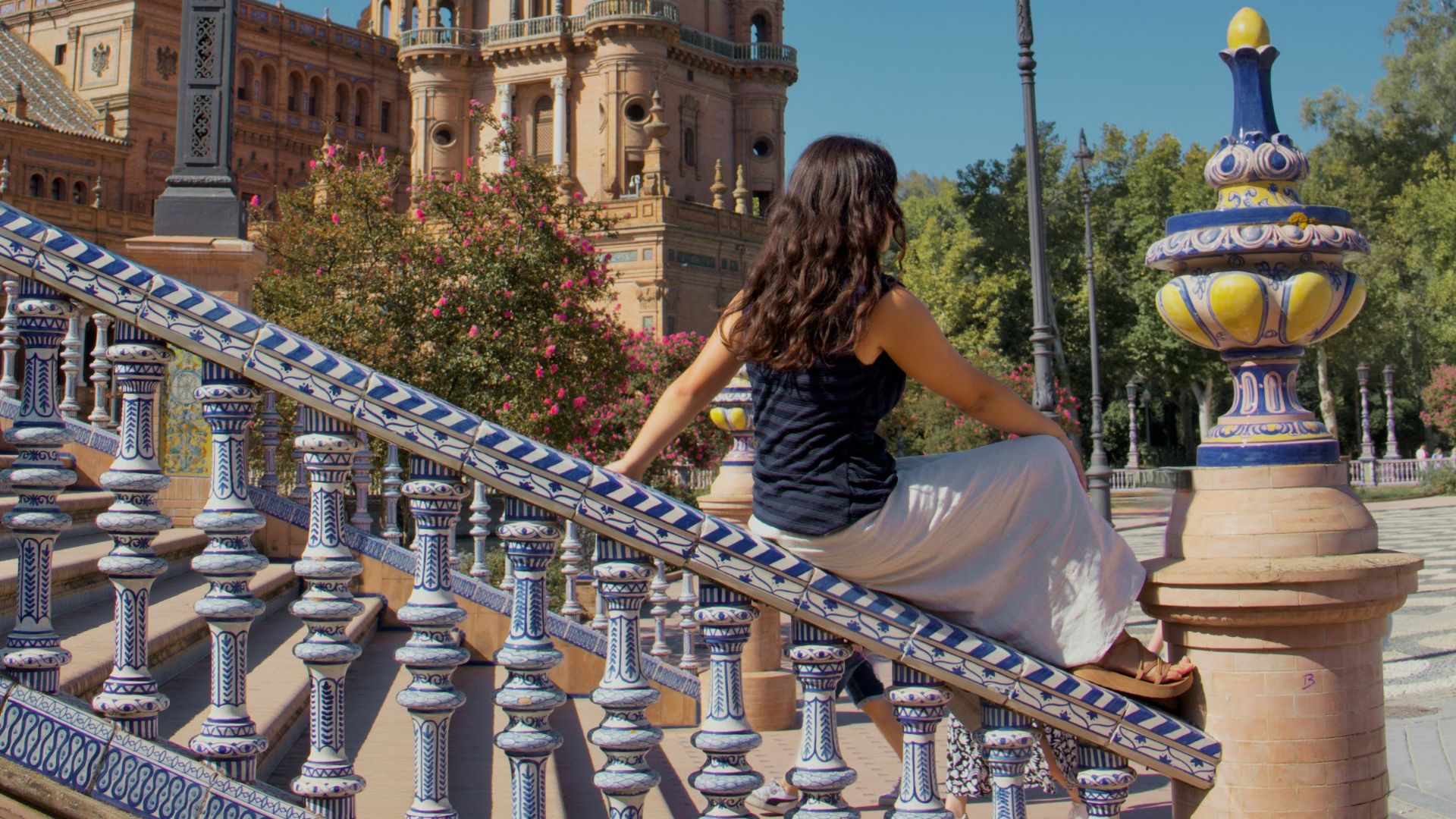
Seville, Spain, brings flamenco shows, ornate palaces, and lively tapas bars to a walkable city center. The warm weather is a bonus for anyone tired of Paris’s spring drizzle.
Lisbon, Portugal, has become a magnet for art lovers. Contemporary museums and colorful street art fill neighborhoods like the LX Factory, and admission fees are much lower than Paris.
Copenhagen, Denmark, mixes design-forward museums with grand palaces and lush gardens. The Louisiana Museum of Modern Art alone is worth a trip.
Naples, Italy, bursts with archaeological museums, lavish churches, and easy access to Pompeii. The art scene rivals Paris, but your budget will go much further.
Bruges, Belgium? It absolutely enchants couples with its medieval buildings and winding canals. There’s something magical about hopping on a boat ride, then wandering into a tucked-away chocolate shop.
Honestly, I love how compact Bruges feels. You can stroll everywhere, which makes it perfect for a spontaneous romantic weekend.
Annecy, France sits right on a sparkling alpine lake, with canals weaving through the old town. They actually call it the “Venice of the Alps,” and for good reason.
It delivers all the French romance you dream about—just without the Paris crowds. I’ve spent lazy afternoons by the water, and it’s hard not to fall for the place.
Salzburg, Austria brings together baroque architecture and breathtaking mountain views. The city’s musical roots add a little extra charm, especially if you’re a fan of classical music.
You’ll find plenty of cozy squares and peaceful riverside paths here. If you’re after a quieter, more intimate romantic escape, Salzburg really delivers.
