
Spring in the U.S. feels like a secret that’s too good not to share. The chill fades, flowers burst open, and somehow, the big-name destinations haven’t filled up with the summer rush yet.
It’s honestly one of my favorite times to travel. You get pleasant weather—no sweating, no shivering—and you’re not elbowing through crowds. That’s a rare combo.
Spring travelers usually score better deals on hotels and flights, plus you get destinations at their most beautiful. The Southwest deserts bloom, beaches in the South wake up, and even the cities seem to shake off winter’s gray. It’s the perfect time to explore national parks, wander historic streets, sip wine in the sun, or just escape to an island.
Here’s a mix of spring spots across the country that really shine. Whether you’re craving sand, mountains, festivals, or just some space outdoors, you’ll find something to inspire your next trip.
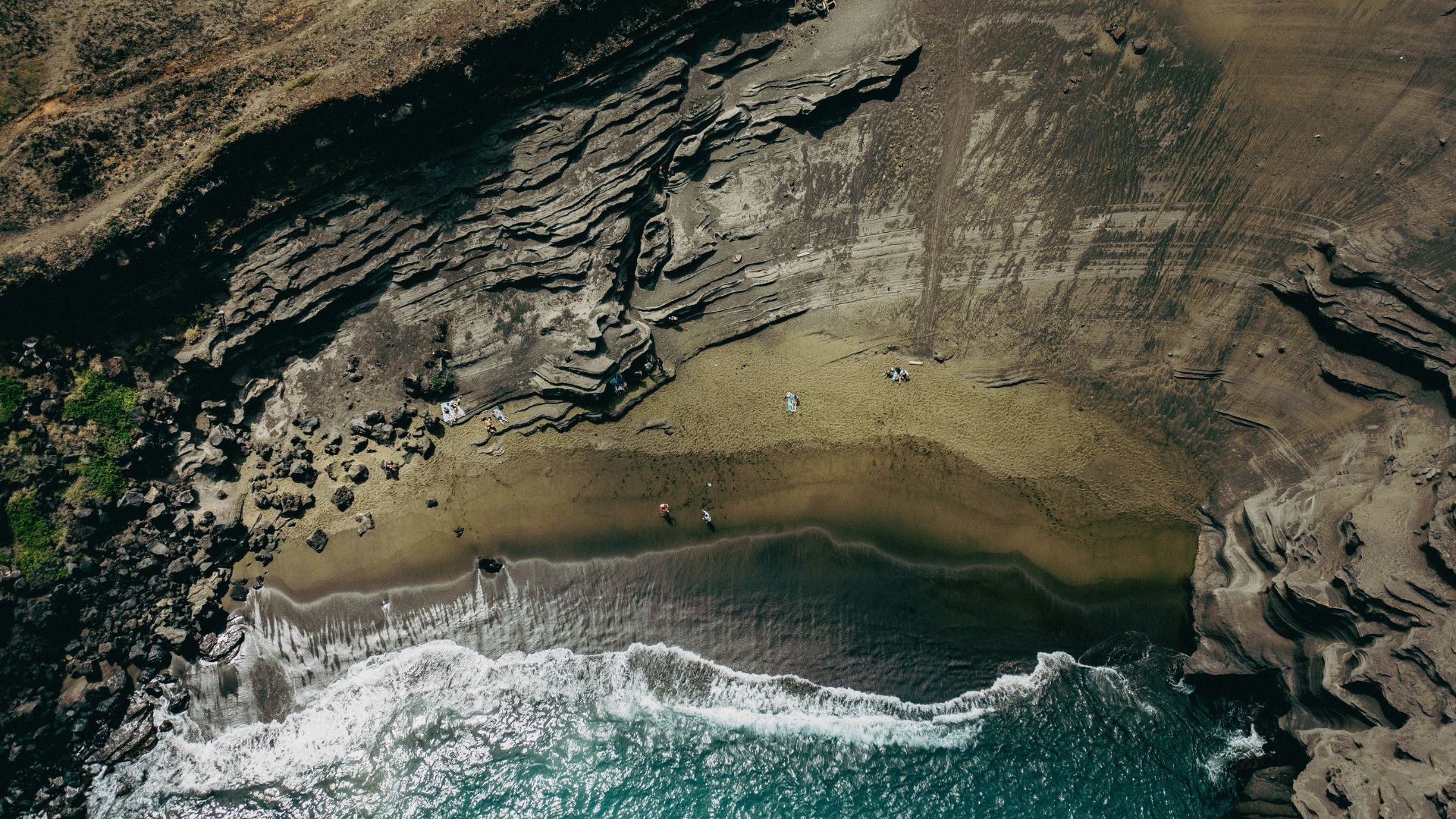
1) Big Island, Hawai’i
If you want warm weather and elbow room in Hawaii, spring on the Big Island is hard to beat. Temperatures hover between 75-85°F from March to May—pretty much perfect for beach days or snorkeling.
Winter’s crowds have gone home, but summer’s haven’t landed yet. That means you’ll often snag better prices on flights and hotels.
Hawaii Volcanoes National Park is a must-see. You can wander volcanic trails and, if you’re lucky, catch a glimpse of lava flows.
The water’s always warm, but in spring, you’ll find more space at the popular beaches. Snorkeling feels a little more magical when you’re not dodging crowds—and you might spot a sea turtle or two.
Spring’s blooms add another layer of beauty to the island. If you want to soak up Hawaii’s magic without the chaos or sticker shock of peak season, spring is the move.
2) Maui, Hawai’i
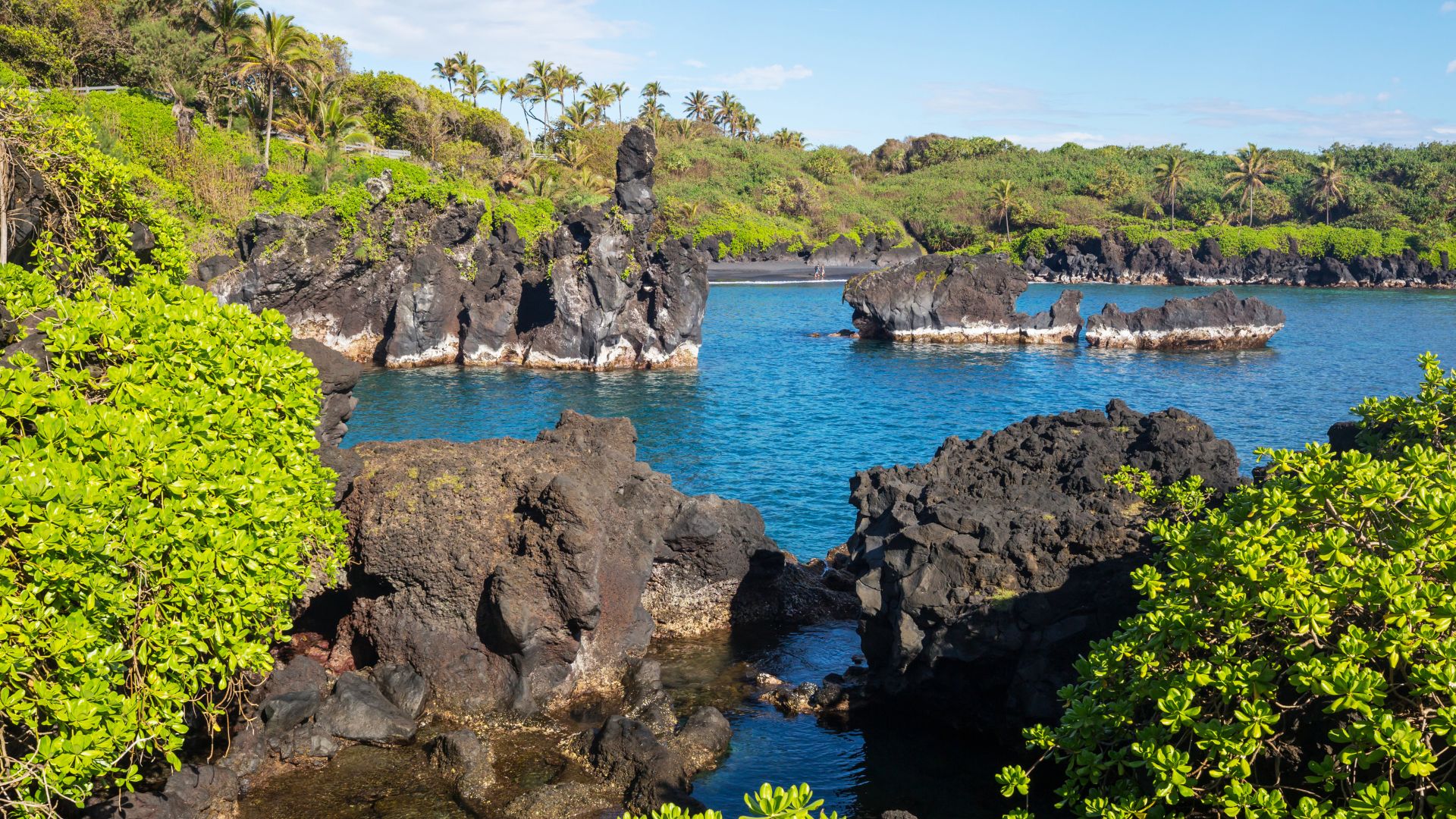
Maui in spring? Yes, please. The trade winds keep things breezy and comfortable, so you can explore beaches or waterfalls without melting.
With fewer visitors than winter, you’ll have an easier time booking those must-do tours. Think snorkeling, hiking to waterfalls, or just driving the Road to Hana without a parade of rental cars.
Sunshine is the norm, though you might get a quick rain shower—usually over before you know it. The ocean stays swim-friendly all season.
Spring is also prime time for spotting sea turtles along the shore. The island shows off its lushest side, and the sky always seems extra blue.
Just pack light layers and reef-safe sunscreen. Maui in spring gives you the tropical escape you want, minus the winter crowds.
3) Pensacola Beach, Florida
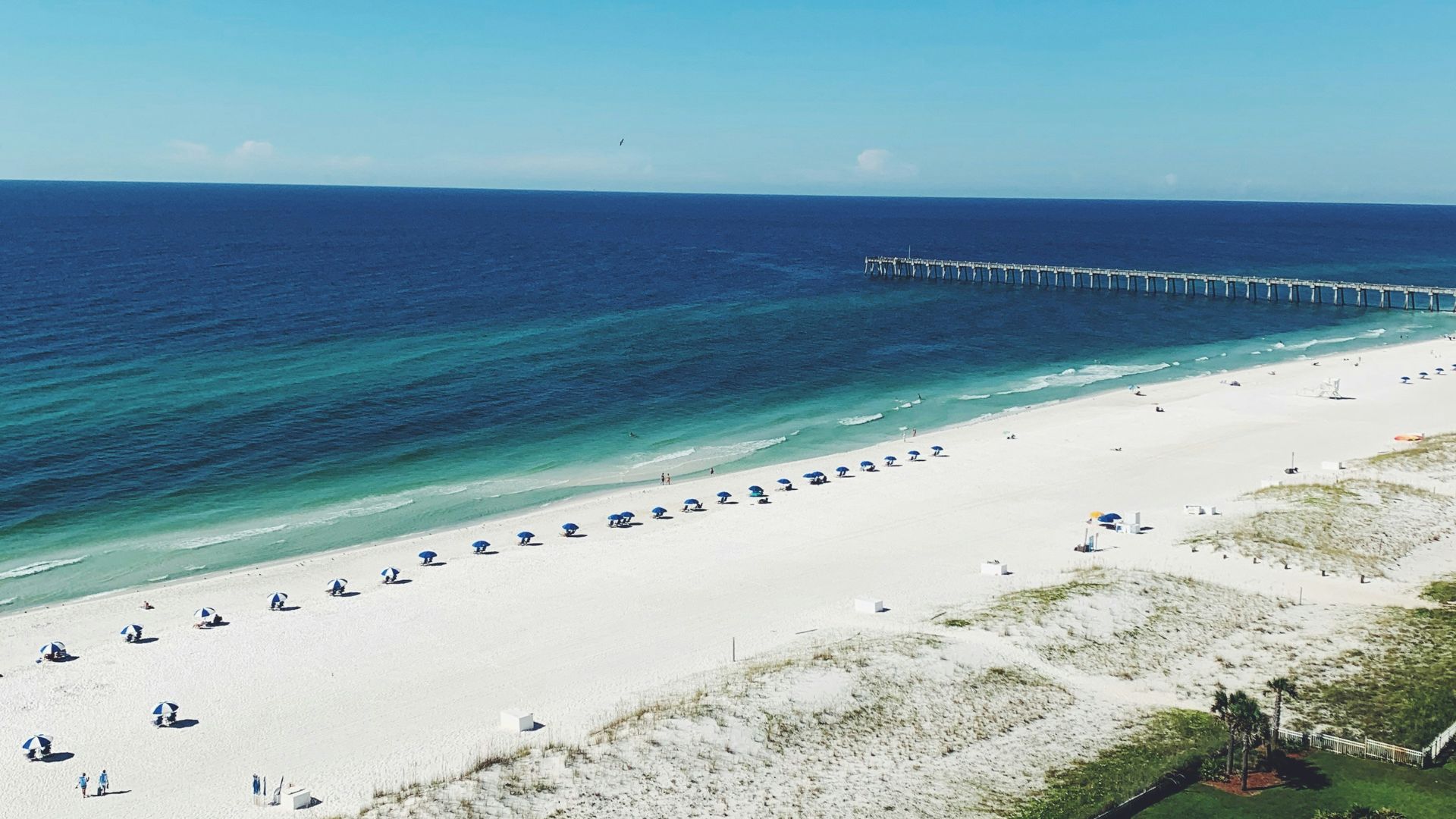
Pensacola Beach nails the spring vibe on Florida’s Gulf Coast. The white sand is blindingly pretty, and the water shimmers in that iconic emerald-green.
Spring means mild temps—no sticky summer heat. It’s the sweet spot for swimming, kayaking, or paddleboarding, and you won’t have to fight for a spot on the sand.
Downtown is walkable and full of good eats. You can’t miss the 40-foot neon fish—it’s a quirky local landmark.
If you need a break from the beach, nearby parks and natural areas are easy to reach. The crowds stay manageable, so you actually get to relax.
Pensacola in spring? Great beaches, chill atmosphere, and prices that don’t make you wince.
4) Key West, Florida
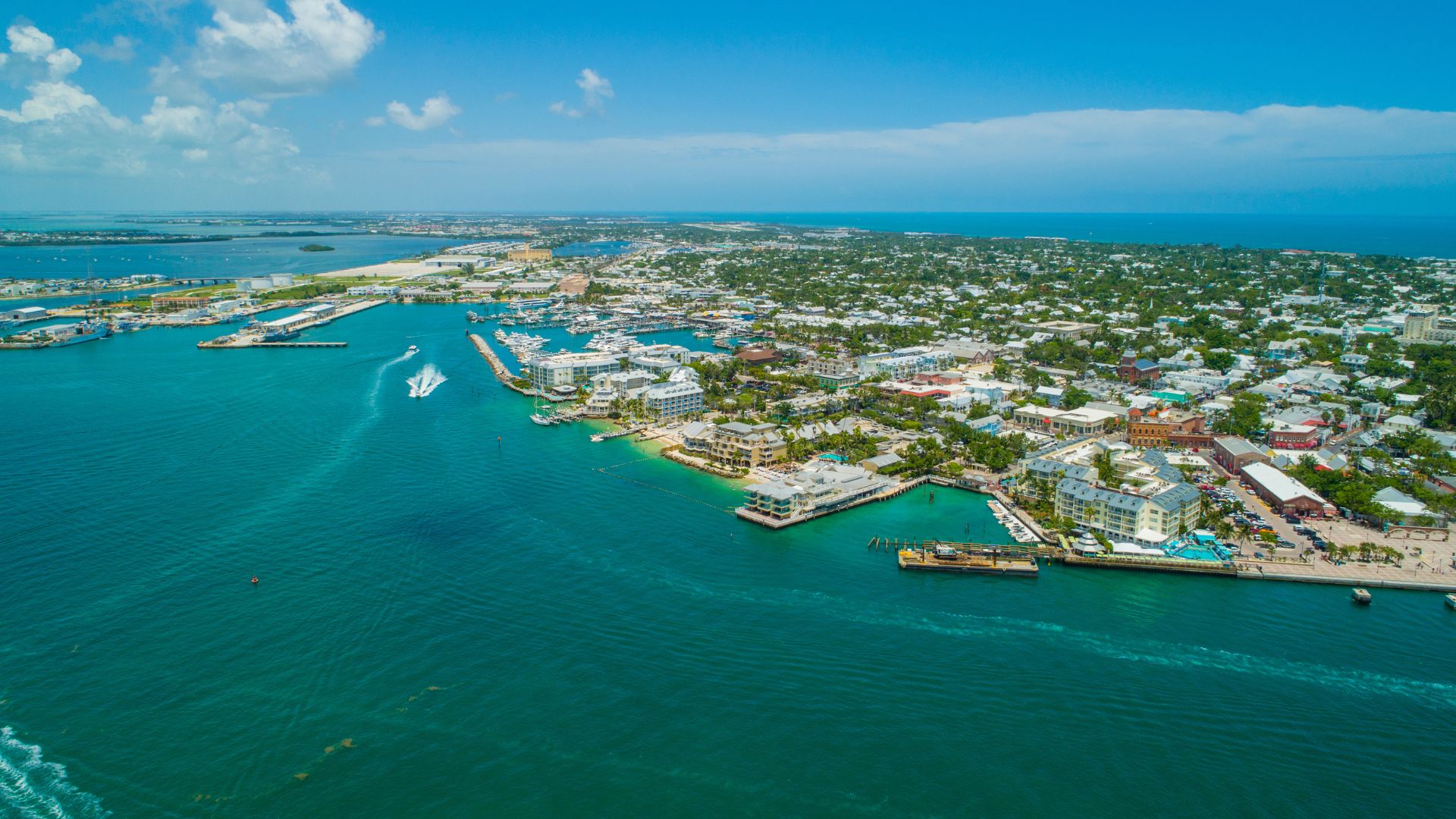
Key West oozes easygoing charm in spring. Temperatures stay in the comfortable 70s and 80s, so you can wander outside all day.
March to May is the sweet spot. Winter’s high prices drop, and the island feels a little less crowded. The ocean warms up, inviting you in for swimming or sailing.
Heads up—March can get busy with spring breakers. For a quieter vibe, shoot for April or May.
Historic streets, sunset celebrations, and quirky festivals like the Conch Republic Independence Celebration fill the season. The Key West Songwriters Festival is a highlight if you’re into music.
Palm trees, live music, and salty breezes set the tone. Hurricanes aren’t a worry in spring, so you can just relax and soak up the island life.
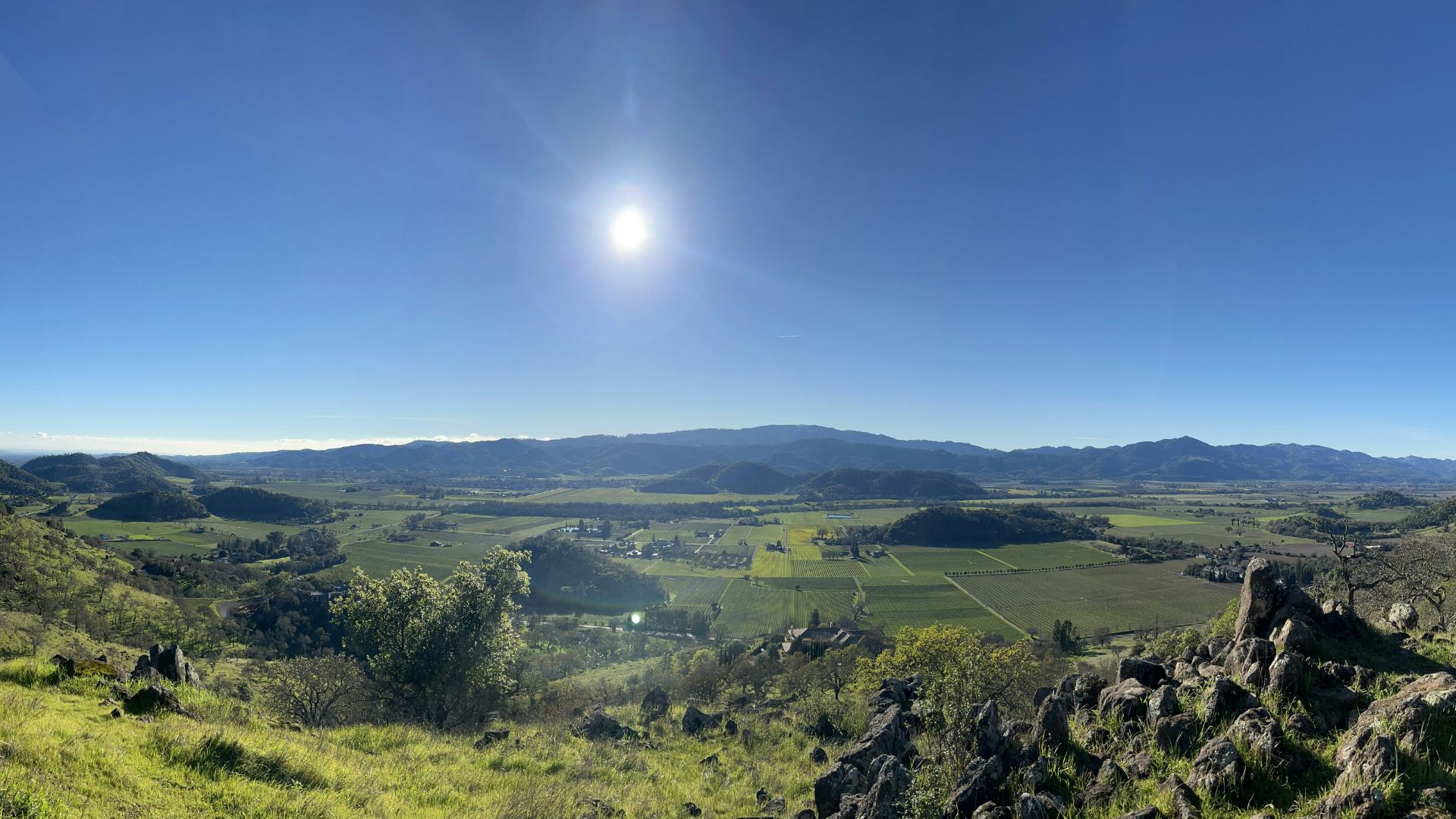
5) Napa Valley, California
Napa Valley in spring feels a bit like a secret garden. The weather is mild—mid-40s to mid-60s—so you can wander vineyards without breaking a sweat.
Crowds haven’t arrived yet, so wine tasting feels relaxed and personal. The valley bursts into bloom, and every drive looks like a postcard.
Outdoor adventures like hiking and hot-air ballooning are extra enjoyable in these temps. You can linger on a patio with a glass of wine and not worry about the summer sun.
Restaurants start rolling out dishes with fresh local produce. Pair that with a crisp white, and you’ve basically unlocked the Napa experience.
If you’re new to wine country, spring is the time to go. Everything’s easier, prettier, and just a little more special.
6) Santa Fe, New Mexico
Santa Fe in spring? Think cool evenings, sunny days, and a vibe that’s both artsy and laid-back. At 7,000 feet, the city stays comfortable for exploring—no sweltering heat here.
Flowers and trees pop along the adobe streets. You can lose yourself in museums like the Georgia O’Keeffe or get weird at Meow Wolf. The historic plaza buzzes with local vendors and that distinctive Southwestern architecture.
Restaurants lean into fresh, local flavors. Patios open up, and suddenly every meal feels like an event.
Spring means fewer tourists, so you can actually enjoy the city’s galleries and hiking trails. The landscape around Santa Fe is perfect for a quick outdoor escape.
Art, history, and the outdoors all blend together here. Walking around just feels easy.

7) Charleston, South Carolina
Charleston in spring is hard to resist. Temperatures hover around 70, and the city explodes with blooming flowers.
Strolling the cobblestone streets, you’ll pass pastel homes and magnolia trees in full bloom. The French Quarter and Battery are perfect for slow walks and people-watching.
Crowds stay lighter than in summer, so you get more breathing room at big sights. Spring brings lively events like the Cooper River Bridge Run and the Credit One Charleston Open.
Gardens show off their best colors, and harbor cruises to Fort Sumter feel extra special in the mild weather.
Outdoor dining is a must. Even the beaches near town are mellow, with no summer traffic jams or heat waves.

8) Savannah, Georgia
Savannah turns downright magical in spring. Azaleas and wisteria bloom everywhere, and the weather usually sits in the mid-60s to low 80s.
Forsyth Park looks its best, with the famous fountain surrounded by flowers. The city’s squares, shaded by mossy oaks, are made for wandering.
Early spring is your best bet. You’ll dodge the summer heat and crowds, making it easier to snag a table at popular spots.
The historic district’s cobblestone streets are much easier to explore when it’s not scorching. Tybee Island is just a quick drive away for beach lovers, and spring temps make the coast extra inviting.
Plan for March to May if you want the full bloom-and-breeze experience.

9) Asheville, North Carolina
Spring turns Asheville into a floral wonderland in the Blue Ridge Mountains. The mix of mild weather and mountain soil brings out wild colors everywhere.
Mountain Laurels and Rhododendrons cover the hills in pinks and purples. The North Carolina Arboretum’s Quilt Garden is a must-see—those patterns are inspired by local crafts.
Temperatures are just right for hiking to waterfalls or cruising the Blue Ridge Parkway. You can easily blend garden strolls with mountain drives.
Downtown Asheville is packed with breweries and indie shops. Fewer spring visitors mean you won’t wait long for a table or a pint.
Nature and culture go hand in hand here. Spend the morning on a trail, and the afternoon exploring local art or sipping something cold.

10) Sedona, Arizona
Sedona glows in spring. Temperatures run between 60 and 80 degrees, making it ideal for hiking the red rocks without frying.
March to May brings clear skies and just enough rain to keep the landscape fresh. Trails and scenic overlooks are at their best.
Wildflowers pop up everywhere, turning the red rock backdrop into a photographer’s dream. The contrast is unreal.
Spring is Sedona’s busy season, so you’ll see more travelers. Still, mid-March to late April usually offers the best mix of weather and manageable crowds.
Book your stay early—prices go up, but honestly, the scenery is worth it. Even with more visitors, Sedona’s spring magic is tough to beat.

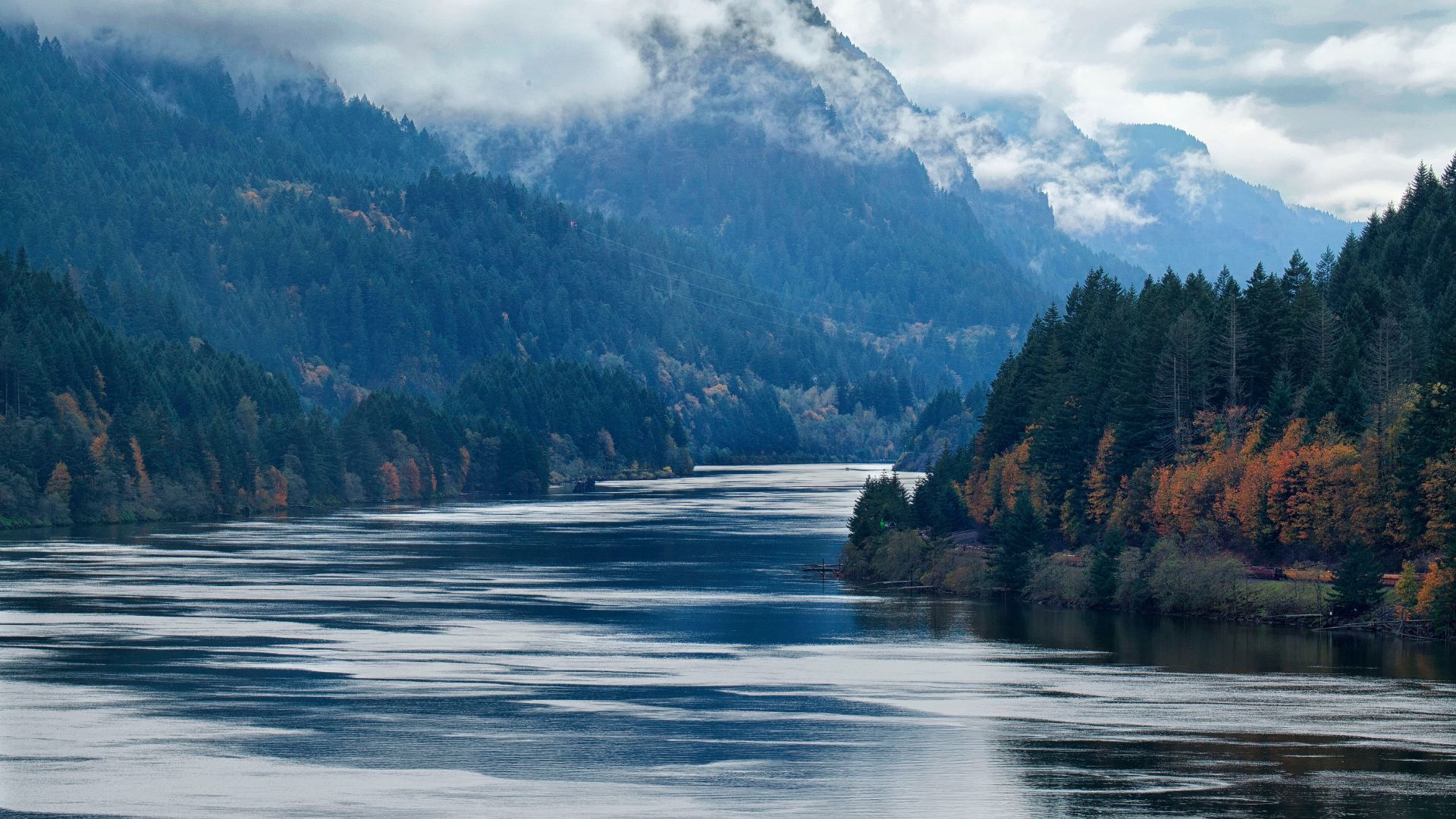
11) Columbia River Gorge, Oregon
The Columbia River Gorge winds nearly 80 miles between Washington and Oregon, showing off dramatic cliffs and a jaw-dropping collection of waterfalls. In spring, the canyon just bursts with life—snowmelt surges through the falls, and everything turns a shade greener than you ever thought possible.
March through May is when wildflowers paint the slopes and Multnomah Falls, along with its neighbors, thunder with the season’s full force.
Some spots in the gorge drop 4,000 feet, so the viewpoints along the drive are honestly unforgettable. I love pulling over to hike a ridge trail or wandering down waterfall paths, and the town of Hood River always calls for a pit stop.
Spring really is a sweet spot here. You dodge those summer crowds and still get perfect weather for outdoor exploring. Weekends bring more people, so if you can swing a weekday trip, you’ll have the best chance to roam in peace.
The gorge is quirky with its microclimates. Head east and you’ll go from misty forests to sunny hillsides, all in one day trip out of Portland.
12) San Juan Islands, Washington
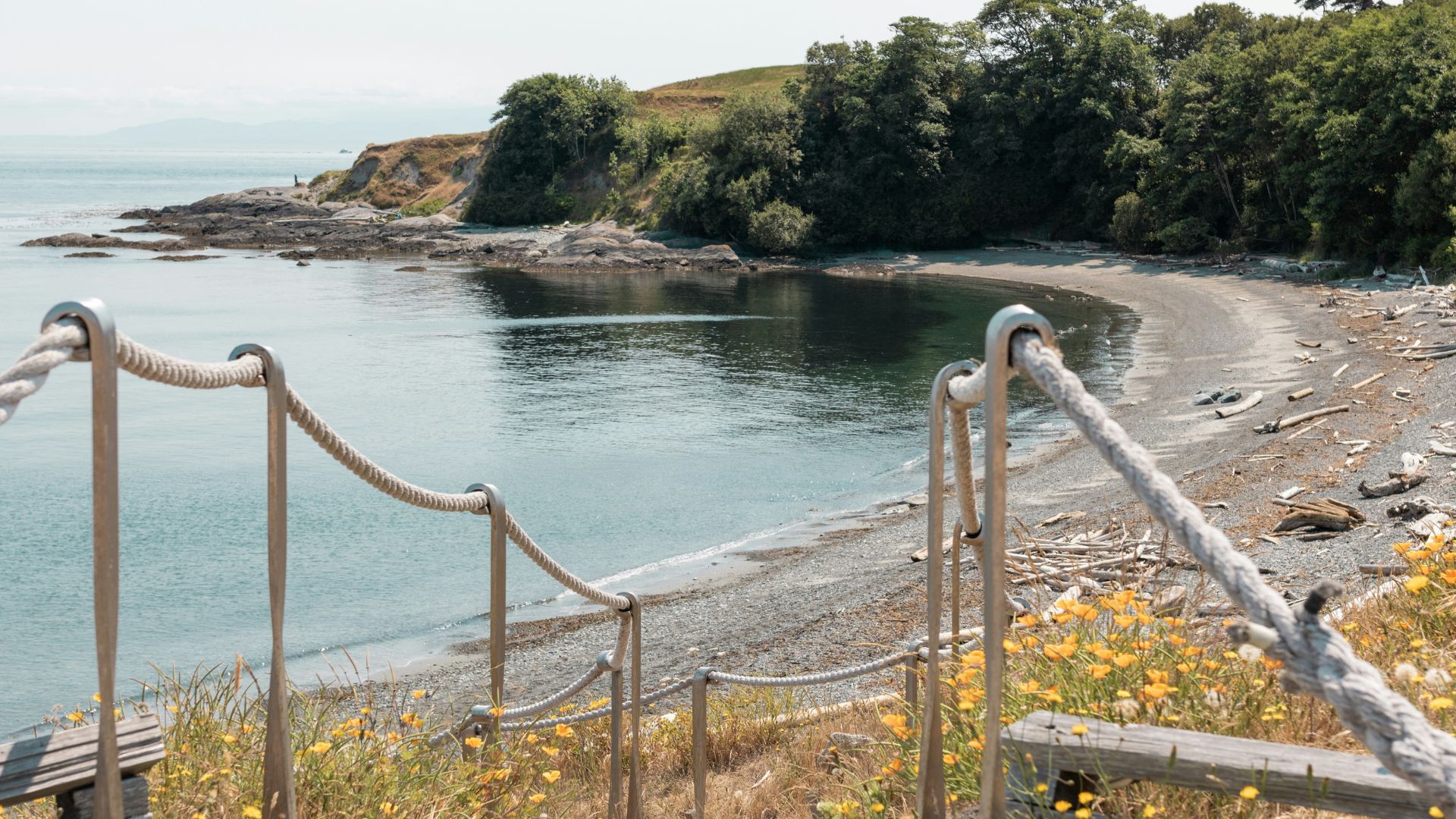
The San Juan Islands greet spring with gentle temps in the 50s and 60s—way less rain than Seattle, too. There are three main islands to hop between: San Juan, Orcas, and Lopez. Ferries and small planes make getting there surprisingly easy.
Wildlife watching here in spring? It’s a real treat. Bird migrations peak, and the islands are a hotspot for birders. Whale watching season also kicks off, with orcas and other marine life popping up all around the archipelago.
Wildflowers start popping up everywhere, and you can kayak or bike without weaving through summer crowds.
The islands have these artsy harbors, marine parks, and cozy galleries to poke around in. Life slows down a bit in spring, making it the perfect time to visit. You can ferry between harbor towns and soak up local culture and nature at your own pace.
13) Hill Country, Texas
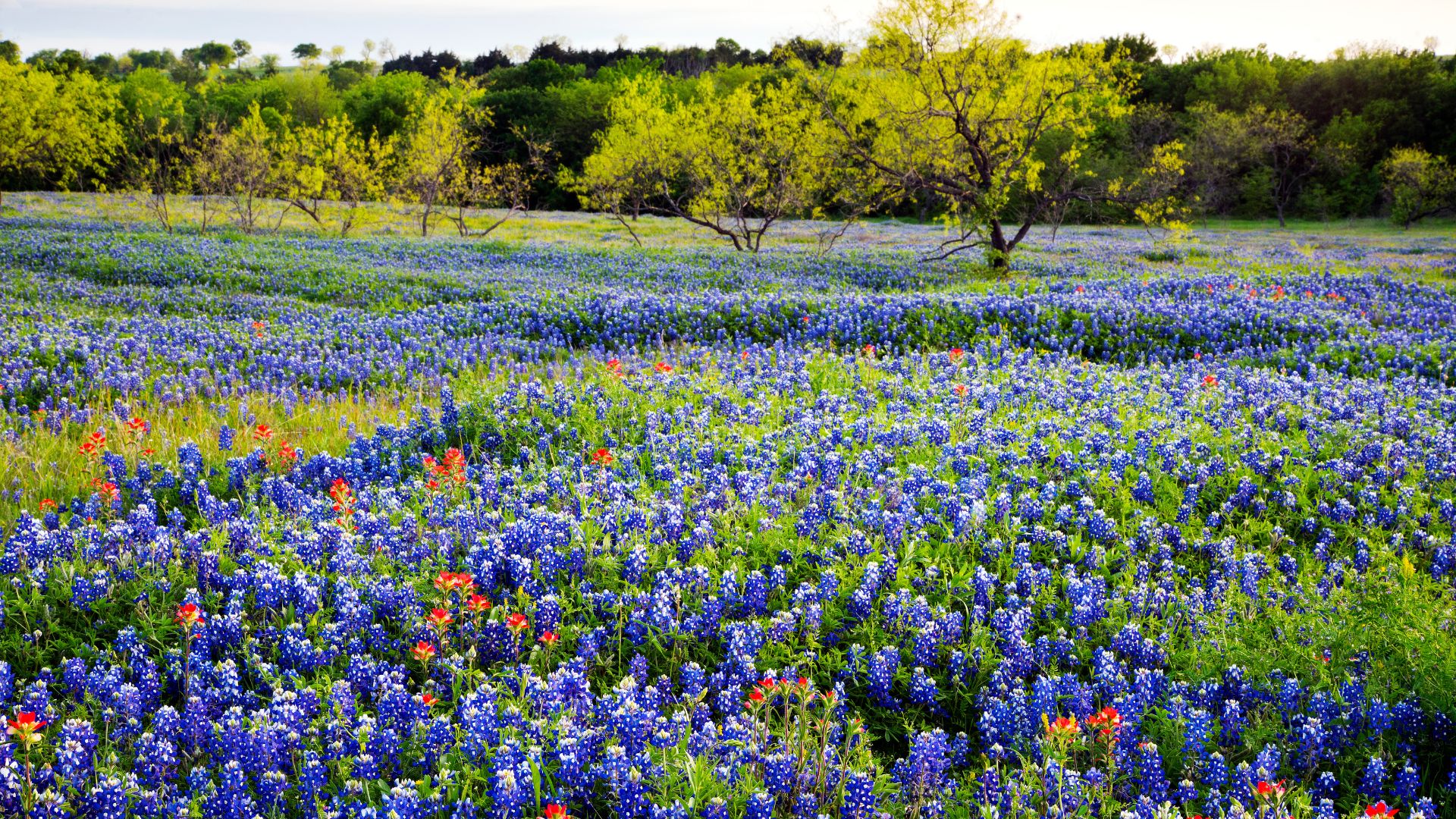
Texas Hill Country in spring? It’s honestly one of my favorite sights. Wildflowers—especially bluebonnets and Indian paintbrushes—just cover the rolling hills from March through May. The weather stays warm but not sweltering, so you can actually enjoy being outside.
Small towns like Fredericksburg and Wimberley feel extra charming without the summer crowds. Rivers wind through the region, perfect for a swim or kayak trip when the sun’s out.
Trails twist through rocky hills and canyons, showing off the area’s rugged beauty.
History buffs can check out the Lyndon B. Johnson Ranch, and wine lovers will find award-winning wineries tucked among the hills. Many have outdoor tastings, which feels so right in spring. The whole region just gives off a laid-back, small-town vibe.
Even though you’re not far from Austin, it feels like a total escape. Spring is ideal for hiking, biking, or just exploring without the summer heat dragging you down.
Spend your days adventuring, then settle into a cozy inn or B&B at night.
14) Outer Banks, North Carolina
The Outer Banks in spring means mild days around 65°F and cool evenings—just right for a sweatshirt and a stroll. Skip the summer crowds and still get beach weather that’s perfect for walks, shell hunting, or flying a kite.
Wildflowers bloom across these barrier islands, and you can actually find parking and open stretches of sand. The calm makes it easier to soak in the wild, windswept beauty.
March and April work well for visiting historic sites and lighthouses at your own pace. Restaurants and shops are open but not slammed. The ocean’s usually too chilly for a swim, but fishing, hiking, and spotting wildlife are all fair game.
Spring brings out local festivals and events. You get a taste of the culture before the summer rush hits. With pleasant weather and fewer people, spring might just be the best time to discover the Outer Banks.

15) Lake Tahoe, California/Nevada
Lake Tahoe straddles the California-Nevada line, high up in the Sierra Nevada. Spring here feels like a secret—longer days, fewer people, and way better prices than in the thick of summer or winter.
Spring’s a bit of a choose-your-own-adventure. There’s still snow up high for skiing, but down by the lake, you can hike or even lounge on a beach. The 72-mile Lake Tahoe Loop is a stunner, and without summer traffic, it’s actually enjoyable. Just check for lingering snow on the roads if you’re coming early in the season.
The weather? It can’t make up its mind. You might get rain, a late snow, or a sunny day that feels like June. Fewer visitors make it easier to nab a table at restaurants or have a trail to yourself.
Locals love this shoulder season. Wildflowers start popping up as the snow melts, and golf courses come back to life. You can bounce between mountain and lakeside adventures without the crowds or long waits.

16) Great Smoky Mountains, Tennessee
Spring turns the Great Smoky Mountains into a magical place. Temperatures hover in the mid-60s to mid-70s, so you can actually enjoy the outdoors without melting or shivering.
This is wildflower season at its best. Thousands of blooms fill the trails and valleys, making every hike a photographer’s dream. If you’re curious about the flowers, the annual Spring Wildflower Pilgrimage offers guided walks and special events.
Waterfalls really put on a show in spring. Rains bring them to life, and the sound alone is worth the trip.
Wildlife gets busy, too. Black bears, deer, and wild turkeys start showing up along the trails.
The weather can flip fast here. Layers and a rain jacket are your friends, since sunny mornings can turn wet by afternoon. Late spring usually brings more stable weather.
If you visit between March and May, you’ll beat the summer crowds and still catch the Smokies at their most colorful.

17) Skagit Valley Tulip Festival, Washington
Every April, the Skagit Valley Tulip Festival brightens up Washington State, about an hour north of Seattle. Five main tulip farms spread out across Skagit County, all bursting with color.
Fields of tulips bloom in every shade—purple, pink, red, yellow—you name it. It’s the biggest festival of its kind in the U.S., and people come from all over to see the spectacle.
It’s not just flowers, either. Art shows, street fairs, and family events fill the calendar, and the tulip parade is always a highlight.
If you want to skip the biggest crowds, aim for a weekday visit. Arriving early makes parking way less of a headache. April weather can be unpredictable, so dress in layers.
National Geographic even called this one of the world’s best spring trips. On clear days, Mount Baker’s snow-capped peaks frame the fields—pretty much a photographer’s dream. Spring feels mild and just right for wandering the blooms.

What Makes Spring Travel Special in the U.S.
Spring brings out the best in American destinations. You get those perfect walking temps, lower hotel rates, and nature’s showiest moments—many of which last just a few weeks.
Ideal Weather Conditions for Outdoor Activities
Most places in the U.S. see spring temps between 60 and 75°F. It’s the kind of weather that makes you want to be outside all day, without sweating buckets or bundling up.
You can hike, bike, and explore without battling humidity or lugging around winter gear. Rain is usually lighter than you’d expect, though March can be wetter than May.
Families with young kids or older folks will love the mild conditions. You don’t have to worry about heat waves or freezing cold, and you can plan your days with a lot more flexibility.
Best activities for spring weather:
- Hiking and nature walks
- Outdoor festivals and markets
- Biking through cities or countryside
- Wildlife watching
- Snapping photos of blooming landscapes
Why Spring Offers Fewer Crowds Compared to Other Seasons
Summer break and winter holidays pull in the biggest crowds. Spring sits in between, so you get shorter lines and easy restaurant reservations.
Hotels and flights usually cost less in spring. Some places drop rates by 20-30% compared to summer. National parks and tourist spots stay open but feel so much less hectic.
Sure, spring break gets busy at beaches in March and early April, but most places stay pretty chill. You can actually see the sights and snap photos without elbowing through a crowd.
Types of Experiences Unique to Spring
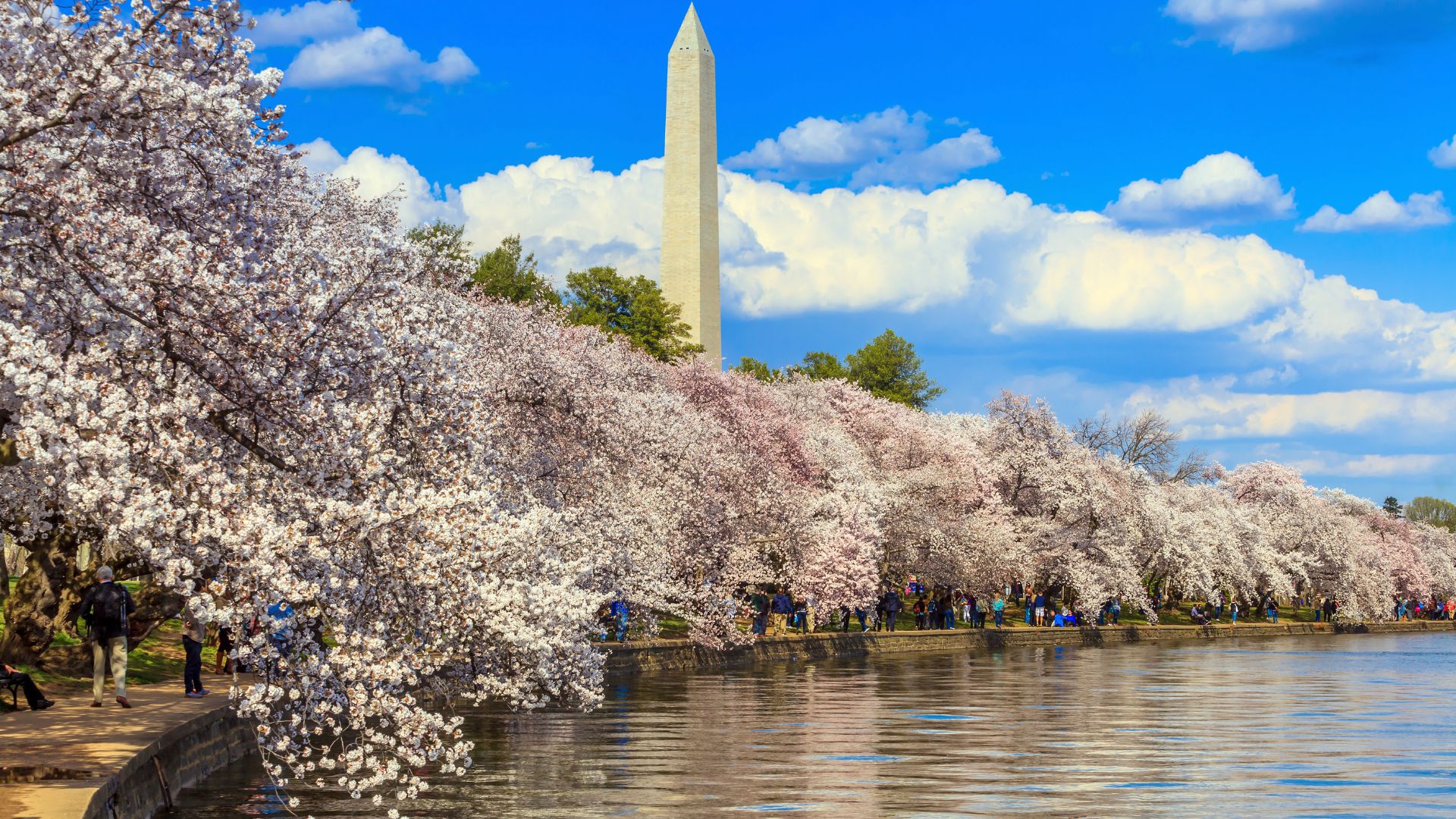
Cherry blossoms bloom for just a few weeks in places like D.C. and Portland. Texas and California have wildflower super blooms that cover entire valleys—something you really have to see to believe.
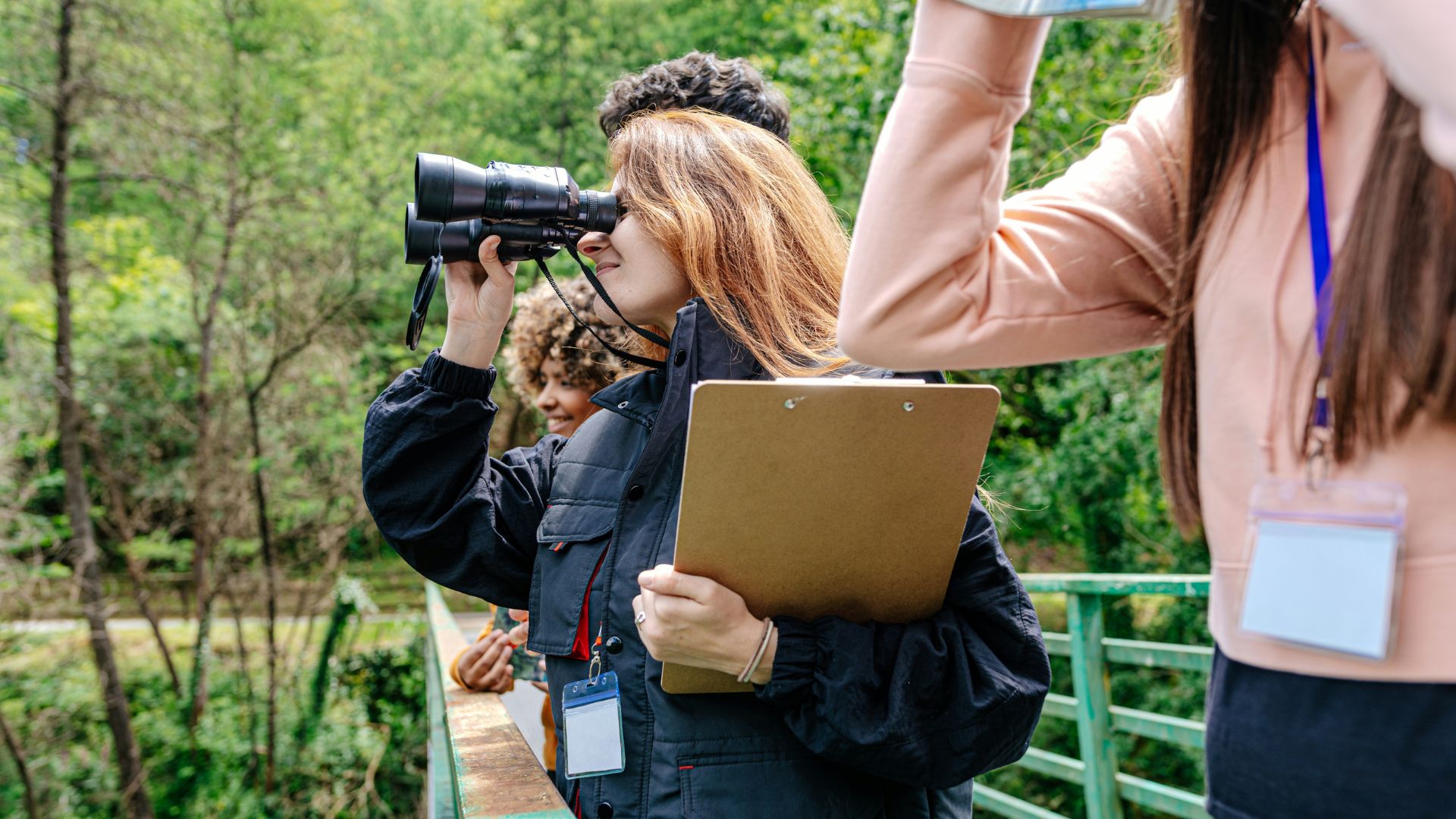
Baby animals start appearing at wildlife refuges and parks. Bird migration hits its peak, so spring is prime birdwatching time.
Maple syrup season only happens in early spring in New England. You can visit sugar houses and taste syrup straight from the source. Spring festivals pop up everywhere, celebrating local harvests from strawberries to asparagus.
Waterfalls hit their peak flow thanks to snowmelt. Parks like Yosemite put on their best waterfall shows in April and May.
Tips for Planning Your Spring Getaway
Spring trips are all about timing and flexibility. Book early, pack smart, and keep an eye on local events to make the most of your adventure.
How to Find the Best Travel Deals
Book flights and hotels about 6-8 weeks out. That’s when airlines and hotels usually roll out their best spring prices, especially for March and April trips.
Set up price alerts on Google Flights or Hopper. These tools watch fares for you and send an alert when prices drop.
Traveling midweek can save you serious cash. Tuesday through Thursday flights tend to be 20-30% cheaper than weekend departures.
Money-saving strategies:
- Stay just outside city centers
- Use travel rewards cards for points
- Look for packages that bundle flights and hotels
- Always compare prices on different sites
The very start of March and end of May usually have the lowest prices, since they’re outside the main spring break weeks.
Packing Essentials for Spring Weather
Layers are your best friend in spring. Bring short sleeves, long sleeves, and a light jacket or sweater for cool mornings and nights.
A waterproof jacket or compact umbrella fits easily in your bag and saves you from surprise showers.
Your spring packing list:
- Comfy, waterproof walking shoes
- Sunscreen and sunglasses
- Light scarf or cardigan
- Jeans and shorts or lightweight pants
- Reusable water bottle
Closed-toe shoes handle puddles and mud better than sandals, so save the open-toed shoes for drier days.

Navigating Seasonal Events and Festivals
I always check local event calendars before booking a trip. Spring brings all sorts of festivals that can bump up hotel prices and pack the streets, but honestly, sometimes those events are the highlight of the whole adventure.
If you’re eyeing a popular spring event, grab your tickets early. From music festivals to flower shows or quirky cultural celebrations, these things sell out fast—sometimes weeks in advance.
Popular spring event types:
- Cherry blossom festivals (late March to early April)
- Food and wine festivals
- Outdoor concerts and performances
- Art walks and gallery openings
When I’m planning to hit up a festival, I book a hotel as close to the action as possible. It saves time, lets you skip the headache of parking, and you can wander back to your room whenever you need a break.
Don’t forget to look up road closures or parade routes. Major events can block off whole neighborhoods, which might throw a wrench in your plans to visit certain spots or grab dinner somewhere special.
Frequently Asked Questions
Spring getaways can be a bit of a puzzle—weather, crowds, and budget all come into play. Some folks flock to Pensacola Beach or Key West for sunshine and family fun, while others sneak off to quieter places like Napa Valley for a slower pace.
Pensacola Beach, Florida really stands out for families. The calm waters are perfect for little swimmers, and dolphin tours are always a hit. There’s no shortage of affordable places to stay or kid-friendly restaurants either.
Key West, Florida brings a laid-back vibe and a handful of fun, educational stops. You can check out the butterfly conservatory, wander through the aquarium, or hop on a glass-bottom boat tour. The island’s small size makes it easy to get around, even with little ones in tow.
The Big Island of Hawai’i is a whole different adventure. You can wander volcanic craters, snorkel in calm bays, and hunt for black sand beaches. Spring weather stays comfy, usually between 75 and 85°F.
Key West is pretty much a safe bet for warm, sunny days in spring. Temperatures hang out in the 70s and 80s, and rain doesn’t crash the party too often. You get all the tropical perks, minus that sticky summer heat.
Pensacola Beach enjoys mild, pleasant weather as spring rolls in. The Gulf warms up just enough for swimming, and humidity stays low. Late spring feels especially nice for long days at the beach.
Napa Valley serves up dreamy spring weather for wine lovers. Think blue skies, temps in the 60s and 70s, and wildflowers everywhere. You’ll dodge the summer crowds and find perfect conditions for vineyard strolls.
Pensacola Beach never gets as crowded as Miami or Fort Lauderdale. You get soft white sand, emerald water, and space to spread out. There are also nature trails and historic sites that most tourists skip.
The Big Island of Hawai’i draws fewer visitors than Maui or O’ahu in spring. You’ll find quiet beaches, open national parks, and towns like Hilo where local life feels real and unhurried.
Napa Valley is basically made for adults who want a peaceful escape. Boutique wineries, farm-to-table meals, and luxury spas are everywhere. Spring means fewer people, blooming mustard flowers, and a sense of calm you won’t get during harvest season.
Maui’s Hana and Upcountry areas are perfect if you’re looking to dodge the crowds. You’ll find scenic drives, hidden beaches, and little art galleries tucked away. The island is full of romantic spots and high-end places to stay.
Pensacola Beach wins for budget-friendly stays compared to other Florida spots. Hotel rates are reasonable, and you can eat well without breaking the bank. Spring prices stay low until summer crowds show up.
Key West has deals in early spring before the rush. You can snag discounts at guesthouses and smaller hotels. The island’s got free beaches and plenty of cheap or even free things to do, like walking tours or catching the sunset.
Hawai’i really feels like a tropical escape, but you don’t need a passport or to stress about currency exchange. I love how both the Big Island and Maui serve up wild, exotic landscapes—think black sand beaches, waterfalls, and volcanoes. The weather’s reliably warm, and you can hop between lush rainforests and sunny coasts in a single day.
If you want that Caribbean vibe without leaving the mainland, Florida’s got you covered. Pensacola Beach and Key West both offer stretches of white sand and those dreamy turquoise waters. You can drive or catch a quick domestic flight, which makes things super convenient. Plus, there are plenty of resorts and water sports if you’re after a bit of adventure or just want to chill.
Craving a taste of Europe without the jet lag? Napa Valley feels like a slice of French wine country right here in the States. You can wander through vineyards, sip world-class wines, and enjoy incredible farm-to-table meals. The rolling hills and scenic drives make it easy to unwind, and honestly, it’s hard not to feel a little bit fancy while you’re there.
