
Europe in summer? Honestly, it’s a vibe that’s hard to beat. From sun-soaked Mediterranean shores to storybook mountain towns, the continent just gets it right. Warm weather, deep-rooted history, and landscapes that make you pause—there’s something here for every kind of traveler.
Here’s my handpicked list of 17 European destinations that absolutely come alive in summer. Think coastal escapes, buzzing cities, and a few natural wonders you might not expect. You’ll spot favorites in southern France, dreamy Greek islands, Croatia’s coastline, plus some under-the-radar places in Portugal and Austria. Whether you’re chasing beach days, mountain hikes, or a dash of history, there’s a spot on this list for you.
Planning a summer trip to Europe can get overwhelming, right? I’ve included some practical tips and cultural pointers along the way—hopefully, you’ll find them helpful for a smoother, more memorable trip.
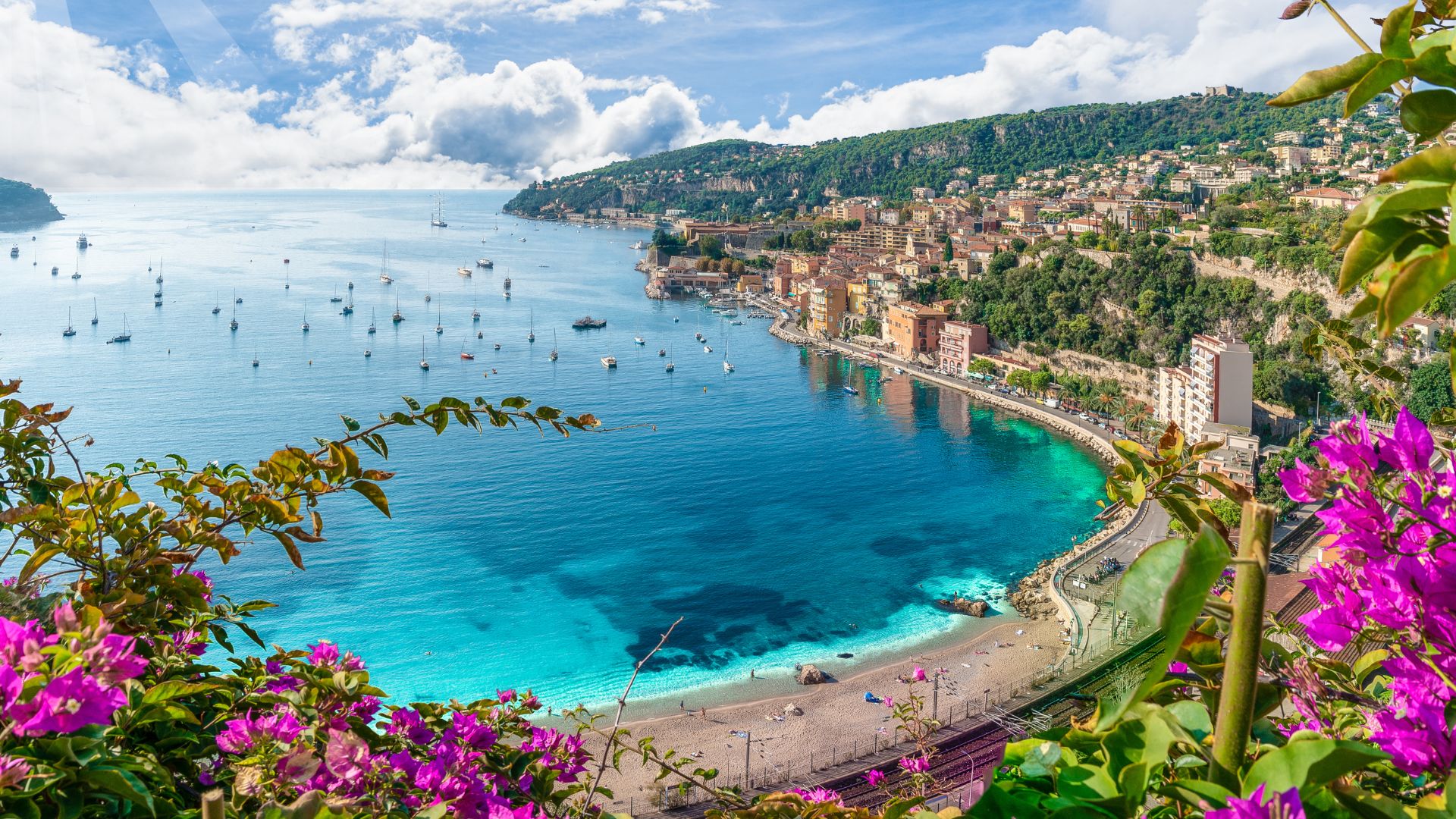
1) The French Riviera, France
The French Riviera, hugging France’s southeastern coast, is pure summer magic. Picture a blend of glitzy beaches, storybook towns, and those iconic coastal views.
Nice makes a fantastic home base. The city’s got a long pebble beach, cool museums, and a bustling old town that’s perfect for aimless wandering.
From Nice, you can hop on a train or rent a car and hit up other Riviera gems. Monaco dazzles with its famous casino and yacht-filled harbor. Cannes? That’s the spot for film festival glitz and sandy stretches.
Craving peace and quiet? Check out Èze or Saint-Paul-de-Vence. These hilltop villages serve up stone streets and sweeping Mediterranean views.
The weather here? Classic summer: warm, sunny, and perfect for beach days or lazy strolls along the water. Local markets and seafood restaurants are everywhere, and Provençal cuisine is worth the hype.
Trains connect the main towns, so getting around is a breeze. Just a heads-up: summer crowds roll in fast, and prices spike, so book your stay early if you can.
2) Lake Bled, Slovenia
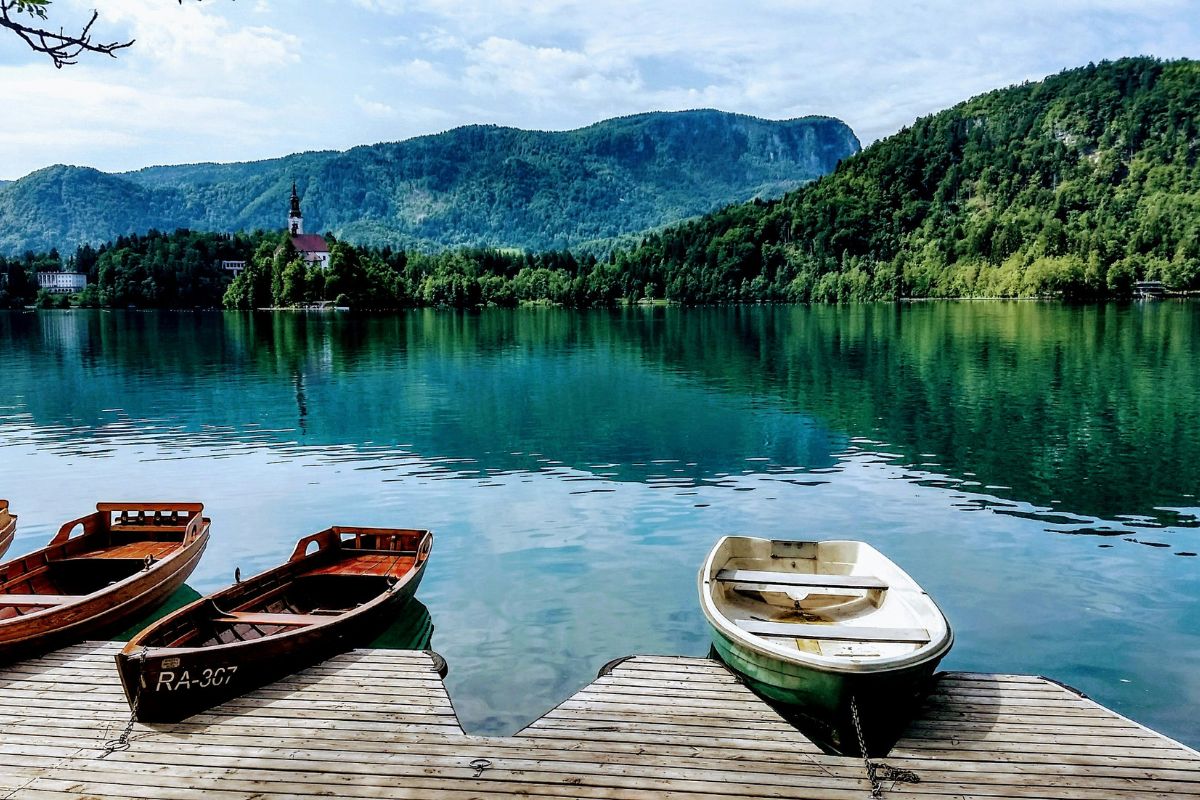
Lake Bled, tucked in Slovenia’s Julian Alps, looks like it belongs on a postcard. The emerald lake, with its tiny island and church, plus a castle perched high above—it’s almost unreal.
Getting here is easy; it’s just a 45-minute trip from Ljubljana. The town’s compact, but it packs in plenty. You can wander around the lake or head into the mountains for alpine hikes.
Summer at Lake Bled means swimming, rowing, and paddleboarding in water so clear you’ll want to dive right in. If you’re feeling adventurous, try rafting or canyoning nearby.
The town’s a great base for exploring more of Slovenia’s wild side. Lake Bled recently made the list of the world’s most mindful travel spots. Even with its rising popularity, you can still catch quiet moments—especially early in the day.
The best part? You get that alpine charm without the crowds (and prices) of bigger European hotspots.
3) Ibiza, Spain
Ibiza isn’t just about nightlife—though, sure, it knows how to party. The island’s beaches are something else: clear Mediterranean water, hidden coves, and white sand that stretches for days.
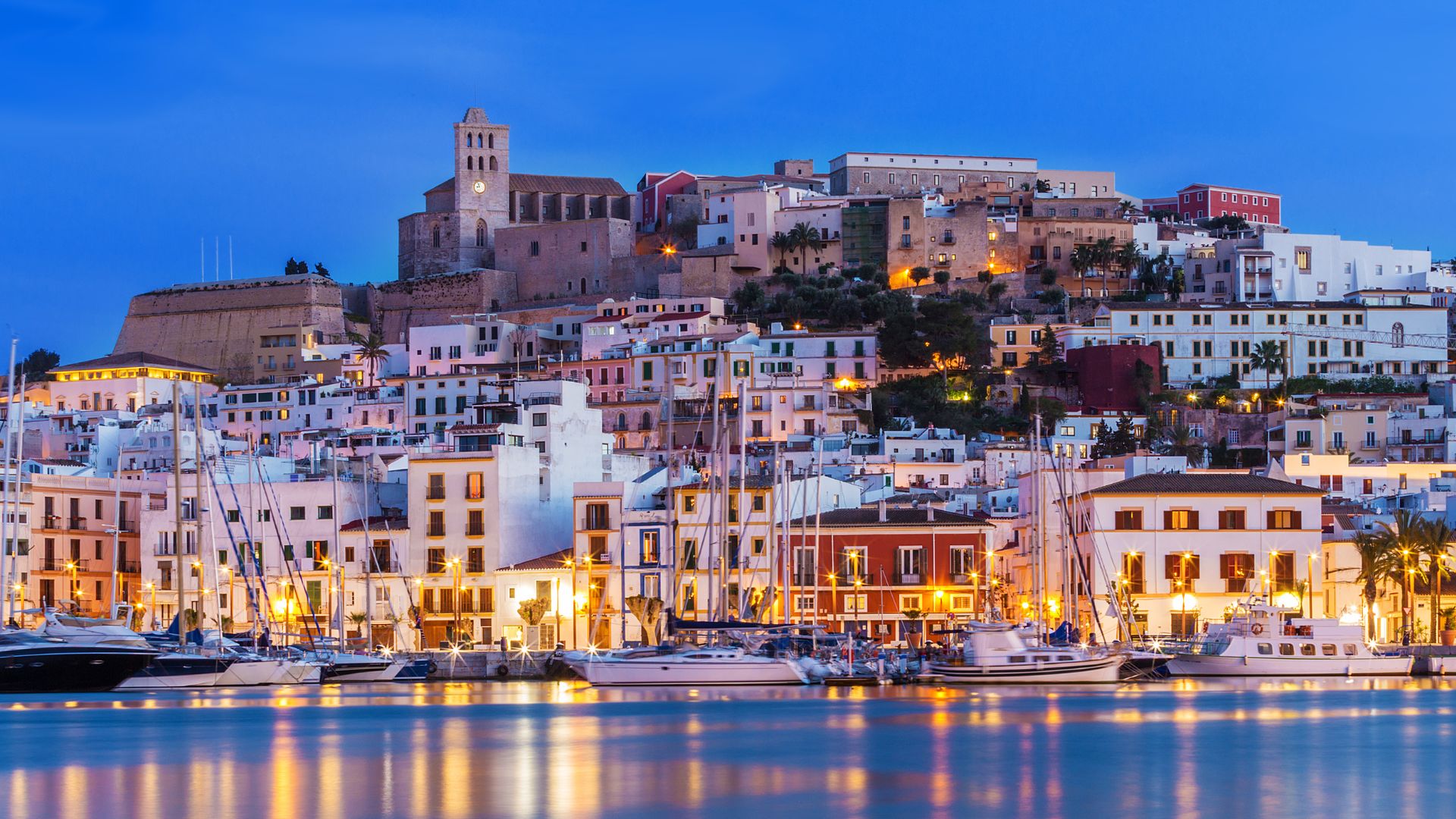
Wander through the Old Town of Dalt Vila, a UNESCO World Heritage site. The cobblestone streets and ancient fortifications have stories to tell.
Summer brings perfect weather for lazy beach days and water sports. You’ll stumble on beach clubs, local markets, and seaside restaurants where the seafood is as fresh as it gets.
If you want a slower pace, check out villages like Santa Gertrudis and San Carlos. Ibiza’s quieter side is full of charm.
Boat trips to hidden coves, exploring Es Vedrà’s rocky silhouette, or just soaking up sun at Cala Comte—there’s no shortage of ways to fill your days.
Peak season hits in July and August, so book early if you want the best spots. The island’s weather stays beautiful from June through September.
4) Cinque Terre, Italy
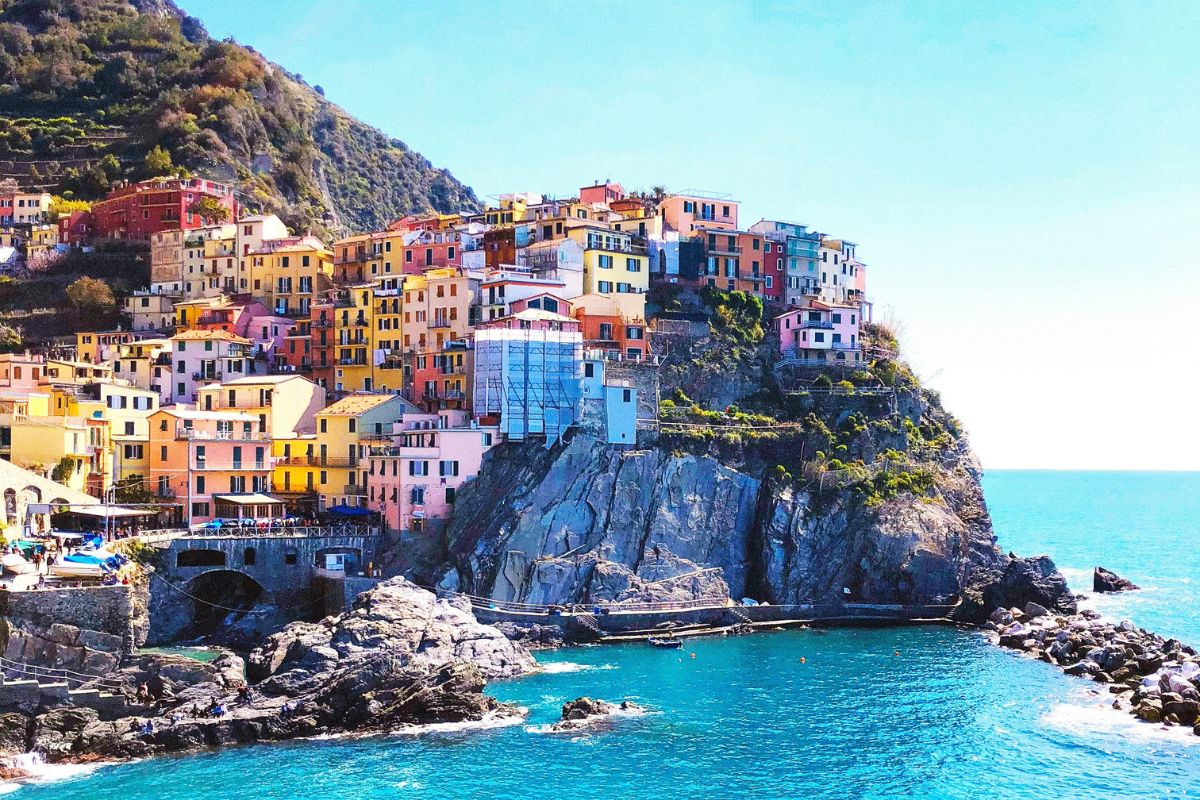
Cinque Terre is a slice of Italian coastline where five colorful villages cling to cliffs above the sea. Monterosso al Mare, Vernazza, Corniglia, Manarola, and Riomaggiore—they all have their own vibe.
Hiking the scenic trails between villages is a must. The views of vineyards tumbling down to the blue water? Unreal.
Monterosso has the only sandy beach in the area. Vernazza’s harbor is dotted with cafes and restaurants, perfect for a lazy lunch.
Corniglia sits highest on the cliffs, so be ready for a climb—almost 400 steps from the train station, but the view is worth it.
Everywhere you go, you’ll find fresh seafood and classic Ligurian dishes. Don’t skip the local white wine, Cinque Terre DOC.
Getting here is simple: fly into Genoa, Pisa, or Florence, then hop on a train straight to the villages. Summer gets busy, so book your stay ahead if you want to visit between June and August.
5) Santorini, Greece
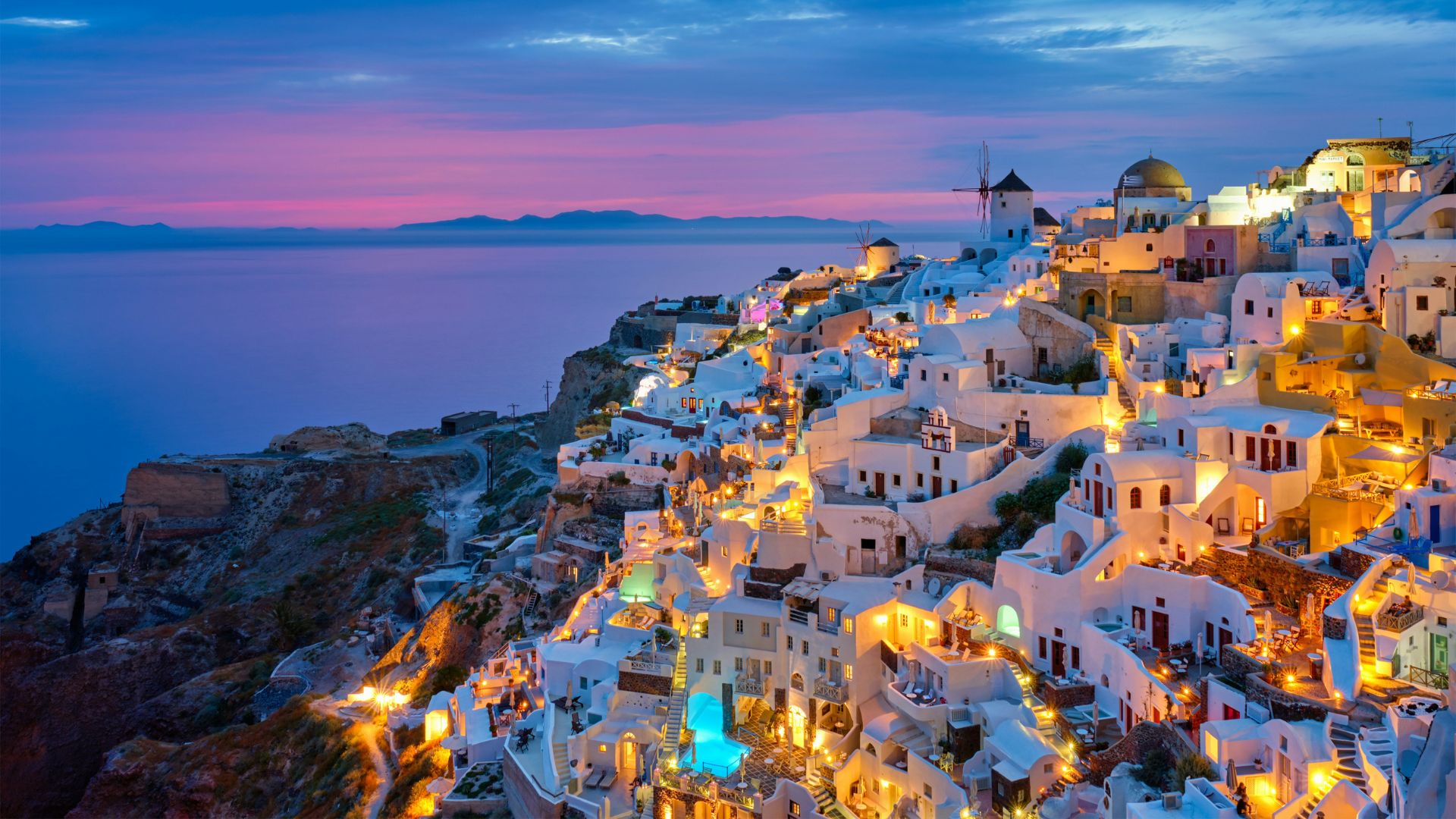
Santorini is iconic, and honestly, it lives up to the hype. The white buildings with blue domes set against the Aegean—there’s nothing quite like it.
Take a boat around the caldera for a different perspective. Oia and Fira are the postcard villages, full of shops, cafes, and those famous sunset spots.
If you want to dodge the crowds, head out early in the morning. The island’s beaches are unique too—Red Beach has volcanic sand, and Perissa gives you black sand shores.
Santorini’s volcanic history means the landscape feels almost otherworldly. Wine lovers, you’re in luck: local wineries grow grapes in volcanic soil, and the flavors are unlike anything else.
History buffs can’t miss the ancient ruins at Akrotiri. It’s a peek into a world thousands of years old.
Santorini gets packed and pricey in summer, so book early and brace for crowds. Still, it’s one of those places that just feels magical.
6) Dubrovnik, Croatia
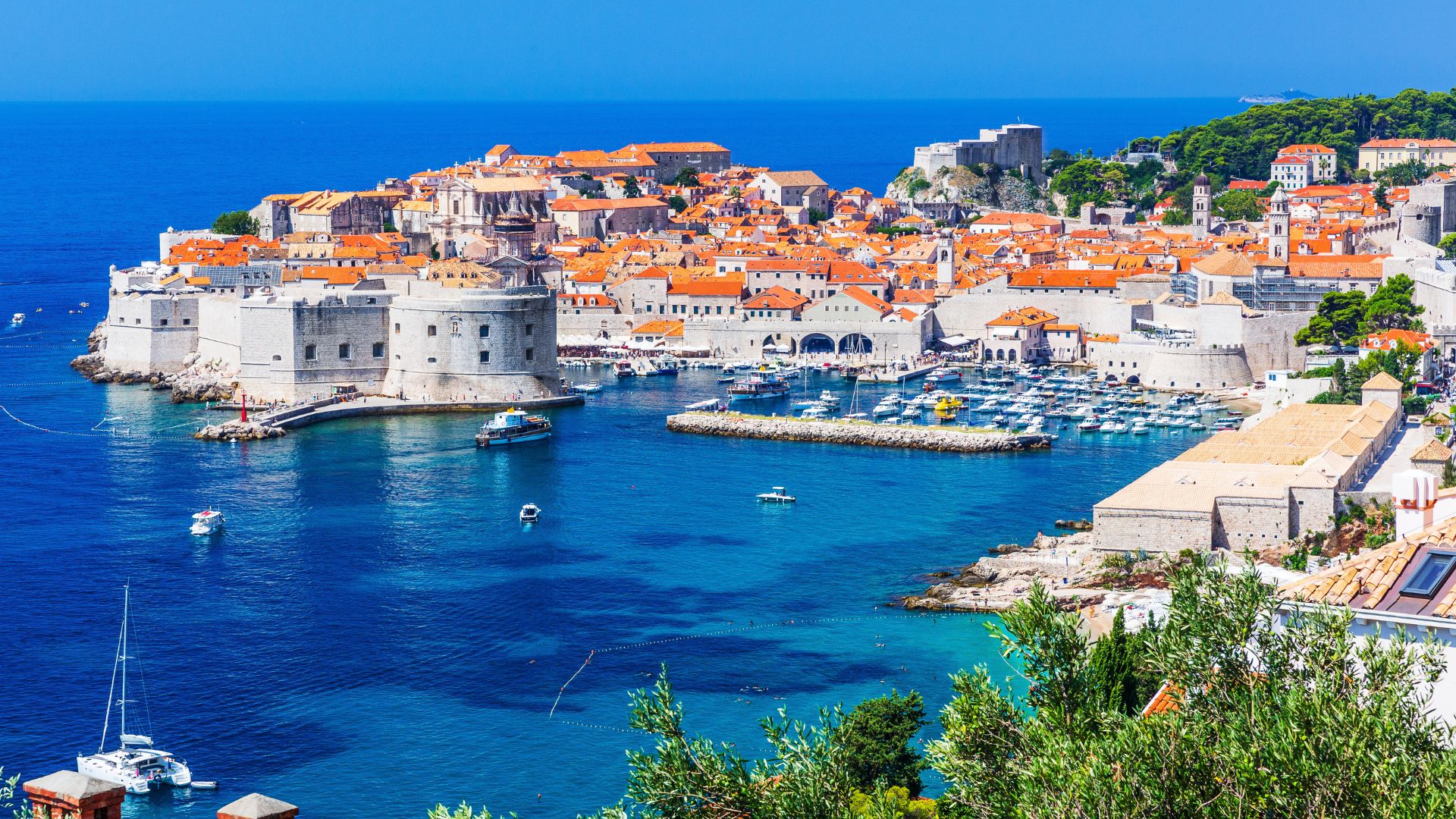
Dubrovnik is dramatic in the best way possible. The ancient city walls overlook the Adriatic, making for a view you’ll remember.
Walk those walls for a real sense of the city’s history. The Old Town’s cobblestone streets are lined with shops and restaurants, and the beaches? Crystal clear and perfect for a swim.
Summer means warm weather and long, sunlit evenings. Dubrovnik is Croatia’s star attraction, so you’ll notice the crowds, especially in peak season.
Prices are on par with places like Slovenia and Italy. The city blends history and natural beauty effortlessly.
Spend your mornings exploring medieval architecture, then hit the beach in the afternoon. If you’re itching for adventure, there are plenty of day trips along the coast.
Dubrovnik really does give you the best of both worlds: culture and relaxation.
7) Amalfi Coast, Italy
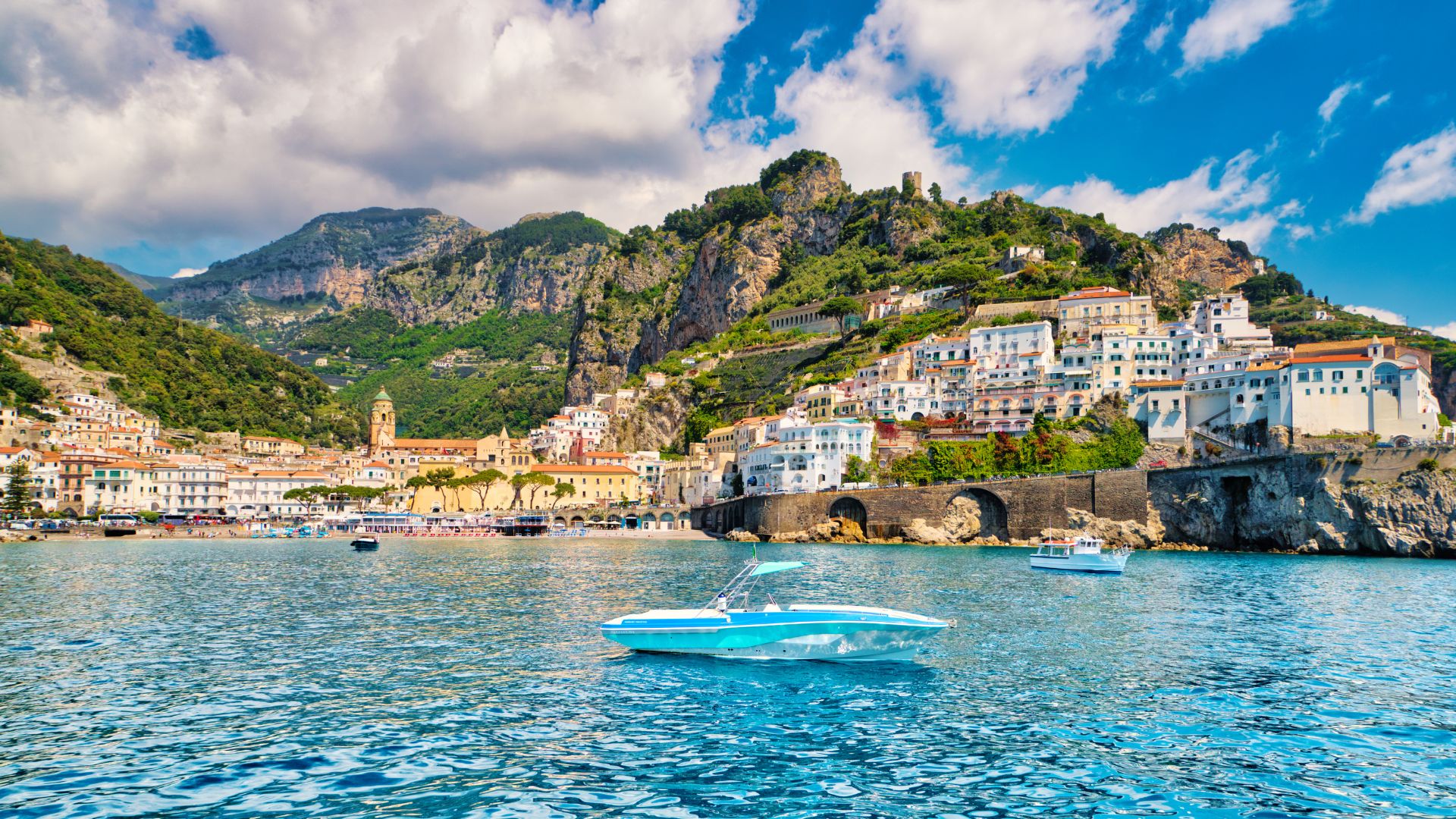
The Amalfi Coast is Italy’s showstopper, no doubt. Dramatic cliffs plunge into turquoise water, and every curve of the road brings a new breathtaking view.
Villages like Positano, Praiano, and Atrani dot the coastline. Each one has its own personality—Positano buzzes with life, while Praiano is more low-key.
You can wander historic streets, browse local shops, and soak up authentic Italian coastal life. The region is famous for its lemon groves, and the local lemons turn up in everything from food to limoncello.
Summer is all about warm weather, beach days, and exploring outdoors. Whether you’re relaxing by the water, dining al fresco, or hopping on a boat, there’s always something to do.
Give yourself time to explore more than one town—the landscapes change, and each spot feels special in its own way.
8) Corsica, France
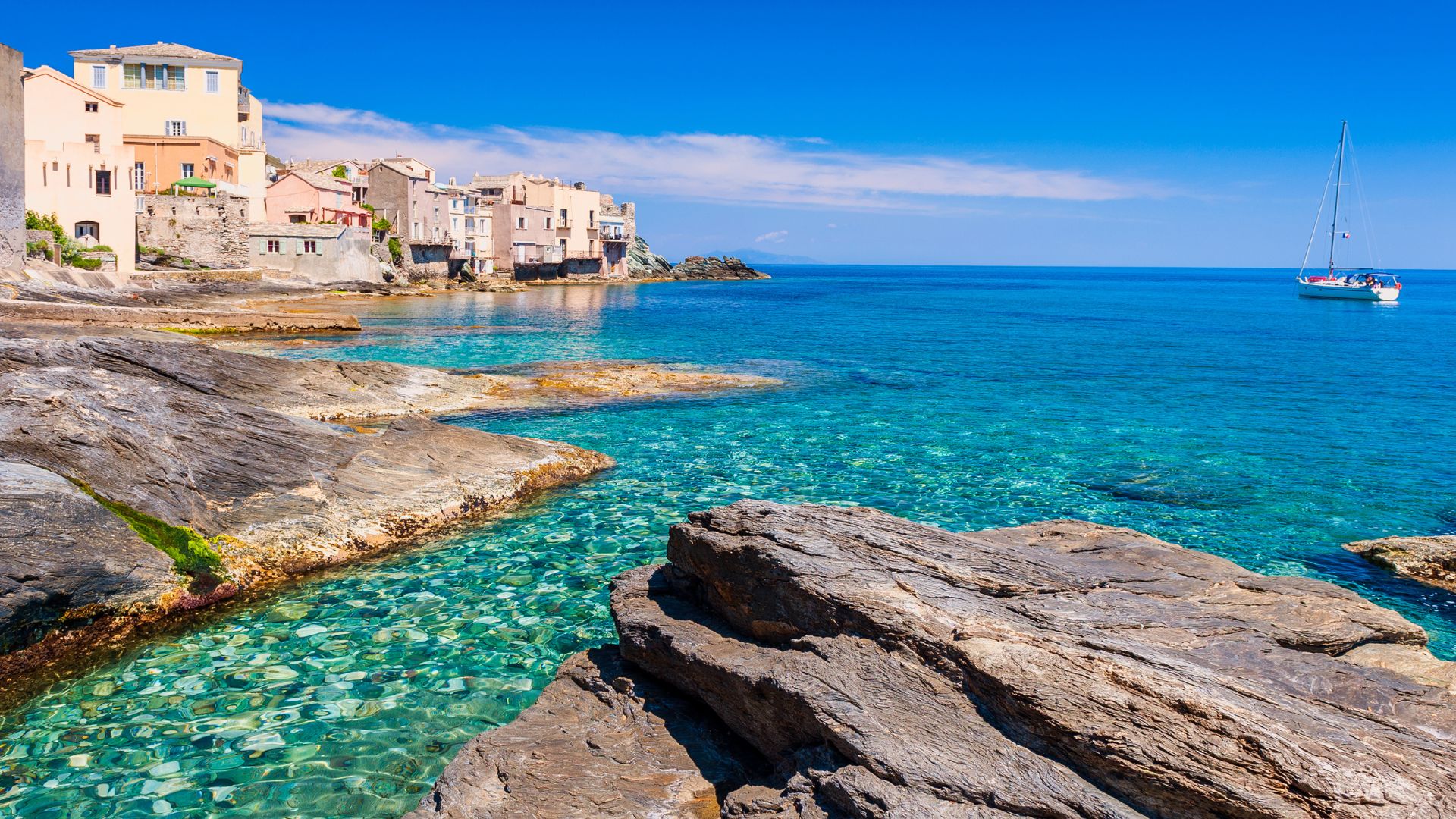
Corsica is a Mediterranean gem with a personality all its own. The island blends French and Italian influences, and the landscapes are wild—think sandy beaches, rugged cliffs, and deep canyons.
You can wander through historic towns, hit the mountain trails, or chill out on pristine beaches. The island’s size means you can find a new adventure every day.
Getting here is simple; daily flights run from Paris, Nice, Marseille, and Lyon. With four airports, Corsica is surprisingly accessible, and airlines like Air Corsica, Air France, and Volotea make it easy.
Cap Corse, up in the north, serves up rugged coastline and peaceful villages. It’s less touristy than other Mediterranean islands, so you get a real taste of island life—no crowds, just stunning views.
Summer is prime time for swimming, hiking, and exploring. Whether you’re after relaxation or adventure, Corsica delivers both.
9) Porto, Portugal
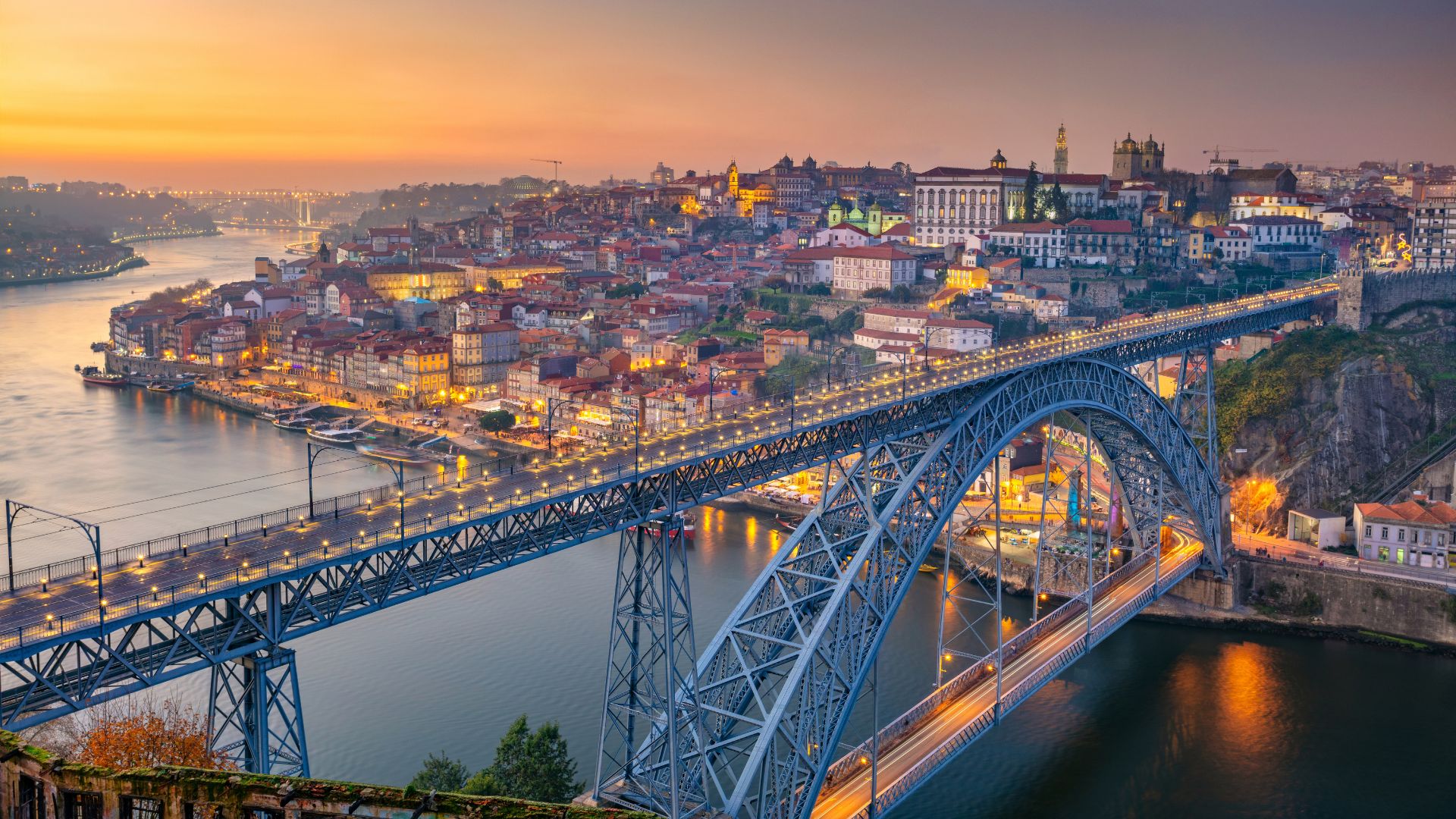
Porto’s got a way of dazzling you without emptying your wallet. Perched along the Douro River, this northern Portuguese city blends stunning views with a lively, layered culture.
I wandered through historic neighborhoods and, honestly, got a little lost in the maze of colorful buildings and narrow cobblestone streets tumbling toward the waterfront. It’s the best kind of lost.
You can’t miss the Dom Luís I Bridge—walk across for those postcard-perfect city views. It links Porto to Vila Nova de Gaia, where the real port wine magic happens.
Summer here means warm days, ideal for hopping on a river cruise or just lazing at the nearby beaches. Sometimes you need a break from all that sightseeing, right?
Foodies, you’re in luck. Porto’s food scene serves up fresh seafood, Portuguese classics, and local wines that don’t break the bank. I still dream about the port wine tastings in Gaia—don’t skip those cellars.
Porto wraps up history, bold architecture, and that breezy seaside feel. You get all the charm and none of the massive summer crowds you’ll find in other European hotspots.
10) Edinburgh, Scotland
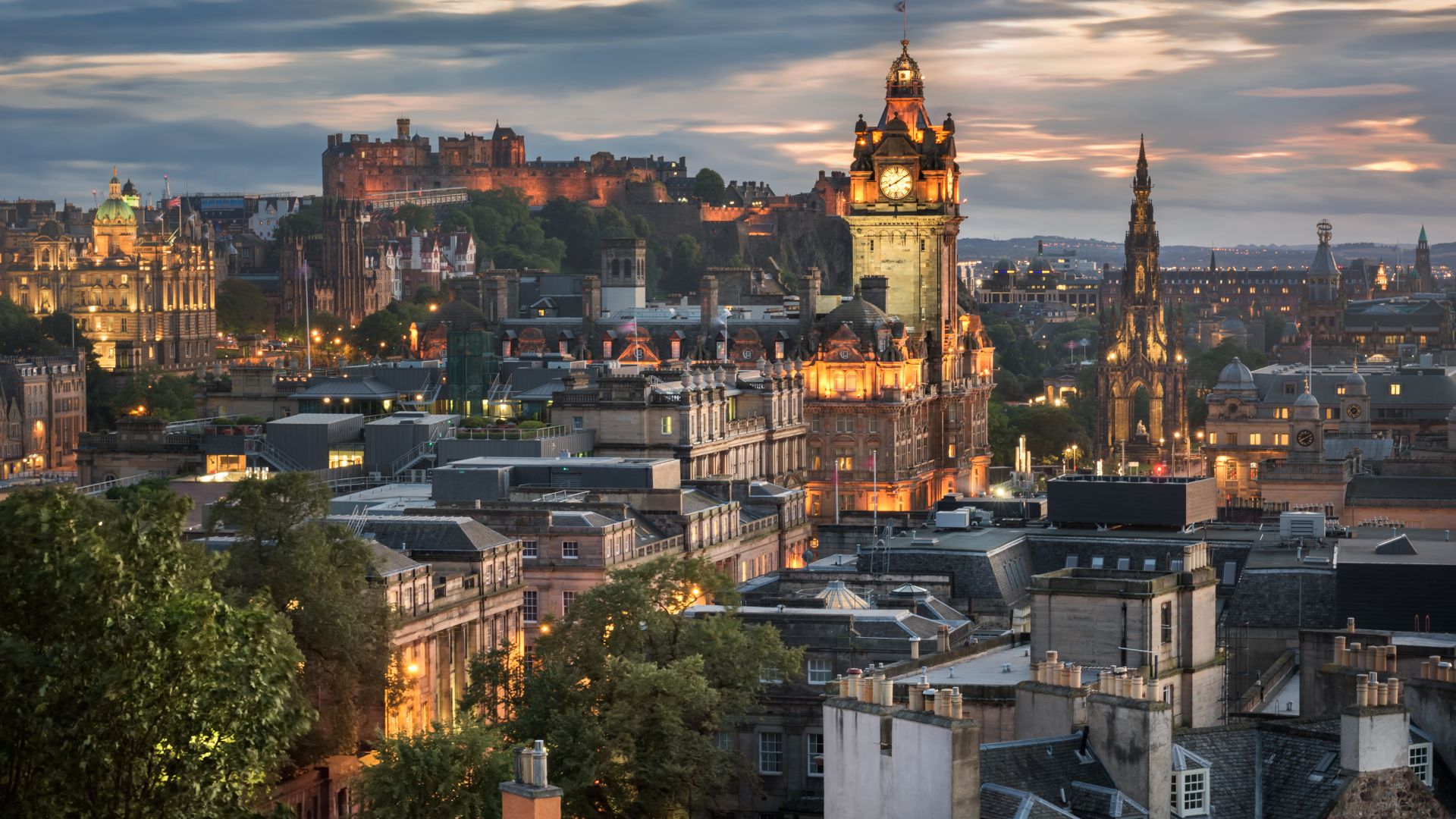
Edinburgh in summer? It’s a vibe. The city buzzes with life, longer days, and that rare Scottish sunshine.
Stroll the Royal Mile from the castle down to the Palace of Holyroodhouse. Every block feels like a living story, with shops, cozy pubs, and centuries-old stone buildings lining the way.
If you’re up for a bit of a climb, Arthur’s Seat towers over the city. It’s an old volcano, and the views from the top—wow. I made it up in about an hour, and it was so worth it.
August is wild here. The Edinburgh Festival Fringe takes over, with street performers, theater, and comedy on every corner. There’s something happening all day and into the night.
Scottish weather keeps you guessing, so pack a few layers. Even in July, you might get a quick rain shower, but it usually clears fast. Temperatures hover between 50 and 65°F.
11) Budapest, Hungary
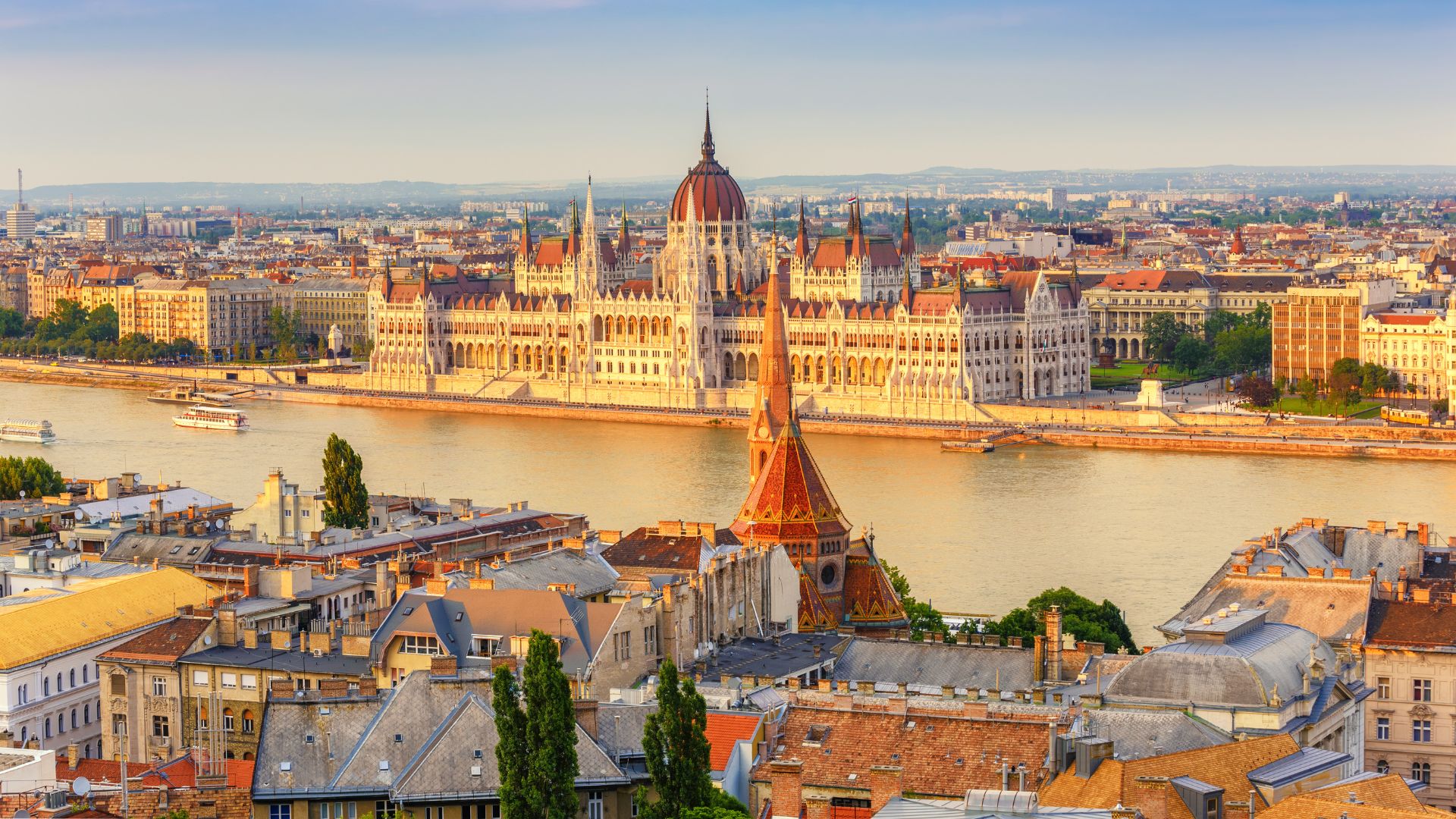
Budapest just nails that mix of history, culture, and relaxation. The city hugs the Danube River, and the architecture alone is worth the trip.
When summer hits, the thermal baths are the place to be. I soaked in the Széchenyi Baths’ outdoor pools, surrounded by these grand yellow buildings—such a cool experience.
Evenings have a different energy. Ruin bars pop up in old buildings and courtyards, especially in the Jewish Quarter. Outdoor seating, quirky decor, and good vibes—perfect for warm nights.
Budapest throws some epic music festivals in summer. Sziget Festival draws people from everywhere every August.
If you want a change of scenery, Lake Balaton is about 90 minutes away. It’s Hungary’s biggest lake, with beaches and water sports. Budapest gives you city thrills and easy escapes to nature, all in one trip.
12) Mykonos, Greece
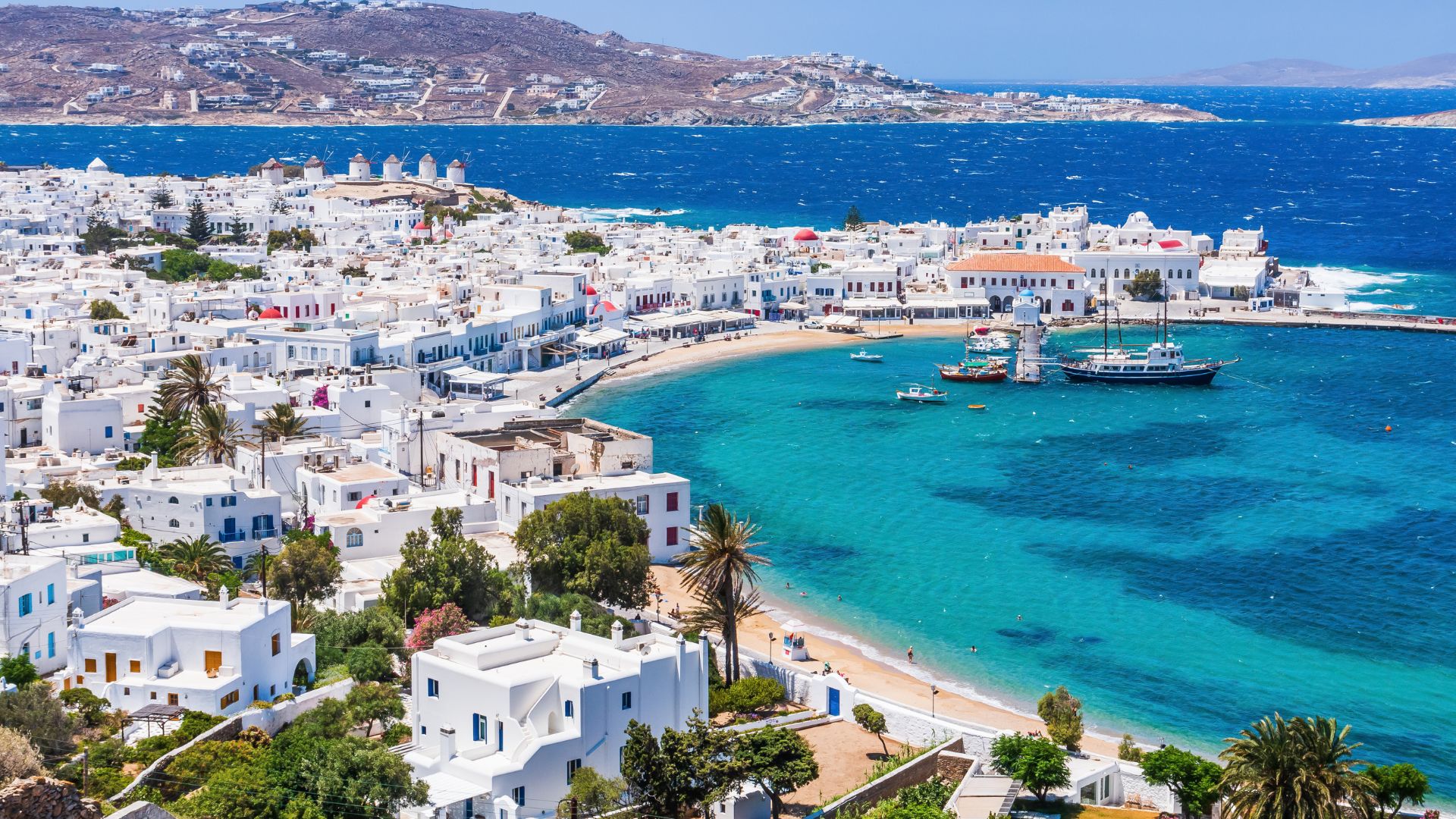
Mykonos isn’t just famous—it’s iconic. Those white-washed houses and turquoise waters really do live up to the hype.
The island boasts over 20 beaches. Whether you’re into swimming, sunbathing, or water sports, you’ll find your spot.
Chora, the main town, is a maze of narrow lanes, and I loved getting lost among the windmills and the Little Venice waterfront. Local tavernas dish out fresh seafood and Greek favorites, everywhere you turn.
Looking for a party? Paradise Beach and Super Paradise Beach pulse with music and beach clubs. Craving quiet? Agios Sostis and Fokos Beach feel worlds away.
Getting around’s a breeze—buses, rental cars, or even ATVs. May to September is prime time, but July and August get busiest.
Mykonos isn’t the cheapest Greek island, but you’ve got options. From boutique hotels to budget stays, there’s something for every style.
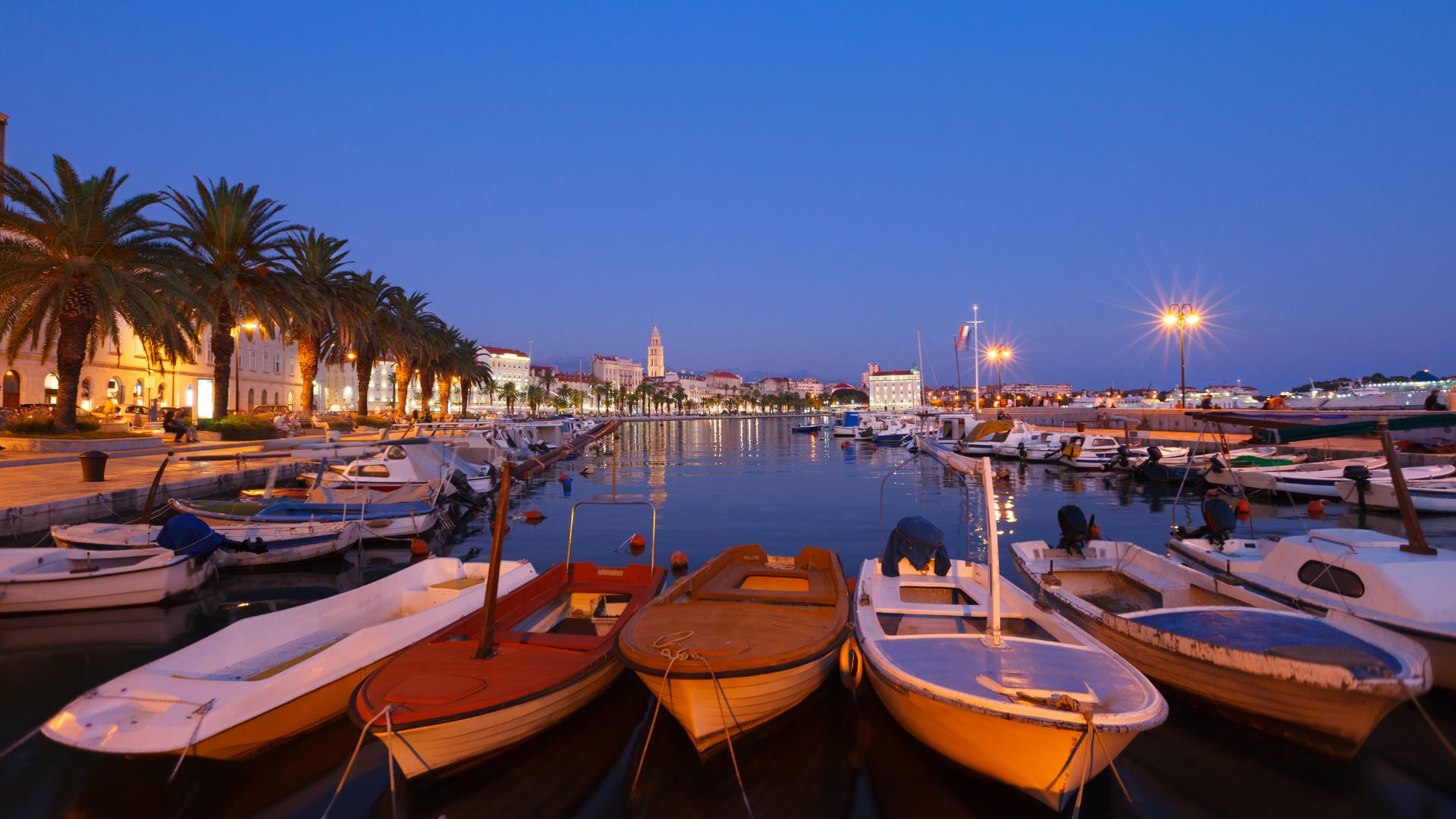
13) Split, Croatia
Split mixes ancient history with sunny seaside energy. The city orbits around Diocletian’s Palace, a Roman wonder that’s still the heart of Old Town.
Summer sizzles here, with temps hovering between 26 and 30°C. The Adriatic beaches are just begging you to take a dip.
Markets and the waterfront promenade pull you into local life. Seafood is the star, fresh from the sea and on nearly every menu.
Use Split as your launchpad for day trips. Islands and national parks are close, and you get the best of the Dalmatian coast without giving up city comforts.
Nightlife keeps things lively. Bars and clubs hide in the Old Town’s ancient alleyways, and the crowds are thinner than Dubrovnik’s. If you want authentic Croatia without the chaos, Split’s your place.
14) Plitvice Lakes National Park, Croatia
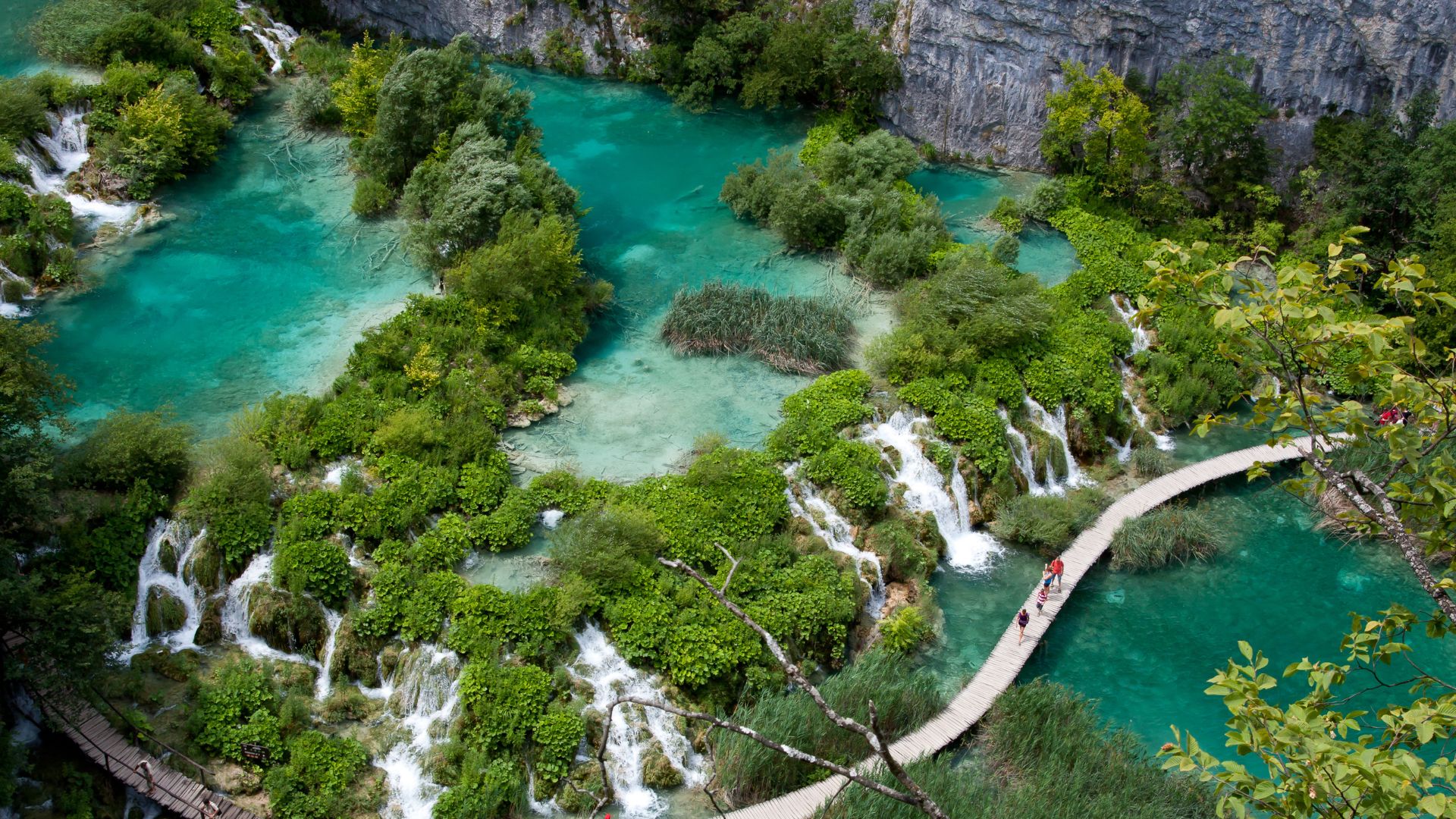
Plitvice Lakes National Park is straight out of a dream. Sixteen terraced lakes, waterfalls everywhere, and forests so green it almost hurts your eyes.
I wandered wooden walkways that skim right over the water. You get up close to the falls without leaving a trace on the landscape.
This is Croatia’s oldest national park and a UNESCO World Heritage Site since 1979. The water shifts from turquoise to emerald, depending on the light and minerals.
Long summer days mean more time for exploring the trails. Some routes are quick, while others stretch into full-day hikes. Arrive early to dodge the crowds—this place is no secret.
You’ll need to grab tickets ahead of time in summer. Two main entrances, plus electric boats and shuttles, make it easy to see the highlights. Plan for at least half a day, but honestly, you might want more.
15) Kotor, Montenegro
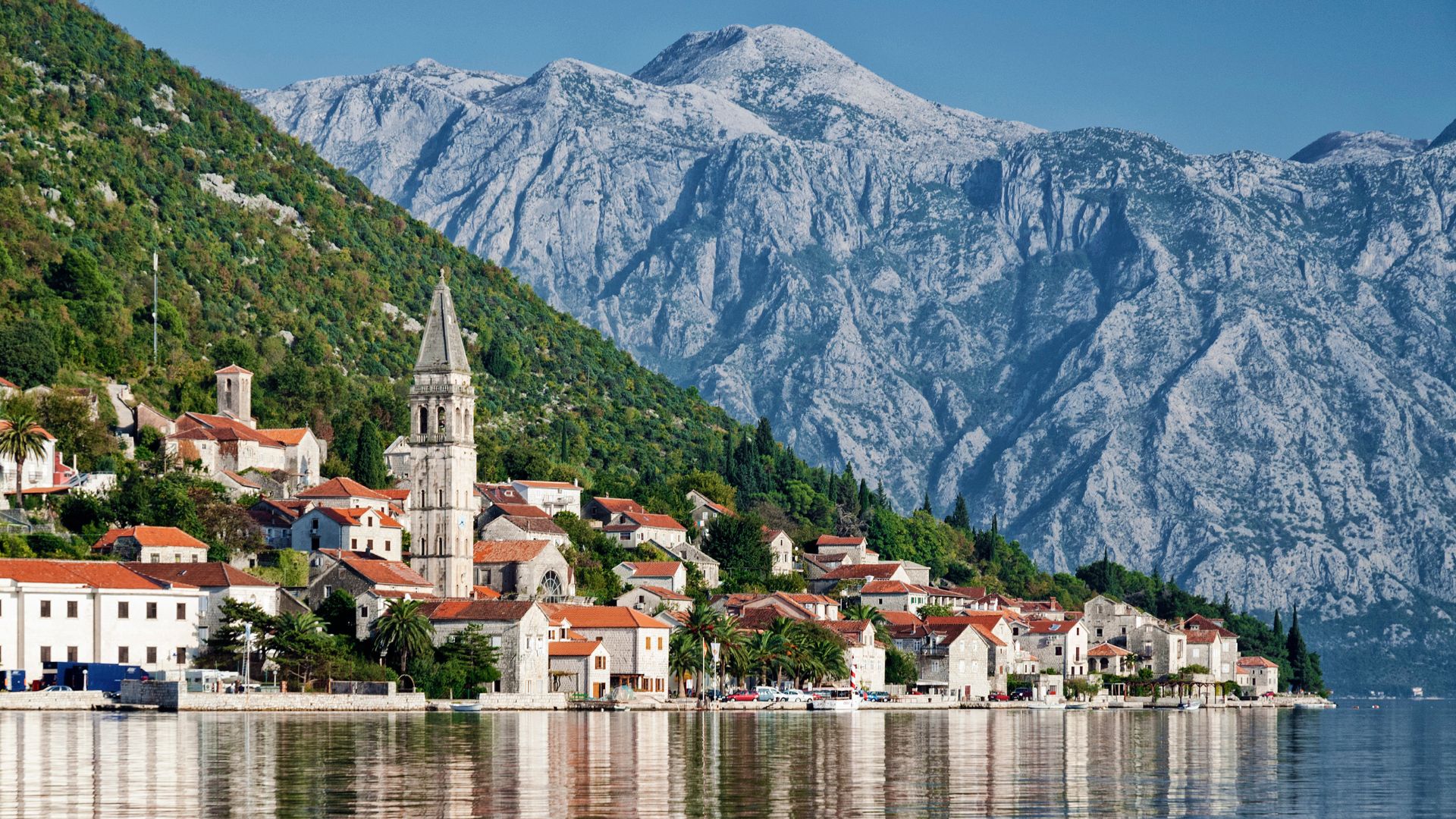
Kotor hugs the Adriatic coast, where medieval walls meet jaw-dropping mountain views. This UNESCO gem feels like a secret, especially compared to its busier neighbors.
The Old Town is tiny and totally walkable. In just a few hours, you can wander ancient walls, peek into churches, and browse little shops.
The Bay of Kotor wraps around the town, offering clear water for swimming. Don’t skip the hike up to the Fortress of St. John—it’s a sweaty climb, but the views are wild.
Boat tours take you to Perast or the island church, Our Lady of the Rocks. With extra time, visit the bay’s quiet villages for a slower pace.
Montenegro’s catching on with travelers who want Europe without the crowds or high prices. Kotor keeps things real and relaxed, especially in summer when the sun’s out and the beaches call.
16) The Azores, Portugal
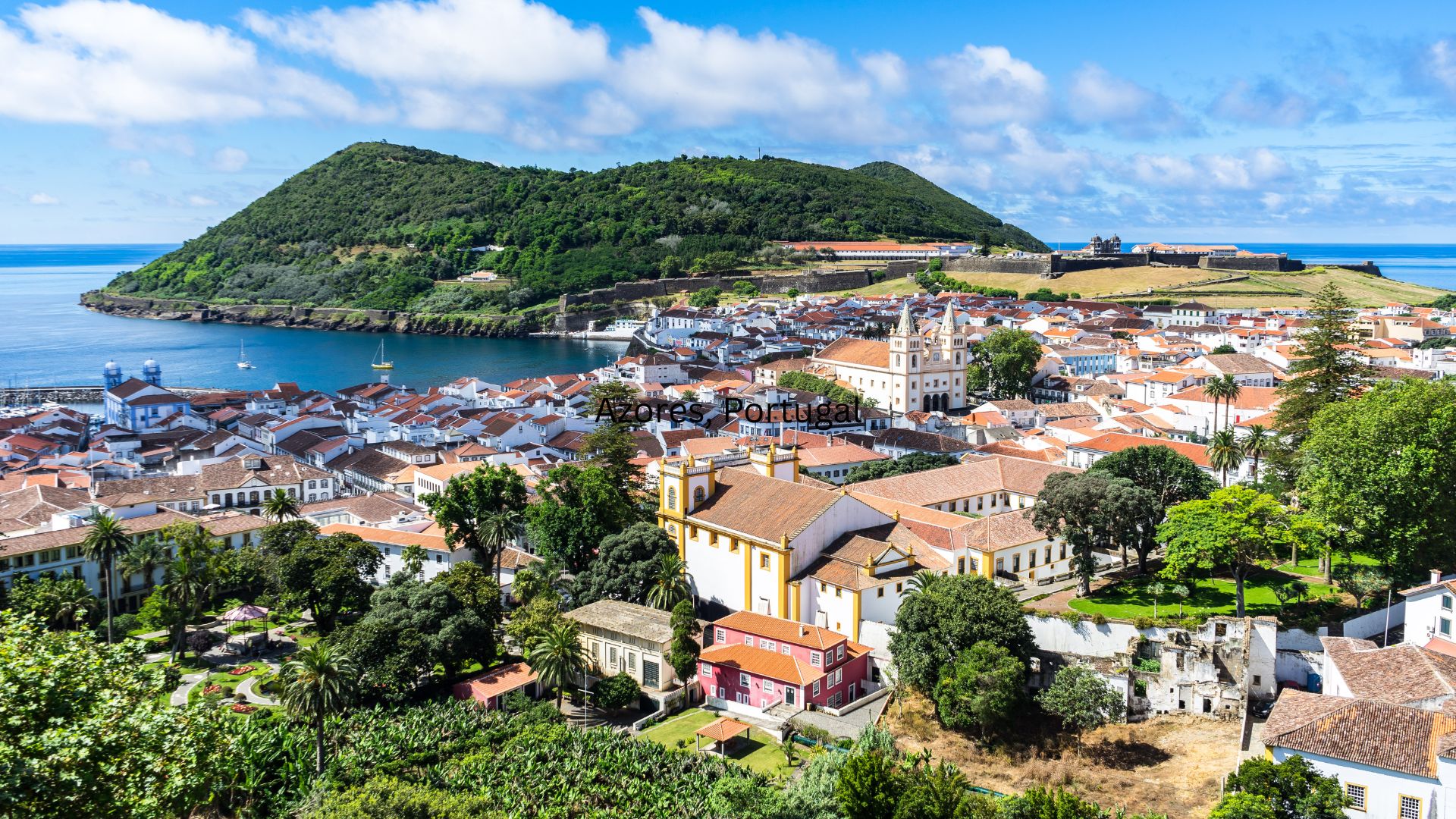
The Azores float out in the Atlantic, about 900 miles from Portugal’s mainland. These nine volcanic islands are a breath of fresh air—quiet, green, and untouristy.
Volcanoes shaped the land here, carving out lush valleys and dramatic peaks. Natural swimming pools dot the rocky coast, and while sandy beaches are rare, you’ll find a few if you look.
Even in summer, the Atlantic stays pretty cool—perfect for hiking and exploring, less so for lazy beach days.
Whale watching is huge in the Azores. I spent an afternoon soaking in a thermal pool heated by the earth itself—unreal. Crater lakes, hot springs, and wildflowers make the whole place feel otherworldly.
Every island’s got its own flavor. Some are hiking havens, others are all about geothermal wonders or rugged coasts. Ferries and short flights connect them, so island-hopping is totally doable.
If you crave nature and peace, the Azores deliver. Life moves slowly, and crowds are almost nonexistent.
17) Hallstatt, Austria
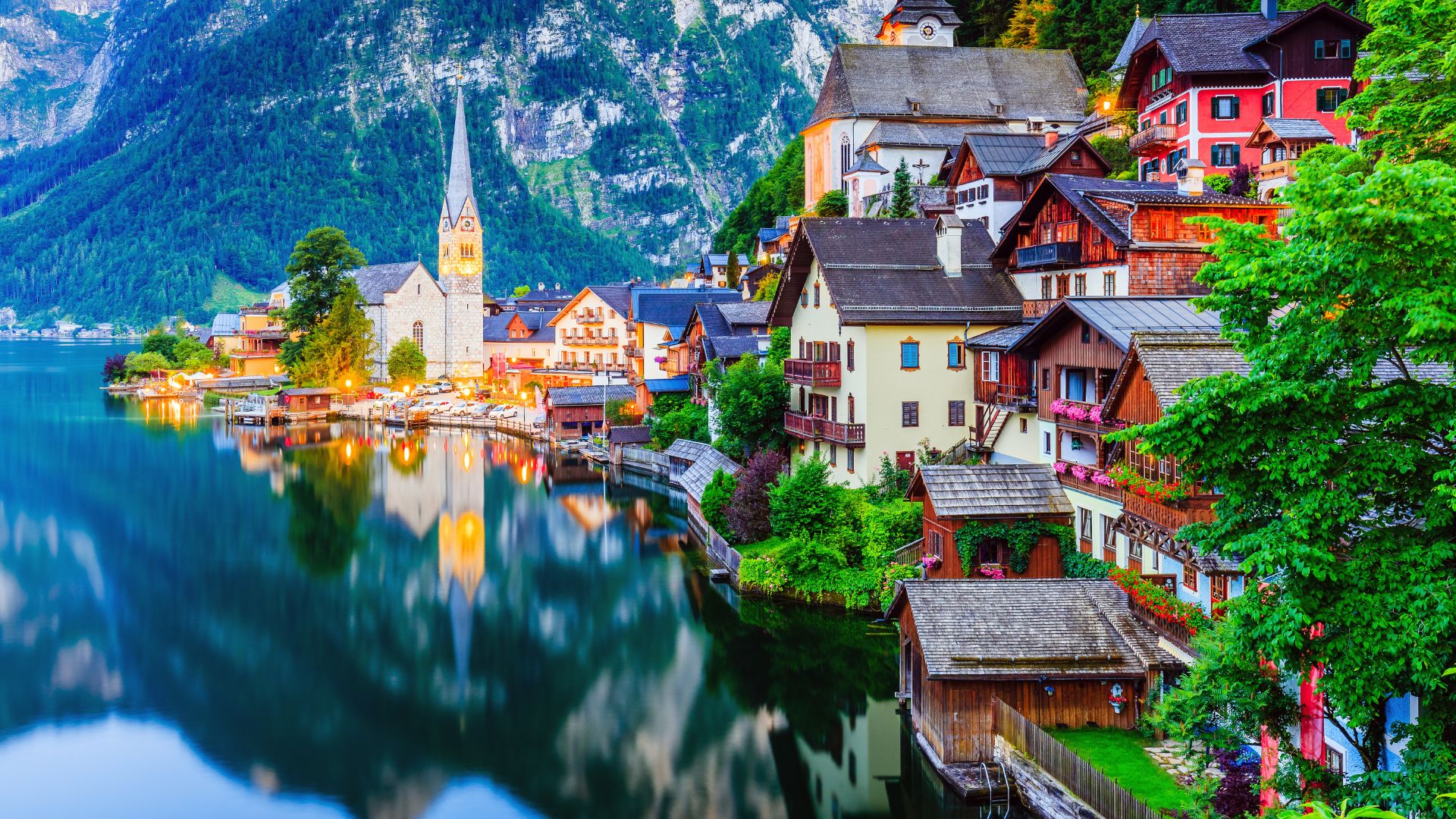
Hallstatt perches on a glassy lake in Austria’s Salzkammergut, and it really does look like a fairy tale. Traditional wooden houses spill down the hillside, all framed by mountains.
I loved wandering the tiny streets and snapping photos at the classic viewpoint above the village. In summer, you can hop on a boat to see Hallstatt from the water—a totally different angle.
The world’s oldest salt mine sits right here. Tours dive into the area’s mining roots, and a tiny bone chapel adds a quirky touch to your visit.
Warm weather means hiking trails open up, from easy lakeside strolls to tougher alpine paths. Hallstatt’s a UNESCO World Heritage Site, so it draws a crowd.
If you want the quiet side, come early or spend the night. The village is small—you can see the main sights in a day, but the peaceful vibe might tempt you to linger.
Essential Tips for Planning a Summer Trip to Europe
Book flights and hotels early—Europe in summer fills up fast and prices climb quickly. Pack layers, because weather changes fast, and know your options for getting around between countries.
Best Times to Visit
June through August is classic summer in Europe. Expect the warmest weather, long days, and festivals everywhere.
If you want fewer crowds and better rates, aim for early June or late August. The weather’s still great for beaches and outdoor adventures.
Reserve flights and stays three to four months ahead. Popular cities like Paris, Barcelona, and Rome get booked up fast.
Don’t forget to check the climate for your destination. Southern Europe gets hot—think 85°F+ in July and August—while northern spots like Norway or Scotland stay cooler, usually 60-70°F.
Packing Smart for Changing Climates
Let’s be real—packing for Europe’s unpredictable weather can be a headache. I always reach for lightweight, breathable clothes made from cotton or linen. They’re lifesavers when you’re wandering cobblestone streets under the summer sun.
I usually toss in one outfit for every three days, just to keep things simple. And don’t forget a light jacket or cardigan. Nights cool down fast, especially by the coast or up north, and trust me, you’ll want to cover up in churches and museums—those dress codes sneak up on you.
Essential items for your suitcase:
- Comfortable walking shoes you’ve already broken in (blisters are the worst)
- Sunscreen, SPF 30 or higher—don’t underestimate that European sun
- Reusable water bottle to stay hydrated on the go
- Small day pack for spontaneous adventures
- Rain jacket or a compact umbrella (rain loves to surprise)
- Power adapter for European outlets (save yourself the hassle)
I always check the weather forecast about two weeks before leaving. It’s saved me from packing the wrong stuff more than once.

Transportation Options Across Countries
Europe’s got travel options for days, but budget airlines like Ryanair and EasyJet make hopping between cities super affordable. If you book flights two or three months in advance, you’ll snag the best deals. Just watch out for baggage fees and double-check which airport you’re flying into—sometimes they’re pretty far from the city.
Trains are another favorite of mine. They’re comfy, scenic, and the Eurail Pass is a solid choice if you’re hitting several spots. But if you’re only taking a couple of trips, point-to-point tickets usually cost less.
Popular train routes:
| Route | Duration | Best For |
|---|---|---|
| Paris to Amsterdam | 3.5 hours | Quick city connections |
| Barcelona to Madrid | 2.5 hours | Spain travel |
| Rome to Venice | 4 hours | Italian highlights |
Renting a car gives you freedom, especially out in the countryside. But in cities? It’s a headache—parking’s expensive and traffic is brutal. I save rentals for places like Tuscany or the Scottish Highlands where you really need a car.
Navigating Cultural Etiquette Across Europe
Europe’s a patchwork of cultures, and you really feel it in the little things—greetings, meals, even how people stand in line. I’ve learned that knowing a few basic customs goes a long way toward making connections and avoiding those awkward “oops” moments.
Respecting Local Customs
Social rules shift from one region to the next. In Northern Europe, people value personal space and usually keep things quiet in public. I keep my voice down on buses and trains, especially in places like Germany, Sweden, or Switzerland.
Down south—Italy, Spain, Greece—folks are more laid-back about time and noise, but you still need to dress modestly in churches. Covered shoulders and knees are a must in most cathedrals.
Punctuality? It’s huge in Germany, Switzerland, and the Netherlands. Always show up on time for tours, trains, or dinner reservations. But in Spain or Portugal, don’t stress if things start late—it’s just how it goes.
If you’re in the UK, queuing is basically a national sport. Never cut in line or push ahead. And in restaurants, Europeans usually keep conversations quieter than what you might hear in the States.
Dining and Tipping Practices
Tipping in Europe is way less stressful than in the U.S. Most places add a service charge to your bill, so you won’t need to tip big.
European Tipping Guidelines:
- Germany, France, Italy: Just round up or add 5-10% if you’re happy
- Spain, Portugal: Leave some coins or 5%
- UK: 10-12% if service isn’t already included
- Scandinavia: Totally optional—service is built in
Usually, waitstaff seat you at restaurants. If you wander in and pick your own table, you might get some side-eye. Dinner starts late in the south—think after 8 PM—and meals are slow and relaxed. Servers won’t bring your check until you ask.
Splitting the bill by item isn’t the norm. Most places prefer one payment per table or a simple split. If you need separate checks, ask before you order.
Communication and Language Basics
Learning a few local phrases can really make a difference. Even a simple “hello,” “please,” or “thank you” in the local language gets you smiles. Most people appreciate the effort, even if you end up switching to English.
You’ll find English widely spoken in Northern Europe, the Netherlands, and Scandinavia. In rural France, Spain, Italy, or Eastern Europe? Not so much. I always download a translation app before heading out.
Greetings vary a lot. In France, Spain, and Italy, cheek kisses between friends are common. In Germany, the UK, and Scandinavia, handshakes are standard.
People in Germany and the Netherlands value directness. If they mean no, they’ll say it straight. In the Mediterranean, folks tend to be more indirect and focus on building relationships before getting down to business.
Frequently Asked Questions
Every summer, I get asked about family-friendly spots, the prettiest places, and where to go for a real adventure. Some destinations shine for certain travelers, while others get packed during high season.
The French Riviera is a classic—think beaches, museums, and plenty for kids of all ages. Lake Bled is peaceful, with gentle swimming spots and an easy path around the lake.
Croatia’s coast is full of shallow beaches, perfect for little ones. Portugal’s Algarve has sandy stretches and boat tours to sea caves. Iceland’s a bit different, but families love the waterfall hikes and whale-watching—plus, it never gets too hot.
Santorini? Unreal. Those white buildings, blue water, and sunsets are unforgettable. Cinque Terre’s five villages look like they’re straight from a postcard, perched above the Mediterranean.
Lake Bled sits in the mountains with a tiny island church in the middle—super photogenic. The Swiss Alps burst into color with wildflowers in summer. And Norway’s fjords? Steep cliffs drop right into deep blue water. It’s dramatic in the best way.
Ibiza isn’t just about parties—it’s got water sports and beach clubs, too. Interlaken in Switzerland is my go-to for paragliding, canyoning, and even skydiving.
Slovenia’s great for rafting and exploring caves near Lake Bled. Scotland’s Highlands are wild, with epic hiking and camping. Croatia’s islands let you try cliff jumping and kayaking between charming towns.
Santorini draws crowds for those famous views and sunsets. The French Riviera buzzes with beachgoers and city lovers. Ibiza keeps its spot for beach parties and nightlife.
Cinque Terre fills up with hikers on the coastal trails. Lake Bled keeps gaining fans for its scenery. Iceland’s popularity keeps growing thanks to its wild landscapes.
The French Riviera mixes beach days with art museums and old towns like Nice or Cannes. Santorini’s perfect for exploring ruins in the morning and chilling out at sunset.
Cinque Terre lets you hike in the morning, then unwind with local wine and seafood. Slovenia combines Lake Bled’s calm with Ljubljana’s lively old town. In southern Spain, Andalusia blends beach resorts with cities like Seville and Granada—history and relaxation all in one trip.
Let’s be honest—Europe in summer can be a bit overwhelming if you pick the wrong spots. Paris, Rome, and Barcelona? They turn into ovens in July and August, and you’ll find yourself elbow-to-elbow with other travelers.
Santorini and the Greek islands sound dreamy, but wow, the crowds make it tough to enjoy those famous views. Sometimes, you can barely squeeze through the narrow streets.
Venice is another one where the summer rush takes over. The main sights feel packed, and you’ll probably spend more time dodging selfie sticks than soaking in the scenery.
The French Riviera draws massive weekend crowds, especially on the beaches. Finding a peaceful spot? Not likely.
Dubrovnik actually limits how many people can enter the old town each day. When cruise ships dock, things get wild—lines everywhere, and it’s easy to feel a bit lost in the shuffle.
