
Spring—there’s just something about it, right? Flowers burst into bloom, and suddenly the world feels a little more magical. Americans seem to have a soft spot for chasing these vibrant displays, whether it’s tulips, cherry blossoms, daffodils, or something a bit more wild. If you’re itching for a getaway that’s all about color and fresh air, these spots are calling your name.
You’ll stumble upon stunning flower displays in famous international gardens and some beloved U.S. locations. From the legendary tulip fields in the Netherlands to the wildflowers carpeting the Great Smoky Mountains, each place brings its own flavor of spring. Sometimes you’ll find big festivals dedicated to a single bloom, while other spots offer peaceful gardens that hit their stride in springtime.
1) Keukenhof Gardens, Netherlands
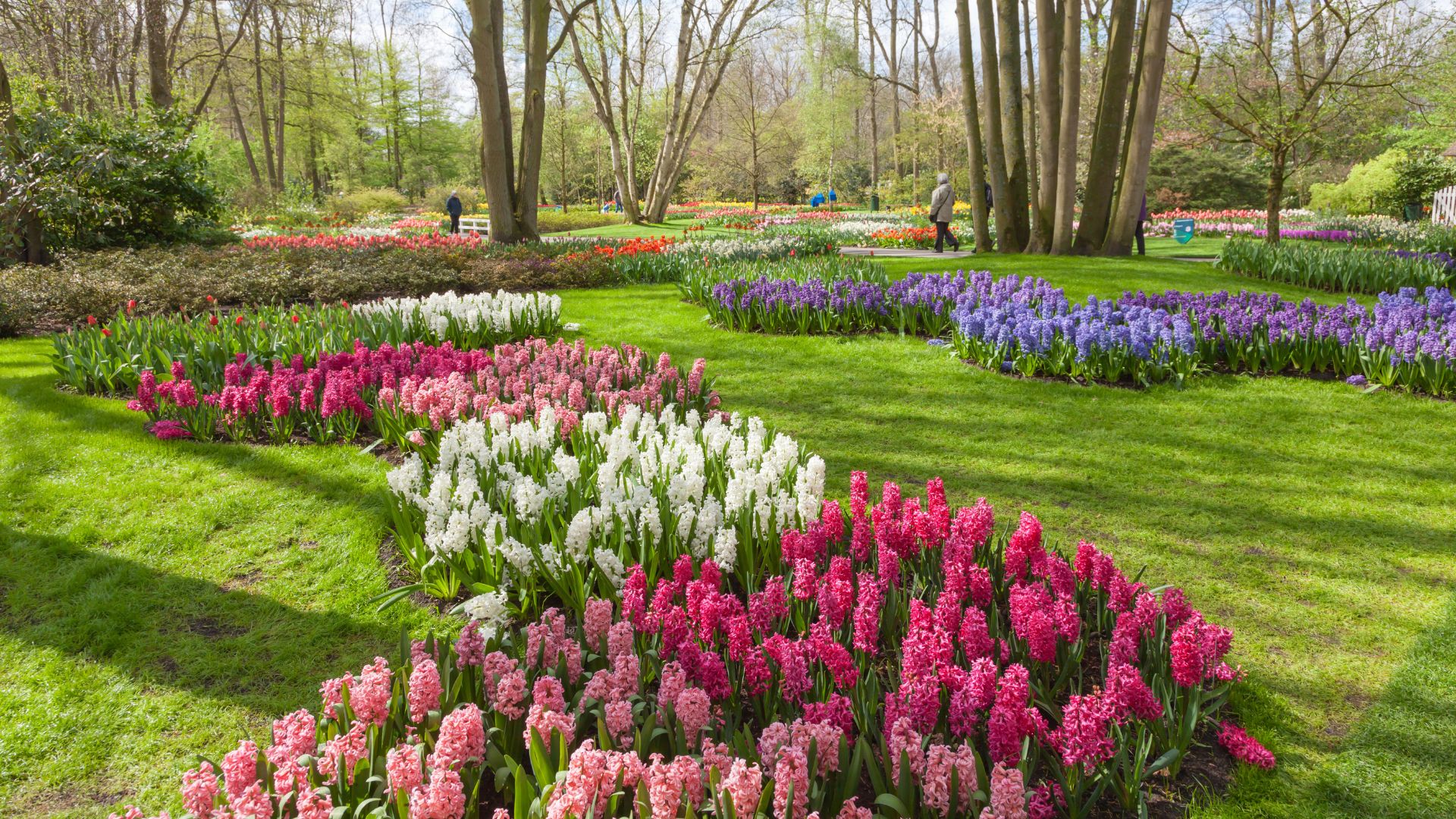
Keukenhof Gardens in Lisse is a springtime legend. The gates swing open for just eight weeks, late March through mid-May, and then—poof—they close again.
This place sprawls across 79 acres, and they plant over 7 million blooms each year. It’s honestly hard to wrap your head around that number.
Tulips steal the show, but you’ll spot daffodils, hyacinths, and plenty of other spring beauties. The gardens sit just outside Amsterdam, so you can zip over by car or hop on public transport.
Every spring, more than a million people wander the winding paths and snap photos in front of the vibrant beds. It’s a flower lover’s dream, with different varieties and creative arrangements everywhere you look.
Lisse is easy to reach from cities like Amsterdam, Haarlem, or The Hague. Just remember, you’ve got to time your visit—Keukenhof shuts its doors the rest of the year.
People fly in from all over to catch the Dutch flower scene at its wildest. If you’re even a little bit into flowers, this is a bucket-list spot.
2) Cherry Blossom Festival, Washington D.C.
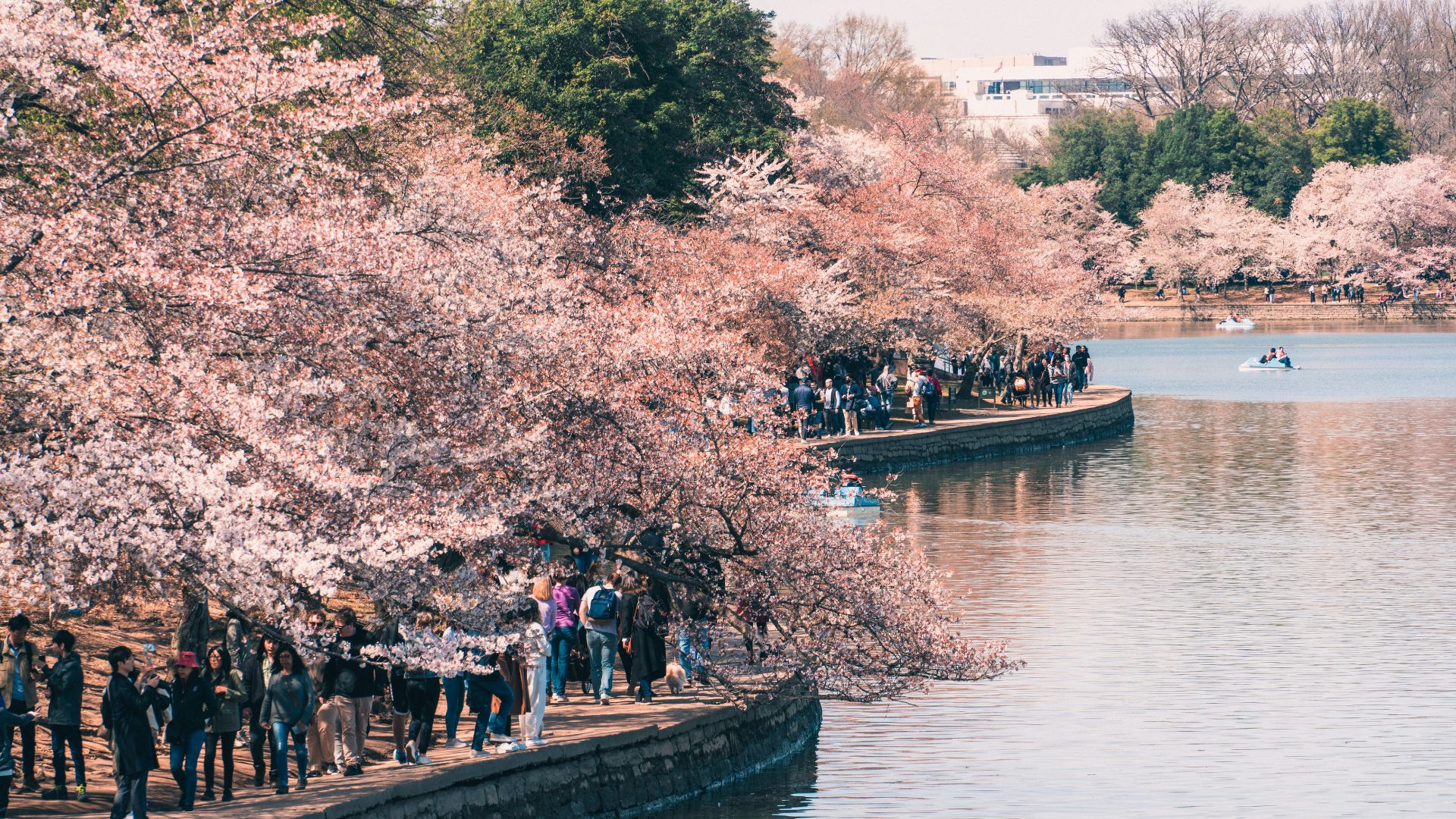
Every spring, Washington D.C. goes all-in on cherry blossoms. The trees around the Tidal Basin explode into pink, and the city feels like a postcard.
The National Cherry Blossom Festival celebrates a 1912 gift of trees from Tokyo’s mayor. The party lasts about four weeks, usually late March to mid-April.
Events pop up all over D.C., Maryland, and Virginia. More than 1.5 million people show up to catch the blooms and join the fun.
You can fly a kite at the Blossom Kite Festival, stroll through a Japanese street fair, or watch the big parade. There are fireworks, art installations, and even special menus at local restaurants.
The Tidal Basin is the sweet spot for blossom viewing. The pink and white flowers frame monuments like the Jefferson Memorial, and—if you time it right—you’ll catch the peak bloom.
3) Mt. Fuji Cherry Blossoms, Japan
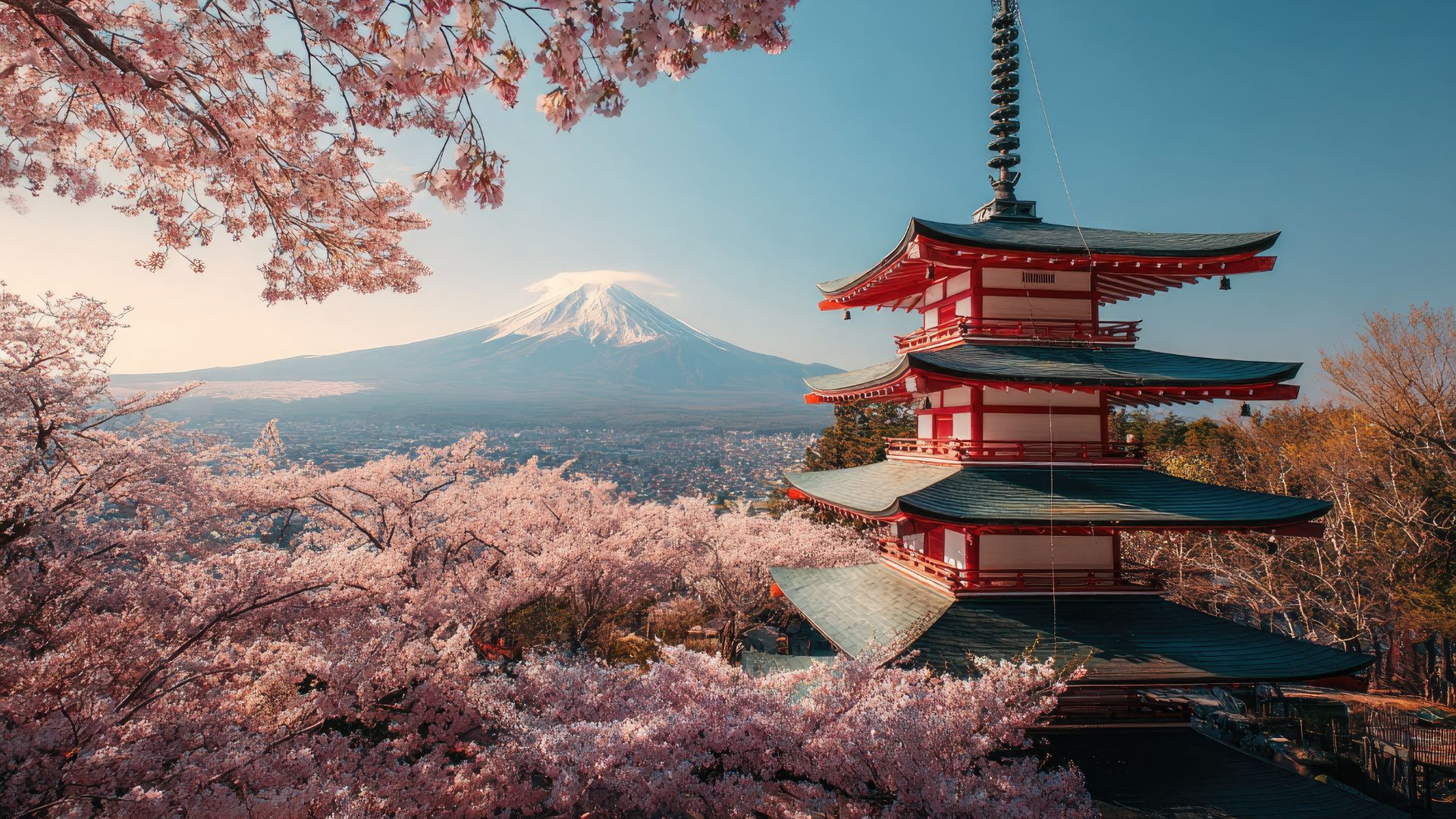
There’s nothing quite like seeing cherry blossoms with Mt. Fuji in the background. The snow-capped mountain and pink sakura make one of Japan’s most iconic scenes.
The bloom usually peaks in mid-April around Mt. Fuji, a bit later than Tokyo because it’s higher and cooler. The exact dates shift each year, so you’ll want to check before you book.
Lake Kawaguchi is a favorite spot for lakeside walks, where cherry trees reflect in the water. Arakurayama Sengen Park offers that classic shot—pagoda, blossoms, and Fuji all in one frame.
The season is short, late March to mid-April, and the area transforms almost overnight. Pair blossom viewing with a hot spring soak or a temple visit for the full experience.
If you’re aiming for the best, early to mid-April is your window. Weather can mess with the timing, so keep an eye on local reports.
4) Skagit Valley Tulip Festival, Washington
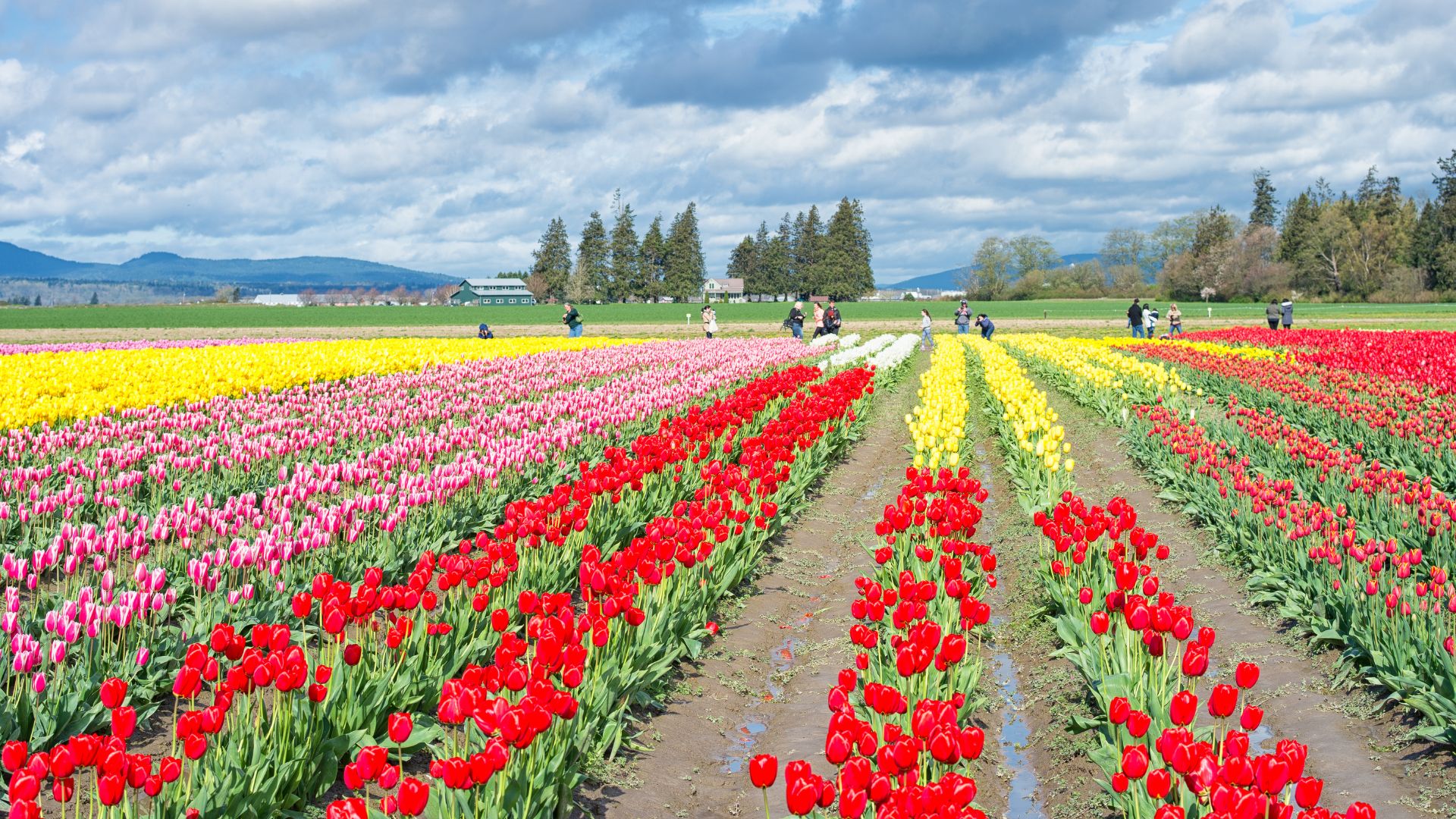
If you want to see the biggest tulip festival in the U.S., head to Washington’s Skagit Valley in April. The fields explode in purple, pink, red, and yellow, stretching as far as you can see.
National Geographic even called this one of the world’s best spring trips. The festival isn’t just one spot—you can visit different farms and gardens, each with its own vibe.
The valley sits near Mount Vernon, an easy drive from Seattle. Besides the flowers, you’ll find art shows, local food, and family-friendly events.
Many farms let you wander right through the tulip fields and snap photos. Some even let you pick your own blooms, if you’re into that.
Mount Baker’s snowy peaks make a jaw-dropping backdrop for all the color. People flock here every year to catch the daffodils and tulips at their brightest.
Each farm has its own character, so it’s worth hopping around. This valley has been growing tulips for generations, and spring is when it really shines.
5) Nantucket Daffodil Festival, Massachusetts
Nantucket turns yellow in spring—seriously, more than three million daffodils bloom across the island. The Nantucket Daffodil Festival has been a tradition for nearly 50 years, usually happening in late April.
The festival packs in art shows, a flower show, and live music. The highlight? A parade where folks dress up in vintage clothes and deck out antique cars with daffodils.
At Children’s Beach, families get in on the fun with a hat pageant and a kids’ bike parade. There’s even a dog parade—because, why not?
Daffodils line the roads and fill gardens everywhere. You can wander the island, catch exhibitions, or pop into lectures during festival weekend.
Local shops join the party, decorating their storefronts with fresh blooms. The whole thing feels like a big, cheerful kickoff to the season.
If you want to see Nantucket at its most colorful, late April is your best bet.
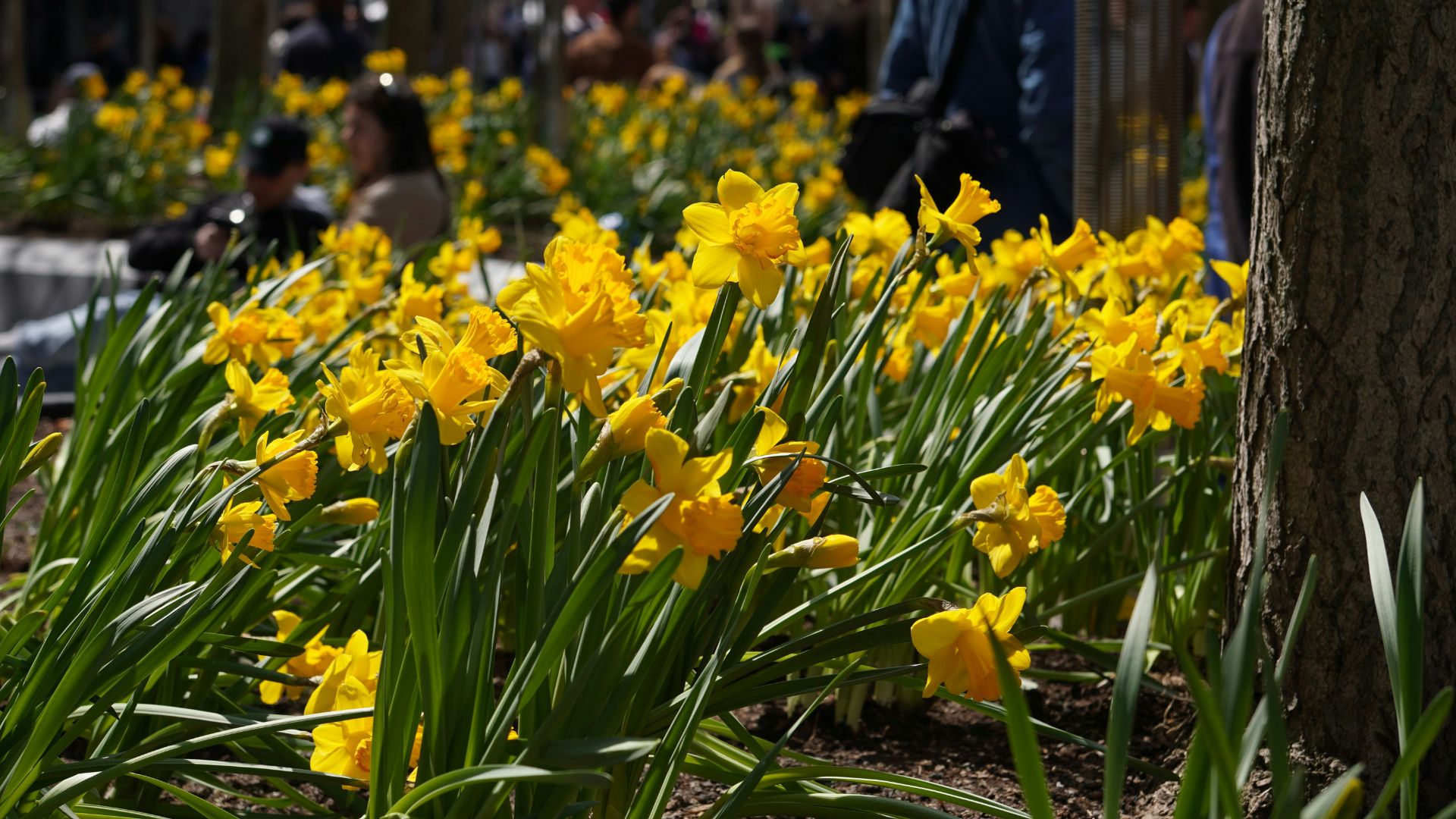
6) Brooklyn Botanical Garden, New York
Looking for a spring escape in the city? Brooklyn Botanic Garden is a hidden gem with 52 acres of flowers and plants—right in the middle of Brooklyn.
It opened back in 1910 and sits next to the Brooklyn Museum and Prospect Park. You can get there by subway, so it’s super convenient.
Spring is when the garden really wakes up. Native plants and species from around the world burst into bloom, both inside and out.
Kids love the Discovery Garden, where they can dig in the dirt and learn about bugs. The garden stays open all year, but spring is hands-down the prettiest time to visit.
Wander through themed landscapes, from Japanese gardens to rose collections. The place started as marshland and now feels like a green oasis.
They run educational programs and special events throughout spring, so check the calendar before you go.
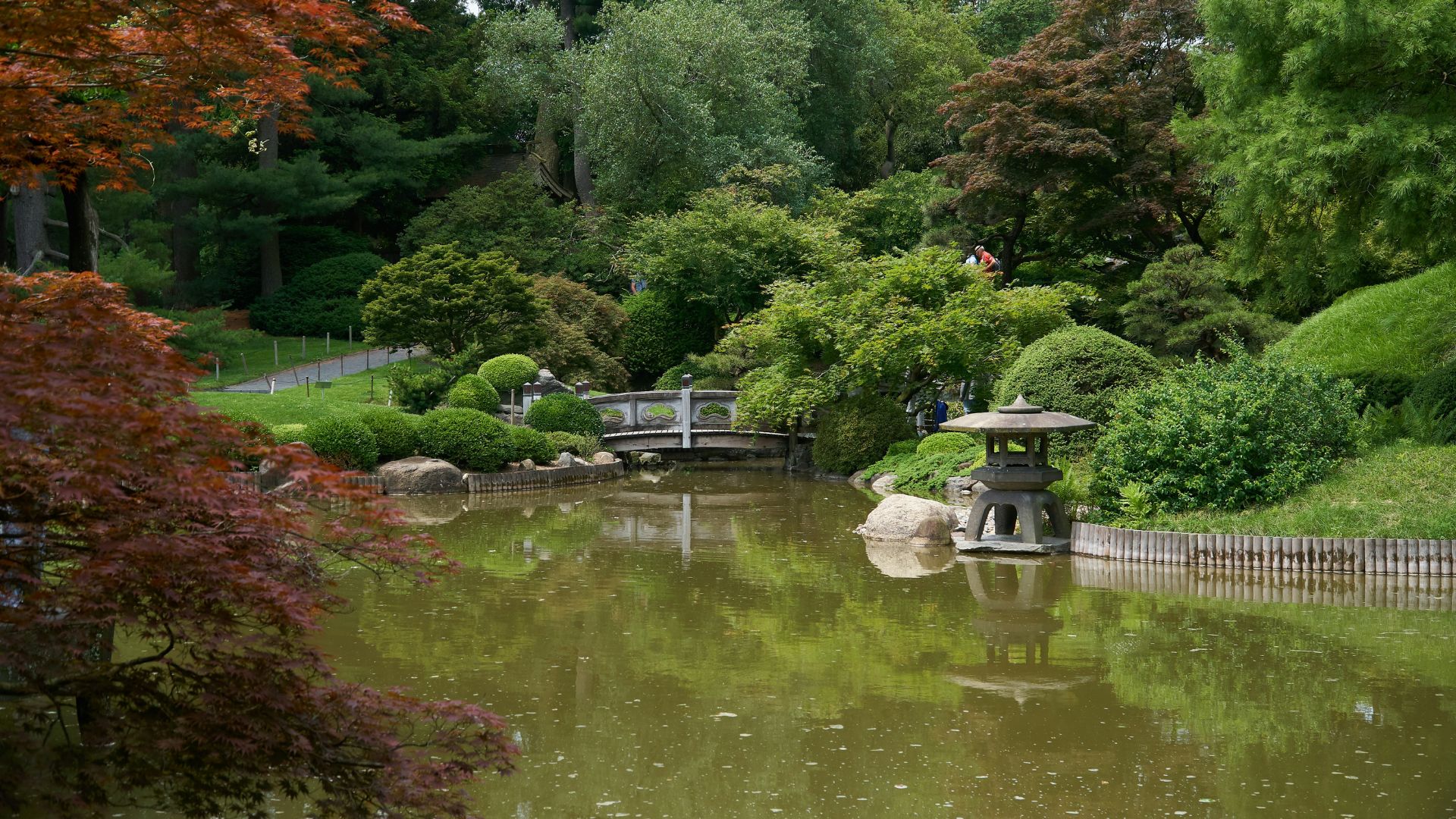
7) Great Smoky Mountains Wildflowers, Tennessee/North Carolina
The Great Smoky Mountains have more wildflower species than any other U.S. national park. Over 1,500 kinds of flowering plants grow here, earning it the nickname “Wildflower National Park.”
Spring brings a wild show—blooms start in late March at lower elevations and keep climbing higher through summer. You’ll spot trilliums, violets, lady slippers, and so many others painting the forest floor.
The park hosts a Spring Wildflower Pilgrimage in late April. It’s a week of guided walks and programs celebrating the crazy diversity of blooms.
You don’t need to hike far to see wildflowers. Most trails at lower and mid-elevations offer great views in spring.
The park even has a Species Mapper tool online to help you find what’s blooming where. Plan your trip between April and June for the best floral displays.
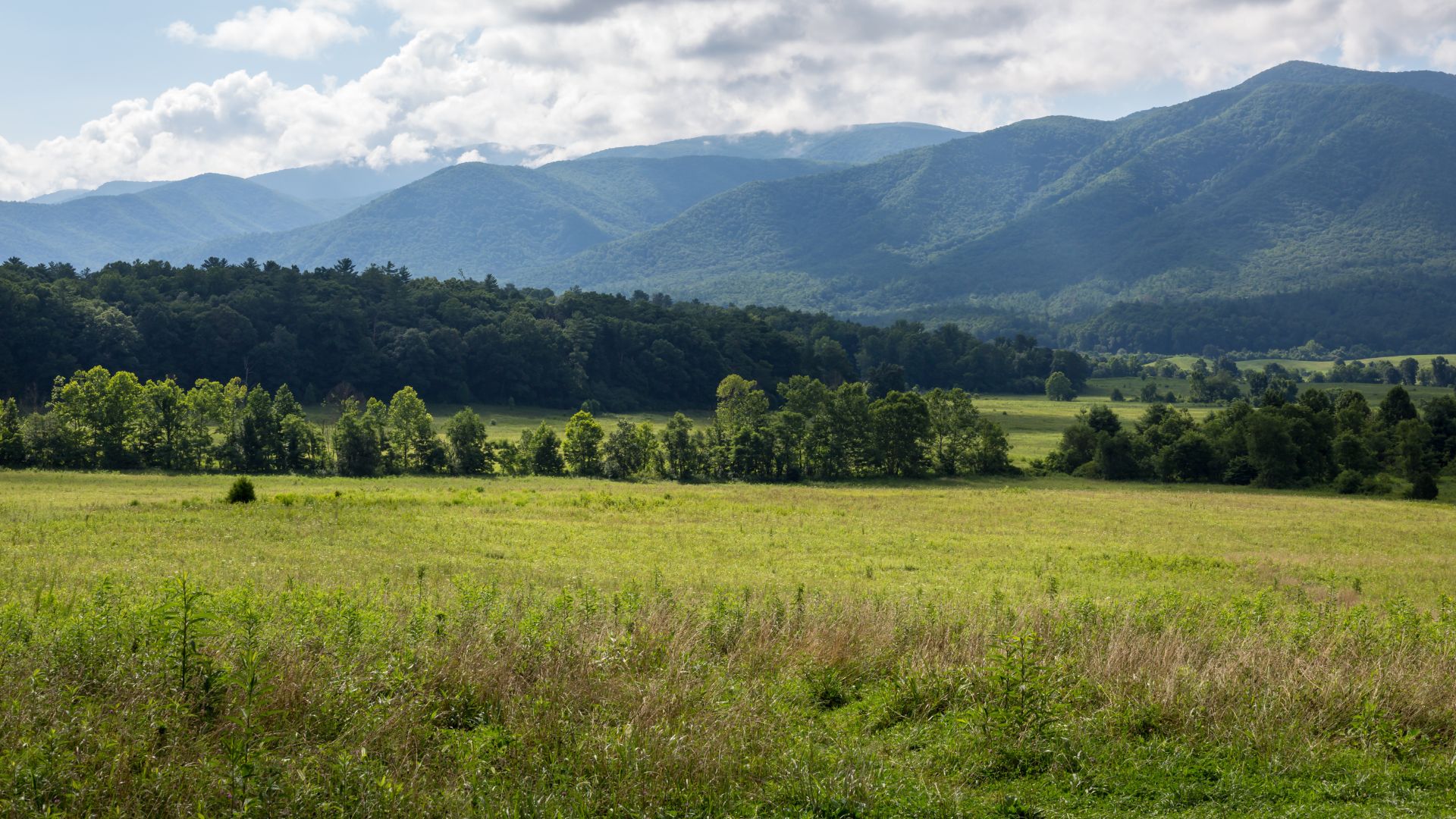
8) Descanso Gardens, California
Just outside Los Angeles, Descanso Gardens sprawls over 150 acres in La Cañada Flintridge. It’s tucked into the foothills of the San Gabriel Mountains, only about 20 minutes from downtown LA.
Nine different botanical collections bloom throughout spring. April and May bring cherry blossoms, tulips, magnolias, and camellias, while daffodils, irises, and lilacs pop up too.
But flowers aren’t the only draw. You can stroll through a redwood forest, follow streams, or relax by the lake. Descanso also boasts the largest camellia garden in the country.
For a little extra fun, hop on the Descanso Railroad’s model trains, grab lunch at the café, or check out the art gallery. There’s even a bird sanctuary if you’re into feathered friends.
Every month brings something new into bloom, so no two visits are quite the same. The mix of landscapes makes this a must-see for flower fans.
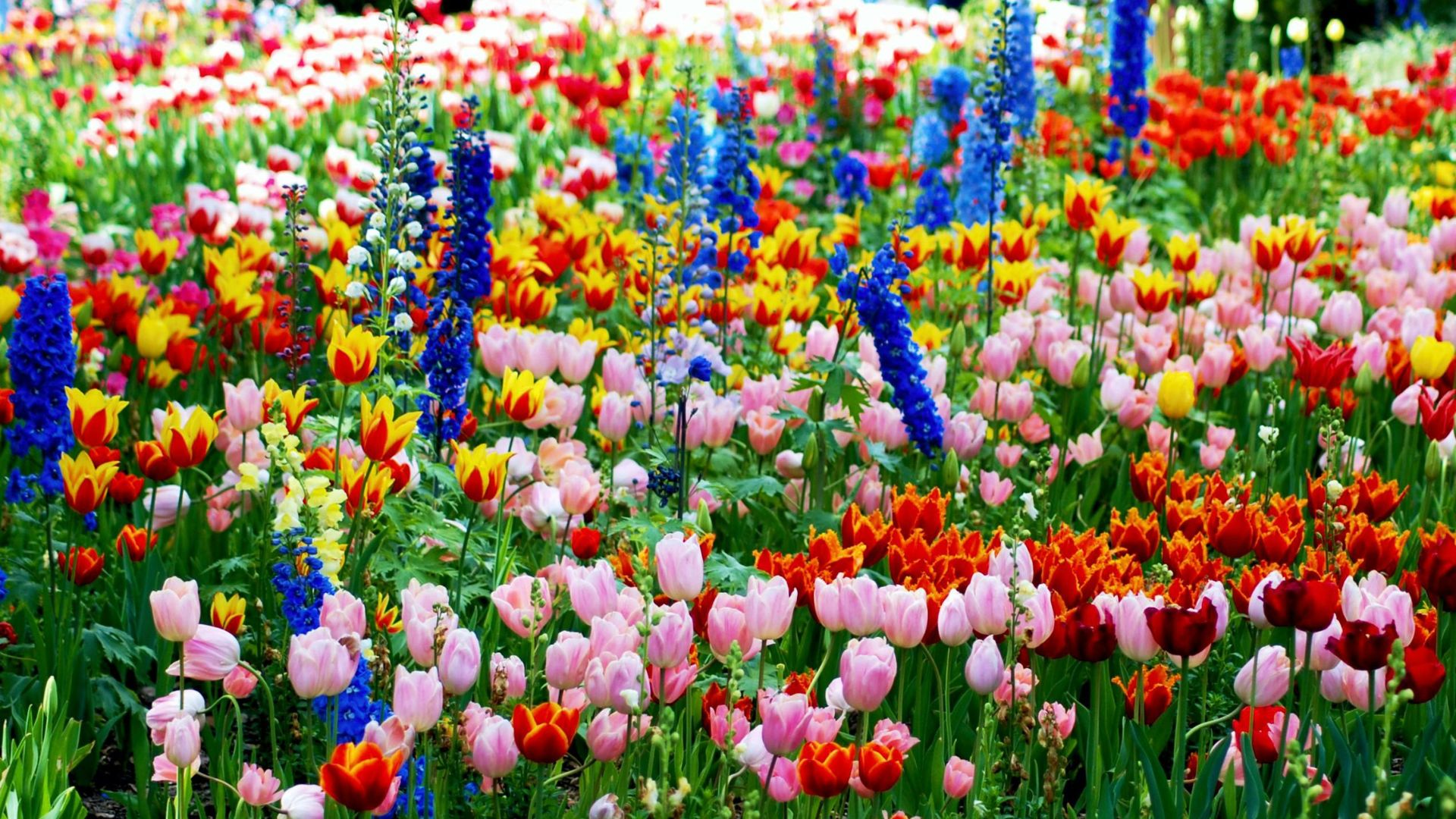
9) Phlox Fields, New England
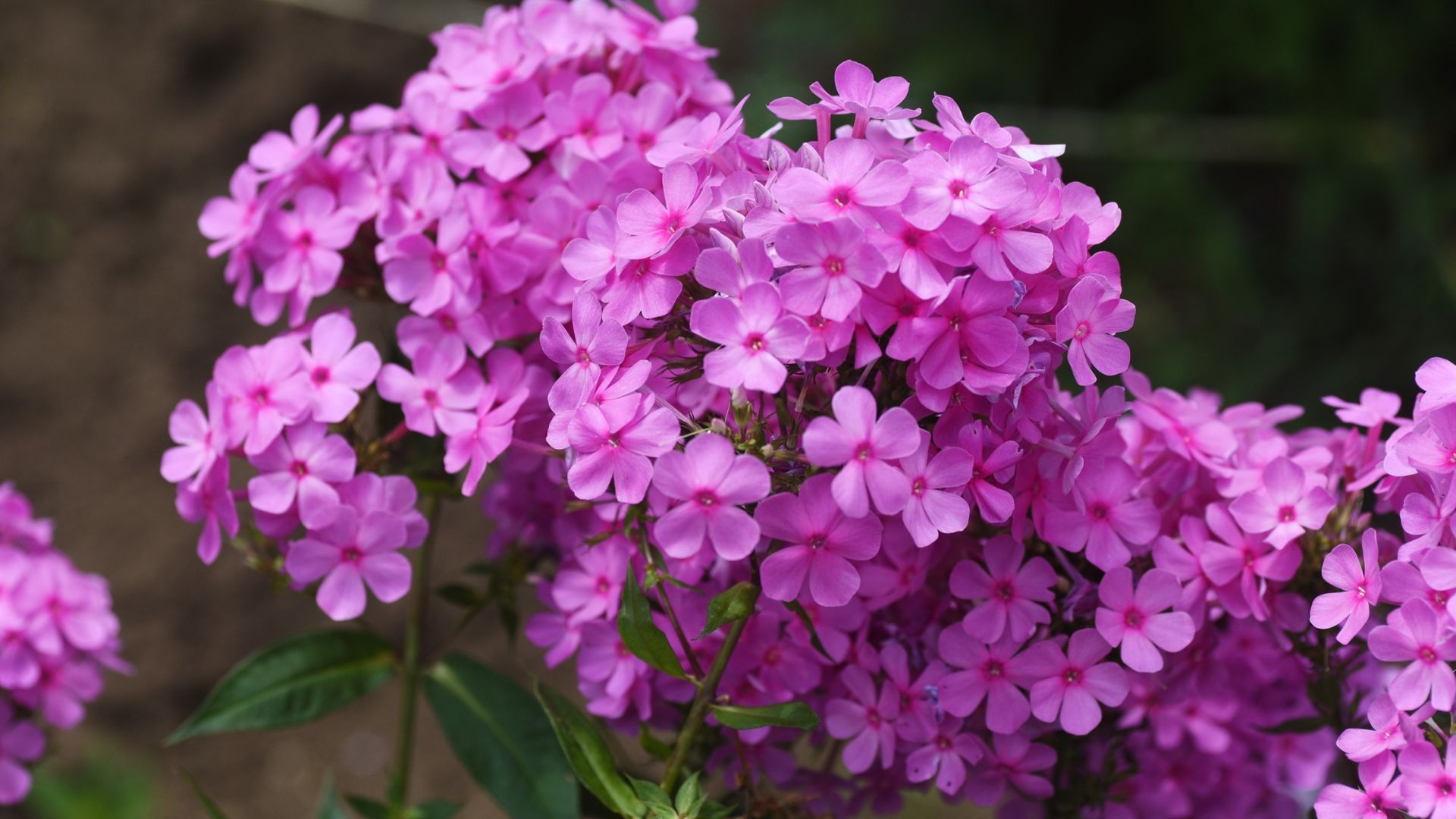
If you’re chasing color, don’t sleep on New England’s phlox fields. These flowers create carpets of pink, purple, white, and lavender across the region in spring and early summer.
Phlox usually blooms from late April through June, but timing depends on where you go and the year’s weather.
You’ll find phlox in botanical gardens, nature centers, and even wild along hiking trails. Woodland phlox pops up first in shady spots, while garden phlox follows in sunny fields.
Photographers love these star-shaped petals and dense clusters—they’re seriously photogenic. Some places let you walk right through the flowers, but others ask you to stick to the paths.
May to early June is usually peak season. Check with local gardens or farms before you go to catch the best displays.
10) Missouri Botanical Garden, St. Louis
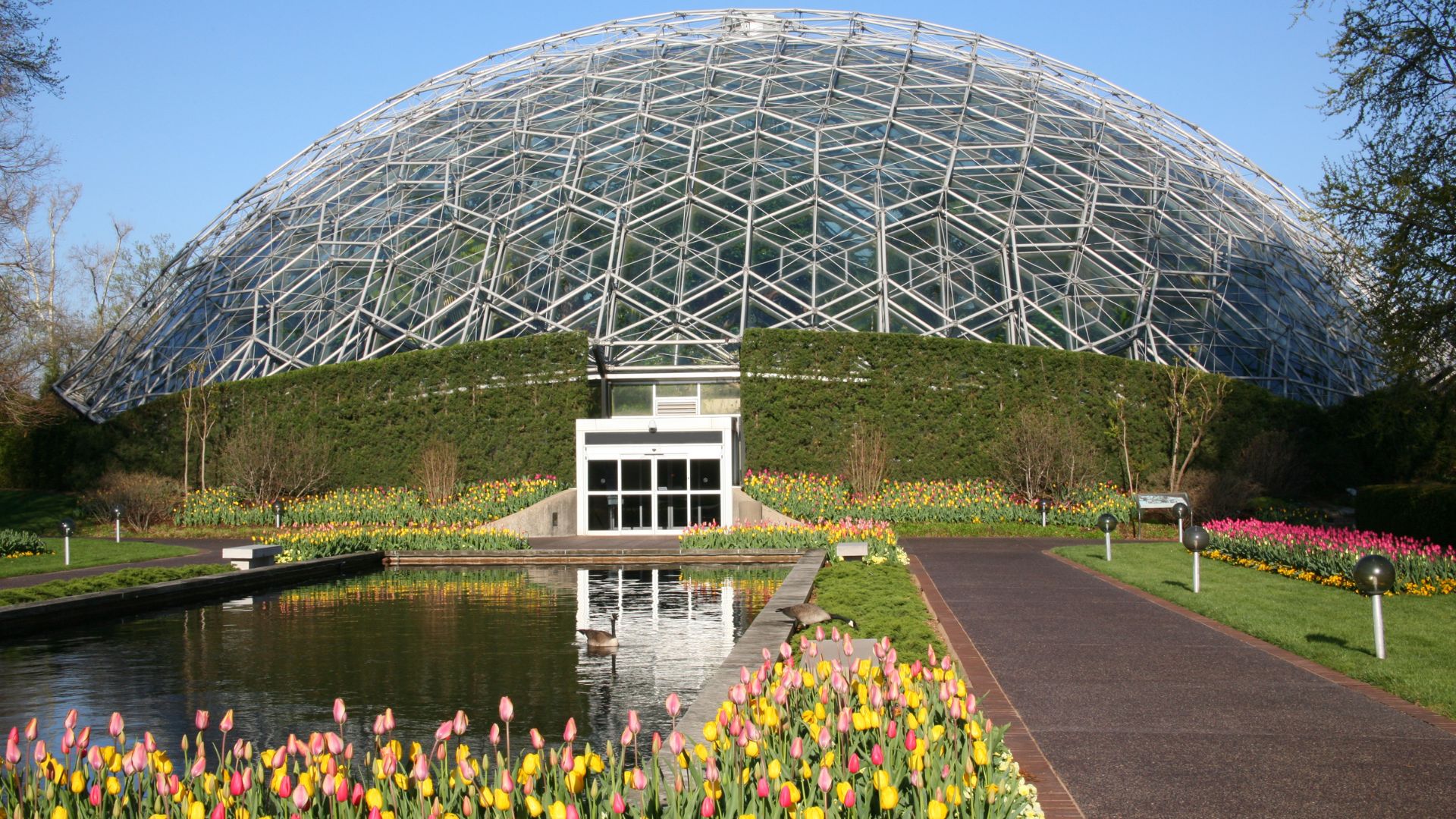
The Missouri Botanical Garden in St. Louis is a springtime classic. Founded in 1859, it’s the oldest botanical garden in continuous operation in the U.S.
Spring turns the 79-acre garden into a flower wonderland. Blooms start popping as early as February, with pasque flowers near the visitor center. By March, tulips, daffodils, and a rainbow of other flowers take over.
Don’t miss the Japanese Garden, where cherry blossoms line peaceful paths. The Victorian District offers formal plantings in a historic setting.
If you’re a St. Louis local, you get free admission on Wednesdays and Saturdays from 7 a.m. to noon. The garden takes only cashless payments, so bring a card. You’ll find it at 4344 Shaw Boulevard in the Shaw neighborhood.
This place is both a National Historic Landmark and a research center. It’s often ranked among the world’s top three botanical gardens—and for good reason.
11) Arnold Arboretum, Boston
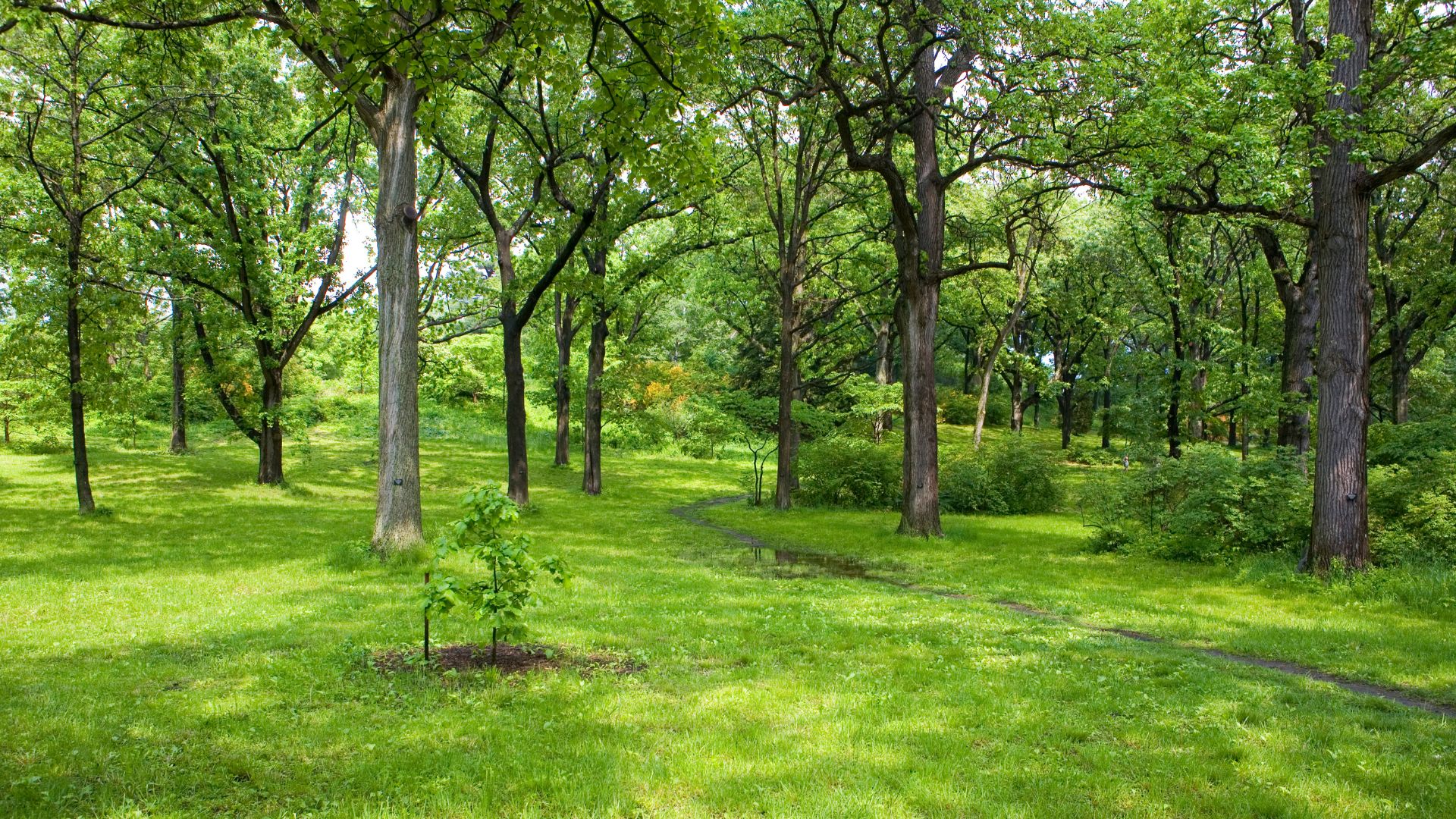
If you love spring blooms, you can’t miss the Arnold Arboretum. This place sprawls across 281 acres in Boston’s Jamaica Plain and Roslindale neighborhoods.
I wandered through here without paying a dime—yep, admission is free. It’s a dream for anyone who wants to soak up flowers on a budget.
Did you know it’s the oldest public arboretum in the country? Harvard’s been managing it since 1872, thanks to a wild 1,000-year lease with the City of Boston. You’ll spot more than 15,000 documented trees, shrubs, and vines.
In spring, the whole landscape bursts into color. The focus is on plants from eastern North America and eastern Asia, so you’ll see lilacs, magnolias, and cherry trees showing off during peak season.
It’s not just a pretty park—it doubles as a research center and a living museum. I strolled the winding paths, learning about species I’d never even heard of.
The arboretum is part of Boston’s Emerald Necklace, so you get that blend of city energy and peaceful green space. Families, photographers, and anyone craving a serene outdoor escape will find something special here.
12) Cherry Blossom Avenue, San Francisco
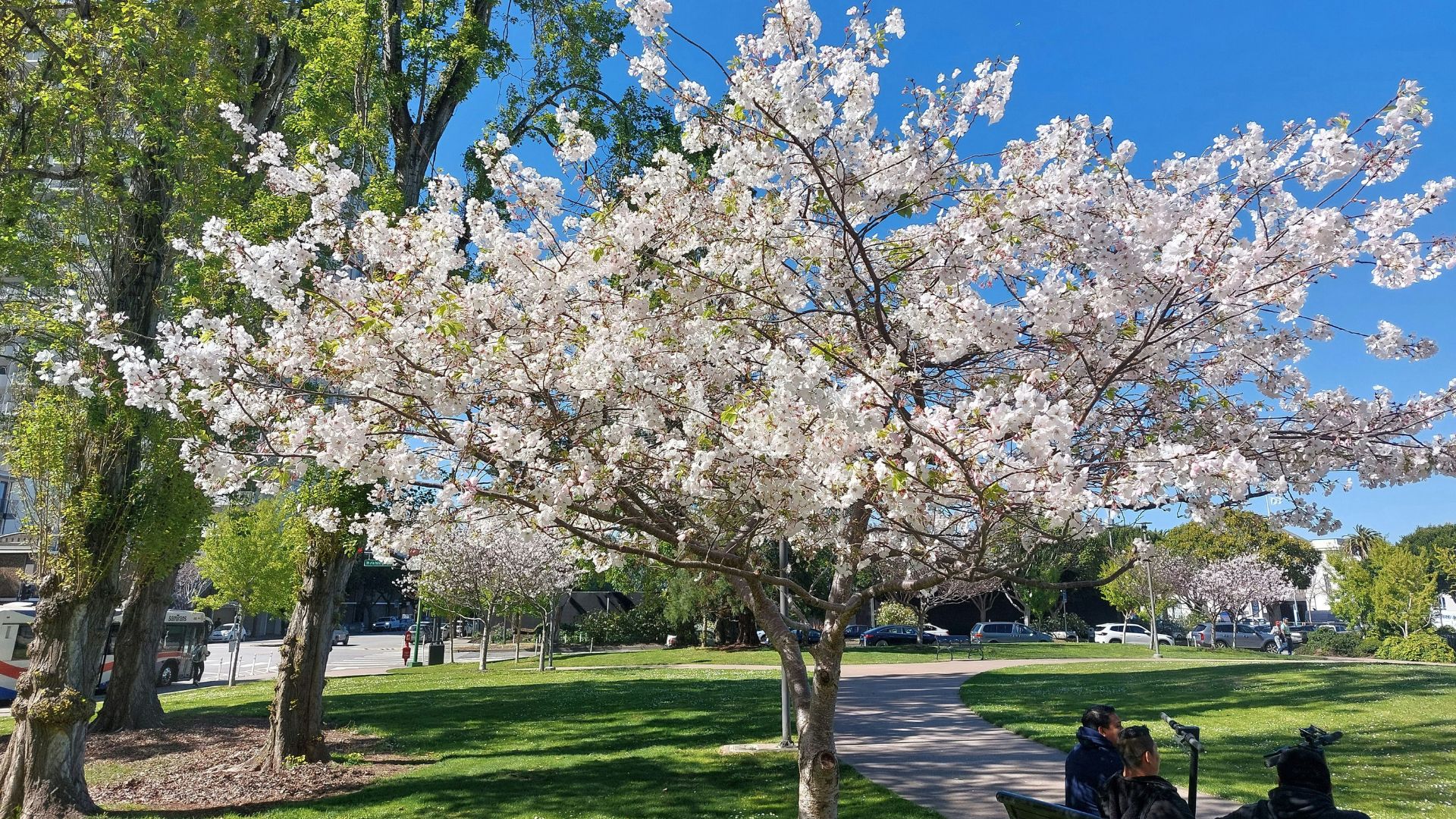
Every spring, San Francisco turns into a pink wonderland. I still remember walking under those cherry blossoms—there are over 4,700 cherry blossom trees scattered across the city.
Golden Gate Park and the Japanese Tea Garden are my top picks for blossom viewing. The canopies of pink and white feel almost magical, especially in March and April.
Japantown gets extra festive during cherry blossom season. The San Francisco Cherry Blossom Festival takes over for two weekends in April, and you’ll catch cultural performances, Japanese traditions, and lots of tasty local treats.
The blossoms don’t last long—maybe two weeks if you’re lucky. I’d aim for early to mid-April, but check local bloom reports before you go. Weather can totally change the timing.
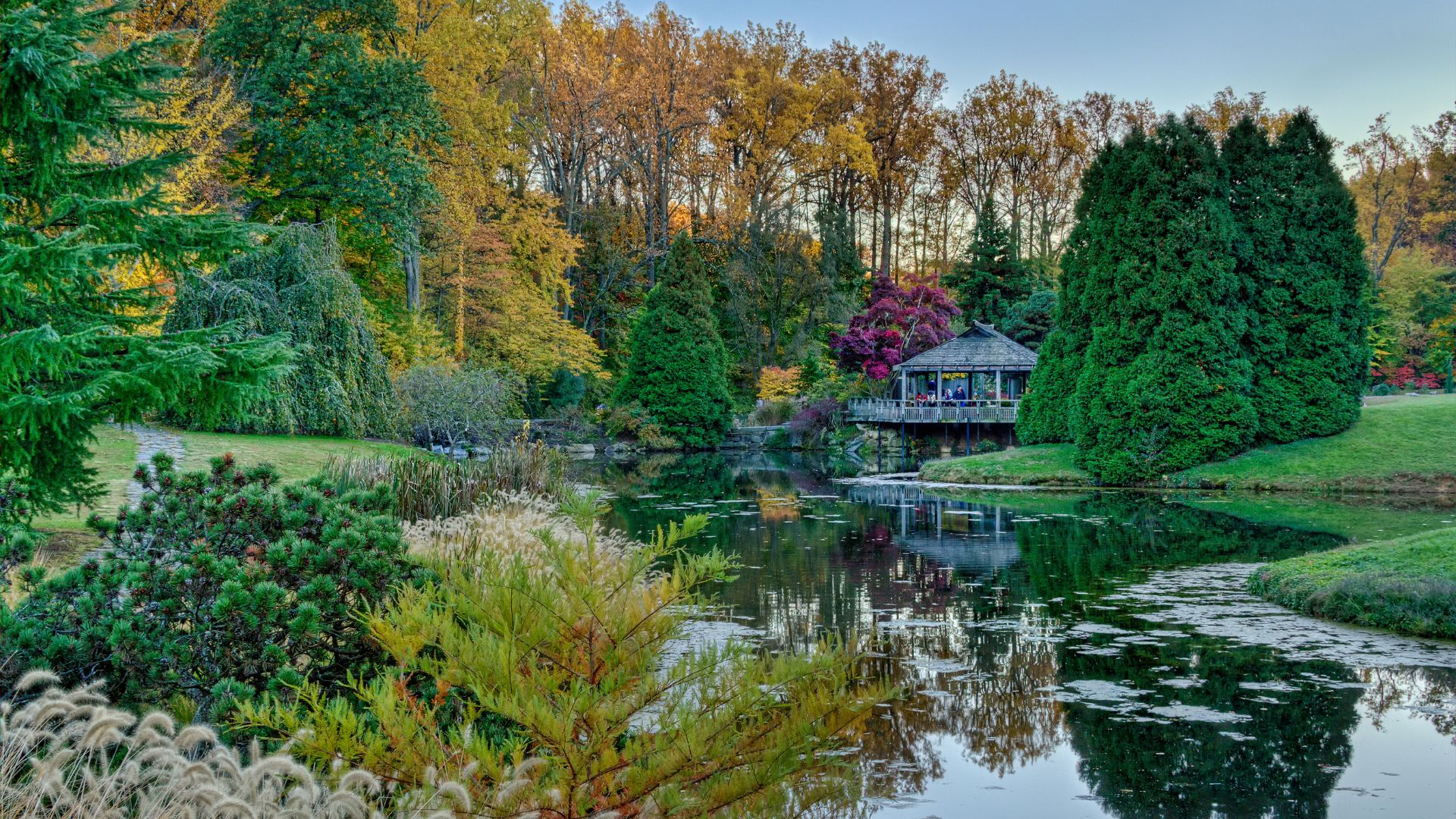
13) Brookside Gardens, Maryland
You really don’t have to go far for a stunning spring garden fix. Brookside Gardens in Wheaton, Maryland, just outside D.C., covers 50 acres of gorgeous displays.
Spring brings thousands of tulips and flowering bulbs. Cherry trees, magnolias, and dogwoods create a dreamy canopy overhead.
Azalea fans, take note—about 300 varieties of azaleas hit their stride in late spring, painting the gardens with pinks, purples, and whites.
When you need a break from the outdoors, two conservatories offer indoor displays. I wandered through themed gardens, around peaceful ponds, and found myself relaxing in gazebos along the way.
Best part? Admission is free. The gardens open at sunrise and close at sunset, so you’ve got plenty of time to linger.
Brookside Gardens stays open all year, so you can come back for new blooms every season. There’s even a gift shop if you want to snag a plant or two.
Since it’s inside Wheaton Regional Park, you can easily pair your visit with other park adventures.
14) Lavender Fields, Sequim, Washington
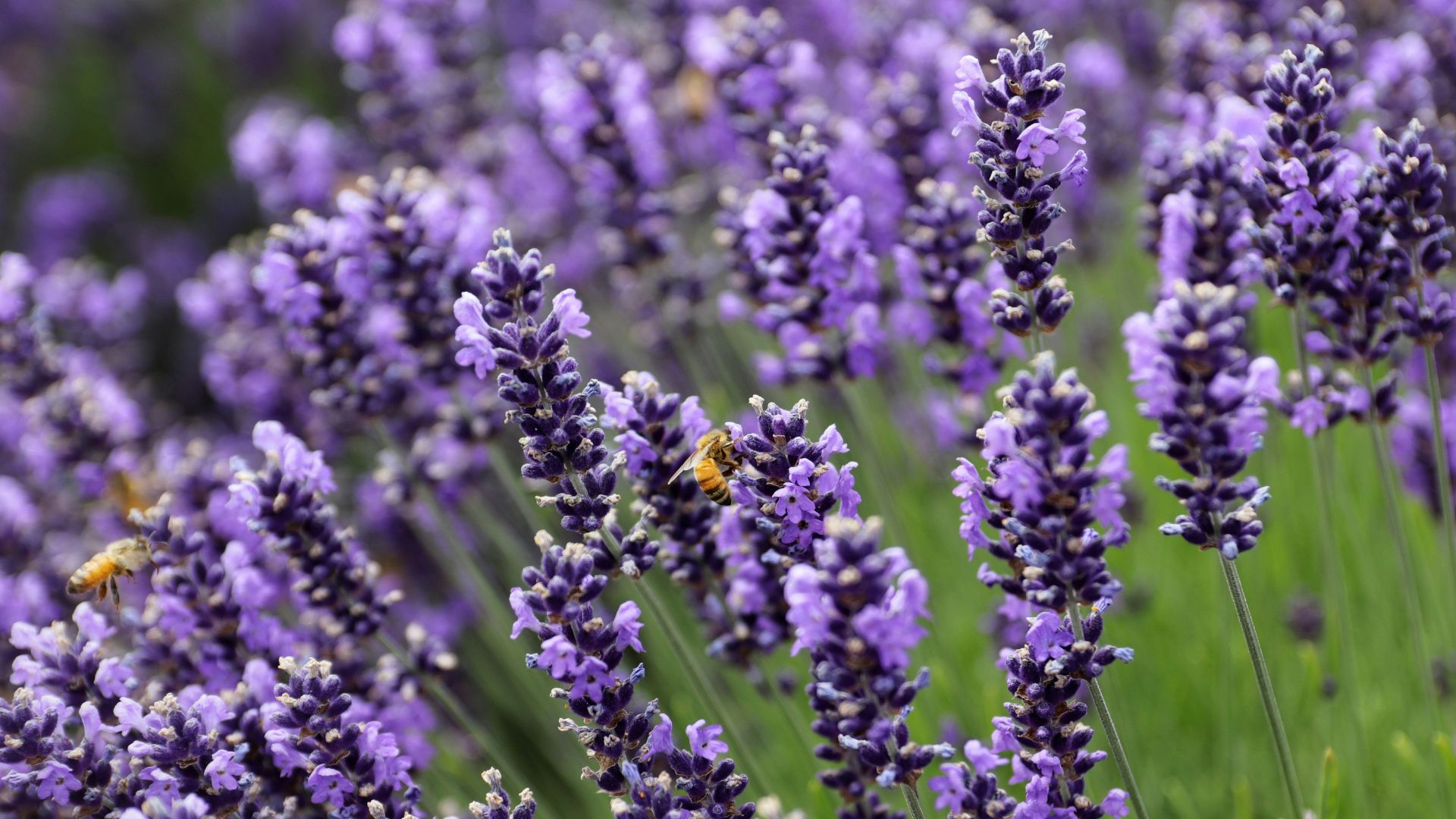
Sequim, perched on Washington’s Olympic Peninsula, calls itself the Lavender Capital of North America. With over 20 lavender farms clustered nearby, it’s hard to argue.
Late spring and summer are prime time for lavender. Each farm has its own vibe—some let you cut your own, others tempt you with lavender goodies in their shops.
The weather here is almost tailor-made for growing lavender. Blue skies, gentle sea breezes, and that unmistakable scent fill the air while you explore.
The Sequim Lavender Trail is a self-guided driving tour connecting many of the farms. You don’t have to wait for the big festival—farms welcome visitors all season.
Some farms grow more than 40 lavender varieties, so you’ll get to see (and smell) all kinds. Plus, those Olympic Mountains in the background? They make the purple fields even more photogenic.
15) Tulip Time Festival, Holland, Michigan
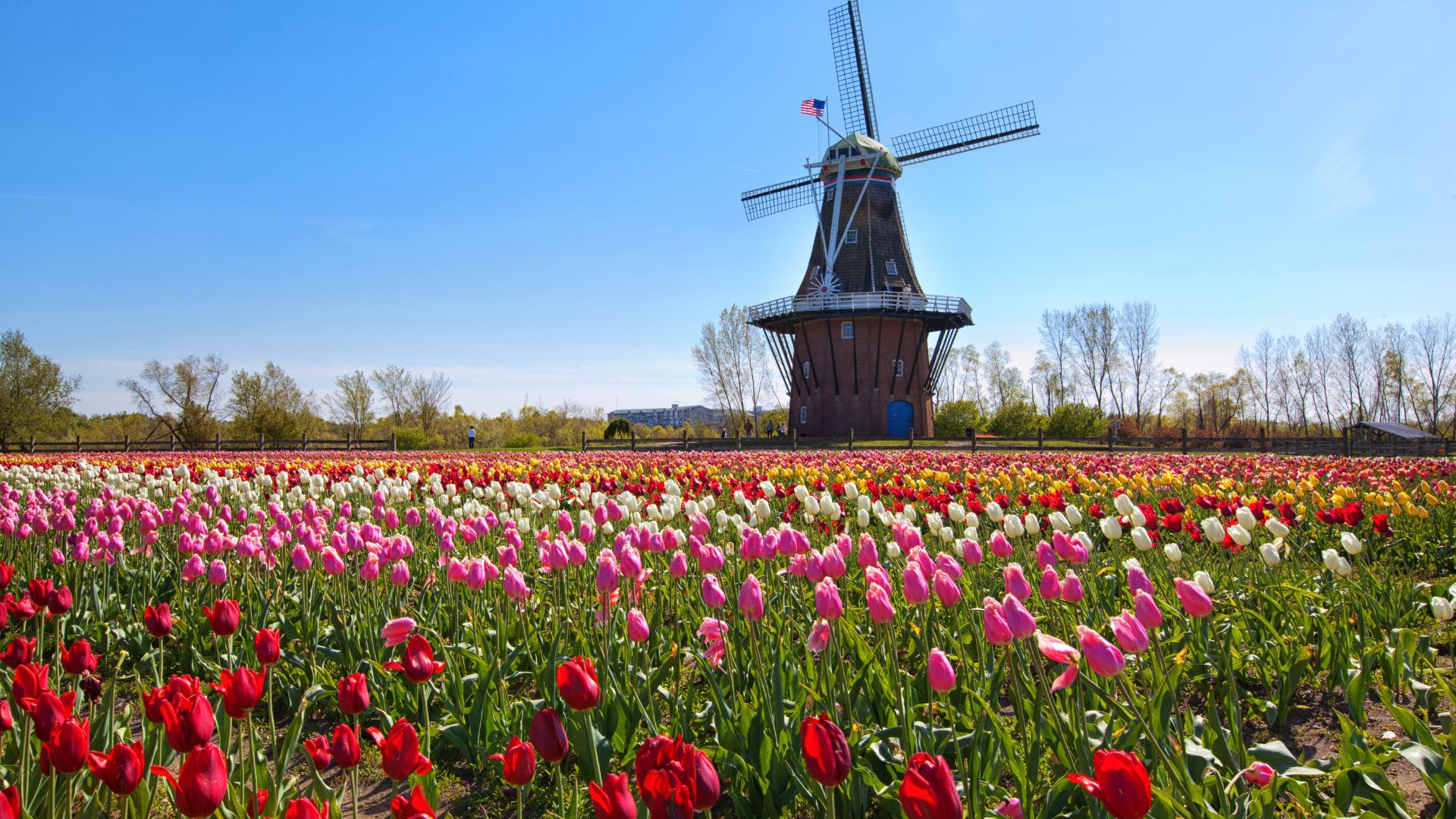
You can get a taste of Dutch culture—and millions of tulips in bloom—without leaving the States. Holland, Michigan, goes all out every May for the Tulip Time Festival.
Back in 1929, the city planted its first 100,000 tulips. Now, over five million tulips bloom across the city and nearby areas.
The festival runs for ten days in early May, so you’ve got a solid window to visit. Beyond flowers, there’s a ton to do: watch Dutch dancers, catch lively parades, and sample local eats.
Kids and adults both find plenty to love, from playgrounds to cultural exhibits. The whole event is a fun mashup of Dutch heritage and modern entertainment.
You can join tours, workshops, and all sorts of shows throughout the festival. Heads up—the 2026 festival is set for May 1-10. Weather can shift the bloom times, so check before you go if you want to hit peak tulip season.
16) Missouri Botanical Garden
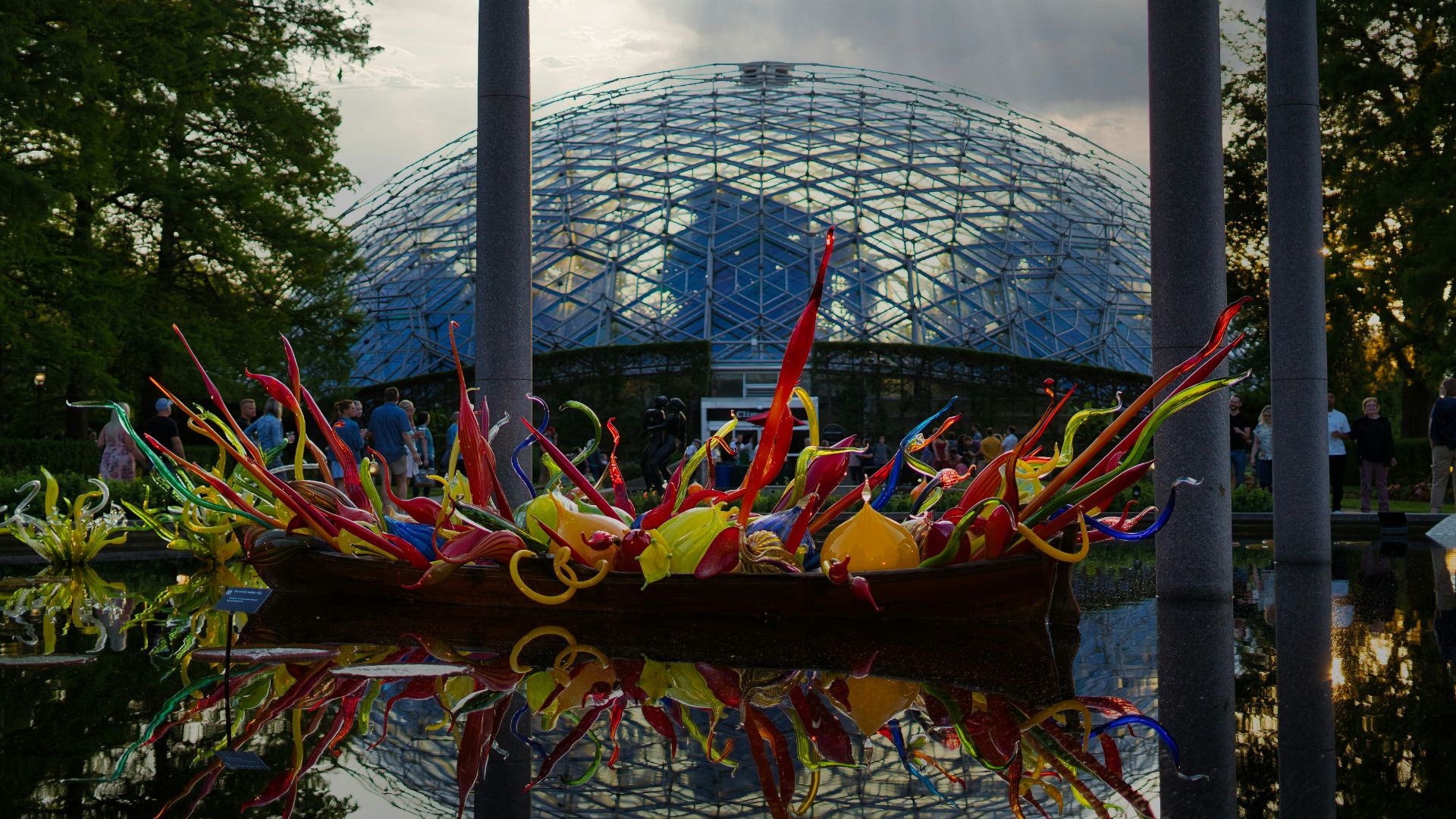
If you’re in St. Louis, the Missouri Botanical Garden is a must-see. It’s one of the oldest and largest botanical gardens in the country, covering 79 acres.
Spring is when everything comes alive. The Japanese cherry blossoms in the Japanese Garden are a huge draw, and different flowers bloom in waves throughout the season.
The garden sits at 4344 Shaw Boulevard and is sometimes called Shaw’s Garden, after its founder, Henry Shaw. Spring brings a riot of color, no matter when you visit.
I always spot bees, butterflies, and hummingbirds flitting among the flowers. It’s a pollinator paradise.
You can explore themed gardens and unique plant collections. There’s so much ground to cover, it’s easy to spend hours discovering new corners and spring blooms.
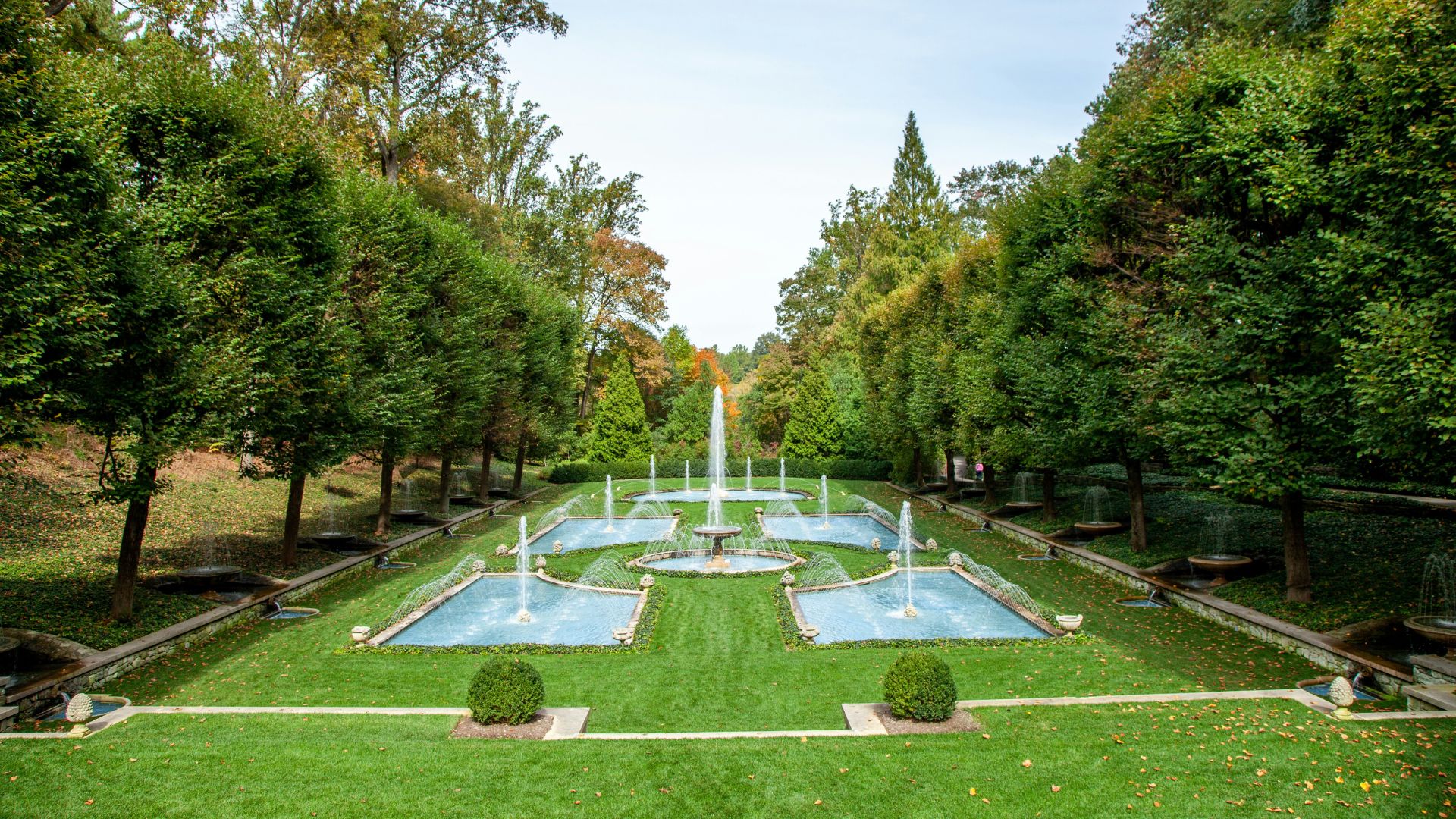
17) Longwood Gardens, Pennsylvania
Longwood Gardens in Kennett Square, just an hour from Philly, stretches across more than 1,100 acres of beautifully designed landscapes. This place is a plant-lover’s dream, with over 10,000 species and varieties inside and out.
Spring turns Longwood into a burst of color. The Flower Garden Walk—Pierre S. du Pont’s first garden here—runs 600 feet and explodes with blooms in spring.
Tulips, daffodils, and other seasonal flowers create some seriously stunning views. It’s no wonder about 1.5 million people visit every year.
You can wander outdoor beds or duck into elaborate conservatories if the weather turns. Rain or shine, the displays impress.
Longwood began as a Quaker farmstead before Pierre S. du Pont bought it in 1906. Now it’s one of America’s top horticultural spots.
Spring visits mean formal gardens, water features, and endless varieties of flowers at their best. I never leave without a camera full of photos.
18) Biltmore Estate Gardens, North Carolina
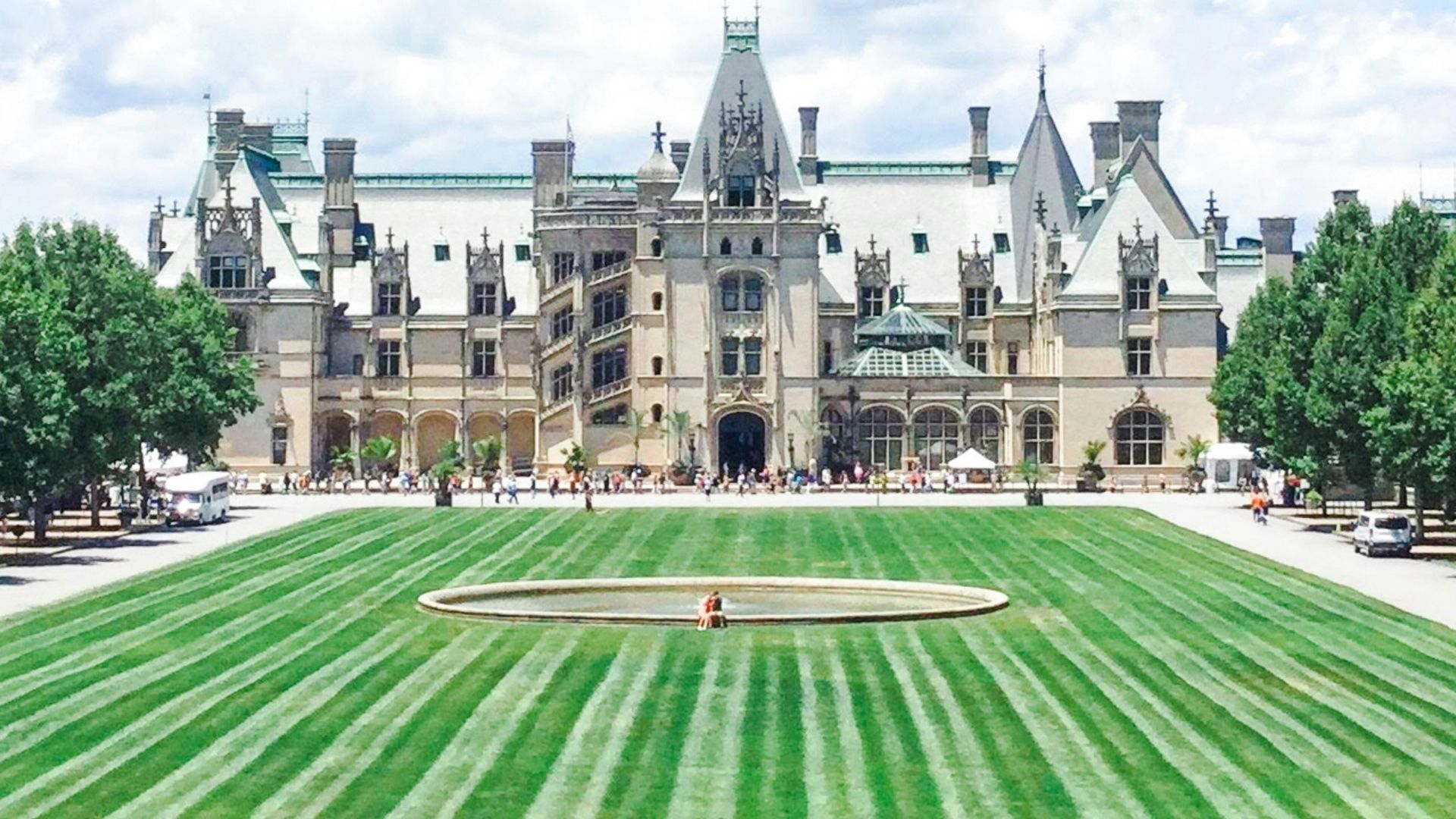
Spring at Biltmore Estate is a showstopper. Over 100,000 flowers bloom across the historic gardens from late March through May.
George Vanderbilt’s 250-room mansion sits just outside Asheville on 8,000 acres. Frederick Law Olmsted designed the gardens, and you can see his genius in every bed.
The blooms change as spring rolls on. Check Biltmore’s weekly bloom report before you go to catch your favorites.
Inside Biltmore House, you’ll find floral displays and tropical plants, so the color continues indoors. Spring weather here is usually perfect for strolling the grounds.
You’ll need advance tickets to visit Biltmore, but it’s worth it for a day surrounded by blooms and mountain views.
19) Brisbane Wisteria Festival, Australia
If you’re in Australia during spring (September to November), Brisbane’s wisteria blooms are a treat. The cooler Queensland regions are best for these dreamy purple vines.
I wandered through botanical gardens in Queensland and found wisteria displays that rival those in Europe. The cascading purple flowers are just spectacular.
Spring weather in Brisbane is comfortable for exploring gardens and parks. Even though wisteria prefers the cooler parts of Queensland, you’ll still find plenty around Brisbane.
Plan your visit for peak blooming season. The gardens aren’t just about wisteria—you’ll spot all sorts of spring blooms and plant collections.
Most gardens offer walking paths and handy info about what you’re seeing. I always appreciate a little background on the plants.
Australian spring festivals celebrate flowers all over the country. Brisbane’s gardens give you a more relaxed vibe, without the big crowds you might find elsewhere.

Planning a Flower-Filled Spring Getaway
Getting your timing right is everything if you want to see peak blooms. A bit of planning and respect for the spaces you visit go a long way.
Best Times to Visit for Peak Blooms
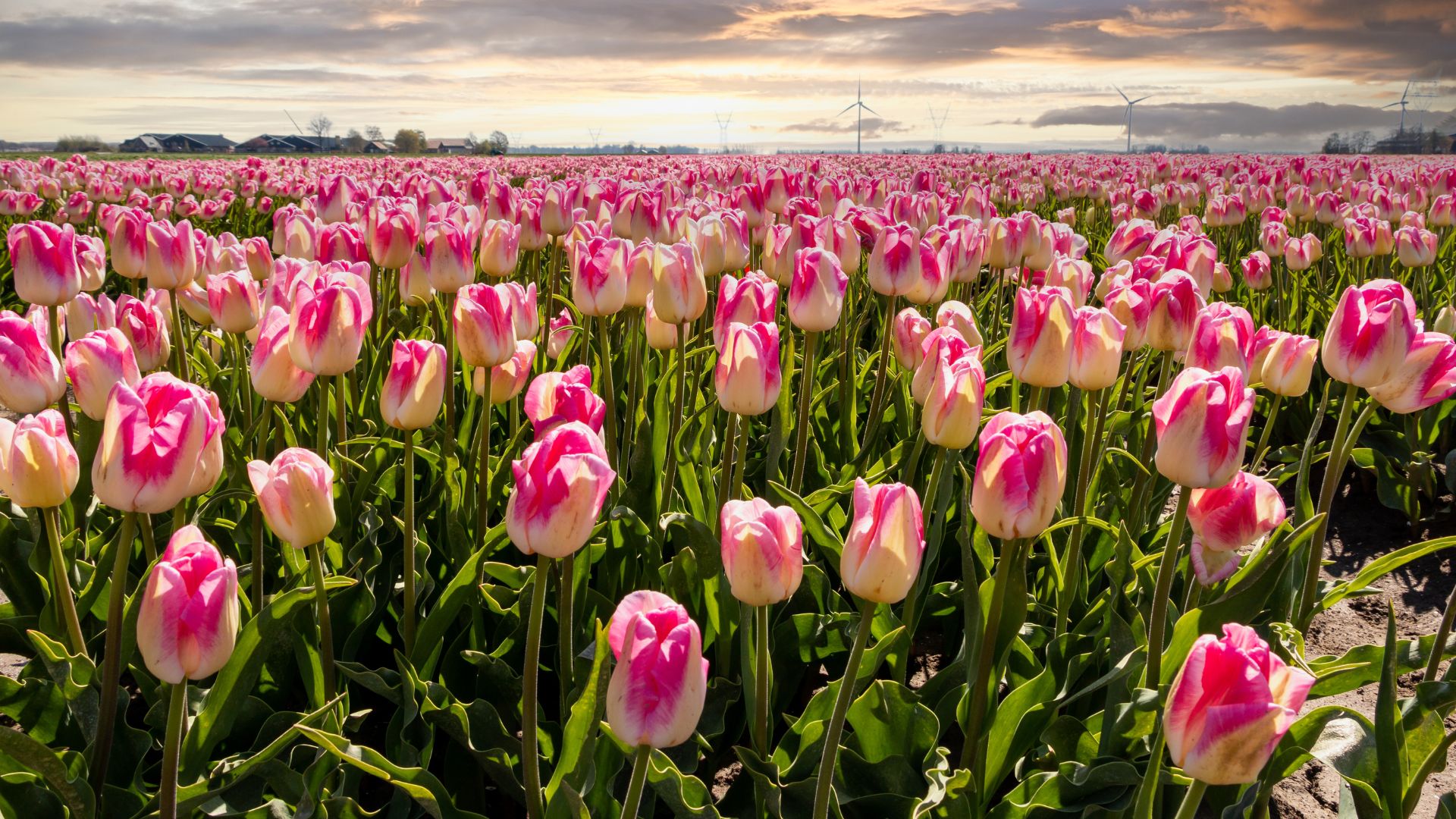
Bloom times really depend on where you’re headed. In Japan, cherry blossoms usually peak late March to early April. Tulips in the Netherlands? Think mid-April through early May.
Check bloom forecast sites before you book. Many gardens and tourism boards share weekly bloom updates in spring, factoring in weather and temperature swings.
Peak bloom windows by region:
- Mediterranean: February to April
- Northern Europe: April to May
- Mountain regions: May to June
- Southern hemisphere: September to November
Weather can throw everything off. Warmer winters push blooms earlier by a couple of weeks, and cold snaps can delay or shorten the show.
Book your stay three or four months ahead if you’re eyeing a popular flower spot. Crowds and prices spike during peak bloom, so consider a weekday visit for fewer people and better photos.
Travel Tips for Flower Enthusiasts
Bring a camera or just your phone—just make sure you’ve got plenty of space for all those photos. Honestly, nothing beats the soft morning light between 7 and 10 AM for snapping flowers at their best.
Don’t forget comfy shoes. I’ve wandered gardens for hours and regretted every stiff pair I ever owned.
Before you head out, download offline maps of the gardens or wildflower fields you want to see. Rural spots often have spotty cell service, and getting lost isn’t as fun as it sounds. Toss a portable charger in your bag, too—flower-chasing will drain your battery faster than you’d expect.
Book tickets online ahead of time for big-name gardens and flower festivals. A lot of places limit visitors during peak bloom, and some require timed entry slots you’ll need to reserve.
Spring weather is unpredictable, so dress in layers. I always pack a light rain jacket—it barely takes up space and has saved me from more than one surprise shower. Don’t skip sunscreen and a hat, even if it’s cloudy.
If you want to go deeper, hire a local guide. They know the secret spots and can tell you all about the flowers and the land—stuff you’d never learn from a brochure.
How to Respect Local Ecosystems
Stick to marked paths and viewing areas. It’s tempting to wander into a field for that perfect shot, but trampling roots and compacting soil can ruin next year’s blooms.
Never pick flowers or dig up plants in wild areas or gardens. Most parks make this illegal, and besides, taking them home means fewer seeds for next spring.
When you’re taking photos, avoid touching or brushing against the flowers. Oils from your skin can actually harm petals or attract pests. Use your camera’s zoom instead of getting too close.
Pack out everything you bring in. Even tiny bits of trash—wrappers, bottles—harm wildlife and spoil the landscape. I keep a small bag in my backpack for waste.
Drones? Only use them if you have permission. They’re noisy, and honestly, they can ruin the vibe for everyone else. Many flower spots ban them during bloom season.
If you see someone damaging the area or breaking the rules, let park staff or local authorities know. Speaking up helps keep these places beautiful for everyone.
Cultural Significance of Spring Blooms
Spring flowers aren’t just pretty—they mean a lot in different cultures. For centuries, people have celebrated renewal with festivals, art, and food inspired by blooms.
Festivals and Traditions Around the World
Japan’s cherry blossom season is legendary. Hanami means gathering under sakura trees for picnics, laughter, and a bit of quiet reflection. This tradition is over a thousand years old, and it’s still the heart of Japanese spring.
The Netherlands throws epic tulip festivals each year. Keukenhof Gardens opens for just eight weeks, and both locals and visitors come to see row after row of vibrant tulips—a nod to centuries of Dutch flower history.
In India, Holi bursts onto the scene with spring blooms and colors made from flowers and natural dyes. You’ll see people tossing powders in the air to welcome the season.
Thailand’s Chiang Mai Flower Festival is a riot of color, with floral floats and sculptures crafted entirely from fresh blooms. Artists compete, and the displays blend Buddhist symbols with seasonal joy.
Role of Flowers in Local Art and Cuisine
Across the world, you’ll spot spring flowers woven into textiles. Persian rugs often show tulips and roses, while Japanese kimonos might feature cherry blossoms or irises—each symbolizing a different season or virtue.
Spring blooms show up on the table, too. In Japan, cherry blossoms flavor sweets and tea. In the Mediterranean, orange blossoms find their way into pastries and drinks.
Edible flowers like nasturtiums, violets, and roses brighten salads and desserts in both Europe and Asia. Herbal teas often include dried flowers—some recipes have been passed down for generations. Turkish delight uses rosewater, and in Mexico, squash blossoms fill quesadillas and soups.
Frequently Asked Questions
Spring flower destinations come in all shapes—from the classic tulip fields of the Netherlands to cherry blossom festivals in the US and Japan. There’s something for every budget and every coast.
Keukenhof Gardens in the Netherlands is a bucket-list spot, with over 7 million tulips, daffodils, and hyacinths blooming across 79 acres. The gardens open from mid-March to mid-May.
Washington D.C.’s Cherry Blossom Festival is iconic, with around 3,000 cherry trees blooming between late March and early April. You’ll find cultural events and waterfront views along the Tidal Basin.
Mt. Fuji in Japan offers a cherry blossom backdrop like no other, usually from late March to early May. In the US, the Skagit Valley Tulip Festival in Washington State turns fields into a sea of color throughout April.
Carlsbad, California’s Flower Fields are a riot of color, with Giant Tecolote Ranunculus covering 55 acres from March through early May. Admission is $18 per person.
Skagit Valley in Washington hosts its Tulip Festival during April, with multiple farms open for tours, art, and plenty of photo ops.
Nantucket’s Daffodil Festival happens in late April. The whole island comes alive with millions of daffodils, plus there’s a vintage car parade and a tailgate picnic.
The Netherlands tops the list for American visitors, thanks to Keukenhof Gardens and tulip fields all over the countryside. April is peak bloom, and both gardens and commercial farms put on a show.
Japan is a dream for cherry blossom fans, especially around Mt. Fuji and in cities like Tokyo and Kyoto. The season varies, but usually runs from late March through April.
If you’re thinking France, Provence is famous for lavender (which blooms later in summer), but in spring, you’ll find wildflowers and poppies across the countryside in May.
Washington D.C.’s Cherry Blossom Festival is free—just stroll or bike around the Tidal Basin and National Mall.
Plenty of state and regional parks across the US feature spring wildflower displays with entrance fees as low as $5–$15 per vehicle.
Small-town festivals are usually easier on the wallet than big attractions. Local botanical gardens sometimes offer free or discounted admission during peak bloom.
Carlsbad, California lets you pair beach time with the Flower Fields—ranunculus blooms in the morning, ocean in the afternoon.
Nantucket Island in Massachusetts has coastal charm and its famous Daffodil Festival in late April. Beaches, lighthouses, and daffodils everywhere you look.
The Pacific Northwest, especially near the Skagit Valley Tulip Festival, offers both flower fields and Puget Sound beaches. Water, mountains, and spring blooms—what more could you want?
Fredericksburg, Texas totally owns the title of Wildflower Capital of Texas—and honestly, it’s hard to argue with that. Every spring, this little town bursts into color, and folks from all over the country come to see the wildflowers paint the landscape.
You’ll spot bluebonnets, Indian paintbrush, and a whole parade of native wildflowers from late March into April. It’s the kind of scenery that makes you want to pull over and just stare for a while.
The Texas Hill Country around Fredericksburg really delivers when it comes to scenic drives. I’ve cruised those winding country roads and, let me tell you, rolling past fields of wildflowers is an experience you won’t forget.
Peak bloom? Well, that’s a bit of a moving target. Everything depends on how much rain the area gets in winter, but early to mid-April is usually your best bet.
If you want to catch the flowers at their absolute best, you’ve got to do a little homework. I always check wildflower reports before planning a trip—local groups update bloom status every week during spring, which is super helpful.
Honestly, there’s nothing quite like seeing Texas wildflowers in full swing. If you love nature (or just want some killer photos), Fredericksburg is the place to be.
