
Let’s be honest—getting to some places takes forever. But there are destinations that make every cramped hour in the sky feel like a small price to pay. The world’s packed with jaw-dropping natural wonders, wildlife you can’t see anywhere else, and historic sites that just stick with you. Some trips really do become stories you tell for the rest of your life.
Long flights turn into distant memories when you’re standing under Iceland’s shimmering Northern Lights, hiking ancient Peruvian ruins, or floating above a coral wonderland. African safaris, Pacific islands, and places you’d never stumble across by accident—these spots offer something you just can’t get at home. Whether you crave wildlife, culture, pure adventure, or a little lazy luxury, these bucket list trips totally earn their place on your travel dream board.
1) Northern Lights in Iceland
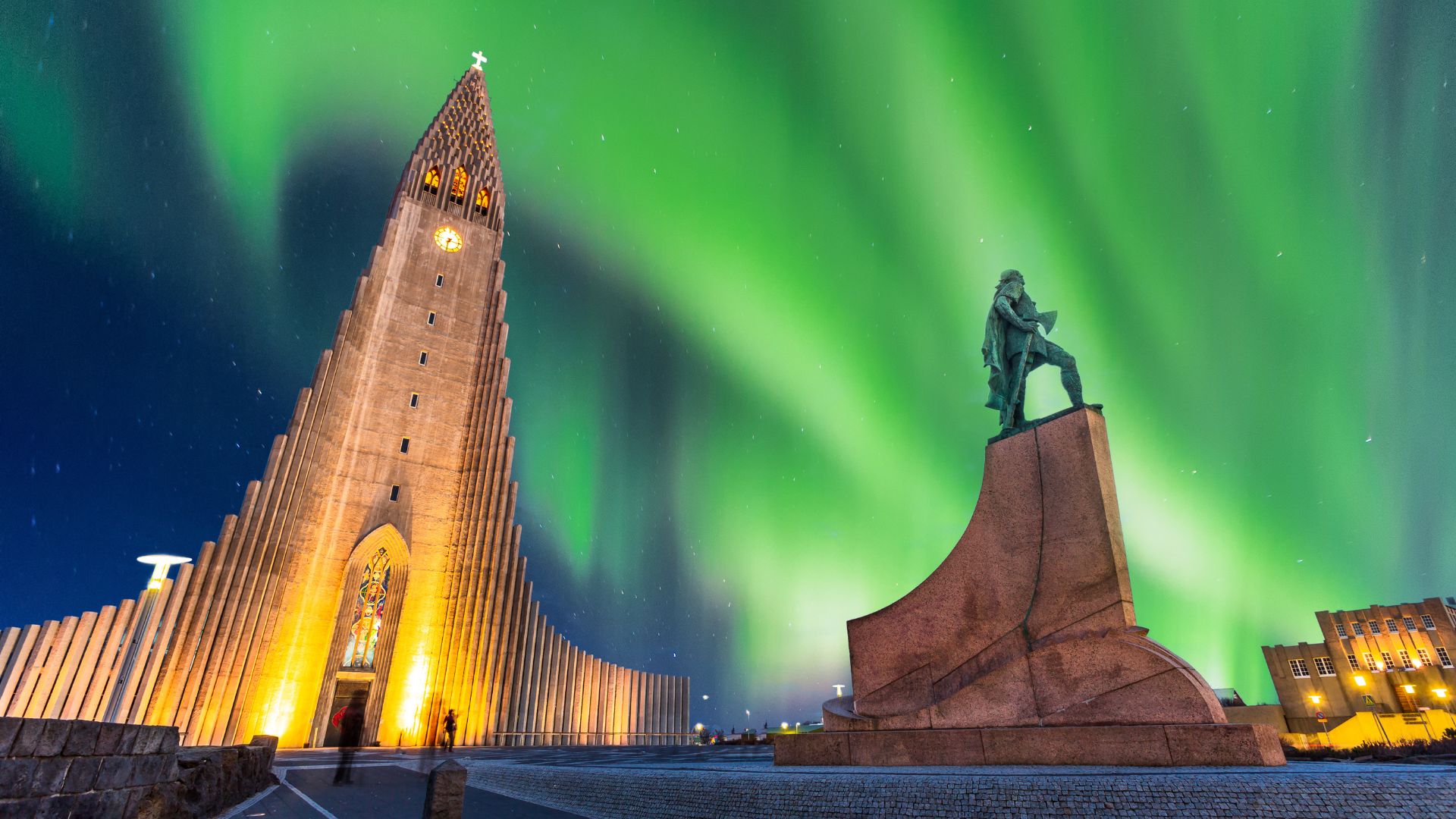
Iceland easily tops my list for seeing the aurora borealis. Its spot near the Arctic Circle gives you a front-row seat to this wild natural light show from September through April.
You’ll find tours leaving from Reykjavik and other towns, whisking you away from city lights. These guides know exactly where to go for the best chance of catching the lights.
The landscape’s so remote that light pollution isn’t much of an issue. On clear nights with high aurora activity, the show is unreal.
I recommend booking a guide—they know the weather patterns and secret spots. If the forecast shifts, they’ll drive you to a better viewing area, which isn’t so easy if you’re new to the country.
Don’t just focus on the Northern Lights, though. Iceland’s got glacier hikes, ice caves, hot springs, and some of the most dramatic waterfalls I’ve ever seen.
Even if the aurora skips a night, you’ll still have a blast. Iceland’s combo of easy access and knowledgeable guides makes it a smart pick for your first aurora chase.
2) Safari in Serengeti National Park, Tanzania
The Serengeti sits high on any wildlife lover’s list. This sprawling park in northern Tanzania covers about 15,000 square kilometers and teems with animals all year.
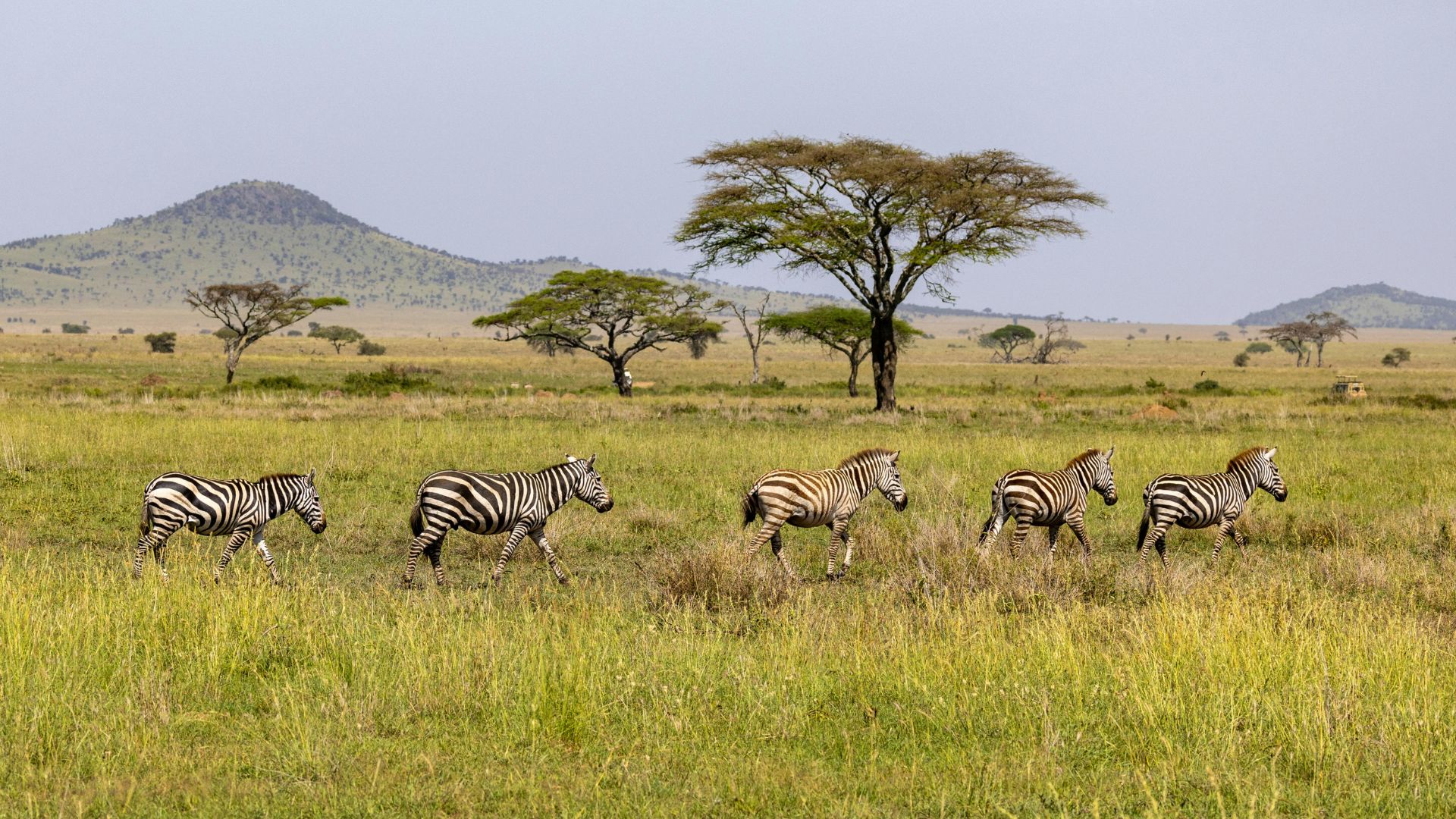
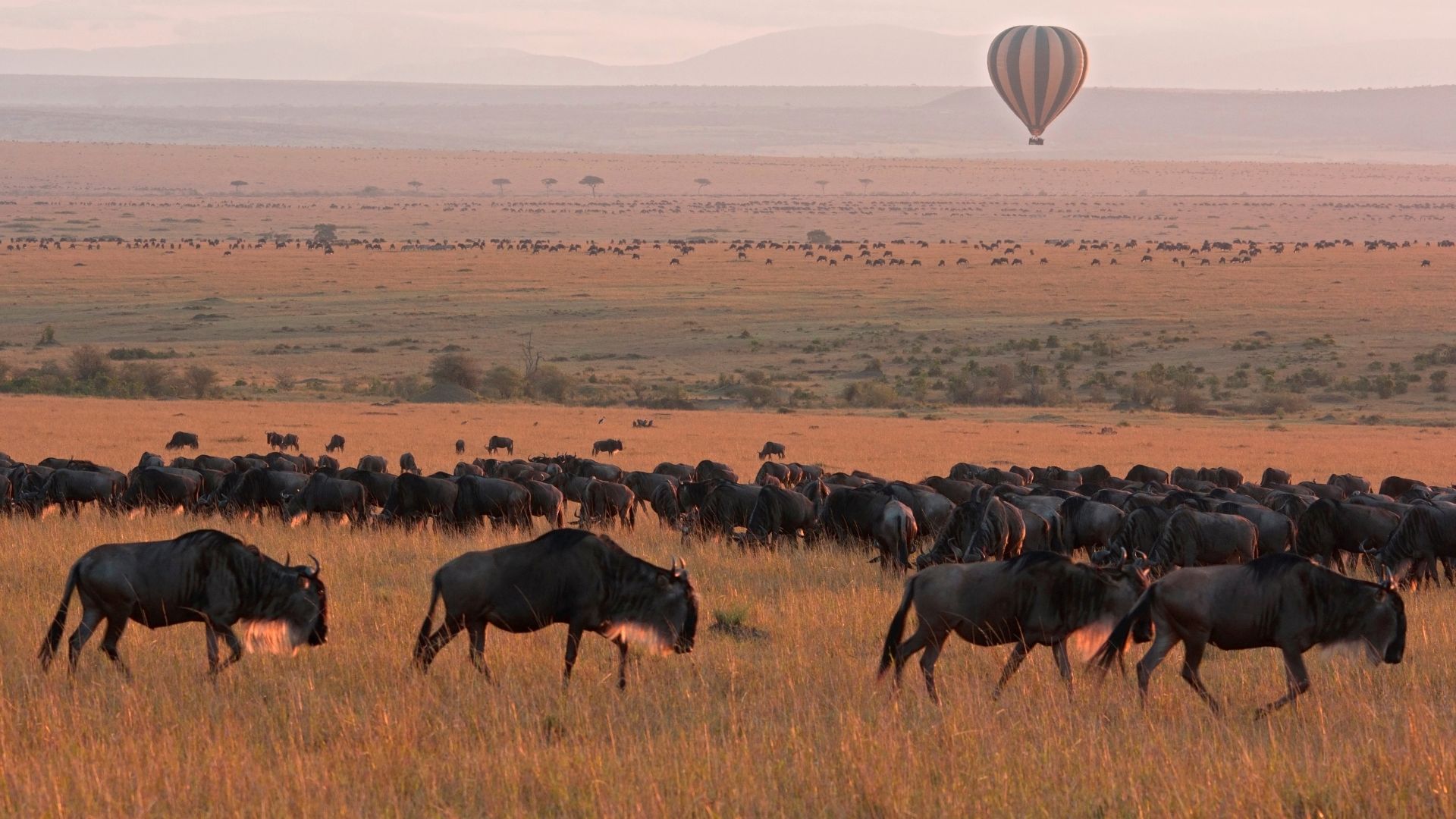
You can catch the Great Migration, when up to two million wildebeest thunder across the plains with zebras and gazelles in tow. It’s an epic sight—one of those moments where you have to pinch yourself.
The park’s got everything: open grasslands, rocky kopjes, and river woodlands. Lions, elephants, leopards, cheetahs, and hundreds of bird species all call this place home.
You get to pick your safari style. Most people go for game drives with expert guides, but hot air balloon rides at sunrise? Unreal. Floating over the plains as the sun pops up is something I’ll never forget.
The Serengeti delivers wildlife action no matter when you visit. Every safari brings fresh surprises and sweeping views of the African savanna.
3) Machu Picchu Trek, Peru
Machu Picchu sits high in Peru’s Andes at 7,970 feet. There are a few trekking routes to get there, each with its own vibe and challenge.
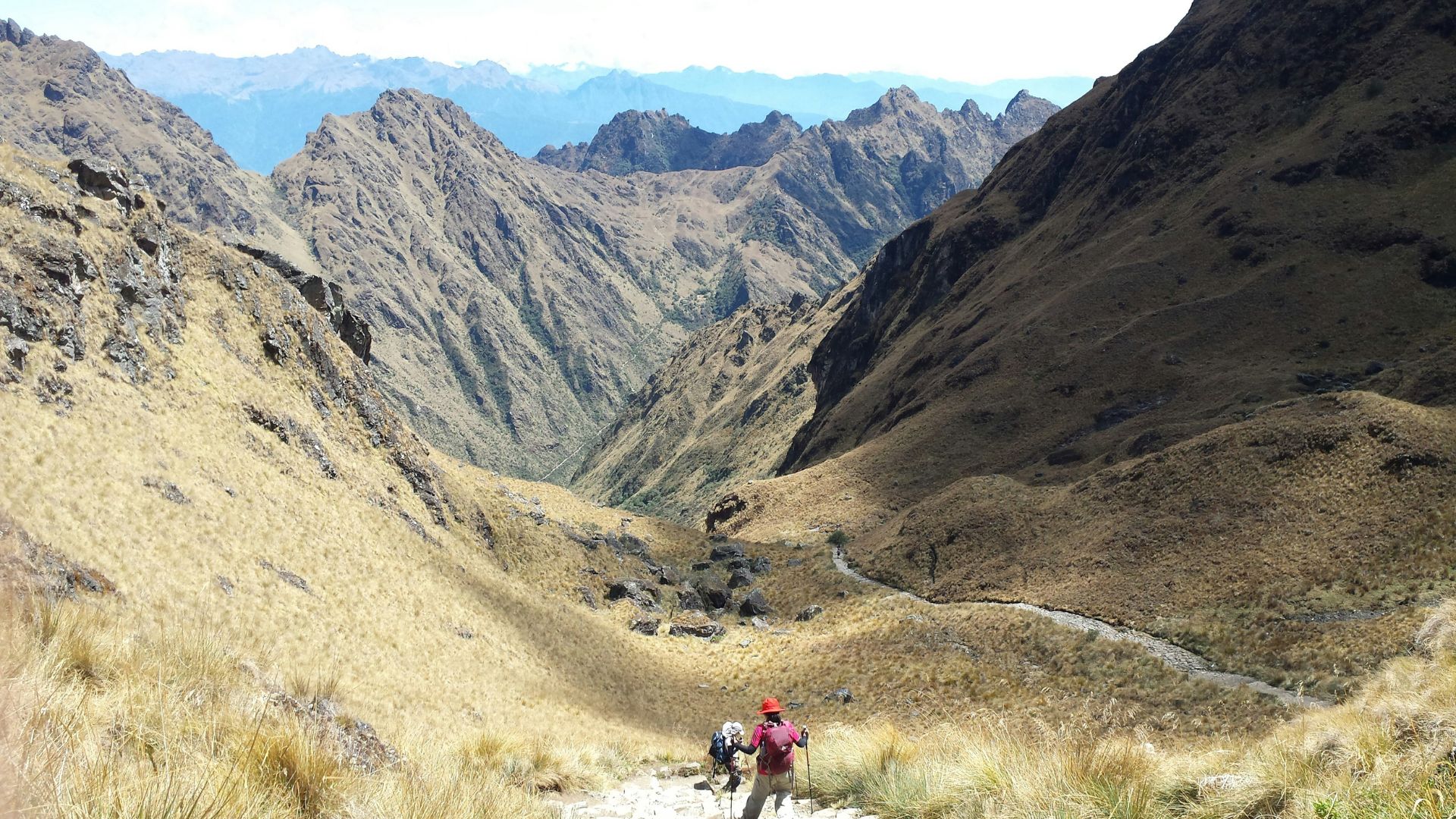
The Classic Inca Trail takes about four days. You’ll hike ancient paths, climb mountain passes, wander through cloud forests, and stumble on remote ruins before that first magical view at the Sun Gate.
If you want something a little different, the Salkantay Trek brings you through wild mountain scenery and ever-changing landscapes.
I’d suggest spending a few days in Cusco before your trek. At 11,150 feet, it’s higher than Machu Picchu and gives your body time to adjust to the altitude.
May to September is the best time—Peru’s dry season. Permits for the Inca Trail go fast, so book early.
Pack layers. The weather changes quickly, and temperatures swing from chilly mornings to warm afternoons, especially as you move between elevations.
4) Great Barrier Reef, Australia
The Great Barrier Reef stretches for over 1,500 miles along Queensland’s coast. It’s a UNESCO World Heritage Site and honestly, it’s so big you can see it from space.
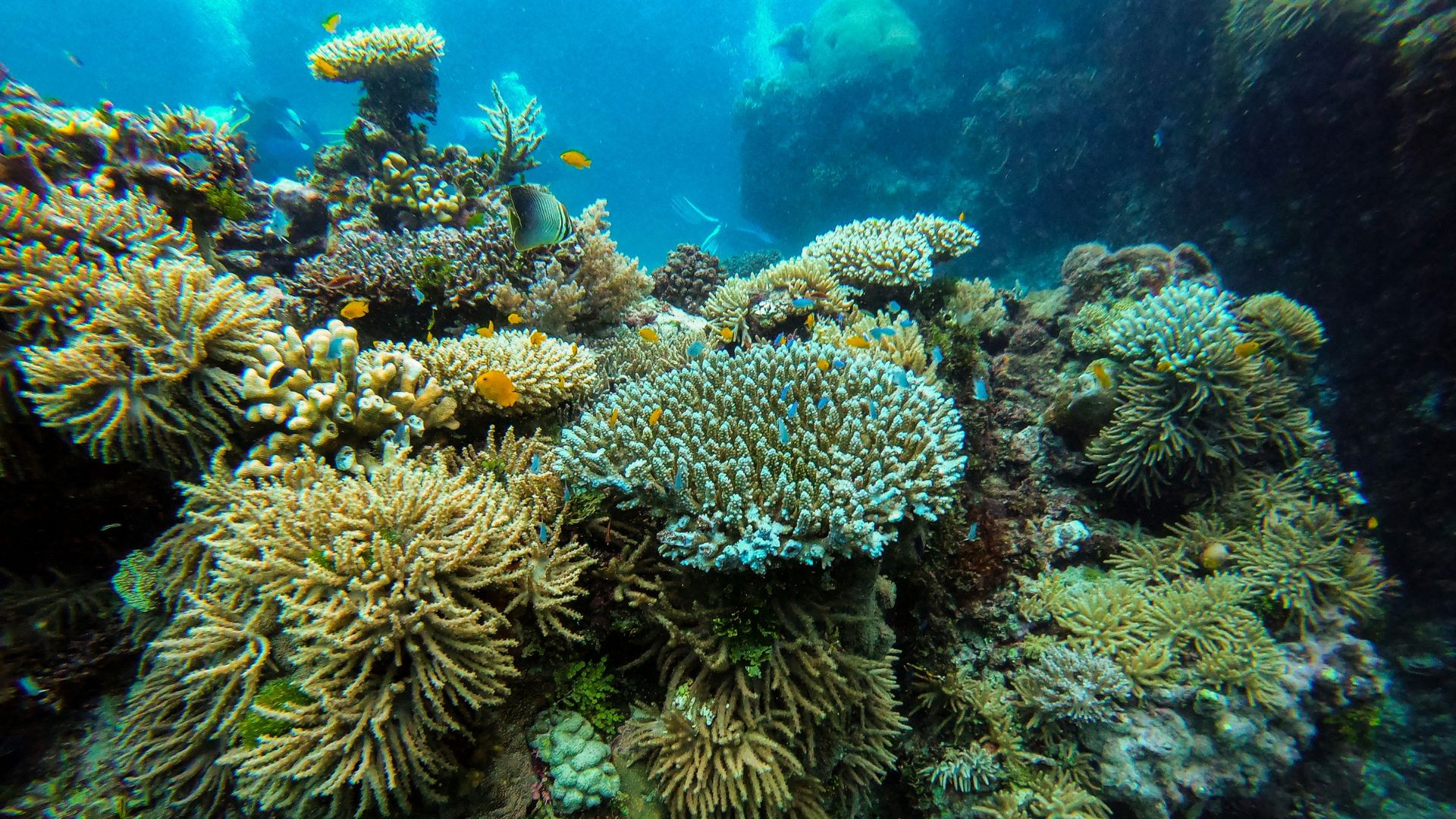
You’ll find more than 2,900 reefs and over 900 islands here. The reef is home to about 600 coral species—that’s three-quarters of all coral types on Earth—and more than 1,500 fish species.
Snorkeling, diving, scenic flights—take your pick. The options fit every budget, so you don’t have to be a millionaire to enjoy it.
Cairns and other Queensland towns make great launch points. Day trips are easy, or you can stay on one of the islands for a deeper dive.
Even if you’re not a diver, there are glass-bottom boats, underwater observatories, and plenty of ways to experience this marine wonder.
5) Santorini Island, Greece
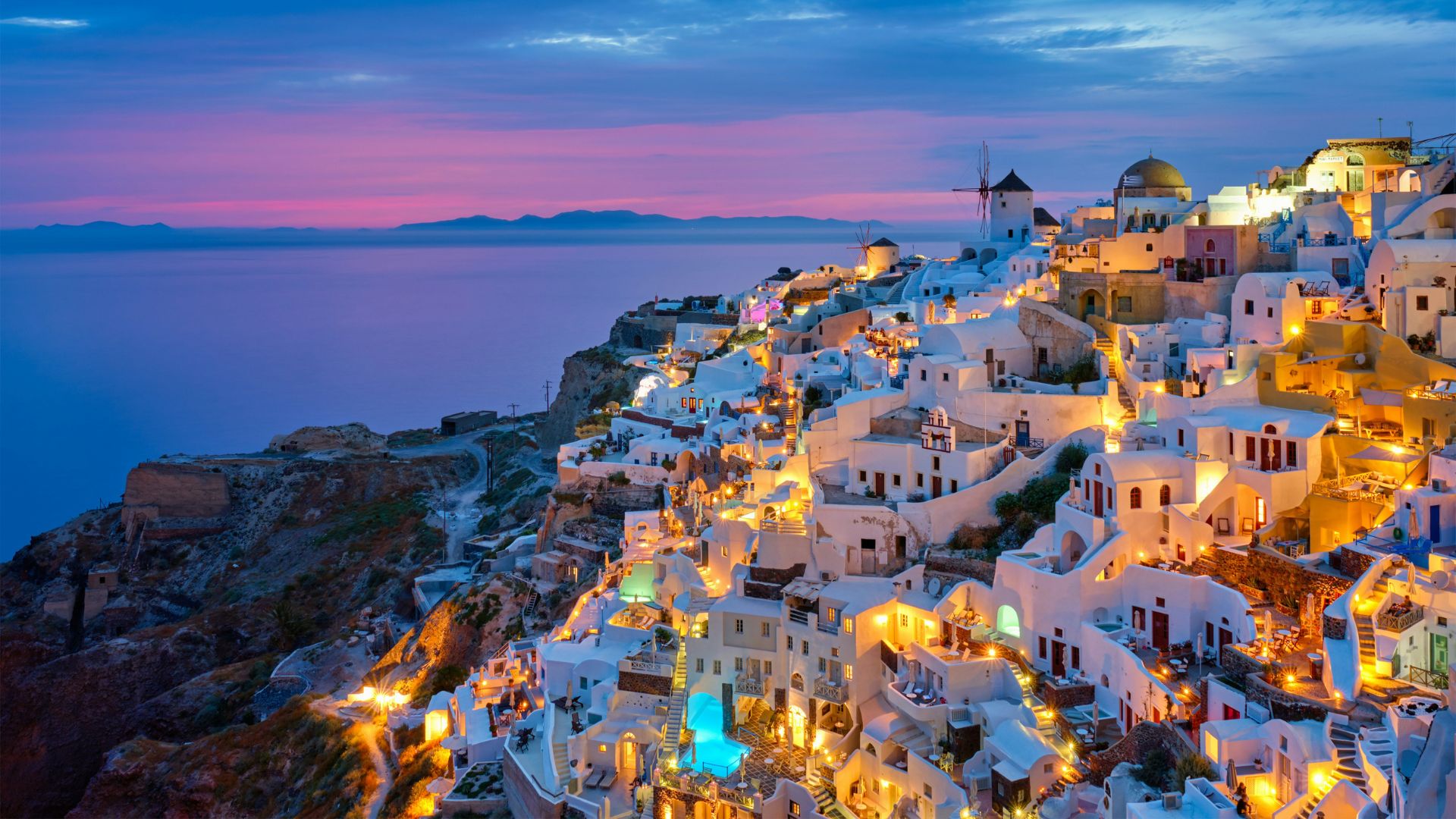
Santorini sits in the Aegean, and if you’ve seen those white-washed buildings with blue domes, you know the look. The island’s crescent shape and cliffs come from a massive volcanic eruption thousands of years ago.
Villages like Oia and Fira perch on the cliffs, offering insane views of the caldera and the sea. Fira, the capital, is packed with restaurants and has easy access to the Old Port.
Santorini’s beaches are unique, too. Red Beach gets its name from the surrounding volcanic rocks, and black sand beaches are scattered across the island thanks to ancient lava flows.
Wine tasting is a must—the volcanic soil gives the grapes a distinct flavor. Hop on a boat tour to the active volcano and hike up to the crater if you’re feeling adventurous.
Sunsets from Oia are legendary. The long flight to Greece opens up not just Santorini but other Greek islands too. Visiting during shoulder season means fewer crowds and still-warm weather.
6) Tokyo Cherry Blossom Season, Japan
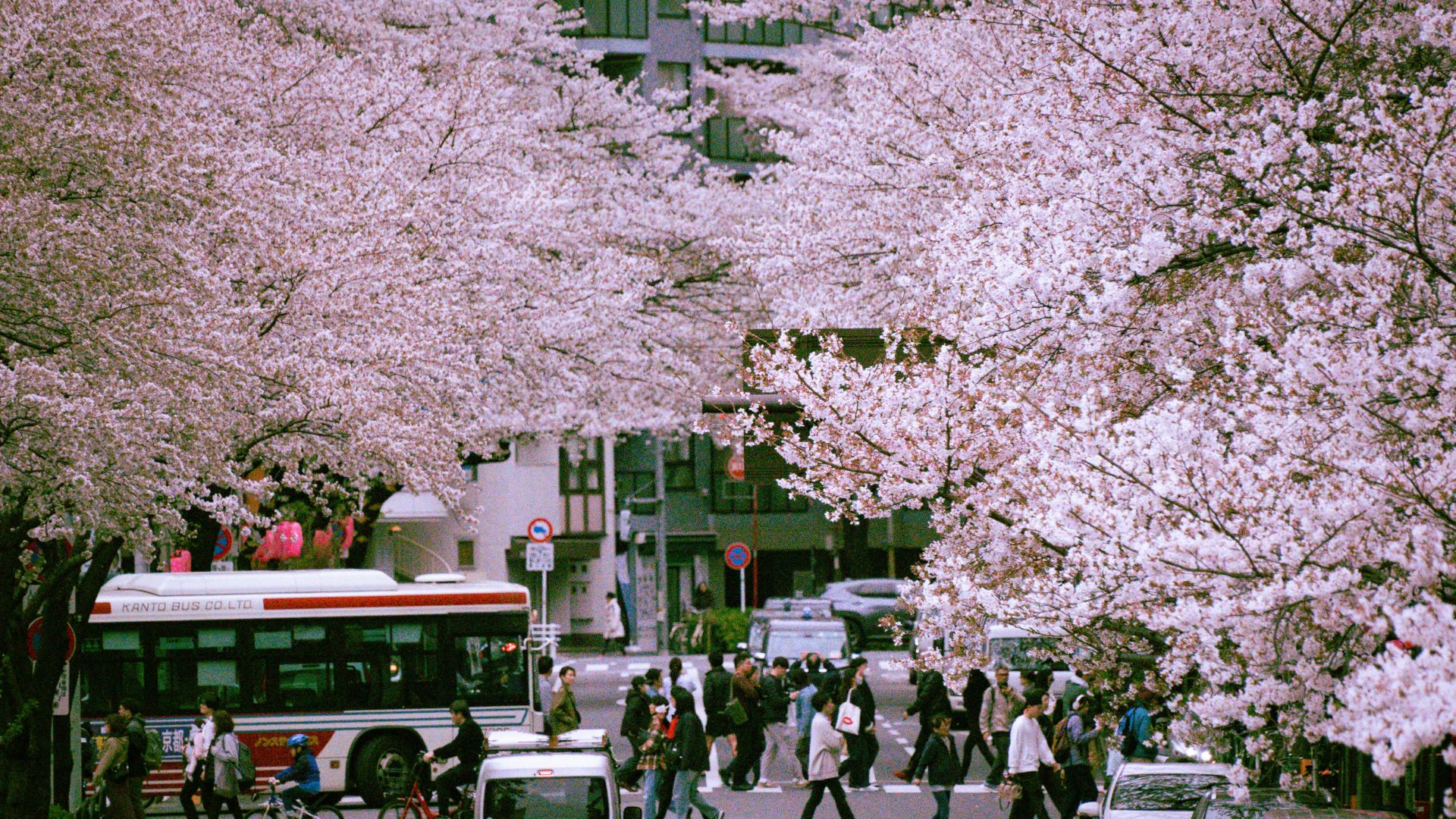
Tokyo turns into a pink wonderland during cherry blossom season, usually peaking in early April. Parks and streets explode with sakura trees, creating canopies of delicate blooms.
Hanami, or cherry blossom viewing, is a big deal here. Locals and travelers gather for picnics under the trees, soaking up the fleeting beauty. The main parks get packed, but the atmosphere is something you have to experience.
The blooms last just a week or two, so timing is everything. Checking forecasts helps you catch them at their best.
Spring weather in Tokyo is mild and perfect for wandering. Guided tours can show you the prime spots and share a bit about the traditions, but honestly, you can just explore neighborhoods and stumble upon gorgeous trees everywhere.
Book your hotel early—cherry blossom season fills up fast.
7) Paris Cityscape and Museums, France
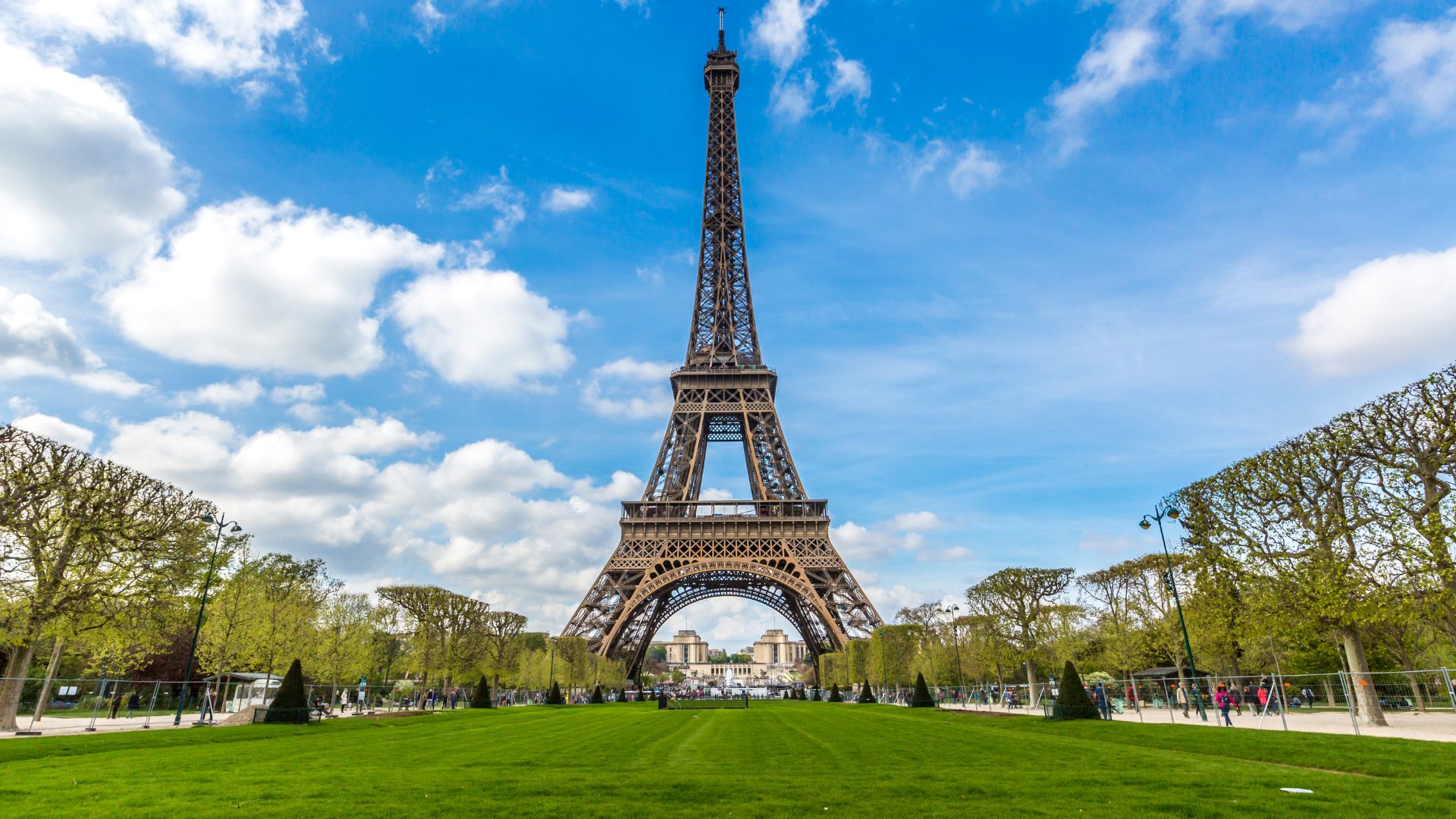
Paris just oozes charm and culture. The Eiffel Tower dominates the skyline, and the Seine winds through neighborhoods lined with classic architecture.
The Louvre is massive—you could spend days here. Between the Mona Lisa and Venus de Milo, there’s no shortage of masterpieces. The Musée d’Orsay, set in a converted train station, showcases the best of Impressionism.
Walking through Le Marais or Montmartre feels like stepping into a movie. Each area has its own personality and hidden gems.
Notre-Dame stands tall, even as restoration continues. The Arc de Triomphe anchors the Champs-Élysées, and the view from the top is worth the climb.
Café culture is alive and well here—sipping coffee at a sidewalk table is practically mandatory. Paris rewards you with both iconic sights and everyday pleasures.
8) Antarctica Expedition Cruise
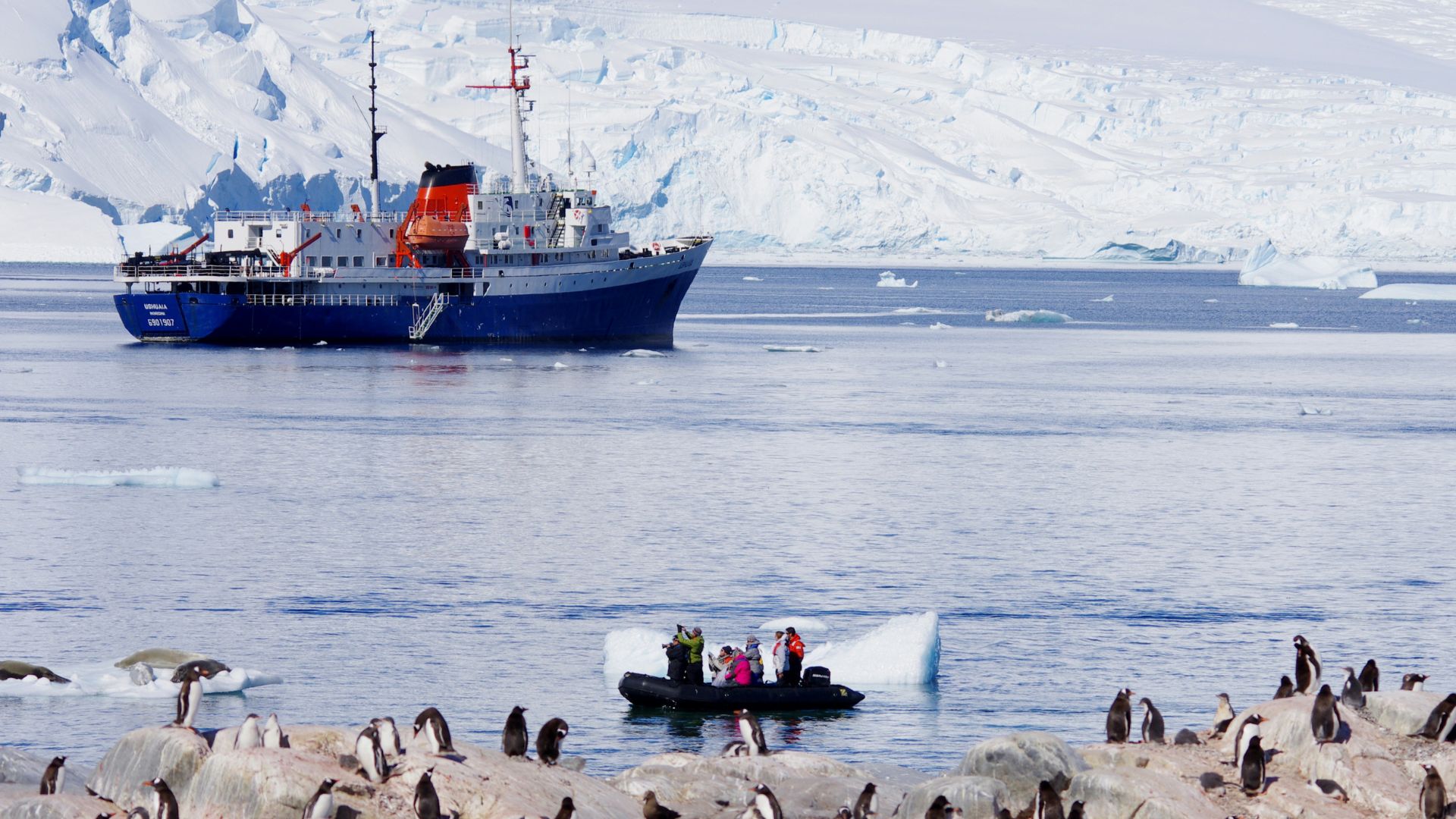
Antarctica is the ultimate off-the-grid adventure. Taking an expedition cruise down to the white continent lets you see towering icebergs, penguin colonies, and wild, untouched landscapes.
Most ships keep things small—under 200 passengers—so you actually get to know your fellow explorers and the crew. Smaller vessels can squeeze into remote spots that big ships can’t reach.
You’ll hop in Zodiac boats or kayaks for close-up encounters, and walk on the ice itself with expert guides leading the way.
Trips usually last from 10 to 21 days. Popular routes cover the Antarctic Peninsula, South Georgia, and the Falklands. Booking well in advance (think a year or more) is smart, since cabins sell out quickly.
It’s pricey—several thousand dollars per person—but the cost usually covers excursions and knowledgeable guides. You’ll walk away with stories that sound almost unbelievable.
The best time to go is November through March, when it’s summer down south. Longer daylight and milder weather make for better exploring.
9) Galápagos Islands Wildlife Tour, Ecuador
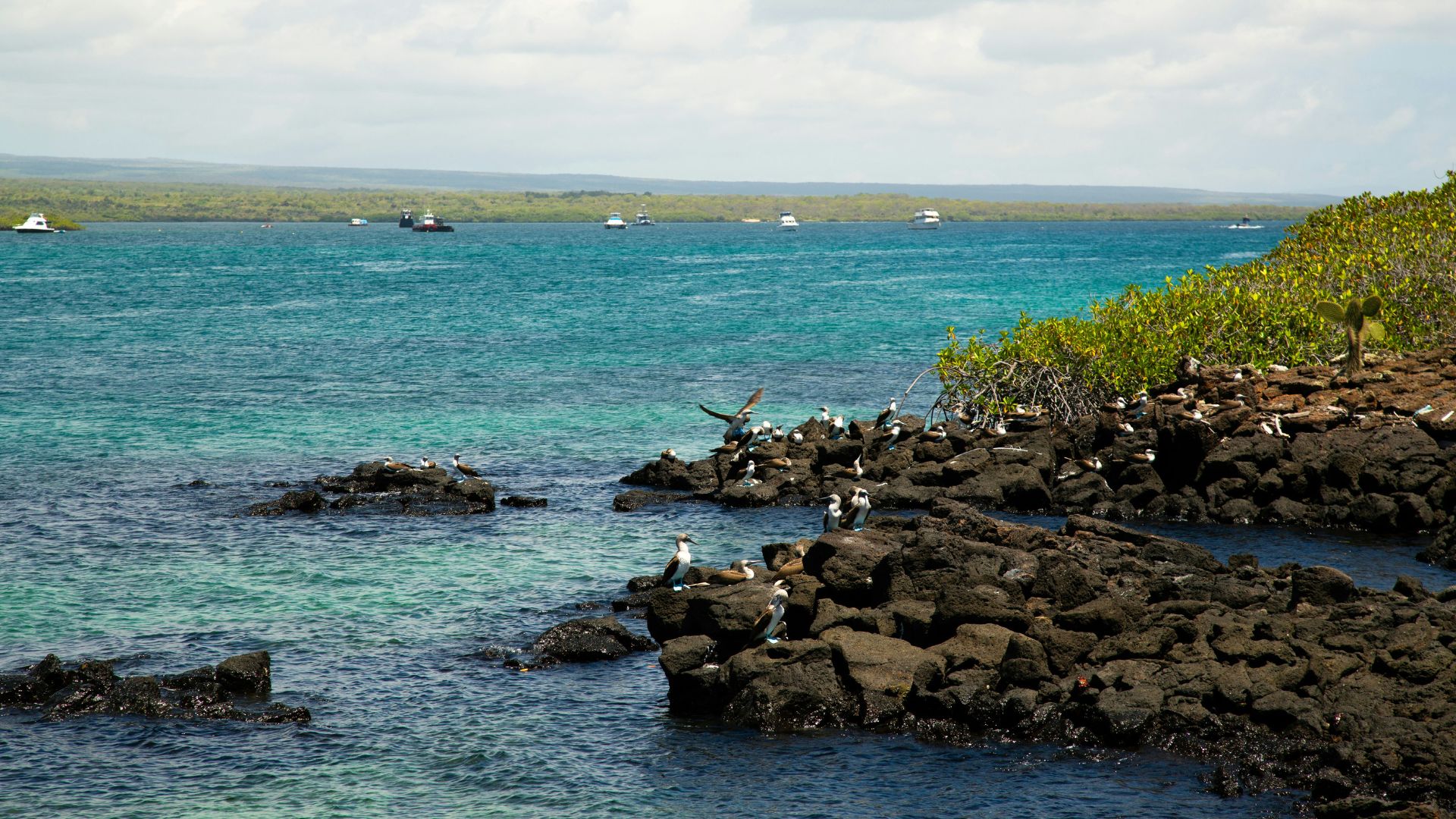
The Galápagos are a wildlife lover’s dream. Giant tortoises, marine iguanas, sea lions, and blue-footed boobies roam around like you’re not even there. It’s surreal how close you can get.
You can choose between cruise-based tours (living on a yacht and hopping from island to island) or land-based adventures with day trips. Both options let you snorkel with sea turtles, hike volcanic terrain, and spot animals with expert naturalists.
The islands are about 600 miles off Ecuador’s coast, so you’ll need a flight from the mainland. Travel companies offer everything from week-long packages to custom trips, depending on your style and budget.
Wildlife activity shifts with the seasons, but tours run year-round. The isolation of the islands led to species you won’t see anywhere else—no wonder Darwin got inspired here.
10) Northern Thailand Elephant Sanctuary
If you’ve ever dreamed of meeting elephants up close—without the guilt—Northern Thailand is the place. Here, ethical elephant sanctuaries let you interact with rescued elephants in a way that feels right.
These sanctuaries pull elephants out of logging operations and tourist traps. Instead, they give them a life where they can just be elephants.
You might find yourself feeding them, strolling beside them, or watching them splash around in a river. The staff share stories about elephant behavior and the ongoing fight for conservation.
Most of these sanctuaries are tucked near Chiang Mai or Chiang Rai, so it’s easy to add them to a northern Thailand adventure. Elephant Nature Park stands out as one of the oldest and most respected. They give a second chance to elephants once forced to beg on city streets or perform in circuses.
Other places in the region stick to similar ethical practices. When you’re picking a sanctuary, skip any place that offers elephant riding or lets you bathe with them.
The truly ethical sanctuaries let elephants roam and socialize as they please. You get to observe, not interfere.
Spending a day here connects you to these gentle giants and supports their future. You’ll want to book ahead since the best sanctuaries keep visitor numbers low.

11) Patagonia Hiking, Argentina and Chile
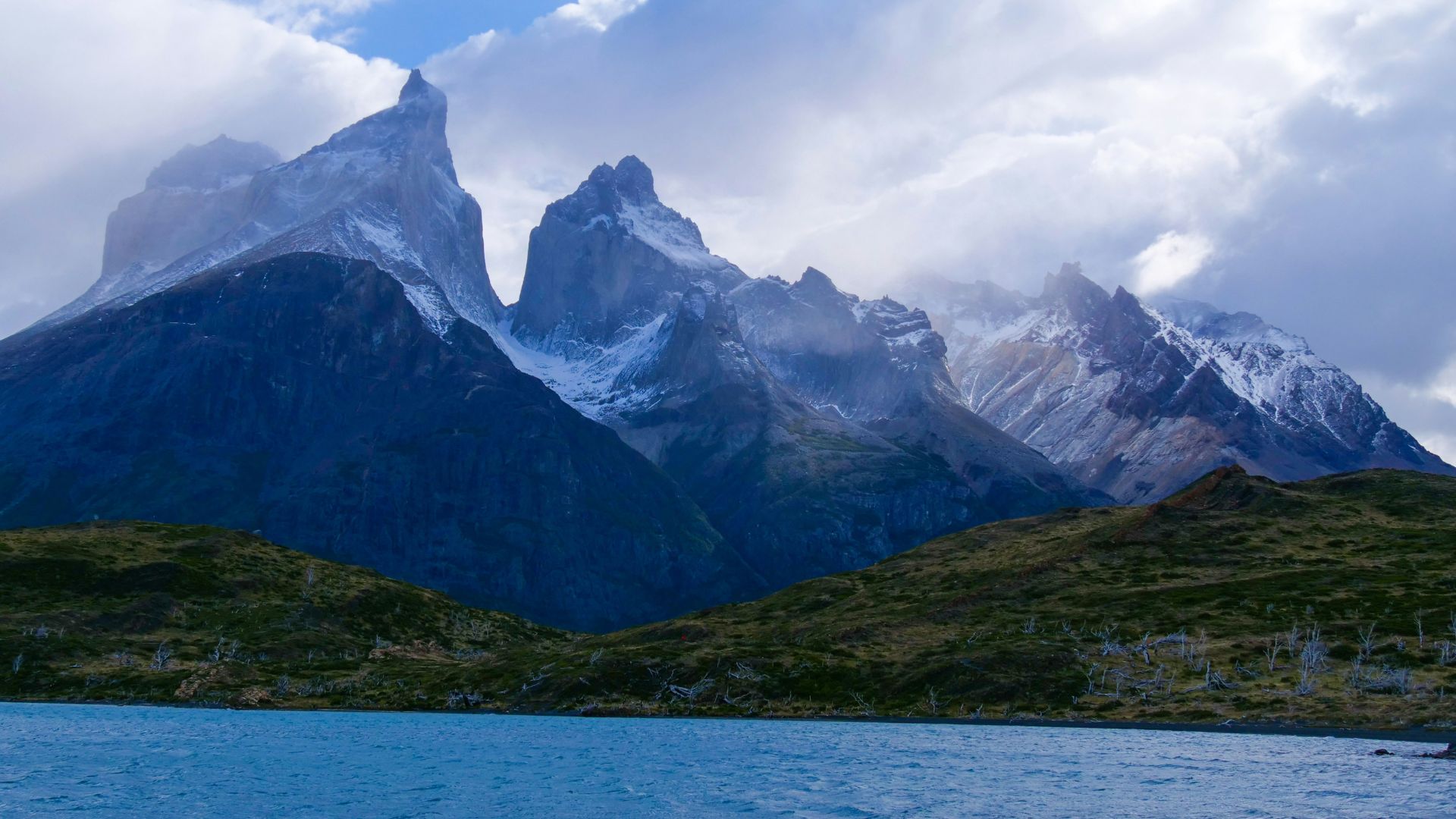
Patagonia is where the wild things are—literally. Stretching across Argentina and Chile, this region delivers jaw-dropping hiking terrain.
Think towering peaks, massive glaciers, and lakes so clear you might question reality. The journey to get here? Absolutely worth it.
Chile’s Torres del Paine National Park features the famous W Trek. You’ll hike past granite towers, glaciers, and those turquoise lakes that pop up in every travel magazine.
Most folks finish the W Trek in four or five days. Over in Argentina, El Chaltén gives you a different flavor of adventure.
The trek to Laguna de los Tres brings you face-to-face with Mount Fitz Roy, possibly the most photogenic peak in South America. It’s a tough day hike, but wow, those views.
If you have two weeks, you can hit the highlights in both countries. You’ll stand before the Perito Moreno Glacier, explore national parks, and get a taste of Patagonia’s raw beauty.
Trails range from mellow day hikes to epic, multi-day backpacking routes. Aim for a trip between November and March for the best weather.
The weather changes fast, so bring solid gear—even in summer.
12) Bora Bora Overwater Bungalows, French Polynesia
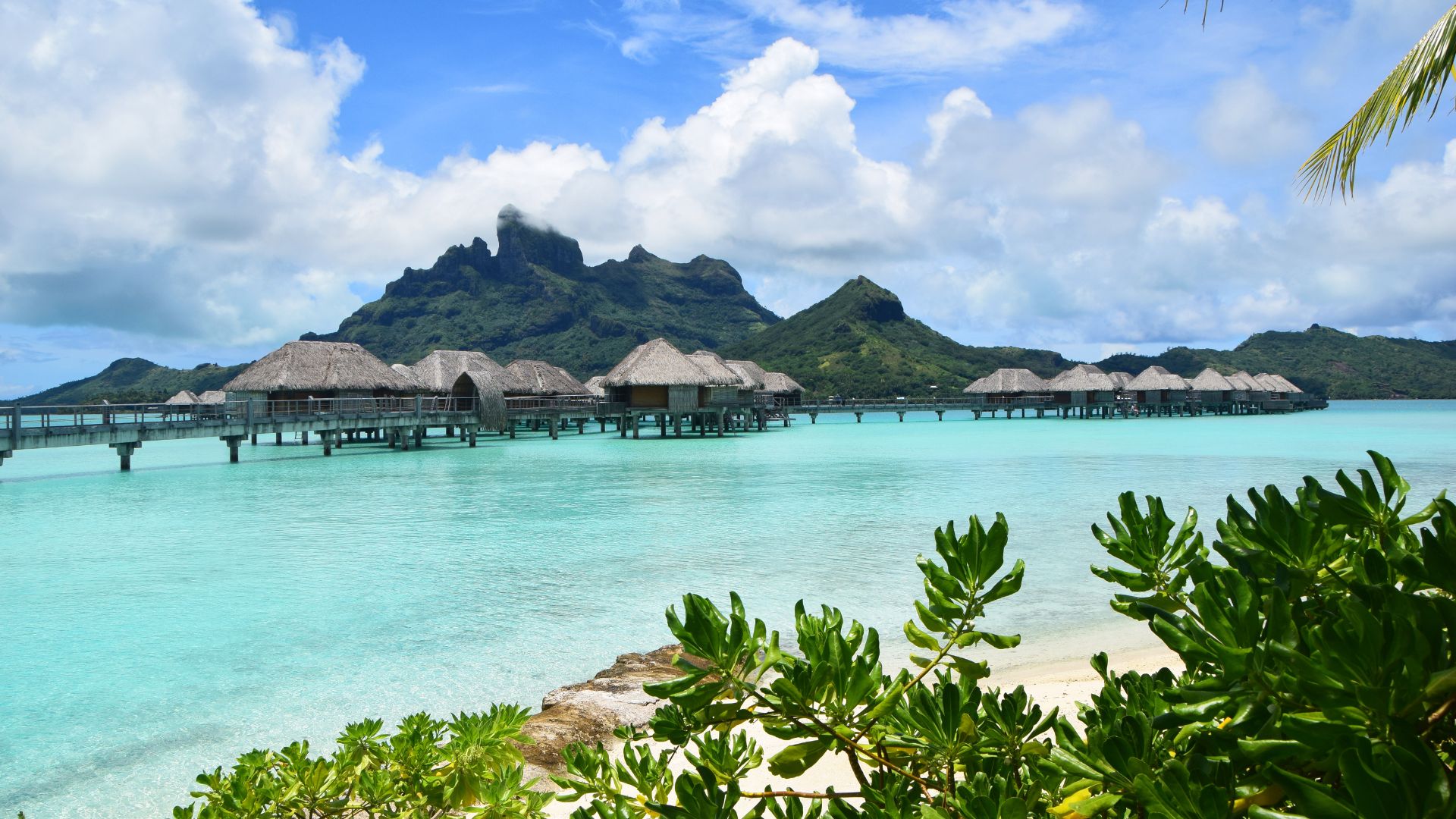
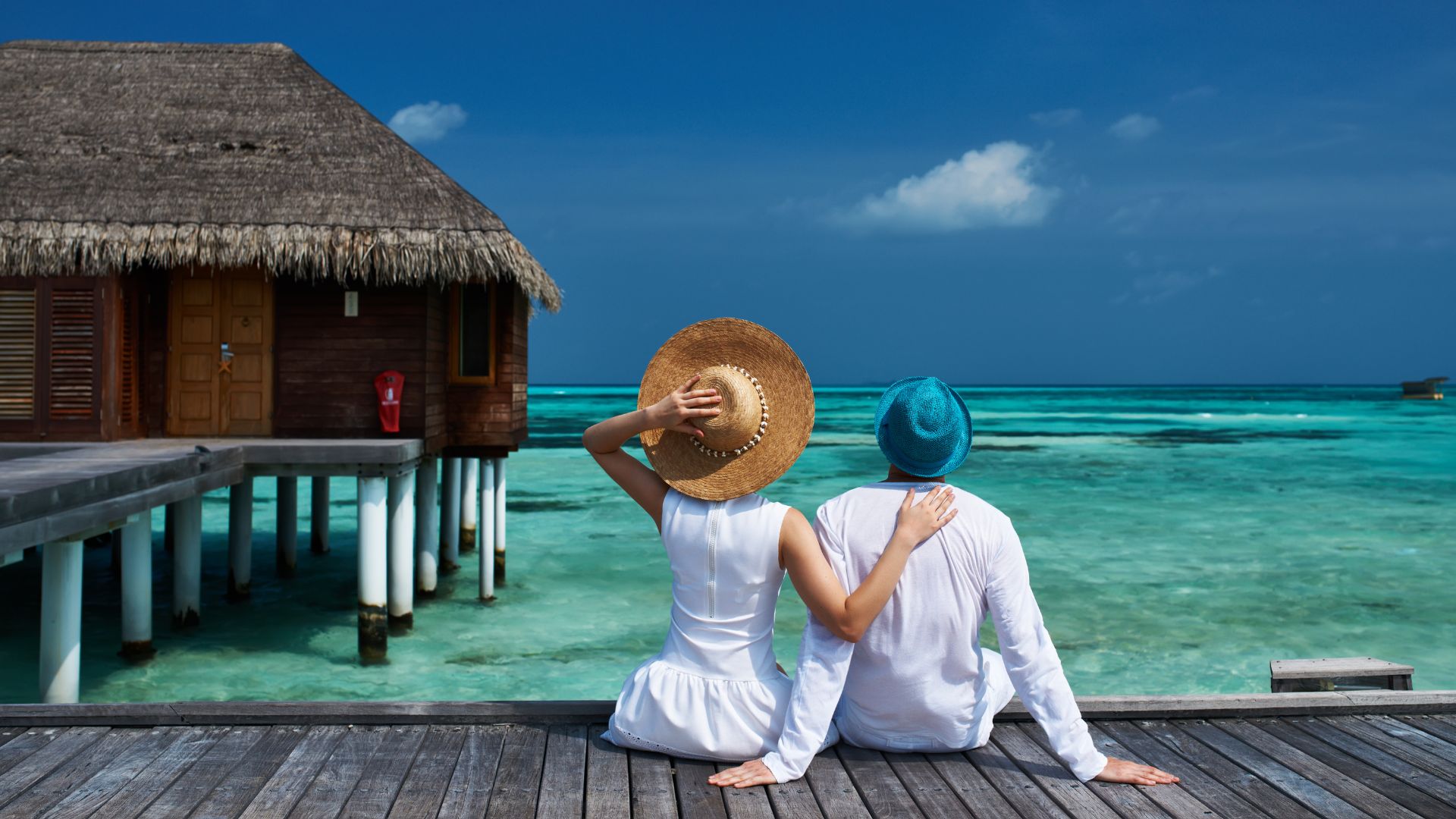
Bora Bora’s overwater bungalows have become the stuff of travel legends. These dreamy rooms perch on stilts above crystal-clear lagoons, giving you instant ocean access.
French Polynesia actually invented this style of accommodation back in the 1960s. The first overwater huts popped up on Moorea, but Hotel Bora Bora made it luxurious in 1971.
Today, you can splurge on high-end spots like the St. Regis or Four Seasons, where butlers and private islands come standard. If your wallet’s not quite ready for that, Hotel Maitai and a few others offer more affordable bungalows.
Most bungalows have glass floor panels—so you can watch fish dart by under your feet. Stairs usually lead straight into the lagoon for a morning swim or snorkeling session.
Waking up to views of Mount Otemanu and that blue water is something you’ll never forget. Sure, getting to French Polynesia takes a long flight, but for a once-in-a-lifetime stay, it’s hard to beat.
13) Grand Canyon Rafting, USA
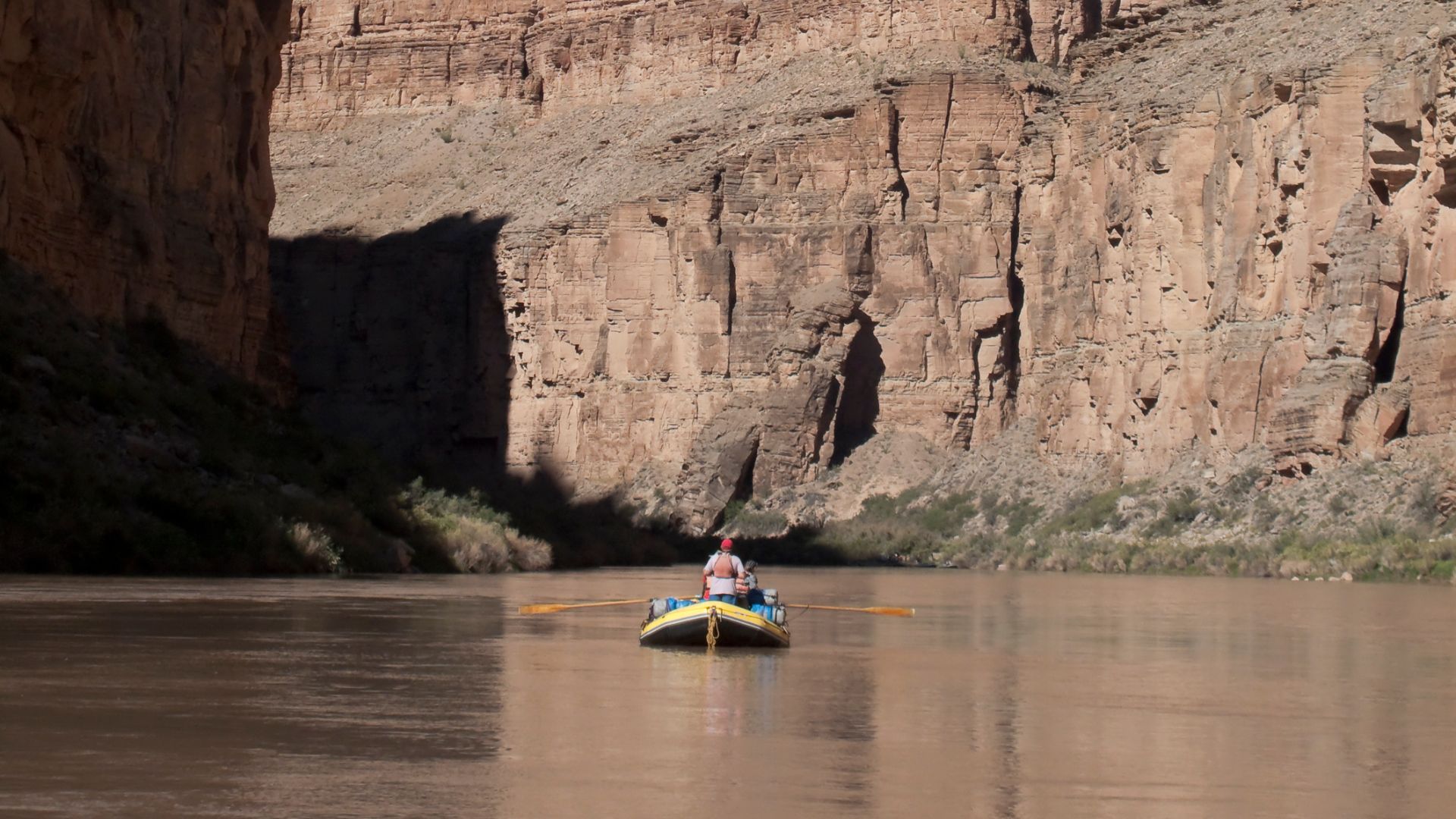
Rafting the Colorado River through the Grand Canyon? It’s an adventure you’ll talk about for years. Imagine days spent powering through 160 to 280 miles of river, surrounded by some of the world’s most dramatic scenery.
You’ll hit over 160 rapids—some gentle, some wild. All the while, ancient canyon walls tower above, telling stories from millions of years ago.
Trips range from quick four-day jaunts to epic 21-day journeys. Shorter trips tackle certain sections, while longer ones let you experience the whole canyon.
You get to pick your style: motorized rafts for speed, or oar-powered boats if you want to slow down and really soak it in. Summer brings the biggest rapids and the hottest days.
You’ll need to be ready for hiking, camping, and plenty of active days on the water. This isn’t your average vacation.
Expect to unplug, sleep under the stars, and see the Grand Canyon from a perspective most people only dream of.
14) Safari in Maasai Mara, Kenya
The Maasai Mara sprawls across Kenya’s border with Tanzania, forming part of the legendary Serengeti ecosystem. This reserve is famous for its endless grasslands and incredible wildlife.
You might spot lions, elephants, leopards, cheetahs, and buffalo wandering the plains. The park hosts the Great Migration, when millions of wildebeest and zebras thunder across the Mara River between July and October.
Game drives in open 4x4s take you deep into the action. Early mornings and late afternoons offer your best shot at seeing animals on the move.
The Maasai people have called this land home for generations. Many lodges partner with local communities, offering cultural visits where you can learn about their traditions.
Whether you’re camping or treating yourself to a luxury lodge, there’s something for every budget. Most safaris last three or four days, giving you time to explore and maximize your wildlife sightings.
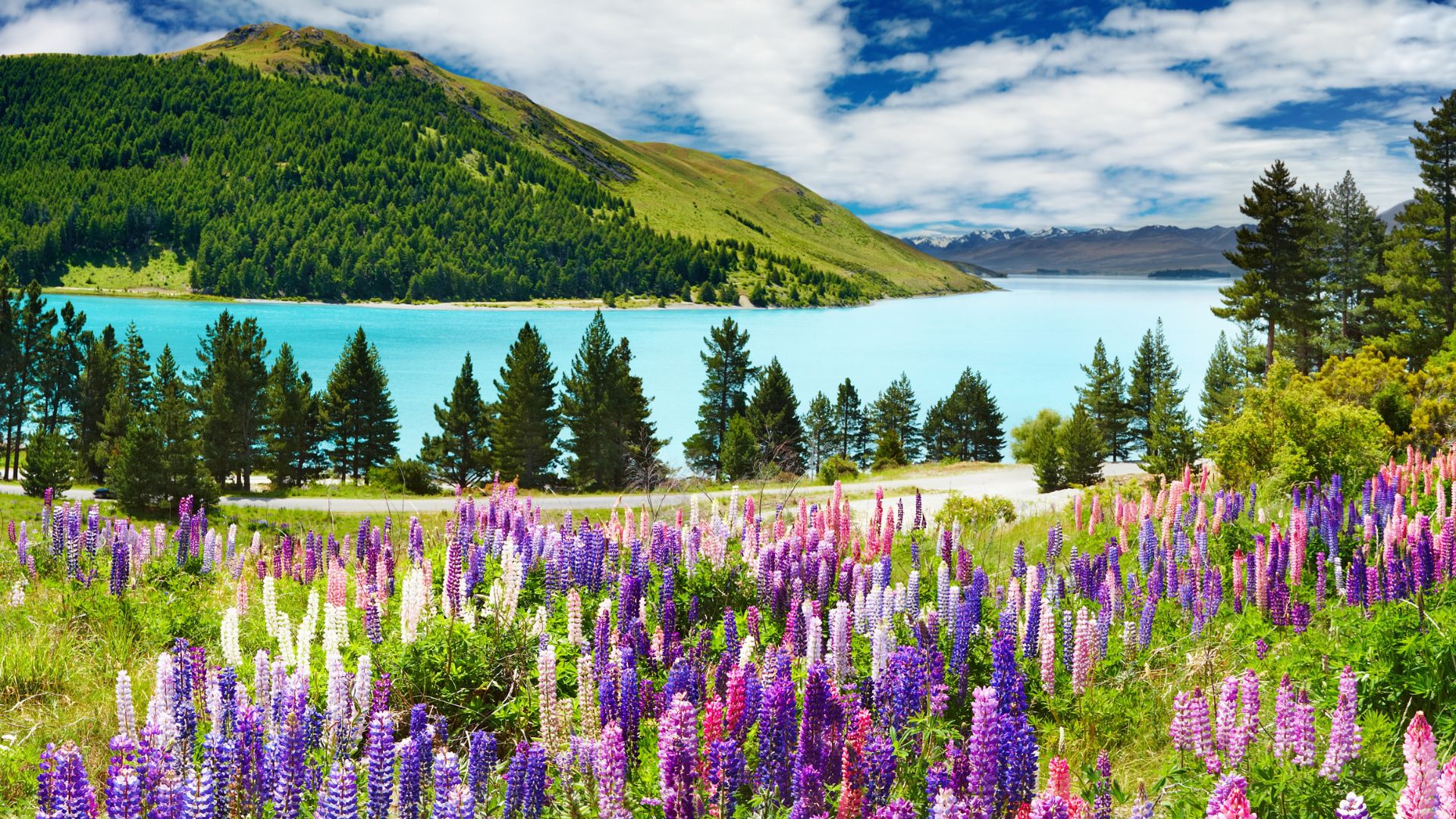
15) New Zealand South Island Road Trip
New Zealand’s South Island is a road tripper’s paradise. The scenery? Out of this world.
Snow-capped mountains, bright blue lakes, lush rainforests, and rugged coastlines all pack into one unforgettable journey. Most people kick things off in Christchurch, the island’s biggest city.
It’s easy to rent a car or campervan there and start exploring. Popular stops include Milford Sound, famous for dramatic fjords and waterfalls.
Lake Tekapo is another must-see, with its turquoise water and epic stargazing. Queenstown brings all the adventure sports—bungee jumping, hiking, you name it.
Even the drives between destinations are memorable. You’ll wind through mountains, hug the coast, and stumble upon charming small towns.
Give yourself 10 to 14 days if you want to see the main sights without rushing. The roads are smooth and easy to navigate.
You can camp at scenic spots or stay in hotels, depending on your vibe (and your budget).
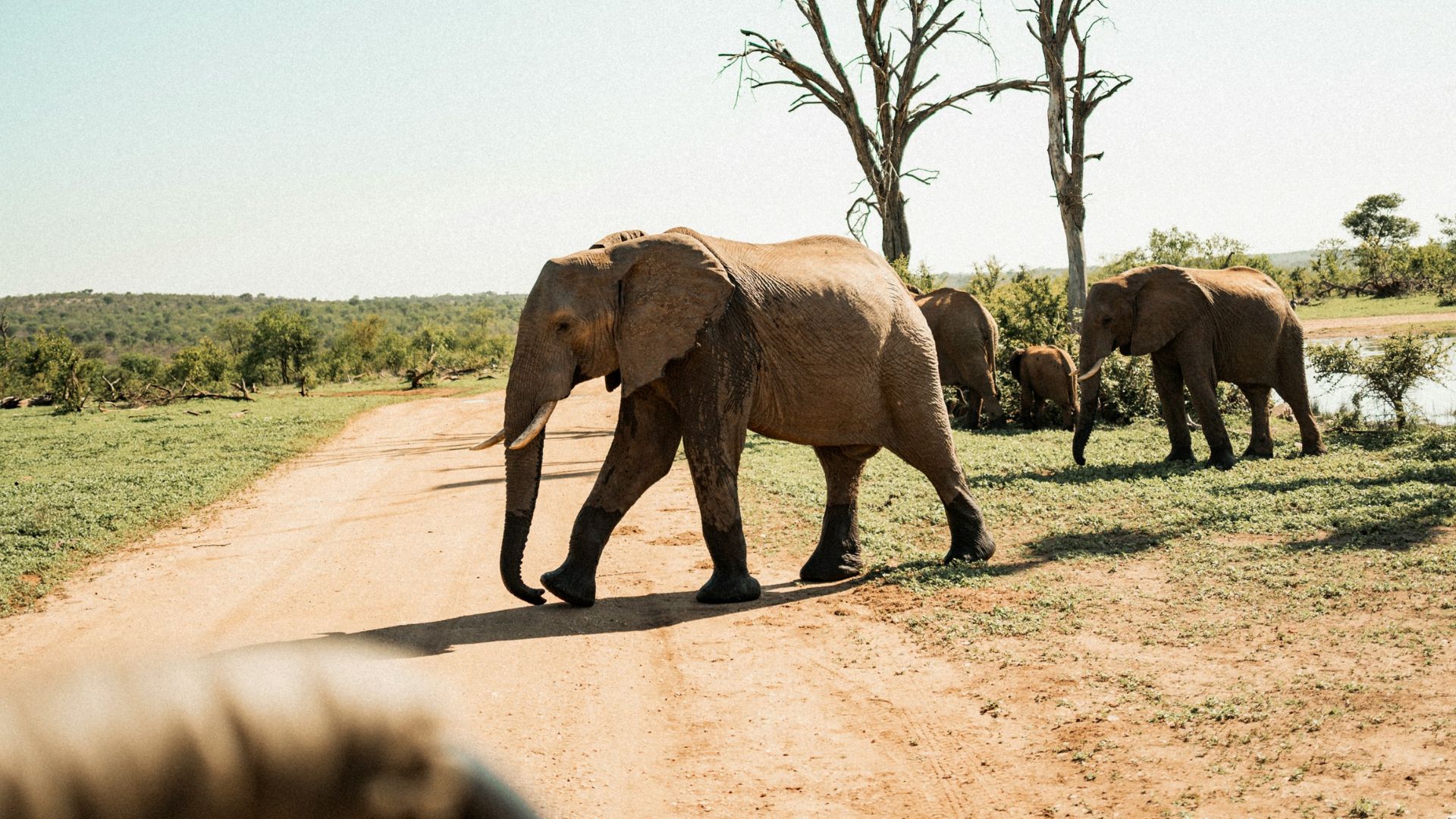
16) Safari in Kruger National Park, South Africa
Kruger National Park is a must for wildlife lovers. Sprawling across nearly 20,000 square kilometers in northeastern South Africa, it’s got everything from open savanna to thick bushveld.
You’ll have a chance to spot the Big Five—lions, leopards, elephants, rhinos, and buffalo. But that’s just the start.
Giraffes, zebras, cheetahs, hippos, and wild dogs all roam these lands. Birdwatchers will be in heaven, with over 500 species flitting through the park.
You can join guided game drives with expert rangers who help you track animals and share their knowledge. If you prefer to go it alone, self-drive safaris give you total freedom.
Walking safaris are an option too, letting you experience the bush on foot with armed guides. Kruger stays open all year, but the dry winter months from May to September offer the best game viewing.
Animals gather around waterholes, making them easier to spot. You’ll find accommodation for every style and budget, from rustic campsites to swanky lodges.
Book early if you’re aiming for peak season.
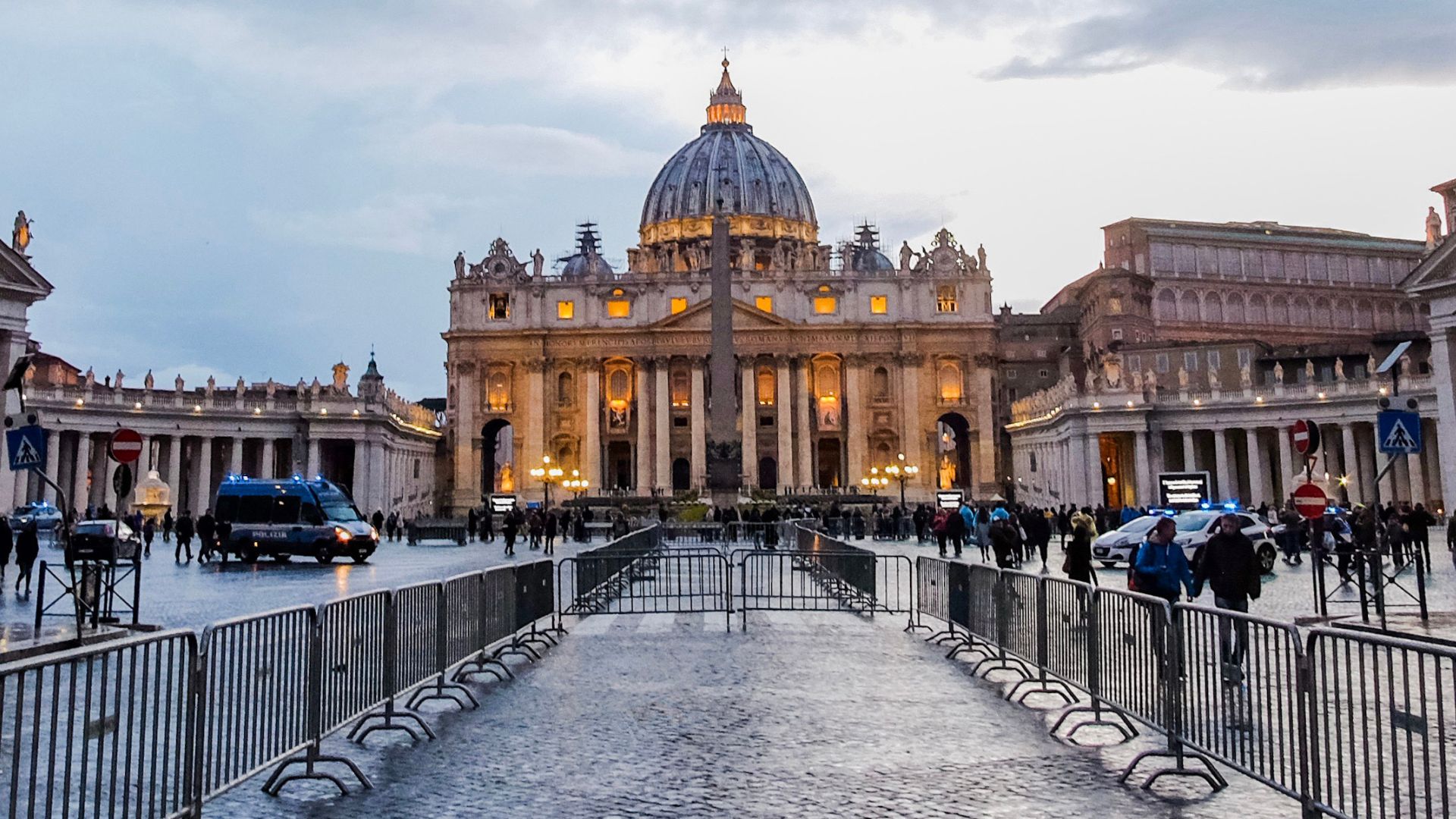
17) Rome Historical Landmarks, Italy
Rome is basically a living museum. Every street seems to hold a piece of history.
You can wander ancient ruins one minute, then marvel at Renaissance art the next. The Colosseum steals the show, of course.
This ancient amphitheater once packed in 50,000 cheering fans for gladiator battles. Climb to the upper levels for sweeping views of the arena and the city.
The Vatican City sits right in Rome, holding St. Peter’s Basilica and the Sistine Chapel. Michelangelo’s ceiling in the Sistine Chapel? It’s even more breathtaking in person.
Walk through the Roman Forum and Palatine Hill to see where ancient Romans gathered for politics and business. You’ll pass temple ruins and the remains of grand public squares.
The Pantheon is still standing after nearly 2,000 years, its concrete dome untouched by time. Step inside for a look at the famous oculus that fills the space with natural light.
Don’t forget to toss a coin into Trevi Fountain—legend says it guarantees you’ll come back to Rome.
18) Maldives Luxury Island Resorts
The Maldives is the definition of a tropical escape. Over 150 luxury resorts are scattered across 1,200 dreamy islands.
Most resorts claim their own private island, with white sand beaches and water so clear it barely looks real. You can splurge on an overwater villa or pick a beachfront room with a private pool.
All-inclusive dining, underwater spas, and next-level service come standard at many spots. The Maldives actually has the highest concentration of luxury hotels on the planet.
Some resorts have just 14 villas for that ultra-private vibe, while others feel more like a small village. Each property brings its own personality.
Staying here isn’t cheap, but you get what you pay for—snorkeling with manta rays, underwater dining, and beaches you’ll dream about for years. The long flight? Worth every minute if you’re after a tropical vacation that’s all about luxury and relaxation.
This is the place to unplug and treat yourself.
19) Bhutan Cultural and Himalayan Trek
Bhutan feels like a secret tucked high in the Himalayas, between India and Tibet. This tiny kingdom has protected its ancient traditions and wild landscapes like nowhere else.
Here, you get a rare blend—stunning mountain scenery and a culture that’s truly alive. Trails wind through forests, past alpine lakes, and into villages where daily life hasn’t changed much in generations.
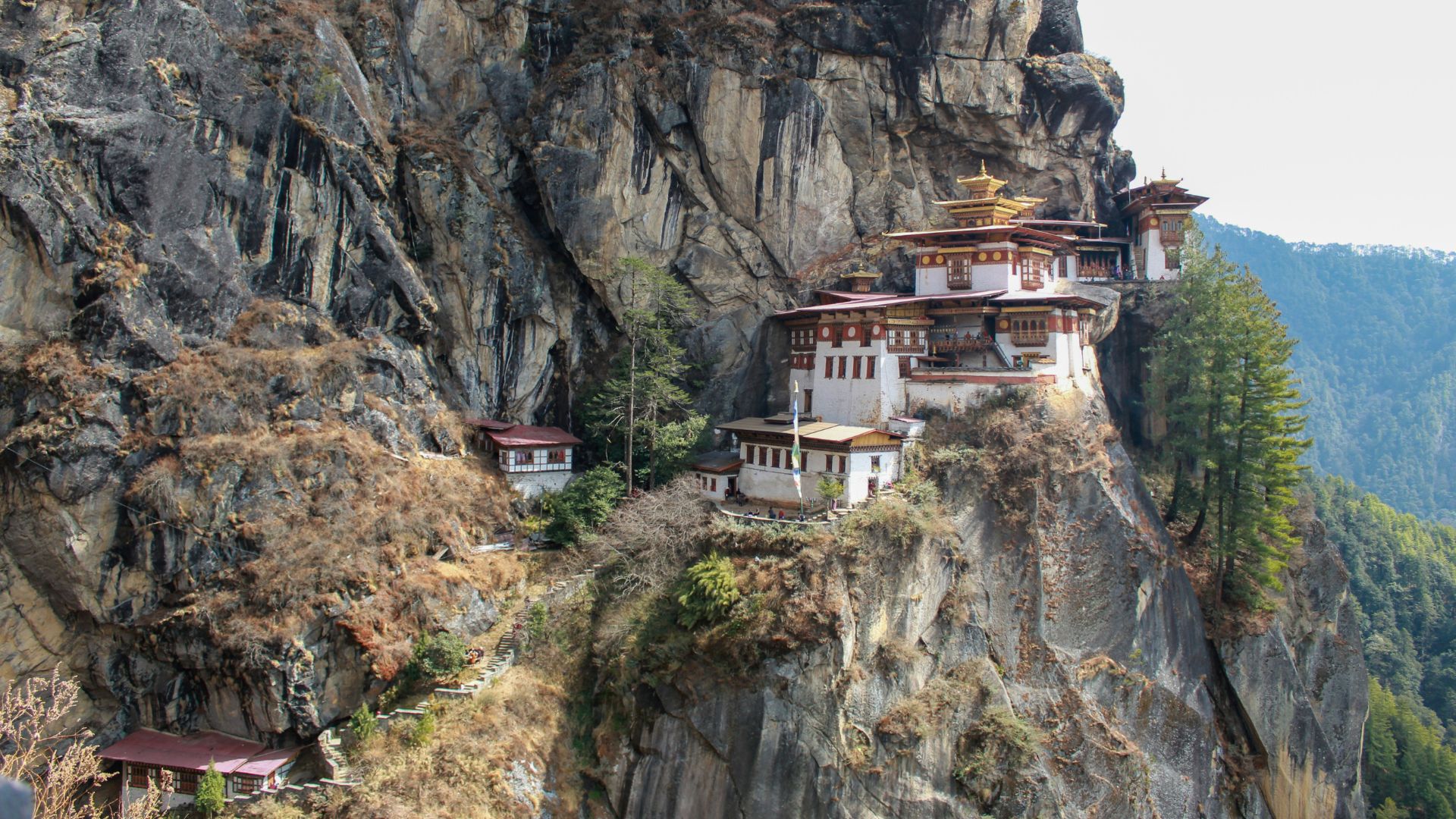
You might trek the famous Druk Path or head into remote valleys dotted with traditional homes. The hike to the Tiger’s Nest Monastery is unforgettable—it clings to a cliff 3,000 feet above Paro Valley.
Built in the 17th century, the monastery is still active today. Bhutan controls tourism with a daily fee, keeping crowds small and protecting its culture.
During multi-day treks, you’ll stay in teahouses or camp under the stars, with plenty of time to connect with the landscape. Even flying into Paro is an adventure.
The plane weaves through mountain valleys, and you’ll catch glimpses of some of the world’s highest peaks right out your window.
20) Alaska Glacier Cruise, USA
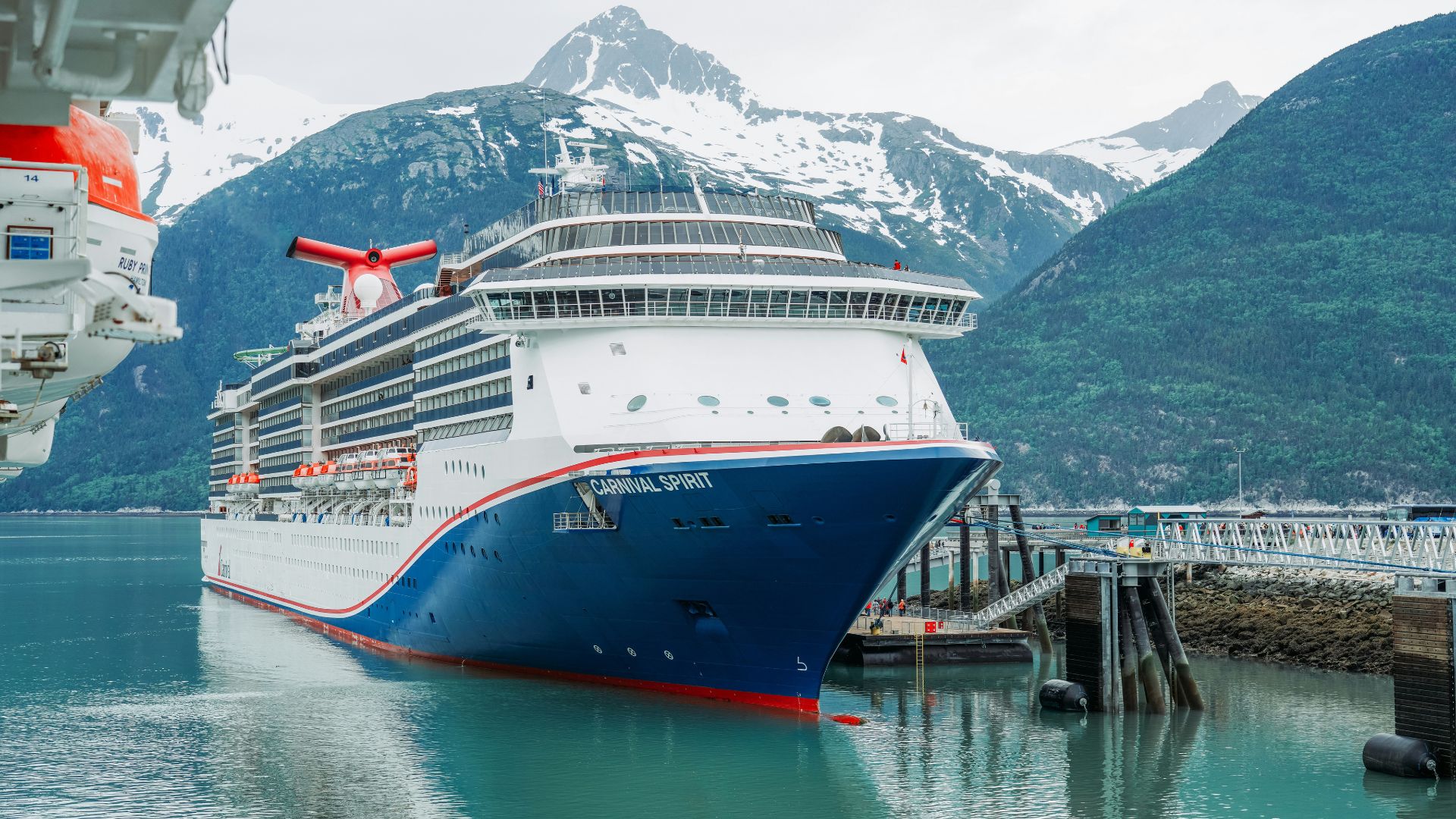
Let me tell you, an Alaska glacier cruise is something you’ll never forget. Imagine drifting past towering ice walls, some as high as city buildings, and suddenly hearing that thunderous crack as a chunk of glacier tumbles into the sea.
Most of these trips take you to places like Glacier Bay, Hubbard Glacier, or Tracy Arm. These glaciers just slide right into the ocean, and you can watch it all from the comfort of the ship’s deck. Seals often lounge on floating ice nearby, barely noticing the people gawking from above.
Usually, these cruises last about a week and wind through the Inside Passage. You’ll make stops in quirky towns like Ketchikan, Juneau, and Skagway. Some routes even squeeze in two glacier-viewing days, which is a treat.
If you’re wondering when to go, aim for May through September. The weather’s friendlier, and wildlife like whales, bears, and eagles tend to show up more often.
This isn’t the kind of adventure that requires you to rough it. You get all the comfort of a cruise ship while soaking in jaw-dropping natural beauty.
How to Prepare for Long-Haul Bucket List Adventures
Let’s be real, long-distance travel isn’t just about booking a ticket and showing up. You’ve got to plan ahead—think health, packing, and how you’ll actually feel after crossing a bunch of time zones.
A little prep makes everything smoother, so you can hit the ground running and really enjoy your destination.
Travel Health and Vaccination Tips
Book a travel medicine appointment about a month before you leave. Your doctor can tell you which vaccines you’ll need for your trip. Hepatitis A and B, typhoid, yellow fever—those are some of the usual suspects.
Some countries won’t let you in without proof of certain vaccines. Yellow fever certificates, for example, are a must for parts of Africa and South America. Keep both paper and digital copies of your vaccination records, just in case.
If you’re heading somewhere tropical, check if you’ll need malaria pills. I always toss a simple first-aid kit in my bag—bandages, painkillers, allergy meds, plus any prescriptions. Keep your meds in their original bottles with a doctor’s note for customs; it just makes life easier.
Don’t forget to look into travel insurance. Make sure your plan covers emergencies, evacuation, and trip cancellations. Most regular health insurance won’t help you abroad.
Packing Essentials for Extended Journeys
Critical Documents
- Passport (good for at least 6 more months)
- Visas and entry permits
- Travel insurance details
- Emergency contacts
- Backup credit cards
Pack light, but don’t skimp on the essentials. Go for clothes you can layer and mix-and-match. I always bring one super comfy outfit for those long flights—compression socks included.
Your carry-on should hold all your must-haves: meds, a spare outfit, valuables, and electronics. Chargers and a universal adapter are lifesavers since plugs are different everywhere. Download offline maps and digital copies of your important docs before you leave.
Bring an empty water bottle to refill after security. Trust me, noise-canceling headphones and a neck pillow are game changers for sleeping on flights.

Managing Jet Lag and Time Zone Changes
Start shifting your sleep schedule a couple of days before your trip. Move bedtime by an hour each night to get closer to your destination’s time zone. It’s not perfect, but it helps.
Drink water every hour during your flight. Skip the booze and coffee—they just mess with your sleep and dry you out.
Change your watch to your destination’s time as soon as you board. It helps get your brain on the right schedule. Try to sleep if it’s nighttime where you’re headed, even if you’re not tired yet.
Once you arrive, get outside and soak up some sunlight. Natural light is the best way to reset your internal clock. Stay out during the day, and keep things dim at night.
If you’re exhausted, take a quick 20-minute nap, but don’t let it turn into a marathon. Eat when locals eat and keep moving during the day. You’ll usually feel adjusted in a couple of days.
Maximizing Your Experience While Abroad
There’s more to a dream trip than just flights and hotels. A little local know-how, smart money moves, and time management go a long way in making your adventure unforgettable.
Cultural Etiquette and Responsible Tourism
Do a little homework on local customs before you land. Learn the basics—how to greet people, whether to tip, and what not to wear or do. For example, in Japan, you’ll often need to remove your shoes before entering homes or certain restaurants. In some Middle Eastern countries, covering up at religious sites is non-negotiable.
Support local communities by shopping at small businesses and skipping attractions that exploit animals or locals. Always ask before snapping photos of people, especially in rural or indigenous areas. Stick to marked trails to help preserve natural sites.
A few words in the local language—“hello,” “thank you,” “excuse me”—go a long way. I like to have a translation app handy for trickier conversations.

Budgeting for Big-Ticket Destinations
Set a realistic daily budget that covers everything: sleep, food, getting around, activities, and those “uh-oh” expenses. Cities like Paris, Tokyo, and Sydney will eat up $150-300 a day, but Southeast Asia or Eastern Europe can be much cheaper—sometimes just $50-100.
Book your big stuff—flights and hotels—months ahead for the best deals. Combo tickets for attractions can save you cash, and many cities have passes that include public transport and museums.
Eat where the locals do, not in tourist traps. Free attractions like parks and markets are often the most memorable anyway. Shoulder season travel is a sweet spot—lower prices, fewer crowds, and decent weather.
Always stash an emergency fund—$500 is a solid start. Use credit cards with no foreign transaction fees to save a bit on every purchase.
Building An Itinerary for Iconic Sites
Snag tickets online for the big sights—think Eiffel Tower, Machu Picchu, the Colosseum—well before your trip. These places sell out and lines can be brutal. Early mornings mean fewer people and better photos.
Group attractions that are close together so you’re not zigzagging all day. Spend a whole day in one neighborhood and give yourself downtime between big activities.
Leave space for spontaneity. Some of the best moments happen when you wander off plan—maybe it’s a festival, a hidden café, or a cool street market. I try to leave at least 20% of my time unplanned.
Double-check opening days and hours. Museums often close on Mondays, and some sights have odd schedules. Weather can mess with plans, so have a backup for rainy days.
Frequently Asked Questions
Planning a bucket list trip feels overwhelming at first—so many details, so many choices. Here are some answers to common questions that come up when you’re dreaming big.
Iceland gives you front-row seats to the Northern Lights—there’s nothing quite like watching those colors swirl across the sky from September to April. The Serengeti in Tanzania? That’s where you’ll catch the Great Migration, with millions of wildebeest and zebras on the move.
Peru’s Machu Picchu sits high in the Andes, pairing ancient ruins with stunning views. Australia’s Great Barrier Reef is the ultimate playground for snorkelers and divers. And Santorini in Greece? Those whitewashed villages perched above the Aegean Sea are just iconic.
Sure, these places require long flights, but standing there in person makes every hour in the air worth it.
Iceland tops the list for its Northern Lights, hot springs, and volcanic landscapes. Tanzania’s Serengeti National Park is safari central—wildlife like you wouldn’t believe.
Peru’s Machu Picchu is a bucket list classic, perched high in the Andes. The Great Barrier Reef in Australia is an underwater wonderland. Santorini, Greece, brings together epic sunsets and those famous blue-domed buildings.
Japan is a blend of old temples and neon-lit cities like Tokyo. New Zealand stuns with fjords, mountains, and wild adventure sports. Italy is all about art, history, and pasta in cities like Rome and Florence.
Norway’s fjords serve up dramatic views you’ll remember forever, while Egypt’s pyramids connect you to ancient civilizations.
Start by checking out flight prices to your dream spots—airfare often eats up the biggest chunk of your budget. Booking international flights two or three months ahead can snag you better deals, especially if you’re flexible with dates.
Lodging costs are all over the place, depending on where you go and how you travel. Hostels and budget hotels might run $20-50 a night, while mid-range options usually cost $75-150. For food, plan on $30-80 a day, depending on the country.
Activities vary too. A Serengeti safari could cost $200-400 a day, while Machu Picchu might set you back $150-200 for tickets and transport. Budget $50-100 a day for tours and entry fees to big attractions.
A two-week trip to one major spot often lands in the $3,000-5,000 per person range. If you’re hopping between countries, expect $10,000-20,000 for four to six weeks.
Picture yourself chasing the Northern Lights in Iceland, then soaking in a natural hot spring to warm up. Or maybe you’re tracking lions and elephants during a Serengeti safari—talk about wild.
Hiking the Inca Trail to Machu Picchu at sunrise is pure magic, with ancient stone paths winding through misty forests. The Great Barrier Reef? Dive in and you might spot sea turtles, reef sharks, and a rainbow of fish.
Watching the sunset from Santorini’s cliffs, with those white buildings glowing against the sea, is something you’ll never forget. Each of these moments connects you to the world’s natural wonders or cultural treasures.
Pack clothes you can layer and wear in different climates. Quick-dry fabrics are a lifesaver—you can wash them in a sink and they’ll be ready by morning. Throw in one dressy outfit for nice dinners or sites with dress codes.
Keep all your vital documents, meds, and a spare outfit in your carry-on. Don’t forget a universal adapter, portable charger, and digital backups of important stuff.
Good walking shoes are non-negotiable for long days out. Grab a lightweight rain jacket, sunscreen, and a reusable water bottle to cut down on plastic.
A small daypack is handy for daily outings. Try to keep your main bag under 50 pounds—less is more. Travel-size toiletries are enough to start; you can always buy more on the road.
Let’s start with Iceland. I’d say you need at least 5–7 days if you want to chase the Northern Lights, wander the Golden Circle, and cruise along the southern coast without feeling rushed.
For the Serengeti, 4–5 days usually does the trick. That gives you a real chance to spot lions, elephants, and all the drama of wildlife moving across those endless plains. Trust me, you’ll want time to just sit and watch.
If Machu Picchu is calling your name, the classic Inca Trail trek takes about 4–5 days. Prefer an easier route? The train gets you there in 2–3 days, leaving room for a little extra exploring.
The Great Barrier Reef? Give yourself 3–4 days. You’ll want to see a few different reef sections, maybe try diving or snorkeling, and just soak in those wild colors.
Santorini absolutely deserves 3–4 days. That’s enough to wander the villages, lounge on volcanic beaches, and poke around ancient ruins without having to sprint from place to place.
If you’re crossing several time zones, add an extra day or two for jet lag. Your future self will thank you.
I always build in some buffer time for travel hiccups and much-needed rest. Most folks I know find that 10–14 days covers a single big destination nicely, especially when you count travel days.
