
Most travelers stick to budget-friendly options, but sometimes, spending a little extra makes all the difference. The right splurges can turn an ordinary trip into something you’ll talk about for years.
Frequent travelers usually save on basics like casual meals and standard hotels. They’d rather spend more on unique experiences that you just can’t get anywhere else.
You don’t need a bottomless bank account to make smart splurges. It’s all about knowing where your money actually adds value.
The best experiences often come with better access, expert guides, or rare opportunities. Think premium flights, private tours, or once-in-a-lifetime meals. If you’re trying to balance your budget and still want meaningful moments, here are some ideas worth every penny.
1) Hiring a Travel Advisor for Personalized Planning
A travel advisor can make trip planning a breeze. They handle the research, bookings, and all the little logistics so you can focus on the fun stuff—like what to pack.
Their insider knowledge and connections open up deals you’d probably never find online. Room upgrades, resort credits, early check-ins—these perks often come through their hotel and tour partners.
If something goes sideways during your trip, your advisor steps in to fix it. That peace of mind? Priceless, especially on complicated journeys.
Most of the time, hotels and cruise lines pay their commission, so you don’t see much extra cost. Some advisors charge planning fees, but honestly, the time and headaches they save are usually worth it.
Travel advisors shine brightest for multi-stop trips, honeymoons, or unfamiliar places. Their expertise can steer you away from tourist traps and toward experiences that actually matter.
You’ll get a custom trip built around your interests, plus someone in your corner if plans change.

2) Booking Business or First Class Flights
Let’s be real—flying business or first class is a whole different vibe. You get more space, better food, and services that make long flights way less exhausting.
Business class usually gives you most of the perks at a lower cost than first class. Think extra legroom, priority boarding, and meals that don’t taste like cardboard.
First class takes it up a notch with total privacy, personalized service, and sometimes even showers or beds. But wow, the price tag can be wild.
Business class often costs 40-60% less than first, but still feels like a major upgrade from economy. If you want the best comfort for the price, business class is usually the sweet spot.
Some travelers splurge to arrive refreshed for work. Others go big for honeymoons or milestone trips. You don’t always have to pay full price—travel points or consolidators can help you score deals.
Honestly, if you value comfort and can swing it, business class is a game changer.

3) Staying in Boutique Luxury Hotels
Boutique luxury hotels just hit different. You get personality, intention, and a sense of place that big chains rarely deliver.
Staff actually remember your name and what you like. The attention to detail—room design, personalized tips—makes you feel like a VIP.
These spots mix local culture with high-end comfort. Maybe you’ll sleep in a Portuguese mansion or a treetop bungalow in Colombia. Each property tells its own story.
Boutique hotels often team up with local artisans and guides, so you can try exclusive activities you’d never find elsewhere.
More travelers are skipping the big brands for these gems. When you walk in, you’ll know why—it just feels special.
You might pay more than a standard hotel, but you’re buying memories and real service, not just a place to crash.

4) Joining Guided Culinary Tours
If you want to get to know a place, start with its food. Guided culinary tours let you dive straight into local flavors and stories.
You’ll explore markets, taste regional specialties, and actually learn what’s behind each dish. Guides know where locals really eat—no tourist traps here.
Most tours keep groups small, so you can chat with chefs and ask questions. Sometimes you’ll even get hands-on with cooking classes.
The best part? You leave with new skills and recipes to try at home.
Food tours also attract fellow food lovers, so it’s easy to make friends over shared meals.
You’re not just eating—you’re connecting with history, traditions, and the people who keep them alive.

5) Private Helicopter Tours Over Scenic Destinations
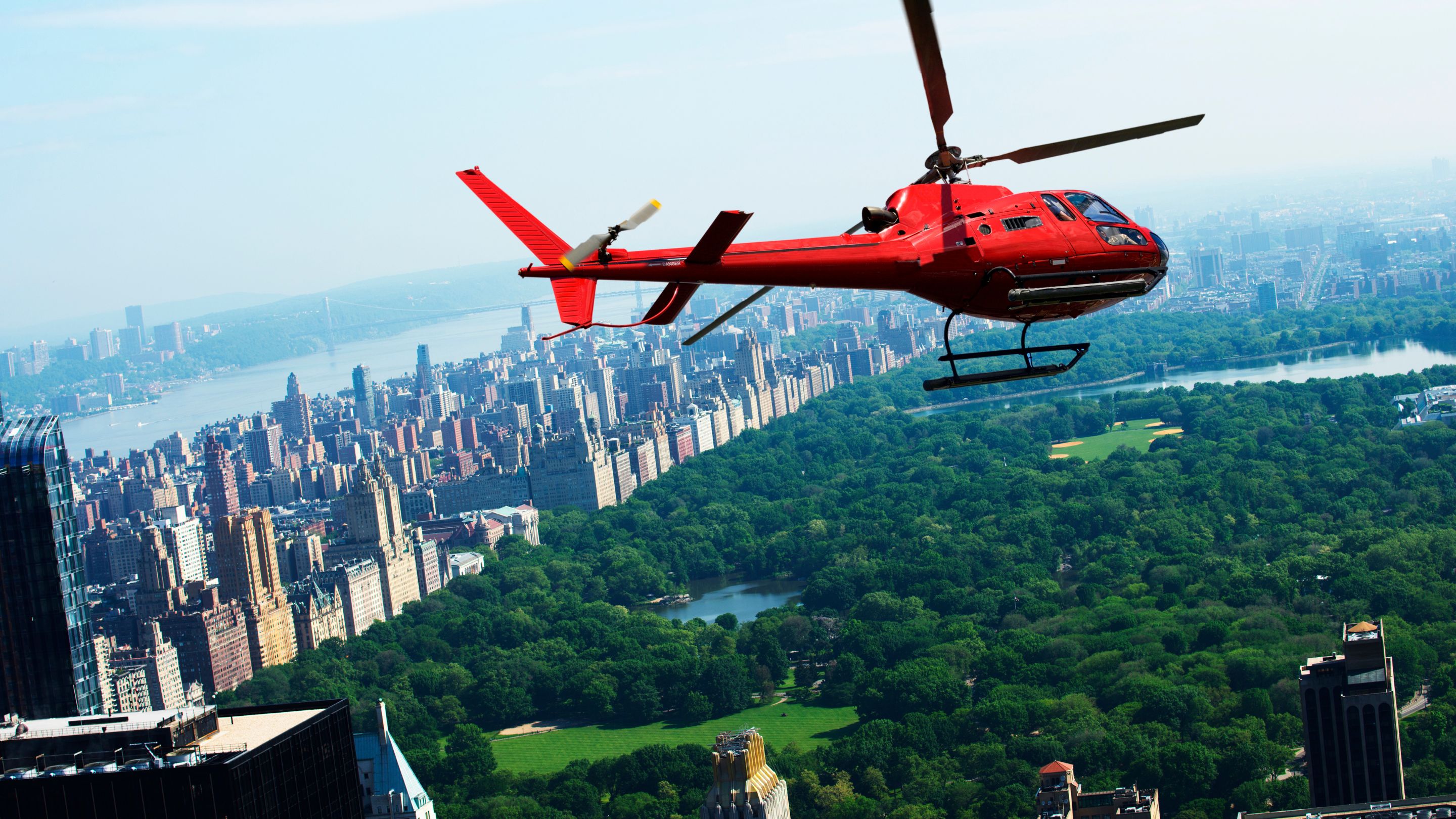
A helicopter tour? Now that’s a splurge that sticks with you. Seeing coastlines, canyons, or city skylines from above is a whole new perspective.
Private tours let you pick your route and take your time. No rushing through a preset plan—you decide what’s worth lingering over.
Popular spots like the Grand Canyon, New York City, or Hawaii’s volcanoes look unreal from the air. You’ll notice patterns and colors you’d never see from the ground.
Sure, it’s pricier than a bus tour, but the views are unbeatable. Most people who try it say it’s worth every penny.
Always book with operators who have great safety records and reviews. And a tip—plan for clear weather and you’ll get the best photos.
6) Dining at Michelin-Starred Restaurants
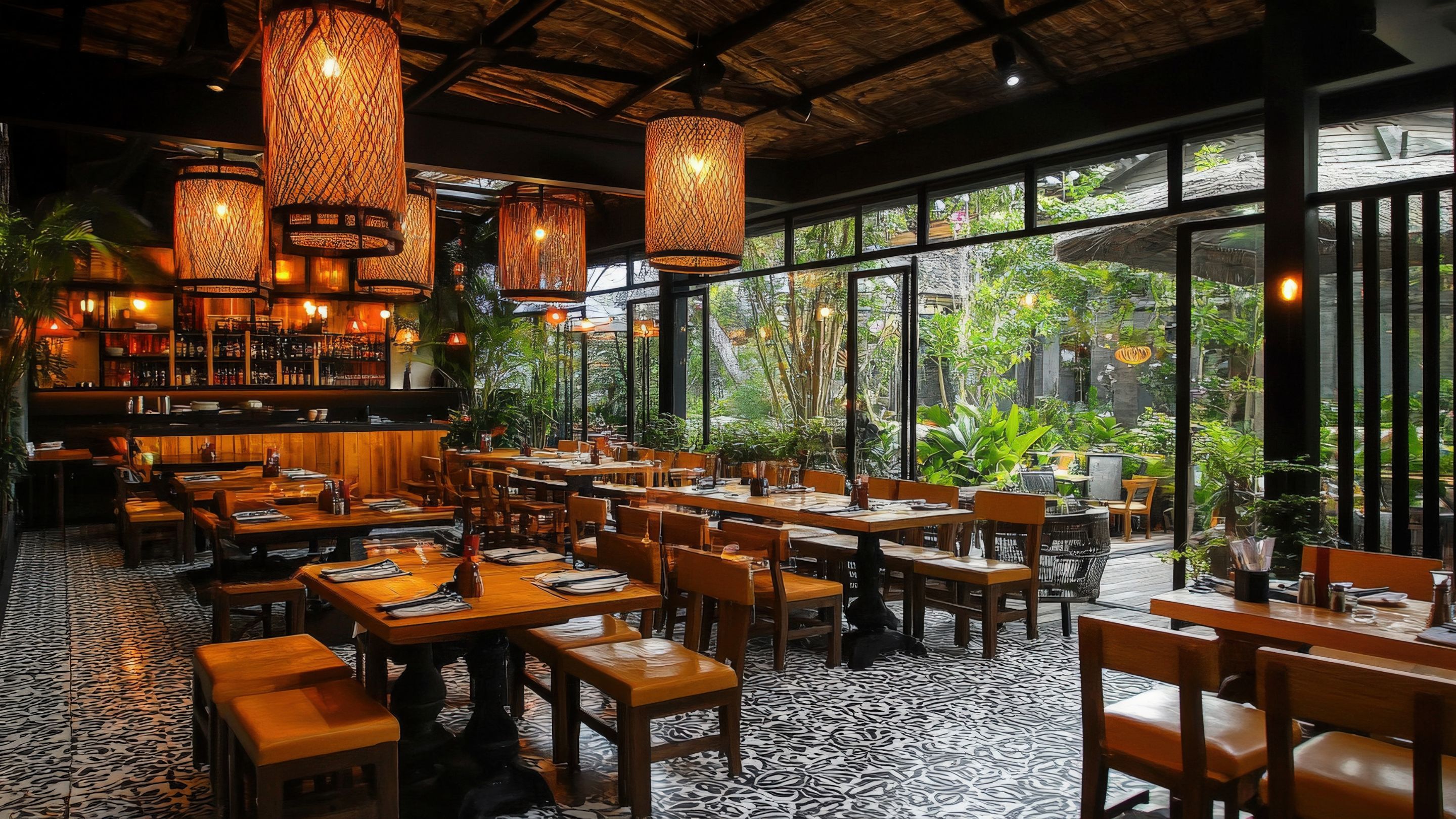
Michelin-starred restaurants are the holy grail for foodies. Anonymous inspectors rate them for top-notch ingredients, skill, and service.
One star means it’s worth a stop. Two stars? Worth a detour. Three stars? Drop everything and go.
France, Italy, and Japan lead the pack, but you’ll find these gems in cities across the globe.
It’s not just about the food. You’re paying for creativity, precision, and dishes that tell a story.
Service is next-level—staff know when to appear and when to give you space.
Some people even plan entire trips around a reservation. If you’re a food lover, this is a bucket-list experience.
7) Booking Exclusive Wildlife Safaris
If you want to see wildlife up close, an exclusive safari is the way to go. Private reserves and remote areas mean fewer crowds and more intimate wildlife encounters.
Luxury safaris can run $800 to $1,000 per day, but that covers plush lodges, expert guides, and most meals. Part of the price supports conservation and keeps these wild places protected.
You might track gorillas, sleep under the stars, or explore places most travelers never see. Guides tailor each outing to your interests.
You’ll stay in beautiful, secluded spots that blend comfort with wild adventure. Plus, your visit often helps fund conservation.
For wildlife lovers, this is an investment in memories and the future of these amazing places.
8) Chartering a Private Yacht
Chartering a private yacht? Now you’re talking freedom. You set the itinerary, the pace, and the vibe.
It’s just your group and a crew that handles everything—navigation, meals, even the playlist if you want. No strangers, no fixed schedules.
You can discover hidden bays and tiny ports big ships can’t reach.
Prices depend on yacht size, season, and destination. The Mediterranean and Caribbean are classic choices.
This splurge is perfect for families or friends who want privacy and flexibility. You can change plans if the weather shifts—no problem.
Book early for peak seasons. A good charter broker will match you with the right boat and crew.

9) Attending Local Cultural Festivals with a Guide
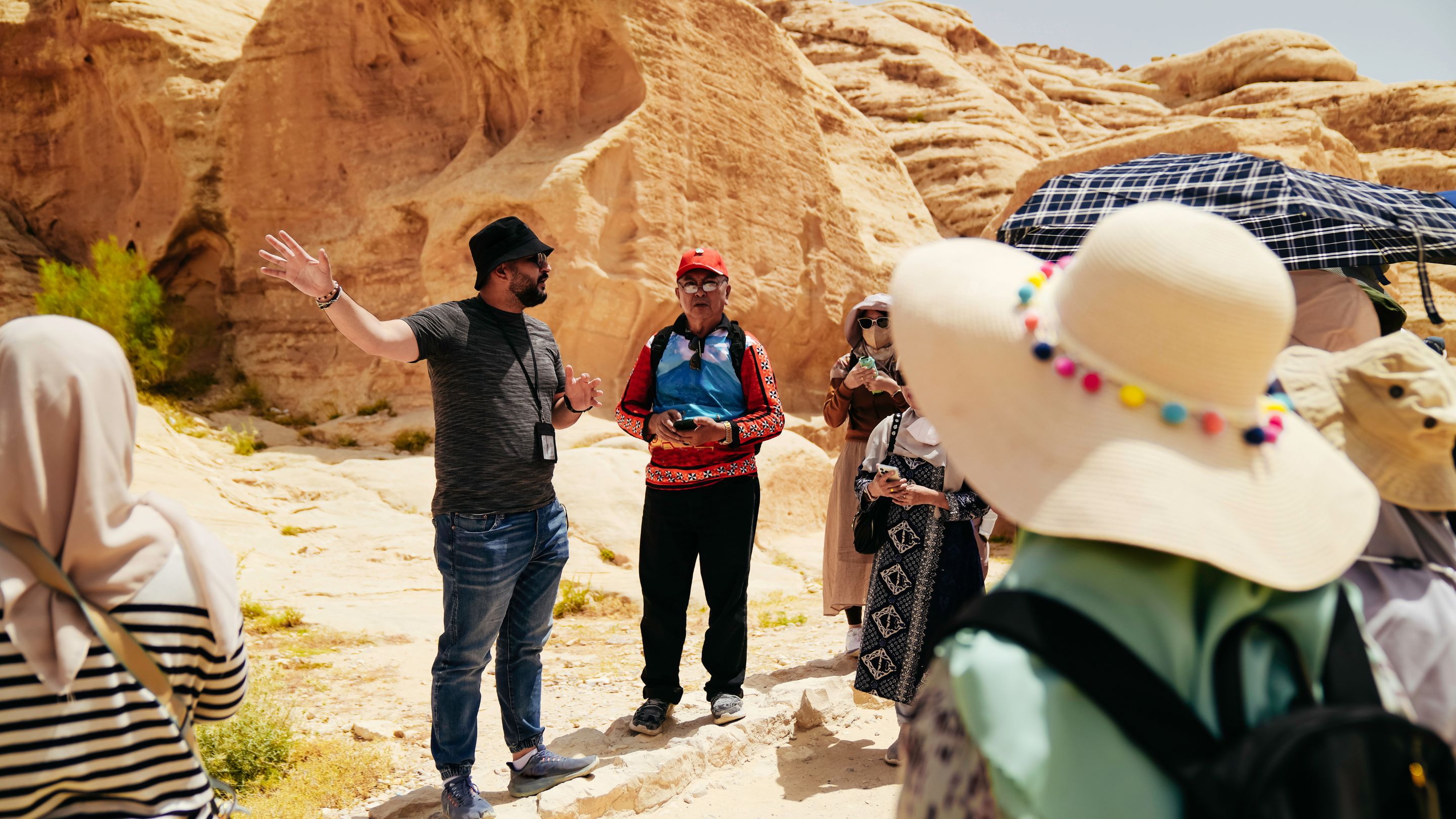
Cultural festivals can be magical, but without a guide, you might miss the meaning behind the music and rituals.
A knowledgeable guide opens doors to restricted areas and explains the history, so you’re not just watching—you’re understanding.
They handle logistics like transport and timing, so you can focus on soaking it all in. Guides know the best spots for viewing and can introduce you to locals willing to share their stories.
Private guides cost more, but you get flexibility and attention that group tours can’t match.
You’ll leave with a deeper connection to the culture, not just a phone full of photos.
10) Taking Hot Air Balloon Rides
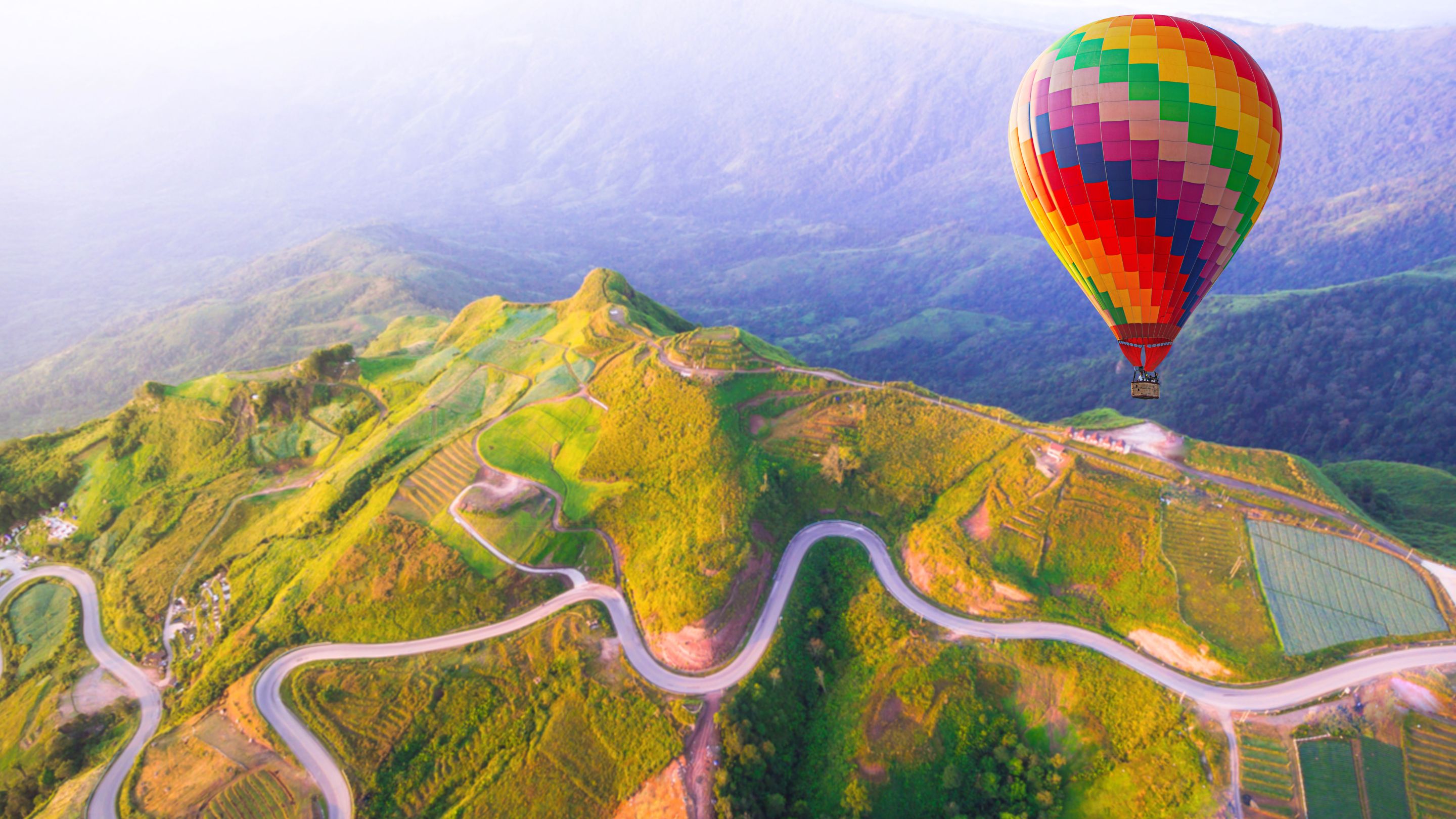
Floating in a hot air balloon is pure magic. The world looks totally different from up there.
The ride is calm and quiet—you drift with the wind, so there’s no rush of air or turbulence. Most flights lift off at sunrise when the light is soft and the air is still.
Cappadocia in Turkey is famous for its balloon rides over fairy chimneys. Other top picks are Bagan’s temples, Napa Valley’s vineyards, or the deserts of Dubai and Arizona.
A typical flight lasts about an hour. You’ll need to book ahead and hope for good weather—operators cancel if it’s too windy.
It’s not the cheapest adventure, but for a special occasion or a once-in-a-lifetime view, it’s hard to beat.
11) Booking Overwater Bungalows in the Maldives
If you’ve ever dreamed of waking up to turquoise lagoons and total privacy, overwater bungalows in the Maldives are the way to go. Imagine staying in a villa on stilts, with your own staircase dipping right into the ocean.
Expect to pay over $1,000 a night for these dreamy digs. That usually gets you perks like a private pool, glass floor panels for fish-watching, and a sun deck with loungers.
The Maldives has more than 170 resorts with overwater bungalows. Each resort sits on its very own island, so you really do get that exclusive, away-from-everyone-else feeling.
Rooms come loaded with modern comforts—think butler service, direct snorkeling access, or just lounging and watching the water drift by. It’s a splurge that’s perfect for honeymoons, anniversaries, or those once-in-a-lifetime celebrations.
Honestly, the mix of privacy, ocean views, and luxury amenities creates a vacation vibe you probably won’t find anywhere else. If you’re eyeing the best weather, aim for the dry season (November to April) and book early for the best rates and room choices.

12) Participating in Wine Tasting Tours in Napa Valley
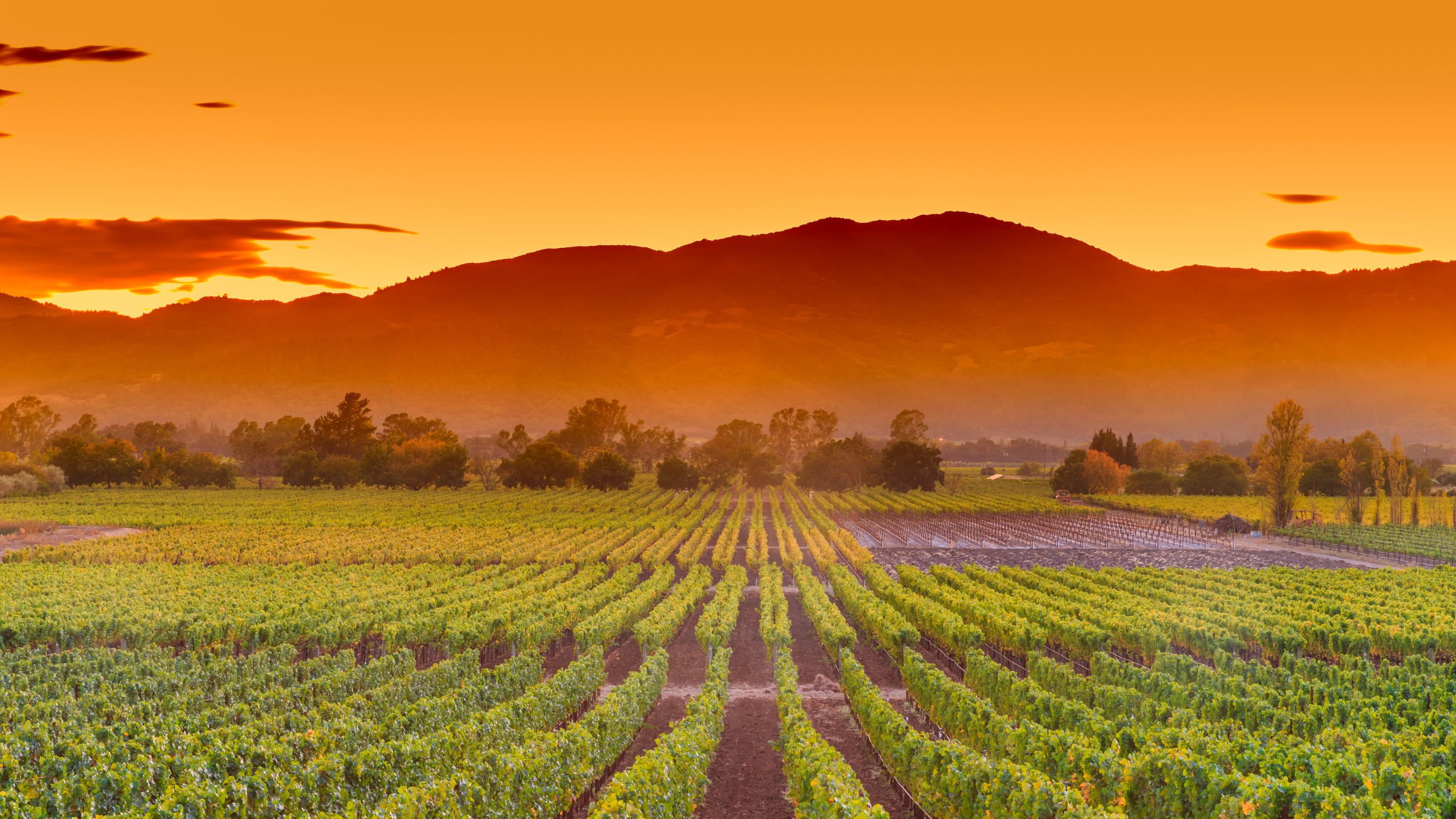
Napa Valley isn’t just about sipping wine—it’s a whole experience. You can join private tours with local guides, hop on a group outing, or even ride a vintage train through the vineyards.
The best tours mix expert knowledge with handpicked wineries. Guides explain what you’re tasting and share the region’s backstory.
Many tours include transportation, so you don’t have to worry about driving after a few glasses. Some tours offer gourmet food pairings, while others lead you to scenic viewpoints and rolling vineyard landscapes.
The Napa Valley Wine Train is a classic. You ride in vintage rail cars, enjoying wine pairings and a meal as the scenery rolls by. If you’re feeling adventurous, try a bike tour or even a hot air balloon ride to your next tasting.
You’ll need to be 21 or older to join. Local tourism offices can help you find the right fit for your style and budget. Between the scenery, the wine, and the expert guides, these tours are a splurge that really delivers.
13) Exploring Japan’s Tsukiji Market with an Expert
Tsukiji Market in Tokyo is legendary for seafood, but wandering through 400+ vendors on your own? That can get overwhelming fast.
A local guide changes everything. They know exactly where to find the freshest sashimi or the best tamagoyaki. You’ll try foods you’d probably never find alone.
Most tours last about 90 minutes to two hours. Guides share stories about the market’s history and Tokyo’s food culture, and they’ll even teach you how vendors pick their fish.
You’ll do more than just eat—many tours include stops at places like Tsukiji Hongwanji Temple. Locals call this area “Tokyo’s Kitchen” for a reason.
Expect to pay $50–$100 per person, which covers tastings and insights you won’t find in a guidebook. First-time visitors especially find it helpful to have someone navigate the crowds and chat with vendors.
Tasting fatty tuna from a trusted vendor or sipping dashi soup made the old-school way? That’s when you realize the tour was worth every yen.

14) Getting Spa Treatments at Renowned Resorts
World-class spa resorts offer treatments you simply can’t get anywhere else. They hire top therapists and use high-end products, which, honestly, explains the price tag.
Many places create signature treatments inspired by local traditions. Maybe you’ll soak in a thermal spring in Austria or try a healing ritual in Bali. These special touches make destination spas so much more than your neighborhood salon.
The setting really matters. Whether you’re tucked in the Hawaiian mountains or gazing out over the Arizona desert, the location becomes part of the therapy.
Destination spas usually go beyond massages. You get access to wellness programs, facials, hydrotherapy, and more—all under one roof. It’s a chance to truly unwind.
When you’re paying premium prices, the room quality matters too. The best spa resorts blend luxury accommodations with their wellness offerings, so you’re investing in a full mind-and-body reset.
Frequent travelers swear these splurges are worth it, especially when you need to hit the reset button on life.

15) Renting Luxury Cars for Local Exploration
Renting a luxury car can totally change how you see a place. Suddenly, hidden coastal roads and twisty mountain passes become part of the adventure—and you’re seeing it all in style.
Big names like Enterprise, SIXT, and Turo now rent out exotic sports cars, luxury sedans, and plush SUVs in most major destinations. You can pick from brands like Mercedes-Benz and BMW if you’re feeling fancy.
Prices vary depending on the car and city, but yeah, it’ll cost more than a standard rental. Still, many travelers say it’s worth the upgrade for the comfort and fun factor.
You’ll need to be at least 25 for most rentals, and double-check your insurance before booking. This splurge shines in places with scenic drives—think coastal highways, wine regions, or mountain routes.
Honestly, the better performance and comfort make every mile more memorable.

16) Booking Private City Tours with Local Experts
Booking a private city tour with a local guide just hits different. These folks actually live in the city and know all the hidden gems most tourists never stumble upon.
You set the pace—linger at places that catch your eye, skip the stuff that doesn’t. Your guide tailors the whole experience to your interests.
Local guides love sharing stories you won’t find online. They answer your questions on the fly and give you recommendations for restaurants, shops, and cool local spots.
Platforms like ToursByLocals, Showaround, and City Unscripted make it easy to connect with vetted guides almost anywhere. You can customize your tour before you even arrive and chat directly with your guide.
Sure, it costs more than a group tour. But you get personal attention and flexibility. For anyone craving authentic experiences and efficient sightseeing, private tours are a solid investment.

17) Upgrading to Hotel Rooms with Iconic Views
Some hotel room views just stick with you. Waking up to the Eiffel Tower or watching the sun dip behind Santorini’s cliffs? Those are moments you don’t forget.
A room with a view upgrade can cost anywhere from $300 to $1,200, depending on where you are. It’s worth it in places where the scenery is truly spectacular.
Beachfront resorts, mountain lodges, and hotels facing famous landmarks give you the best bang for your buck on view upgrades. Your brain just remembers those visuals in a different way.
If you plan to spend time in your room—maybe with coffee on the balcony or a glass of wine at sunset—the upgrade makes sense. But if you’re gone all day, it might not be worth it.
Pick destinations with scenery that wows. A city skyline in New York or Hong Kong? Absolutely. A view of a parking lot? Not so much.

18) Booking Authentic Cooking Classes Abroad
Taking a cooking class abroad is more than just learning recipes. You get a peek into local food traditions and culture that you’d never find in a restaurant.
The best classes connect you with local chefs or home cooks who share family recipes and stories. You’ll handle regional ingredients and pick up techniques that explain why certain dishes matter.
Many classes include market visits, so you actually shop for fresh ingredients with your instructor. Look for small groups if you want more hands-on time and personal attention.
Prices depend on the location and what’s included. In Europe or Asia, expect to pay $50–$200 per person. The higher price usually means a market tour, several courses, and sometimes wine pairings.
What’s great is that you take these skills home. Every time you cook that dish, you’ll relive a bit of your trip. It’s a travel splurge that keeps on giving.

19) Taking Private Photography Tours
Private photography tours are a fantastic way to level up your photo skills while exploring. You get one-on-one time with expert guides who know all the best spots and when the light is just right.
These guides take you off the usual tourist path. Whether you want landscapes, wildlife, or street scenes, they’ll plan a route that fits your style and skill level.
You set the pace—linger for that perfect shot or move on when you’re ready. Your guide gives instant feedback on technique and camera settings, which is seriously helpful.
It costs more than a group tour, but you get a tailored experience. You choose the destination, focus, and timing. Many photographers find it’s worth every penny for the skills and stunning shots they bring home.
Private tours work for newbies and pros alike. Plus, you dodge the crowds that often make group photo tours tricky.

20) Booking Scenic Train Journeys in Europe
Europe’s train journeys are legendary for a reason. You can watch alpine peaks, dramatic coasts, and medieval towns roll by—all from a comfy seat.
These rides cost more than budget flights or buses, but honestly, the views and experience are worth it. You see landscapes you’d never glimpse from a highway or airport.
Trains wind through mountain passes, hug riverbanks, and connect storybook villages. The scenery changes constantly, keeping the ride interesting.
Some favorites? Switzerland’s Glacier Express, Scotland’s West Highland Line, and Norway’s fjord trains. Each one offers something a little different, but all are jaw-dropping.
You can book tickets on national rail sites or through train travel specialists. If you want the best prices or a guaranteed window seat, book early. Some luxury routes fill up months in advance.
A scenic train ride blends travel and sightseeing. You arrive relaxed and already wowed by the journey itself. If you’re heading to Europe, at least one scenic rail adventure should be on your list.
21) Investing in Unique Dark Sky Tourism Experiences
Dark sky tourism is something I stumbled into almost by accident, but wow—what a game changer. You head out to places with barely any light pollution, and suddenly the night sky feels massive, wild, and honestly, a little humbling.
The Milky Way spills across the horizon. Stars you never knew existed pop into view. City lights can’t compete with this.
This travel trend keeps picking up steam. People flock to Dark Sky Places—protected zones where stargazing and astronomy activities take center stage.
You can sign up for guided tours with astronomers who actually know their stuff. They’ll point out constellations, share stories, and sometimes even help you spot planets or meteor showers.
Lots of these spots provide high-powered telescopes. I never thought I’d see Saturn’s rings with my own eyes, but there it was.
But it’s not just about looking up. Some places offer night photography workshops. Others put on astronomy lectures or host groups of fellow stargazing fans. You end up trading tips, stories, and maybe a few snacks under the stars.
Dark sky destinations come in all shapes and sizes. I’ve seen national parks, remote observatories, and even tiny villages across different continents rolling out the red carpet for stargazers.
When you splurge here, you’re really paying for expert guides, top-notch equipment, and a chance to stay where the skies stay clear and unspoiled.
There’s something rare about this. You get a real, honest-to-goodness view of the universe—no filters, no city glare. I walked away knowing more about astronomy and feeling like I’d glimpsed something most people miss.

How to Maximize Value When Splurging on Travel
Let’s be honest, splurging on travel can feel risky. You want every dollar to count. The trick? Timing, planning, and a few clever tricks to stretch your budget.
Planning Ahead for Special Experiences
Book those must-have experiences early—think 3-6 months ahead. I’ve snagged better rates and more choices that way, and it takes the pressure off.
Dig into reviews from real travelers, not just glossy ads. Find out what’s actually included, how long it lasts, and what sets it apart from the cheaper options.
Set aside a separate budget just for splurges. That way, you don’t overspend but also don’t skip out on what matters to you. I usually pick two or three experiences to go all-in on before I even leave home.
Reach out directly to tour companies or hotels. Sometimes they’ll throw in perks—like upgrades or bonus time—if you book with them instead of a big booking site.

Leveraging Loyalty Programs and Travel Rewards
Don’t sleep on credit card rewards. Points and miles can cover flights, hotels, and sometimes even activities or meals.
Sign up for hotel and airline loyalty programs, even if you’re not a frequent flyer. I’ve landed late checkouts and room upgrades just for being a member.
Stack those rewards. You can earn hotel points while paying with a rewards credit card, or book through airline portals for bonus miles.
Some credit cards offer exclusive access to events or experiences you can’t get elsewhere. It’s worth checking your benefits before you book.
Timing Your Splurge for the Best Experience
I always schedule splurge activities in the middle of my trip. That way, I’m not jet-lagged or rushing out the door to catch a flight.
Shoulder season is my secret weapon. You get better prices, more attention from guides, and smaller crowds. The weather usually cooperates too.
Pay attention to the time of day. Morning tours are often cheaper and have great light for photos. Evening experiences—like sunset cruises—feel extra special, and sometimes include dinner or drinks.
Weekdays are usually less expensive than weekends. Museums and restaurants have more space, and tour guides aren’t as rushed.
What Frequent Travelers Consider When Choosing to Splurge
People who travel a lot don’t just throw money at every shiny experience. They weigh what fits their budget and whether a private or group option gives them more value.
Balancing Budget With Bucket List
Seasoned travelers set aside splurge funds before booking anything else. They figure out what’s non-negotiable and cut corners elsewhere.
Maybe you stay in a no-frills hotel so you can afford that epic food tour. Or you skip fancy dinners to save for a private boat ride. It’s about what you’ll still talk about years from now.
A rule I love: splurge on things you can’t do at home. That might be a cooking class in a local’s kitchen or a sunrise hot air balloon ride. Those are the stories you’ll tell later.
Common budget trade-offs:
- Stay somewhere basic so you can do something amazing
- Take free walking tours to save for one big-ticket activity
- Eat street food instead of pricey restaurants
- Use public transport and save private transfers for splurge days
Personalizing Experiences Versus Group Activities
Private tours cost more, but they let you call the shots. You set the pace, ask all the questions, and dive deep into what interests you.
Group activities work well for things like cooking classes or wine tastings. Sometimes the energy of a group makes it better, and adventure activities often need a crowd for safety—and laughs.
Cultural experiences, like markets or crafts, usually shine with a personal guide. They’ll pivot to your interests and take you places big groups just can’t go.
Go private if you want to learn a skill, need special accommodations, or have limited time. Group tours are perfect when you want to socialize or split costs.
Frequently Asked Questions
Wondering which premium experiences are really worth it? Here are answers to the questions I hear most from fellow travelers.
Many travelers swear by hiring a travel advisor for complex trips. These pros handle the headaches—bookings, problems, and even snagging upgrades or special access.
Private tours come up again and again. You move at your own speed, and guides actually tailor things to you.
First or business class flights are a splurge, but on long hauls, the comfort and sleep are a game changer. You land ready to go.
Safaris in Africa are hard to beat for value. You get expert guides, park access, and wildlife sightings that budget trips just can’t match.
Boutique hotels in less touristy cities offer luxury without the sky-high prices. Service feels personal, and you often get extras like breakfast or local treats.
Helicopter tours over stunning landscapes cram jaw-dropping views into a short time. They cost more per minute, but the experience is unforgettable.
Premium experiences save you time and hassle. Travel advisors handle the details. Private tours skip lines and avoid crowds.
Special access lets you connect with places in a deeper way. Culinary tours introduce you to local chefs and hidden spots you’d never find alone.
Better comfort means better mood and energy. A good flight or hotel can turn a rough day around.
Guided food tours lead you to local favorites, not just tourist traps. Guides explain dishes and ingredients, so you understand what you’re eating.
Cooking classes with locals let you bring new skills home. It’s hands-on and gives you a taste of real life in that place.
Market tours help you get comfortable with unfamiliar foods. You’ll see how locals shop and sometimes even cook with your finds.
Helicopter rides over mountains or volcanoes show you views you can’t get any other way. Skilled pilots keep things smooth and safe.
Private guides for tough activities make a huge difference. They know the best routes and help you avoid rookie mistakes.
Multi-day adventure packages that include gear and guides let you relax and focus on the fun. No need to stress about logistics or equipment.
Getting private access to historical sites before or after normal hours? That’s something you’ll never forget. You get to wander through important places in complete peace, with no crowds or noise to distract you.
A good guide might share stories you’d never hear in a rushed group tour. Sometimes, those quiet moments and little-known tales stick with you the longest.
Staying with local families or choosing traditional accommodations drops you right into the heart of daily life. You’ll see how people really live—plus, sharing meals together is its own kind of adventure.
Honestly, those connections teach you way more than any guidebook ever could.
If you’re up for it, attending major cultural events or festivals can be wild. Sure, you’ll need to plan ahead and sometimes pay a bit extra, but the energy? It’s unreal.
You’ll witness traditions that only happen at certain times of year. Being there for those moments gives you memories that regular travel days just can’t match.
