
Planning a U.S. trip in 2026 takes more attention to detail than you might think. Travel rules seem to change every year, and what worked last time might not cut it now.
Honestly, it’s easy to make preventable mistakes that’ll cost you time, money, and sanity. I’ve seen people forget documents, get tripped up by local customs, or run into problems before they even leave home.
Most travel headaches are avoidable with a little prep. If you know what to watch for, you can sidestep the big issues and actually enjoy your trip. Here’s a rundown of the most common mistakes folks make when visiting the U.S.—and how to avoid them.
1) Skipping visa and ESTA checks
People often just show up at the airport, assuming they’re good to go. Every year, this leads to missed flights and denied boarding.
If you’re from a Visa Waiver Program country, you need ESTA approval before flying. ESTA isn’t a visa, but you still need it for tourism or business trips up to 90 days.
The application seems straightforward, but typos in your passport info or past travel to certain countries can get you denied. Border officials can still turn you away even if you’ve got the right documents.
Apply for ESTA early. Don’t risk it by waiting until the last minute. Double-check everything—especially your passport’s validity and details.
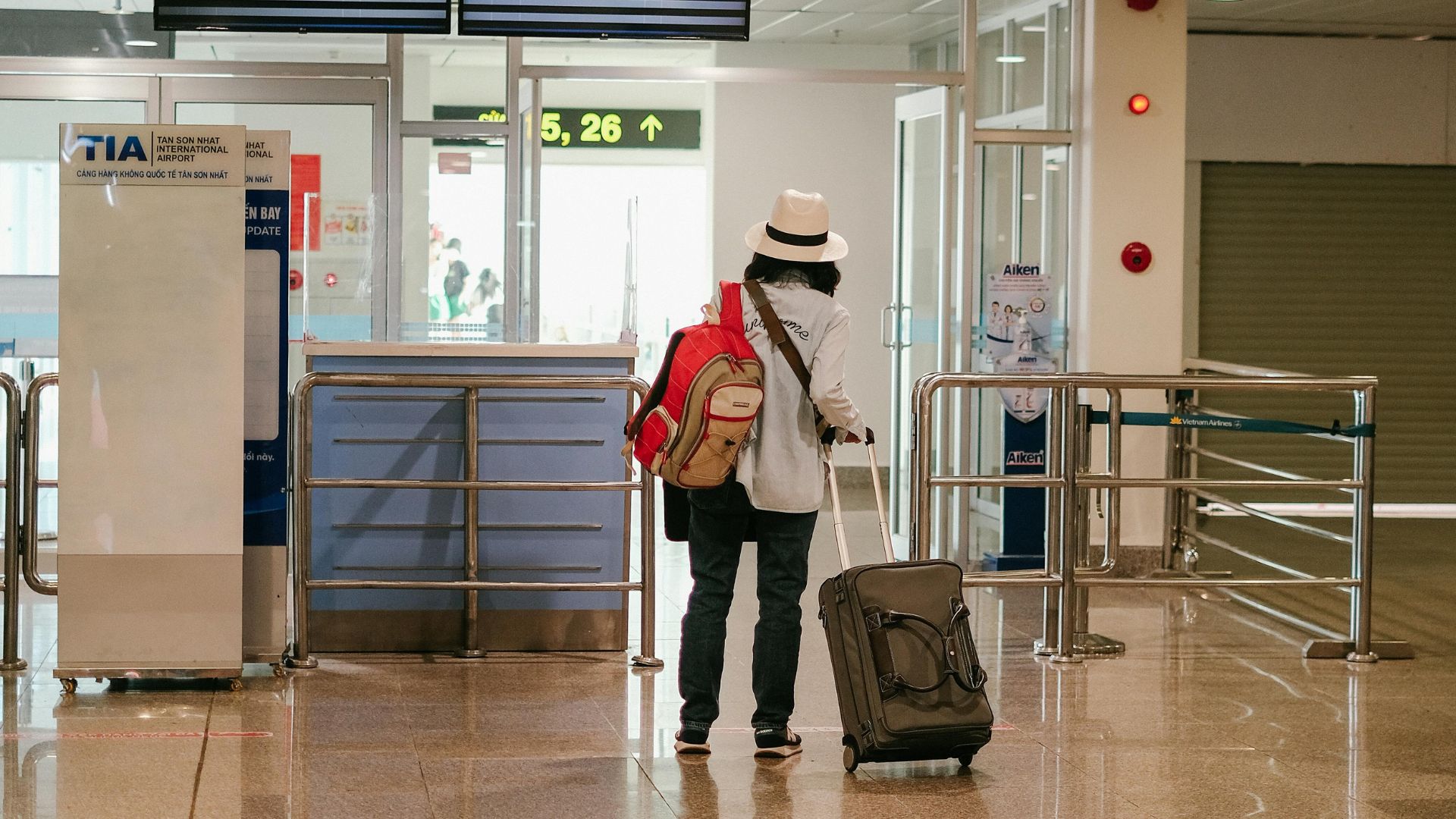
2) Overlooking U.S. customs and entry rules
Getting into the U.S. isn’t as simple as just landing and walking through. Customs and border protection have their own rules.
Check your passport expiration date before booking. The U.S. wants at least six months of validity left.
Declare everything customs asks for—food, plants, cash over $10,000. If you skip this, you could face fines or delays.
Know your visa requirements ahead of time. Not every country gets the same treatment, and the rules change more often than you’d think.
Some foods, agricultural stuff, and medications are a no-go. Check ahead so you don’t get stuck tossing things at the airport.
Customs officers will ask questions about your plans. Be ready with clear answers about where you’re staying and how long you’ll be in the country.
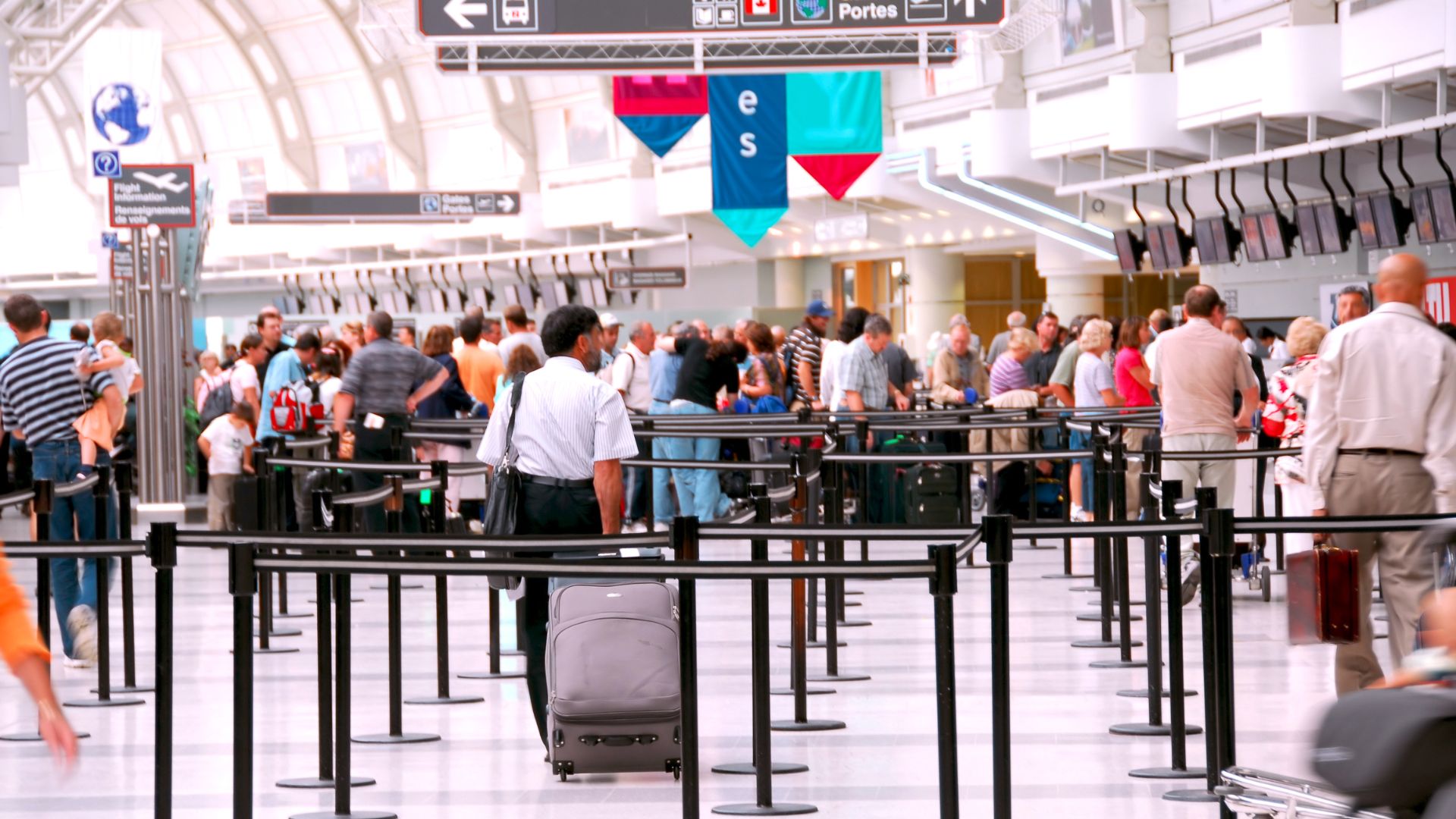
3) Skipping travel insurance
I get it—travel insurance feels like an extra cost. But if something goes wrong, you’ll wish you had it.
Without insurance, you’ll pay out of pocket if you need to cancel for illness or emergencies. Flights, hotels, activities—gone, just like that.
Medical emergencies get expensive fast. Your home insurance probably won’t help you in the U.S.
Buy your policy soon after booking. Waiting too long means you might miss out on some protections.
Read the fine print. Make sure your policy covers things you actually care about, like medical care, cancellations, or lost luggage.
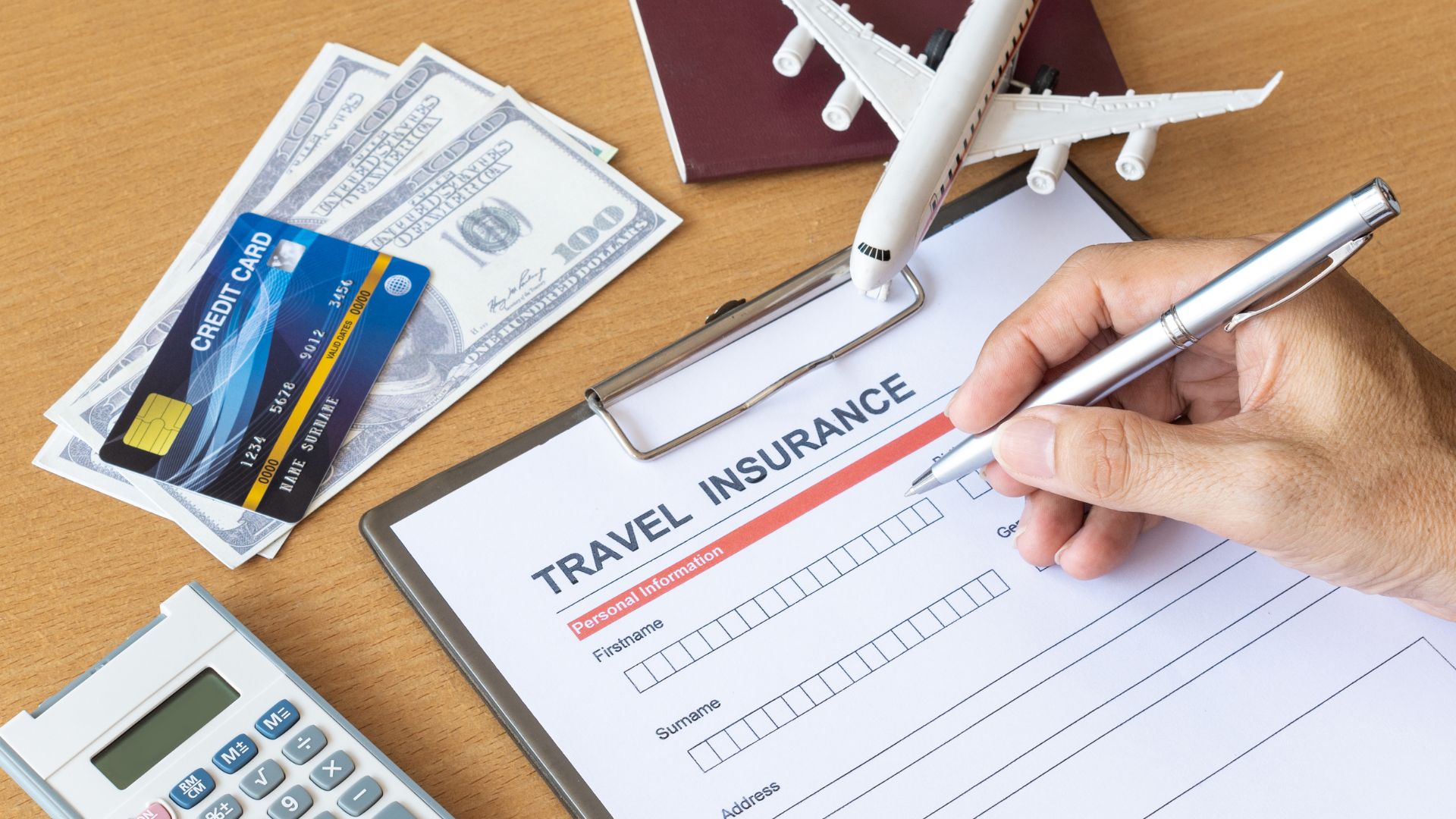
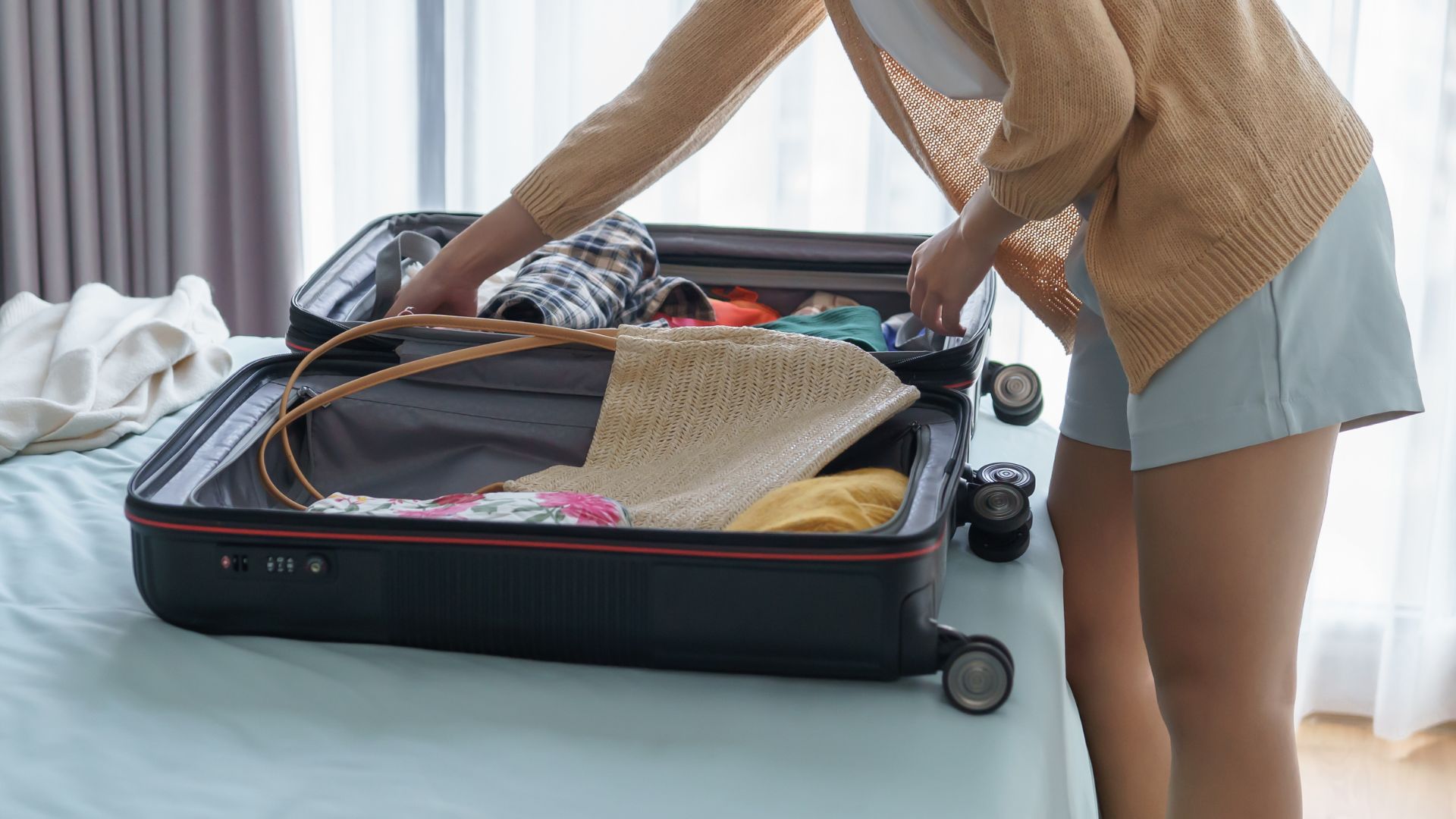
4) Overpacking and dragging around heavy bags
Overpacking is such an easy trap. Most people bring way more than they’ll ever use.
Pick a smaller bag. It forces you to stick to the essentials.
Check your airline’s baggage policies before you pack. Every airline has different weight limits, and those fees add up.
Plan outfits you can mix and match. You can always do laundry if you’re traveling for a while.
Heavy bags just slow you down and make airports a pain. Plus, those extra charges at check-in are never fun.
Pack the basics first—medications, important documents, weather-appropriate clothes. You can buy most things at your destination if you really need them.
Most hotels offer toiletries, so don’t bother lugging full-sized bottles from home.

5) Not figuring out local transportation
A lot of travelers think taxis or rental cars are the only way to go in U.S. cities. That’s usually not true—and it’s rarely the cheapest option.
Most big American cities have public transportation—subways, buses, light rail. These are usually way cheaper than ride-shares or taxis. Some cities even have tourist passes for unlimited rides.
Before you go, check out the local transit network. See if your hotel is near a stop and whether the places you want to visit are easy to reach by bus or train.
In smaller cities, you might find bike shares or affordable shuttles. Airport shuttles can save a ton versus a cab.
Download transit apps before you leave. They’ll help you figure out routes, schedules, and fares on the fly.
Doing a little research here can save you money and give you more flexibility for fun stuff.
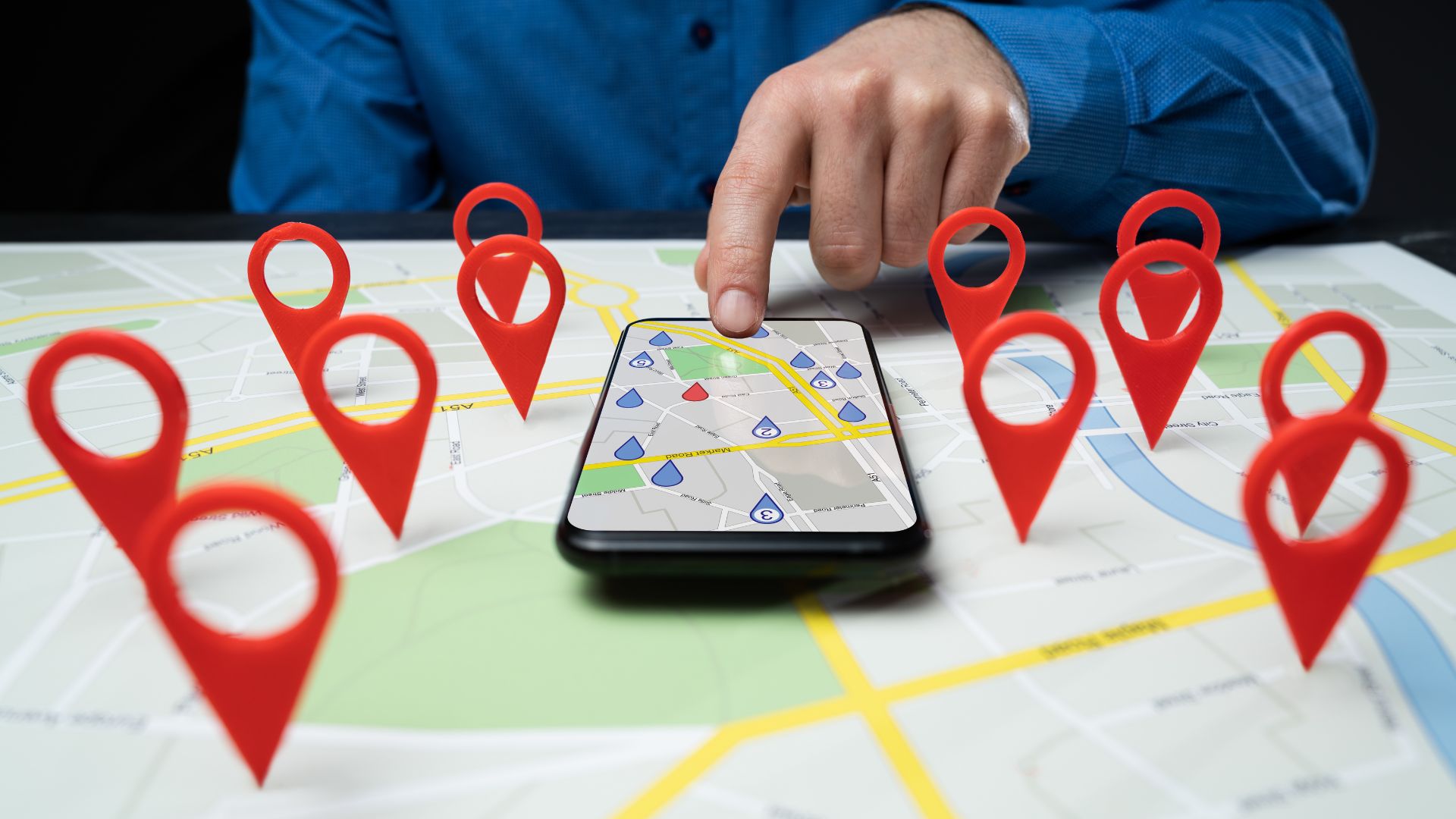
6) Not booking popular attractions in advance
Thinking you can just buy tickets at the door for famous U.S. attractions? That’s a gamble that often ends in disappointment.
Big sites now require advance reservations, especially during busy seasons. Places like the Statue of Liberty or Alcatraz Island sell out well ahead of time.
Buying tickets early guarantees your entry and often lets you skip the worst lines. Official websites usually have the best prices, too.
Plan to book at least a couple days ahead. For peak times, you might need even more notice.
Book in advance, and you won’t waste precious vacation time standing in lines or scrambling for a plan B.

7) Underestimating distances between cities
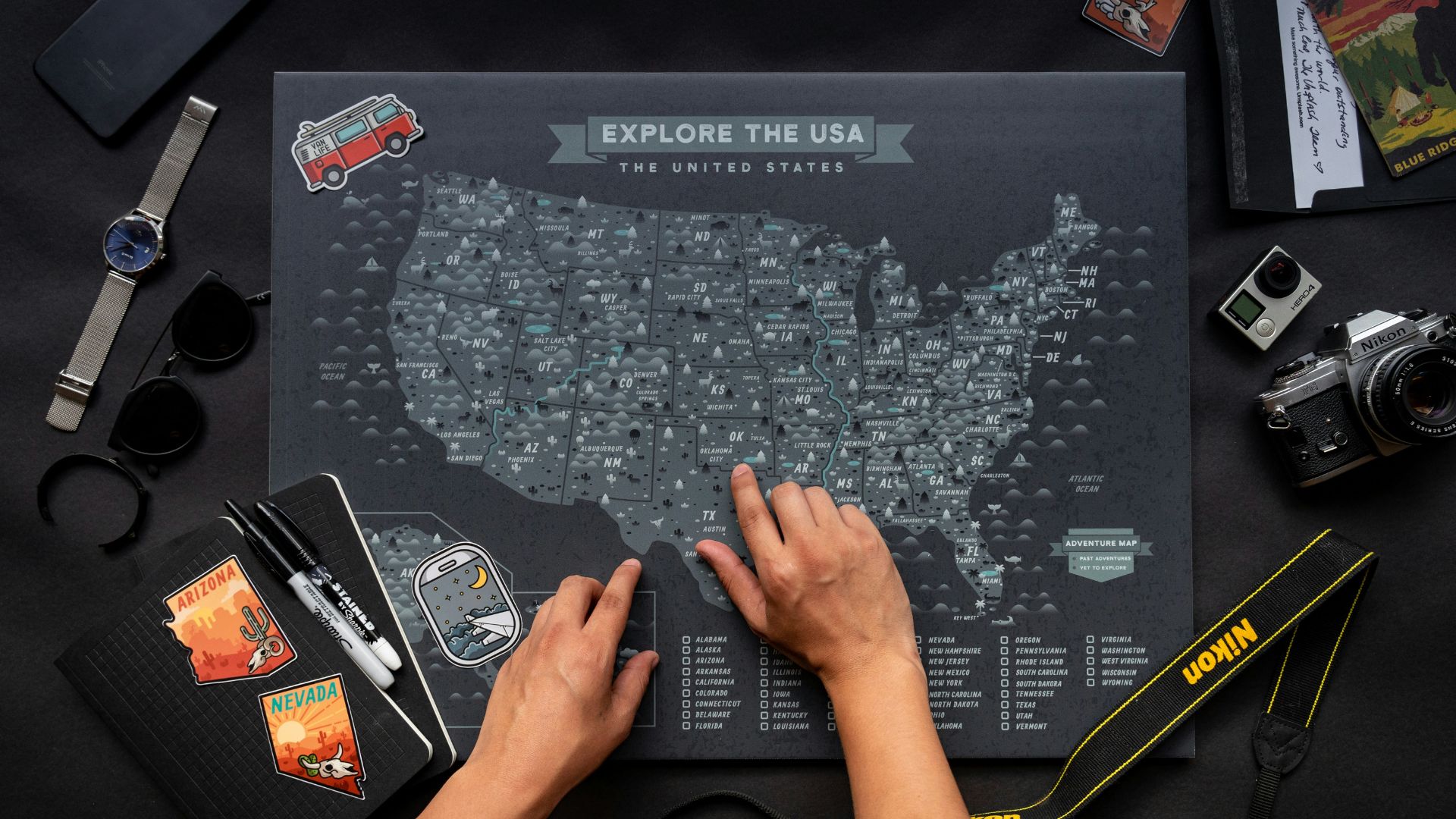
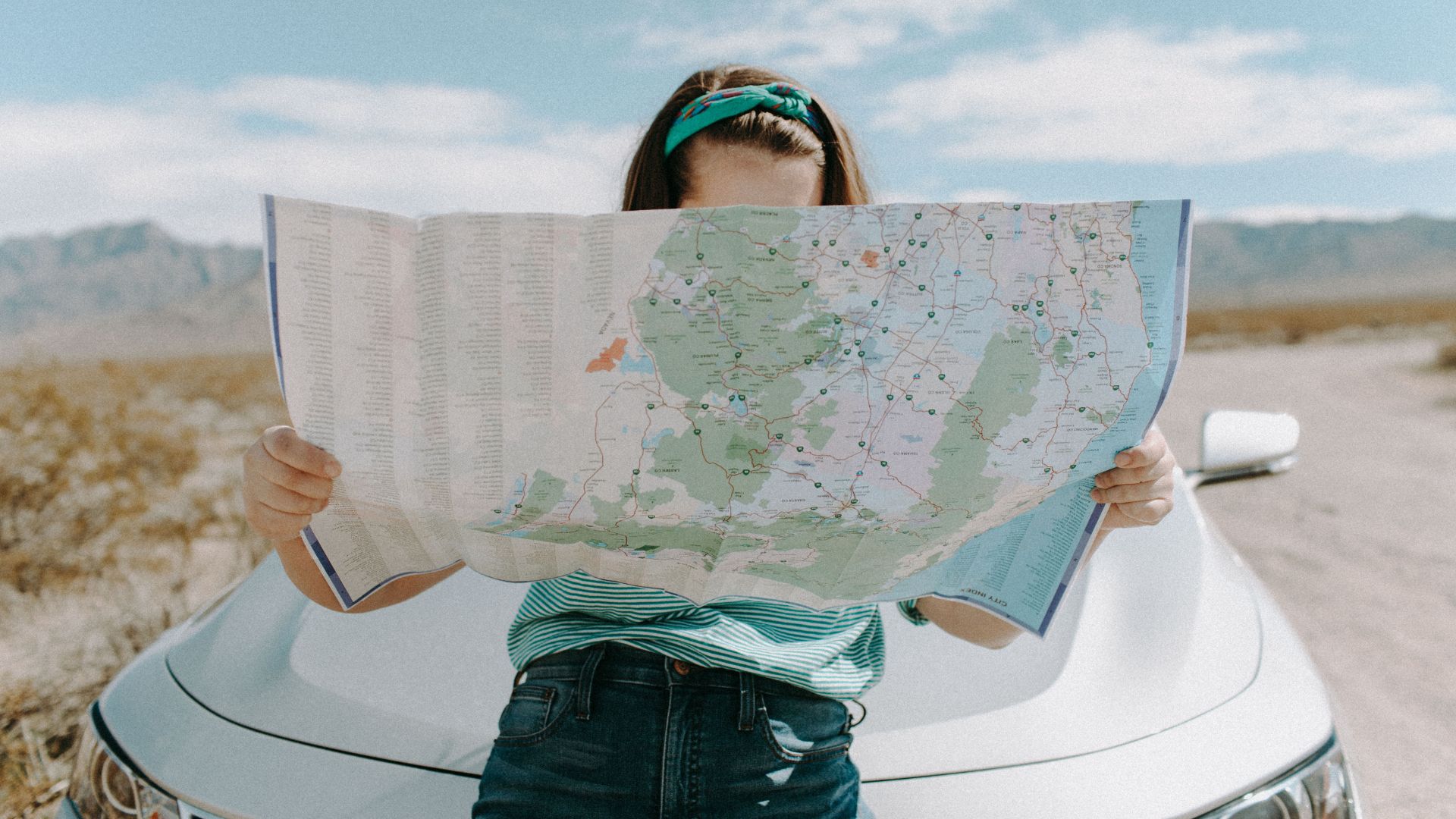
The U.S. is huge. Seriously, don’t trust the map—cities that look close can be hours apart.
I’ve seen people plan a day trip from Los Angeles to San Francisco, thinking it’s a quick drive. It’s not—it takes 6-7 hours.
Always check driving times with an online map before you lock in your plans. Visual estimates just don’t cut it here.
Group your activities by region. You’ll save time and energy, and you’ll actually get to enjoy each area.
Leave buffer time for rest stops, meals, and the inevitable traffic jams. U.S. cities have some epic congestion, so plan accordingly.
8) Not setting a realistic budget
Skipping a detailed budget is a recipe for overspending. I’ve been there, and it’s no fun coming home to credit card debt.
Factor in everything—transport, hotels, food, activities, tips. Don’t forget hidden stuff like baggage fees or parking.
Most travelers spend about 20% more than they planned. It sneaks up on you.
List out your expenses and look up real prices. Add a 15-20% buffer for surprises.
Track your spending as you go. Apps or a simple spreadsheet work. It helps you adjust before you blow your budget.

9) Ignoring seasonal weather
The U.S. covers a lot of climate zones. Packing for summer in Seattle won’t help you in Minnesota in January.
Look up the weather for your trip dates and destination. Spring in the South can mean big storms, while winter in the Northeast brings blizzards.
The wrong clothes are just the start. Weather affects what you can do, and sometimes attractions close for the season.
Check historical weather data, not just averages. Look at rainfall and big weather events for your travel window.
Pack layers and versatile clothes. Many places have warm days and chilly nights, especially in the mountains or deserts.
10) Forgetting to notify your bank
If you don’t tell your bank you’re traveling, they might freeze your account. Unusual charges from new places look suspicious to them.
Set a travel notification before you go—most banks let you do this online or through their app.
Tell them which states you’ll visit and your travel dates. It takes just a few minutes.
Save your bank’s customer service number in your phone. If your card does get blocked, you’ll need to call fast.
Bring a backup payment method, like a second credit card from a different bank.

11) Relying only on credit cards
Credit cards work most places in the U.S., but not everywhere. Some small businesses, food trucks, and markets only take cash.
Cards get declined for all sorts of reasons—fraud alerts, tech glitches, you name it. If your card fails, you’ll need another way to pay.
ATMs aren’t always nearby, especially in rural spots. Sometimes you need cash for parking, tolls, or small purchases.
Keep at least $50 to $100 in small bills on you. It’ll cover basics if your card stops working.
Bring a backup credit card and let your bank know you’re traveling. Store your cash and backup card in different places so you don’t lose everything at once.

12) Not booking accommodations in safe neighborhoods
I’ve learned the hard way that where you stay can make or break your trip. Sometimes, that amazing deal on a hotel or Airbnb just isn’t worth it if the neighborhood feels sketchy or has high crime rates.
Before I book anything, I always research the area. I check local crime stats and read through recent traveler reviews, especially ones that mention safety concerns.
I use Google Maps to scope out what’s nearby. If my potential spot sits close to government buildings or on a protest-prone street, I usually keep looking. Cheap places far from main attractions might save a few bucks, but they can feel deserted at night or lack good lighting.
I don’t hesitate to ask hosts or hotel staff about the neighborhood vibe. Most people are pretty honest if you ask which streets to avoid or when it’s safe to walk around.
I stick to well-populated areas with restaurants and shops nearby. These spots feel safer and make grabbing a bite or coffee so much easier.
Sometimes, staying just outside the downtown core gives you quiet without feeling isolated. A little extra spent on a better neighborhood is seriously worth the peace of mind.

13) Ignoring tipping customs in the U.S.
Tipping in the U.S.? It’s not really optional. Service workers actually rely on those tips for their income.
Servers expect 15-20% of your bill, and bartenders usually get a buck or two per drink. I always leave $2-5 per night for hotel housekeeping, too.
A lot of visitors don’t realize that service workers here make super low base wages. Tips are what keep them afloat. Skipping or shortchanging a tip can really hurt someone.
The tipping system doesn’t stop at restaurants. Taxi drivers get 10-15%, and food delivery drivers should get 15-20%. Hair stylists and barbers? Same deal—15-20% is standard.
No need to tip at fast food spots or places where you order at the counter and pick up your food yourself. That’s always a relief.
When I pay with a card, the receipt usually gives me a spot to add a tip. Leaving cash on the table works too.
I always plan for these extra costs in my budget. Tipping adds about 20% to most service bills, so it’s good to be prepared.

14) Not planning for airport transfers in advance
Landing at a new airport and having no idea how to get to your hotel? Been there—it’s not fun. You might end up in a long taxi line or overpaying for a last-minute ride.
Booking your airport transfer ahead of time makes life so much easier. You know what you’re paying, and you don’t have to haggle when you’re jet-lagged.
I always check out the airport’s options before I go. Some have shuttles, some offer rideshares, and public transit can be a lifesaver in certain cities.
During busy seasons or late-night arrivals, pre-booking matters even more. Otherwise, you might get stuck or pay way too much for the last available ride.
If I’m headed somewhere rural, I might rent a car. In cities, I usually stick to public transit or rideshares because parking is a pain.
Downloading the right apps and saving your confirmation numbers before you leave saves you from scrambling when you land. Trust me, it helps.

15) Failing to download offline maps
Cell service in the U.S. is not as reliable as you might hope. I’ve lost signal in national parks, backroads, and even just outside some cities.
Without offline maps, getting lost is way too easy. It’s such a simple thing to fix, but easy to forget.
I always download maps for the areas I’ll visit before I leave home. Google Maps and Apple Maps both let you save regions for offline use, so I grab the ones I need while I’m on WiFi.
Even without service, offline maps give you turn-by-turn directions. You can still see where you are and avoid those dreaded roaming charges.
I try to update my offline maps before each trip. Roads change, businesses pop up or close, and having the latest info keeps me on track.
Don’t forget a portable charger. Offline maps still drain your phone, and you don’t want to get stuck with a dead battery in the middle of nowhere.
16) Using public Wi-Fi without VPN protection
Public Wi-Fi at airports, hotels, or coffee shops feels super convenient. But, honestly, it’s a hacker’s dream.
If you connect without a VPN, someone could snoop on your data. Passwords, credit cards, personal info—it’s all up for grabs if you’re not careful.
A VPN creates a private, encrypted tunnel for your internet traffic. Even if someone tries to intercept your data, they can’t read it.
I always fire up my VPN before connecting to public Wi-Fi, especially if I need to check my bank or shop online.
I also turn off auto-connect on my phone and laptop. That way, my devices don’t join random networks without me noticing.
Whenever possible, I stick to HTTPS websites for an extra layer of security. These small habits make a big difference.

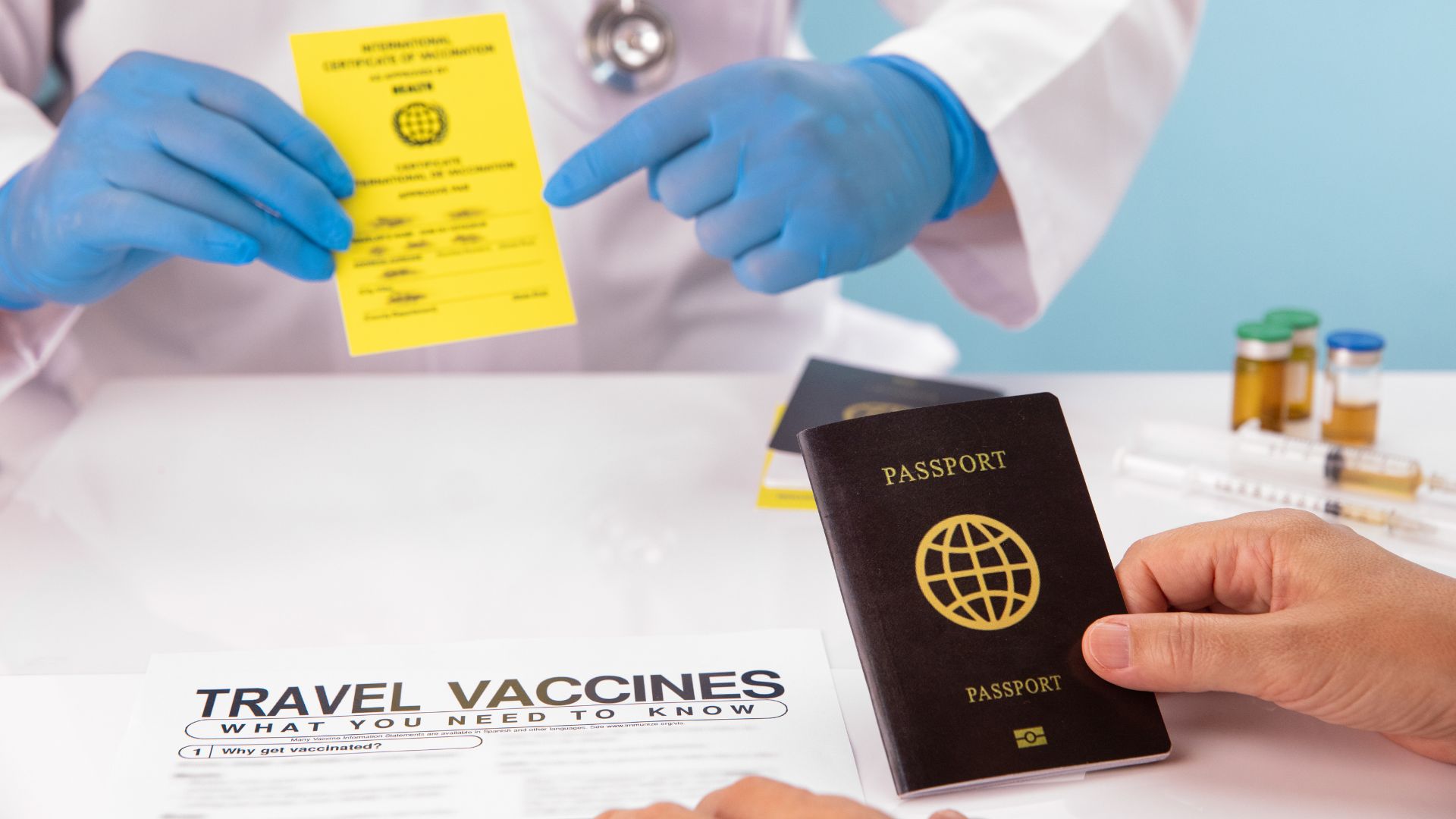
17) Ignoring health advisories and vaccine requirements
Traveling around the U.S.? It’s not just about packing sunscreen. States sometimes have their own health advisories or outbreaks that could affect your plans.
Some places require certain vaccinations or health precautions. I always check the CDC website for updates before I go anywhere new.
I pack a basic first-aid kit and bring more prescription meds than I think I’ll need. Delays happen, so a cushion is smart.
If I take regular meds, I keep them in original containers and carry a list of prescriptions plus my doctor’s info.
I check for local risks like Lyme disease or West Nile virus, especially if I’ll be outdoors. A good insect repellent and long sleeves can go a long way.
For vaccines, I try to schedule them at least a month ahead. Some take time to kick in, and I don’t want to risk my health or miss out on plans.
18) Skipping local SIM cards or mobile plans
Relying on your home carrier’s roaming plan? That can get expensive fast—sometimes over $100 a day. Background app updates sneak up on you, too.
I grab a local SIM card or prepaid plan as soon as I land. Affordable options are everywhere—airports, convenience stores, even vending machines.
Before I go, I double-check if my phone is unlocked. Most carriers will unlock your device if you ask and meet their requirements.
If my phone supports eSIMs, I set up a U.S. data plan before I even get on the plane. It saves time and hassle at the airport.
I always download offline maps before switching SIMs, just in case. Nothing worse than being stuck without directions while you sort out your connection.
Coverage varies by carrier, so I compare plans based on where I’ll be traveling. Some work better in cities, others in rural spots. Planning ahead really pays off.

19) Arriving without a rough itinerary
Showing up in a new city with zero plans sounds adventurous, but it usually means wasting time and money. I’ve landed somewhere, only to spend hours figuring out what to do next.
A rough itinerary helps me make the most of my time. I space out activities so I’m not zigzagging across town.
Without a plan, I’ve missed out on must-see spots that needed advance bookings. Sometimes, I find out too late that a museum is closed or tickets are sold out.
I like to make a simple outline—just the main things I want to see, their hours, and where they’re located. I always leave room for wandering and spontaneous finds.
I keep my itinerary flexible. It’s a guide, not a rulebook. That way, I have structure but can still go with the flow.
20) Not understanding state-specific driving laws
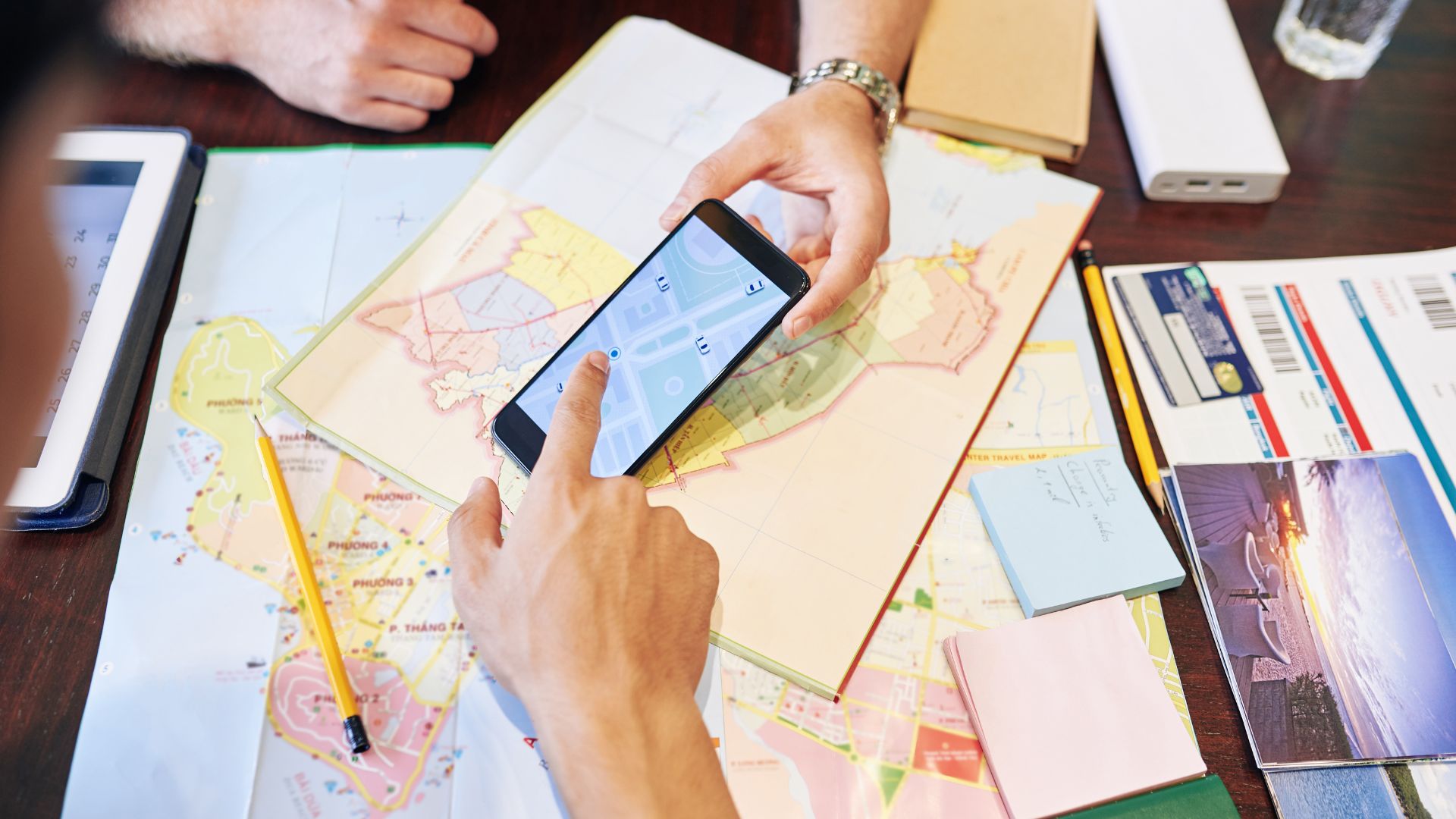
Driving across state lines in the U.S. can be a bit of a minefield. What’s legal in one state might get you pulled over in the next.
Speed limits jump around, and some states let you turn right on red while others don’t. Cell phone rules vary, too—one state’s okay with handheld devices, but the next will fine you.
Right-of-way, passing, and lane usage rules aren’t always the same. Toll systems change from state to state, and figuring out how to pay can be confusing.
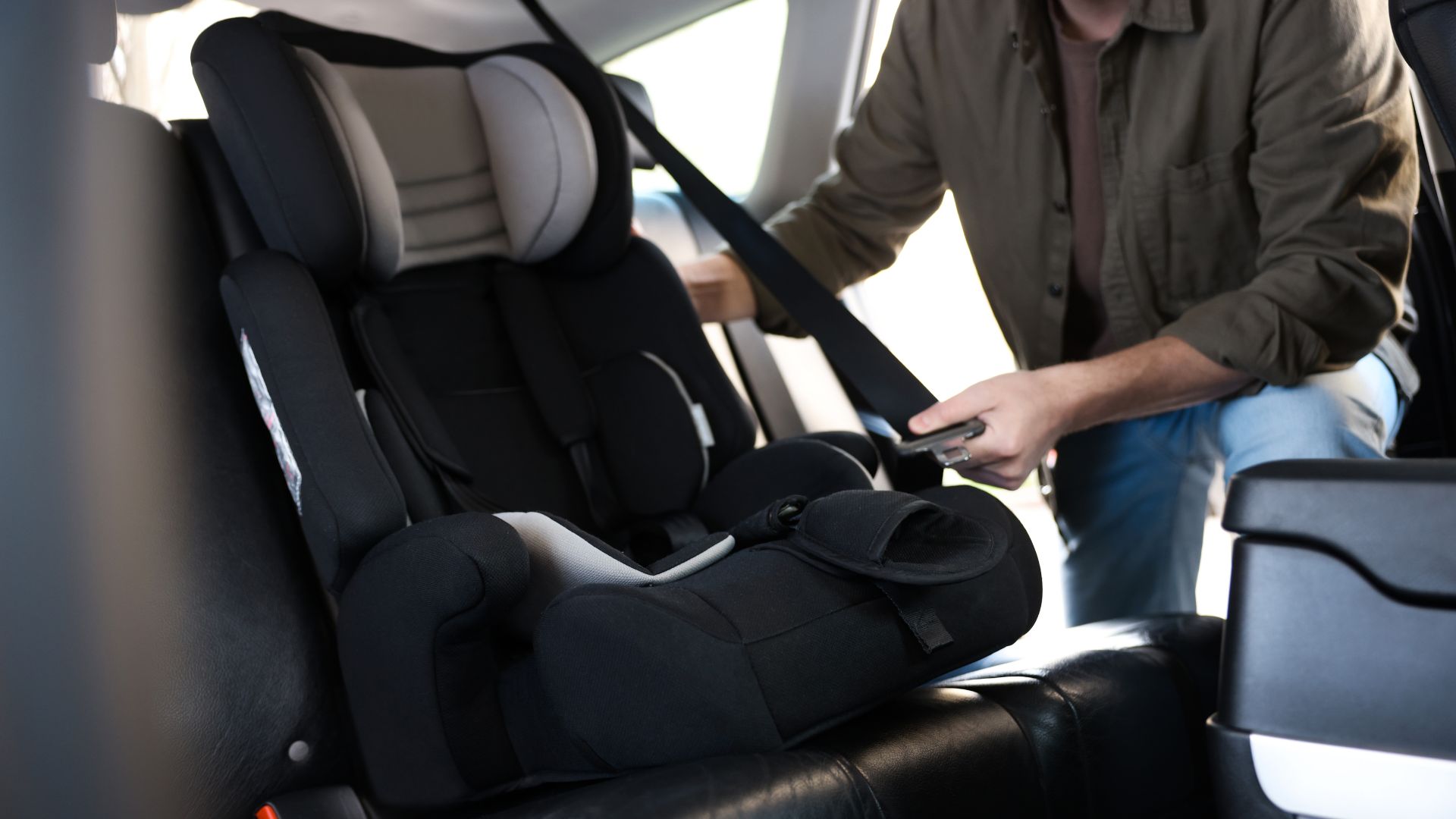
Child safety seat laws also change as you cross borders. If you’re traveling with kids, it’s worth checking each state’s rules before you go.
Before a road trip, I look up driving laws for every state on my route. I keep a quick cheat sheet in the car.
State highway patrol officers expect you to know the local laws, even if you’re just passing through.
21) Neglecting to carry essential medications
Forgetting your meds on a trip? That’s a recipe for stress. Running out of prescriptions is a hassle you really don’t need.
I always pack more medication than I think I’ll need—at least a few extra days’ worth in case of delays. I keep everything in the original bottles, which helps at airport security.
I stash my prescriptions in my carry-on, never in checked luggage. Lost bags happen, and I don’t want to be caught without my meds.
A pill organizer keeps me on track, but I bring the original bottles too. I also carry a list of medications with dosages and my doctor’s contact info—just in case.
Don’t forget over-the-counter stuff you use all the time. Painkillers, allergy pills, stomach remedies—they’re not always easy to find in a pinch.
If you’re crossing state lines, check medication laws, especially for controlled substances. Most prescriptions travel fine, but knowing the rules saves headaches.

22) Overplanning and not allowing flexibility
Packing every hour of your trip with activities sounds efficient, but it can backfire. You miss out on unexpected discoveries and end up stressed.
Maybe there’s a festival you stumble upon, or a local tips you off to a hidden spot. If you’re booked solid, you’ll have to skip these surprises.
Travel throws curveballs—delayed flights, bad weather, sudden closures. If you overplan, these feel like disasters instead of minor hiccups.
I like to book the must-see things and leave open time for rest or spontaneous adventures. It’s more fun that way.
I don’t research every meal or activity. I pick a few key places and leave the rest to chance.
A good vacation should let you unwind, not just check boxes. I always build in downtime so I can actually enjoy the trip.

Factors That Lead to Common U.S. Travel Mistakes
So many travelers underestimate just how massive and varied the United States is. The country covers tons of climate zones, and getting around can look totally different depending on whether you’re in a big city or out in the countryside.
Underestimating Distances and Regional Diversity
The U.S. sprawls across 3.8 million square miles and covers six time zones. If you try driving from New York to Los Angeles, you’ll be on the road for about 40 hours straight—roughly 2,800 miles.
A lot of first-time visitors assume they can hop between major cities in a few days. But honestly, if you try to squeeze Miami, New York, and Chicago into five days, you’ll probably spend more time hauling luggage than actually soaking up the sights.
Every region feels like its own world. I’ve found the Southwest and New England couldn’t be more different—think climate, scenery, even the way people say hello. Southern hospitality? It’s a whole vibe, and it doesn’t really match the fast-paced energy you’ll find on the East Coast.
Don’t forget to check state laws before you go. Some states surprise you with unique drinking ages, quirky cannabis rules, or unexpected driving laws. What feels normal in California might get you a ticket in Texas.
Navigating U.S. Transportation Systems
You’ll find public transportation mostly in big cities—places like New York, Chicago, Boston, and San Francisco. In most towns, you’ll need a car just to get groceries or see the sights.
Renting a car? It adds up quickly. Expect daily rental fees from $50 to $150, insurance at $15 to $30, parking in cities for $20 to $50, and then there’s gas—it changes state to state.
Domestic flights jump all over the place price-wise. Sometimes you score a deal, but budget airlines love to tack on extra fees for bags, picking a seat, or even printing your boarding pass.
Rideshare apps like Uber and Lyft get pricey in rural areas or during busy times. And don’t count on finding a driver in small towns or national parks—sometimes there’s just no one around.
Seasonal Weather and Regional Events
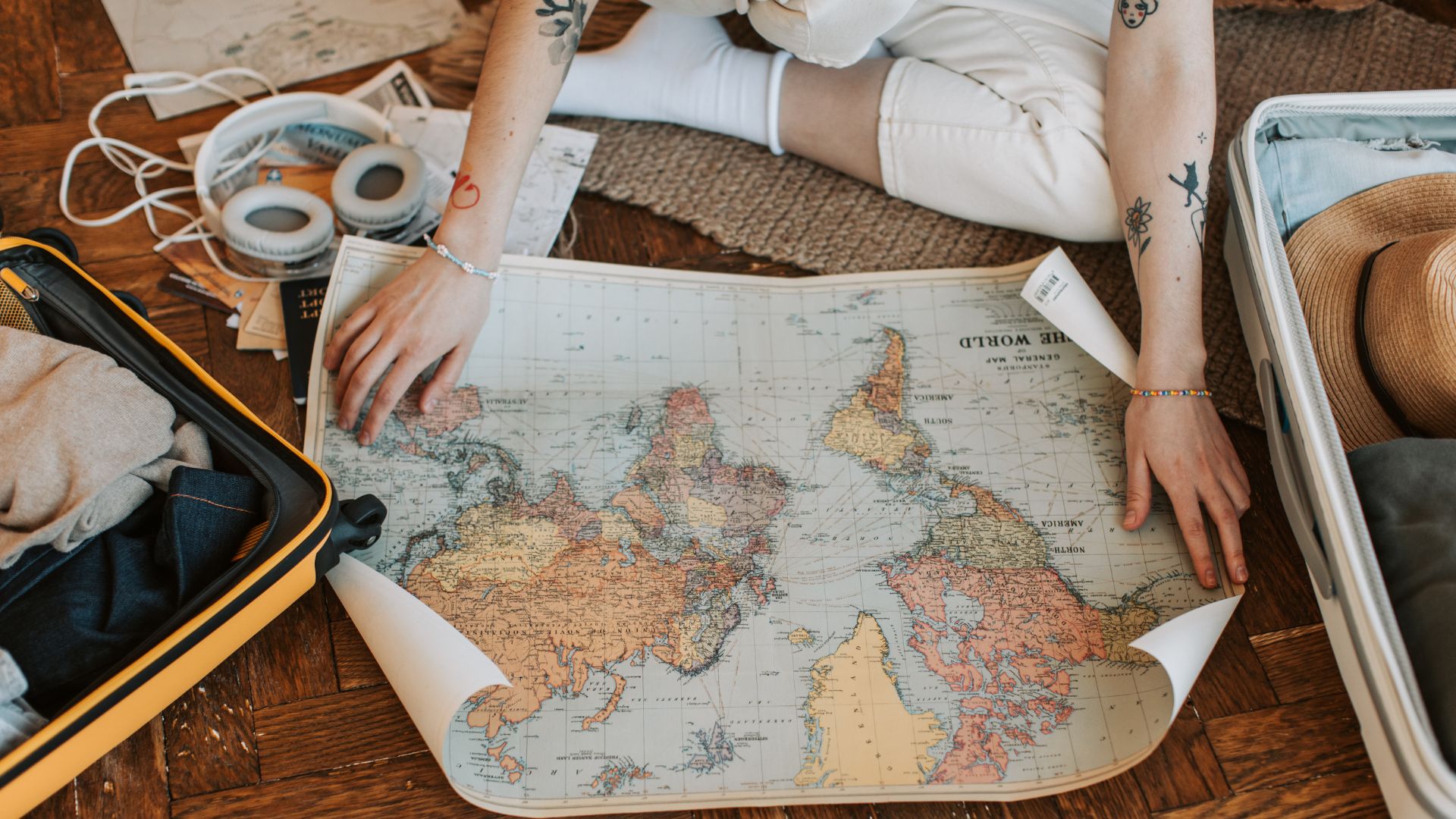
Weather in the U.S. plays by its own rules. June in Florida? That’s hurricane prep season. Meanwhile, California’s beaches are perfect. Winter treats Arizona to mild sunshine, but New York gets buried in snow.
Big events send prices through the roof. Hotels triple their rates for things like the Super Bowl, music festivals, or spring break. If you travel during peak times, brace yourself for packed attractions and booked-out rooms.
Hurricane season runs June through November along the Gulf and Atlantic coasts. Winter storms can close airports and highways up north. And if you’re thinking about summer in places like Las Vegas or Phoenix, be ready for temperatures over 110°F—midday hikes aren’t a great idea.
Strategies for Effective U.S. Trip Planning
Solid planning starts with knowing local rules, staying flexible, and picking places to stay that fit your vibe and wallet.
Researching Local Laws and Customs
Every state has its own set of rules. Some make you pay sales tax on hotel rooms and meals, while others skip it entirely.
Drinking laws change from place to place. You usually can’t have alcohol on public beaches, and some counties don’t sell it at all. Always check before you go.
Driving gets tricky too. Speed limits, turning rules, and phone use laws aren’t the same everywhere. Marijuana? Some states allow it, but others hand out serious penalties.
State-specific rules worth checking:
- Smoking and vaping bans
- Beach and park do’s and don’ts
- Camping and fire regulations
- Wildlife interaction laws
- Drone permits
Creating a Flexible Itinerary
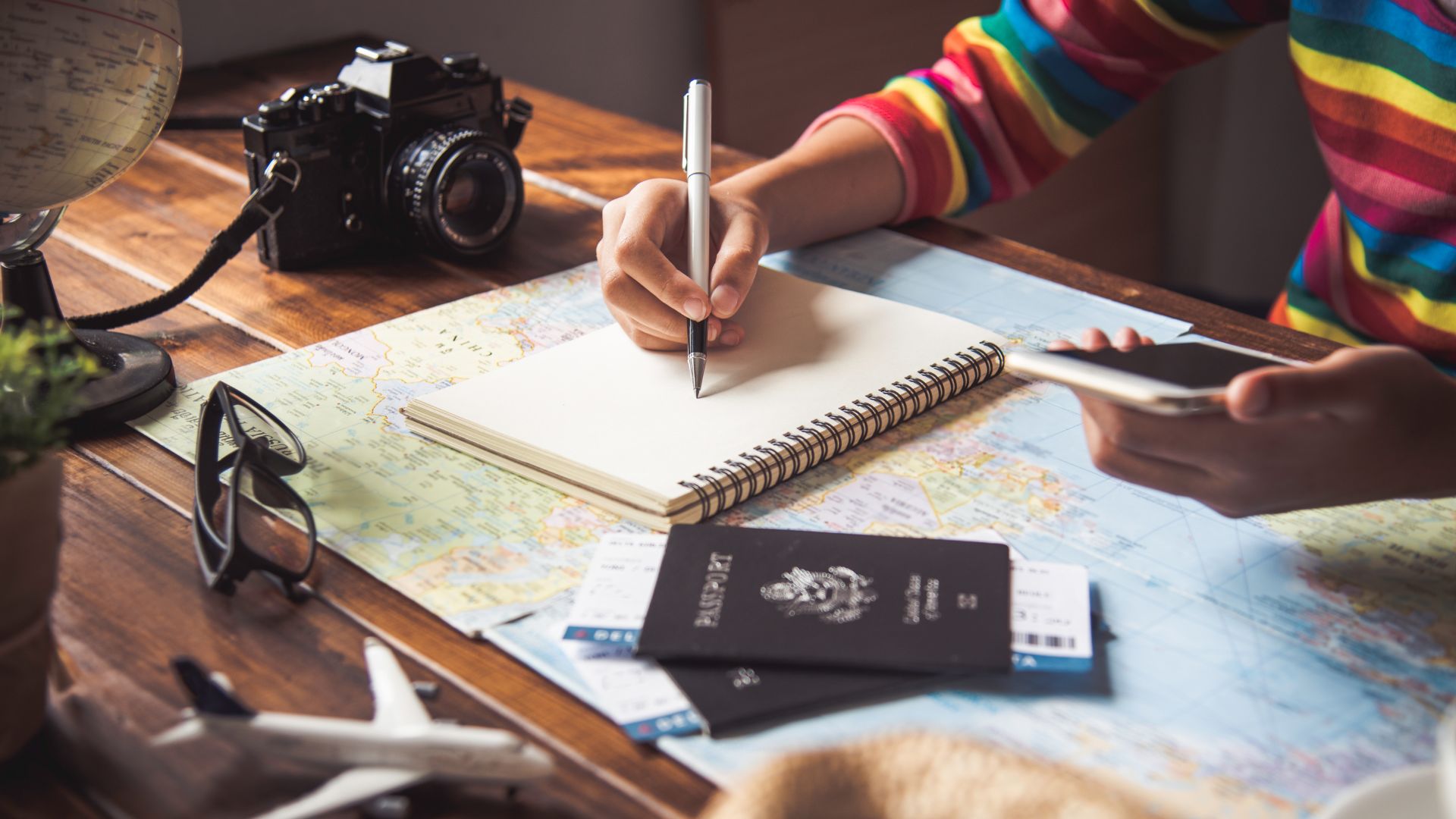
Give yourself breathing room between activities. Traffic in cities like LA, New York, or Atlanta can turn a short drive into an hour-long crawl. I always add at least 30 minutes of buffer time.
Keep a day or two open. Sometimes you stumble onto something amazing, or you just need a break. Weather can throw a wrench in your plans, especially in the mountains or along the Gulf Coast during hurricane season.
Book hotels with free cancellation if you can. It might cost a bit more, but the freedom to change plans is worth it.
Don’t overdo your schedule. Focus on three to five main attractions per day—you’ll enjoy more and stress less.
Optimizing Accommodation Choices
Always compare prices before you book. Sometimes the hotel’s own website beats third-party sites, but it pays to check at least three places.
Location matters more than fancy extras. Staying close to public transit or your main sights saves you money and time. A cheap hotel 15 miles out of town usually means spending more on rideshares or parking.
Read reviews from the last three months. Look for real talk about cleanliness, noise, and whether the photos match reality. Watch out for stories about check-in headaches or sneaky fees.
Traveling with a group or staying a while? Vacation rentals can save money and give you a kitchen, which helps cut down on restaurant bills.
Frequently Asked Questions
Travelers run into the same hurdles over and over—from finding affordable accommodations to figuring out what to pack and how to stay safe.
People often book a hotel just because it looks cheap, without checking where it actually is. You might end up far from the action or stuck somewhere with lousy public transit.
Skipping the cancellation policy is another big mistake. Some U.S. hotels hit you with fees if you cancel too close to arrival.
Always compare prices on different booking sites—and the hotel’s own site. The same room can cost wildly different amounts depending on where you look.
Don’t just stare at the star rating. Dive into the reviews for details about cleanliness, noise, or hidden fees.
Make copies of your important documents and store them in different places. Keep digital versions of your passport, ESTA, and insurance separate from the physical ones.
Look up the safety of neighborhoods before you arrive. Every city has areas that are best avoided, especially after dark.
Stay alert in crowds and don’t flash expensive gear. Keep your bag close in busy spots.
Share your travel plans with someone back home. Let them know where you’re staying and how to reach you if something happens.
Stick to registered taxis or rideshare apps—not random cars. It’s safer and gives you a record of your trip.
A universal adapter with USB ports is a lifesaver. U.S. outlets and voltage can be different from what you’re used to.
Portable chargers keep your phone alive during long sightseeing days. You’ll want your phone for directions, tickets, and keeping in touch.
Noise-canceling headphones make flights and train rides way more comfortable.
A travel WiFi hotspot or an international phone plan helps you stay connected without risky public WiFi. Public networks aren’t great for banking or private stuff.
A digital luggage scale can save you from overweight bag fees at the airport. Weigh your bags before you check in.
Book flights a few weeks ahead. Prices almost always climb as you get closer to departure.
Check fares on several booking sites and airline websites. Sometimes the airline offers a better deal directly.
If your dates are flexible, try flying on Tuesdays, Wednesdays, or Saturdays. These days usually cost less than weekends or Mondays.
Look at nearby airports. Smaller ones sometimes have cheaper flights, but remember to factor in extra transport costs.
Sign up for fare alerts from airlines and booking sites. You’ll get notified when prices drop.
Skip extras you don’t need. Airlines love to charge for seat selection, early boarding, and checked bags.
The U.S. State Department publishes travel advisories, but check your own country’s warnings for the U.S. too. They use numbered levels to show how safe a place is.
Level 1 means you should just use normal caution—most of the U.S. falls here. Level 2 tells you to be a bit more careful.
Look up advisories for the states or cities you plan to visit. Sometimes there are warnings for natural disasters or big events.
Your country’s embassy website usually has the most relevant info for you. They know what’s important for their citizens.
Travel warnings change fast. Check for updates right before your trip and sign up for embassy alerts.
Let’s start with the basics: you really can’t do much without your travel documents. I always make sure my passport has at least six months left before it expires, and I double-check that I’ve got my ESTA or the right visa sorted before I even book my flight.
Travel insurance might not sound exciting, but it’s a lifesaver. I’ve heard stories of people stuck with huge medical bills because they skipped it. U.S. healthcare isn’t cheap, so I never risk it.
A credit card that skips foreign transaction fees? Absolutely essential. Those little charges add up fast. I always call my bank ahead of time to let them know I’ll be traveling—nobody wants their card frozen in the middle of a shopping spree.
If you take prescription meds, bring them in their original containers with the labels. I pack enough for my whole trip, plus a few extra days, just in case plans change or flights get delayed.
Don’t forget your phone. I like to download offline maps and save copies of my important documents, confirmation numbers, and emergency contacts. It’s saved me more than once when I couldn’t get Wi-Fi.
Cash still comes in handy in the U.S., especially for tips or small purchases. I usually keep a mix of bills in different denominations. You never know when a shop or taxi is cash-only.
Traveling can get complicated, but with the right prep, you’ll spend less time stressing and more time exploring.
