
If you’re itching to explore the U.S. in 2026, you’ve got a ridiculous variety of places to choose from. Seriously, there’s everything—from jaw-dropping national parks to historic cities that buzz with culture and energy. Whether you’re chasing iconic landmarks, adrenaline-filled adventures, or just want to wander through fun neighborhoods, America’s got you covered.
Let’s dive into 25 top U.S. destinations you’ll want to add to your list. I’ve rounded up national parks, vibrant cities, coastal gems, and historic hot spots. There’s a little something here for every traveler. Some spots are family-friendly, others are perfect for solo escapes or romantic getaways.
Honestly, planning ahead makes a huge difference. This list isn’t just about the big-ticket places like national monuments and famous attractions—I’ve sprinkled in tips for when to visit and how to squeeze the most out of each place. Each destination brings its own flavor of American culture and natural beauty.
1) Grand Canyon National Park, Arizona
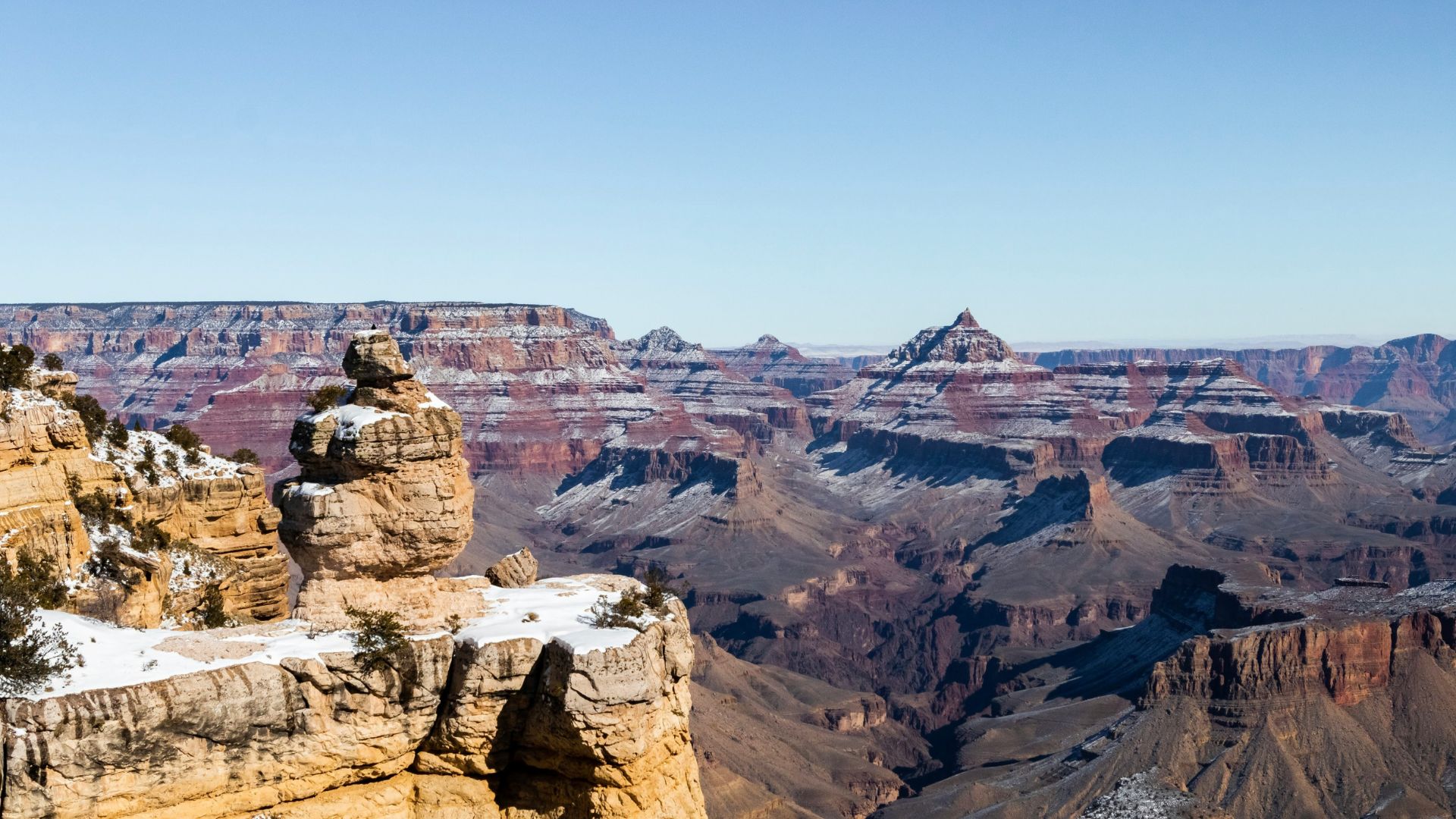
You can’t talk about U.S. travel without mentioning the Grand Canyon. This place is just massive—277 miles long, a mile deep, and every inch is dramatic.
Most travelers head to the South Rim, since it’s open all year and has more services. The North Rim? It’s quieter but closes in winter when the snow rolls in.
Both rims show off those iconic red rock formations in totally different ways. I still remember my first sunrise there—nothing prepares you for those colors.
Hiking rim trails is a must. Bring your camera for sunrise or sunset, and definitely join a ranger talk if you want to geek out on geology.
If you’re up for a challenge, hike below the rim on the Bright Angel or South Kaibab trails. Or, go all-in and raft the Colorado River for a wild, different view from the bottom.
Don’t skip the historic buildings and museums scattered around the park. Just keep in mind: summer gets hot and crowded, while spring and fall feel way more relaxed.
2) New York City, New York
New York City is, well, New York City. It’s one of those dynamic destinations that never really sleeps.
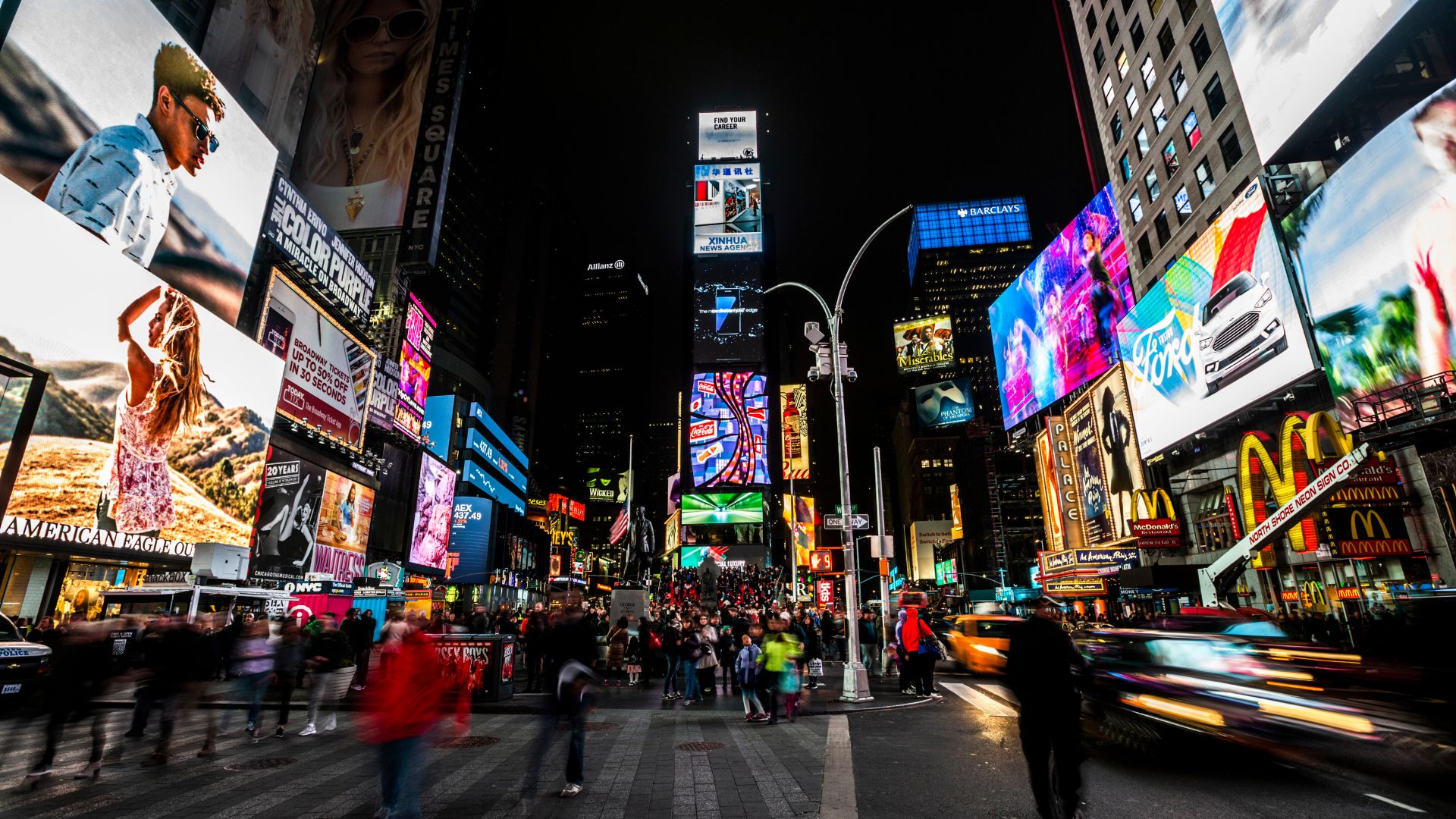
Kick things off at the Statue of Liberty—she’s been greeting newcomers for ages. The Empire State Building gives you those classic skyline views you’ve seen in a million movies.
Times Square? It’s loud, bright, and kind of chaotic in the best way.
Central Park is this huge green oasis right in the middle of the city. I love grabbing a coffee and just people-watching there.
The museums are next-level. The Met has art from basically every era, and the 9/11 Memorial & Museum is moving and important.
You can’t skip Broadway if you’re even a little into theater. And don’t forget the Brooklyn Bridge—it’s a great walk and the views are unreal.
NYC is huge, so planning is key. Every neighborhood feels like its own little world, and the food scene is wild—bagels, pizza, food trucks, you name it.
3) Yellowstone National Park, Wyoming
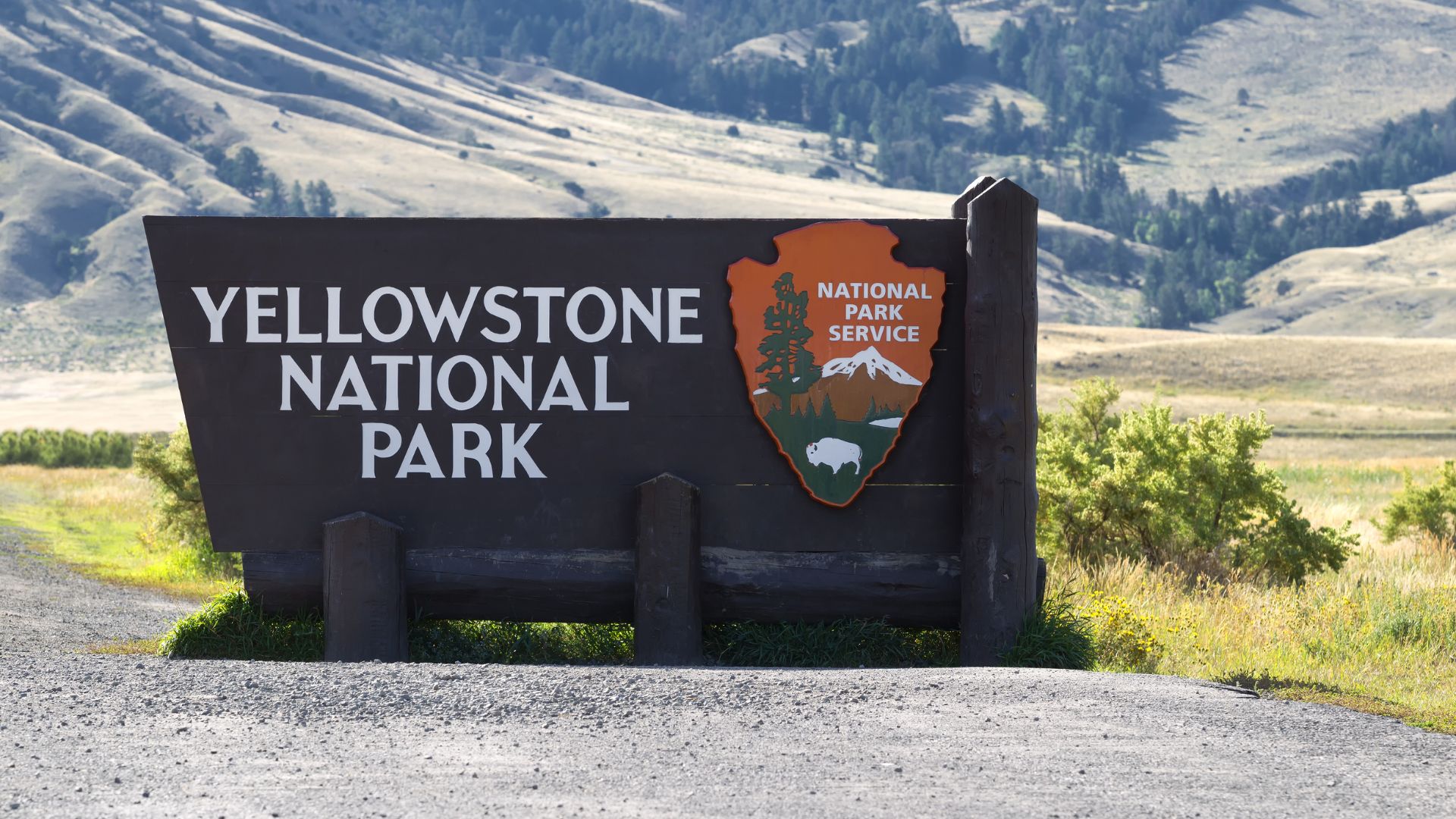
Yellowstone is America’s first national park, and honestly, it still feels like something out of a dream. The place sprawls over 2.2 million acres across three states.
You’ll find more geysers here than anywhere else on Earth. Old Faithful does its thing like clockwork, but don’t miss the rainbow colors at Grand Prismatic Spring.
Wildlife spotting is a real thrill. I’ve seen bison, elk, and even a bear (from a safe distance, thankfully). Early mornings are the best for animal sightings.
The Grand Canyon of the Yellowstone has these golden cliffs and thundering waterfalls. There’s a trail for every mood—easy boardwalks or tough hikes into the backcountry.
You’ll want at least three days to see the highlights. Summer is packed, but spring and fall feel quieter and cooler. Winter? The whole park turns into a snowy wonderland, and you’ll need a snowcoach or snowmobile to get around.
4) San Francisco and the Golden Gate Bridge, California
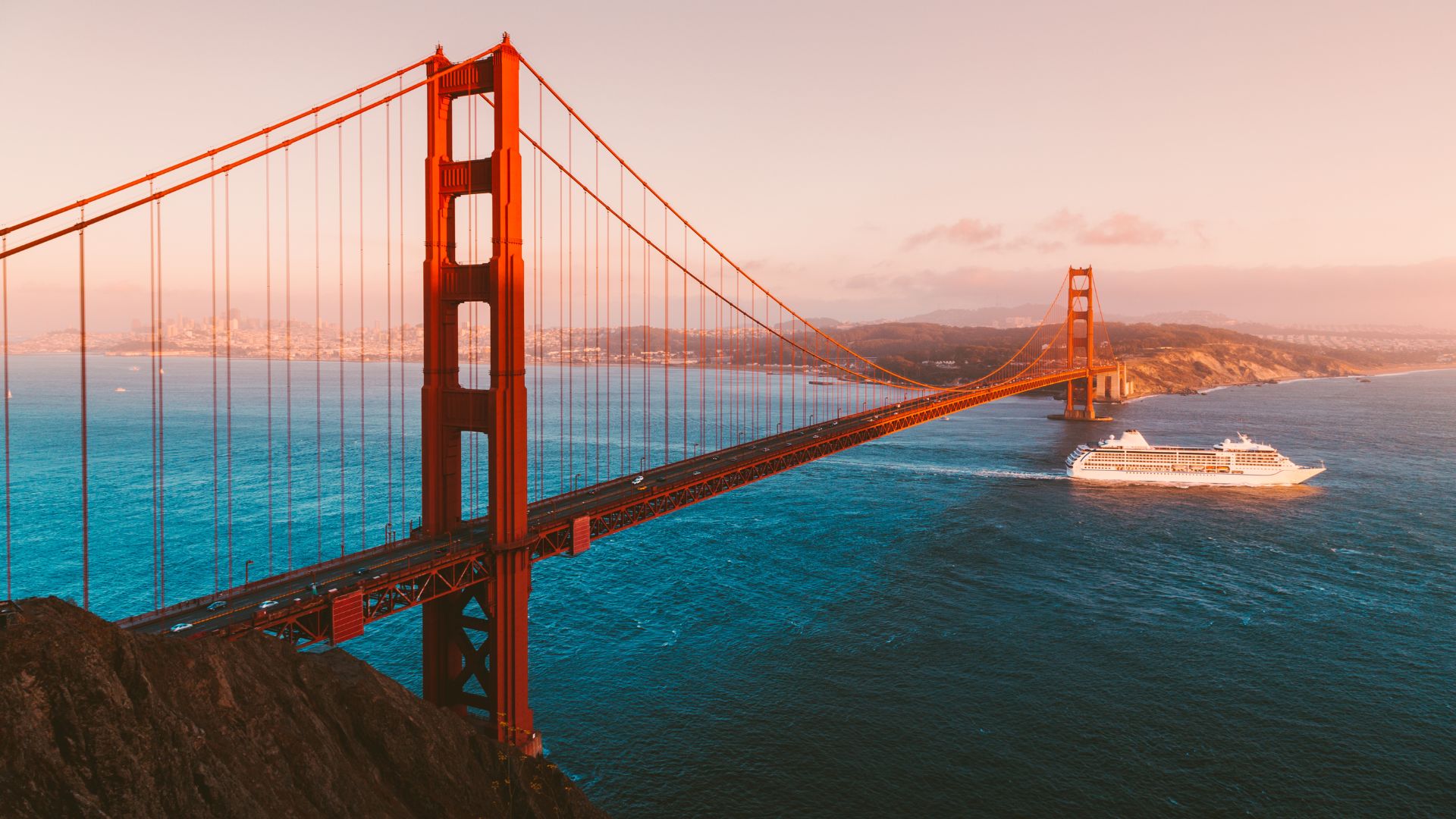
San Francisco’s Golden Gate Bridge might be the most photographed bridge in the world. Those red-orange towers are just iconic.
Walking or biking across the bridge is something everyone should try at least once. The views are unbeatable, and you’ll get a totally different perspective on the city.
But San Francisco is more than the bridge. The neighborhoods are quirky and colorful, and the food scene is always surprising.
You’ll spot cable cars zipping by, and waterfront spots like Fisherman’s Wharf are perfect for a lazy afternoon.
Fog sometimes rolls in and wraps around the bridge, making for some moody, dramatic photos. On clear days, the whole thing just pops against the blue sky.
Make time to explore different parts of the city and check out the best viewpoints around the bay for those postcard shots.
5) Washington, D.C., National Mall
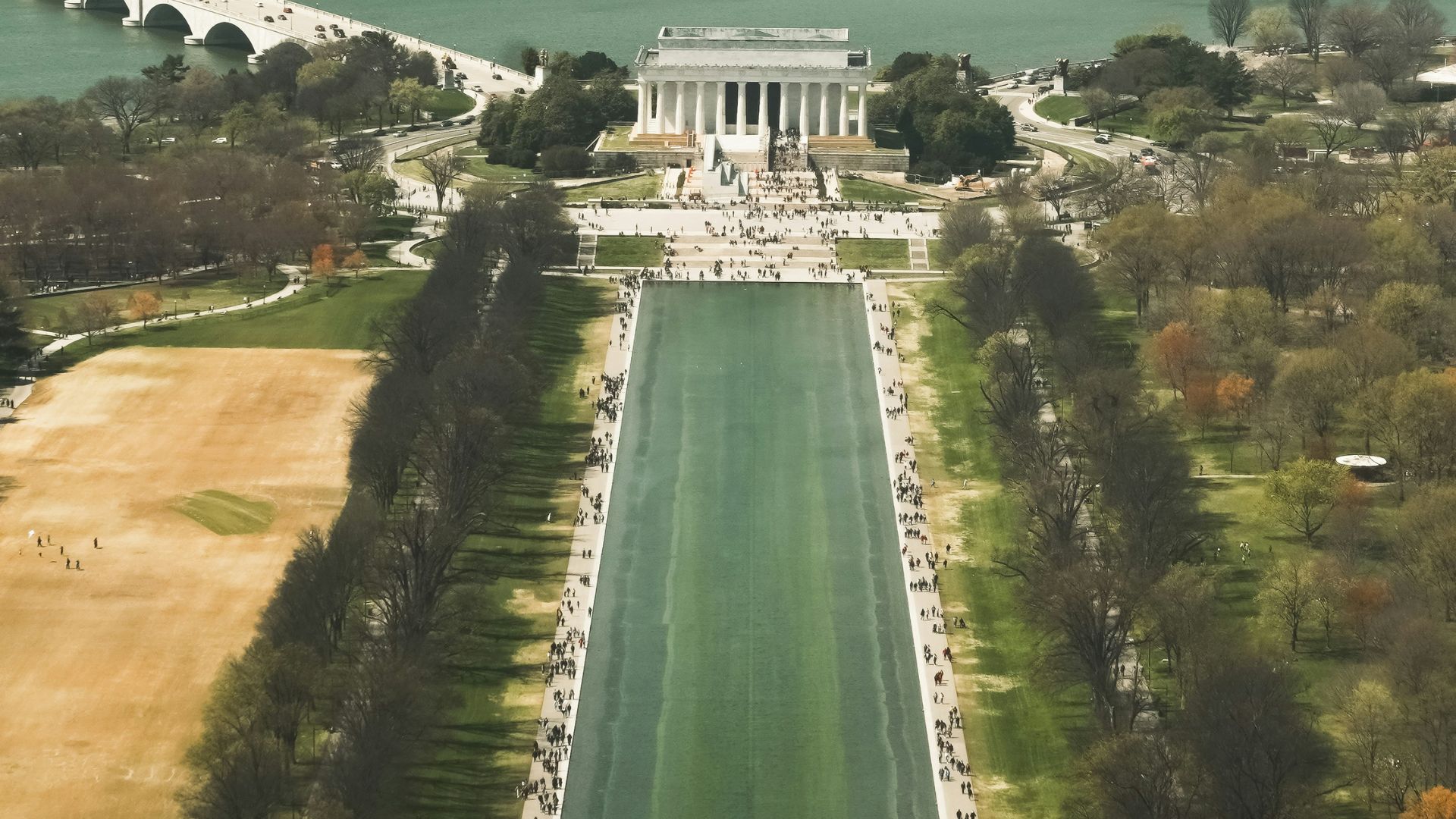
The National Mall in D.C. stretches from the Capitol to the Lincoln Memorial—a two-mile walk packed with history.
You’ll see the Washington Monument towering over everything. The Lincoln Memorial anchors the other end, with the reflecting pool in between.
Ten Smithsonian museums line the Mall, and they’re all free. You can hop from the Air and Space Museum to the National Gallery of Art without spending a dime.
Don’t miss the memorials. The Vietnam Veterans Memorial, WWII Memorial, and Martin Luther King Jr. Memorial are all powerful stops.
Everything’s walkable, which makes exploring easy. Spring and fall are the sweet spots for weather, but the Mall’s open all year. Plan on spending a full day here if you want to see the highlights.
6) Nashville, Tennessee
Nashville is a blast—music history and modern Southern vibes blend together in a way that just works. This is Music City, after all.
Catch a live show at the Grand Ole Opry or wander Broadway where honky-tonks spill music into the streets.
The Country Music Hall of Fame is a must for any fan, but Nashville’s music scene goes way beyond country—rock, blues, indie, you name it.
Food is a big deal here. Hot chicken is the star, but you’ll find all kinds of tasty surprises at places like the Nashville Farmers Market.
The neighborhoods are fun to explore, with quirky shops and colorful murals perfect for Instagram.
Outside of music and food, you can visit the Nashville Zoo or tour some historic homes. Whether you’re in town for a weekend or a week, Nashville’s got more than enough to keep you busy.

7) Miami Beach, Florida
Miami Beach snagged the title of best city destination in the U.S. for 2025, and honestly, it’s easy to see why. Sunshine, warm weather, and that laid-back vibe make it a top pick for 2026.
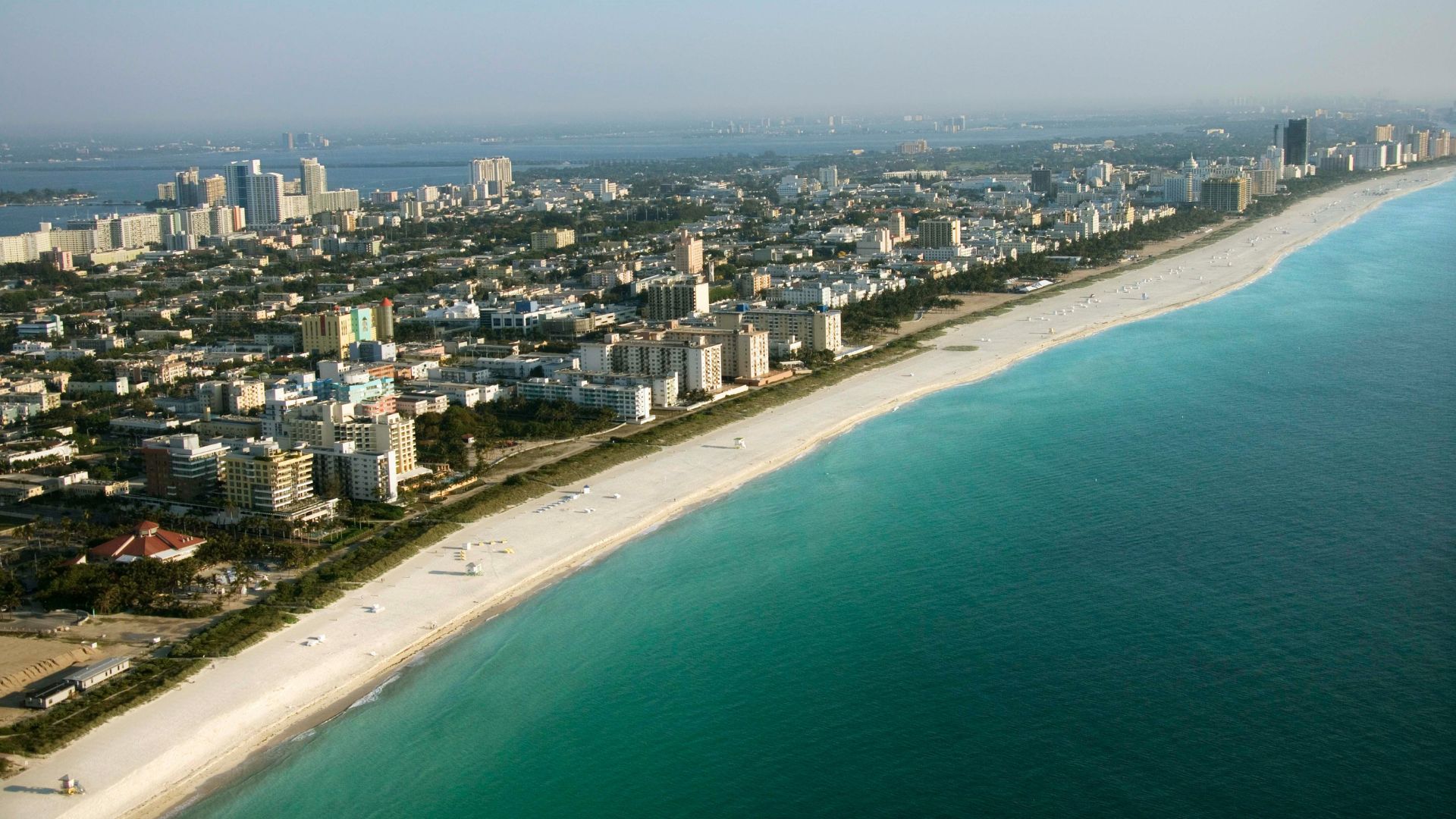
South Beach is famous for its wide sands and clear blue water. I love just walking the promenade, taking in the buzz and people-watching.
The Art Deco Historic District is like stepping back in time. Those pastel buildings from the ‘30s and ‘40s give Miami Beach its signature look.
Lincoln Road Mall is the spot for shopping or grabbing a bite outdoors. The Bass museum mixes modern art with classic Art Deco style.
Seafood and Cuban food are everywhere, and the nightlife never stops—clubs, bars, and live music go late.
Miami Beach isn’t just about the sand; the cultural attractions and energy make it a place you’ll want to come back to.
8) Las Vegas Strip, Nevada
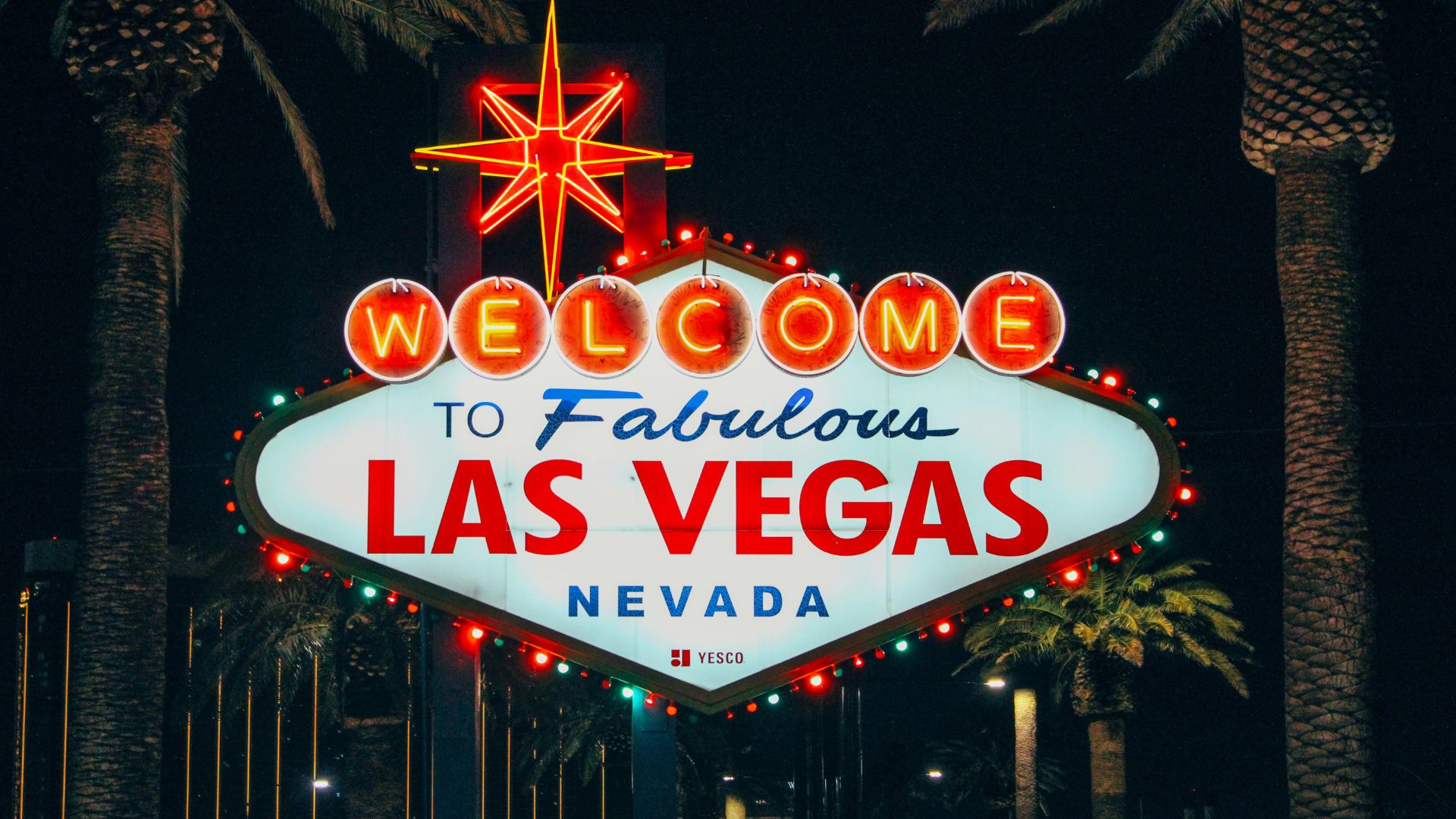
The Las Vegas Strip is wild in the best way. Stretching along Las Vegas Boulevard, it’s packed with mega-resorts, casinos, and enough neon to light up the desert.
Gambling is only part of the story. Ride the High Roller for city views, or catch the Bellagio Fountains—those water shows are seriously mesmerizing.
Each resort tries to outdo the next with crazy themes, celebrity chef restaurants, and over-the-top attractions. There’s always something happening, day or night.
You can shop for luxury brands or quirky souvenirs, and the live shows are legendary—magic acts, concerts, Cirque du Soleil, you name it.
Most of the action is walkable, but don’t let the maps fool you—the Strip is longer than it looks.
Weekends get crowded, so book your shows and dinners early. People come from all over for that unique Vegas energy.
9) Bryce Canyon National Park, Utah
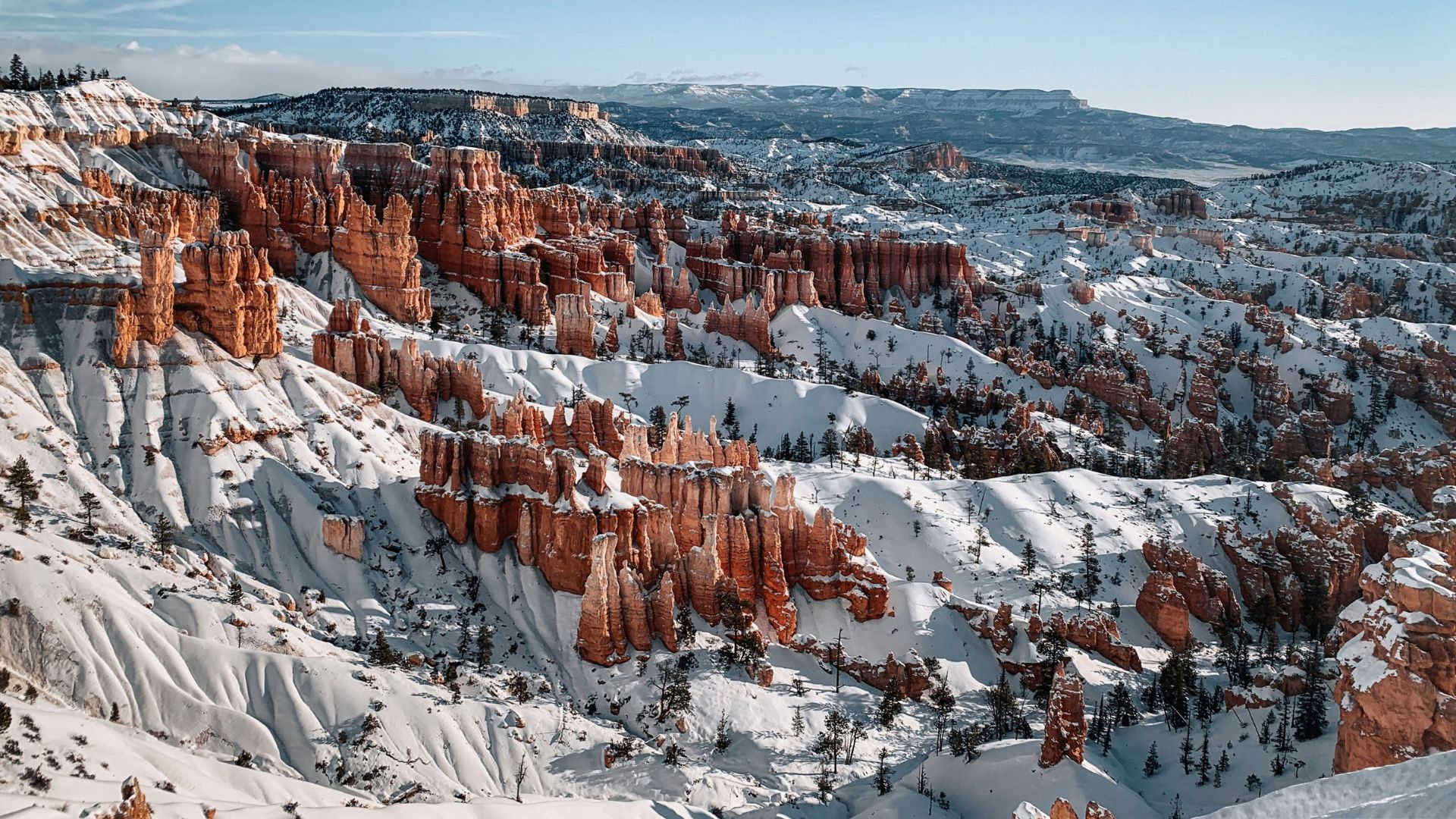
Bryce Canyon feels like another planet. Thousands of hoodoos—those wild, spiky rock towers—fill the park, carved by wind and water over millions of years.
You can take in the view from overlooks like Inspiration Point and Sunset Point. The Rim Trail links the best spots and is an easy walk.
If you want to get up close, hike the Navajo Loop or Queen’s Garden trails right into the hoodoos. It’s surreal down there.
Bryce is a Dark Sky Park, so stargazing is off the charts. On a clear night, the Milky Way lights up the sky. The park even has ranger-led astronomy nights.
Winter brings snow, and the red rocks against white powder are just stunning. You can snowshoe or cross-country ski if you’re up for it.
Even though it’s Utah’s smallest national park, Bryce Canyon really leaves an impression.
10) Chicago Millennium Park, Illinois
Millennium Park is Chicago’s backyard, right in the middle of downtown. Art, architecture, and green space all come together here.
Cloud Gate—everyone calls it “The Bean”—is the star. Its mirrored surface reflects the skyline and makes for some funky photos. I always end up taking way too many pictures.
Crown Fountain is another highlight, with digital faces that spout water in the summer. Jay Pritzker Pavilion hosts free concerts, and the steel design is worth seeing even if you don’t catch a show.
Wander the walking paths, chill in the gardens, or sprawl out on the lawns. The Lurie Garden is a peaceful spot with native plants.
Millennium Park connects to other Chicago attractions and sits right by Michigan Avenue’s shops. It’s free, open year-round, and always buzzing.
In winter, you can lace up for ice skating at the McCormick Tribune Ice Rink. Summer brings outdoor concerts and festivals—there’s always something happening.

11) Mount Rushmore, South Dakota
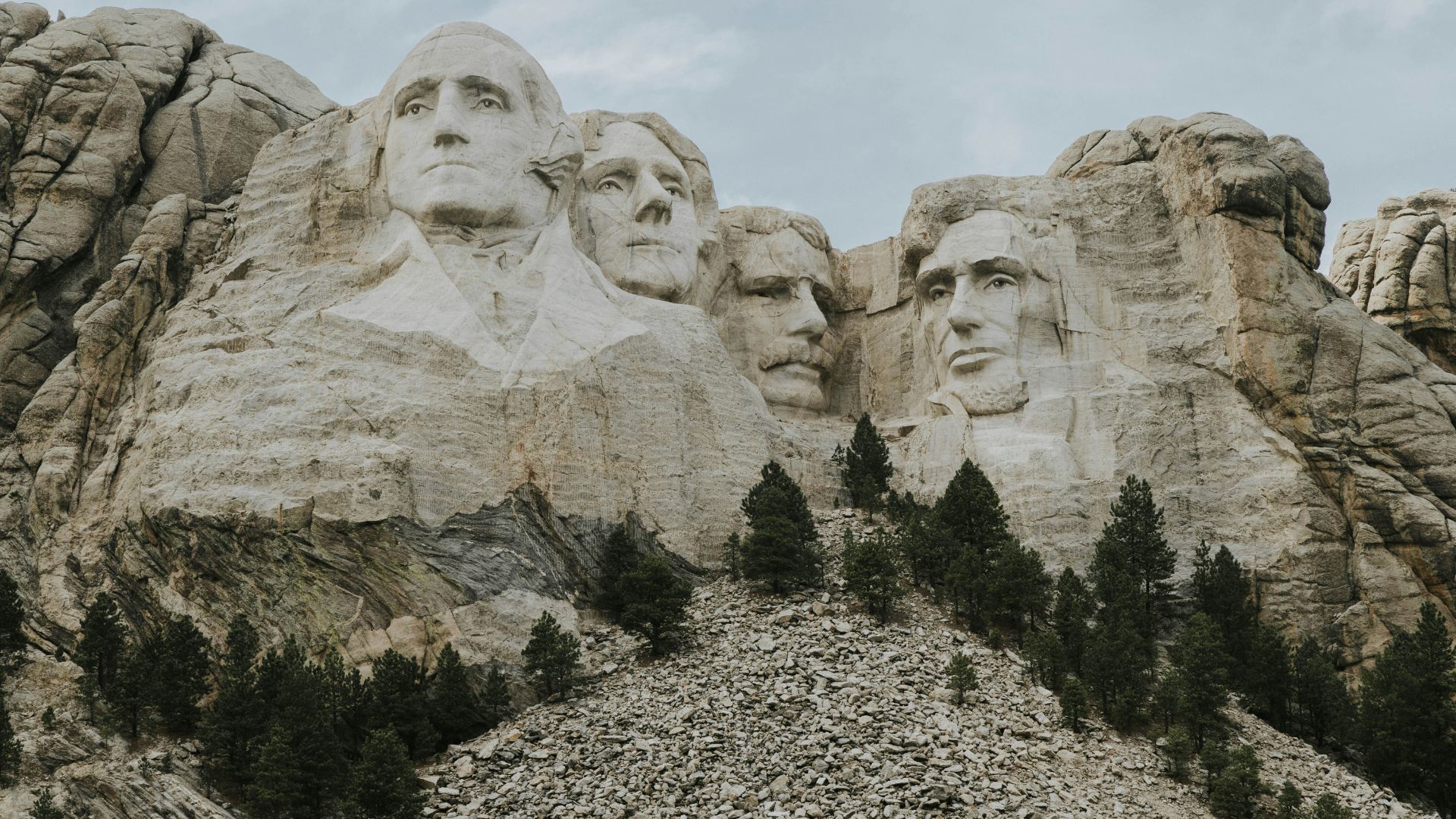
Mount Rushmore really is one of those places you instantly recognize—four giant presidents peering out from the granite in South Dakota’s Black Hills. George Washington, Thomas Jefferson, Theodore Roosevelt, and Abraham Lincoln all get their 60-foot moment in stone.
People flock here—about 2 million a year, actually. And while you can snap a quick photo, I always think it’s worth wandering the grounds for different perspectives.
Give yourself a few hours. The visitor center has exhibits that dig into how they built the monument (hint: it was a wild engineering feat). I walked the Presidential Trail for closer views—totally recommend it.
There’s a museum too, packed with stories and old photos. If you’re into history or just love a good American road trip, this spot delivers.
The Black Hills themselves are full of surprises. Explore nearby national parks, caves, and even herds of bison roaming around.
Mount Rushmore makes a perfect anchor for a South Dakota adventure. The mix of epic stone faces and rugged scenery sticks with you long after you leave.
12) Savannah Historic District, Georgia
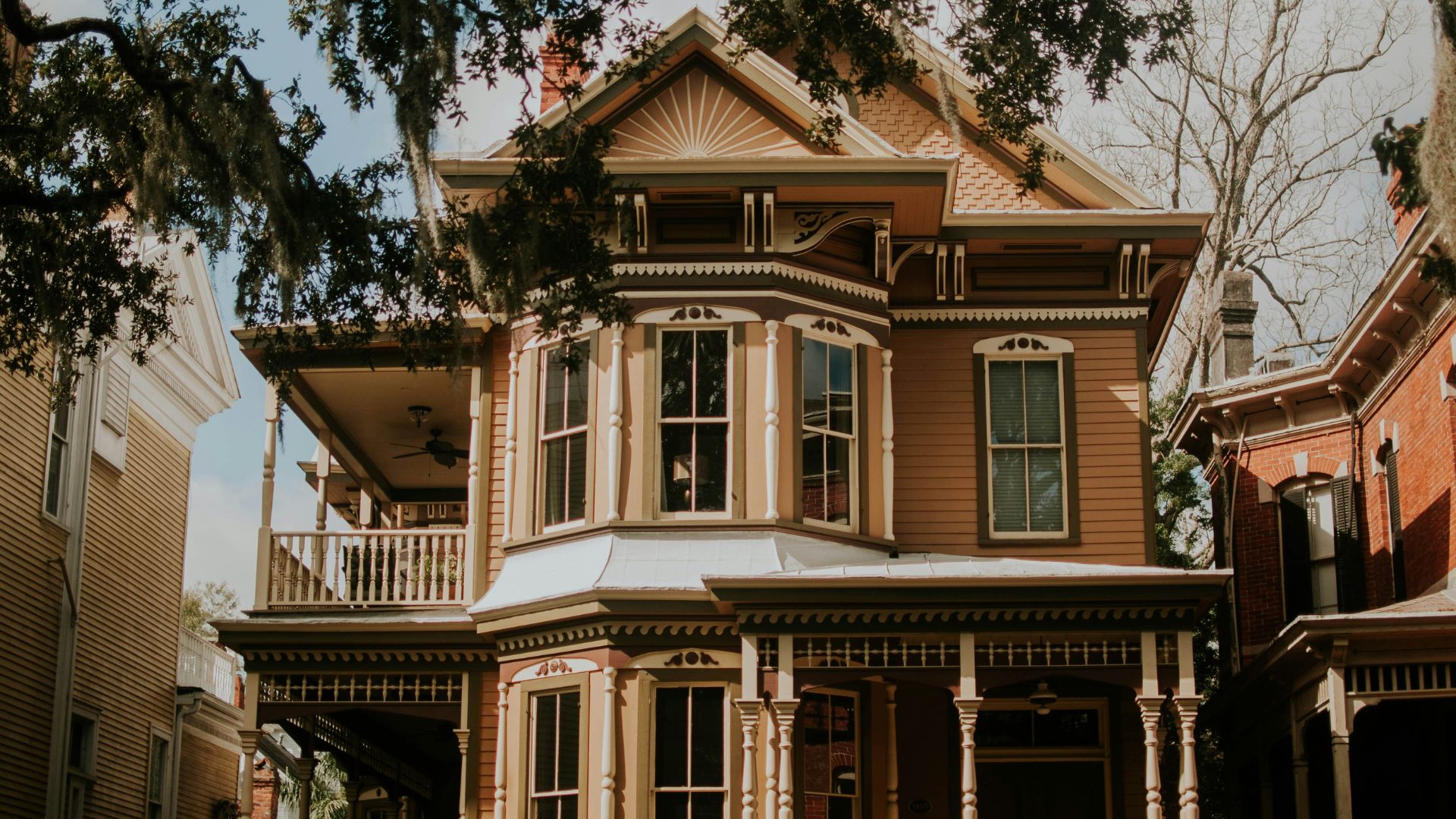
Savannah is Georgia’s oldest city, founded way back in 1733. The Historic District weaves together centuries of Southern history across 22 shady squares and cobblestone streets.
Those moss-draped oak trees? They make the whole place feel like a movie set. You’ll see antebellum mansions and weathered brick buildings with stories etched into their walls.
I wandered into the Mercer-Williams House Museum and got a peek at 19th-century life. The Cathedral of St. John the Baptist? Absolutely stunning Gothic Revival architecture.
Don’t skip the Juliette Gordon Low Historic District if you’re a Girl Scouts fan. Bonaventure Cemetery, meanwhile, is hauntingly beautiful—nature and history blend together in a peaceful way.
Many historic homes open for tours, so you can step right into the past. The district is compact, so walking is a breeze.
River Street hugs the Savannah River, lined with shops and restaurants inside old cotton warehouses. Each square feels different, each with its own quirky backstory.
Savannah’s got this blend of history, charm, and hospitality that feels genuinely welcoming. It’s a city that holds onto its roots while inviting you in, no matter the season.
13) Boston Freedom Trail, Massachusetts
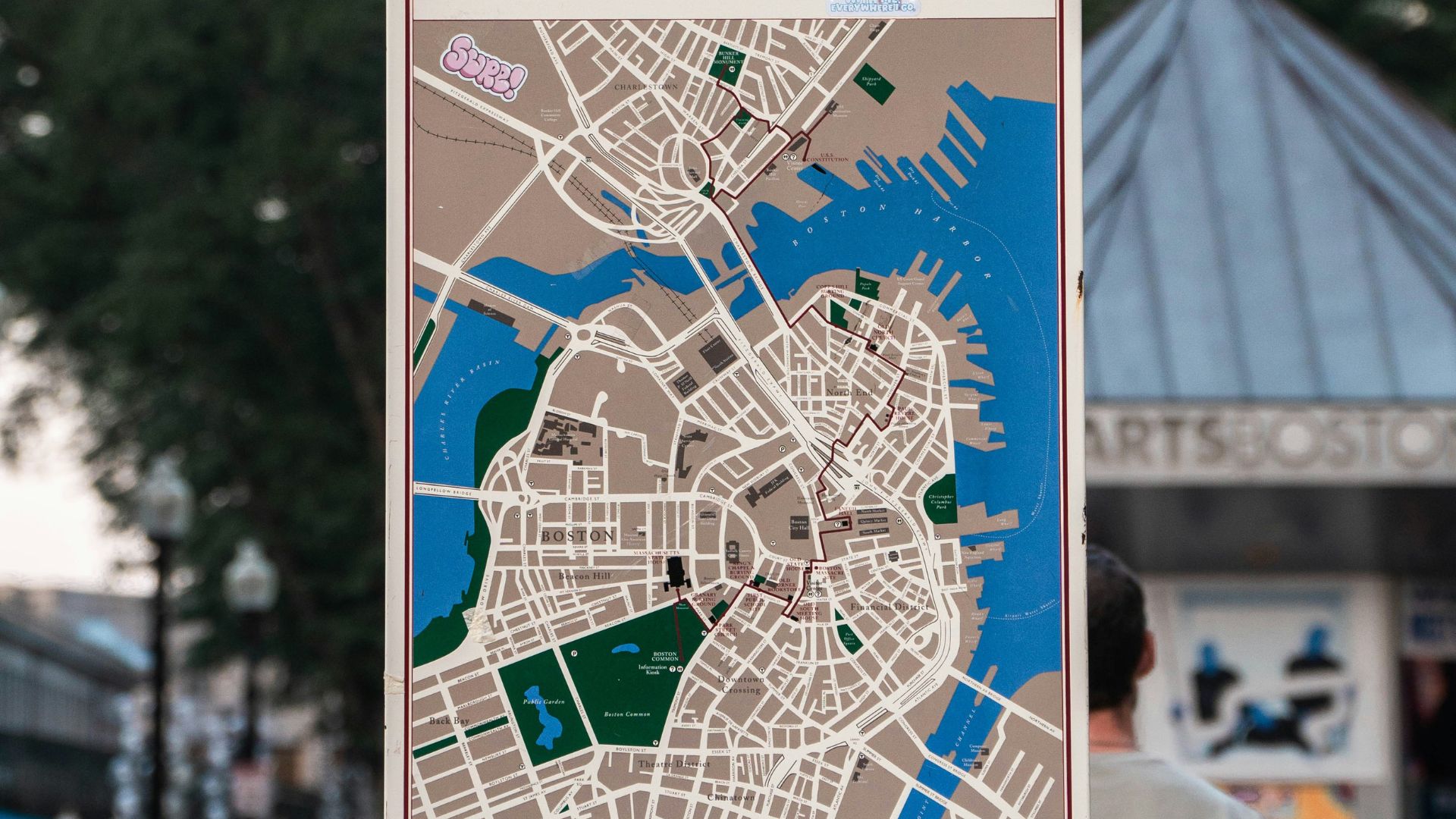
The Freedom Trail is Boston’s time machine—a 2.5-mile walk that hits 16 historic sites from the Revolutionary War era.
You’ll start at Boston Common, the oldest public park in America. The trail winds through downtown and the North End before wrapping up at Bunker Hill Monument in Charlestown.
Along the way, you can stop at the Massachusetts State House, Paul Revere House, and the Old North Church. Faneuil Hall, old burying grounds, and the USS Constitution all pop up along the route.
Every stop adds a new piece to the independence story. You can follow the red line painted on the sidewalk—super easy, even if you’re directionally challenged.
Go at your own pace or join a guided tour if you want the full scoop. Most folks finish in 2-3 hours, but you might linger longer at the museums or historic buildings.
Walking the trail is free, though some sites charge small admission fees. It’s open year-round, so you can fit it into your 2026 Boston plans whenever you visit.
14) Seattle Space Needle, Washington
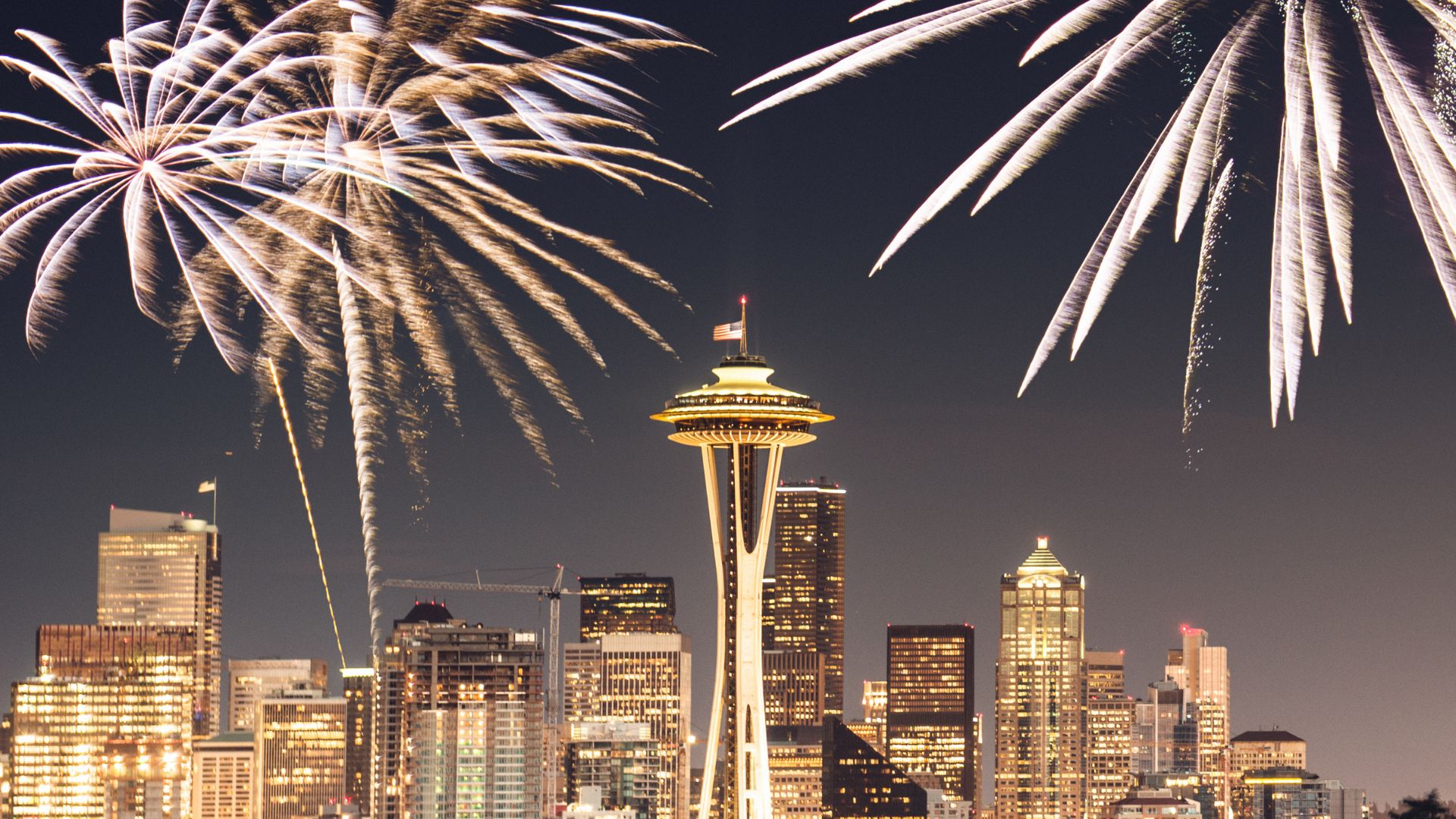
The Space Needle pokes 605 feet above Seattle, impossible to miss. Built for the 1962 World’s Fair, it’s become the city’s signature landmark.
Step inside and you’ll find floor-to-ceiling glass windows with jaw-dropping views. On a clear day, Mount Rainier, the Olympics, and Puget Sound all show off—plus the Seattle skyline below.
The observation deck has “The Lounge” with rotating glass benches. I leaned back against angled glass and peered straight down—thrilling and a little nerve-wracking.
Most people spend about an hour here. Your ticket usually lets you go up twice in one day, so you can catch the city in both daylight and after dark.
Mornings tend to have clearer skies for those epic mountain views. At night, the city lights sparkle in every direction.
The Space Needle anchors the Seattle Center, a complex packed with museums and parks in the Queen Anne neighborhood. It’s easy to make a whole afternoon of it.
15) New Orleans French Quarter, Louisiana
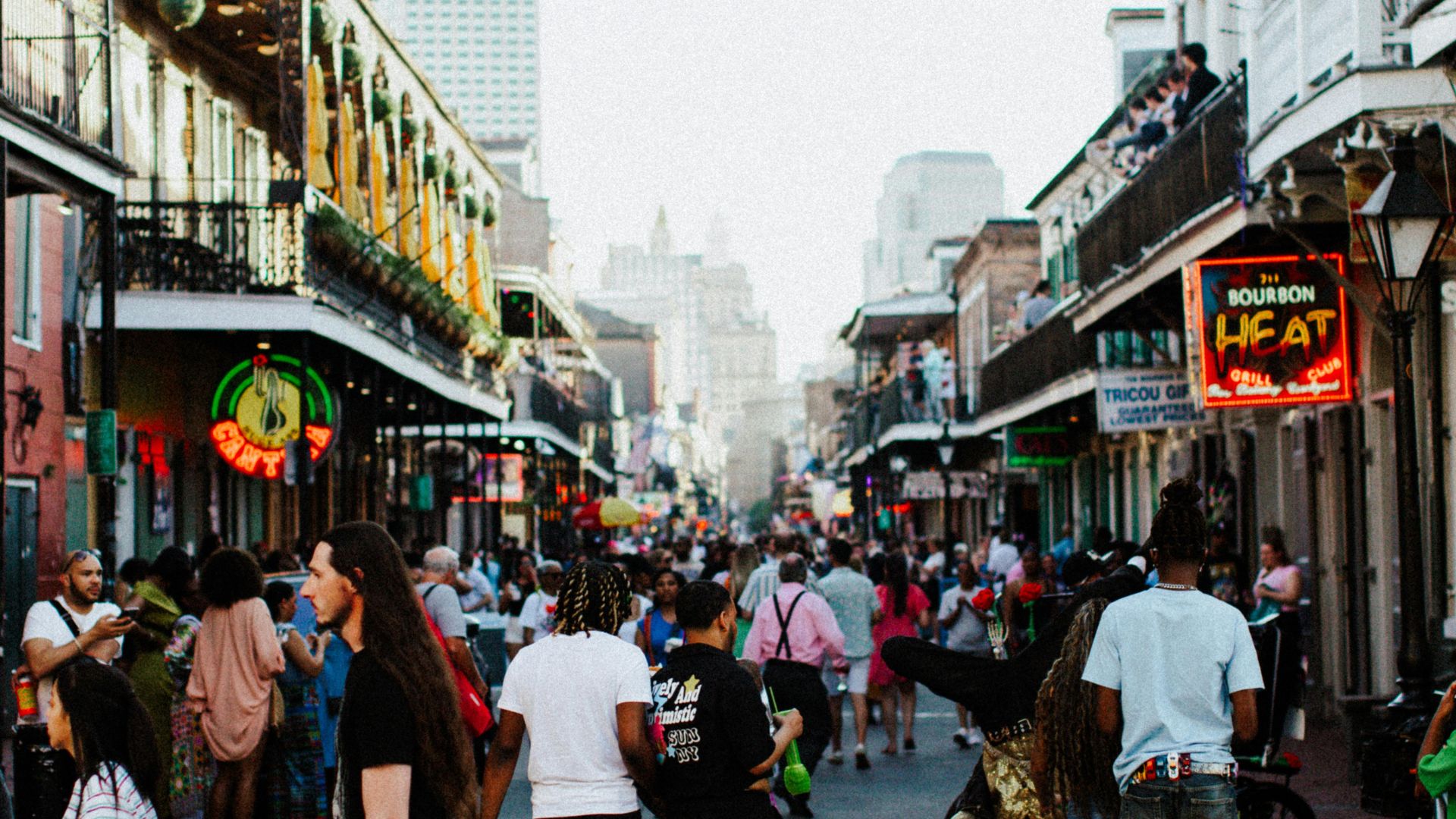
The French Quarter is New Orleans’ oldest, most iconic neighborhood. Colorful buildings line the streets, and history oozes from every corner.
Bourbon Street buzzes with music and crowds, while Royal Street feels more laid-back with art galleries and antique shops. I love wandering both—each has its own vibe.
Architectural details stand out here. Wrought-iron balconies and European influences make the Quarter unlike anywhere else in the U.S.
Food is a huge part of the experience. Local spots serve up Creole and Cajun classics that you won’t find anywhere else. I still dream about the beignets and gumbo.
Jazz music spills out of clubs and onto the streets. Sometimes, you’ll catch street performers who sound just as good as the pros inside.
Jackson Square sits at the heart of it all, with artists, performers, and the St. Louis Cathedral as a backdrop. The energy here never really fades—day or night, there’s always something happening.
16) Acadia National Park, Maine
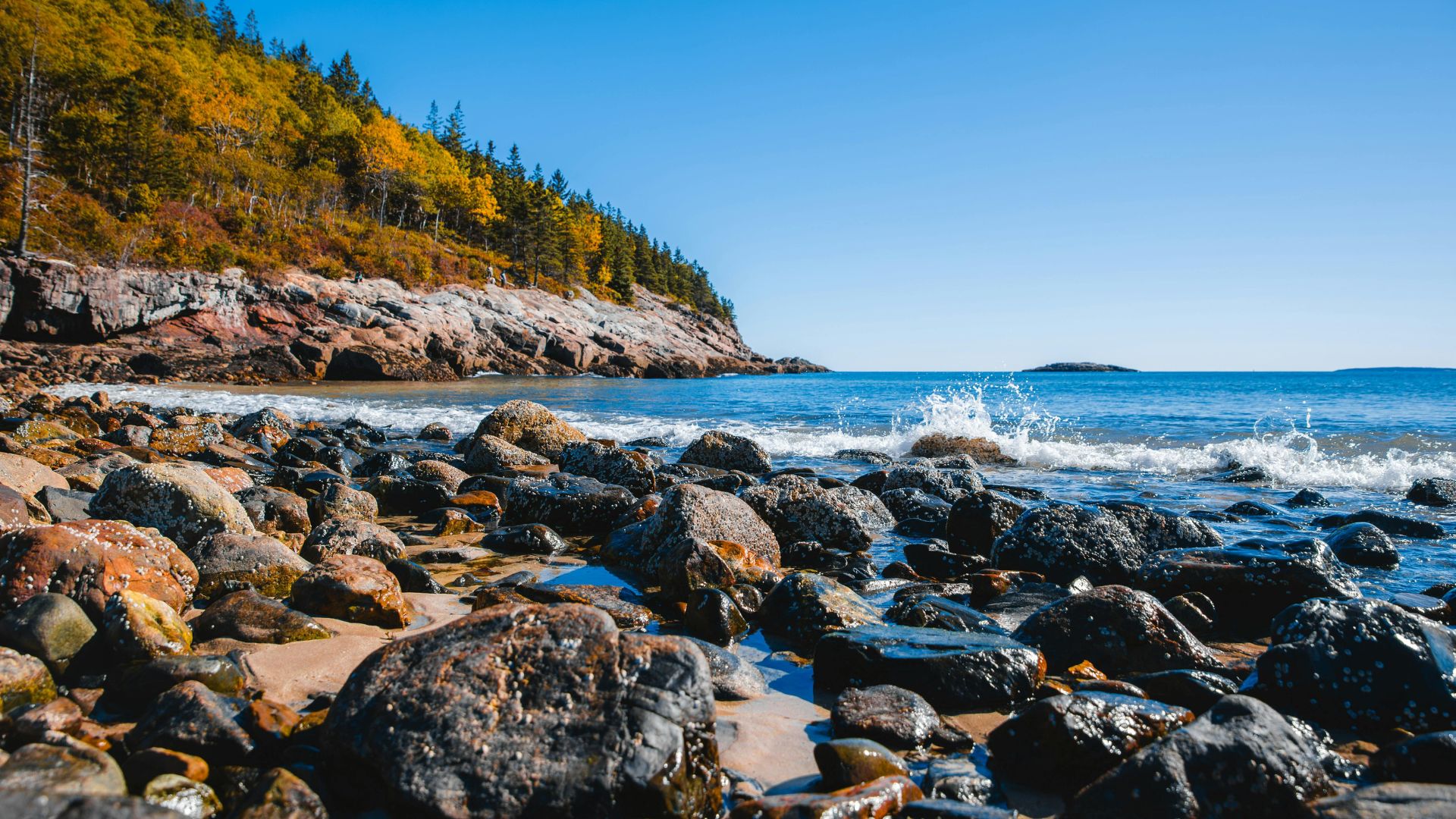
Acadia National Park spreads across Mount Desert Island, hugging Maine’s rocky Atlantic coast. Over 47,000 acres draw more than 4 million visitors a year, and it’s easy to see why.
Drive the scenic Park Loop Road for quick access to the park’s highlights. The route winds past granite cliffs, forest trails, and ocean overlooks.
Cadillac Mountain towers over the coastline. Sunrise from the summit is legendary, though you’ll need to get up early (and maybe jockey for a spot).
With 150-plus miles of hiking trails, there’s something for everyone. Easy lakeside strolls, steep mountain climbs, or a peaceful walk around Jordan Pond—take your pick.
Thunder Hole is a must-see, especially when the waves crash and send salt spray flying. If you’d rather pedal than hike, check out the historic carriage roads—45 miles of car-free gravel paths through forests and along streams.
Bar Harbor is the main gateway town, full of shops and seafood spots. Getting here is straightforward: head north from Boston on I-95, then east through Ellsworth to Mount Desert Island.
17) Honolulu Waikiki Beach, Hawaii
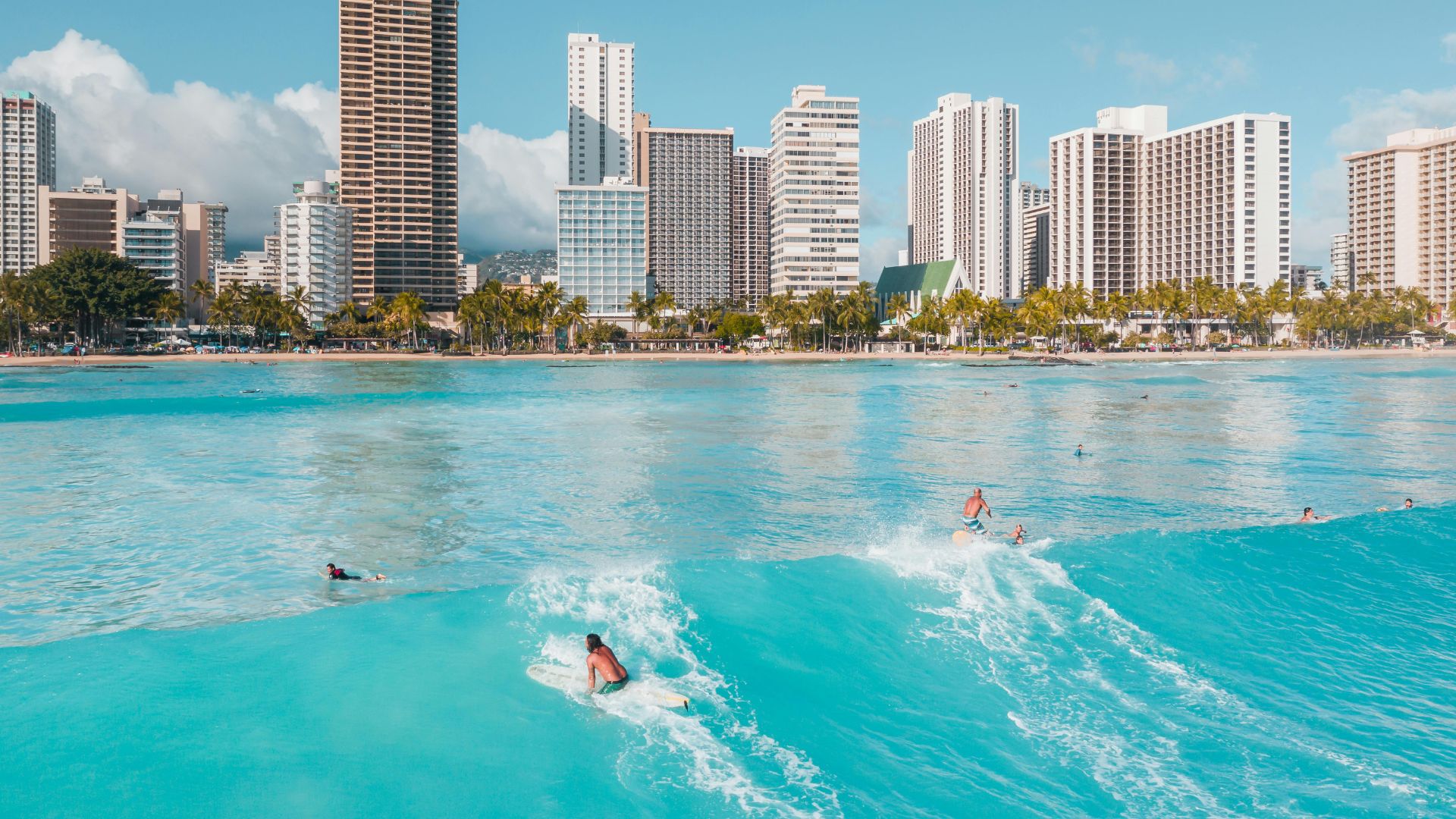
Waikiki Beach sits right in Honolulu on Oahu, and it’s as postcard-perfect as you’ve heard. Soft sand, clear blue water, and sunshine that doesn’t quit.
Swimming, surfing, or just lounging—pick your speed. The neighborhood is super walkable, with most hotels, shops, and restaurants just steps from the sand. I hardly needed a car.
Beyond the beach, there’s plenty to do. Shopping centers range from quirky local boutiques to big-name designers. Restaurants dish up fresh seafood and classic Hawaiian fare.
Diamond Head crater looms nearby, tempting hikers with panoramic views. Heads up: some popular spots now require reservations, so plan ahead.
Waikiki makes a great home base for exploring Hawaii. You can dip into local culture, try out every water sport imaginable, and soak up beach life without ever straying far.
If Hawaii’s on your 2026 list, this is the spot for those classic island vibes.
18) Sedona Red Rock Country, Arizona
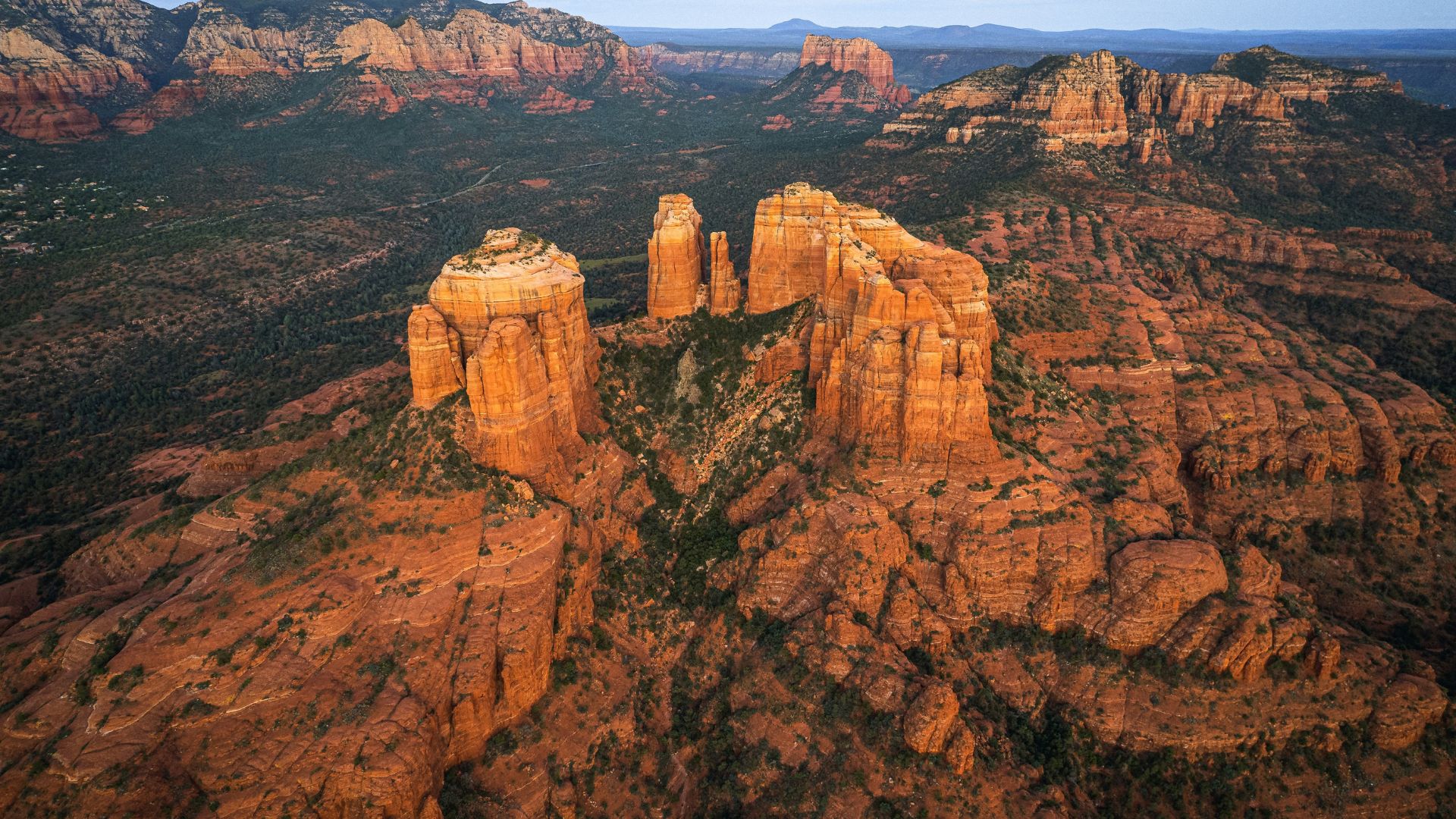
Sedona sits about 110 miles north of Phoenix, wrapped in jaw-dropping red rock formations. Those towering spires and wild shapes? Pictures don’t do them justice.
Hiking is the main event. Trails lead to iconic spots like Devil’s Bridge and Cathedral Rock. Whether you want a quick stroll or a challenging trek, you’ll find your path.
The town draws people looking for spiritual experiences, too. Vortex sites—said to have special energy—attract curious travelers. Spas, art galleries, and cozy restaurants round out the scene.
Drive in on State Route 179, the Red Rock Scenic Byway, and you’ll get a preview of the landscape before you even park. Sedona sits about 40 miles south of Flagstaff, not far from the Grand Canyon—easy to combine into a bigger Arizona trip.
The blend of natural beauty, outdoor adventure, and a laid-back small-town vibe makes Sedona a must for 2026.
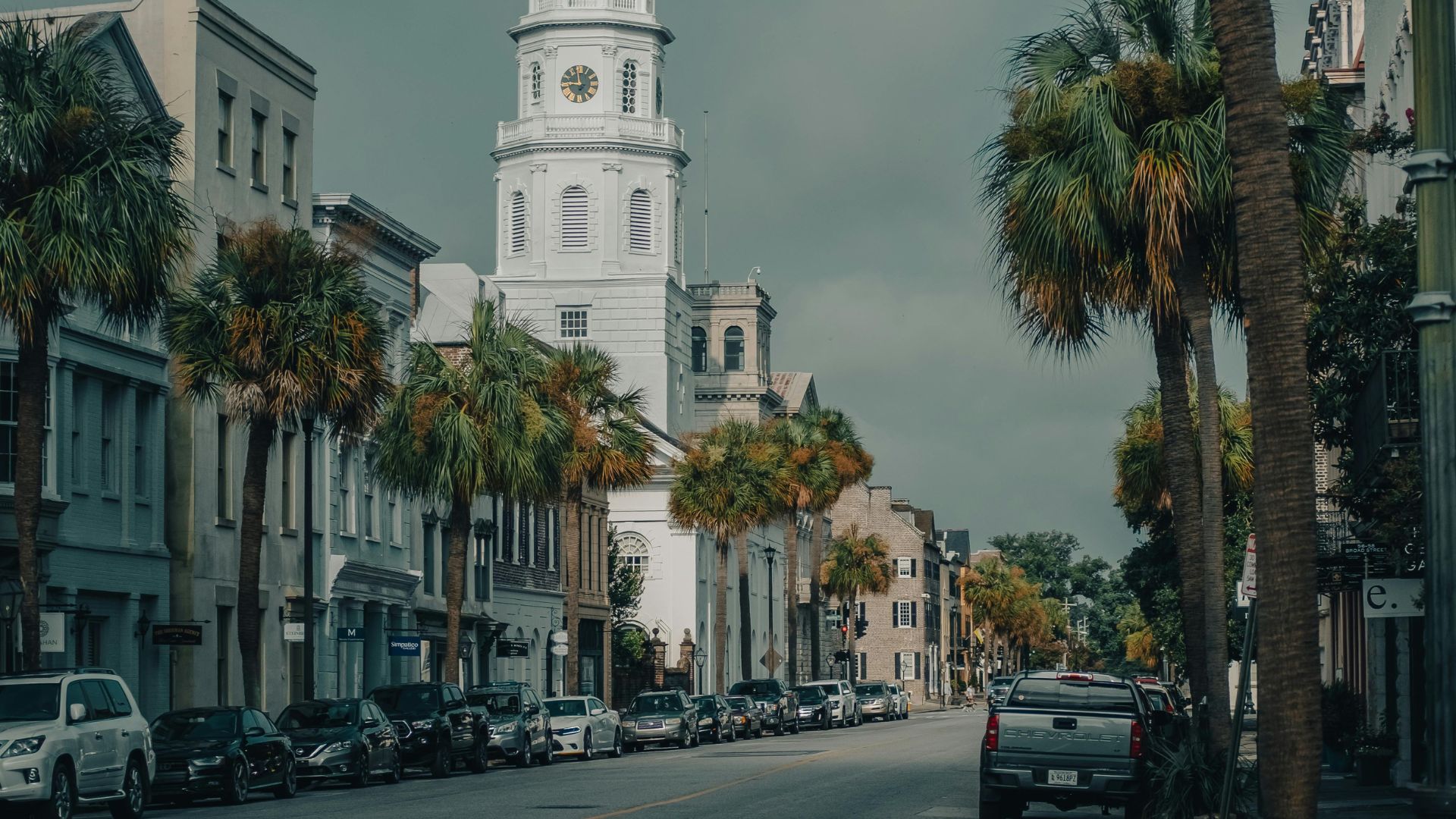
19) Charleston Historic Downtown, South Carolina
Charleston’s Historic Downtown sweeps you straight into the past with its cobblestone streets and candy-colored houses. Walking here feels like flipping through chapters of American history.
You’ll spot homes from the 1700s and 1800s, lovingly preserved. Rainbow Row, with its stretch of pastel facades, begs for a photo or two.
The Battery offers sweeping harbor views and a glimpse of Fort Sumter out in the distance. Exploring on foot is easy, but carriage rides add a little extra charm.
Church steeples poke above the skyline, earning Charleston the nickname “The Holy City.” Nearly every block hides a historic market or church.
King Street slices through downtown, packed with local shops and restaurants. Don’t leave without trying some Lowcountry cuisine—it’s a food scene that mixes tradition with new flavors.
Give yourself at least a day to wander. The downtown is compact, so you can see a lot without ever needing your car. Spring and fall bring the best walking weather.
20) Aspen Ski Resort, Colorado
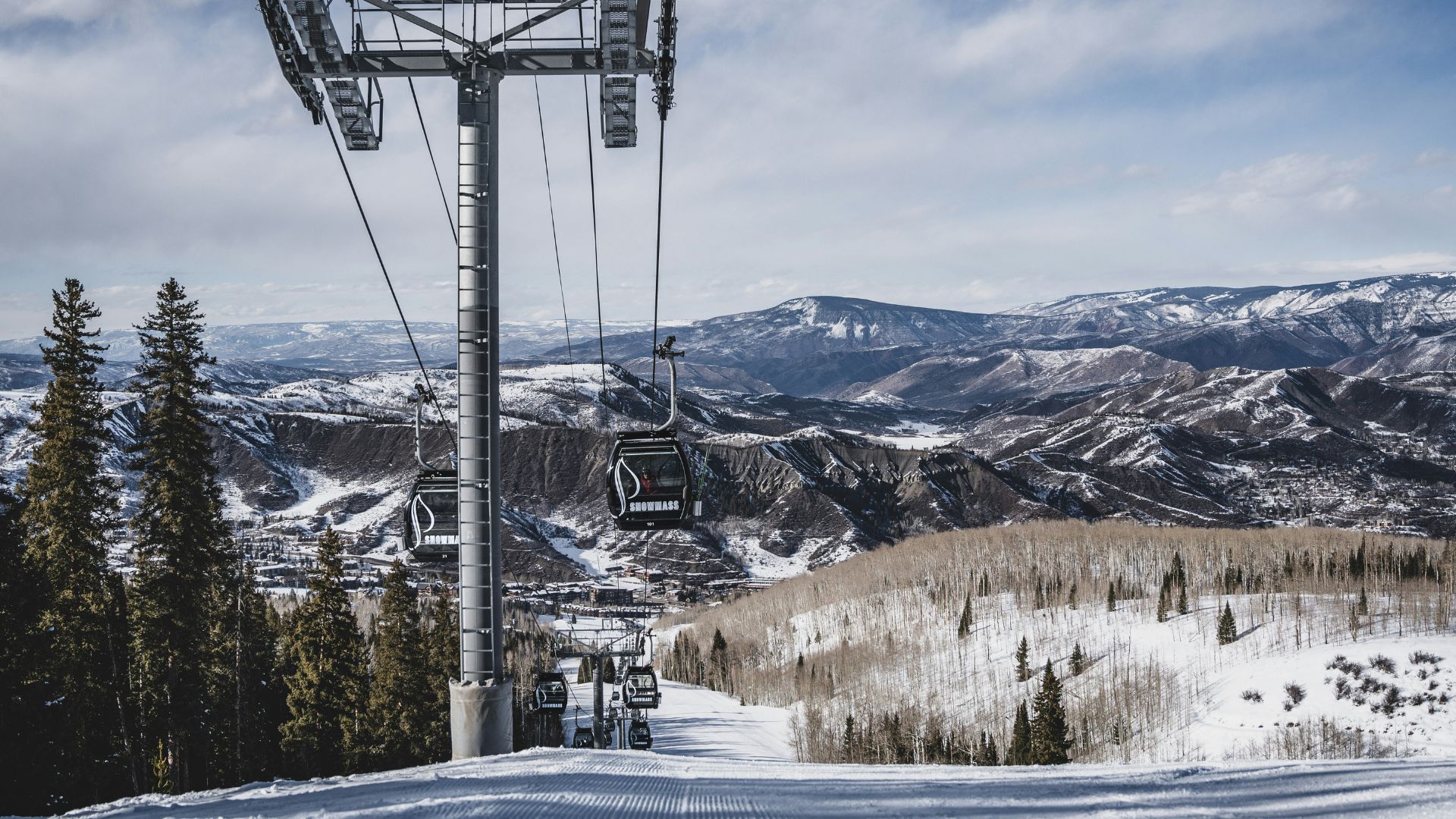
Aspen Snowmass ranks among the top ski resorts in North America. Four mountains, one lift ticket—there’s something for every level, from newbies to daredevils.
Ski Magazine recently put Aspen at number four on its 2025-26 “Top 30 Ski Resorts in the West” list. That’s no surprise if you’ve ever been.
Off the slopes, the town buzzes with great dining and a lively arts scene. Although Aspen shines in winter, it’s a year-round playground.
Need a break from skiing? Check out Maroon Bells or Independence Pass for Rocky Mountain views that’ll blow your mind.
The resort handles everything—equipment rentals, lodging, lift passes—all in one spot. Planning is easy, even if you’re a first-timer.
Aspen’s shifted from an exclusive hideaway to a welcome mat for outdoor lovers everywhere. Right in the heart of Pitkin County, it’s the perfect base for mountain adventures in any season.
21) Portland Food Scene, Oregon
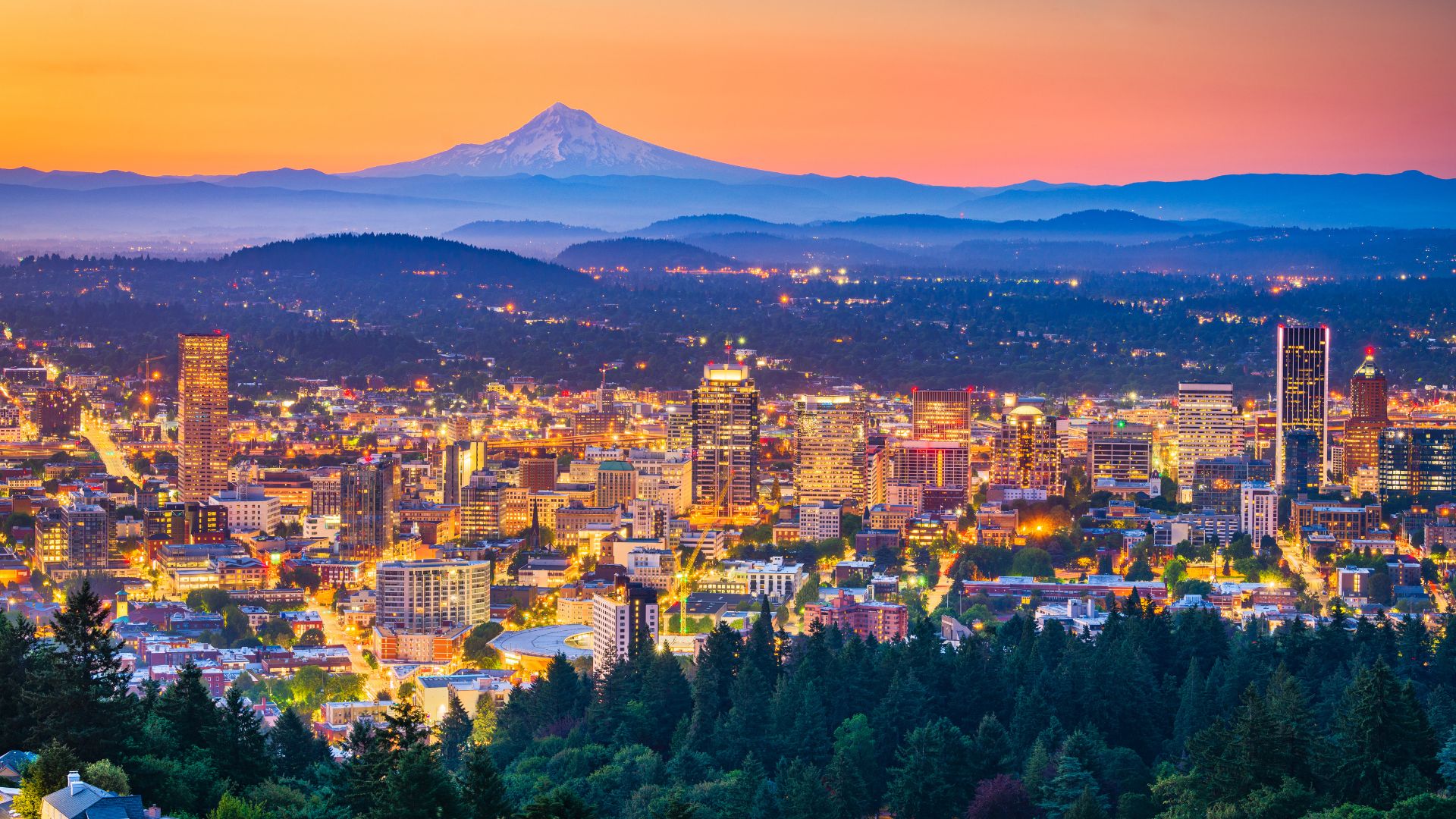
Portland has built a reputation as a foodie paradise. You’ll find everything from quirky food carts to award-winning restaurants, all serving up Pacific Northwest goodness.
The food cart scene here is legendary. I grabbed some of my favorite meals from these colorful trucks—global flavors, creative mashups, and prices that don’t break the bank.
Restaurants focus on fresh, local ingredients. Chefs here love to blend international influences with what’s in season. Expect killer seafood and inventive spins on classic dishes.
You’ll find everything from laid-back brunch spots to fancy places with tasting menus. No matter your budget or craving, Portland delivers.
The city’s creative energy shines through in its food. Farmers’ markets are everywhere, adding another layer to the culinary adventure.
If you love good food, Portland should be on your must-visit list. The flavors here are as memorable as the city itself.
22) Lake Tahoe, California/Nevada
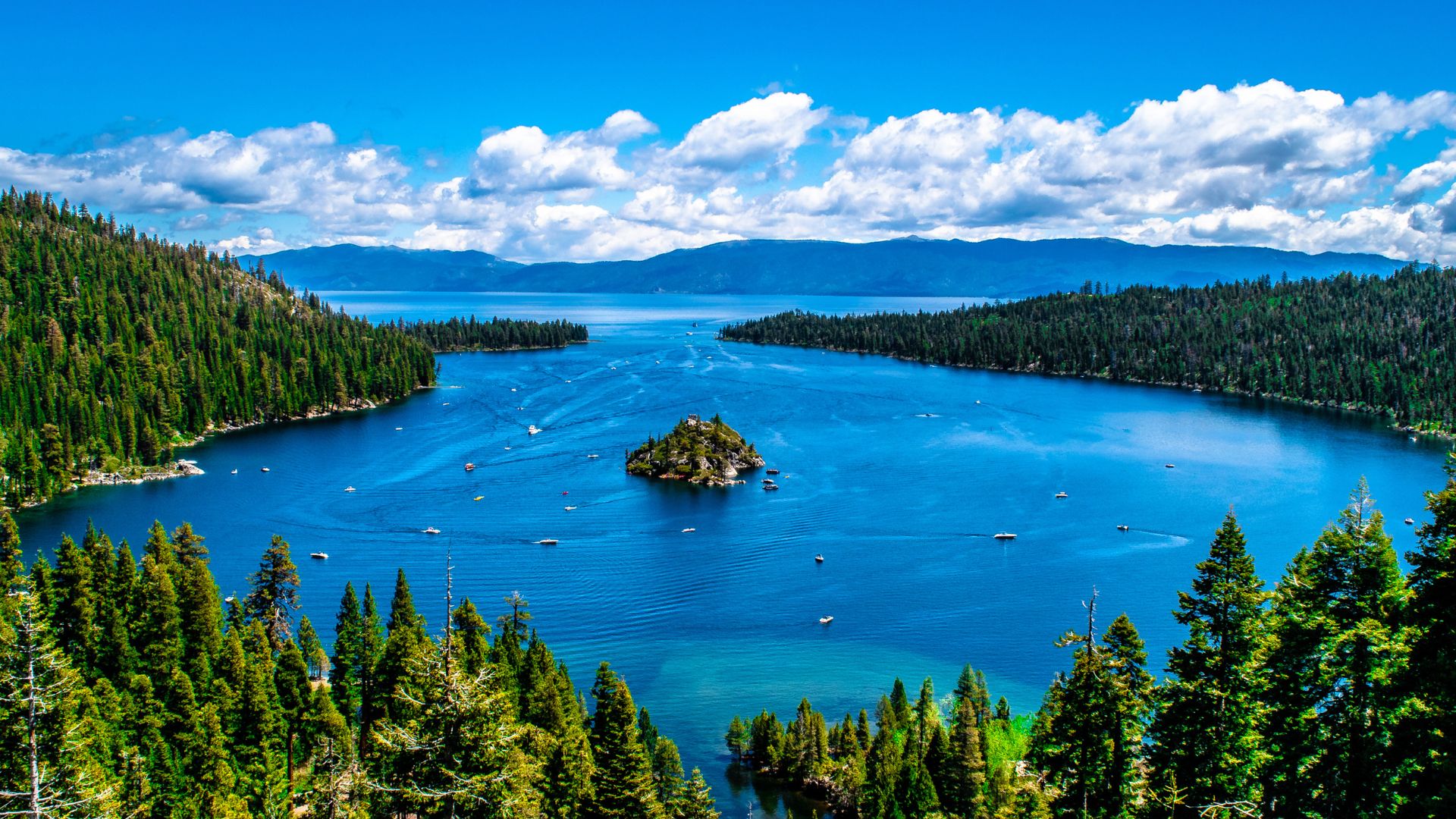
Lake Tahoe straddles the California-Nevada border in the Sierra Nevada mountains. It claims the title of the largest alpine lake in North America, with a wild 22-mile length and 12-mile width.
The crystal-clear water and those jagged peaks? They just blow you away. I’ve never seen blue quite like it.
Every season brings its own adventure here. Winter? Skiing and snowboarding at resorts that draw crowds from all over. When summer rolls in, people grab kayaks, paddleboards, or just dive into that icy blue water.
About 55,000 folks call the Tahoe area home, but honestly, it feels like way more with the steady stream of visitors. If you’re into hiking, Emerald Bay State Park is a must—those views stick with you.
Seventy-two miles of shoreline mean endless beaches and secret spots. I’ve lost track of how many hidden coves I’ve stumbled onto.
Lake Tahoe is a wild mix of outdoor activities and classic resort vibes. There’s no shortage of good food, cozy hotels, or even a little nightlife if you want it.
Whether you’re craving adrenaline or pure relaxation, Tahoe’s got you covered.
23) Big Sur Coastline, California
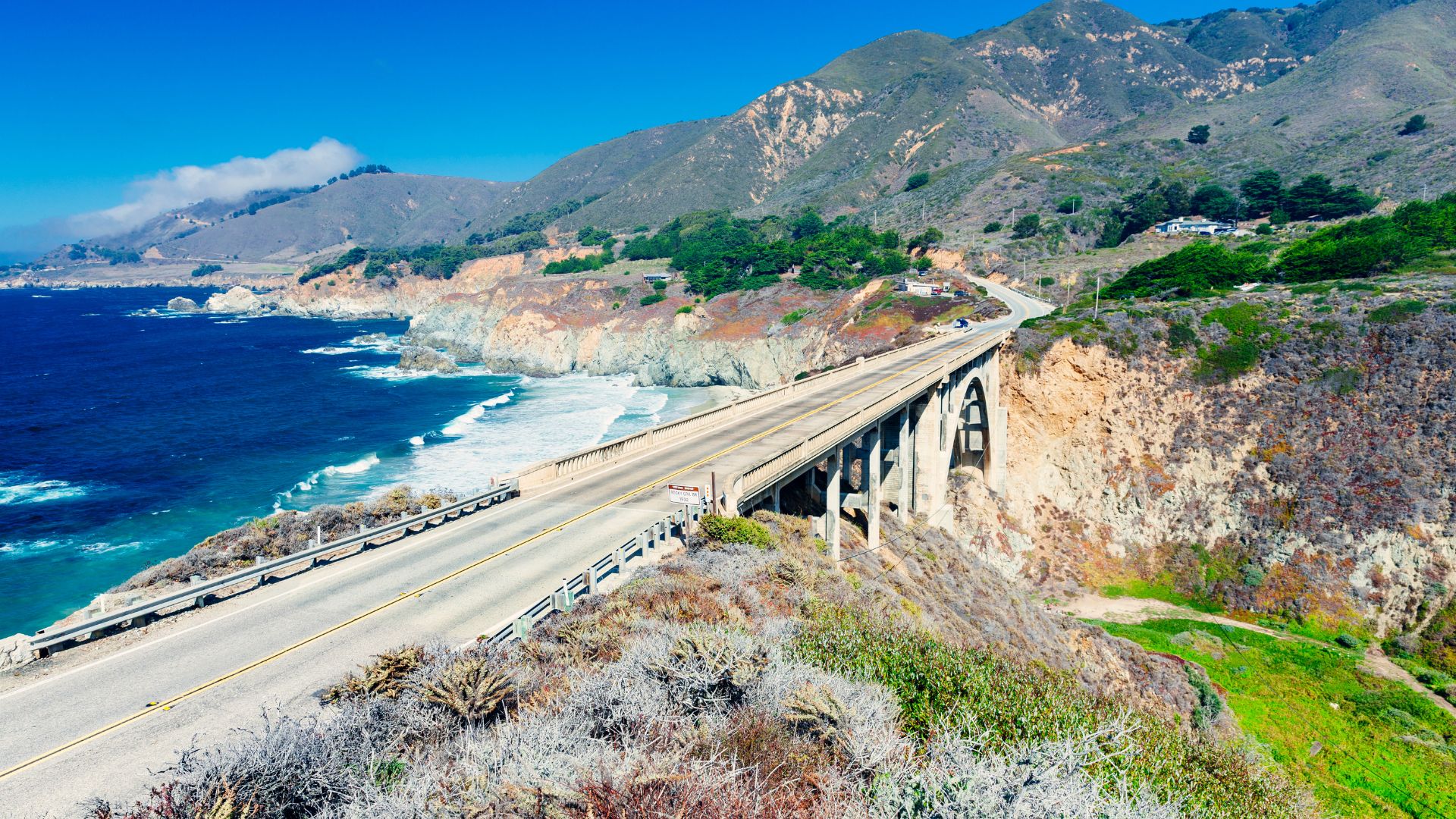
Big Sur stretches for 90 rugged miles along California’s Central Coast, between Carmel and San Simeon. This jaw-dropping coastline delivers some of the most epic ocean views in the country—honestly, bring extra camera batteries.
Highway 1 snakes right through the cliffs and forests, making road trips here feel like something out of a movie. I always stop at the pullouts just to stare at the waves smashing below.
Redwood forests, dramatic cliffs, and wild beaches are everywhere. Bixby Bridge, McWay Falls, and Pfeiffer Beach all deserve a spot on your list.
Hiking here is a treat, with trails ranging from quick strolls to all-day challenges. Julia Pfeiffer Burns State Park and Andrew Molera State Park are personal favorites—each one has its own vibe.
Spring and fall are the sweet spots for visiting. The weather stays mild, and you won’t have to battle crowds.
If you can, spend at least a day driving Big Sur. Even better, grab a night at a rustic lodge or pitch a tent and fall asleep to the sound of the ocean.
24) Key West Duval Street, Florida
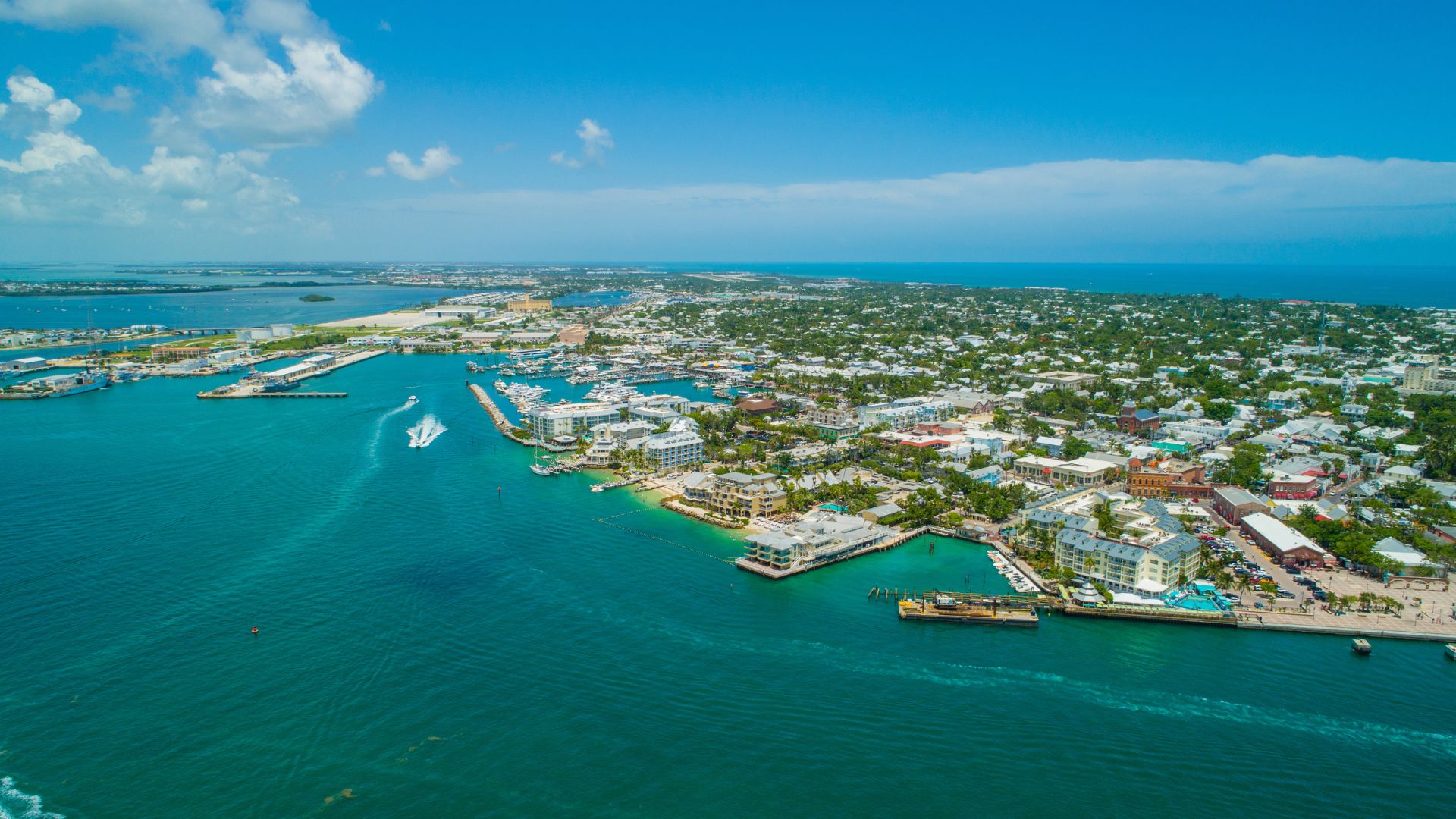
Duval Street slices through the heart of Key West, acting as the island’s main artery. It stretches from the Gulf of Mexico straight to the Atlantic, and honestly, every block feels different.
Bars, restaurants, and quirky shops line both sides. You’ll find historic haunts next to neon-lit bars, and maybe stumble into Key West Island Books for a little literary escape.
Mornings on Duval are surprisingly chill. Grab a coffee and watch locals set up shop, or wander into an art gallery before the crowds show up.
Evenings flip the script. The street fills up with laughter, live music, and the smell of seafood drifting from open-air cafés.
Local art and culture shine here. You can pop into galleries featuring Florida Keys artists or just people-watch from a sidewalk table.
Duval Street really captures the island’s freewheeling spirit. The tropical weather makes it easy to explore any time of year, and if you’re new to Key West, this is the perfect place to start.
25) Philadelphia Independence Hall, Pennsylvania
Independence Hall stands at 520 Chestnut Street in Philadelphia, right at the heart of American history. The Declaration of Independence and the U.S. Constitution both came to life inside these walls.
Back in the late 1700s, the Second Continental Congress gathered here. You can literally walk through the same rooms where the Founding Fathers hashed out the future of the country.
Today, Independence Hall is a UNESCO World Heritage Site. It’s open daily from 9 a.m. to 5 p.m., but you’ll need to snag a $1 ticket online before you go.
You can take a guided or self-guided tour. The Hall sits in the Historic District, just steps from the Liberty Bell and the National Constitution Center.
It’s wild to stand in the very place where the foundation of American democracy took shape. If you’re even a little bit into history, this spot delivers.

Tips for Planning Your 2026 U.S. Travel Adventure
Let’s be honest—smart planning can turn a decent trip into something unforgettable. Your timing, booking strategy, and budget all play a huge role.
Best Times to Visit Popular Destinations
Peak season brings crowds and higher prices. National parks get packed from June through August, and cities fill up during big holidays.
Spring and fall are the sweet spots. April-May and September-October usually mean fewer tourists and better deals.
Seasonal highlights by region:
- Southwest (Arizona, Utah, New Mexico): March-May and September-November dodge the worst heat.
- Pacific Northwest: June-September for dry days and clear views.
- Florida and Gulf Coast: November-April skips hurricane season and humidity.
- New England: September-October for blazing fall colors, June-August for classic beach trips.
- Mountain States: June-September for hiking; December-March for skiing.
Book your flights at least two months out. Tuesdays and Wednesdays often have the cheapest fares.
Booking Accommodations and Transportation
Start looking for places to stay three or four months ahead—trust me, the good spots go fast. Hotels and rentals in hot destinations fill up, especially during peak travel times.
Always compare prices across different sites. Sometimes booking directly with the hotel saves you money, and flexible cancellation policies are a lifesaver.
Rental cars? Book them early. Prices spike as options disappear, and last-minute choices are limited. I usually reserve my car right after booking flights.
In big cities, public transportation is your friend. Skip the parking headaches and save some cash by hopping on trains or buses.
Flight deals pop up most often on Tuesdays and Wednesdays. Set up price alerts so you don’t miss out.

Budgeting for a Multi-Destination Trip
A realistic budget breaks down into transportation, lodging, food, activities, emergencies, and a little shopping. I like to track each one separately so nothing sneaks up on me.
Daily costs swing wildly depending on where you are. Big cities like New York or San Francisco can hit $200-300 per person, per day. Medium cities are more like $120-180, and small towns can dip to $80-120.
Traveling between places adds up quick. Flying saves time, but it’s pricier. Road trips let you explore, but don’t forget gas, parking, and maybe an extra hotel night.
Budget breakdown:
- Accommodation: 30-40%
- Food: 20-25%
- Transportation: 20-30%
- Activities: 15-20%
- Emergency buffer: 10%
Take advantage of free stuff—museum days, parks, walking tours, outdoor concerts. National parks charge an entry fee, but you’ll get days of adventure.
I always tuck away $50-100 per day for surprises. Snacks, tips, souvenirs, or last-minute changes can sneak up on you.
Making the Most of Your U.S. Experience
If you really want to get the most from your travels, you’ve got to connect with local people and their traditions. It’s about leaving places better than you found them, too.
Embracing Local Culture and Cuisine
Every region in the U.S. has its own food traditions and personality. The South? BBQ that changes with every state line. The Northeast? Lobster rolls and chowder that taste like summer.
Chat up the folks at farmers markets or indie restaurants. Locals know the hidden gems that never make it into guidebooks.
Food tours led by residents are a blast—they’ll share stories and introduce you to the real flavors of their neighborhoods.
Museums and community events offer a window into local life. Whether it’s a small-town festival or a city street fair, you’ll find music, art, and crafts that make the place unique.
Regional eats to try:
- Deep-dish pizza in Chicago
- Tex-Mex in San Antonio
- Fresh seafood in Seattle
- Cajun food in New Orleans
- Farm-to-table meals in Portland
Sustainable and Responsible Travel Practices
Stick to marked trails when you’re hiking. It protects the plants and keeps the landscape intact for everyone.
Choose places to stay that recycle and conserve water. Bring a reusable water bottle—most airports and attractions now have refill stations.
Support local businesses whenever you can. Your dollars help the community and keep the local vibe alive.
Use public transportation in cities. It’s cheaper, greener, and often way less stressful than driving.

Frequently Asked Questions
People planning 2026 trips always want to know which spots offer the best experiences in the U.S. The Grand Canyon, New York City, Yellowstone, San Francisco, and Washington D.C. usually top the list for their mix of natural wonders and culture.
The top picks for 2026? Grand Canyon National Park in Arizona—those views are unreal.
New York City has museums, theaters, and food you’ll never forget. Yellowstone in Wyoming is packed with geysers and wildlife.
San Francisco and the Golden Gate Bridge? Iconic. Washington, D.C. is a history lover’s dream.
Other favorites: Hawaii’s beaches, Colorado’s Rockies, and Charleston’s Southern charm. Zion and Yosemite National Parks always impress. And of course, cities like Las Vegas, Chicago, and Miami round out the list.
Let’s start with Antelope Canyon in Arizona. I wandered through its winding slot canyons and felt like I’d landed on another planet.
If you’re after something magical, try kayaking at night in Florida’s Indian River Lagoon. The water literally glows with bioluminescence—seriously, it’s wild.
Alaska blew my mind with its northern lights and glacier tours. There’s just no comparison to the raw beauty up there.
Utah’s Mighty Five national parks? Those red rock arches and wild landscapes are unforgettable. I still remember the first time I saw Delicate Arch at sunset.
Crater Lake in Oregon is another must-see. That insanely blue water is the deepest in America, and the views are unreal.
Down in the Florida Keys, you can hop between quirky islands on the Overseas Highway. It’s a road trip I’d do again in a heartbeat.
And New Orleans? The Creole culture, music, and architecture create a vibe you just can’t find anywhere else in the States.
Every year, National Geographic drops its Best Trips list. I always check their official website for the newest picks, especially as 2026 approaches.
They usually spotlight places with jaw-dropping scenery, deep cultural roots, and a strong focus on sustainable travel. Their choices often highlight destinations that care about conservation and offer real, local experiences.
West Palm Beach, Florida is having a moment. The art scene is popping, and the beaches aren’t too shabby either.
Bentonville, Arkansas surprised me with its museums and epic mountain biking trails. Who knew?
Fredericksburg, Texas brings together wine country vibes and German heritage. It’s a quirky mix that totally works.
I’ve noticed more travelers skipping the big cities for these secondary spots. It’s all about finding less-crowded, authentic experiences.
Sustainable tourism is huge now, with more places focusing on conservation. I’m all for it.
National parks are getting creative too, adding timed entry systems so you can plan ahead and actually enjoy the peace and quiet.
And honestly, there’s nothing like a good old-fashioned road trip. Connecting a bunch of smaller destinations feels way more adventurous than sticking to just one city.
Every year, National Geographic releases its Best Trips list, spotlighting places all over the world. They always share a mix of international hotspots and hidden gems right here in the U.S.
If you want the official 2026 selections for the U.S., you’ll have to check out their latest publication. They tend to keep those picks under wraps until the big reveal.
I’ve noticed they love destinations that take conservation and culture seriously. Think national parks, charming historic towns, or wild regions with unique ecosystems.
If you’re chasing authentic experiences—those that really care about protecting what makes them special—National Geographic’s choices rarely disappoint. It’s like they’re always rooting for places that balance adventure with responsibility.
