
Salisbury, tucked away in Wiltshire, is one of those cathedral cities that just begs for a short visit. With only a few hours to spare, I decided to see how much of its heart I could explore—wandering historic streets, soaking up the main sights, and getting a feel for what makes it tick. Turns out, three hours is enough to experience the jaw-dropping Salisbury Cathedral, stroll through the peaceful Cathedral Close, and still squeeze in some city centre charm.
My whistle-stop adventure led me over green lawns, past stone buildings that have seen centuries, and into bustling shops and cafés. There’s history everywhere, but Salisbury feels lively and genuinely welcoming. The city’s highlights cluster together, so you don’t waste time zigzagging across town.
If you’re planning a day here, or just swinging by, my route covers the essentials. Here’s how to make the most of a quick visit to Wiltshire’s famous cathedral city.
Salisbury Cathedral: Iconic Landmark and Historic Marvel
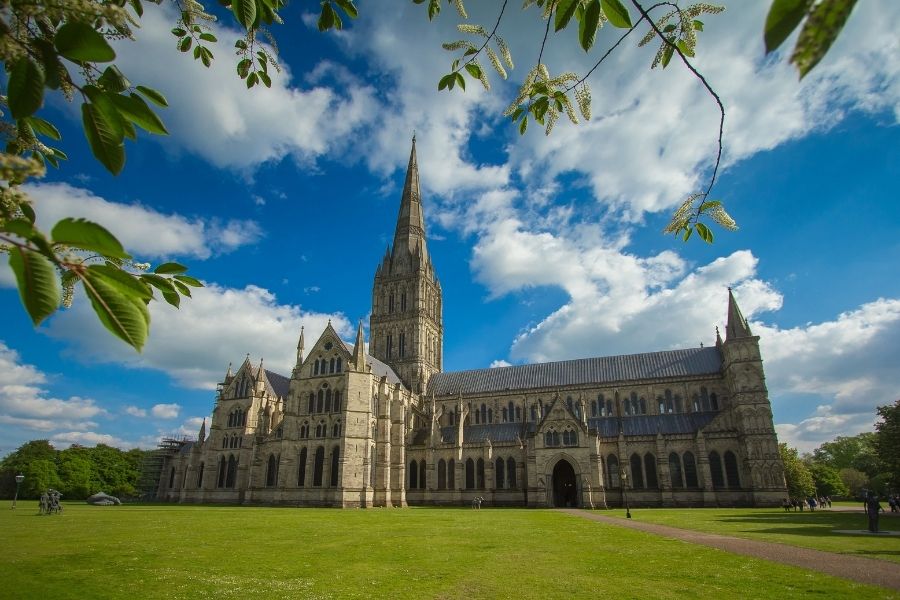
Salisbury Cathedral grabs your attention the moment you see it. It’s one of England’s best examples of Gothic architecture, and that spire? Absolutely impossible to miss. The cathedral’s medieval treasures and careful restoration tell a story that’s lasted over 800 years.
Architectural Styles and Grade I Listed Status
When I first caught sight of Salisbury Cathedral, my eyes went straight to the spire. It shoots up 123 meters (404 feet), making it the tallest in the UK. Builders finished the main structure surprisingly quickly, between 1220 and 1258, blending Early English Gothic with later touches.
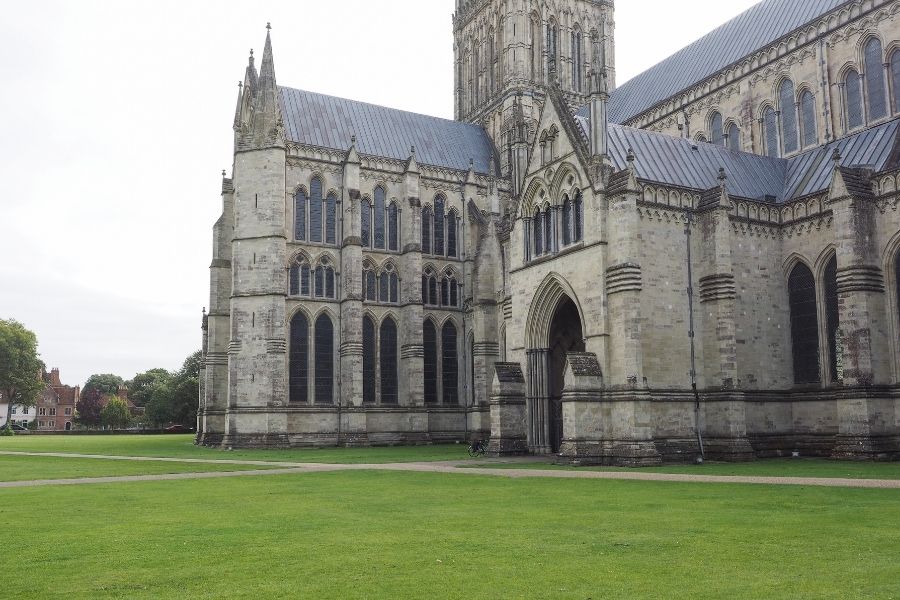
This place is a Grade I listed building, meaning it’s considered exceptionally important. The stats are wild: about 70,000 tons of stone, 3,000 tons of timber, and 450 tons of lead went into it. The cloister stretches 181 feet (55 meters) on each side, and it’s the biggest in Britain. Outside, Cathedral Close wraps the whole thing in history—there’s the Cathedral School and a couple of war memorials, too.
Magna Carta and Medieval Treasures
Inside the Chapter House, I came face-to-face with the Magna Carta. It’s one of those “wow” moments—this medieval charter, written in 1215, helped shape English law and inspired legal systems worldwide. Salisbury Cathedral protects one of just four original copies.
There’s more. The cathedral holds a clock from the 14th century (supposedly one of the oldest working clocks anywhere) and walls decorated with intricate medieval paintings. The Doom Painting, showing scenes of the Last Judgment, gives a real sense of how people saw the world back then.
Guided tours make the place come alive. The guides tell stories about the cathedral’s past, the clergy, and Salisbury’s rise as a southern English hub.
Awe-Inspiring Features and Tower Tours
The sheer scale inside the cathedral is something else. Light pours in through the soaring nave and rib-vaulted ceilings, and you can’t help but look up. Memorials and tombs line the walls, each with its own tale.
If you’re up for a bit of a climb, the Tower Tour is a must. Guides lead you up those winding spiral stairs into the bell tower, and the views—both of the cathedral’s guts and the Wiltshire countryside—are absolutely worth it. I stopped for tea at the Bell Tower Tea Rooms in the Close, and it was just the break I needed.
A visit here isn’t just about stone and glass—it’s about walking through centuries of England’s art, history, and culture.
Cathedral Close: Historic Heart and Tranquil Gardens
Cathedral Close feels like stepping into a different world. Elegant old houses, lush gardens, and museums show off Salisbury’s history in a peaceful, green setting. I wandered through, taking in the refined architecture and the way the past lingers in every corner.
Mompesson House and Queen Anne Architecture
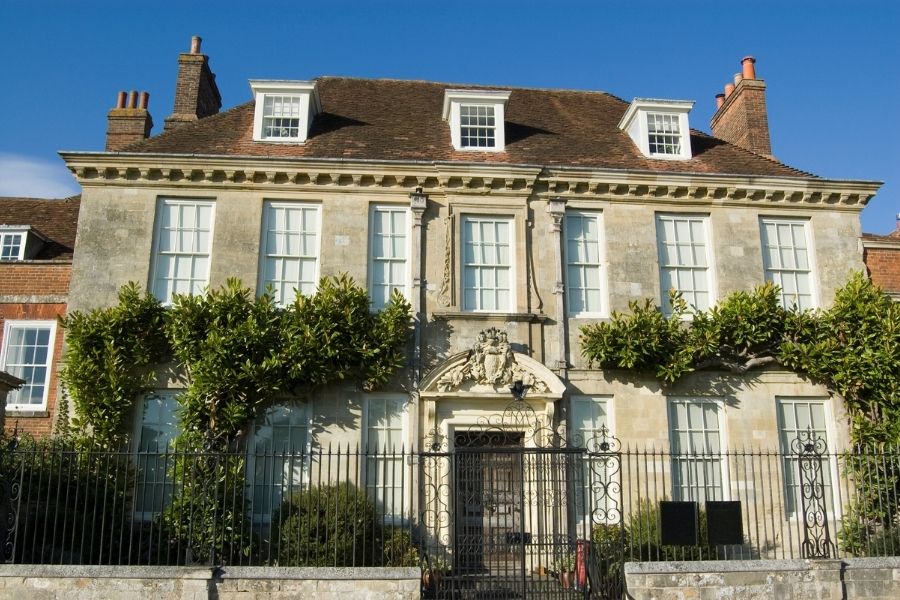
Right in the heart of Cathedral Close stands Mompesson House, a National Trust gem. Its Queen Anne style and mellow Chilmark stone make it stand out. Built in the early 1700s, it’s all sash windows and delicate woodwork.
Inside, the rooms feel surprisingly lived-in. Period furniture, fine art, and a lovely Wedgewood collection fill the place, and there’s a walled garden out back that’s perfect for a quiet moment. Mompesson isn’t alone—Malmesbury House and De Vaux Place nearby also show off the area’s rich architectural history.
I loved walking the lawns outside, especially with the cathedral’s spire rising in the background. There’s a quiet beauty here that sticks with you.
Arundells and the Legacy of Sir Edward Heath
Arundells sits along the north side of Cathedral Close, tucked behind ornate gates and tidy gardens. It used to belong to Sir Edward Heath, the former Prime Minister, and the house mixes tradition with a dash of modern history.
I wandered through rooms packed with political memorabilia, international gifts, and Sir Edward’s own art collection. The drawing room, with its photos of world leaders, felt like a peek behind the scenes of British politics.
The garden out back runs down to the River Avon. It’s peaceful, with views over Harnham Water Meadows. I found myself just sitting there, thinking about how the Close connects centuries of history to life today.
The Rifles Berkshire and Wiltshire Museum
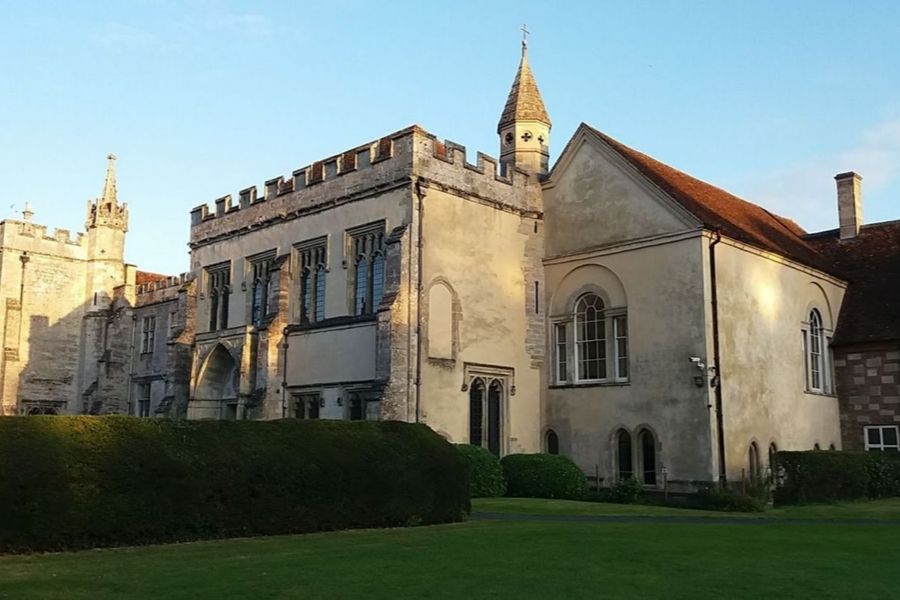
Near the southeast corner stands The Rifles Berkshire and Wiltshire Museum, housed in a tall, historic building. The trust that runs it does a great job sharing the story of two famous county regiments.
Inside, you’ll find uniforms, medals, letters, and weapons from the 18th century right up to now. Displays walk you through historic battles and peacekeeping missions, with maps and interactive screens to help you follow along.
Friendly volunteers shared stories that tie local families to these regiments. The museum’s riverside spot, in the old medieval canonry, sets the perfect scene—military history meets the calm of the Close.
Cathedral Close Gardens and Riverside Walks
Cathedral Close sprawls over 80 acres, wrapped in ancient walls and shaded by big old trees. I meandered across wide lawns and peeked into smaller gardens, each with its own vibe. Most are private, but the “Secret Gardens of the Close” event sometimes opens up hidden corners.
The Bishop’s Palace grounds and Queen Elizabeth Gardens are easy to find, both offering river walks with views toward the cathedral and across the Avon. Kingfishers and swans show up often, and if you listen, you’ll catch the bells drifting from the cathedral tower.
Crossing Harnham Gate, the landscape opens onto Harnham Water Meadows. The riverside path here was painted by John Constable nearly 200 years ago. After a busy city stroll, this spot is pure relaxation—a great place to pause before moving on.
Exploring Salisbury’s City Centre: Market Squares, Historic Streets, and Heritage
Salisbury’s city centre is a mix of open squares and narrow medieval streets. I found it easy to wander from one landmark to the next, soaking up centuries of architecture and local character.
Market Square and Guildhall Square Highlights
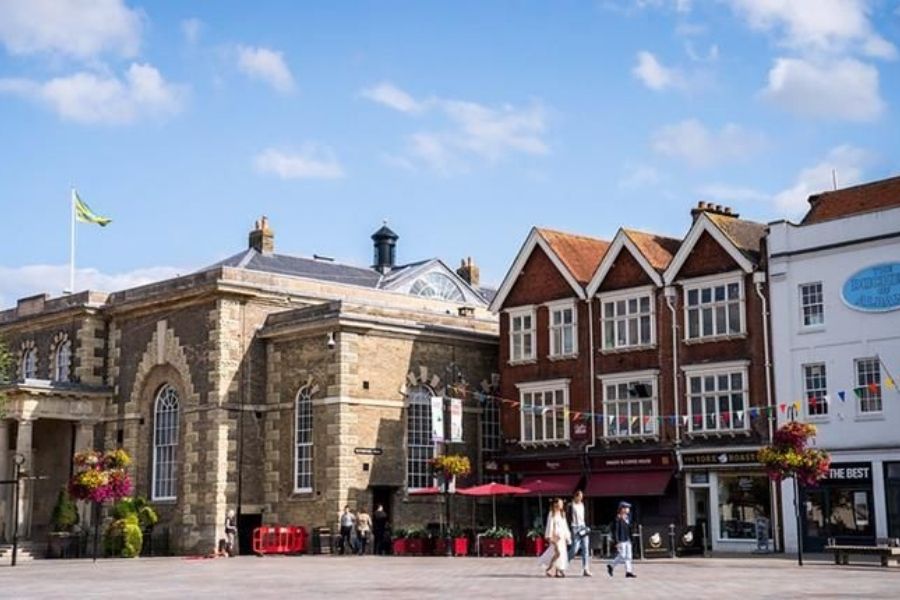
I kicked off my walk at Market Square, the city’s beating heart. Markets have set up here since 1227, and you’ll still find stalls twice a week—fruit, veg, crafts, and tempting food everywhere. The square buzzes, especially on market days.
Right next door is Guildhall Square, anchored by the grand 18th-century Guildhall. I’ve seen city events and exhibitions pop up here, and in summer, the outdoor café tables fill with locals and visitors. Benches line the square, perfect for people-watching.
Queen Street and Salisbury High Street both branch out from Market Square, packed with independent shops, cafés, and classic pubs. The Haunch of Venison, one of the city’s oldest pubs, sits here—dating right back to the 14th century.
Notable Architecture: The Poultry Cross, High Street Gate, and Historic Buildings
At one corner of Market Square, the Poultry Cross stands out. This stone shelter once marked where medieval vendors sold poultry and other goods. Its arches and quirky shape make it a favorite photo stop.
A couple of minutes away, I reached High Street Gate—a grand medieval gateway into the Cathedral Close. Built in the 14th century, it once controlled who could enter the cathedral precinct.
The streets are lined with other historic buildings, many black-and-white timber-framed. Salisbury High Street and Queen Street are full of shops and restaurants, but the old facades remain.
Heritage plaques dot the centre, highlighting historic sites. I paused at a few, reading about the city’s ancient market charter or the stories behind certain buildings.
Quaint Corners and Local Experiences
Salisbury has a way of surprising you with its blend of history, green spaces, and friendly local haunts. I found myself drawn to quiet lanes, quirky museums, and pubs that ooze character.
Fascinating Museums and Unique Exhibitions
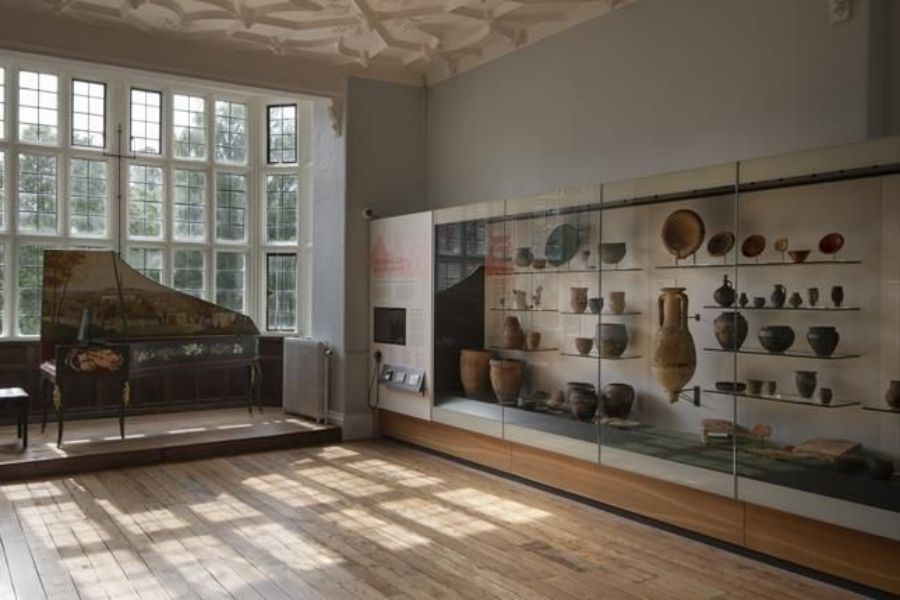
Salisbury Museum quickly became a favorite spot. It’s right by the Cathedral Close and takes you deep into the area’s archaeology. I browsed exhibitions full of artifacts from Stonehenge and Old Sarum—easy to follow, but packed with interesting finds.
There’s a section for kids to try hands-on activities. If you love history, don’t skip this one. I also learned about Sarum College, just steps from the cathedral. Sometimes, they host art and history exhibitions that are well worth checking out.
Haunted Pubs and Historic Inns
After the museum, I went in search of a different kind of history—Salisbury’s old pubs. My first stop was The Haunch of Venison. Hundreds of years old, it’s got a reputation for ghostly goings-on. The timbered walls and ancient bar make it feel like you’ve stepped back in time.
The Red Lion, another contender for England’s oldest hotel, has a cozy courtyard that’s great for a break. The House of John Halle drew me in with its medieval hall and stained glass windows. Most of these pubs serve local ales and proper British food—ideal for a meal or just a quick pint.
Hidden Gems: West Walk, Self-Guided Walking Tours, and Local Shops
Needing a breather, I wandered along West Walk, a leafy path beside the cathedral. It’s a peaceful spot, perfect for recharging away from the city bustle. With a self-guided walking tour map from the Salisbury Information Centre, I found little details and stories I’d have missed otherwise.
I grabbed tea and cake at the Bell Tower Tea Rooms, sitting outside to watch the world go by. A quick detour to the Salisbury City Almshouses revealed more about the city’s charitable past. Before leaving, I popped into Cotswold Outdoor and a few other local shops for unique gifts and a chat with friendly staff. Between the green spaces, quirky shops, and historic sights, exploring Salisbury’s hidden corners was easily a highlight.
Beyond the Close: Prehistoric and Countryside Wonders
Wiltshire isn’t just about its cathedral and city streets. There’s a whole world of ancient sites, rolling countryside, and archaeology that makes this area unforgettable.
Old Sarum and Ancient History
Just a short drive from Salisbury, Old Sarum rises above the fields. The earthworks are massive, with deep ditches and high mounds marking what was once a busy settlement.
Old Sarum started as an Iron Age hill fort around 400 BC. Romans, Normans, and Saxons all left their marks here. It even housed the original Salisbury Cathedral before the city moved.
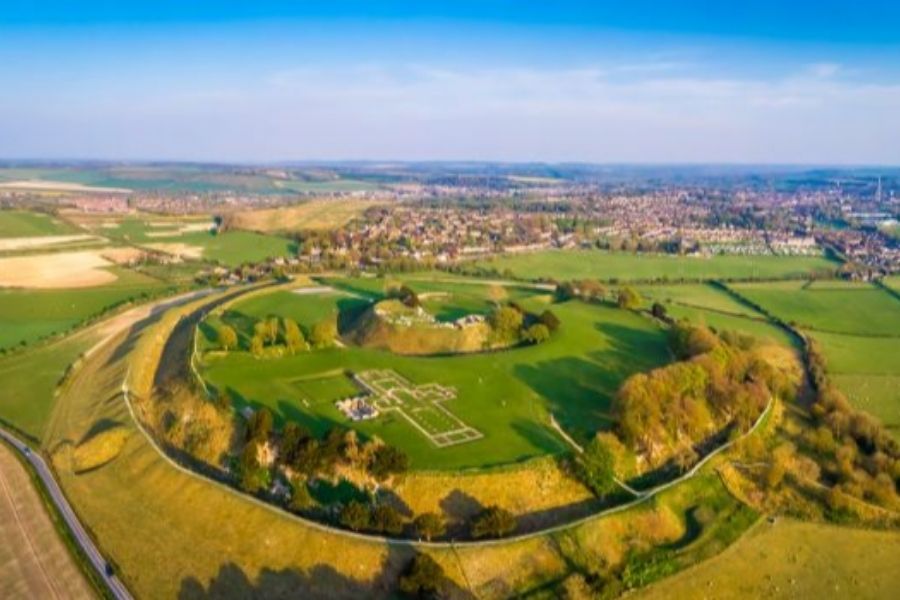
Archaeologists have uncovered castle ruins, city walls, and traces of medieval life. Walking the circular path, I could see for miles—including Salisbury’s spire in the distance. Standing here, it’s hard not to feel the weight of centuries beneath your feet.
Nearby Heritage: Stonehenge and Avebury
Stonehenge sits just 9 miles from Salisbury, and honestly, it’s hard not to feel a bit awestruck standing there. The stone circle rises out of the Salisbury Plain, a UNESCO World Heritage Site that’s famous for good reason.
People have puzzled for ages over how anyone managed to haul those massive stones into place. The real story? We still don’t know, and maybe that’s part of the magic.
I kicked off my visit at the modern visitor centre. There, I poked around exhibits filled with ancient tools and jewelry—real artifacts from thousands of years back.
A shuttle bus whisked me out to the stones. I wandered the path that loops around the monument, trying to imagine what life looked like when these stones first stood tall.
Avebury lies about 24 miles north, and it’s also on the UNESCO list. This spot actually boasts Britain’s largest stone circle, and there’s a charming village tucked right inside the henge.
Unlike Stonehenge, Avebury feels more open. I could walk right up to the stones, touch their cool surfaces, and just soak in the calm of the countryside all around.
Wiltshire Countryside Exploration
Wiltshire’s countryside has this charm you can’t really pin down—sweeping chalk downs, secret valleys, and old trackways that seem to go on forever. When I left the city behind, I wandered along quiet lanes edged with tangled hedgerows and watched sheep dotting the wide green hills.
There are these towns nearby—Marlborough and Wilton come to mind—that really show off why people call this one of England’s prettiest corners. Every time I set out on foot or hopped on a bike, I’d stumble across something ancient: a Neolithic burial mound, a mysterious white chalk horse carved into a hillside, or maybe a market square that’s seen centuries of stories.
I followed walking routes that took me over the old Ridgeway path. These trails actually link up some of England’s oldest monuments.
No matter which way I looked, Wiltshire’s landscape just felt timeless. It’s like the past and present are always bumping into each other here.