
Walking down Böttcherstraße in the heart of Bremen feels like you’ve wandered into a living artwork. This historic street, built in the early 20th century, stands as a true symbol of northern German tradition and culture.
It’s got that old town charm, but the architecture really wows you. Every time I explore Böttcherstraße, I notice the creative touches and unique details on every building—it’s a must-see for anyone curious about Germany’s cultural heritage.
Maybe you’re here for the Hanseatic city’s history, or you just want to shop for local crafts. Even if you’re just out for a stroll, Böttcherstraße offers something memorable.
The intricate brickwork and those bold sculptures? They’re everywhere. This short street really packs in the best of Bremen’s vibrant past and present.
If you’re planning a trip to Bremen or just want to know what makes this UNESCO-listed gem so special, here are five artistic details on Böttcherstraße you really shouldn’t skip.
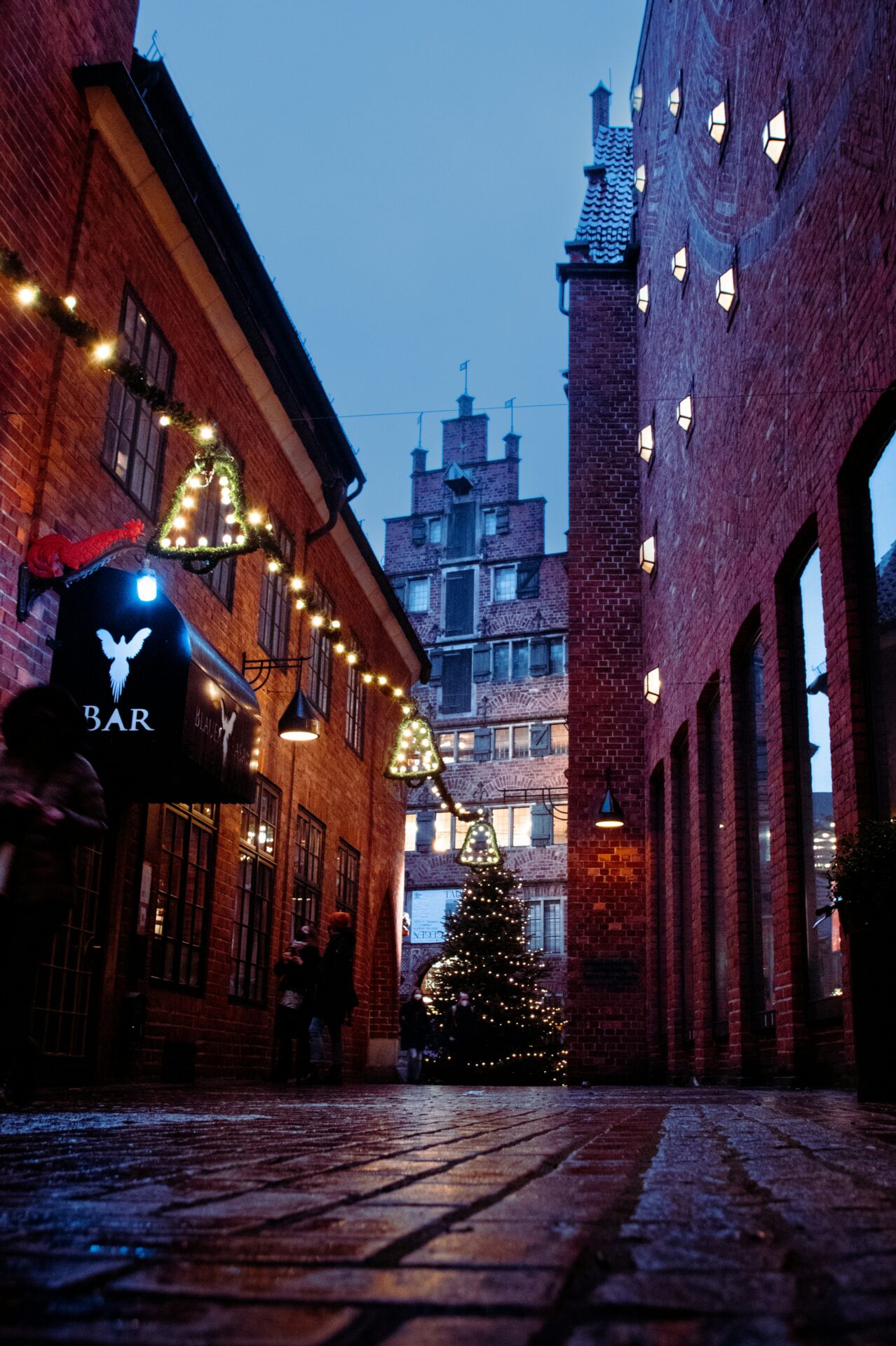
History and Architectural Marvels of Böttcherstraße
Böttcherstraße stands out in Bremen for its dramatic architecture and deep links to the city’s past. Its mix of old and new design, along with its cultural legacy, keeps people coming back.
Origins and Vision of Ludwig Roselius
Ludwig Roselius, a Bremen coffee merchant, sparked the transformation of Böttcherstraße. In the early 1900s, he bought up buildings on this narrow street, determined to create something different.
He wanted to showcase Bremen’s creative spirit and honor the Hanseatic League roots.
Roselius didn’t want just another business street. He invited artists and architects to let their imaginations run wild, and Böttcherstraße quickly became a stage for new styles.
He teamed up with artist Bernhard Hoetger, who led the creative overhaul. Together, they added new buildings and preserved some old timber-framed houses and Renaissance features.
This blend of tradition and modern art is one of the street’s signatures.
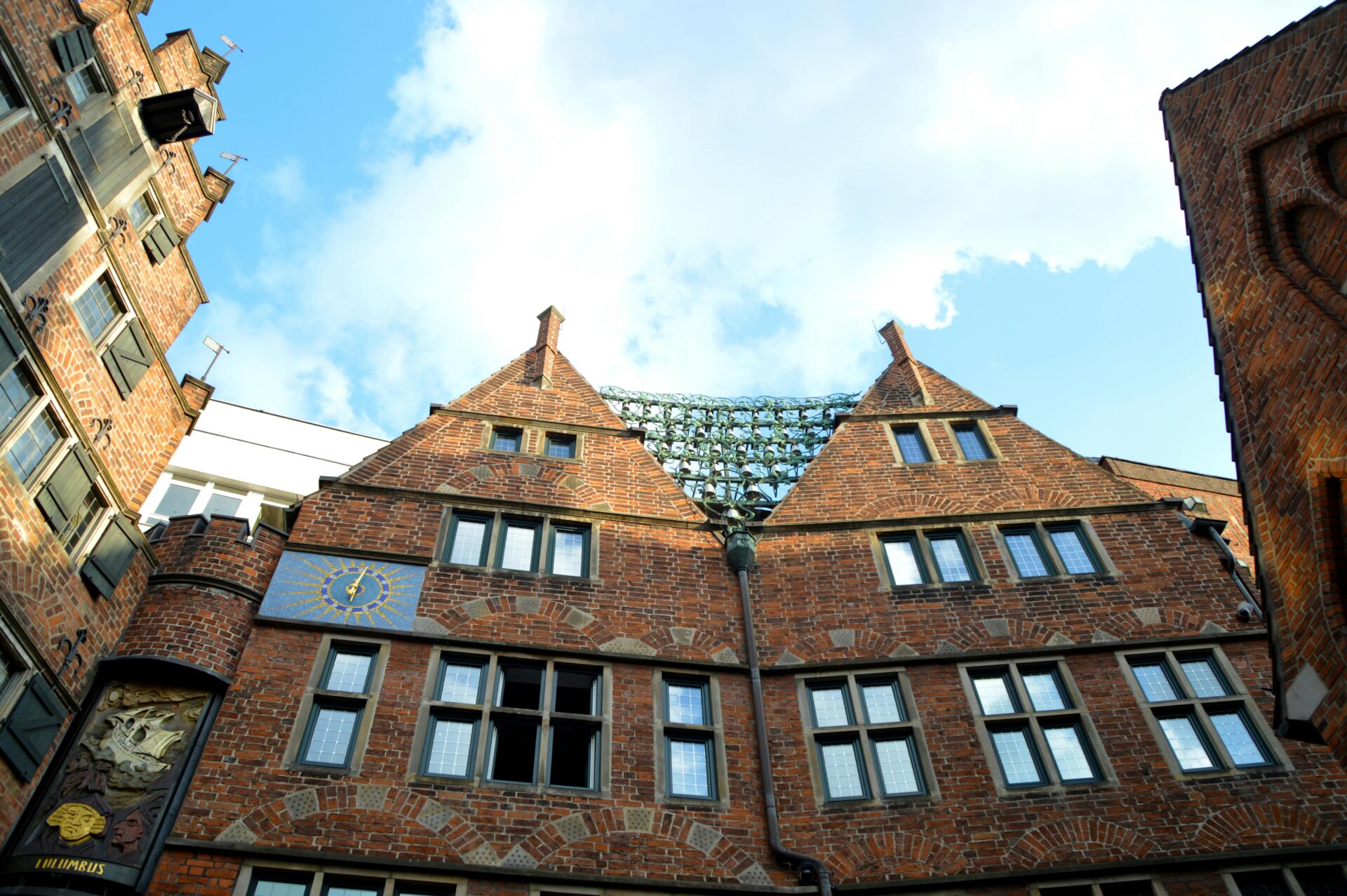
Fusion of Expressionist and Art Deco Styles
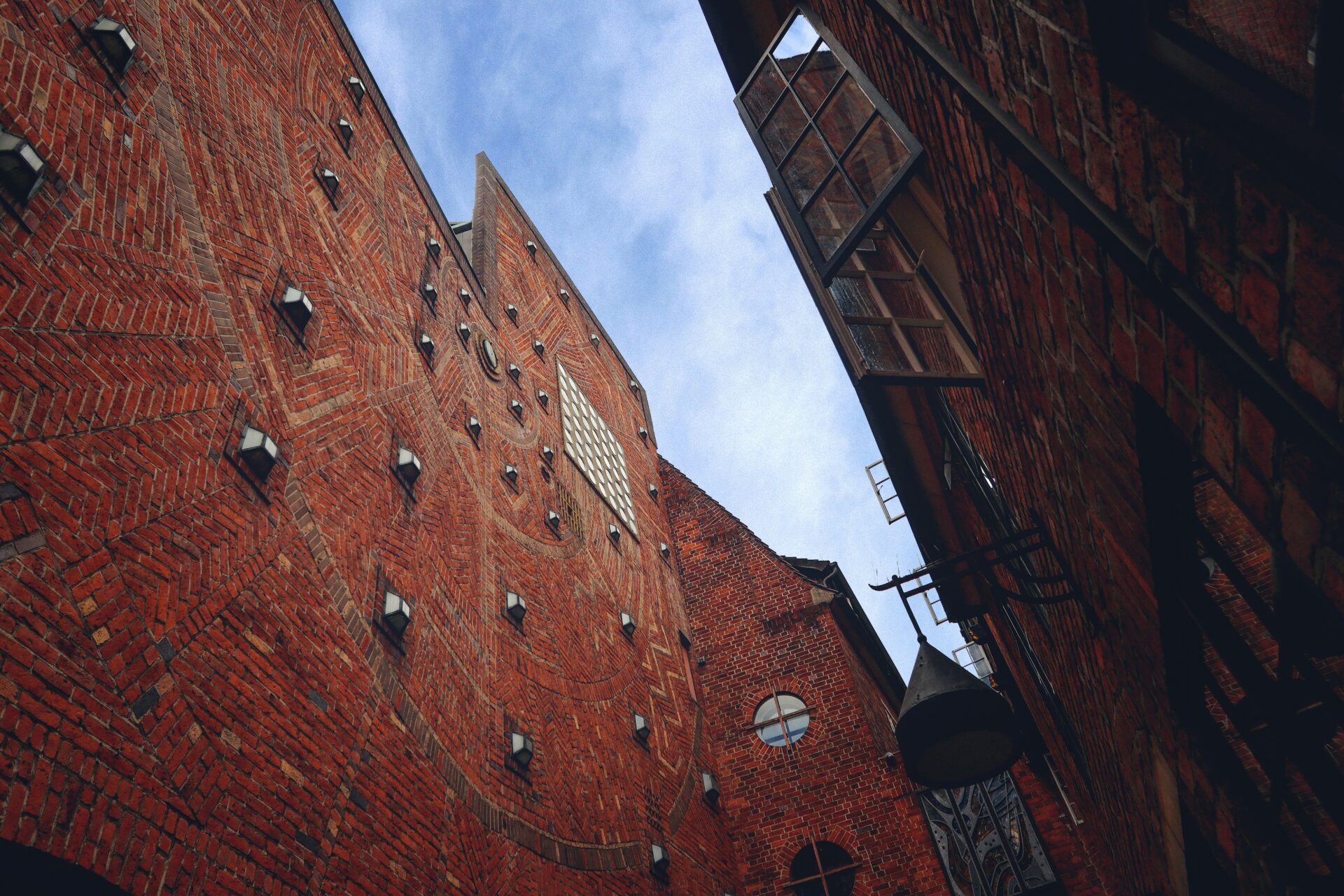
Böttcherstraße is a rare spot where Expressionist architecture meets Art Deco flair. Most buildings here went up between 1922 and 1931, and their quirky shapes, sharp lines, and bold brickwork are hard to miss.
I love how the facades show off Expressionist symbols and patterns, while the details add that unmistakable Art Deco touch.
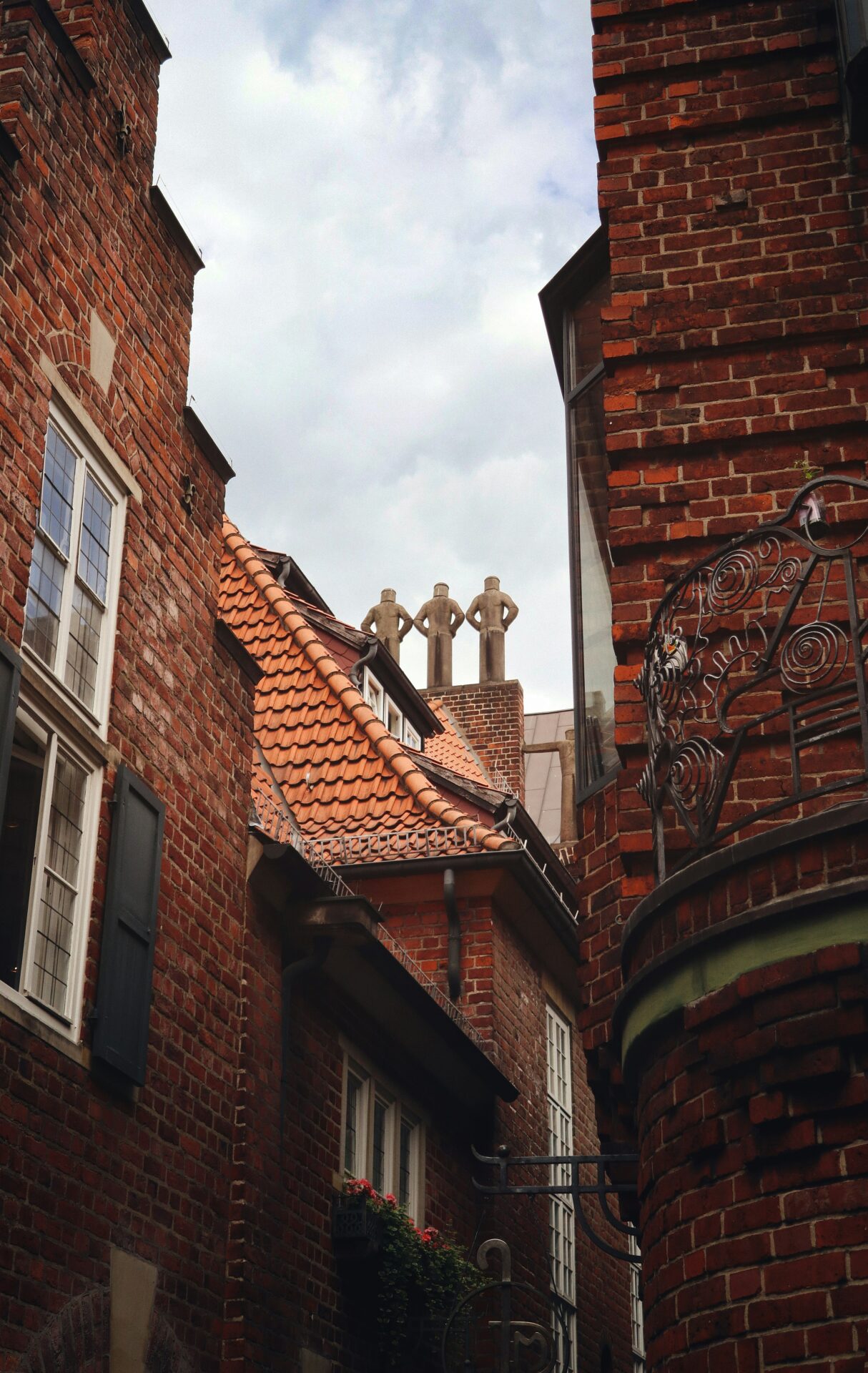
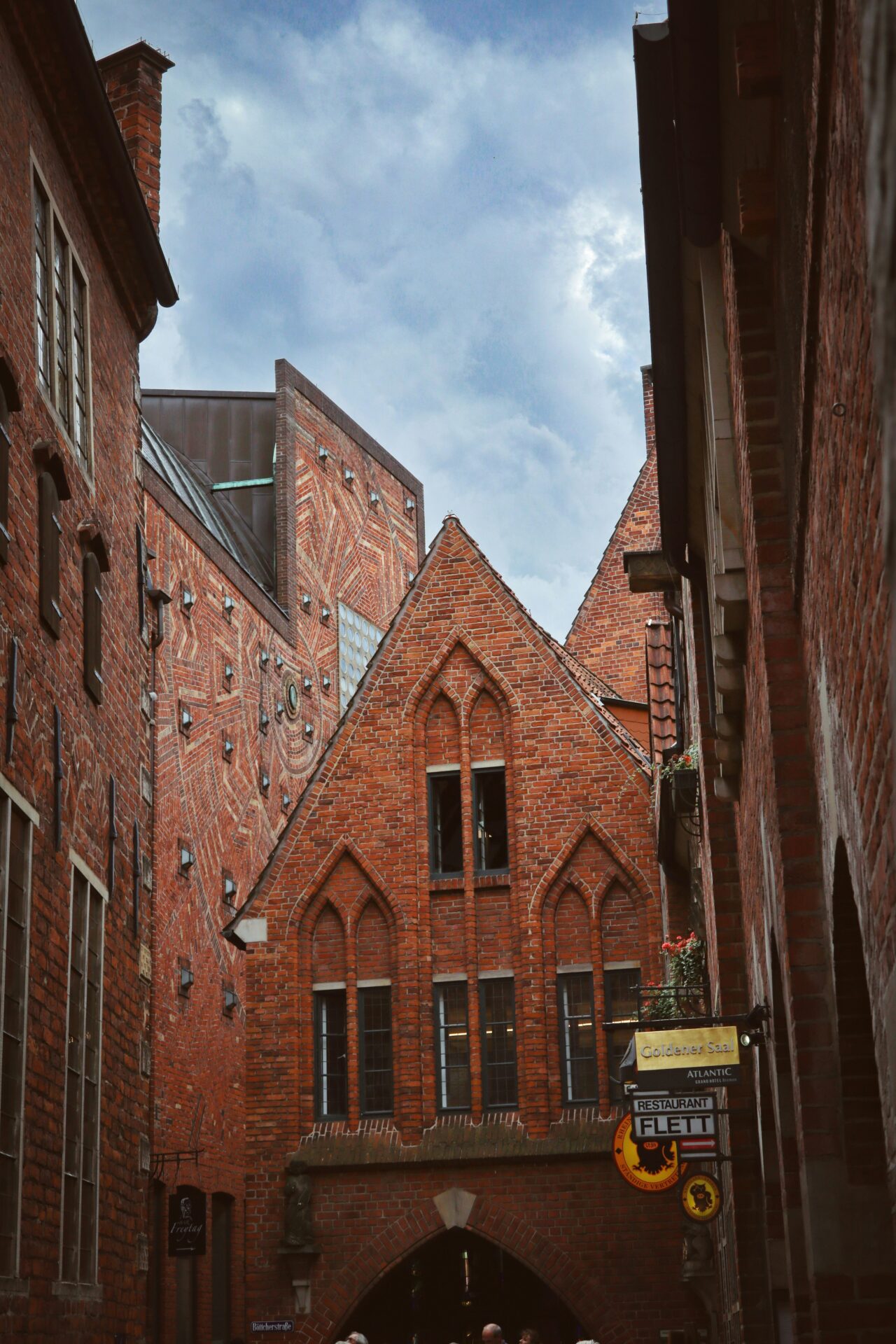
Look closely and you’ll spot a bit of Gothic influence, especially in the windows and arches. It’s a nod to Bremen’s medieval roots.
Hand-crafted reliefs, sculptures, and mosaics turn the street into an outdoor museum. Each building—whether it’s the Roselius-Haus or the Paula Modersohn-Becker Museum—tells a piece of Bremen’s art story.
That mix of styles really makes Böttcherstraße stand out as a cultural landmark.
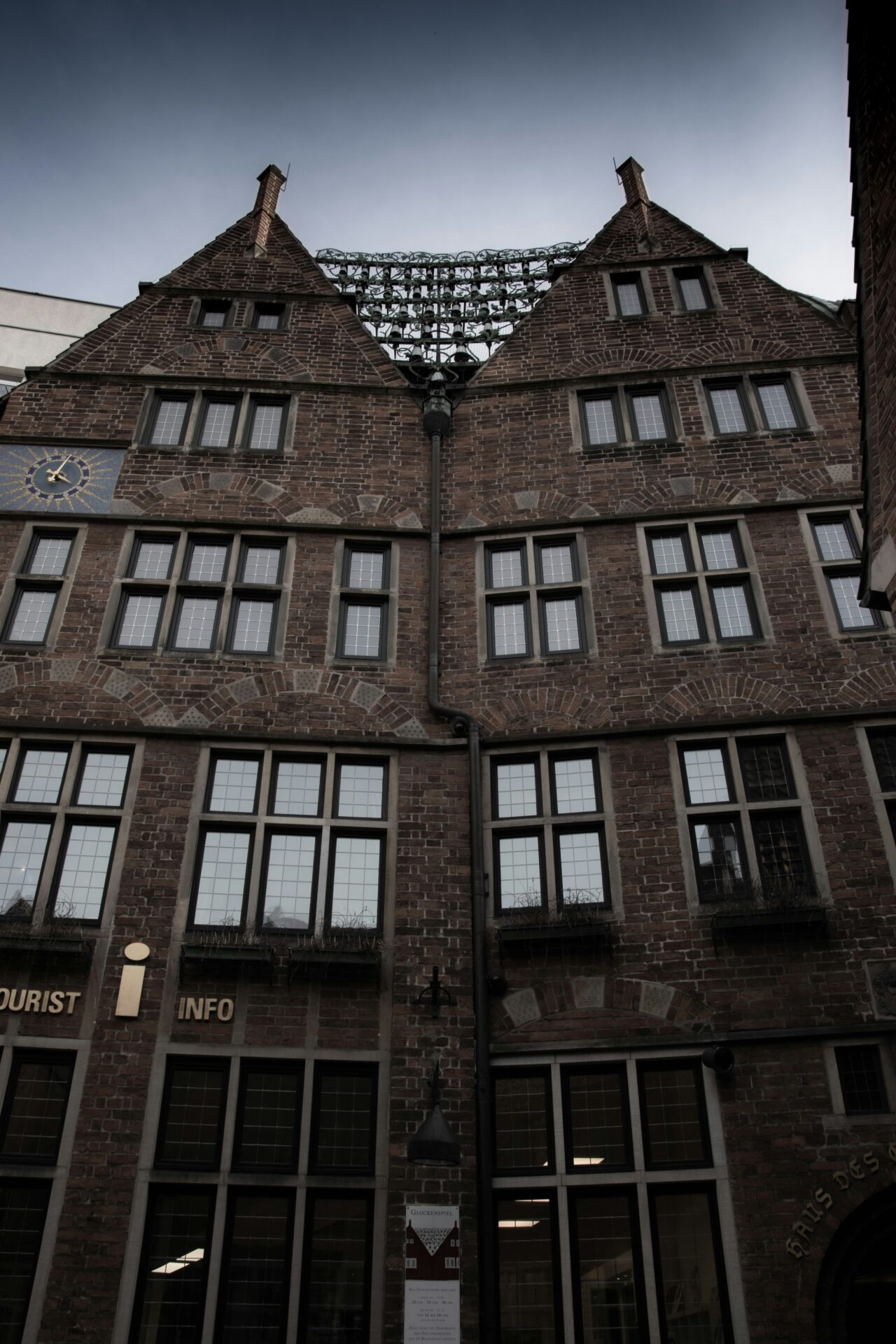
Renovation and UNESCO World Heritage Recognition
World War II battered Böttcherstraße, but people worked hard to restore it. Careful renovations kept the original artistic vision alive.
I admire how restorers stuck to the unique design, so the street still feels authentic. Today, Böttcherstraße is protected as part of Bremen’s heritage.
While it’s not a UNESCO World Heritage Site itself, it sits right by the Bremen Town Hall and Roland Statue, which are on the UNESCO list.
Experts often mention Böttcherstraße when talking about world heritage, thanks to its rich culture and innovative architecture.
Even now, the street buzzes with life. Galleries, shops, and museums keep its creative vibe going strong.
It’s pretty inspiring to see how Böttcherstraße manages to celebrate both art and history, even as the city changes around it.
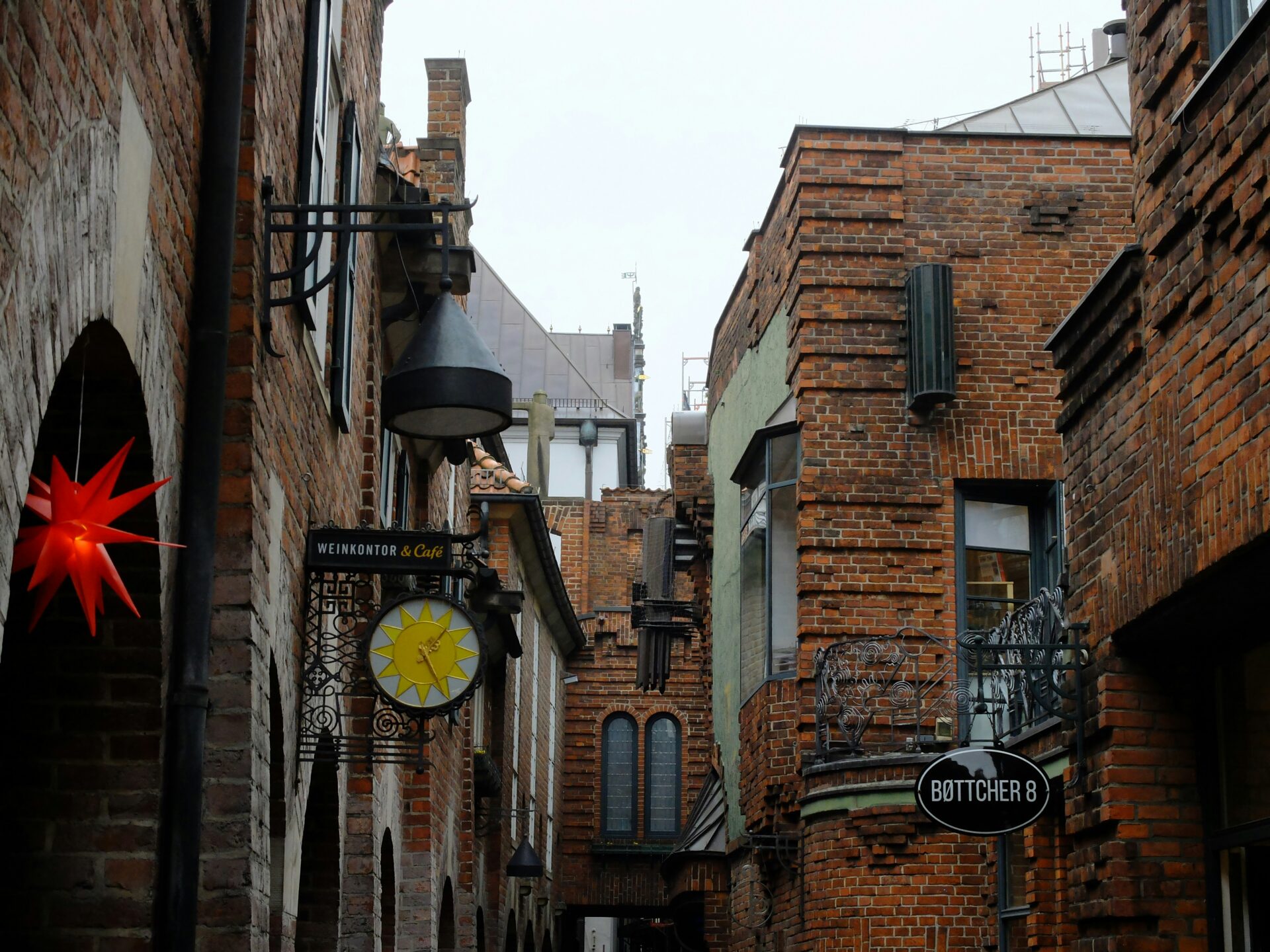
The Golden Relief and Its Symbolic Significance
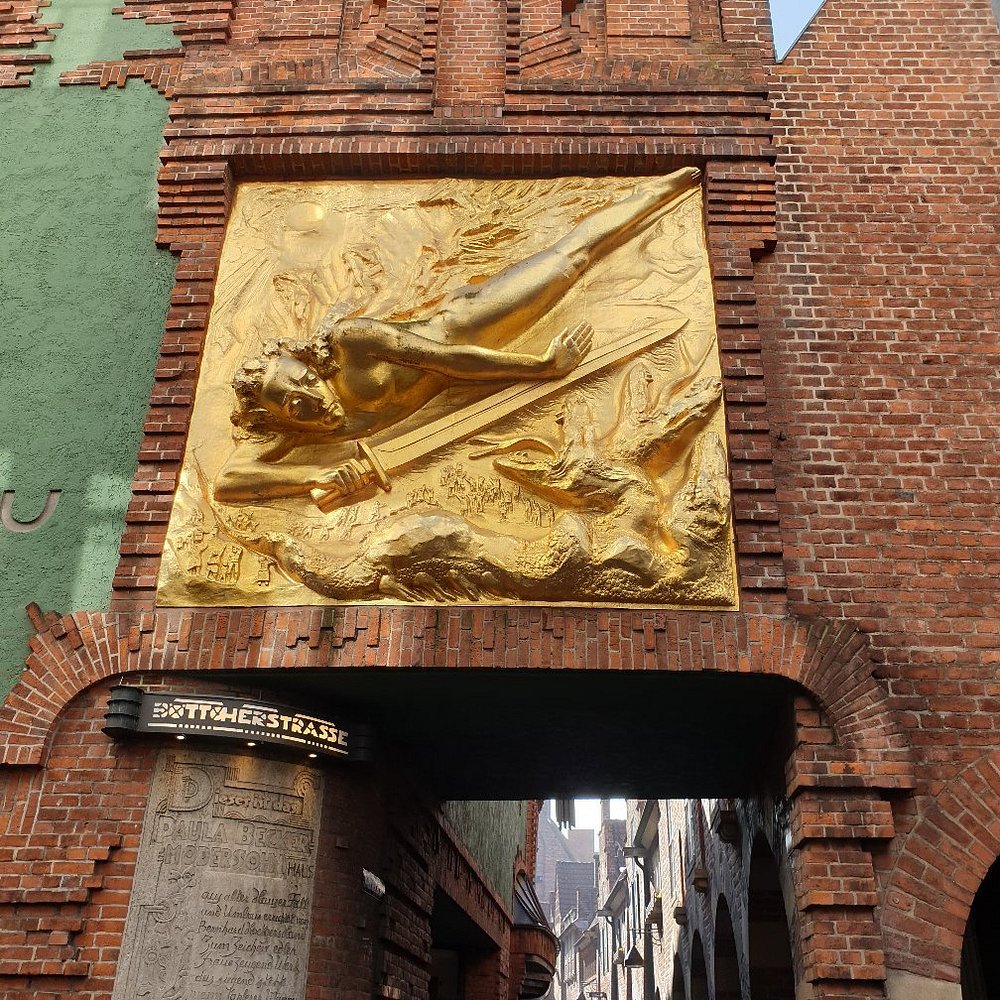
The Golden Relief on Böttcherstraße is a real showstopper. It combines visual flair with a nod to Bremen’s stories and traditions.
Meaning Behind the Golden Curve
That golden curve above the street? It’s impossible to miss. The bright gold pops against the old brick, and it always reminds me of how gold has dazzled in art for centuries—think religious mosaics meant to capture the divine.
Here, gold isn’t just for show. It marks something special. In so many cultures, gold means value, purity, or something set apart.
On Böttcherstraße, the golden arc hints at Bremen’s maritime history—gold was often a sign of success and wealth from trade.
What’s cool is that this golden detail sets the tone for the whole street. It frames Böttcherstraße as a place where stories and history still matter.
The curve draws your eyes up, hinting at Bremen’s ambitions and the spirit that lives on in its legends.
Integration With Bremen Town Musicians Motifs
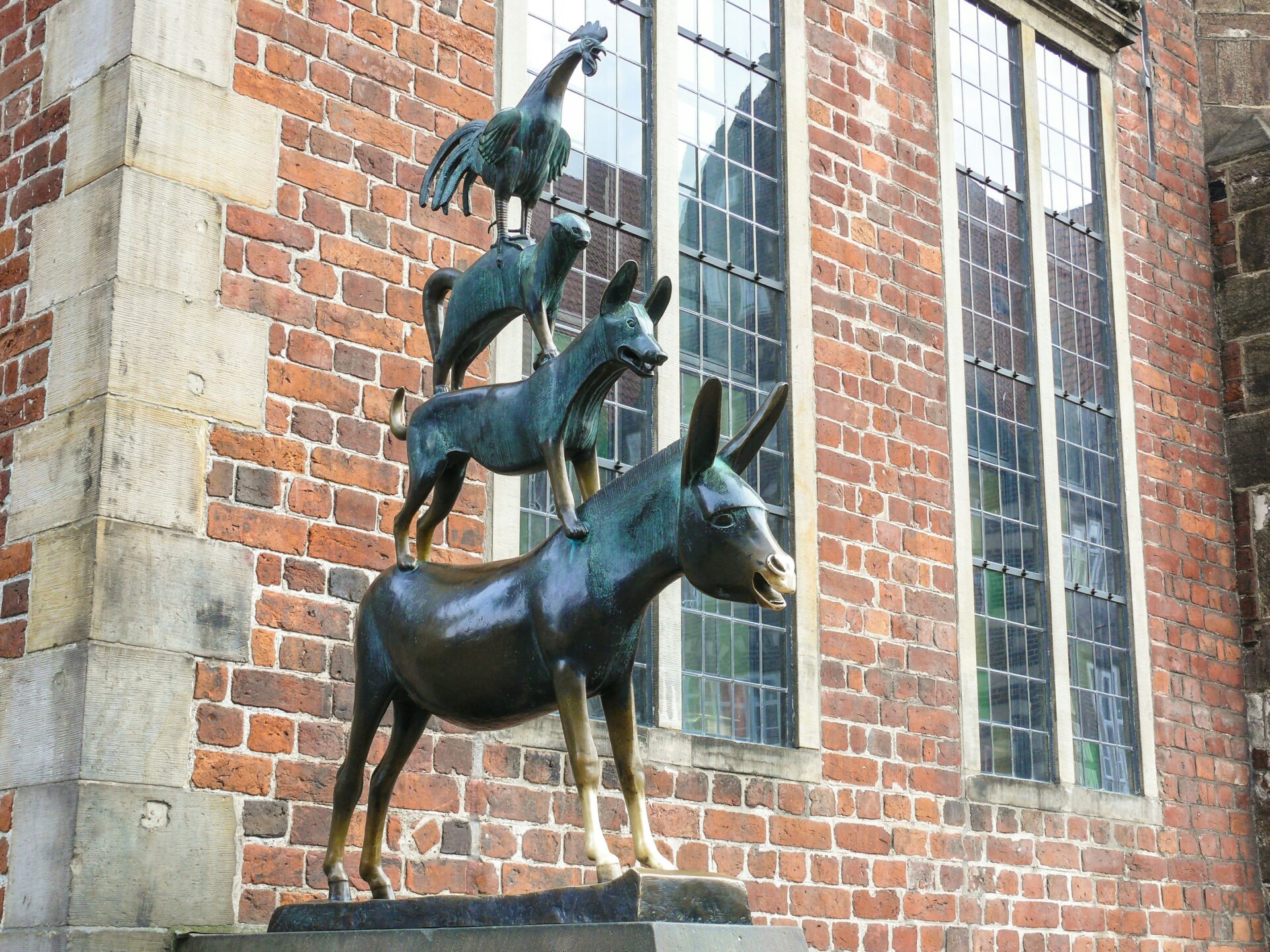
The link between the Golden Relief and the Bremen Town Musicians jumps out as soon as you look closer. The relief often frames the famous donkey, dog, cat, and rooster from the Brothers Grimm tale.
These animals aren’t just fairy tale stars—they’re local icons. The gold highlights their importance, tying together folklore and the grandeur of the city’s history.
Nearby, you’ll spot the Bremen Town Musicians statue and nods to the Roland statue. The relief acts like an honorary frame, pulling together storytelling, maritime heritage, and creative expression.
Every time I walk by, I feel like the musicians’ story gets a little more magical.
Bernhard Hoetger’s Unique Sculptural Works
Bernhard Hoetger’s art gives Böttcherstraße its bold shapes and mythic energy. His style mixes history and creativity in ways that keep surprising me.
Atlantis House and Mythological Inspirations
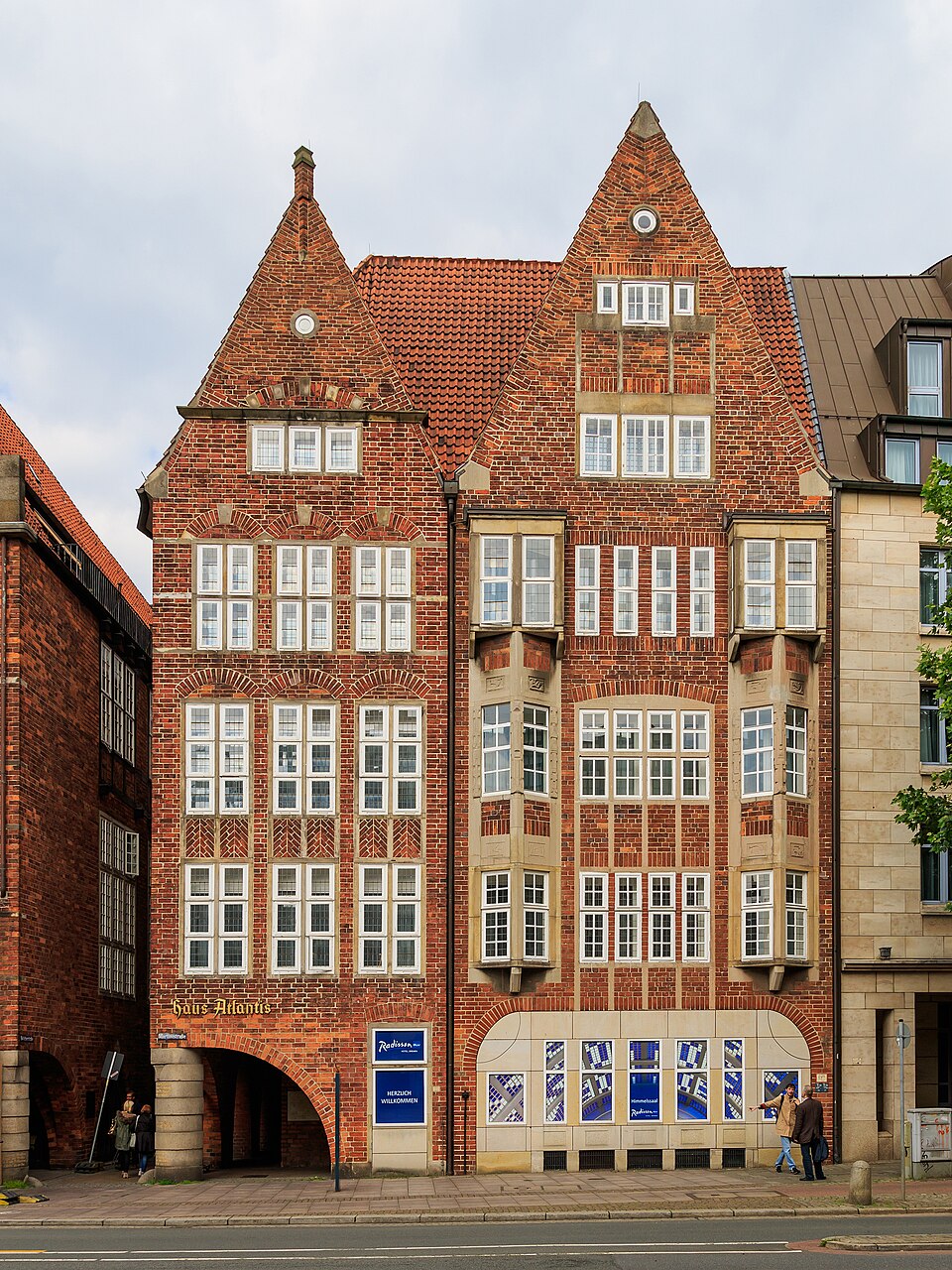
The Atlantis House always catches my eye. Hoetger designed it in the early 1930s, blending Art Deco with Expressionist touches.
The facade bursts with elaborate reliefs and sculpted figures. Each one tells a story.
Hoetger clearly drew on myths and legends—the name “Atlantis” says it all. You’ll spot gods, humans, and odd creatures, all hinting at lost worlds and ancient mysteries.
These details aren’t just for decoration. They reflect Hoetger’s fascination with history, spirituality, and new artistic ideas.
Today, the Atlantis House hosts art galleries and boutique shops. Yet, the spirit of Hoetger’s vision is still alive in every corner.
Light Bringer Across the Portal
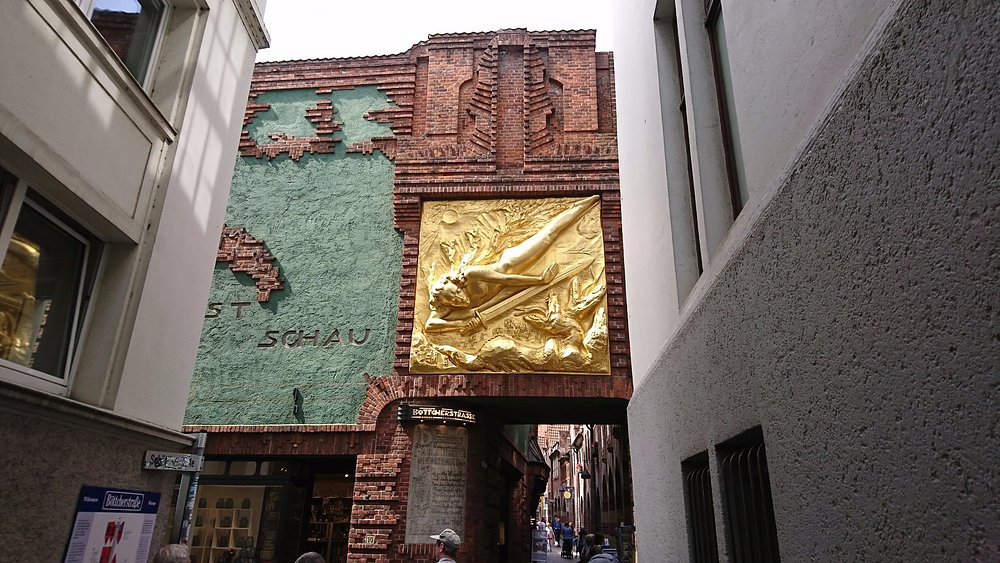
The “Light Bringer” sculpture—or “Lichtbringer”—looms above the entrance to Böttcherstraße. It’s probably Hoetger’s most famous piece here.
Walking under the arch, I always pause to take in this bronze relief. The sunlit figure seems to guide everyone into the street, almost like a beacon for new ideas.
Hoetger created the “Light Bringer” in 1936. When the sunlight hits it, the piece comes alive with movement.
This artwork welcomes you to Böttcherstraße, both literally and symbolically. People often stop and stare, trying to figure out its story.
It connects the street’s artistic energy with broader European art trends, and honestly, it just makes the entrance unforgettable.
Hidden Figures and Artistic Techniques
Hoetger’s playful side shows up in the small details. I keep finding hidden faces and animals in unexpected places—walls, doorways, even railings.
He worked with wood, stone, and bronze, giving each spot its own unique vibe. You’ll notice his bold lines and dramatic poses, pure Expressionism.
These touches contrast with the Art Deco details woven through the street’s buildings. If you’re browsing the shops or heading toward the Kunsthalle Bremen, slow down and look for these little surprises.
Hoetger believed art should be everywhere, not just inside galleries. Out here, you can stumble upon it when you least expect it.
Museums and Artistic Landmarks on Böttcherstraße
Böttcherstraße is home to two standout museums, each with its own flavor. They highlight unique art movements and showcase some of Bremen’s richest collections.
Ludwig Roselius Museum’s Historic Collections
The Ludwig Roselius Museum always draws me in with its deep ties to Bremen’s past. Housed in a historic building, it gives you a peek into upper-class life from centuries ago.
Step inside and you’ll find original woodwork, antique furniture, and ornate decorations. The museum’s collection spans Renaissance art, religious icons, old clocks, and rare handicrafts.
One thing that stands out is the focus on Hanseatic culture. Exhibits highlight Bremen’s role as a trading powerhouse.
Paintings, silverware, and intricate carvings tell stories from the city’s trading days. If you want to see how art and daily life mixed in Bremen’s past, this museum is a solid bet.
Paula Modersohn-Becker Museum’s Expressionism
For a taste of modern art, the Paula Modersohn-Becker Museum is the place. It’s the first museum in the world dedicated to a female artist, which is pretty awesome.
Inside, you’ll find a collection focused on German Expressionism, especially the work of Paula Modersohn-Becker herself.
The gallery walls burst with her bold, colorful portraits. Many of her paintings capture rural life and expressive faces.
Her art marks a shift from tradition to a more modern outlook. The museum also features other contemporary pieces, but Modersohn-Becker’s style is the main attraction.
Walking through, you really get a sense of how personal vision can shape an era.
Everyday Life and Cultural Experiences Along Böttcherstraße
Böttcherstraße sits at the heart of Bremen and serves up a lively mix of eating, shopping, and celebrating. The scent of fresh coffee and the hum of holiday markets fill the air.
There’s always something happening here, and it’s a great place to soak up the local vibe.
Cafes and Local Restaurants
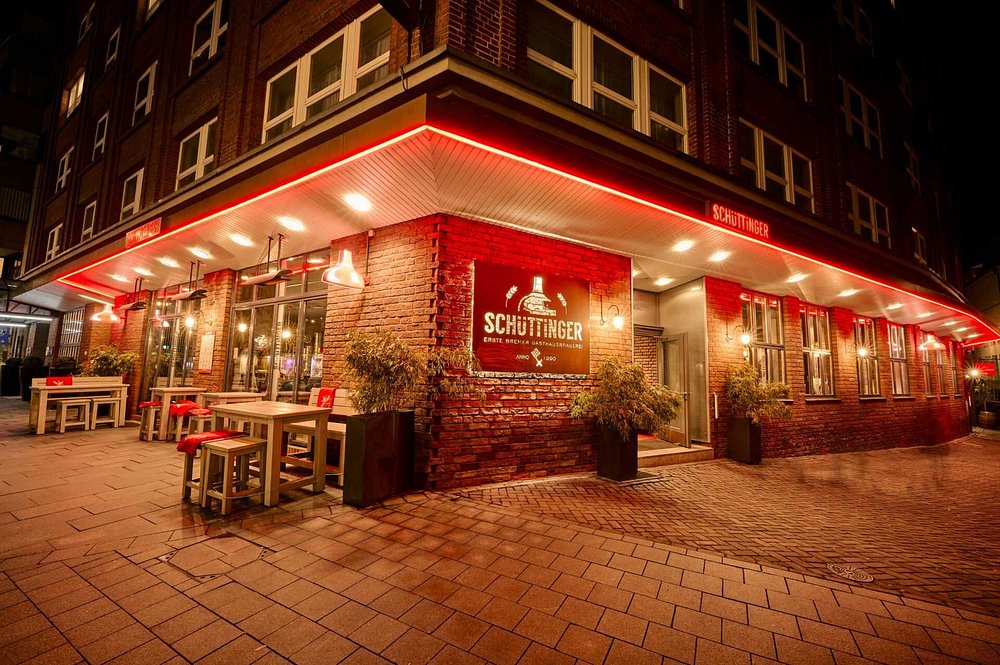
When I wander Böttcherstraße, I’m surrounded by cozy cafes and unique restaurants. Many are tucked inside those striking Brick Expressionist buildings, which makes hanging out here even more inviting.
Some cafes serve up Bremen’s famous coffee or “Bremer Klaben,” that sweet, fruit-filled bread. Others stick to classic German meals or lighter snacks—perfect for a midday break on your wander.
Popular options include:
- Tiny bakeries with fresh pastries
- Coffee shops with outdoor seating
- Traditional restaurants serving northern German dishes
Eating here isn’t just about the food. It’s a chance to admire the architecture and watch the world go by.
Weekends get especially lively, with locals and tourists filling the street—so if you’re after that bustling Bremen energy, this is the place.
Bremen’s Traditional Shops and Crafts
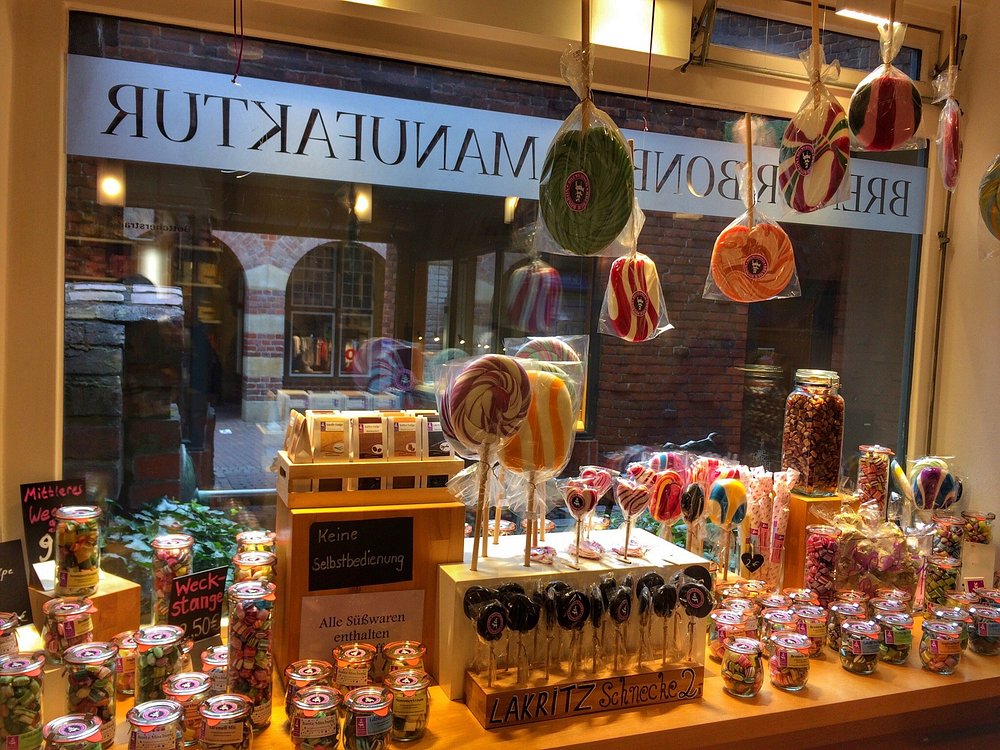
Böttcherstraße bursts with boutique shops that showcase Bremen’s craft traditions. You’ll spot handmade jewelry, wooden toys, and art that’s genuinely local.
Some boutiques focus on designs from artists who live right here. I’ve picked up souvenirs and gifts that actually feel special, not just generic trinkets.
The street’s artistic vibe spills right into these stores. Shop owners often chat about the stories behind their crafts, and honestly, that personal touch sticks with me.
Window shopping here? It’s a treat. The displays—glasswork, ceramics, you name it—turn every stroll into a mini art show.
Walking this street, I get a real sense of Bremen’s history. Many shops still have their original charm, so the whole place feels like a living, breathing museum of creativity.
Seasonal Events and Festive Atmosphere
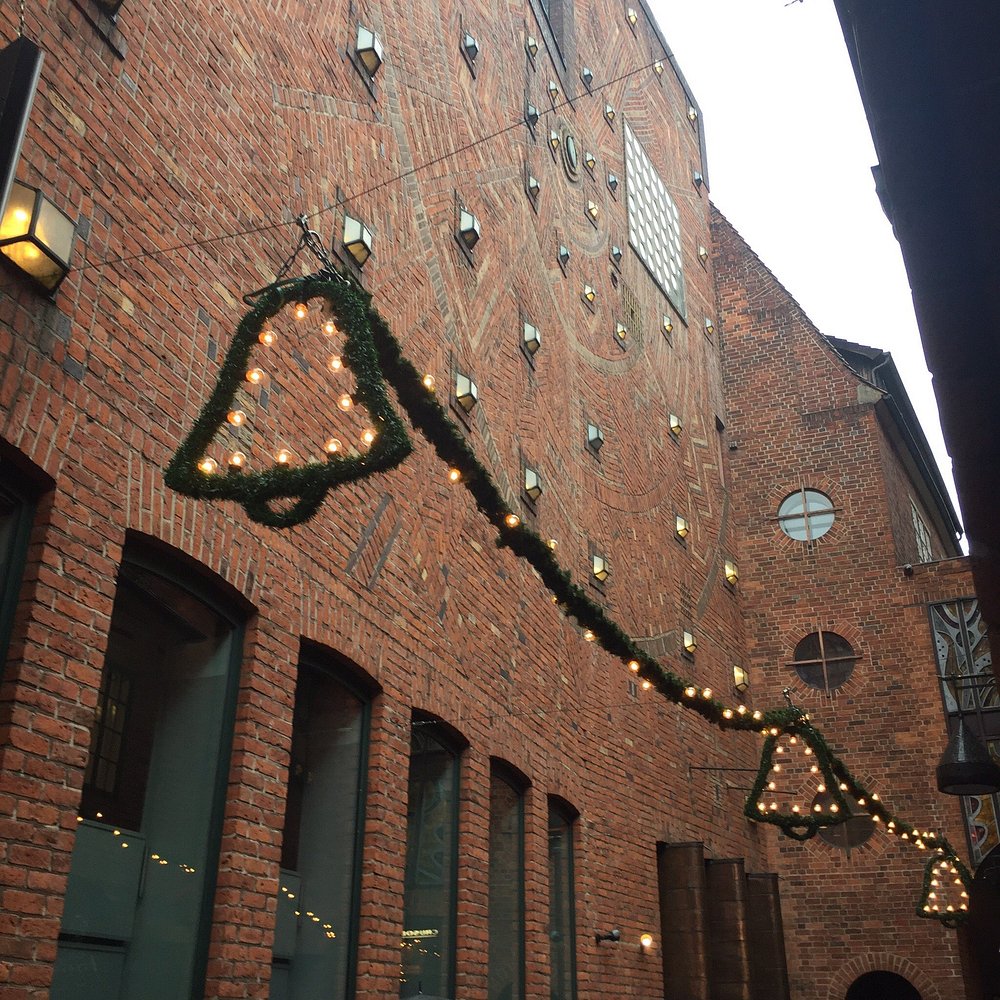
Sometimes Böttcherstraße just transforms, especially during big seasonal events and markets. The Christmas market is the one I always look forward to—suddenly, the street glows with lights and music, and stalls pop up selling holiday treats.
The smell of hot mulled wine and roasted chestnuts? That’s a memory that just sticks. I can’t help but linger.
Art exhibitions and open-air performances sometimes take over the street, using those quirky old buildings as the perfect backdrop. Guided walking tours often line up with these events, so you get a double dose of history and holiday spirit.
Festivals bring a buzz that’s tough to describe—every visit feels different, and honestly, each season puts its own spin on this iconic Bremen street.
Exploring Surrounding Bremen Landmarks and Connections
Bremen’s Böttcherstraße sits right in the heart of the city. I love how easy it is to wander from here to so many other historic, scenic, and cultural spots.
Visiting the nearby landmarks just adds more layers to the whole Böttcherstraße experience.
Market Square and Bremen Town Hall
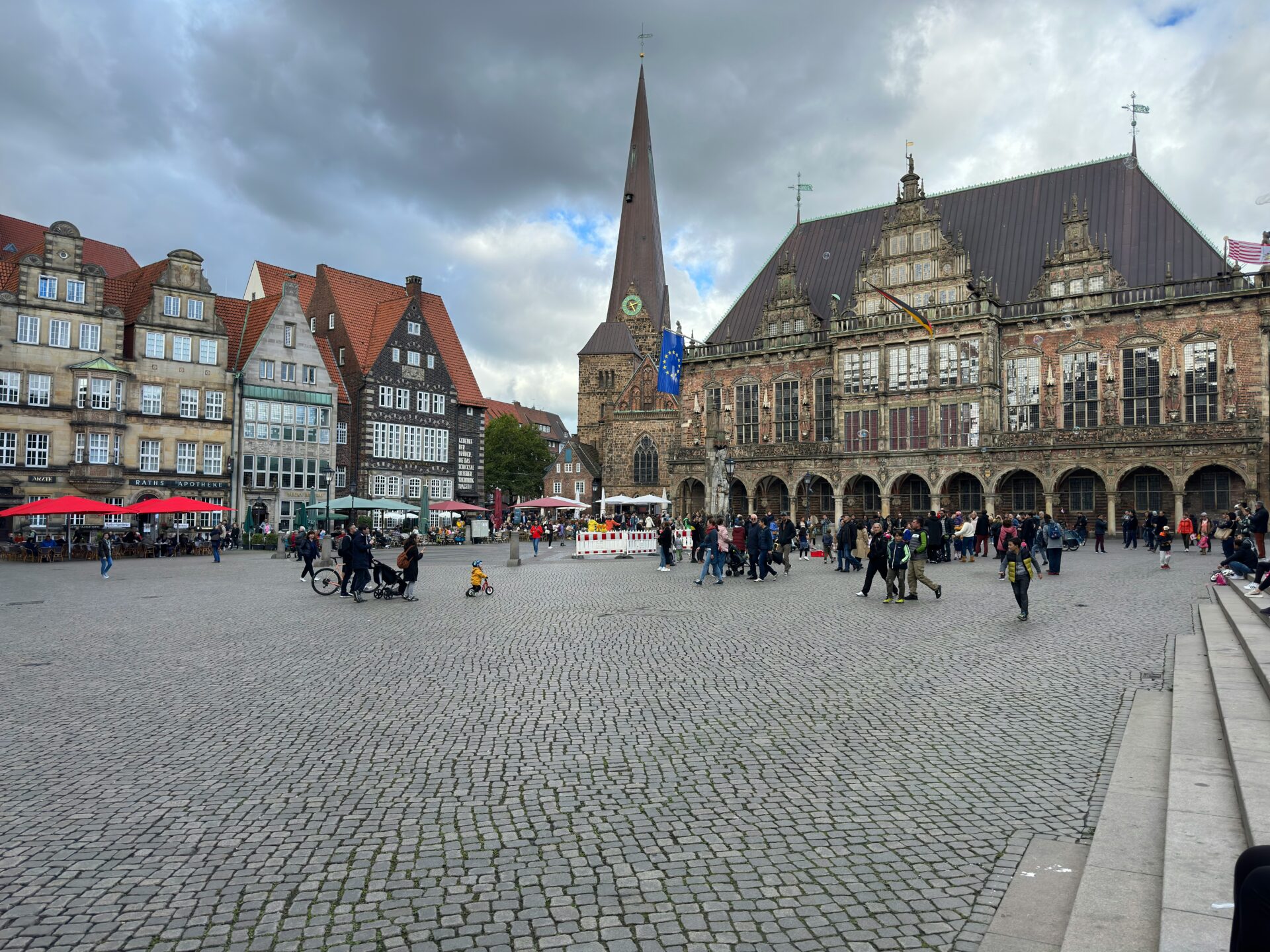
Bremen’s Market Square (Marktplatz) is the city’s historic heart. I always find myself pausing to admire the mix of architecture around this lively plaza.
The Bremen Town Hall (Rathaus) stands out for me. It’s a UNESCO World Heritage Site, and the Renaissance facade—covered in ornate details—never fails to impress.
Right next to it, the Bremen Roland statue keeps watch. This 5.5-meter stone knight has stood here since 1404, symbolizing the city’s freedom and rights.
Locals and travelers snap photos, and I usually join them. Markets and festivals fill the square with life all year round.
| Landmark | Feature | Significance |
|---|---|---|
| Bremen Town Hall | Renaissance facade | UNESCO World Heritage |
| Roland Statue | Stone knight, 1404 | Symbol of freedom |
| Market Square | Historic marketplace | City’s social center |
Weser River and Schlachte Promenade
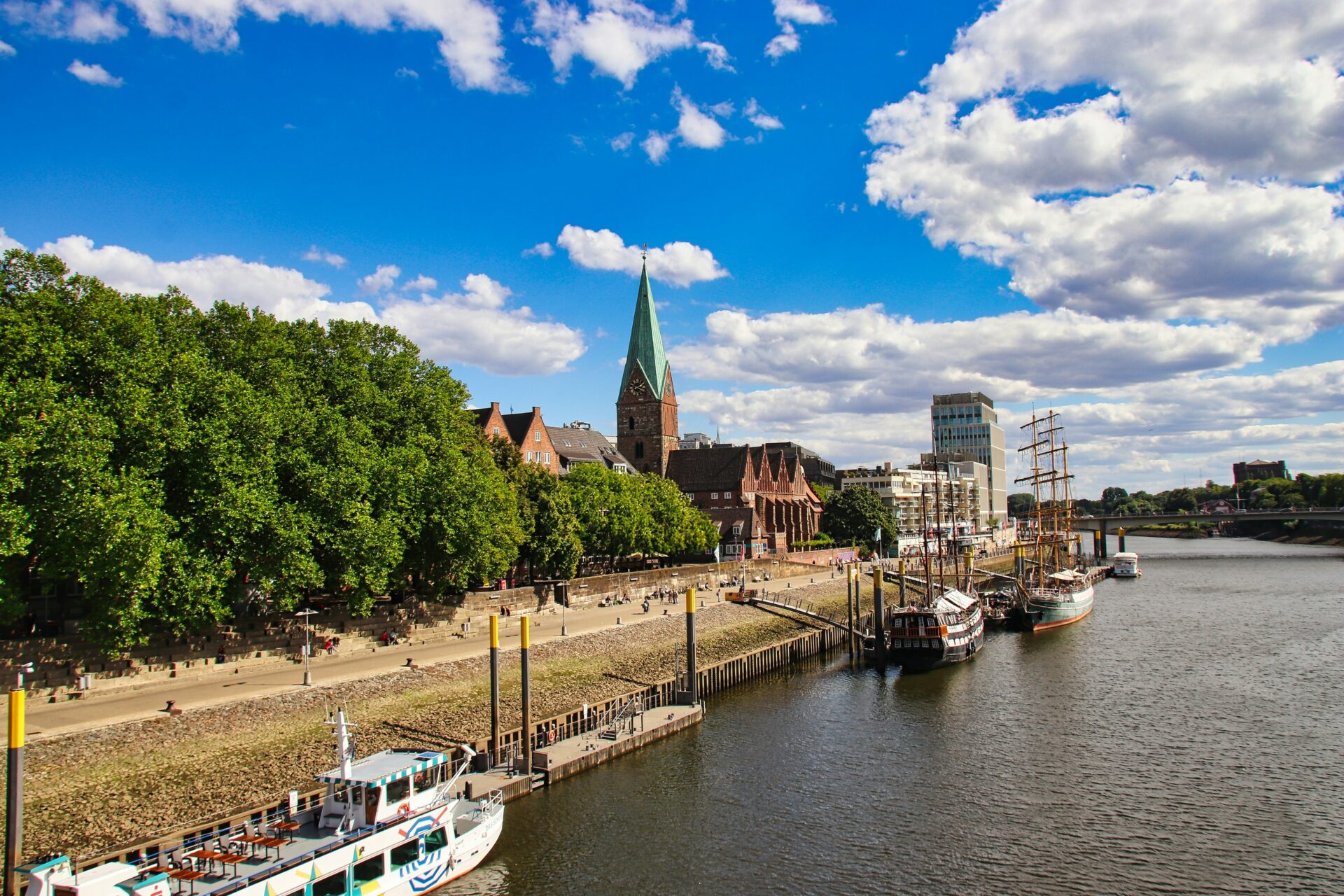
A short stroll from Böttcherstraße brings me to the Weser River and the Schlachte Promenade. Back in medieval times, this was Bremen’s bustling port.
Now, the promenade is lined with cafes, beer gardens, and restaurants. I enjoy wandering along the water, just watching riverboats float by.
When the weather’s good, I always grab a seat outside. The views of old warehouses and the city skyline are just too good to pass up.
Summer brings the promenade to life—local events, street performers, and a real sense of energy. You can even hop on a boat tour here and see Bremen from the river.
Top highlights of Schlachte Promenade:
- Outdoor seating & historic views
- Access to Weser river cruises
- Close to old warehouses
Schnoor Quarter and Medieval Streets
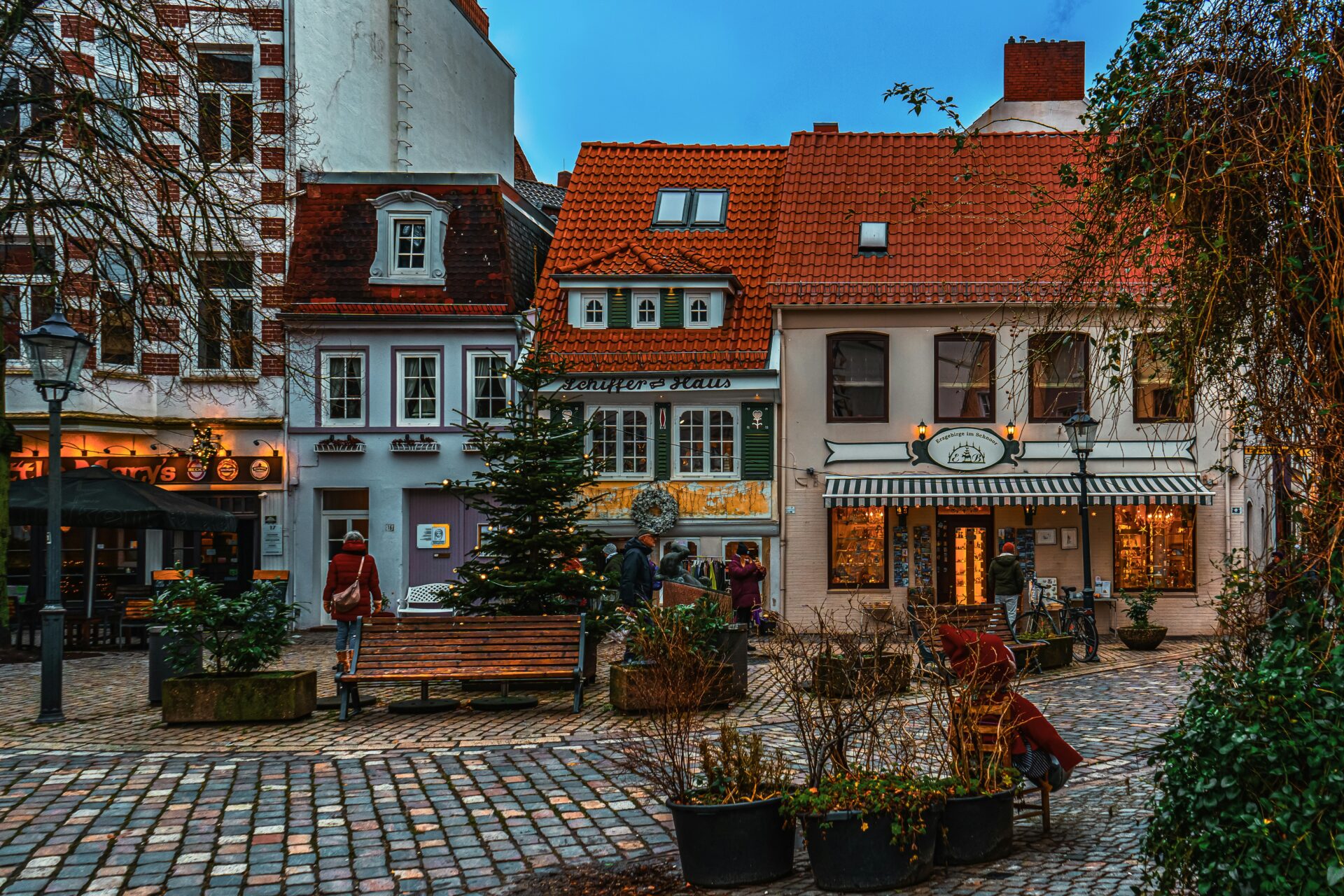
Stepping into the Schnoor Quarter (Schnoorviertel) feels like time travel. This is Bremen’s oldest surviving neighborhood, and the narrow, winding lanes are packed with charm.
Tiny houses from the 15th and 16th centuries line the streets. Shops, cozy cafes, and artist studios fill these buildings, and I always stumble on something unique—handmade crafts, quirky galleries, you name it.
St. John’s Church, a brick Gothic landmark, adds another layer of history here. Every twist and turn in the alleyways brings a new surprise.
Features I notice most here:
- Cobblestone streets
- Original medieval buildings
- Local artisan shops
- St. John’s Church
St. Peter’s Cathedral and Other Old Churches
St. Peter’s Cathedral (Bremer Dom) really grabs your attention with those twin spires reaching into the sky. Step inside, and you’ll notice how the Gothic pillars and medieval crypts practically whisper old secrets.
I’ve climbed the southern tower before—what a view! Bremen and the river stretch out below, and it’s honestly one of those moments where you just have to pause and take it all in.
Wander a bit, and you’ll bump into other beautiful old churches like St. John’s Church and Unser Lieben Frauen Kirche. These places show off Bremen’s deep Christian roots, each one layered with art and architecture from different eras.
You’ll spot Romanesque carvings, then suddenly a Baroque altar catches your eye. It’s like walking through a living museum.
If you’re putting together a Bremen itinerary, don’t skip these churches. They’re peaceful escapes from the city’s bustle, and every one has its own quirky history and sense of place.

