
Walking through the Convent of Christ in Tomar, Portugal, I felt like I was stepping into a living history book. This UNESCO World Heritage site bursts with layers of the past, from its origins with the Knights Templar to its wild mix of Gothic, Manueline, and Renaissance architecture.
The Convent of Christ shows off some of the most remarkable architectural details in Portugal. If you’re into history or just love jaw-dropping craftsmanship, you’ll find plenty to obsess over here.
Every corner in this massive complex has its own tale. As I wandered those medieval corridors, soaking up the blend of European art styles, I kept stumbling onto features that honestly left me speechless.
If you love tracking down unique carvings, puzzling over mysterious symbols, or just want to bask in centuries-old culture, you’re in for a treat.
Curious about which sights really grabbed me? Let me share my top five architectural details that totally blew me away at Tomar’s Convent of Christ. These are the must-sees for any curious traveler or history nerd planning a trip.

A Brief History of Tomar’s Convent of Christ
Tomar’s Convent of Christ sits right at the heart of Portugal’s story—a crossroads where medieval knights, secret rituals, and royal dreams all left their mark.
Every step through its ancient halls pulls me closer to the legacy the Knights Templar and the Order of Christ left behind.
Templar Beginnings and the Order of Christ
When I first wandered up the hill to the stronghold, the weight of centuries pressed down on those stones. The Convent of Christ, or Convento de Cristo in Portuguese, started as the Knights Templar headquarters in the 12th century.
Gualdim Pais, a Templar master and Crusades veteran, founded it. This place wasn’t just another monastery. The round church at its core took inspiration from holy sites in Jerusalem, built to symbolize the order’s spiritual mission.
Thick castle walls, arrow slits, and those strategic towers reminded me this was a place for both prayer and defense.
When the Templar Order got suppressed across Europe in 1312, Portugal did something unexpected. King Dinis kept the Templar spirit alive by transforming the group into the Order of Christ.
The knights simply changed their name and slipped right back into their Tomar fortress, keeping their traditions and mysteries going.
The Convent’s Role in Portuguese History
Standing on the ramparts, I realized Tomar’s convent became way more than a religious site. It played a huge part in Portugal’s Age of Discoveries.
The Order of Christ, still based here, backed explorers like Henry the Navigator with resources and spiritual support. They developed maps and navigation tools right here, fueling Portugal’s reach across the seas.
That distinctive Cross of the Order shows up on tons of ships from this era. Even during political chaos, the convent stayed a power center, shaping not just church life but national strategies too.
As a visitor, I can almost see the monks in the cloisters, royal envoys hurrying by, and architects expanding the convent to fit its growing ambitions. Over five centuries, builders added layers of Romanesque, Gothic, Manueline, Renaissance, and Baroque—Portugal’s medieval architecture in one wild showcase.
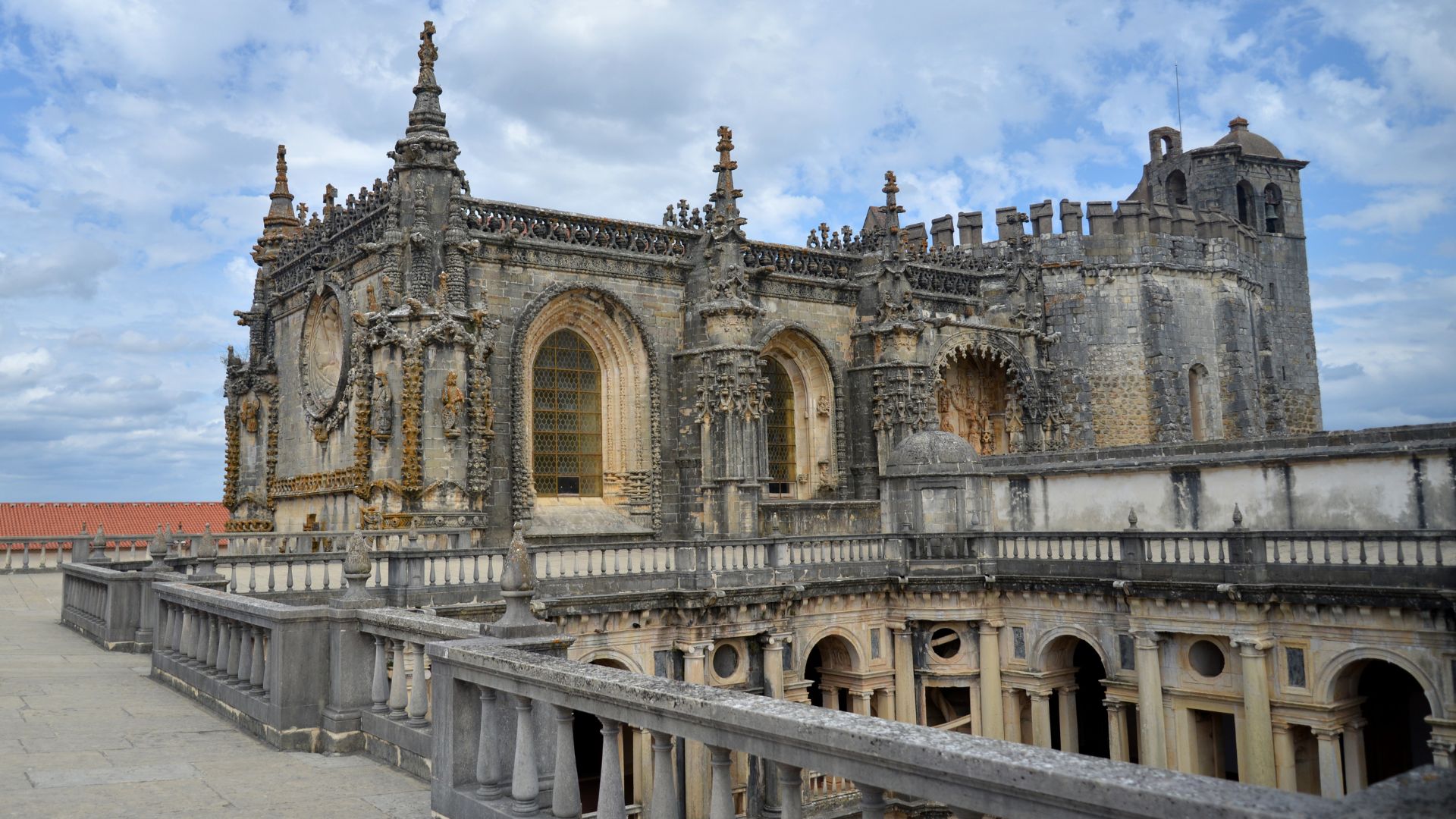
From Templar Stronghold to UNESCO World Heritage Site
When I found out UNESCO named the Convent of Christ a World Heritage site in 1983, it just made sense. Portugal’s dedication to preserving this place says a lot, and the world clearly agrees.
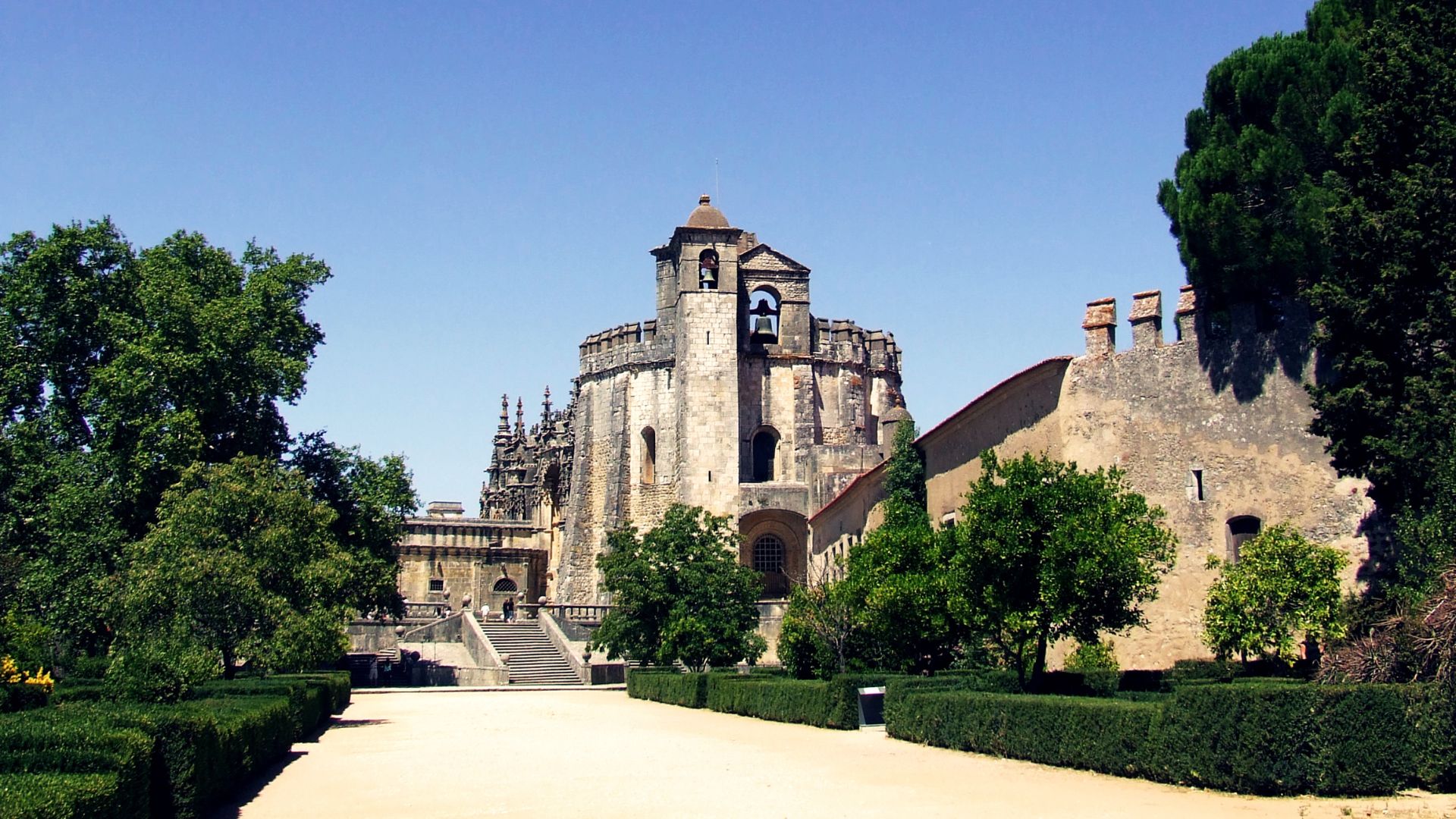
The castle, convent, and sprawling complex, all crowned by the iconic “charola” (that round church), have survived wars, reforms, and the slow crawl of centuries.
UNESCO didn’t just honor the buildings—they recognized the blend of cultures here. The stone carvings, cloisters, and defenses all spin tales of faith, power, and innovation.
Strolling through the gardens or climbing those ancient staircases, I get swept up in the feeling that Tomar isn’t just a relic. It’s alive—a piece of world heritage that begs you to explore and ponder.
Quick Travel Tip:
Check opening hours before you go. The complex closes on Mondays. I’d go in spring or autumn to dodge the crowds. You’ll want at least half a day to see both the convent and the castle walls—trust me, you don’t want to rush this.
Charola: The Templar Rotunda’s Mystique
The Charola sits at the core of the Convent of Christ, and stepping inside feels like getting yanked back in time. This round Templar church weaves spiritual symbolism, rich details, and construction quirks that shaped Portuguese architecture for centuries.
Symbolism and Design
When I walked into the Charola, its round shape hit me right away—pretty unusual for churches in Portugal. It’s a classic rotunda, loaded with Templar references.
The twelve-sided structure echoes Jerusalem’s Church of the Holy Sepulchre, showing how deeply the Templars connected to the Holy Land. Arches support the dome, and each pillar is carved in bold, simple forms.
I spotted the Templar Cross everywhere, in both stone and woodwork. The Templars left their mark on every detail.
The central space was designed so knights could attend Mass while still on horseback. That practical touch brings the medieval era to life—you can almost feel the church’s bones shaped by its real-world needs.
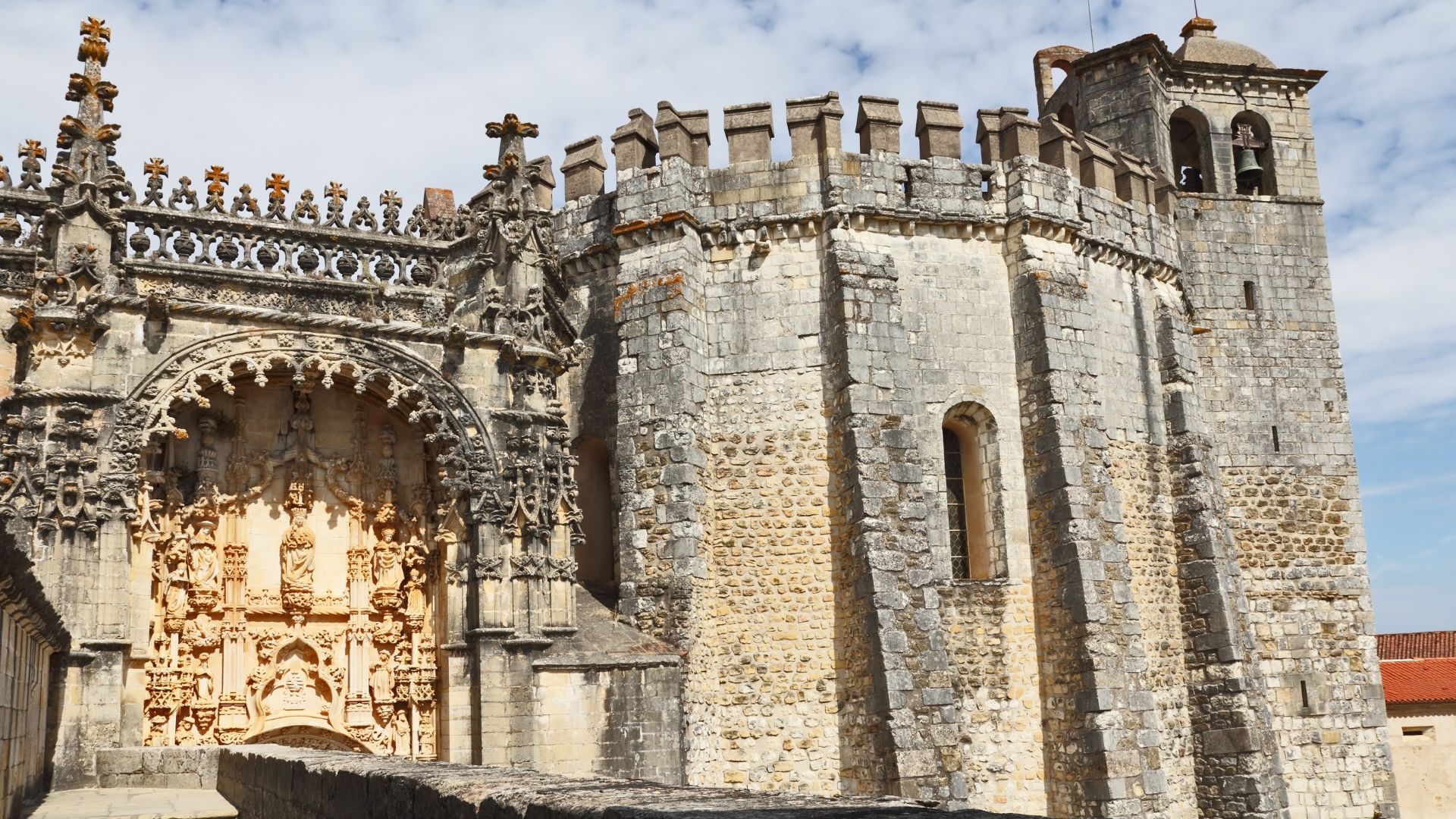
Artistic Flourishes and Imagery
Colorful frescoes, glowing gold leaf, and painted saints fill the interior. Everywhere I looked, carved animals, vines, and tiny details showed off the builders’ skill.
The altar shines under a starry ceiling, with daylight shifting through small windows as the hours pass.
One thing that really grabbed me was the Manueline artistry from the 16th century, packed with ropes, shells, and spheres. These decorations celebrate Portugal’s Age of Discovery and its new global ties.
It’s like a living timeline—Romanesque stone right next to late Gothic flourishes.
Here’s a quick look at what to spot:
| Feature | Artistic Style | Meaning |
|---|---|---|
| Templar Crosses | Romanesque | Templar heritage |
| Gold-Leaf Detailing | Gothic/Manueline | Wealth & faith |
| Nautical Motifs | Manueline | Maritime history |
Chapel’s Influence on Later Architecture
The Charola’s impact doesn’t stop at Tomar. Its mix of medieval and Renaissance features sparked ideas for convents, chapels, and palaces all over Portugal.
Bold, decorative columns and those rounded walls became a symbol of royal power and piety.
Architects brought these ideas into the Manueline style, especially during King Manuel I’s reign. The church’s ability to adapt—embracing new tastes while keeping its original purpose—set the standard for future churches.
If you love seeing how history builds on itself, you’ll spot the Charola’s echoes not just here, but in places like Lisbon’s Jerónimos Monastery and other Portuguese marvels rooted in mystery and faith.
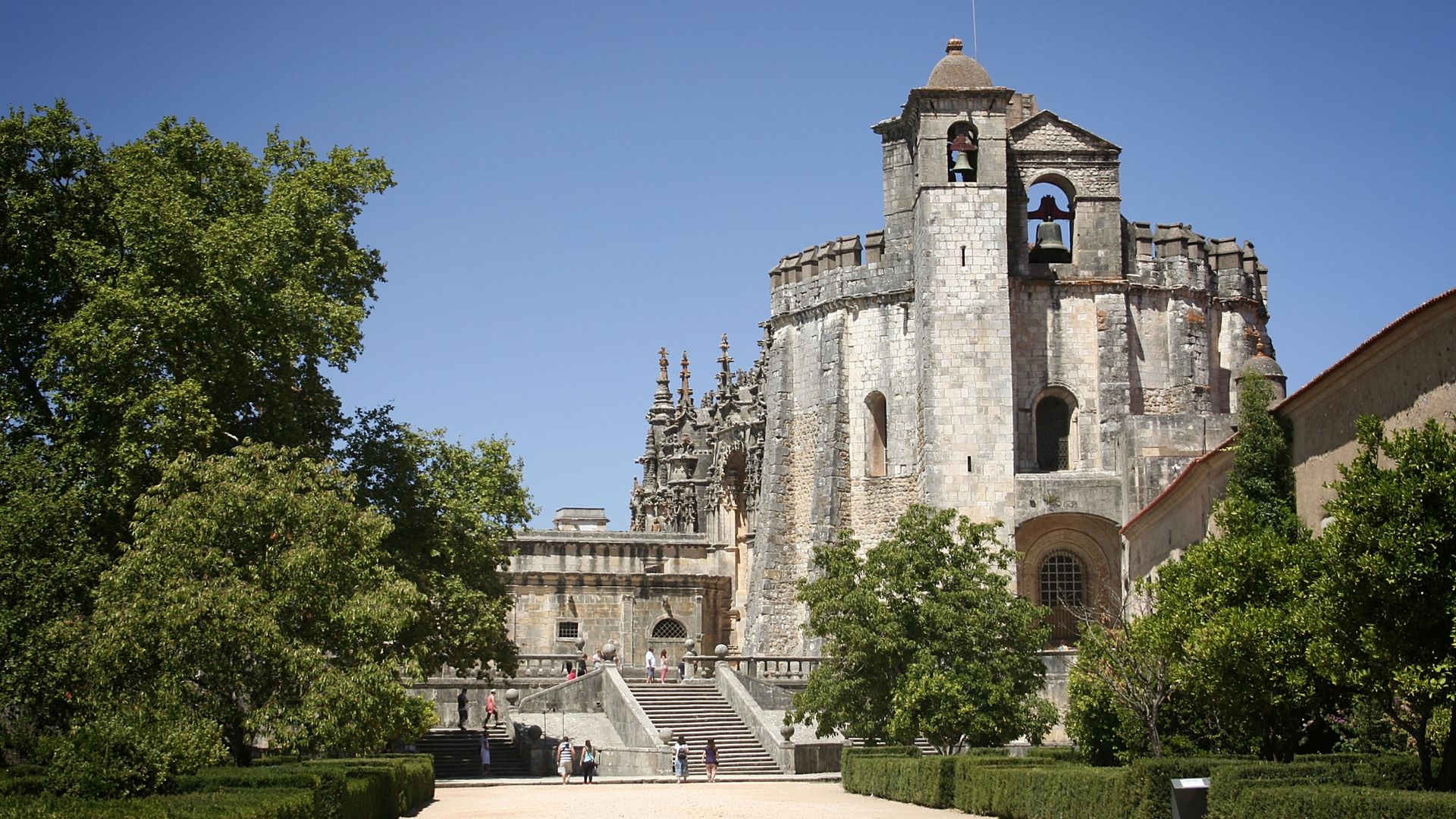
Unveiling the Manueline Chapter House Window
The first time I stepped into the Convent of Christ, this window absolutely stole the show. The Manueline chapter house window isn’t just a pretty detail—it’s a story carved in stone and a high point of Portugal’s late Gothic era.
The craftsmanship here blends wild creativity and deep symbolism into one breathtaking sight.
Storytelling in Stonework
The chapter house window stands out because it’s more than just glass set in stone—it’s a narrative, right in the convent’s wall. Its wild design features a tangled mess of sculpted ropes, spheres, beasts, leaves, and armillary spheres.
Each piece seems to pop out, and I could almost imagine the stories of the seafarers and monks who lived here. Historians often call it an architectural masterpiece for exactly this reason.
The details are so bold and expressive, they nearly steal the spotlight from the window itself.
Highlights I noticed at the site:
- Surfaces covered with 3D carvings
- Ornamental twists framing every edge
- Layers of meaning built right into the wall
This window pulls you in and shows off the creativity that defines the Manueline style.
Symbolic Motifs and Nautical Themes
The Manueline window overflows with symbols from Portugal’s Age of Discoveries. I spotted ropes like those on ships, knots, and carved shells—clear nods to the seafaring world.
The famous armillary sphere, King Manuel I’s favorite symbol, stands front and center.
Every motif here feels intentional. Nautical themes highlight Portugal’s power as a maritime nation in the 16th century. Religious symbols—crosses, wheat, twisted tree trunks—add meaning, tying the nation’s faith to its adventurous spirit.
Tip for visitors: Take time to hunt for tiny details in the stonework. You’ll find secrets about Portugal’s explorers, royal ambitions, and the centuries of skill that turned this window into an icon of the Manueline style. Don’t rush—there’s a lot hidden in the stone if you pause and really look.
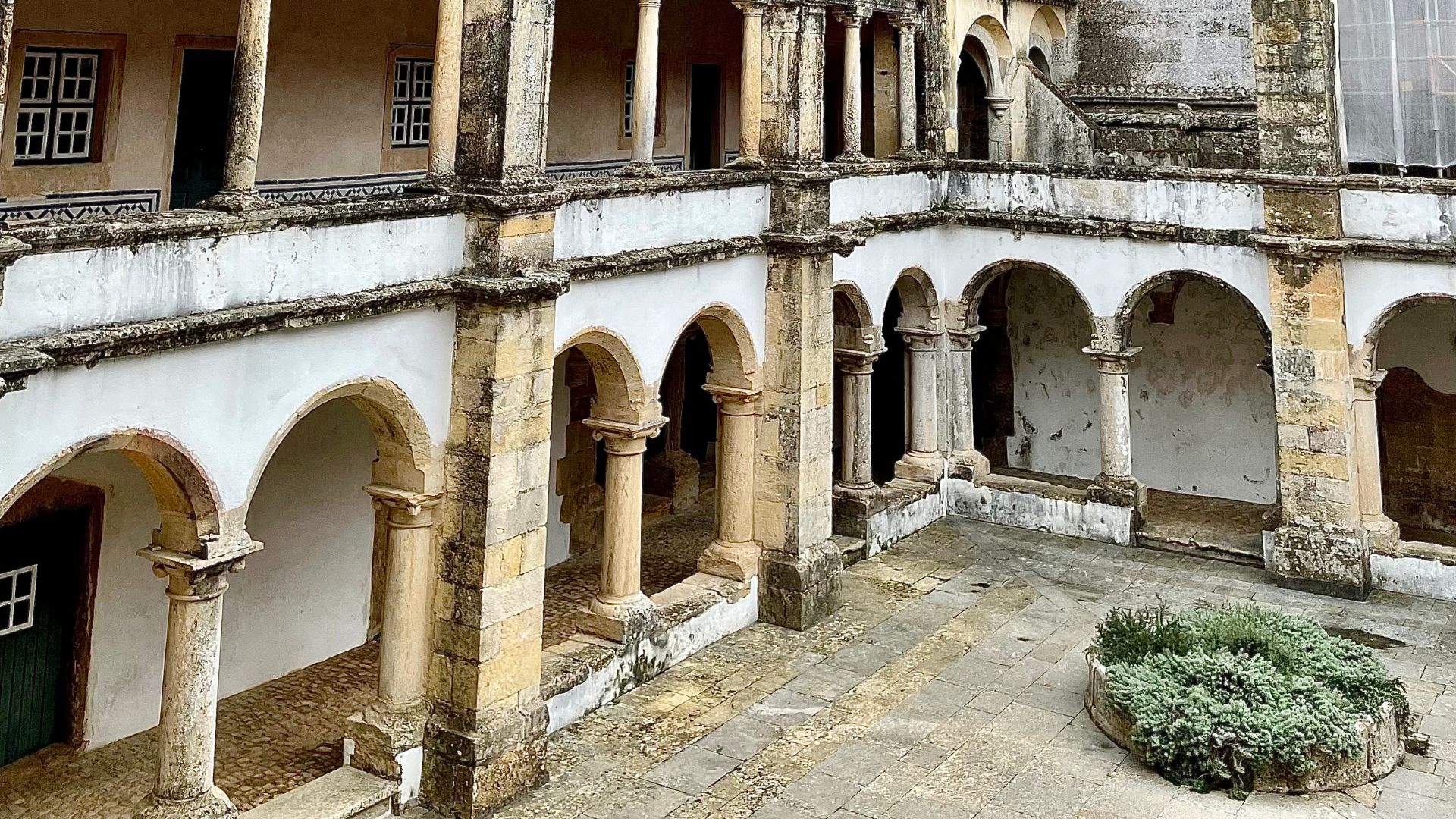
The Cloisters: Corridors of Power and Serenity
Walking through the cloisters at Tomar’s Convent of Christ feels like drifting between different slices of history. Each cloister tells its own story, showing off amazing architecture and revealing how these spaces balanced authority, faith, and peace.
The Main Cloister’s Grand Scenery
The Main Cloister—often called the Royal Cloister or King João III Cloister—really stands out as a masterpiece of its era.
When I first entered, the bold Renaissance lines and open arcades hit me. The columns look strong but elegant, topped with carvings that play with the changing light.
Each corner hides spiral staircases, twisting upward and adding a touch of mystery.
Standing in the center, I could hear echoes of monks’ footsteps and almost see royal visitors from centuries gone by. The harmony between stone and space makes it easy to picture daily life here—a mix of spiritual routine and grand ceremony.
Notable Features:
- Renaissance architecture with Manueline touches
- Arcades casting dramatic light and shadow
- Spiral stairs in the corners leading up

The Cemetery Cloister’s Thoughtful Tranquility
When I left the busier areas, I found peace in the Cemetery Cloister. It’s smaller and simpler, but just as meaningful.
Its name hints at its purpose—a burial spot for important monastery members. The architecture here feels more solemn, with quiet arches framing a little inner garden.
Sunlight filters through the columns, making gentle patterns and giving the place a reflective mood.
Sitting on a stone bench, I could feel the weight of history. This was a spot for prayer and remembrance, where quiet moments mattered as much as the big events elsewhere in the convent.
What makes it special:
- Simpler, more sober late Gothic design
- Intimate, peaceful atmosphere
- Historic resting place for the monastic community
Cloisters of the Convent: Architectural Evolution
Exploring the different cloisters, I started to see how the Convent of Christ’s design tells a story about changing styles and needs.
Builders worked here for over five centuries, so each cloister reflects a different era. I noticed Romanesque and Gothic roots in the oldest parts, then the ornate Manueline style, and finally bold Renaissance details.
Nowhere else in Portugal shows such a clear journey through history in one spot.
| Cloister | Main Style | Notable Elements |
|---|---|---|
| Main Cloister | Renaissance | Wide arcades, spiral corner staircases |
| Cemetery Cloister | Gothic | Modest arches, tranquil courtyard |
The blend of styles isn’t random. Each addition matched the needs and ambitions of its time, from religious devotion to royal prestige.
That unique layering makes a walk through the convent’s cloisters a real architectural adventure.
Aqueduct and Fortified Walls: Hidden Engineering Feats
Some of Tomar’s best secrets aren’t just in its art or chapels. They hide in the tools and walls that kept the convent running and safe.
Water, defense, and clever design come together in ways that really surprised me during my visit.
The Aqueduct of Pegões
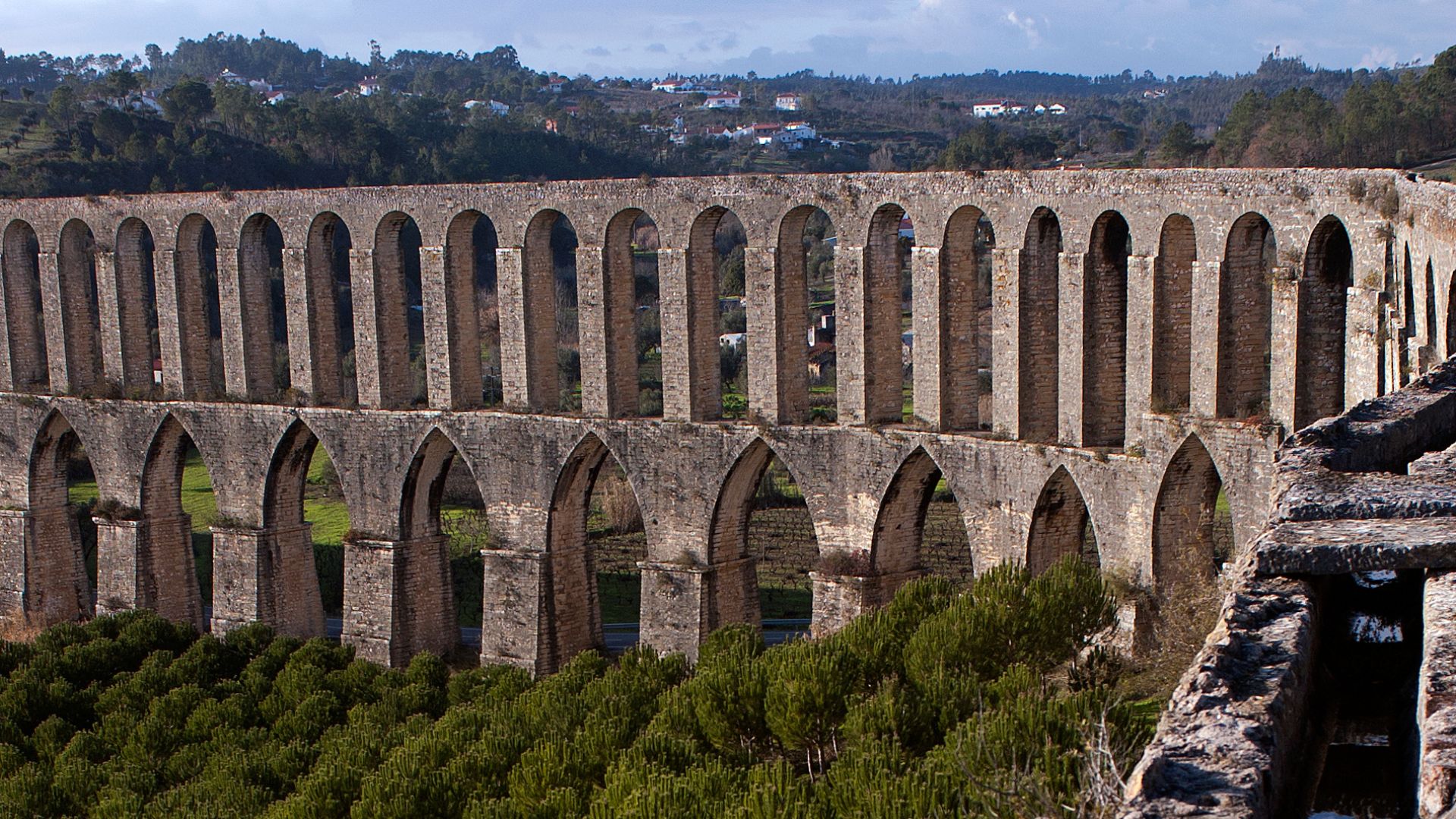
Just outside the convent, you’ll spot one of the area’s most impressive sights: the Aqueduct of Pegões. Builders finished it in the early 17th century, and it stretches almost 6 kilometers across the countryside.
They originally built it to bring fresh water to the Convent of Christ. When I walked along its length, those tall stone arches—some shooting up 30 meters—really grabbed my attention.
The arches almost made me feel like I’d wandered into a Roman epic, even though it’s much newer. What really struck me was how the aqueduct blends right into the landscape.
It follows the hills and crosses valleys in these perfect arcs. If you’re traveling nearby, I’d say it’s worth a detour on foot.
The views from the top? Honestly, they’re fantastic for photos and a quiet moment to appreciate the builders’ ingenuity.
Quick tips:
- Try to arrive early so you can skip the crowds.
- There’s a bit of a walk from the main entrance, so comfortable shoes are a must.
Defensive Architecture and Templar Castle
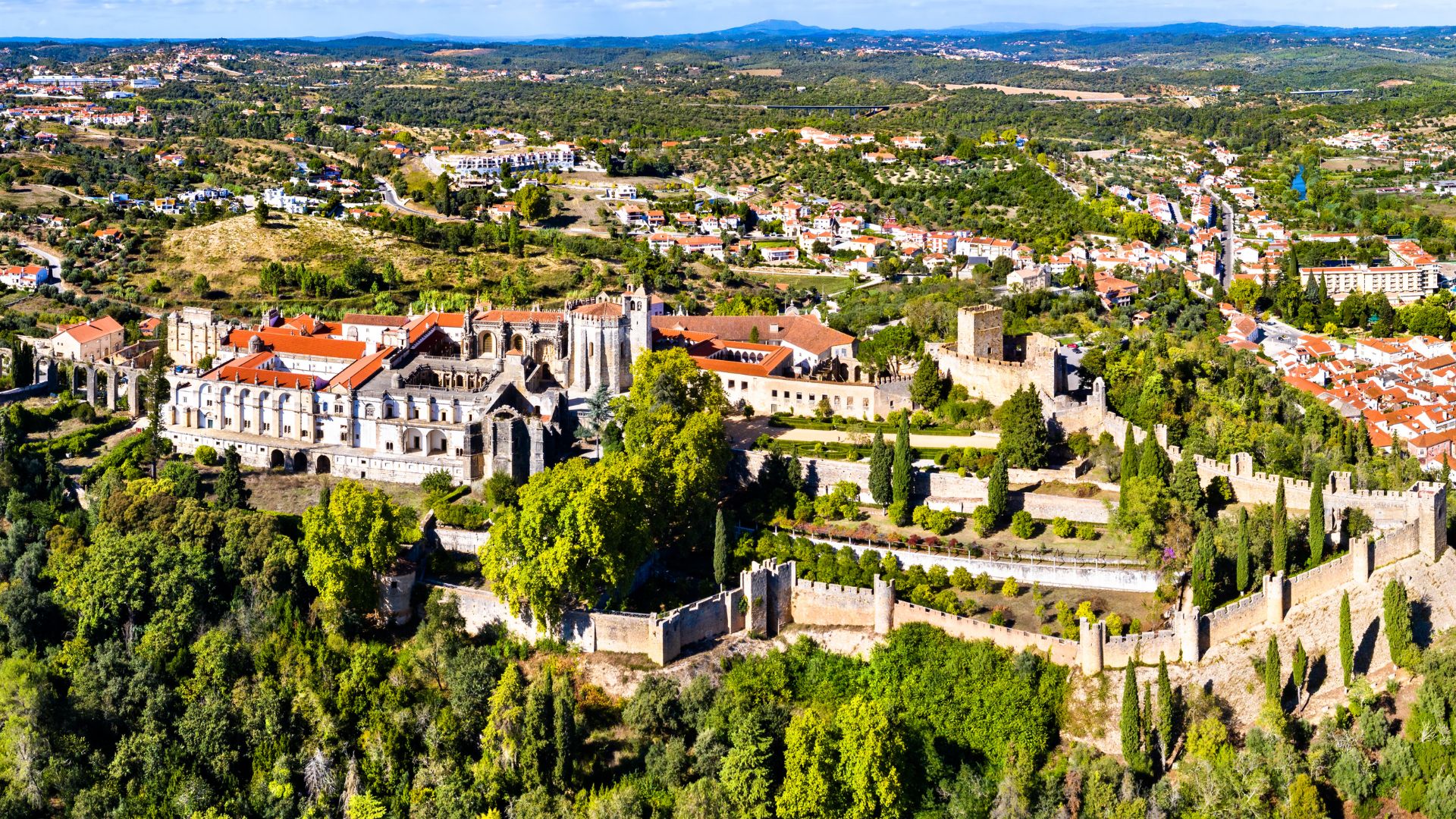
The Templar castle at Tomar immediately caught my eye with its sturdy walls and towers. The Knights Templar built it in the late 12th century, making it the heart of the convent’s defense for centuries.
Thick stone walls form several rings around the complex. These layers worked well—if attackers broke through one, the next stood ready.
I had a blast climbing the outer walls. The views of the town and countryside? Just incredible. For a second, I could almost picture the knights keeping watch over the land.
Inside, you’ll spot small windows, arrow slits, and lookout turrets—details that show real care in design. Tomar’s blend of military and religious architecture is something you don’t see everywhere.
If you love history or photography, you’ll find plenty to enjoy here.
Some architectural bits that stood out:
- Crenellated towers—great for defense
- Romanesque doorways—a mix of beauty and strength
- Courtyards—where military function meets monastery calm
Essential Tips and Unmissable Experiences for History Buffs
Visiting Tomar’s Convent of Christ isn’t just about seeing a monument. If you plan ahead and know what the town offers, you’ll get way more out of your trip.
Planning Your Visit: Tours, Tickets & Accessibility
You can buy tickets for the Convent of Christ at the entrance or online, but I’d grab them ahead of time during busy seasons. Guided tours are available and, honestly, they help you find hidden details and stories you’d never catch from the signs.
I’ve tried both group and private tours. Groups are fun and social, but private tours let you wander and ask whatever’s on your mind.
The Convent itself is big, but most main spots are accessible. Some cloisters and upper floors have those classic steep, old staircases.
Definitely wear comfortable shoes—you’ll be crossing stone and uneven paths. If you’re coming from Lisbon or Porto, Tomar’s an easy train ride, but double-check return schedules, especially later in the day.
Wheelchair users will find ramps in most of the lower complex, but not every corner is accessible. Keep that in mind as you plan.
For more Templar history, look for tours that include time in the Chapter House and the Charola.
Best Things to Do in Tomar
Wandering the Convent of Christ is just the beginning. I always try to spend time exploring Tomar’s old town.
The narrow cobbled streets wind past azulejo-tiled buildings, little local shops, and quiet plazas. Praça da República is perfect for people-watching and soaking up the vibe.
A few activities I think are worth your time:
- Climb the castle walls—the view of Tomar at sunset is something special.
- Join a guided walking tour to learn about the region’s Jewish Heritage, including the old synagogue.
- Check out the Tomar Municipal Museum for local art and artifacts.
- Local guides sometimes lead short hikes around the city, through olive groves and along riverside paths.
Tip: Tomar throws festivals all year. If you’re around for the Festa dos Tabuleiros, with its parades and floral displays, you’re in for a treat.
Nearby Attractions: Church of Santa Maria do Olival & More
A short walk from the Convent, I always make time for the Church of Santa Maria do Olival. This medieval church served as the burial place for Templar Knights and still feels peaceful and hushed inside.
The original Gothic arches and old stone tombs make it a must-see if you’re curious about the Order’s legacy.
Other nearby sights I’d recommend:
| Attraction | What’s Special |
|---|---|
| Mata dos Sete Montes | Shady park trails—great for a break |
| Pegões Aqueduct | Impressive arches just outside of town |
| Synagogue of Tomar | One of Portugal’s oldest synagogues |
You can easily explore on foot since the main attractions sit within comfortable walking distance. If you’ve got extra time, hike out to the aqueduct for sweeping views and some great photos.

Travel Tips: Where to Enjoy Coffee and Local Life
Honestly, one of my favorite rituals in Tomar is just starting the day with coffee at a sidewalk café. The Praça da República has all these spots where locals sip espresso and chat—it’s really the perfect place to blend in and watch the world drift by.
Craving something sweet? Grab a fatias de Tomar pastry. It’s a treat you probably shouldn’t skip.
Sometimes I prefer a slower pace, so I’ll walk over to Café Paraíso. It’s one of the oldest cafés in town, and the art deco interiors give it a certain charm.
The staff there always seem genuinely friendly, which makes the place feel like a local treasure.
Don’t forget to wander down the side streets. You’ll stumble across small, family-run bakeries.
Their warm pão de ló (that’s sponge cake) pairs perfectly with an afternoon coffee.
If you’re an early riser like me, you’ll catch the city waking up over fresh rolls and that strong, rich coffee.
These simple moments remind me why I keep coming back to Tomar—it’s not just the history, but the lively local life and those warm welcomes that stick with you.

