
Winter travel can be magical, but it definitely comes with its own set of hazards. Every year, I watch folks make the same mistakes—sometimes it’s car trouble on icy highways, other times it’s health scares from not respecting the cold. It’s wild how quickly a dreamy winter getaway can turn into a real mess.
The five dangerous mistakes I’ll talk about here have landed too many travelers in trouble—think injuries, crazy-expensive emergencies, or even worse. Some of these slip-ups seem harmless until you’re stuck on a snowed-in road or dealing with frostbite far from home. Knowing these common pitfalls can honestly save your trip—and maybe more than that.
Let’s dive into the biggest winter travel dangers people overlook. I’ll share what not to do, and how to keep yourself safe before things go sideways.
Key Takeaways
- Winter travel means you’ve gotta plan for car safety, brutal cold, and weather surprises.
- The most common mistakes? Bad tire choices, not layering up right, and ignoring road closures.
- If you prep with the right gear and know-how, you’ll avoid most winter travel disasters.

Common Winter Travel Mistakes Tourists Must Avoid
Winter trips need more planning than most people realize. When you skip the prep, you end up dealing with problems that could’ve been totally avoided. Bad transportation planning, grabbing the wrong gear, or ignoring weather warnings—these are the big ones I see all the time.
Neglecting Winter-Ready Transportation
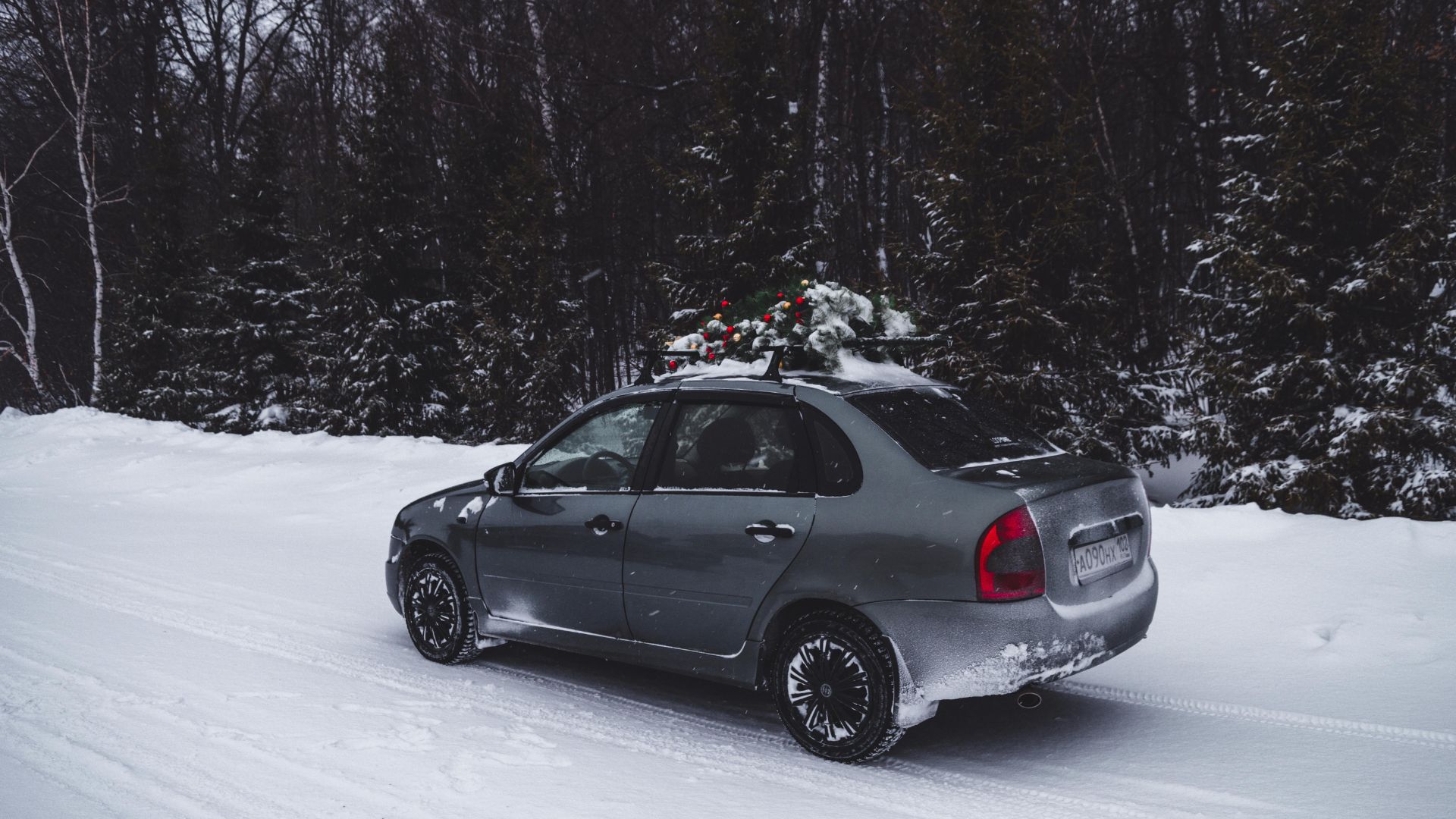
Way too many travelers think their regular car or rental will handle snow and ice just fine. I’ve watched this go wrong more times than I can count.
You really need to prep your vehicle for winter:
- Snow tires or chains (lots of mountain roads require them)
- Antifreeze and windshield de-icer
- Emergency kit with blankets, flashlight, and jumper cables
- Full tank of gas before you hit remote areas
Gas stations in snowy towns run dry fast during storms. I always fill up and stock my car before I leave—not after I’m already on the road. Some regions have winter driving laws, and if you show up unprepared, you might get fined or even turned away at mountain passes.
Public transit? It gets delayed or canceled a lot when snow hits, especially at small airports. I always build in extra time and keep a backup plan ready.
Overpacking or Underpacking Essential Winter Gear
Packing for winter is a balancing act. Too much or too little gear and you’re in for a rough time. I always pack based on what I’ll actually do and where I’m headed.
Don’t forget these:
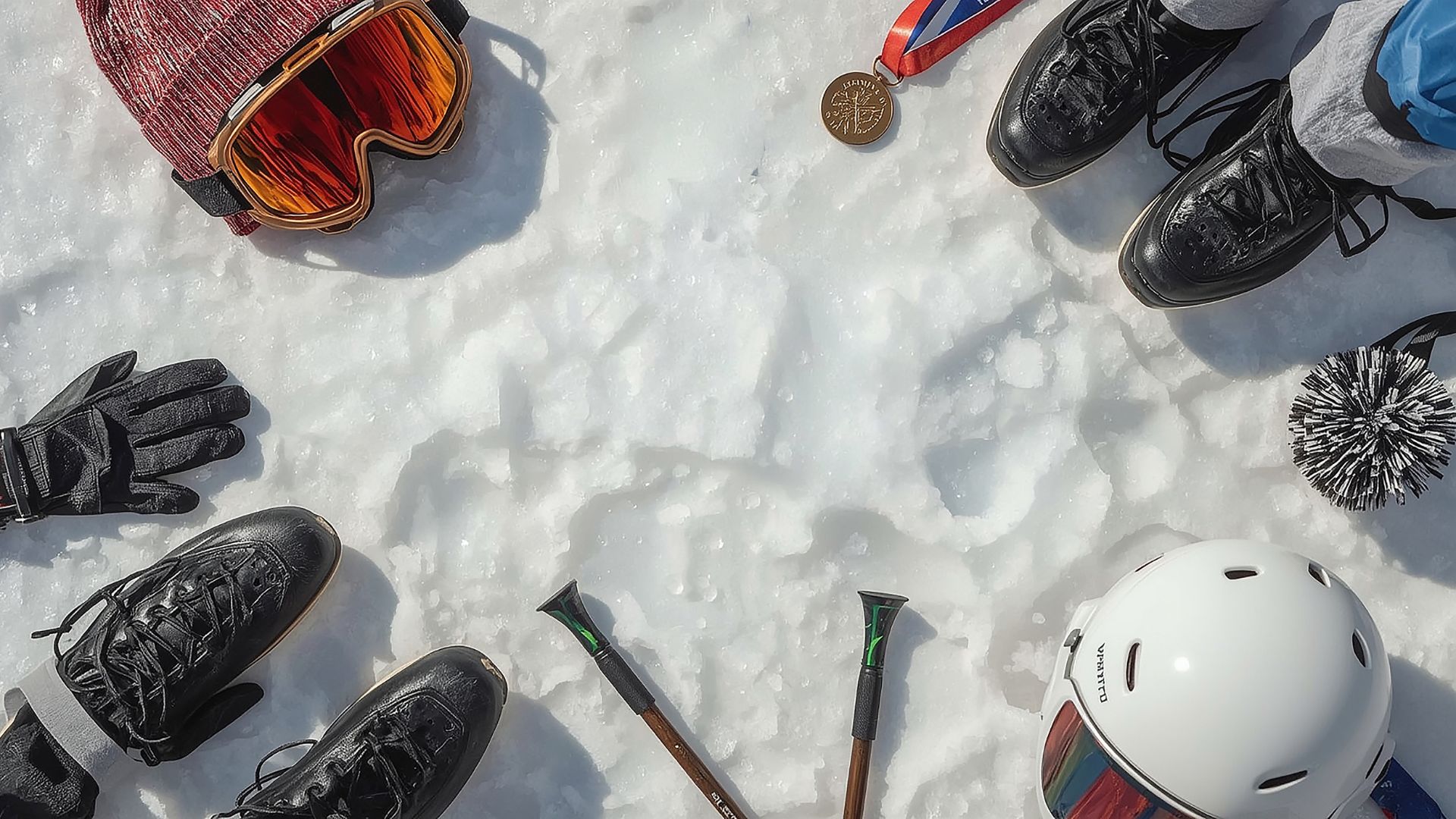
- Waterproof boots with real traction
- Layers—not just a single heavy coat
- UV sunglasses and sunscreen (snow glare is no joke)
- Insulated cases for your phone and electronics
Cold drains phone batteries fast and can crack screens. Regular boots without grip? They’ll have you sliding all over icy sidewalks. High altitudes make the cold bite harder, so the gear that works at home may not cut it in the mountains.
I always check the elevation and forecast for my destination. Packing for a mountain resort at 8,000 feet is a whole different game than packing for a coastal city.
Ignoring Seasonal Route and Weather Warnings
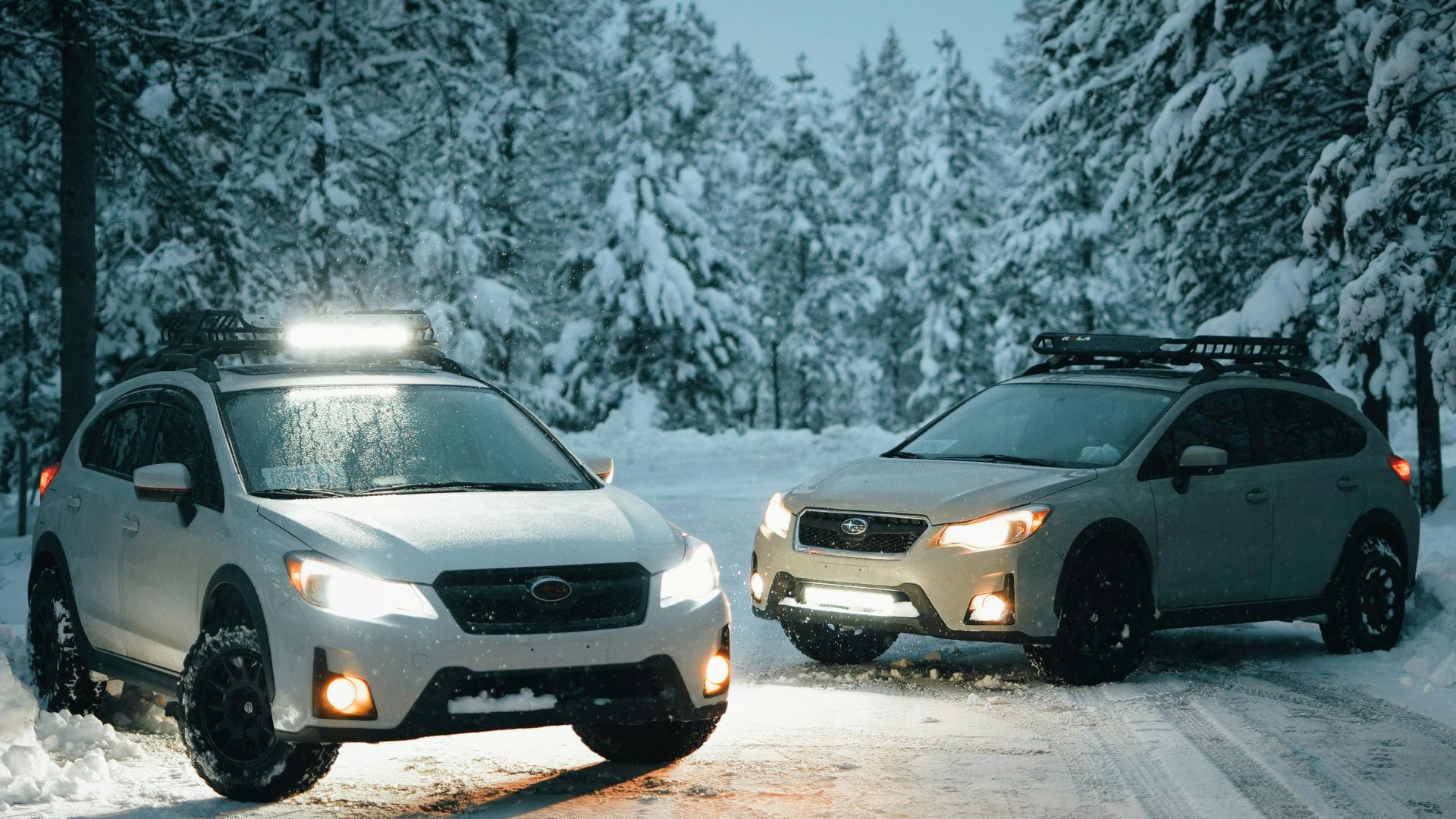
Winter can flip the script on roads and trails in just a few hours. I check the weather forecast several times a day when I travel in winter, not just once before heading out.
Backcountry trails that look safe can become avalanche traps after a fresh snowfall. Too many people skip avalanche forecasts or trail reports because they think marked trails are always safe. Trust me—they’re not.
Short winter days mean you run out of daylight quickly. In northern spots, sunset hits as early as 4:30 PM. I plan my activities around that, because driving mountain roads in the dark is a recipe for trouble.
Local authorities close roads and post weather warnings for a reason. I’ve seen tourists ignore these and end up stranded or needing rescue. Winter storms roll in fast, and if you’re caught on a closed road or risky trail, you could be in real danger.
Critical Safety Risks During Winter Travel
The cold isn’t just uncomfortable—it’s actually dangerous if you’re not careful. Frostbite can set in within half an hour in harsh conditions, and hypothermia can sneak up even when it’s just a bit chilly.
Inadequate Preparation for Extreme Cold
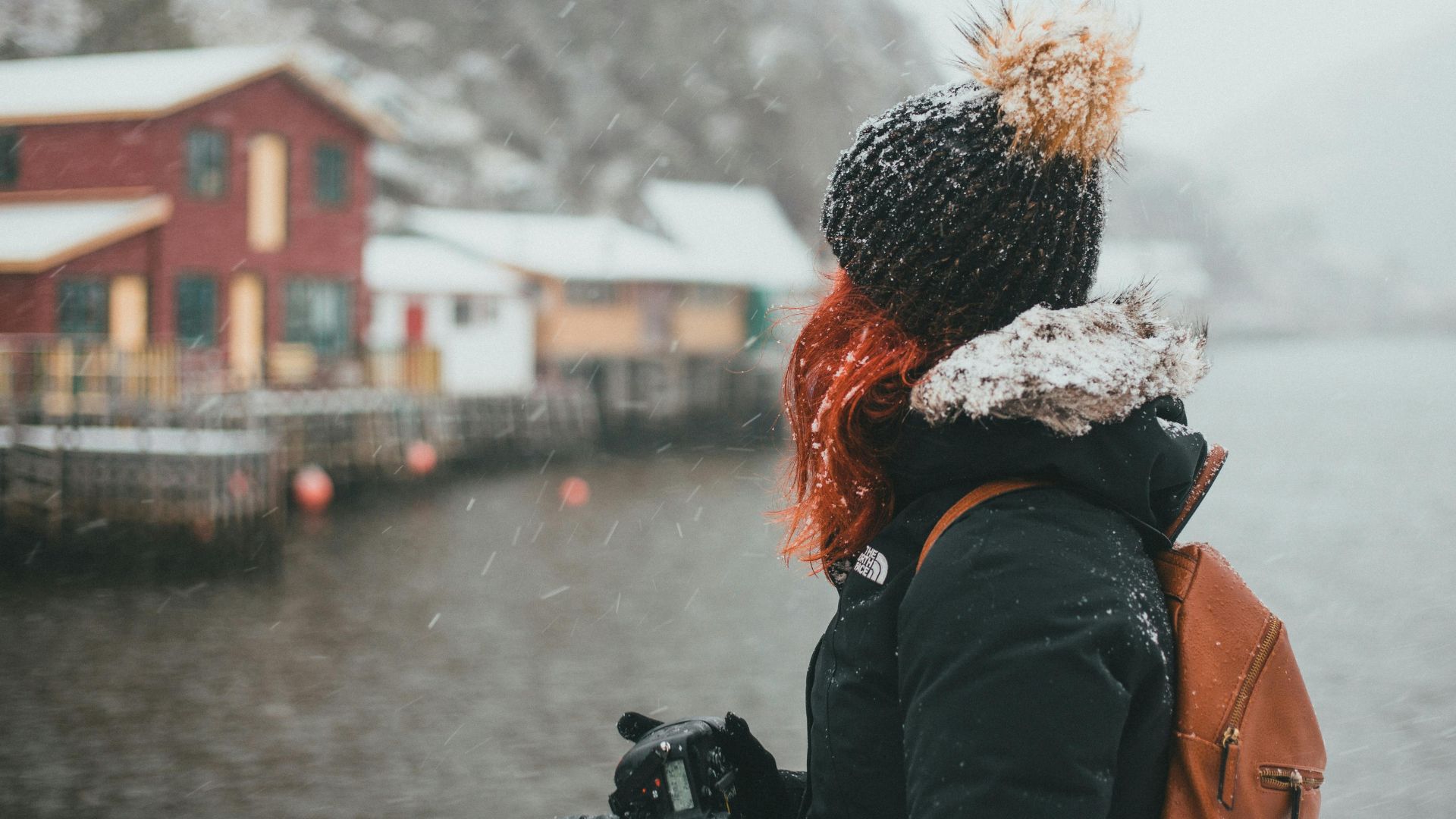
So many people show up at winter destinations without the right gear. You lose heat fastest through your head, hands, and feet, so you really need insulated gloves, a warm hat, and waterproof boots that actually handle the temps you’ll face.
Layering saves you. I always start with a moisture-wicking base, throw on a fleece, and finish with a windproof, waterproof shell. Cotton? It’s the enemy—it soaks up moisture and makes you colder.
Don’t leave home without:
- Hand and toe warmers
- A face mask or balaclava for those bitter days
- Extra batteries (the cold kills them fast)
- An emergency blanket (the metallic kind)
Don’t just assume you’ll buy what you need when you get there. Small mountain towns run out of winter gear, and prices can get silly.
Misjudging the Risk of Frostbite and Hypothermia
Frostbite can leave permanent damage, and it happens faster than you’d think. Exposed skin can freeze in minutes when it’s below 5°F and windy. Fingers, toes, nose, and ears are the first to go since your body pulls heat to your core.
If you notice numbness, pale or waxy skin, warm up the area gently—don’t rub or use direct heat. Hypothermia is just as sneaky. I’ve known people who got it in 50°F weather after getting soaked by rain. Watch for shivering, confusion, or slurred speech. If that happens, get medical help, fast.
Transportation Errors Unique to Winter Conditions
Winter driving has its own set of headaches. I’ve seen travelers get into big trouble from bad tires or trusting their GPS a little too much.
Overlooking Tire Traction and Vehicle Equipment
Rental cars rarely come with great tires. I always check the tread before I drive anywhere snowy. On packed snow, I slow way down—sometimes to a quarter of the usual speed.
Some mountain roads won’t let you through without chains. I buy mine before the trip and practice putting them on at home.
You’ll want:
- Tire chains or cables
- Ice scraper
- Jumper cables
- A small shovel
- Sand or kitty litter for traction
I check my tire tread before any winter trip. Bald tires are scary even on dry roads, but on snow and ice? No thanks. Don’t forget antifreeze, winter windshield fluid, and a full tank.
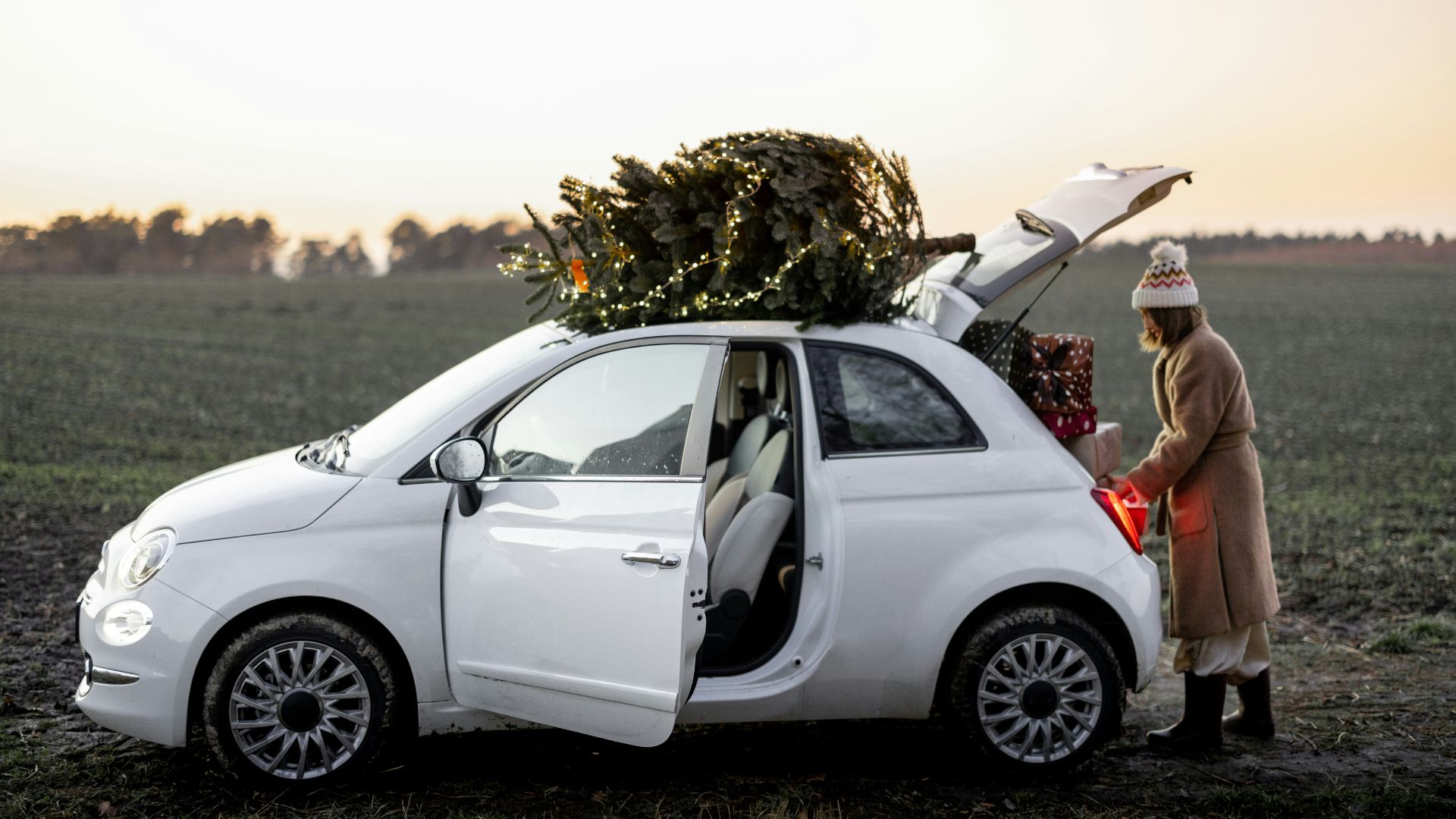
Relying Solely on GPS Without Verifying Closures
GPS doesn’t always know when a road’s closed for snow or ice. I’ve seen people blindly follow their GPS straight into a blocked mountain pass.
Winter storms change things fast. I check weather and road conditions before every drive, even if it’s a short one. State transportation sites usually have the latest info.
Black ice can pop up out of nowhere—especially after a warm morning cools off fast. I always double-check the whole route, not just where I’m starting.
Packing and Gear Mistakes Most Tourists Make
Packing for winter isn’t just about tossing a coat in your bag. I’ve seen folks shivering in cotton hoodies or stuck with broken gear because they didn’t check it before leaving.
Choosing Improper Layering and Fabrics
Cotton is a disaster in the cold. Once it’s wet, it stays wet and sucks the heat out of you. I always pack merino wool or synthetic fabrics—they wick away moisture and keep you warm even if they get damp.
My base layer is never cotton. Merino wool or polyester works way better. I also skip the single heavy coat and go for layers. That way, I can peel things off or add them as temperatures change.
Here’s my go-to layering system:
- Base layer (merino or synthetic)
- Mid layer (fleece or down)
- Outer shell (waterproof, windproof)
Touchscreen-friendly gloves are a must. Otherwise, you’ll keep taking them off to use your phone, and those few seconds add up—hello, frozen fingers.

Forgetting to Test or Maintain Gear Before Departure
Test your gear before you leave. I’ve seen too many people show up with broken zippers or boots that leak. Wet feet in the cold? That’s a fast track to frostbite.
I check everything at least two weeks before my trip. That gives me time to fix or replace anything that’s not working. Broken zipper? No problem if you catch it early.
Battery-powered stuff—chargers, headlamps—dies fast in the cold. I keep mine in an inside pocket to stay warm. Test them at home in the cold if you can, or at least make sure they’re fully charged.
Boots should have real grip for ice, not just a cool tread pattern. I walk around the block in mine before packing them. Blisters from new boots are bad news in winter.
Overlooked Essentials for Safer Winter Journeys
There’s more to winter travel than warm clothes and a hotel. Two things I see people skip all the time: proper insurance and taking care of your body’s basic needs in the cold.
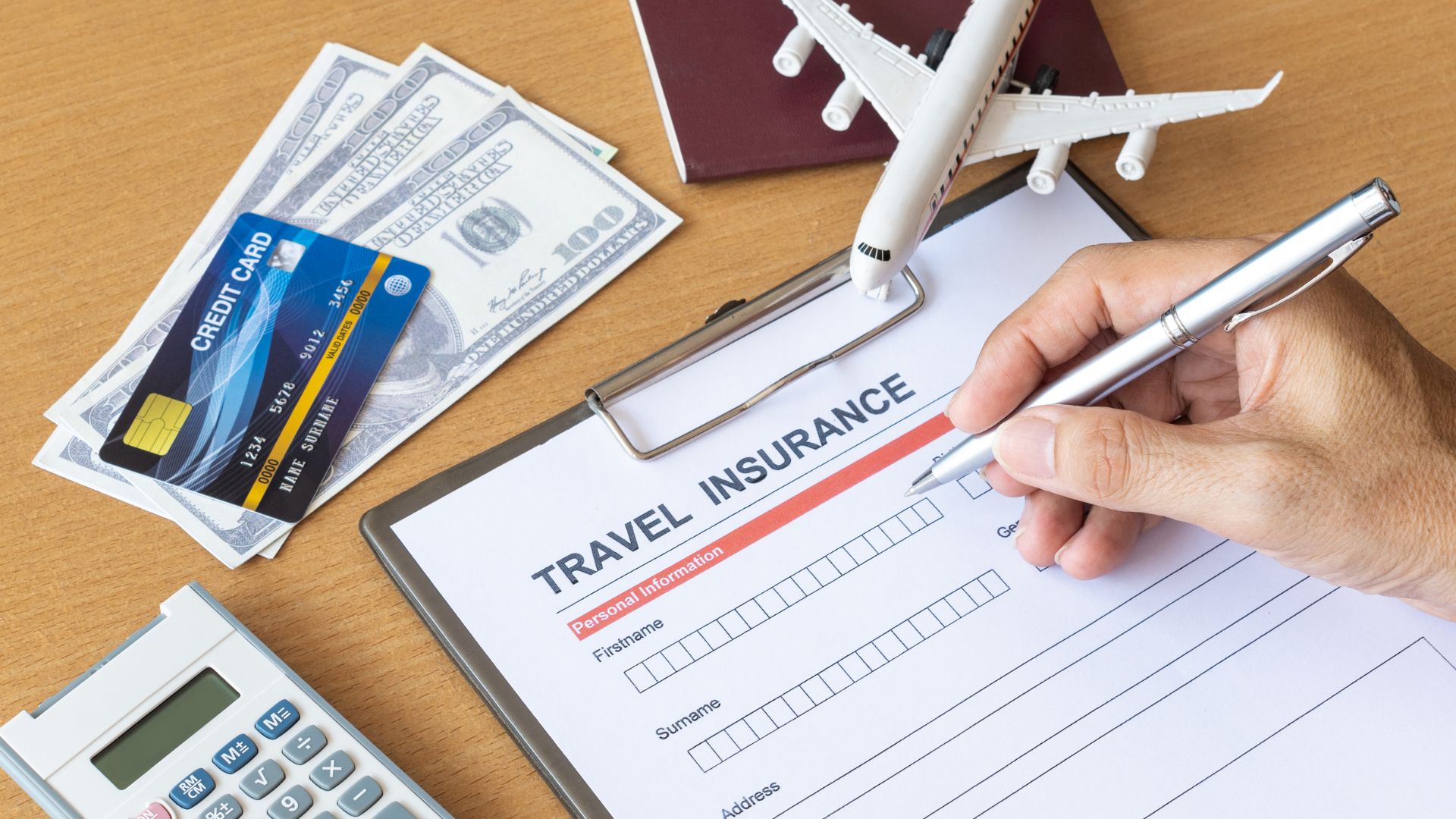
Neglecting Travel Insurance and Emergency Backup Plans
Lots of travelers think their regular health insurance will cover them on winter trips. Most of the time, it doesn’t—especially for winter sports, weather cancellations, or emergency rescues.
Travel insurance is a must if you’re heading somewhere with snow. I look for policies that cover:
- Medical emergencies, especially cold-related injuries
- Trip cancellations from weather
- Emergency evacuation from remote areas
- Lost or delayed bags (winter gear is expensive to replace)
I also set up backup plans. Offline maps, emergency contacts saved in my phone, and knowing where the nearest hospital is before I arrive. I always carry a portable charger—cold weather kills batteries fast.
Winter travel insurance usually costs $50-150 for a week. Totally worth it if you consider the price of a rescue or rebooking flights during a blizzard.
Forgetting Hydration and Caloric Needs in Cold Weather
Cold air makes you feel less thirsty, but you’re still losing water with every breath. I aim for at least 3-4 liters a day during winter trips, even if I’m not sweating.
Dehydration in the cold brings headaches, dizziness, and ups your frostbite risk. At altitude, it can trigger altitude sickness. I use an insulated bottle and fill it with warm water—cold drinks just make me colder.
Your body burns way more calories in the cold, sometimes up to 40% more. I pack snacks like nuts, energy bars, and dried fruit. Skipping meals or eating too little? That’s a shortcut to hypothermia.
I eat a solid breakfast before heading outside and keep snacks handy. Running out of energy in the cold isn’t just uncomfortable—it’s dangerous.
Frequently Asked Questions
Winter travel always brings up questions about safety, how to prep, and what to do when things go wrong. Here are the answers to the most common worries I hear from fellow travelers.
Before heading out, I always dig into my destination’s winter conditions. It’s not just about the weather—sometimes, restaurants and attractions shut down or change their hours in the colder months.
There’s nothing worse than showing up hungry and cold to find your favorite spot closed, right? So, I double-check what’s actually open before I go.
Packing emergency supplies has saved me more than once. I like to toss a first-aid kit, flashlight, and extra batteries into my bag. If I’m driving, I’ll add a blanket, snacks, water, and an old-school paper map—because GPS isn’t always reliable in a snowstorm.
I keep a little cash tucked away, just in case. Cards can get lost or declined, but cash? It’s the universal backup.
Whenever I can, I book direct flights. Layovers in winter are just asking for trouble—snow or wind can throw off your whole itinerary, even if your airport looks sunny.
I’ve learned not to plan anything big for my first day. Delays happen, especially in winter, so I keep my schedule loose at the start. Flexibility is my secret to avoiding disappointment.
If snow and ice are in the forecast, I skip renting a car unless I’m super confident behind the wheel. Local buses, trains, or rideshares usually feel safer and way less stressful. If I do rent, I check that the office will still be open if my flight gets pushed back.
Honestly, winter weather loves to surprise travelers. A little snowstorm can turn into a major headache before you know it.
I check the forecast a few times before I leave, even the day of. Winter weather changes fast, and yesterday’s “light flurries” can become today’s blizzard.
Months before I travel, I’ll research the general climate. Some places are icy and snowy, others are surprisingly warm. Knowing what I’m getting into helps me pack smarter and avoid nasty surprises.
Layers are my best friend. Even in cold destinations, indoor heating can make you sweat if you’re bundled up too much.
Sunscreen might sound odd for winter, but I never skip it. Snow reflects sunlight, and UV rays sneak through clouds, so my skin still needs protection.
I always toss in a first-aid kit, flashlight, and extra batteries. It’s just one of those habits that makes me feel prepared for whatever winter throws my way.
I avoid layovers in airports famous for snow chaos. Direct flights are usually worth the extra cost for peace of mind.
My arrival day? I keep it wide open. No tours, no dinner reservations—just in case my flight gets delayed.
Throughout my trip, I leave room to adjust. I don’t schedule tight pickups or must-do dinners right after landing. A little wiggle room goes a long way when winter weather tries to mess with your plans.
Whenever I plan a winter trip, I dive into research about the local weather. Some places get buried in snow, while others just turn into slick sheets of ice or get hammered by wild winds.
I always look up where my hotel or rental sits in relation to things like grocery stores or pharmacies. Trust me, nothing feels worse than trekking through a blizzard just to grab some snacks because you didn’t realize how far away everything was—or that your car’s snowed in.
Before heading out, I double-check the opening hours for museums or attractions. Winter can throw a wrench in the usual schedules, and there’s nothing more frustrating than braving the cold only to find a “closed” sign.
