
Most people picture national parks packed in summer, but honestly, winter is when the magic really happens. I’ve stumbled onto snow-covered landscapes that left me speechless, spotted wildlife up close, and wandered quiet trails with zero crowds.
When you visit national parks in winter, you get dramatic scenery and a peacefulness that’s almost unreal. The parks become these silent wonderlands—sometimes it’s so still you can hear your own footsteps crunching in the snow.
Hotels and lodges usually drop their prices, too, and you can snag a room last minute. I’ve found animals are easier to spot against the snow, and icy waterfalls or steaming geysers look like scenes from another planet.
Here are five national parks that, in my experience, absolutely come alive in winter. Some offer snowy adventures, others are perfect for escaping the cold. Either way, you’ll find experiences that blow summer out of the water.
Key Takeaways
- Winter trips to national parks mean fewer people, lower prices, and scenery you just can’t get in summer.
- Parks like Yosemite, Yellowstone, and Bryce Canyon turn into snow-draped playgrounds with snowshoeing, skiing, and more.
- Warm-weather parks let you hike comfortably—no sweating, no crowds.
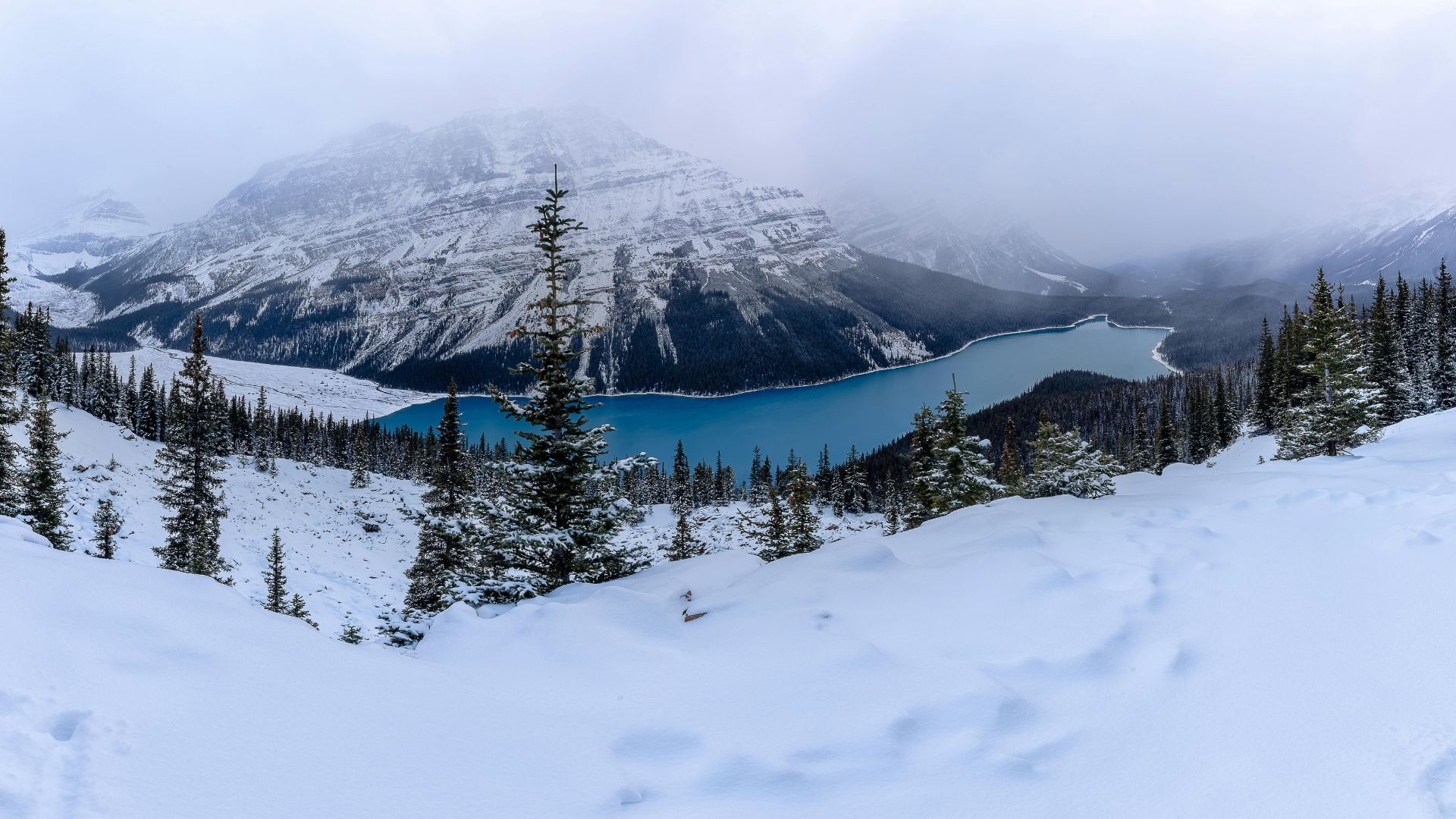
Why Visit National Parks in Winter?
Winter turns national parks into quiet retreats. You can wander without the chaos, save some cash, and see landscapes that look totally different dusted in snow.
Benefits of Winter Visits Over Summer
In my experience, winter trips to national parks just make sense. Park entrance fees don’t change, but hotels and cabins near the big parks often cost 30-50% less than in summer.
Weather’s not as bad as you might expect. Many parks actually get clearer skies and less rain in winter. The Southwest, like the Grand Canyon, has mild daytime temps—way better than roasting in 100°F heat.
Planning is way less stressful. I don’t have to book everything months ahead. Most places have last-minute spots, so I can chase good weather or take a spontaneous long weekend.
Crowd-Free Experiences
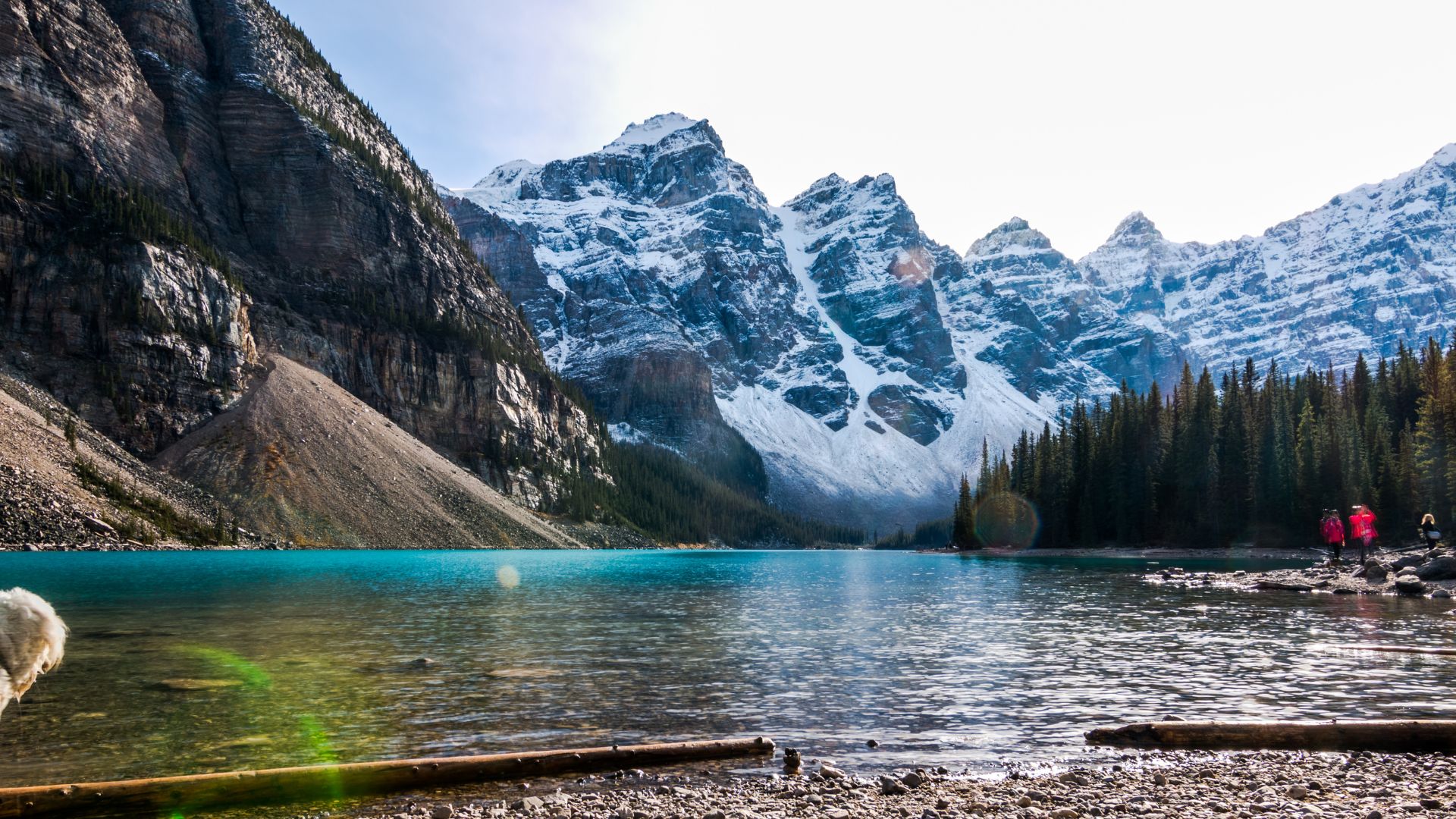
The drop in visitors is wild. Yellowstone gets over 900,000 people in July but barely 50,000 in January. I can pull into viewpoints without circling for parking or elbowing for a photo.
Popular trails that are packed at sunrise in summer feel empty any time of day. I’ve had iconic spots like Old Faithful or Yosemite’s Tunnel View almost to myself.
Rangers have more time to chat. They’ll actually stop and give you tips or share wildlife sightings. The whole vibe slows down—it’s more like a retreat than a tourist trap.
Unique Landscapes and Activities
Snow and ice totally change the scenery. Frozen waterfalls hang from cliffs, steam rises from hot springs, and the red rocks of Bryce Canyon pop against the white.
Winter opens up new adventures. I’ve strapped on snowshoes and wandered trails that are muddy or packed in summer. Cross-country skiing turns closed park roads into quiet, snowy corridors.
Wildlife is easier to spot, too. Fresh tracks in the snow tell stories, and bison or elk stand out against the white. Animals move lower in winter, so you can see them without fighting crowds.
Yosemite National Park: Snowy Serenity and Winter Adventures
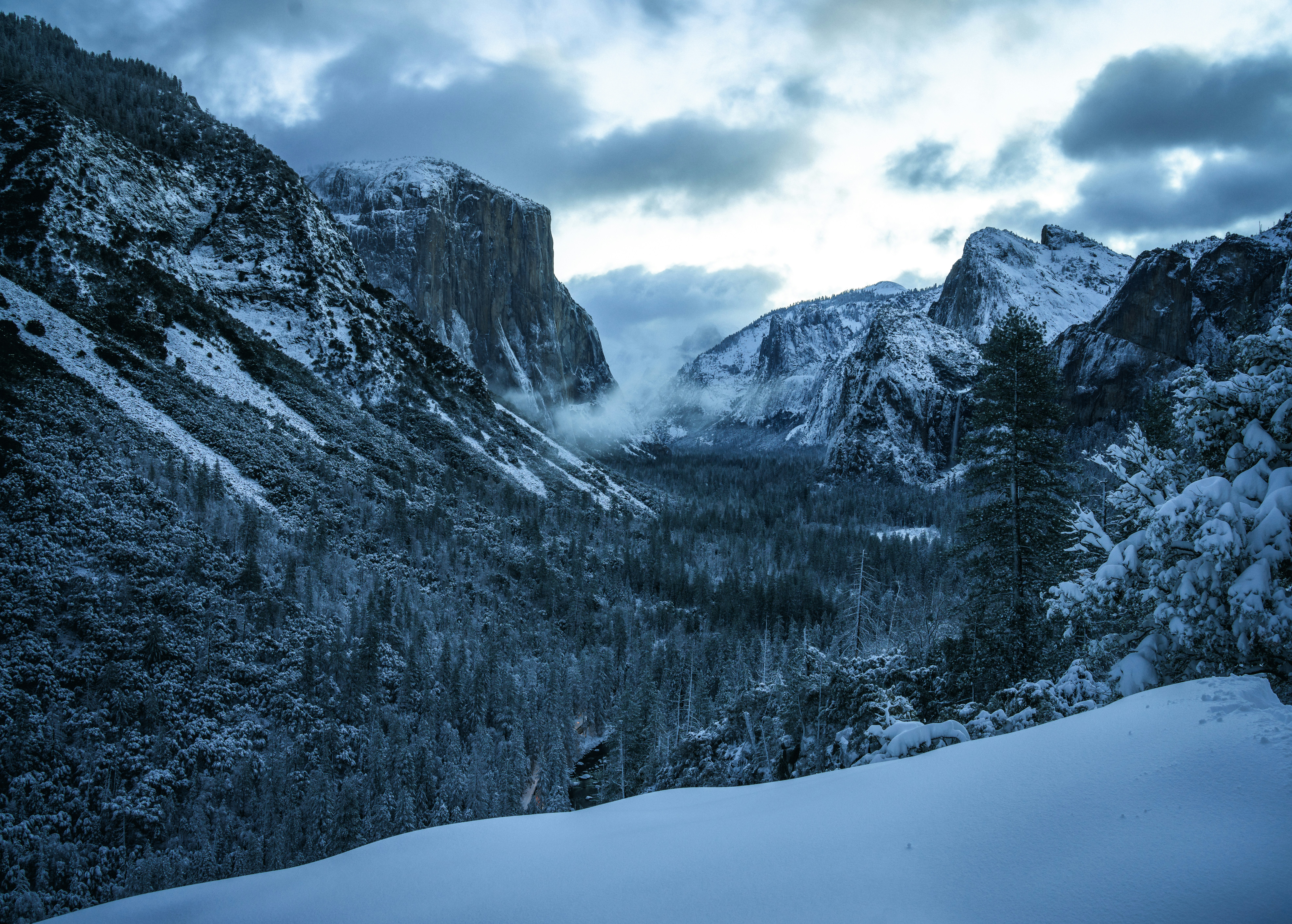
Yosemite ditches the summer crowds for peaceful winter landscapes. Granite cliffs and waterfalls get blanketed in snow, and the park stays open all year.
You’ll find skiing at Badger Pass and miles of trails for hiking or snowshoeing.
Iconic Winter Scenery in Yosemite Valley
Yosemite Valley sits at 4,000 feet and usually gets 30 to 40 inches of snow each year. Some years bring more, some less, but when storms hit, everything goes quiet.
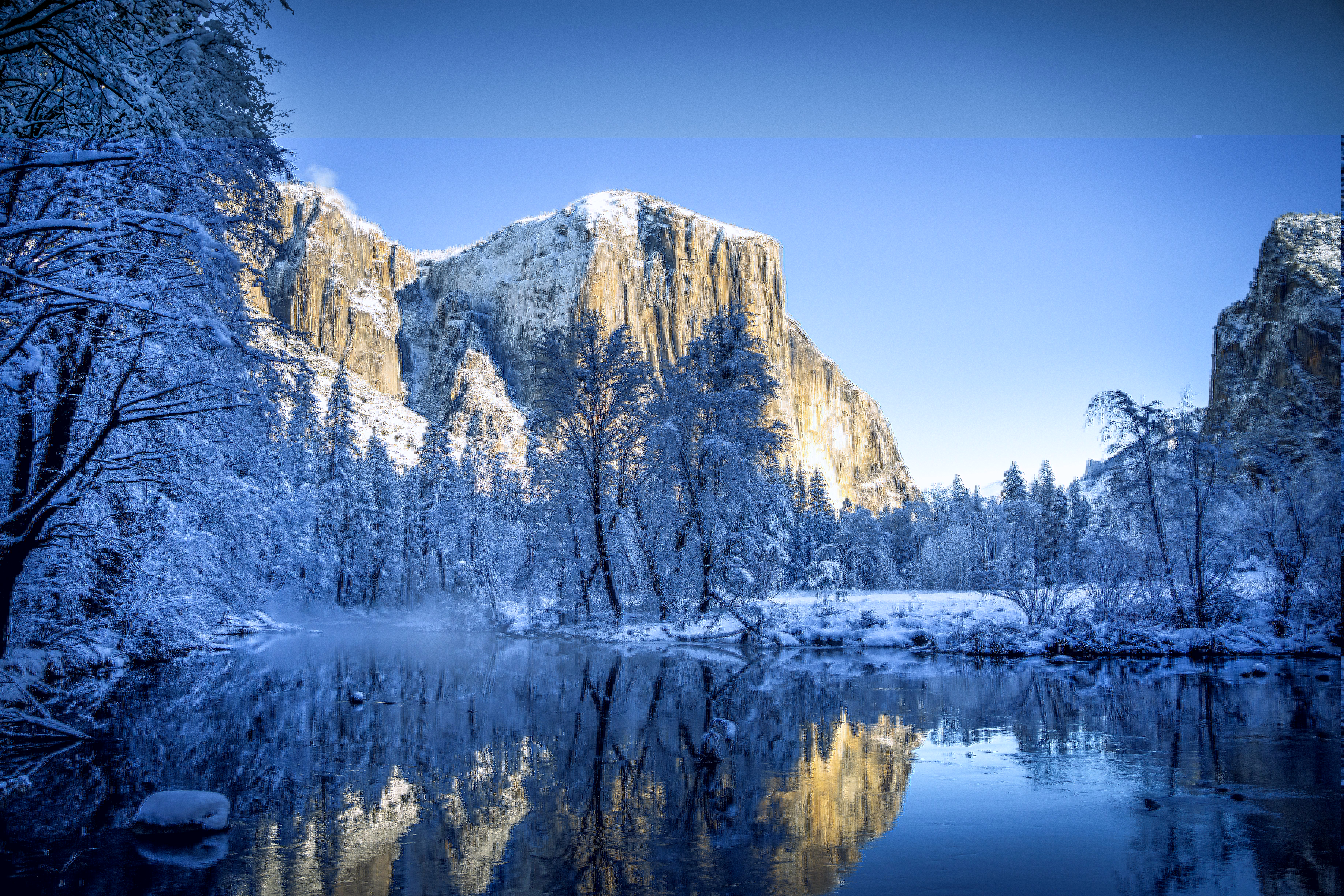
The main roads into the valley stay open all winter. Half Dome and El Capitan show off their snowy hats against bluebird skies. Yosemite Falls is at its strongest in winter and early spring.
Best winter viewpoints in the valley:
- Tunnel View for El Capitan and Bridalveil Fall dusted in snow
- Valley View for those perfect Merced River reflections
- Sentinel Bridge for classic Half Dome shots
Parking is way easier this time of year. I rarely wait at park entrances or circle for a spot. Valley temps usually sit in the upper 40s°F during the day and drop to the upper 20s°F at night.
Badger Pass: Skiing and Snowboarding Opportunities
Badger Pass Ski Area, California’s oldest ski spot, opens from December through March (give or take, depending on snow).
You’ll find nine runs, mostly for beginners and intermediate skiers. It’s not a place for experts, but it’s friendly and low-key—perfect for families or anyone learning winter sports.
Badger Pass sits at 7,200 feet and gets solid snow.
What you’ll find:
- Rentals for skis, snowboards, and snowshoes
- Lessons for all ages
- Food at the lodge
- Free shuttles from Yosemite Valley Lodge
Lift tickets are cheaper than most California resorts. I love the groomed cross-country trails through the forest—they start right near the ski area.
Winter Hiking and Snowshoeing Trails
Yosemite keeps valley trails open all winter. You’ll want microspikes or snowshoes, especially after fresh snow.
Easy winter trails (under 2 miles):
- Lower Yosemite Fall Trail: 1.2 miles roundtrip to the base
- Cook’s Meadow Loop: 1 mile with views of Half Dome and Yosemite Falls
- Bridalveil Fall: 0.5 miles to the waterfall viewpoint
Mirror Lake Trail is 2 miles one way and paved. In winter, the lake often freezes—totally different vibe from summer. I always pack extra socks and waterproof boots; trails get wet and icy.
Glacier Point Road closes to cars but becomes a snowshoeing route. The Crane Flat Lookout Trail is 2.9 miles and climbs gently to a fire lookout with epic views of El Cap and Half Dome.
Mariposa Grove stays open for snowshoeing among giant sequoias, even when the access road closes.
Yellowstone National Park: Untamed Wonders in the Snow
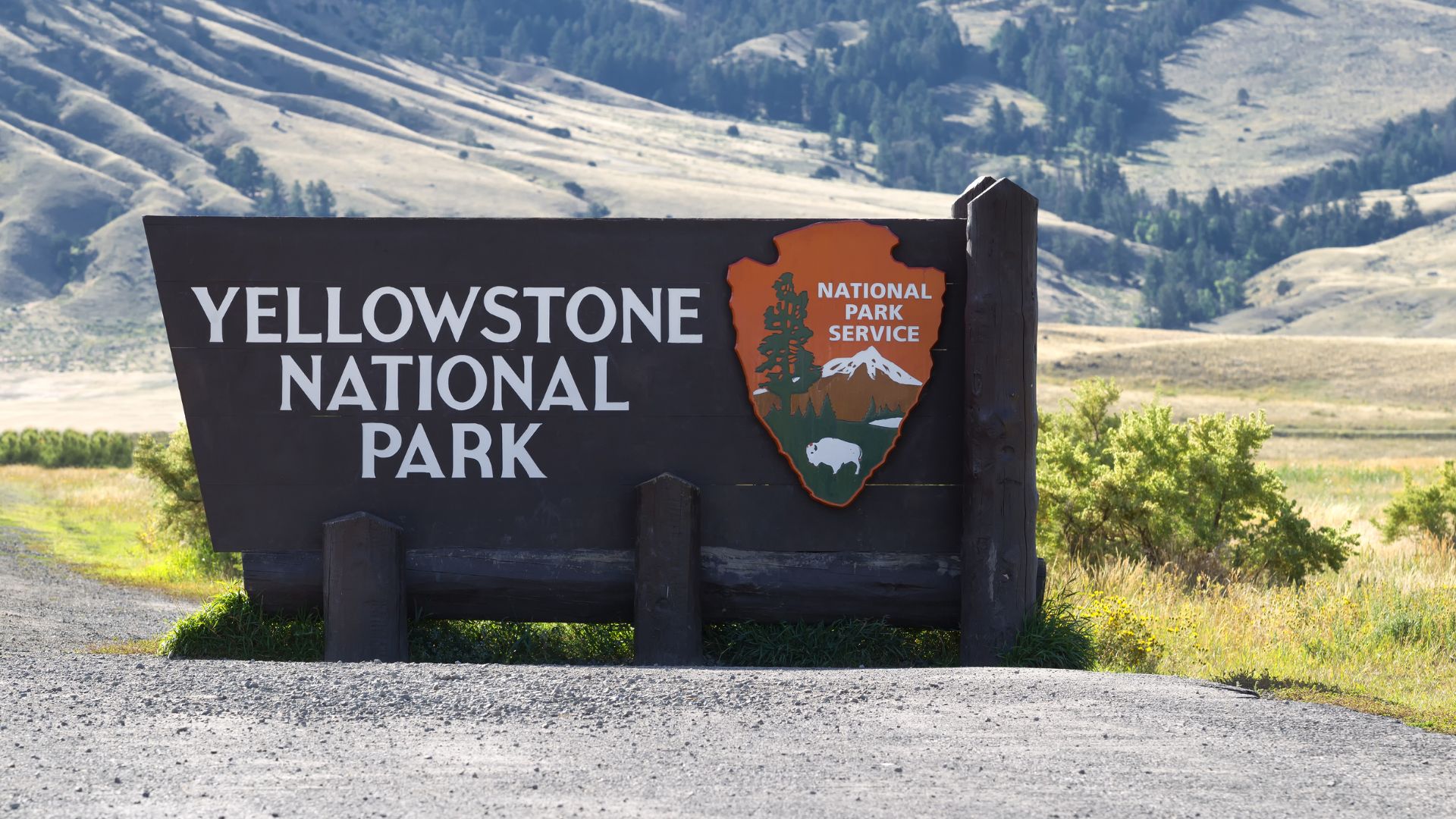
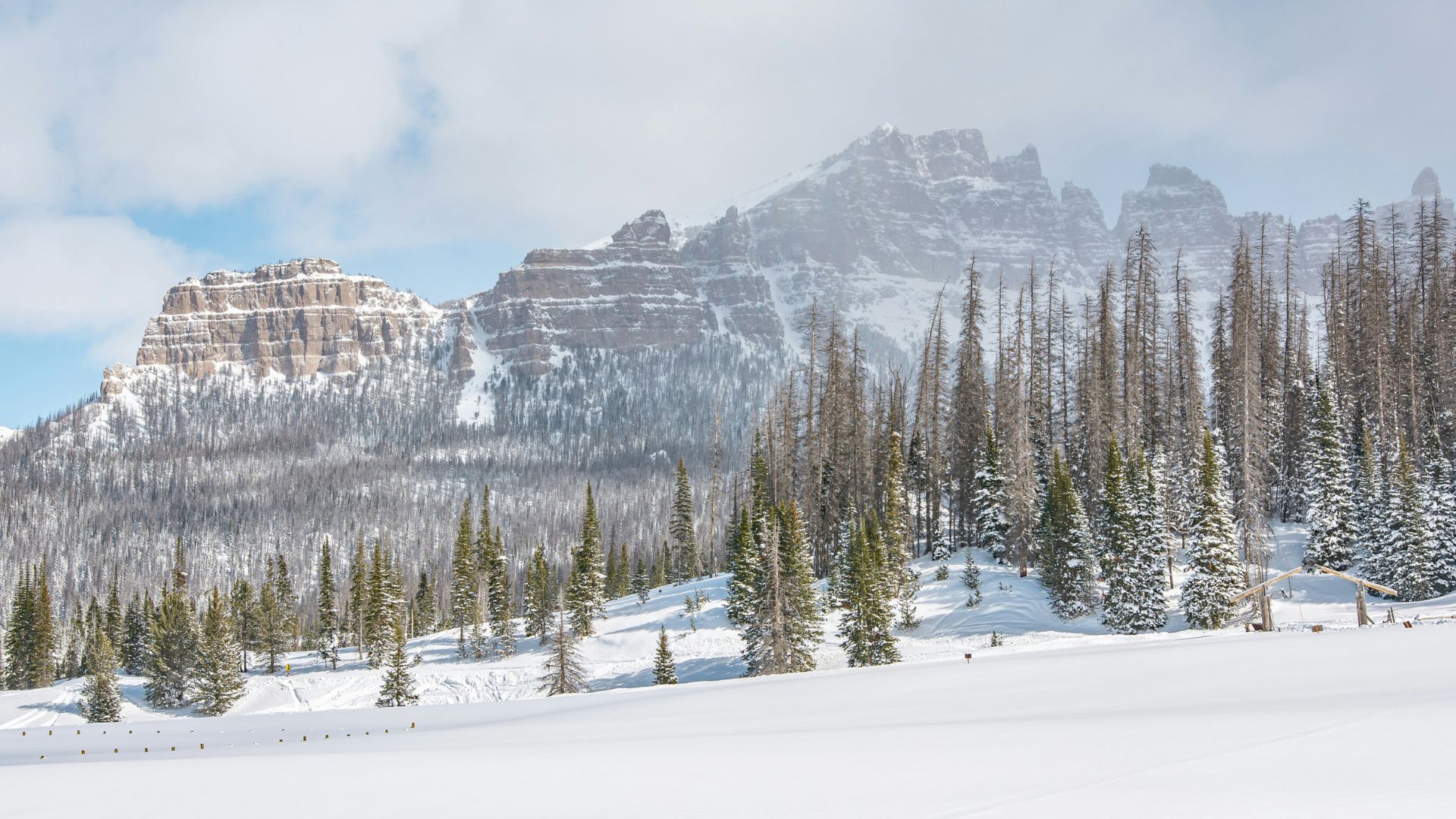
Yellowstone turns into a real wilderness in winter. Steam rises from geysers, wildlife roams snowy valleys, and the whole place feels remote.
The park stretches across Wyoming, Montana, and Idaho. Only a few routes stay open, so winter visits feel extra special.
Wildlife Watching in Winter
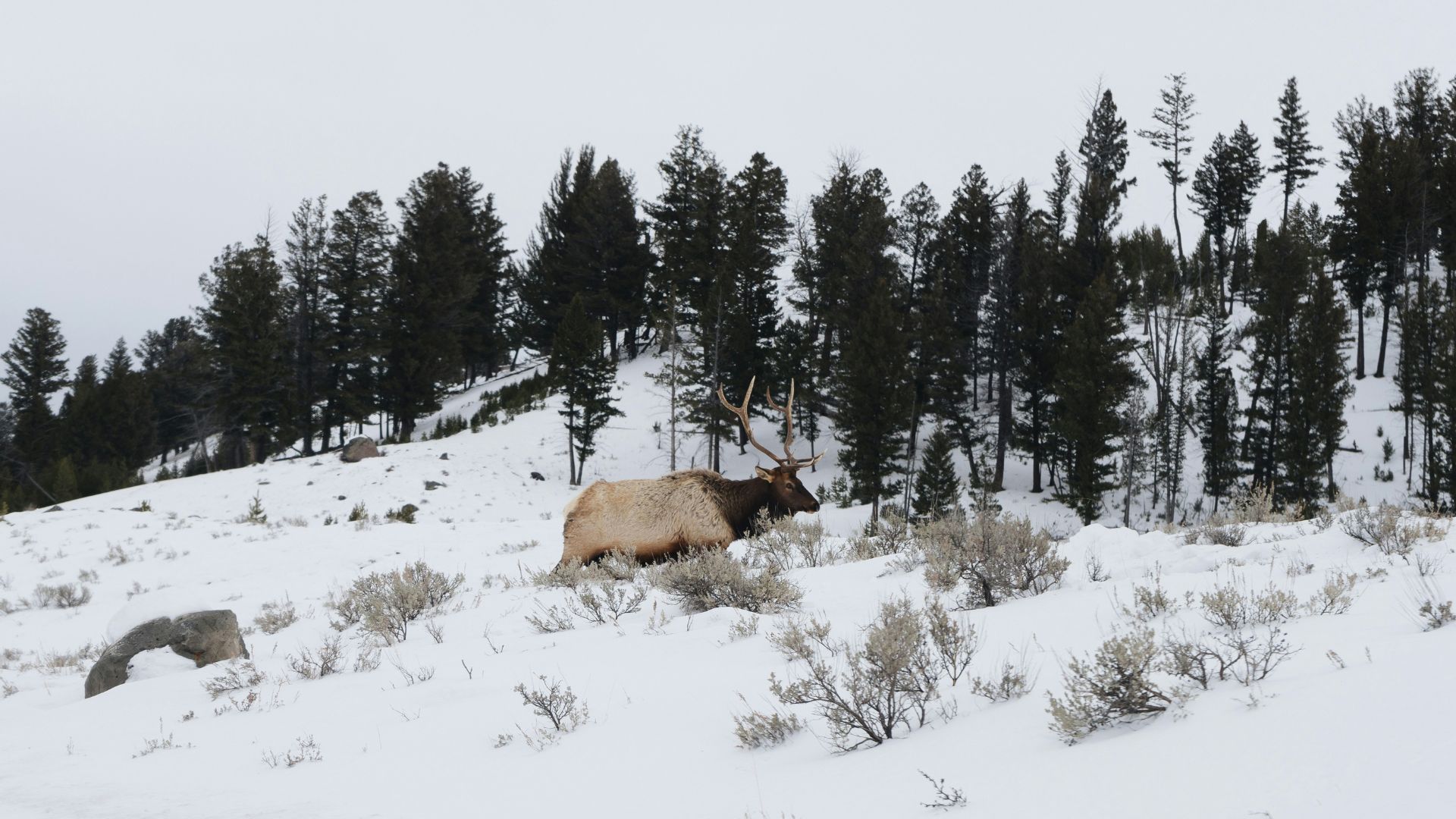
Animals head to lower valleys, making them easier to spot. Bison huddle near thermal areas for warmth, and wolves hunt across the Lamar Valley.
Winter delivers some of the best wildlife viewing I’ve ever experienced.
Bison and elk pop against the snow, and you might catch foxes, coyotes, or bighorn sheep. The North Entrance road from Gardiner to Cooke City stays open all winter.
Lamar Valley is prime wolf-watching territory. Bring binoculars or a spotting scope—the valley is huge. Early morning or late afternoon is best for action.
The cold keeps crowds away, so you can actually get a good spot without jostling.
Snowcoach and Snowmobile Tours
Most roads close to regular cars in winter, so you’ll need a snowcoach or snowmobile to get around. Snowcoaches are heated and run on tracks, taking you to Old Faithful, the Grand Canyon of the Yellowstone, and more.
Book tours ahead—they run mid-December through mid-March, depending on snow. There are over 400 miles of groomed trails.
Snowmobile tours move faster and feel more adventurous. You have to join a guided group, but the guides know their stuff and keep you safe.
Cross-Country Skiing and Ranger Programs
Cross-country skiing and snowshoeing are both awesome ways to explore. Trails near major sights are well-marked, and you can rent gear at park lodges.
Rangers lead snowshoe walks and teach about winter ecology, geothermal features, and animal behavior. These free programs are super helpful.
If you’re new to winter in Yellowstone, I’d definitely try a guided trip first. Rangers share safety tips and point out things you’d probably miss. After that, you’re good to go on your own.
Grand Canyon National Park: Dramatic Views Without the Crowds
Winter changes the Grand Canyon completely. It’s so much quieter, and you can actually enjoy the views without dodging crowds.
The South Rim stays open all year with full services. The North Rim shuts down for the season.
South Rim in Winter: Open Trails and Lodging
The South Rim runs year-round, even in January and February. After the holiday rush, trails and scenic drives are way less crowded.
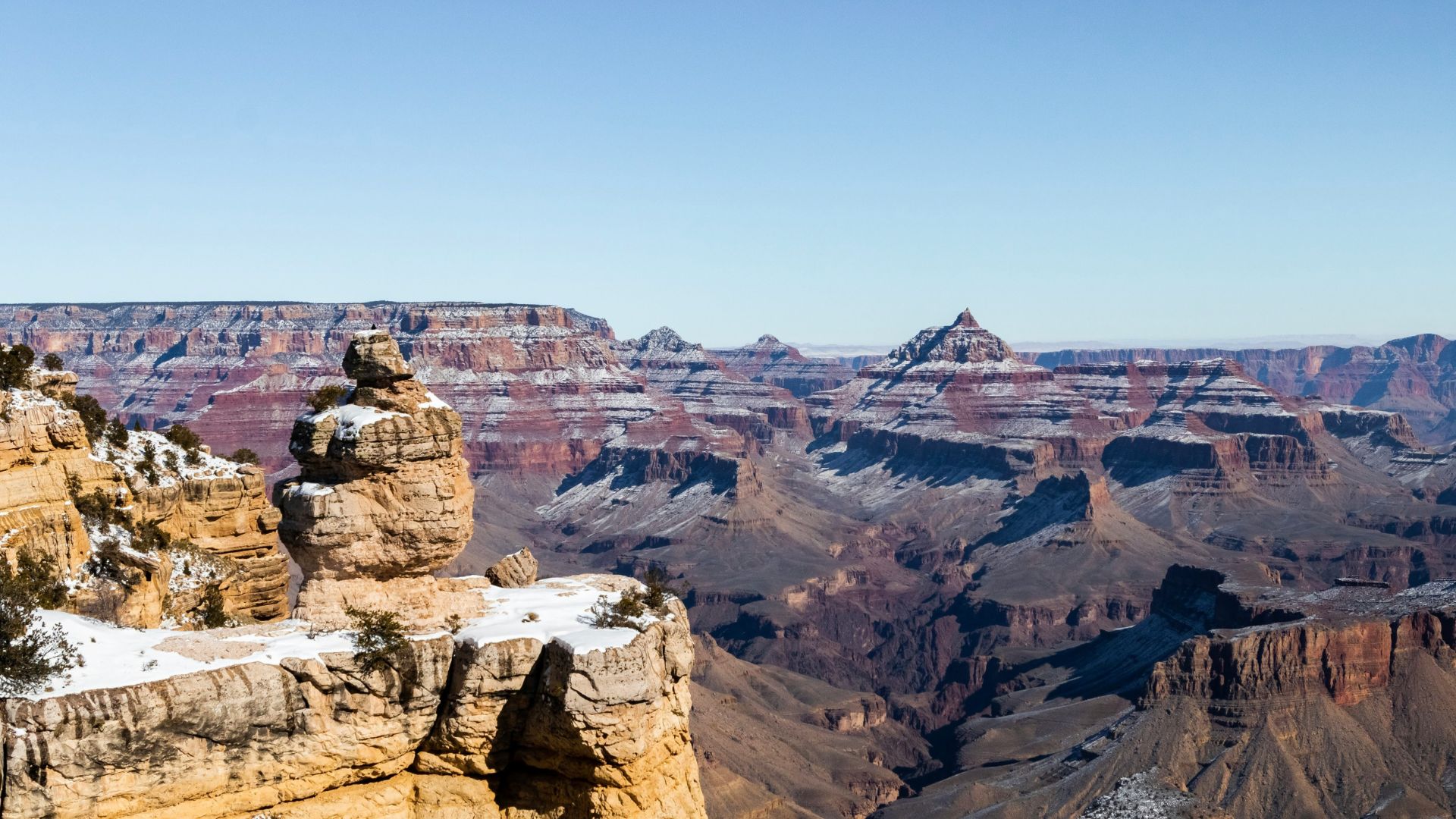
A dusting of snow on the canyon makes everything look new. Temples and buttes glow against the white, and the air is crisp—perfect for photos.
Winter gear I always bring:
- Slip-on traction for boots
- Trekking poles (icy spots sneak up on you)
- Extra layers (temps change fast)
- Headlamp or flashlight (days are short)
Free shuttles still run, so it’s easy to get around. Mather Campground is usually wide open for reservations. The park uses rock cinders on the roads, so driving is manageable unless there’s an active storm.
South Rim vs. North Rim in Cold Months
North Rim closes to vehicles from December 1 through May 14. So, South Rim is your only winter option.
I like that the South Rim keeps everything running. Roads are plowed, lodges stay open, and most viewpoints are easy to reach. Even families can manage winter hiking here.
The North Rim sits higher and gets buried in snow—no go unless you’re on a serious expedition. Some years, backpackers have hiked rim-to-rim with permits, but closures change things up.
Inner canyon spots like Phantom Ranch have milder temps, but Phantom Ranch is closed for construction January 2 through March 30, 2025.
Zion and Bryce Canyon: Red Rocks, Snow, and Hoodoos
Southern Utah in winter? It’s unreal. Snow on red rocks creates views you can’t get any other time.
Winter Hiking in Zion’s Famous Trails
Zion in winter feels like a completely different park. The crowds thin out, and you can finally breathe on the trails.
Best Winter Trails:
- Canyon Overlook Trail – 1 mile, not much ice
- Emerald Pools Trail – Lower pool usually stays open
- Pa’rus Trail – Paved, pet-friendly, and great if other trails are too icy
You can still hike the Virgin River Narrows, but the water is freezing. You’ll need a dry suit, not just regular gear.
I always check trail conditions at the visitor center first. Ice forms on shady spots, especially after storms. Traction devices are a must.
Daytime temps range from 30°F to 50°F. The east side of the park is quieter and full of hidden rock spires—definitely worth exploring.
Bryce Canyon’s Snow-Capped Hoodoos
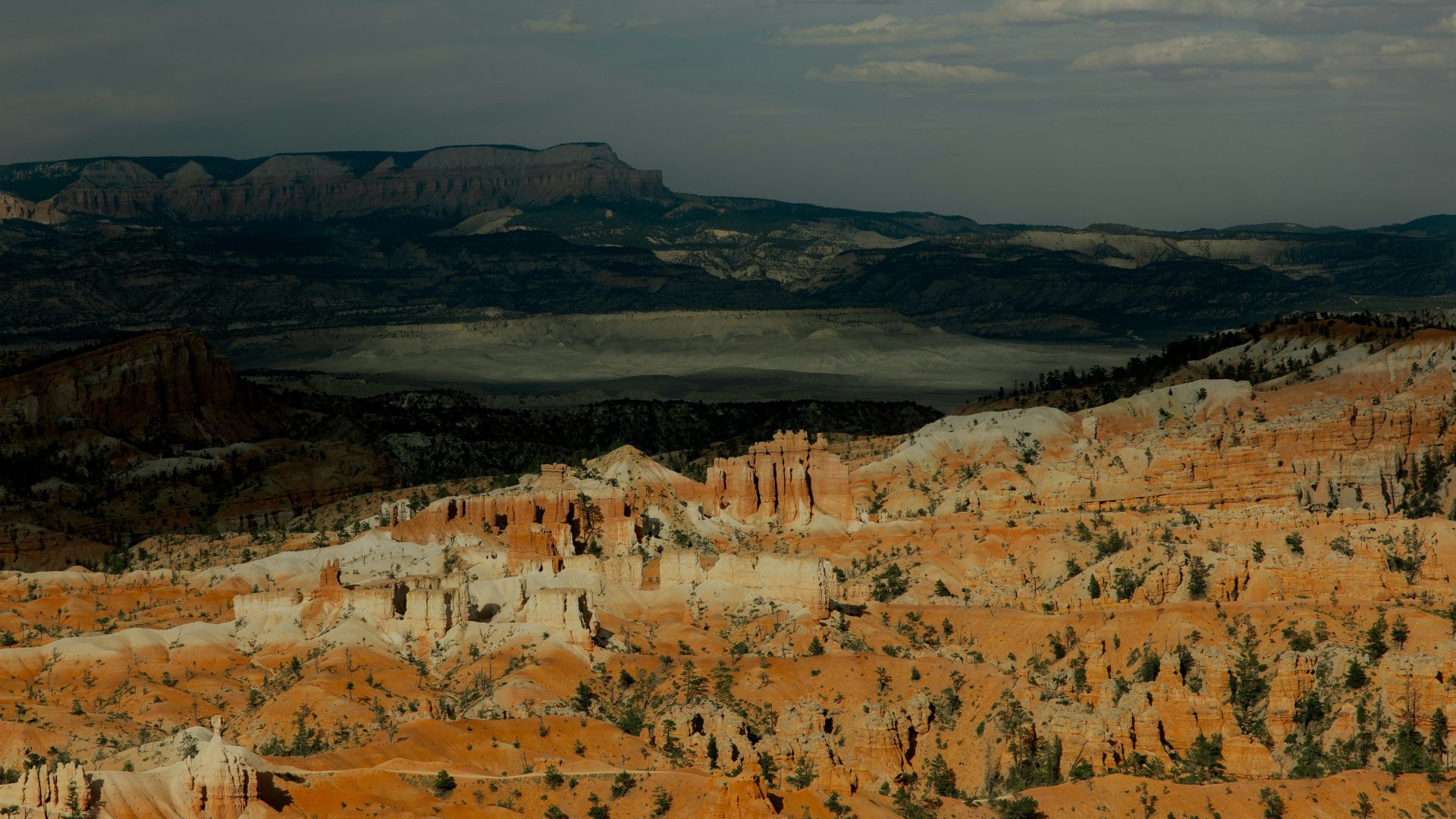
Bryce Canyon National Park claims the world’s largest collection of hoodoos. These wild, towering rock spires almost look like they belong on another planet, and when winter snow settles on them? It’s unreal.
The park sits high—almost 8,000 feet up. Snow sometimes starts as early as October, but December through February usually brings the most.
Must-See Winter Spots:
- Sunset Point – You can’t miss Thor’s Hammer, a 150-foot hoodoo that looks even more epic in the snow.
- Navajo Loop Trail – Hike down among the hoodoos (just know it’s out-and-back, not a full loop, in winter).
- Rim Trail – The paved stretch from Sunset to Sunrise Point usually stays cleared off.
Honestly, the ranger-guided snowshoe tours are my favorite winter activity here. I just show up and sign up at 8 am at the Visitor Center on tour days—no charge for snowshoes or poles. Rangers lead you out to Paria Viewpoint, which cars can’t reach once the snow comes.
Don’t forget waterproof boots with solid grip. The Navajo Loop gets slick, and sometimes you’ll want traction devices for icy patches.
Best Warm-Weather Winter Parks: Escape the Cold and the Crowds
Winter flips the script at a few national parks. Some spots become perfect for hiking in shorts while most folks are stuck inside. If you want mild temps, wide-open trails, and landscapes that just pop in winter, these southern parks are where you want to be.
Death Valley National Park: Mild Desert Adventures
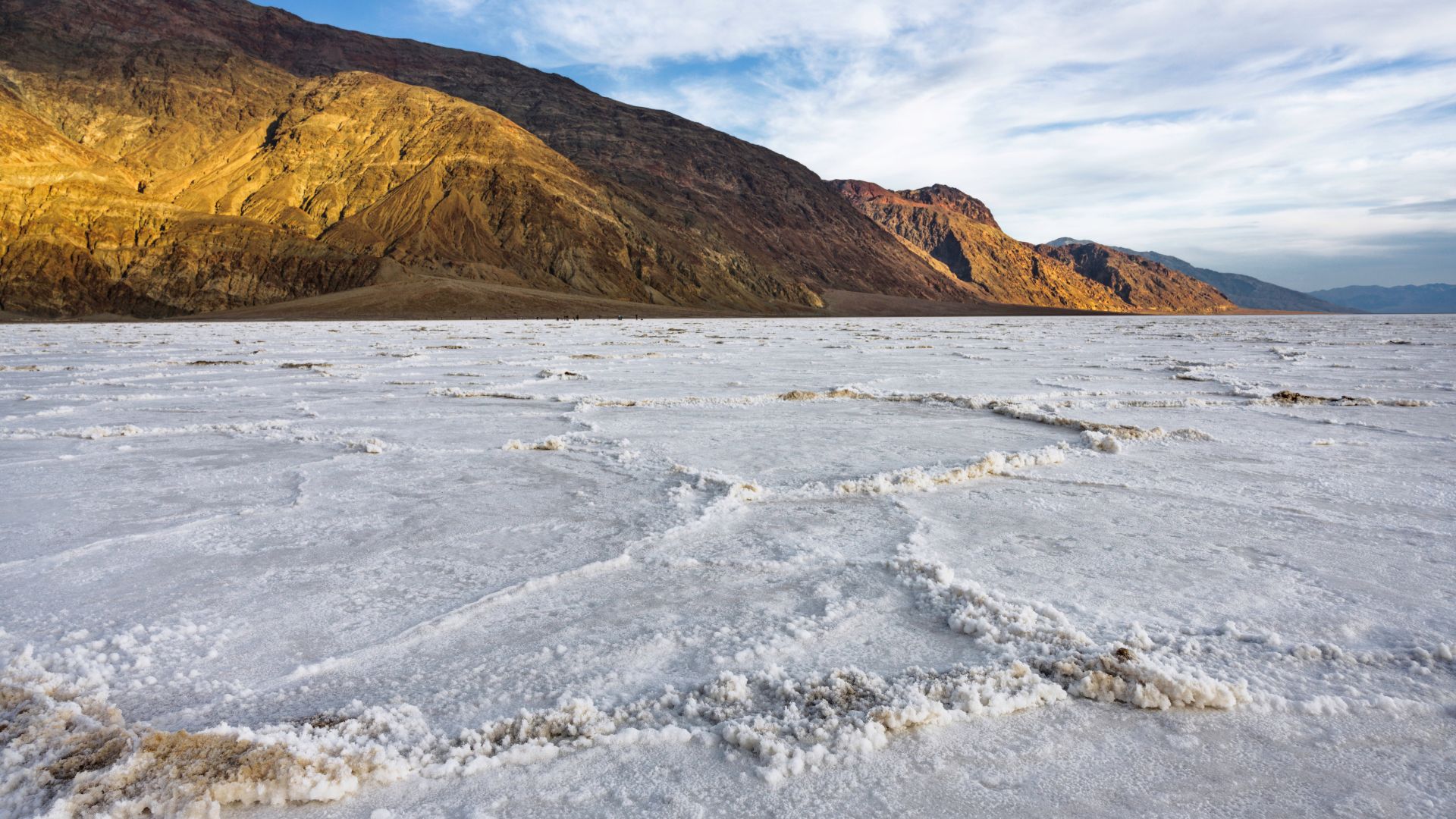
Death Valley is brutal in summer, but in winter? It’s surprisingly comfortable. Daytime highs usually land between 60-70°F, which means you can finally enjoy a hike without melting.
Kick things off at Badwater Basin, the lowest spot in North America. The salt flats stretch for miles—honestly, it feels like walking on another planet. Super easy, super flat, and great for anyone.
Zabriskie Point at sunrise is a must. The golden badlands glow in the soft winter light. If you’re into scenic drives, Artist’s Drive winds through rocks painted in wild shades—pink, purple, green—you name it.
Winter highlights:
- Daytime: 60-70°F
- Nighttime: 35-45°F
- Summer? Forget it. Temps can hit 120°F, so winter is the sweet spot.
Winter crowds almost disappear—about 75% fewer people than spring break. You’ll actually find parking and space to breathe.
Everglades National Park: Birdwatching and Airboat Tours
Come winter, Everglades National Park turns into a wildlife hotspot. The dry season runs December through April, and animals flock to the shrinking pools, so you’ll spot them everywhere.
Birdwatching peaks right now. Migratory birds join the locals, and the Anhinga Trail almost guarantees sightings—herons, egrets, and those quirky anhingas. Alligators bask along the boardwalk, totally unfazed by visitors.
Airboat tours run year-round, but winter is the most comfortable time to go. Humidity drops, and daytime temps hang out between 65-75°F.
Best winter activities:
- Walk the Anhinga Trail for easy wildlife sightings.
- Bike or take the tram around Shark Valley.
- Kayak through mangrove tunnels.
- Try a ranger-led nighttime gator walk (yes, it’s as cool as it sounds).
Mosquitoes? Barely an issue in winter. I’ve hiked in shorts and a t-shirt and didn’t get a single bite—no chance of that in summer.
Big Bend National Park: Hikes and Stargazing
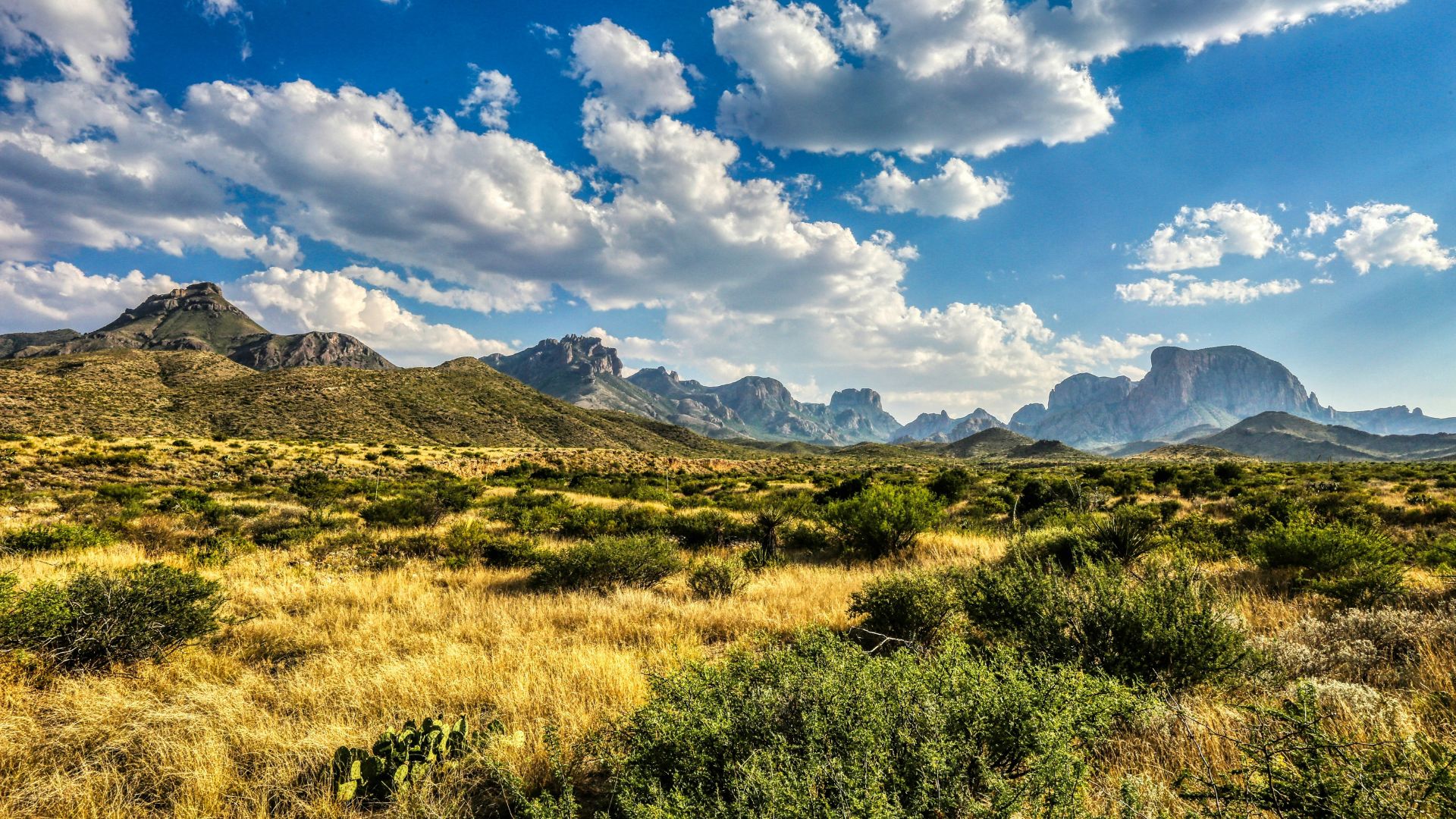
Big Bend National Park sits way out in southwest Texas, hugging the Rio Grande. The skies here are some of the darkest in the country, and winter brings crisp air and perfect hiking weather.
The Lost Mine Trail tops my winter hiking list. It’s a 4.8-mile round trip, climbing through the Chisos Mountains with sweeping desert views. Mornings start cool, but by afternoon, you’ll probably shed a few layers.
Big Bend earned its International Dark Sky Park badge for a reason. Out here, there’s almost zero light pollution. Winter’s long nights mean more time for stargazing, and the park even hosts “star parties” with telescopes and ranger-led constellation tours.
Temperature ranges:
- Day: 50-65°F
- Night: 35-50°F
- The desert swings between chilly and warm, so pack layers.
After a hike, I love soaking in the hot springs along the Rio Grande. They stay a toasty 105°F all year. For something easier, Boquillas Canyon offers a mellow riverside walk with dramatic rock walls towering overhead.
Frequently Asked Questions
Winter in the national parks? It’s a whole different experience—fewer people, snow-dusted scenery, and way better chances of spotting wildlife. I get a lot of questions about planning safe and memorable winter adventures, so here’s what I’ve learned.
The best part about winter park visits is, hands down, the lack of crowds. Parks that feel packed in summer turn peaceful in the winter months.
Some parks even drop entrance fees in winter, and it’s so much easier to snag a good room or campsite. Parking at top viewpoints rarely fills up, which is a relief.
The air feels crisp and clear, so views stretch for miles. Snow and frost add wild contrast—especially at Bryce Canyon and the Grand Canyon—making photos pop.
Yellowstone switches things up in winter—snowcoach and snowmobile tours are the only way in, and they’re the best way to see Old Faithful with a snowy backdrop.
Bryce Canyon hands out free snowshoes for exploring the rim and hoodoo fields. It’s a blast, even if you’ve never tried snowshoeing before.
Cross-country skiing is a big draw at Yellowstone and through Bryce’s amphitheaters. Death Valley and the Everglades flip the script, offering comfortable hiking when summer would be unbearable.
Grand Canyon’s South Rim stays open all year, but after November it feels almost empty. I’ve watched sunrise at Mather Point with barely another soul around.
Yellowstone’s snowcoach and snowmobile rules keep the crowds way down. The Grand Canyon of the Yellowstone feels almost private in winter.
Death Valley transforms into a quiet, peaceful escape. You can wander the salt flats or sand dunes for hours without bumping into anyone.
Yellowstone’s wildlife gets easier to spot in winter. Bison, elk, wolves, and coyotes gather near thermal spots and open water—Lamar Valley is a favorite for winter sightings.
The Everglades’ dry season pulls alligators, wading birds, and more to the remaining water holes. Trails like Anhinga Trail practically guarantee close encounters.
Migratory birds flock to the Everglades from December to February. If you’re a birder, this is the time to go.
Bryce Canyon’s hoodoos look absolutely magical dusted with snow. The red-orange rock against a blue winter sky? It’s a photographer’s dream.
Yellowstone’s geyser steam turns dramatic in the cold, rising in thick clouds over snowy ground. Old Faithful looks surreal this time of year.
Grand Canyon’s rim sometimes gets a layer of snow while the inner canyon stays warmer. The contrast creates incredible, layered views you just won’t see in summer.
I never skip layered clothing when I’m heading into a national park during winter. Waterproof jackets and insulated boots with solid traction have saved me more than once.
If there’s even a hint of ice on the trails—think the Grand Canyon rim—microspikes or crampons make a world of difference.
Before I leave each morning, I always check the latest weather and road conditions. You never know when a snowstorm might close off scenic drives, especially in places like Bryce Canyon or the North Rim of the Grand Canyon.
I keep extra water, snacks, paper maps, and a few emergency supplies in my car. Since most parks have spotty cell service, I don’t count on my phone for directions or help.
It’s smart to let someone know your hiking plans and when you expect to be back. Winter days just fly by, so I try to hit the trail early and wrap things up before sunset.