
Devon’s packed with famous destinations, but honestly, some of my best adventures happened in the small towns everyone else drives past. Sure, the hotspots are buzzing, but I found the real magic in places barely mentioned in most guides. These hidden gems in Devon gave me a richer, calmer holiday than any crowded beach or city ever managed.
Every town on this list brought its own vibe—friendly faces, gorgeous scenery, and a dash of unexpected history. There’s a quieter, more authentic side to Devon, and if you’re up for something a little off the radar, you’re in for a treat.
What Makes Devon’s Underrated Towns Unique?
Every lesser-known Devon town I explored had its own quirks and charm. When I wandered away from the crowds, I stumbled onto stunning landscapes, layers of history, and a pace of life that just felt… honest.
Scenic Beauty Beyond the Tourist Trail
Some of Devon’s prettiest towns are tucked into hidden valleys, along quiet coastlines, or up in the rolling green hills. In these spots, the natural beauty is impossible to ignore. I’d find myself stopping mid-walk to soak up a view—no crowds, no noise, just riversides or cliff-top paths all to myself.
A few villages surprised me with their old stone bridges and wildflower meadows—things you’d never see if you stuck to the main roads. Sometimes I’d wander down leafy lanes or just perch on a bench and watch the sea. It felt like these places hadn’t changed in decades.
You never know what you’ll find:
| Town/Village | Notable Feature |
|---|---|
| Dittisham | River Dart views, tranquil lanes |
| Bucks Mills | Secluded pebble beach |
| Stoke Gabriel | Apple orchards, tidal creek |
Cultural and Historic Riches
These towns might seem sleepy, but wow, their history runs deep. I wandered past centuries-old churches, tiny harbors, and even the skeletons of ancient manors. Some villages still have thatched cottages and old inns that practically whisper stories from the past.
You’ll hear local legends everywhere—smugglers, lost trades, odd traditions. A few places even have little museums or heritage trails that pull you into their backstories. I always felt like I was brushing up against the real roots of Devon.

Some highlights that stuck with me:
- Norman churches with hand-carved stonework
- Old fishing ports with battered boats and mossy quays
- Cobblestone lanes and cozy cottages
Local Flavor and Community Spirit
If I had to pick one thing that really set these towns apart, it’d be the sense of community. At local markets, I met bakers, cheesemakers, and crafters selling their own handiwork. In tiny cafés and pubs, folks were quick to chat and share favorite local spots.
Festivals here revolve around traditions—harvest suppers, quirky seasonal fairs. You don’t feel like a tourist; you feel like a guest. I loved trying homemade food and joining in on whatever was happening that week.
Some things to look for:
- Bakeries with fresh pastries and scones (so good)
- Pubs serving local ales and hearty fare
- Craft fairs and music nights in old village halls
My Top 5 Most Charming Hidden Towns in Devon
Devon’s full of quiet towns with their own personalities. These five really stuck with me for their beauty, stories, and the way they just feel so… real.
Lustleigh: An Enchanting Dartmoor Village
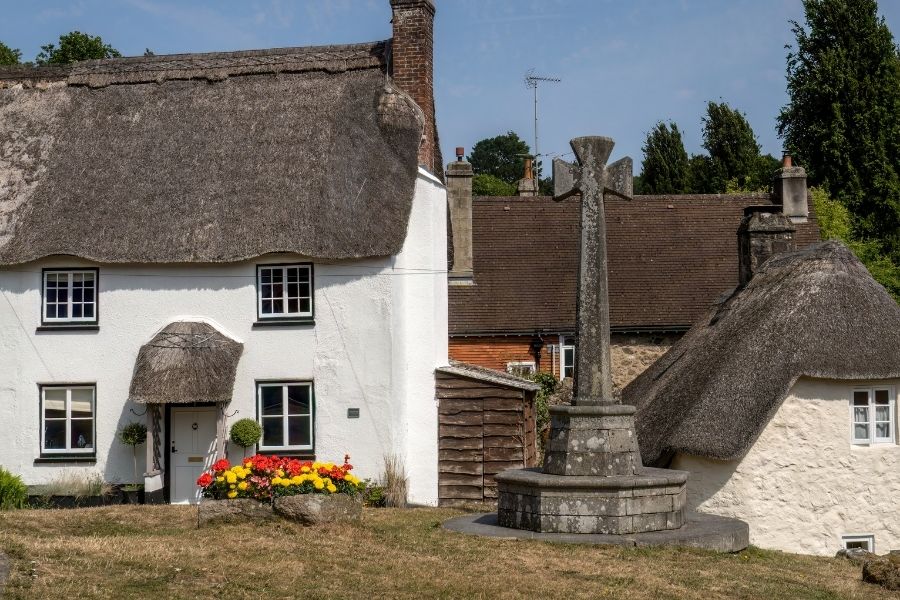
Lustleigh sits right in the heart of Dartmoor National Park. Picture-perfect stone cottages, flower-filled gardens, and winding lanes set the scene. Walking here, I felt like I’d stepped into another era. People actually say hello as you pass.
The village green, under old trees, is a dreamy picnic spot. I wandered through nearby orchards in spring—apple blossoms everywhere. The old church and the historic pub, The Cleave, add even more character.
There are easy walks around Lustleigh and along the River Bovey. Everything feels lush and peaceful, and honestly, you can just breathe here.
Appledore: Maritime Heritage and Vibrant Creativity
Appledore sits at the meeting point of the River Torridge and the sea in North Devon. Colorful houses and narrow lanes give it a lively, lived-in feel. Shipbuilding shaped this town, and you’ll spot nods to its maritime past everywhere—from the old quay to the Lifeboat Station.
Artists and writers seem to flock here. The town’s dotted with galleries, bookshops, and studios. The Appledore Book Festival always brings a creative buzz.
Cafés along the water serve up fresh seafood and great estuary views. I loved strolling the quay at sunset, listening to gulls and watching boats bob in the gentle tide.
Branscombe: Jurassic Coast Beauty and Tranquility
Branscombe sits quietly among the hills on the Jurassic Coast, a UNESCO World Heritage Site. The village is all thatched cottages and peaceful lanes. I wandered through wildflower-lined paths and grabbed a treat at the old bakery.
The pebbly beach is a haven for fossil hunters and anyone who just wants to watch the waves. Behind the village, hills and cliffs offer up walking trails with jaw-dropping sea views.
The National Trust keeps Branscombe and its old Forge in great shape—a real working forge, by the way. Walking from here to Beer along the coast is a must if you love scenery and quiet.
Cockington: Timeless Charm Near the English Riviera
Cockington is just a stone’s throw from Torquay, but it feels like another planet. The village is a cluster of thatched cottages, a watermill, and peaceful gardens. The Manor House and parkland are open, and I often saw wildlife wandering around.
I lost track of time exploring craft studios in the old stables—glassblowers, potters, you name it. The rose garden by the manor is stunning in summer.
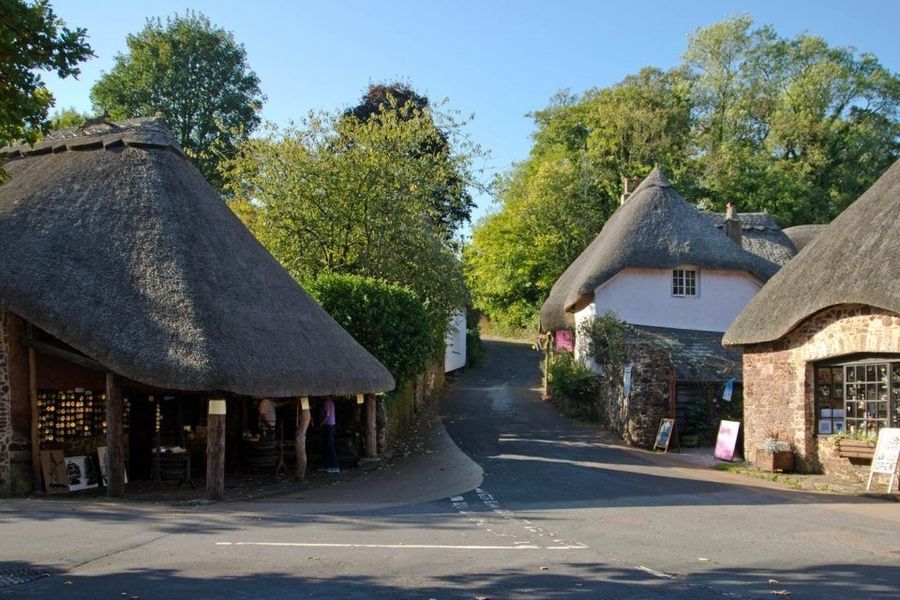
The lanes are perfect for cycling or slow walks, with barely any traffic. Tearooms here serve up homemade scones that are hard to beat. Even though it’s near the English Riviera, Cockington stays uncrowded and charming.
Hartland: Wild North Devon Coast Adventures
Hartland hugs the rugged North Devon coast. The village itself feels friendly and unpretentious, but the real star is the wild coastline. Towering cliffs and hidden coves line the South West Coast Path.
Adventure calls here. At Hartland Quay, I watched waves explode against the rocks and spotted seabirds overhead. The walk to Hartland Point offers sweeping Atlantic views, with the old lighthouse perched on the edge.
Local pubs serve up big, comforting meals and welcome muddy boots. Hartland Abbey’s gardens and woods are open to wander, and I found them wonderfully peaceful. If you’re after somewhere untamed and quiet, Hartland won’t disappoint.
Picture-Perfect Experiences in Devon’s Hidden Gems
The lesser-known towns in Devon offer a gentle kind of beauty and a sense of tradition that’s tough to find in busier places. Wandering through them, I felt closer to the county’s roots and nature itself.
Walking Ancient Cobbled Streets
A lot of Devon’s hidden towns keep their old-world look thanks to cobbled streets and timbered buildings. In Totnes, I found myself ducking into indie shops and cafés along narrow, stone-paved lanes.
Appledore’s twisting streets run past rows of painted cottages with glimpses of the estuary. Walking here is peaceful—it’s easy to sense the pride locals take in their history.
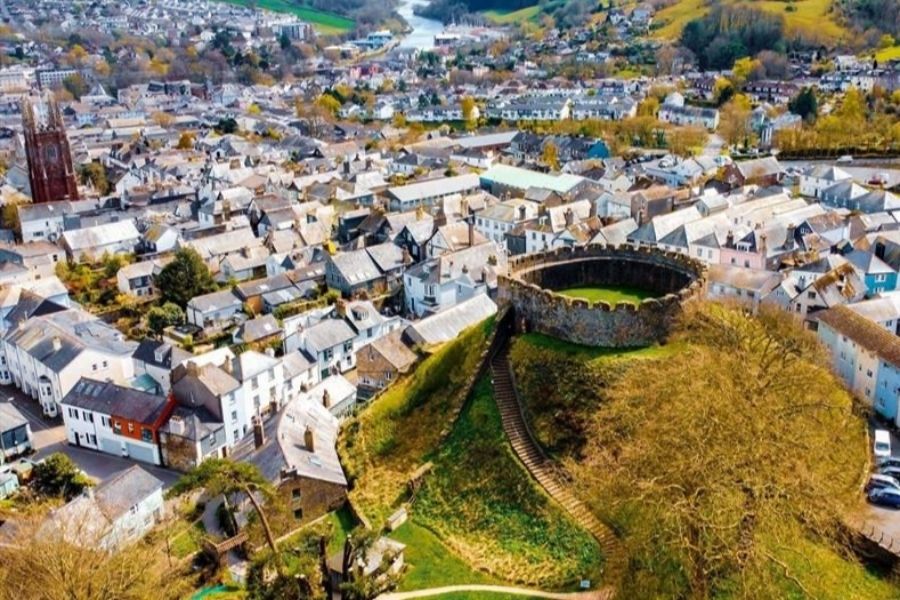
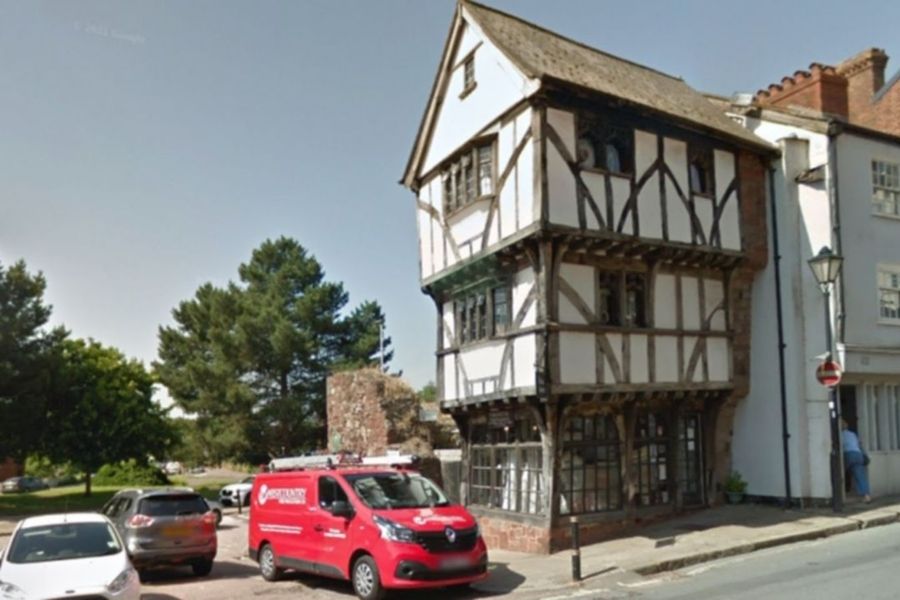
One spot I loved was The House That Moved in Exeter. It’s a timber-framed house, literally shifted from its original site, now standing as a quirky piece of living history. These old lanes make every stroll feel special.
Enjoying Unspoiled Sandy Beaches
Some of Devon’s best beaches hide far from the main tourist tracks. Blackpool Sands was a favorite—a sheltered bay ringed by evergreens. The water’s clear, swimming’s a joy, and crowds are rare.
Table: My Favorite Hidden Sandy Beaches in Devon
| Beach | Sand Type | Special Feature |
|---|---|---|
| Blackpool Sands | Fine sand | Calm swimming, natural beauty |
| Soar Mill Cove | Soft sand | Hidden by cliffs, uncrowded |
| Mouthmill Beach | Pebble/sand | Rugged views, good for walks |
At Soar Mill Cove, I reached the sand by foot along a quiet track. The sense of having the place to myself was incredible. Each beach was clean, peaceful, and framed by classic Devon hills.
Discovering Scenic Coastal Walks
Devon’s coast is laced with paths that reveal wild views and quiet corners. The South West Coast Path runs through secret spots, like the cliffs between Hartland Quay and Speke’s Mill Mouth. The Atlantic has shaped these cliffs and waterfalls over centuries.
Along these walks, I found benches perfect for a breather and birdwatching. Heading east, the path from Beer to Branscombe delivers some of the best coastal views—chalk cliffs, green fields, and endless sea.
Walking here is about slowing down, breathing fresh air, and seeing parts of Devon most folks never do. Every hike felt both relaxing and a little bit magical.
Unusual Attractions and Local Secrets
Digging into Devon’s quieter towns, I found all sorts of oddities and stories hiding in plain sight. From quirky houses to peaceful wildlife spots, there’s a lot more than meets the eye.
The House That Moved and Other Stories
In Exeter, I came across the House That Moved. Built way back in the 15th century, it actually got wheeled down the street in 1961 to save it from demolition. Seeing old photos of the move felt like watching history in motion. Now, it sits proudly on West Street—a secret slice of the past.
Chagford’s Finch Foundry is another unexpected find. This old water-powered forge is packed with original tools and still-working machinery. I joined a guided tour and got a glimpse into the world of Victorian blacksmiths. Not many travelers make it here, but I’d say it’s one of Devon’s coolest hidden museums.
Wildlife and Nature Reserves
I didn’t expect to find so many quiet reserves and wild valleys around these towns. Near Lynton, the Valley of Rocks offers a seaside valley filled with wild goats and bizarre rock formations. I hiked its winding paths and soaked in the dramatic cliff views. Even though it’s close to Exmoor, it stays pretty peaceful.
Down in South Devon, I wandered through reserves with wetlands, rare birds, and meadows bursting with wildflowers. At Hartland Abbey, I followed woodland trails and riverside paths, spotting deer and all sorts of blooms. These places might not be in every guidebook, but for me, their calm and wildlife made them stand out.
Fascinating Historic Landmarks
Castle Drogo looms over the Teign Gorge—it’s actually England’s youngest castle, which surprised me. I wandered through its granite walls and gardens, getting a little lost in the winding corridors. The views across the moors? Absolutely unforgettable. Visiting in the off-season, I found the whole place dramatic but also oddly peaceful.
Lydford Gorge pulled me in with woodland trails and waterfalls. Moss clung to the banks, and the main waterfall thundered down nearly 30 meters, filling the air with mist. It’s not just another pretty walk. The Devil’s Cauldron path twists so narrowly, and with stories of hidden coins, it almost feels like you’ve stepped into a legend.
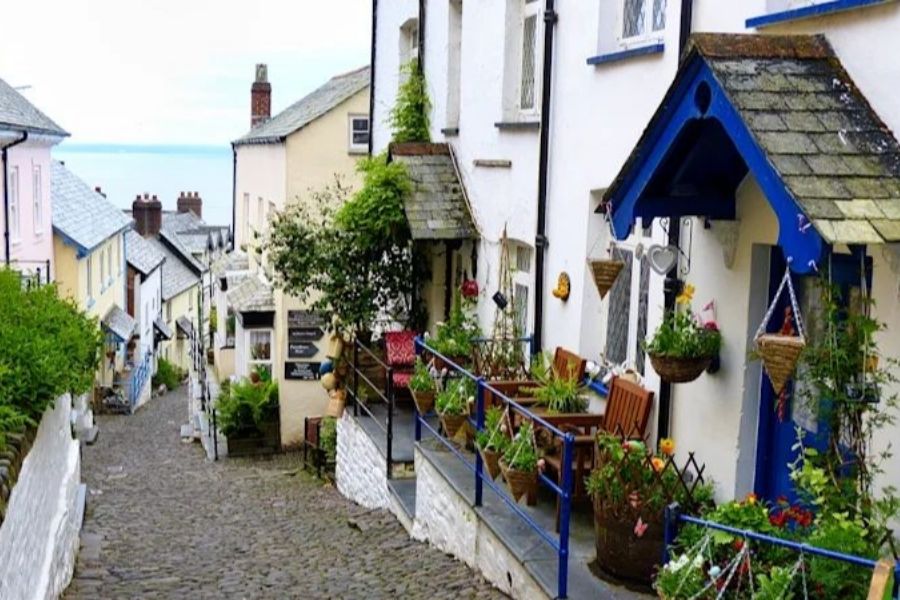
Clovelly sits on a steep hillside, almost like it’s frozen in another era. Pebbled streets wind between old cottages, and the occasional bray of a donkey drifts up from below. There’s so much history packed into these quiet corners of Devon, and honestly, it’s easy to forget the outside world for a while.
Authentic Devon: Food, Culture and Community
In these lesser-known towns, daily life revolves around food and real community connections. The villages wear their maritime roots and local customs proudly, which sets them apart from the busier tourist scenes farther west.
Local Cuisine and Artisan Producers
Devon’s small villages each seem to have their own food stories. In Beer, a fishing village, I sampled fresh seafood straight from the boats. The pebble beach is dotted with old wooden boats, and fishmongers set up shop with crab, lobster, and Dover sole on display.
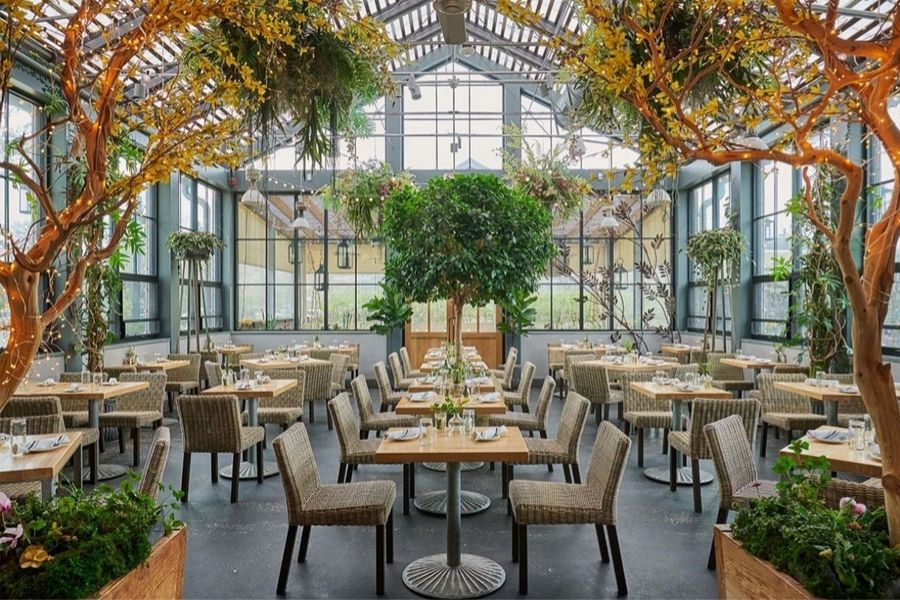
I spotted village bakeries and farm shops everywhere I went. One café served homemade scones with clotted cream—I couldn’t resist. At a nearby dairy, I picked up cheese right from the source. Markets and pop-up stalls celebrate whatever’s in season, from asparagus in spring to apples in autumn.
Table: Must-Try Local Foods
| Food | Where I Tried It |
|---|---|
| Beer crab | Beer’s beach café |
| Devonshire cream tea | Village tea room |
| Artisan cheese | Farmer’s market |
| Smoked fish | Fishermen’s stalls |
Meeting the people behind the food and seeing where everything comes from made these experiences stand out. There’s just something about tasting local flavors right where they’re made.
Festivals and Small-Town Events
Devon’s villages love to throw annual festivals and fairs that pull everyone together. Last summer, I found myself at a regatta in Beer—imagine classic boat races, live music drifting over the water, and piles of fresh seafood that locals had cooked up. The whole thing just oozed the town’s connection to the sea.
Somewhere else, I stumbled onto a spring fete on the village green. There were cake contests, old-school games like skittles, and a lively parade. I watched local kids weaving around a maypole, their parents cheering from the sidelines.
Even in the tiniest towns, you’ll find live music nights tucked inside ancient churches or village halls. These gatherings have a way of pulling you in. People chat, swap stories, and genuinely want visitors to experience their traditions.
Honestly, it’s impossible to feel lost in a crowd at these events. I ended up talking with residents about everything from the village’s history to what’s changing now.
