
When I rolled into Braga, I figured Bom Jesus do Monte would steal the show. Honestly, it did amaze me, with those wild staircases and the kind of views you want to bottle up. Still, the city threw so many curveballs my way that I left with way more memories than I’d expected.
Braga bursts with sacred sanctuaries and energetic secular hangouts. I found five sights that totally changed how I saw the city—so much more than just the famous sanctuary.
Exploring Braga felt like peeling back layers of Portuguese history. Sometimes I wandered ancient cobbled streets, sometimes I just stumbled into a quiet corner and let the city surprise me.
If you’re planning a trip and want both spiritual landmarks and a taste of Braga’s lively side, maybe this guide will spark a few ideas.
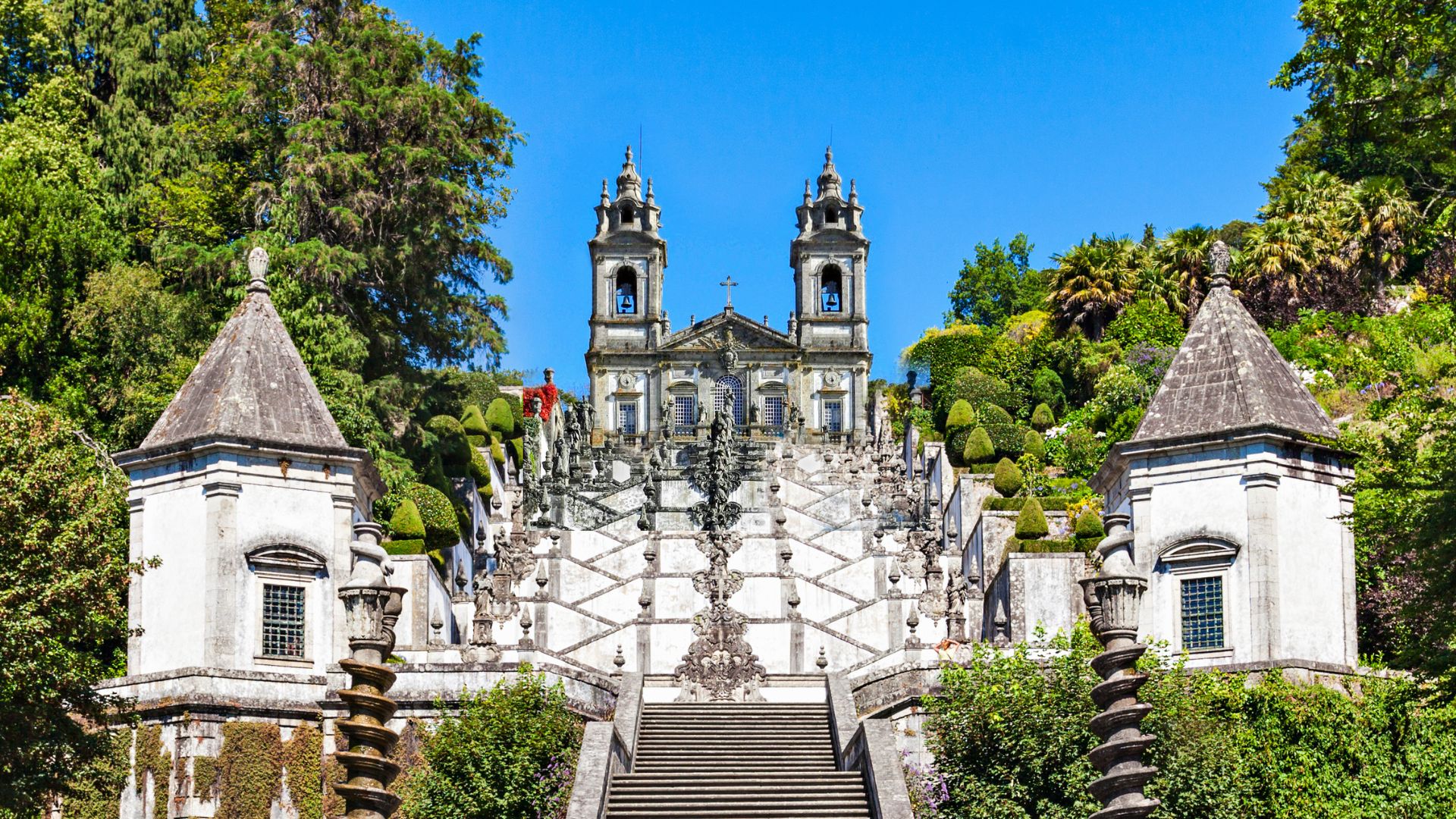
Bom Jesus do Monte: Braga’s Iconic Pilgrimage Site
Bom Jesus do Monte is one of those places where history, spirituality, and nature all kind of collide. I wandered through baroque stairways, peaceful gardens, and soaked up those sweeping Braga views.
Baroque Stairway and Sacred Way of Bom Jesus
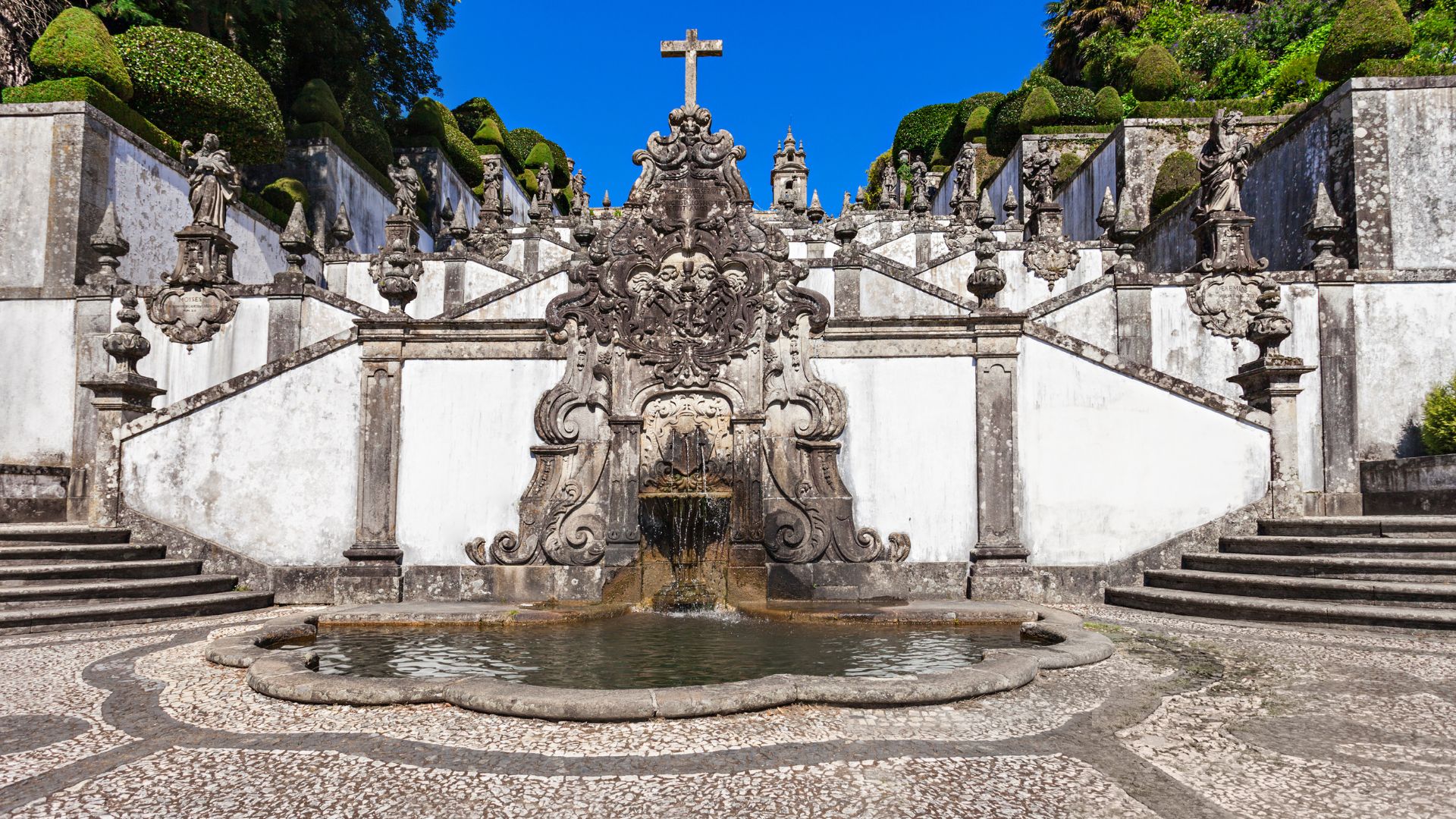
Climbing the monumental Baroque stairway at Bom Jesus do Monte was a workout, but one I’d do again. There are 577 steps zigzagging up Mount Espinho—over 116 meters, or about 381 feet. The landings are decked out with white-and-grey granite, curved balustrades, and old fountains.
As I made my way up the Stairway of the Five Senses, I stopped at statues for sight, smell, taste, touch, and hearing. Pilgrims usually go up on their knees, following the Sacred Way. I didn’t do that, but just walking the steps let me admire the detailed baroque architecture and azulejo tiles. The Court of Moses pops up along the way, with big statues and dramatic fountains.

Basilica of Bom Jesus: Art, Altar, and Architecture
At the top, the Basilica of Bom Jesus do Monte greeted me with its crisp neoclassical facade. Carlos Amarante designed it in the late 1700s, mixing baroque details with classical columns and twin bell towers. When I stepped inside, my eyes went straight to the glowing main altar, packed with gold carvings and intricate religious art.
The basilica’s organ still plays during services, filling the place with music. Side chapels show off sacred art and blue-and-white azulejo panels. Sunlight spills through tall windows, lighting up marble floors and those high, arched ceilings. The church isn’t huge, but there’s something about the calm and the artistry that just works.
| Feature | Highlights |
|---|---|
| Main Altar | Gilded woodwork, centerpiece sculptures |
| Organ | Historic, still used in services |
| Architectural Style | Neoclassical with baroque influence |
| Designer | Carlos Amarante |

Sanctuary Grounds: Gardens, Chapels, and Grottoes
Around the sanctuary, I found a park that felt miles away from the crowds. There are peaceful paths, tall trees, and a riot of flowers. Small rocaille chapels dot the gardens, each one showing scenes from the Passion of Christ with life-sized sculptures.
I stumbled upon hidden grottoes, cool and mossy, perfect for a break or a few photos. Picnic spots and benches offer panoramic views of Braga below. Families, couples, and solo travelers all seemed to soak up the calm. The Court of Moses is worth a stop too—beautiful gardens, statues, and stone fountains everywhere.
Water-Powered Funicular and Accessibility
If you’re not up for climbing all those stairs, the Bom Jesus funicular makes it easy. This water-powered elevator is the oldest in Iberia, and it’s still running like it did in 1882. I hopped on and loved the quiet, gentle ride—windows framing the forest and the sanctuary above.
The funicular is a lifesaver for anyone with mobility issues or kids in tow. The ride is short but pretty fun, and you’ll find accessible paths near the top. For just a small fare, you can skip the steps and still get those classic panoramic views over Braga.
Our Lady of Sameiro: Braga’s Majestic Sanctuary
High up on a mountain, the Sanctuary of Our Lady of Sameiro really stands out. The neoclassical basilica, those epic views, and the quiet vibe make it a peaceful escape and a peek into Braga’s spiritual heart.
Sanctuary and Neoclassical Dome
As I got closer, the grand neoclassical facade and that white dome caught my eye. It’s simple but impressive—columns, marble staircases, and detailed stonework everywhere.
Inside, the basilica feels welcoming. High ceilings and stained glass pour in natural light, setting a tranquil mood. Pilgrims often visit to honor Our Lady of Sameiro, especially during the big feast days in June and August.
At over 350 meters above Braga, the sanctuary sits in a spot that’s both peaceful and commanding. It’s easy to see why it’s such a big pilgrimage site, second only to Fátima in Portugal.
Religious Art and Cultural Relevance
Inside, I admired the beautiful altars and art celebrating the Immaculate Conception. The main altar shines with a silver tabernacle and a statue of Our Lady of Sameiro that really glows in the soft light. Frescoes and smaller statues highlight figures from Portuguese Catholic culture, connecting the site to centuries of faith.
These artworks tell stories about Braga’s deep Roman Catholic tradition. I watched visitors pause at chapels and altars, showing how much the sanctuary still matters here. Big events and processions draw people from all over northern Portugal.
You don’t have to be religious to appreciate the craftsmanship and meaning behind every piece. I lingered, just taking it all in.
Peaceful Atmosphere and Panoramic View of Braga
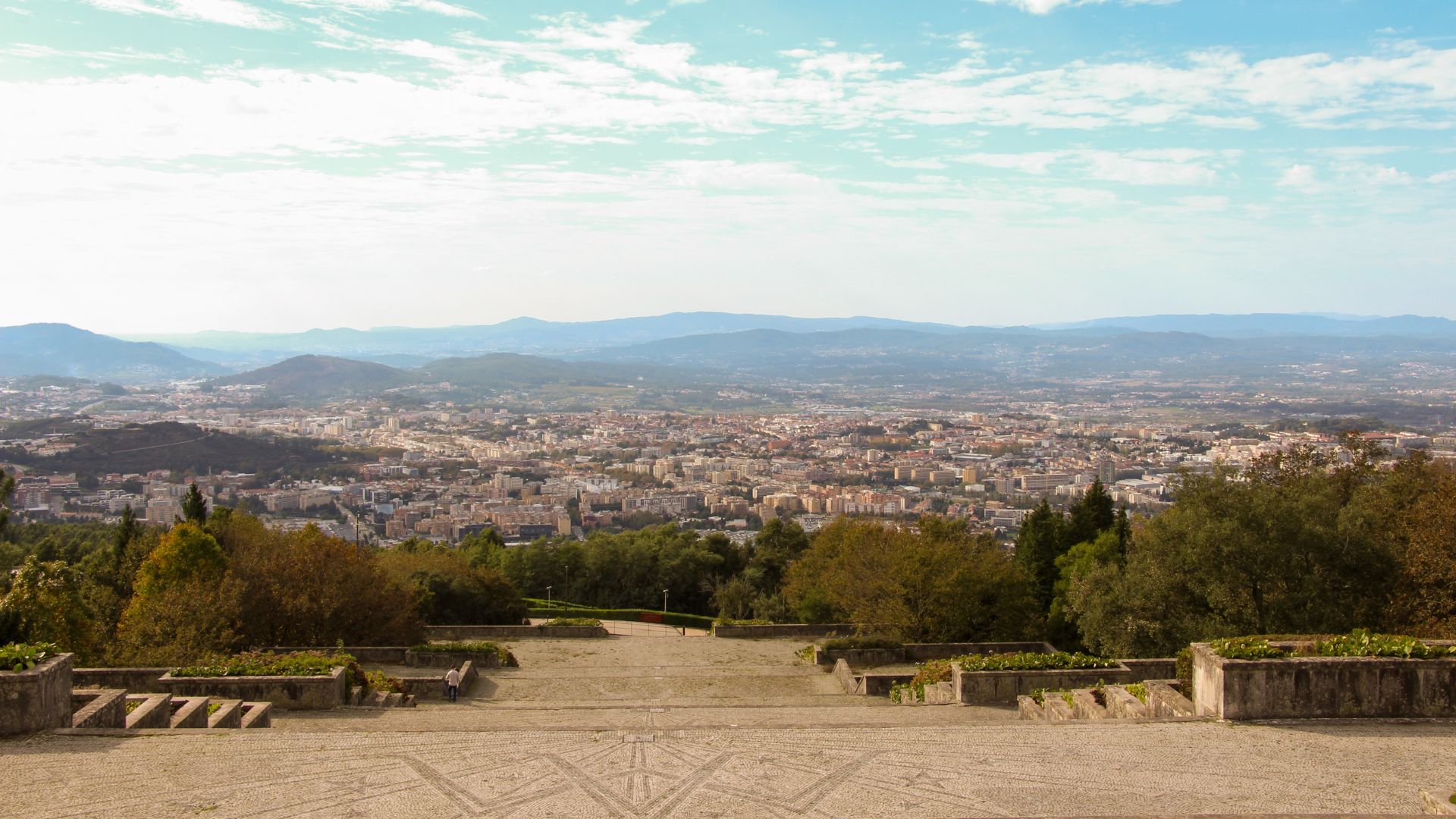
Stepping outside, I found one of my favorite moments—just soaking up the panoramic view from the terrace. All of Braga stretches out below: winding streets, old rooftops, and hills rolling into the distance.
Benches and open spaces make it easy to sit and breathe in the mountain air. Birds and church bells float on the breeze.
High above the city, I finally understood why generations come here to find some peace. Sacred mountains, gentle beauty, and history all mix together, leaving you with a sense of calm and maybe even a little awe.
Beyond the Sacred: Braga’s Secular Wonders
Braga isn’t just about churches. The city buzzes with lively places, gorgeous architecture, and green spaces that invite you to slow down.
Baroque and Neoclassical Buildings
As I wandered Braga, the baroque and neoclassical buildings kept catching my eye. The Palácio do Raio really stood out—its blue-and-white azulejos tiles shimmer in the sun, a real 18th-century baroque gem. The carved stonework and bright tiles make it a photographer’s dream.
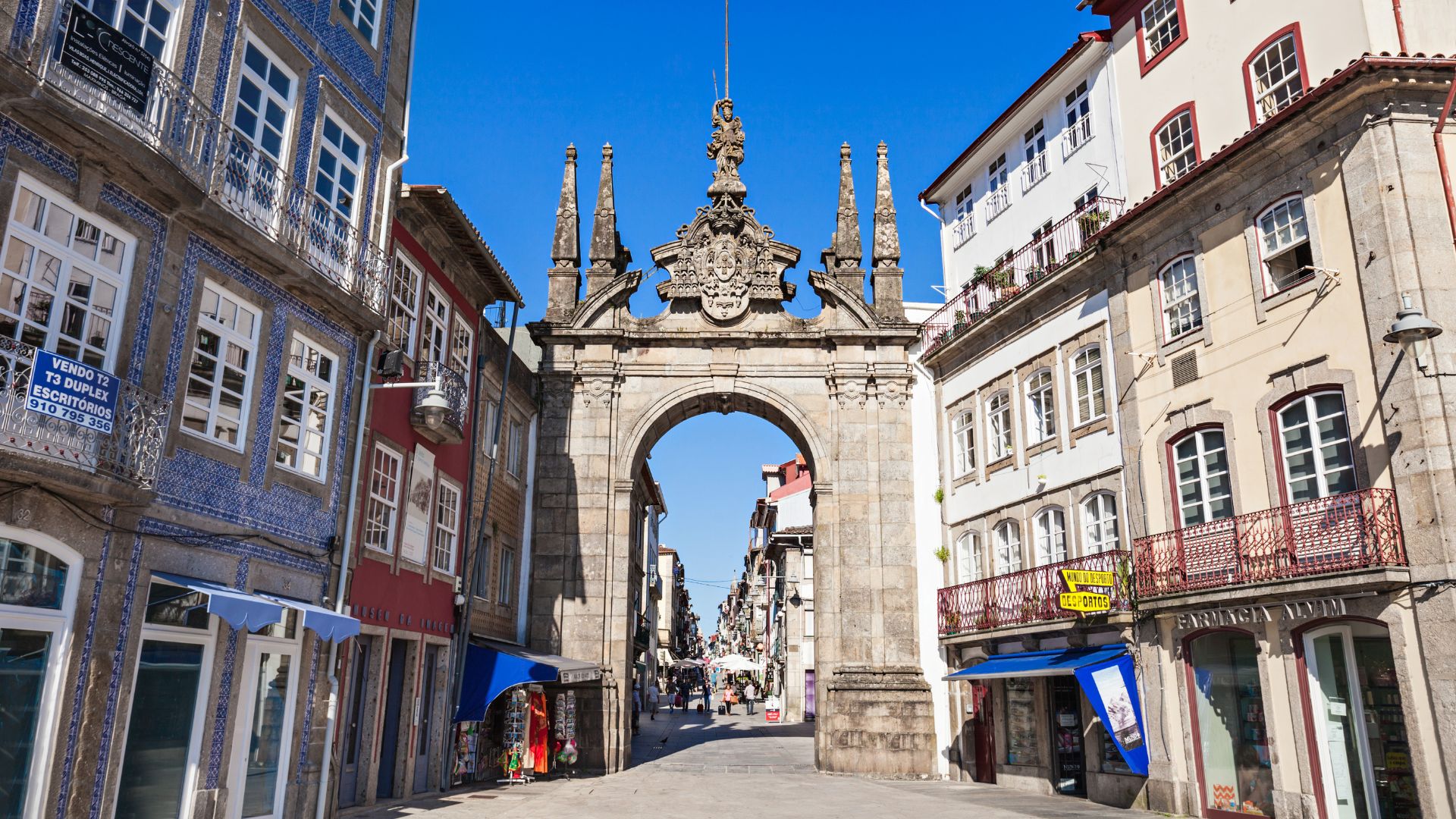
Nearby, the Arco da Porta Nova gives you a taste of Braga’s neoclassical side. Built in the 1700s, this archway feels like a gateway to the city’s old heart. The stonework details and that balance between fancy and simple lines kept me staring as I walked underneath.
It’s wild how these old palace façades blend baroque curves with neoclassical symmetry. You can almost feel the layers of history in just a few blocks.
Gardens and Nature in Braga
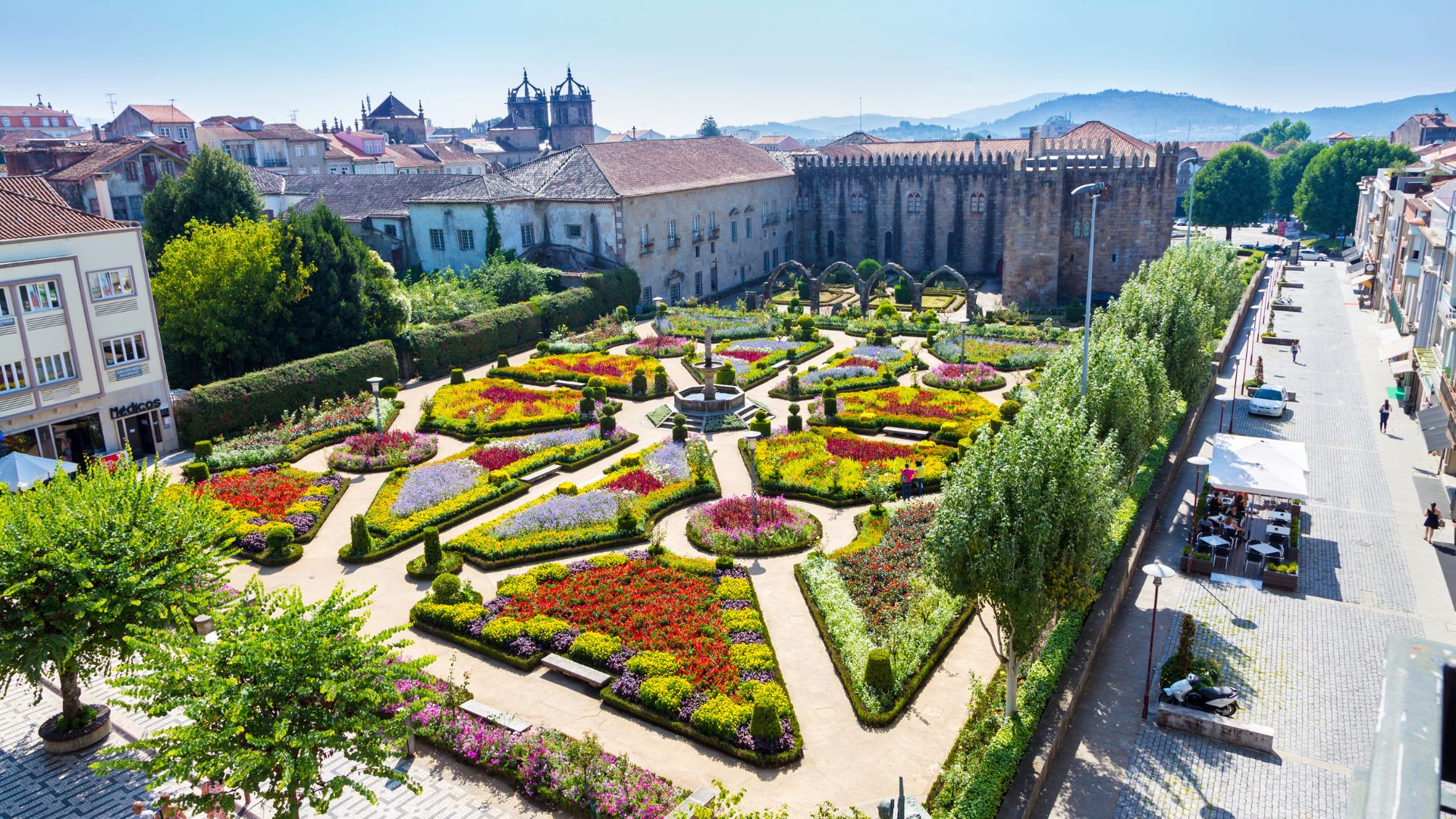
When I needed a breather, I headed for Braga’s gardens. The Santa Barbara Gardens, right by the Archbishop’s Palace, were a highlight. Beds of red, yellow, and purple flowers line the neat paths, and stone ruins and fountains add extra charm.
It’s perfect for a quick break between sightseeing. Morning light filters through old trees, casting patterns on the grass. Locals come here to read, chat, or just soak up the quiet.
If you love a good nature walk, try Mount Espinho. The views of Braga and the green countryside go on forever. The mix of cultivated gardens and wild patches means you can always find a bit of peace here.
Cultural Landmarks and Vibrant City Squares
Braga’s city squares pulse with life. Praça da República pulled me in with lively cafés, fountains, and street musicians. The elegant facades and the buzz of locals and travelers make it a great spot to just hang out.
Markets pop up here too, with vendors selling fresh fruit and handmade crafts. I grabbed a café seat and just watched the world go by—energetic but somehow relaxed.
A short walk brought me to Avenida Central, another busy cultural hub. Modern shops blend with historic buildings, showing how Braga keeps growing while holding onto its old-world charm. If you’re visiting, definitely take time to linger in these squares—they each tell their own story.
Hidden Gems: Exploring Lesser-Known Sights
Braga loves to surprise anyone willing to look past the big churches. Down winding lanes and hidden corners, I found small chapels, secret pilgrimage paths, and peaceful grottoes full of local art.
Chapels and Local Pilgrimage Routes
As I walked Braga’s old roads, I stumbled on quiet chapels tucked behind gardens or hidden in small squares. Many mark the stages of the via crucis, or Stations of the Cross. Each chapel shows a moment from Christ’s journey, and locals still use these paths for annual processions, turning the walk into a kind of moving reflection.
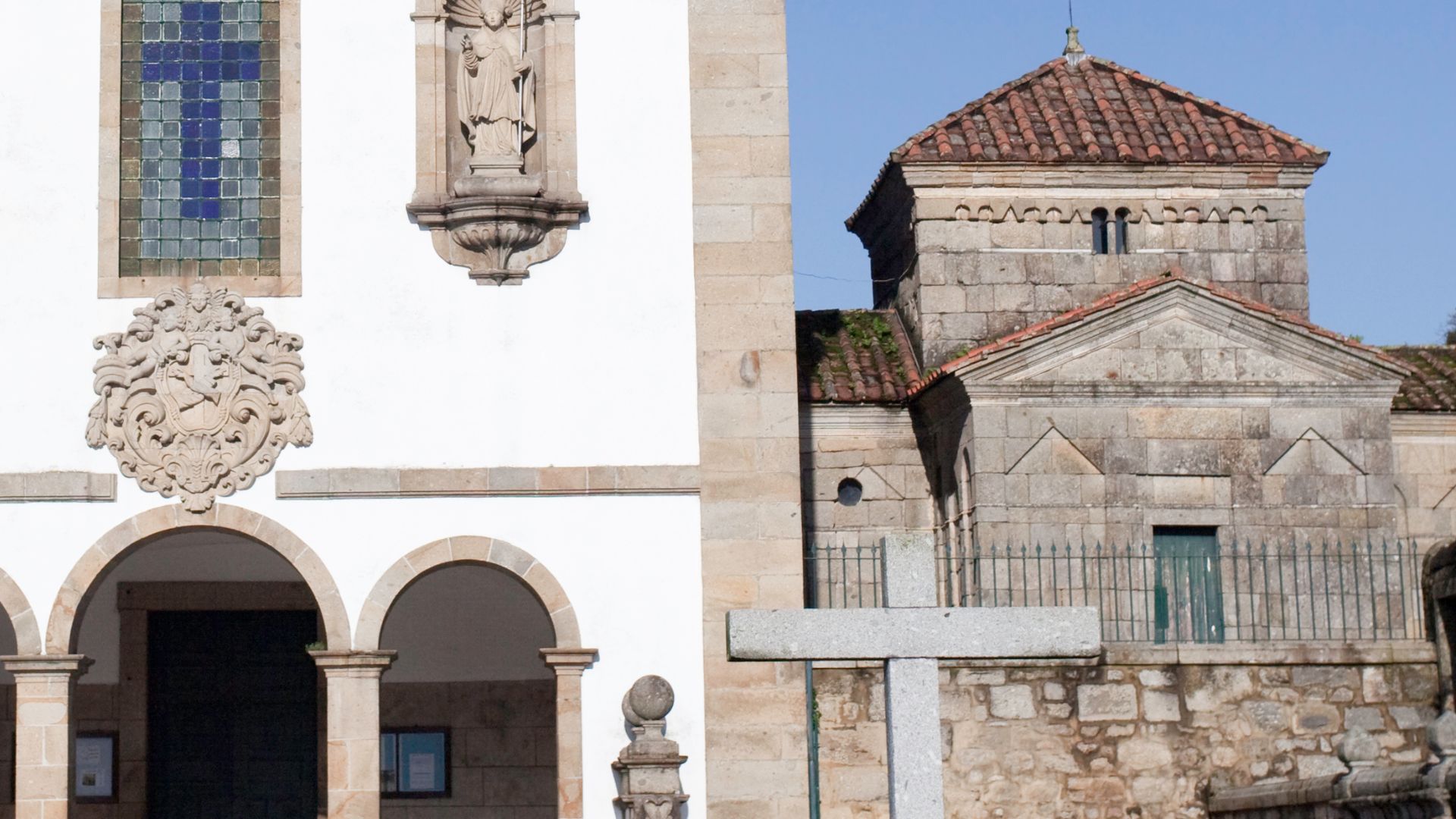
The Capela de São Frutuoso really caught my attention with its ancient stone walls and rounded arches—a mix of Roman and early Christian styles. Some chapels are easy to miss, but wandering the sacred routes let me see layers of tradition and community. Even outside festival times, I found candles flickering and people quietly praying.
Grottoes and Sculptures
Beneath trees and mossy slopes, Braga’s grottoes offered cool, shady spots to rest. I found several along the Sacred Way, each carved from stone and decorated with religious sculptures. Some had saints watching over them, others showed scenes from Jesus’s life, all carefully arranged with painted figures and ironwork.
A few had pretty tilework or tiny offerings left by visitors—personal touches that made each one feel special. The Bom Jesus grottoes get most of the attention, but other quiet corners across the city have their own stories. Exploring these little shrines made me appreciate how faith and art come together in Braga. I kept stopping, camera and notebook in hand, not wanting to miss a thing.
Day Trips and Connection to Northern Portugal
Braga is packed with history and energy, but it’s also a perfect base for exploring Northern Portugal. I managed to see everything from UNESCO cities to wild mountain parks in a single day, all without rushing. Each spot gave me a new angle on the region.
Guimarães: A UNESCO City Near Braga
Guimarães sits just a short train ride or drive from Braga. People often call it the “birthplace of Portugal,” and honestly, that title fits.
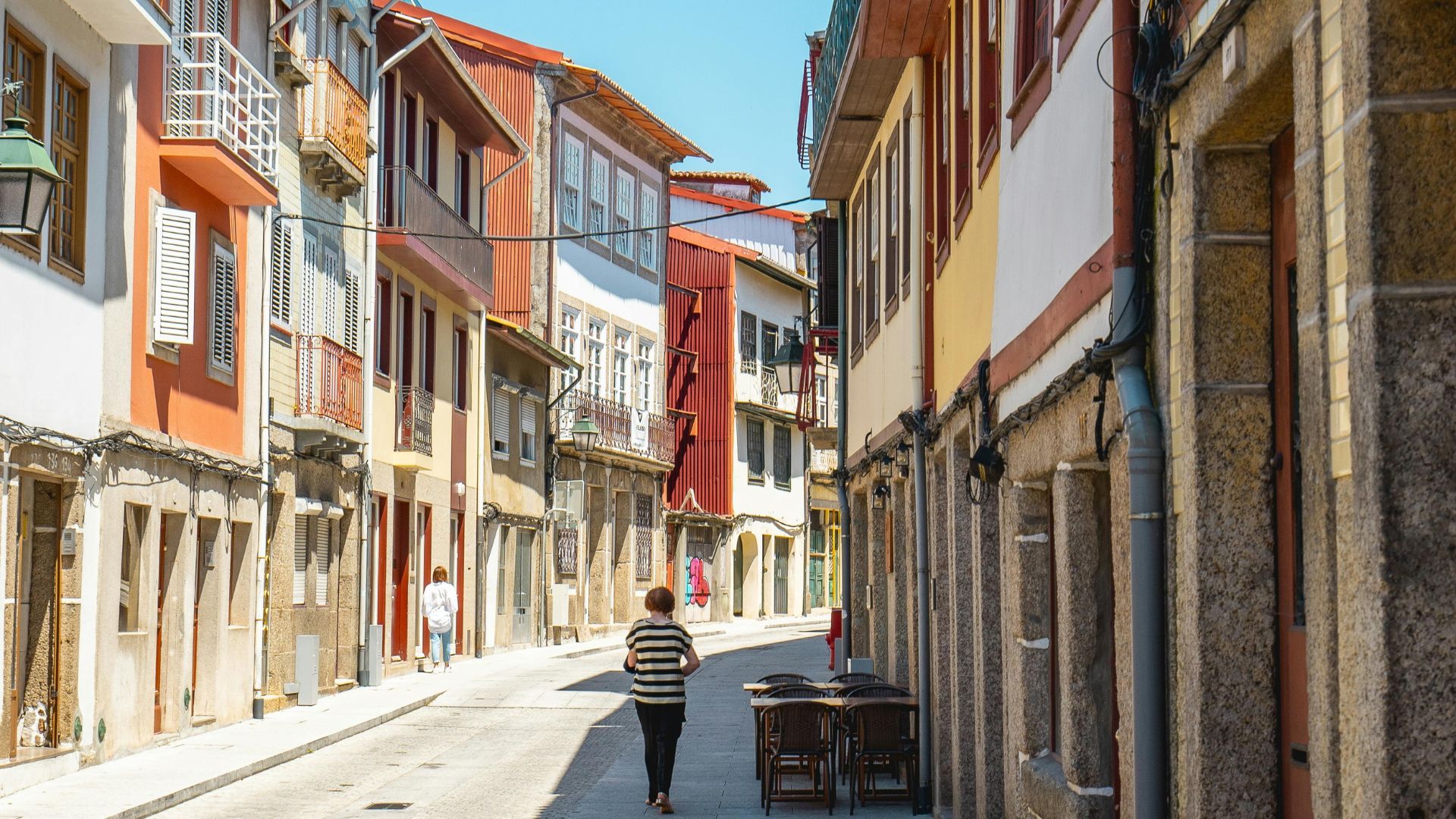
As I wandered into the city’s historic center—a UNESCO World Heritage Site—I found myself surrounded by cobblestone lanes, medieval squares, and old stone houses draped in flowers. There’s something about those balconies that just makes you want to linger.
I made my way to the 10th-century Guimarães Castle, and it really did feel like stepping back in time. Not far from there, the Palace of the Dukes of Braganza rises up with these tall stone arches and those unmistakable chimneys.
The plazas, especially Largo da Oliveira, buzz with little cafés and quirky shops. I loved just sitting there, watching life go by and soaking up the vibe.
Guimarães feels easy to explore on foot. Some highlights I wouldn’t skip:
- Guimarães Castle: Where Portugal’s royal story began.
- Palace of the Dukes: Inside, you’ll find beautiful tapestries and intricate woodwork.
- UNESCO-listed center: Full of charm, and honestly, it’s a breeze to walk around.
Peneda-Gerês National Park Adventures
Peneda-Gerês National Park lies about an hour from Braga. Visiting here showed me a whole different side of Northern Portugal.
It’s actually the country’s only national park. The place is packed with rugged mountains, waterfalls, and old Roman roads that snake through deep forests.
When I arrived, I spotted wild Garrano ponies grazing out in the open meadows. Hiking trails start in small villages like Lindoso and Gerês, and they lead to some fantastic viewpoints, natural pools, and even these ancient stone granaries.
I took the trail up to the Arado Waterfall. The climb wasn’t easy, but wow—standing in the cool spray on a hot day made it all worth it.
If you’re into nature, the park really delivers:
- Hiking and biking trails for all levels
- Old stone bridges and Roman ruins tucked away in the woods
- Clear river pools perfect for swimming
I’d definitely recommend packing good shoes and a camera. Trust me, you’ll want both.

Accessing Braga from Porto
Porto sits at the heart of Northern Portugal and honestly, it’s a great place to start exploring. I found it surprisingly easy and cheap to get to Braga—trains roll out every hour from São Bento or Campanhã stations, and you’ll get there in about an hour.
If you’re driving, the A3 highway makes the trip pretty straightforward. Don’t have a car? Buses work just fine for most travelers.
Porto’s airport and solid transport network open up a lot of options. You can plan trips to Braga, Guimarães, or even Peneda-Gerês National Park, and sometimes guided tours make things even simpler.
| Starting Point | Destination | Transport Options | Approximate Time |
|---|---|---|---|
| Porto | Braga | Train, Bus, Car | 1 hour |
| Braga | Guimarães | Train, Bus, Car | 30-45 minutes |
| Braga | Peneda-Gerês | Car (recommended), Bus | 1-1.5 hours |
I really liked how easily I could hop between cities. It’s nice to mix up city sights with some nature, all in one trip.
