
The Central California coast has so much more going on than just the famous places you see on postcards. Sure, everyone talks about Monterey and Santa Barbara, but honestly, the real magic? It’s tucked away in those little coastal towns most folks just cruise past without a second thought.
Over the years, I’ve wandered up and down this gorgeous stretch, stumbling on hidden gems that don’t come with crowds or hype. These seven small towns honestly changed my whole view of Central California.
They each have their own quirks—some boast funky art scenes, others serve food that could give the big cities a run for their money. What keeps pulling me back isn’t just the ocean views or those charming main streets.
It’s the way locals still wave as you walk by, the fact that parking is actually possible, and how each town feels like a secret club you’re lucky enough to join. These places prove the best travel stories often start in the smallest towns.

What Makes the Central Coast Small Towns So Special?
There’s something about the Central Coast’s small towns that just hits different. Dramatic Pacific views, that perfect breezy weather, and communities that feel like nothing else in California.
You get natural beauty, but with a side of real local flavor. It’s the kind of place that sticks with you.
Defining the Central California Coast Region
The Central Coast of California stretches roughly 350 miles, from Santa Cruz County down to Ventura County. Four main counties make up this region: Monterey, San Luis Obispo, Santa Barbara, and Ventura.
Each county has its own vibe. Monterey County gives you rugged cliffs and an artsy crowd.
San Luis Obispo County brings those rolling hills that tumble right into the ocean. Santa Barbara County mixes Mediterranean flair with laid-back beach culture.
Ventura County? That’s your classic surf town energy. The Pacific Coast Highway ties them all together, winding through every little town and showing off the best coastal views.
It’s honestly pretty easy to hit a few of these towns in one trip.
Signature Coastal Landscapes and Climate
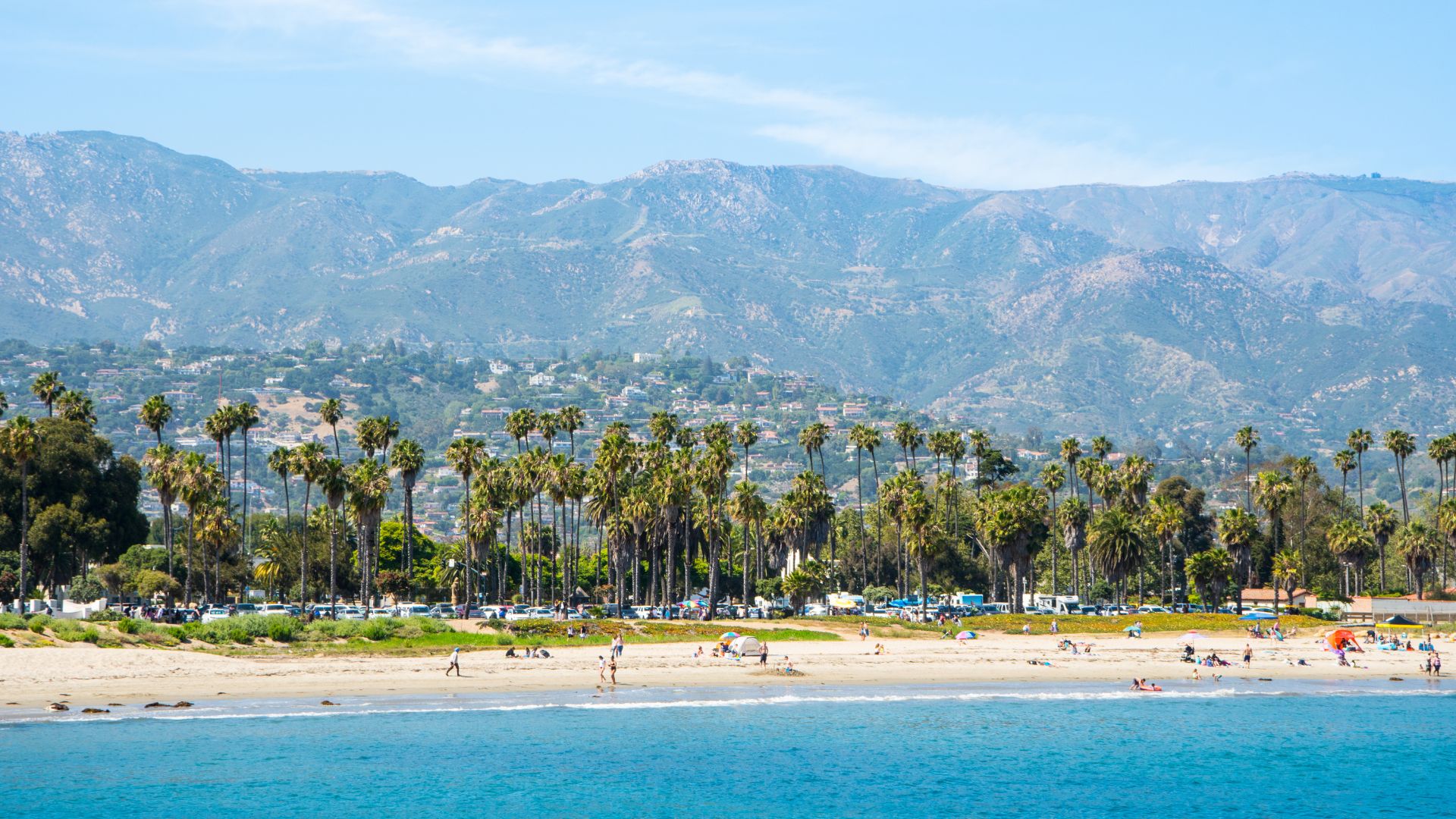
The Central Coast’s landscape stands out from the rest of California. You’ll spot cliffs dropping dramatically into the Pacific, creating epic backdrops for every town.
Mild weather is pretty much the norm. Summers stay pleasant, never too hot, and winters bring gentle rain but nothing too harsh.
What you’ll see:
- Jagged coastlines with sea stacks
- Hills dotted with oak trees
- Wide, open beaches
- Rocky tide pools
- Pockets of eucalyptus groves
The ocean keeps things steady, temperature-wise. Summer mornings often start with fog rolling in, which gives everything a kind of mystical vibe.
Nature shapes each town—beach towns lean into surfing and sun, while those tucked in the hills offer wine tasting and hiking.
Distinctive Small Town Culture and Atmosphere
Somehow, these small towns have held onto their soul, even as California keeps growing. I notice locals greeting each other by name, and main streets lined with family-run shops instead of big chains.
Life moves slower here. People actually stop to chat, and your favorite café probably remembers your last order.
Art is everywhere. Many towns have galleries right on main street, and weekend markets fill up with local artists selling their latest creations.
What stands out:
- Local art studios and galleries
- Farm-to-table restaurants
- Weekly farmers markets
- Town festivals
- Historic main streets
The beachy lifestyle seeps into everything. Surfers grab coffee before dawn, families picnic on the sand, and evening strolls by the shore just feel right.
These towns manage to welcome travelers without losing their local heartbeat. You get to experience something real, not just a tourist version of California.
7 Underrated Charms: Small Towns That Stole My Heart
Let’s get into the good stuff. These seven Central Coast towns each offer something special—pristine beaches, creative communities, mountain escapes, and a dose of history.
They all have their own blend of scenery, culture, and that laid-back California spirit.
Cayucos: Timeless Seaside Tranquility
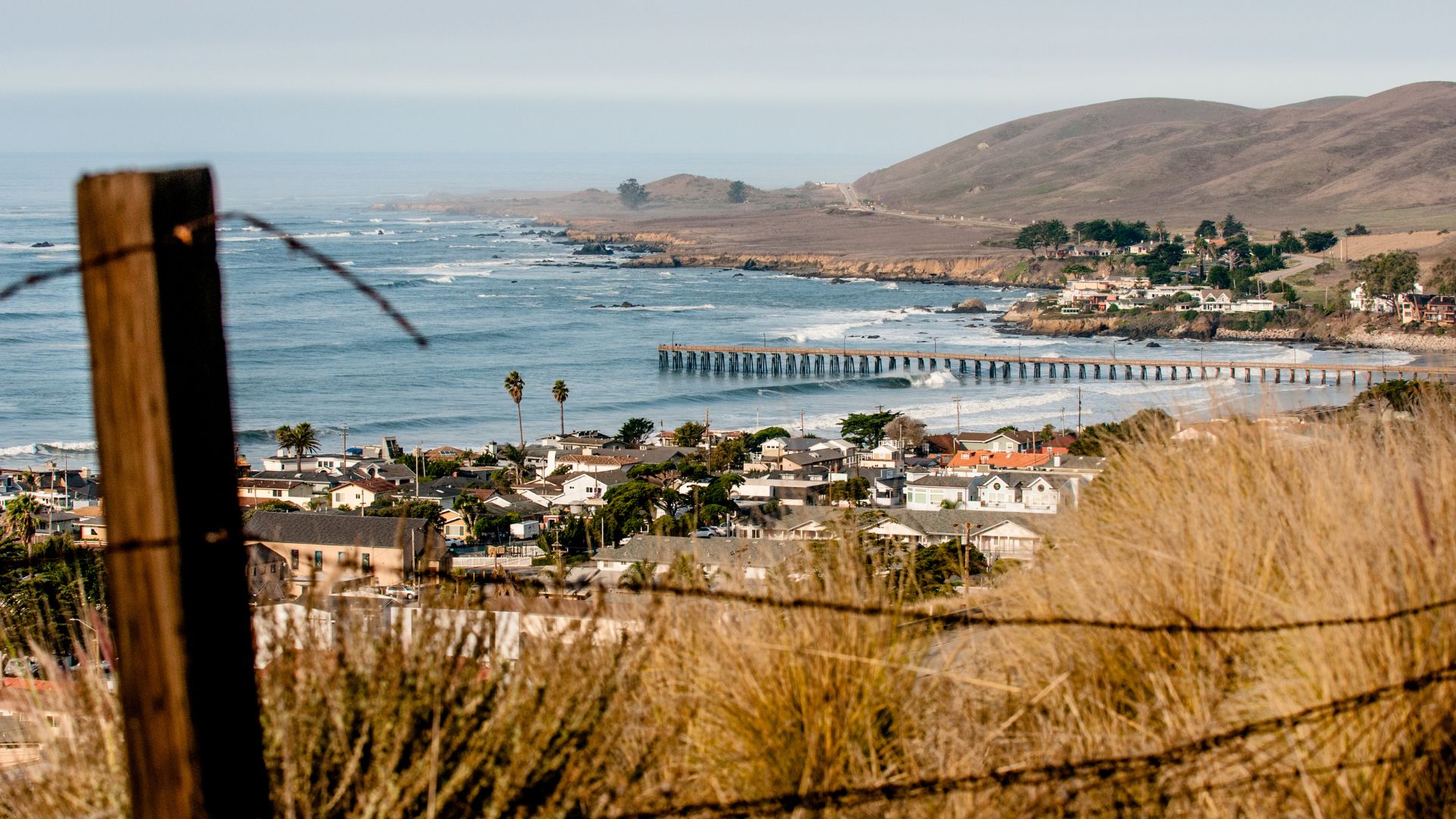
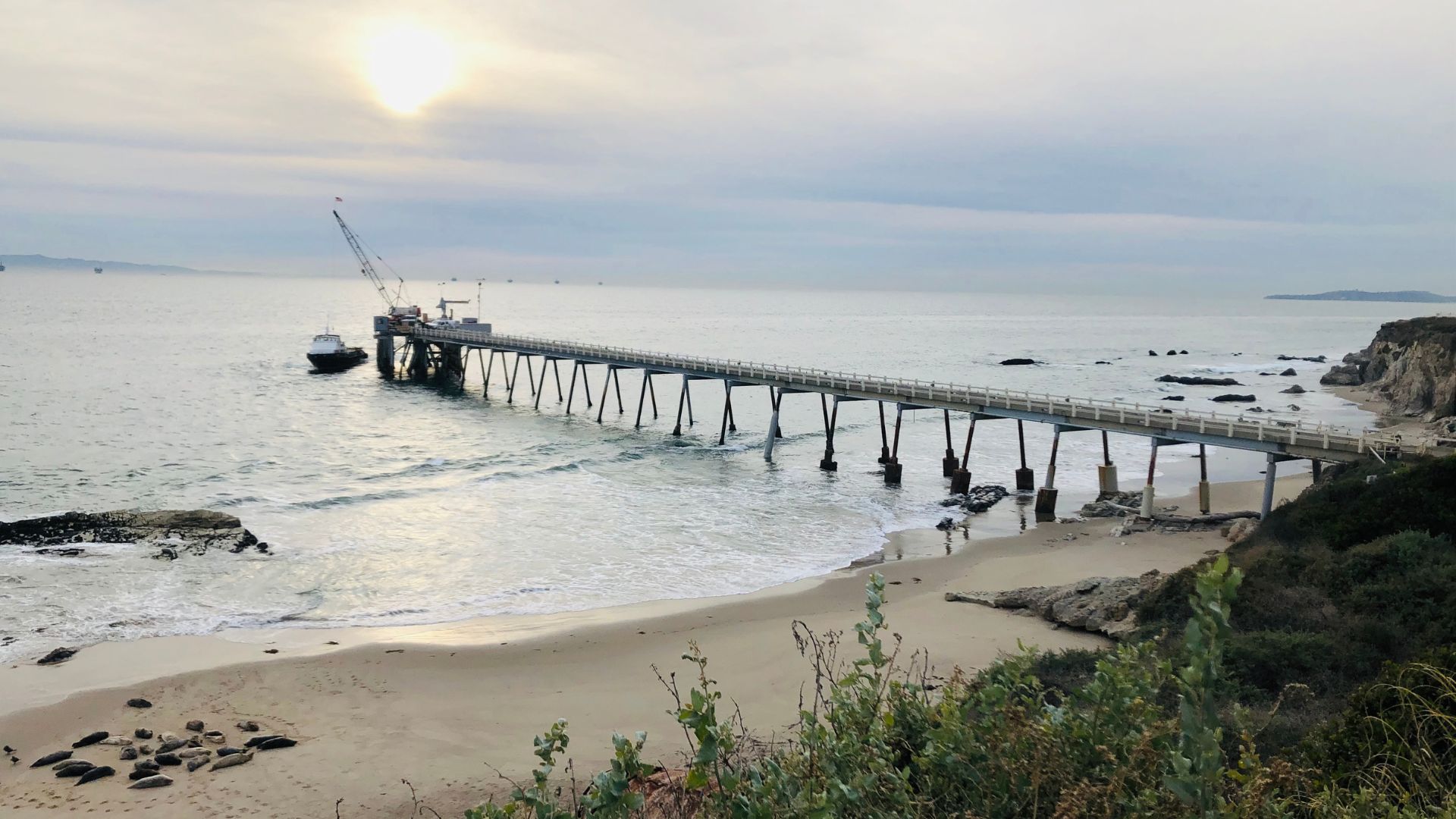
Cayucos feels like a time capsule. It sits quietly along a gorgeous stretch of coast, anchored by a wooden pier that reaches out into the Pacific.
I love wandering down the main street, which is dotted with antique shops and cozy cafés. The buildings have real character—lots of them date back to the 1800s.
Why Cayucos stands out:
- Wide, uncrowded beach for long walks
- Historic pier—perfect for fishing or sunsets
- Antique shops with cool coastal finds
- Fresh seafood at local spots
The beach rarely gets crowded. Sometimes I’ll walk for ages and hardly see another soul. The waves stay gentle, so families feel right at home.
Don’t skip Brown Butter Cookie Company—their sea salt cookies are kind of addictive. Schooners Wharf is my pick for fish and chips with a view.
Cambria: Artistic Hideaway by the Pines
Cambria has this amazing mix of pine forests and ocean views. It feels like nowhere else on the coast.
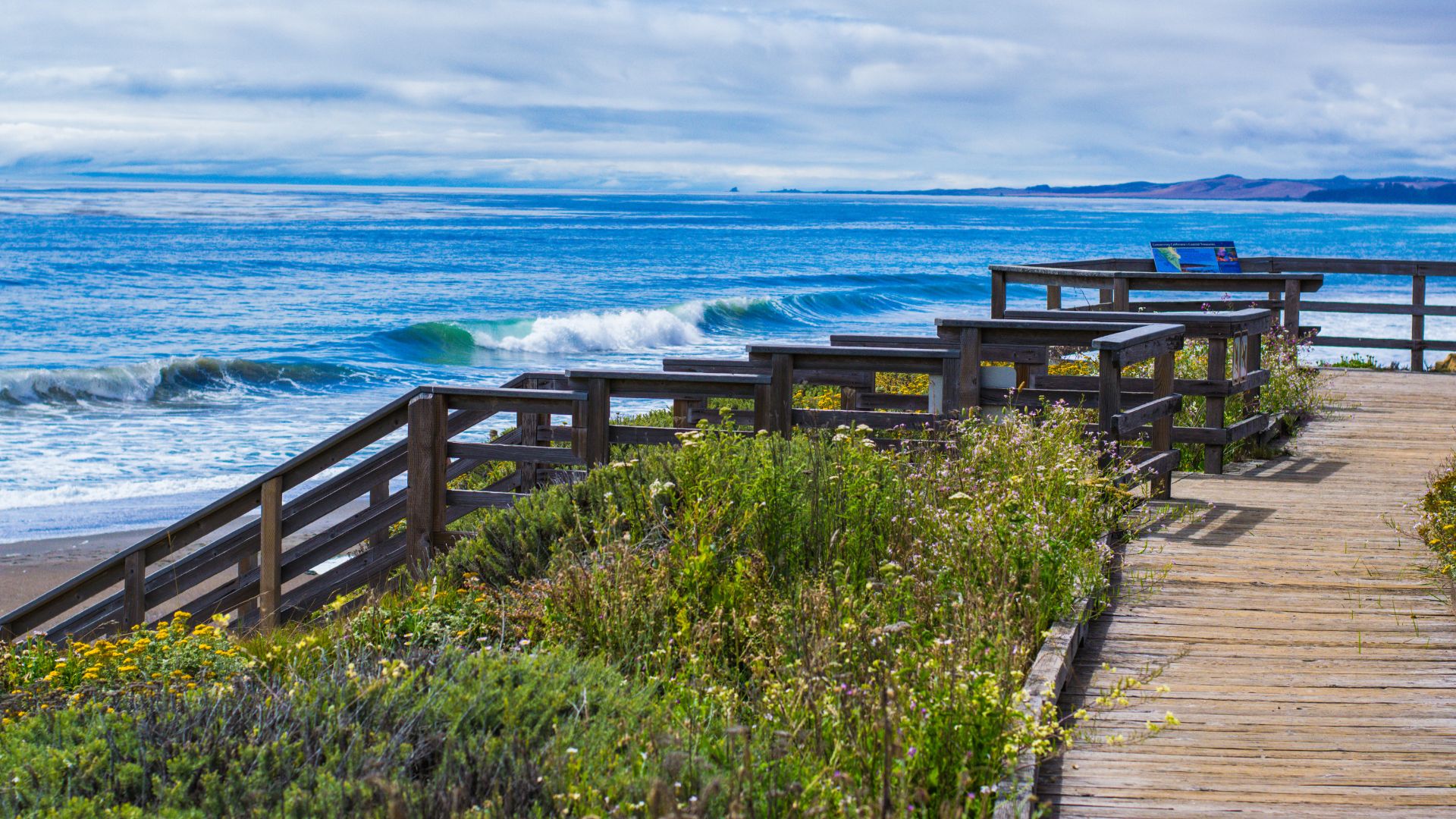
Moonstone Beach steals the show. The beach gets its name from the smooth stones scattered everywhere. I can lose hours just searching for the prettiest ones.
The town splits into two main areas. East Village is full of art galleries and boutiques. West Village hugs the ocean, with cute inns and restaurants.
Cambria highlights:
- Moonstone Beach boardwalk
- Local galleries and artist studios
- Nitt Witt Ridge—folk art at its quirkiest
- Cozy bed and breakfasts
I always end up browsing the galleries. Lots of artists call Cambria home, and their work pops up everywhere—from paintings to handmade jewelry.
Food here leans fresh and local. Robin’s Restaurant puts a California spin on global dishes, while The Sea Chest is a seafood lover’s dream.
Morro Bay: Nature and Harbor Wonders
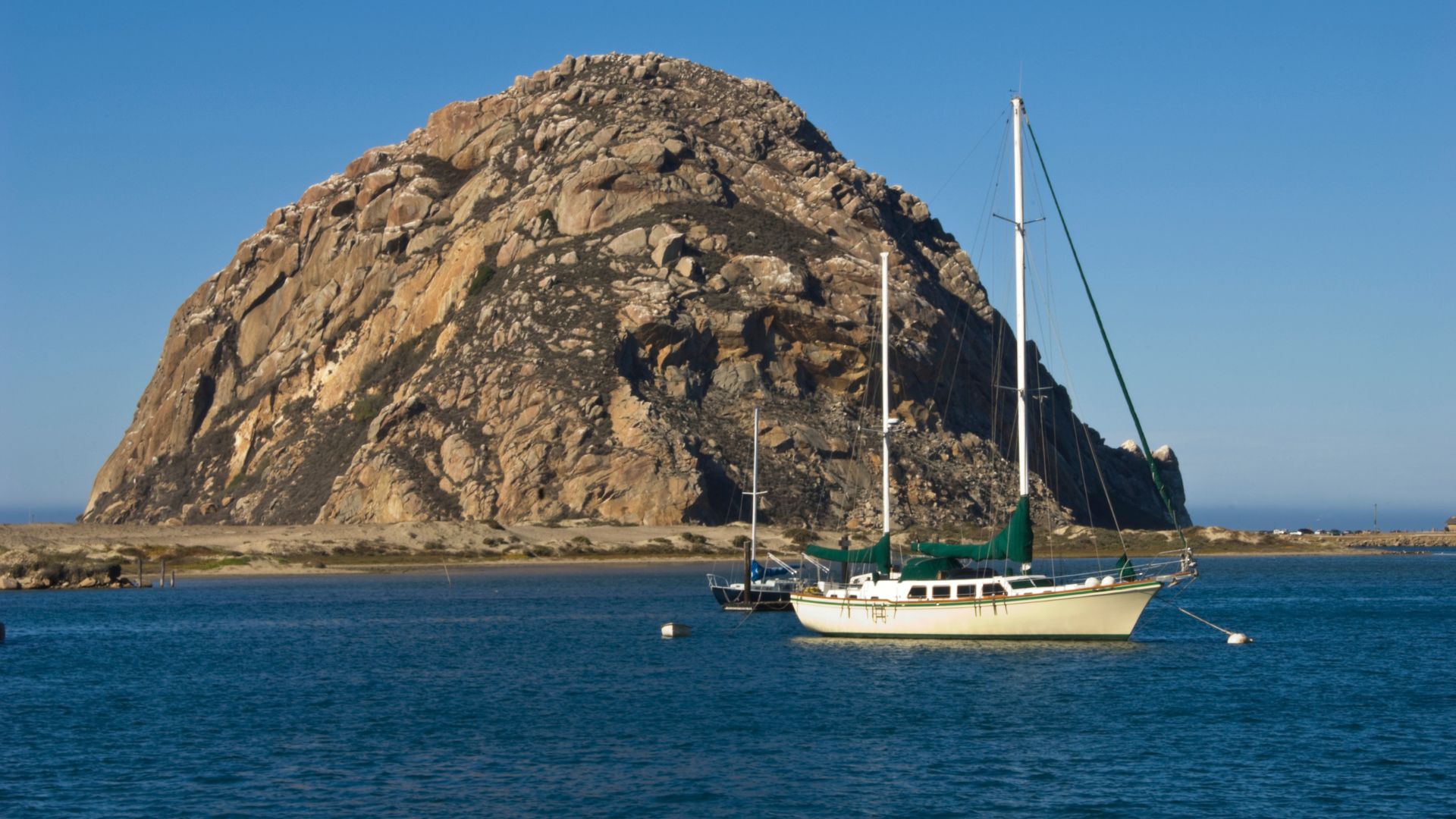
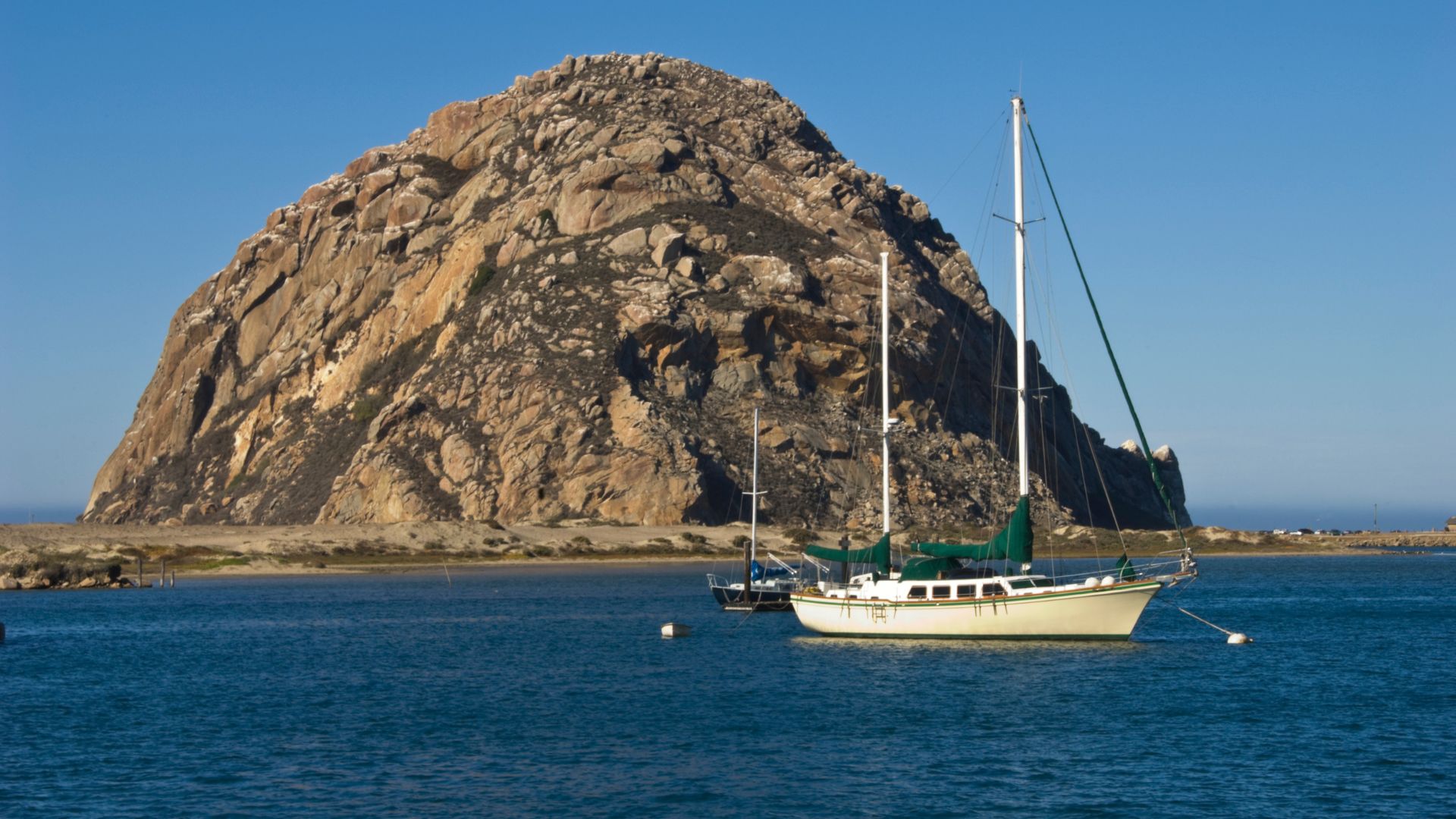
Morro Rock towers over this lively harbor town. That massive volcanic rock rises 581 feet straight out of the water—it’s impossible to miss.
I’m drawn to the mix of wild scenery and real fishing culture. The harbor always buzzes as boats bring in the day’s catch.
The Embarcadero lines the waterfront with shops and restaurants. I like grabbing fish and chips, then watching sea otters float by.
Morro Bay essentials:
- Morro Rock—the landmark you’ll remember
- Seals and otters hanging out in the harbor
- Morro Bay State Park for hiking and birding
- Working fishing fleet
Morro Bay State Park has mellow trails and plenty of birds. The back bay stays calm, so it’s great for kayaking.
This town isn’t about fancy resorts. It’s a working harbor, and you can feel that authenticity everywhere.
If you’re hungry, Dorn’s Original Breakers Cafe serves up breakfast with harbor views. Locals swear by their cinnamon rolls.
Capitola: Colorful Coastal Escape
Capitola has a playful, artsy vibe that’s hard not to love. It sits right on Monterey Bay, with a little beach that’s perfect for a swim.
The Venetian Court condos steal the spotlight—painted in every color you can imagine. I can’t help but snap photos every time I visit.
Capitola Beach is small but sweet. Where Soquel Creek meets the ocean, there’s a shallow lagoon where kids splash around all day.
Capitola favorites:
- Eye-popping Venetian Court buildings
- Safe, sandy beach for families
- Local art shops and galleries
- The annual Begonia Festival
Downtown is packed with unique shops and restaurants. I love poking around for handmade gifts and coastal knickknacks.
Shadowbrook Restaurant feels like a secret garden at night—try to get a table by the creek.

Carpinteria: Laid-Back Family Fun
Carpinteria calls itself the “World’s Safest Beach,” and honestly, it lives up to the name. Offshore islands keep the waves gentle—perfect for swimming and beginner surfers.
The town feels genuine. It’s not trying to impress tourists; it just is what it is, and that’s refreshing.
The beach stretches for miles with soft sand. Tide pools hide in the rocky spots, and harbor seals sometimes nap right on the shore.
Carpinteria highlights:
- Calm, swimmable beaches
- Great tide pools for exploring
- Seal and sea lion sightings
- Lively farmers market
Farming is still a big deal here. Avocado and flower farms dot the outskirts, and the Sunday farmers market is packed with local produce.
Carpinteria Salt Marsh is a cool spot for a nature walk—lots of birds, and it’s a peaceful escape from the main beach.
Ojai: Artistic Mountain Retreat Near the Coast
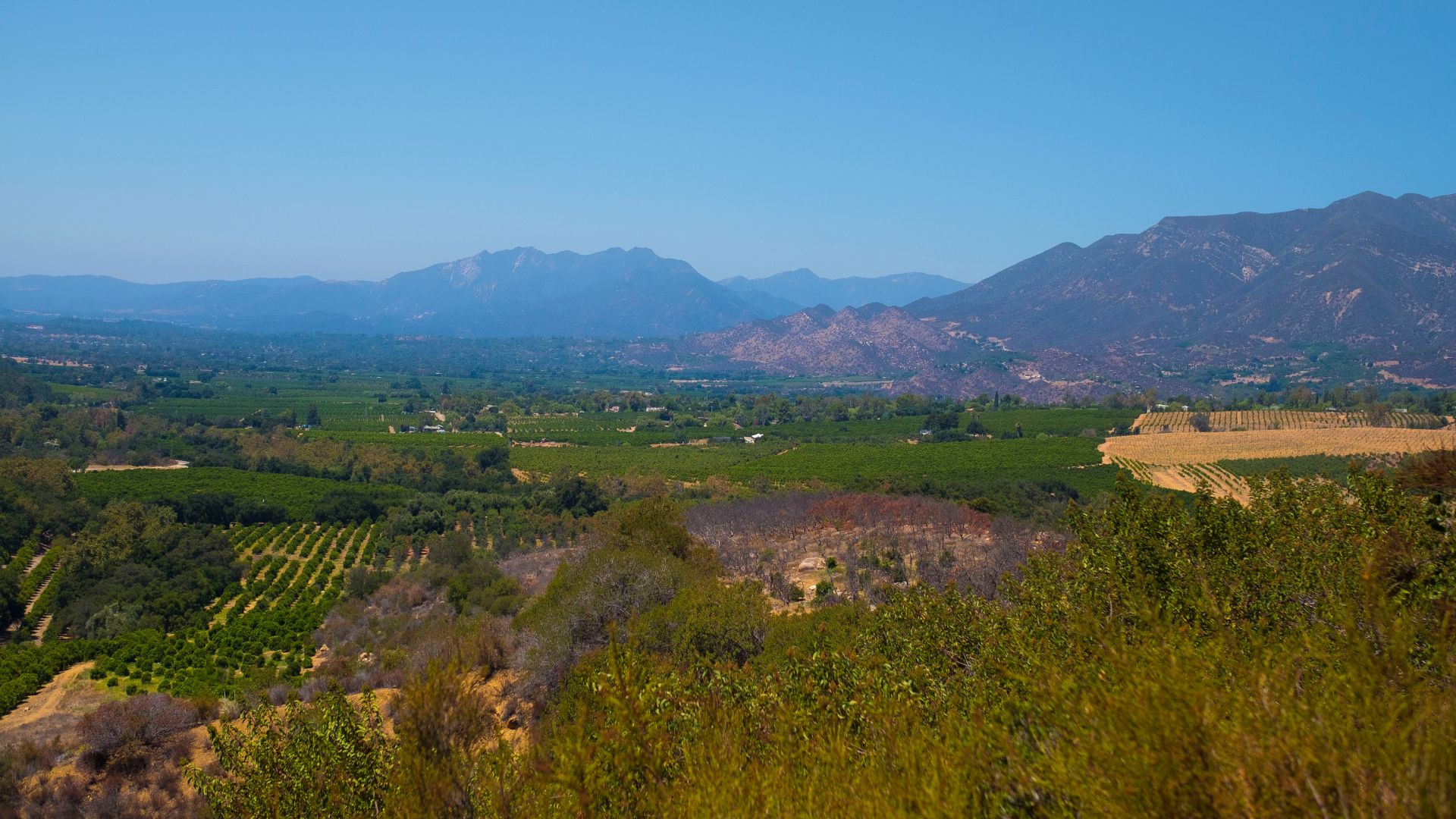
Ojai hides in a valley, surrounded by mountains, about half an hour from the coast. Artists and spiritual seekers have flocked here for ages.
The “pink moment” at sunset is pure magic—the mountains turn this unreal shade of pink. I always try to catch it when I’m in town.
Downtown Ojai is all Spanish-style buildings, galleries, and cafés. Covered walkways and courtyards make it feel cozy.
Ojai musts:
- Pink moment sunsets (seriously, don’t miss it)
- Thriving arts scene
- Spiritual retreat centers
- Tons of outdoor adventures
Ojai hosts festivals year-round. The Ojai Music Festival brings in big names, and Ojai Day is always a good time.
Trails wind into the hills right from town. The Ojai Valley Trail is an easy stroll with views, but you can find tougher hikes if you want waterfalls or mountain peaks.
Arroyo Grande: Heritage and Vineyard Charm
Arroyo Grande blends small-town warmth with easy access to the Santa Ynez Valley’s wine country. Its historic downtown shows off beautiful Victorian-era buildings.
I love wandering Branch Street—antique shops, boutiques, and a park where locals gather for events and markets.
The town sits close to some of my favorite wineries, and it’s a great base for wine tasting.
Arroyo Grande perks:
- Charming Victorian downtown
- Wineries just a short drive away
- Access to Pismo Beach’s sand dunes
- Weekly farmers markets
The nearby Pismo Beach sand dunes stretch for miles, perfect for a little adventure.
Signature Attractions and Unique Experiences in Each Town
Every small town along the Central Coast brings its own flavor, with attractions that show off the area’s natural beauty and local color. From wooden piers that seem to go on forever to secret surf spots and lively downtowns, you’ll find plenty of reasons to linger.
Scenic Piers, Boardwalks, and Harbors
Ventura Pier is one of my favorite places to catch the sunset. This 1,958-foot wooden pier is a hotspot for fishing, and if you’re lucky, you can watch surfers catching waves at Surfer’s Point right next door.
The Embarcadero in Morro Bay is a classic waterfront stroll. I could spend hours watching otters float and boats roll in with the catch of the day.
Pismo Beach’s pier juts 1,200 feet into the ocean. I’ve spotted whales from the end during the winter, and the views of the dunes are something else.
Avila Beach has a smaller pier, but it’s got its own charm. The harbor here stays calm, so it’s a great spot for kayaking or paddleboarding. It’s a nice change from the wilder surf just up the coast.

Hidden Beaches and Local Surf Spots
Surfing is a way of life in these towns. Cayucos usually has steady waves and way fewer crowds than the bigger beaches. The rocky points make for fun breaks if you’re an intermediate surfer.
Carpinteria Bluffs are a bit of a secret. I found tide pools and quiet stretches of sand—perfect for a peaceful morning walk. From the bluffs, you get sweeping views out to the Channel Islands.
Morro Strand State Beach goes on for what feels like forever. It’s rarely crowded, and I always find treasures while beachcombing.
Pismo State Beach offers both wide sandy stretches and wild dunes. The southern end is quieter, and if you’re into it, there’s a spot for ATV riding on the dunes.
Historic Main Streets and Artisan Communities
Cambria’s downtown is a mix of Victorian charm and creative energy. Main Street is lined with shops selling everything from pottery to old-school antiques. I’ve lost track of how many afternoons I’ve spent poking around galleries and studios.
San Luis Obispo’s historic mission anchors its lively downtown. The weekly farmers market is a full-on event—blocks of fresh food, music, and local makers.
Paso Robles has a park at its center, surrounded by tasting rooms and shops. The city feels like a crossroads of wine country and small-town life.
Solvang stands out with its Danish-style buildings and bakeries. Windmills, half-timbered houses, and the smell of fresh pastries make it feel like a little slice of Europe tucked into California.

Nearby Nature Preserves and Trails
Morro Bay State Park covers over 2,700 acres of coastal habitat. You’ll find hiking trails, a natural history museum, and camping spots tucked away among the trees.
One morning, I tackled the Black Hill trail. The views from the top? Absolutely worth the climb—panoramic scenes of the bay that make you want to linger.
Monarch Butterfly Grove in Pismo Beach bursts into color every winter. Thousands of monarchs cluster in eucalyptus trees, their orange and black wings fluttering in the cool air.
It’s honestly magical if you catch it between November and February. The butterflies seem to float everywhere, and the grove smells faintly sweet from the trees.
Montana de Oro State Park shows off a rugged coastline and winding inland trails. Tide pools, sandy beaches, and chaparral-covered hills create a landscape that feels wild and untouched.
I always recommend the Bluff Trail. Ocean views stretch for miles, and if you’re lucky, wildflowers pop up all along the path.
Whale watching feels like a rite of passage here. You can spot gray whales migrating past the shore twice a year.
Point Piedras Blancas also draws crowds for its elephant seals. Watching those massive creatures lounge on the sand is a sight you don’t forget.
Food, Wine, and Coastal Vibes: Savoring Local Flavors
The Central Coast might just surprise you with its food scene. It’s not all tourist traps—local seafood markets and tiny wineries serve up flavors straight from the land and sea.
Fresh Seafood and Farmers Markets
The best seafood? It comes right off the boats at sunrise. Morro Bay and Avila Beach have vendors selling the day’s catch straight from the docks.
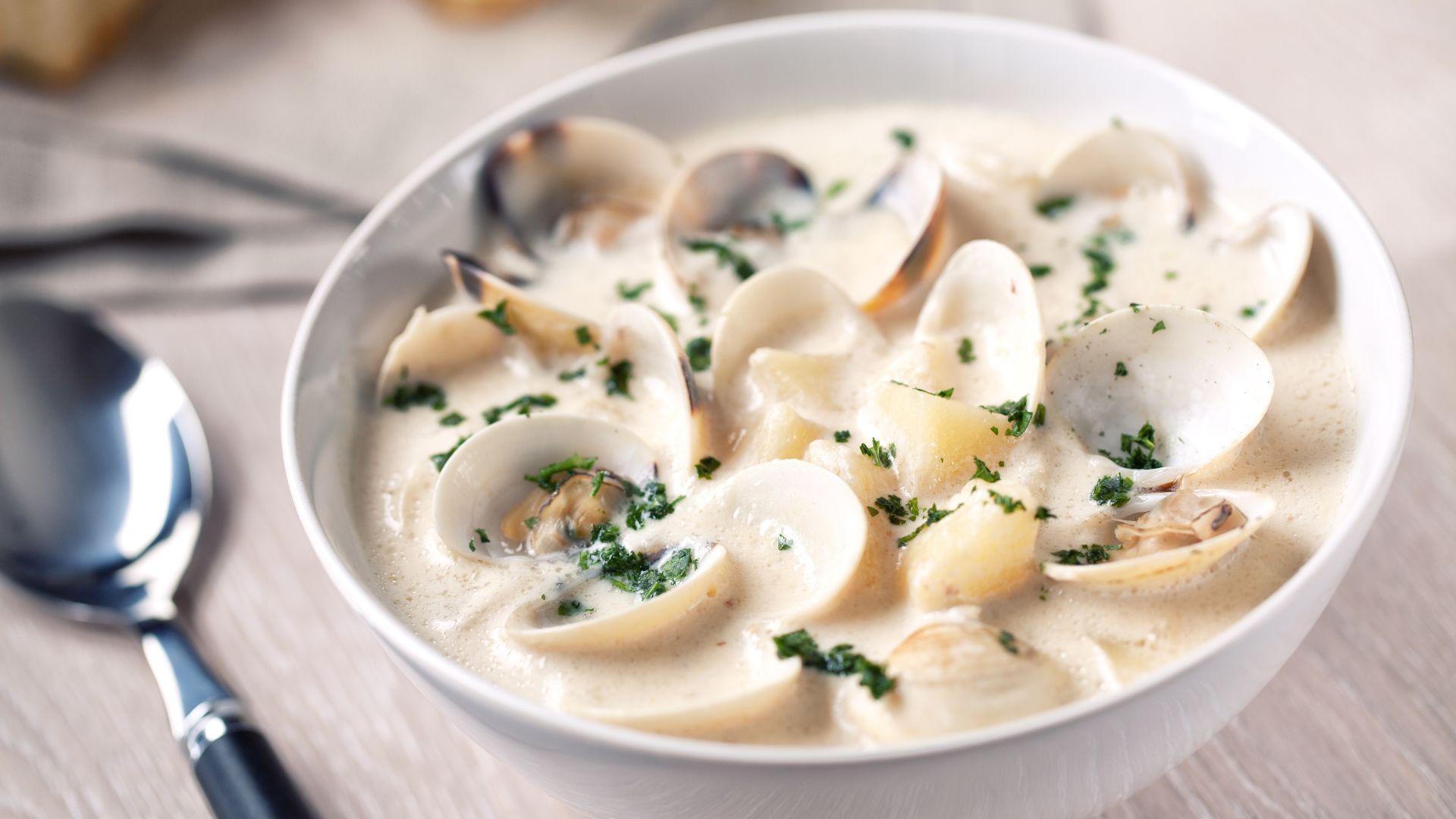
The Pismo clam is a classic here. I’ll admit, I’ve never tasted clam chowder quite like the creamy bowls served up in these parts—so much better than the stuff at chain restaurants.
Local farmers markets pop up every week in most towns. I wandered through markets in San Luis Obispo and Paso Robles, chatting with growers who bring in produce from just a few miles away.
What to look for:
- Fresh Dungeness crab (in season November-June)
- Morro Bay oysters
- Olallieberries (unique to this region)
- Seasonal veggies from coastal farms
The salty air and rich soil work together, making local produce taste fresher and brighter. Many farms use organic methods, and prices stay reasonable compared to big city markets.
Local Wineries and Tasting Rooms
Wine tasting here feels relaxed and personal, not at all like the big, crowded scenes up in Napa. I’ve visited small family-owned wineries where the owners pour your glass and tell stories about the vines.
Hearst Ranch Winery in San Simeon sits right on the coast. Sipping wine while watching waves crash below? Pretty unforgettable.
Edna Valley’s cool breezes help grow stellar Pinot Noir and Chardonnay. Most tasting rooms charge $10-15 for a flight, which feels like a bargain these days.
Paso Robles leans toward reds—Zinfandel and Cabernet Sauvignon especially. The warmer inland air gives their wines real depth. I’ve found some favorites at tiny producers that only sell bottles in person.
Wineries generally welcome walk-ins, but I usually call ahead just in case. Harvest season weekends get busy fast.
Unique Cafes and Farm-to-Table Dining
Small towns along the coast hide some fantastic cafes. Many spots serve dishes made with ingredients picked just hours before.
I’ve eaten at places where the chef and farmers greet each other by name. There’s something special about knowing exactly where your food came from.
Downtown Ventura has a few cafes roasting their own coffee beans. The main drag is perfect for wandering, grabbing a bite, and catching a whiff of the ocean.
Farm-to-table restaurants update their menus all the time, depending on what’s fresh. I’ve sat down to meals where the veggies were picked that morning—honestly, the flavors just pop.
Olallieberry pancakes and pies show up on a lot of menus. This quirky berry, a cross between blackberry and raspberry, thrives in coastal California.
Local restaurants often feature:
- Tri-tip barbecue (a Central Coast staple)
- Fish caught that morning
- Seasonal produce from nearby farms
- Local wines by the glass
Prices tend to stay fair since these spots cater to locals as much as visitors.
Beyond the Big Names: Useful Tips for Exploring Central Coast Small Towns
Getting the most out of these little towns takes a bit of strategy. The right timing and route can turn a good trip into something you’ll remember for years.
Planning Coastal Road Trips and Scenic Drives
I usually start my Central Coast trips from San Francisco or Ventura. That way, I get the full sweep of the Pacific Coast Highway.
The stretch from San Francisco to Santa Barbara runs about 350 miles along jaw-dropping coastline. Breaking it into shorter drives helps me avoid rushing and missing hidden gems.
I like to stop in Pismo Beach and Avila Beach before heading south. The Big Sur to Hearst Castle section? Some of the most dramatic ocean views in California—no exaggeration.
Stops I always make time for:
- Oceano Dunes (beach driving is a blast)
- Quirky little towns between Pismo and Santa Barbara
- Highway 1 scenic overlooks
Winding coastal roads mean slower speeds, so I plan for lots of photo stops and random detours. Gas stations thin out in remote stretches, so I top off the tank in bigger towns.
I always download offline maps before heading out. Cell service disappears along some parts of the coast, and getting lost isn’t as fun as it sounds.
Best Times to Visit and Local Events
Spring and fall are my favorites for exploring. April through June brings wildflowers and perfect temps—can’t beat it.
Summer crowds flock to the main beaches, but small towns still feel peaceful. I prefer visiting on weekdays to dodge weekend traffic from the big cities.
Seasonal highlights worth planning around:
- Spring: Wildflowers cover the hills
- Summer: Beach days and outdoor festivals
- Fall: Wine country harvests
- Winter: Storm watching and cozy cafes
Most small towns throw weekend farmers markets. I check local calendars for festivals or art fairs before I go—there’s usually something happening.
The weather changes fast out here. Even in summer, morning fog can keep things chilly, so I always bring layers.
Where to Stay: Boutique Inns and Cozy Rentals
Let’s be honest—small towns along the Central Coast just have a different vibe when it comes to places to stay. You won’t find that kind of charm in big cities. I’m always drawn to boutique inns; they feel more personal, and there’s usually some quirky local flavor that makes the stay memorable.
Some of these historic bed and breakfasts? They’re like stepping back in time. Think creaky Victorian floors, homemade breakfasts, and owners who actually care if you slept well. I love waking up to the smell of something baking, especially when it’s made with local produce.
My preferred accommodation types:
- Boutique inns: You get real personal attention and each place feels different.
- Vacation rentals: There’s a kitchen, so you can spread out and do your own thing.
- Historic hotels: The atmosphere just feels more genuine and rooted in the area.
For longer trips, I usually go for a vacation rental. Having my own kitchen means I can browse the farmers market, grab whatever looks good, and cook up something local. It’s a simple pleasure that makes travel feel more like living than just visiting.
A lot of places throw in extras, like wine tasting passes or discounts on local tours. I always ask about those when I book—especially if I’m dealing directly with a small inn or rental owner.
Traveling with pets? You’ll find plenty of options here that welcome furry companions. Still, I double-check pet policies and fees every single time. No surprises, no awkward conversations at check-in.
