
There’s just something about train travel across America that nothing else can touch. Cross-country train routes let you see the real America—right out your window. You’ll catch everything from desert sunsets in New Mexico to those wild mountain peaks in Colorado. It’s more than just getting from city to city; it’s a front-row seat to the country’s story.
Honestly, the best train routes aren’t just about the destinations. They’re about the journey—the way the tracks wind through small towns, big cities, river gorges, and canyons, and even places where American history actually happened. Every trip feels like a new chapter in the nation’s story.
I’ve picked out seven routes that range from those classic coast-to-coast adventures to some heritage gems that capture a slice of American time. Whether you’re craving a bit of luxury, want to geek out on historic railroads, or just want to kick back and watch the scenery roll by, these train journeys give you a peek into America’s heart you simply can’t get anywhere else.
Overview of Cross-Country Train Routes
These train routes stretch for thousands of miles, linking up major cities and cutting a path through landscapes that really define the U.S. You get to see the country’s natural beauty and cultural quirks right from your seat.
Defining Cross-Country Rail Journeys
When I talk about cross-country train travel, I mean those epic rides that go from one coast to the other or cover serious ground across several states. Amtrak runs most of these long-distance routes.
Usually, you’ll need to hop on more than one train, and the trip itself can take 60 to 70 hours. That’s at least three nights onboard, often with layovers in major hubs like Chicago.
Here’s what you can expect:
- Distance: Over 2,000 miles, typically
- Duration: 3-5 days, start to finish
- Connections: 1-2 train changes, usually
- States crossed: 5-8 per journey
Some of the longest rides link places like New York and Los Angeles, or Seattle and Miami. You’ll go over mountain ranges, deserts, river valleys, and endless plains.
Importance of Scenic Train Rides in American Culture
Scenic train rides mean more than just pretty views. They’re woven into America’s sense of exploration and connection. Railroads helped build this country, after all.
Traveling by train slows everything down. You actually get to see the landscape, unlike when you’re flying or speeding down the interstate. Trains often follow old routes that cars can’t even reach.
A lot of these scenic rides trace paths that shaped American history. They cross Native American lands, old mining towns, family farms, and cities that helped define the nation.
Why it matters:
- Reminds us of pioneer days
- Keeps historic railroad traditions alive
- Gets you into remote natural places
- Lets you share the ride with total strangers (and maybe make a friend)
Honestly, there’s nothing like watching the country go by, framed by a train window. It’s like a moving gallery of America.
How Train Travel Reveals Diverse Landscapes
One thing I love: you can watch the landscape change in real time. Trains cross nearly every kind of terrain the U.S. has to offer.
The California Zephyr, for example, takes you through deserts, over mountains, and across the plains—all in one trip. The Empire Builder zips from the Pacific Northwest’s forests, through the Rockies, and out into the farm country of the Midwest.
You’ll see:
- Mountains: Rockies, Appalachians, Cascades, Sierra Nevada
- Deserts: Southwest, high plains
- Rivers: Mississippi, Colorado, Hudson
- Forests: Pacific Northwest, Eastern woodlands
- Plains: Great Plains, Midwest farms
Trains often hug river valleys or snake through mountain passes. You can actually see how the land shaped where people settled.
Seasons change everything, too. In fall, the colors are wild. Winter brings snowy peaks. Spring? Wildflowers everywhere. The same route never looks the same twice.
Iconic West-to-East Train Routes
Let’s talk about the legendary Amtrak routes that cut across America’s most dramatic backdrops. These journeys take you from Pacific beaches to the heartland, with mountains, deserts, and rivers all along the way.
California Zephyr: Across the Rockies and Sierra Nevada
The California Zephyr covers 2,438 miles, running from Emeryville (near San Francisco) all the way to Chicago. In my opinion, it’s Amtrak’s most scenic ride.
You’ll start by rolling out of the Bay Area and straight into the Sierra Nevada. The granite cliffs and deep valleys are unreal.
Don’t miss:
- Sierra Nevada: Snowy peaks, alpine lakes
- Colorado Rockies: Towering canyon walls, the Colorado River
- Ruby Canyon: Red rocks on the Colorado-Utah border
I always try to snag a seat in the sightseer lounge car. The windows stretch from floor to ceiling, and the dome seating makes those mountain crossings unforgettable.
The full trip takes about 51 hours, with stops in Denver and Salt Lake City. Summer is the best for clear views, but winter’s snow brings its own magic.
Empire Builder: Glacier National Park and the Northern Plains
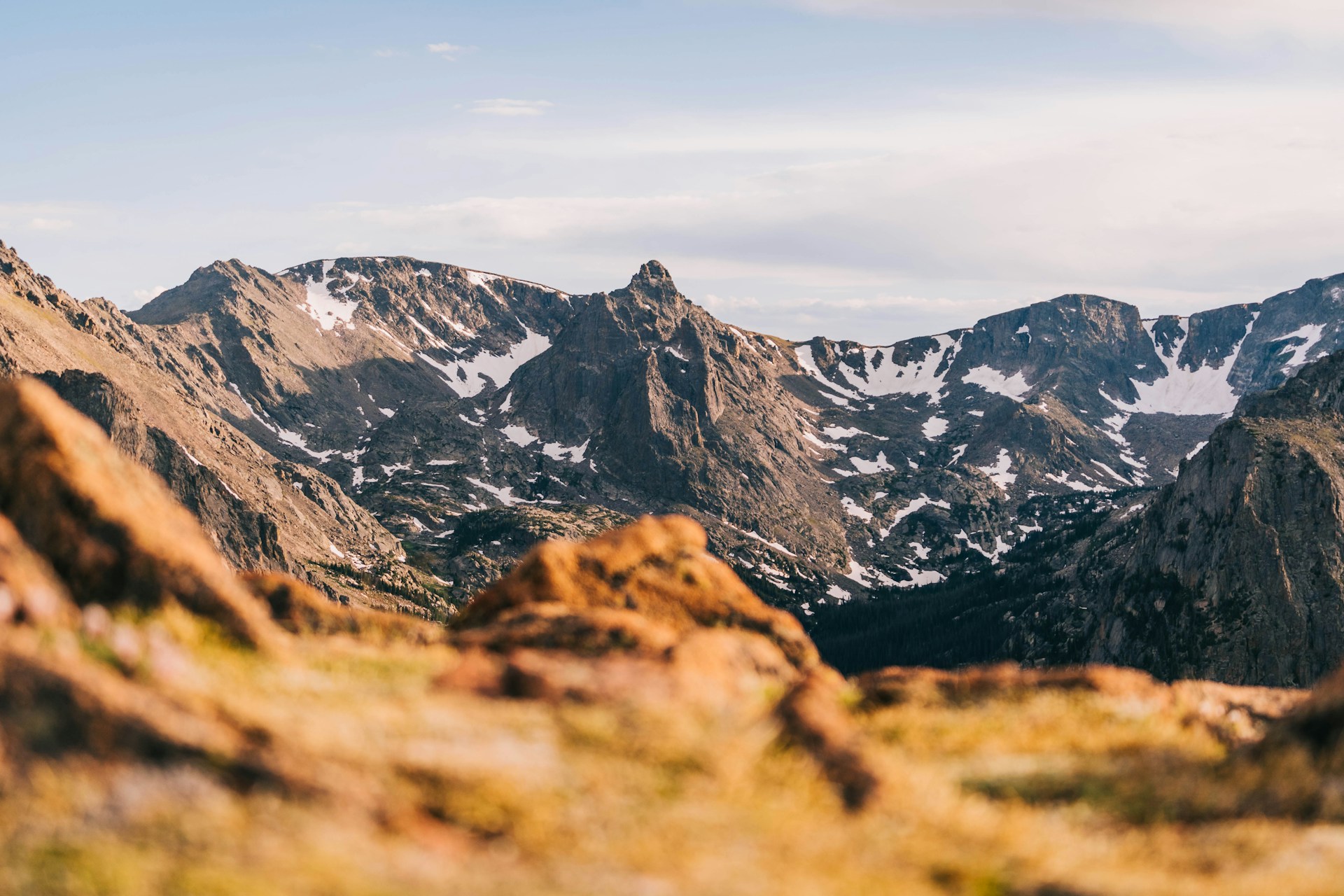
The Empire Builder runs from Seattle or Portland to Chicago, slicing through America’s northern reaches. Think Pacific Northwest forests, big mountains, and endless plains.
If you start in Seattle, you’ll see Puget Sound and then the Cascades. The Portland branch takes you through the Columbia River Gorge—waterfalls, cliffs, the whole deal.
Highlights:
- Glacier National Park: Peaks and valleys in Montana
- Mississippi River: Wide, sweeping river views near Minneapolis
- Great Plains: Wheat fields, tiny towns
Heading east, the train passes Glacier National Park during the day. I’ve spotted elk, deer, and even mountain goats from the window.
You’ll roll through farming towns in North Dakota and Minnesota—places you’d probably never see from the highway.
Southwest Chief: From the Midwest to the Southwest Desert
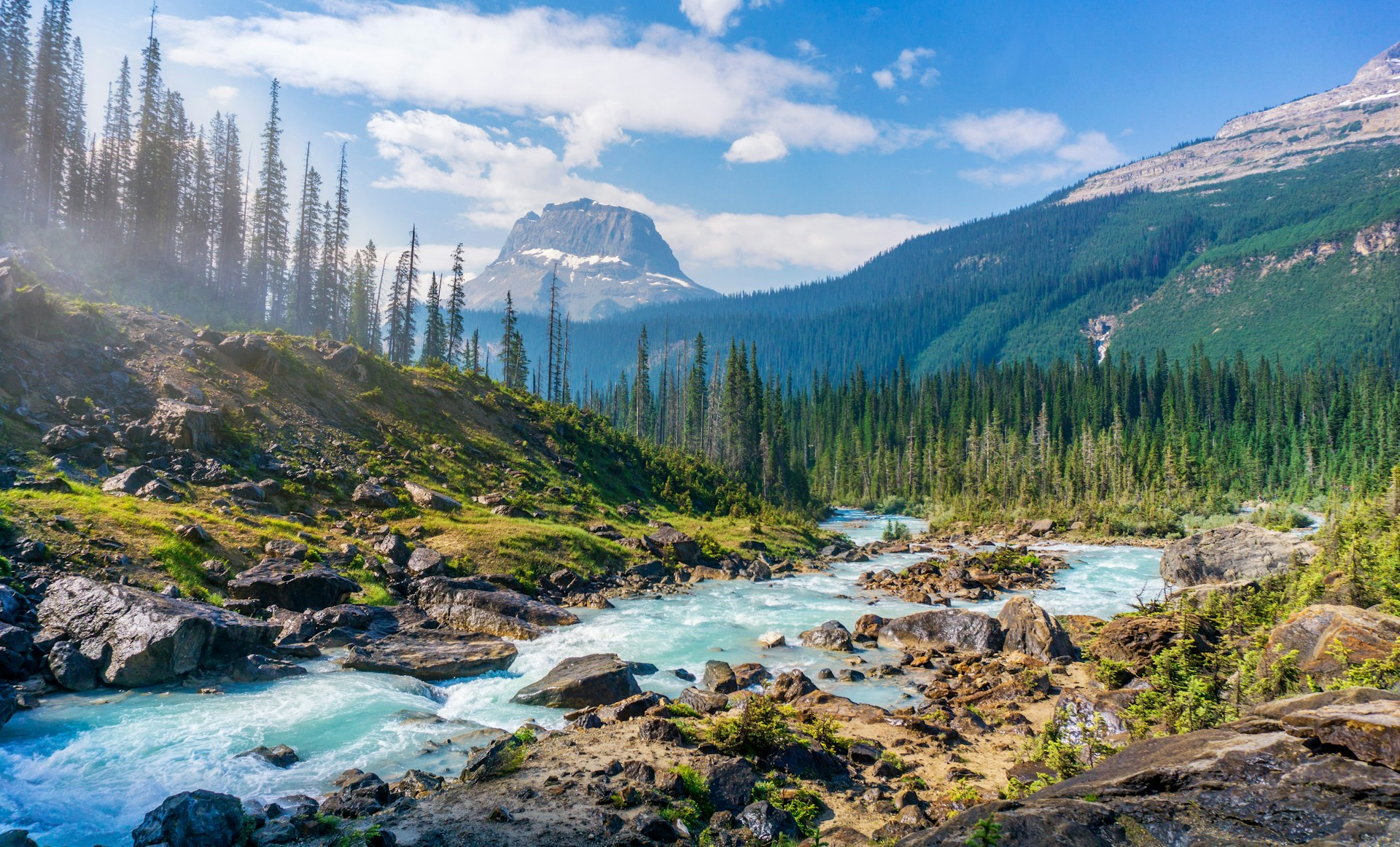
The Southwest Chief links Chicago and Los Angeles, cutting through the heartland and into the wild Southwest. It’s a 2,265-mile ride that takes about 43 hours.
You’ll follow the old Santa Fe Trail through Kansas, Colorado, and New Mexico. The climb up Raton Pass in Colorado tops out at 7,588 feet.
Desert scenes:
- New Mexico: Mesas, canyons, Native American pueblos
- Arizona: Painted Desert, red rocks
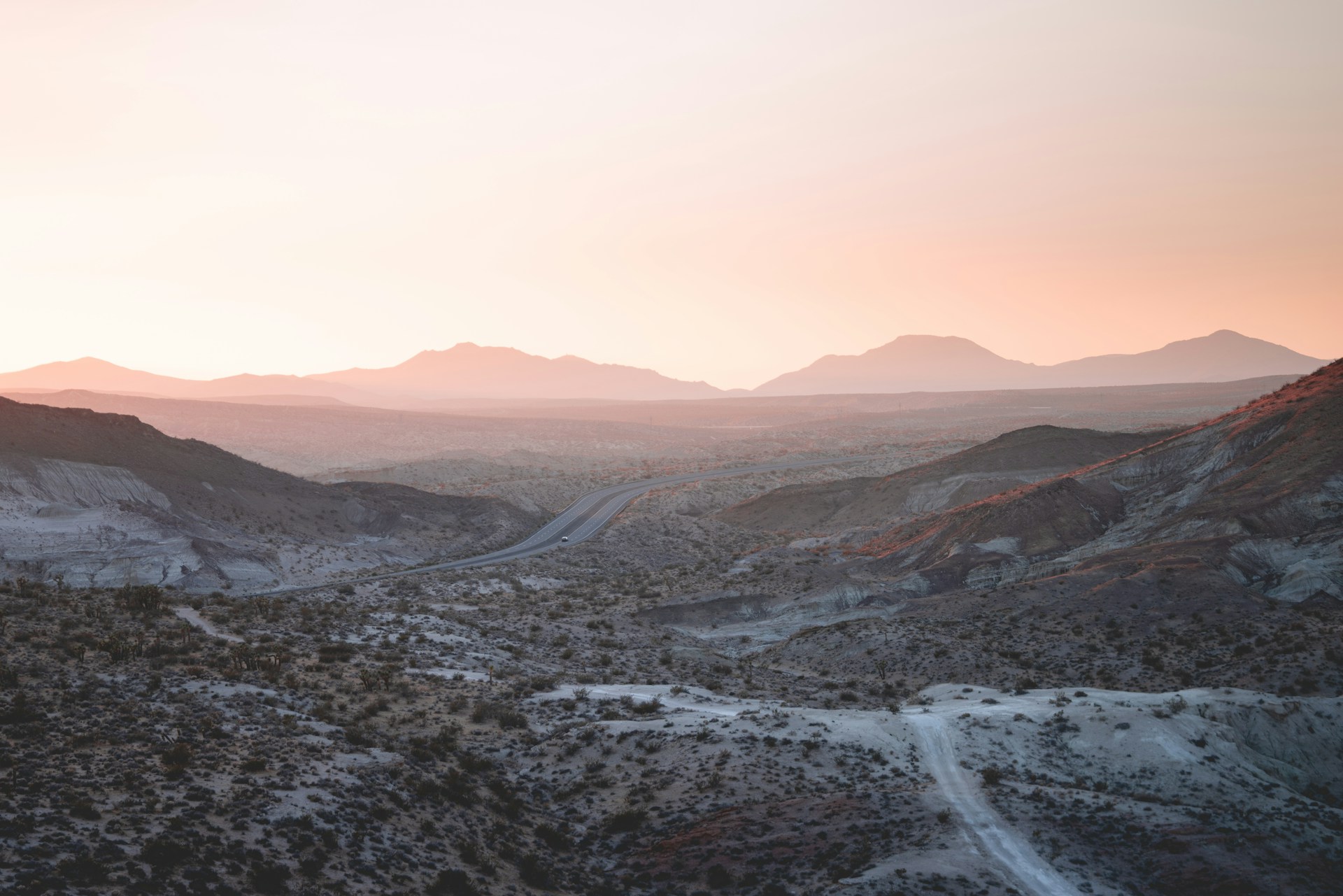
- Mojave Desert: Joshua trees, distant mountains
The Sangre de Cristo Mountains in Colorado are a highlight. The train winds through snowy passes and gives you sweeping views.
Stops like Lamy, New Mexico and Flagstaff, Arizona offer a taste of Southwest culture. If you can, grab a seat in the dome car for panoramic desert views.
Magnificent Coast-to-Coast Experiences
Now for three train rides that show off America’s best regions—from Pacific beaches to Alaskan wilderness and the forests of the Northeast. Each one opens up landscapes you just can’t reach by car or plane.
Coast Starlight: Following the Pacific Coastline
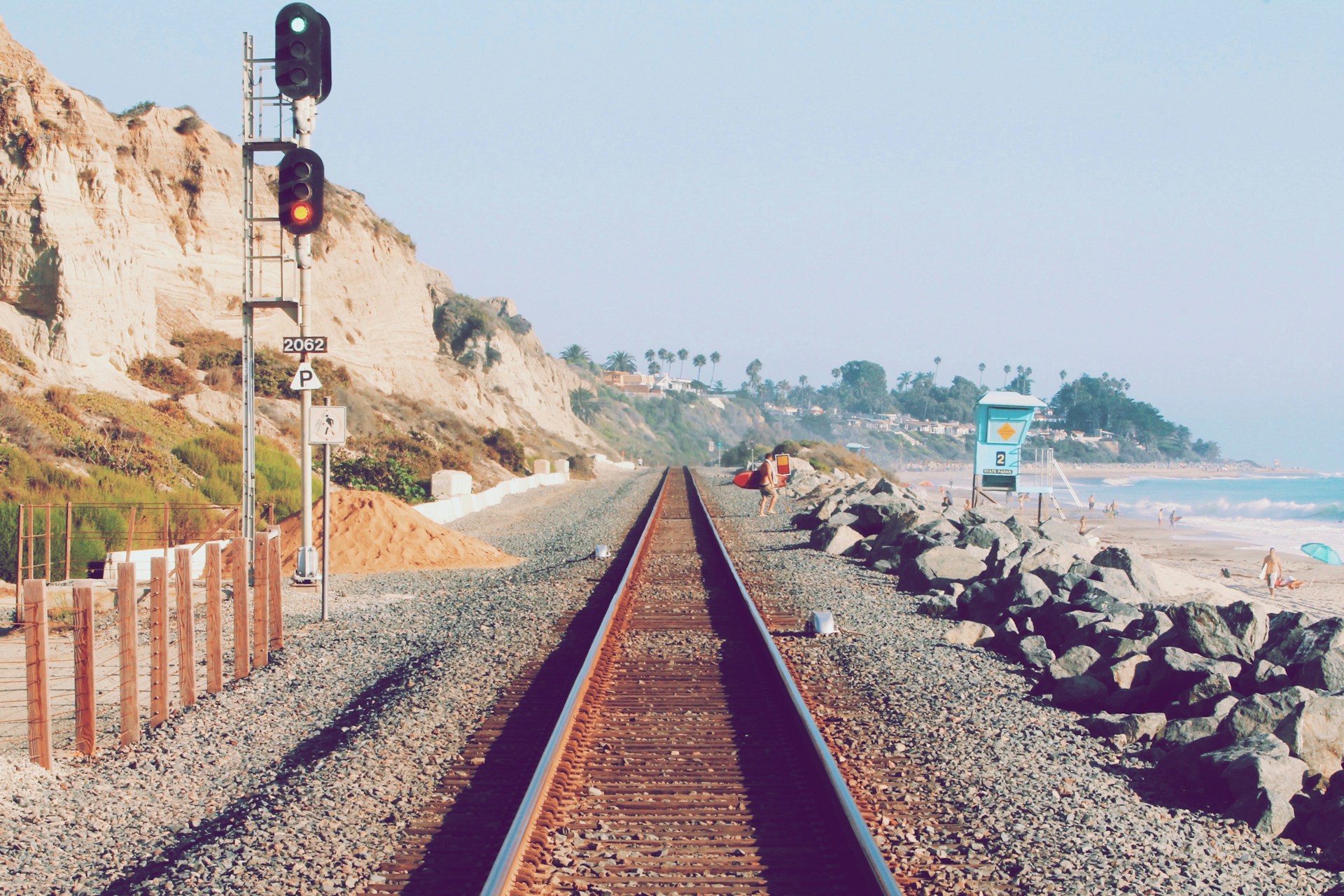
The Coast Starlight runs 1,377 miles between Los Angeles and Seattle. Hands down, it’s one of America’s most scenic train rides.
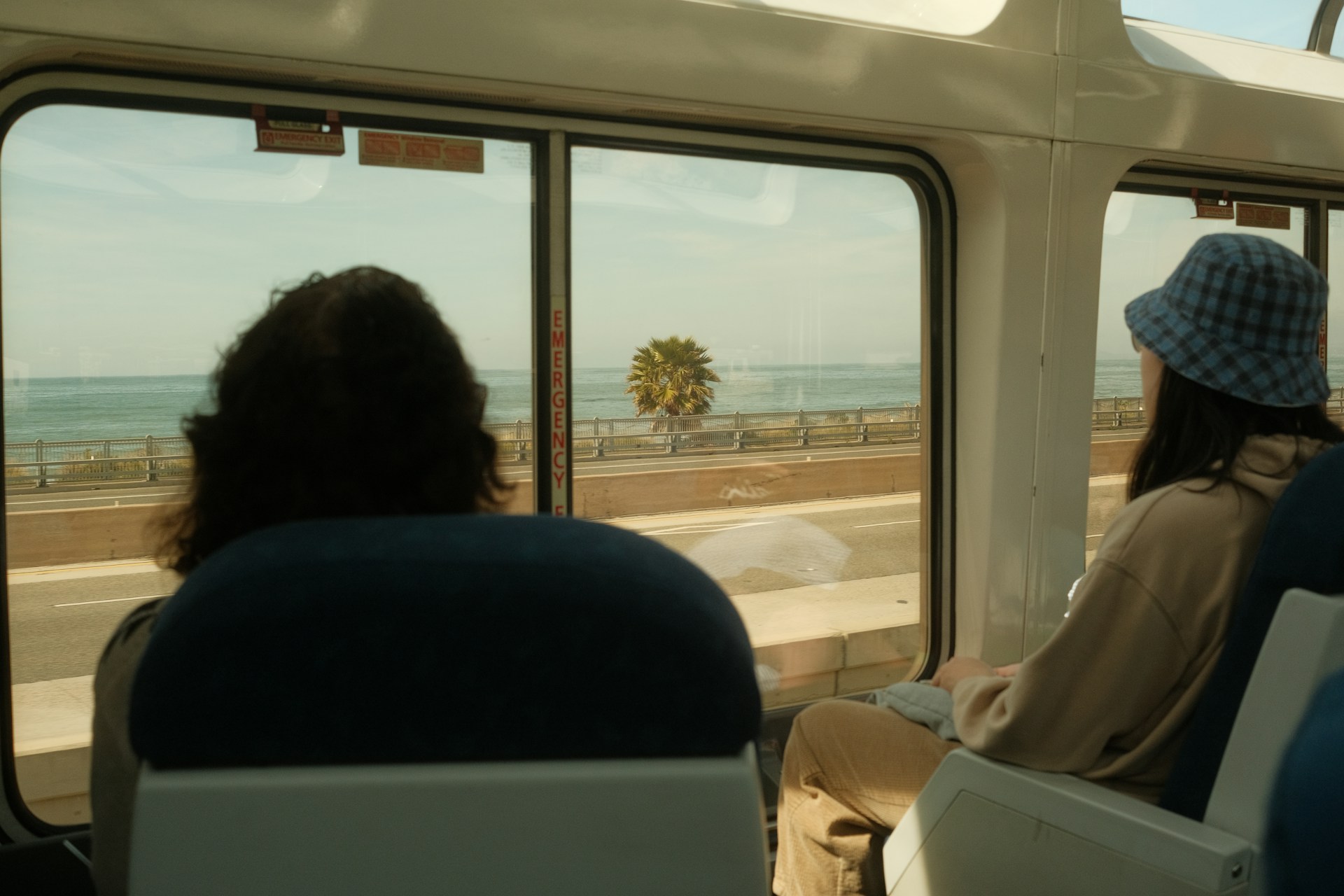
Between San Luis Obispo and Santa Barbara, the train hugs the Pacific Ocean. You’ll watch waves crash against cliffs, and sometimes spot surfers catching waves.
What stands out:
- Coastal views: 113 miles of ocean scenery
- Mountain passes: Cascade and Coast Ranges
- Cities: Los Angeles, San Francisco, Portland, Seattle
You’ll cross the Salinas Valley, which is basically vineyard heaven. Oregon’s stretch brings thick forests of Douglas fir and cedar.
The Pacific Northwest section? You can’t miss Mount Shasta and Mount Hood—both towering, snow-capped, and seriously impressive.
Alaska Railroad: Denali Star and Wilderness Views
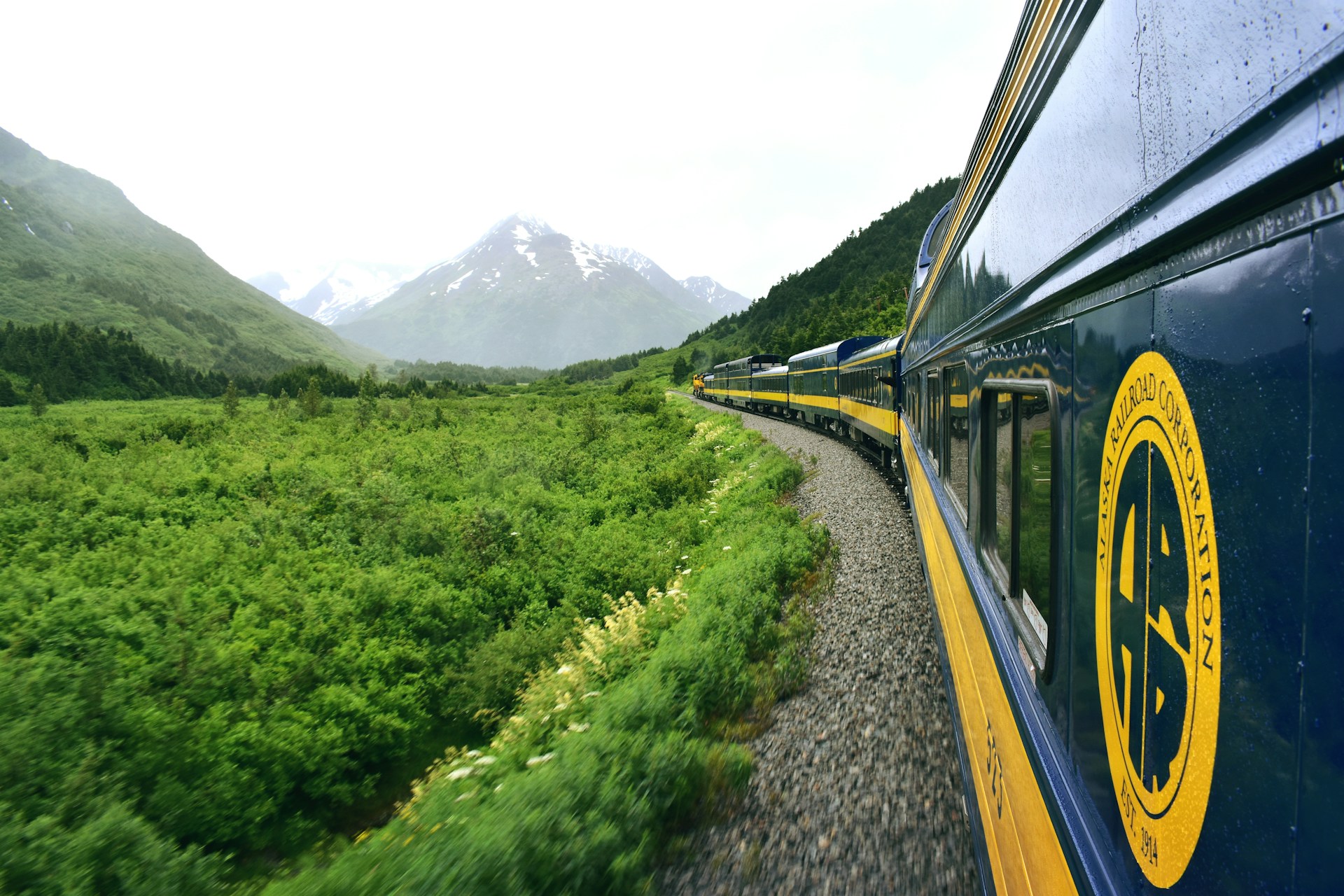
The Alaska Railroad connects Anchorage and Fairbanks, covering 356 miles. The Denali Star is the summer showstopper.
Halfway through, you’ll pass Denali National Park. If the weather’s clear, Mount McKinley (Denali) dominates the skyline at 20,310 feet.
Wildlife sightings:
- Moose wading in rivers
- Caribou herds moving across the tundra
- Bears fishing for salmon
- Eagles soaring overhead
The train crosses the Hurricane Gulch Bridge, which towers 296 feet above the canyon. Everyone crowds the observation cars for photos.
Talkeetna is a quirky stop—tiny, but it’s the launch point for Denali climbers. The town may be small, but it’s got big adventure vibes.
Amtrak’s Adirondack: The Scenic Northeast Adventure
The Adirondack runs 381 miles from New York City to Montreal. It’s a daily train that winds through forests, lakes, and classic small towns of the Northeast.
After Albany, you’ll roll into Adirondack Park—a protected wilderness bigger than some states. Pristine lakes mirror pine trees and rocky peaks.
Lake Champlain hugs the tracks for about 30 miles. The water is so clear, you can sometimes see straight to the bottom. Old lighthouses dot the shore.
Cool stops:
- Saratoga Springs: Famous for horse races and mineral springs
- Glens Falls: Gateway to the southern Adirondacks
- Plattsburgh: Historic town near the Canadian border
Crossing into Canada at Rouses Point, border agents hop on to check passports before you reach Montreal.
If you can, ride in the fall. Maple, birch, and oak trees explode in color—reds, oranges, yellows—between September and October.

Historic and Heritage Railroads
America’s heritage railroads keep the country’s railroad story alive, and they roll through some of the most jaw-dropping mountain scenery. These lines still follow the original 19th-century routes, winding through places cars can’t even dream of reaching.
Durango & Silverton Narrow Gauge Railroad: Along the Animas River
This Colorado railroad is about as authentic as it gets. Steam-powered engines run the same tracks built in 1882 for hauling gold and silver.
The train covers 45 miles through San Juan National Forest. I love watching the Animas River snake below as the train rattles over high trestles and hugs canyon walls.
Route details:
- Duration: 3.5 hours each way
- Elevation gain: 2,000 feet
- Season: May to October
The tracks are only three feet apart, so the ride feels intimate compared to standard trains. Sometimes, I spot elk or even black bears from the open-air cars.
Silverton is a fun stop. You get about two hours to explore, and the town’s old buildings look straight out of the 1880s mining boom.
Cumbres & Toltec Scenic Railroad: The High Country Journey
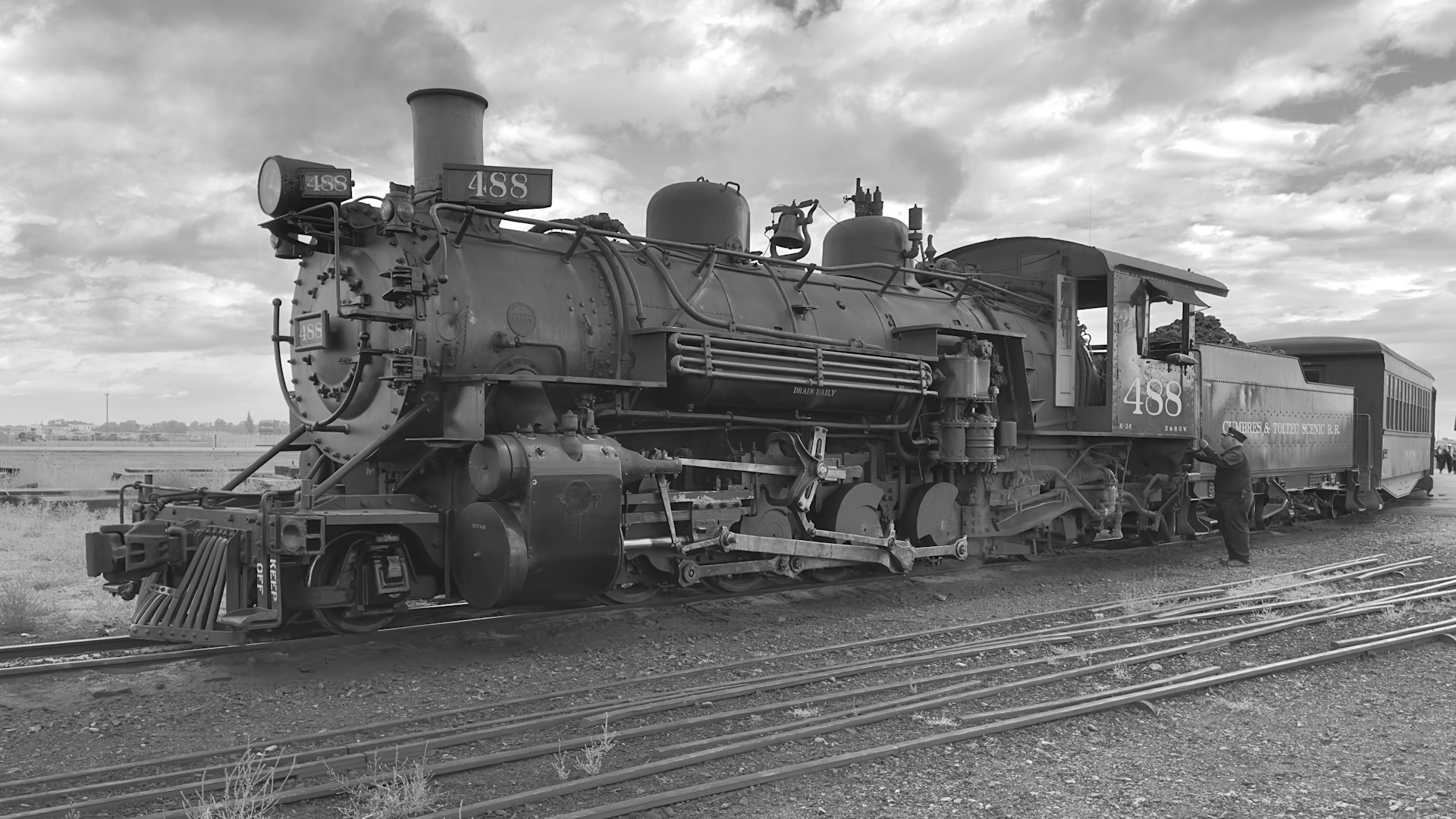
This one claims the title of North America’s longest steam railroad. The 64-mile route zigzags between Colorado and New Mexico—crossing the border 11 times!
You can start in Chama, New Mexico or Antonito, Colorado. The steam engine chugs up to 10,015 feet at Cumbres Pass—the highest railroad in the country.
What to look for:
- Cascade Trestle: 137 feet high
- Two tunnels blasted through solid rock
- Landscapes from desert to alpine meadows
The train snakes along canyon walls where there’s no road in sight. In fall, the aspen trees go gold; in summer, wildflowers paint the fields. The open-air gondola gives you the best views.
Wildlife is everywhere—deer, antelope, sometimes bears. Eagles ride the thermals above the peaks.
Strasburg Rail Road: Stepping Back in Time
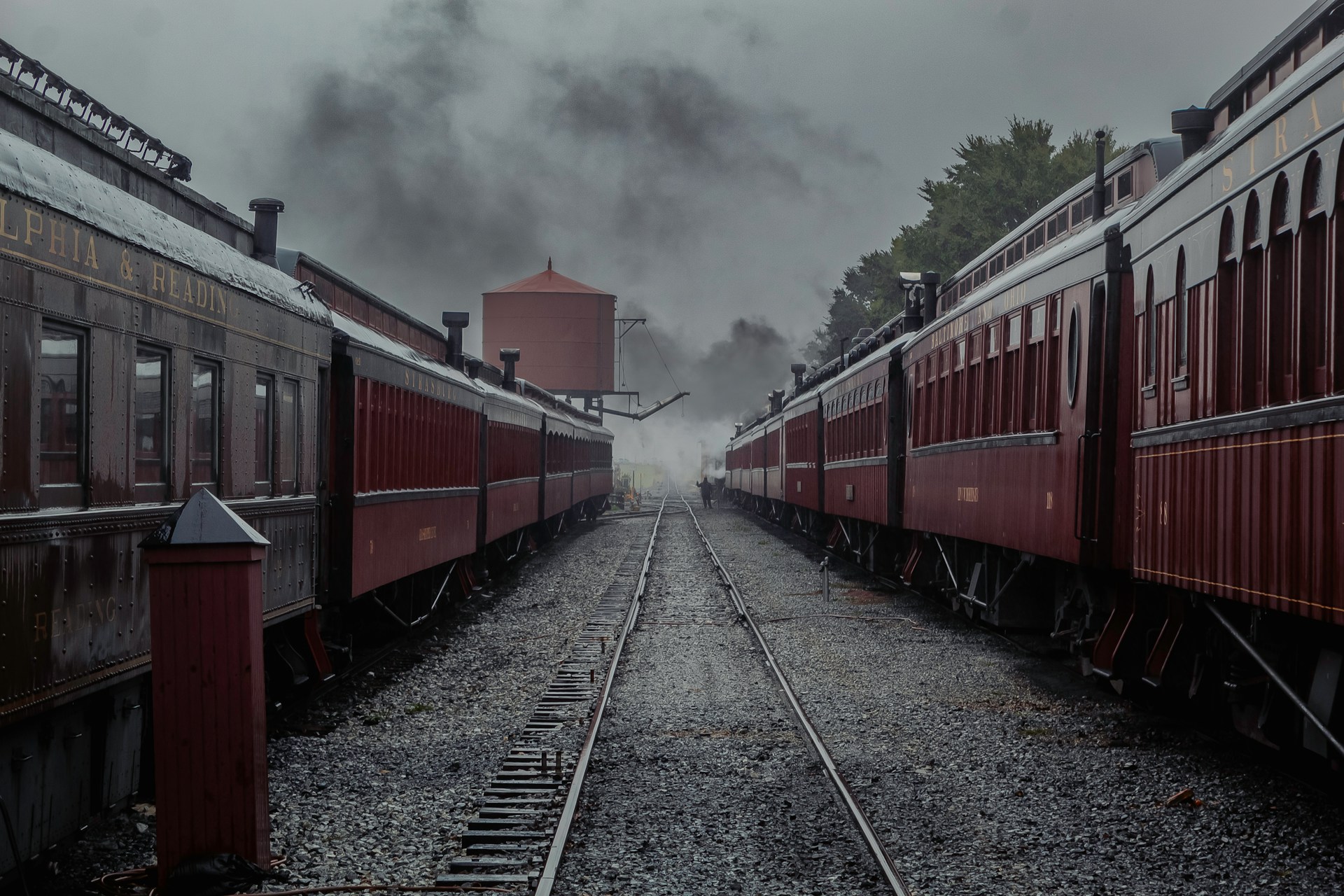
Strasburg Rail Road is the oldest operating railroad in America, and it rolls right through Pennsylvania’s Amish country. I always get a kick out of riding behind steam engines from the early 1900s.
The round trip lasts 45 minutes and covers nine miles of farmland. Amish buggies share the roads, and you’ll see farmers working fields the old-fashioned way.
The railroad dates back to 1832. Nowhere else can you ride a real steam train through a working Amish community. The passenger cars are old-school—wooden seats, big windows, and all.
What’s special:
- Real steam whistles and puffs of coal smoke
- Views of Amish farms and one-room schoolhouses
- Victorian-era train stations
The Railroad Museum of Pennsylvania sits right next door. You can wander among historic locomotives and dive into railroad lore. Pairing the ride with the museum makes for a perfect heritage train day.
Unique Train Journeys Through Iconic Landscapes
Let’s be honest—America’s legendary train routes are a ticket to front-row views of the nation’s wildest and most iconic places. You don’t just watch the scenery; you ride straight through it.
Grand Canyon Railway: Into the Depths of the Canyon
I hopped on the Grand Canyon Railway in Williams, Arizona, and it rolled me right up to the South Rim. This isn’t just a train ride—it’s a piece of history that’s been chugging along since 1901.
The ride covers 65 miles in just over two hours each way. You’ll pass through high desert and those tall ponderosa pines before the canyon suddenly appears, and wow, it’s a moment.
Train Options:
- Coach Class with old-school vintage seats
- First Class with big, comfy reclining chairs
- Observation Dome for a glass-ceiling view
- Luxury Parlor Car, complete with a full bar
Onboard, Wild West actors and musicians wander the aisles. They tell stories and play music that’ll transport you back a century or two.
Themed rides pop up all year—think railway robberies, Polar Express adventures, or just a classic scenic journey.
Once you reach the canyon, you’ve got about three and a half hours to wander. The South Rim’s got viewpoints and rim trails that’ll have you snapping photos at every turn.
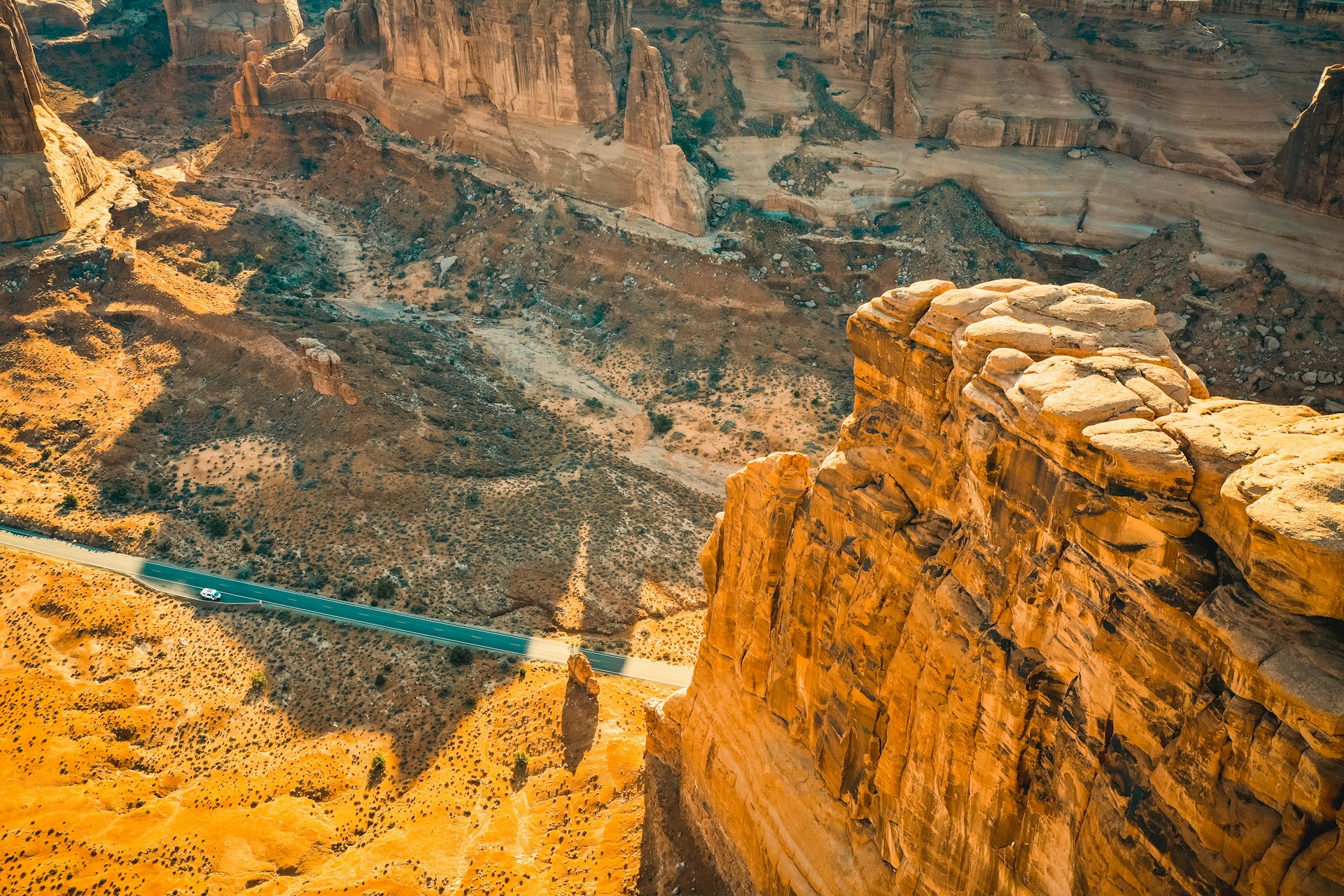
Great Smoky Mountains Railroad: Through the Smoky Mountains
Over in western North Carolina, the Great Smoky Mountains Railroad snakes through valleys and along the Tuckasegee River. The scenery? Absolutely stunning, especially if you love mountains.
Trains leave from Bryson City. If you pick the Nantahala Gorge excursion, you’re in for a 44-mile roundtrip through thick forests and beside rushing rivers.
From those vintage rail cars, you can spot waterfalls and wildlife. The train crosses high trestle bridges with sweeping views into deep valleys.
Popular Routes:
- Nantahala Gorge (4.5 hours)
- Tuckasegee River (4 hours)
- Fontana Trestle (4.5 hours)
Spring brings wildflowers and streams that never seem to stop. In fall, the leaves turn into a crazy patchwork of color.
The railroad mixes it up with diesel and steam locomotives. Steam trains, with their coal-fired engines, run on select dates and feel straight out of a different era.
Dinner trains and special events show up throughout the year, too. Murder mystery dinners and holiday rides through the Smokies keep things interesting.
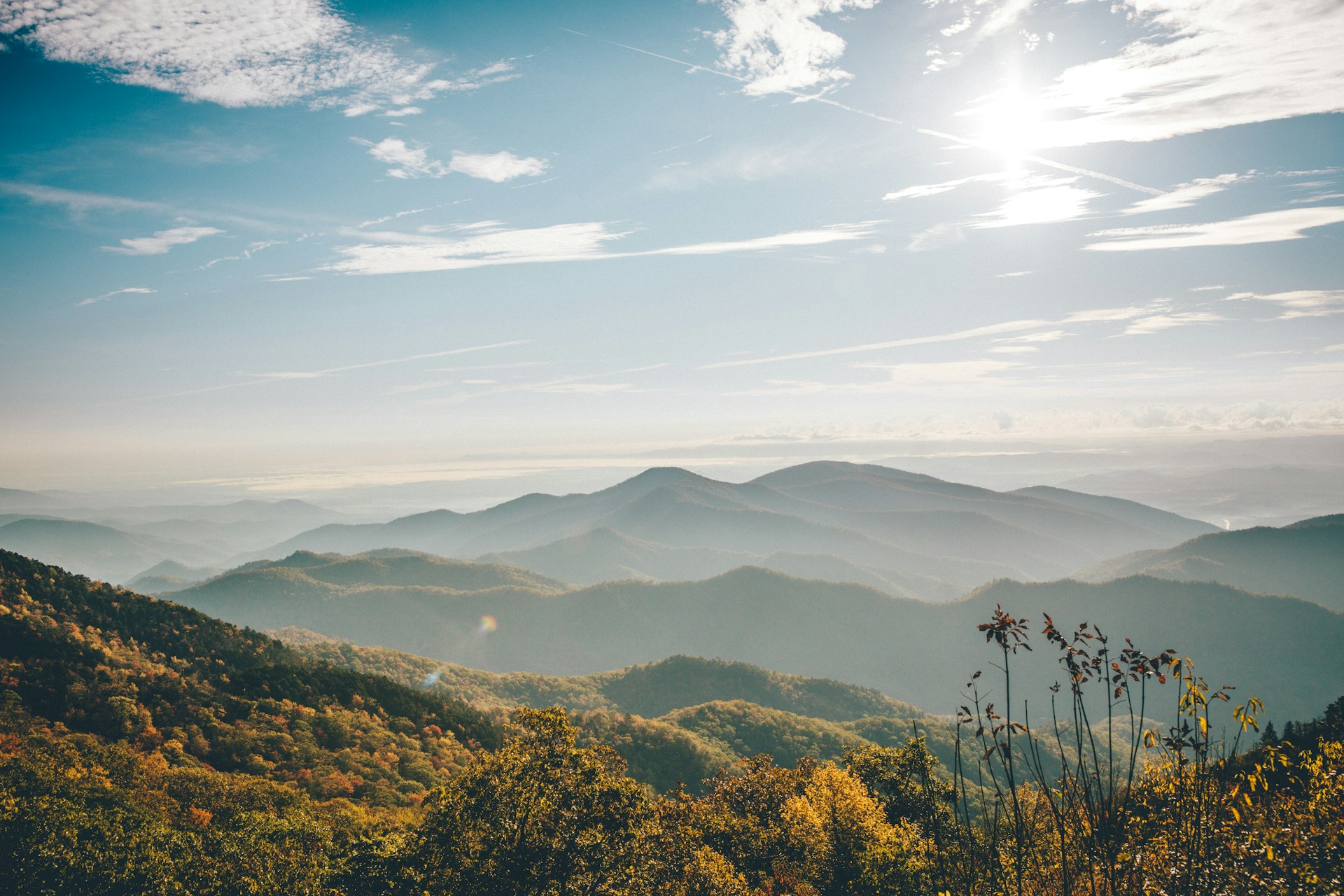
Specialty and Luxury Rail Experiences
Some train trips go way beyond just getting from point A to B. These rides turn travel into an experience—think wine tastings, sweeping mountain views, and vintage steam engines you won’t find on regular routes.
Napa Valley Wine Train: Rolling Through Vineyards
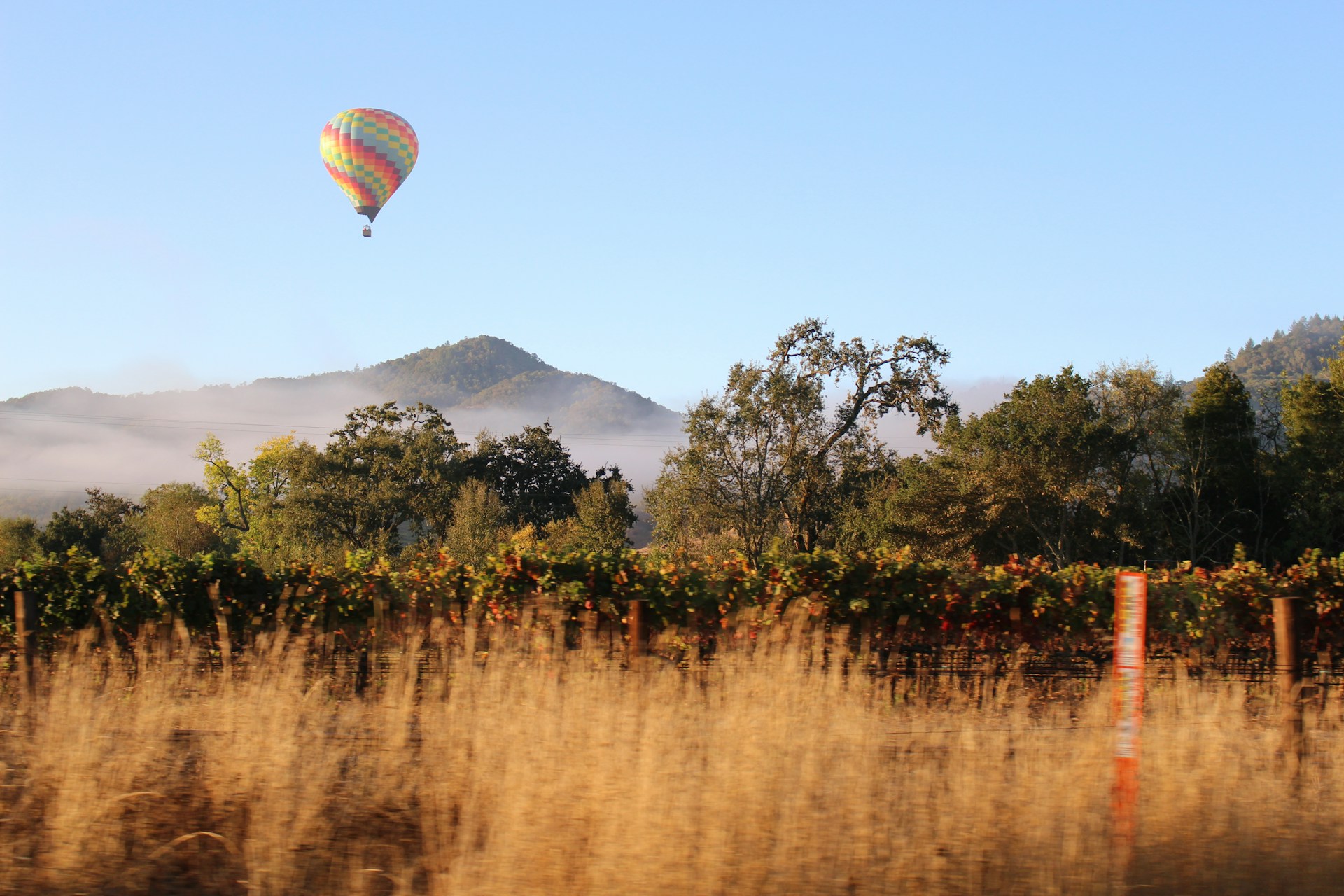
The Napa Valley Wine Train is a dream for anyone who loves wine and a bit of old-school glamour. Picture restored 1915 Pullman cars gliding through the heart of California wine country.
This 36-mile round-trip from Napa to St. Helena serves up gourmet meals and wine tastings as the scenery rolls by.
The dining cars are all polished wood and brass details, and you can pick lunch, dinner, or even a murder mystery night if you’re feeling dramatic.
Key Features:
- Vintage Pullman dining cars
- Multi-course gourmet meals
- Premium Napa Valley wines
- 3-hour scenic journey
I watched the vineyards blur past those big windows while sommeliers explained each wine pairing. Sometimes the train stops at wineries so you can step off, tour, and taste right at the source.
It’s not cheap—expect to pay between $150 and $400 per person, depending on your meal and wine choices. If you want a spot during peak season (April to October), booking early is a must.
Rocky Mountaineer: Red Rocks to the Colorado Rockies
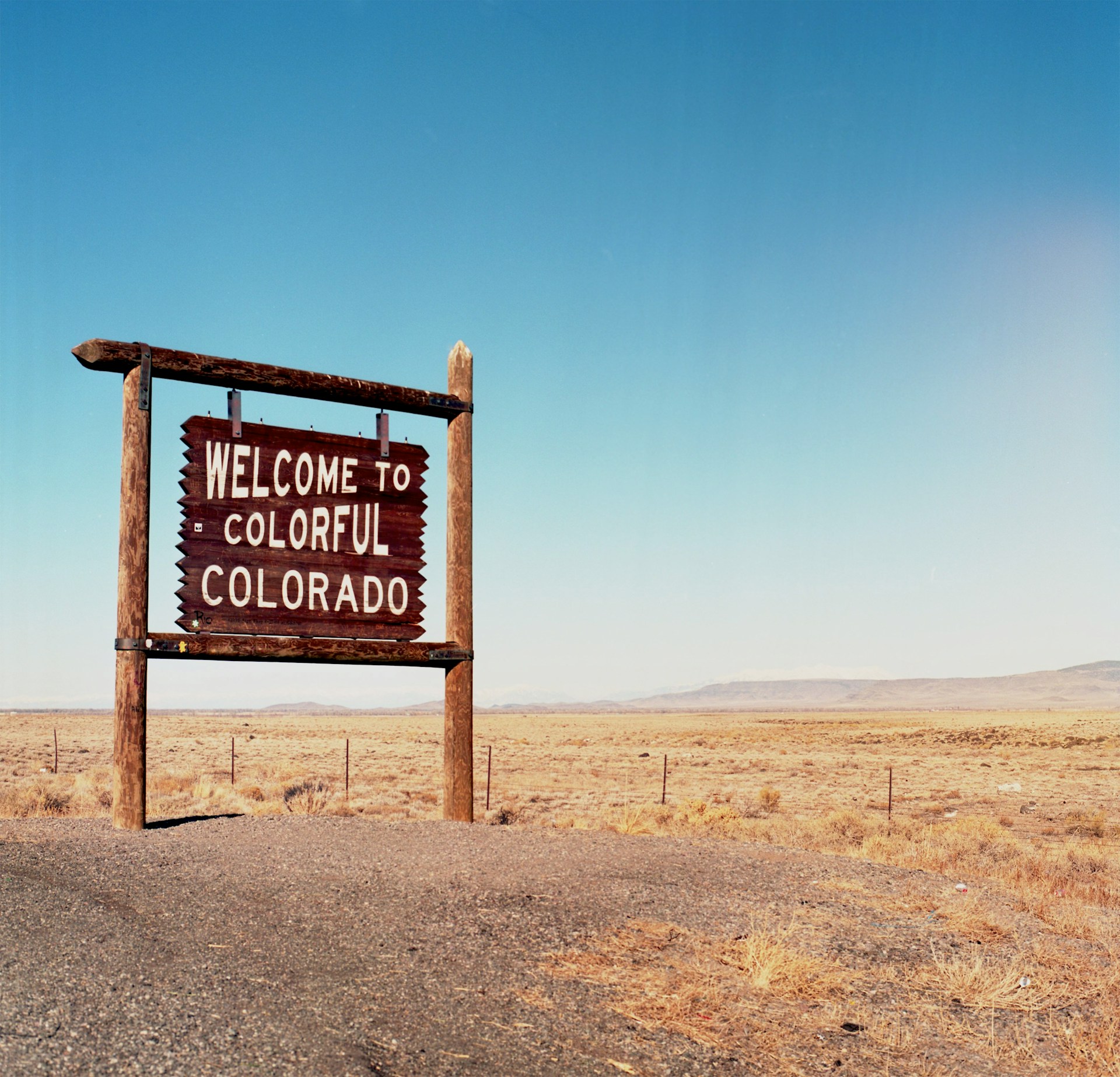
Rocky Mountaineer brings a dose of Canadian-style luxury to Colorado’s wild landscapes. It’s a two-day ride through red rock canyons and snow-capped peaks, with an overnight hotel stay thrown in.
Those glass-dome coaches? They give you panoramic views of the Rockies. Gourmet meals come out hot as you watch the scenery shift from desert to thick alpine forests.
Route Options:
- Rockies to the Red Rocks: Denver to Moab
- Red Rocks to the Rockies: Moab to Denver
You only travel during daylight, so you never miss a thing. The train has two levels—you can eat below and then climb up to the observation dome for the best views.
Onboard hosts love sharing stories about the region’s history and wildlife. I’ve spotted elk and eagles from my seat—pretty wild.
Prices start around $1,400 per person for this two-day adventure. That covers your meals, hotel, and luggage handling, so you can just sit back and enjoy the ride.
Cass Scenic Railroad: West Virginia’s Mountain Heritage
The Cass Scenic Railroad runs original Shay steam locomotives straight up some of West Virginia’s steepest mountain grades. These tracks once hauled lumber out of thick, remote forests—now, they carry train lovers and curious travelers like me.
Shay engines weren’t built for speed; they were built for muscle. Their geared drive system grinds and clatters up inclines as steep as 11 percent. That sound? You don’t forget it.
Popular Trips:
- Whittaker Station: Quick and classic, about two hours round trip.
- Bald Knob: This one’s a commitment—4.5 hours to a summit at 4,842 feet.
The ride winds through dense woods, opening up to mountain views that stretch over several states. Along the way, the train rolls past old logging camps, and you’ll hear stories about how the lumber industry shaped this wild region.
Coal powers these locomotives, sending up real plumes of steam and smoke. Honestly, you can feel the heritage in every rattling mile.
Tickets usually run between $25 and $45 for adults, depending on where you’re headed. Trust me, bring a warm jacket—the mountain air gets chilly fast, even in summer.
