
When most folks picture South Beach, they probably think of wild nightlife and endless sand. But honestly, there’s another Miami that I can’t help but love just as much. Away from the packed party spots, you’ll find a handful of lesser-known Art Deco buildings that quietly tell the story of the city’s creative side. They don’t always pop up on tourist maps, but locals know they’re worth the hunt.
I’ve wandered off the usual path and stumbled onto 7 hidden Art Deco gems in South Beach that truly stand out with their design, charm, and quirky backstories. Each one has its own vibe—from soft pastel facades to bold details that stop you in your tracks. If you want to catch Miami in a new light, tracking down these buildings will show you a side of South Beach most people miss.
What Makes South Beach’s Art Deco Gems Unique
South Beach’s Art Deco buildings really pop thanks to their local history, distinctive styles, and those wild shapes. When I stroll through Miami Beach, bursts of pastel, sharp geometric lines, and playful details jump out everywhere.
The Origins of Art Deco in Miami Beach
Art Deco first landed in Miami Beach back in the 1920s and 1930s. People flocked to Miami then, and developers wanted a fresh, modern look to draw them in.
The Great Depression slowed things down for a while, but construction exploded in the late 1930s. Hotels and apartments shot up, each one a new twist on the Art Deco style.
Miami Beach broke the mold by embracing pastel colors and curvy shapes instead of the harsh angles and dark tones you’ll see in other cities. Preservation efforts in the ’70s and ’80s saved many of these gems, so now the historic district boasts the world’s largest collection of Art Deco architecture.

Tropical Deco and Streamline Moderne Influences
What sets Miami’s Art Deco apart? There’s this thing called “Tropical Deco.” I see it everywhere—classic Art Deco with a local twist: palm trees, waves, sunbursts. Tropical Deco just feels like South Florida, with colors like mint, seafoam, yellow, and pink splashed all over.
Then there’s Streamline Moderne, a later Art Deco style. These buildings have curved corners, flat roofs, and long horizontal lines. They look sleek, almost futuristic. Architects tried to capture the speed of cars, trains, and ships, so every building feels like it’s moving.
These two styles together make South Beach’s skyline playful but somehow still classy. I spot terrazzo floors, glowing neon, and porthole windows all over the place.
Geometric Shapes and Facade Design
Geometric patterns are everywhere in the Art Deco district. Zigzags, chevrons, diamonds—they show up on facades, doors, even railings. Architects used symmetry to keep things lively but balanced.
Exteriors often feature vertical pillars, “eyebrows” (those horizontal ledges over windows), glass blocks, and rounded corners. Pastel paint—think turquoise, coral, lavender—gives the neighborhood its signature look.
Here’s a quick table of design features I keep noticing:
| Feature | Description |
|---|---|
| Eyebrows | Horizontal ledges above windows |
| Porthole Windows | Small, round, nautical-style windows |
| Glass Blocks | Translucent blocks used in walls |
| Terrazzo Floors | Decorative stone flooring |
| Neon Lighting | Neon tubes outlining building shapes |
All these little touches come together and turn a simple walk down Ocean Drive or Collins Avenue into a feast for the eyes.
7 Hidden Art Deco Gems Only Locals Celebrate
South Beach’s Art Deco district is famous, sure, but a handful of buildings really stand out for their personality and history. Locals love these places for their bold design, ties to Miami’s past, and the way they keep the neighborhood’s spirit alive.
The McAlpin: Pastels and Symmetry on Ocean Drive
The McAlpin is hands-down one of my favorite examples of classic Art Deco on Ocean Drive. Its pastel pink and turquoise colors make it impossible to miss. The building’s symmetry and bold lines set it apart from its neighbors.
Built in 1940, The McAlpin has all the hallmarks of Miami’s Art Deco era. I always notice the “eyebrows,” those flat ledges above the windows. The geometric details and stepped roofline catch the sunlight just right. From the street, it looks both playful and refined.
Locals really value The McAlpin for its preservation. Even as shops come and go at street level, the building’s original look stays intact. On weekends, I see people snapping photos in front of the pastel walls—especially when the morning light hits just so.

The Carlyle Hotel: Hollywood History Meets Local Charm
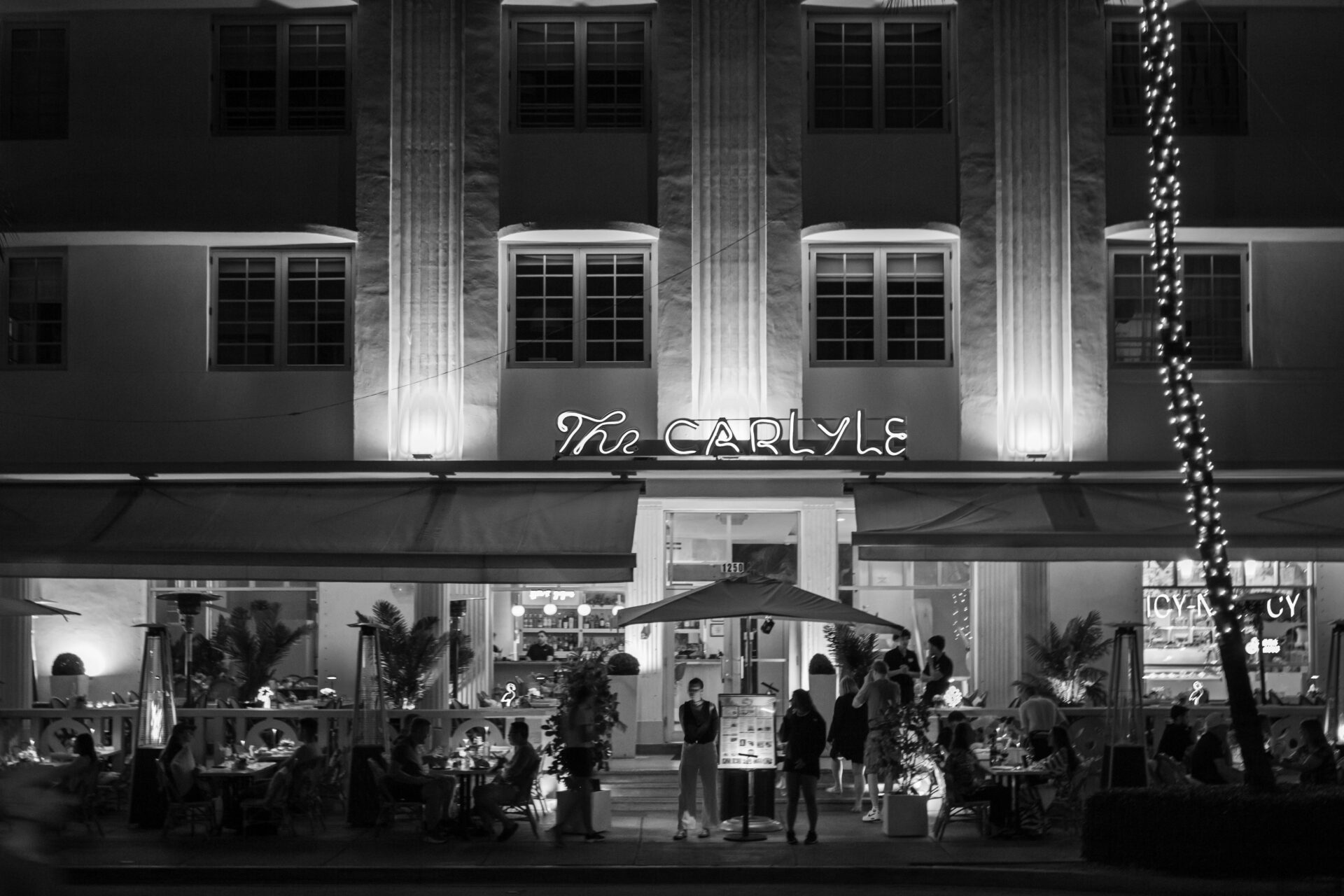
The Carlyle Hotel brings together Miami style and a bit of Hollywood flair. Built in 1941, it sports a pale facade with classic Art Deco curves and vertical lines. The rounded corners and tiered accents make it pop on Ocean Drive.
Movie buffs might recognize The Carlyle from films like “The Birdcage.” Even with its big-screen fame, it still feels like a local spot. Miami residents drop by the bar or just soak up the street scene out front.
What keeps people coming back? The Carlyle blends old-school glam with today’s energy. The lobby’s details are like a peek into Miami’s golden age, and the well-kept exterior proves Art Deco is still alive and kicking—not just something for museum tours.
The Marlin Hotel: Streamline Moderne with Boutique Appeal
The Marlin Hotel always draws me in with its understated take on Art Deco. Built in 1939, it’s a bit quieter than its flashier neighbors. Clean lines and rounded edges show off the “Streamline Moderne” style—a smoother, more modern version of Deco.
The Marlin feels cozy, with just a few floors and a small lobby. I love the original neon sign lighting up Collins Avenue at night. The blue and white colors are calming, a nice break from the louder pastels elsewhere.
Locals like that The Marlin mixes historic style with a laid-back vibe. The interiors highlight curved walls and vintage touches, but never feel cramped. If you want to enjoy Miami’s Art Deco charm without the crowds, The Marlin is a solid pick.
The Webster: High Fashion in a Classic Shell
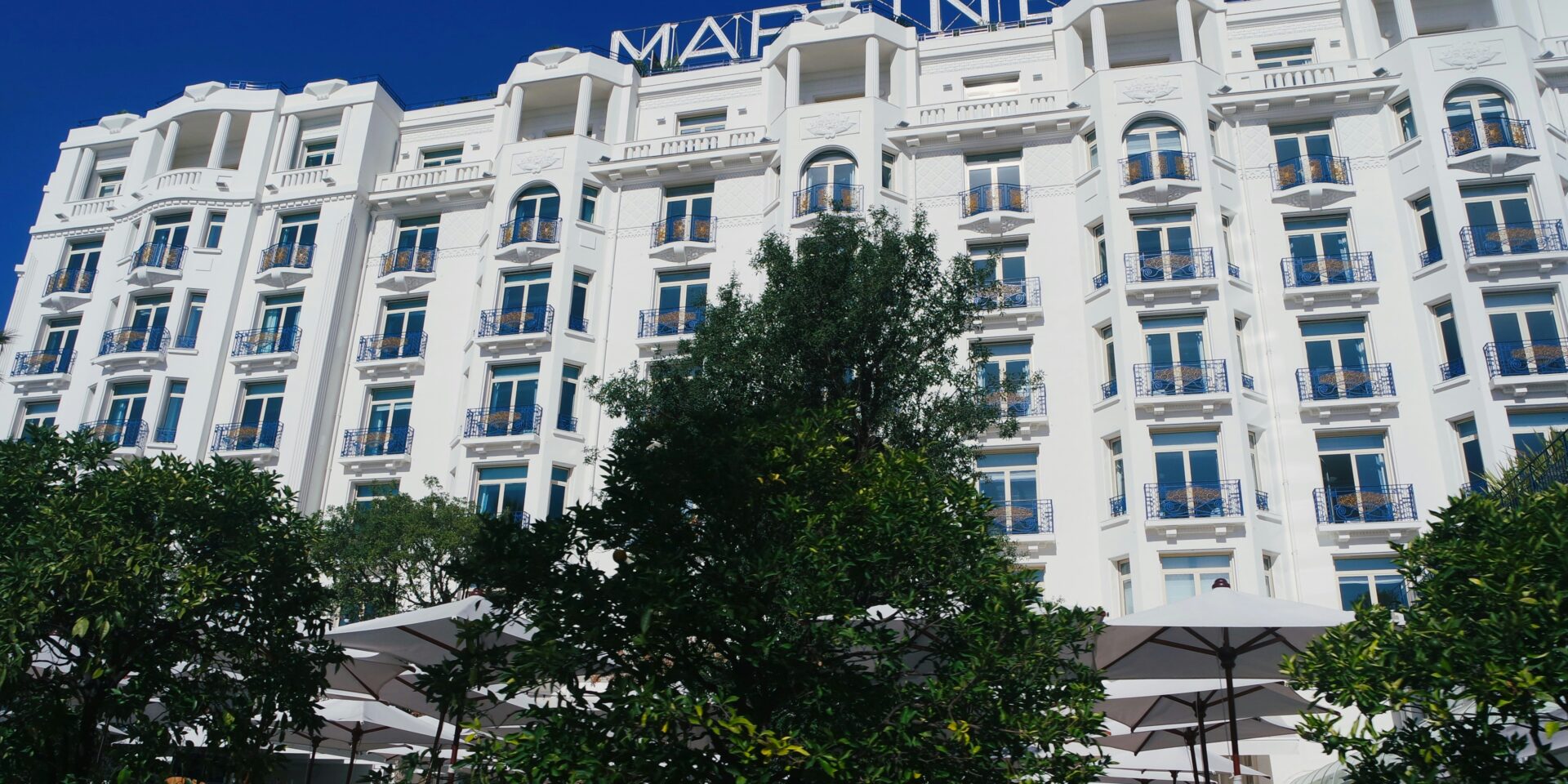
The Webster is an Art Deco icon turned luxury fashion boutique. Built in 1939, it still shows off its classic pink facade, rounded corners, and geometric patterns. I always notice the symmetry and thick window ledges when I walk by.
Originally a hotel, The Webster now uses its wide lobby and grand staircase to showcase high-end brands. Even with the fancy new purpose, the Art Deco details stay front and center—terrazzo floors, chrome railings, all of it.
Locals don’t just come here to shop. The Webster is proof that Miami’s Art Deco gems can adapt and stay relevant. The pastel exterior is a favorite for evening photos, especially when the light is just right. It’s a nice reminder that style and function can go hand in hand.
Insider Favorites: More Art Deco Treasures Locals Love
Some Art Deco hotels in South Beach really shine with their bold designs and rich histories. These spots aren’t just architectural eye candy—they’re woven into the neighborhood’s daily rhythm.
The Essex House: Nautical Flair Just Off Ocean Drive
The Essex House stands on Collins Avenue, just a block from the beach and right in the heart of the Art Deco Historic District. I’m always drawn to its “nautical” vibe, inspired by 1930s ocean liners.
Sleek curves and glass brick accents remind me of a ship’s bridge. At night, the neon sign glows over the palm trees. Inside, the lobby feels like a vintage cruise lounge, with wood trim and porthole details. Locals appreciate its chill atmosphere, especially compared to the busier hotels nearby.
On weekends, the bar fills up with small groups soaking in the retro atmosphere. The Essex House makes Art Deco feel both stylish and approachable.

The Avalon Hotel: Tropical Deco on the Beachfront
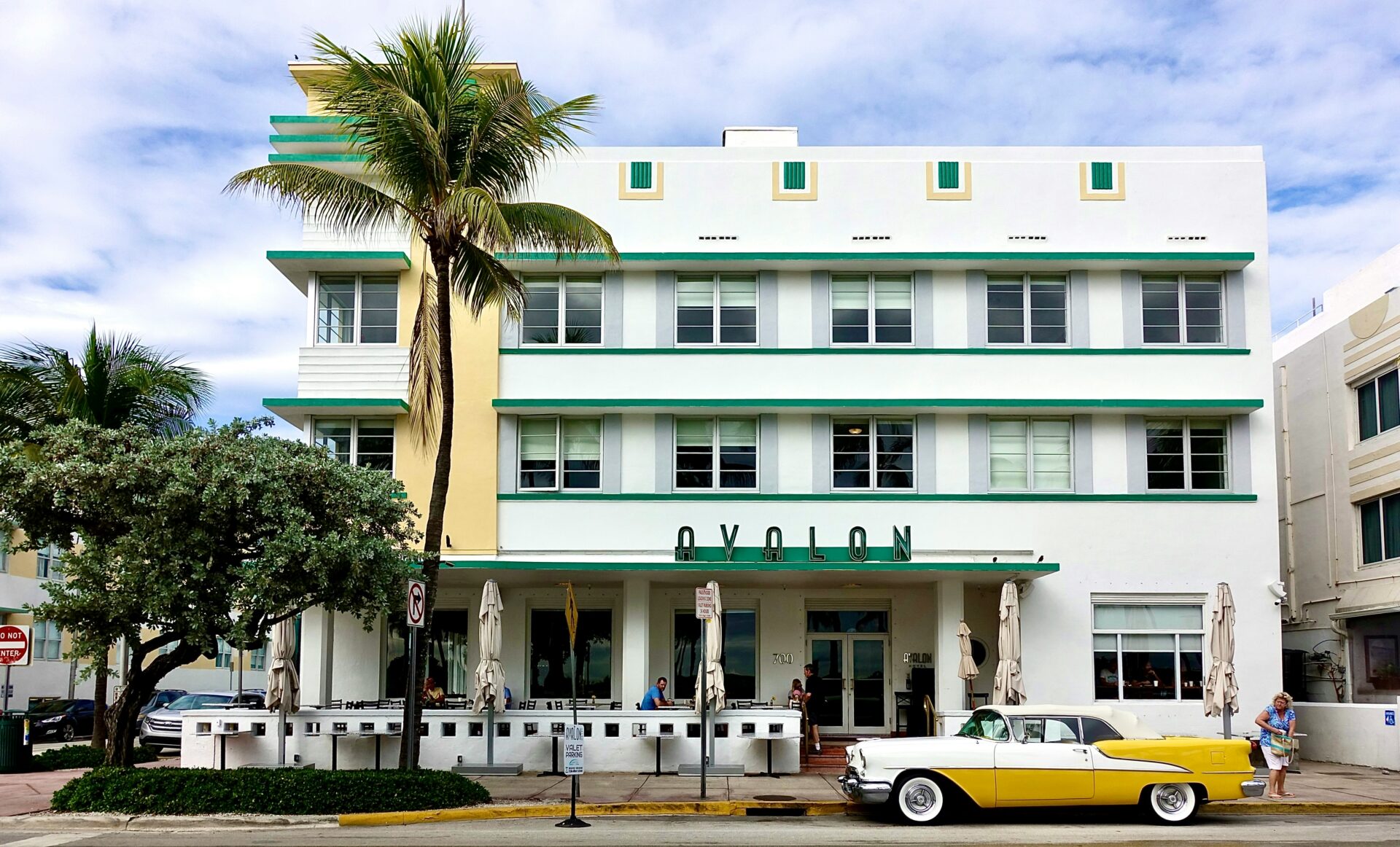
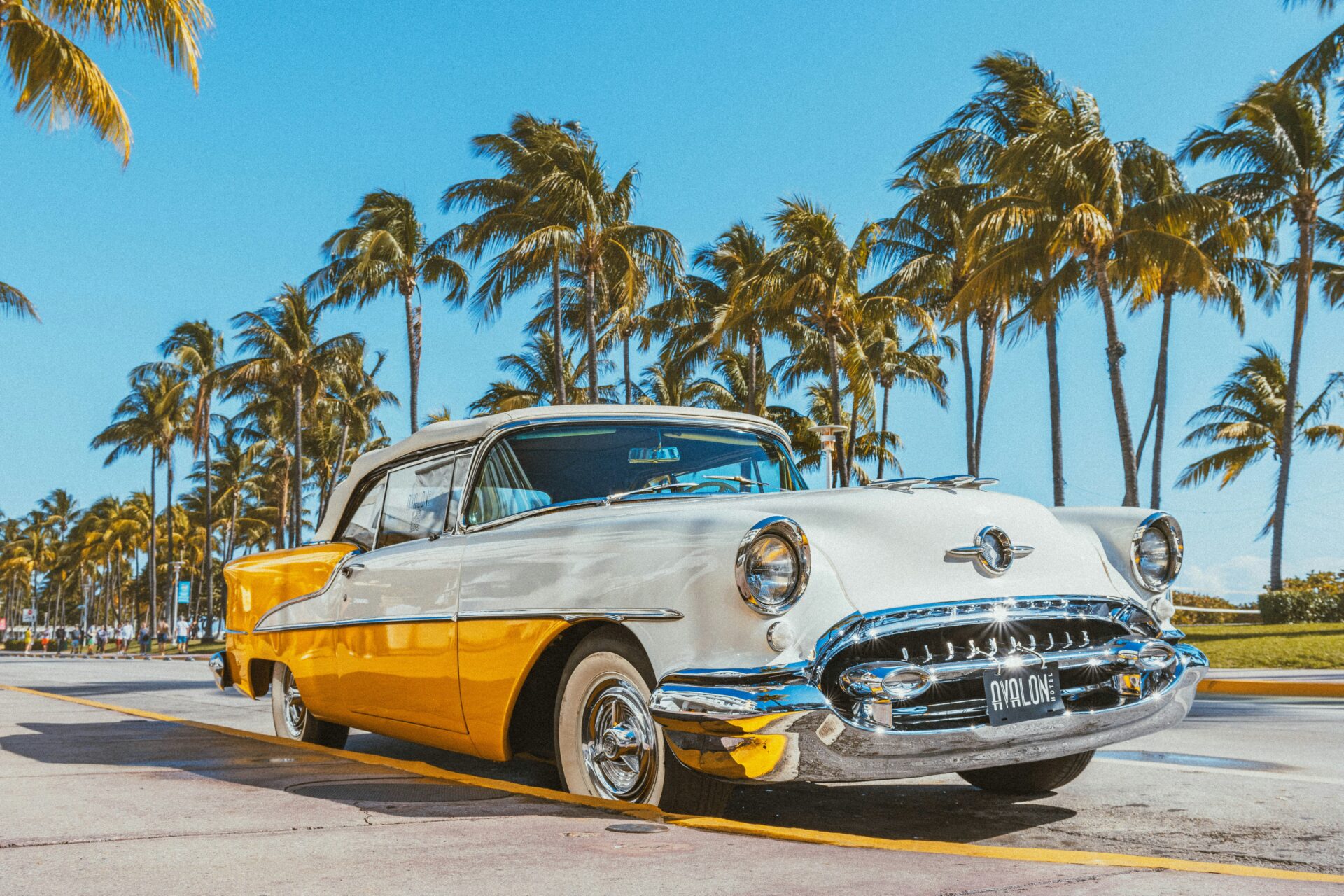
The Avalon Hotel sits right on Ocean Drive, offering unbeatable views of Miami Beach. Its bold yellow and green palette screams South Beach’s tropical take on Art Deco. I always stop to admire the 1940s neon sign and the vintage car parked out front—makes for great photos.
Inside, the tropical theme continues with terrazzo floors and period light fixtures. The Avalon isn’t just about looks—its big windows and canopied terrace let everyone enjoy the ocean breeze.
Locals often recommend the Avalon for its friendly staff and true Deco vibe. If you want to see how history and daily beach life mix, this is the place.
The Breakwater Hotel: A Neon Landmark
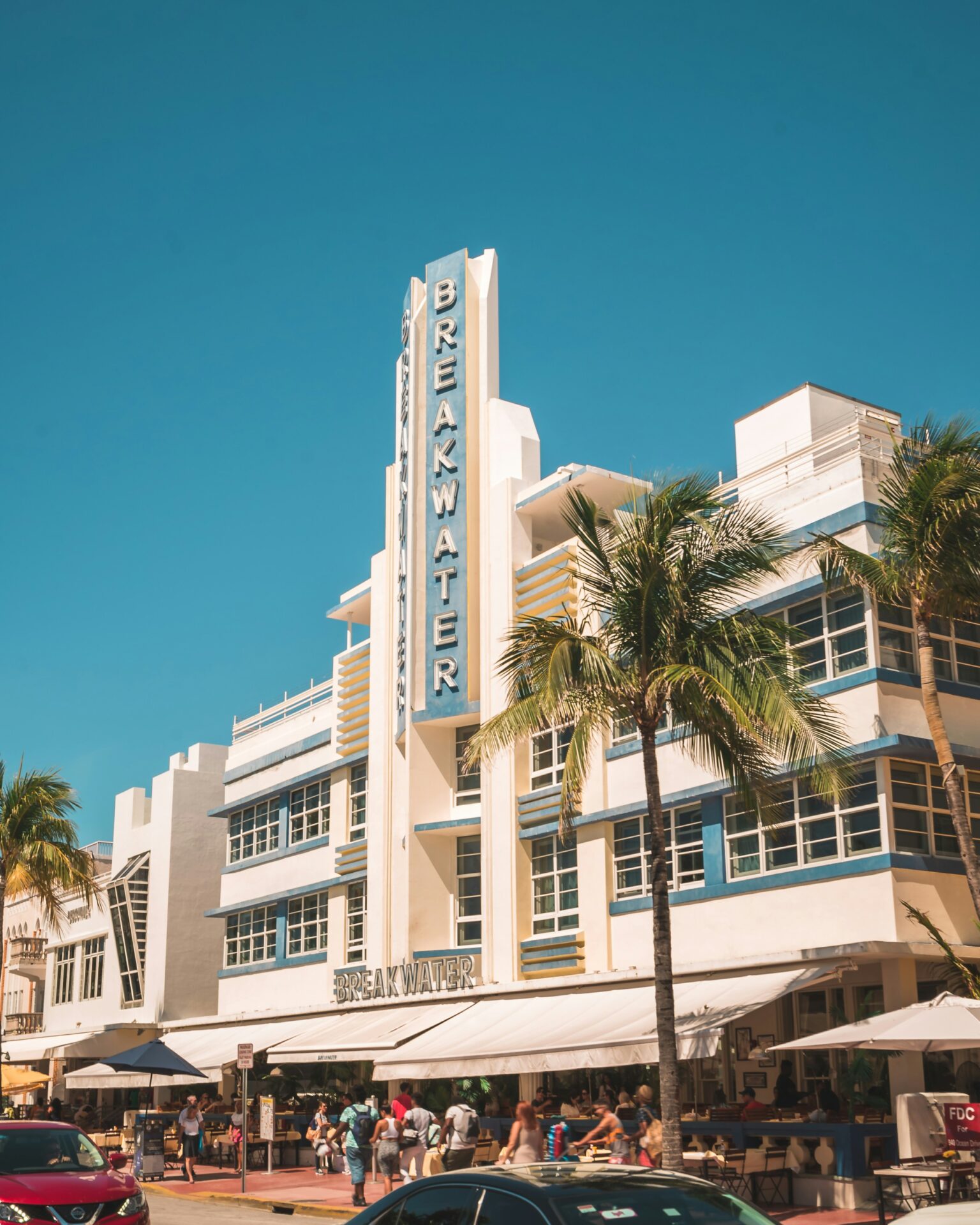
The Breakwater Hotel might be the most eye-catching neon building on Ocean Drive. Its blue and yellow tower, with “Breakwater” spelled out in bright neon, lights up the night. I think it’s one of the most recognizable Art Deco silhouettes around.
Zigzag patterns, geometric railings, and glass blocks give the building a jolt of energy. On weekends, the sidewalk café buzzes with live music and ocean breezes.
Locals love the Breakwater because it’s lively but not overwhelming. The hotel hosts cultural events and art shows, keeping its legacy connected to the present. Even surrounded by other icons, it remains a favorite for those who appreciate bold Deco style.
Experiencing South Beach’s Art Deco Scene
Exploring South Beach’s Art Deco district uncovers a side of Miami that’s both historic and full of life. I’ve learned that a mix of guided tours and aimless wandering brings the architecture to life in unexpected ways.
Guided and Self-Guided Walking Tours
When I want the full Art Deco story, I usually start with a walking tour. The Miami Design Preservation League runs guided tours led by folks who really know their stuff. These tours usually last about 90 minutes and cover a mile or so of South Beach.
Self-guided tours are great too. With a map or app, I can wander at my own pace and linger wherever I want. The Art Deco Welcome Center has maps and tips for planning a route. Both options let me see highlights like The Carlyle and Essex House, and I always find little surprises—murals or quirky details I’d otherwise miss.
Here’s a quick comparison:
| Tour Type | Duration | Flexibility | Insights |
|---|---|---|---|
| Guided | ~90 minutes | Scheduled | In-depth |
| Self-Guided | My choice | Flexible | Self-paced |
Noteworthy Streets: Collins Avenue and Washington Avenue
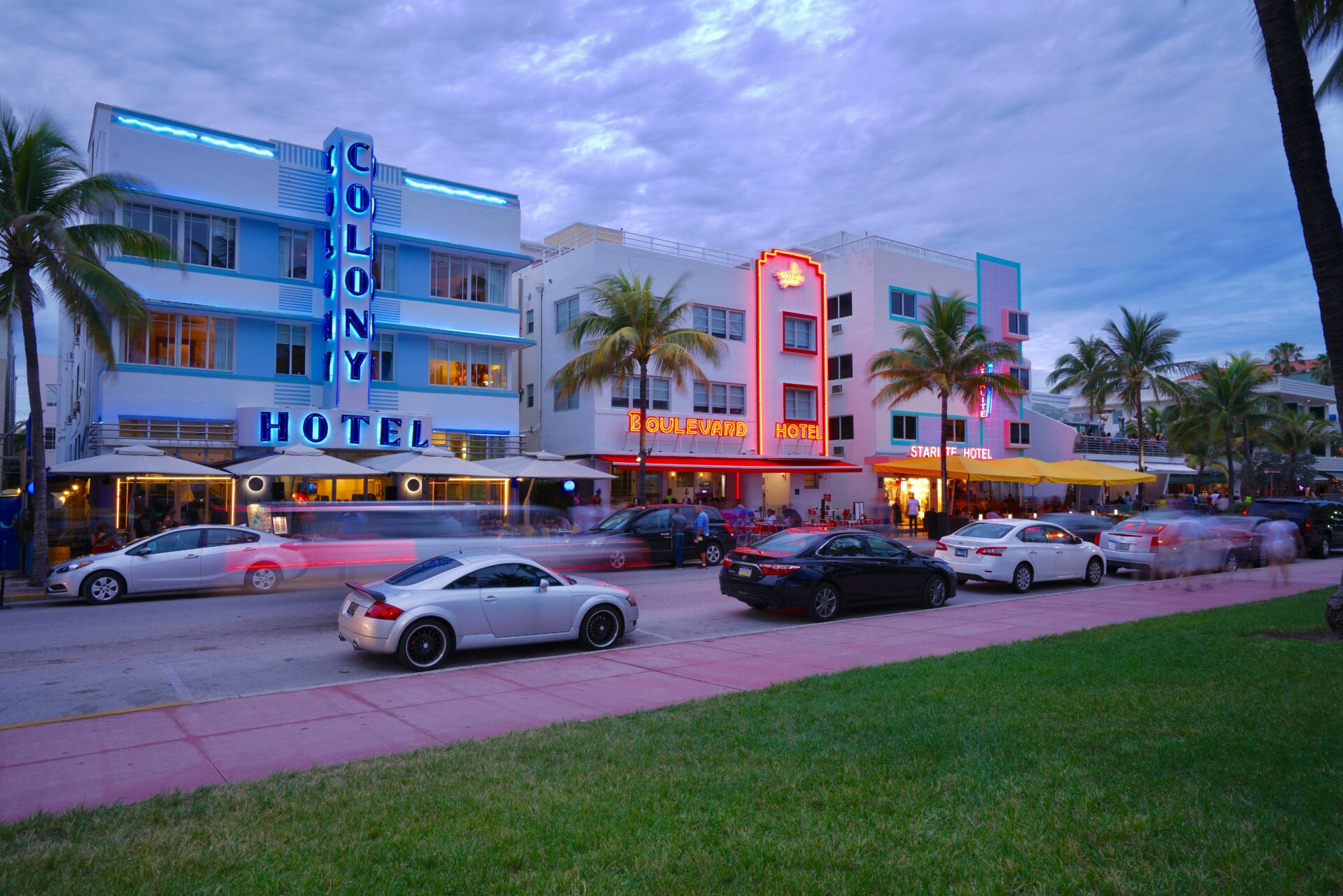
I never skip Collins Avenue or Washington Avenue when I’m in town. Collins Avenue is lined with pastel hotels from the 1930s and 1940s—The Webster and The Marlin are standouts. The sidewalks here are perfect for snapping photos of bright colors, geometric shapes, and neon lights.
Washington Avenue is a little quieter and less crowded. I find hidden gems that locals love—authentic Deco buildings, boutique shops, and small restaurants. The side streets hide original touches like porthole windows and chrome trim.
Walking down both avenues gives me a real sense of Miami’s architectural spirit. There’s the big-name landmarks, sure, but also plenty of lesser-known spots that make the district feel alive and personal.
Eat, Drink, and Shop Amidst Art Deco Splendor
South Beach feels like a living postcard, where gorgeous Art Deco buildings line the streets as I wander from one food spot to the next. There’s something about that mix of unique design and local favorites that always draws me in—it’s stylish, but still feels totally welcoming.
Rooftop Bars and Iconic Nightlife
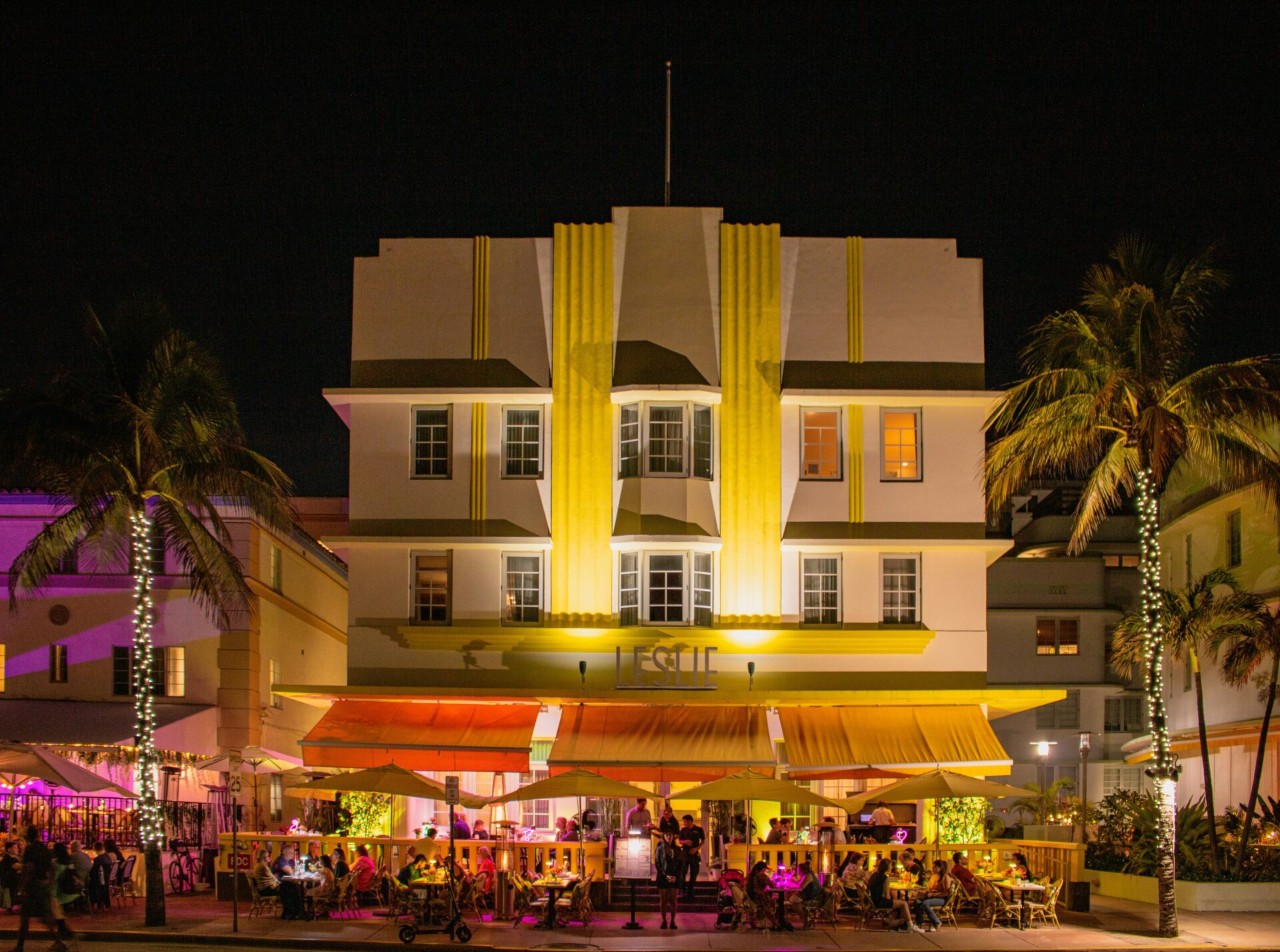
If I’m in the mood for city lights and those pastel Art Deco rooftops, I usually head to a rooftop bar. Hotels like The Clevelander and The Betsy sit right on Ocean Drive, and their rooftop bars serve up killer views of the skyline and the Atlantic.
South Beach nightlife practically buzzes with energy. The Regent Cocktail Club always impresses me with its swanky décor and live music—there’s just something classic about sipping a well-made cocktail there. Foxhole Bar is a real find, tucked away in a back alley with a secret entrance, and it’s where locals like to keep things chill.
If you’re after something a bit different, Bodega Taqueria y Tequila hides a speakeasy behind a blue “Baños” door. It’s quirky, and you can grab tacos and tequila until late.
Here are a few nightlife gems I keep coming back to:
- Foxhole Bar: Back-alley hideout with a secret entrance.
- Regent Cocktail Club: Classic cocktails and live jazz.
- Clevelander Rooftop: Ocean views and a lively crowd.
Must-Try Restaurants: Joe’s Stone Crab & More
Eating in South Beach is a little adventure of its own. Some of the best spots hide inside historic Art Deco buildings, which just adds to the experience. Joe’s Stone Crab stands out as a Miami Beach icon—honestly, it’s hard to beat those legendary stone crab claws.
This place has been around since 1913, and I can almost feel the history in the classic tiled floors and old photos on the walls. The white-jacketed servers make it feel like you’ve stepped back in time.
If I want something more casual, Las Olas Café is my go-to for Cuban breakfast and strong coffee. Under the Mango Tree is a sweet little spot for fresh juices and healthy bites—easy to miss, but worth seeking out. Moreno’s Cuba offers live Latin music and classic Cuban food, tucked away from the main tourist drag.
Here are a few must-try spots:
| Restaurant | What It’s Known For |
|---|---|
| Joe’s Stone Crab | Stone crab claws, old Miami charm |
| Las Olas Café | Cuban breakfast, local crowds |
| Under the Mango Tree | Smoothies, veggie melts, cozy feel |
| Moreno’s Cuba | Cuban food, live music, hidden patio |
Lincoln Road Mall: Shopping in Style
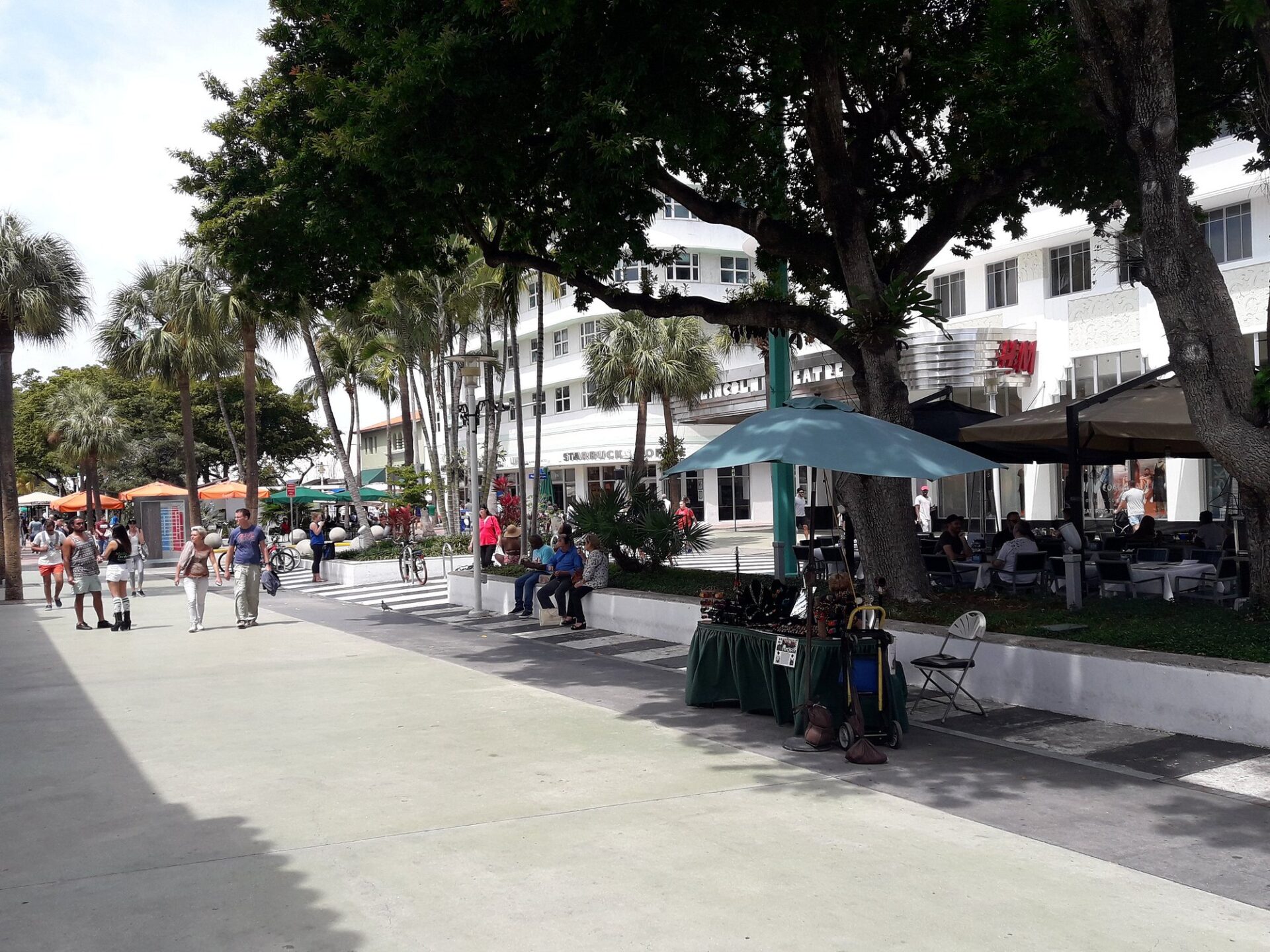
Lincoln Road Mall turns shopping into a whole vibe. I get everything from local boutiques to big-name brands, all framed by that signature Art Deco flair. Palm trees line the open-air street, and the architecture alone is worth the stroll.
I like to wander through fashion shops, art galleries, and quirky places like Books & Books. Outdoor cafés spill onto the sidewalks, perfect for a quick snack or just people-watching with a coffee.
The energy here is both laid-back and a little glamorous. Some stores sit inside historic buildings, which makes shopping feel like a mini history tour. Whether I’m picking up a gift or just taking it all in, Lincoln Road Mall always feels lively and easy to explore.

Exploring Culture and Preservation Efforts
Art Deco in South Beach isn’t just for show. Local organizations pour their energy into preserving, sharing, and teaching about this architectural legacy.
Wolfsonian-FIU: A Museum of Art Deco Artifacts
The Wolfsonian-FIU always lands on my list when I want to dig deeper into Art Deco. Right in the heart of Miami Beach, this museum packs in objects from 1850 to 1950, with a strong Art Deco focus.
I’ve wandered through exhibits of rare posters, furniture, ceramics, and metalwork, all showing how Art Deco shaped daily life. The displays reveal how technology, travel, and pop culture inspired designers during Miami’s Deco boom.
The building itself stands as a little architectural gem, echoing the styles inside. Wolfsonian-FIU often hosts guided tours, workshops, and art programs, so anyone—no matter their age—can connect with the city’s Deco history in a hands-on way.

The Role of the Miami Design Preservation League
The Miami Design Preservation League (MDPL) sits right at the heart of the movement to protect and celebrate South Beach’s Art Deco district.
Honestly, I can’t help but notice their influence whenever I stroll past those pastel buildings on Ocean Drive or spot a quirky little plaque by the sidewalk.
Back in 1976, a passionate group founded MDPL and really kicked things off by helping the Art Deco Historic District land a spot on the National Register of Historic Places.
They keep fighting for these buildings, making sure no one tears them down or changes them so much that you wouldn’t even recognize them anymore.
I love that MDPL runs the Art Deco Welcome Center, too.
You’ll find walking tours, fascinating exhibits, and all sorts of events that pull in both locals and visitors.
They mix hands-on preservation with public outreach, which makes it easy for people to see why these buildings matter.
It’s not just about snapping photos for Instagram—these places connect us to Miami’s past in a way that feels surprisingly personal.

