
Point Reyes National Seashore completely changed how I see the California coast. Just an hour north of San Francisco, this wild stretch of coastline serves up some of the most diverse and jaw-dropping coastal experiences I’ve found anywhere in the state.
I’ve watched elephant seals bellowing with their pups and hiked ridge trails where tule elk graze right beside the path. Every visit feels different—new surprises around every corner.
My seven unforgettable experiences at Point Reyes range from sunrise photography at the Cypress Tree Tunnel to wildlife encounters that left me speechless. The park sprawls over 70,000 acres of coastal mountains, beaches, and windswept grasslands.
Some days I wander easy beach trails; other days, I tackle steep backcountry hikes. I’ve spent more weekends here than I can count, and the variety never gets old.
One morning, I’m snapping photos at the lighthouse. The next, I’m camping beneath a sky full of stars or scanning the ocean for whales from the cliffs.
Let me walk you through my most memorable experiences and share some honest tips to help you plan your own adventure on this wild slice of California’s coast.
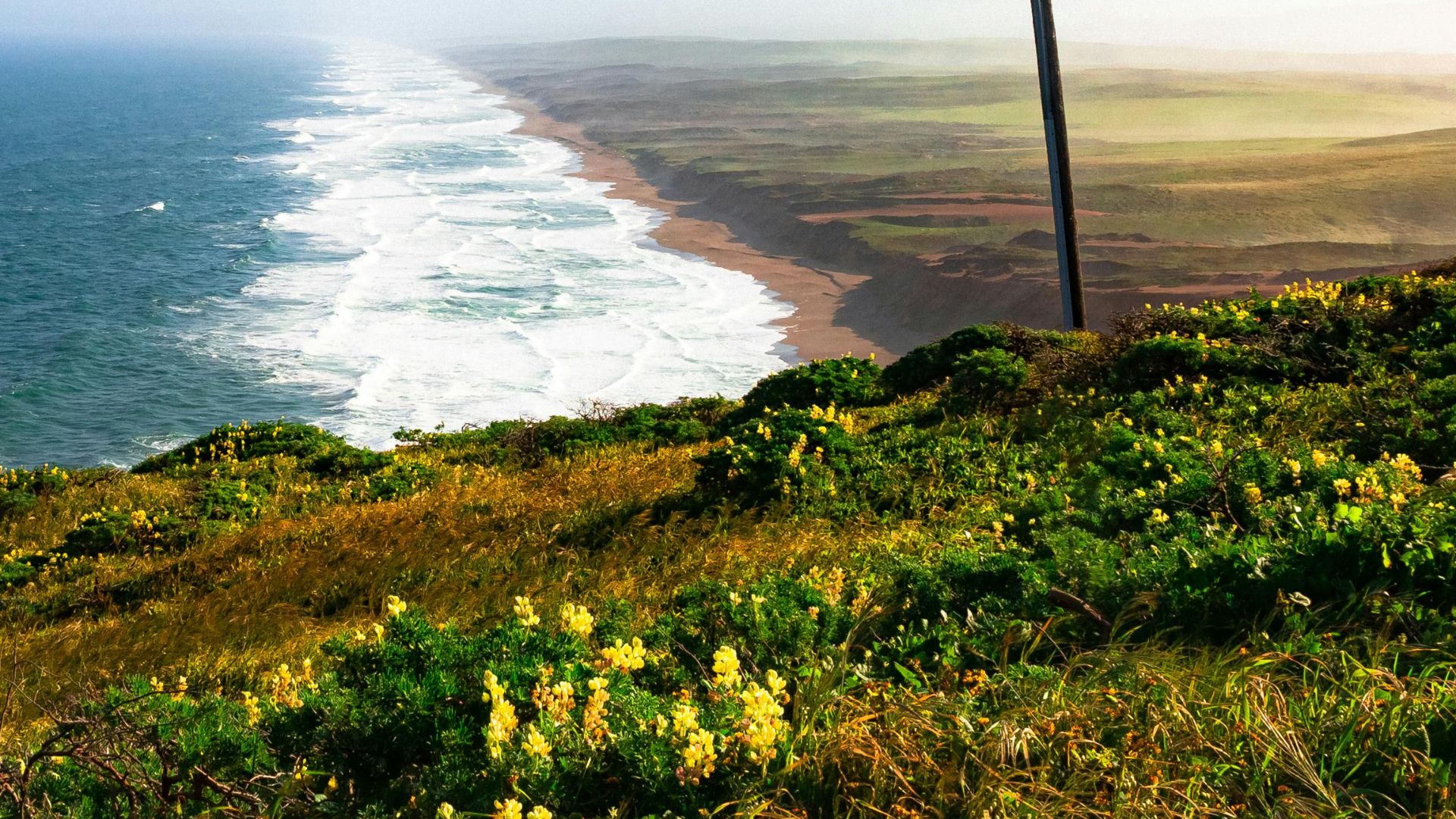
Essential Planning Information for Point Reyes
Point Reyes National Seashore sits about 40 miles north of San Francisco in Marin County, hugging the Pacific. I’ve found spring and fall bring the best mix of good weather and active wildlife.
Arriving early is a must if you want to snag parking at the popular trailheads. I learned that the hard way!
Where Point Reyes National Seashore Is Located
Point Reyes National Seashore covers over 71,000 acres in Marin County, California. The park stretches along the Pacific, about 40 miles north of San Francisco.
I always mention the wild geology here. The whole peninsula rides the Pacific Plate, while the mainland sits on the North American Plate. That’s what creates those dramatic landscapes I love to explore.
Several small towns dot the park. Point Reyes Station is the main gateway; it’s got a charming, laid-back vibe. Olema marks the southern entrance, and you’ll find a few extra services there.
The seashore runs from Tomales Bay in the north down to Bolinas Lagoon in the south. Mount Tamalpais State Park borders it to the southeast, expanding the protected wilderness.
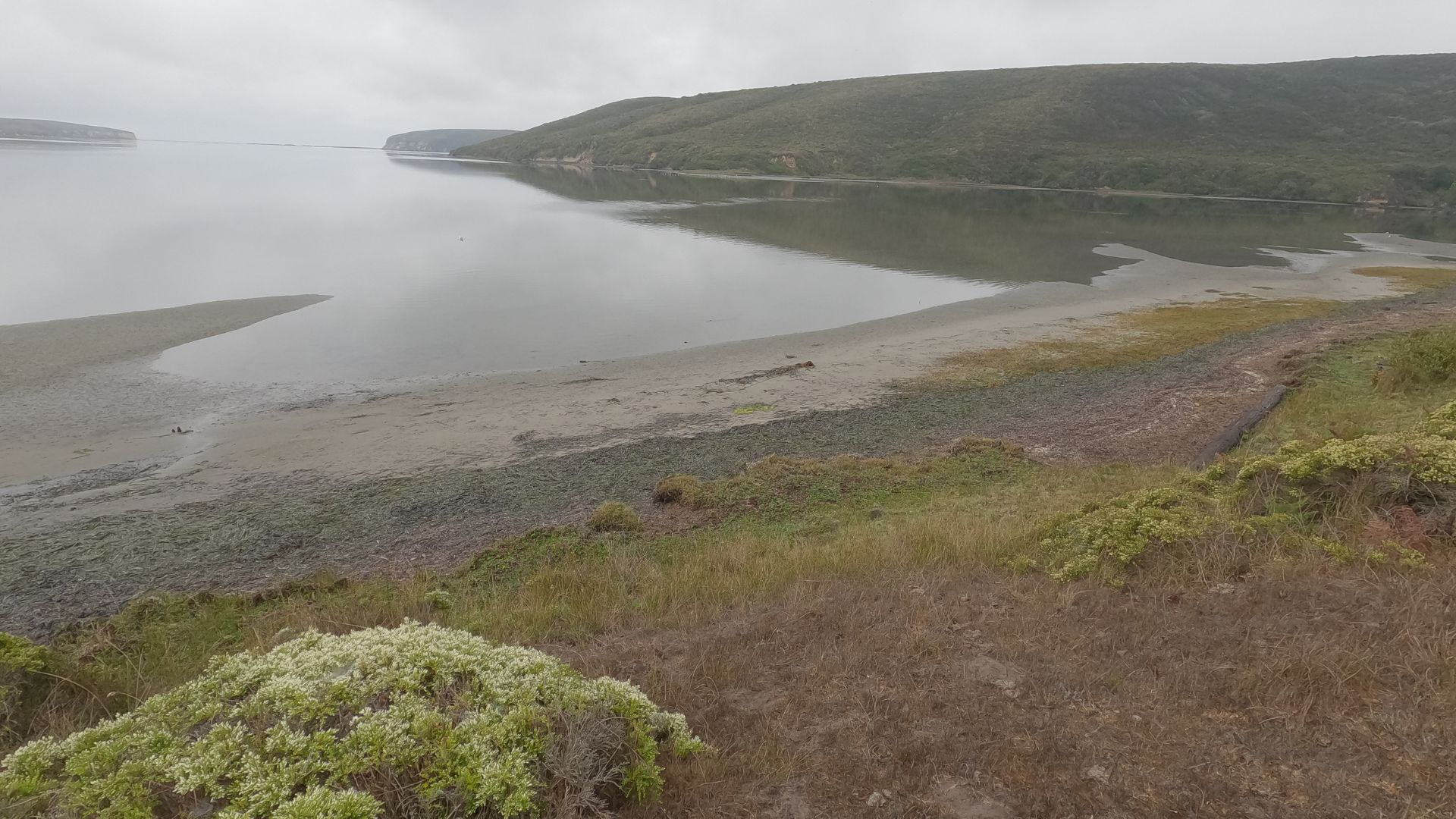
How to Get to Point Reyes and Parking Tips
Getting to Point Reyes from the Bay Area means winding your way along scenic roads. I take Highway 101 north from San Francisco, then hop off at the Sir Francis Drake Boulevard exit and follow it west for about 20 miles.
Highway 1 gives you another gorgeous option from the south—think ocean views and hairpin turns through Stinson Beach.
Parking can be a real headache, especially on weekends or holidays. I always aim to arrive before 9 AM if I want a spot at the lighthouse or Bear Valley Visitor Center.
| Location | Parking Tips |
|---|---|
| Bear Valley Visitor Center | Large lot, fills by 10 AM on weekends |
| Point Reyes Lighthouse | Limited spaces, arrive very early |
| Limantour Beach | Smaller lot, overflow parking on road |
Some trailheads don’t offer facilities, so I bring whatever I might need. I try to follow Leave No Trace and always pack out my trash.
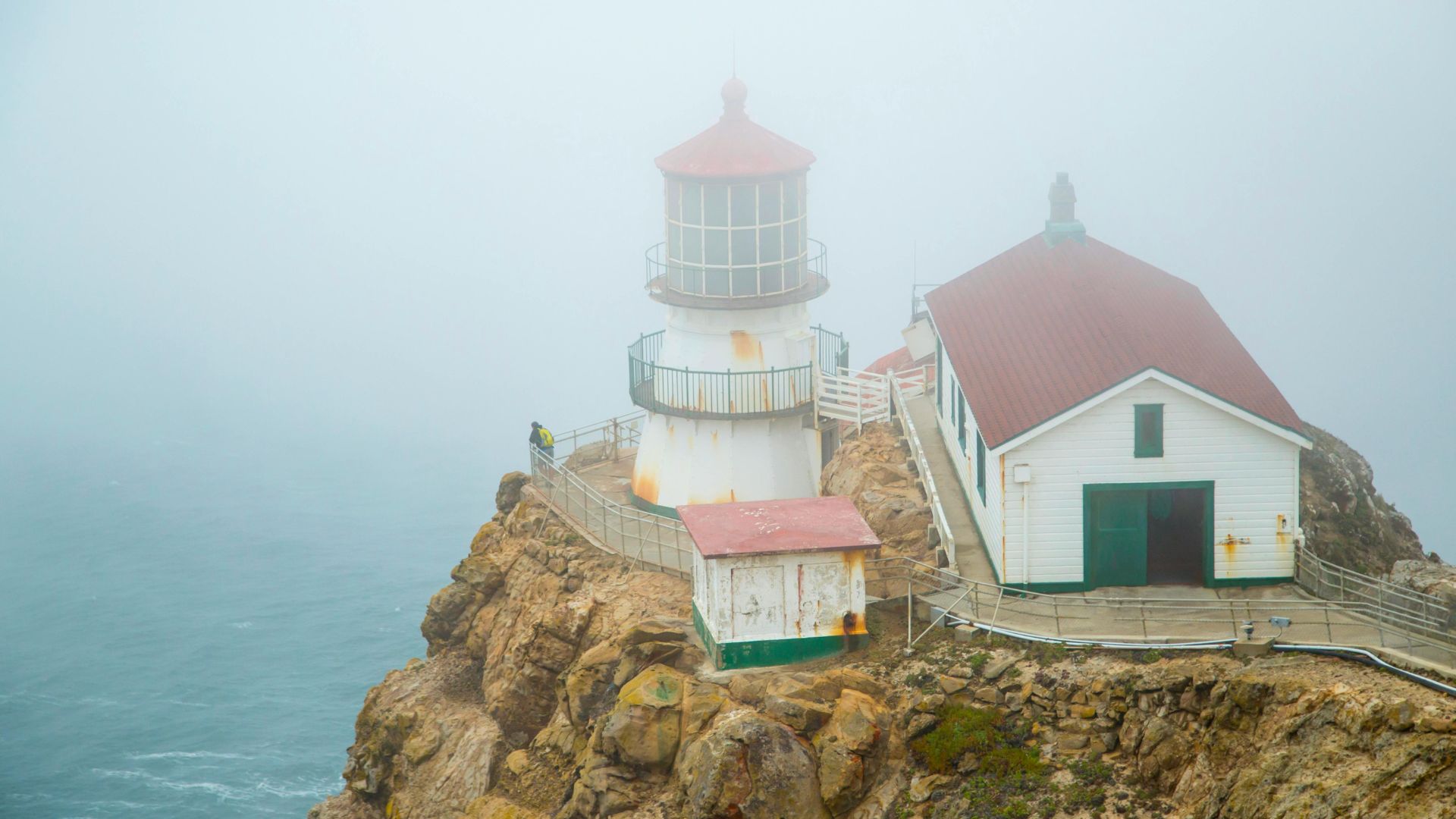
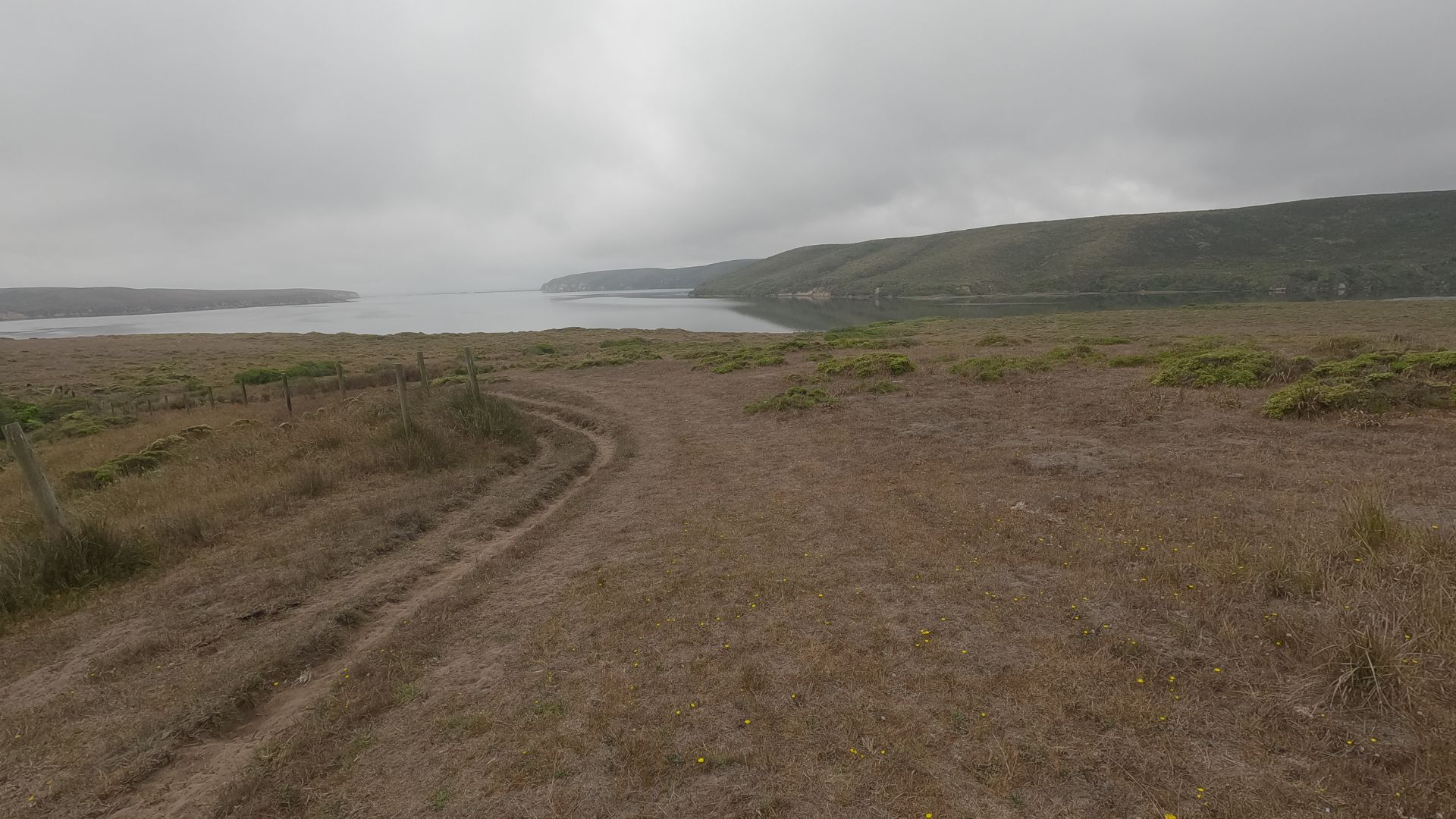
Best Time to Visit Point Reyes for Wildlife and Weather
I’ve wandered Point Reyes in every season, and each one brings its own vibe. Spring (March-May) means wildflowers and mild temps in the 60s—my favorite for hiking.
Summer (June-August) can turn foggy and cool near the coast. It rarely gets hotter than 70°F, which is perfect for long hikes when the rest of California feels like an oven.
Fall (September-November) hands you clear skies and the warmest weather. September and October are the best times to visit Point Reyes for photography and wildlife.
Winter brings whale migration—gray whales cruise by from December through April. I always head to the lighthouse for a chance to spot them.
Wildlife activity changes with the season. Elephant seals show up at Chimney Rock from December through March. Tule elk are especially active in the fall during rutting.
The weather changes fast because of the Pacific Ocean influence. I never forget to pack layers, even in July.
My Top 7 Unforgettable Experiences at Point Reyes
Point Reyes National Seashore delivers wildlife encounters and coastal views I still daydream about. The hiking trails, lighthouse, and beaches all offer up unique adventures, no matter when you visit.
Hiking the Tomales Point Trail Among Tule Elk
Tomales Point Trail quickly became my favorite hike here. This 9.4-mile round-trip trail leads through the Tule Elk Preserve, with sweeping views of the Pacific the whole way.
I’ve walked past herds of tule elk grazing on the hillsides. It’s wild to think these massive animals almost vanished, but now they thrive in this protected spot.
The trail starts at Pierce Point Ranch and follows the ridge north. It’s mostly flat, with a few gentle hills to keep things interesting.
Best times to spot tule elk:
- Early morning (7-9 AM)
- Late afternoon (4-6 PM)
- Fall, during the rut
The wind rips along the ridge, so I always bring extra layers and plenty of water.
Spring hikes here mean wildflowers everywhere. The green hills meet the blue ocean, and I can’t resist stopping for photos.
Exploring the Point Reyes Lighthouse and Scenic Ocean Views
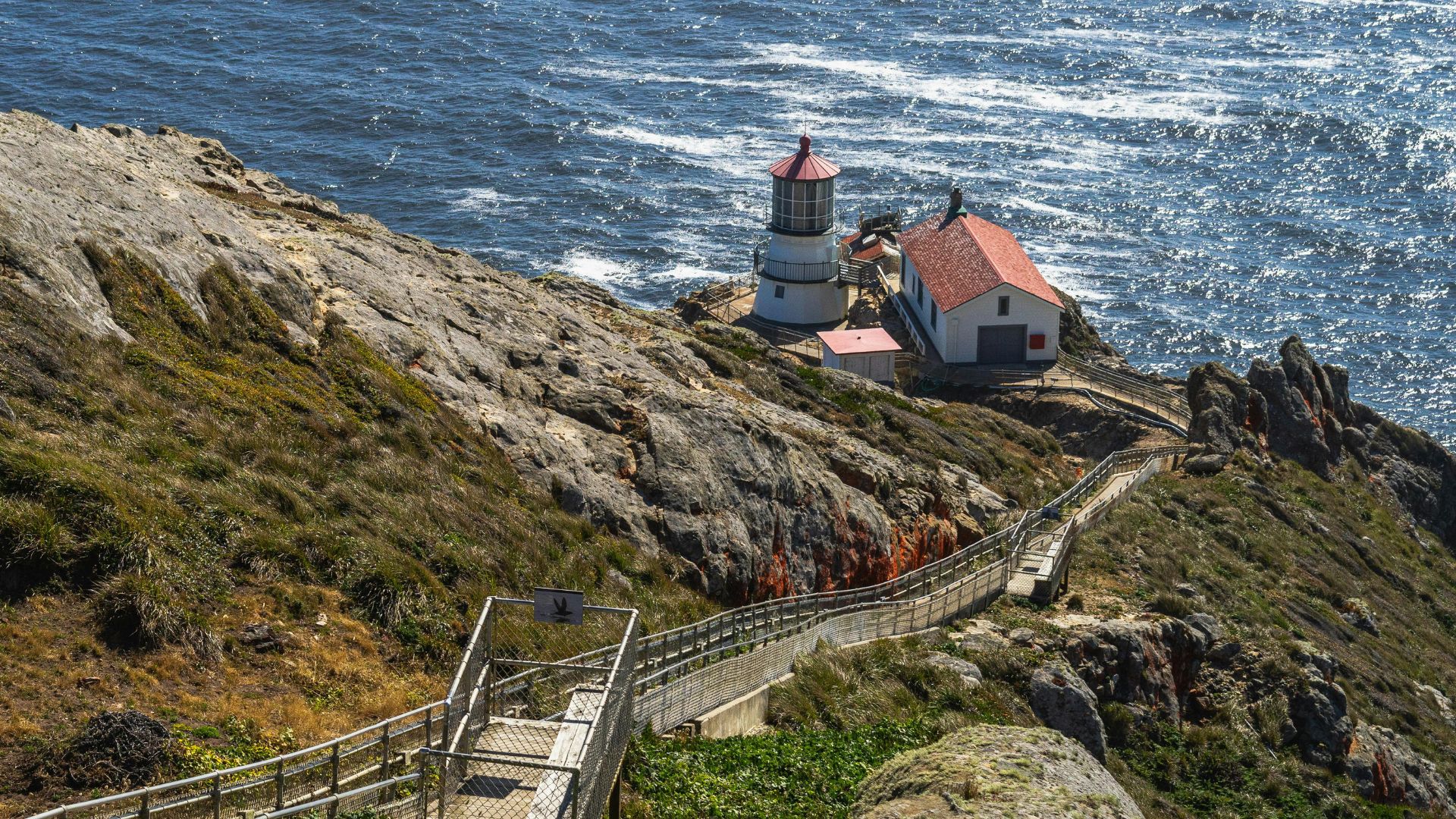
The Point Reyes Lighthouse perches on a cliff 300 feet above the Pacific. I had to tackle 308 steps down to reach this historic beauty from 1870.
The views? Unreal. I could see miles of rugged coastline stretching away in both directions.
I love coming here in winter for whale watching. Gray whales migrate south between December and February, and I’ve spotted them from the overlook more than once.
Lighthouse visiting tips:
- Open Thursday through Monday
- Closed if the wind gets wild
- Bring warm clothes, trust me
- Plan for 2-3 hours
Climbing back up those 308 steps is a workout. I take my time and soak in the ocean views to catch my breath.
The lighthouse museum showcases shipwreck stories and maritime history. It’s a fascinating reminder of why this lighthouse mattered so much.
Marveling at Marine Life at Elephant Seal Overlook
Elephant Seal Overlook gives you a front-row seat to these massive creatures. The overlook sits above the beach, where hundreds of elephant seals haul out.
I always make time for a visit during pupping season, December through March. Females give birth, and gigantic males battle for dominance.
Viewing platforms and info signs make it easy to watch without disturbing the seals.
What you’ll see:
- Loud barking and roaring
- Seals snoozing in piles
- Moms nursing their pups
- Males fighting for territory
Binoculars help me catch all the action from a safe distance. The sheer size of these seals blew me away the first time I saw them.
I check tide tables before I go—low tide means more seals on the beach and better views.
Photographing the Cypress Tree Tunnel
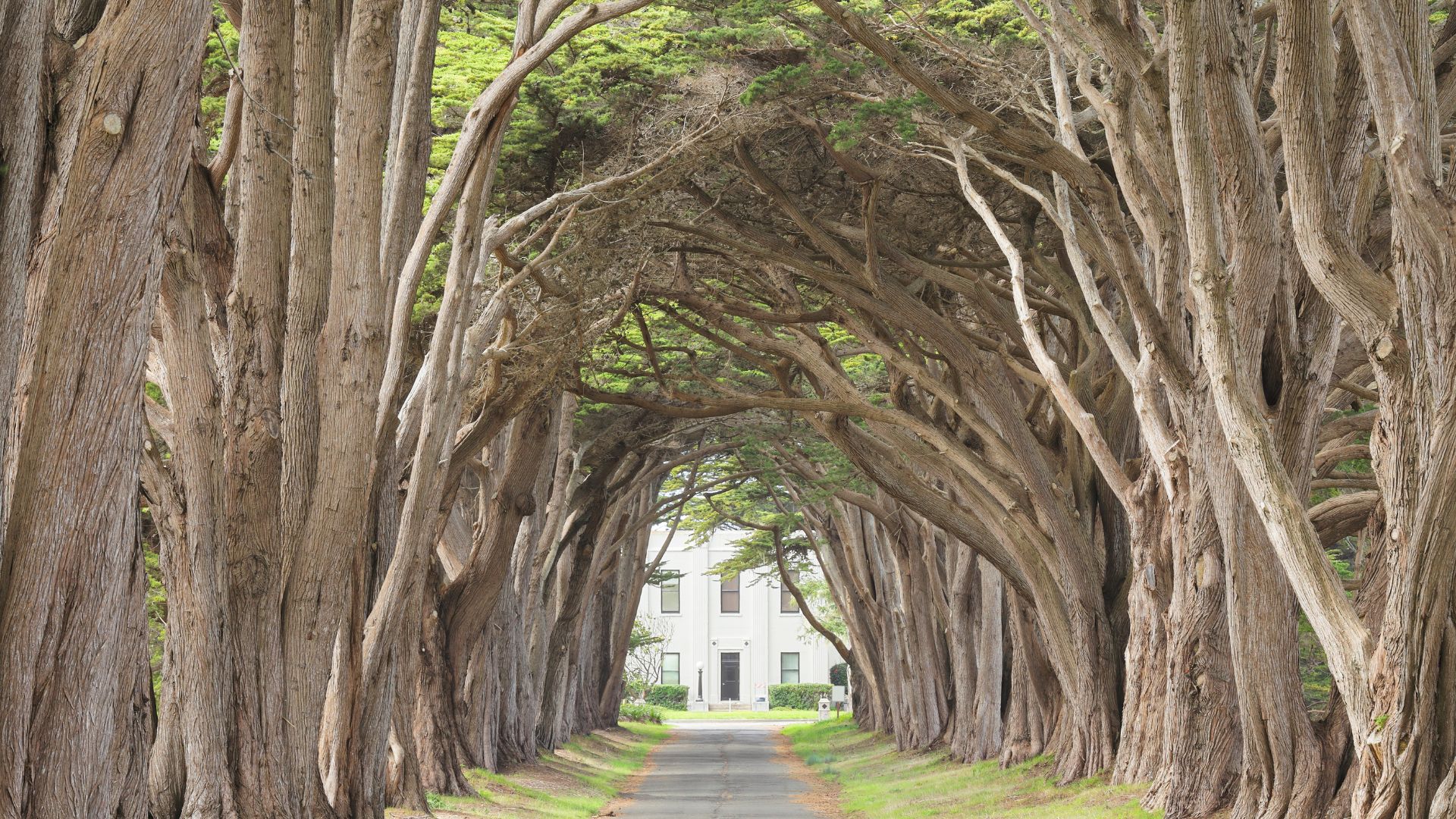
The Cypress Tree Tunnel is a photographer’s dream. This quarter-mile tunnel of Monterey cypress trees leads straight to the old KPH Radio Station.
Golden hour is magic here. Early morning or late afternoon light filters through the branches, making the whole place glow.
They planted these trees in the 1930s as a windbreak, and now the arching branches create a natural cathedral over the road.
Photography tips:
- Go at golden hour for soft, warm light
- Use the tunnel as a frame for portraits
- Play with different angles
- Foggy days make it feel mysterious
I usually park at the pullout before the tunnel. Walking through gives you angles and shots you just can’t get from the car.
At the end, the historic radio station sits quietly. The mix of natural tunnel and old buildings makes for some unique photos.
Walking the Chimney Rock Trail
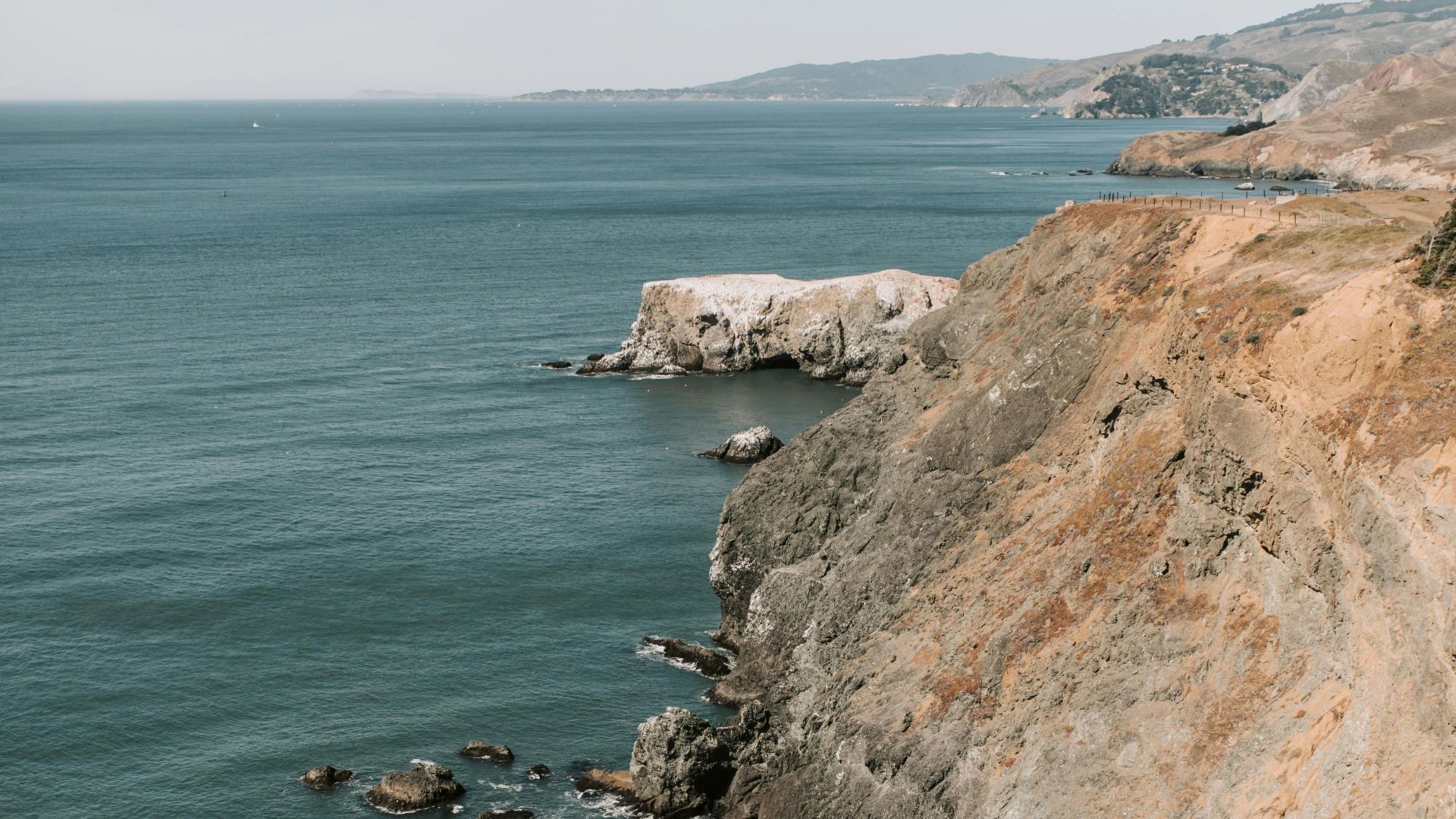
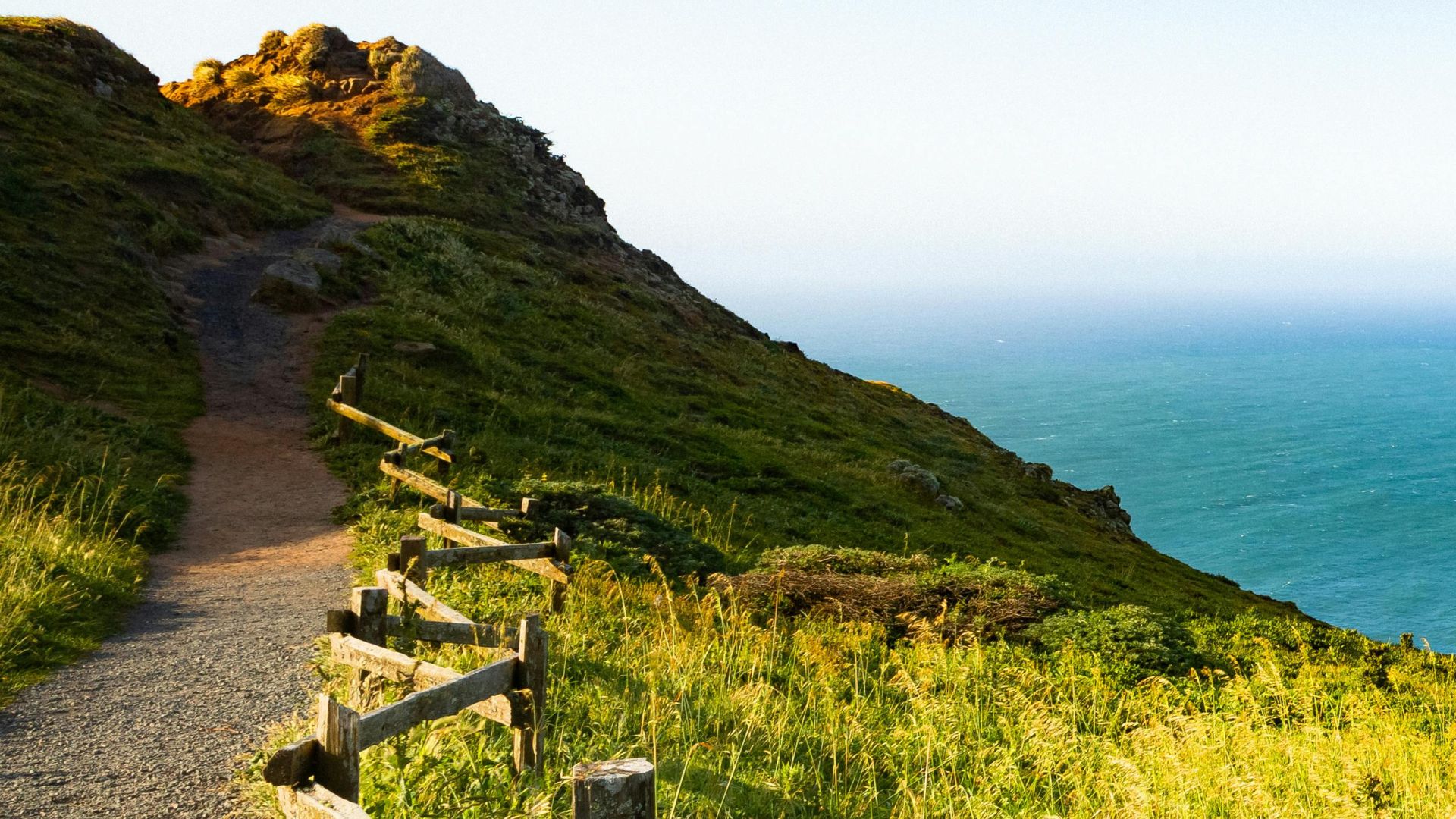
Chimney Rock Trail offers knockout coastal views and great wildlife spotting. The 1.8-mile round-trip hike leads to a rocky point above the Pacific.
I time my visits for wildflower season, February through May. The trail bursts with color—lupine, poppies, and Indian paintbrush everywhere.
The path is mostly flat, with boardwalks to protect delicate areas. I can finish the hike in about an hour.
Wildlife I’ve spotted:
- Gray whales passing by
- Harbor seals on the rocks
- Pelicans and cormorants
- Peregrine falcons
At the end, you get 360-degree ocean views. I can see the lighthouse to the north and Drakes Bay to the east.
Strong winds are the norm here. I always bring a windbreaker and dress in layers.
Relaxing at Limantour Beach and Drakes Beach
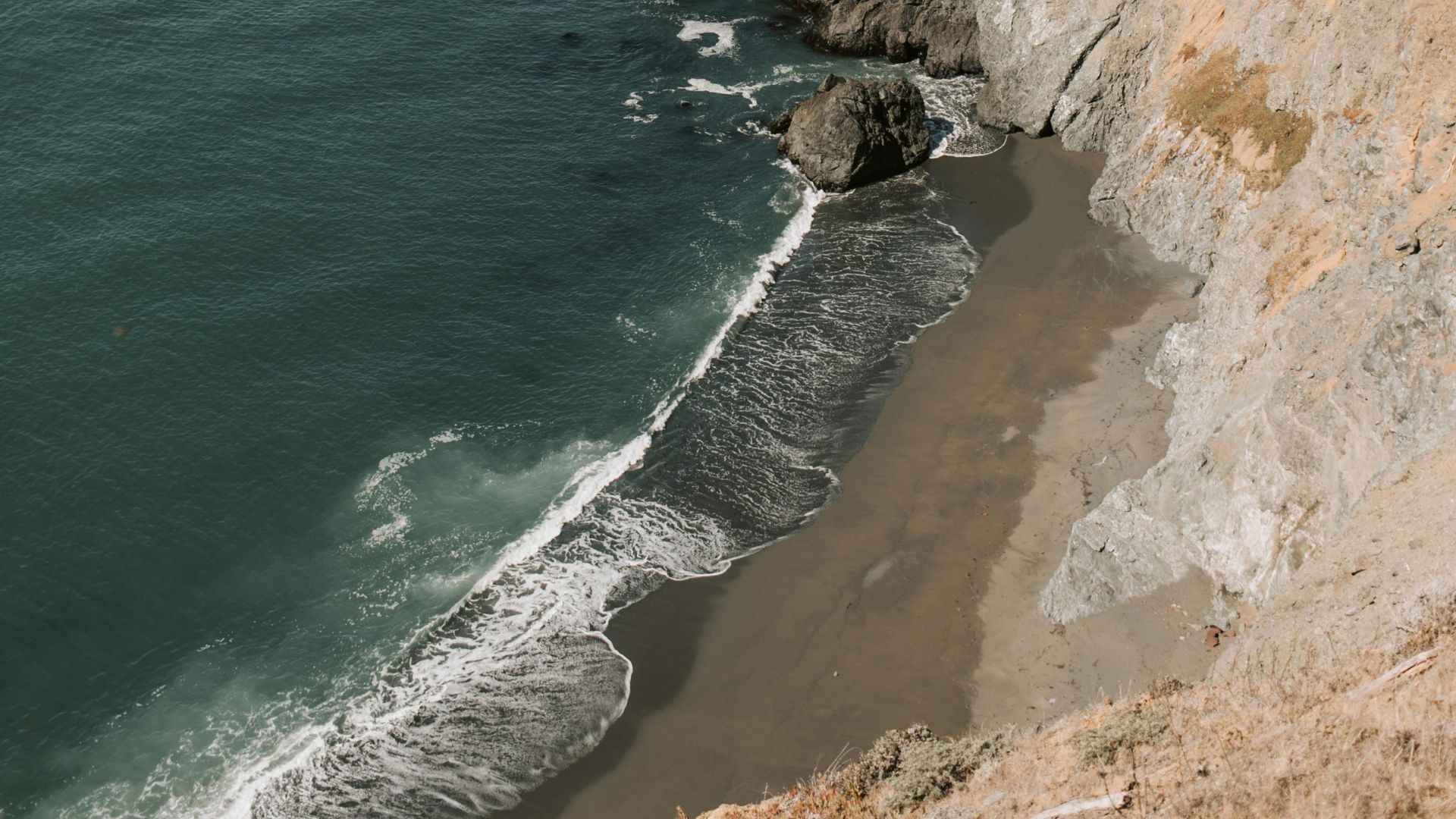
Limantour Beach stretches for miles—a wide, sandy spot perfect for long walks. I love beachcombing for shells and watching shorebirds dart along the water’s edge.
The beach connects to Limantour Estero, a great place to spot herons and egrets.
Drakes Beach sits below white cliffs, with calmer waters. The visitor center here has restrooms and cool exhibits about local marine life.
Beach activities I love:
- Strolling the shoreline
- Tide pooling at low tide
- Picnicking on the sand
- Snapping photos of the coast
Both beaches can get socked in by fog during summer. I’ve had better luck with clear weather in fall and winter.
These beaches are my go-to spots for a peaceful break between hikes. I often pack a lunch and just soak up the views for hours.
Wildflower Viewing and Springtime Natural Beauty
Spring turns Point Reyes into a wildflower paradise. I plan trips between February and May for the best blooms.
After a good rain year, the grasslands explode with color. I’ve seen fields of orange poppies, purple lupine, and yellow mustard stretching as far as I can see.
Chimney Rock Trail and Tomales Point Trail are my favorite spots to catch the wildflower show. These sunny, open areas seem to get the best displays.
Peak wildflower months:
- February: First blooms pop up
- March: Colors really come alive
- April: Peak bloom
- May: Late-season flowers linger
I always check recent reports online before heading out—bloom timing changes every year.
The mix of wildflowers, ocean views, and wildlife makes spring my absolute favorite time to visit.
Wildlife Encounters and Nature Observations
Point Reyes National Seashore offers some of the best wildlife viewing I’ve ever experienced. Nearly 40 species of land mammals and a dozen marine animals call this place home.
I’ve spotted everything from tiny songbirds to massive gray whales while wandering the peninsula.
Birdwatching and Bird Species Diversity
I’ve seen nearly half of North America’s bird species at Point Reyes. The park’s mix of habitats makes it a dream for birders, whether you’re a beginner or a pro.
Abbotts Lagoon quickly became my favorite birding spot for fall and winter. The 1.5-mile trail winds past three water sources, and I regularly spot shorebirds, waterfowl, and sparrows.
Hawks and osprey hunt above the lagoon. Some days, I catch golden eagles or peregrine falcons scanning the shorebirds below.
Drakes Estero shines during fall migration. The short 1-mile trail through an old Christmas tree farm sometimes reveals owls perched quietly in the pines. The footbridge is perfect for watching egrets and herons wade in the shallows.
At the Lighthouse, cypress trees act as “bird traps” during foggy fall days. I’ve seen odd songbirds, warblers, and grosbeaks drop in when the fog rolls through.
Common murres nest on rocks north of the lighthouse, and about 12,000 birds crowd in during the spring and summer nesting season.
Observing Coyotes and Other Land Mammals
My adventures with land mammals kicked off right outside Bear Valley Visitor Center. Within minutes, I spotted gophers darting through the grass, black-tailed deer grazing nearby, and jackrabbits hopping along the path.
Coyotes pop up all over the park. I’ve watched them hunt in open grasslands and sneak along trail edges. If you’re hoping to see one, try heading out early in the morning or just before sunset.
Tule elk wander freely across the peninsula, and honestly, it’s a sight I never get tired of. Tomales Point, home to the Tule Elk Preserve, is the best place to see them. I’ve stood for ages watching herds graze across those 2,900 acres of coastal scrub.
Back in 1978, only 10 elk roamed here. Now, over 400 call this place home. Sometimes I spot smaller herds near Limantour or above Drakes Beach.
Gray foxes and long-tailed weasels make rare appearances near the lighthouse area. Turkey vultures seem to drift overhead no matter where you wander.
Seasonal Whale Watching and Marine Mammals
Gray whales migrate past Point Reyes from December to May. My favorite spots for watching them are the Lighthouse and Chimney Rock—both offer sweeping ocean views.
These whales move at about 5 mph, swimming around the clock. The best times to catch them are mid-January and mid-March. Later in the season, mothers with calves glide by, usually from April into early May.
Elephant seals crowd the beaches from December through March. I love heading up to the Elephant Seal Overlook above Drakes Bay—sometimes you’ll see up to 100 seals lounging below.
Male elephant seals always show up first in December, ready to claim their patch of sand. Pregnant females arrive soon after and give birth to single pups. Their calls echo across the bluffs—I could hear them from over a mile away.
Harbor seals and sea lions soak up the sun on coastal rocks all year. If you’re up for a little adventure, the Sea Lion Overlook is worth the 54 steps down the cliffs. Sea lions bark and shuffle around on their back flippers, putting on quite a show.
At Drakes Estero, I witnessed California’s largest mainland harbor seal breeding colony. During breeding season, nearly 20% of the state’s harbor seals gather here.
Hiking, Camping, and Outdoor Adventure
Point Reyes has some of the best hiking and camping on the California coast. There’s a trail for everyone, from casual strollers to serious backpackers, and camping options that put you right in the wild.
Must-Do Hikes for Every Skill Level
Easy Trails
If you’re just getting started, try the Abbotts Lagoon Trail—it’s about 3.3 miles and mostly flat. This path winds through wetlands to a quiet beach. I’ve spotted otters, hawks, and blue herons along the way.
The Kule Loklo Trail is a gentle 1.7-mile loop that’s great for families. It passes through meadows and forests and leads you to a recreated Miwok village.
Moderate Challenges
The Elephant Seal Overlook and Chimney Rock Trail is a 2.4-mile route that quickly became my favorite. You’ll get sweeping views of migrating whales and a bustling elephant seal colony from the cliff tops.
Difficult Adventures
For a real challenge, the Alamere Falls Trail stretches 13.6 miles. Your reward? A stunning 40-foot waterfall that plunges straight into the Pacific. This hike takes some planning—watch those tides if you want to make it safely to the beach.
Camping Options: Coast Campground and Beyond
Point Reyes offers unique backcountry camping—no car camping here, so you’ll need to hike to your site. I’ve tried all four main campgrounds, and each one has its own vibe.
Coast Campground sits right on the bluffs above the Pacific. The ocean views are unreal, and it’s just a 1.8-mile hike from Bear Valley Trailhead.
Glen Camp feels more tucked away in the woods. It’s about 4.6 miles from Bear Valley, and the trees offer a nice break from the wind.
Sky Camp sits up on a hilltop with wide-open views. The hike is a short 1.4 miles from Sky Trailhead, so it’s the easiest to reach.
Wildcat Camp is the most remote at 5.5 miles out, but you’ll find yourself near McClures Beach with plenty of peace and quiet.
Tips for Hikers and Campers
Essential Gear
Pack layers—seriously, the weather flips fast. Fog can roll in and drop the temperature by 20 degrees. I keep a windbreaker and warm hat in my pack, just in case.
Planning Your Trip
Book camping permits early on the National Park Service website. Weekends fill up fast, sometimes months ahead.
Safety Considerations
Always check tide tables before heading to the beach. Some trails get risky at high tide. Bring plenty of water, since many trails don’t have any.
The Point Reyes Peninsula can surprise you with wind and fog, even when it’s sunny inland. I always check the forecast before heading out.
Where to Stay, Eat, and Explore Nearby
Point Reyes has it all—cozy cabins, farm-to-table dining, and charming small towns. I love bouncing between rustic retreats and luxury inns, while local cafes tempt me with fresh oysters and artisan cheese from nearby farms.
Best Places to Stay Near Point Reyes
Olema House is my go-to for a little luxury. This award-winning hotel claims the title of Top Hotel in Northern California and features a restaurant that’s been around since 1865.
If you want something different, try the forest cabins scattered through the area. These places come with wraparound decks, fireplaces, and full kitchens—perfect for cooking up local ingredients.
HI Point Reyes Hostel is the only spot actually inside the national seashore. No cell service here, so it’s great for a digital detox. They offer both dorms and private rooms.
Point Reyes Vineyard Inn brings a touch of the Mediterranean, with vineyard views and award-winning wines. The family-run inn sits on rolling hills, close to hiking trails.
I’ve also stayed at vacation rentals like the Inverness A-Frame—a modern bohemian cabin tucked among redwoods and bay trees, complete with heated outdoor seating and mountain views.
Recommended Cafes and Local Eats
Point Reyes Station is the heart of the local food scene. I always swing by Cowgirl Creamery for their famous artisan cheeses made from local organic milk.
The Point Reyes Farmstead Cheese Company runs tours and tastings—definitely worth a stop if you love cheese. Their Original Blue pairs perfectly with a glass of local wine.
Hog Island Oyster Co. near Tomales Bay lets you shuck your own oysters right by the water. I recommend snagging a reservation for their picnic tables with bay views.
Local cafes focus on farm-fresh ingredients from surrounding ranches. Many spots serve up sustainable seafood and organic produce grown just down the road.
The Olema House restaurant crafts upscale dishes using ingredients straight from their own garden and nearby farms. Their menu changes with the seasons, so you’ll always find something new.
Exploring Point Reyes Station, Olema, and the Area
Point Reyes Station really feels like stepping back in time. The historic buildings and quirky local art galleries caught my eye right away.
I wandered for hours, checking out handmade crafts and some incredible photography from local artists. There’s something about small-town creativity that just draws you in.
The town hugs Lagunitas Creek, and you can easily stroll between shops and cozy cafes. Honestly, it’s possible to explore the whole main street in half an hour, but I’d linger longer.
Olema stands as the gateway to the national seashore. It’s tiny—just a general store, an inn, and a restaurant—but you’ll find trailheads right nearby.
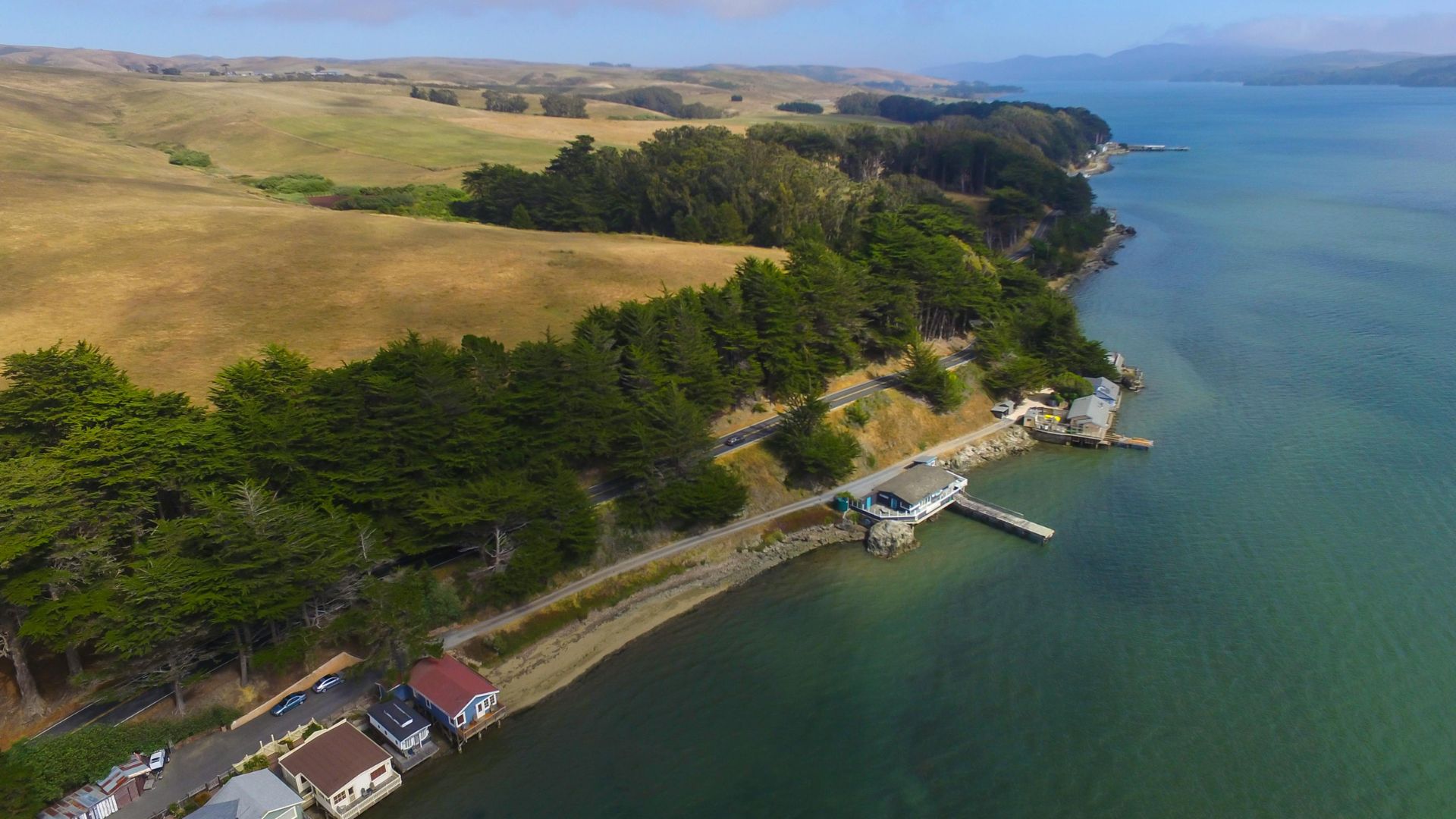
Tomales Bay is a dream for anyone who loves kayaking or watching wildlife. Calm waters make it ideal if you’re new to kayaking, and you might even catch sight of harbor seals or a few curious birds.
About half an hour south, Bodega Bay offers up those classic coastal views and some of the freshest seafood around. If you’re driving, Highway 1 serves up ocean scenery that’s hard to beat.
The Tomales Bay State Park has protected beaches and hiking trails, and I noticed it’s way less crowded than the main Point Reyes spots. If you’re looking for a quieter escape, this is where I’d go.
