
When I first arrived in the Douro Valley, I just stood there, pretty much speechless. Endless rolling vineyards, a winding river, and this peaceful energy—it’s hard to describe, but it’s what makes this corner of Portugal feel so special.
There are so many ways to soak up this gorgeous wine region. I’ve tried scenic train rides, lazy river cruises, and even got my feet sticky stomping grapes in the fall. Every visit is a little different. Sometimes I’m sipping local port, sometimes I’m just watching the sun melt behind the terraced hills.
What keeps the Douro Valley unforgettable for me? I think it’s how the natural beauty and culture pop out with every new adventure. A quick train ride from Porto drops you right in the heart of the valley.
Suddenly, I’m wandering riverside villages, stepping into family-run wineries, or just slowing down to match the region’s easy pace.
If you want more than a regular sightseeing tour, let me show you seven ways to really dive into the Douro Valley’s best experiences. I promise, you’ll find little surprises and real moments you’ll remember for ages.
Scenic Douro Valley Train Journeys
Riding the train through Portugal’s Douro Valley gave me some of the most jaw-dropping river and vineyard views I’ve ever seen. Starting in Porto, this trip mixes rich history, beautiful art, and the relaxed rhythm of classic train travel.
Linha do Douro: The Ultimate Train Ride
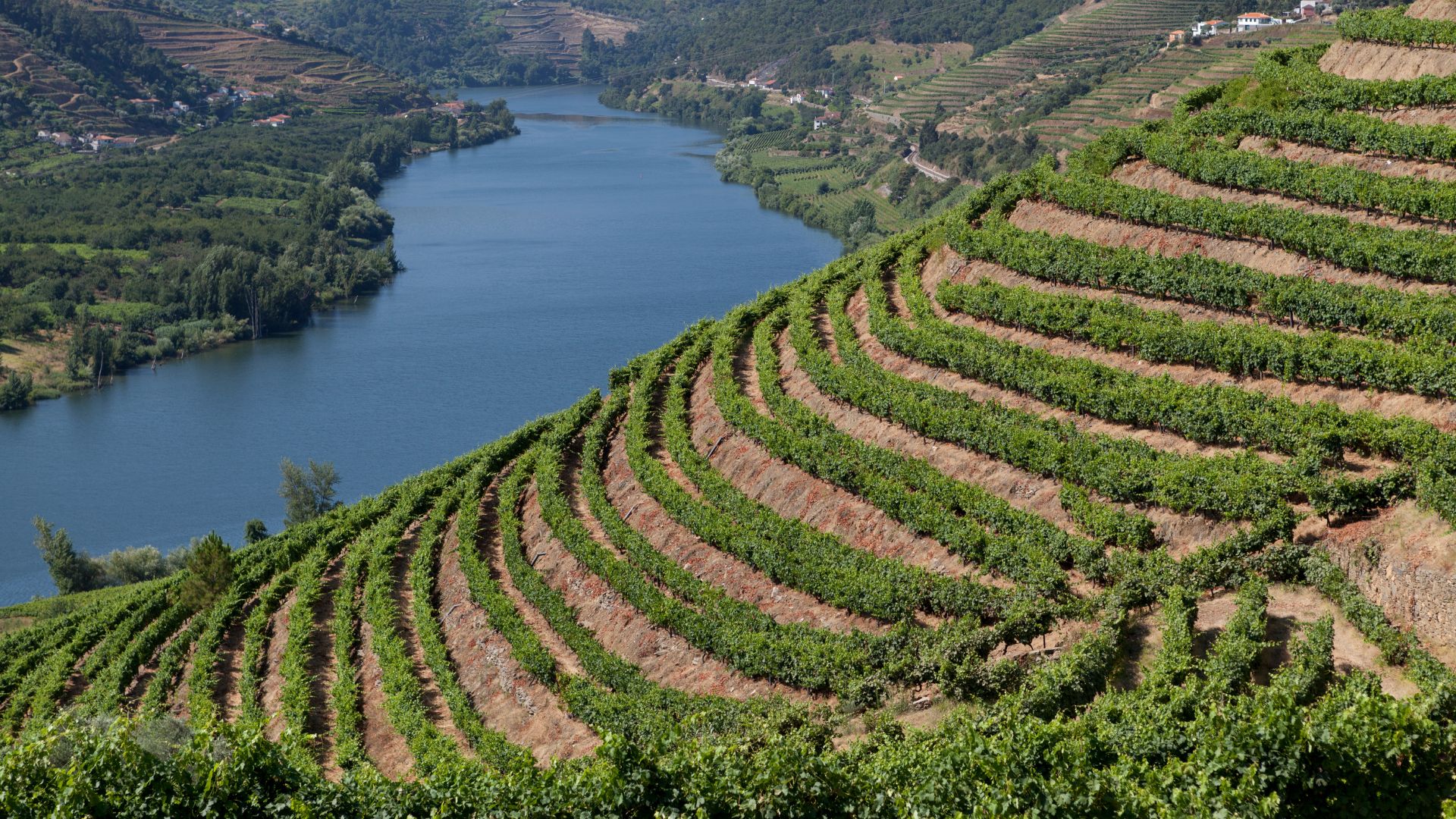
The Linha do Douro, or Douro Line, runs from Porto to Pocinho. You’ll pass stops like Régua and Pinhão—ideal spots to hop off and explore wine country. The tracks hug the Douro River for over 160 kilometers. Honestly, every window seat turns into a moving postcard.
As the train rolled out of Porto Campanhã, I watched the scenery flip from city blocks to terraced hillsides thick with vines. This isn’t just a ride; it’s more like stepping back in time. The landscape outside is dotted with quintas (wine estates) and tiny old villages that seem untouched.
If you want to slow down and really take it in, I’d say travel between Porto and Pinhão or Régua. For the most dramatic stretch, ride from Régua to Pocinho. Comboios de Portugal runs regular trains, so you can easily plan a day trip or stay longer if you feel like it.
Marveling at São Bento Station’s Azulejo Tiles
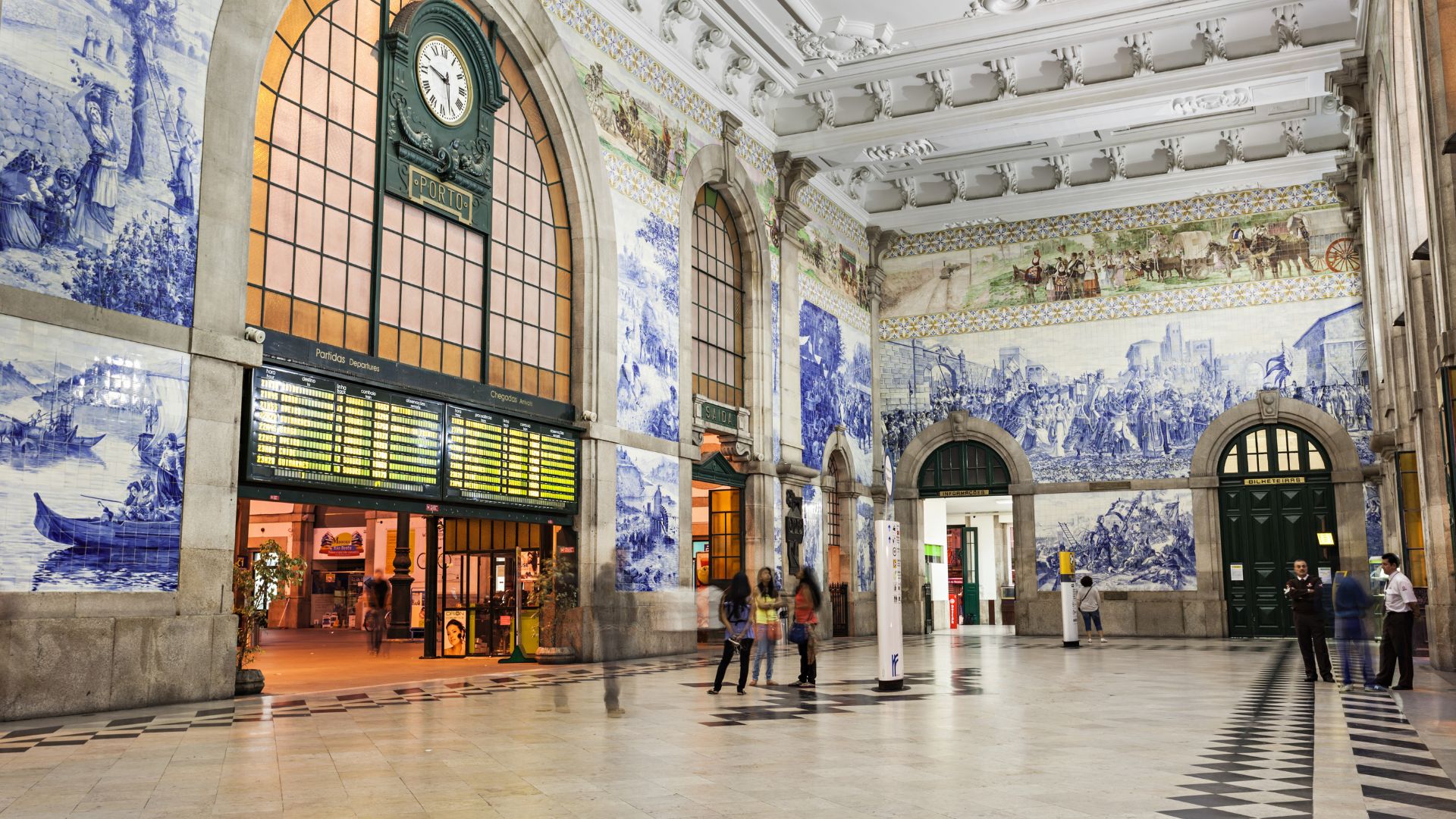
Before any Douro adventure, I make sure to pause at Porto’s São Bento station. The walls are covered in over 20,000 blue-and-white azulejo tiles. These ceramic murals don’t just tell Porto’s story—they set the mood for the trip ahead.
The main hall feels like a little museum. I saw scenes of rural life and big moments from Portugal’s past painted everywhere. Travelers and photographers always stop here for photos, and I totally get why. Boarding a train beneath those tiles just adds something special.
São Bento is where many Douro trains start. Even if you begin at Porto Campanhã, transfers from São Bento are fast, so you won’t miss out.
Fun tip: Early morning light streams through the station windows, making those tiles almost glow.
Classic Carriages and Historical Trains
One of my favorite Douro memories? Riding in the classic carriages and old-school trains. On summer weekends, Comboios de Portugal runs vintage locomotives with wood-paneled coaches from the 1920s. Stepping onto these trains feels like a time warp.
The Douro Historical Train travels between Régua and Tua. You can hop off to explore the riverbanks or taste wine at nearby vineyards. The creaky carriages, polished wood scent, and slow pace create a nostalgic vibe. Sometimes local musicians jump on board and play traditional tunes, which is just magic.
These vintage trains fill up fast, especially at harvest time. If you want this experience, book early. The regular trains are modern and comfy, and honestly, the views are just as good if the classic ride is sold out.
Travel Tips for Douro Train Adventures
Timing makes all the difference for Douro Valley sightseeing. I found that early and late trains usually have fewer people, so I can relax and actually see out the window. Weekdays are much quieter than weekends, especially outside summer and harvest.
A few tips:
- Get tickets ahead of time on the Comboios de Portugal website, especially for the historical train.
- Sit on the right side leaving Porto for the best river views.
- Day trips are simple, but staying overnight in towns like Pinhão lets you catch the sunset and try local food.
- Bring snacks and water—most trains don’t have a café car, and stops in small towns are quick.
- If you love photography, don’t forget your camera. The windows are huge and the views never stop.
Exploring by train gave me both comfort and freedom. I could hop off at random stops or just zone out as Portugal slipped by outside.

Unforgettable River Cruises and Boat Tours
Sailing the Douro River is hands down one of the best ways I’ve seen the valley. Boat tours show off terraced vineyards, colorful villages, and the heart of Port country in a way nothing else does.
Journeying the Douro River on a Rabelo Boat
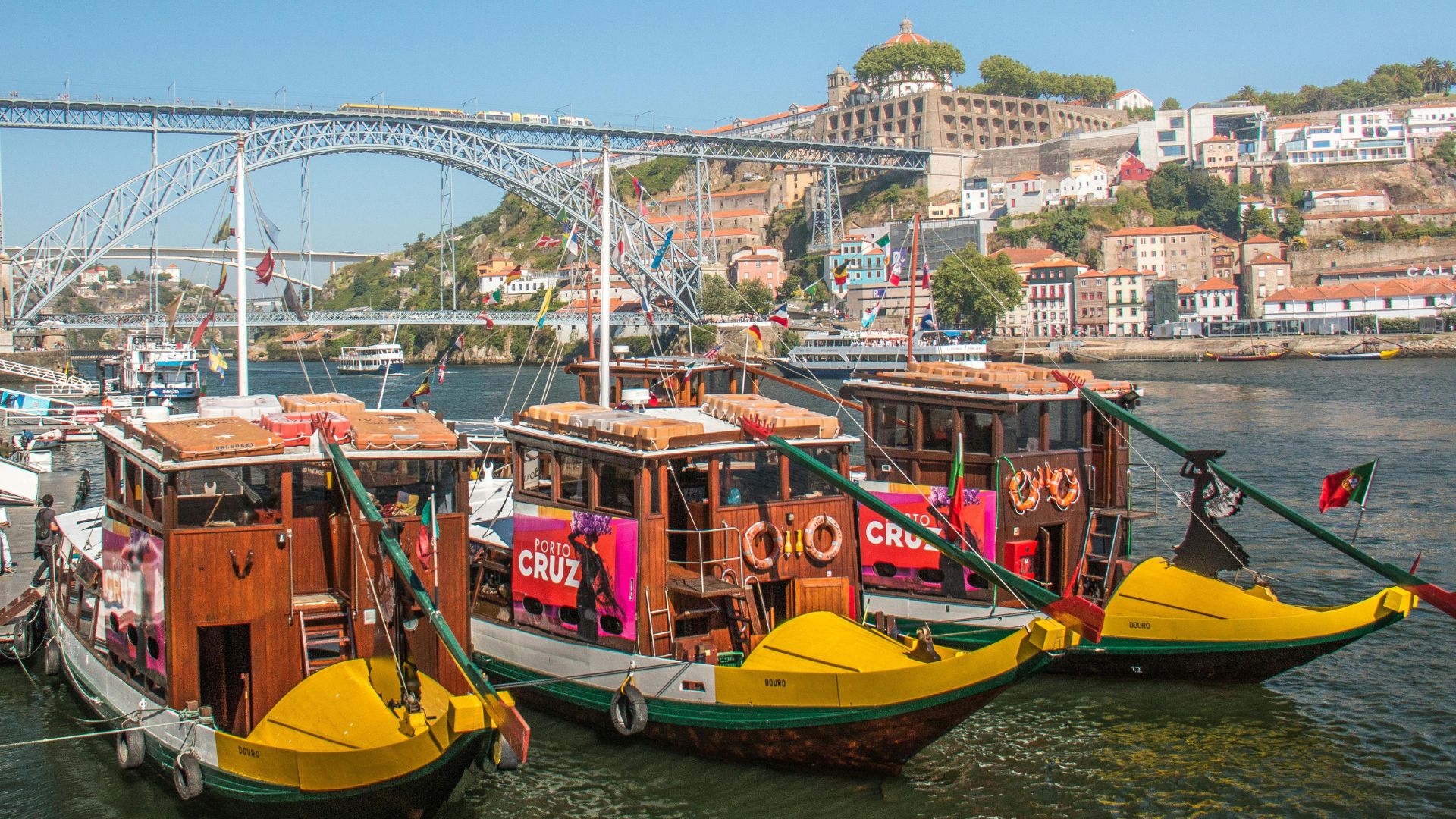
Gliding down the Douro on a traditional Rabelo boat feels like you’re traveling back decades. These old wooden boats once hauled barrels of port wine from the valley to Porto. Sitting on deck, I love the gentle rocking and the close-up view of vineyard slopes on both sides.
Most Rabelo tours last about 1-2 hours. They usually leave from towns like Pinhão and Peso da Régua. When I’ve joined, guides share stories about the wine trade and point out famous Quintas along the riverbanks. It’s a fun way to get a feel for the valley’s heritage from the water.
Here’s a quick look at Rabelo options:
| Departure Point | Duration | Price Range |
|---|---|---|
| Pinhão | 1-2 hours | €15-€25 |
| Régua | 1-2 hours | €15-€25 |
Scenic Boat Trips from Pinhão and Régua
Of all the places to set sail, I think Pinhão is the most stunning. The village sits tucked into the steepest, most dramatic slice of the Douro Valley. Boats here drift past endless hillsides covered in vines and historic quintas.
Departures from Peso da Régua work well if you’re coming by train. The river’s wider here, and the views stretch from cultivated slopes to wild scenery. Many trips follow popular sightseeing routes, like:
- Pinhão to Quinta de Roêda (Croft Port) and back
- Régua to Pinhão (longer tours, sometimes with meals)
Some companies offer private boats or small-group journeys if you want something quieter. Sunset trips are a big hit. I still remember the golden light hitting the hills as we floated upriver—seriously, bring your camera.
Day Cruises and Guided Boat Tours
For a deeper look at the Douro, full-day river cruises are tough to beat. I joined one from Porto, winding past river towns and endless vineyards. Many cruises stop at wine estates for tastings and tours, and lunch is usually included.
Common features of day cruises:
- Departures from Porto, Régua, or Pinhão
- Guides sharing valley history and winemaking stories
- Meals and wine tastings
- Optional coach or train return for a one-way trip
Guided tours really help you understand the region’s culture and natural beauty. Booking with a local guide made my trip richer—they pointed out hidden gems and shared their own stories about life in the valley.
Best River Views and Sightseeing Spots
Some of the best views I’ve ever had in Portugal came from a Douro river cruise. Standing on deck, the terraced hills seemed to spill out in every direction. A few spots I loved:
- Quinta do Vesúvio: Huge vineyards right along the water
- Casal de Loivos viewpoint: Epic overlook with boats winding below
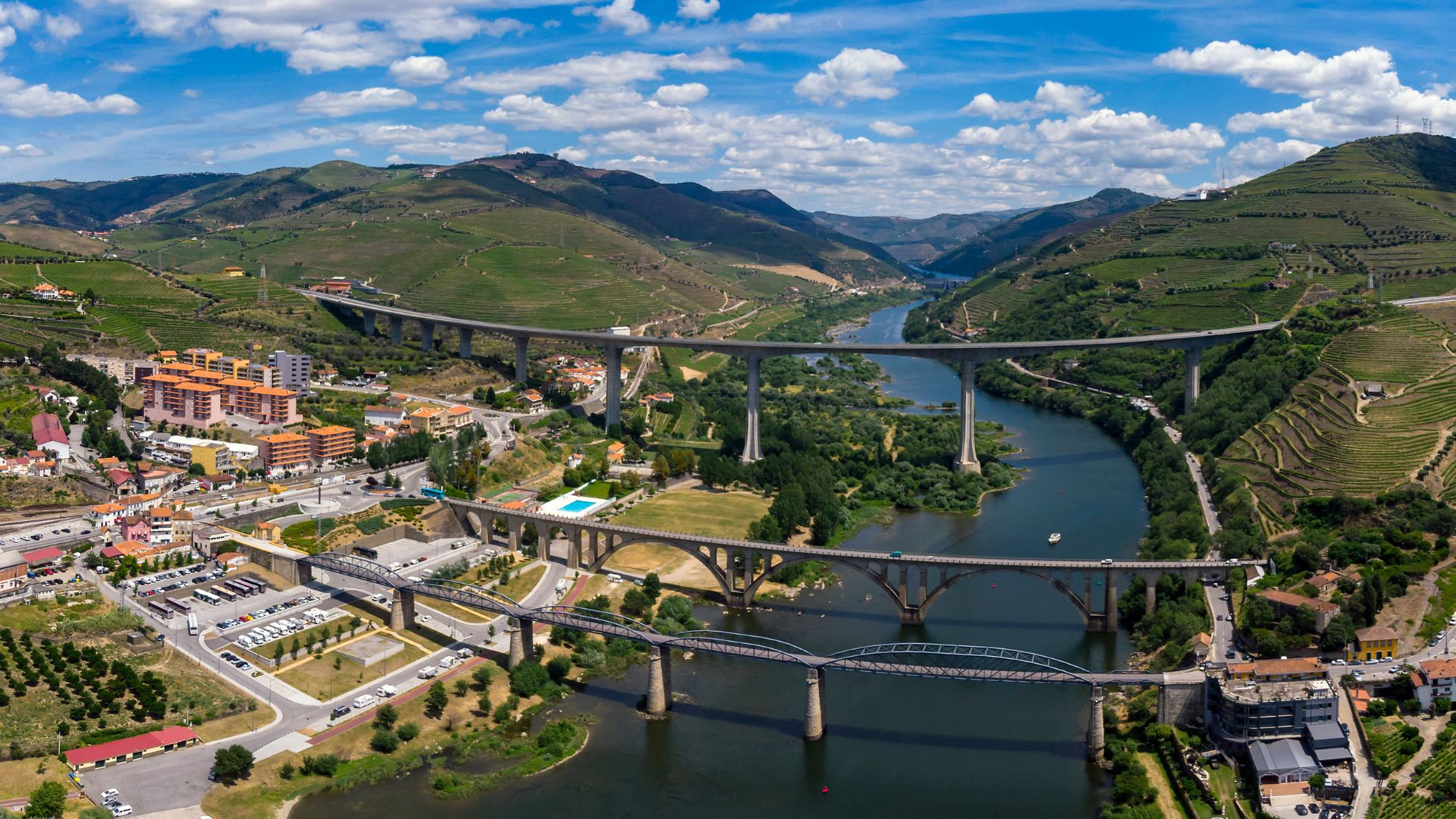
- Túa bridge: Striking modern bridge framed by hills
- Peso da Régua’s riverfront: Perfect for an evening stroll after your cruise
Every bend brings something new. Whether you’re catching vineyard reflections in the morning or just soaking up blue skies, the Douro’s beauty from the water sticks with you.
Immersive Wine Experiences in Douro’s Quintas
As I traveled through the Douro wine region, I felt Portugal’s wine heritage come alive in unexpected ways. From sipping rare ports with sweeping views to rolling up my sleeves for grape harvest, each moment brought me closer to the valley’s heart.
Wine Tastings With Panoramic Vineyard Views
Sitting on the terrace at Quinta do Bomfim, I watched the sun drop behind terraced vines, glass of tawny port in hand. Many Douro quintas, like Quinta de la Rosa, have tasting rooms built to show off those signature views.
Tasting flights usually include different styles—vintage port, white port, and bold Douro reds. Guides explain the local grapes—Touriga Nacional and Touriga Franca stand out here. Sometimes tastings come with regional cheese or chocolate, which makes things even better.
Quintas often let you wander the vineyards before or after tasting. I found these strolls added context to every sip, connecting flavors to the land.
Grape Stomping Traditions and Festivals
One of my favorite memories was joining a group in a granite lagar for grape stomping during the September harvest. Stomping grapes by foot is an old tradition still alive at many quintas. The granite vats stay cool, even on warm afternoons, and hold clusters of ripe fruit that soon turn into the next batch of port wine.
During harvest festivals, you’ll find music, local food, and a real sense of celebration. It’s more than just squishing grapes—it’s about joining the cycle of wine production. Guides get everyone involved. My feet were purple for days, but I felt part of something special.
These events offer a window into Portuguese culture, especially when locals and travelers come together to celebrate hard work and tradition.
Touring Renowned Wineries and Vineyards
Douro’s quintas are like living museums and working wineries rolled into one. Guided tours often take you through production rooms, barrel cellars, and fragrant spaces where tawny port ages for decades.
Quinta do Bomfim and Quinta de la Rosa are my top picks for in-depth tours. I learned how centuries of know-how go into blending, bottling, and aging both table wines and ports. Staff share stories and walk you through every step.
Many tours end with a chance to taste rare reserves or unique blends you won’t find anywhere else. That firsthand look at Portuguese wine-making deepened my appreciation for the Douro region.
Exploring Douro’s Charming Towns and Culture
From quirky museums and riverside cafés to grand staircases and hilltop views, the Douro Valley brims with history and tradition. Each town brings its own vibe, and I found myself drawn into local life and warm hospitality throughout my stay.
History and Art at the Douro Museum
When I walked into the Douro Museum (Museo do Douro) in Peso da Régua, the valley’s winemaking past hit me right away. The museum sits right by the river, tucked inside a renovated old warehouse. It tells the story of the Douro’s world-famous wine, especially port.
I got to dive into interactive exhibits and see how wine shaped the land, from terraced vineyards to the old river trade. Art displays, antique tools, and detailed maps helped me understand local culture and why the region earned its UNESCO World Heritage badge.
They even have a tasting room, which—let’s be honest—was a highlight. Sampling regional flavors right there felt like the perfect finish.
I learned about local wine families, watched videos about traditional grape stomping, and flipped through historic photos of life along the Douro. If you’re curious about how wine became the heart of this region, you really shouldn’t skip the Douro Museum.
Cafés and Riverside Dining in Pinhão
Pinhão, cozied up to the Douro River, is just ridiculously charming. The train station steals the show with its blue azulejo tiles, each one telling a bit of the grape harvest story. After wandering around, I found myself drawn to the riverside cafés.
There’s a certain calm in the mornings—sipping coffee, watching the boats drift by. At lunch, menus fill up with fresh grilled fish and hearty stews.
Dinner at the Vintage House Hotel stands out in my memory. I enjoyed local dishes while the sun dropped behind the vineyards.
A walk along the water shows off daily life—old men fixing nets, families sharing pastries outside. In Pinhão, food and scenery just sort of merge into the perfect Douro moment.
Wandering Peso da Régua’s Wine Heritage
Peso da Régua feels like the Douro Valley’s beating heart. It’s the main hub for wine trade and the perfect place to start a river cruise or a scenic drive.
The riverside promenade, lined with small shops and bakeries, always buzzes with energy but never feels rushed.
Wine lodges, some dating back centuries, open their cellars for tastings and tours. I joined a guided walk through narrow side streets, stopping at old warehouses that once held barrels bound for Porto.
Museo do Douro anchors the town’s identity. But honestly, the local markets and family-run taverns show another side of Régua.
I grabbed fresh bread and homemade cheese from smiling vendors—easily my favorite snack as I wandered.
Lamego and the Sanctuary of Nossa Senhora dos Remédios
Lamego stands out for its religious and artistic soul. The city’s famous for the Sanctuary of Nossa Senhora dos Remédios, which towers over everything.
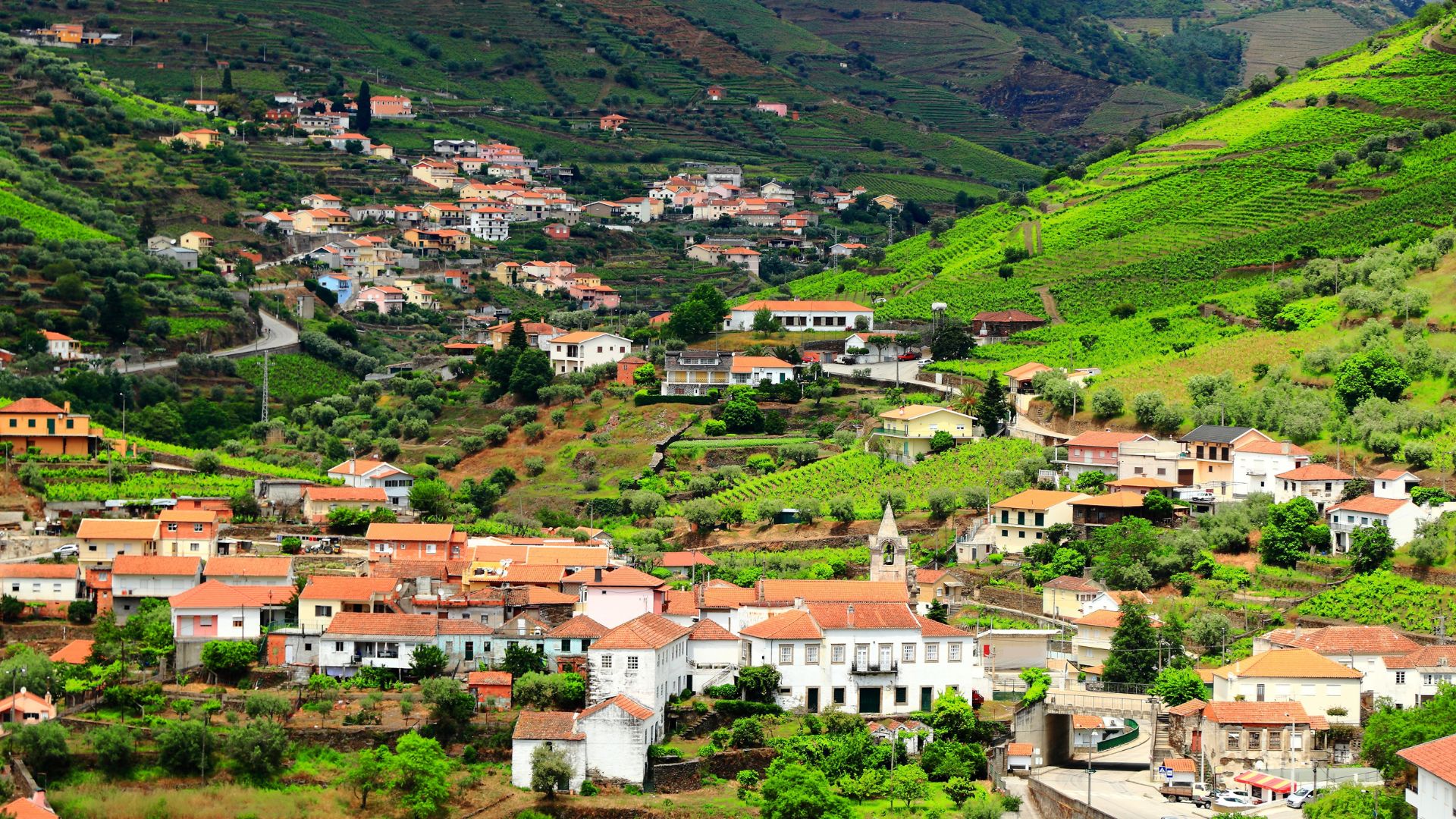
I climbed the grand staircase—nearly 700 steps—lined with blue and white tiles and lush gardens. Along the way, I found quiet spots to soak in views across red rooftops and rolling vineyards.
Inside, stained glass and gilded altars tell stories of centuries of devotion.
Beyond the sanctuary, Lamego’s medieval streets hide tiny bakeries and shops selling hand-painted ceramics. Local cafés serve bola de Lamego, a savory bread I couldn’t resist having more than once.
For me, Lamego was a peaceful escape—spiritual, but also just a great place to enjoy a good meal after a long climb.
Active Adventures: Hiking, Miradouros, and Beyond
The Douro Valley surprised me—it’s not just about wine. Outdoor lovers have plenty to explore here.
Between winding trails, panoramic viewpoints, and guided trips through wild nature, there’s a lot to discover.
Hiking Trails With Spectacular Terraced Vineyard Views
I set out early, just as the mist lifted from rows of terraced vineyards that have stood for centuries. The Douro Valley has a network of hiking trails that wind through villages, along riverbanks, and past endless vines.
Trails like Caminho do Xisto or the Peso da Régua to Pinhão route gave me ever-changing views of the dramatic slopes and sparkling river.
These paths are well-marked and safe, but they can get steep, so sturdy shoes really help. There are short 4 km loops for casual walkers and longer trails stretching over 10 km if you’re up for a challenge.
Walking under the warm sun with bunches of grapes hanging right there, I lost count of how many photos I snapped.
Tip: Watch for signs pointing to local “quintas” (wine estates). Some welcome hikers in for wine tastings during the day.

Finding Secret Miradouros and Viewpoints
Climbing up to a “miradouro” (viewpoint) gave me a whole new perspective on the valley. The famous ones, like Miradouro de São Leonardo de Galafura, offer jaw-dropping views over the Douro River and its patchwork vineyards.
But honestly, my favorite moments came from stumbling onto lesser-known overlooks off the main path.
Locals sometimes pointed me to hidden spots with benches or stone markers—places that stay quiet, even when crowds show up elsewhere. Early mornings and sunset were magic times to visit.
If you’re driving, look for signs labeled “miradouro” in most towns. Walkers can just ask a local—sometimes that’s how you find the best secret spots.

Guided Tours of the Valley’s Natural Wonders
Some sights are tough to reach solo. I joined a guided hiking tour led by a local who grew up here.
She took us through chestnut forests, up rocky slopes, and pointed out rare birds that nest between the vines. Some tours even include river cruises, kayaking, or a picnic lunch with a view.
Most operators provide English-speaking guides and keep groups small, which makes things friendly and personal. The guides share stories and point out things I’d have missed—like old railway tunnels or ancient olive trees tucked away from the main routes.
Booking ahead, especially during harvest, is smart since groups fill up fast. The right guide transforms a simple hike into something deeper, connecting Portugal’s natural beauty with its local culture.

Plan Your Douro Valley Getaway: Practical Tips
Visiting the Douro Valley isn’t just about going somewhere—it’s a journey through rolling vineyards, riverside towns, and flavors you’ll only find in northern Portugal.
Whether I had a few days or just one, I quickly realized that trip planning made all the difference.
Itineraries for Every Traveler
How I planned my itinerary depended on my time and travel style. With just a day, I joined a guided tour from Porto. It covered the highlights—wine tastings, a river cruise, and those postcard-perfect views—without the hassle of driving.
For a day trip, I loved taking the scenic train from Porto to Peso da Régua. The ride hugs the Douro River and the views really are something else.
If I had 2-3 days, I rented a car to explore at my own pace. That let me slip beyond the main towns and into quiet villages and local wineries.
Here’s a quick breakdown for trip planning:
| Time Available | Best Transport | Must-See Stops |
|---|---|---|
| 1 day | Train/Tour | Peso da Régua, winery, boat ride |
| 2–3 days | Car | Lamego, Pinhão, local quintas |
No matter how long I stayed, I always booked wine tastings ahead and checked train times—especially during the busy grape harvest in September.

Where to Stay and Local Experiences
Where I stayed shaped my whole trip. I loved sleeping in a “quinta”—a local vineyard estate.
Many offer comfy rooms, home-cooked breakfasts, and even grape-stomping if you visit during harvest. For easy access to restaurants and shops, Peso da Régua and Pinhão are both solid picks.
For something extra, I looked for hotels with river views or a terrace. Some estates set up picnics among the vines or small cooking classes.
I always asked staff about nearby trails or viewpoints—some of my favorite walks started with a simple tip from someone local.
Besides the usual sights, I hopped on a rabelo boat for a peaceful ride along the river. It’s a relaxing way to see the terraced hillsides.
If you’re into history, don’t miss Lamego’s Sanctuary of Nossa Senhora dos Remédios and its grand staircase—it’s scenic and absolutely worth the climb.

Tasting Portuguese Flavors: Snacks and Water
I almost never left my hotel in the Douro without grabbing a bottle of water. The valley gets pretty hot—especially once late summer rolls around.
Before heading out, I’d top up my water bottle at the hotel. If I’m honest, snacks were non-negotiable for a day of sightseeing.
Here are a few of my favorite local snacks:
- Bolinhos de bacalhau (codfish cakes)
- Queijo da Serra (creamy mountain cheese)
- Seasonal fruits—grapes and figs from roadside stands usually caught my eye
Whenever I ducked into a café, I couldn’t resist ordering a “pastel de nata.” That egg custard tart is basically a must-try in Portugal.
Town markets tempted me with fresh bread, olives, and cured meats. Honestly, those made for a great picnic, especially if you could snag a spot with a view.
Staying hydrated and snacking well helped a lot, whether I was wandering vineyard trails or exploring riverside towns.
I tried to pick snacks that didn’t need refrigeration, just to keep things simple for the day.