
If you want to really get a feel for Croatia—and save a good chunk of change—local markets are where it’s at. After years of wandering cobbled streets and sunlit squares, I’ve learned that the same bustling bazaars where Croatians buy their groceries also double as treasure troves for travelers on a budget.
Shopping at Croatian farmers’ markets isn’t just about cutting costs. It’s about getting your hands on the freshest produce, homemade cheeses, local wines, and crafts you won’t find in touristy souvenir shops. Every city and town has its own market scene, from Zagreb’s lively Dolac Market to Split’s energetic Pazar Green Market.
But not all markets are created equal. Some offer better value, and some just have a vibe that makes you want to linger. Here are my personal favorites—places where you can eat and shop like a local, and actually feel like you belong.
Why Shop at Croatian Markets
Markets in Croatia aren’t just places to buy food—they’re the beating heart of local life. They connect you with Croatian culture, offer unbeatable freshness, and support small producers.
Authentic Local Experience
When you shop at a Croatian market, you step right into the daily rhythm of the city. Locals fill their baskets, vendors greet regulars by name, and you’ll hear Croatian spoken everywhere.
People don’t rush. They inspect tomatoes, swap recipes, and catch up on neighborhood news. It’s a far cry from the fluorescent aisles of a supermarket.
Markets like Dolac in Zagreb show you what Croatians really eat and value. You see the ingredients that end up in family kitchens.
No museum or tour can substitute for this. It’s the real deal—messy, lively, and wonderfully human.
Freshness and Quality of Products
Honestly, the difference in taste is striking. Most vendors grow their own fruits and veggies or buy from nearby farms.
Tomatoes taste like sunshine. Peaches drip juice. You can spot what’s in season by the vibrant displays.
Often, farmers pick their produce just hours before selling. You can smell the freshness before you even taste it.
Vendors love to talk about their products. They’ll offer a sample or tell you how they grew something. You know exactly where your food comes from.
Honey, olive oil, and cheese often come straight from the person who made it. No big chains, no extra costs—just pure, local flavor.
Cultural Traditions and Community
Markets are old-school gathering places. They keep Croatian traditions alive and help neighbors stay connected.
Some vendors use growing methods passed down for generations. You’ll see heirloom veggies and fruits you won’t find in supermarkets.
The market’s layout says a lot about local priorities. Produce takes the spotlight, while dairy and meat vendors have their own corners.
Conversations flow easily. People swap cooking tips or debate the best way to pickle peppers. It’s a living, breathing tradition.
When you shop here, you support small farmers and real families—not faceless corporations.
Sustainable Shopping and Organic Choices
Markets naturally encourage sustainable habits. Food travels short distances from farm to stall, so there’s less pollution.
Plenty of Croatian farmers use organic or traditional methods, even if they don’t have a fancy certificate. Their practices are often cleaner than big agriculture.
You’ll see what’s in season, which nudges you to eat with the calendar. That’s better for the environment and your wallet.
Markets use less packaging. Bring your own bag and skip the plastic. Most things are sold loose and fresh.
Buying here keeps your money in the community and helps protect Croatia’s countryside.
Types of Markets in Croatia
Croatia’s market scene is pretty diverse. You’ll find classic farmers’ markets, coastal fish markets, and stalls selling regional specialties.
Farmers’ Markets and Green Markets
Green markets (plac) are the soul of Croatian food culture. Every city has one, and locals flock there daily.
Markets get going early—vendors set up around 6 AM, and by 10 AM, the best stuff is gone.
Here’s what you’ll find:
- Fresh fruits and veggies from nearby farms
- Homemade cheeses and yogurts
- Still-warm bread and pastries
- Heaps of herbs and spices
- Seasonal treats like truffles
Dolac Market in Zagreb is the superstar. It’s been a staple for almost a century.
Most of the time, the person selling you apples grew them. That direct connection means lower prices and unbeatable freshness.

Fish Markets Along the Adriatic Sea
On the coast, fish markets are where the action is. Croatia’s fishing tradition runs deep.
Fishermen bring in the catch early—sometimes before sunrise. Fish go straight from boat to stall.
Look for:
- Sea bass (brancin)
- Sea bream (orada)
- Sardines (srdele)
- Squid (lignje)
- Octopus (hobotnica)
Split’s fish market near the harbor is a personal favorite. Vendors clean and prep fish right there, and if you ask, they’ll share cooking secrets.
Fish markets usually wind down by early afternoon. Go between 7 and 11 AM for the best haul.
Specialty Stalls and Local Delicacies
Markets also have stalls packed with regional goodies. Think traditional foods and handmade crafts.
In Istria: Truffles, olive oil, and wine are the stars. Up north, you’ll find honey, rakija (fruit brandy), and cured meats.
Coastal markets tempt you with dried figs, lavender, and sea salt. Island markets? Local wines and old-school sweets.
I always hunt for homemade stuff. Vendors often use family recipes, and the taste blows store-bought out of the water.
Heads up: Most specialty stalls only take cash. Bring small bills for smoother shopping.
Top 8 Croatian Markets for Local Shopping
I’ve rounded up eight markets that really capture the Croatian spirit. These spots offer fresh produce, regional specialties, and prices that won’t make you wince. Each one has its own vibe, shaped by the city or coastline it calls home.
Dolac Market, Zagreb
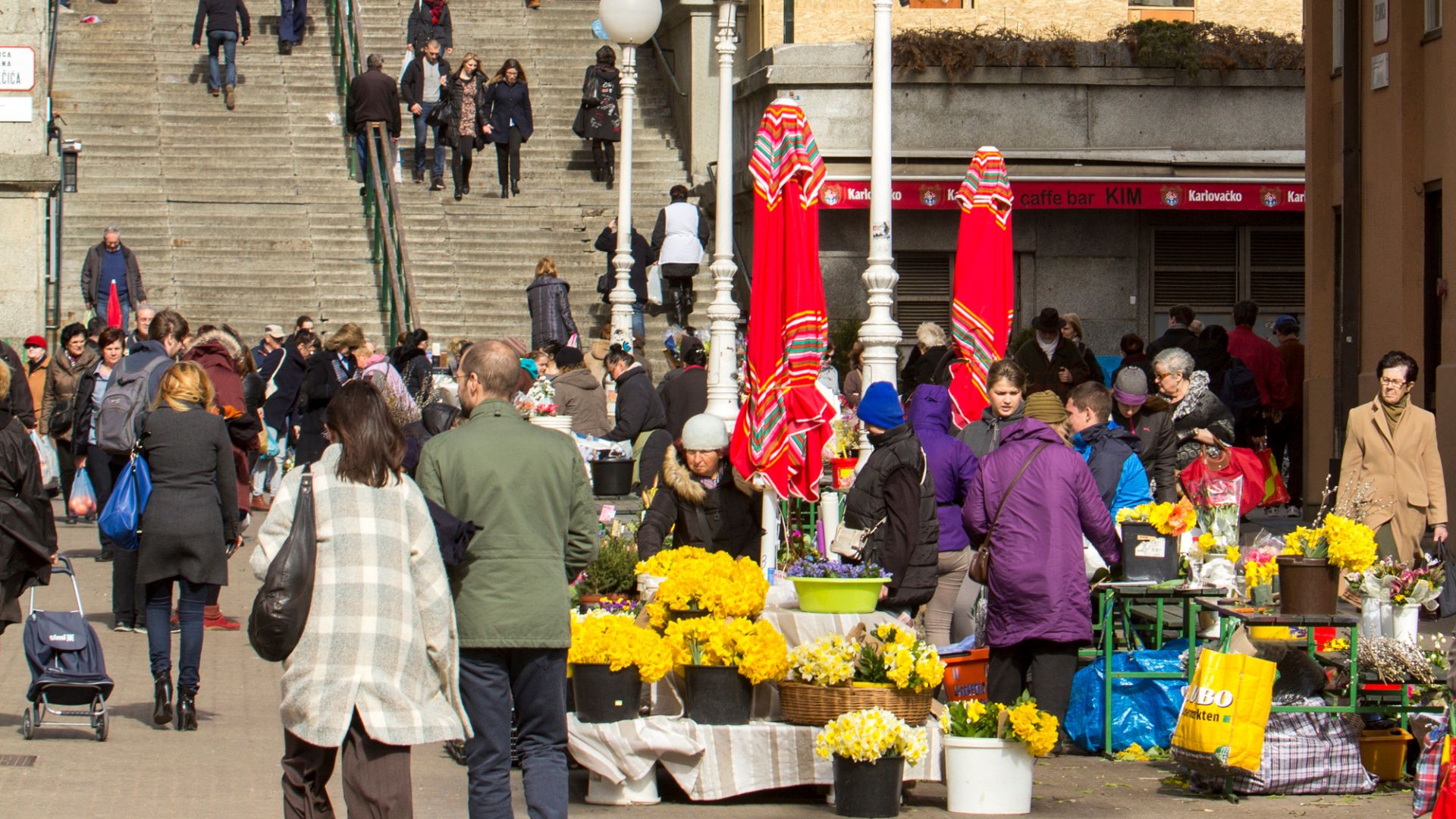
Dolac Market sits right in Zagreb’s upper town, just a quick walk from Ban Jelačić Square.
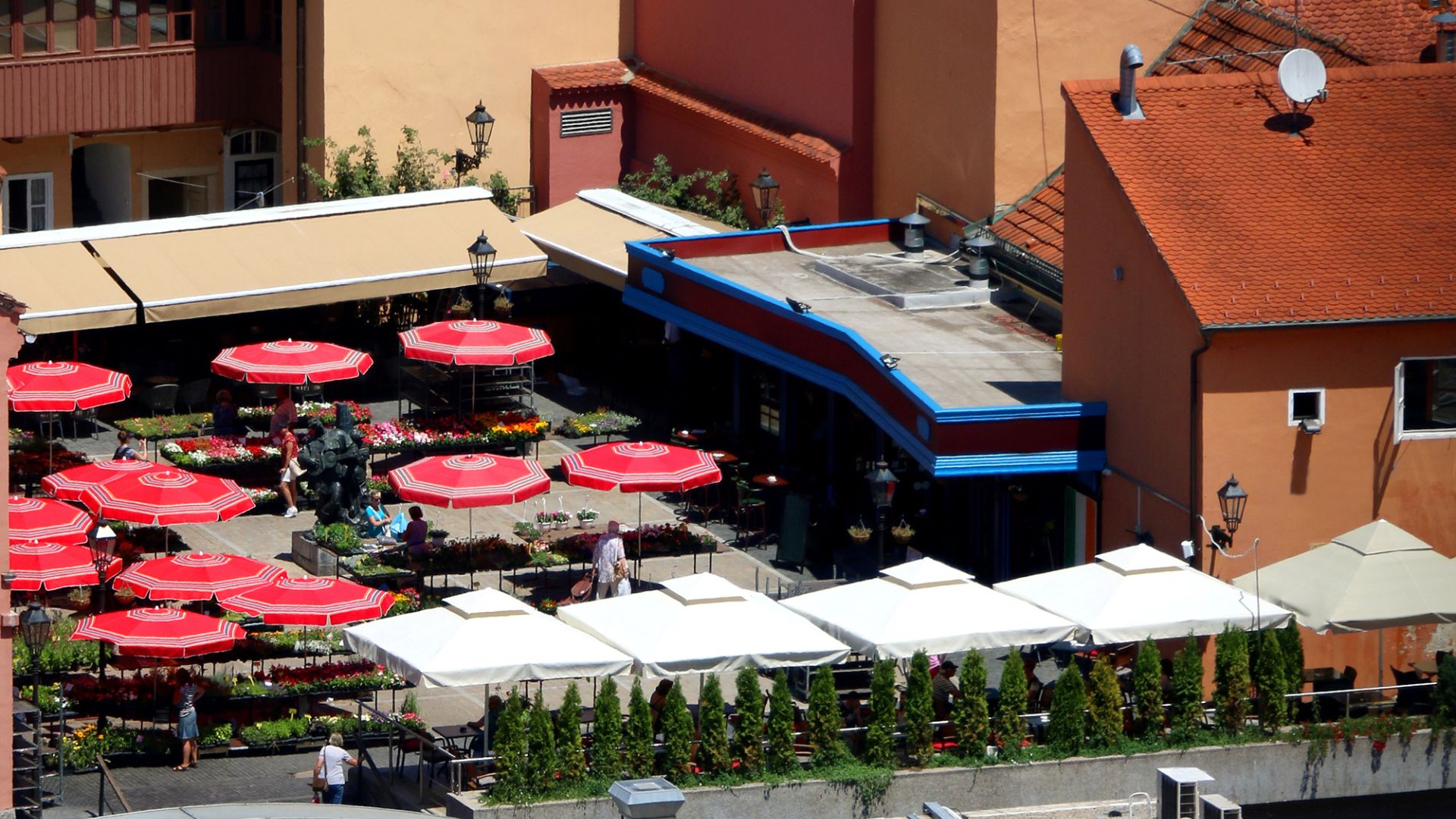
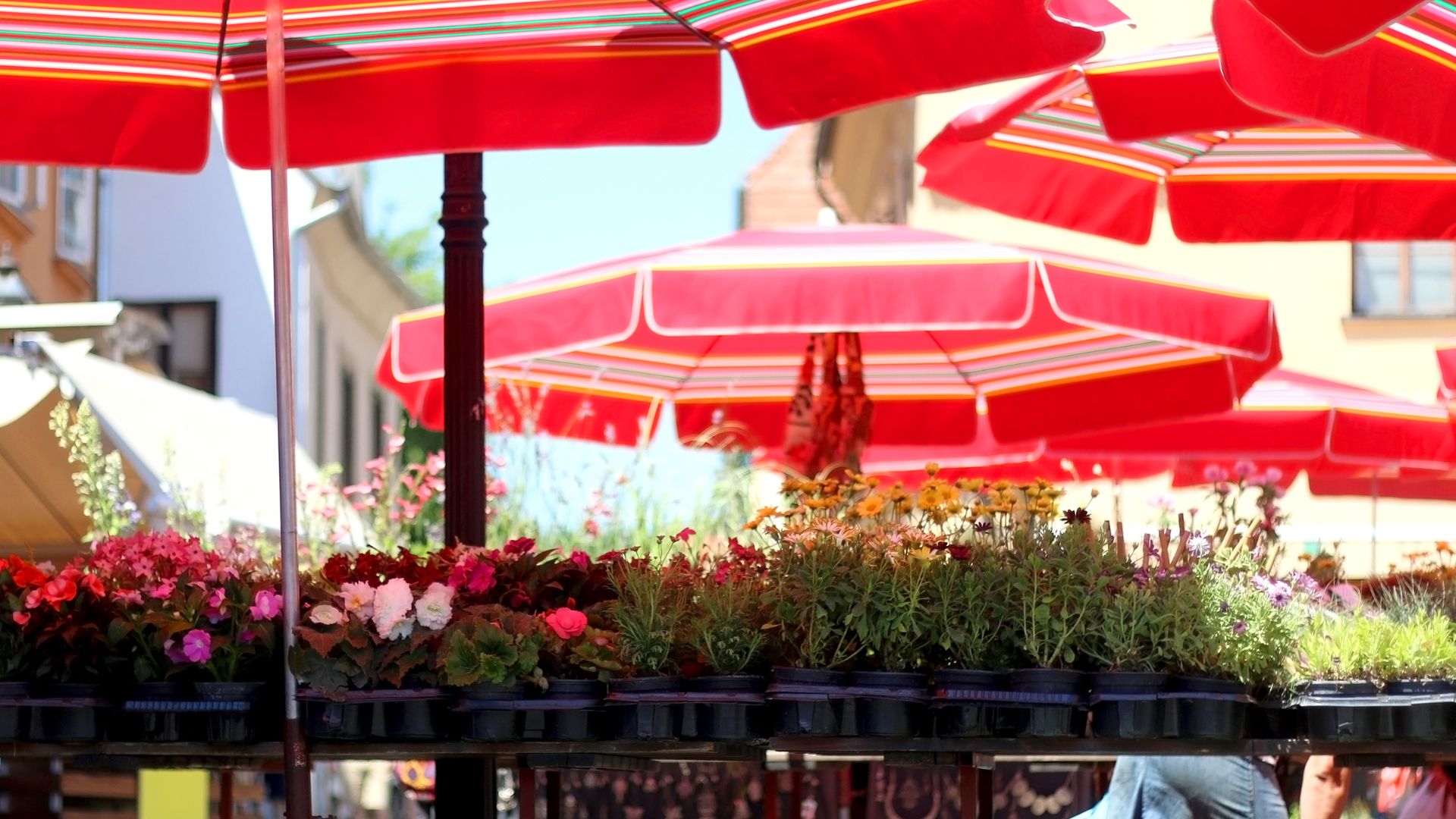
It’s split over two levels. Up top, red umbrellas shade stalls heaped with fruits and veggies—most from farms just outside the city.
Don’t miss:
- Farm-fresh produce from Zagreb County
- Homemade cheeses and dairy
- Local honey varieties
- Sausages and cured meats
Downstairs, you’ll find permanent shops selling pickled veggies, fresh bread, and regional wines.
It’s open 7 AM to 2 PM, Monday to Saturday. Sundays, things wrap up by 1 PM.
Pazar, Split
Split’s Pazar market buzzes just outside Diocletian’s Palace. Locals and travelers alike shop for authentic Dalmatian fare.
The fish section kicks off at 6 AM. Fishermen haul in glistening sea bass, sardines, and octopus straight from the Adriatic.
Best times to shop:
- Morning (6-10 AM): Top pick of fish and produce
- Late morning (10 AM-12 PM): Vendors often drop prices to clear stock
Fruit and veggie stalls overflow with Mediterranean gems. Dalmatian figs, grapes, and tomatoes are on another level.
Don’t skip the olive oil. Local producers sell direct, and prices are much better than in stores.
Market in Rijeka
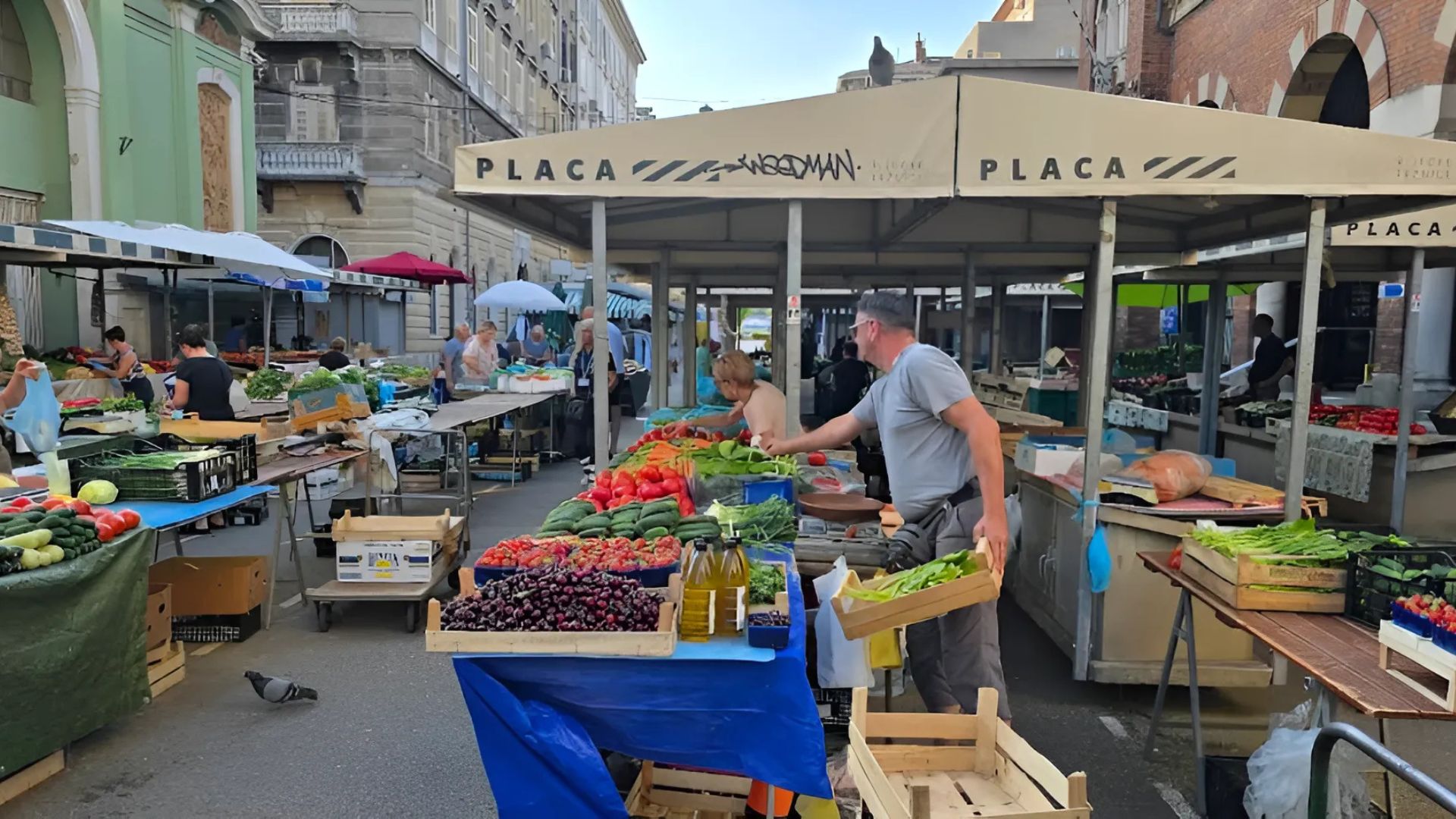
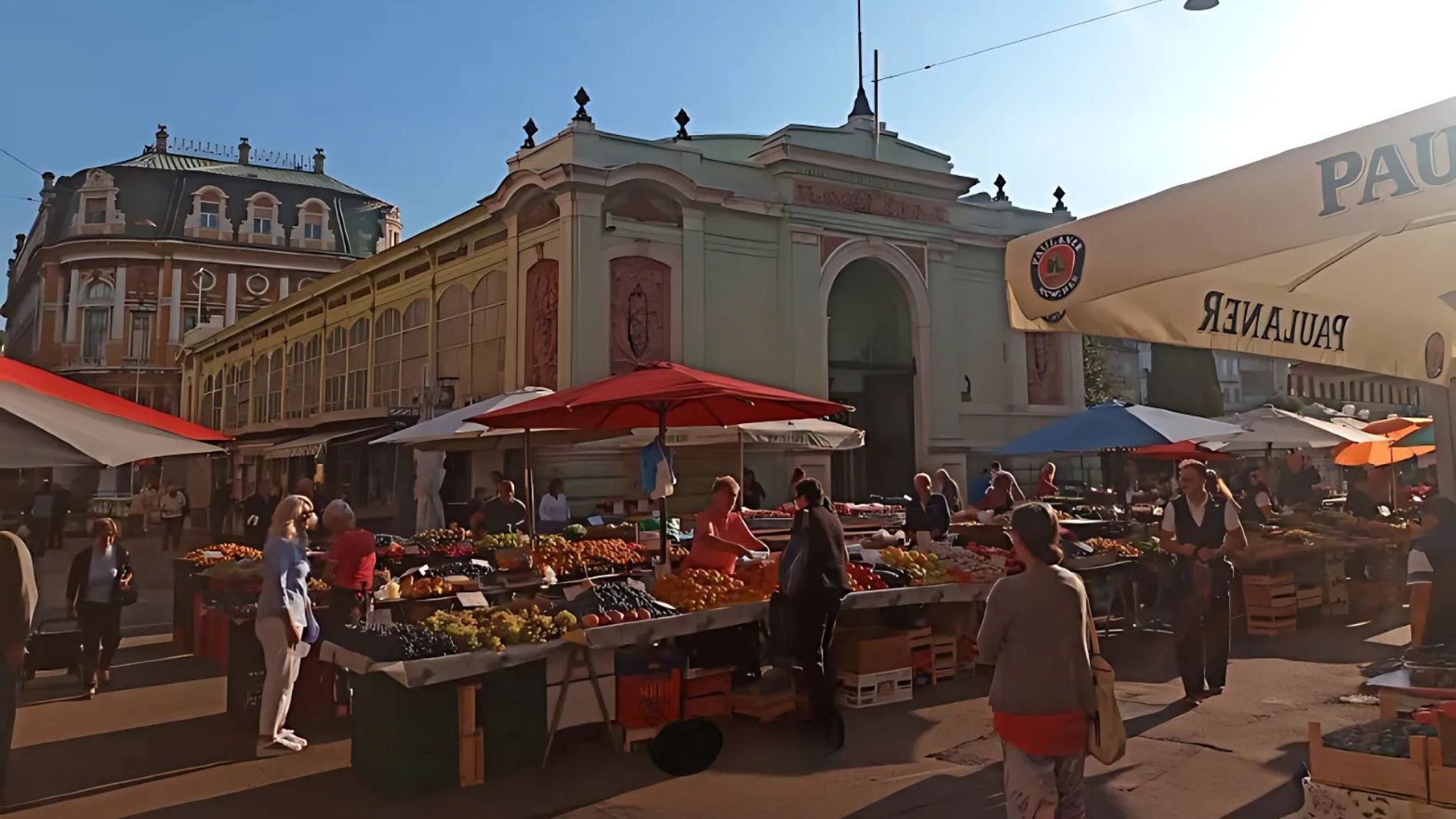
Rijeka’s central market sits in a covered building, right near the city center. It’s a seafood lover’s paradise, thanks to the Kvarner Gulf.
The shelter makes shopping easy, even on rainy days.
What stands out:
- Fresh fish, caught daily
- Istrian truffles (especially in autumn)
- Local wines from Istria
- A variety of cheeses, including Pag cheese
Many vendors speak Italian and German, so language barriers aren’t much of an issue.
The market opens at 7 AM and closes by 1 PM, Monday through Saturday. Fish vendors sometimes start as early as 6 AM.
Fish Market, Zadar
You’ll find Zadar’s fish market right on the harbor. Boats dock nearby and unload their catch every morning.
I like to visit by 7 AM for the best pick. Fishermen often sell straight from their boats before moving to the stalls.
Fresh finds:
- Anchovies and sardines
- Sea bream and sea bass
- Squid and octopus
- Shellfish when in season
The market’s stone building adds a touch of Dalmatian charm. Fish is artfully arranged on marble slabs.
Prices shift with the season and what’s biting. Tuesdays and Wednesdays usually bring the best deals.
The doors close by 1 PM, once the fish runs out. Arrive before 11 AM for top selection.
Additional Must-Visit Markets by Region
Every part of Croatia has its own market scene. These spots are packed with local character, fresh food, and way better prices than the touristy gift shops.
Dubrovnik’s Old Town Market
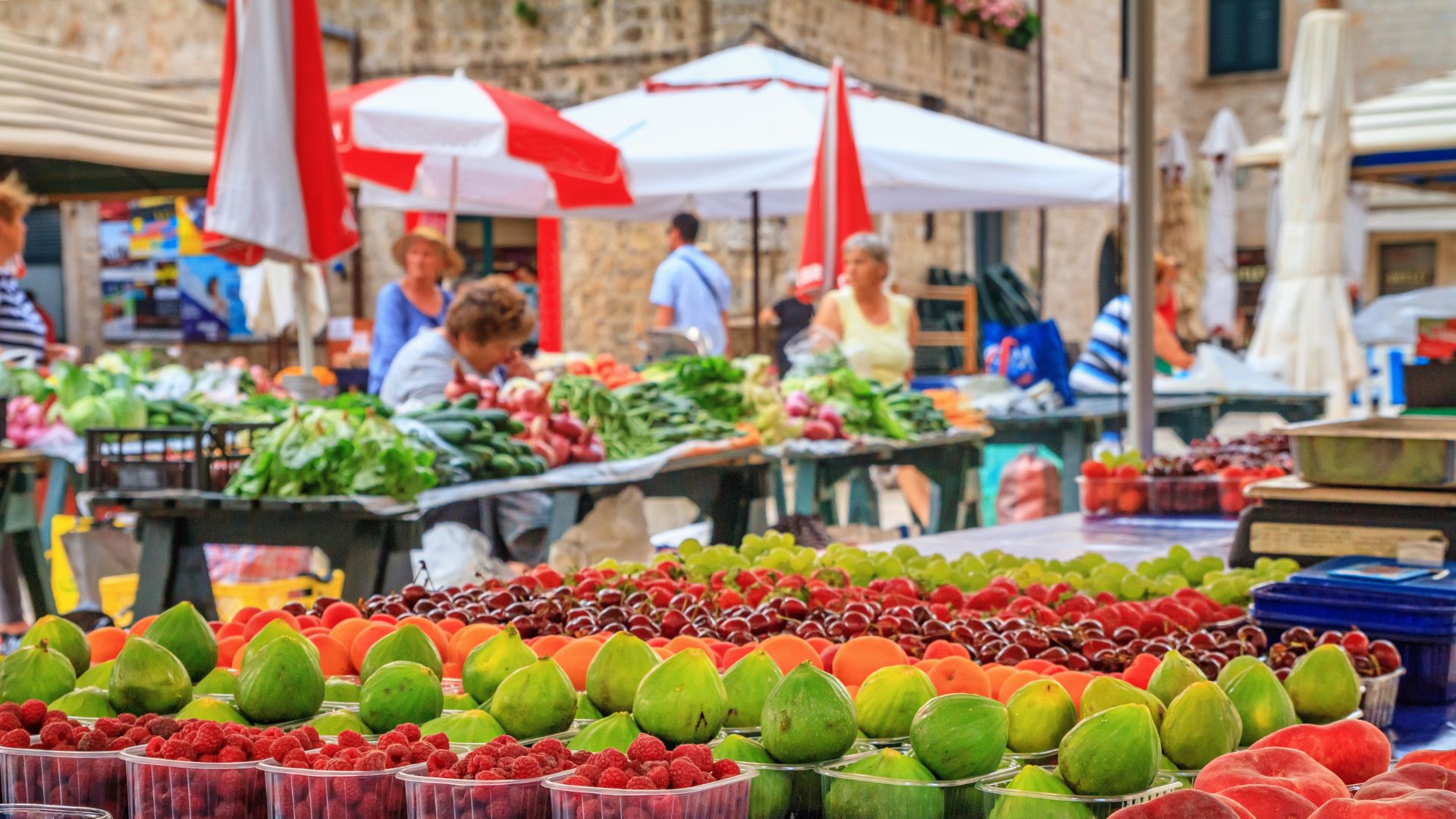
Gundulić Square Market, right in Dubrovnik’s Old Town, is a must for genuine local products.
Wooden stalls brim with fruits and veggies from nearby farms. You’ll also spot homemade jams, honey, and cheeses.
Top picks:
- Seasonal produce
- Preserves and honey
- Local dairy
- Traditional souvenirs
It’s a bit more touristy these days, but you can still find authentic goods at fair prices.
Go early for the best selection. Cash is king here—credit cards aren’t accepted.
Osijek Market
Osijek’s main market is the pride of eastern Croatia. Farmers bring in produce from the rich Pannonian plains.
You’ll find seasonal veggies and fruits at unbeatable prices, especially in summer.
Don’t miss Slavonian specialties like kulen sausage and homemade rakija. The market runs year-round, with both indoor and outdoor stalls.
When to shop:
- Saturday mornings for variety
- Weekday afternoons for deals
Vendors might not speak much English, but they’re friendly and welcoming. It’s a real local experience.
Istria’s Regional Markets
Istria is dotted with fantastic markets, each with its own flavor.
Pula Market is seafood central—fishermen sell their catch fresh every morning.
Rovinj’s market is all about truffles, olive oil, and wine. You can buy direct from producers and save a bundle.
Poreč market mixes local produce with artisan crafts, lining the old town’s charming streets.
Every Istrian market offers top-notch olive oil and wine. Prices here beat what you’ll find in restaurants or tourist shops.
Kvarner Bay Local Markets
Kvarner’s markets stretch across islands and coastal towns, each one offering something special.
Rijeka’s main market is the biggest, with seafood, mountain veggies, and island treats.
Krk Island market pops up seasonally, selling lamb, cheese, and olive oil. Krk cheese is a local legend.
Opatija market is smaller but known for premium products—quality over quantity here.
Island markets often close in winter. Visit between May and October for the full experience.
What to Buy at Croatian Markets
If you want to shop like a local, Croatian markets are the place. Load up on seasonal fruit, fresh seafood, artisanal cheese, and traditional liqueurs—at prices that make tourist shops look silly.
Fresh Produce and Seasonal Fruits
Croatian markets burst with seasonal produce that just blows imported stuff out of the water. I always gravitate toward the fruits and veggies that look a little wonky—they’re usually the real deal, grown without tons of chemicals.
Best seasonal finds by month:
- Spring (March-May): Wild asparagus, artichokes, strawberries, radishes
- Summer (June-August): Cherries, peaches, watermelon, corn, eggplants
- Fall (September-November): Grapes, apples, chestnuts, pomegranates
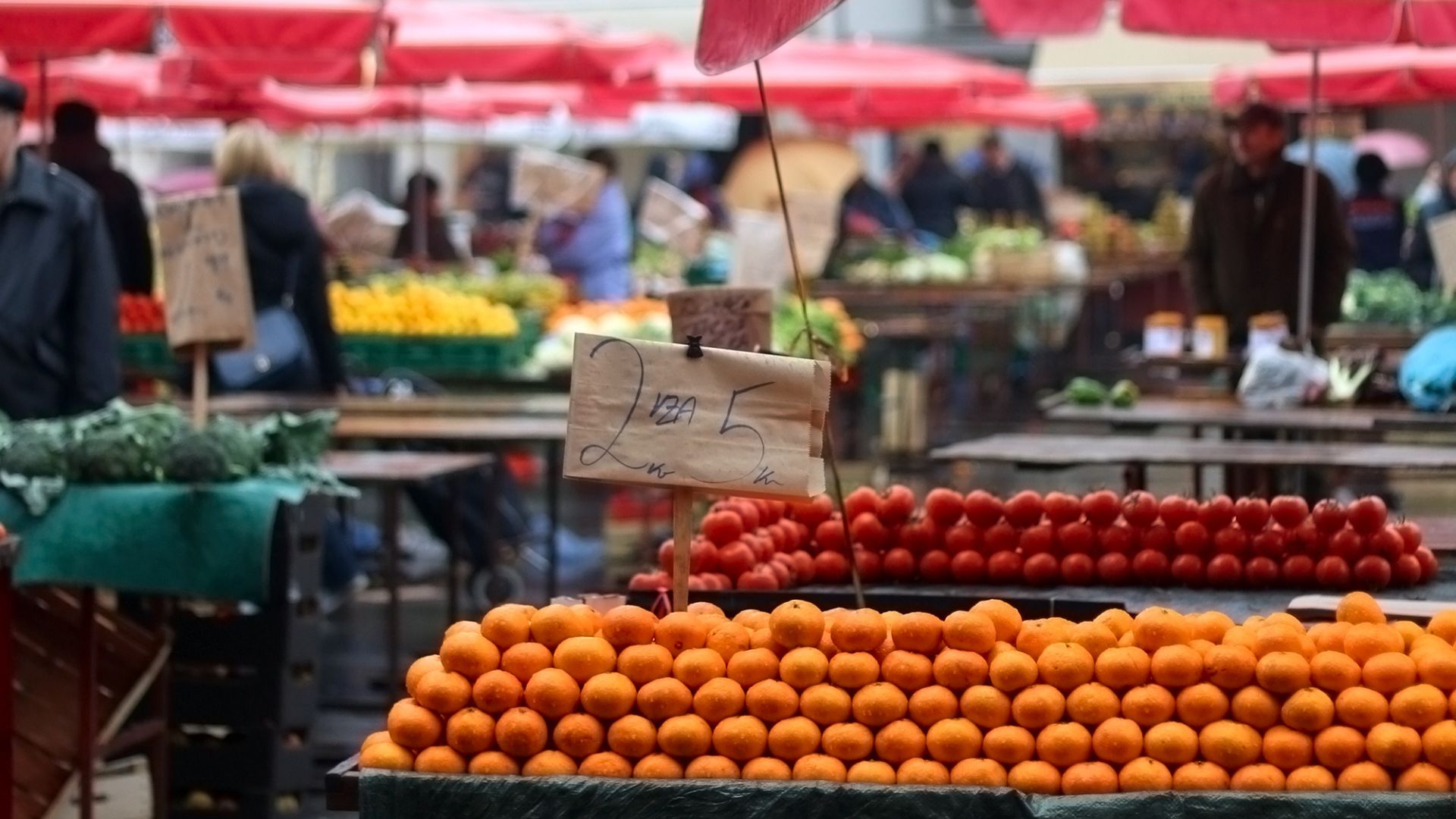
- Winter (December-February): Citrus fruits, mandarins, blood oranges
You’ll spot local garlic and potatoes no matter the season. If you see imported produce hit the stands, give it a couple of weeks—then the local harvest usually rolls in.
Check for signs that show where the produce comes from. Croatian strawberries from Vrgorac and potatoes from Lika? Total standouts. If you’re unsure, just ask, “Je li domaći?” (Is it local?)—it’s a simple way to connect and get the good stuff.
Seafood and Fish Specialties
Coastal markets wake up early with daily catches straight from the Adriatic. Fish market sections always beat restaurant prices, and the variety is fantastic.
If you want the best pick, get there early. The freshest fish have clear eyes and firm flesh—locals snap these up fast. Sea bass, dorada, and sardines are crowd favorites.
What to buy:
- Fresh whole fish (they’ll gut and scale it for you)
- Mussels and oysters
- Dried and salted fish
- Fresh squid and octopus
Most vendors clean and prep your fish right there, usually free of charge. It’s a bit of a show, honestly.
Meats, Sausages and Prosciutto
Croatian markets really shine when it comes to cured meats and sausages. Butchers here serve up quality that rivals any fancy deli.
Must-try items:
- Istrian prosciutto – Croatia’s take on the Italian classic
- Kulen – Spicy paprika sausage from Slavonia
- Čvarci – Crunchy pork cracklings
- Fresh bratwurst-style sausages
Long lines of locals usually mean you’ve found the good stuff. Sometimes, vendors even offer samples—don’t be shy.
Ask your butcher to slice meats just how you like them. If language is a barrier, pointing works wonders.
Cheese, Honey and Liqueurs
Artisanal treats in Croatia double as souvenirs and taste adventures. You’ll pay way less than in tourist shops, too.
Pag cheese stands out as Croatia’s most famous cheese. Sheep graze on salty herbs, and you can taste that wild flavor in every bite. The older, the sharper.
Local honey comes in all sorts—acacia, chestnut, wildflower. Small producers set up shop at the markets, and their prices beat the stores every time.
Traditional liqueurs to try:
- Rakija – Fruit brandy (plum, grape, or pear)
- Pelinkovac – Bitter, herbal, and not for the faint of heart
- Maraschino – Cherry liqueur from Zadar
Vendors often pour tastings. Buying straight from them guarantees both authenticity and the best deals.
Practical Tips for Market Shoppers
Navigating a Croatian market takes a bit of know-how. Timing, pricing, and a dash of local etiquette go a long way.
Bargaining and Pricing Strategies
Always ask the price before you commit. If there’s no price tag, I usually say “Koliko košta?” (How much does it cost?) or “Pošto?” if I’m in Dalmatia.
Even a few basic Croatian words can make a difference. Vendors tend to treat you more like a local, and you’re less likely to pay a “tourist tax.”
Sometimes, vendors try to round up your purchase. If I want 650 grams of potatoes, they’ll suggest making it a kilo. I just smile and say “Ne, hvala” (No, thank you).
Handy phrases for negotiating:
- Ne treba više (I don’t need more)
- To je dosta (That’s enough)
- Je li domaći? (Is it local?)
If you see a stall without posted prices, be cautious. Locals always ask first—follow their lead.
Best Times to Visit
Markets open early, around 7:00 AM, and wrap up by 2:30 PM. The best finds show up before 10:00 AM, when the tables are overflowing and nothing’s picked over.
I like to roll in around 8:00 AM. Vendors are just setting up, and you can browse without the crowds.
After 10:00 AM, the quality dips. By then, the best stuff is long gone.
Seasonal timing tips:
- Wait about two weeks after you spot imported produce—then the local harvest hits
- January: blood oranges, lemons, mandarins
- June: berries, cherries, cucumbers, green beans
- September: apples, grapes, chestnuts, squashes
Market Etiquette and Communication
Pick your own produce—don’t wait for vendors to do it. In Croatia, shoppers expect to touch and choose what they want.
Vendors often call out “Izvolite!” (How can I help you?). Don’t feel pressured to answer every time. Sometimes, I just smile and keep walking.
Reusable bags are your friend. I always say “Ne trebam vrećicu” (I don’t need a bag) when vendors reach for plastic. It’s a small gesture, but it signals you care about the environment and maybe even live nearby.
Keep an eye out for produce that isn’t perfect—bug bites, odd shapes, whatever. That’s usually the good, organic stuff.
Watch where the locals shop. If there’s a line, chances are the quality and prices are unbeatable.
Payment Methods and Currency
Croatia switched to the euro in 2023, so that’s what you’ll need for your market adventures. Most vendors really prefer cash over cards—trust me, it’s just easier.
I always stash a handful of small bills and coins in my pocket. Vendors rarely have change for big notes, especially if you show up early when they’re just setting up.
Sure, you might find a few bigger markets that take cards, but the folks selling homegrown veggies? They’re all about cash. Luckily, you can usually spot an ATM somewhere close in the city center, so grabbing cash isn’t a hassle.
Honestly, bringing exact change just makes everything smoother. Vendors appreciate it, especially when the stalls get crowded and everyone’s in a hurry.
Family-run stalls have their own charm. They usually deal in cash only, and you might stumble upon homemade olive oil, wine, or even a bottle of rakija tucked behind the tomatoes.
