
Most travelers get drawn to Croatia’s coastline, but honestly, some of the country’s most magical moments hide inland, just beyond Zagreb. The capital city makes a fantastic base for exploring baroque towns, pristine lakes, rolling countryside, and historic settlements that really show off Croatia’s genuine character, far from the beach crowds.
I’ve roamed dozens of backroads and side streets, stumbling across UNESCO sites nestled in green valleys and medieval towns that seem untouched by time. These eight day trips have everything—natural wonders, waterfalls, and cultural gems where local life still feels real and unspoiled.
If you crave historic architecture, peaceful nature, or just want to taste authentic local experiences, you’ll find something here. Let’s dig into the essential spots, hidden corners, and practical tips that’ll help you plan some truly memorable inland adventures around Zagreb.
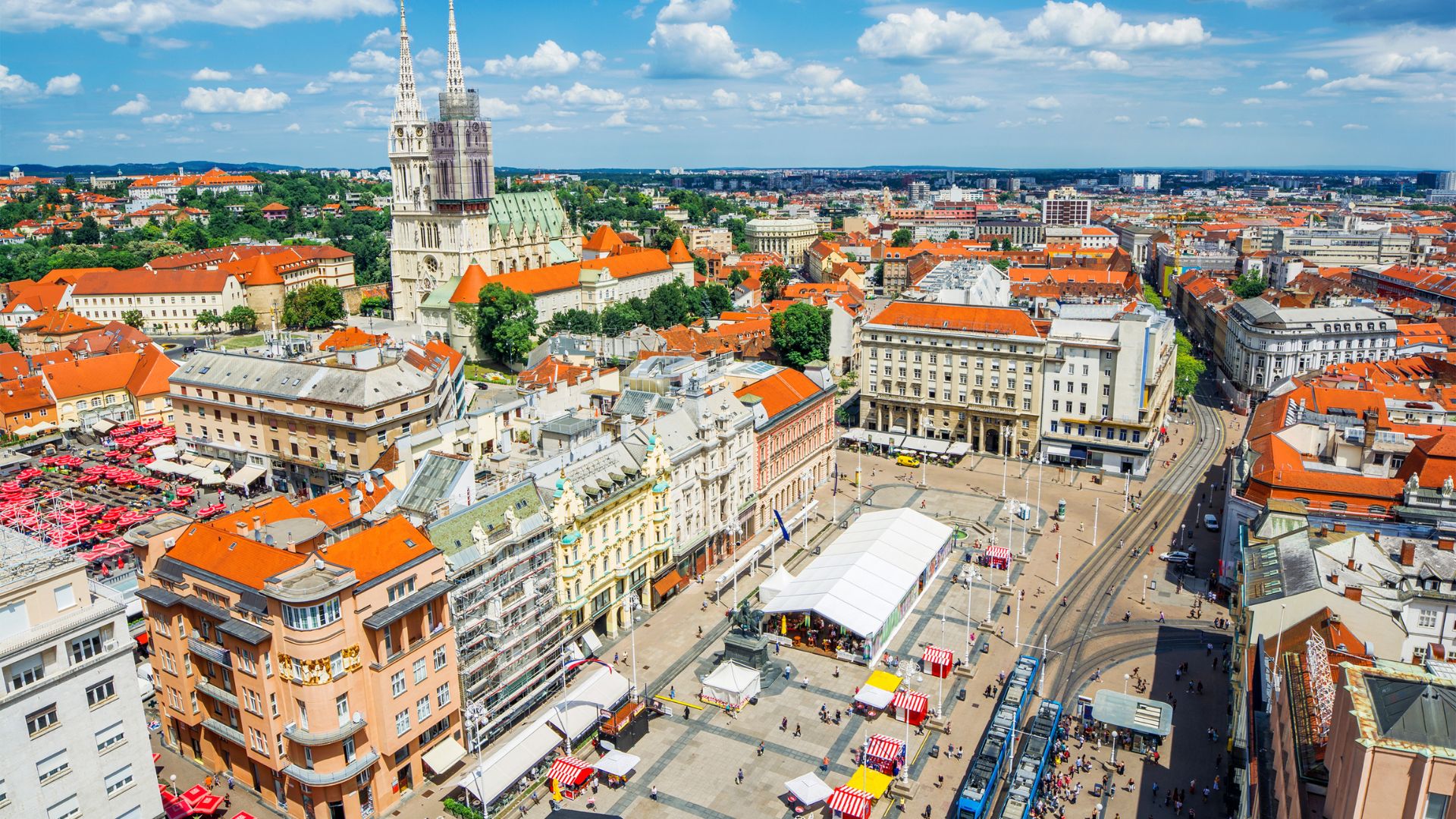
Essential Inland Destinations Near Zagreb
Croatia’s inland regions pack a punch—think stunning national parks with waterfalls, calm rivers for kayaking, villages that keep centuries-old traditions alive, and even a quick hop to Slovenia’s capital.
Plitvice Lakes and Waterfalls
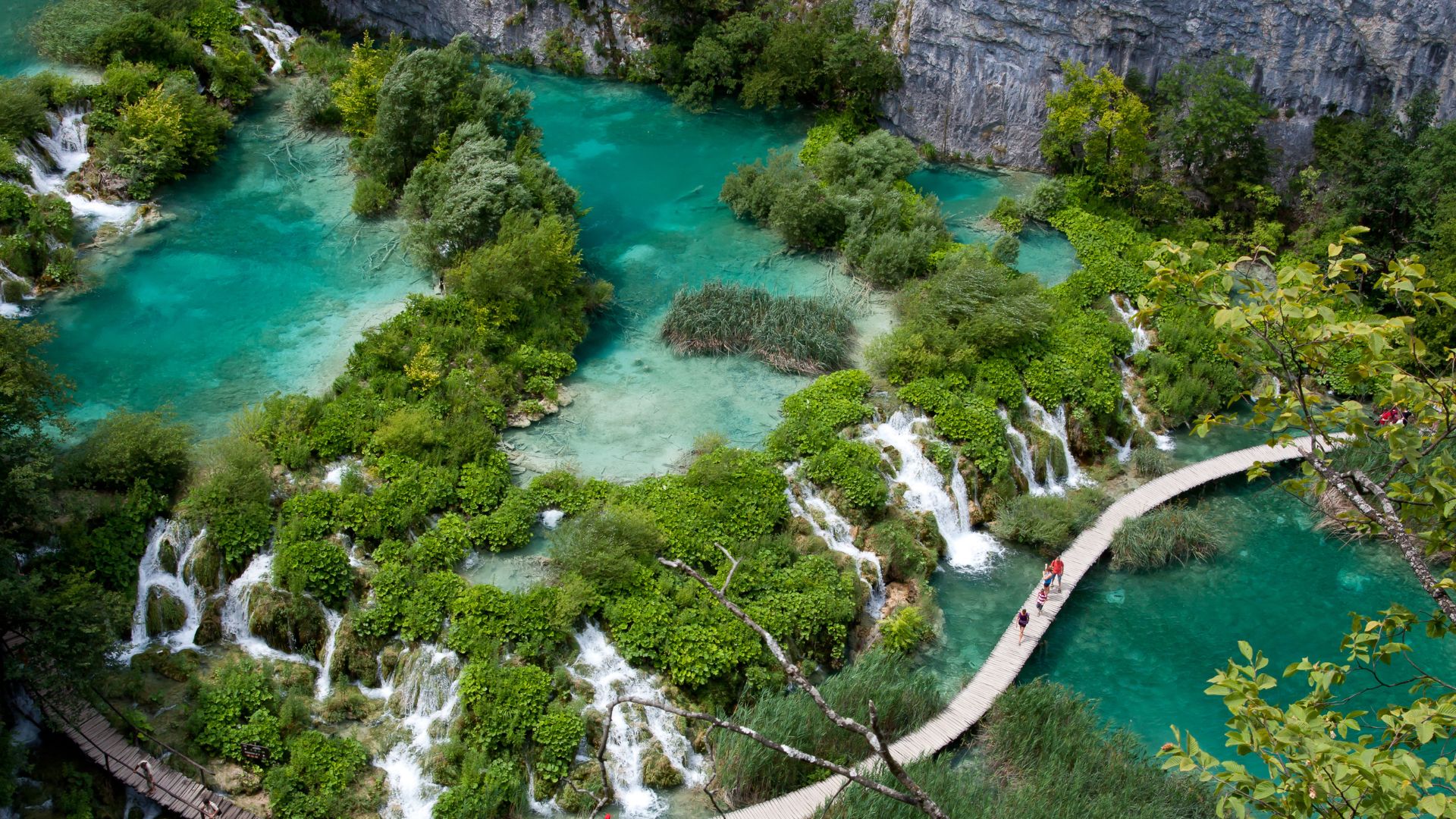
Plitvice Lakes National Park is probably Croatia’s most famous UNESCO World Heritage site, and it’s just two hours from Zagreb. I always enter through entrance 1—it’s the quickest way to hit the main sights.
The park has 16 terraced lakes, all linked by jaw-dropping waterfalls. Veliki Slap, the biggest one, plunges 78 meters into glowing emerald pools.
What makes Plitvice special:
- Wooden walkways right over the water
- Small train and boat rides with your ticket
- Hiking routes from easy 2-hour strolls to 8-hour treks
- Open all year, and each season looks totally different
Wear sturdy shoes—the walkways get slippery. Summer crowds can be intense, so I like to arrive early in the morning.
You’ll find about 10 daily buses from Zagreb, or you can join a tour that often includes nearby Rastoke village.
Exploring the Tranquil Zrmanja River
The Zrmanja River winds through deep canyons, creating some of Croatia’s most peaceful water scenes. Not many people know about it, but it’s a kayaker’s dream.
The river slices through limestone cliffs, forming gorges and little waterfalls. The water’s so clear you can see the rocks and fish below, which makes for some pretty epic photos.
Popular Zrmanja activities:
- Half-day kayaking trips
- Beginner-friendly white-water rafting
- Photography tours of the canyons
- Swimming in cool, natural pools
Tourists rarely crowd the river. Even in summer, the water stays refreshingly cold, so it’s perfect for escaping Zagreb’s heat.
Most people join organized tours—those usually include transport and all the gear. The drive from Zagreb takes about 2.5 hours and the scenery is half the fun.
Charming Countryside Villages
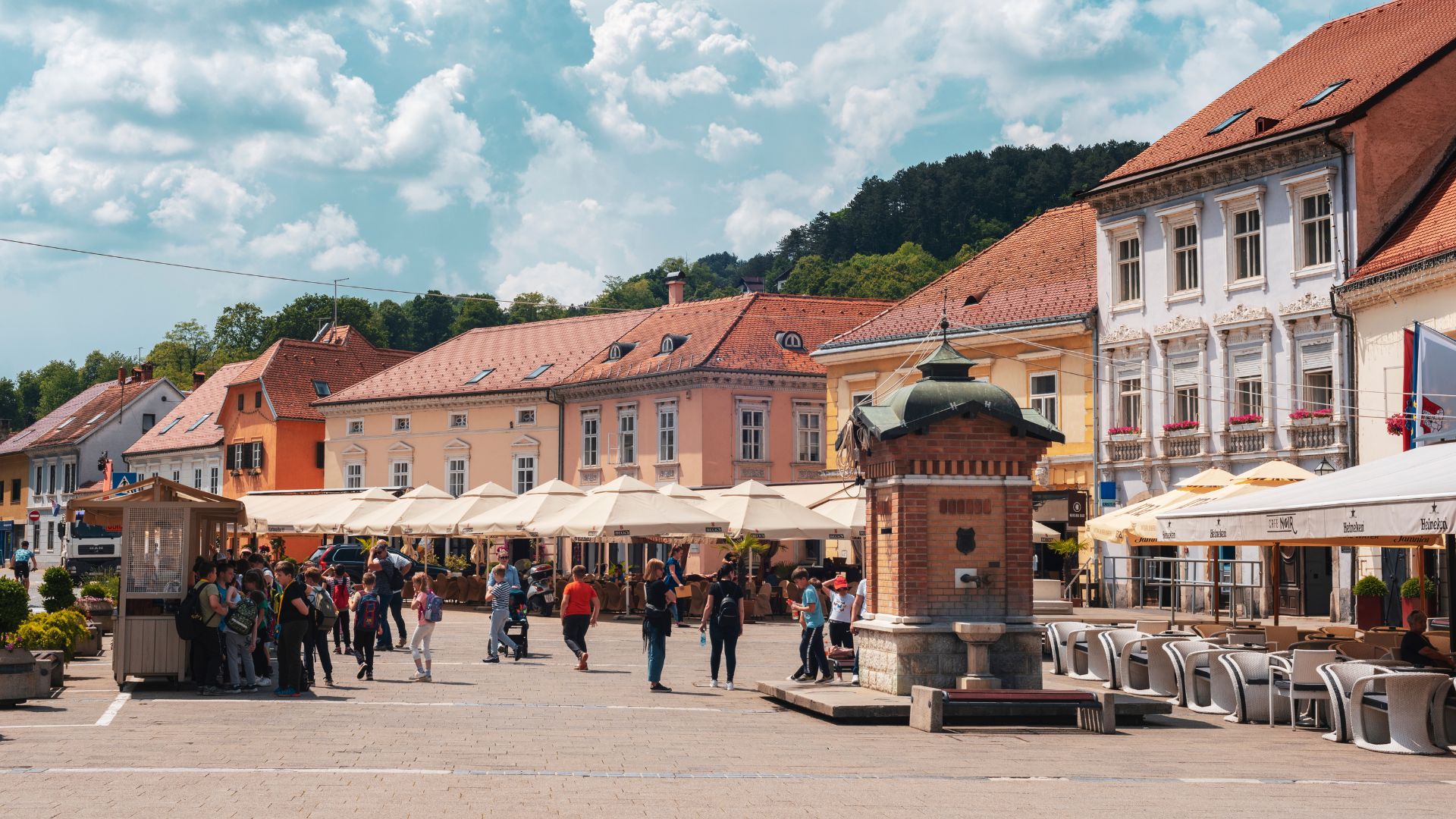
The countryside around Zagreb is dotted with villages that feel like time capsules. Samobor, just 20 km from the city, is probably the easiest to reach.
Samobor’s baroque buildings surround King Tomislav Square, and the cafes there serve the famous kremšnita cream cake. The town’s been around since the 13th century.
Must-visit countryside destinations:
- Kumrovec: Tito’s birthplace, now an open-air museum
- Rastoke: “Small Plitvice” with old water mills
- Samobor: Easy bus ride, castle ruins, caves to explore
Kumrovec lets you peek into Croatian peasant life before World War I. The houses and barns are all restored, and you can see how people lived and worked.
These places keep Croatian culture alive without feeling touristy. Local restaurants serve up hearty dishes, and you’ll find homemade wines in family-run vineyards.
Day Trips to Ljubljana, Slovenia
Ljubljana, Slovenia’s capital, sits just two hours north of Zagreb—so why not cross the border for the day? The city blends Austrian style with Mediterranean vibes along the Ljubljanica River.
Ljubljana Castle rises above the old town, and you can hop on a funicular to reach the top. The historic center is full of baroque buildings and car-free streets lined with cafes.
- Castle with sweeping city views
- Riverside dining and cool shops
- Dragon Bridge with its famous statues
- Hearty Slovenian food
Some tours mix Ljubljana with Lake Bled, the iconic lake with a church on an island and a castle perched on a cliff.
You can also check out Postojna Cave—one of Europe’s biggest cave systems, with 20 kilometers of tunnels. Regular buses run between Zagreb and Ljubljana, so it’s easy to go solo.
Hidden Towns and Historic Cities
Inland Croatia hides medieval towns with stone walls and Roman ruins that go back thousands of years. These places offer a real taste of Croatia’s past, far from the crowded beaches.
Trogir’s Medieval Allure
Trogir sits on a tiny island, linked to the mainland by bridges. The entire old town is a UNESCO World Heritage site.
The Cathedral of St. Lawrence stands out. Master Radovan carved the portal in the 13th century, and the details are just wild. Local guides love to point out the biblical scenes in the stonework.
Key attractions include:
- Kamerlengo Fortress over the harbor
- Town Museum packed with medieval finds
- Cipiko Palace with Venetian flair
- Central square and its old loggia
The stone streets are car-free, so wandering is easy. You’ll pass churches, palaces, and little shops selling local crafts.
Trogir’s spot made it a key stop for trade between Venice and the Balkans, and you can see that blend of cultures in the buildings.

Roman Heritage of Pula
Pula boasts some of Europe’s best-kept Roman ruins. The amphitheater dominates the center and still hosts concerts.
I wandered through the arena, imagining the 23,000 spectators from back in the day. The gladiator chambers underground are still there. These days, summer festivals fill the space with music.
The Temple of Augustus stands in the main forum. Built between 2 BC and 14 AD, it’s a classic Roman design. The forum itself has been the city’s heart for nearly 2,000 years.
Roman sites worth visiting:
- Amphitheater (6th largest in the world)
- Arch of the Sergii (a triumphal arch)
- Twin Gates (old city entrance)
- Small Roman Theatre ruins
Modern Pula mixes Roman history with Croatian culture. I found great seafood spots tucked beside ancient walls and art galleries in old buildings.
Discovering Zadar’s Old Town
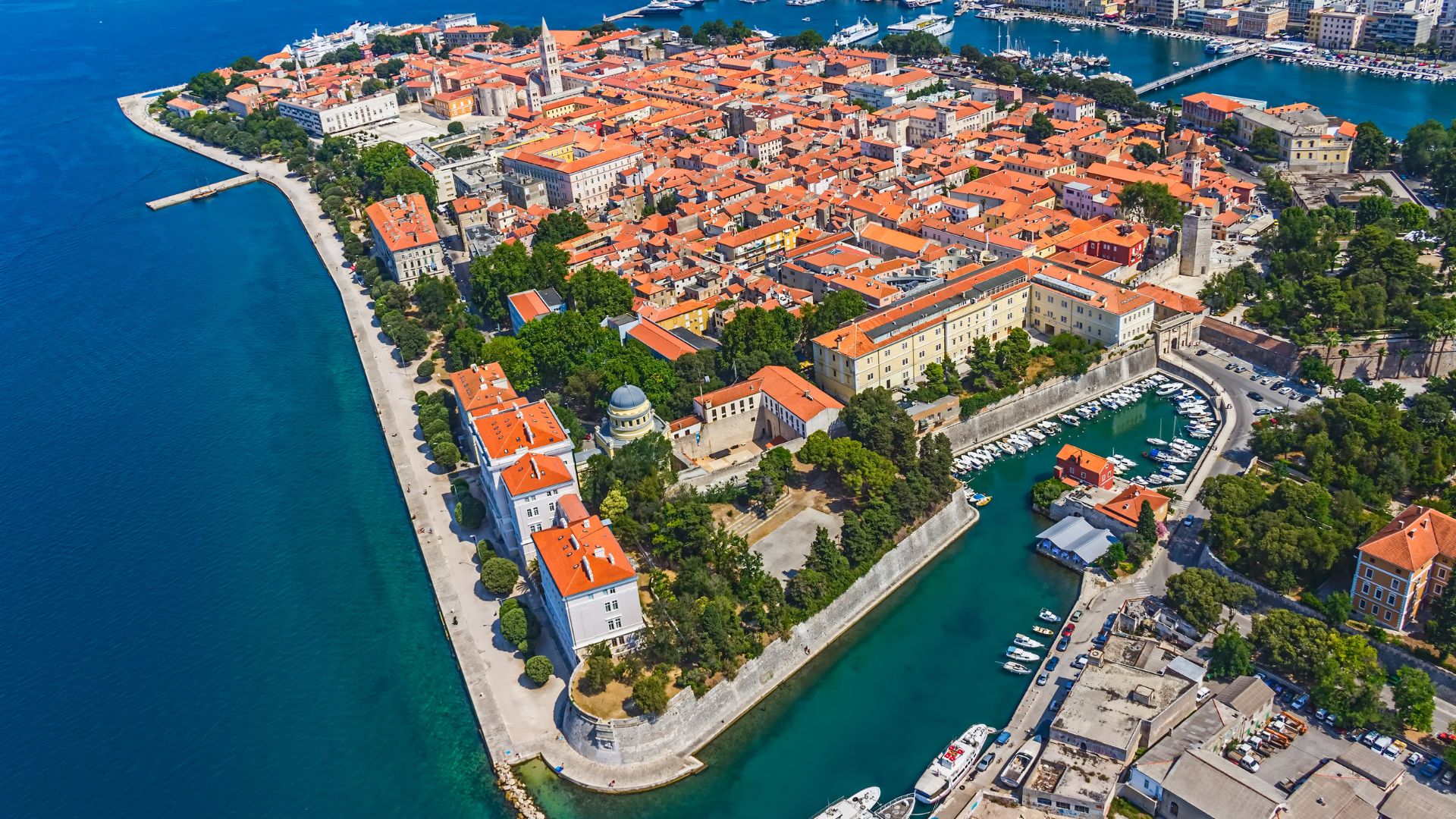
Zadar sits on a peninsula wrapped in medieval walls. Here, 3,000 years of history mix Roman ruins with Byzantine churches and Venetian palaces.
The Sea Organ is wild—it makes music from waves hitting underwater pipes. I sat there at sunset, just listening. Nearby, the Greeting to the Sun lights up after dark.
St. Donatus Church is a unique, round building from the 9th century. The Archaeological Museum next door displays Roman finds from all over the region.
Historic highlights:
- Roman Forum with original stones
- Cathedral of St. Anastasia (12th century)
- Land Gate (16th-century entrance)
- Five Wells Square with Venetian towers
The old town is super walkable. I hit most major sights in half a day, with plenty of coffee stops along the way.
Zagreb’s Cultural Highlights
Zagreb’s Upper Town keeps its medieval charm, while the Lower Town shows off Austro-Hungarian style. I usually take the funicular to bounce between the two.
The Museum of Broken Relationships is unlike anything else. People from around the world send in objects from failed relationships, each with its own story. It’s quirky and surprisingly moving.
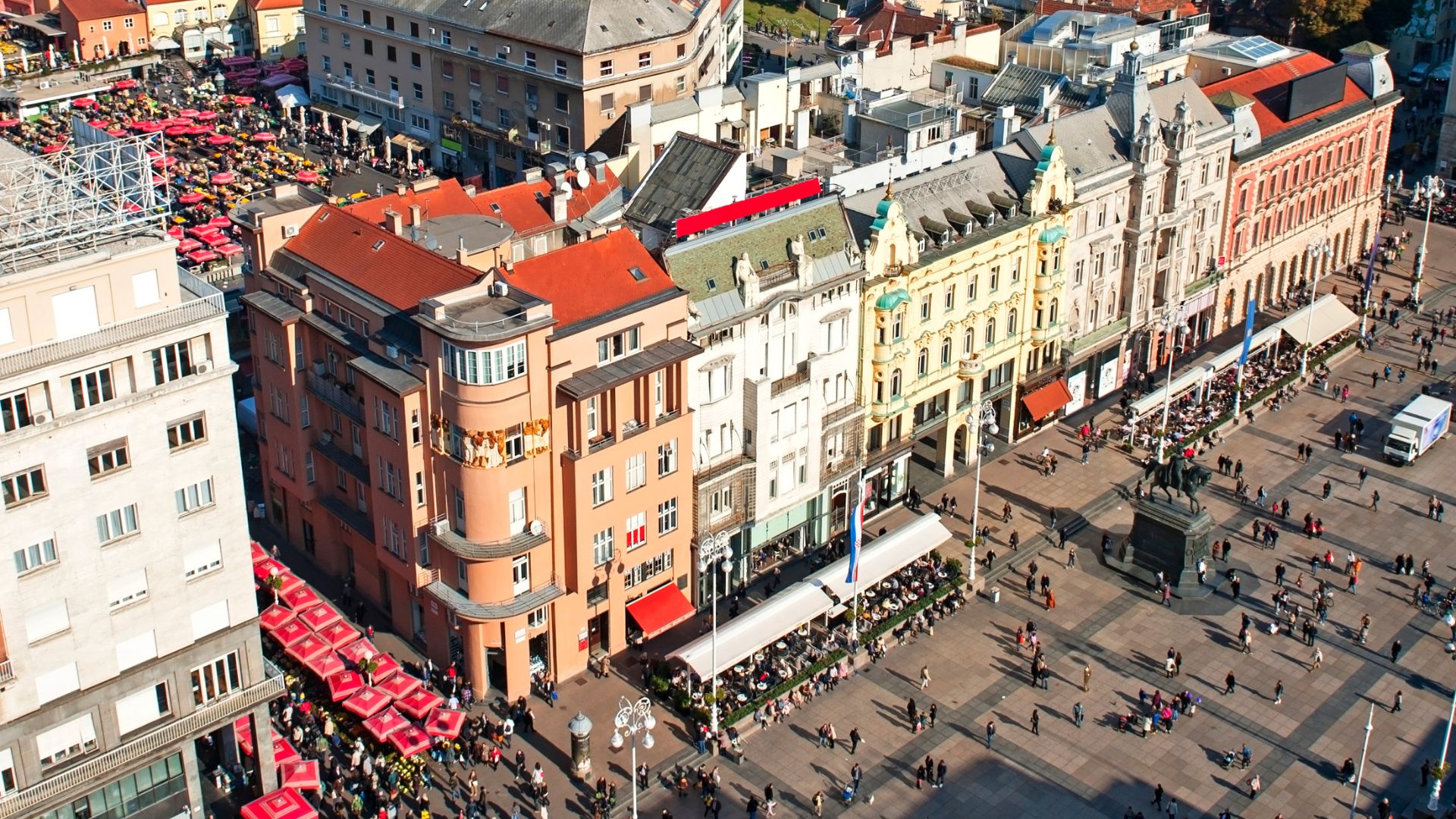
Ban Jelačić Square is the city’s heart. The cathedral’s twin spires rise above everything, making it easy to find your way back.
Cultural must-sees:
- St. Mark’s Church and its colorful roof
- Croatian Museum of Naïve Art
- Lotrščak Tower with a daily cannon blast
- Dolac Market for fresh local produce
Zagreb balances old and new. I’ve had some of my best meals in centuries-old buildings, and stumbled into modern art shows in historic neighborhoods.
National Parks and Natural Wonders
Croatia’s national parks are showstoppers, and many are an easy trip from Zagreb. From Krka’s waterfalls to underground caves, there’s a lot to explore.
Krka National Park Adventures
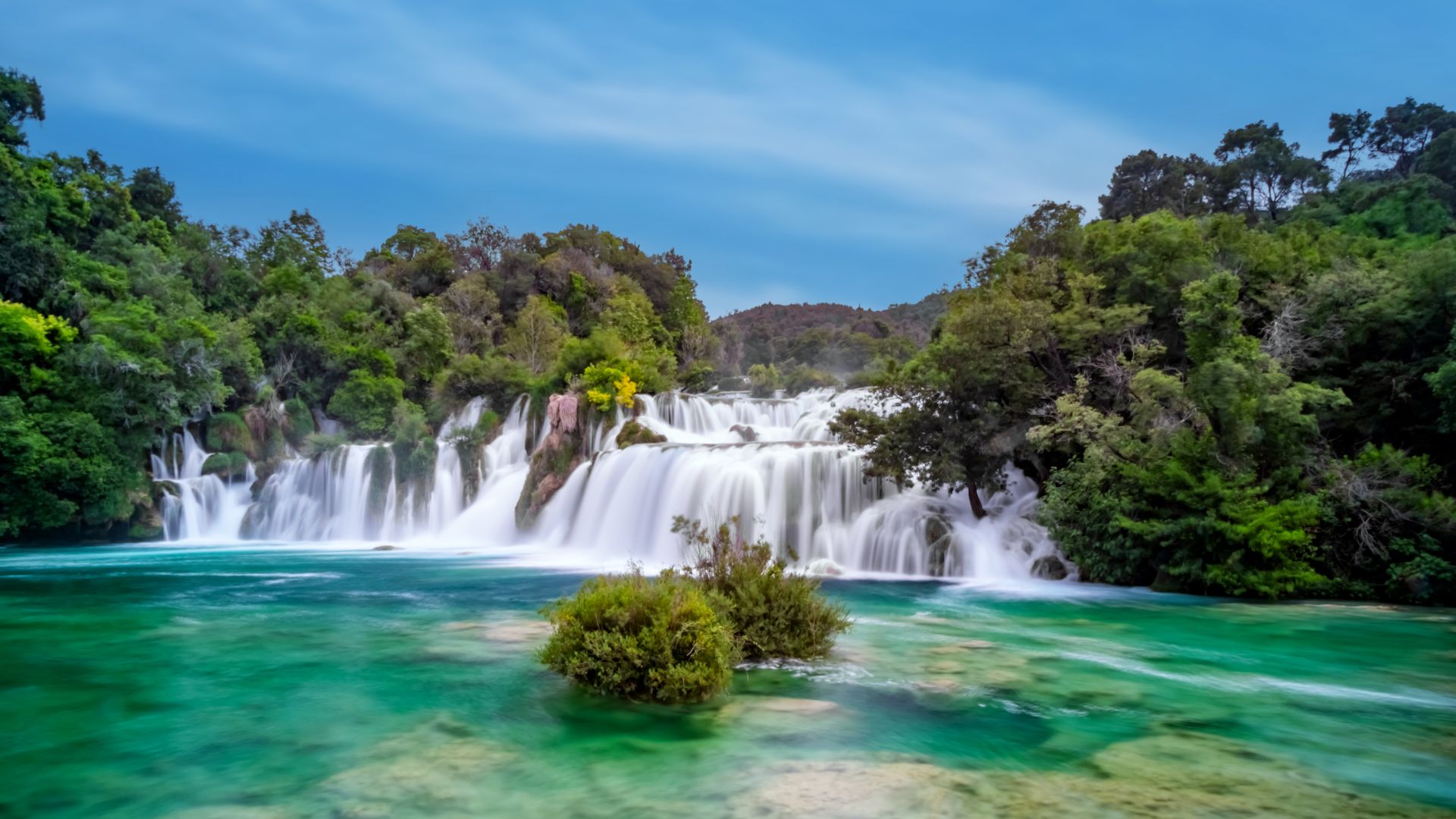
Krka National Park is about 2.5 hours south of Zagreb. The park’s seven waterfalls along the Krka River are just stunning.
Skradinski Buk is the star—a 17-step cascade with natural swimming pools below. Wooden boardwalks snake through the falls, making it easy to explore.
Best Activities:
- Swimming near the waterfalls (in season)
- Boat rides to Visovac Island monastery
- Snapping photos from the viewpoints
- Hiking the web of trails
The park’s open all year, but swimming is only allowed from May to October. Entry prices change with the season—summer tickets are about 200 kuna.
Roski Slap is another big waterfall, but it’s less crowded. You’ll find old watermills and stone buildings there.
Scenic Trails and Forests
The forests around Zagreb are packed with hiking trails. Medvednica Nature Park is just a half-hour from the city.
Mount Medvednica tops out at 1,035 meters at Sljeme peak. You can take a cable car or hike up marked trails. The views stretch out over Zagreb and the plains.
Trail Options:
- Easy: Kraljičin zdenac spring trail (2 hours)
- Medium: Veternica Cave route (3 hours)
- Difficult: Sljeme summit hike (4-5 hours)
Papuk Nature Park, two hours east, is full of oak and beech forests. Jankovac Park inside Papuk has waterfalls and picnic spots.
You’ll also find medieval ruins and cool geological sites. Educational trails explain the local plants and animals as you walk.
Unique Experiences at Postojna Cave
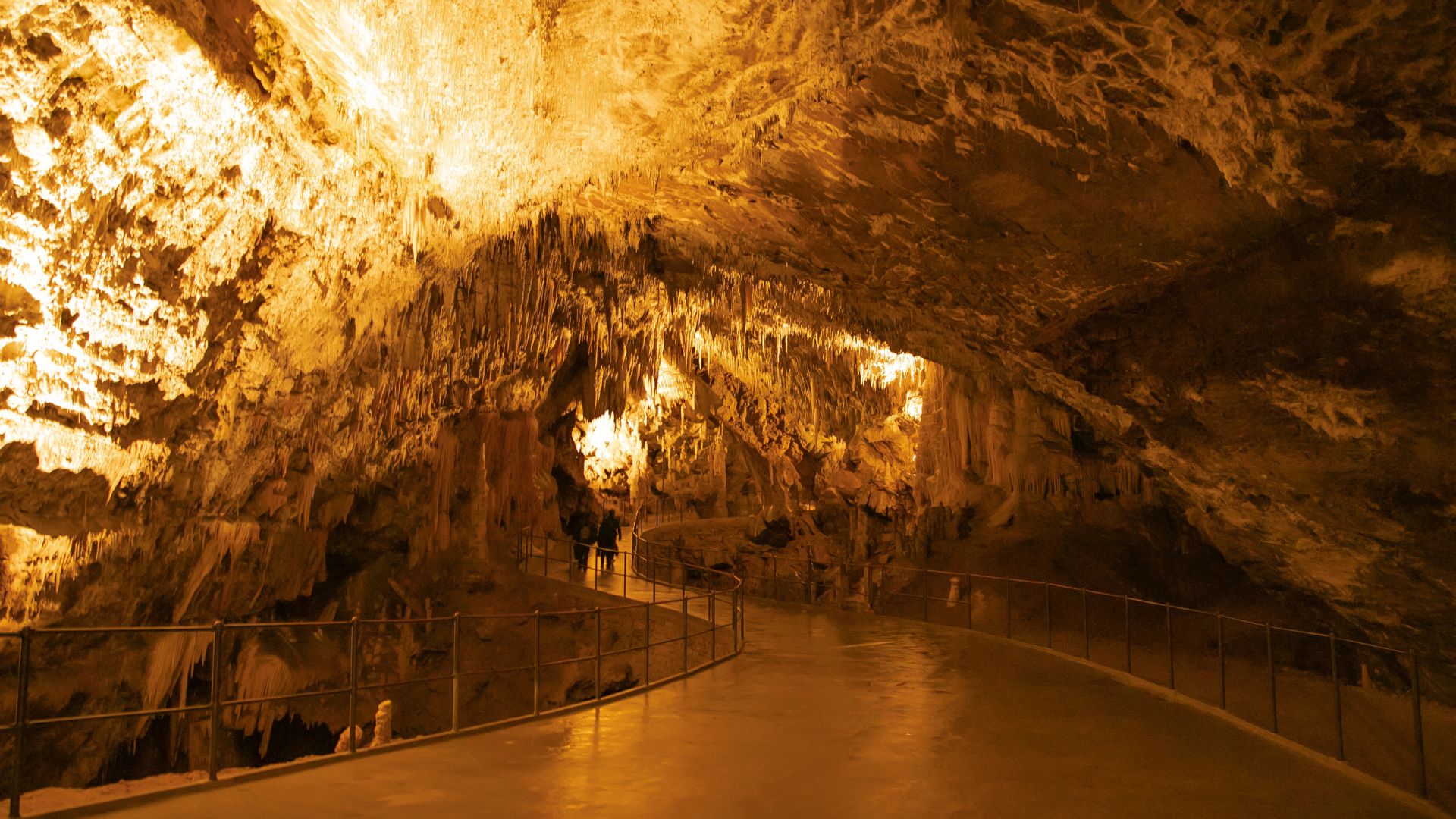
Postojna Cave sits across the border in Slovenia, about two hours from Zagreb. This underground labyrinth runs for 24 kilometers.
The tour starts with a train ride through the tunnels—pretty surreal. After that, you walk through giant chambers and past wild rock formations.
Cave Highlights:
- The Brilliant White stalagmite
- Concert Hall with amazing acoustics
- Underground Pivka River
- Rare olm salamanders (the “human fish”)
Tours run daily and last about 90 minutes. It’s always chilly inside (10°C), so bring a jacket.
Predjama Castle, built into a cliff, sits nearby. You can easily see both in one day from Zagreb.
Inland Gateways to the Coast
Split is the perfect bridge between Croatia’s inland wonders and the gorgeous Dalmatian coast. The ancient Roman palace is just a few hours from Zagreb, and Dubrovnik opens the door to hidden gems that most people never find on the main tourist trails.
Split and the Dalmatian Hinterland
Split really ties Croatia’s interior to the Dalmatian coast in a way no other city does. I can get there from Zagreb in about four hours, whether I’m driving or taking the train.
The city nestles between rugged mountains and the sparkling sea. Just behind Split, the Dalmatian hinterland spreads out, dotted with villages like Sinj and Trilj.
These towns are where you’ll stumble into authentic Croatian culture—no tourist mobs, just real life.
Key Inland Attractions Near Split:
- Sinj – Home to the legendary 300-year-old knight tournament
- Trilj – Medieval fortress perched over the Cetina River
- Imotski – The dramatic Blue and Red Lakes steal the show
- Klis Fortress – Yes, the Game of Thrones one
I’d suggest spending a night in Split before heading inland. Imotski is only a 90-minute drive away.
The Blue Lake sits in a 500-meter deep sinkhole, and it looks totally different depending on the season.
Exploring Diocletian’s Palace
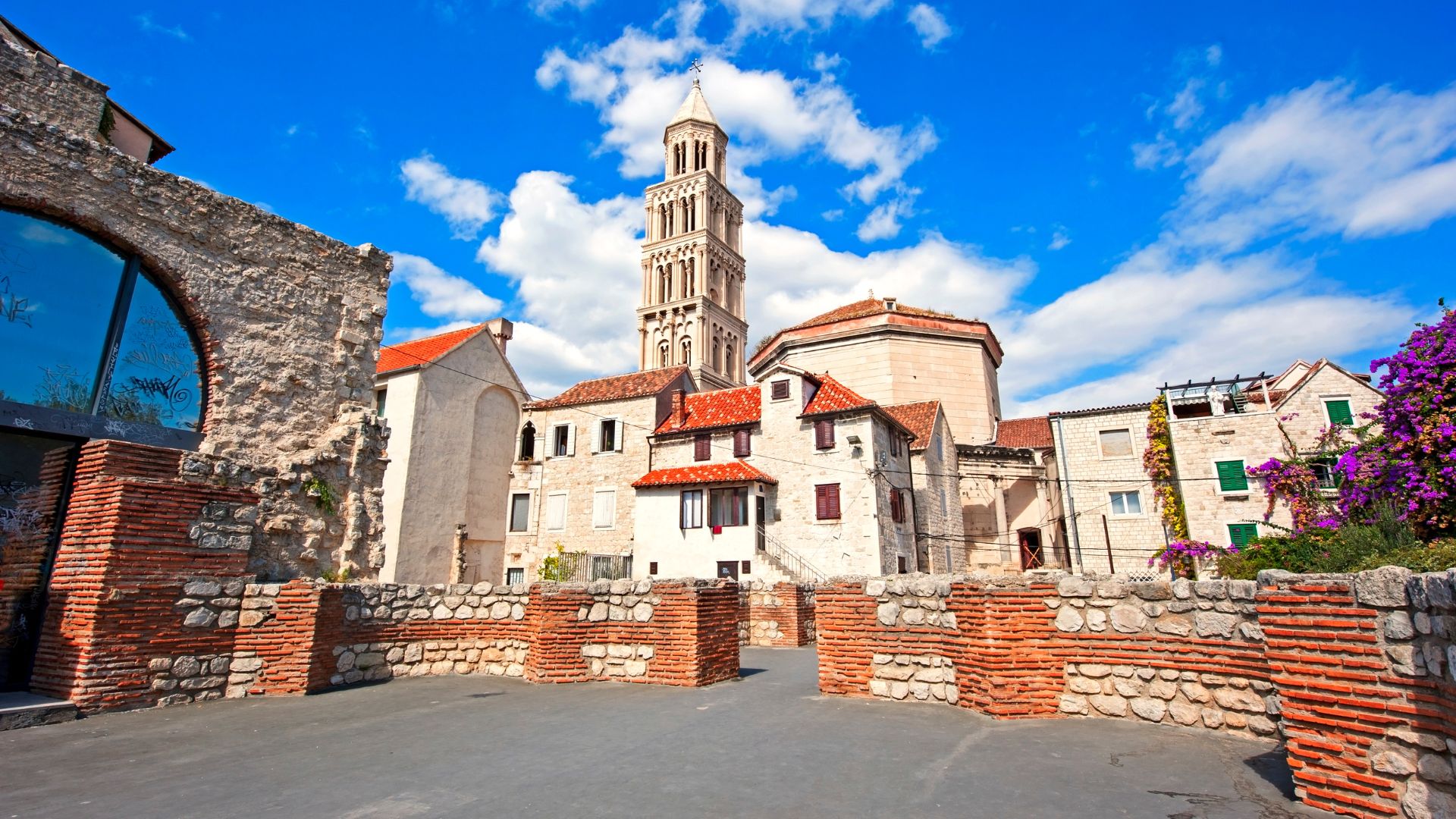
Diocletian’s Palace is the heart of Split’s old town. This place is 1,700 years old, but it’s no museum—it’s a living, breathing neighborhood.
I usually enter through the Bronze Gate, right off the waterfront. Inside, you’ll find shops, restaurants, and apartments; about 3,000 people actually live within these ancient walls.
Must-See Palace Features:
- Peristyle – A courtyard with acoustics that’ll surprise you
- Diocletian’s Mausoleum – Now Split’s cathedral
- Palace cellars – Atmospheric Roman chambers underground
- Golden Gate – The northern entrance, watched over by Gregory of Nin
The cellars make for a fantastic intro to Roman architecture. I always spend at least two hours wandering the underground passages. Entrance costs 60 kuna for adults.
Climbing the bell tower is a bit of a workout—ten minutes up narrow stone steps—but the views over the coast and islands are worth every step.
Stopovers En Route to Dubrovnik
The drive from Zagreb to Dubrovnik, the so-called Pearl of the Adriatic, takes about six hours. But honestly, breaking up the trip turns it into an adventure.
Plitvice Lakes National Park is just two hours from Zagreb. I like to give myself 4–5 hours to walk the wooden paths between the 16 terraced lakes.
Crowds can get wild, so I always aim to arrive before 8 a.m.
Strategic Stopping Points:
- Plitvice Lakes – 2 hours from Zagreb
- Krka National Park – 1 hour from Split
- Ston – Medieval walls and old salt pans
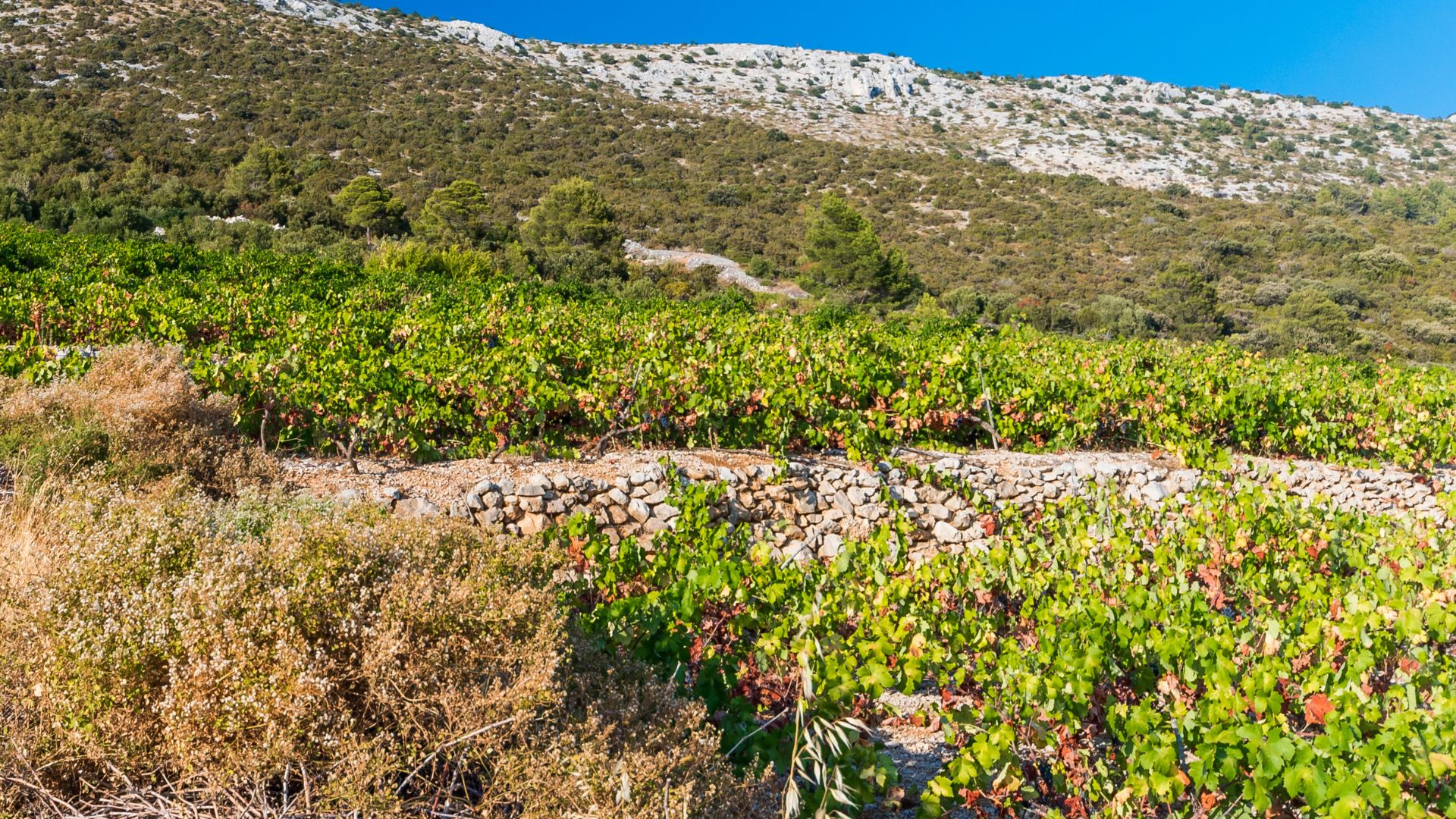
- Pelješac Peninsula – Wine country with secret beaches
Krka National Park lets you swim, unlike Plitvice. The pools beneath Skradinski Buk waterfall are perfect for cooling off.
Ston is 45 minutes before Dubrovnik and boasts Europe’s second-longest medieval walls. The town still produces salt the way they did 700 years ago.
I like climbing the walls for the views over the oyster farms in Mali Ston Bay.
Day Trips for Island Hopping Experiences
The Adriatic Sea is packed with island escapes you can reach from Zagreb via organized day trips or longer excursions.
These trips usually blend scenic drives with ferry crossings to Croatia’s best islands—think lavender fields, vineyards, and water so clear you won’t believe it.
Excursions to Hvar and Brač
I always tell people to kick off their island adventure with Hvar. It’s famous for its lavender fields and lively nightlife.
Getting there from Zagreb takes about four to five hours, including the drive to Split and the ferry ride.
Hvar Town has a gorgeous main square, Gothic palaces, and a hilltop fortress. If you’re there from June to August, the lavender fields are unreal—purple as far as you can see.
Brač is a different vibe altogether. Its Zlatni Rat beach is this golden horn of pebbles that shifts shape with the tides.
The island’s white stone is legendary; they even used it for the White House.
Most day trips include:
- Ferry rides from Split
- Walking tours with a local guide
- Free time for a swim
- Wine tastings (don’t skip these)
May to September is your sweet spot for visiting. Ferries run all the time, and the weather is just right.
Roots of Korčula and Vis
Korčula is one of Croatia’s most historic islands. I find the medieval old town fascinating—locals even claim Marco Polo was born here.
The island’s white wines, especially Grk and Pošip, are top-notch. In summer, you might catch the traditional Moreška sword dance.
Vis Island was off-limits to tourists until 1989 because of the military. That kept it wonderfully unspoiled.
Don’t miss:
- Blue Cave on nearby Biševo island
- Laid-back fishing villages
- Greek ruins in Issa
- Local specialties like pogača bread
Some day trips combine Korčula and Vis, but you’ll need to leave Zagreb early. I’d actually recommend staying overnight if you can.

Elaphiti Islands: Šipan and Beyond
If you’re in Dubrovnik (easy to reach from Zagreb by the coast), the Elaphiti Islands are perfect for island hopping.
Šipan is the largest and most lived-on of the group.
It’s all olive groves, sleepy villages, and quiet beaches. No cars here—just walking and cycling. You’ll spot old summer homes from Dubrovnik’s aristocrats.
Lopud and Koločep round out the trio. Lopud is rare for its sandy beaches, and Koločep has hiking trails winding through pine forests.
Getting there is a breeze:
- Regular ferries from Dubrovnik
- Private boat hires
- Day trip packages
- Local water taxis
I’d go for a full-day trip that covers all three islands. They’re close together, so you won’t feel rushed exploring.
Practical Planning Tips for Day Trips
Spring and fall are honestly the best times to explore Croatia’s inland spots—the weather’s just right. Book your transport and places to stay ahead, especially in high season.
Best Seasons for Inland Exploration
Spring (April–May) is mild and everything’s blooming. Temps hit 15–20°C (59–68°F). It’s great for hiking Plitvice without the crowds.
Fall (September–October) brings amazing autumn colors and cool weather. I love visiting castles like Trakošćan during this time.
Summer (June–August) is hot, with temps up to 30°C (86°F), and the crowds can get intense—especially on weekends.
Winter (November–March) means some outdoor stuff is off the table, and attractions might have shorter hours. Museums and indoor sites are still open, though.
Travel Logistics from Zagreb
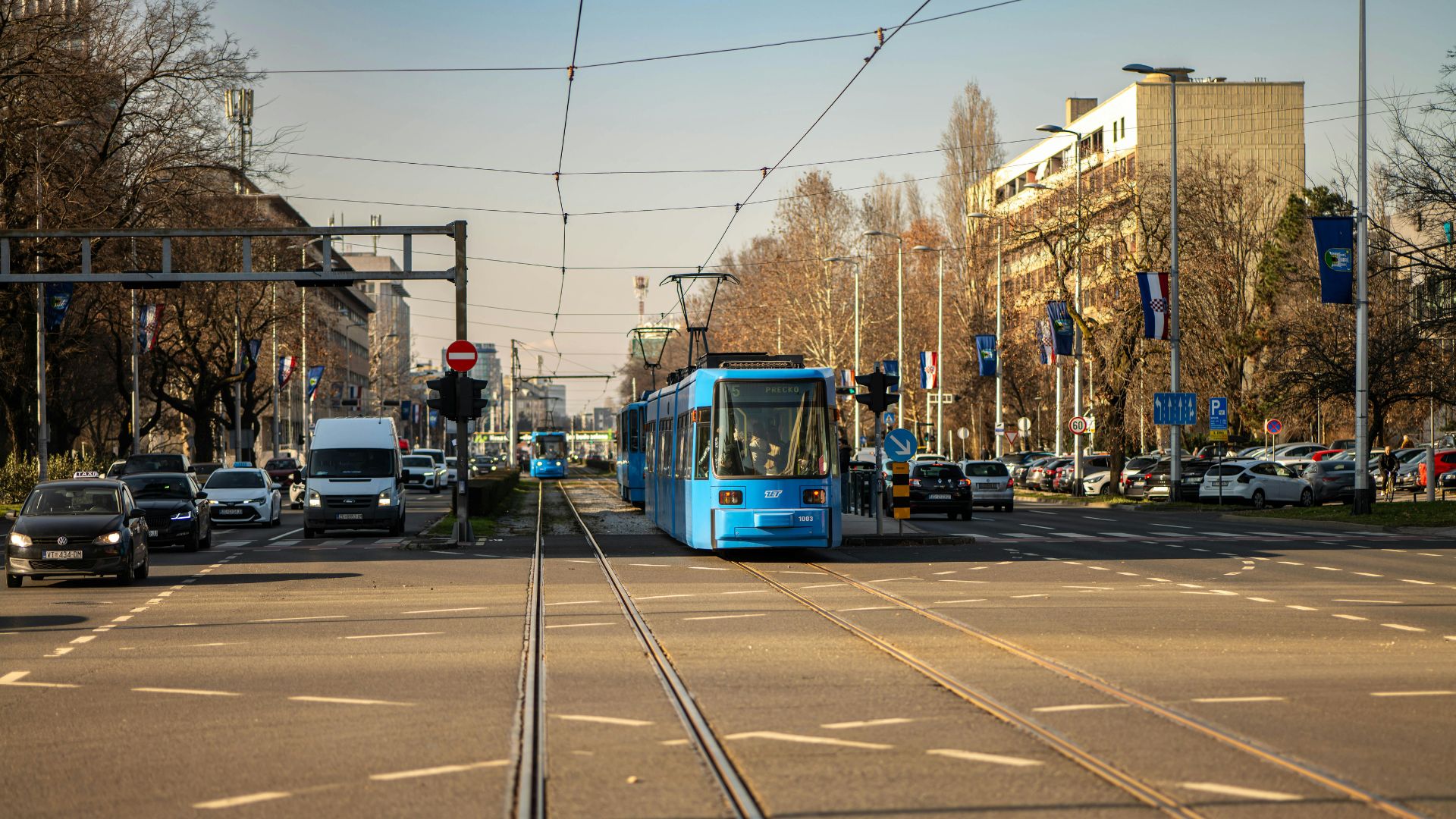
Car rentals give you the most freedom for hopping between places. You’ll find all the big rental companies at the train station and airport. Parking usually costs €1–3 per hour.
Public buses connect Zagreb to spots like Plitvice and Varaždin. FlixBus and local lines run often. I book online for the best deals.
Trains don’t go everywhere but can be scenic. The Zagreb-Ljubljana route takes about 2.5 hours and costs €15–20.
Distances from Zagreb:
- Samobor: 25km (about 30 minutes)
- Varaždin: 80km (1 hour)
- Plitvice Lakes: 130km (2 hours)
Local Cuisine and Daily Breakfast Options
Most hotels in Croatia throw in a continental breakfast, and honestly, it’s a nice way to start the day. You’ll usually spot fresh bread, local cheeses, and cured meats—kulen’s a favorite of mine.
Regional specialties? Oh, they’re everywhere. In Samobor, I can’t resist grabbing a slice of their famous cream cake (kremšnita). If you’re ever in Varaždin, definitely check out the štrudel and those local pastries—they’re seriously good.
Restaurant hours might catch you off guard if you’re used to other parts of Europe. Lunch usually runs from noon to about 3 PM. Dinner doesn’t really get going until 6 or 7 in the evening.
Worried about your wallet? Breakfast at hotels lands somewhere between €8 and €15. Local bakeries, on the other hand, can fill you up for just €3 to €5. Restaurant meals? Expect to pay €10 to €25 per person, depending on where you go and what you’re craving.
