
Mexican cuisine? It’s way more than just tacos and burritos. This incredible food culture takes humble ingredients and turns them into vibrant, sensory experiences—each bite connecting us to centuries of tradition, community, and a bit of culinary magic.
I’ve wandered through many regions in Mexico, and honestly, each one puts its own spin on food. Coastal towns? They serve up seafood that fuses indigenous know-how with outside influences. Up in the mountains, you’ll find ancient grains and preserved goodies. The desert? That’s where bold chiles and slow-cooked meats over mesquite fires steal the show.
What’s wild is how Mexican food transforms everyday meals into mini celebrations. I’ve watched street vendors create edible art with nothing more than corn, fresh veggies, and a hot griddle. Family recipes aren’t just food—they’re stories, handed down like treasures. And modern chefs? They’re remixing old-school flavors, pushing boundaries but keeping the heart of tradition alive.
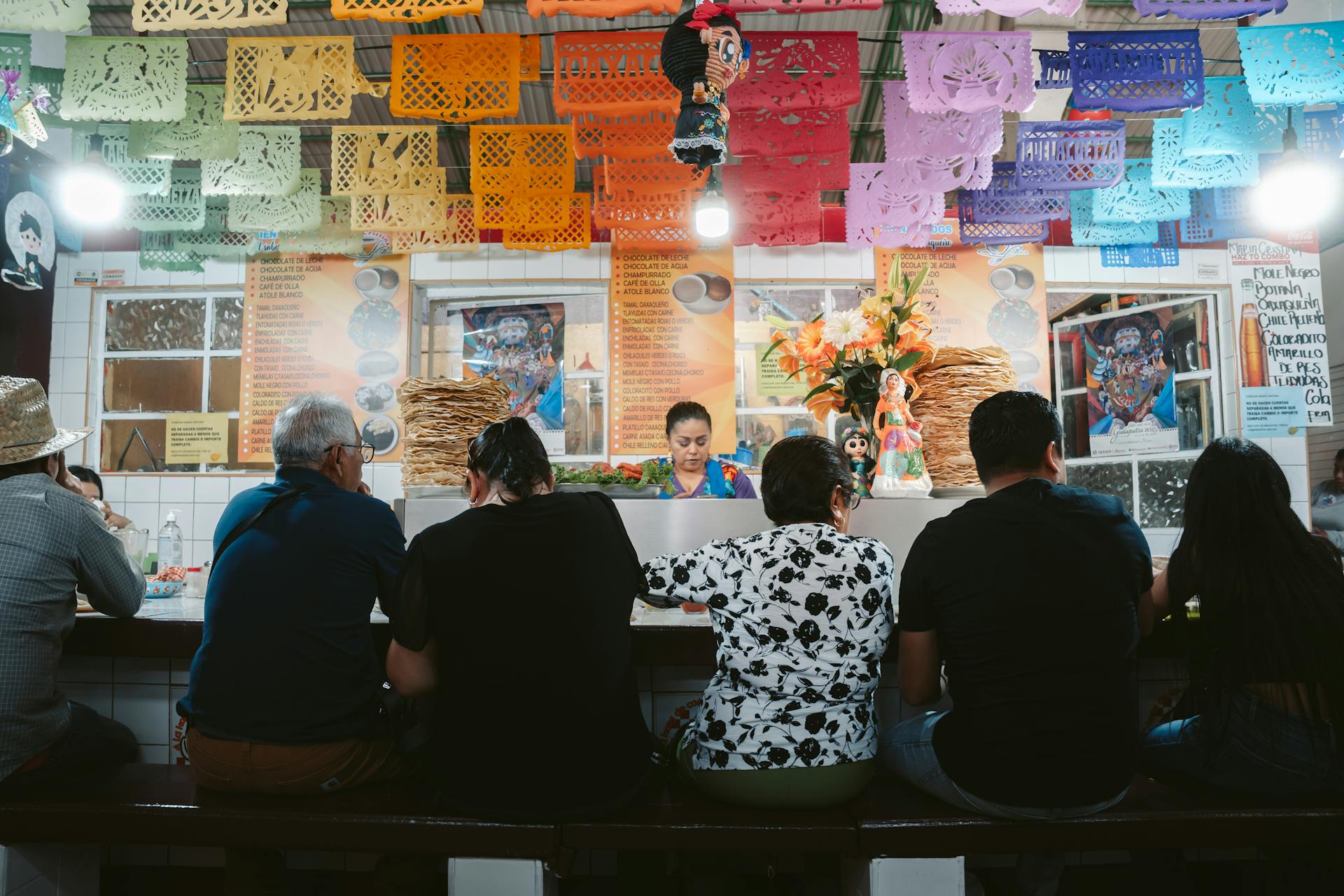
The Foundations of Mexican Culinary Excellence
Three pillars hold up the entire world of Mexican cuisine. Corn, chilies, and beans with cheese—these basics form the backbone of nearly every meal. Corn gets reinvented through ancient methods, chilies add complexity and heat, and beans plus cheese bring that satisfying richness.
The Role of Corn and Nixtamalization in Traditional Cuisine
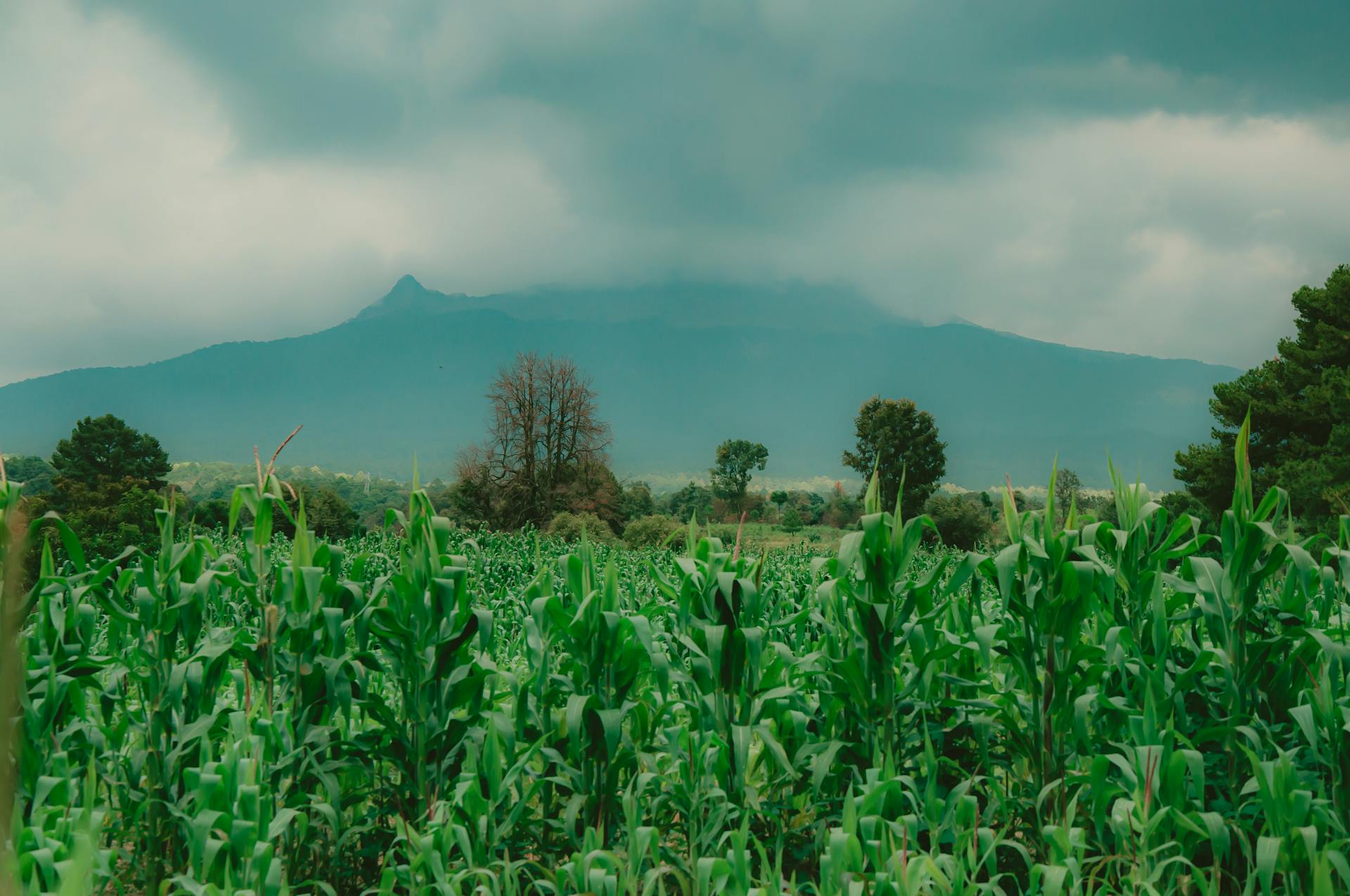
Corn isn’t just a crop in Mexico—it’s the soul of the kitchen. I’ve seen how every region relies on it, shaping meals from breakfast to midnight snacks.
Let’s talk nixtamalization. This ancient trick soaks dried corn in lime water or lye. It goes back over 3,000 years, and honestly, it’s a bit of culinary alchemy.
Here’s what happens:
- Nutrition jumps – niacin and calcium become available
- Texture improves – tough kernels soften up
- Flavor deepens – you get that signature masa taste
- Dough forms – perfect for tortillas and tamales
Masa, that magical dough, comes straight from nixtamalized corn. When I bite into a fresh tortilla made from real masa, it’s a whole different experience—soft, flavorful, and just right.
Corn quality matters. Heirloom varieties like criollo corn blow away the bland stuff from big farms. Plenty of regions still grow these heritage types, keeping old flavors alive.
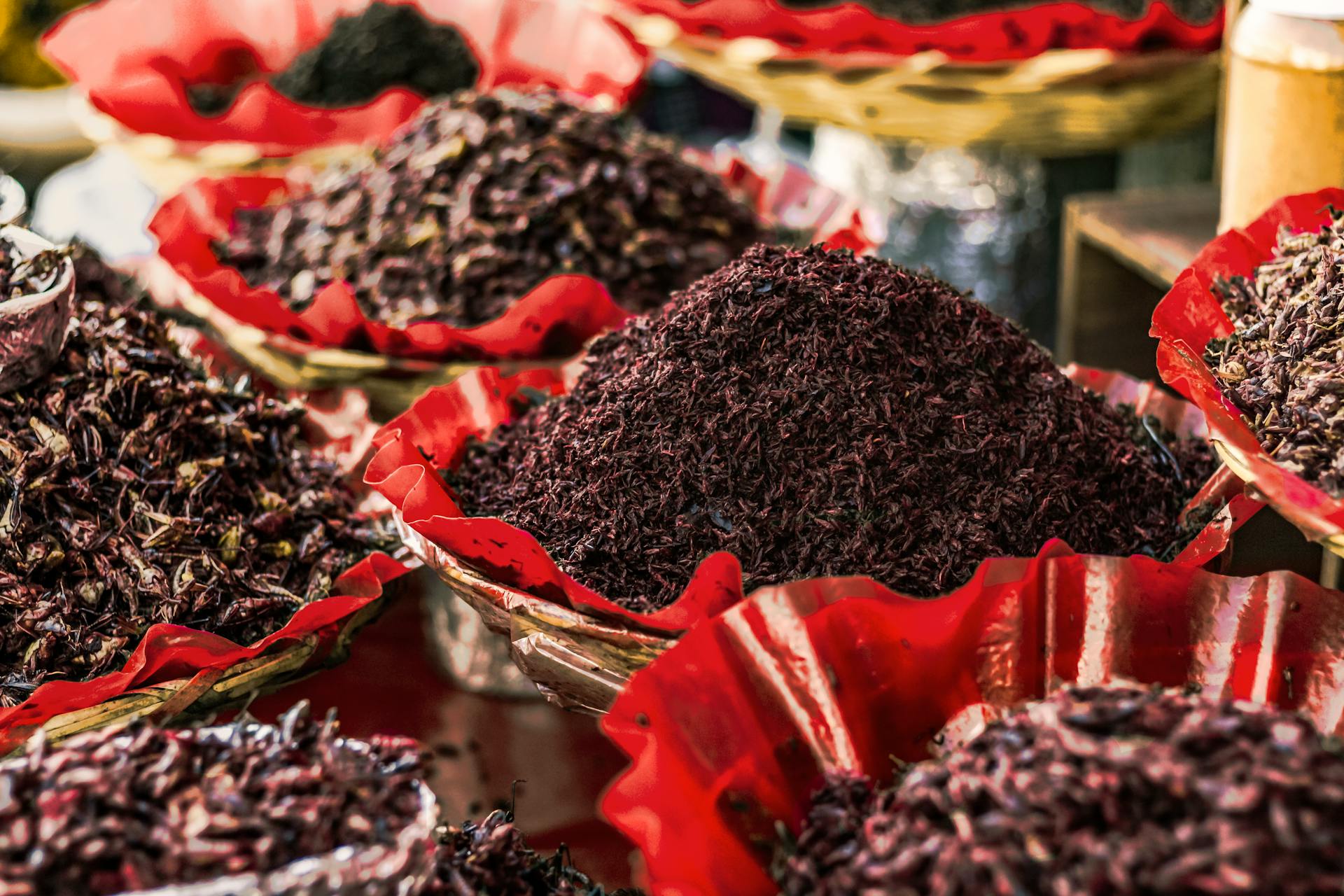
The Essentiality of Chilies, Herbs, and Spices
Chilies are everywhere in Mexican food. I’ve tasted them fresh, dried, and smoked—each one bringing its own personality.
Fresh chilies like jalapeños, serranos, and poblanos all have their own vibe. Poblanos? Gentle heat. Habaneros? Watch out—they pack a punch.
Dried chilies? That’s where sauces and stews get their depth. Guajillo, ancho, chipotle—each one adds something special. Mole, for instance, often blends several dried chilies for that layered flavor.
And then there are the herbs and spices:
| Ingredient | Purpose | Common Uses |
|---|---|---|
| Cumin | Earthy warmth | Meat dishes, beans |
| Mexican oregano | Floral notes | Salsas, soups |
| Cilantro | Fresh brightness | Garnish, salsas |
| Epazote | Bean companion | Reduces gas, adds flavor |
It’s never just about one spice. The magic comes from how they all play together. Real Mexican food is all about balance, not just heat or a single bold note.
Beans, Cheese, and Masa: Staples in Mexican Dishes
Beans are a must-have on Mexican tables. Down south, black beans rule. Up north, it’s mostly pinto beans.
Cooks prepare beans differently depending on where you are. Sometimes they simmer whole with onions and herbs. Other times, they mash and fry them in lard or oil for that creamy, rich texture.
Mexican cheeses? They’re the unsung heroes:
- Queso fresco – mild, crumbly, and fresh
- Oaxaca – stretchy, melty, and perfect in quesadillas
- Cotija – salty, crumbly, and great for sprinkling
- Panela – soft, white, and doesn’t melt
Masa isn’t just for tortillas. I’ve tried it in tamales, sopes, gorditas, even pupusas. Each dish needs its own masa style—sometimes soft, sometimes a bit firmer.
Fresh masa beats the stuff from a bag every time. Many locals still buy it daily from molinos, those tiny neighborhood mills. It keeps the flavors real and supports traditional foodways.

Regional Culinary Experiences Across Mexico
Traveling through Mexico, I quickly noticed how every region cooks up something totally unique. From the grilled meats of the north to the rich moles of the south, regional specialties tell the story of local history and culture.
Northern Mexico: Into the World of Carne Asada and Burritos
Up north, it’s all about ranching and cowboy culture. The food reflects those roots—simple, hearty, and built around fire.
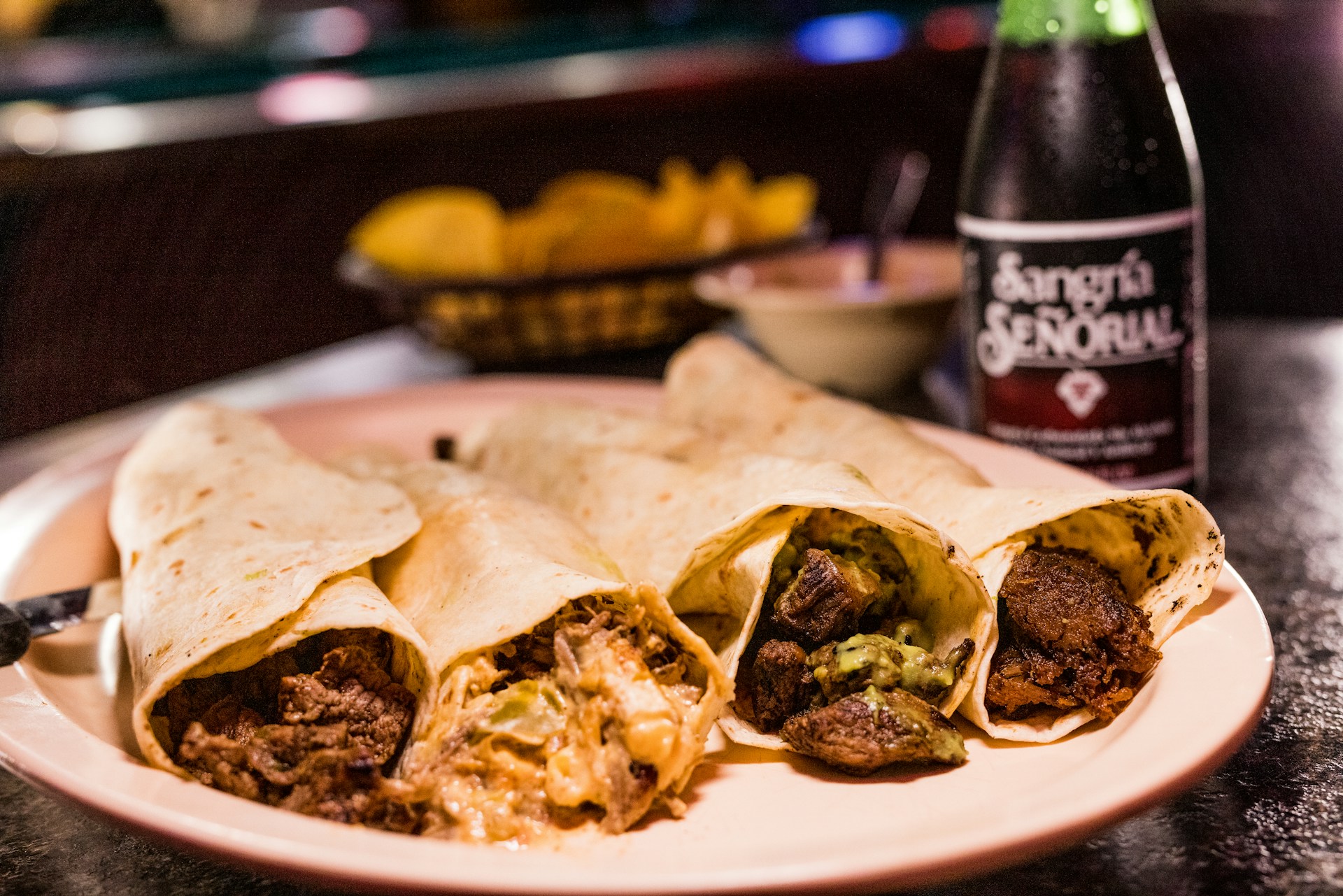
Carne asada is the star. I’ve joined families who grill steak over mesquite coals, slicing it thin and piling it into warm tortillas with pico de gallo and a squeeze of lime. It’s all about the meat, the fire, and a few fresh toppings.
Northern burritos aren’t like the giant ones you see in the States. They’re smaller, more focused on flavor than size. Fillings often include:
- Seasoned beef with onions and garlic
- Refried beans and cheese
- Guacamole or pico de gallo
Another specialty? Cabrito—whole young goat, slow-roasted over mesquite. The smoky, tender meat is unforgettable, especially with spicy salsa and warm tortillas.
Seasonings stay simple in the north. The goal: let the meat and fire do the talking.
Central Mexico: From Mole Poblano to Tacos al Pastor
Central Mexico feels like a crossroads, blending native ingredients with Spanish influences. This is where you’ll find some of Mexico’s most iconic dishes.
Mole poblano is legendary here. It’s a deep, complex sauce with over 30 ingredients—dried chilies, chocolate, nuts, spices. Each one gets toasted and ground before blending into a sauce that’s rich, dark, and unforgettable.
Puebla even throws an annual mole festival. The dish itself is a symbol of cultural fusion.
Tacos al pastor came from Lebanese immigrants. They marinate pork, stack it on a vertical spit, and shave it onto corn tortillas, topping it with:
- Diced onions and cilantro
- Pineapple
- Salsa verde
Chiles en nogada is another showstopper, especially around Independence Day. Poblano peppers get stuffed with seasoned meat and fruit, then covered in walnut sauce and pomegranate seeds.
Central Mexico’s food tells the story of old trade routes—exotic spices meeting local corn, tomatoes, and chilies.
Southern Mexico: Seven Moles, Tlayudas, and Yucatecan Secrets
Southern Mexico keeps ancient cooking traditions alive. Pre-Hispanic methods and ingredients still shape the region’s food.
Oaxaca is famous for its “seven moles.” Mole negro stands out, with up to 40 ingredients—multiple chilies, chocolate, plantains, bread. Each part gets toasted and ground before becoming a thick, complex paste.
Tlayudas are Oaxaca’s street food signature. Picture a giant crispy tortilla loaded with beans, cheese, meat, and salsa. It’s kind of like a Mexican pizza, but with smoky, earthy flavors.
In the Yucatan, cochinita pibil reigns. Pork gets marinated in achiote and sour orange, then wrapped in banana leaves and slow-cooked underground. Even modern ovens can’t quite capture that earthy aroma.
A few southern classics:
- Tamales in banana leaves
- Chapulines (yep, grasshoppers)
- Panucho (bean-filled tortillas)
Stone grinding and underground pit cooking still matter here. Those old-school techniques give southern dishes a flavor you can’t fake.
Coastal Mexican Cuisine: Fresh Flavors from the Sea
Mexico’s coastlines are a seafood lover’s dream. Each region along the water brings its own style, always spotlighting the freshest catch.
In Veracruz, huachinango a la veracruzana (red snapper in sauce) is a must. They cook the fish with tomatoes, olives, capers, and pickled jalapeños—a nod to the city’s trading past.
Arroz a la tumbada is like Mexico’s answer to paella. It’s a one-pot rice dish loaded with seafood, jalapeños, tomatoes, and herbs. You’ll even taste hints of African cooking traditions in the mix.
Baja California gave us the fish taco. Beer-battered fish, fried crispy, tucked into a corn tortilla with cabbage slaw and chipotle sauce. It’s a newer invention, but it’s already a classic.
Chilpachole de jaiba is a crab soup with guajillo and árbol chilies. The light, spicy broth lets the crab shine.
Along the coast, cooks keep things simple. The goal? Let the seafood taste like the sea.

Street Food as Culinary Art
If you ask me, Mexican street food is pure magic. Culinary experiences happen right there on the sidewalk, where vendors turn everyday ingredients into something unforgettable. The real secret? Generations of technique, a sixth sense for spice, and an obsession with freshness.
The Allure of Authentic Tacos
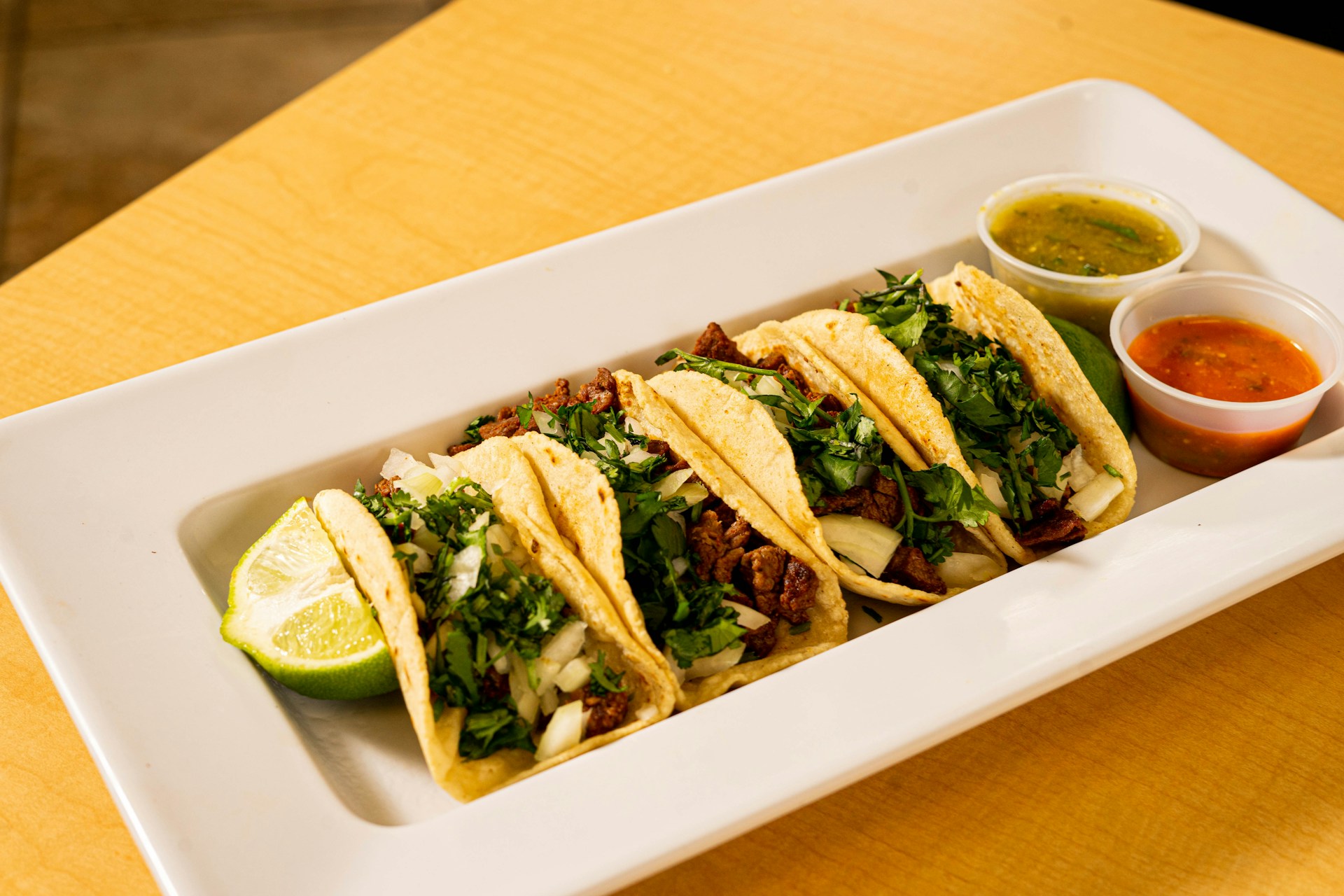
Tacos are the pride of Mexican street food. It all starts with fresh tortillas—made from masa, pressed by hand, and cooked until just charred.
Street tacos keep it simple but perfect. Each one usually has:
- Grilled or braised meat
- Chopped white onions
- Fresh cilantro
- A squeeze of lime
- House salsa
Tacos al pastor are a street food masterpiece. Marinated pork spins on a vertical spit, developing crispy edges and juicy insides. Vendors slice the meat right onto tortillas.
Every bite brings smoky meat, zesty lime, herbal cilantro, and just the right heat from salsa. No single flavor takes over.
These vendors are true pros. They know when the meat’s just right and how to balance every topping.
Savoring Tamales and Their Festive Traditions
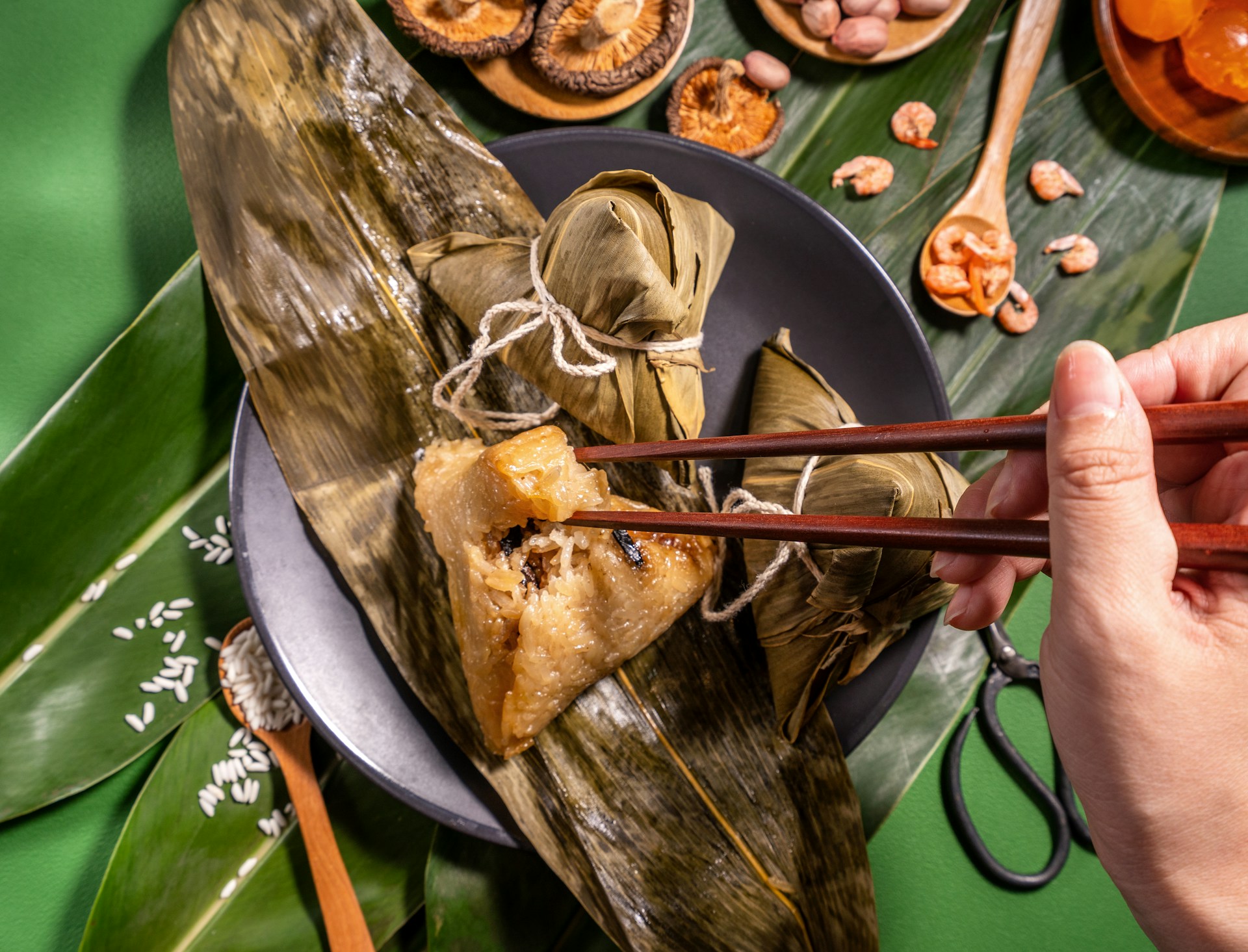
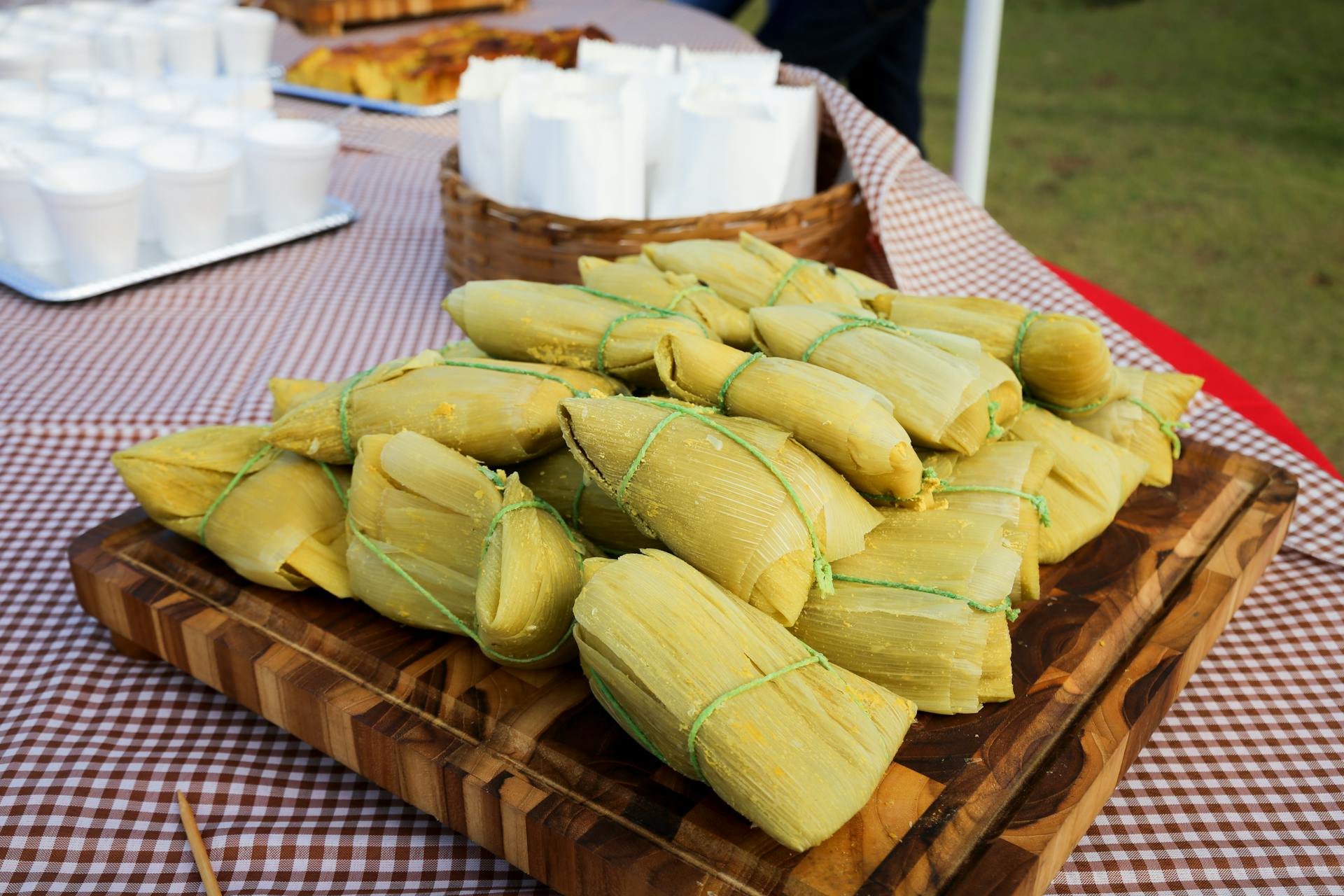
Tamales are a labor of love. I’ve watched families gather to make them, each person knowing exactly how the masa should feel—never too dry, never too wet.
Here are some classic fillings:
| Filling Type | Description |
|---|---|
| Pork in red chile | Pork shoulder simmered in guajillo sauce |
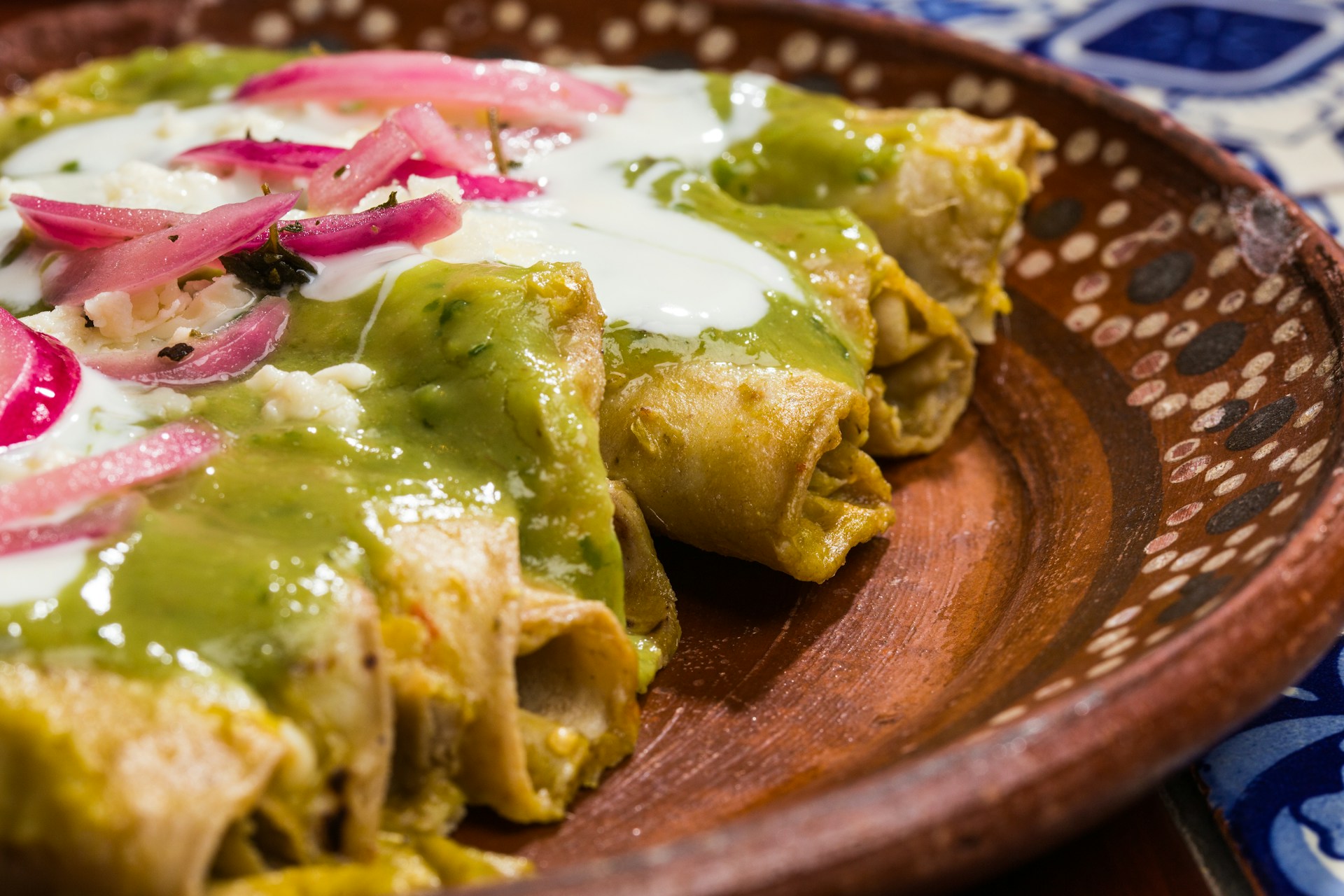
| Chicken in green sauce | Shredded chicken with tomatillo salsa |
| Cheese and jalapeños | Fresh cheese and roasted peppers |
| Sweet tamales | Cinnamon, sugar, and raisins |
Steam works its magic, cooking masa inside corn husks until it’s tender and infused with flavor. The filling and dough meld together, creating something that’s both rustic and refined.
Street vendors usually specialize—some go all in on savory, while others make sweet tamales for dessert.
Salsa, Cilantro, and the Power of Simple Ingredients
Street food in Mexico proves you don’t need fancy ingredients—just the right ones, used well. Salsa verde, made from tomatillos, jalapeños, and cilantro, can transform a taco from good to unforgettable.
Cilantro adds a burst of freshness that cuts through rich meats and spicy chilies. Its flavor is the signature of real Mexican food.
Vendors whip up several salsas daily:
- Salsa roja: Tomatoes, dried chilies, garlic
- Salsa verde: Tomatillos, jalapeños, cilantro
- Salsa habanera: Habaneros and citrus
- Pico de gallo: Tomatoes, onions, cilantro, lime
Each salsa has its place. Mild ones go with fish tacos. Fiery habanero salsas are perfect for carnitas.
The trick is in the balance. Salsa makers taste as they go, adjusting chiles, lime, and salt until everything sings.
With just a few ingredients and a lot of know-how, street vendors turn simple food into something you’ll remember long after the last bite.
Reinventing and Elevating Traditional Mexican Dishes
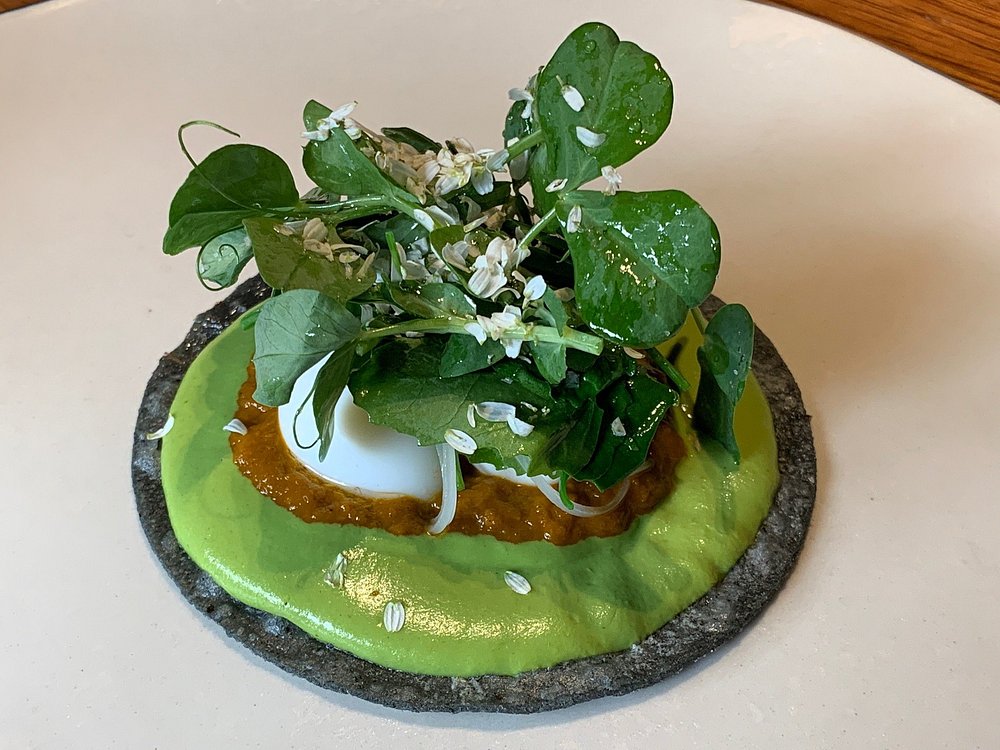
Mexican chefs are taking centuries-old recipes and turning them into something that feels like true culinary art.
They blend modern techniques with the authentic flavors and ingredients that make Mexican food so unforgettable. There’s this sense of respect for tradition, but also a real excitement about pushing boundaries.
Modern Chefs and the Global Rise of Mexican Cuisine
I’ve watched chefs like Enrique Olvera completely change how the world sees Mexican food. His restaurant, Pujol in Mexico City, keeps showing up on lists of the world’s best.
Olvera’s “Mole Madre” blew my mind—an aged mole sauce served next to a fresh one. This dish proves that you can honor tradition while still being wildly creative.
Key Mexican Chefs Leading the Movement:
- Enrique Olvera – Brought fine dining to Mexican cuisine at Pujol
- Carlos Gaytán – Mixes Asian techniques with classic Mexican flavors
- Rafael Gonzalez – Focuses on top-quality ingredients and sustainability
These chefs have moved Mexican cooking way past the old street food clichés.
They show off just how complex and sophisticated Mexican dishes can be.
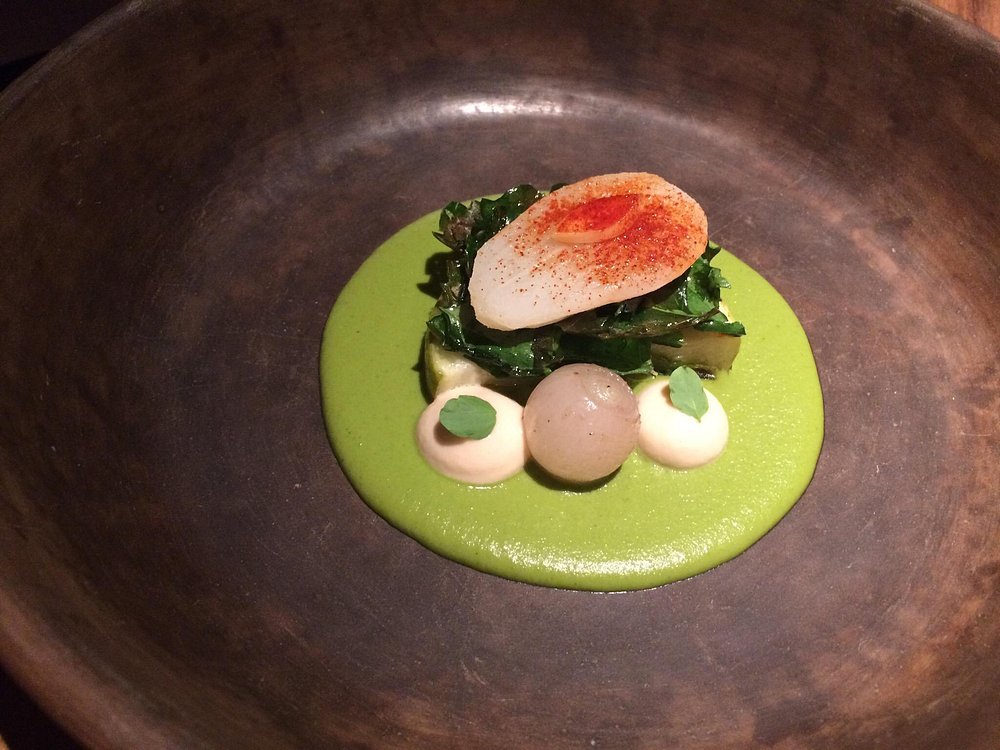
Their influence? It’s everywhere. I see restaurants around the globe serving up tacos, mole, and other Mexican classics, but with a fancy twist and beautiful plating.
Innovative Techniques: Fusion, Presentation, and Ingredients
Modern Mexican chefs play with science in the kitchen to boost traditional flavors. I’ve watched them use sous-vide to turn carnitas into melt-in-your-mouth bites—still totally authentic, just better.
Revolutionary Cooking Methods:
- Molecular gastronomy turns salsas into foams that burst with flavor
- Sous-vide cooking gets the texture just right for classic meats
- Smoking techniques give chiles and meats rich, layered flavors
Presentation matters now as much as taste. Chefs use Mexico’s colorful produce—think juicy tomatoes, creamy avocados, golden corn—to make plates that look like art.
Fusion’s another big trend. You might find miso sneaking into a mole, or Japanese knife skills showing up in taco prep.
Restaurants increasingly team up with local farms, sourcing the freshest chiles, herbs, and produce they can find.
This way, they keep the heart of Mexican food alive while experimenting and keeping things fresh.
Experiencing Mexican Food Culture Through Community and Heritage
Mexican food culture turns eating into something bigger—a way to connect with others and keep ancient traditions alive.
Every meal feels like it carries the weight of thousands of years. Local markets buzz with life, acting almost like living museums of culinary secrets.
The Importance of Time, Rituals, and Shared Meals
Mexican families treat cooking as precious time together. The tamalada is a perfect example—whole families gather for hours, making tamales and swapping stories as they spread masa on corn husks.
These moments aren’t hurried. When making classics like pozole or mole poblano, families focus on doing it right, not just fast.
Grandmothers patiently show kids the old techniques, passing down knowledge one meal at a time.
Sobremesa is another ritual I love. After eating, everyone just sits around the table, chatting and laughing. It’s this slow, joyful time that brings families closer.
Sunday pozole gatherings are a weekly tradition. Families start simmering hominy with pork and chiles early in the morning, and by lunchtime, the house fills with relatives and conversation.
During Día de los Muertos, food becomes a link between generations. Families bake pan de muerto to honor their ancestors, turning the kitchen into a place that feels almost sacred.

Markets, Seasonality, and Local Ingredients
Mexican markets aren’t just places to shop—they’re living, breathing hubs of food culture. Whenever I wander through the stalls, I notice vendors chatting with customers, sharing tips about what’s fresh, how to cook it, and which traditional dishes it fits best.
You’ll find the tianguis system weaving ancient trading traditions right into the heart of everyday life. These weekly markets pull rural farmers into the city, letting them sell straight to folks like you and me. That keeps old-school farming alive and helps local families earn a living.
Let’s talk about quality. Honestly, the produce in these markets blows supermarket stuff out of the water. I’m always amazed by the heirloom corn, rare chiles, and wild herbs piled high on the tables—ingredients you just can’t get from big distributors.
Seasonal food is everything here. Chiles en nogada pops up around Independence Day in the fall, and when October rolls in, everyone’s making dulce de calabaza with fresh pumpkin.
Markets like these keep Indigenous food traditions going strong. I’ve spotted huitlacoche and quelites, ingredients that link today’s cooks to recipes from way before the Spanish arrived.
And if you listen in, you’ll catch all sorts of kitchen secrets being passed around. People debate the best chiles for salsa, swap advice on picking ripe avocados, and share when to gather wild epazote. It’s food wisdom, straight from the source.
