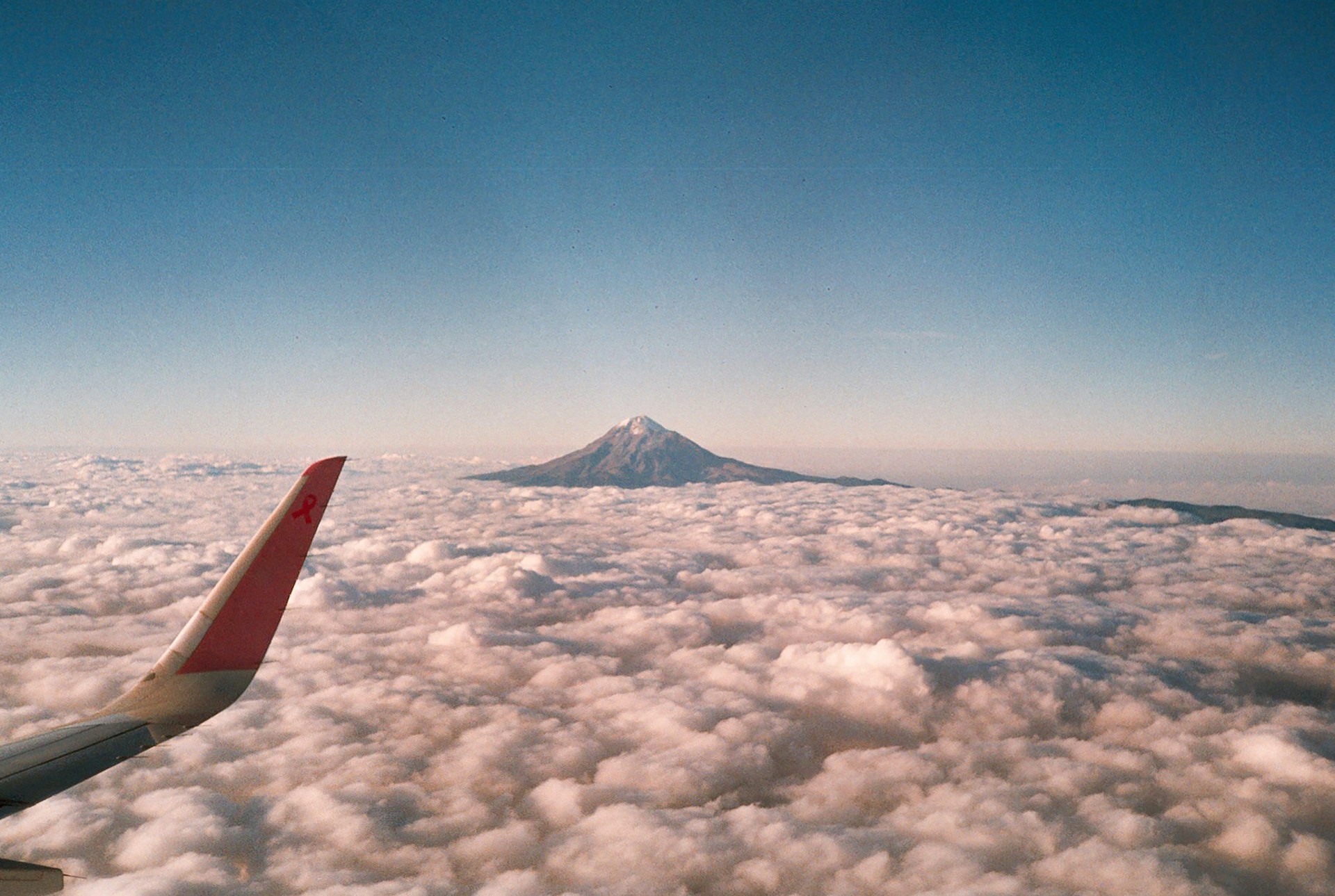
Mexico’s volcanic peaks? They’re some of the most thrilling climbing adventures in North America. The thin air and wild views can make you feel almost weightless as you move higher.
From the snow-capped Pico de Orizaba to the dramatic ridges of Iztaccíhuatl, these mountains are a playground for both new and seasoned climbers.
Honestly, Mexican volcanoes hit that sweet spot between technical challenge and jaw-dropping beauty. Every climb feels like a launchpad for bigger mountain dreams.
The famous trio—La Malinche, Iztaccíhuatl, and Pico de Orizaba—can all be climbed in just over a week. Each one has its own vibe, and they’re only hours apart.
But there’s more to these climbs than just altitude and gear. I’ll walk you through the stuff you actually need to know: logistics, essential gear, and those little cultural quirks that make each peak special.
I’ve also found some lesser-known volcanic adventures that are way off the beaten path—perfect if you want something different.

The Most Thrilling Mexican Volcanoes to Climb
Mexico’s highest peaks? They’re world-class, and you don’t have to go far from Mexico City to find them.
Pico de Orizaba claims North America’s third-highest summit at 18,491 feet. Iztaccíhuatl offers technical glacier climbing at 17,159 feet. La Malinche is the go-to for acclimatization at 14,640 feet.
Pico de Orizaba: Summit Above the Clouds
Pico de Orizaba is hands-down the crown jewel for me. At 18,491 feet, it towers above the rest.
The climb usually takes two days from base camp. I kick off the summit push around midnight, aiming to catch sunrise at the top.
Key Stats:
- Elevation: 18,491 feet (5,636 meters)
- Difficulty: Advanced beginner to intermediate
- Best Season: October through March
- Summit Success Rate: High with proper acclimatization
The glacier route delivers epic views of the central plateau. The final stretch feels tough, but if you’ve got basic mountaineering experience, you’ll manage.
Above 15,000 feet, weather can flip fast. I always bring extra layers—summit temps can drop to -10°F.
You’ll need crampons and an ice axe for the glacier. Know your self-arrest and crampon walking skills—they’re not optional up here.
Iztaccihuatl: Climbing the Sleeping Lady
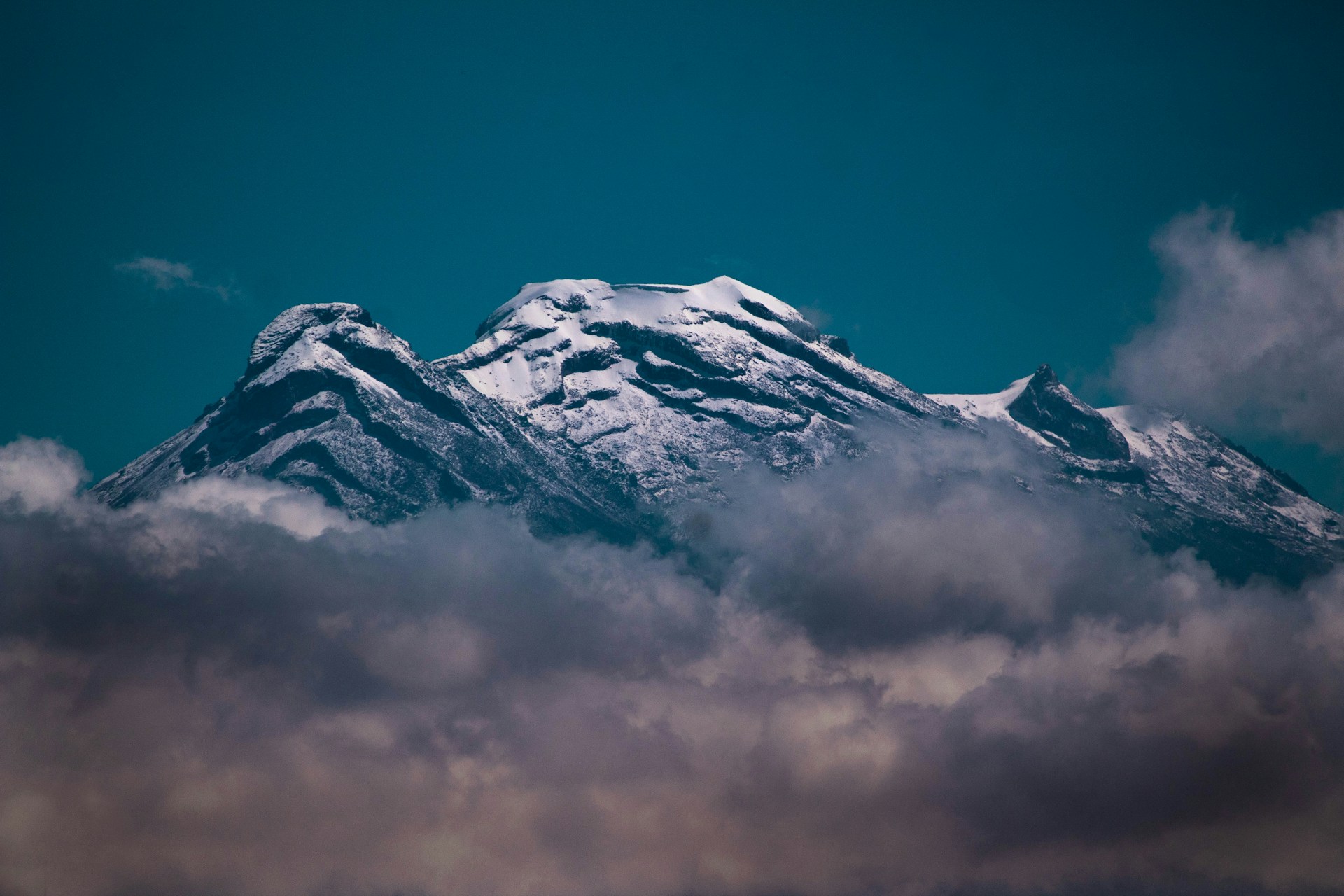
Iztaccihuatl’s silhouette looks like a sleeping woman from Mexico City. Locals call her the “Sleeping Lady.”
This dormant volcano is the most technical of the big three. The standard route crosses glaciers and exposed ridges.
I find it more demanding than Orizaba, honestly. You need to be comfortable with glacier travel.
Route Highlights:
- Las Rodillas (The Knees): First big checkpoint
- El Pecho (The Chest): Glacier crossing
- La Cabeza (The Head): Final summit push
Plan for 3-4 days, camping overnight. Solid glacier skills are a must.
You’ll want crevasse rescue know-how for the upper glacier. Guided climbs sometimes set fixed lines.
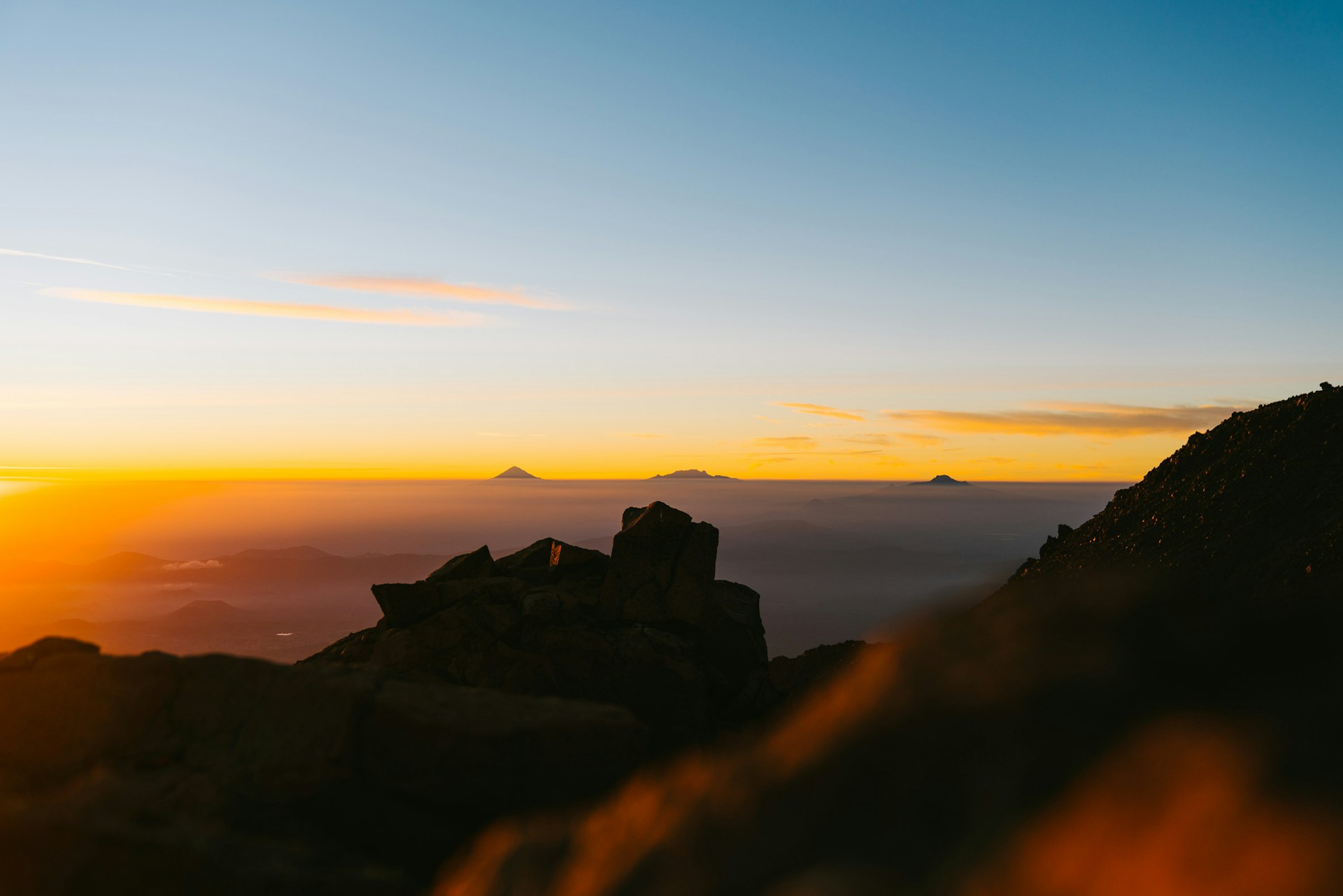
From the summit, the views of Popocatepetl and the Mexico City valley are unreal. I’ve caught some of the wildest volcanic scenery here.
La Malinche: High Views and Quick Ascents
La Malinche is the perfect warm-up for the trilogy. At 14,640 feet, you get real altitude without technical headaches.
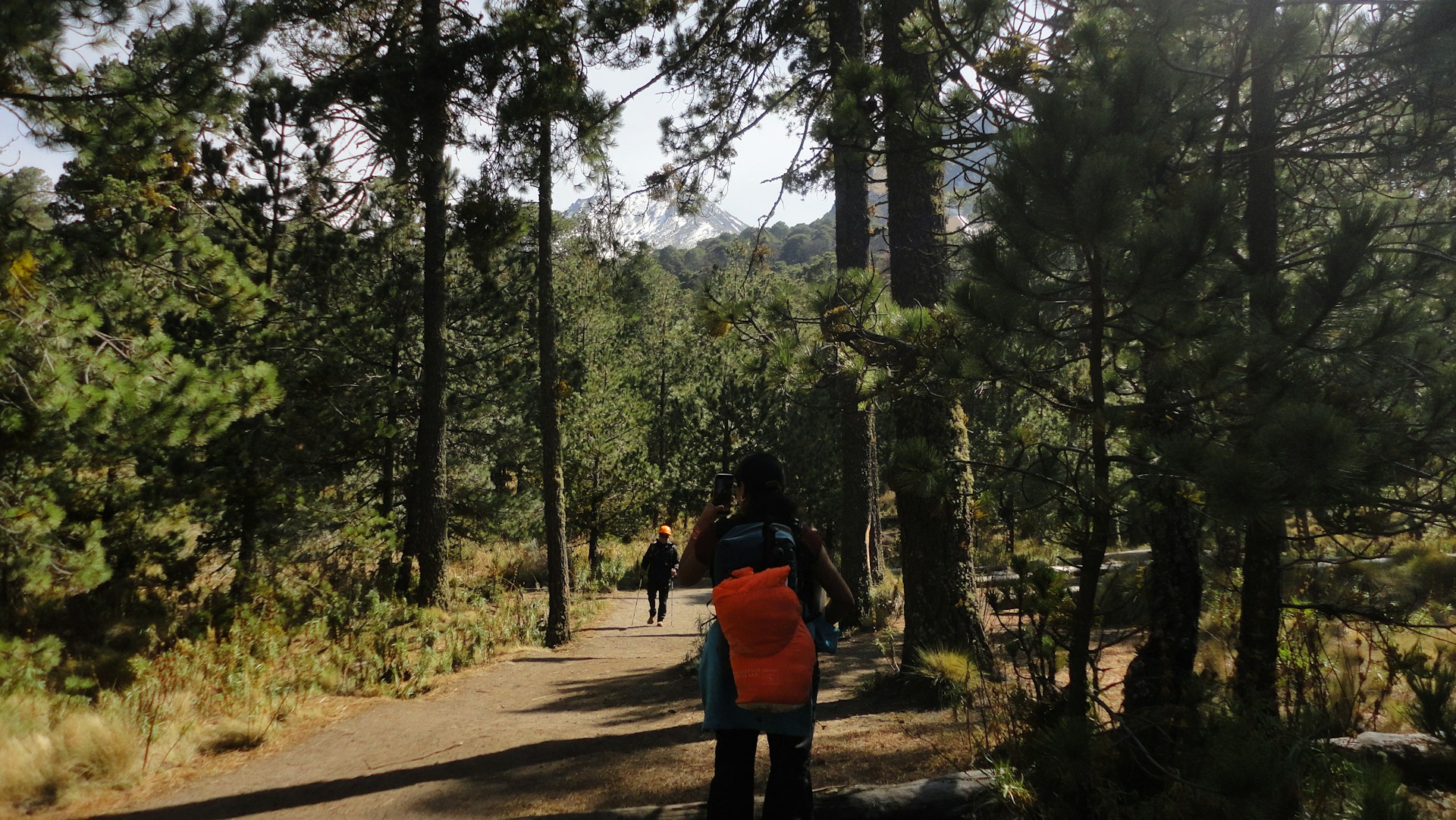
The 7.5-mile trail winds through lush forests. Old-growth trees, wildflowers—honestly, it’s a nice change from the starkness up high.
Trail Features:
- Non-technical hiking
- Day climb doable
- Views of Popocatepetl and Iztaccihuatl
- Used as a training base for Olympic athletes
The last section, “La Piramide,” gives you panoramic volcano views. I like to spot my next summit from here.
Most folks finish in 6-8 hours round trip. It’s a great way to test your legs before bigger peaks.
Weather’s usually steadier here than on the glaciers. If you’re new to Mexican volcanoes, start with La Malinche.
Essential Logistics for Volcano Expeditions
Mexico City is the main jumping-off point for the volcanoes. Most climbers fly in, then head to base towns like Tlachichuca or Puebla.
Which route you pick depends on your experience and which volcano you’ve got your eye on.
Getting to Mexico City and the Volcanoes
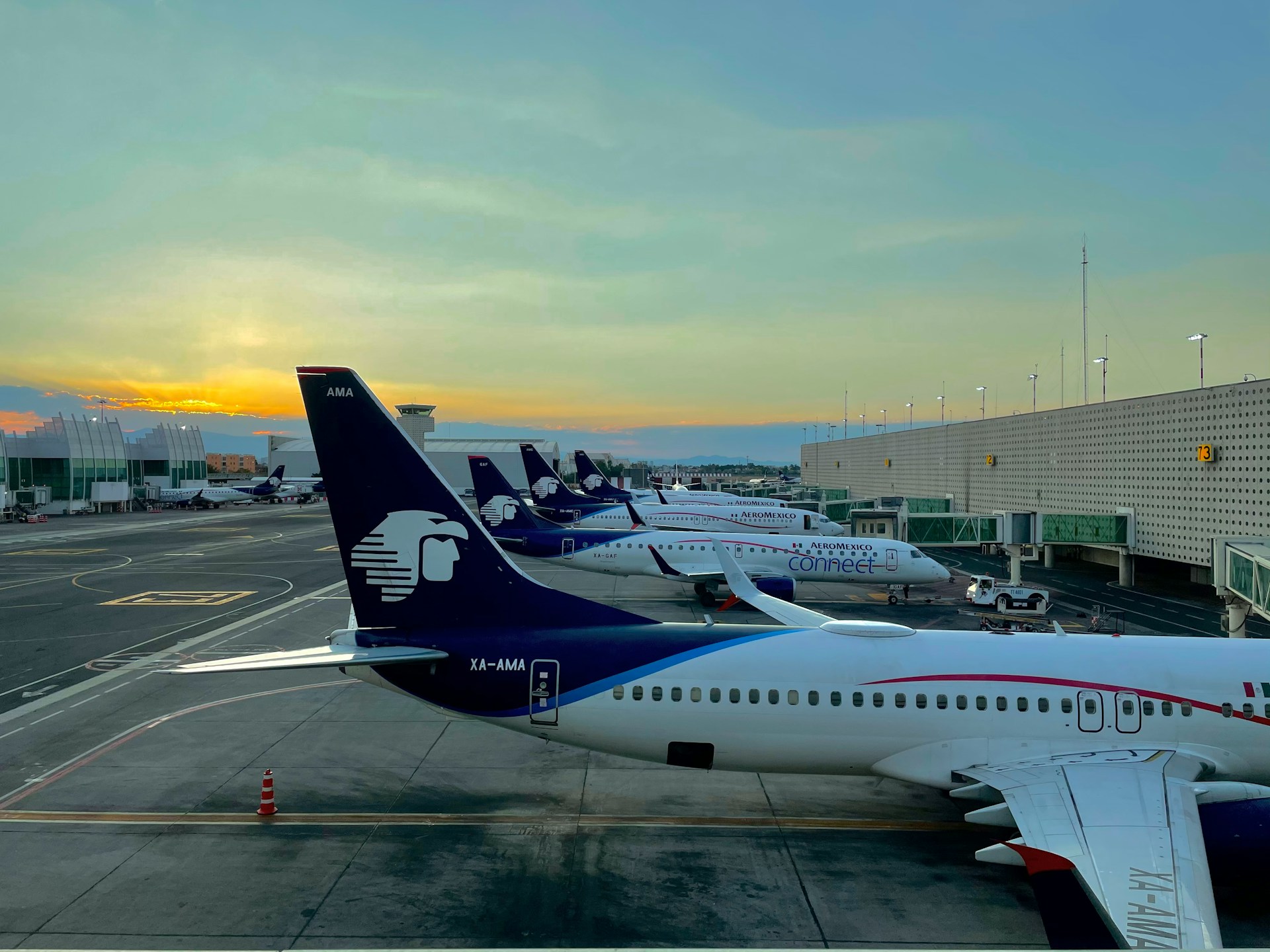
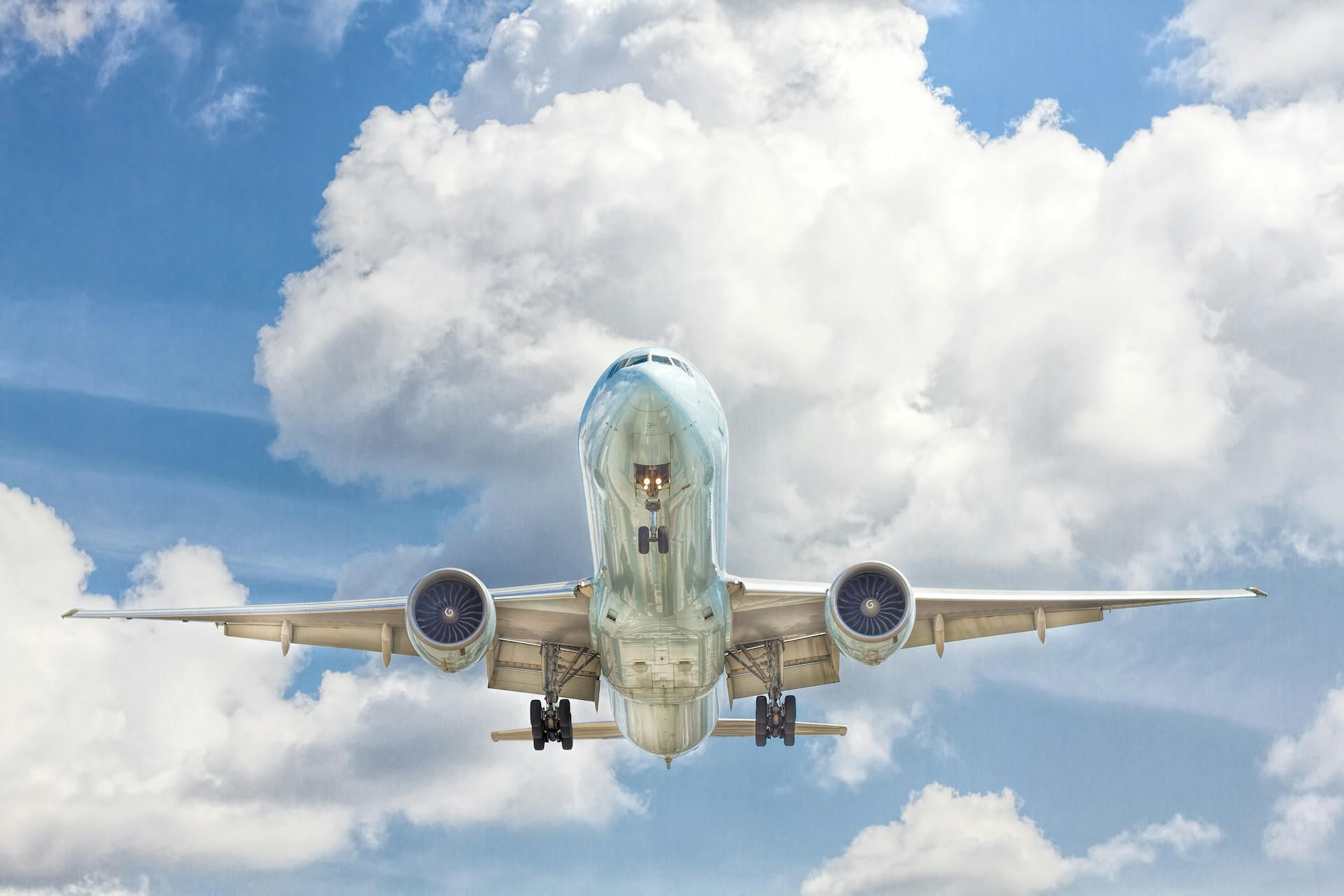
I always fly into Mexico City Airport (MEX)—it’s the hub, with tons of direct flights.
From the airport, you’ve got options. Private transfers are best for groups and run about $150–$200 to Tlachichuca. Buses to Puebla cost around $15.
Transport Options from Mexico City:
- Private transfer: $150–200, 3–4 hours to base towns
- Rental car: $40–60/day, bring an international license
- Bus to Puebla: $15, 2 hours, then local transport
- Domestic flights: Sometimes available to nearby airports
I usually spend a night in Mexico City. It helps with jet lag and the altitude jump—Mexico City sits at 7,300 feet.
Choosing Routes and Starting Points
Picking a route really depends on your skills and how much time you’ve got. Orizaba offers several popular options.
Main Route Options:
- Jamapa Glacier Route: Technical, glacier skills required
- Normal Route: Non-technical, good for beginners
- South Face: For advanced climbers only
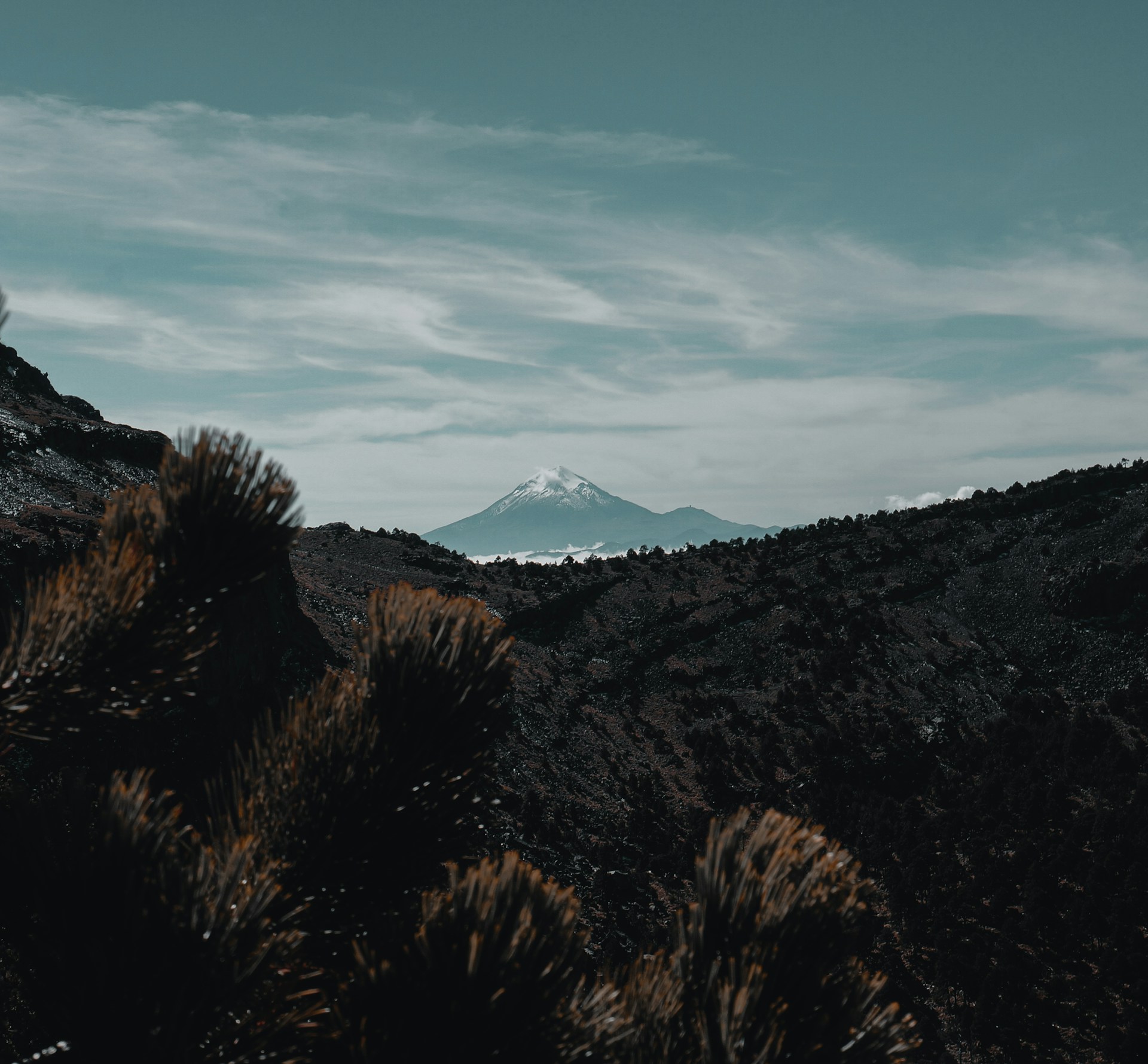
Tlachichuca is the main base for Orizaba. I use it to reach Piedra Grande hut at 14,000 feet. The drive up is rough and takes about two hours.
For La Malinche, I start at the national park near Puebla. It’s a solid acclimatization hike before the bigger stuff.
Base Towns and Local Support
Tlachichuca’s got all the basics—guides, gear rental, simple places to stay.
Local Services in Tlachichuca:
- Guides: $100–150/day
- Gear rental: $20–30/day for a full kit
- Transport to huts: $50–75 per trip
- Lodging: $25–40/night
Puebla is more comfortable, with great food and hotels. I use it as a base for La Malinche and Sierra Negra. The old city center is worth exploring.
Local guides know these mountains inside out. I always hire one for route finding and weather tips—they’re affordable and make a difference in safety.
ATMs can be scarce in base towns. I bring enough cash for guides, meals, and rides before heading out.

Unique Volcano Climbing Experiences Beyond the Big Three
Mexico’s volcanic landscape goes way beyond Orizaba, Izta, and La Malinche. I’ve stumbled across some unique peaks—urban escapes, crater lake hikes, even ancient pyramid climbs.
Ajusco: Mexico City’s Backyard Volcano
Ajusco rises just 30 kilometers south of Mexico City. At 3,930 meters, it’s an easy day trip.
It’s my go-to for acclimatization. The trail starts in pine forest and opens up near the rocky summit.
Best months: October–March, when it’s dry.
The hike takes 4–6 hours, give or take. Start early if you can—afternoon storms can roll in during rainy season.
On clear days, the summit view stretches to Popocatépetl and Iztaccíhuatl. Mexico City sprawls out below.
Local guides aren’t required, but bring GPS. Fog sometimes makes the trail tricky.

Nevado de Toluca: Crater Lakes Trek
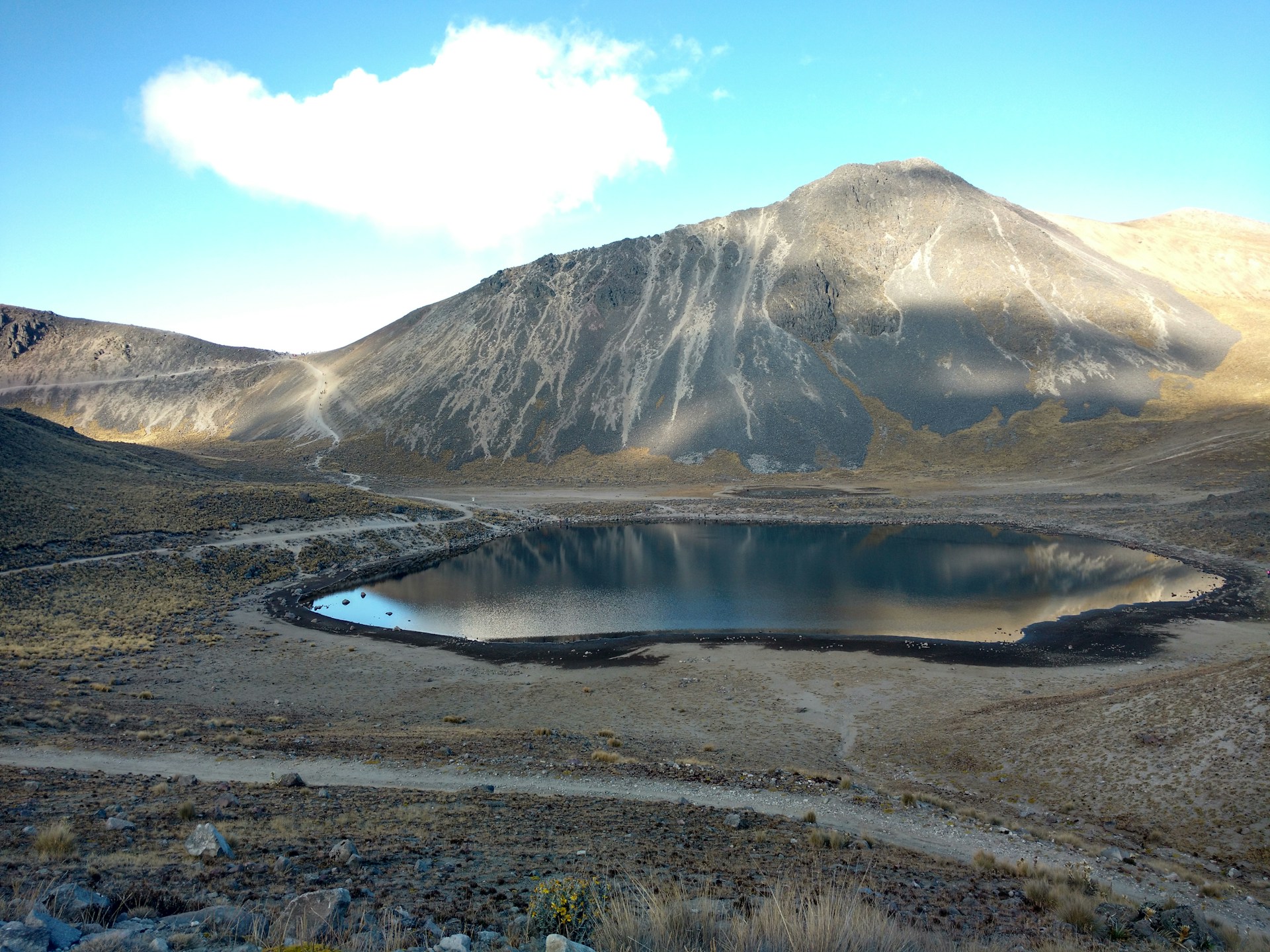
Nevado de Toluca is special—two crater lakes inside an extinct caldera. At 4,680 meters, it’s about 65 kilometers southwest of Mexico City.
You can drive up to 4,200 meters, so it’s more accessible than most high peaks. The final climb is only 480 vertical meters.
Twin crater lakes:
- Lago del Sol: The bigger, eastern lake
- Lago de la Luna: Smaller, to the west
In winter, the lakes freeze solid. I’ve actually walked across them in January.
You don’t need technical skills for this one. The trails are marked and easy to follow.
Weather can change fast above treeline. Warm layers are a must—even in summer.
Volcán Sierra Negra: Off-the-Beaten-Path Ascent
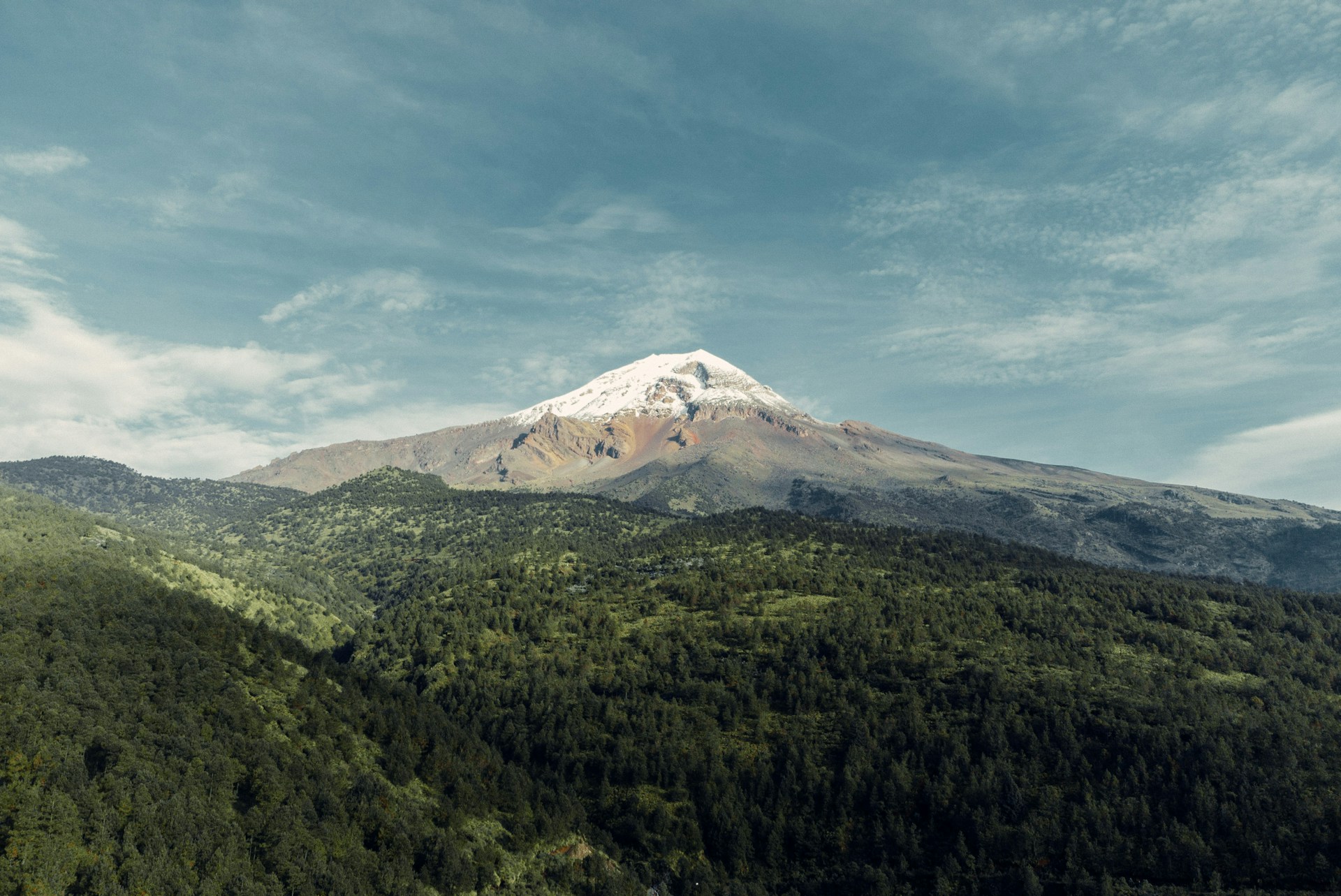
Sierra Negra stands at 4,640 meters in Puebla state. Few climbers visit, so you often get the mountain to yourself.
I love the solitude and untouched feel here. It’s right next to Orizaba but offers a totally different vibe.
The climb begins in tiny villages. Local folks run simple refugios for overnights.
Route highlights:
- Cloud forests down low
- Alpine meadows above 3,500 meters
- Wild volcanic rock near the top
Hire a local guide—they know the trails and help with land permissions.
The ascent usually takes two days, with a night at base camp. Rainy season can make finding a weather window tough.
Exploring Teotihuacan’s Ancient Pyramids
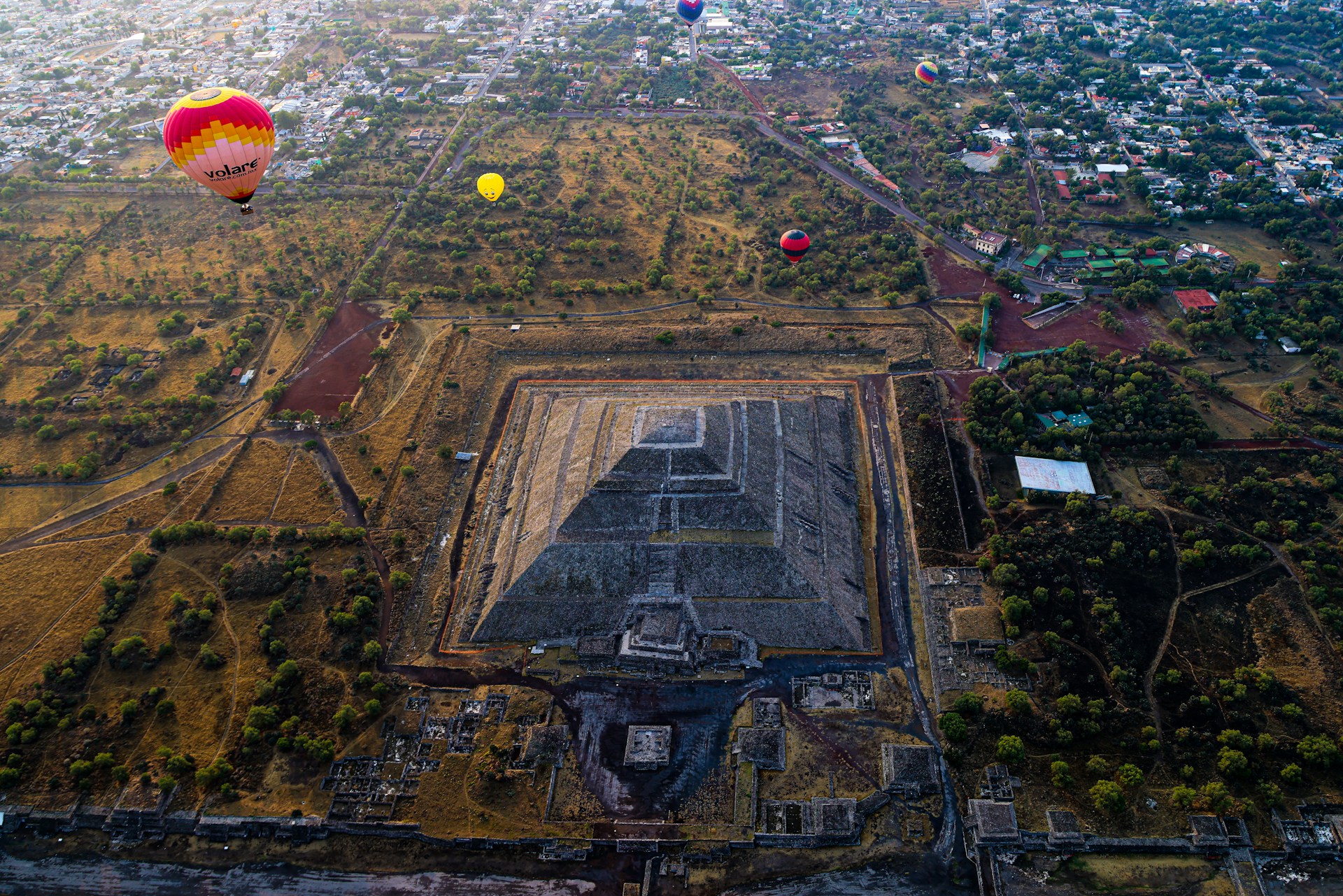
Teotihuacan blends volcano vibes with ancient ruins. The city sits in a volcanic valley, about 40 kilometers from Mexico City.
Climbing the Pyramid of the Sun (65 meters high) gives you a sense of the landscape. Sure, it’s manmade, but the volcanic backdrop is unmistakable.
Pyramid climbing details:
- Pyramid of the Sun: 248 steps to the top
- Pyramid of the Moon: Smaller but impressive
- Temple of the Feathered Serpent: Explore at ground level
The valley itself was shaped by ancient eruptions. From the top, you’ll spot several volcanoes on the horizon.
It’s a great rest day between climbs. Go early—the site opens in the morning and stays cool.
Tickets cover all the main pyramids and the museum.
Climbing Skills, Safety, and Gear Preparation
Climbing Mexican volcanoes means bringing the right gear, prepping for altitude, and knowing when to use your technical skills. Don’t forget to sort out insurance and brush up on crampon use—it all matters.
Recommended Equipment for Volcano Climbing
I always pack a four-season tent that can handle high winds. Weather above 14,000 feet is no joke.
Your sleeping bag should go down to at least 10°F. Nights get cold fast.
A good headlamp (plus backup batteries) is key for those early starts. I always bring a spare light, just in case.
Essential gear:
- 70cm ice axe for most routes
- Sturdy mountaineering boots
- Gaiters to keep snow out
- Glacier glasses and SPF 30+ sunscreen
- Lots of layering options
For day climbs, a 40–50 liter pack is perfect. I like internal frames—they don’t catch the wind.
Water bottles freeze up high, so I use insulated ones or thermoses. Water purification tablets are a smart backup.

Acclimatization and Health Essentials
I always try to land in Mexico City a couple of days early—usually two or three—just to let my body start adjusting to 7,500 feet. Rushing straight to higher elevations? I learned the hard way that’s a recipe for headaches.
Your body needs some time to boost those red blood cells. Before I even think about climbing peaks over 17,000 feet, I’ll spend at least one night above 10,000 feet.
Key health steps:
- Grab IMSS travel insurance before you go
- Ask your doctor about altitude sickness meds and pack them if needed
- Drink 3-4 liters of water every day (seriously, just keep sipping)
- Skip alcohol while you’re acclimatizing
Above 12,000 feet, it’s not unusual to get headaches, feel queasy, or even a bit dizzy. If that happens, I just descend 1,000–2,000 feet and usually feel better.
I stick to high-carb meals to fuel all that extra effort at altitude. Lightweight, calorie-packed snacks are my go-to.
When to Bring Crampons and Technical Gear
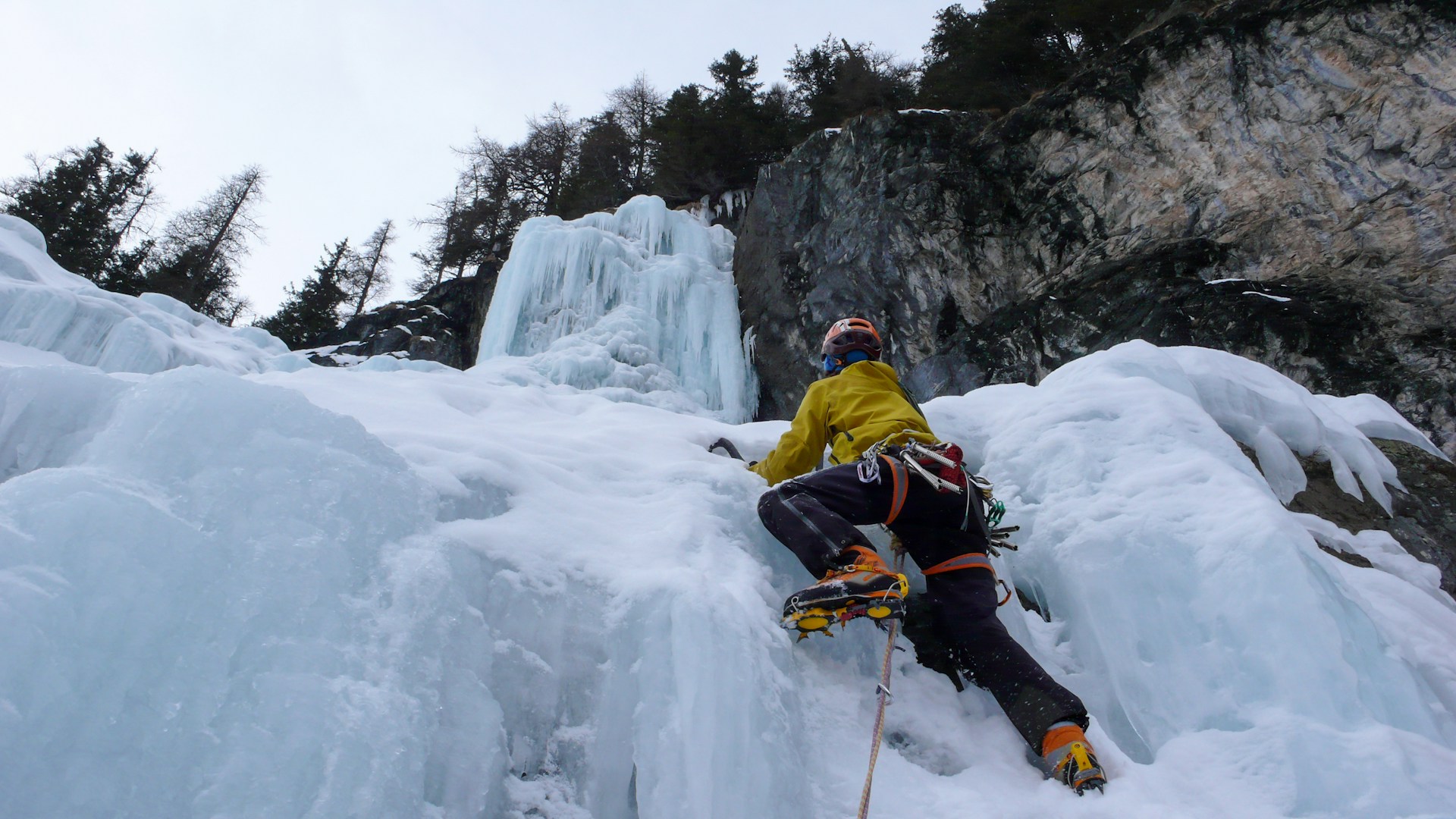
Crampons? Don’t leave them behind if you’re heading up Orizaba’s Jamapa Glacier or the upper parts of Iztaccihuatl. I always bring a pair of 12-point crampons that fit my mountaineering boots just right.
Snow and ice conditions can change fast depending on the season and your route. Between December and March, I usually need crampons on glaciated peaks.
Technical gear decisions:
- Orizaba north face: Crampons and ice axe are must-haves
- La Malinche: Microspikes do the trick for me
- Popocatépetl approaches: Full glacier gear, no question
Before packing, I always check the latest trip reports. Guides often bring group gear like ropes, so you might not need your own.
I practice self-arrest techniques before any trip. Steep snow slopes demand real confidence with your ice axe, and I don’t want to improvise in the moment.
Sometimes, south face routes on major peaks don’t need crampons if it’s dry. Still, I toss them in my pack just in case.
Safety Protocols and Emergency Planning for Climbers
Climbing Mexican volcanoes isn’t something to take lightly. I plan for emergencies, research evacuation procedures, and double-check that my insurance covers medical emergencies or natural disasters.
Evacuation Strategies in Remote Areas
Before any volcano climb, I lay out detailed evacuation plans. Remote areas often have zero cell service, so I carry a satellite messenger or PLB.
Essential evacuation equipment includes:
- Satellite messenger or Personal Locator Beacon
- First aid kit (especially for burns and breathing problems)
- Emergency shelter and extra food in case I get stuck
- Maps with more than one descent route
Volcanic hazards are no joke. Lava, ash, and toxic gas can close off the main escape in minutes.
I always identify at least two evacuation paths before I start climbing. Weather and volcanic activity can turn the safest route into a dead end.
Key evacuation triggers:
- Sudden storms or weather shifts
- Signs the volcano is waking up
- Medical emergencies that can’t wait
- Gear failure or an injured teammate
My group always sets up clear communication plans. We agree on signals and meeting spots in case we get separated.
Global Rescue and Emergency Services
Global Rescue has teams that specialize in mountain rescues across Mexico. They’re the ones who can get to you when local services can’t.
I keep active memberships with rescue services that cover high-altitude climbs. If I need a helicopter, they coordinate evacuations and medical transport.
Recommended rescue services:
- Global Rescue (they’ve got worldwide coverage)
- GEOS (satellite emergency response)
- Local Mexican rescue teams for specific regions
Response times can really depend on where you are and the weather. On Pico de Orizaba, I’ve heard helicopter rescues can take anywhere from 4 to 8 hours.
I always register my climbing plans with local authorities and rescue services. That way, if something goes wrong, rescue teams know where to look.
Before I leave base camp, I program both international and local Mexican emergency numbers into my satellite communicator.
Travel Insurance and Assistance Providers
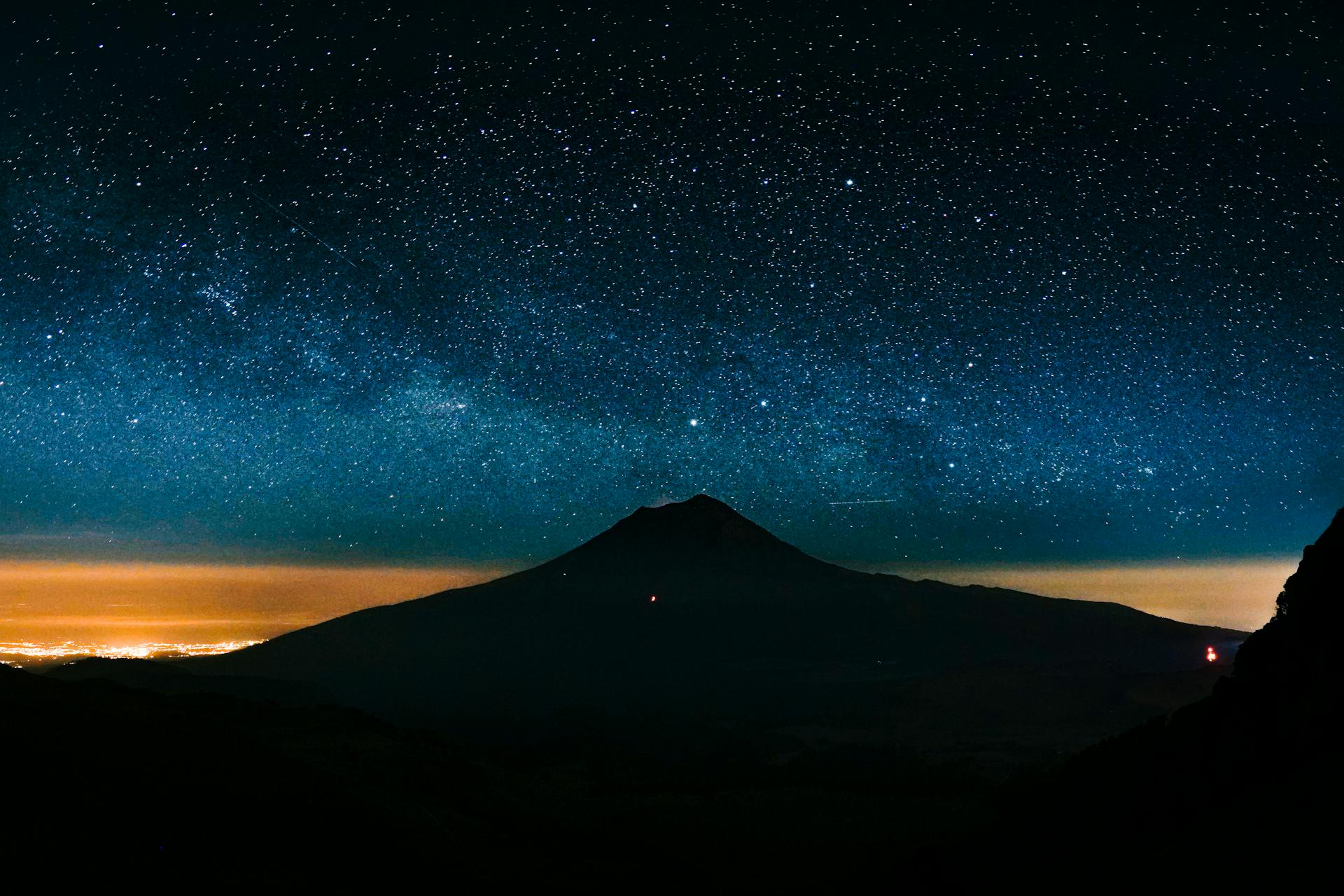
Most travel insurance doesn’t cover high-altitude mountaineering or volcanic climbs. I go for adventure travel insurance that specifically includes volcanic activity.
Essential insurance coverage:
- Emergency medical evacuation above 3,000 meters
- Helicopter rescue and transport
- Medical care for altitude sickness and burns
- Trip cancellation if the volcano acts up
World Nomads and IMG both offer solid mountaineering insurance. Rescue costs can blow past $50,000 if you need a helicopter from a remote volcano, so I check the fine print.
I always double-check coverage limits before I leave. Some policies cap evacuation costs, and that can leave you paying out of pocket.
If I have pre-existing conditions, I make sure to disclose them and get the right coverage. Submitting my full itinerary to the insurance company helps activate coverage.
Some insurers require you to carry a satellite communicator for remote climbs. Makes sense—it’s the only way to call for help if your phone’s useless.

Cultural and Historical Insights into Mexico’s Volcanoes
Mexico’s volcanoes aren’t just mountains—they’re deeply woven into local identity. Ancient Aztec beliefs, colonial cities like Puebla, and modern traditions all blend in the shadow of these peaks.
Aztec Legends and Volcano Mythology
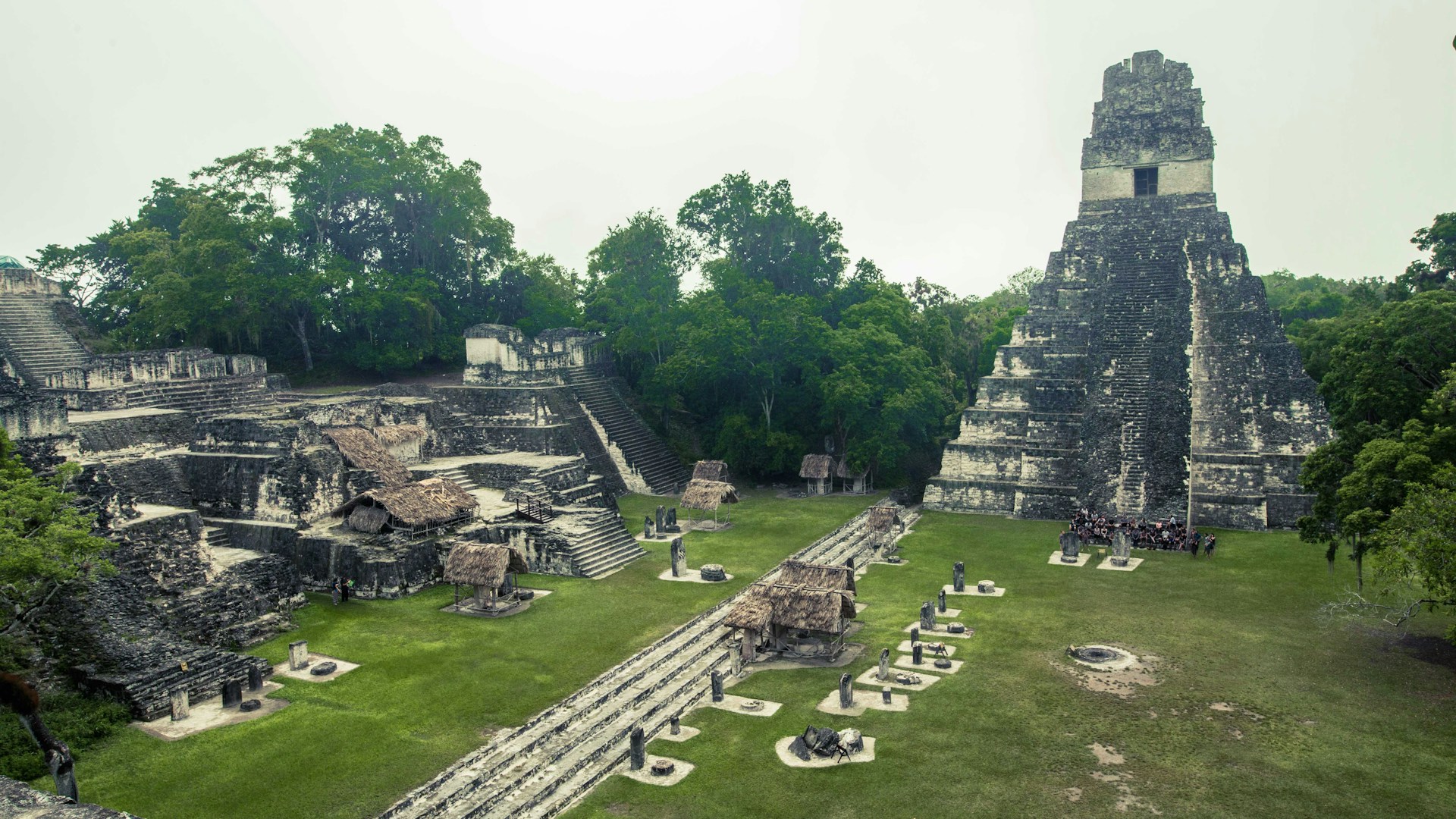
The Aztecs saw volcanoes as sacred mountains where gods lived. My favorite legend? The love story of Popocatépetl and Iztaccíhuatl.
Iztaccíhuatl, a princess, died of heartbreak when she thought her warrior Popocatépetl had died in battle. When he returned and found her gone, the gods transformed them into volcanoes.
Popocatépetl means “Smoking Mountain” in Nahuatl. He still keeps watch over his beloved, sending smoke into the sky.
Key Aztec Volcano Beliefs:
- Volcanoes were the homes of powerful gods
- Eruptions signaled the gods’ anger or messages
- Sacred rituals happened on the slopes
- Obsidian from volcanoes became weapons and tools
The Nahua people—descendants of the Aztecs—still honor these mountains. They speak Nahuatl and hold ceremonies that connect them to the land.
Puebla’s Colonial Heritage
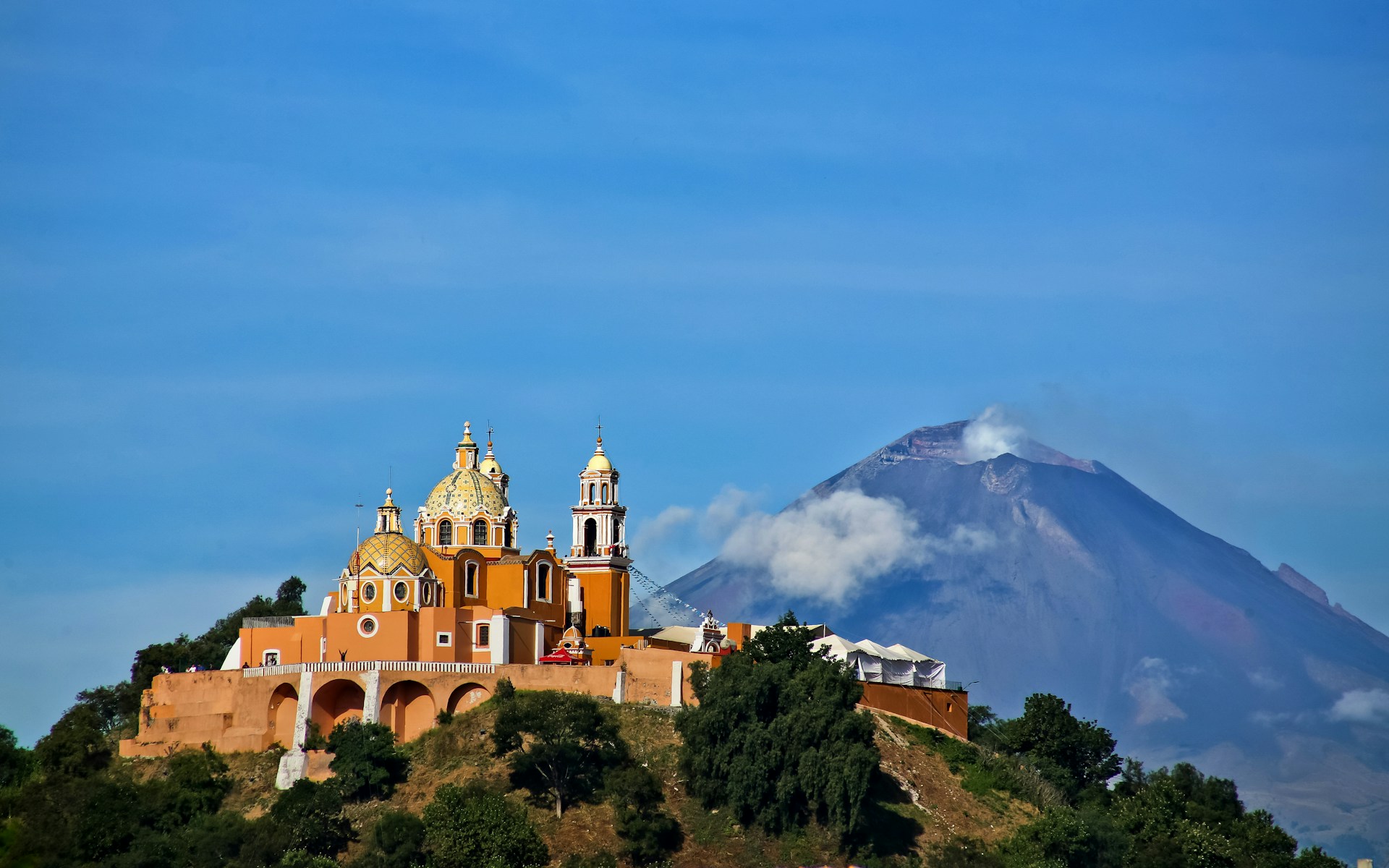
Puebla sits right between some of Mexico’s biggest volcanoes. The city feels like a crossroads, blending Spanish colonial architecture with indigenous volcano worship.
Spanish colonizers built grand churches and government buildings in the 1500s. They often used volcanic stone from nearby peaks, which you can spot in the Puebla Cathedral—a mix of European style and local rock.
Puebla’s famous Talavera pottery uses clay enriched by volcanic ash. This craft blends Spanish methods with the gifts of the volcanoes.
Colonial records show Spanish priests tried to stamp out volcano worship by replacing it with Catholic saints. Instead, locals blended the two. Some churches even stand on sites where Aztec volcano ceremonies once happened.
Connecting with Local Communities
Around Mexico’s volcanoes, local communities really hold on to their deep cultural bonds with these peaks. It’s amazing to watch families pass down wild stories about the volcanoes—sometimes you’ll hear a tale that’s been told for generations.
Local guides, many of whom grew up in the shadow of these mountains, love to share their wisdom. They’ll talk about weather patterns, show you the safest paths, and point out sacred spots you’d probably miss on your own.
Villages throw colorful annual festivals to honor their volcanoes. It’s a fascinating blend—Catholic saints meet ancient indigenous rituals, and the air fills with the scent of food, fresh flowers, and whispered prayers.
Community Connections Include:
- Traditional farming that thrives thanks to fertile volcanic soil
- Herbal medicine passed down from volcano plants
- Predicting the weather by watching the volcano’s mood
- Storytelling that breathes life into old legends
If you visit these villages, you’ll get a taste of true local culture. Artisans display their handmade crafts, and if you’re lucky, a family might invite you in for a meal cooked with ingredients straight from the volcanic earth.