
Spring sweeps across Croatia and suddenly, everything feels electric. The forests turn lush, waterfalls roar, and wildflowers—wow, they just take over the hillsides in a riot of color. I love how the air feels crisp, the crowds thin out, and the whole country just begs you to get outside and explore.
Let’s talk about the best ways to soak up Croatian nature in spring. From hiking under thundering waterfalls to poking around secret coves, this season really brings out Croatia’s wild side. Whether you’re itching for a mountain trek or just want to wander the coast, you’ll find something unforgettable.
The landscapes explode with life, from the famous falls of Plitvice to the gentle hills of Istria. The weather? Pretty much perfect. The flowers and greenery? At their most photogenic. And if you’re after real-deal cultural experiences, spring is when you’ll find them—without shoulder-to-shoulder tourists.
Why Spring Is the Best Time to Experience Croatian Nature
Spring turns Croatia into an outdoor playground. The weather’s just right and everything’s blooming. I can’t help but notice how peaceful it gets—mild days, active wildlife, and way fewer people everywhere you go.
Mild Mediterranean Climate and Blooming Landscapes
Croatia’s got that sweet Mediterranean climate. In spring, you’ll see temps hovering between 60-70°F (15-21°C). That means you can hike for hours without melting or freezing.
I’ve watched the countryside just burst into color—wildflowers everywhere, meadows and hills looking like something out of a painting. If you’re into hiking or photography, this is your season.
Why spring weather rocks:
- Hiking feels easy, not sweaty
- Long, sunny days
- National parks smell like fresh mountain air
- The Adriatic coast gets those gentle breezes
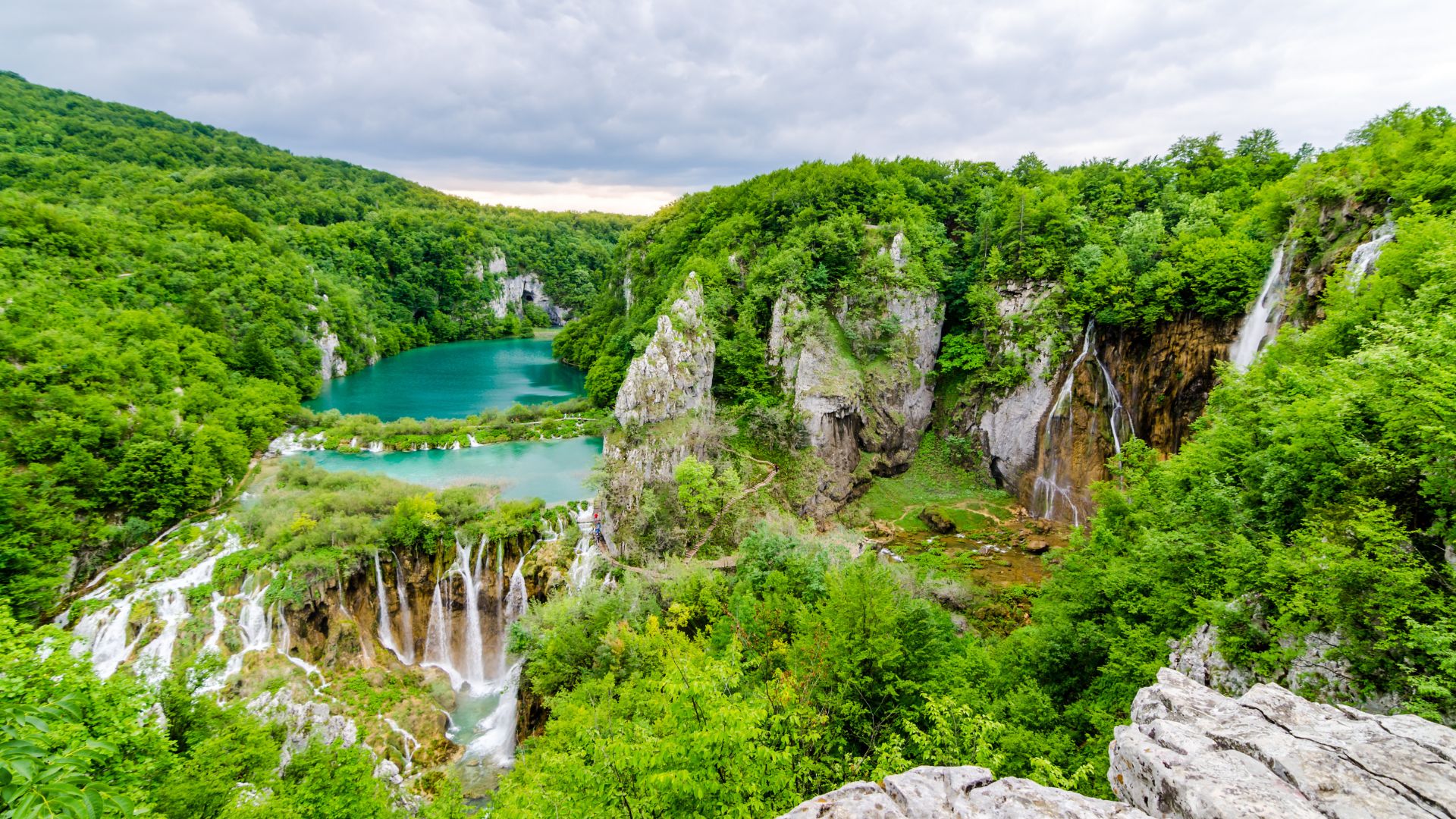
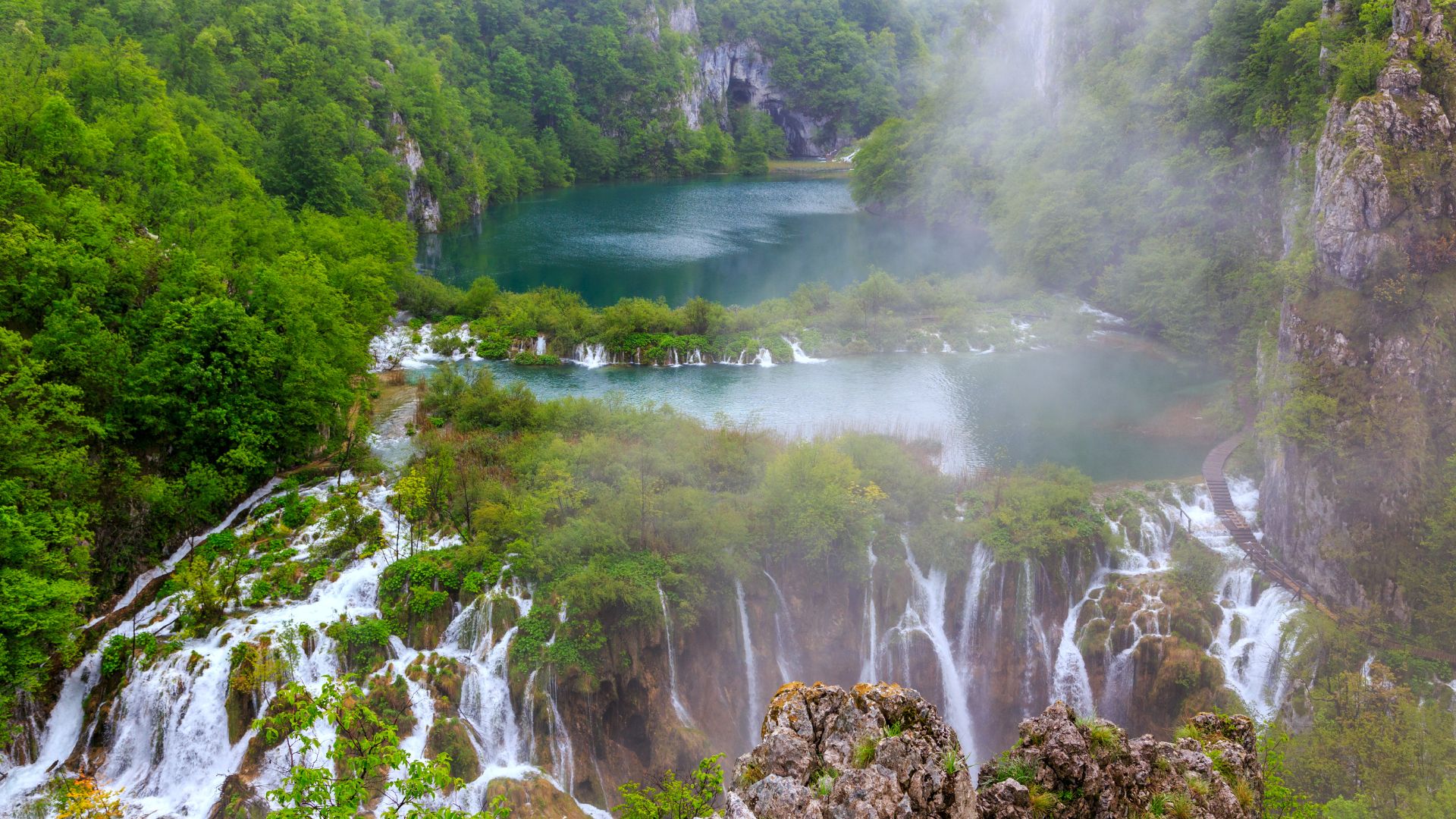
Waterfalls get a major boost from melting snow. Plitvice and Krka go all out with their cascades—seriously, you’ll hear them before you see them.
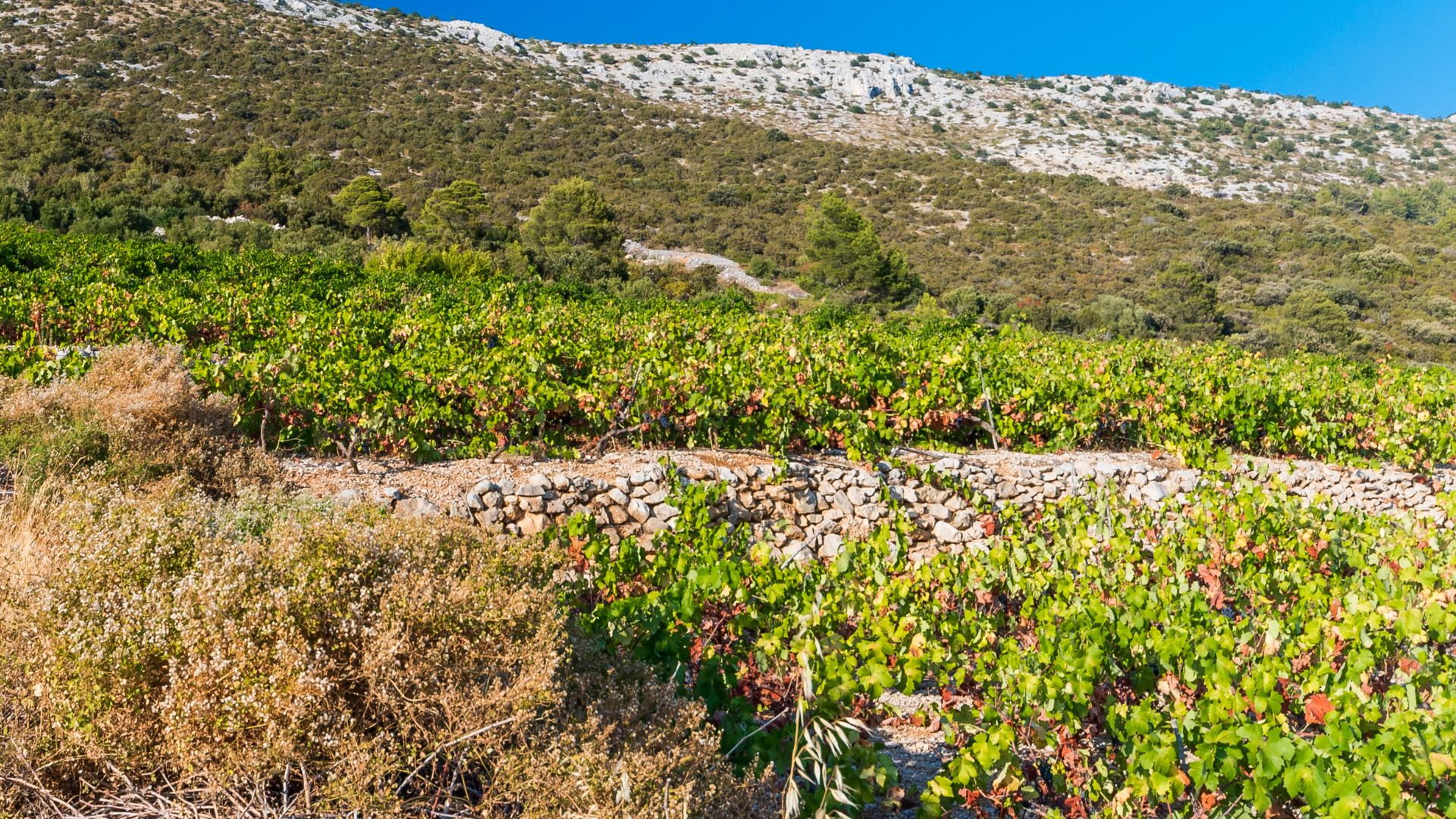
Vineyards wake up, too. New leaves start sprouting on vines, and the hills of Istria and Pelješac turn a fresh, hopeful green. If you love wine country, spring is the time to wander.
Fewer Crowds and Enhanced Outdoor Experiences
Spring in Croatia? It’s like having the best spots all to yourself. Trails, parks, and even the coast feel peaceful. I’ve snapped some of my favorite photos in these quieter months.
You’ll probably save some cash, too—hotels and restaurants often drop their prices before the summer rush. Locals seem more relaxed, and I’ve had some of my best chats with guides and park rangers in spring.
Spring crowd perks:
- No long lines at park entrances
- Guided tours are easier to book
- Wildlife seems less shy
- Parking is a breeze
It’s easier to get a feel for local life. People have time to talk, and you can actually hear the stories behind the places you visit.
Trails stay in good shape since they haven’t been trampled by summer visitors yet. You won’t have to dodge crowds or worry about worn-out paths.
Impact on National Parks and Local Wildlife
Croatia’s parks really wake up in spring. Animals get active after winter, and you might spot everything from bears to rare birds.
Bird migration peaks, and Croatia sits right on a major flyway. If you’re into birdwatching, you’ll have a field day.
Spring wildlife highlights:
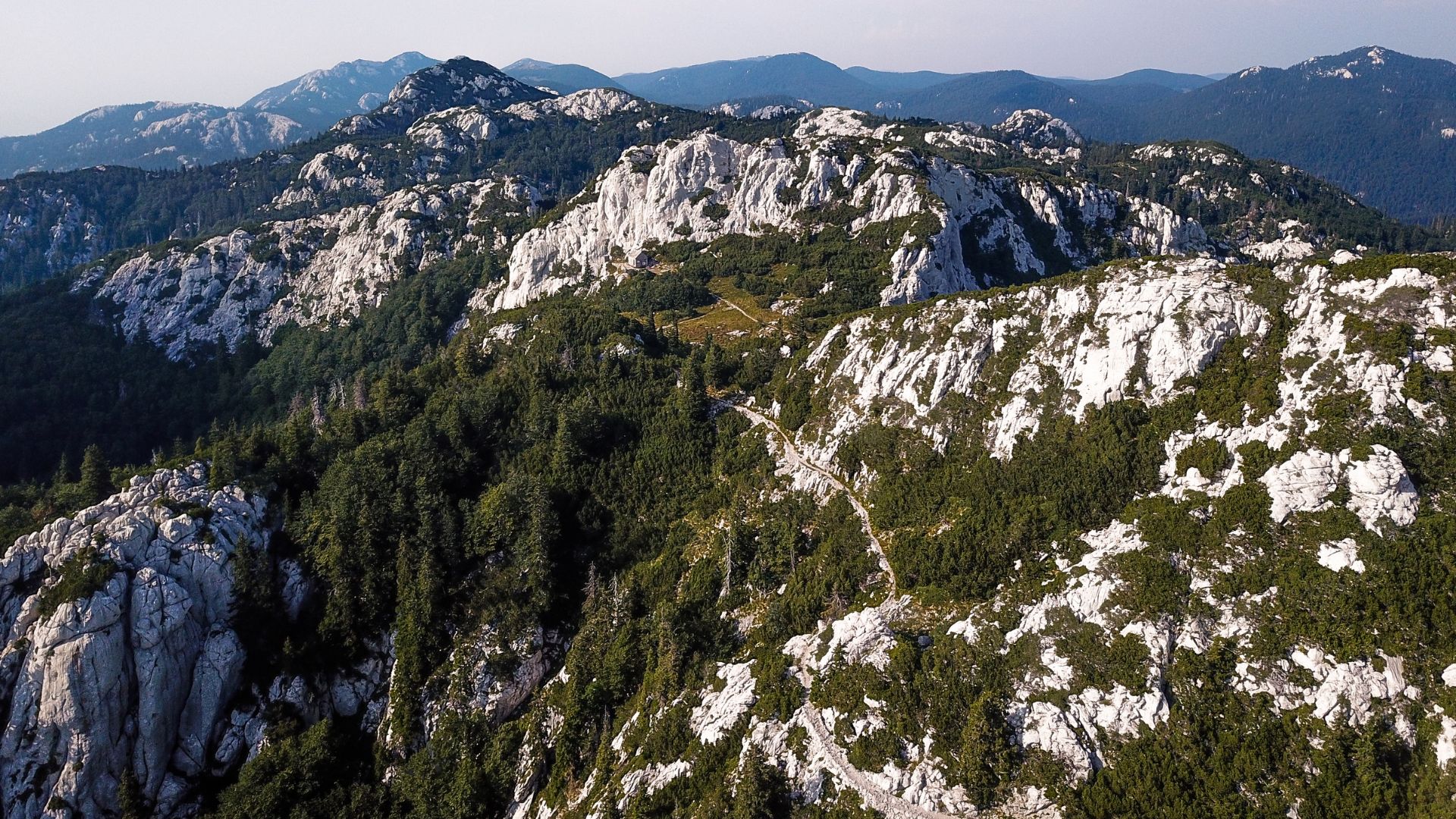
- Bears start moving in Risnjak and Northern Velebit
- Wetlands fill with migrating birds
- Wildflowers attract butterflies and bees
- Coastal waters buzz with marine life
The Velebit mountains, a UNESCO Biosphere Reserve, show off all their different habitats. One minute you’re in Mediterranean scrub, the next you’re surrounded by alpine plants.
Park centers and trails reopen for the season. Guided hikes, boat tours, and visitor services all get back up and running.
Spring rain keeps everything green and the rivers full. That means better swimming near waterfalls and safe, scenic river adventures.
Hiking Among Waterfalls: Spring Adventures in National Parks
In spring, Croatia’s national parks become waterfall wonderlands. Melting snow and rain turn every trickle into a torrent. Hiking here feels like stepping into another world.
Plitvice Lakes in Full Spring Flow
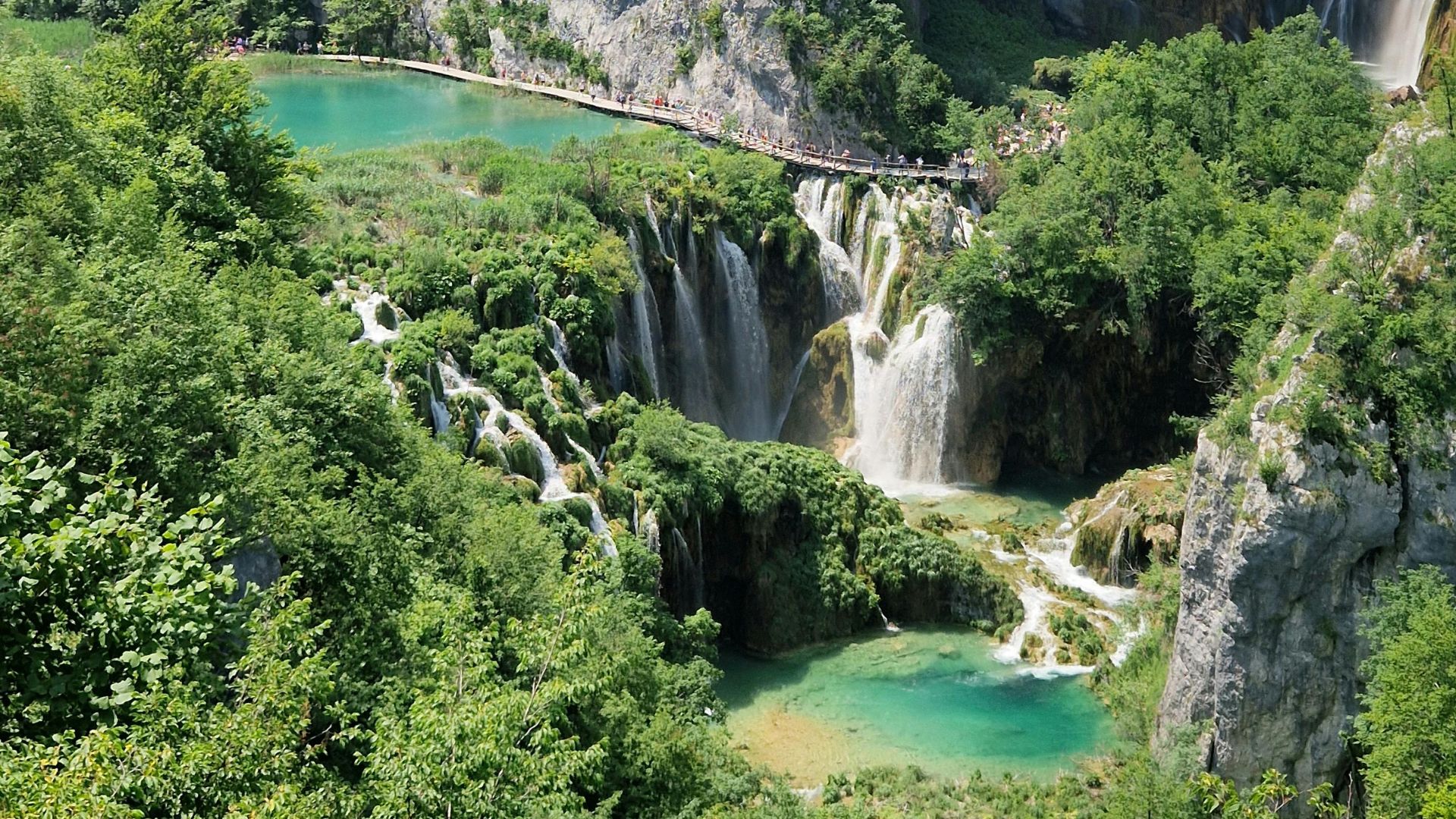
Plitvice Lakes National Park puts on its best show in spring. Water thunders over the falls, and the lakes look impossibly clear. March to May is the sweet spot for waterfall lovers.
Sixteen terraced lakes connect with dozens of cascades. Water levels peak, and the sound alone is worth the trip.
Top spring hikes:
- Upper Lakes Trail: 3-4 hours, moderate
- Lower Lakes Circuit: 2-3 hours, easy to moderate
- Full Park Loop: 6-8 hours, for the ambitious
Start early if you can. The wooden walkways fill up by midday, especially on weekends.
Temps hover between 50-65°F—great for long walks. Bring a waterproof jacket. The mist from the falls will find you, trust me.
Krka National Park Waterfall Walks
Krka National Park makes waterfall hiking easy. The paths are smooth, and you can even swim below the falls.
The Skradinski Buk system has 17 cascades, all roaring in spring. April and May are especially dramatic after heavy rains.
The main trail hugs the river for about 2 miles. Boardwalks make it a breeze for families or anyone wanting a laid-back stroll.
Spring highlights:
- Swimming near Skradinski Buk (water’s chilly but refreshing)
- Roški Slap is a photographer’s dream
- Boat rides give you a new perspective
Krka stays open all year, but spring brings the best mix of strong falls and comfy hiking weather.

Mljet and Risnjak: Hidden Nature Trails
Looking for peace and quiet? Mljet and Risnjak national parks have you covered. Their waterfalls are smaller but just as magical, and you’ll likely have the trails to yourself.
Mljet National Park is known for its saltwater lakes, but spring uncovers secret freshwater streams and tiny inland falls. The Odysseus Cave trail is a personal favorite—underground springs bubble up and surprise you.
Risnjak National Park offers rugged mountain hikes. The Kupa River source trail takes you right to the start of Croatia’s longest river.
Spring hiking here calls for sturdy boots and a bit of adventure. Trails aren’t always obvious, so these parks suit folks who like a challenge.
Wildlife is everywhere—bears, lynx, and all kinds of birds get busy as the weather warms up.
Exploring the Croatian Coastline and Islands
Spring is the sweet spot for exploring Croatia’s coastline and islands. The weather’s mild, the sea sparkles, and you can actually hear the waves instead of the crowds.
Island Hopping in the Adriatic Sea
If you ask me, spring is prime time for island hopping. Ferries run on schedule, but the summer rush hasn’t started.
Hvar is a spring dream. Lavender fields start to bloom, painting the hills purple. You’ll find great hiking and charming villages like Stari Grad.
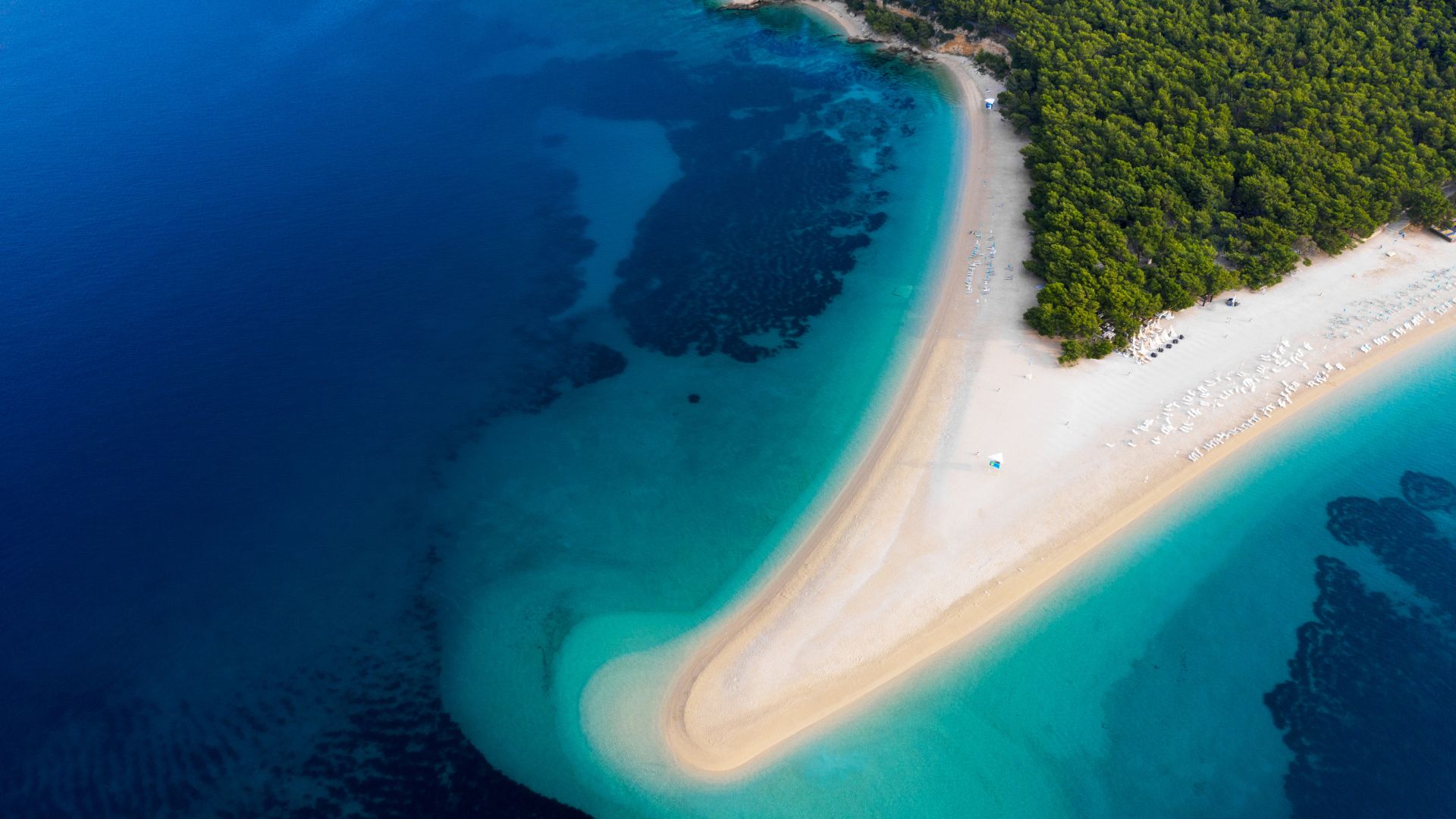
Brač has the famous Zlatni Rat beach. In spring, it’s peaceful, and you can wander the old stone villages or check out the island’s historic quarries.
Korčula mixes medieval streets with vineyards. I love cycling here—the roads wind through olive groves, and the weather is just right.
Ferries connect Split, Dubrovnik, and the islands daily. Book your stay ahead of time; many small hotels reopen in April and May.
Seaside Walks and Cycling on the Adriatic Coast
The Adriatic coast is built for exploring on foot or by bike in spring. Temps sit comfortably around 60-70°F, perfect for long outings.
The path between Split and Trogir is a gem—about 15 miles along the water, passing little fishing villages and hidden coves. It’s mostly flat, so anyone can tackle it.
Istria’s coast is cyclist heaven. Over 200 miles of marked paths link up beaches, vineyards, and old towns like Rovinj and Poreč.
The Makarska Riviera gives you epic mountain-meets-sea views. The walk from Makarska to Brela takes about two hours and passes secret beaches.
Calm spring seas mean you’ll spot fish and maybe dolphins if you keep an eye out.
Discovering the Kornati and Dalmatian Islands
The Kornati archipelago—89 wild, mostly uninhabited islands—feels otherworldly in spring. The sea is calm, making boat trips a breeze.
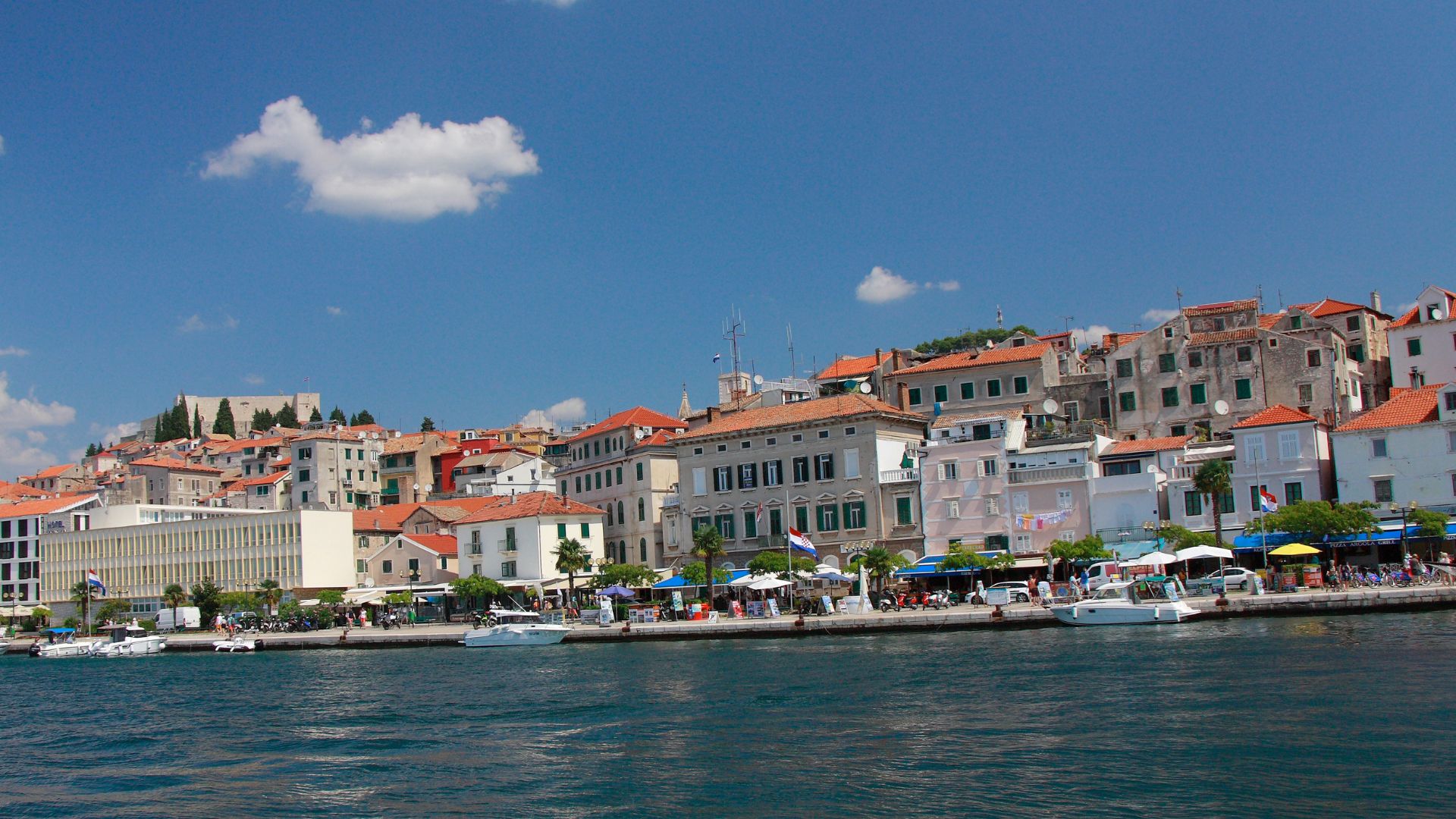
I usually head out from Zadar or Šibenik. Whether you book a tour or rent a boat, you’ll find dramatic cliffs, hidden coves, and crystal water everywhere you look.
Kornati must-sees:
- Fortress ruins on Kornat island
- Mana’s empty beaches
- Levrnaka’s lighthouse
- Old stone walls zigzagging across the landscape
Closer to Split, the Dalmatian islands offer a different vibe. Šolta is all about fishing villages and cozy family-run restaurants. Vis has the Blue Cave and some seriously good local wine.
Spring’s mild weather makes exploring easy. Pack layers—the sea breeze can surprise you.
Facilities are basic on some islands, so toss snacks and water in your daypack if you’re heading somewhere remote.
Nature and Culture Come Alive in Istria and Pula
Istria’s countryside buzzes with festivals and wine routes in spring. Hiking trails wind through green hills, and Pula’s ancient ruins add a dash of history to the scenery.
Spring Festivals and Wine Routes
Wine culture comes alive in Istria every spring. The best festivals pop up from April to May, right as the vineyards wake up.
The Istrian Wine Festival is all about tasting Malvazija and Teran wines. Pair that with fresh asparagus—trust me, it’s a combo you’ll crave.
Wine routes worth walking:
- Motovun’s scenic trail
- Grožnjan’s hilltop vineyards
- Brtonigla’s coastal wineries
Music often floats through these festivals. Check local calendars—some family-run wineries open their doors for private tastings in spring.
Cooler weather makes vineyard hopping a pleasure. Every route comes with killer views of rolling hills and medieval towns.

Hiking and Landscapes of Istria
Spring hiking in Istria means green hills, mild temps, and trails that wind through everything from forests to the sea.
Učka Mountain is the spot for a challenge. The trail up to Vojak peak rewards you with sweeping views. There are easier routes too, so don’t worry if you’re not a mountain goat.
Coastal trails link up fishing villages along the west. You’ll catch sea views and stumble on hidden beaches. Wildflowers line the paths—bring your camera.
Central Istria’s forests are full of easy walking trails. Motovun Forest, for example, is great for spotting wild asparagus and herbs if you keep your eyes peeled.
The Parenzana Trail follows an old railway—123 kilometers of tunnels, bridges, and rolling landscapes. Spring makes both walking and cycling it a real treat.
Historic Sites Around Pula
Pula weaves ancient Roman vibes with gorgeous natural backdrops. Spring feels just right here—warm enough to wander, not so hot you melt, and perfect for both inside and outside adventures.
The Roman Amphitheater truly steals the show. If you go early in the morning, you’ll catch the best light for photos and probably dodge the crowds. Sometimes, spring brings concerts or quirky events to the arena—always worth checking the schedule.
Brijuni National Park floats just offshore. This cluster of 14 islands hides Roman ruins and, if you’re lucky, you’ll spot some wild deer or peacocks. Spring boat trips? Absolutely the best way to hop between islands without battling the summer rush.
One of the park’s gems is a 1,600-year-old olive tree—still alive, still producing olives! Roman villa ruins scatter around Verige Bay, and guided tours here really bring the stories to life. I’d say it’s the easiest way to soak up both nature and history in one go.
Pula’s Aquarium lives inside an old Austro-Hungarian fort. You get Adriatic marine life and a dash of local history in one spot. Spring visits are a sweet spot—open hours, but none of the summer chaos.

City Escapes: Urban Nature in Dubrovnik and Split
Croatia’s coastal cities? They’re a blend of stone walls, sea views, and pockets of green. Dubrovnik’s famous walls tower over the Adriatic, while Split hands you parks and ferries to dreamy islands right from downtown.
Spring Strolls Along Dubrovnik’s Ancient Walls
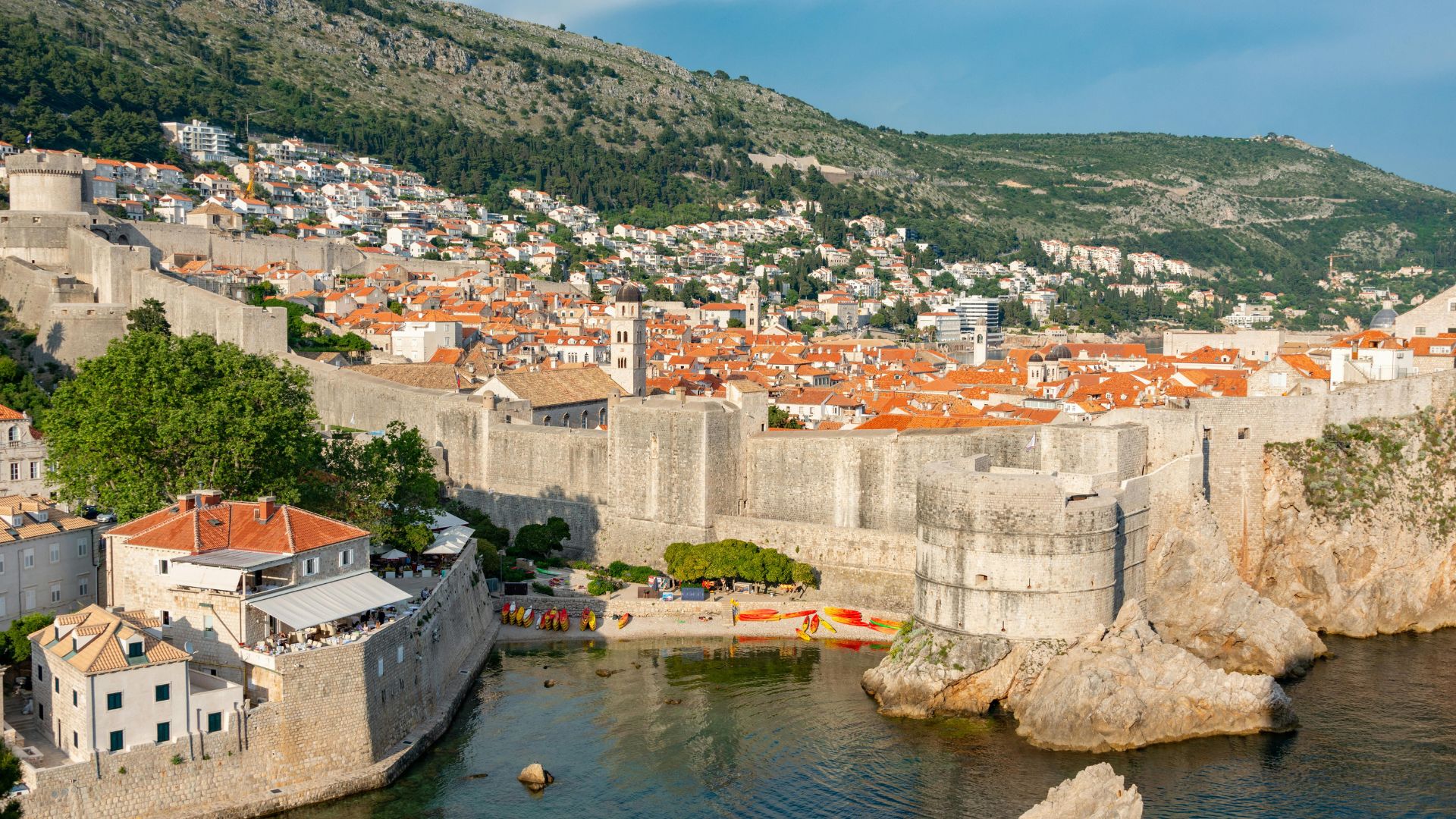
Walking Dubrovnik’s city walls in spring feels like stepping into a postcard. The 1.2-mile path hovers above the Old Town, serving up views of red rooftops, winding limestone alleys, and the sea sparkling below.
Spring weather makes this stroll a breeze. Expect temps in the 60s—just right for a 1-2 hour walk without sweating buckets.
Best Times to Walk:
- Early morning (8-10 AM): Quiet, soft light, almost magical
- Late afternoon (4-6 PM): Golden hour, perfect for photos
- Skip midday if you want the best shots
These walls have stood since the 13th century, and every turn reveals something new—medieval towers, old fortresses, and glimpses of Lokrum Island’s greenery. Each viewpoint feels like a fresh discovery.
Entry runs about 35 euros for adults. I always bring water and decent shoes—those stones get slippery and uneven.
Split’s Green Parks and Island Gateways
Split surprises a lot of travelers with its green spaces. Marjan Hill, for example, is my go-to spot when I need a nature fix. It’s just a 15-minute walk from Diocletian’s Palace, but it feels like you’ve left the city behind.
Marjan rises 584 feet above the bustle. Trails snake through pine forests, and every path seems to lead to a new view over Split’s harbor or the neighboring islands. Spring means wildflowers and comfortable weather—ideal for a hike or a lazy picnic.
Marjan Hill Highlights:
- Beach access: Kasjuni and Bene beaches, tucked at the base
- Wildlife: Watch for pine martens and local birds
- Exercise areas: Outdoor gym spots dot the trails
Split’s harbor is your launchpad for island adventures. Ferries whisk you to Brač, Hvar, or Šolta in under an hour. I love hopping over for a day—spring brings empty hiking trails, quiet beaches, and the charm of sleepy fishing villages.
The ferry terminal sits right by the city center. Boats start running regularly in April, and you’ll see more options as summer creeps in.
Local Markets and Outdoor Cafés
Spring really changes the vibe for outdoor dining and market strolls in both cities. In Dubrovnik, the morning market near the Old Port bursts to life with fresh produce, local honey, and vegetables straight from nearby farms.
I usually wander over around 8 AM—trust me, that’s when you’ll find the best picks. Local vendors bring out strawberries, crisp asparagus, and fragrant herbs that just scream Croatian spring.
Over in Split, the Green Market sticks around all year in the city center. The covered building spills out into rows of outdoor stalls, and you’ll spot flowers, potted plants, and whatever’s in season. Honestly, I’ve noticed the prices here are usually friendlier than Dubrovnik’s.
Market Essentials:
- Always bring cash (euros work fine)
- Go before 10 AM if you want the freshest stuff
- Don’t skip the cheese and olive oil samples—they’re worth it
Both cities have stretched their café seating out along the pedestrian streets lately. I love grabbing a morning coffee on Split’s Riva waterfront, watching the city wake up. Or sometimes, I’ll settle in for an afternoon drink right in Dubrovnik’s Stradun plaza.
Spring temps make these outdoor spots feel just right, whether it’s early or late in the day.
