
When most Americans dream about Europe, cities like Paris, Rome, or London usually top their lists. But honestly, there’s a whole world of smaller cities that pack in just as much charm—without the sticker shock or the crowds.
If you’re itching for a taste of real European life, these underrated spots deliver. You’ll get better prices, shorter lines, and a chance to see what everyday life actually looks like.
Spring 2026? Mark it on your calendar. It’s hands-down one of the best times to go. The weather? Pretty much perfect. Flowers everywhere. Plus, you’ll beat the main tourist rush and get to see these places just as they’re waking up for the season.
I’ve pulled together eight European cities that deserve way more attention than they get. Each one brings its own history, food, and quirks to the table. Let’s dig in—you’ll find plenty of tips along the way.
1) Ljubljana, Slovenia
Ljubljana, with fewer than 300,000 people, feels refreshingly manageable. I love how you can just wander around on foot—no stress, no endless transit rides.
The Ljubljanica River cuts through the city, lined with outdoor cafés and car-free streets. There’s a medieval castle perched on a hill, watching over the old town. The architecture? It’s this cool blend of Central European and Balkan influences.
Springtime here is lovely. The air’s mild, and the city buzzes with outdoor markets and cultural festivals. You can cross the whole city center in about half an hour, so you’ll spend more time exploring and less time getting around.
Ljubljana’s prices are friendlier than most other capitals. Hotels and meals won’t break the bank. If you’re a history buff, take a free walking tour—they’re surprisingly good.
You won’t bump into many other Americans here, which makes everything feel a bit more local. And don’t worry—English is spoken almost everywhere tourists go, so you’ll get by just fine.

2) Valencia, Spain
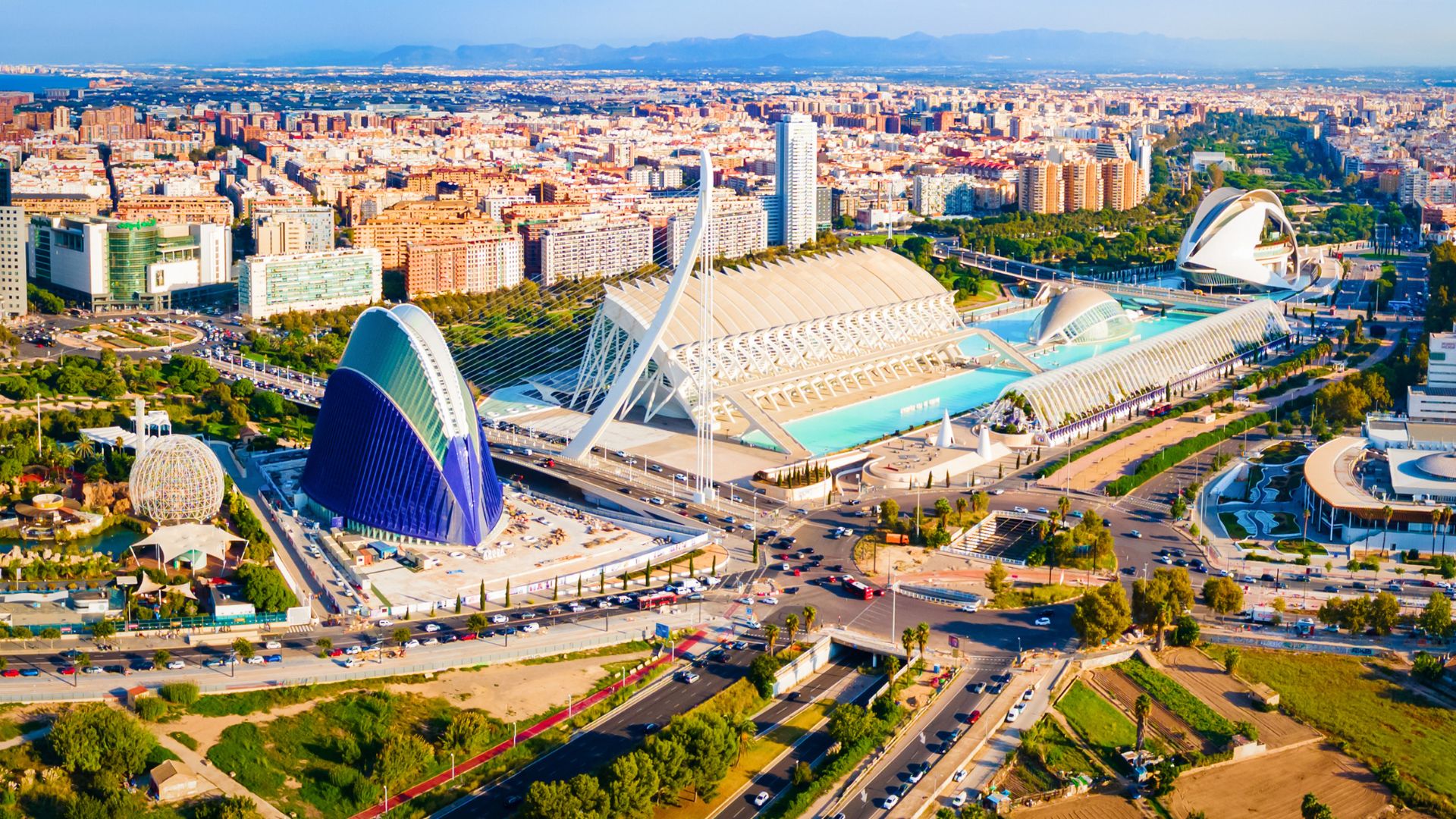
Valencia sits right on Spain’s Mediterranean coast, and honestly, it’s a wonder more people don’t flock here. You get all the sunshine (seriously, about 300 days a year!), beaches, and history—without Barcelona’s crowds.
The old town is a maze of narrow streets and classic Spanish buildings. But then you stumble on the futuristic City of Arts and Sciences, and it’s like you’ve landed on another planet.
Beaches? They’re right in the city. Spend your morning museum-hopping, then just wander down to the sand for a lazy afternoon.
Paella was born here, by the way. The local places serve up the real thing, and it’s nothing like the touristy versions you might’ve tried before. Trust me, it’s worth seeking out.
Getting around is easy—there’s a metro and plenty of bikes for rent. Most folks in touristy areas speak English, but tossing in a few Spanish phrases never hurts. The best part? Your dollar stretches further here than in Madrid or Barcelona.
3) Braga, Portugal
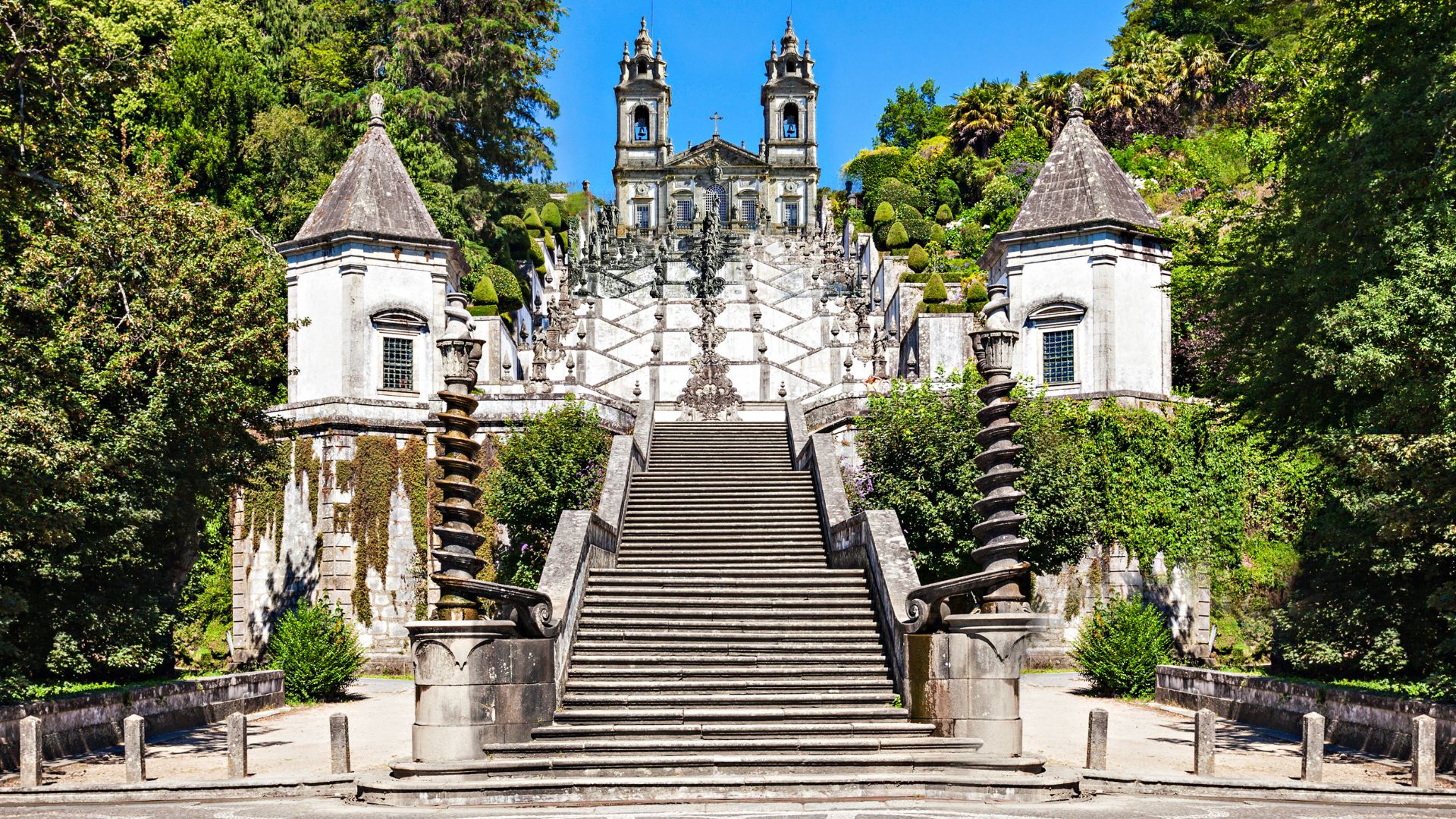
Braga sits up in northern Portugal, and it’s a real gem that most tourists skip. The city’s ancient—over 2,000 years old—and you can feel that history in the air.
Baroque churches and ornate old buildings fill the downtown. They call it the “Portuguese Rome” for a reason. Spring brings mild weather, perfect for wandering without breaking a sweat.
Locals are genuinely welcoming. You won’t feel like you’re stuck in a tourist trap. Prices are still reasonable—especially compared to Lisbon or Porto.
Just outside town, you’ll find the Bom Jesus do Monte sanctuary. It’s got this wild baroque stairway—577 steps! You can climb it, or just cheat and take the funicular.
Braga also works as a base for exploring the wine country and nearby towns. The city keeps up with the times, too—good WiFi, comfy hotels, but still packed with tradition.
4) Ghent, Belgium
Ghent is Belgium’s third-largest city, but it feels way more relaxed than Brussels or Bruges. Medieval buildings line peaceful canals, and you don’t have to elbow your way through crowds.
The city sits in East Flanders, with about 275,000 people calling it home. Spring brings that just-right weather for strolling by the waterways or poking around the old town. You can get to Ghent from the U.S. with a quick connection in Europe—super convenient.
A big student population gives Ghent a young, creative vibe. You’ll spot street art right next to centuries-old cathedrals. Belgian food here is next-level, from local cheeses to hearty stews.
Spend your days walking along the canals, popping into historic sites, or just chilling at a café. Ghent stays affordable compared to other Belgian cities, with hotel rates and meals that won’t empty your wallet.
You can see a lot in just a day, or stick around longer and really soak it in. The city’s compact, so you won’t be worn out from endless walking.

5) Lecce, Italy
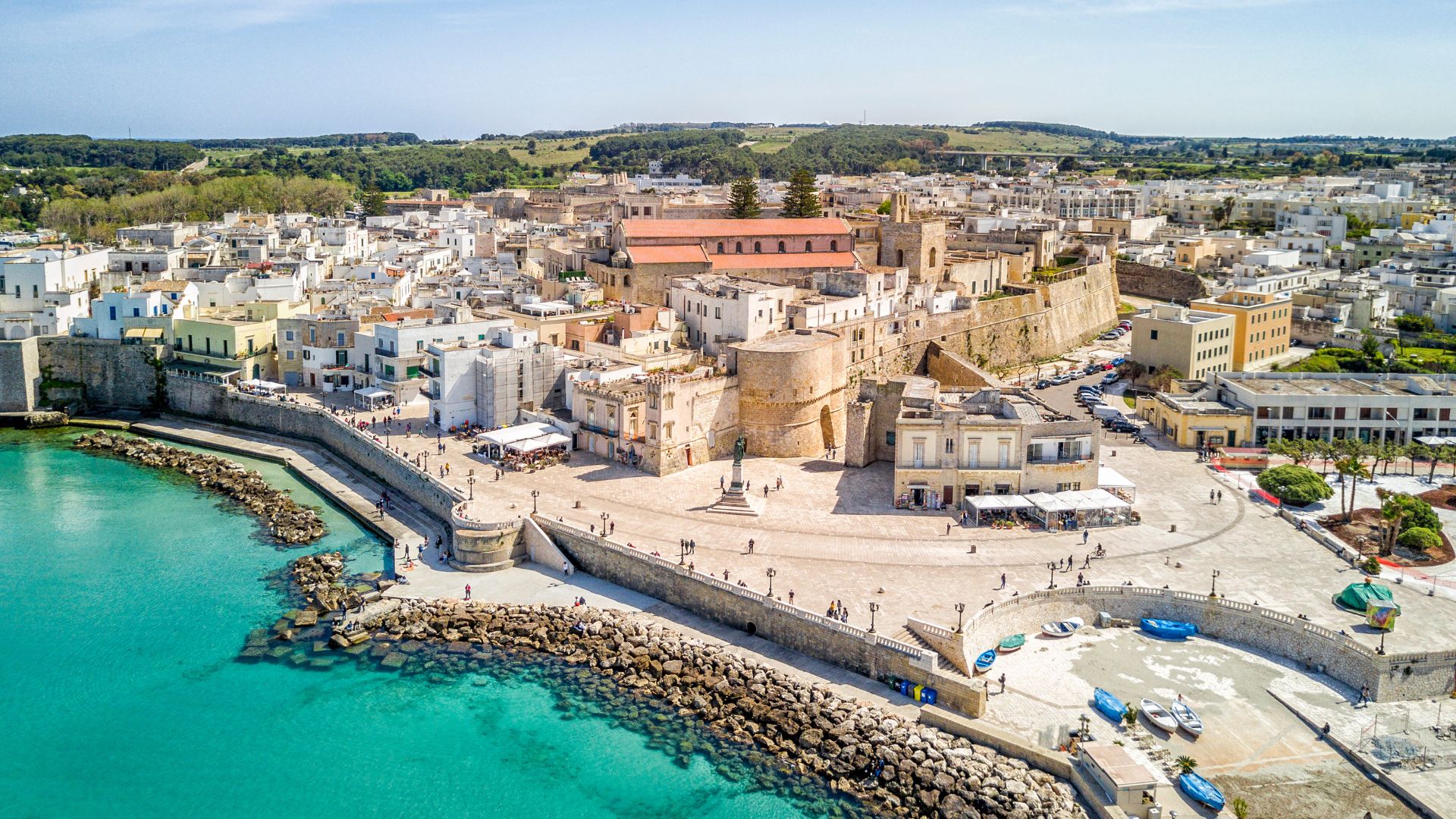
Lecce, tucked down in Italy’s heel (the Puglia region), usually flies under the radar for American travelers. That means you’ll find fewer crowds, more locals.
They call it the “Florence of the South” because of its baroque architecture. The buildings are made from this local limestone that just glows in the spring sun.
Spring here is warm—but not too hot. Perfect weather for wandering the historic center or lingering at an outdoor café.
Food in Lecce is all about fresh, simple flavors. Try orecchiette pasta, burrata, and the region’s olive oil. Prices? Much friendlier than what you’ll find up north.
Lecce makes a great base for beach trips or exploring tiny coastal towns. Trains connect you to the rest of Puglia if you want to roam further.
No need to book restaurants months ahead or fight tour groups at every turn. Lecce gives you a real Italian vibe—minus the stress.
6) Wrocław, Poland
Wrocław is one of those places that surprises you. It’s less crowded than Kraków or Warsaw but just as beautiful, with a big, colorful market square and a maze-like old town.
The river runs through the city, crossed by dozens of bridges—hence the nickname “Venice of Poland.” You get elbow room here, so you can really take your time.
Spring means outdoor dining and comfortable walking tours. One quirky thing: the city’s filled with tiny bronze gnome statues, hidden everywhere. Finding them turns sightseeing into a fun little scavenger hunt.
The historic center looks straight out of a fairy tale, and while the Christmas market is famous, spring brings blooming parks and fewer crowds.
Wrocław delivers on Polish culture, tasty food, and history—without the big-city price tags. It’s small enough to see in a couple of days, making it a perfect stop on a bigger Eastern Europe trip.

7) Riga, Latvia
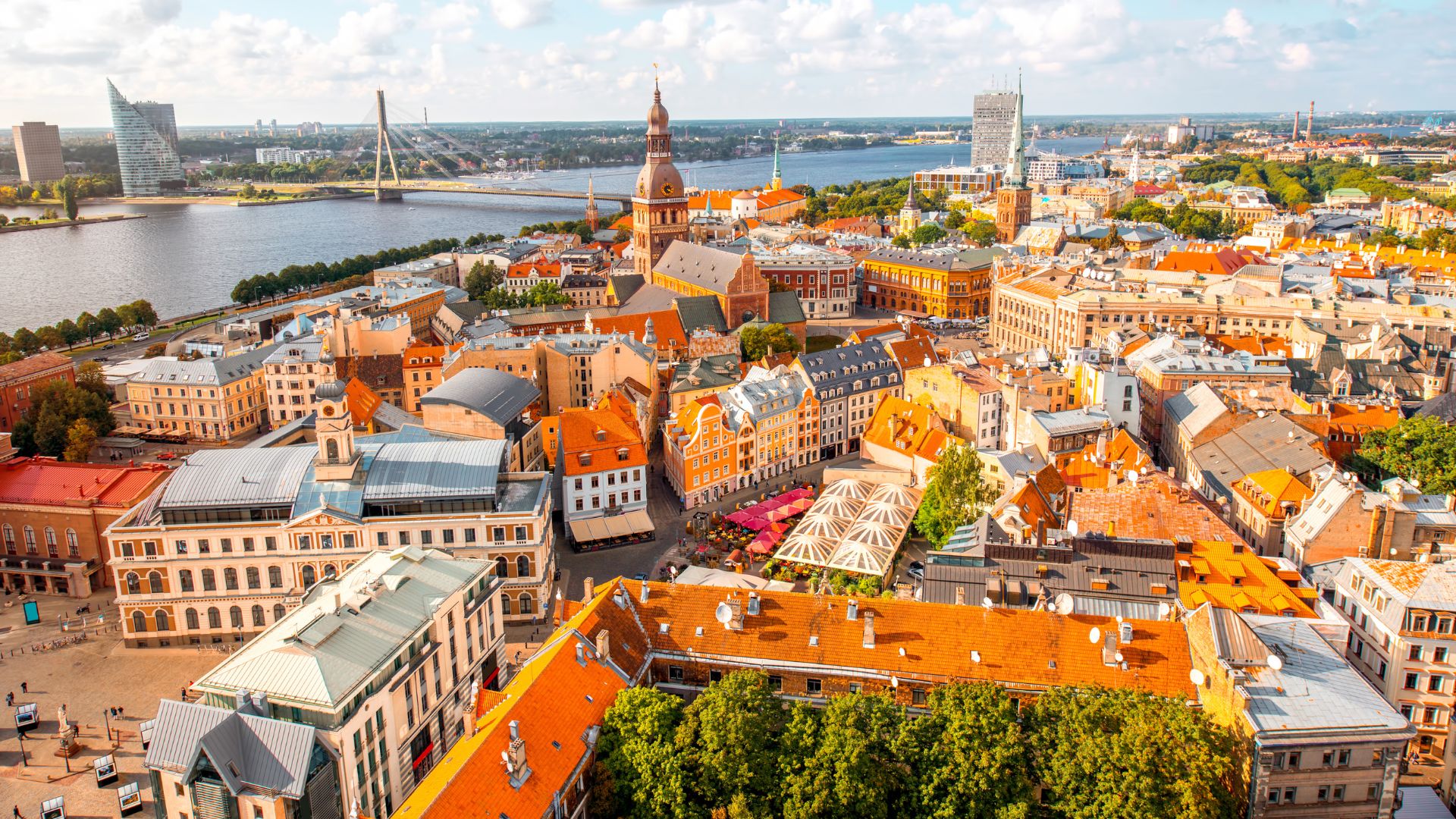
Riga, perched on the Daugava River, is a fantastic value pick for spring 2026. The city blends medieval history with a cool, modern Baltic vibe.
The Old Town, a UNESCO site, is packed with cobblestones and gothic spires. Riga’s walkability is a huge plus—you can cover a lot without needing public transport. In spring, the weather’s gentle, making every stroll more enjoyable.
Art Nouveau fans will be in heaven here. The city center’s streets are lined with over 800 of these ornate, colorful buildings from the early 1900s.
Your money goes further in Riga than in most Western European capitals. Hotels, meals, and attractions stay affordable, but the quality doesn’t drop.
Riga also makes a great jumping-off point for other Baltic capitals like Tallinn or Vilnius. If you’ve got extra time, it’s easy to link them together.
8) Plovdiv, Bulgaria
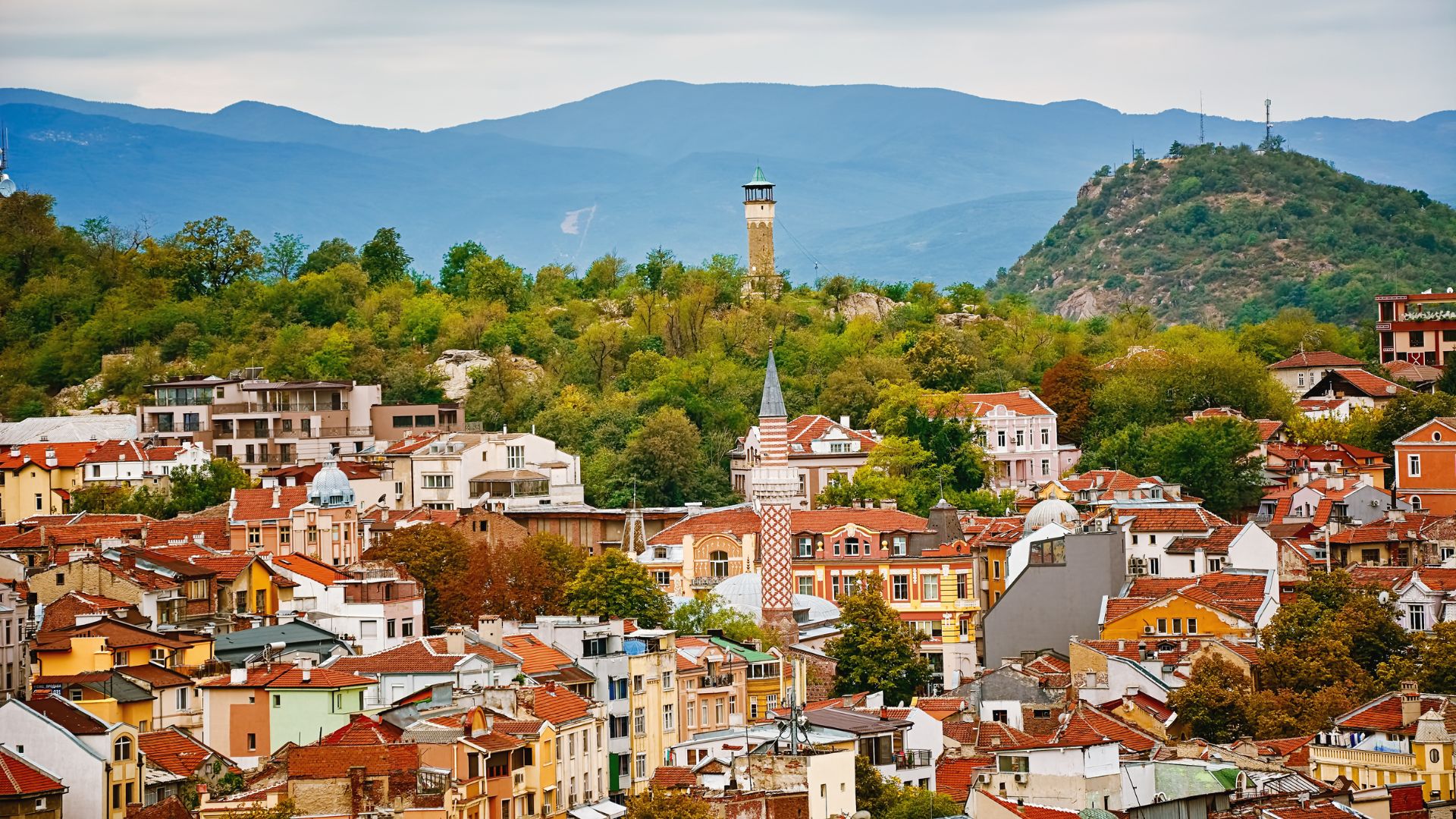
Plovdiv claims the title of Europe’s oldest continuously inhabited city—imagine roots going back to 6000 BCE! You’ll stumble across more than 200 archaeological sites, including Roman ruins that honestly rival anything in Italy.
If you want a place where your budget stretches, this is it. Meals, hotels, and museums cost way less than in hotspots like Rome or Barcelona.
Spring is the sweet spot here. The city’s seven hills and cobblestone streets are perfect for exploring, and the Old Town’s 19th-century houses look especially vibrant with all the flowers blooming. You won’t have to fight crowds for a seat at a café.
Don’t miss the ancient Roman amphitheater—it’s still in use for concerts and events. There’s a growing modern art scene too, so you get that blend of old and new.
Getting around is simple, and English pops up more and more in touristy spots. Plovdiv also works well as a base for exploring the rest of Bulgaria, all while keeping your costs low.
Why Spring Is Ideal for Exploring Underrated European Cities
Spring in Europe? It’s basically the travel sweet spot. You get mild temperatures, manageable crowds, and a calendar packed with local festivals.
Mild Weather and Fewer Tourists
Expect daytime highs between 50°F and 68°F—perfect for wandering cobbled streets without freezing or sweating buckets. You can spend hours outside, just soaking it all in.
Since it’s shoulder season, you’ll dodge most of the crowds. Museums, restaurants, and top sights feel way more relaxed. Locals have time to chat, and you’ll get better tips or even a friendly story or two.
Travel costs drop, too. Hotels and flights can be 20-40% cheaper than in summer. You’ll find deals on rooms, and booking a hot restaurant doesn’t require weeks of planning.
Seasonal Festivals and Events
Spring means cities come alive with unique celebrations. Think flower festivals, Easter markets, and springtime traditions you won’t see any other time.
Outdoor concerts, food fairs, and open-air events fill the calendar. Wine regions open their cellars, and beer gardens kick off the season with special brews.
Parks and gardens burst into color with cherry blossoms and tulips. It’s the perfect backdrop for a lazy afternoon walk or a picnic.
Practical Travel Tips for American Visitors
Getting around these cities is pretty straightforward, but a little prep goes a long way. Most folks prefer cash for small stuff, and public transportation doesn’t always work like it does back home.
If you’re planning to use buses or trains, check out local transit passes. And don’t stress too much about language barriers—most places on this list are used to visitors and happy to help.
Navigating Local Transportation
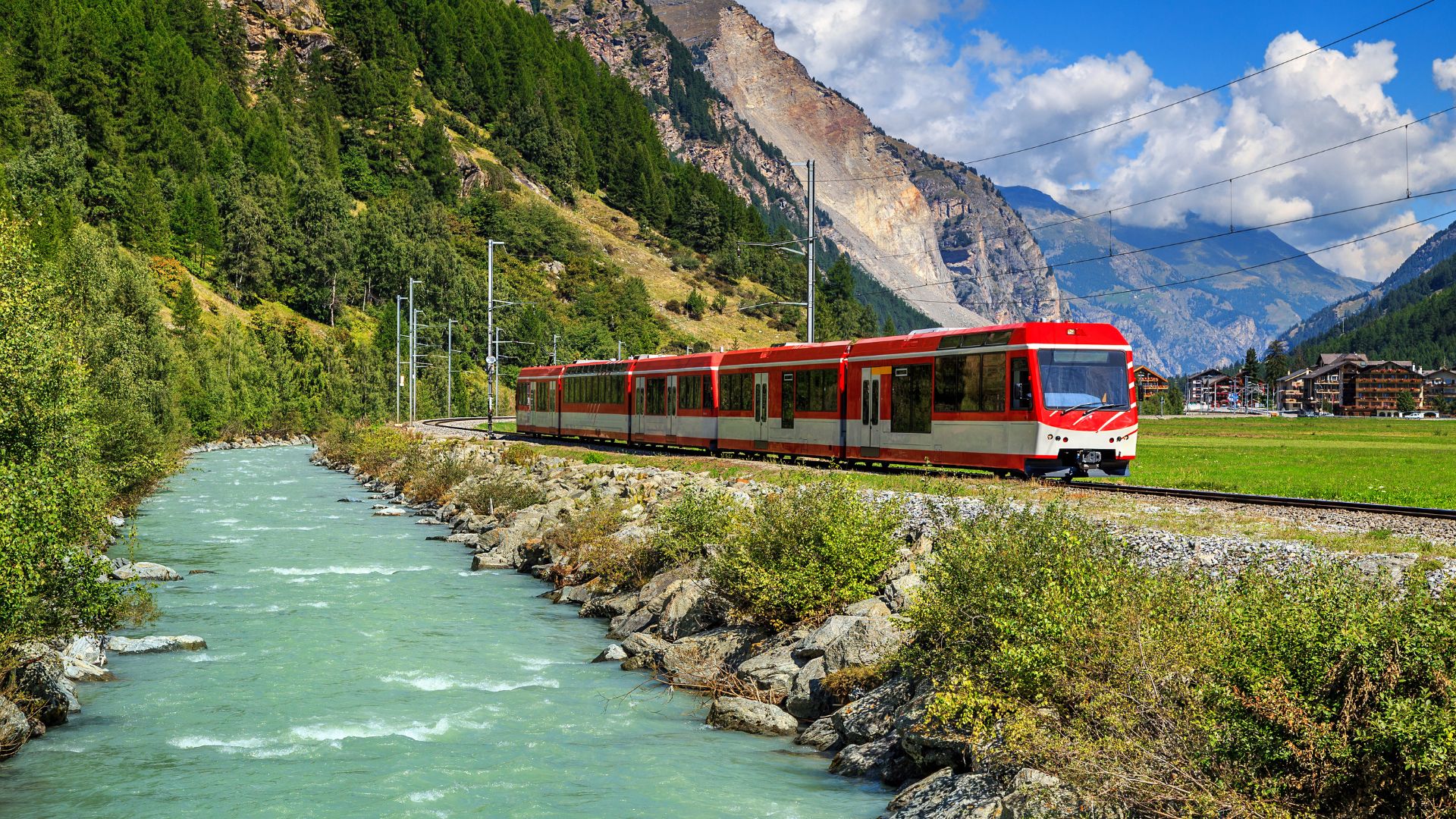
European cities really know how to do public transportation. Buses, trams, and metros run much more often and go farther than what you’ll find in most American cities.
You usually have to grab your ticket before you even step on board. I’ve bought mine from machines at stations, but plenty of cities let you use mobile apps too.
Common ticket types include:
- Single journey tickets (good for 60-90 minutes)
- Day passes (unlimited rides for 24 hours)
- Multi-day tourist cards (sometimes these throw in museum entry—pretty handy)
Don’t forget to stamp or validate your ticket in the little machines before you hop on a tram or bus. Ticket inspectors really do check, and those fines for unvalidated tickets? They sting—think €40-€80.
If you’re heading to Prague or Kraków, you’re in luck. Transportation there is super affordable. I paid around $1.50 for a metro ride in Prague, and it’s even cheaper in Kraków.
It’s smart to download the city’s official transit app before you go. You can buy tickets digitally and figure out your routes without fumbling at the station.
Most old city centers are made for walking. I usually skip public transit when I’m staying central—just stroll from one sight to the next and save a few bucks.
Understanding Local Customs
When you meet someone in Europe, expect a handshake or, among friends, a light kiss on both cheeks. It’s a little different from home, but you get used to it.
People tend to keep their voices down in restaurants and on public transit. If you get chatty or loud, you’ll definitely stand out.
Tipping can trip up a lot of travelers. Restaurant bills usually include service, so you just round up or leave an extra 5-10% if you really liked the service. Bartenders don’t expect tips for drinks, but rounding up to the next euro is a nice gesture.
Shops and restaurants close earlier than you might expect. In a lot of places, stores shut down by 8 PM on weekdays, and Sundays are even more limited.
If you’re in a smaller city like Kraków, plan your shopping and meals ahead so you don’t get caught out.
Currency and Payment Methods
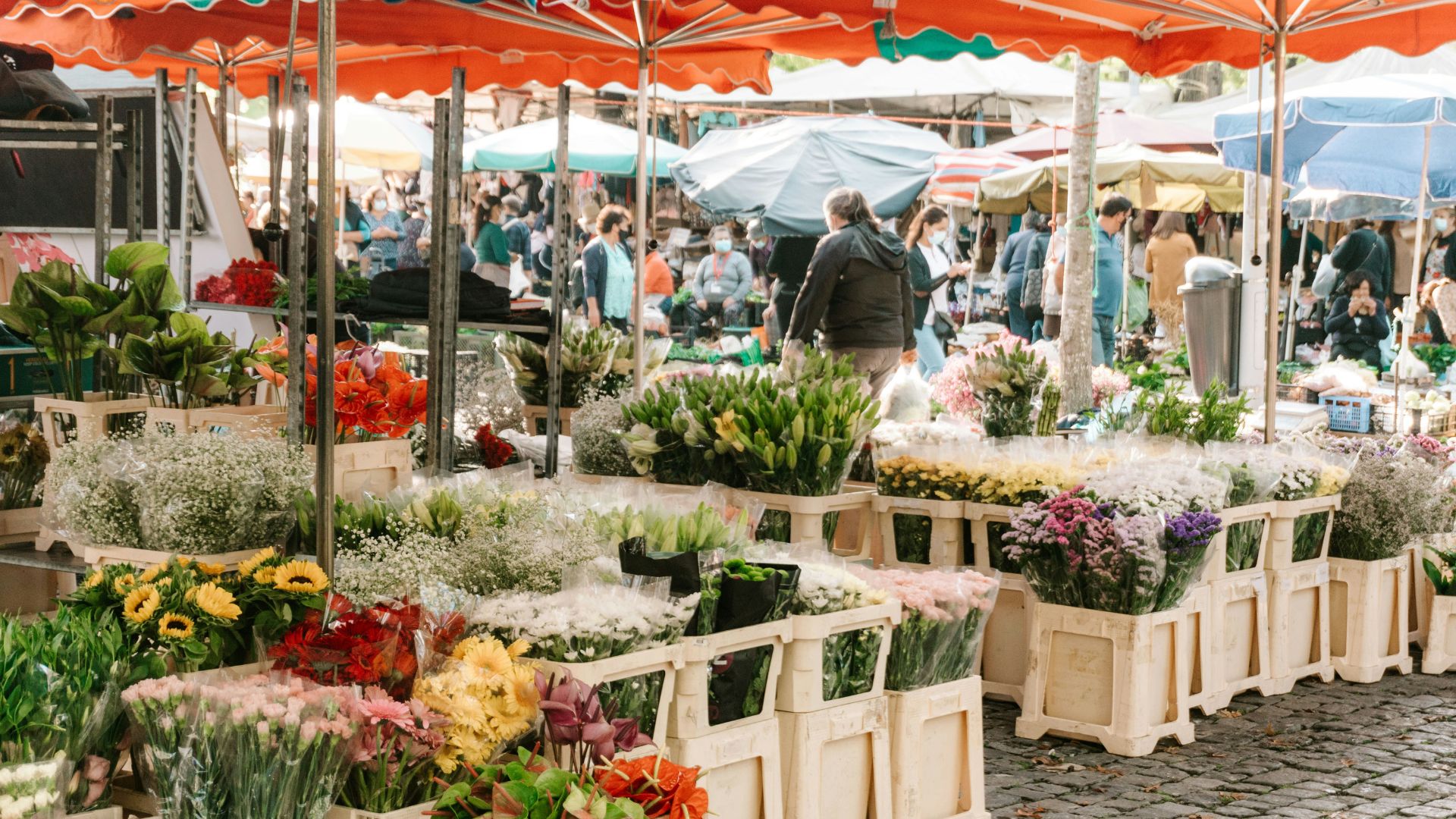
Cash is still king for small purchases in many underrated European cities. Prague and other popular spots accept cards almost everywhere, but I’ve found that local markets and tiny cafes often want cash.
When you need euros or local currency, stick to bank ATMs. Airport and tourist exchange booths charge more and give worse rates.
Let your bank know you’re traveling before you leave. That way, you won’t end up with a blocked card when you need it most.
A credit card with no foreign transaction fees really helps. Visa and Mastercard work just about everywhere, but American Express? Not so much—unless you’re at a big hotel or chain.

Frequently Asked Questions
Spring 2026 is shaping up to be a fantastic time for exploring Europe’s lesser-known cities. If you want authentic experiences, rich culture, and a break from the crowds, these Q&As should help you plan.
Ljubljana, Slovenia is a gem. The old town is compact, there’s a castle overlooking everything, and spring is perfect for wandering along the Ljubljanica River.
Braga, Portugal feels genuinely Portuguese. You get ancient churches, traditional festivals, and way fewer tourists than in Lisbon or Porto. It’s a great place to chat with locals and see daily life.
Lecce, Italy? It’s got that southern Italian magic. The baroque architecture is stunning, especially when the limestone buildings glow in the spring sun. I loved eating Puglian food at family-run places.
Kraków is full of Polish history, from its medieval core to the Jewish quarter. You’ll find UNESCO World Heritage sites and don’t have to elbow your way through crowds.
Ghent, Belgium surprised me with its Flemish art and architecture. You get medieval buildings and museums, but it’s way more relaxed than Bruges.
Valencia, Spain mixes Roman ruins, medieval streets, and modern wonders like the City of Arts and Sciences. Spring brings festivals and fun, but the crowds stay manageable—unlike Barcelona.
Prague keeps getting more popular, but it’s still less crowded and more affordable than big Western capitals in the spring. The city’s charm is undeniable.
Ljubljana is making a name for itself as a sustainable destination. The car-free center is a dream, and English is widely spoken. It’s also a great jumping-off point for exploring the Balkans.
Braga draws folks interested in religious history and old-school Portuguese culture. It’s also a gateway to northern Portugal’s wine country and nature reserves.
These underrated cities give you top-notch museums, historic sites, and architecture—without the lines and hassle.
You can usually walk into museums without booking ahead. Restaurants rarely require reservations, so there’s less stress.
Smaller cities offer more genuine local experiences. You’ll actually talk to people who live there and see real life, not just tourist crowds.
Lecce is a must if you’re craving an Italian adventure away from the usual spots. Baroque churches, a Roman amphitheater, and the nearby Adriatic beaches make it a winner.
Ghent gives you Belgian culture without the tour buses. Medieval streets, art museums, and local pubs serving Belgian beer—what’s not to love?
Valencia has beaches, culture, and food that rivals Madrid or Barcelona, but with far fewer tourists. Spring is perfect for wandering the old town or relaxing in the Turia Gardens.
Ljubljana feels refreshingly manageable, thanks to its compact size and the fact that not everyone has caught on to its charm yet. You won’t stumble into endless souvenir shops or get hit with those sky-high prices you see in bigger European hotspots.
Braga keeps its authentic character alive as a true working Portuguese city. Local restaurants still focus on serving their neighbors, so you’re more likely to get real, honest food without the tourist markup.
Kraków’s main square buzzes with activity, especially in spring, but the real magic sits just a few blocks away. If you wander into the surrounding neighborhoods, you’ll discover quiet corners and genuine local life—no crowds required.
