America’s sunsets? They’re something else. From California’s wild, rugged coast to those endless Southwest skies, I’ve seen colors that don’t even seem real.
Every night, the sky becomes a living painting—sometimes so vivid, I have to pinch myself.
Here are nine sunset spots across the US that turn any regular evening into a scene straight out of a fairytale. Each one brings its own magic—maybe it’s the way the light dances off the ocean, or how mountains swallow the last rays of the day.
I’ve chased sunsets from coast to coast, hunting for those jaw-dropping moments. There are tricks to catching the best ones, too—timing, weather, even knowing what makes those colors pop.
If you want to make your next sunset viewing unforgettable, let’s dive in.
What Makes Sunsets in America So Magical?
Honestly, there’s a bit of science and a lot of luck. American sunsets get their wow from light scattering, the golden hour, and just the right mix of weather and geography.
The Science of Sunset Colors
So, here’s what I’ve learned: those wild sunset colors? They come from Rayleigh scattering.
When sunlight hits tiny particles in the air, the shorter blue wavelengths scatter first. That leaves the reds, oranges, and yellows to hit your eyes when the sun’s low.
The lower the sun, the more air the light travels through—and the more dramatic the colors get.
What changes the colors?
- Clean air gives you soft pastels.
- Dust and particles? Think bold reds and oranges.
- Humidity deepens everything.
- Pollution can crank up the intensity, but sometimes leaves things hazy.
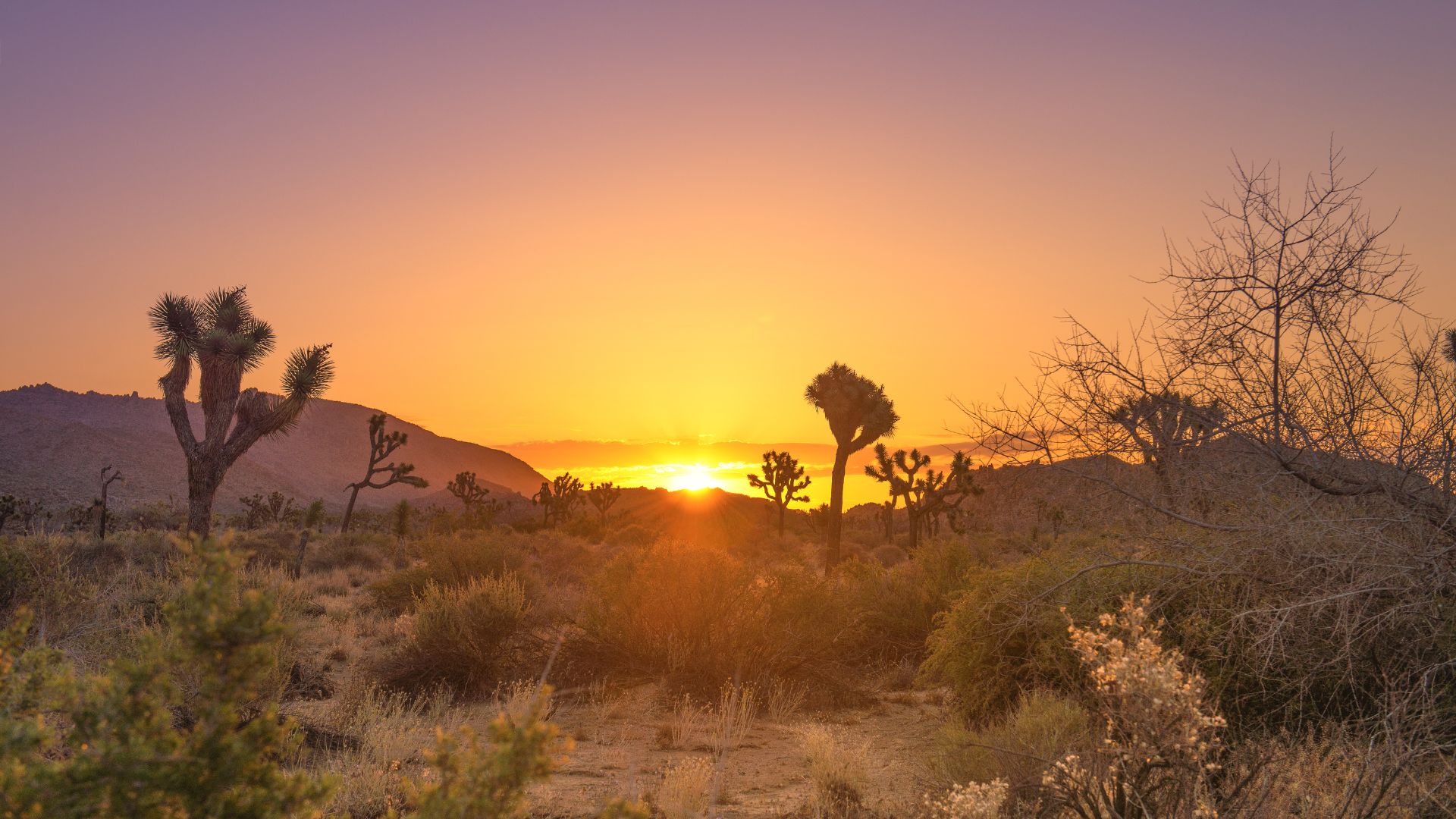
Deserts glow orange thanks to dust. Coastal spots get those dreamy, soft hues from sea spray and moisture.
The Role of Golden Hour and Magic Hour
I live for golden hour—the first hour after sunrise or that last hour before sunset. The sun sits low, and suddenly, even the most ordinary place looks like a movie set.
Magic hour comes right after sunset. The sky glows, shadows disappear, and everything feels a little surreal.
Golden hour makes mountains look lit from within. Water turns into a mirror for the sky. I’ve seen even city streets transform when the light’s just right.
Timing depends on where you are and the season. Summer golden hours last longer up north, and everything shifts as you travel.
Key Factors for Stunning Sunsets
The best sunsets I’ve seen happen when the stars (and clouds) align.
You want some clouds—about 30-70% is perfect. They catch the colors, turning the sky into a canvas. Too many, though, and you won’t see much.
A little dust or humidity in the air? That’s when you get those wild, saturated colors. Sometimes, after a storm or near the ocean, things just light up.
Where you are changes everything:
- Mountains give you epic silhouettes.
- Lakes and oceans double the show with reflections.
- Open plains? Nothing in the way—just sky for days.
- Deserts add extra color with their dust.
Weather plays its part, too. Clear days bring softer colors, but a few dramatic clouds can make everything pop.
America’s mix of landscapes means every sunset feels different. You could chase them for years and never see the same show twice.
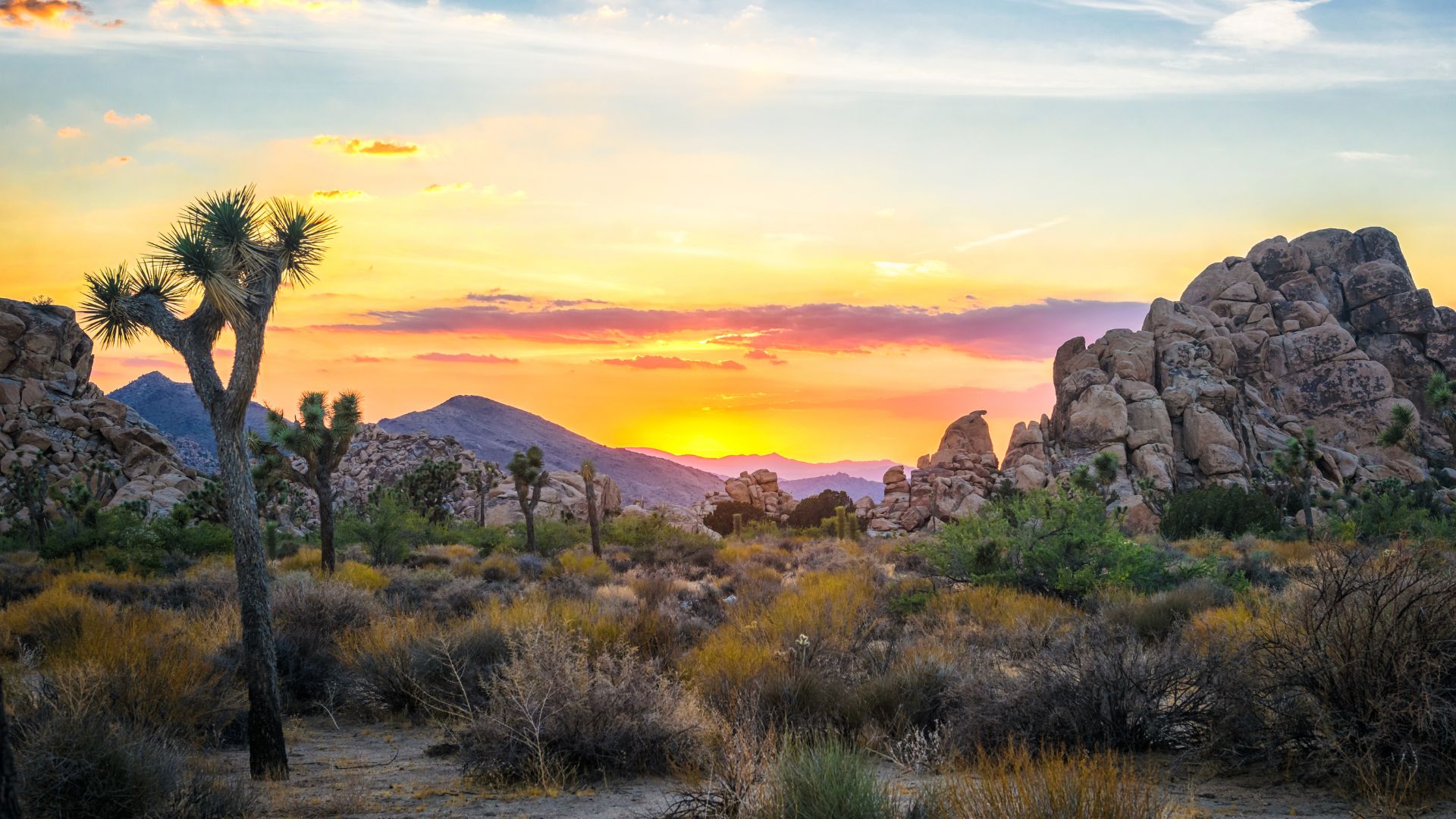
The 9 Most Fairytale-Like American Sunsets
Ready for the main event? Here are nine places where the sunset feels like pure magic.
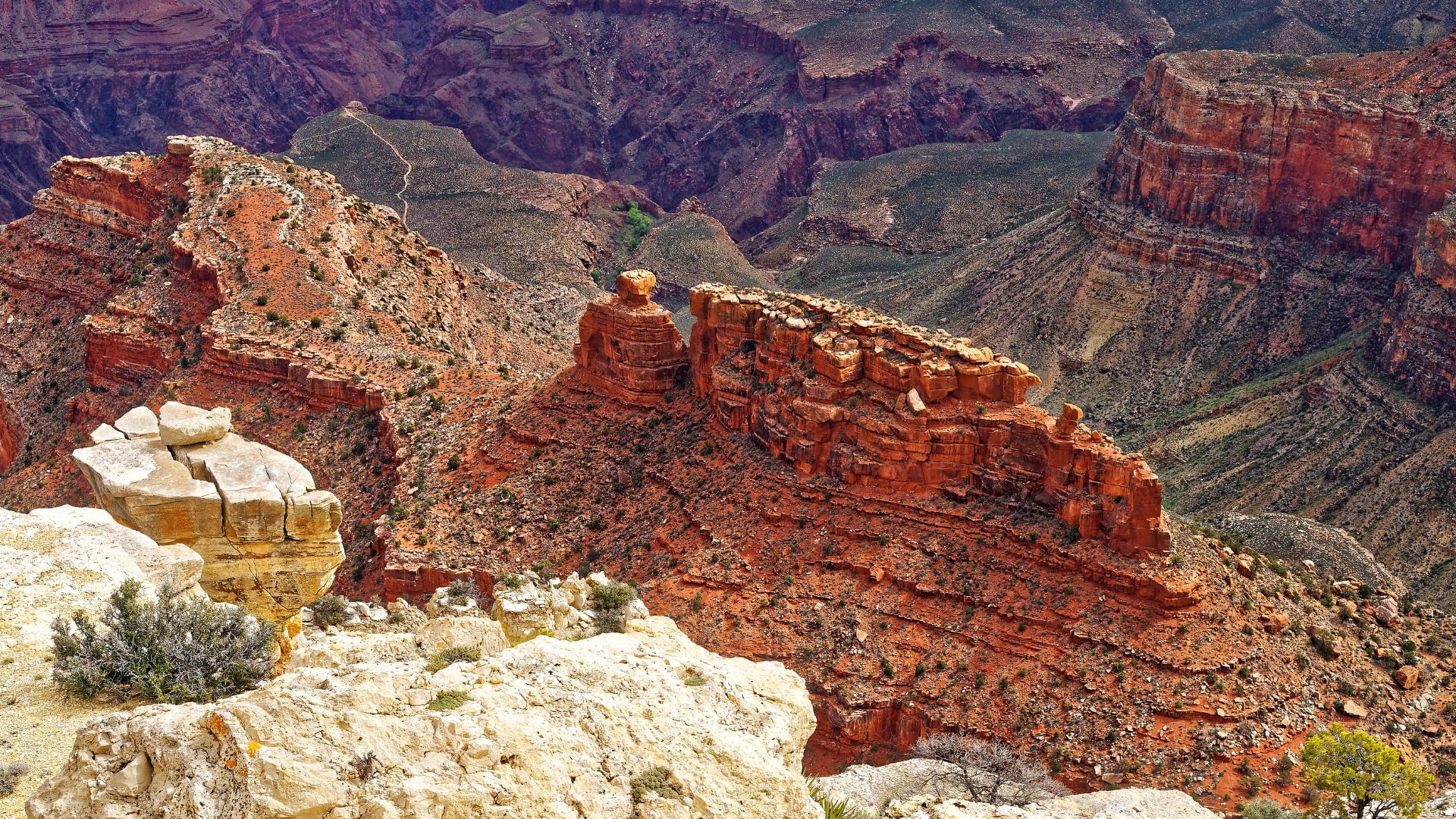
Hopi Point, Grand Canyon, Arizona
My first sunset at Hopi Point honestly left me speechless.
The South Rim location gives you a front-row seat to the canyon’s western sweep.
Why it’s special:
- Wide-open views with no trees or crowds in the way.
- The canyon rocks glow in layers of red, gold, and purple.
- It’s quieter than nearby Mather Point.
In summer, the sun drops behind the canyon walls around 7:30 PM. Each rock layer lights up, one by one.
Get there 45 minutes early—parking fills up fast. The best photo spots hug the stone wall on the west side.
Even in summer, the air cools quickly. Toss a jacket in your bag for the walk back.
Mallory Square, Key West, Florida
Key West doesn’t just watch the sunset—they throw a party for it. At Mallory Square, the whole town turns out every night.
Two hours before sunset, street performers juggle fire, musicians play, and vendors serve up fresh seafood. The Gulf of Mexico swallows the sun while everyone cheers.
Why you’ll love it:
- The crowd actually applauds the sunset.
- Pink and orange skies reflect on the water.
- It’s a festival, every evening.
Sunsets here shift with the season—6 PM in winter, closer to 8 PM in summer.
If you want something quieter, hop on a sunset cruise. You’ll get the same colors, minus the crowds.
Going-to-the-Sun Road, Glacier National Park, Montana
This road feels like it was built for sunset chasers. The 50-mile drive winds through Glacier’s best scenery.
Top spots along the way:
- Lake McDonald for perfect mountain reflections.
- Logan Pass at 6,646 feet—views for days.
- Wild Goose Island Overlook—tiny island, massive drama.
The road opens late June to October. Snow closes the higher bits in winter.
I start my drive two hours before sunset to snag the best stops. Lake McDonald steals the show—mountains and their reflections turn electric orange.
Bring layers. Even in July, the chill hits hard after dark.
Pacific Coast and Western Sunsets
The West knows how to put on a sunset. California’s cliffs, Hawaii’s volcanoes, the Rockies’ snowy peaks—each one has its own flavor.
Laguna Beach, California
Laguna Beach? It’s my go-to for California sunsets. The coastline is rugged, and the sun melts right into the Pacific.
Main Street Beach is the sweet spot. Offshore rocks break the waves, and the sun drops straight into the sea.
The cliffs make for great vantage points. I get panoramic views up and down the coast.
Best times:
- Summer: 7:30–8:00 PM.
- Winter: 5:00–5:30 PM.
Art galleries stay open late, so you can wander before catching the show.

Mauna Kea, Hawaii
Mauna Kea’s summit is a sunset you’ll never forget. At 13,796 feet, you’re above the clouds, watching the sun dip into the Pacific.
The drive takes about two hours from sea level. You’ll need a four-wheel-drive for the last stretch.
It gets cold—really cold. I always bring a jacket, even if it’s hot on the beach.
The summit’s observatories look like something from another planet. Telescopes start to glow as the sun goes down.
Why it’s unforgettable:
- You’re above the clouds.
- No city lights.
- Air so clear, it feels unreal.
- Views in every direction.
The sunset itself is quick—blink and you’ll miss it.
Rocky Mountains Panoramas
Sunsets in the Rockies? They’re all about elevation.
Trail Ridge Road in Rocky Mountain National Park is my favorite drive. You can reach over 12,000 feet without breaking a sweat.
The mountains keep glowing long after the sun’s gone. For half an hour, the peaks burn orange and pink.
Other top spots:
- Going-to-the-Sun Road, Montana.
- Mount Evans, Colorado.
- Grand Teton viewpoints, Wyoming.
Snowy peaks reflect all those wild sunset colors. The contrast makes for killer photos.
I always get there early—mountain weather changes in a blink, and clouds can steal the show.
Dreamy Coastal and Eastern Destinations
The East Coast has its own sunset magic. Wild barrier islands, lighthouses, and even fire-lit rivers—there’s something for everyone.
Outer Banks, North Carolina
The Outer Banks work their magic when the sun sets over the sound. Calm water turns into a giant mirror, doubling every color.
Best spots:
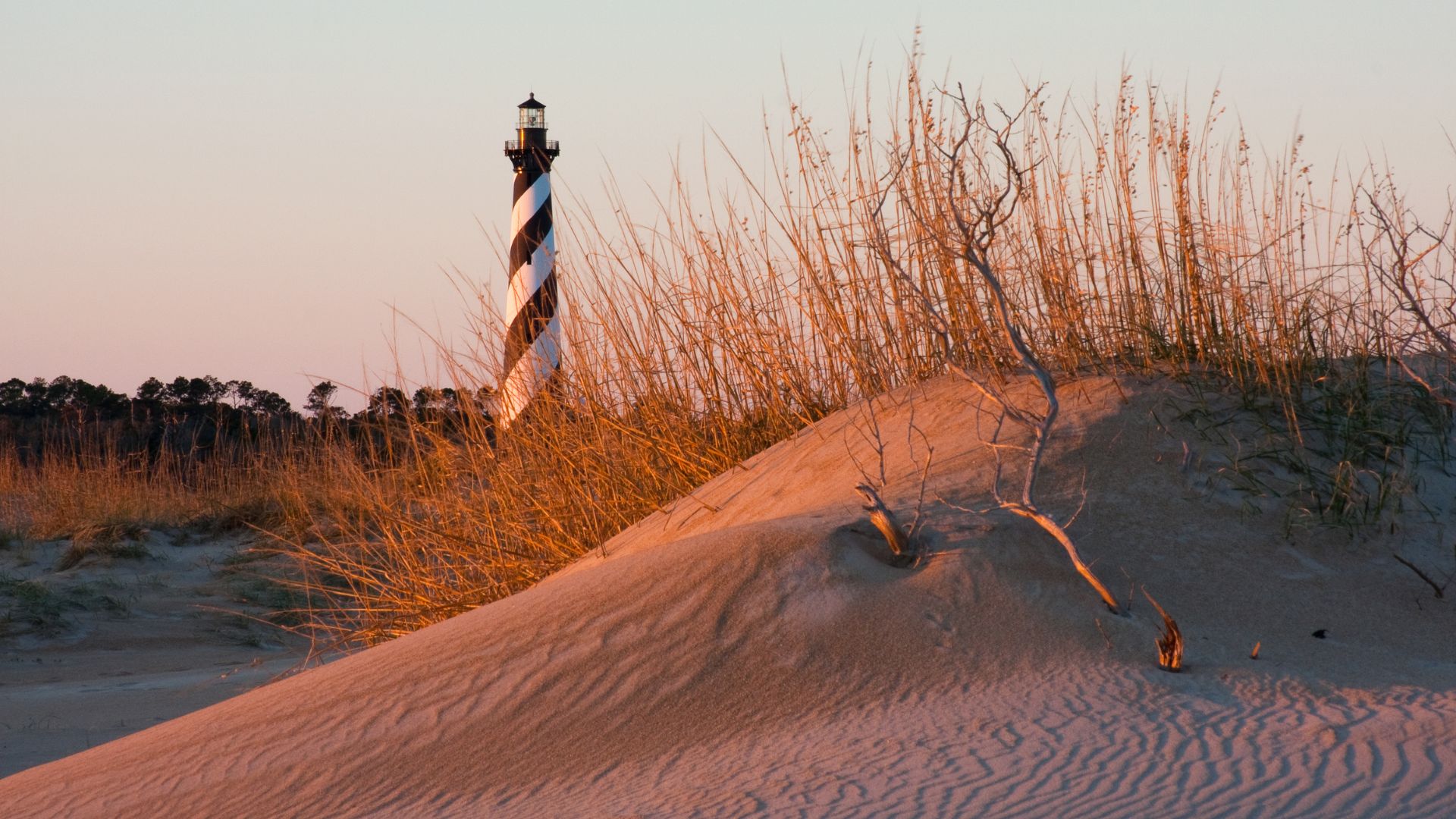
- Cape Hatteras Lighthouse.
- Jockey’s Ridge State Park.
- Sound-side Sunset Beach.
Sand dunes, glassy water, and endless sky—no two sunsets look the same. Sometimes wild horses wander by during golden hour. The lighthouse stands tall against those wild skies, perfect for photos.
Sound-side sunsets beat the ocean side every time. The water’s calm and the reflections are crystal clear.
Climb Jockey’s Ridge for a higher view. With miles of open space and hardly any buildings, it’s just you and the sky.
Salt air and gentle waves make it extra relaxing. No wonder people return year after year.
WaterFire at Providence, Rhode Island
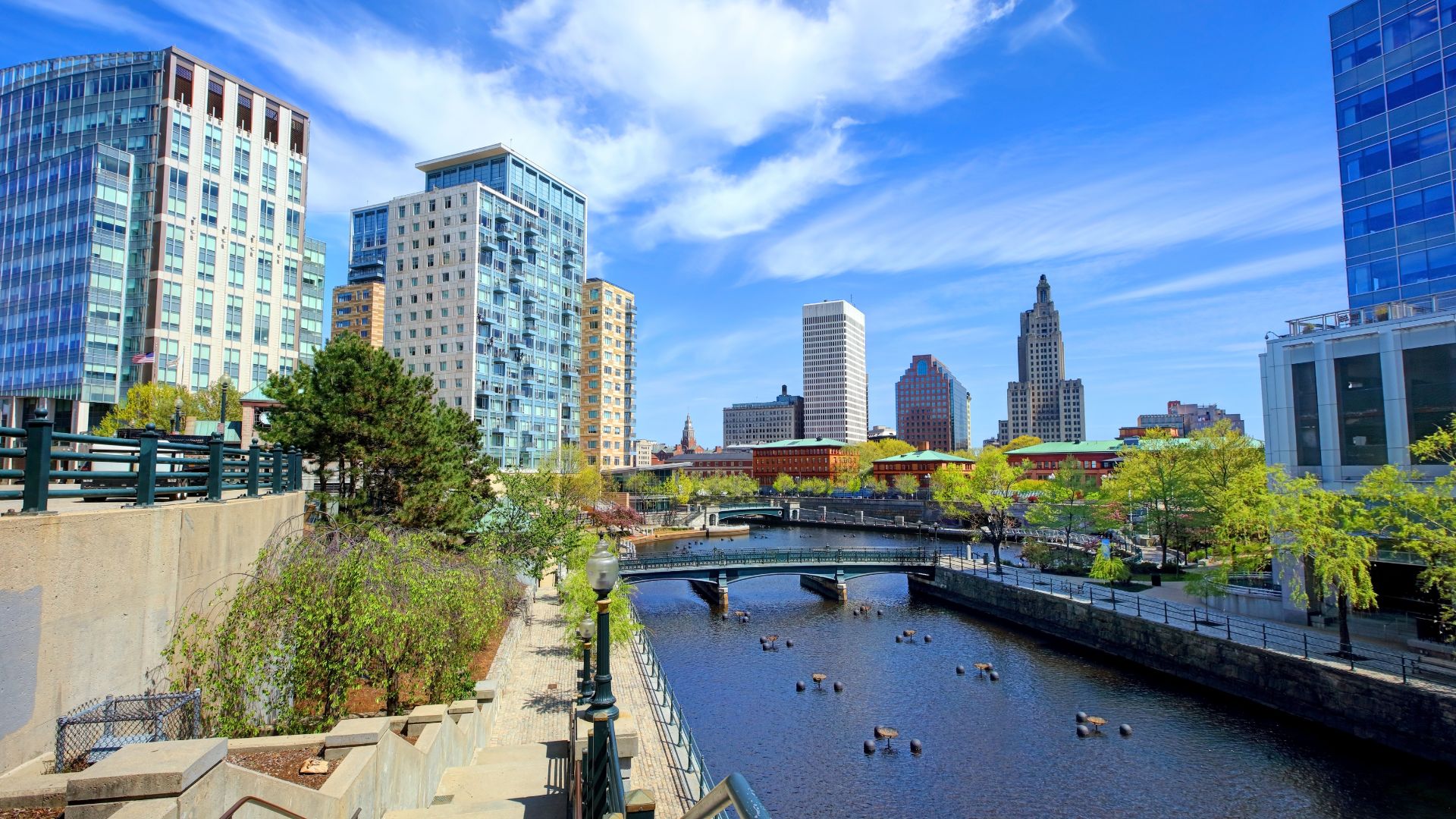
WaterFire in Providence turns sunset into a city-wide art show. Volunteers light over 80 floating fires along the rivers as the sun goes down.
The flames flicker on the water while music plays from hidden speakers. People stroll the riverbanks, soaking it all in.
What to know:
- Happens on certain nights from spring to fall.
- It’s free.
- The fires burn from sunset until late.
The mix of fire, water, and twilight is pure magic. Downtown becomes a glowing stage, with food and street performers adding to the vibe.
It’s more than just a sunset—it’s art in motion.
Tips for Experiencing the Best US Sunsets
Want to make your sunset experience epic? A little planning goes a long way.
I always check sunset times before a trip. Weather apps help me guess if clouds will make the colors pop.
Best months:
- Spring: Clear skies, comfy temps.
- Fall: High clouds for bold colors.
- Winter: Early sunsets, fewer crowds.
I show up 30–45 minutes early to grab the best spot and watch the colors shift.
What to bring:
- A folding chair or blanket.
- Warm clothes (the chill sneaks up).
- Snacks and water.
- A flashlight for the walk back.
If I can, I book a place to stay on the west side—closer to the action. Hotels near water or mountains usually have the best views.
Peak season means more people and higher prices. I try to visit hotspots like Key West or Maui during shoulder season for better deals and room to breathe.
Best Ways to Capture the Moment
I usually reach for my phone’s HDR mode when I want those balanced sunset shots. HDR helps the camera handle both the bright sky and the shadowy foreground, so you get all the good stuff in one picture.
Camera settings that work:
- Keep ISO low, somewhere between 100 and 400, to avoid that annoying grain.
- I always set the focus manually right on the horizon.
- Shooting in RAW? Absolutely. It gives you more freedom to tweak things later.
One thing I never do: look straight at the sun through my camera’s viewfinder. That’s just asking for trouble—your eyes and your camera sensor will thank you.
Photo composition tips:
- Toss a tree or a rock into the foreground for some extra interest.
- The rule of thirds? It’s popular for a reason—try it for horizon placement.
- Sunsets move fast, so I snap a bunch of photos as the colors shift.
A small tripod is a game-changer for low-light shots. I picked up a phone tripod adapter for under $15, and it fits in just about any bag.
Some of the wildest colors show up about 15–20 minutes after the sun drops. That’s the “blue hour” (here’s what I mean), and I always keep shooting for those deep purples and pinks.
But honestly, sometimes I just set the camera down. Watching a sunset without a screen? That’s a memory you actually feel—way better than any photo.
Camping and Sunset Adventures
When I pick a campsite, I usually go for spots with western exposure. That way, nothing blocks my view when the sun dips below the horizon.
Honestly, national park campgrounds often nail it with their locations. You just can’t beat those wide-open skies.
Top camping sunset destinations:
- Bryce Canyon, Utah (8,000 feet up—bring a warm jacket)
- Glacier National Park, Montana
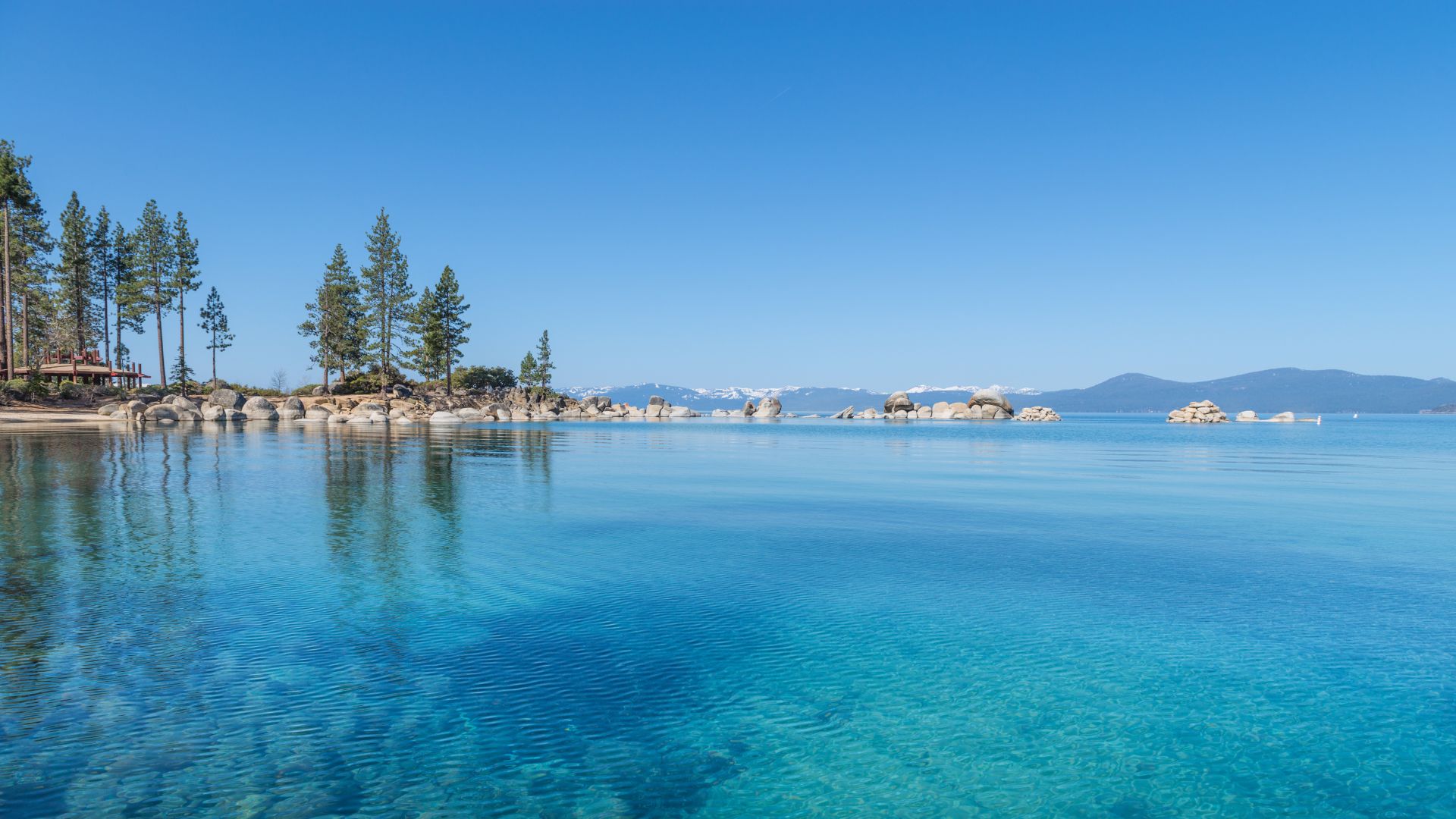
- Lake Tahoe, straddling California and Nevada
- Presque Isle State Park, Pennsylvania
I like to get my tent up well before sunset. Trust me, fumbling with tent poles in the dark is both annoying and kind of risky.
If I’m planning a campfire, I always check fire restrictions ahead of time. Dry season? You’ll probably need a permit, and sometimes it’s just not allowed.
I usually toss a camping stove in my pack as a backup. You never know when open flames will get banned last minute.
Sunset camping essentials:
- Headlamp with red light mode (your eyes will thank you)
- A stash of extra batteries for all the gadgets
- Insulated sleeping bag, especially in the mountains—nights get chilly fast
- First aid kit, because you’re often far from help
For dinner, I keep things simple. Sandwiches or something pre-cooked mean I can actually watch the sunset instead of stirring a pot.
Mountains really steal the show at sunset. The sun slips behind the peaks, and suddenly the whole place glows with golden light and crazy long shadows.
I always let someone know where I’m camping and when I’ll be back. Out in these sunset spots, cell service can vanish in a heartbeat.