
Did you know Mexico has more than 4,400 ancient sites? Stepping into these places honestly feels like wandering onto the set of an epic adventure film.
These ruins aren’t just about dusty history—they turn you into the main character, whether you’re hacking through jungle paths, stumbling on hidden temples, or craning your neck at pyramids that seem to scrape the sky.
Here are nine ruins in Mexico that blend wild adventure with jaw-dropping architecture. Some are famous Mayan cities; others? Well, you might need a map and a sense of humor to find them.
Every spot brings its own flavor of thrill. Sometimes it’s climbing ancient steps, sometimes it’s getting lost in a maze of jungle corridors, and sometimes it’s just standing in awe before temples that have watched centuries drift by.
The Yucatan Peninsula’s blockbusters get a lot of love, but Mexico’s full of secret gems in all sorts of landscapes. Forget the movies—real adventure waits here, on coastal cliffs, deep in the rainforest, and among the echoes of civilizations that shaped the world.
Let’s wander through these ancient cities together. I’ll share which ones made me gasp, which ones made me sweat, and which ones you absolutely shouldn’t skip.
Unveiling the Magic of Mexico’s Ancient Ruins
Honestly, nothing transforms a regular trip like stumbling into one of Mexico’s archaeological wonders. These places preserve the genius of civilizations like the Maya, Aztecs, and Zapotecs—people who shaped the land long before modern Mexico existed.
Where Ancient Civilizations Meet Modern Adventure
I’m still blown away by how much adventure you can find at these ruins. Chichen Itza and Teotihuacan, for example, don’t just look like movie sets—they feel like them.
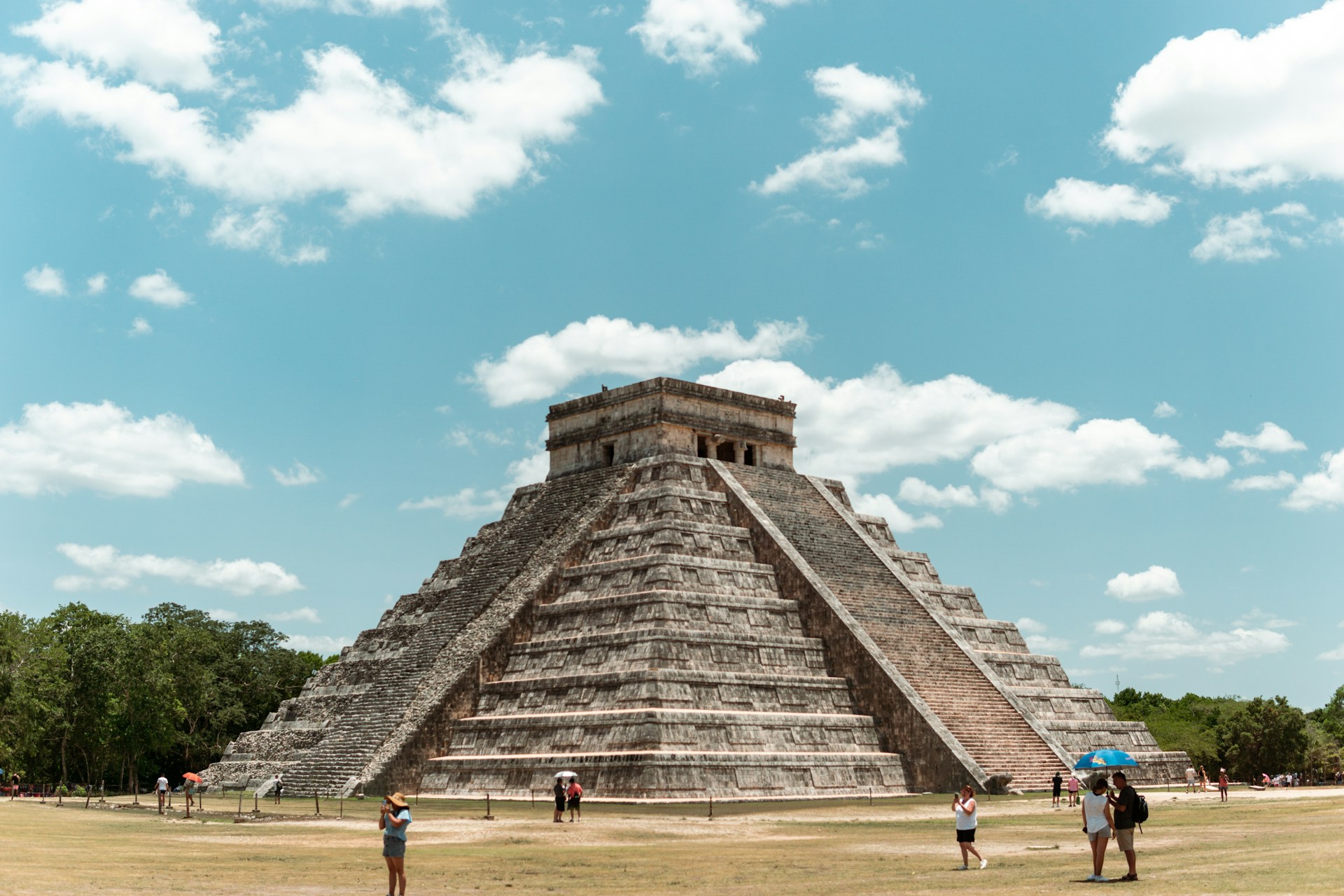
Climbing the 365 steps of El Castillo at Chichen Itza? It’s a rush, especially if you’ve ever dreamed of being Indiana Jones. The pyramid’s massive, almost 100 feet tall, all built from limestone blocks.
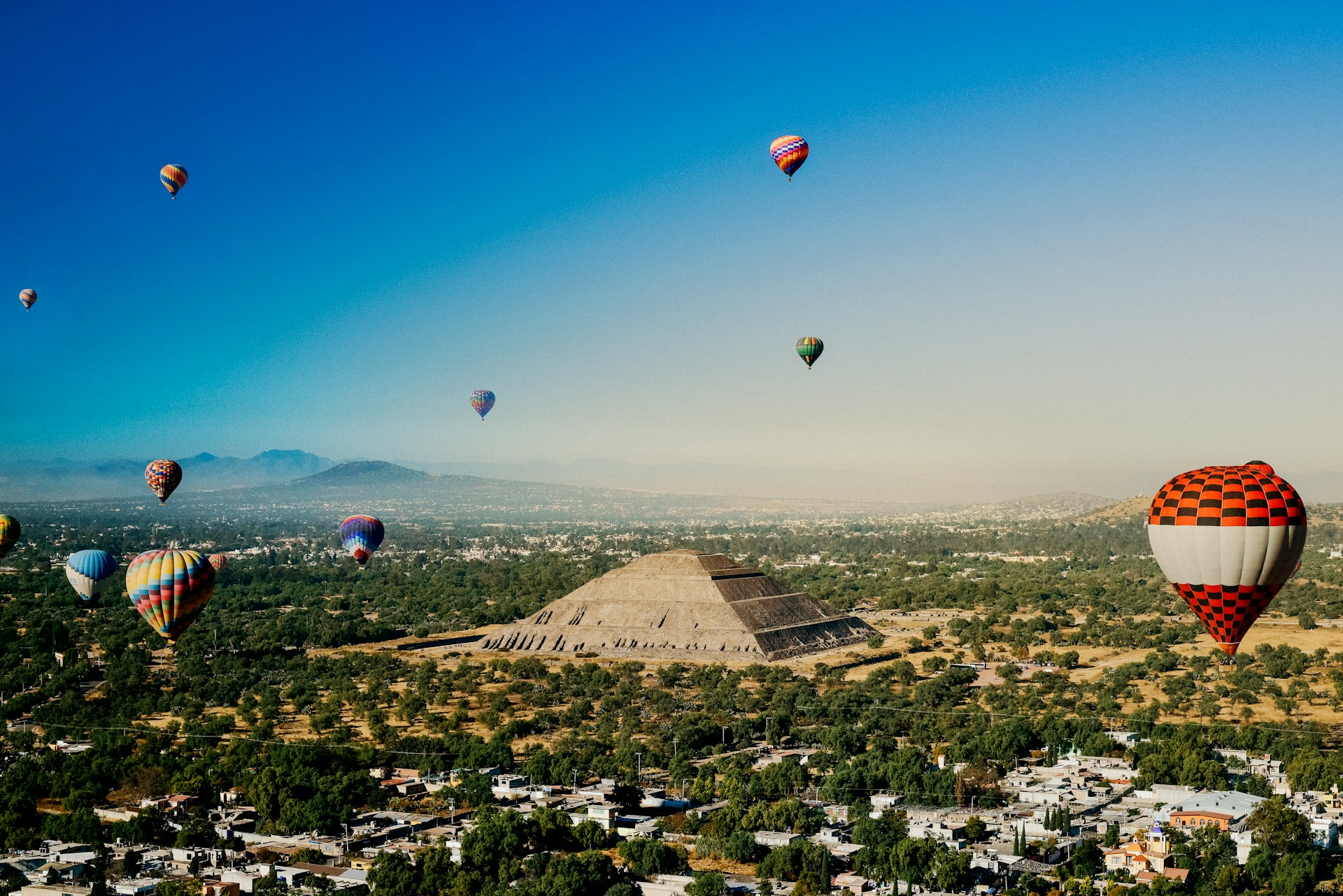
At Teotihuacan, I walk the Avenue of the Dead, sandwiched between pyramids that tower above me. The Pyramid of the Sun soars 216 feet high. History buffs, this is your playground.
Adventure moments you can expect:
- Scrambling up pyramid steps
- Ducking into underground tunnels
- Wandering through jungle-choked ruins
- Stumbling on hidden chambers
Significance of Archaeological Sites in Mexican Heritage
Mexico guards over 29,000 registered archaeological sites. Some have UNESCO World Heritage status, and honestly, it’s easy to see why.
These sites reveal how Mesoamerica’s civilizations mastered astronomy, math, and architecture—no modern tech required.
Chichen Itza? Named one of the New Seven Wonders. Monte Alban? Built on mountain tops with stunning urban planning. Palenque? The art and writing there still leave me speechless.
The government pours money into keeping these sites protected. Local communities rely on visitors like us for their livelihoods.
Mayan, Aztec, and Zapotec Legacies
Three civilizations left their mark here, each with its own style and story.
The Maya blew my mind with their calendars and eclipse predictions. At Uxmal and Coba, their ingenuity is everywhere. Calakmul’s pyramid even peeks 150 feet above the jungle.
The Aztecs ran the show in central Mexico from 1345 to 1521. Templo Mayor in Mexico City was their sacred center. They built floating gardens and sprawling temples.
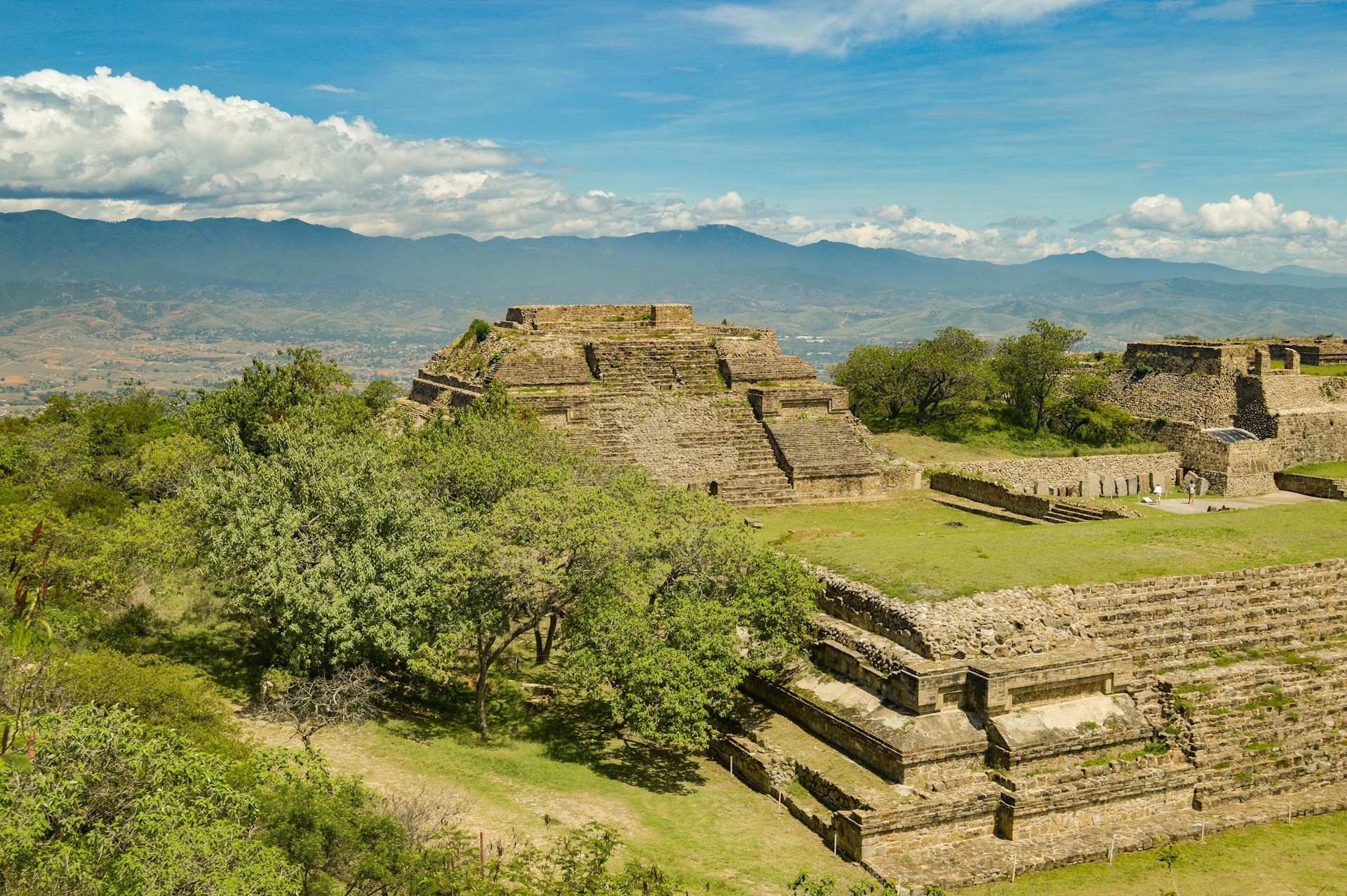
The Zapotecs thrived from 500 BC to 750 AD. Monte Alban’s terraces and hieroglyphs still stand. They controlled vital trade routes in the south.
Each group added something special—architecture, religion, art—that makes exploring Mexican ruins feel like flipping through the world’s coolest time machine.
The Mayan Marvels of the Yucatan Peninsula
The Yucatan Peninsula? It’s a goldmine for Mayan ruins. Four sites here really show off their architectural genius and deep culture. You’ll find everything from epic pyramids to ancient roadways and ceremonial structures that whisk you into another era.
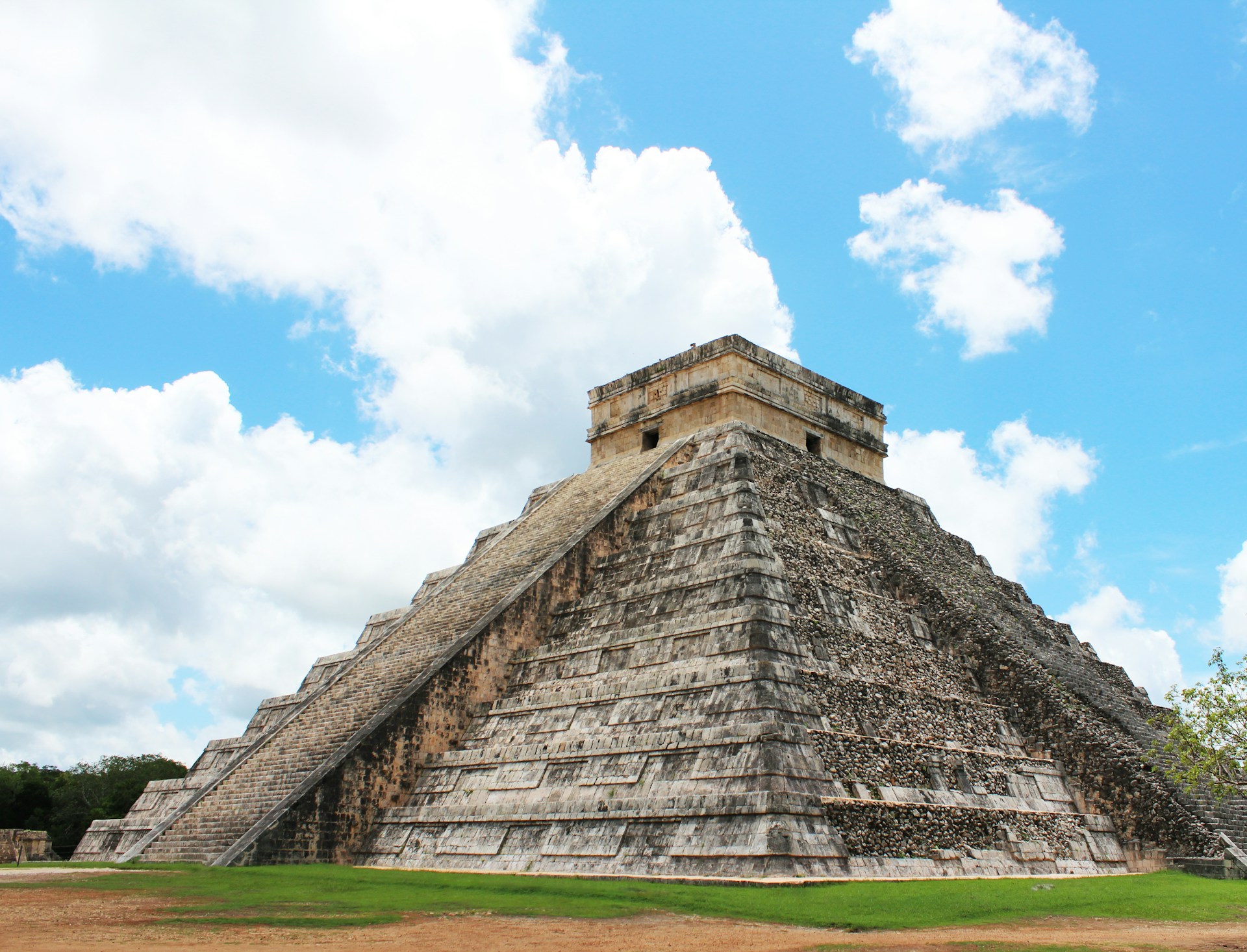
Chichen Itza: Temple of the Warriors and El Castillo
Chichen Itza tops every list, and for good reason. UNESCO calls it a World Heritage Site, and in 2007 it made the cut as one of the New Seven Wonders.
El Castillo dominates the scene, rising almost 100 feet tall. There are exactly 365 steps—one for each day of the year. This is the Temple of Kukulcan, honoring the feathered serpent god.
The Temple of the Warriors is another showstopper. About 200 carved columns stand guard, each depicting ancient warriors. At the top, a Chac Mool statue watches over everything.
The Great Ball Court? Wild. Maya athletes played pok ta pok here, aiming a rubber ball through stone rings set 21 feet up. The acoustics still work perfectly, which is kind of mind-blowing.
Quick facts:
- Spans 4 square miles
- Once home to 50,000 people
- Built between the 9th and 12th centuries
- 120 miles west of Cancun
It gets crowded, so I always aim for early morning tours. Trust me, you’ll thank yourself later.
Coba: Nohoch Mul Pyramid and Ancient Roadways
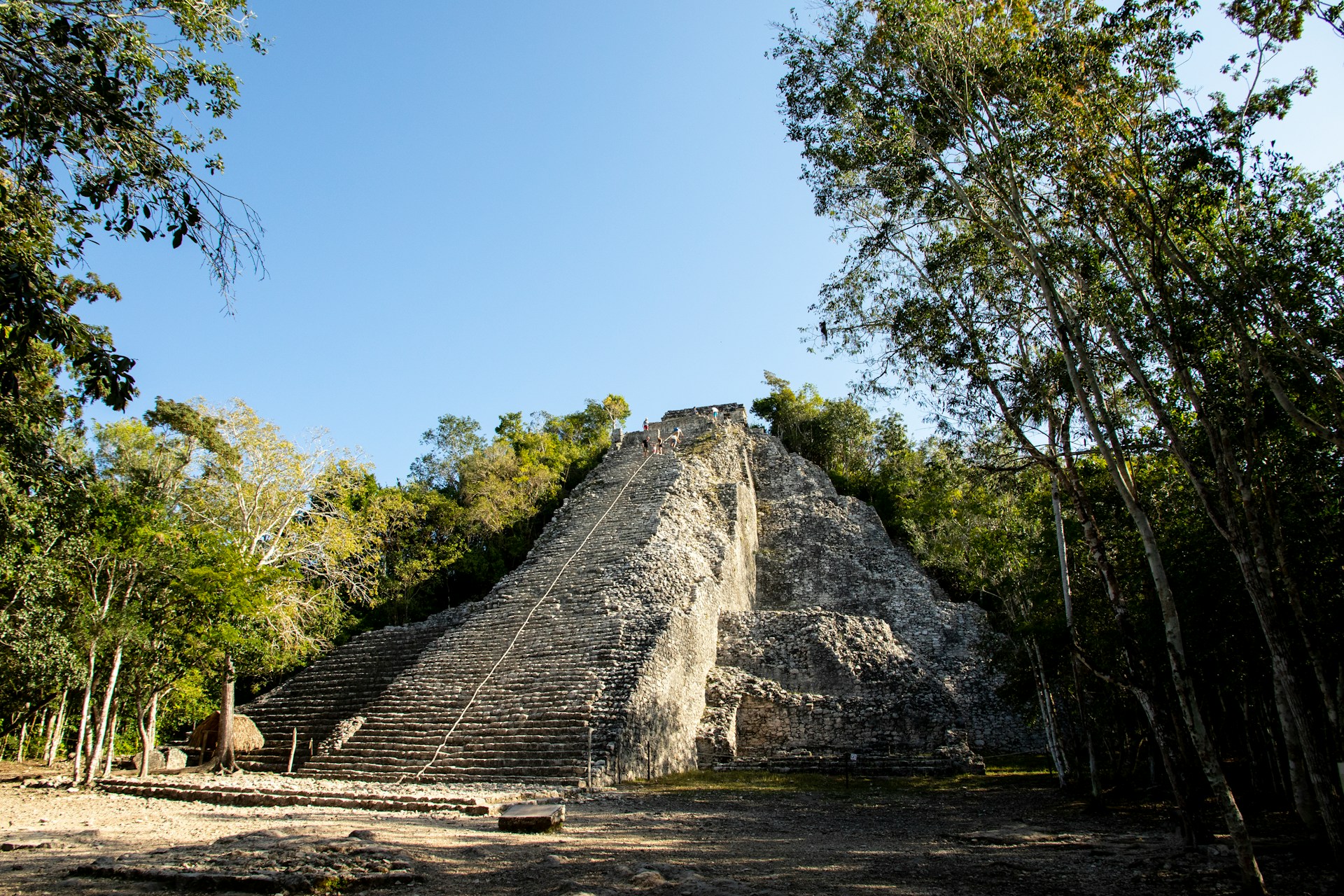
Coba feels like a real-life archaeological treasure hunt. It’s tucked deep in the jungle, near two lakes, and the sense of discovery here is unbeatable.
The Nohoch Mul Pyramid towers 138 feet—one of the tallest in the region. I climbed the 120 steep stone steps, clutching the rope for dear life, and the jungle views at the top? Worth every shaky breath.
Coba’s ancient roads, called sacbe, fan out from the city like spokes on a wheel. The longest stretches over 60 miles to Yaxuna. It’s wild to imagine people walking these paths centuries ago.
Why Coba rocks:
- You can still climb the main pyramid
- Way fewer crowds than the big-name sites
- Bike rentals make exploring fun
- Keep your eyes peeled for spider monkeys and exotic birds
The place is huge. I always rent a bike or hop in a rickshaw to save my legs.
Ek Balam: Stucco Sculptures and the Acropolis
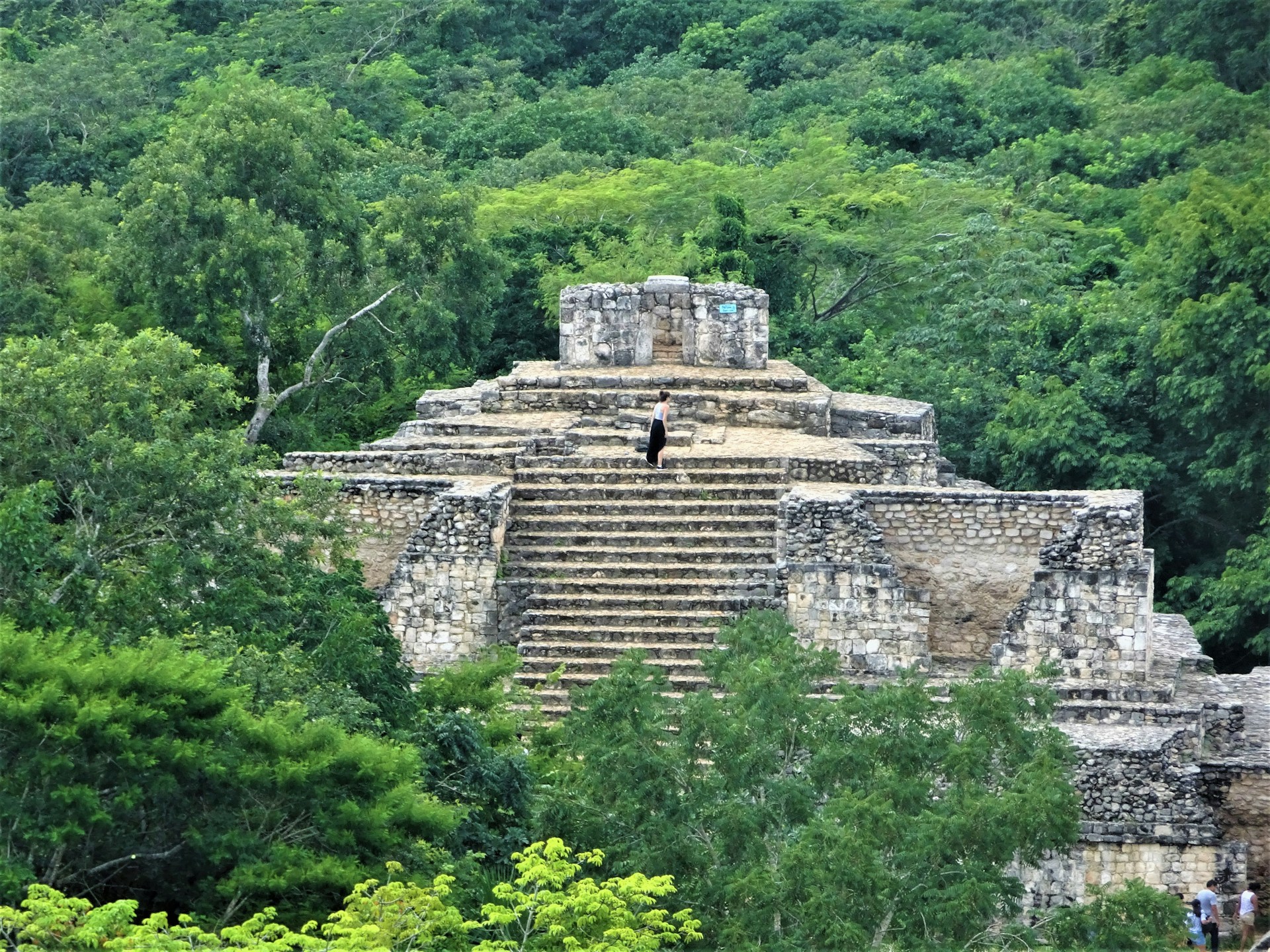
Ek Balam is a hidden gem, just 19 miles north of Valladolid. It’s not swamped by tourists, which makes wandering here feel extra special.
The stucco sculptures are jaw-dropping. The Acropolis is covered with intricate masks, figures, and mythological scenes—some of the best-preserved Mayan art I’ve seen.
You can climb the main pyramid for sweeping jungle views. Since the site’s compact, you can see a lot in just half a day.
What sets Ek Balam apart:
- Stunningly preserved stucco details
- Crowds are rare
- Climbable pyramids
- Archaeologists keep finding new stuff
“Ek Balam” means “Black Jaguar,” and the symbol pops up everywhere in the art and architecture.
Tulum: Clifftop Ruins Overlooking the Caribbean Sea
Tulum wins for best scenery, hands down. This 13th-century city perches on limestone cliffs above the turquoise Caribbean.
The clifftop castle is iconic, carved with plumed serpents and overlooking white beaches and clear water. It doubled as a lighthouse for Maya traders.
The Temple of the Frescoes still has original Mayan paintings in vivid blues, greens, and blacks. They show gods and spiritual scenes—pretty haunting, honestly.
Why Tulum is a must:
- Only coastal Mayan city
- Beach access is unbeatable
- Easy to explore on foot
- Just 80 miles south of Cancun
After I finish exploring, I always cool off in the sea below. There’s nothing like swimming in those waters after a day among ancient stones.
The old limestone wall still guards the city. Walking through it feels like stepping back into Maya civilization at its peak.

Jungle Treks and Hidden Gems Beyond the Mainstream
If you crave adventure, Mexico’s rainforests hide ancient cities where howler monkeys echo through empty temples and trees burst through palace courtyards. Getting there isn’t always easy—think boat rides and long treks—but the payoff is wild: untouched ruins and close encounters with wildlife.
Calakmul: Remote Pyramids of the Deep Jungle
Calakmul sits buried in Campeche’s Biosphere Reserve, surrounded by 1.8 million acres of thick jungle. It’s four hours from the nearest big town, so you’ll need to plan ahead.
Over 6,000 structures sprawl across 25 square miles. Most are swallowed by forest, so only the adventurous see more than the main pyramids.
Structure I towers 180 feet above the trees. I climbed the wooden stairs to the top platform and, on a clear day, caught a glimpse of Guatemala’s distant mountains.
Wildlife is everywhere. Jaguars, pumas, and more than 350 bird species outnumber tourists. Howler monkeys wake me up at dawn, their calls echoing through the cecropia trees.
You’ll need a sturdy vehicle, a full gas tank, and supplies. There’s nothing for sale inside the reserve, and park rangers close the gates at sunset.
Yaxchilan: Riverside Ruins and Ornate Reliefs
To reach Yaxchilan, you’ll take a 45-minute boat ride down the Usumacinta River from Frontera Corozal. The city sits on a bend where Mexico meets Guatemala.
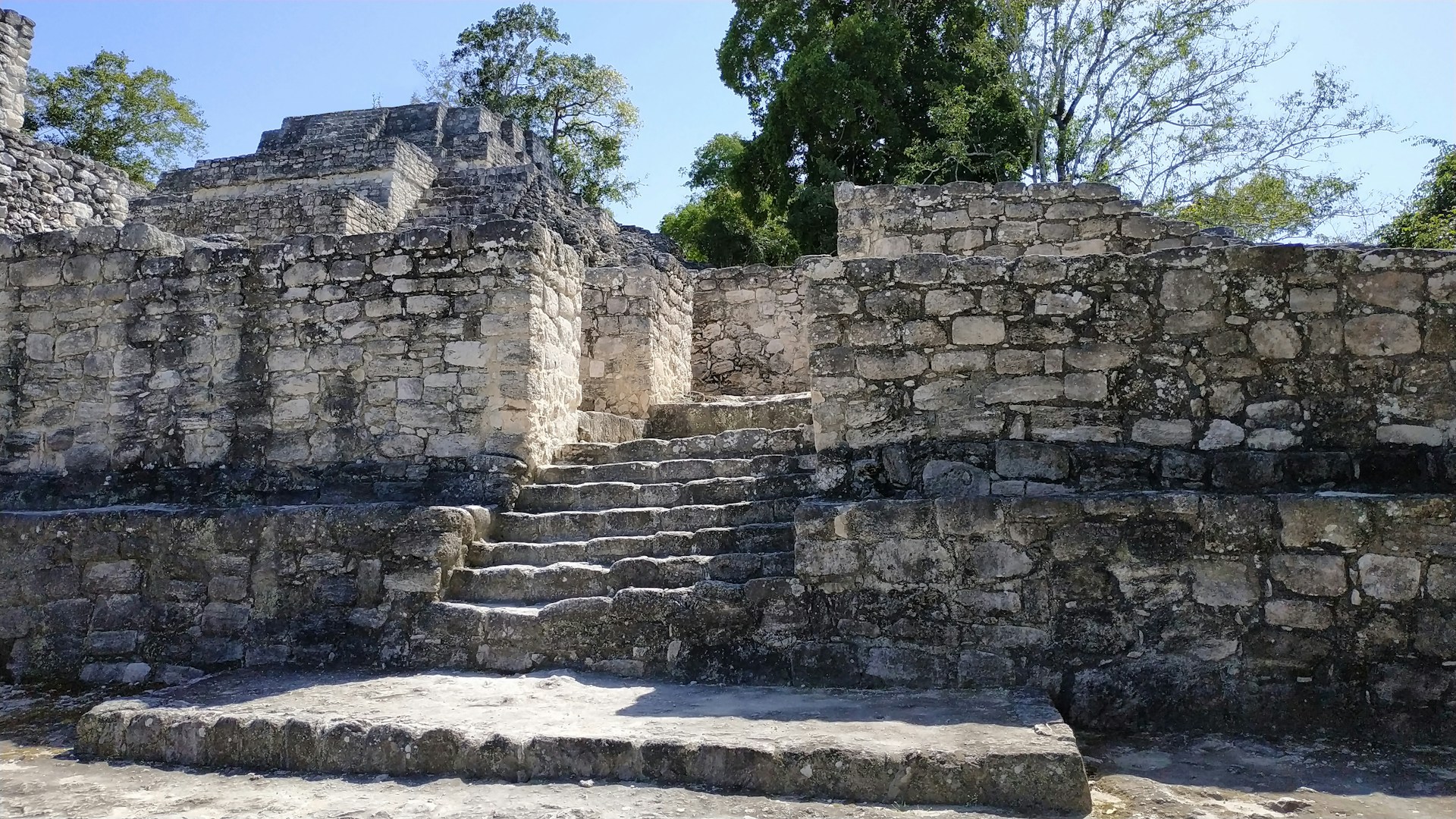
I found some of the best Maya art here, carved into limestone doorways and walls. Building 33 stands out, with elaborate reliefs showing royal bloodletting and scenes of war.
The jungle has reclaimed most of the site. Cecropia and ceiba trees rise through palace rooms, and vines dangle from temple doors.
Howler monkeys call from the riverbanks, while toucans and parrots dart overhead. The rush of water is a constant backdrop.
The boat captains know the river’s quirks—trust them, especially during dry season when the rapids get tricky.
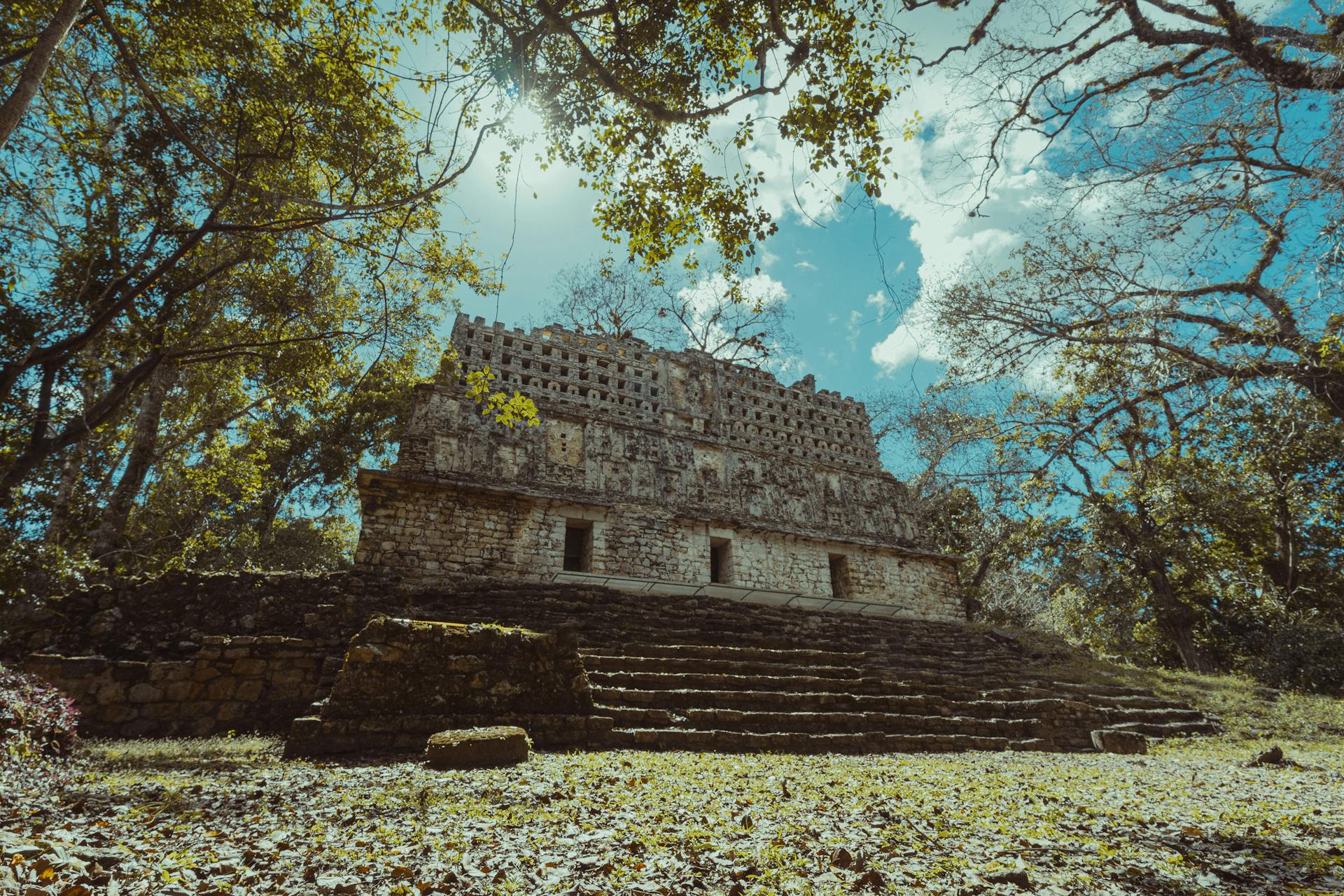
Muyil: Ancient Canals and Lagoons
Muyil is just 15 minutes south of Tulum, but hardly anyone visits. The Maya built this city along trade routes that linked cenotes to the coast.
I wandered among temples that date back 2,000 years. El Castillo stands 56 feet tall, surrounded by dense jungle.
The real fun begins at the lagoons. I hopped on a boat through narrow channels the Maya dug centuries ago. These canals still connect Muyil Lagoon to the sea.
Floating along mangrove tunnels on a wooden raft, I spotted crystal-clear cenotes along the way. The water stays cool even on the hottest days.
Local guides share how traders once moved jade, obsidian, and other goods along these waterways. Stone platforms for loading canoes still stand.

Exploring Xel-Há and Xcaret Ruins
Xel-Há and Xcaret blend ancient Maya ruins with modern water parks. Scattered throughout, you’ll find small but meaningful remnants.
At Xel-Há, temples perch right above cenotes—the Maya saw these caves as sacred gateways to the underworld. Stone platforms stretch into the lagoon, where priests once performed rituals.
Xcaret’s ruins include a small pyramid and several old homes. Walking through a Maya village replica, I learned about traditional building methods. There’s also a sacred cenote where offerings were tossed.
Swimming with history is the real draw. I snorkeled over submerged pottery in Xel-Há’s lagoon. At Xcaret, I drifted through underground rivers the Maya believed led to paradise.
It’s a bit commercial and can get crowded. I always go early to explore the ruins before the water park crowds show up.

Coastal and Lesser-Known Ruins for Intrepid Explorers
If you’re looking for something off the beaten path, Mexico’s Caribbean coast hides ruins that feel like secret movie sets. El Meco and El Rey offer dramatic ocean views and a sense of discovery you won’t get at the big sites.
El Meco: Overlooked Views near Cancun
El Meco is just 15 minutes north of Cancun’s hotel zone, but most people miss it. This compact site sits on a bluff with sweeping views of the Caribbean.
The main pyramid rises 12.5 meters and is one of the tallest on the northern Yucatan coast.
Highlights:
- Temple of the Alacran: Main pyramid with ocean views
- Palace structures: Well-preserved homes
- Clifftop setting: Stunning backdrop
I climbed to the top in late afternoon. The golden light on the turquoise water below looked straight out of a movie.
El Meco served as a trading port during the Late Classic period (600-900 CE). Ships carrying jade, obsidian, and cacao once anchored below these cliffs.
Few people visit, so I usually have the ruins to myself. It’s a quiet spot to soak in history—and those unbeatable views.
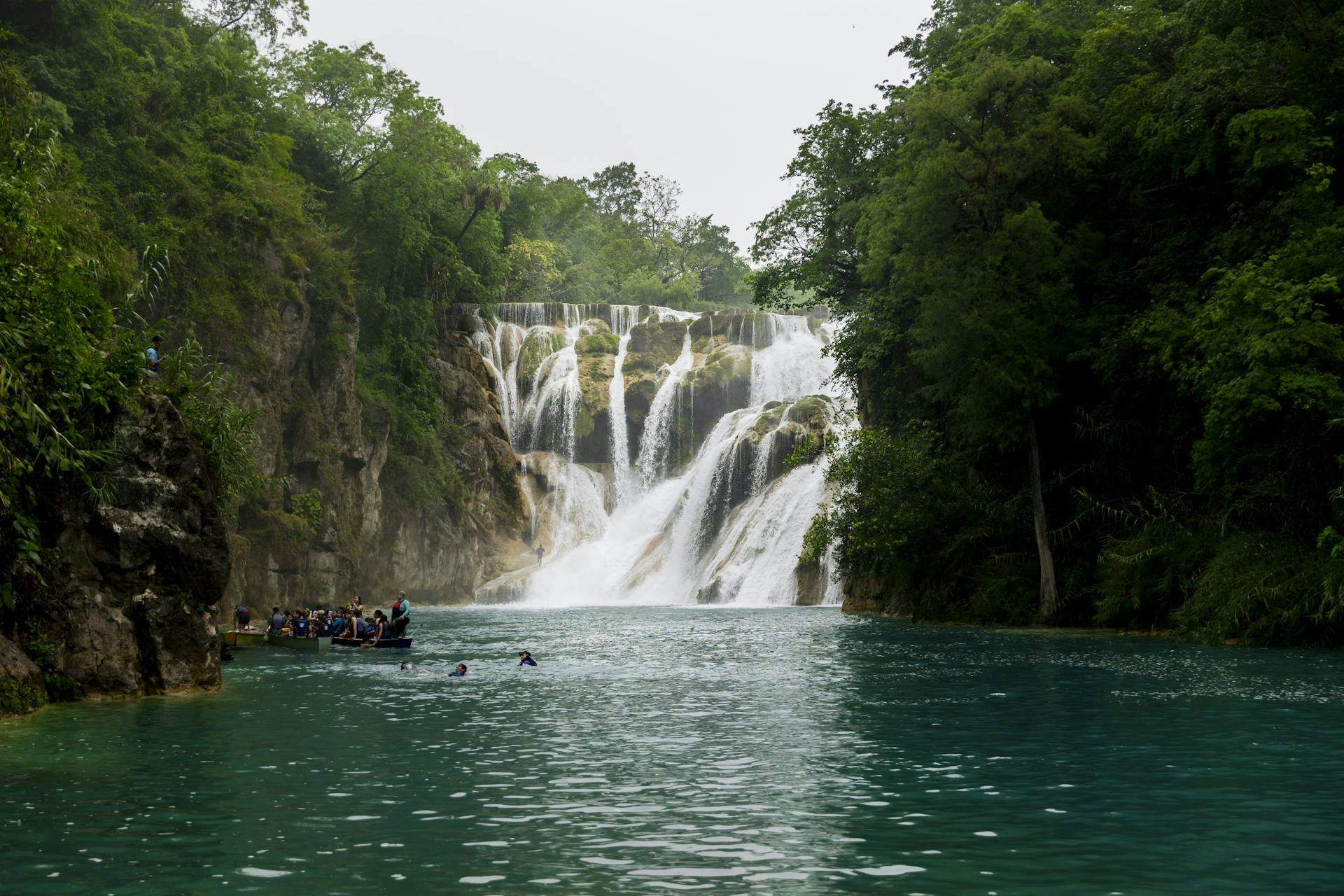
El Rey: Archaeological Zone by the Sea
El Rey hides right in Cancun’s hotel zone, just steps from the beach. I stumbled on it between glitzy resorts and the Caribbean’s breeze.
This compact spot packs 47 ancient structures into a surprisingly small area. The ruins date from 900 to 1500 CE, so history feels close here.
Notable Structures:
- Platform 2: The tallest building—17 meters high and hard to miss.
- Ball court: A playing field that’s held up through centuries.
- Temple complexes: Several ceremonial buildings, each with its own vibe.
I watched iguanas bask on sun-warmed stones, totally unfazed by visitors. There’s something wild and cinematic about that—like stumbling into an Indiana Jones set.
The ruins overlook the Nichupte Lagoon, where the Maya once fished and traveled by canoe. It’s easy to imagine ancient life unfolding right here.
“El Rey” means “The King” in Spanish. Archaeologists gave it that name after finding a carved royal figure on the site.
The ruins close at sunset. If you want golden light and a quieter visit, late afternoon is the sweet spot.
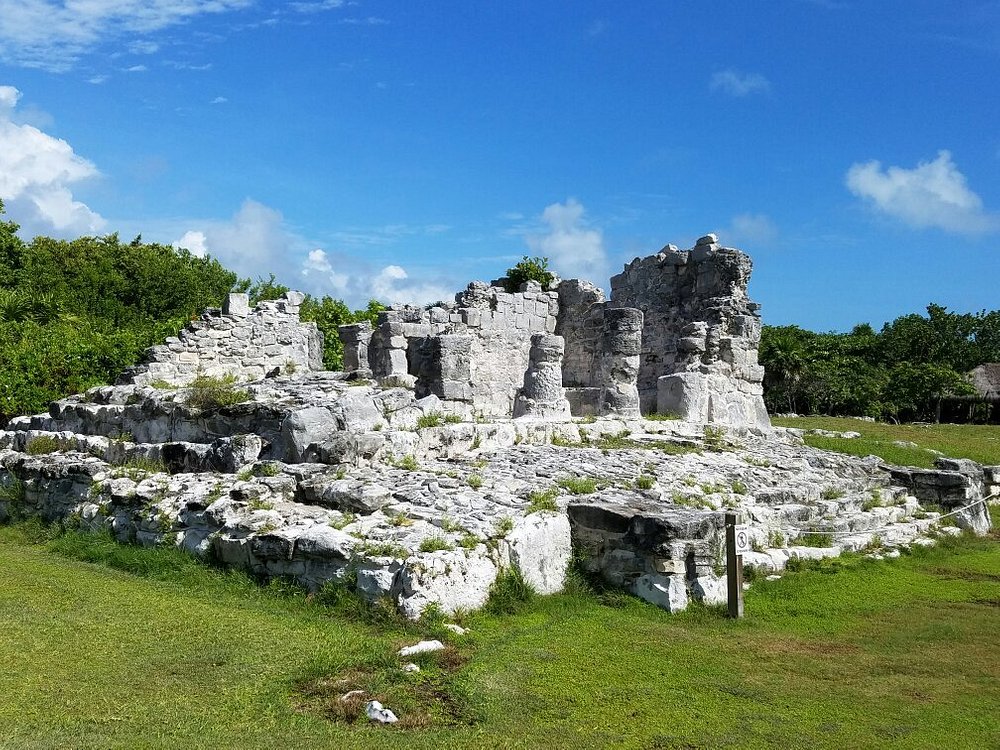
Exploring the Riviera Maya’s Diversity
The Riviera Maya stretches all the way from Cancun to Tulum, and the coastline is dotted with ruins. I’ve found dozens of small archaeological sites tucked along this route.
Many of these ruins sit practically on the sand, sometimes just steps from the waves. Their beachfront setting makes them stand out from other sites in Mexico.
Hidden Gems to Explore:
- Xcaret: A pre-Columbian port, plus cenotes for swimming.
- Xel-Ha: A natural inlet, with Maya ruins and tropical fish.
- El Meco: A fortress up north, right on the coast.
Each site tells its own story. Some were bustling ports, others were quiet fishing villages or ceremonial centers.
Jungle, ocean, and ancient stones combine for some seriously dramatic backdrops. Sometimes I wonder if filmmakers have scouted these places yet.
Local guides in Playa del Carmen run tours to the lesser-known ruins. I’ve joined trips that led me to crumbling temples hidden in the trees, far from the crowds.
Every visit brings something new—unique buildings, history, or just a view that stops you in your tracks.
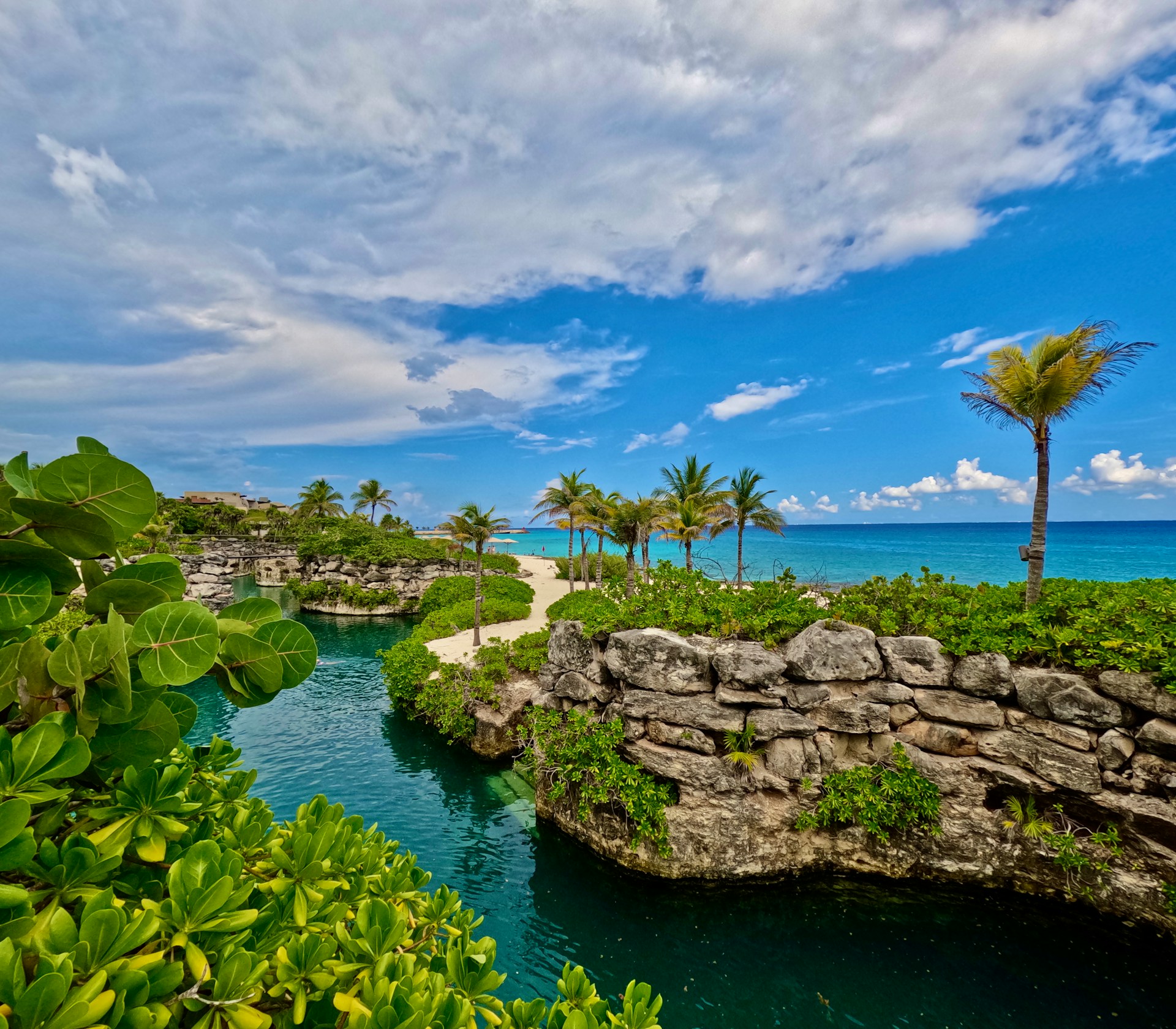
Beyond the Maya: Ancient Cities and Lost Civilizations
Mexico’s ancient wonders go way beyond the Maya world. There are pyramids that rival Egypt’s, and cities that once housed hundreds of thousands—long before Europeans even arrived.
Teotihuacan: The Pyramid of the Sun and Moon
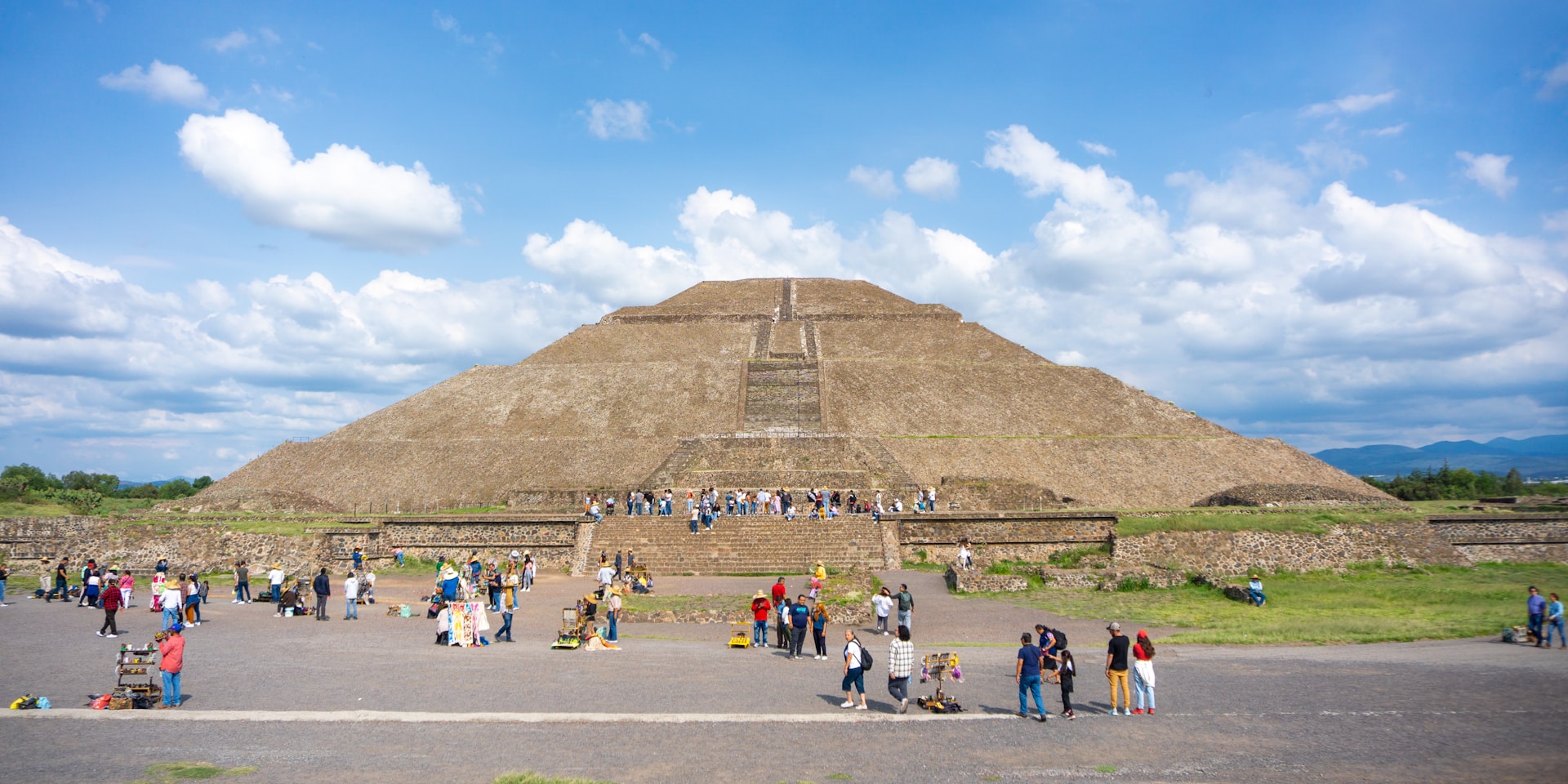
Teotihuacan absolutely blows me away every time. This massive city thrived from 100 to 650 CE, and it’s only about 30 miles northeast of Mexico City.
The Pyramid of the Sun towers 216 feet above the ground. Climbing its 248 steps is a workout, but the view from the top? Unforgettable.
The Pyramid of the Moon stands at the north end of the Avenue of the Dead. It’s a bit smaller, but since it sits on higher ground, it looks just as imposing as its neighbor.
Between the two, the Temple of Quetzalcoatl stands out with stone carvings of the feathered serpent god. Archaeologists have uncovered more than 200 sacrificed warriors beneath it.
At its peak, Teotihuacan bustled with 200,000 people. The city controlled trade routes and influenced cultures across Mesoamerica.
Monte Albán: Zapotec Cultural Center
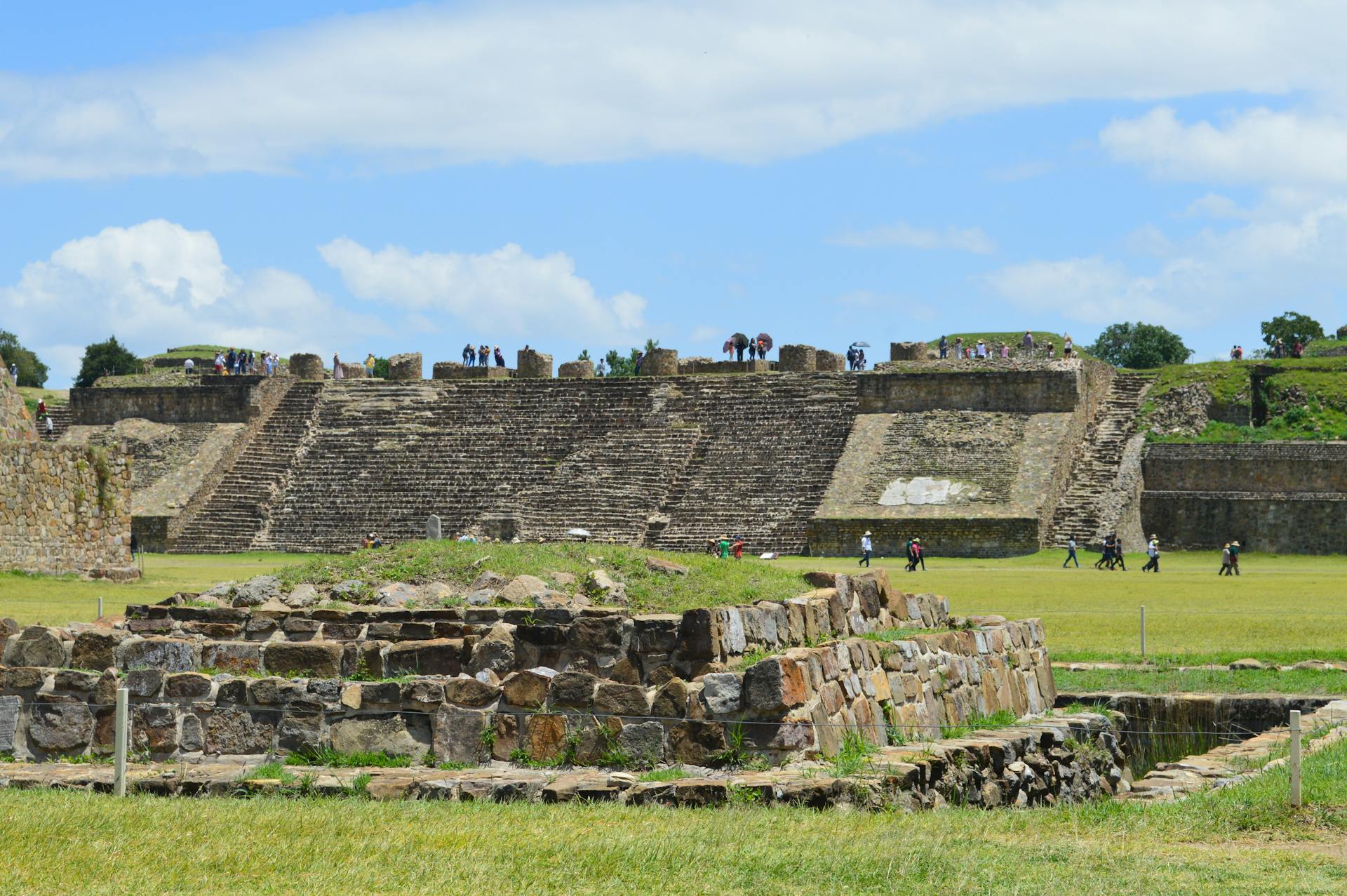
Monte Albán sits on a flattened mountain above three green valleys in Oaxaca. The Zapotecs started building here around 500 BCE, making it one of Mexico’s oldest cities.
I’m always amazed that they carved away the mountaintop to create a massive plaza—1,000 feet long and 650 feet wide.
There are over 170 tombs, many filled with gold and ceramics. Tomb 7, in particular, held one of the richest treasure hoards ever found in the Americas.
Key Monte Albán features:
- A ball court for ritual games
- An observatory aligned with the stars
- Hieroglyphs carved into stone slabs
- Terraced homes lining the hillsides
Monte Albán ruled the valleys for over a millennium. At its height, between 200 and 700 CE, about 25,000 people lived here.
Templo Mayor: Heart of Ancient Tenochtitlan
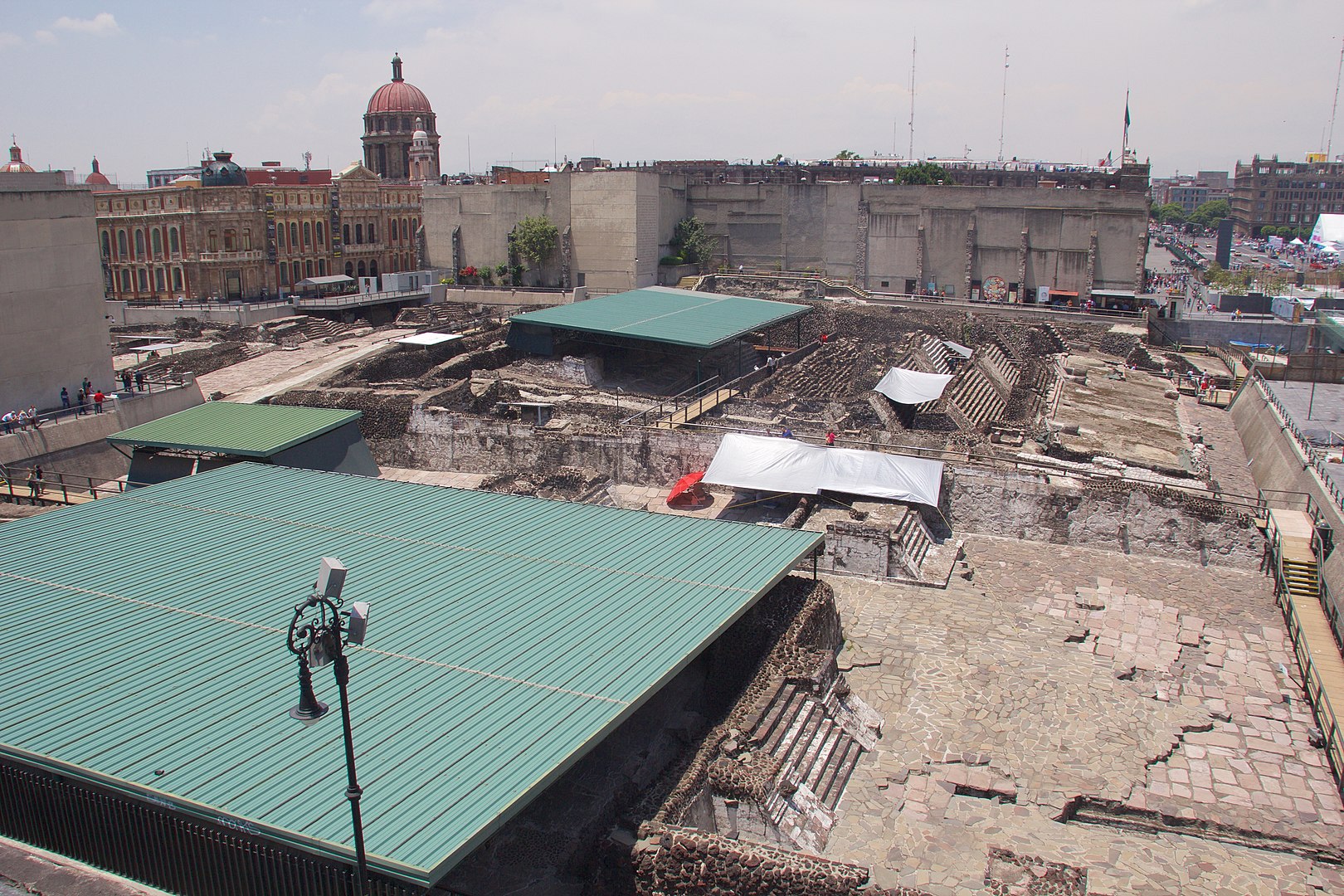
Templo Mayor once stood at the heart of Tenochtitlan, the Aztec capital. Spanish conquistadors destroyed it in 1521, but you can still visit the excavated ruins in downtown Mexico City, right beside the cathedral.
The pyramid honored two gods on twin peaks: Tlaloc, the rain god, on the blue-painted north side, and Huitzilopochtli, the war god, on the red-painted south.
The Nahua people rebuilt the temple seven times, each new layer covering the last. Archaeologists keep uncovering new secrets in these layers.
Archaeological discoveries include:
- Stone carvings of serpents and eagles
- Offerings from all over the empire
- Human skulls arranged for rituals
- Jade masks and obsidian knives
Spanish chroniclers described daily human sacrifices here. The Aztecs believed these ceremonies kept the sun moving across the sky.
Immersive Experiences and Practical Tips
Exploring Mexican ruins gets way more interesting with a good guide. Local experts share stories and tips you’d never find on your own.
Timing matters too—plan your visits for cooler months and you’ll enjoy the sites more. It’s also a great way to connect with living Mayan traditions.
Adventuring with Guided Tours and Local Experts
I always suggest booking guided tours through platforms like Viator. A great guide can turn a pile of stones into a living story.
Expert guides know the best photo spots and can explain the secrets of Mayan astronomy or architecture. They’ll also handle the details—transport, tickets, and all that.
Local Mayan guides at places like Chichen Itza or Palenque share stories passed down through generations. Their perspective brings the ruins to life.
Key benefits of guided tours:
- Skip the long lines at entrances
- Learn the story behind the stones
- Sometimes access areas off-limits to regular visitors
- Stay safe in remote locations
- Hear cultural stories straight from locals
Many tours mix ruins with adventure—think cenote swims, ATV rides, or even cooking classes with local chefs.

Connecting with Mayan Culture and Traditions
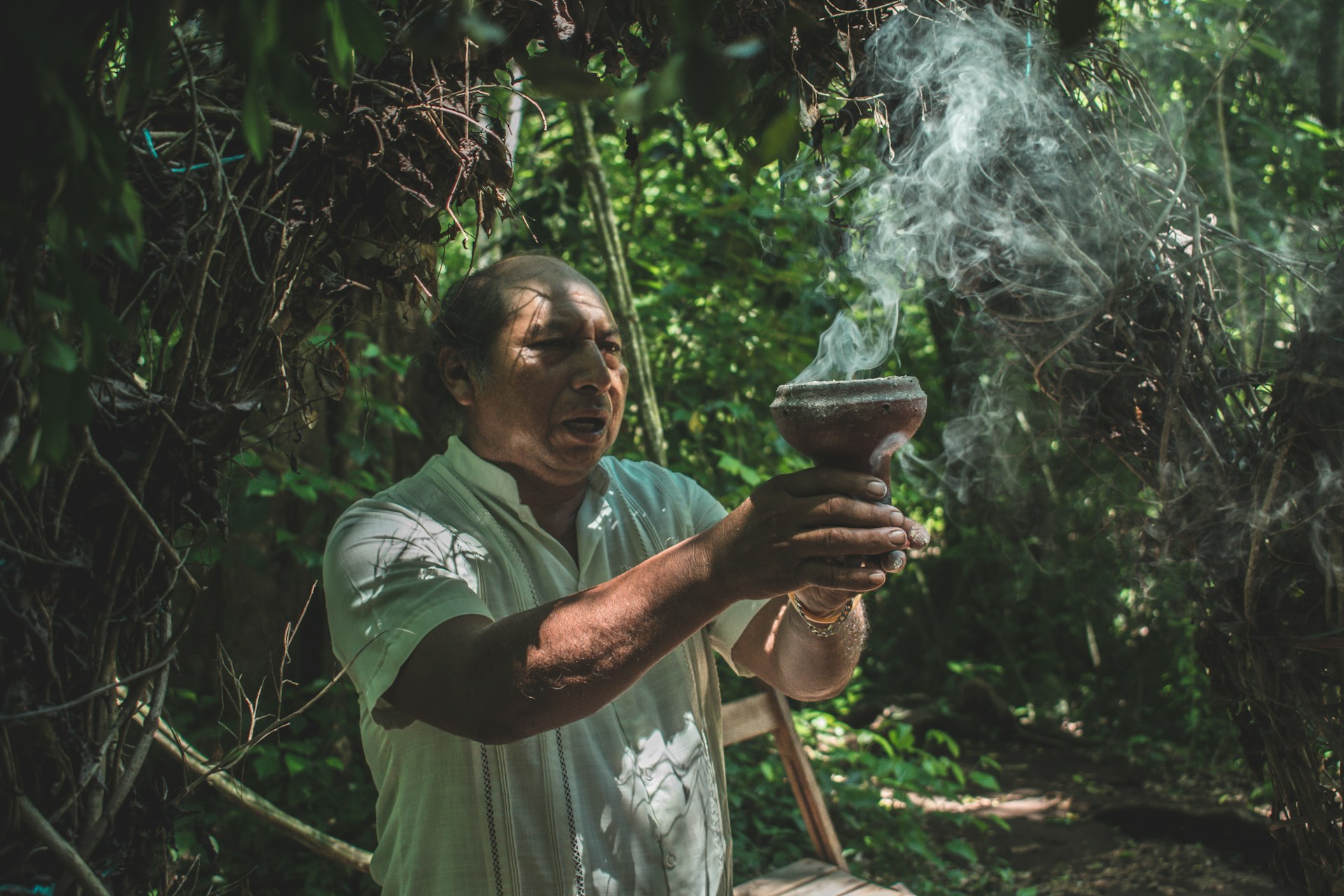
Modern Mayan communities still keep old traditions alive near the big ruins. I’d recommend dropping by local villages to watch crafts being made, taste traditional foods, or witness a ceremony.
In Mérida, you can catch cultural events or explore museums that dive into Mayan history. The city makes a great base for Yucatan adventures.
Ways to connect with Mayan culture:
- Wander local markets and sample traditional foods
- Watch a dance performance in a village square
- Learn about cacao ceremonies and their meaning
- Take a Mayan cooking class—you won’t regret it
- Shop for handmade textiles and pottery straight from the artisans
Always respect local customs. Ask before snapping photos, and buy crafts directly from the makers whenever you can.

Best Times and Routes for Visiting Multiple Sites
Honestly, if you’re planning a trip to see Mexico’s ancient ruins, try to go during the dry season—November through April. The weather feels cooler and there’s way less chance of a downpour ruining your day.
Recommended multi-site routes:
| Route | Sites | Duration |
|---|---|---|
| Yucatan Triangle | Chichen Itza, Uxmal, Coba | 3-4 days |
| Chiapas Adventure | Palenque, Yaxchilan, Bonampak | 4-5 days |
| Riviera Maya Circuit | Tulum, Coba, Chichen Itza | 2-3 days |
I always set my alarm early and hit the sites as soon as they open—usually around 8 AM. You’ll beat the crowds and avoid the worst of the heat.
If you’re heading to the Yucatan, Mérida makes a great base. For the Riviera Maya, Playa del Carmen is super convenient, with plenty of hotels and easy transportation.
I’ve found renting a car gives you the most freedom, but sometimes I just join a tour if I want to relax and not worry about logistics. By the way, Yaxchilan is only accessible by boat, which adds a bit of adventure to the trip!

