
Who says a winter road trip has to mean icy highways and white-knuckle driving? Down South, you can hit the road and soak up cool breezes, blue skies, and gorgeous scenery—no snow tires required. If you’re craving a seasonal escape that doesn’t involve shoveling your car out, these routes offer a totally different kind of winter adventure.
Honestly, the South is packed with winter road trips that let you skip the snow drama but still deliver those crisp views and cozy vibes. Think mountain panoramas, breezy coastlines, and historic highways—plus, winter means fewer crowds and weather that’s actually pleasant for pit stops and exploring.
You’ll wind through national parks, scenic byways, and charming beach towns. Some of these are perfect for a quick weekend, while others beg for a longer wander. Best part? The roads are open and safe all season, so you can just focus on the fun.
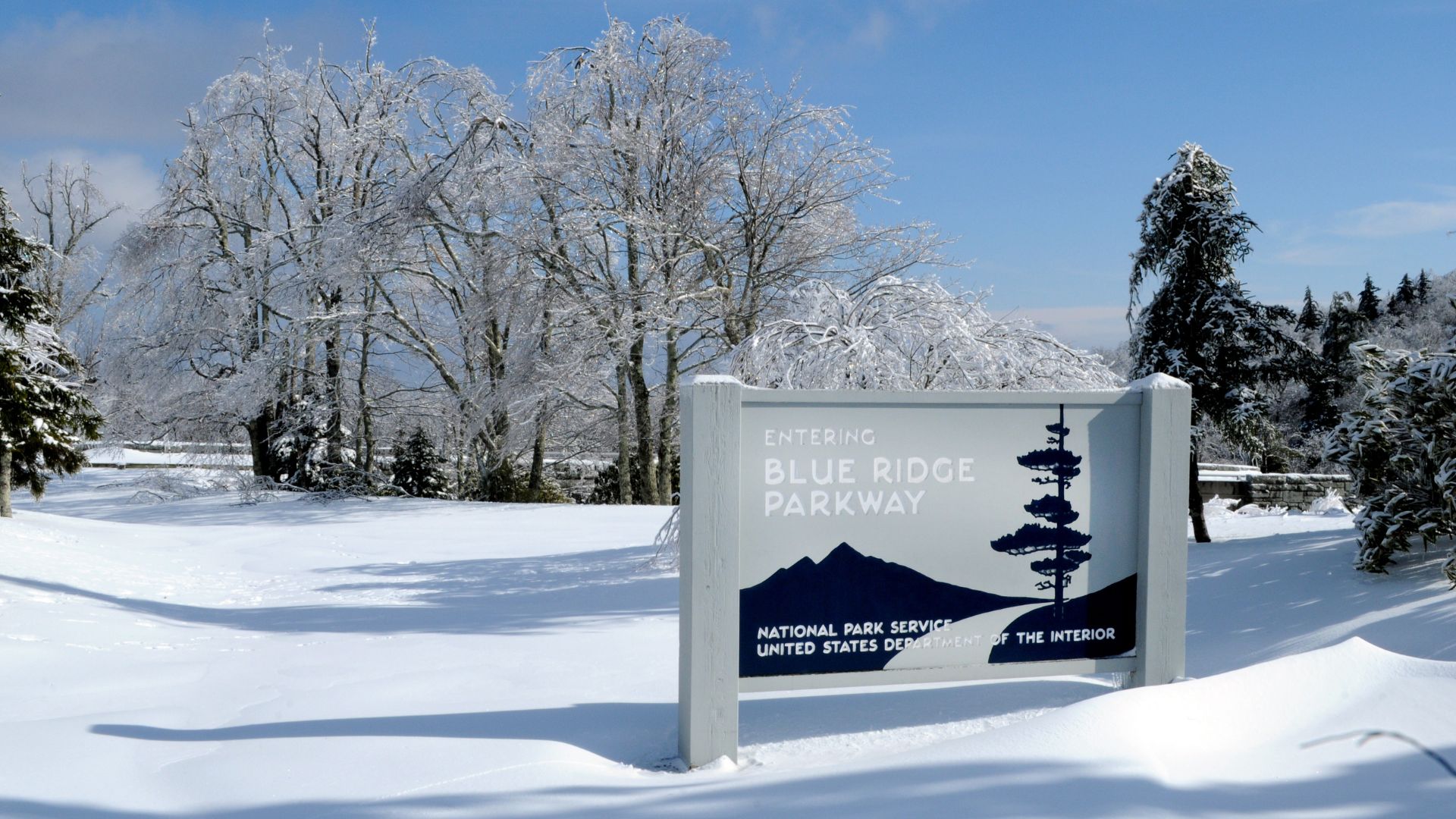
1) Blue Ridge Parkway, North Carolina and Virginia
The Blue Ridge Parkway runs 469 miles through the mountains of Virginia and North Carolina, connecting Shenandoah National Park to Great Smoky Mountains National Park. It’s this ribbon of road that follows the crest of the Blue Ridge Mountains.
Winter here is something else. You get clear, wide-open views and barely any crowds. The temperatures stay milder than up north, and at lower elevations, snow is pretty rare.
I love stopping at the historic sites and quirky landmarks along the way. The parkway crosses 29 counties and offers hundreds of overlooks—each one feels a little different, and the mountain views are always changing.
If you’re planning a winter drive, check ahead for closures at higher elevations. Sometimes ice sneaks in. But the North Carolina sections usually stay open and easy to drive.
Honestly, this road was built for slow travel. Take your time, pull over for photos, and explore the little towns along the way. It’s perfect for a multi-day trip if you’ve got the time.
2) Natchez Trace Parkway, Mississippi to Tennessee
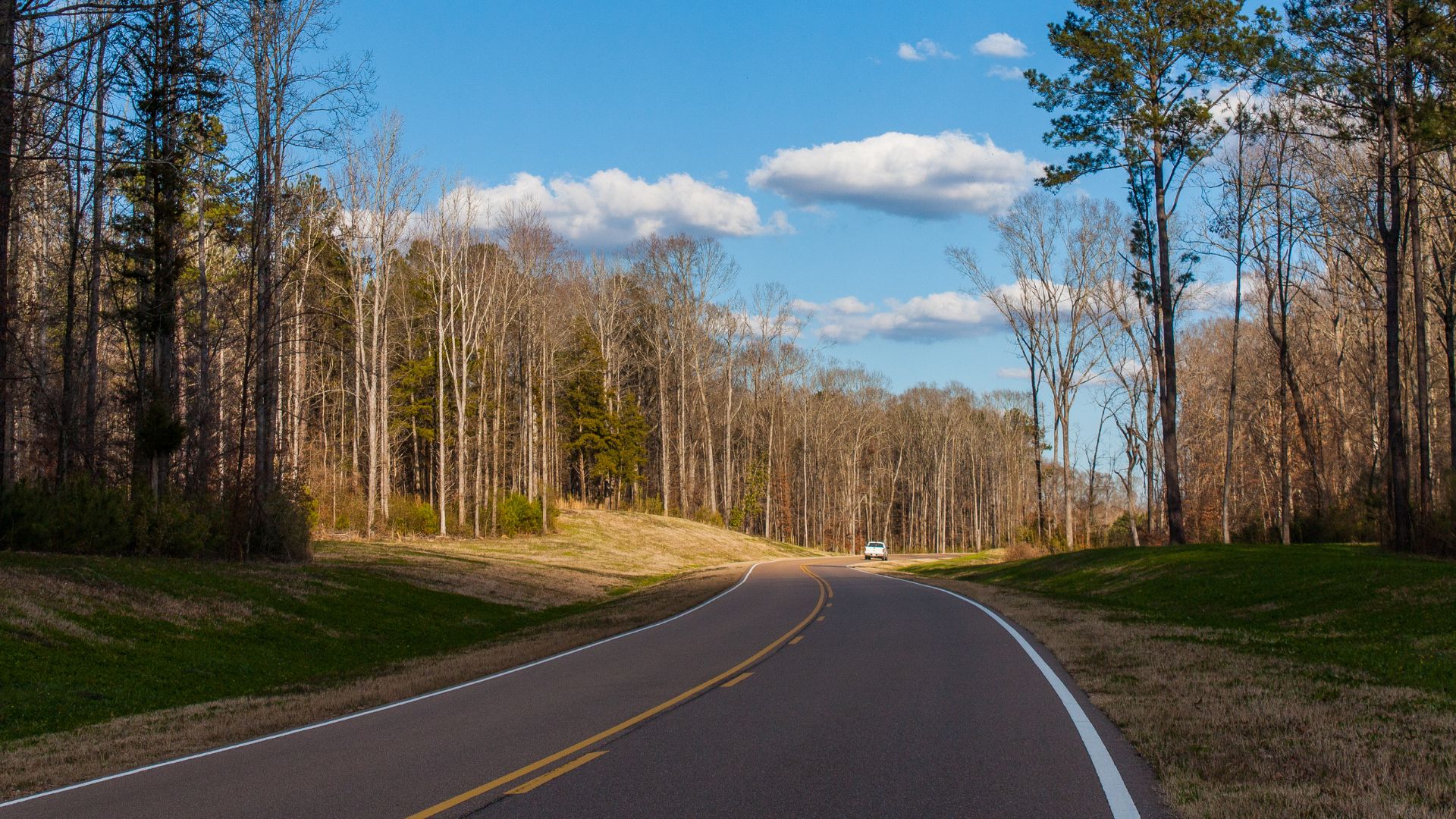
The Natchez Trace Parkway stretches 444 miles from Natchez, Mississippi, to Nashville, Tennessee, winding through Mississippi, Alabama, and Tennessee. No billboards, no trucks—just you, the road, and the scenery.
You’ll drive through rolling forests and pass historic spots. Native American mounds, old trading posts, and nature exhibits pop up along the way. The whole thing follows a path Native Americans used for thousands of years.
Winter is my favorite time to drive it. The air’s cool, the woods are quiet, and you can actually hear yourself think. Plus, hiking trails and overlooks are all yours—no summer crowds.
The National Park Service keeps the road in great shape, so it’s a smooth, relaxed drive. You could do the whole thing in a day, but honestly, why rush? Two or three days lets you really enjoy the stops.
3) Great Smoky Mountains National Park, Tennessee
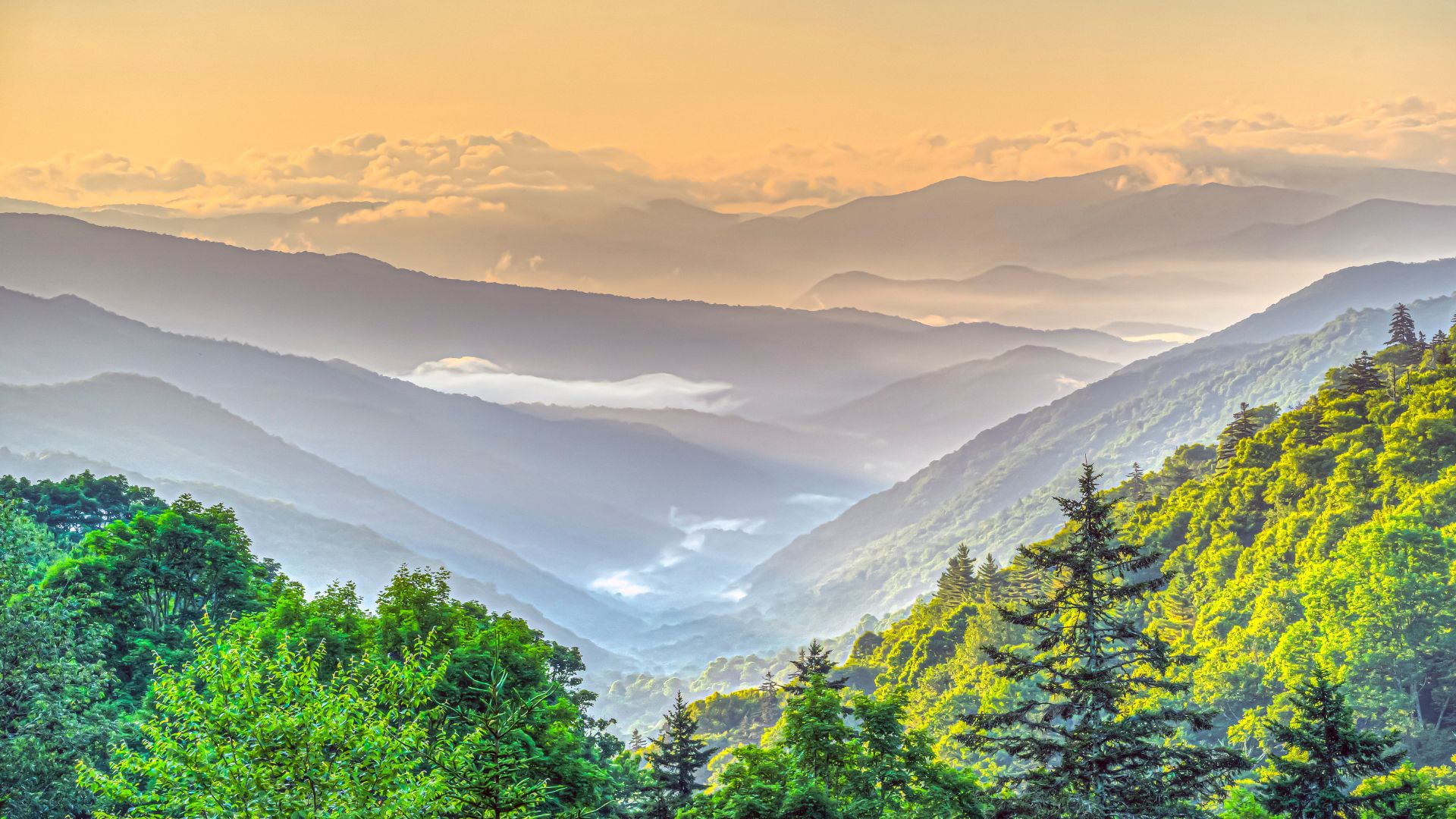
The Smokies in winter? Totally underrated. You won’t always get snow at lower elevations, but you’ll definitely get peace and quiet in America’s most-visited national park. Fewer people, more space.
Newfound Gap Road is the one to drive. It cuts through the park with big mountain views and usually stays open all year. Just double-check road conditions before you go—sometimes the higher spots get a dusting.
The leafless trees reveal mountain vistas you’ll miss in summer. The whole place feels like a retreat. The park never closes, so you can go whenever.
Bring layers, since the weather flips with elevation. Lower valleys might feel almost springlike, but the peaks can get chilly. Hiking’s a breeze without the crowds, and you might spot frozen waterfalls or even more wildlife through the bare trees.
4) Chattahoochee National Forest, Georgia
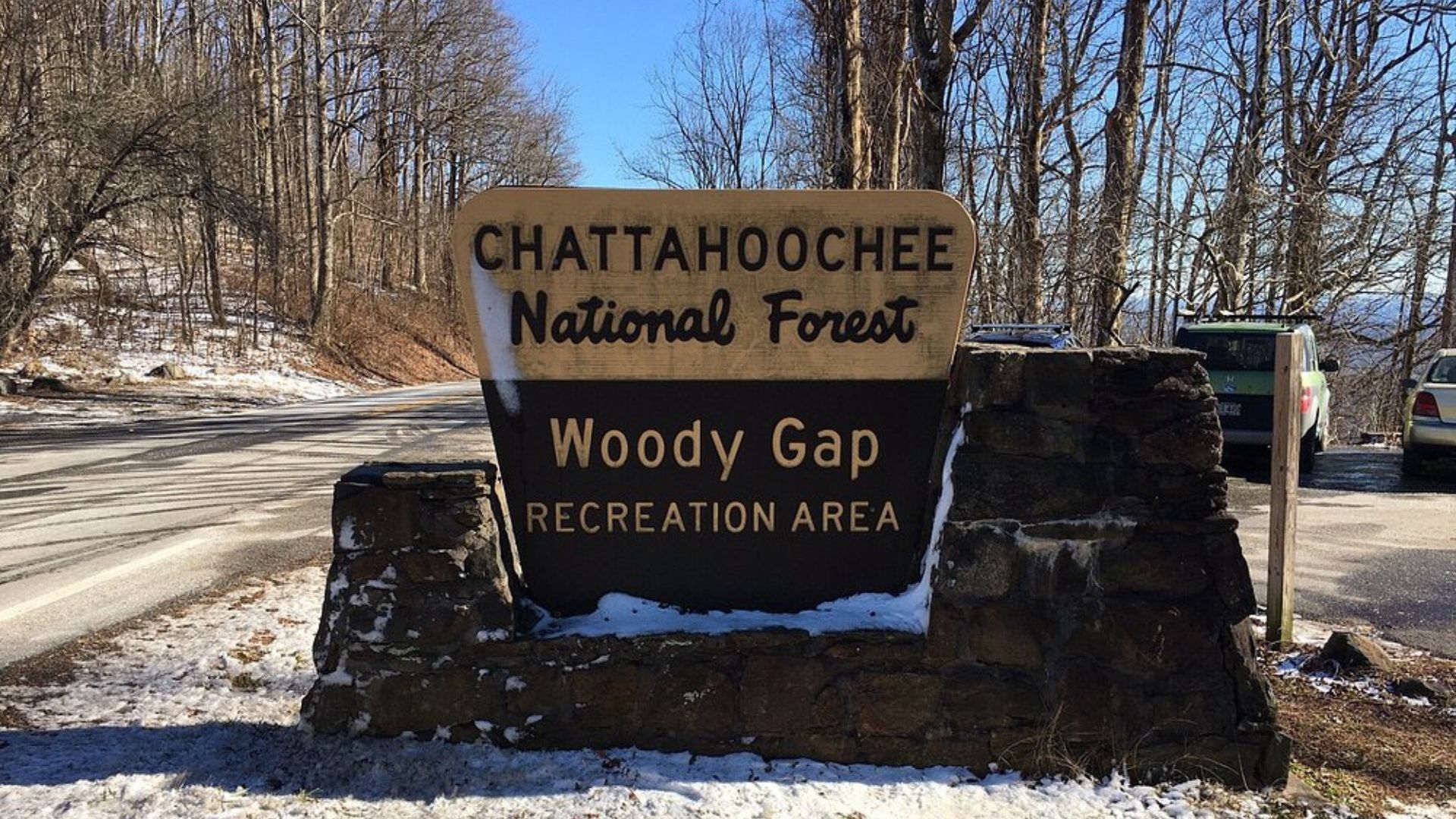
Chattahoochee National Forest is a gem for winter road trips in Georgia. No snow, no ice—just rolling hills, streams, and endless green.
The Russell-Brasstown Scenic Byway is a 41-mile loop right through the heart of it. Driving under those tree tunnels is something special, especially when the air’s crisp and cool but not freezing.
You’ve got another option: the Cohutta-Chattahoochee Scenic Byway, a 56-mile drive from Cohutta to Ellijay. It winds through small towns and even passes Prater’s Mill in Dalton—a working 1800s gristmill that’s worth a peek.
Both routes give you easy access to hiking, streams, and scenic overlooks. With less traffic and clearer views in winter, you’ll want to slow down and maybe spend a little extra time in the towns along the way.
5) Savannah Coastal Islands, Georgia
Georgia’s coast stays nice and mild all winter, which makes it perfect for a road trip. There’s about 100 miles of coastline to explore between Savannah and the barrier islands.
Start in Savannah—historic squares, Spanish moss, and winter temps in the 50s and 60s. It’s only two hours north of Florida, so you can really feel the difference.
Tybee Island is a quick hop from the city. Take a walk on the beach, snap a pic of the lighthouse, and breathe that salty air.
Head south to the Golden Isles—Jekyll, St. Simons, and the rest. You’ll find quiet beaches, nature trails, and a ton of history. If you want something wild, Cumberland Island is the place for remote beaches and wild horses.
The whole drive is doable in a few hours, but four days is better. You’ll want to linger, especially since winter means no crowds and a much more relaxed pace.
6) Charleston Historic District, South Carolina
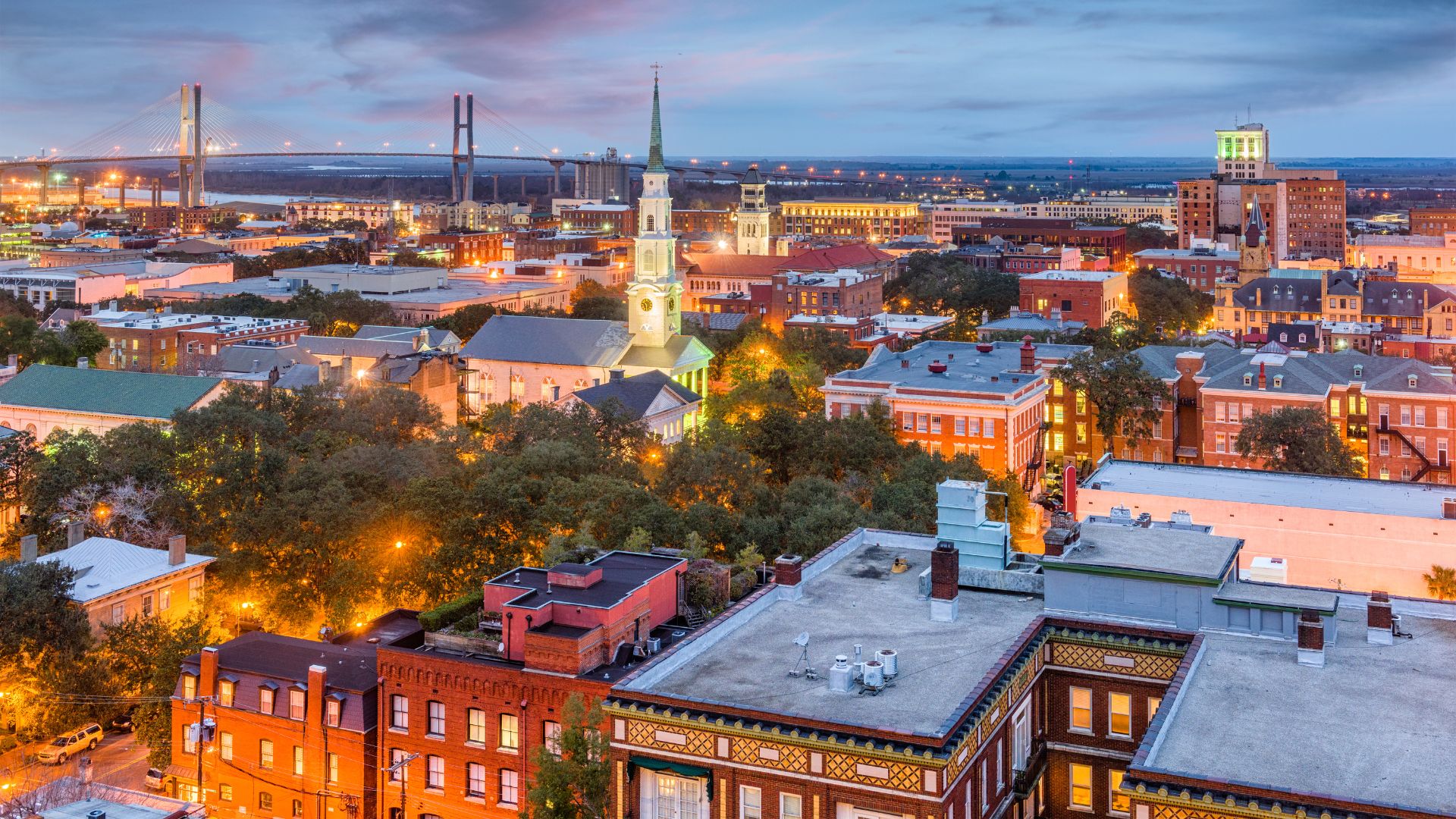
Charleston’s Historic District is a dream in winter. No snow, just cool air and way fewer tourists. Walking around is actually enjoyable without the summer heat.
The Battery is a must—waterfront views, historic mansions, and that classic Southern vibe. Wander the oak-lined streets and check out King Street for shopping and good eats.
Temperatures usually hang between 40 and 60 degrees, so a light jacket is all you need. You’ll find markets, old churches, and preserved buildings that tell the city’s story.
The historic district is compact, so you can cover a lot in one day if you want. And if you’re road-tripping from Savannah, it’s only two hours away—easy to see both cities in one trip.

7) Hilton Head Island Scenic Loop, South Carolina
Hilton Head in winter? Yes, please. The island’s scenic drives are lined with lush landscaping and the kind of natural beauty that just feels relaxing.
Take the Hilton Head Scenic Byway for 12 miles of barrier islands and waterways. There’s a network of paved paths, so you can stop, stroll, and take in the views whenever you want.
Winter here means mild weather and empty beaches. You’ll have the scenic overlooks all to yourself, and the summer crowds are long gone.
The Palmetto Bay Road area is a gateway to coastal preserves and 50 acres of natural beauty. It’s a great spot for wildlife watching or just soaking up the peace.
Driving around Hilton Head, you’ll see how local ordinances have kept the island’s natural vibe intact. It’s honestly one of the best winter escapes in the South.

8) Mobile Bay Scenic Drive, Alabama
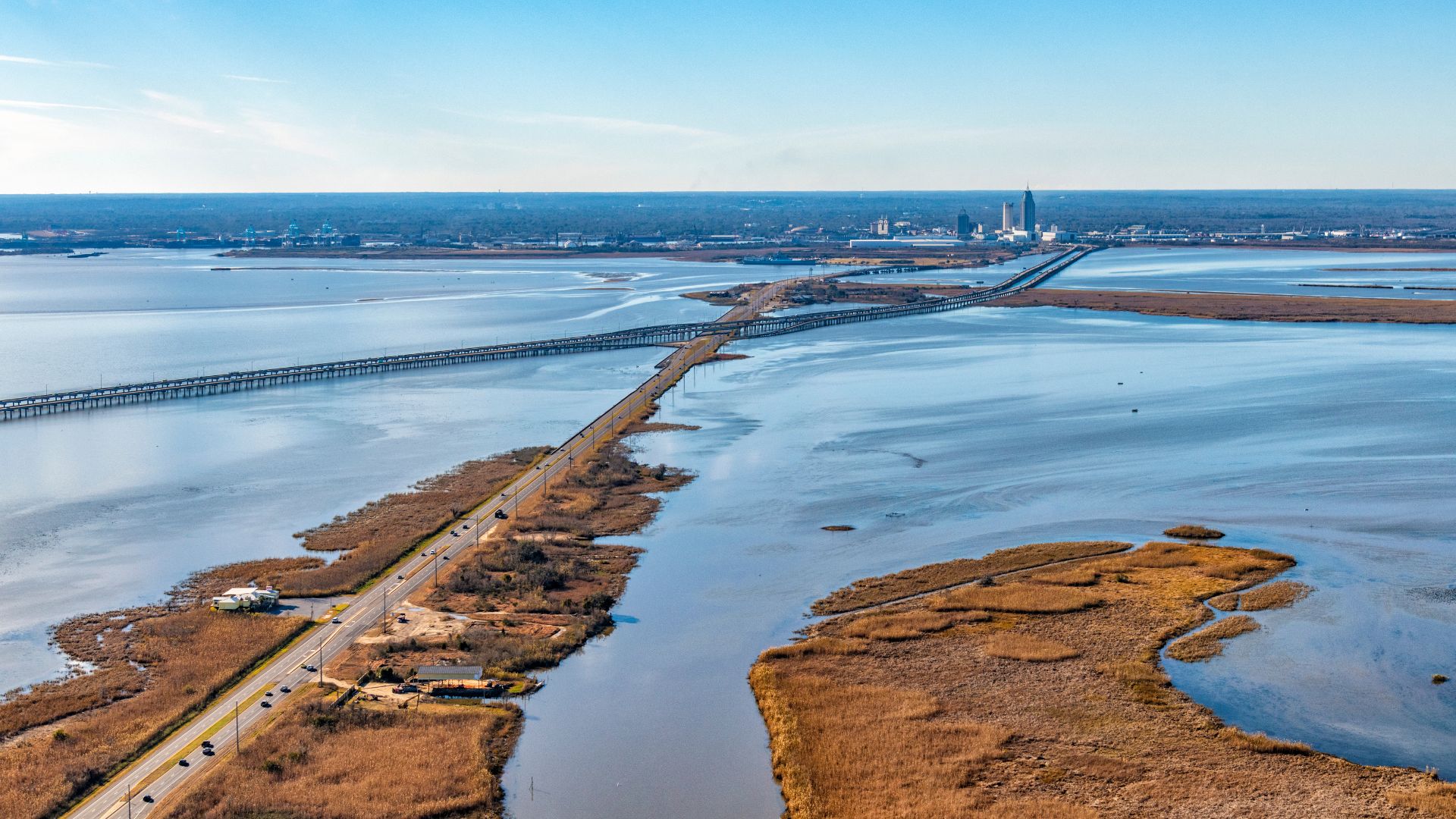
If you want something different, try the Mobile Bay Ferry crossing. It’s part of Alabama’s Coastal Connection National Scenic Byway and connects Dauphin Island with Mobile Point.
The ferry saves you a ton of driving and gives you awesome views of the bay. Keep an eye out for pelicans and other coastal birds as you cross. The trip links SR 193 at Dauphin Island with SR 180 at Mobile Point.
Winter on the Gulf Coast is mild—no snow, just cool breezes. You’ll drive through tiny fishing towns and see moss-draped trees and green marshes that last all year.
Don’t miss Fort Gaines and Fort Morgan along SR 180. These old forts have stories to tell, and the views aren’t bad either. The whole drive is a nice mix of history and natural beauty, minus the winter hassle.
9) Oconee County Scenic Byways, South Carolina
Oconee County has two scenic byways that snake through the Blue Ridge Mountains—and winter here means clear roads and stunning views.
The Oscar Wigington Scenic Byway runs 20 miles along SC 107 and SC 413 through Sumter National Forest. You’ll pass hardwood forests and catch mountain views as you wind along the two-lane road.
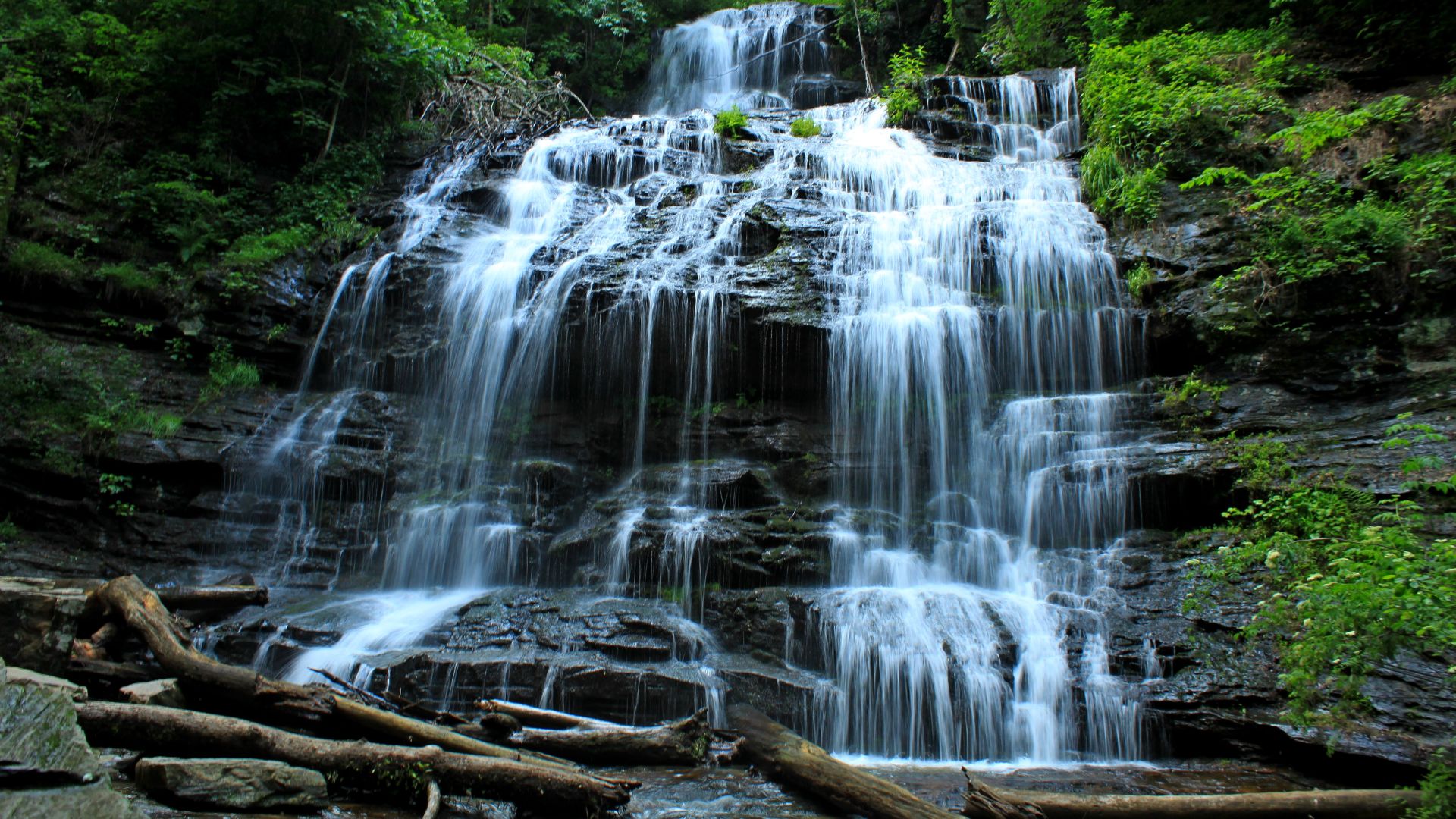
Waterfalls like Isaqueena Falls make great stops. Stumphouse Mountain Tunnel and Oconee State Park are right on the route, and the Oscar Wigington Overlook gives you a sweeping look at Lake Jocassee.
The Falling Waters Scenic Byway starts north of Walhalla and also cuts through Sumter National Forest. You’ll pass the Chattooga Fish Hatchery and lots of spots for hiking or just taking in the scenery.
Winter here is gentle. The roads stay clear, the crowds are gone, and the mountain air feels just right. Plus, there’s a dozen attractions within a short drive of these routes.
Planning a Southern Winter Road Trip
Winter road trips in the South let you ditch the heavy coat and skip icy roads, but you still need to plan ahead. Pack for temperature swings, think about your route, and look for those hidden winter gems.
Navigating Mild Winter Weather
Southern winters usually mean daytime temps between 50°F and 70°F. Mornings can start chilly, sometimes in the 30s or 40s, especially in December and January.
Weather can be a little unpredictable. One day it’s sunny and 65, the next it’s a foggy 40. Coastal spots stay warmer, but you might get a bit of humidity or fog.
Always check the forecast for your whole route, not just your destination. Every now and then, the South gets a surprise ice storm—especially in northern Alabama, Mississippi, or Louisiana. They’re rare, but when they hit, the roads can close fast.
Try to drive during daylight. Winter sunsets in the South come early—usually between 5:00 and 5:30 PM. That means a little less daylight for exploring, so plan accordingly.
Packing Essentials for Warm Climates
Forget the bulky winter coats. Instead, I always grab a few layers—short sleeves for those toasty afternoons, and something with long sleeves for when the air cools off in the morning.
Clothing must-haves:
- Light jacket or fleece (nothing too heavy)
- A pair of jeans and some comfy pants
- T-shirts plus one sweater, just in case
- Closed-toe shoes for those impromptu hikes
- Sandals—trust me, the beach will call your name
Don’t skip sunscreen. Even in winter, the sun can sneak up on you, especially near water or out in the open. I toss in a basic first aid kit, phone chargers, and a reusable water bottle—hydration is non-negotiable.
You won’t need snow boots, but a light rain jacket comes in handy. Southern winters are mostly dry, but the occasional shower likes to surprise. I always remember my prescription meds, and for long stretches between towns, a small cooler for snacks and cold drinks is a lifesaver.

Tips for Safe and Enjoyable Travel
Pad your schedule with extra time. Holiday traffic and local events can turn a three-hour drive into four—especially in December. It’s frustrating, but you’ll thank yourself later.
I like to hit the road early. More daylight means less stress and more time to explore. In rural spots, gas stations and diners can close early during winter, so plan ahead.
Download offline maps. Cell service drops off in rural Texas, Louisiana, and Florida, and it’s not fun to get lost. I keep my gas tank above half, just in case stations are few and far between on those scenic backroads.
Book your stay in advance if you’re traveling between late November and early March. Snowbirds fill up hotels, and some attractions cut their hours or close certain days. I always double-check opening times before heading out.
What to Expect on Snow-Free Routes
Southern highways stay clear and dry while the North battles ice. Daytime highs usually sit between 50-70°F, and nights rarely get close to freezing.
Seasonal Scenery and Natural Attractions
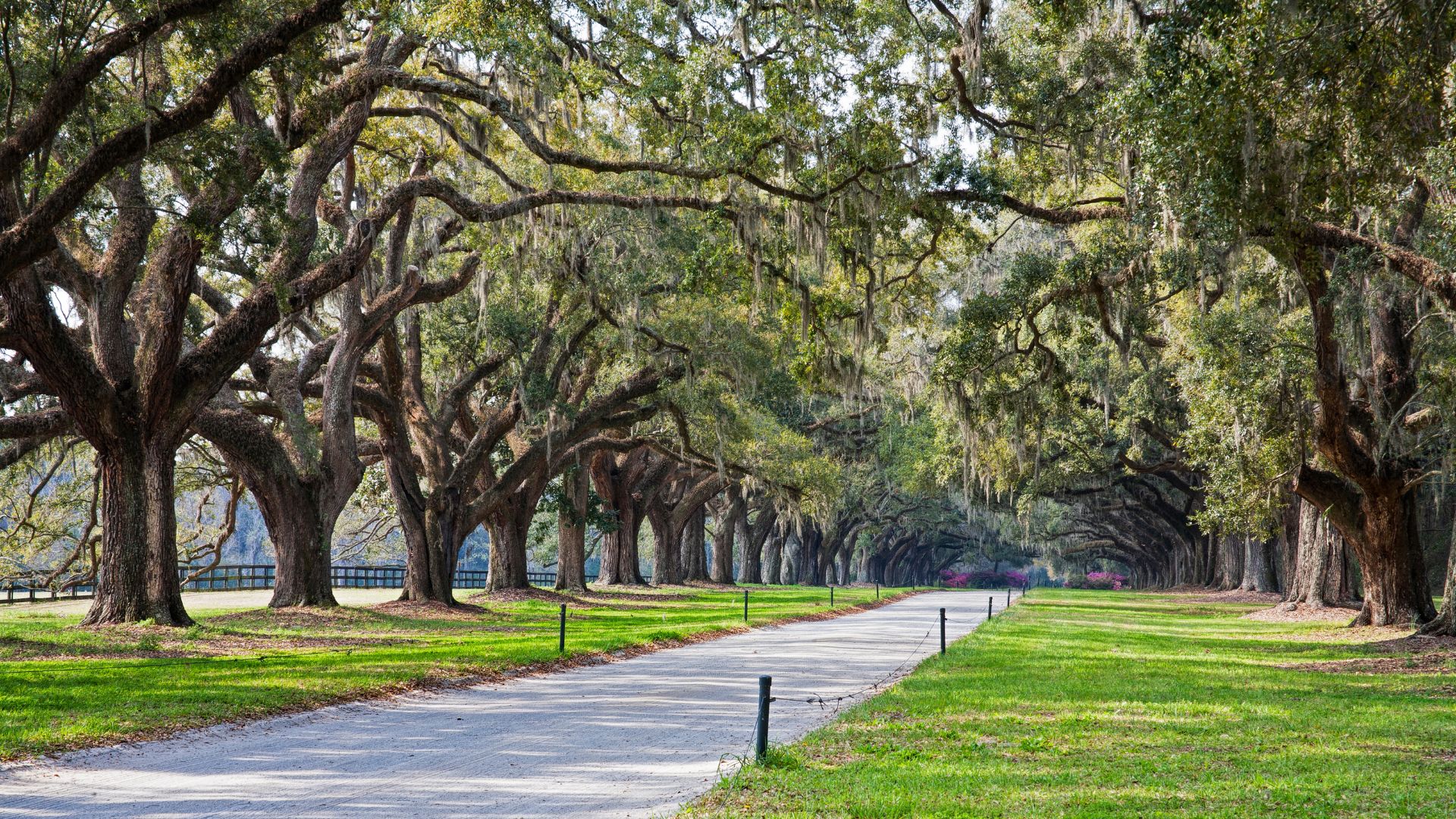
Winter in the South doesn’t mean snow drifts. Instead, I notice the oak trees draped in Spanish moss—they almost glow against the bright blue sky. Coastal marshes shift to golden brown, and with fewer leaves, spotting wildlife gets easier.
Birdwatchers, get ready. Migrating flocks stop over in wildlife refuges along the Gulf and Atlantic. Bald eagles show up in bigger numbers, and the crisp air makes mountain views in places like the Blue Ridge and Smokies extra sharp.
Parks stay open, and crowds thin out. Entrance fees sometimes drop, and you can stroll empty beaches collecting shells. After a rain, Texas and Arizona deserts surprise you with wildflowers. Swamps and bayous drop their water levels, so boardwalk trails become less muggy and more inviting.
Local Cuisine and Culture Along the Way
Southern food keeps rolling through winter. I can’t resist stopping for barbecue, fish shacks, or those classic meat-and-three diners. Off-season means fresh oysters and shrimp on the coast, often at better prices.
Winter festivals in small towns feel more local, with fewer tourists. You can wander historic plantations or Civil War sites without waiting in line. Breweries and distilleries offer tours, and with smaller crowds, the staff actually chats with you.
Roadside stands sell winter crops—collard greens, sweet potatoes, citrus. As you cross state lines, you’ll catch different accents and hear new stories. Holiday markets pop up in old town squares, and New Year’s celebrations bring out deep-rooted southern traditions.
Frequently Asked Questions
The South makes winter travel surprisingly romantic, family-friendly, and budget-friendly. You don’t need snow to find scenic drives and memorable views.
Savannah charms couples with its historic squares and coastal islands. Mild weather lets you wander mossy parks and enjoy riverfront strolls—no summer crowds in sight.
The Blue Ridge Parkway? It’s all about mountain vistas and cozy cabins. Spend your days chasing scenic overlooks and your nights by a crackling fire.
Great Smoky Mountains National Park is a classic. Easy trails and wildlife sightings keep kids happy, and the park stays open all year—no entrance fee either.
Chattahoochee National Forest has waterfalls and recreation areas perfect for families. You can explore without worrying about ice or heavy snow.
Drive the Natchez Trace Parkway for free. You’ll pass through charming historic towns, and camping or budget motels make it easy on your wallet.
Georgia’s coastal islands offer free beaches and low-cost campsites. Off-season hotel rates drop, so you can splurge on seafood instead.
Southern California isn’t really part of the South covered here. The focus stays on the southeastern U.S., which, honestly, feels like a whole different winter world than the West Coast.
Stick to lower elevations and coastal routes. The Natchez Trace Parkway and Savannah’s islands almost never see snow.
Choose routes below 3,000 feet. Southern sections of the Chattahoochee National Forest and Georgia’s coast usually stay mild and snow-free all winter.
The Blue Ridge Parkway always tops my list of America’s most scenic drives. In winter, the air feels crisp and the views stretch out for miles.
You’ll notice fewer visitors, which makes the experience even more peaceful. Just keep in mind, some sections might close if the weather gets rough.
Next up, the Natchez Trace Parkway. This 444-mile route winds through forests and passes by plenty of historical sites.
No traffic lights, no billboards—just you and the open road. It’s rare to find a drive that feels this untouched.
If you’re craving mountain scenery, head to Great Smoky Mountains National Park. The Cades Cove Loop is a favorite—an 11-mile route that’s packed with mountain views.
Along the way, you might spot deer or even wild turkeys. There’s something magical about seeing wildlife against a snowy backdrop.